
Solo Rider Joining a Spiti Bike Group in 2026: What to Check Before Paying
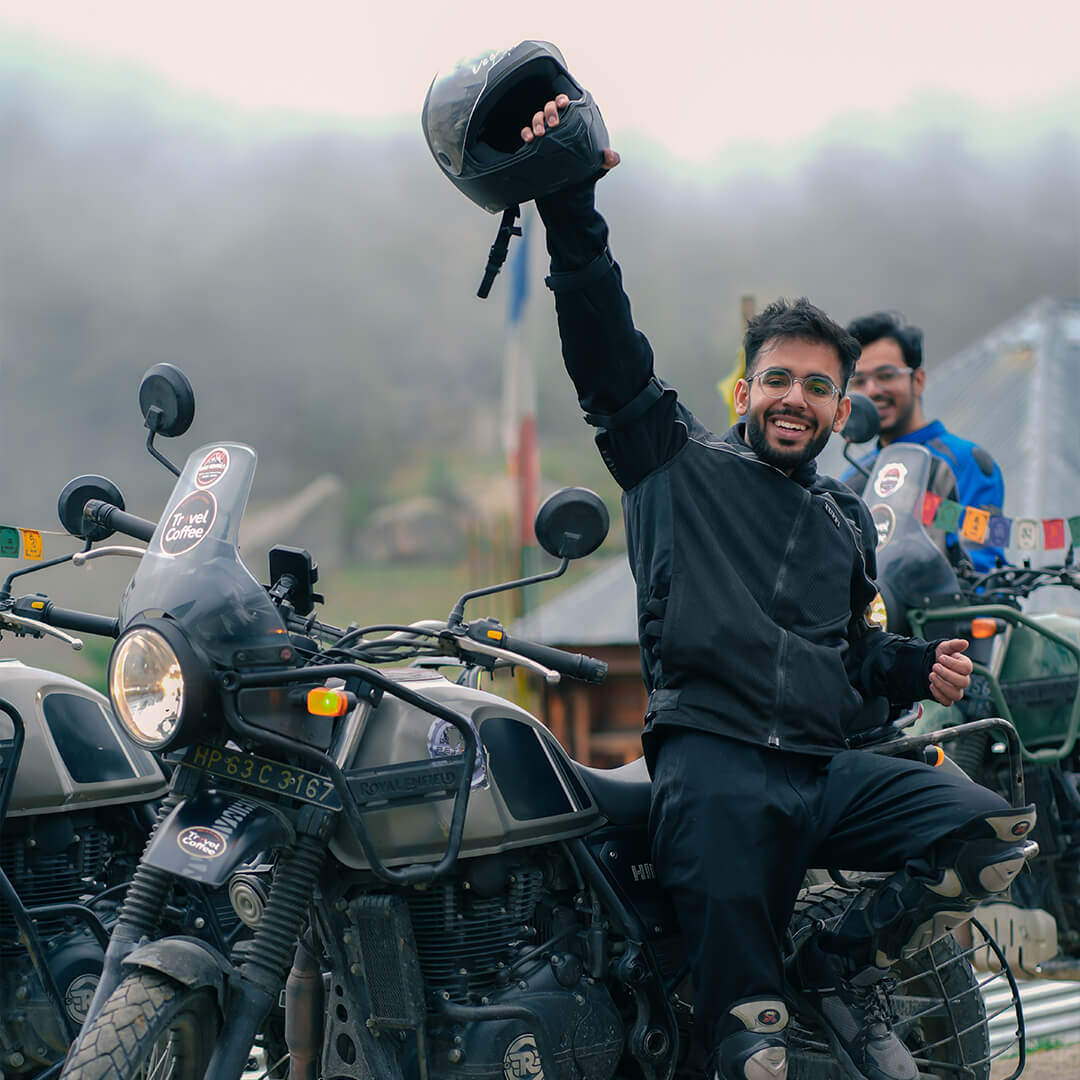
You found a Spiti bike trip on Instagram. The photos look insane. The price seems decent. The caption says "2 seats left." Your finger hovers over the payment link.
Stop right there.
Every season, we hear from riders who paid for a Spiti bike group trip and regretted it within two days. Wrong bike. No mechanic. Security deposit gone. Room sharing with four strangers. Backup vehicle that only showed up on flat roads.
A solo rider joining a Spiti bike group needs to ask hard questions before sending money, because once you are on a broken road past Lossar with a rattling engine and no support vehicle in sight, your payment receipt will not help you.
This guide by Travel Coffee is everything we wish someone had told those riders before they paid.
Quick Answer: What Should a Solo Rider Check Before Paying for a Spiti Bike Group?
Before you transfer a single rupee, confirm these things in writing
The operator's registered company name, a written itinerary with day-by-day route, exact bike model, fuel inclusion, security deposit amount and refund terms, cancellation and refund policy, backup vehicle availability, road captain and mechanic details, oxygen and first aid, room sharing arrangement, permit handling, and what happens if a road closes mid-trip.
Get every answer on WhatsApp or email. Not on a phone call. Not as a verbal promise.
A cheap package is not always a safe package in Spiti. At 12,000 to 15,000 feet, on roads that can break a bike and test your body, the difference between a ₹23,000 trip and a ₹28,000 trip might be a mechanic, a backup vehicle, and the oxygen cylinder that saves your day at Kunzum Pass.
Is Joining a Spiti Bike Group a Good Idea for Solo Riders?
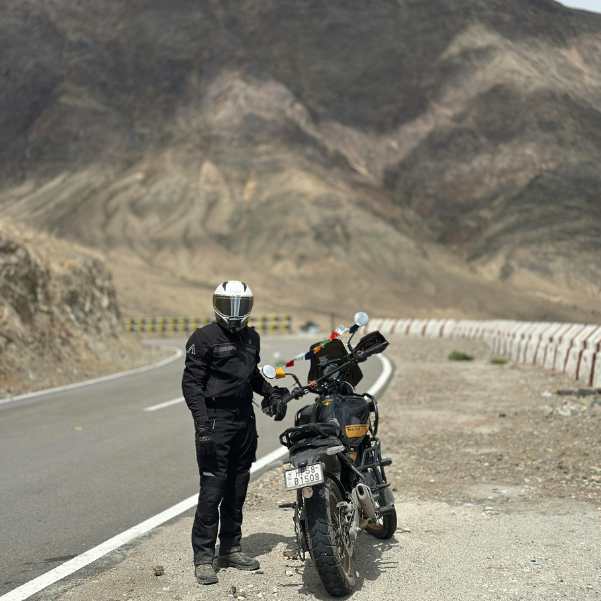
Yes, and for most first-timers, it is the smartest way to do Spiti on a bike.
Here is what a group gives you that solo riding does not
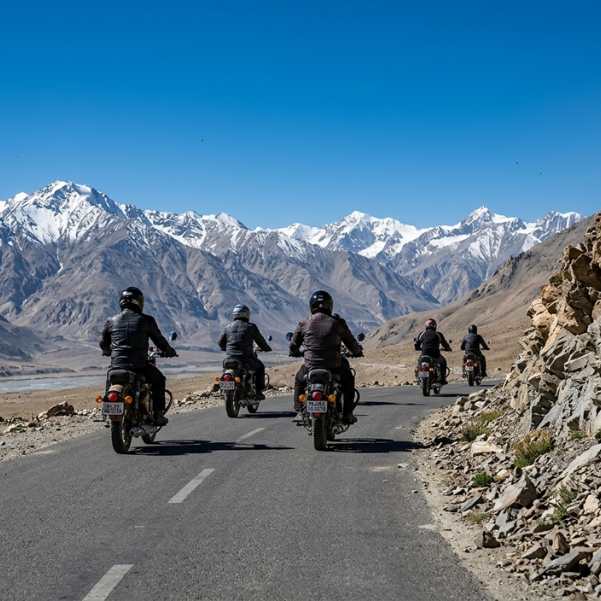
A planned route with confirmed stays, a road captain who knows the passes, a mechanic who can fix a clutch cable at Batal, a backup vehicle for your luggage and for you if your body gives out at altitude, and other riders who share the fuel, the laughs, and the cold.
In our experience running Spiti trips over multiple seasons, solo riders who join groups have a significantly better time than solo riders who wing it, especially on their first attempt.
The roads between Gramphoo and Batal will humble even confident riders. Having someone ahead who knows where the water crossings get deep and where the gravel turns loose makes a real difference.
Group riding is also the only practical way to get reliable stays in remote stretches. Our team pre-books campsites and homestays months in advance because showing up in Kaza or Losar during peak season with no reservation is a gamble you do not want to take.
That said, group riding is not for everyone. If you want to stop wherever you feel like, ride at your own pace with zero convoy discipline, and skip planned halts for random chai breaks, a group will frustrate you.
Groups work on a shared schedule. If that does not suit your riding style, a self-planned trip with our Spiti Valley Bike tour packages might be a better fit.
What Should You Check About the Tour Operator Before Paying?
This is where most solo riders slip up. They find a trip on social media, see a cool reel, and pay without checking who they are actually paying.
Ask for the company's registered name. Ask for their GST number if they have one. Ask for a payment link or bank account that matches the company name, not someone's personal account. Ask for a written itinerary, a written cancellation policy, and a payment receipt.
What most solo riders get wrong is trusting urgency. "Only 2 spots left, pay now" is the oldest trick in the booking game. A real operator will not lose your seat because you took 24 hours to read the terms. If asking basic questions makes them defensive, that tells you everything.
Red flags to watch for
No written itinerary before payment, vague inclusions like "everything covered," no cancellation or refund policy, no trip captain name or contact, no clarity on which route will actually be taken, payment only to a personal UPI or bank account with no company name, and zero flexibility on what happens if the road closes.
What Inclusions Must Be Written Clearly?
"All inclusive" is the most dangerous phrase in Spiti bike trip marketing. It sounds complete. It means nothing unless every single item is listed.
A properly written inclusion list should cover the bike model, fuel as per itinerary, accommodation with sharing type, breakfast and dinner, helmet, basic riding gear if provided, road captain, mechanic, backup vehicle, oxygen cylinder, first aid kit, permits, and luggage support.
Now here is what is commonly excluded and rarely mentioned upfront: lunch, GST, travel insurance, medical evacuation, monument and monastery entry fees, spare parts and tyre replacement costs, damage charges beyond the security deposit, extra fuel for unplanned detours, and costs caused by road closures or landslides.
Our tip
Ask the operator to send you two lists. What is included? What is not. If they cannot clearly separate the two, they have not thought their trip through.
What Bike Details Should a Solo Rider Confirm?
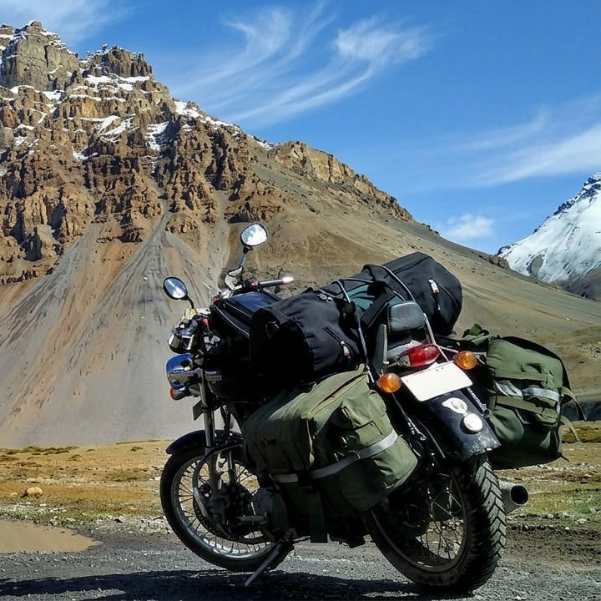
The bike you ride across Spiti matters more than the hotel you sleep in. Confirm the exact model before payment.
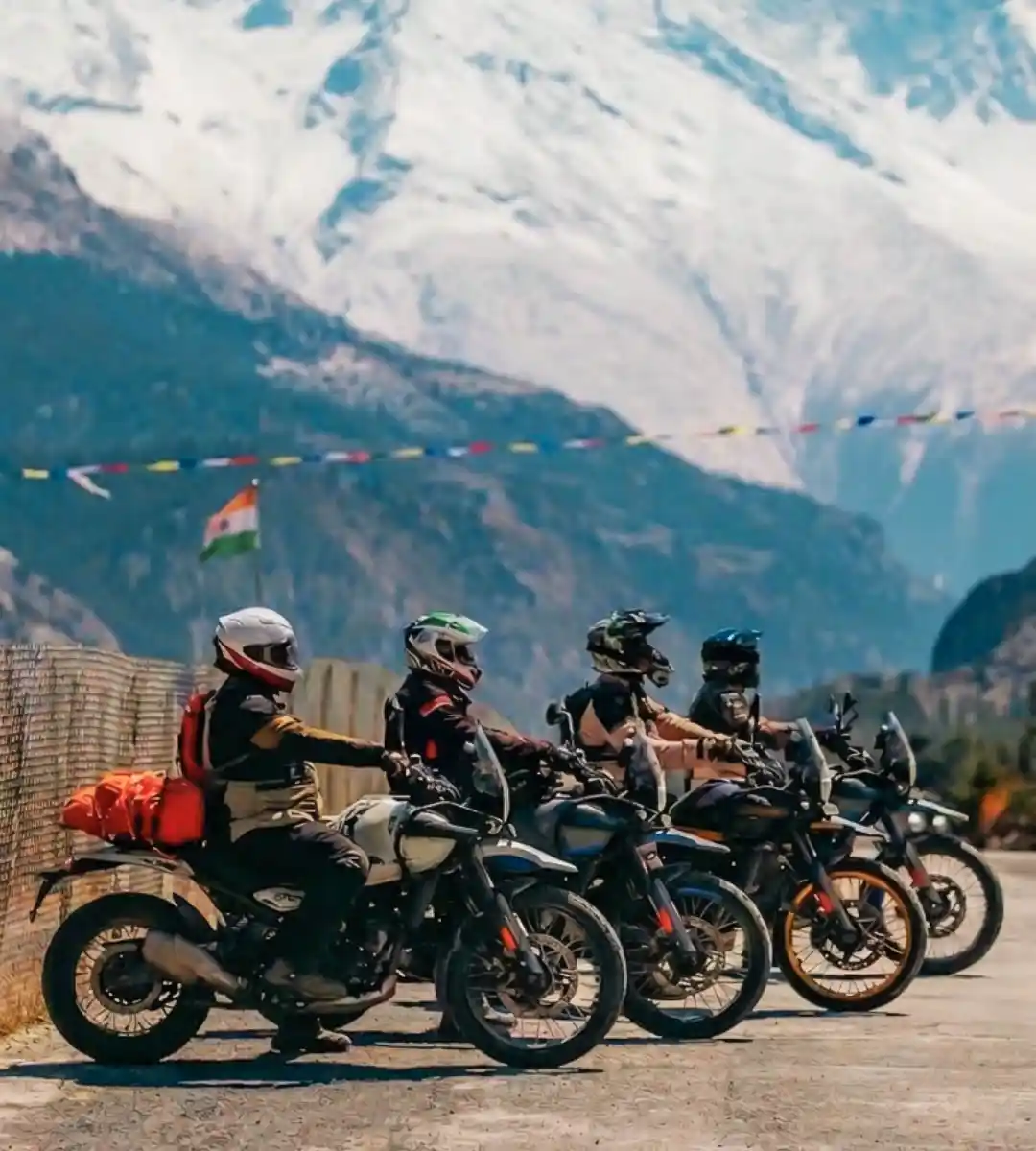
Most Spiti bike groups use the Royal Enfield Himalayan 411. Some operators now offer the Himalayan 450 where available. A few still use the Classic 350, which handles Spiti but is heavier and less suited for rough off-road stretches.
Ask whether fuel is included as per the planned itinerary or whether you pay for fuel separately. Ask whether the bike is handed over in the start city (Manali or Shimla) or at a point further into the mountains.
Ask whether the operator takes inspection photos of the bike before the ride starts. This matters because damage disputes at the end of the trip almost always come down to one question: was that scratch there before?
Before you ride out, check the tyre condition, brakes, clutch play, headlight, indicators, horn, mirrors, and spare key.
Ask whether a puncture repair kit is available and whether the mechanic carries basic spares for the specific model you are riding. A mechanic who is great with a Himalayan 411 may not carry parts for a Classic 350.
One thing we always tell our riders
Take a 2-minute video walk-around of the bike before leaving. Front, back, both sides, tank, panels, exhaust. It takes two minutes and can save you thousands in false damage claims later.
What Should You Know About Security Deposit and Damage Charges?
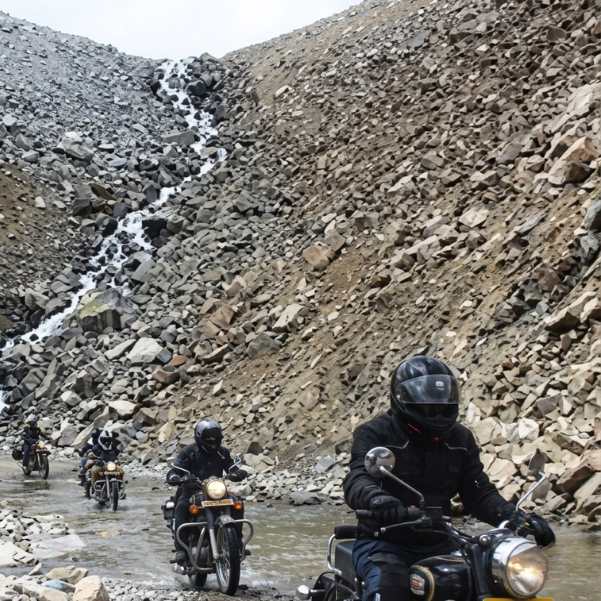
Almost every Spiti bike trip charges a refundable security deposit. The amount varies by operator, bike model, route and trip type.
In most cases, riders should expect a deposit of around ₹5,000 to ₹10,000, though premium bikes or long-route rentals may have higher deposits.
The deposit itself is not the main issue. The real problem is unclear refund terms. Before you pay, confirm the exact deposit amount, whether it is charged per person or per bike, how it will be refunded, how many days the refund takes, who checks the bike for damage and what counts as chargeable damage.
Spiti roads can be rough on any bike. Gravel, mud, water crossings and broken patches can leave small marks even when you ride carefully.
Ask whether minor scratches and normal trail wear are charged or ignored. Get the damage policy in writing before the trip. If the operator avoids giving clear terms, treat that as a warning sign.
How Should You Check Cancellation, Refund, and Payment Schedule?
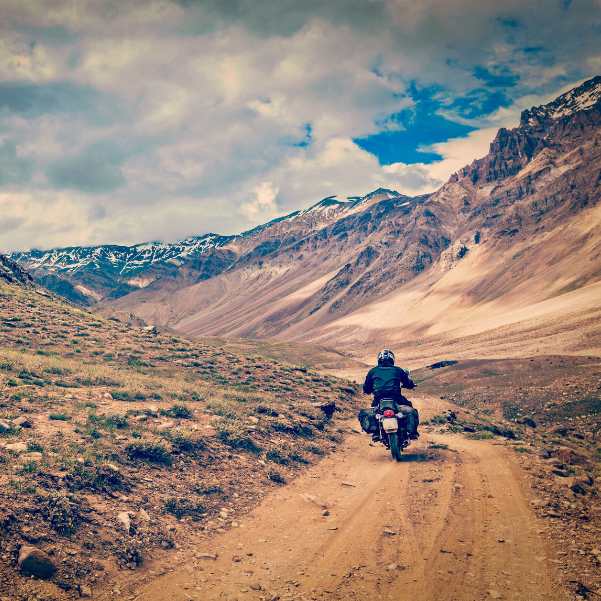
Cancellation policies are boring to read and painful to need. Read them anyway.
Every operator has a different structure. Here is one market example to show you what these policies actually look like. Golden Eagle lists a booking amount of ₹3,000, which is non-refundable and non-adjustable.
Their schedule requires 60 percent payment 40 days before departure and 100 percent payment 15 days before departure. If you cancel 35 to 15 days before travel, they charge 50 percent.
If you cancel 0 to 10 days before travel, they charge 100 percent. Refunds are processed within 2 business weeks by bank transfer.
This is not Travel Coffee's policy. This is one operator's published terms, and we share it only to show you why you must read the exact policy of whoever you are booking with.
Ask your operator for the booking amount, balance due date, refund slabs for different cancellation windows, refund mode and timeline, and what happens if the operator cancels the trip due to weather or road closure.
That last question is the one most riders forget to ask and the one that matters most in Spiti, where landslides can cancel plans overnight.
What Safety Support Should a Spiti Bike Group Have?
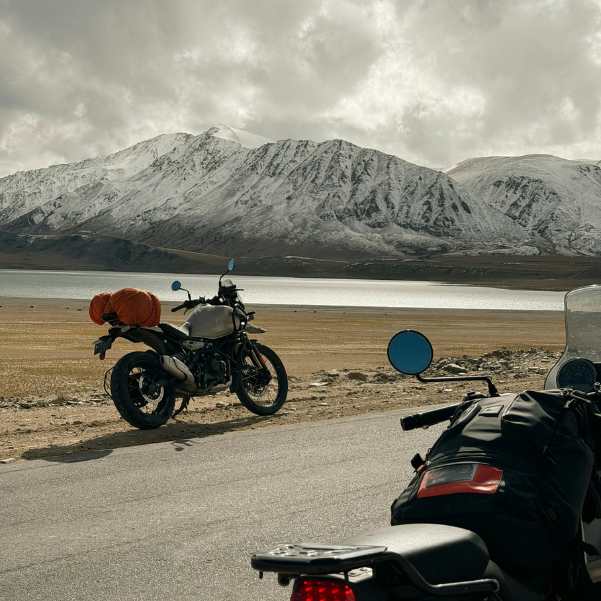
A good Spiti bike group is not just a bunch of riders and a WhatsApp group. It is a support system that moves with you through some of the most remote terrain in India.
At a minimum, the group should have a road captain who leads the convoy and knows the route, a mechanic who rides with the group or follows in the backup vehicle, a backup vehicle that carries luggage, spare fuel, tools, and can evacuate a sick or tired rider, an oxygen cylinder for high-altitude emergencies, and a first aid kit.
Ask whether the backup vehicle follows the group for the full route or only on select days.
Some operators send the backup vehicle on a different, easier road and it only meets the group at the evening halt. That is useless if you break down at Pagal Nala or overheat on the climb to Kunzum.
Ask about the rider-to-support ratio. A 15-rider group with one road captain and no sweep rider means the last few riders are riding blind if they fall behind.
Ask whether there is a daily ride briefing, what happens if one rider wants to stop or feels sick, and how communication works on stretches with zero phone signal.
We run our Spiti trips with a road captain, mechanic, and backup vehicle on the full route. In our experience, the sections between Gramphoo and Losar are where support matters most, and those are exactly the sections where some budget operators cut corners.
Which Route Is Better for a Solo Rider: Shimla Route or Manali Route?
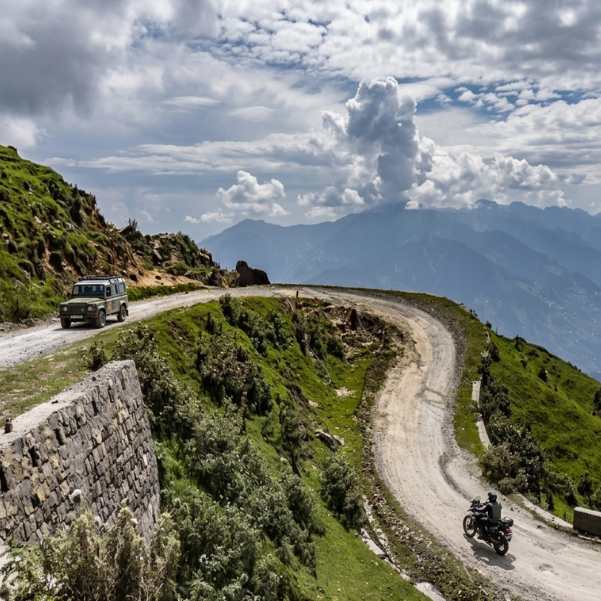
Both routes reach Spiti. They feel completely different on a bike.
The Shimla to Kinnaur to Kaza route gives you a gradual altitude gain over several days. You climb slowly through Narkanda, Kalpa, Nako, and Tabo before reaching Kaza. Your body adjusts naturally.
The roads are generally better maintained on this side, and you do not depend on any single high-altitude pass being open. For first-time Spiti riders, this route is almost always the better choice.
The Manali to Kaza route is shorter in days but hits you with altitude fast. You go through the Atal Tunnel, climb to Kunzum Pass, and can reach Kaza in a long push.
It is dramatic and exciting, but the altitude gain is aggressive and the road between Gramphoo and Batal is one of the roughest stretches in Himachal.
If the itinerary includes Chandratal and Kunzum, confirm the road status before paying. We have seen operators sell "guaranteed Chandratal" packages in May when the road is still under snow. Our Chandratal opening 2026 guide explains the realistic timeline.
For route options, check our Kinnaur packages for the Shimla side and our Manali packages for the tunnel side.
What Road Status and 2026 Permit Checks Matter Before Paying?
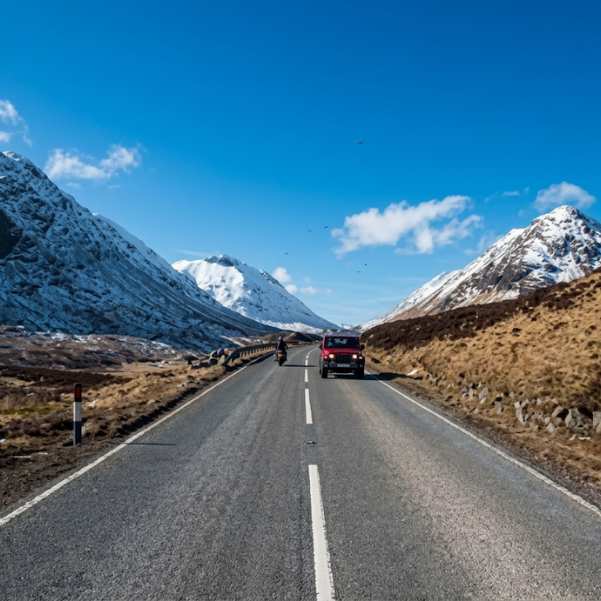
Road conditions change everything in Spiti. A single landslide can turn a 6-hour ride into a 14-hour ordeal or a forced overnight halt.
The official Lahaul and Spiti road status page currently lists Delhi to Manali open, Manali to Keylong open, Keylong to Leh open, and Keylong to Kaza closed.
Our own June 2026 road update notes that the official page can lag behind actual conditions, so Manali to Kaza, Kunzum Pass, and Chandratal access must be verified on the same day you plan to ride.
The skip-this tip every rider needs
Do not pay for a trip that "guarantees" Chandratal or Kunzum Pass in early June without any road-status caveat.
No operator controls the weather. A genuine operator will tell you what the backup plan is if that stretch is closed. An operator selling guarantees is selling something they cannot deliver.
For permits, here is what you need to know. Indian citizens do not need an Inner Line Permit (ILP) or Protected Area Permit (PAP) for normal Spiti tourism.
Foreign nationals need Protected Area Permits for notified areas including Khab, Samdo, Dhankar, Tabo, Gompa, Kaza, Morang, and Dubling.
The e-Aagman portal applies to vehicles entering Lahaul and Spiti. The official portal says an e-permit is required for the Atal Tunnel to Rohtang to Koksar to Chandratal circuit. The Rohtang permit portal requires valid ID, PUC, vehicle registration, and a printout.
Rohtang tourism permits can currently be applied for only the next 2 days. The official portal lists a daily tourism quota of 800 petrol vehicles and 400 diesel vehicles, released in two slots at 10:00 AM and 4:00 PM.
The official fee table does not clearly show a separate motorcycle fee, so riders should check the live portal while applying before confirming the final cost.
What Room Sharing and Group Comfort Questions Should Solo Riders Ask?
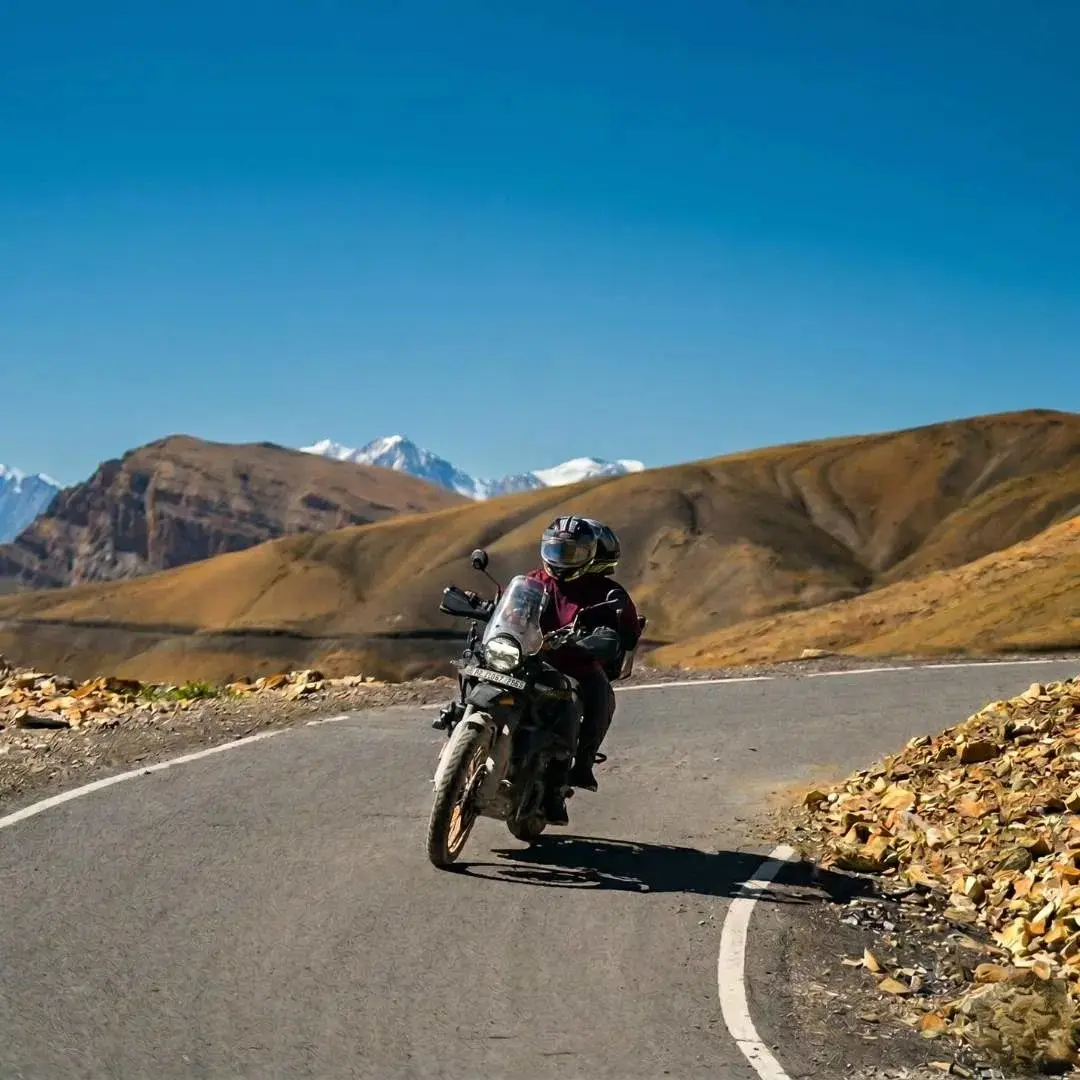
Room sharing is where solo riders face the most unexpected discomfort, and it is almost never discussed before payment.
Ask clearly: will you be in triple sharing, twin sharing, a dorm, or do you have the option of a single supplement? Ask whether there are other solo joiners in your batch or whether you will be the only one squeezed into a room with a couple or a friend group.
Ask what the average age group of the batch is. Ask whether there is a mix of couples, friend groups, and solo travellers.
Solo female travellers should specifically ask whether room sharing is with other women only, whether the operator confirms this in writing, and whether there is any flexibility if the group composition changes.
Comfort issues on Spiti bike trips rarely start on the road. They start in the room at 11 PM when you are exhausted, altitude-sick, and sharing a tiny homestay room with two strangers who want to keep the light on.
What Documents Should a Rider Keep Ready?
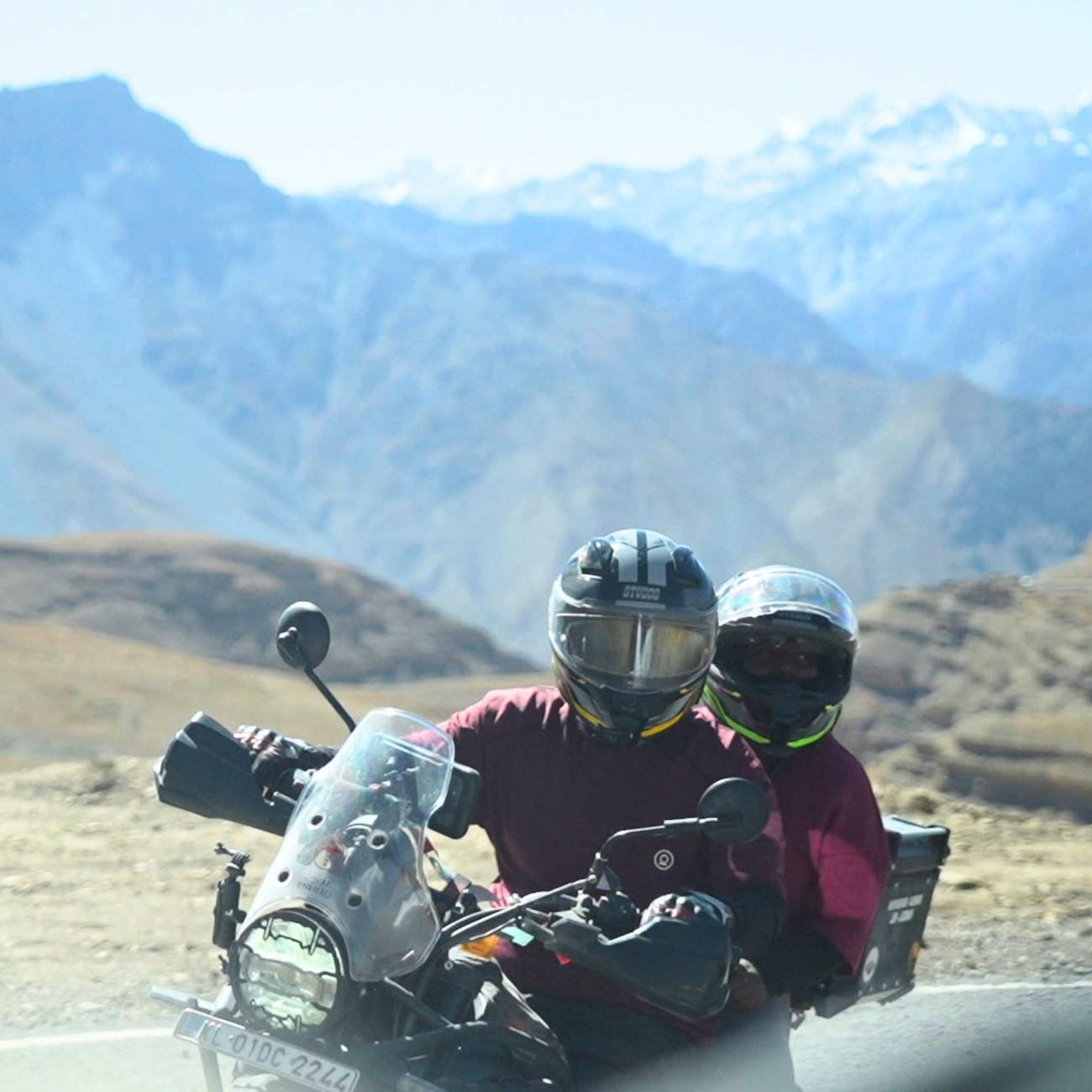
Carry your driving licence, a government photo ID (Aadhaar or passport), your bike's RC if you are riding your own machine, insurance papers, a valid PUC certificate, emergency contact details on paper (not just on your phone), and any medical information that a doctor might need if something goes wrong.
If you are riding a rented bike, you still need your driving licence and ID. The rental operator should provide the bike's RC and insurance copies.
Foreign travellers must sort their Protected Area Permit before entering notified restricted areas. Do not assume the tour operator will handle this. Confirm in writing.
Keep physical copies of all documents in a waterproof pouch. Phone screens crack. Batteries die. Paper does not.
What Should Solo Female Riders Ask Before Joining?
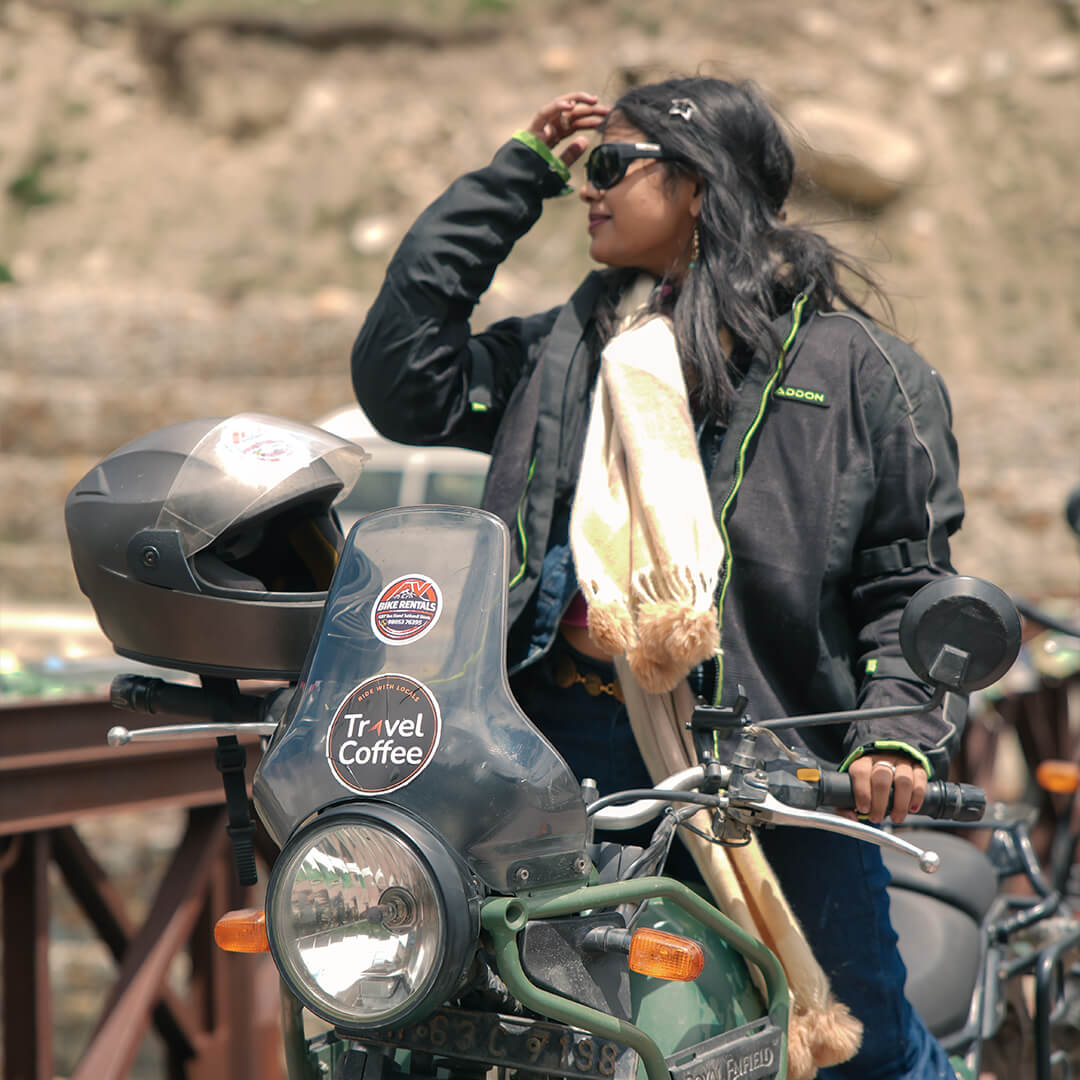
Spiti is welcoming. The mountain communities are warm, respectful, and used to travellers. The risk in Spiti does not come from people. It comes from roads, weather, altitude, and logistics.
Solo female riders should ask the operator about room sharing arrangements, how many women are in the batch, pickup and drop timing and location, support staff details and contact numbers, emergency protocol, and whether night riding is part of any day's plan.
A well-run group will never have you riding after dark. The roads are too dangerous for that regardless of gender. Our guide on whether Spiti is safe for solo female travellers covers this in more detail.
The money-saving tip most solo riders miss
Several operators charge a single supplement of ₹500 to ₹1,000 per night for a private room. If comfort matters to you, this is worth every rupee, especially after a 7-hour ride day. Ask before assuming you have no choice.
What Are the Biggest Red Flags Before Payment?
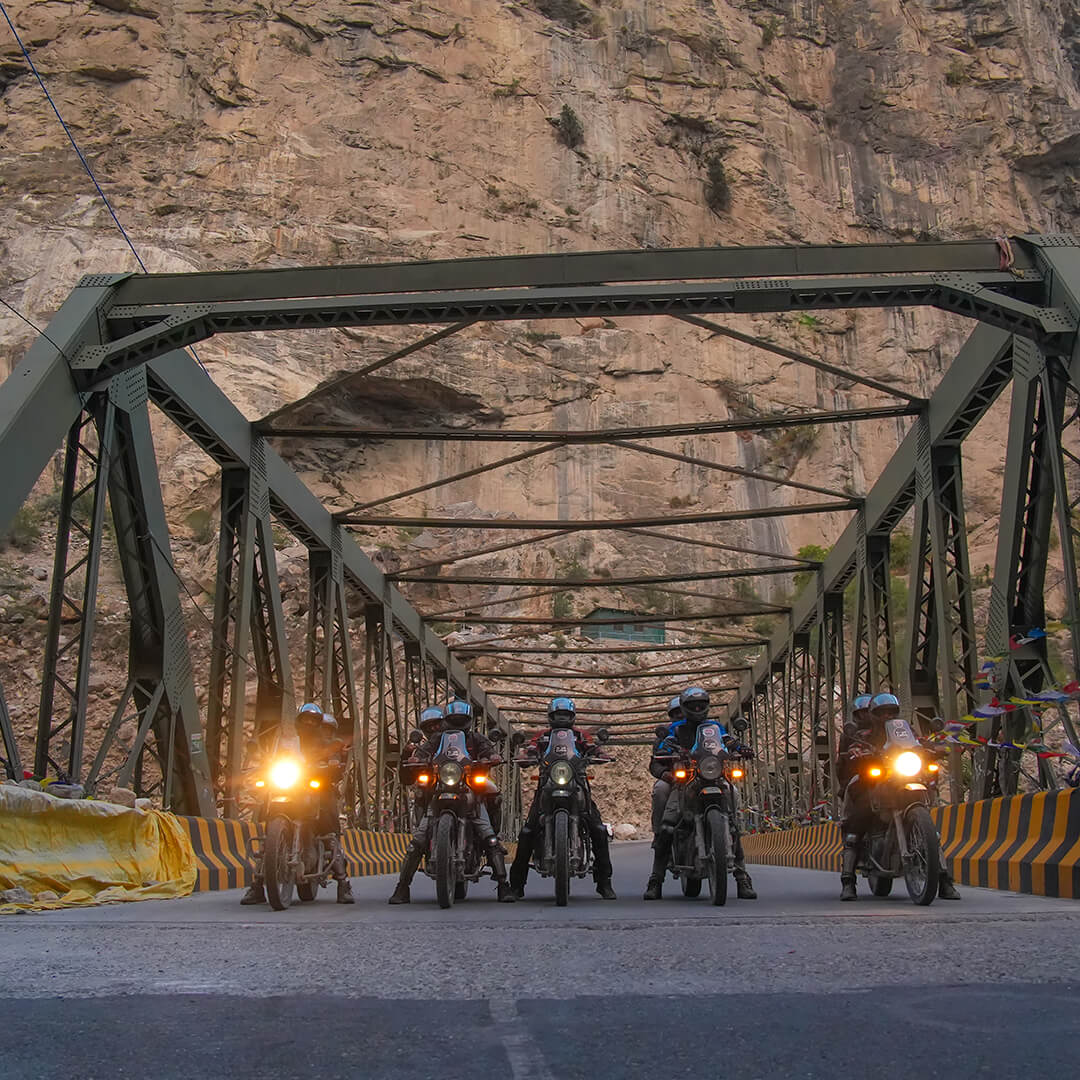
If the operator cannot send you a written itinerary before payment, walk away. If the payment goes to a personal account with no company name, walk away.
If there is no refund policy, no security deposit clarity, no backup vehicle confirmation, no road captain details, and no explanation of what happens when the road closes, walk away.
If the itinerary says "Chandratal confirmed" without any caveat about road status or weather, the operator is either careless or dishonest. Neither is someone you want managing your safety at 15,000 feet.
If the price is significantly lower than every other operator in the market, ask what is missing. Spiti bike packages from established operators typically range from ₹23,000 to ₹35,000 for 7 to 10 day trips. A ₹15,000 package is not a deal. It is a red flag.
A genuine operator will never get annoyed by practical questions. They expect them. The ones who get defensive are the ones with something to hide.
The timing tip that changes your entire trip
Book your Spiti bike group for late June or September. In late June, the roads have just settled after early-season repairs and the crowds are thin.
In September, the skies are the clearest they will be all year, the landscape turns golden-brown, and the riding is at its best. July and August bring peak crowds and monsoon-related disruptions on the Manali side.
Final Recommendation: Pay Only When These Checks Are Clear
Do not pay based on Instagram reels. Do not pay because someone said "last 2 seats." Do not pay because a friend went with the same operator two years ago and it was fine. Operators change, staff changes, bikes change, and routes change.
Pay when you have a written itinerary, a clear inclusion and exclusion list, a cancellation policy you have actually read, a security deposit term you understand, and a real human who answered your questions without getting annoyed.
What we always tell riders who call us
Spiti is not a weekend trip to Manali. It is 5 to 7 hours of riding per day across mixed terrain at serious altitude. The right preparation and the right operator make it one of the best things you will ever do on a bike. The wrong operator makes it a story you wish you could forget.
Travel Coffee is a local Himachal team based in Shimla. We run Spiti bike trips with a road captain, mechanic, backup vehicle, oxygen, and first aid on the full route.
Our Spiti Bike Tours starts from ₹25,999 for 7 to 11 day trips and includes a Royal Enfield, fuel as per itinerary, stays, meals, and the full support setup. We are happy to answer every question on this list before you pay a rupee.
The food recommendation you should not skip
The small dhaba just past the Batal checkpoint serves hot Maggi and chai that tastes better than anything you have eaten in the plains.
It is the last proper hot food stop before the Chandratal stretch. The guy running it shows up every season from June to September. When our road captains pass through, they always stop here. You should too.
Explore Spiti Valley Packages
Related topics
Frequently Asked Questions
Can a solo rider join a Spiti bike group safely?
Yes. Group rides are one of the safest ways to do Spiti, especially for first-timers. You get a road captain, mechanic, backup vehicle, and fellow riders. Confirm all safety support in writing before paying.
Is a Spiti bike trip safe for first-time riders?
It is manageable if the route and pace are planned properly. First-timers should expect 5 to 7 hours of riding per day across mixed terrain. Choose the Shimla to Kinnaur route for a gentler altitude gain.
What is usually included in a Spiti bike trip package?
A standard package includes the bike, fuel as per itinerary, accommodation, breakfast and dinner, helmet, road captain, mechanic, backup vehicle, oxygen cylinder, and first aid kit. Lunch, GST, insurance, entry fees, spare parts, and damage charges are commonly excluded.
Is the bike security deposit refundable?
Usually yes, but terms vary. Uncia Trails lists ₹5,000 per person, Spiti Travel Group lists ₹10,000 per motorbike, and a TripAdvisor listing mentions ₹10,000 refundable. Confirm the refund timeline and damage assessment process before paying.
What happens if I damage the bike?
Damage charges are deducted from your security deposit. The policy varies by operator. Some charge for every scratch, others allow for normal trail wear. Get the damage policy in writing before the trip and take a video walk-around of the bike before riding out.
Do Indians need permits for a Spiti bike trip?
Indian citizens do not need an ILP or PAP for normal Spiti tourism. The e-Aagman portal requires vehicles entering Lahaul and Spiti to apply for an e-pass. The Rohtang permit portal has a daily vehicle quota and specific ID and PUC requirements.
Do foreigners need permits for Spiti Valley?
Yes. Foreign nationals need a Protected Area Permit for notified areas including Khab, Samdo, Dhankar, Tabo, Gompa, Kaza, Morang, and Dubling. Sort this before entering the restricted zone.
Which route is better for solo riders, Shimla or Manali?
The Shimla to Kinnaur to Kaza route is better for most solo and first-time riders because of the gradual altitude gain and more stable road conditions. The Manali route is shorter but involves rapid altitude change and rougher roads.
How many days are enough for a Spiti bike trip?
7 days is the minimum for a one-way route. 9 to 11 days is ideal for the full Shimla to Spiti to Manali circuit with Chandratal. Anything shorter means rushed riding and no buffer for road closures.
What happens if Kunzum Pass or Chandratal road is closed?
A good operator will have an alternate plan, usually rerouting via the same entry side or adjusting the itinerary to skip Chandratal. Ask about this before payment. If the operator says "it will definitely be open," that is a red flag.
Should I pay the full amount in advance?
Most operators take a booking amount upfront and the balance closer to departure. Golden Eagle, for example, takes ₹3,000 as booking and requires 60 percent 40 days before departure. Read the payment schedule and refund slabs before sending any money.
More about Lahaul and Spiti
 Lahaul and Spiti
Rent or Buy Winter Gear for Spiti in 2026? Jackets, Boots, Costs and Pickup Options
Planning a Winter Spiti trip in 2026? Compare the cost of renting vs buying jackets, snow boots, thermals and other essential winter gear, along with practical tips on what to rent, what to buy and where to arrange it before your trip.
- First-Time Travellers
- Snow Travel
 Lahaul and Spiti
Winter Spiti 4×4 Seating Guide 2026: Jimny, Scorpio N, Thar and Hilux for Passengers and Luggage
Planning a Winter Spiti trip in 2026? This practical 4×4 seating guide compares the Jimny, Scorpio N, Thar and Hilux for passenger comfort, luggage space, winter roads and long mountain drives, helping you choose the right vehicle for your group size and travel style.
- Road Trips
- Snow Travel
 Lahaul and Spiti
Stargazing in Winter Spiti 2026: Where to Stay, Moonlight and What You Can See
Discover the best places for stargazing in Winter Spiti 2026, where to stay for darker skies and how moonlight affects visibility. Learn what you can realistically see from Kaza, Tabo and nearby villages during the winter months.
- Things to Do
- Snow Travel