
Sissu In July 2026: Weather, Waterfalls & Road Trip Guide
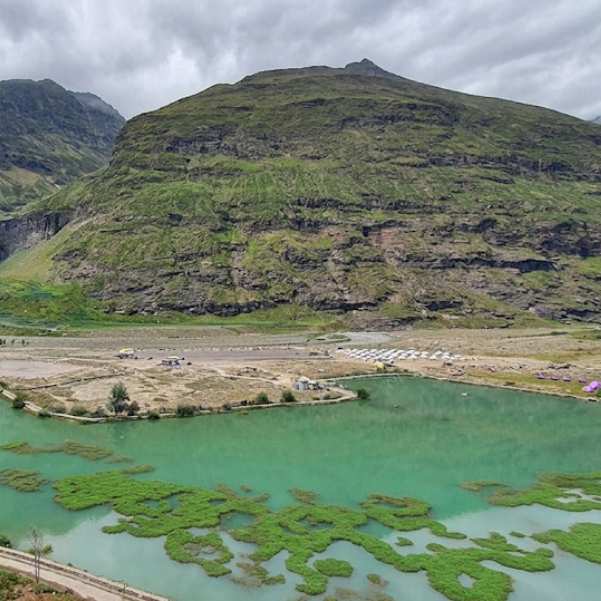
If you are planning Sissu in July, you are picking the month when the valley turns its greenest and the waterfall runs at full strength. The catch is that you have to drive through the rain-prone Manali side to get there, and that part needs a same-day check before you leave.
We have sent travellers across the Atal Tunnel to Sissu through every kind of July weather, and the trip almost always works out. But the ones who skip the morning road check are the ones who end up stuck for two hours behind a landslide clearance near the Manali side.
Here is everything you actually need to plan this right.
Quick Answer: Is July a good time to visit Sissu?
Yes, July is a good time for Sissu if you want green valley views, a strong waterfall and a short, dramatic road trip from Manali.
The waterfall flow is excellent in July because of snowmelt and the monsoon season. The valley looks lush, the Chandra River runs full, and the air stays cool.
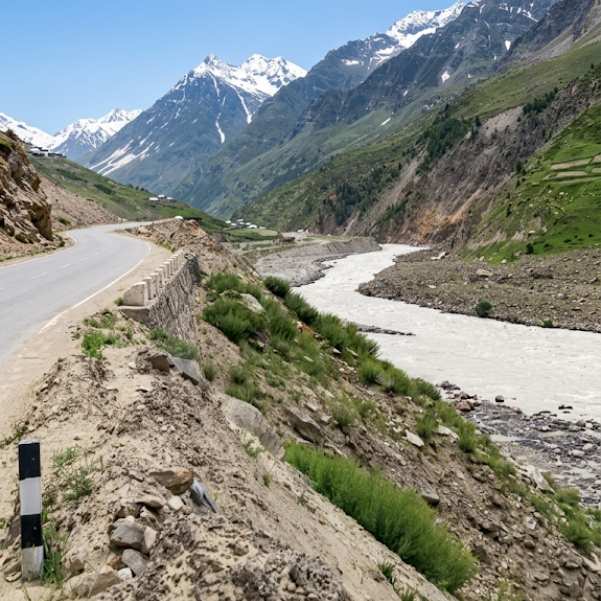
Sissu itself is usually drier than Manali because the Lahaul side sits in a partial rain shadow. But you still cross the wet Kullu-Manali stretch to reach it, so rain and landslides can affect your route.
Always check the same-day road status before you start. That one habit decides whether your July Sissu trip is smooth or stressful.
👉 WhatsApp Travel Coffee for real-time Sissu travel updates in July
What is Sissu like in July 2026?
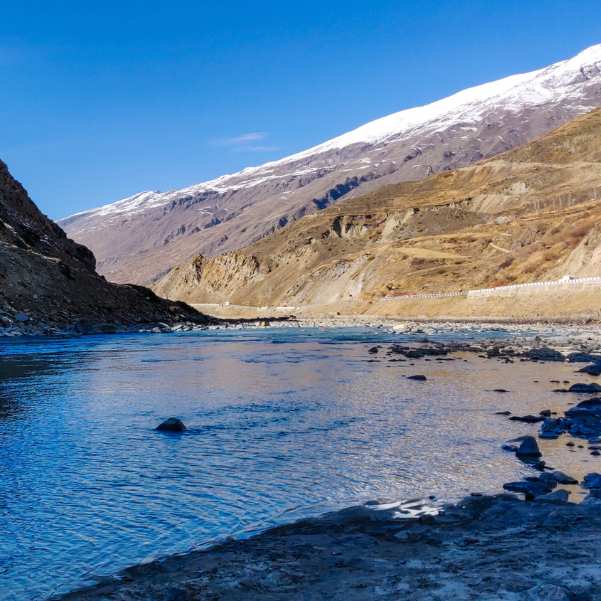
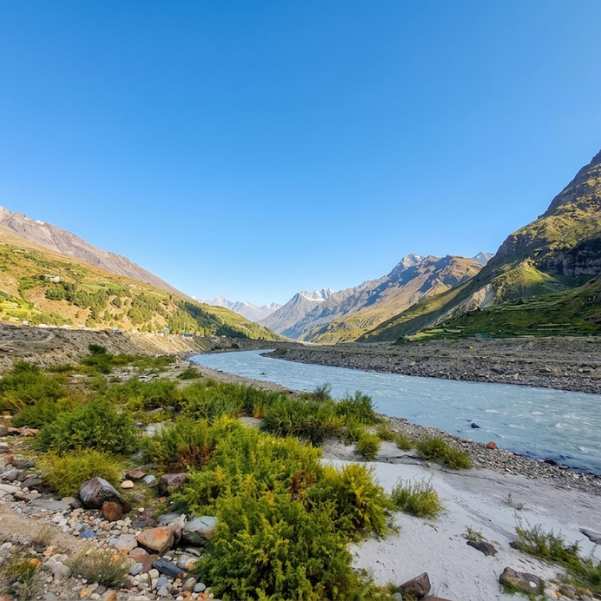
July gives you Sissu at its prettiest. The slopes are green, the Sissu Waterfall is loud and full, and the Chandra River cuts through the valley below with real force.
The air feels cool and fresh, even when Manali is sticky and crowded. You step out of the Atal Tunnel and the whole mood changes within minutes.
Sissu feels calmer than Manali most days. But it is not empty. Weekends near the tunnel exit and around Sissu Lake still get busy with day-trippers from Manali.
Most tourists get one thing wrong here. They treat Sissu like a quick photo stop and rush back. The travellers who slow down, walk the river banks and sit by the waterfall for an hour come back saying it was the best part of their Himachal trip.
If you want someone to handle the driver, stays and timing for you, our Sissu tour packages are built around a relaxed Lahaul pace, not a rushed day run.
What is the weather in Sissu in July?
There is no perfect public forecast for Sissu alone, so we use the nearest official climate reference, which is Keylong.
Keylong's July mean daily maximum is 26.8°C and the mean daily minimum is 5.3°C. Treat this as a nearby guide, not an exact Sissu number. Sissu sits lower and feels a touch milder, but the cold-night pattern holds.
The big point most people miss
Lahaul-Spiti gets less summer rain than many parts of Himachal. The surrounding mountain barriers cut down the monsoon currents, so the valley stays relatively dry.
The problem is the road to get there. Himachal's southwest monsoon usually covers the state by the last week of June, and July and August are the main rainy months statewide.
So you can have a dry, sunny Sissu while the Manali side you drove through is getting heavy rain. Plan for both on the same day.
For climate context, July rainfall references near the region are around 61.3 mm at Keylong, 68.4 mm at Gondla and 134.5 mm at Koksar. These are long-term climate references, not a July 2026 forecast, but they show how the Lahaul side stays drier than the wetter pockets nearby.
Is the Manali to Sissu road open in July 2026?
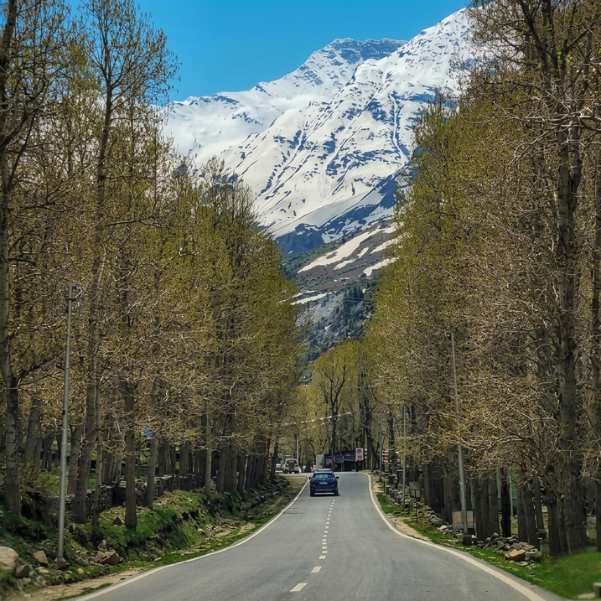
The route runs from Manali through the Atal Tunnel, which is 9.02 km long and cuts under Rohtang Pass on the Manali-Leh Highway. Once you exit at the north portal, Sissu is a short drive away.
Sissu is around 40 km from Manali, and the drive usually takes around 1 to 1.5 hours in normal conditions.
The official Lahaul-Spiti road status page was last updated on 20 March 2026. At that point it listed Delhi to Manali open, Manali to Keylong open, Keylong to Leh open, and Keylong to Kaza closed.
That update tells you the Manali to Keylong stretch, which covers Sissu, was open as of late March. But July is a different story because of rain.
Rain, landslides, maintenance work and administrative orders can change movement on this route with very little notice. A road open in the morning can shut by afternoon after a single landslide.
In our experience, the smoothest July trips come from travellers who check the same-day status, leave early and keep one flexible buffer. If you want help reading the live situation, our Manali tour package team tracks these roads daily through the season.
Do you need a permit for Sissu or Atal Tunnel in 2026?
This is where blogs confuse everyone, so let me lay it out plainly.
The official e-Aagman portal says vehicles entering Lahaul & Spiti should apply for an e-pass. It has e-permit and e-ticket categories depending on your route.
At the same time, some road-status sources say tourists do not need a permit up to Sissu via the Atal Tunnel.
So the safest way to understand it is this
You may not need a Rohtang Pass permit for Sissu via Atal Tunnel, but you should still check and complete the e-Aagman requirement before entering Lahaul & Spiti.
Before travelling, open the e-Aagman portal, select your route or destination, and follow whatever category it asks for on that date. Local rules can change during peak season, snow conditions, traffic restrictions, festivals, or administrative orders.
One thing that is clear
A Rohtang permit and Atal Tunnel travel are not the same thing. People mix these up constantly. The old Rohtang Pass permit rules do not automatically apply to the tunnel route, so do not copy permit advice written for the Rohtang road.
How is Sissu Waterfall in July?
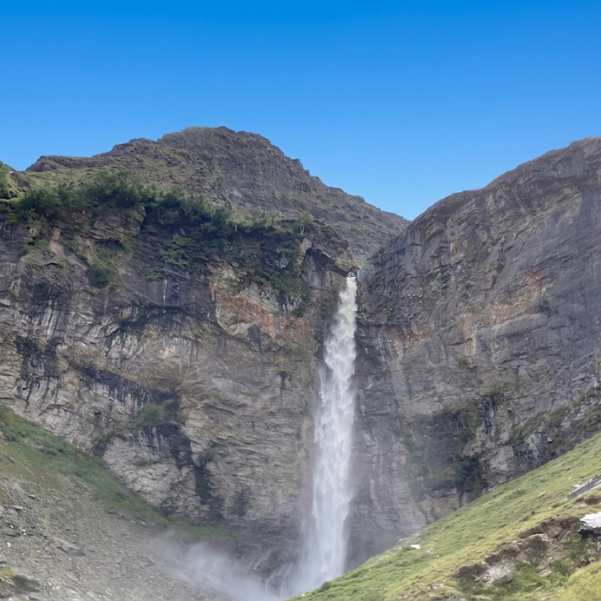
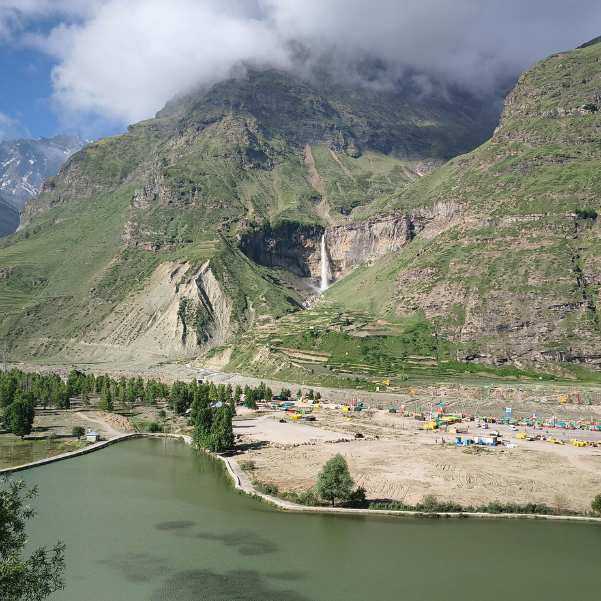
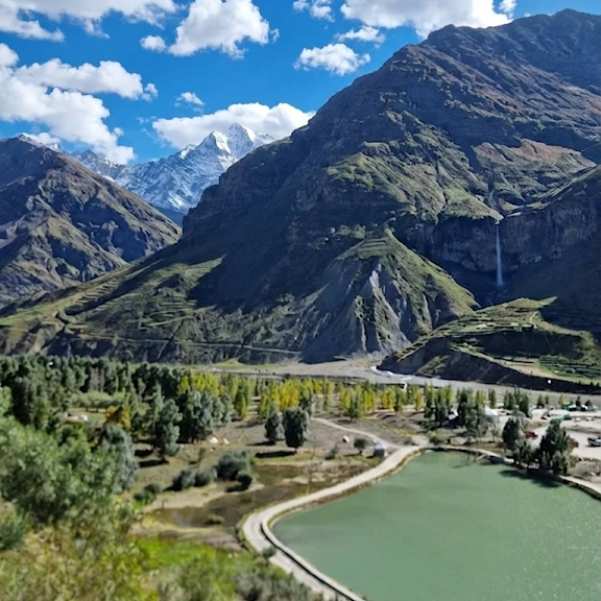
July is one of the best months for Sissu Waterfall, also called Palden Lhamo Dhar.
Snowmelt and seasonal flow make the water run strong, and the green valley around it makes the whole scene better. The mist near the base on a sunny July afternoon is genuinely worth the stop.
Entry is generally listed as free, though any paid adventure activity or local service nearby may cost extra.
Timings are not clearly listed as one fixed official slot. Some sources describe it as accessible in daylight, while others say it is open all day but safest during daylight hours. So it is better not to mention a fixed official timing. Visit in daylight, preferably morning or late afternoon.
The walk to Sissu Waterfall depends on where you start. If you begin from the commonly used access point near the road, it usually feels like a short walk of around 15 to 30 minutes.
Some travellers may take longer if they start from farther away, walk slowly, or stop for photos on the way.
Best places to visit in Sissu in July
Sissu Waterfall / Palden Lhamo Dhar
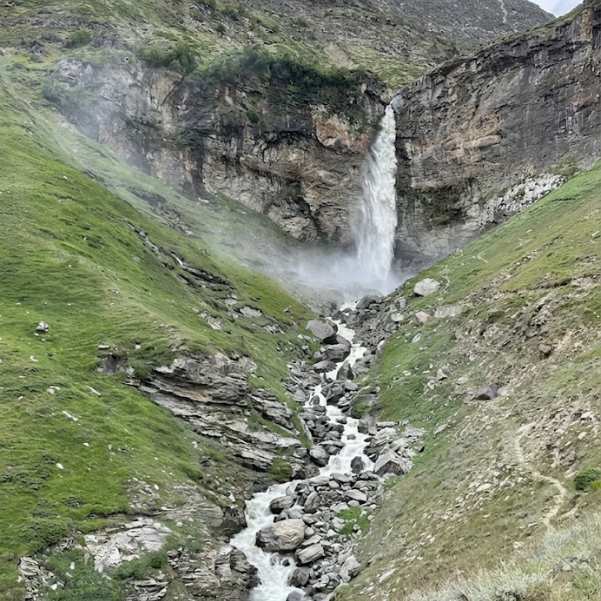
The viewpoint area gives you the full waterfall with mist drifting across the slope behind it. Great for photos in the morning light.
Keep a safe distance from the base. The rocks get slippery in July and the flow is strong. Do not climb up the sides, do not cross the stream, and do not push close to the bottom for a photo. We have seen people slip here, and it is not worth the shot.
Sissu Lake
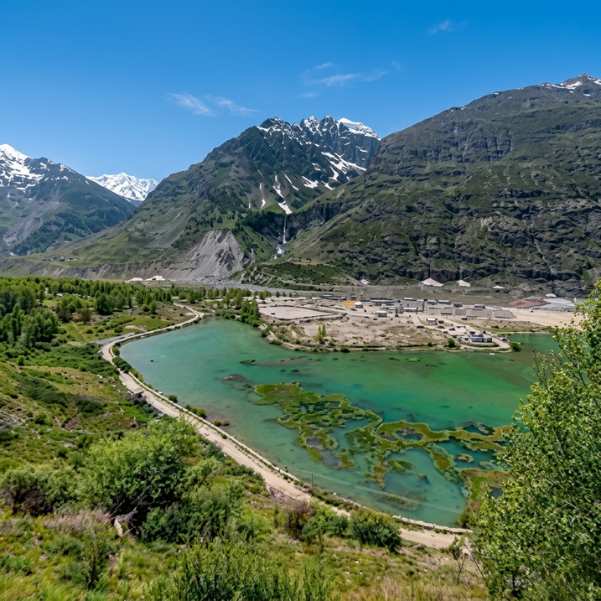
This is the easy family stop. Flat, calm and close to the road.
One listing gives the timing as 6 AM to 6 PM, with no entry fee and a suggested visit of 1 to 2 hours. If boating is running that day, it is a nice slow add-on, but only when it is operational.
Chandra River banks
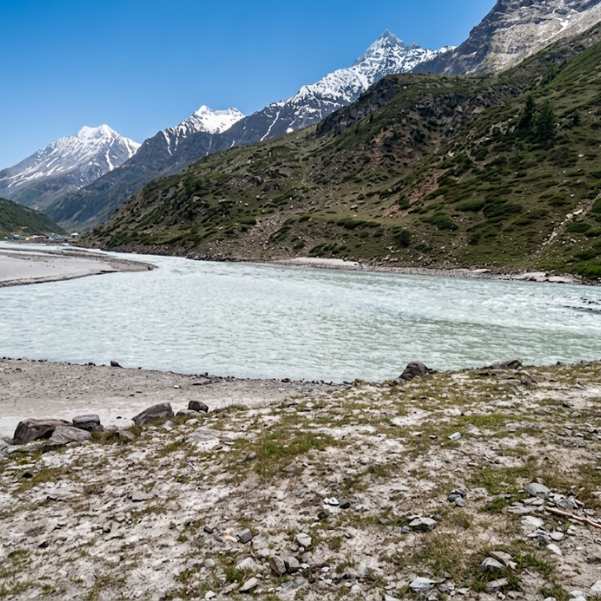
A slow walk along the river is one of the best free things to do in Sissu. Bring a camera and just take your time.
A safety word for July: the stones near the water are slippery and the river runs fast and cold this month. Do not step out onto wet rocks near the current, especially with kids.
Cafe Atal and food stops
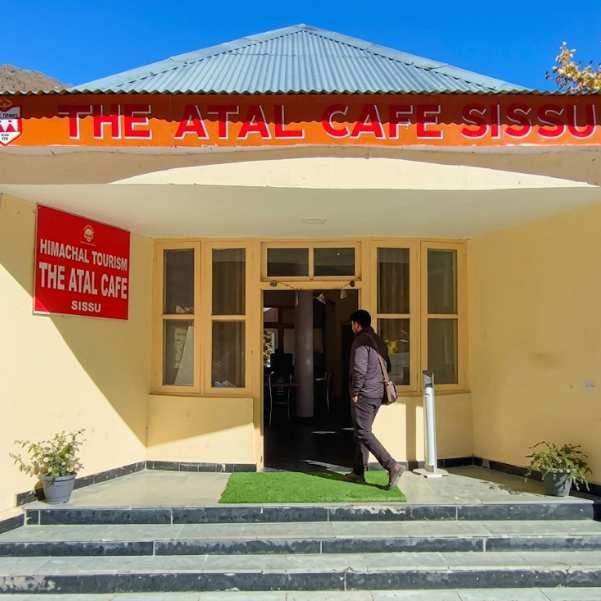
You will find tea, snacks and a simple lunch around the Sissu area. It is the right place to warm up after the waterfall.
Carry cash. Do not assume cards or UPI will work everywhere here, and do not expect us to invent a menu price for you because rates change.
Sissu helipad viewpoint
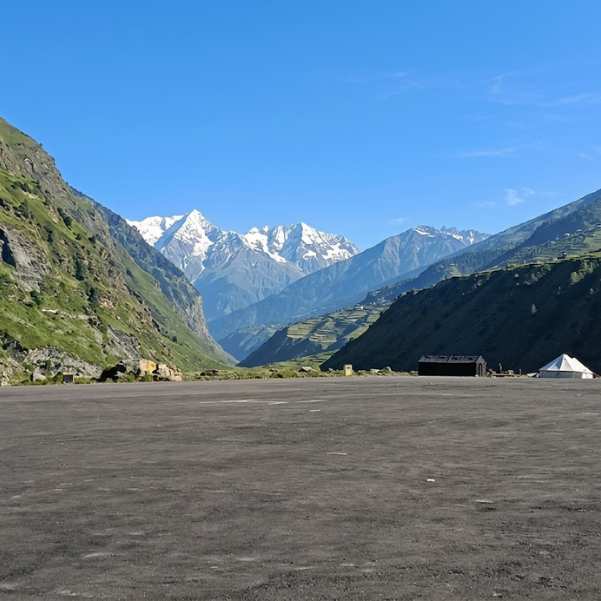
The helipad area can give good open views of the valley.
But access here can change. In 2026 there were temporary restrictions around the Sissu helipad and the tunnel north portal, so verify locally before you head there. If there is a police barrier or a sign, respect it and move on.
If you want to pair Sissu with the deeper Lahaul region, our Lahaul and Spiti trip routes build it in properly with acclimatisation in mind.
Can you do Sissu as a one-day trip from Manali in July?
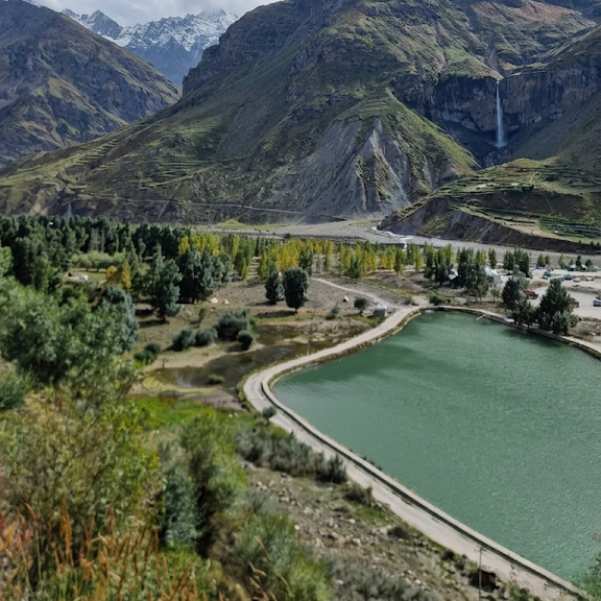
Yes. Most travellers can do Sissu as a day trip from Manali if they start early and get back before dark.
A simple flow works like this: leave Manali early, cross the Solang side, go through the Atal Tunnel, exit at the north portal, stop at Sissu Lake, see the waterfall, eat lunch, walk the Chandra River and then return.
The one-day version suits people short on time. But if you are a photographer, a slow traveller or someone who hates rushing, an overnight stay is the better call. You get sunrise, sunset and a quiet valley after the day crowds leave.
Suggested 1-day Sissu July itinerary
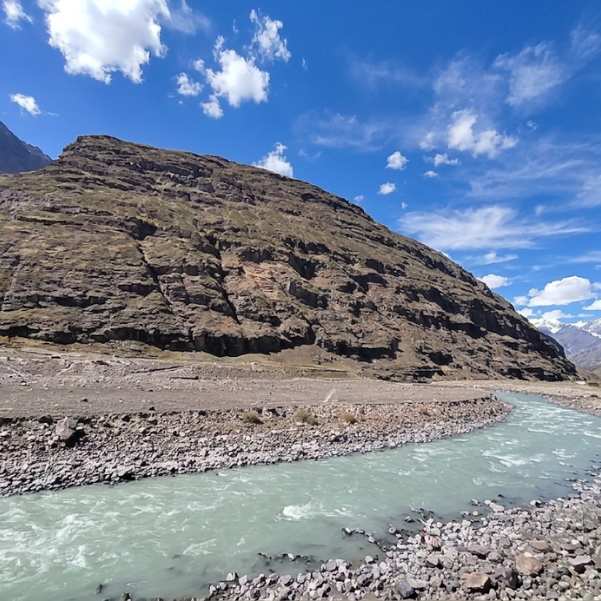
Treat these times as planning windows, not guaranteed timings. Mountain roads decide their own schedule.
Start with a 7 AM departure from Manali. An early start gives you the most daylight and the best chance of beating both traffic and afternoon rain.
Cross the Atal Tunnel in the morning while it is calmer. After the north portal, head to Sissu Waterfall first, when the light is good and the crowds are thin.
From there, move to Sissu Lake for an easy, flat stop the whole group can enjoy. Then break for lunch at one of the simple cafes around Sissu.
After lunch, take a slow walk along the Chandra River, then begin your return so you cross back before evening. Do not push the river walk so long that you end up driving the Manali side in the dark.
For a relaxed family version, drop one stop. Do the waterfall and the lake, take a longer lunch, skip the long river walk and head back early. Less driving pressure, happier kids.
What should you pack for Sissu in July?
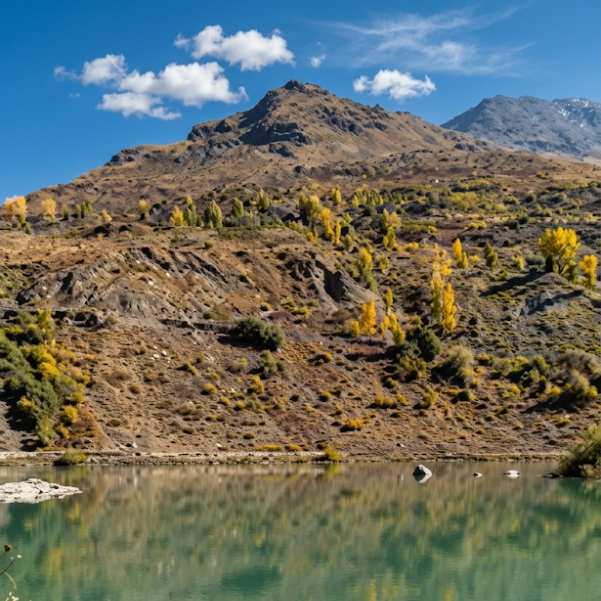
Pack for two kinds of weather in one day. Sunny valley and sudden rain.
Carry a light jacket for the cool air and a proper rain jacket for the wet Manali side. Waterproof shoes and extra socks save the whole day if you get caught in a shower near the waterfall.
Keep a power bank, cash, your ID and offline maps, because network and charging are not reliable out here. Add some snacks, a basic medicine kit and motion sickness tablets for the winding tunnel approach.
One thing people forget
The wind near the waterfall and the tunnel side can feel sharp and cold, even in July. This hits children and seniors hardest, so pack one warm layer more than you think you need for them.
Is Sissu safe in July for families, couples and bikers?
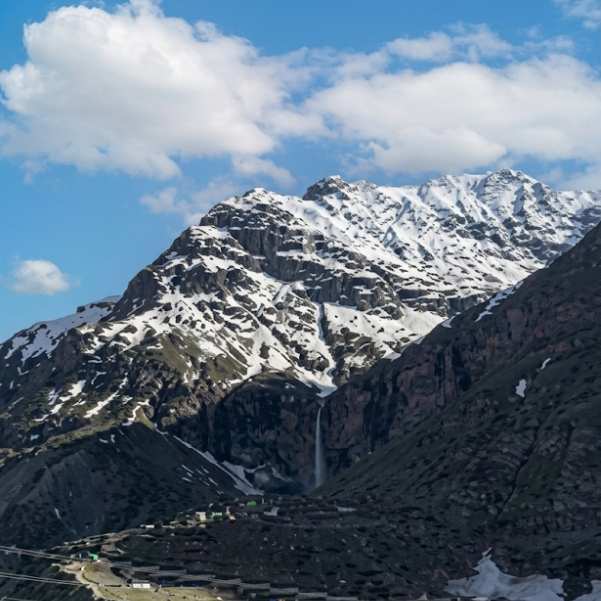
Sissu is safe in July if you travel in daylight, check local updates and keep your plan flexible.
For everyone, the basics are simple. Avoid night drives on this route, do not stand near risky river edges, do not stop in restricted zones near the north portal, and follow any police or district advisory you see.
There is a real reason for that last point. In April 2026, temporary restrictions affected Sissu, the Sissu helipad, the Atal Tunnel north portal and nearby adventure zones because of official security arrangements.
The administration also restricted movement near avalanche-prone spots around the north portal and the Chandra bridge. So do not assume open access everywhere.
For bikers, July adds rain to the mix. Carry proper rain gear, ride slow on wet stretches and avoid the heavy-rain windows. The road can go from grippy to greasy fast.
Sissu in July vs June, August and September
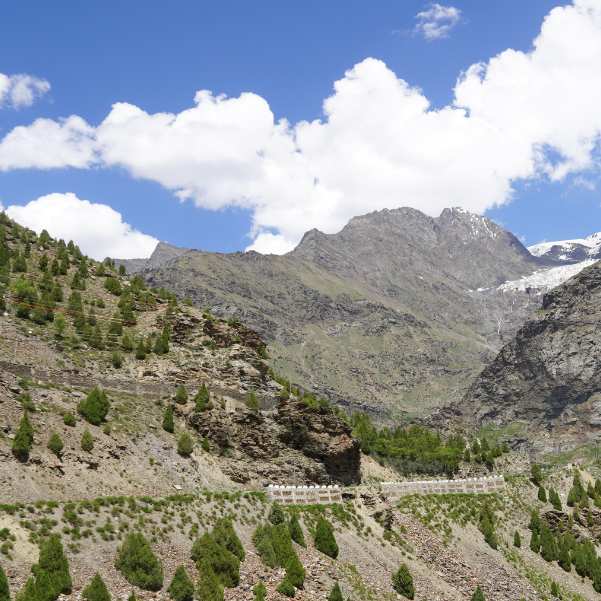
Each month gives you a slightly different Sissu.
June is warmer and already green, with the waterfall building good early-season strength. It is a lovely, slightly drier window before the monsoon settles in.
July brings the full monsoon mood. The waterfall flow is strong, the valley is lush, and the whole place feels alive. The trade-off is that route checks matter more now because of rain.
August can be the most unstable month for the approach roads, with more landslide and rain risk on the Manali side. The lake and valley still look great, but build in extra buffer time.
September usually clears up. The skies open out, an early autumn feel arrives, and the driving conditions tend to settle. If you want stable roads over peak greenery, September is strong.
What are the common mistakes people make when visiting Sissu in July?
The biggest one is leaving Manali too late. A 10 AM start means you hit the rough or rainy stretches as the day turns, and that is exactly when you do not want to be on this road.
The second is assuming Sissu and Manali share the same weather. They do not. Sissu can be dry and bright while the Manali side you drove through is pouring.
People also skip rain gear because the forecast looked clear, then get soaked at the waterfall. Others try to cram too much into one day and end up enjoying nothing.
Then there is the permit confusion. Travellers trust old Rohtang permit advice that does not apply to the tunnel route. Always check the current rule.
Finally, do not stop inside or near restricted tunnel zones for photos, and never ignore a same-day road advisory. Both of these turn a fun day into a problem.
How much does a Sissu July trip cost?
Let me give you only the numbers I can stand behind, and flag the rest.
A Manali to Sissu taxi benchmark from one source starts at ₹3,000 upwards. Treat that as a starting benchmark, not a fixed fare. Settle the price before you sit in the car.
For stays, online Sissu hotel and homestay listings usually start around ₹1,000 to ₹1,500 per night for basic options and can go above ₹7,000 per night for better or high-demand stays.
July rates can change quickly because availability is limited, so check live prices before booking.
For activities, some local adventure options like zipline are listed from around ₹300 onwards, with daytime operation usually being the safer assumption.
Activity prices and timings can change depending on weather, local permissions, and operator availability, so confirm on the spot before planning your day around it.
What we always tell our travellers is to keep a small cash buffer for this trip. Out here, the ATM you were counting on may not work, and a lot of small stops only take cash.
👉 Need help planning a July Sissu trip from Manali? WhatsApp Travel Coffee
Should you stay in Sissu or visit from Manali?
It depends on what you want from the trip.
Manali is the better base for restaurants, hotels and backup services. If something goes wrong, you have options. For most one-day visitors, basing in Manali makes sense.
Sissu wins on quiet. You get sunrise over the valley, a calm sunset and that slower Lahaul feel once the day crowds drive back. Photographers and slow travellers love staying the night.
The honest catch is that Sissu accommodation is more limited than Manali. In season, book ahead so you are not scrambling for a room after a long drive.
If you base in Manali and want to fill an extra day, our guide to adventure activities in Manali covers what is actually worth your time.
Can you extend from Sissu to Keylong, Jispa or Chandratal in July?
Yes, with the right conditions.
Keylong and Jispa are reasonable extensions if the weather and road status are favourable. They sit further along the same Lahaul route and add a calmer, higher-altitude leg to your trip.
Chandratal is a different beast. It is a separate high-altitude plan, not a casual add-on you tack on during bad weather. The road and altitude both demand proper planning, and forcing it in a wet window is a bad idea.
If Chandratal is on your mind, read our Chandratal Open 2026 guide for the real opening picture, and look at our Summer Spiti circuit with Chandratal if you want it done properly with acclimatisation built in.
Final advice
July is worth it for Sissu if you want strong waterfalls, green slopes and that short, dramatic drive through the Atal Tunnel. Few day trips from Manali pay off this well.
Just respect the route. Start early, check the same-day road status, carry rain gear and keep your itinerary simple. The travellers who do these four things almost always come back happy.
If you want this trip planned properly without worrying about the route, timing, or stay options, explore our Sissu Tour Packages designed by a local Himachal team.
Explore Our Curated Sissu Tour Packages
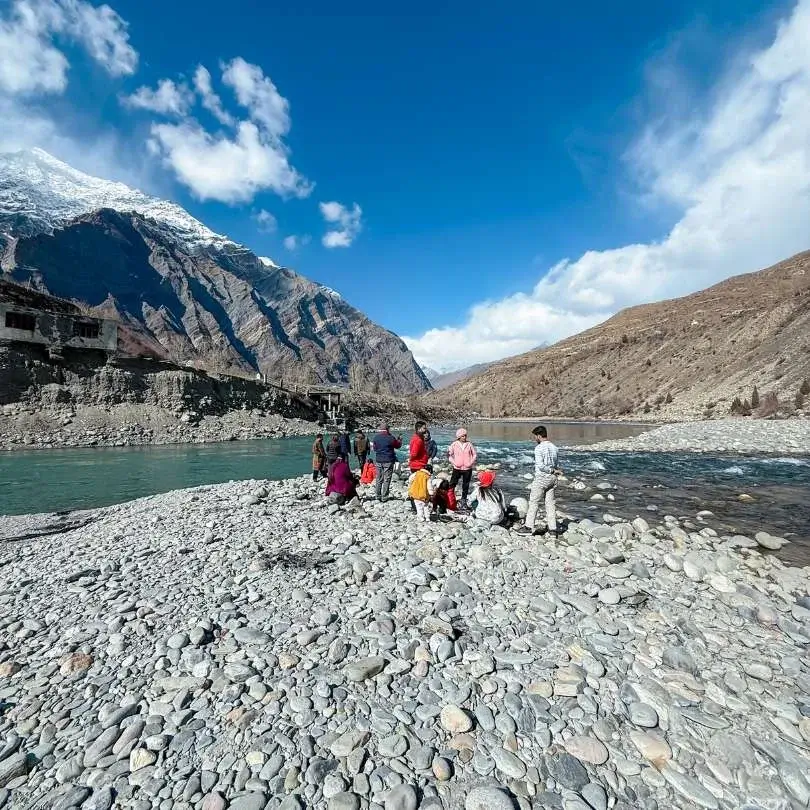 6D/5N
6D/5NMost Loved Sissu Valley Escape With Jispa Riverside Stay
2D Sissu•1D Jispa
₹15,999₹19,999SAVE INR 4,000/ person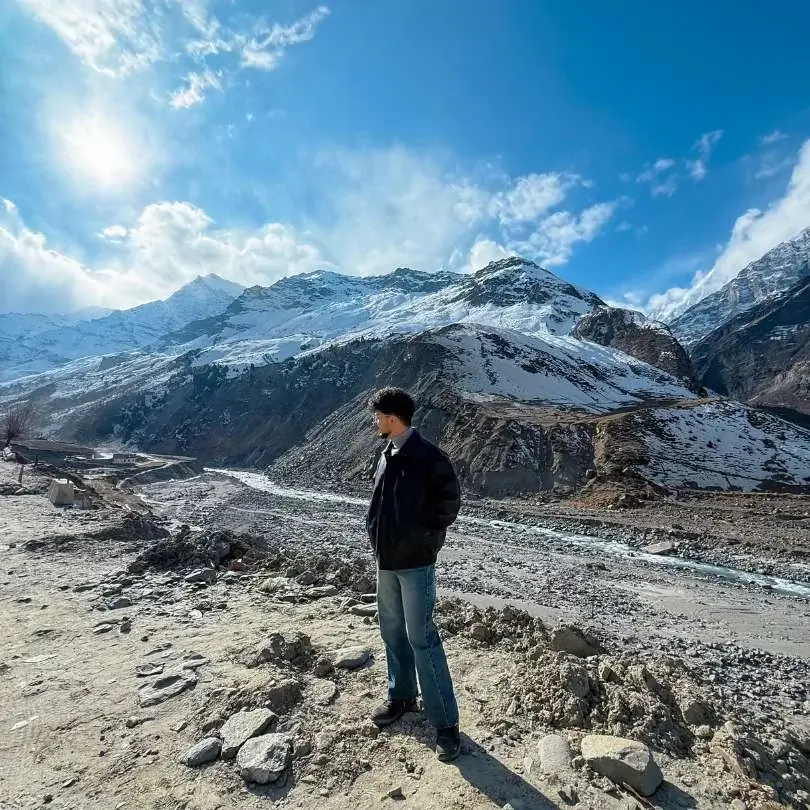 5D/4N
5D/4NClassic Sissu Valley Trip
2D Sissu•1D Manali
₹12,799/ person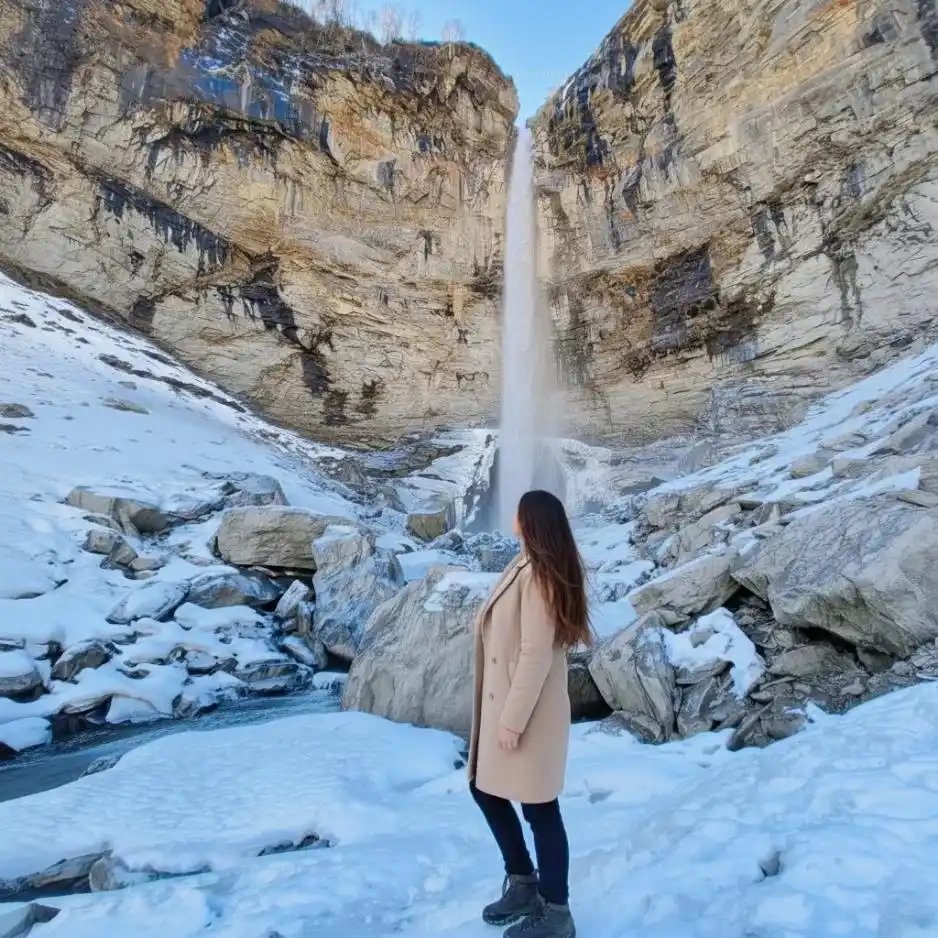 6D/5N
6D/5NManali Solang Sissu Sethan Snow Adventure
1D Delhi•3D Manali+2
₹15,999₹21,999SAVE INR 6,000/ person
Related topics
Frequently Asked Questions
Is Sissu worth visiting in July?
Yes. July gives you a strong waterfall, green valley views and cool air, plus a short scenic drive from Manali. Just check the road before you leave.
Is Sissu open in July 2026?
Sissu is generally accessible in July via the Atal Tunnel route. Road conditions can still change with rain or landslides, so confirm the same-day status before travelling.
What is Sissu weather in July?
There is no exact Sissu forecast, but nearby Keylong's July average runs from a mean low of 5.3°C to a mean high of 26.8°C. Days feel pleasant, nights stay cold.
Is Atal Tunnel open in July?
The 9.02 km Atal Tunnel on the Manali-Leh Highway is normally open in July. Short closures can happen for maintenance or weather, so check on the day you travel.
Is Manali to Sissu road safe in July?
It is safe with daylight travel and a same-day road check. The Manali side is rain-prone in July, so landslides and slow patches are the main risks to watch.
Do I need a permit for Sissu?
This is conflicting. The e-Aagman portal mentions an e-pass for Lahaul & Spiti, while some sources say none is needed up to Sissu via the tunnel.
Can I see snow in Sissu in July?
You may spot snow on the high peaks around the valley, but not fresh snow in Sissu itself. July is a green, melt-water season, not a snow season.
What should I wear in Sissu in July?
Wear light layers with a rain jacket and waterproof shoes. Carry one warm layer for the cold wind near the waterfall and tunnel side, especially for kids and seniors.
How far is Sissu from Manali?
Sissu is around 40 km from Manali. The drive usually takes around 1 to 1.5 hours in normal conditions through the Atal Tunnel.
Can I visit Sissu Waterfall in July?
Yes, and July is one of the best months for it. The flow is strong from snowmelt. Visit in daylight and keep a safe distance from the slippery base.
Is Sissu good for a one-day trip?
Yes. Most people can do Sissu as a day trip from Manali if they start early and return before dark. Slower travellers should consider an overnight stay.
Should I stay overnight in Sissu?
Stay overnight if you want sunrise, sunset and a quiet valley after the crowds leave. Just book ahead, because Sissu has limited rooms compared to Manali.
More about Sissu
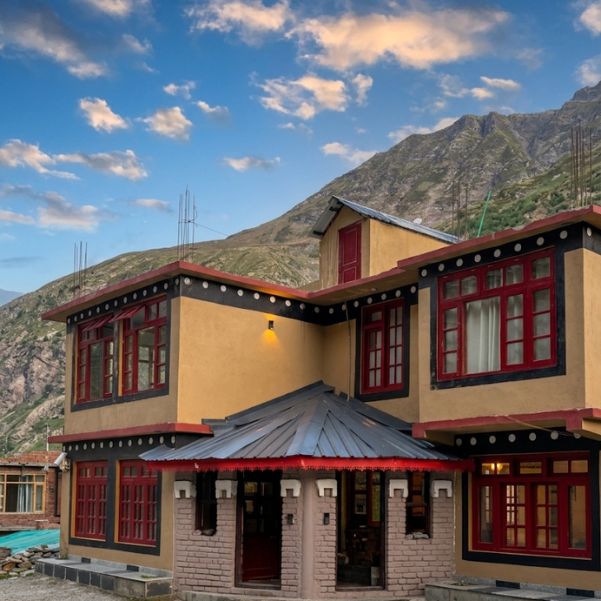 Sissu
SissuWhere to Stay in Sissu in 2026: Best Hotels, Homestays & Areas for Every Budget
Planning an overnight stay in Sissu? This 2026 guide covers the best hotels, homestays, budget stays and convenient areas to help you choose the right accommodation for your trip.
- First-Time Travellers
- Places to Visit
 Sissu
SissuSissu in October 2026: Weather, Snow Chances, Road Status & Autumn Travel Guide
Planning a trip to Sissu in October 2026? Here’s what to expect from the weather, temperatures, autumn colours, snow chances and Manali to Sissu road conditions, plus practical tips on what to pack and how to plan your visit.
- Best Time to Visit
- Road Status
 Sissu
SissuSissu in December 2026: Snowfall, Weather, Road Status & Winter Travel Guide
Planning a Sissu trip in December 2026? This guide covers expected snowfall, temperatures, Manali to Sissu road conditions, Atal Tunnel access, what to pack, and practical winter travel tips for a safer snow trip.
- Snow Travel
- Road Status