
Sissu In August 2026: Monsoon Weather, Road Status, Itinerary And Safety Guide
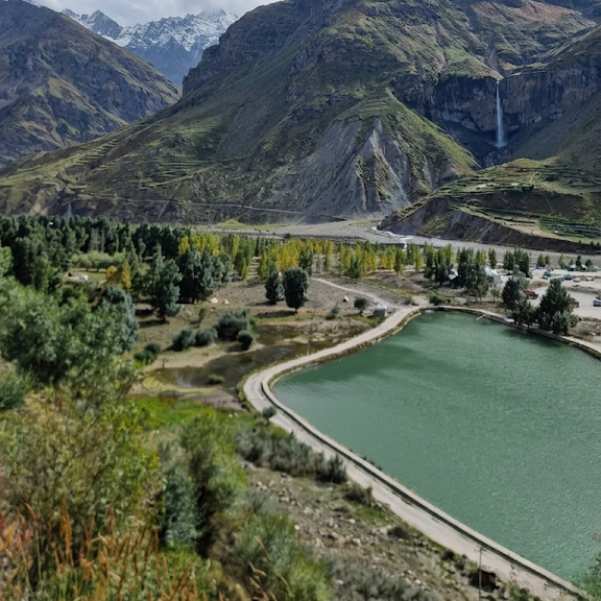
If you are trying to decide whether Sissu is worth your time in August, here is the honest version. Sissu itself looks gorgeous in August because the waterfall is at full force and the whole valley turns green. The problem is rarely Sissu. The problem is getting there.
The road from Delhi or Chandigarh up through Mandi, Kullu and Manali is where monsoon throws its worst tricks. We have run trips through this exact stretch for years, and August is the month that needs the most flexibility.
So this guide by Travel Coffee is not a sales pitch. It is everything we tell our own travellers before they head to Sissu in the rains.
Quick Answer: Is Sissu Worth Visiting In August 2026?
Yes, Sissu is worth visiting in August 2026 if you stay flexible, check live road status, avoid night driving, and accept that monsoon plans can shift.
Sissu in August is green, cool, and the waterfall runs strong, so the village itself can look beautiful. The bigger risk is the approach through lower Himachal and Manali, where rain can cause landslides and road blocks.
If you have a tight schedule with zero buffer days, August is harder. If you can keep one spare day and react to conditions, you will likely have a great trip.
>>Keep your August Sissu trip stress free with local support from our team
What Is Sissu Like In August?
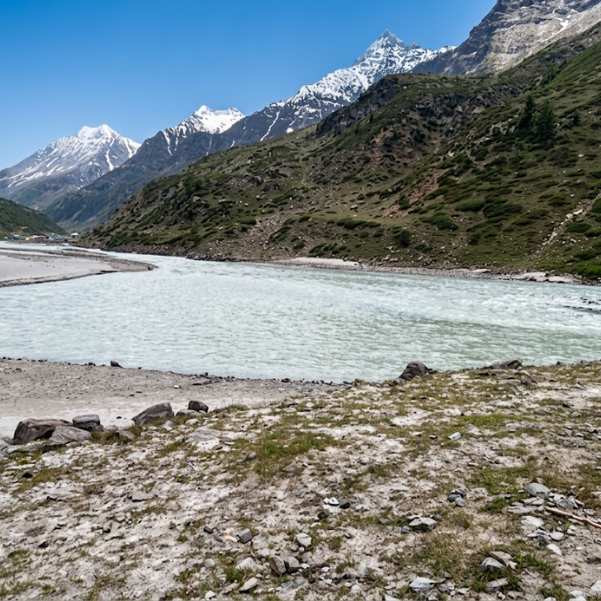
Sissu, also called Khwaling, is a small Lahauli village in the Lahaul Valley of Himachal Pradesh. It sits at around 3,120 m to 3,200 m and is roughly 40 km from Manali via the Atal Tunnel.
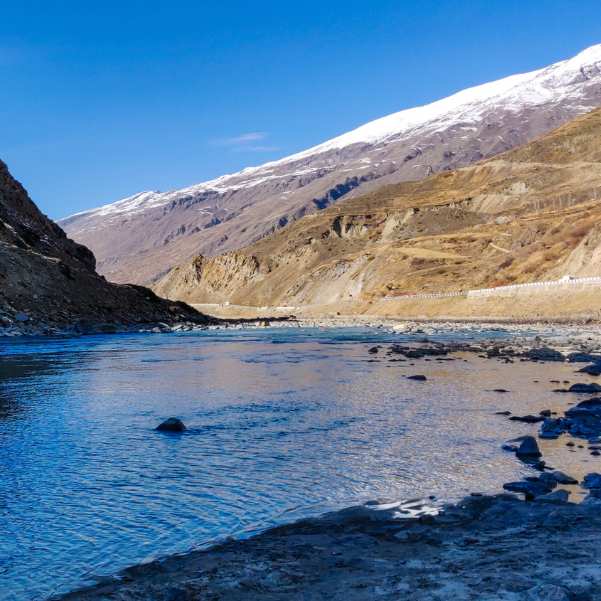
The village is close to the north exit of the Atal Tunnel, only about 6 km away, and it sits right by the Chandra River.
In August, Sissu feels moody and alive. The mountains wear clouds most mornings, a cold breeze runs through the valley, and the waterfall thunders down at full strength.
The slopes are green, not white. This is the part most first-timers get wrong. August is not a snow month in Sissu. If you came hoping to play in fresh snow, you will be disappointed.
What you get instead is a soft, cloudy, river-and-waterfall version of Lahaul. The weather can also flip fast, sunshine one hour and drizzle the next.
If you want someone to handle stays, transport and timing for you, our Sissu tour packages are built around real local conditions, not a fixed brochure plan.
Is August A Good Time To Visit Sissu?
August is good for a specific kind of traveller. If you want a full waterfall, a cool Lahaul escape from the heat, and that quiet monsoon mood with clouds rolling over green slopes, you will love it.
It is not a good fit if you want guaranteed clear skies, snow, long bike rides without rain gear, or a packed itinerary with no spare day.
Early August and late August can both swing either way, so do not trust anyone who promises exact weeks.
What we can say from experience is that long spells of rain weaken the slopes and make road blocks more likely. Check the latest forecast before you start, not a week earlier.
Sissu Weather In August 2026
Here is where we have to be careful with numbers. There is no clean, reliable day-by-day forecast for Sissu itself this far out, so we use nearby Keylong as a Lahaul reference.
AccuWeather shows Keylong's August 2026 average high around 16°C and average low around 9°C. Daily highs sit around 14.8°C to 17.5°C and overnight lows around 8.1°C to 10.6°C.
Treat that as a guide for the wider Lahaul Valley, not as exact Sissu readings. Some travel sites show wider monsoon ranges that conflict with each other, so any exact day-wise number should be checked close to your travel date.
For clothes, keep it simple. Carry a light fleece, a proper rain jacket, quick-dry clothes, and waterproof shoes.
You will be warm enough in the sun and cold the moment clouds roll in. Layers solve this without you having to overpack.
Does Sissu Get Heavy Rain In August?
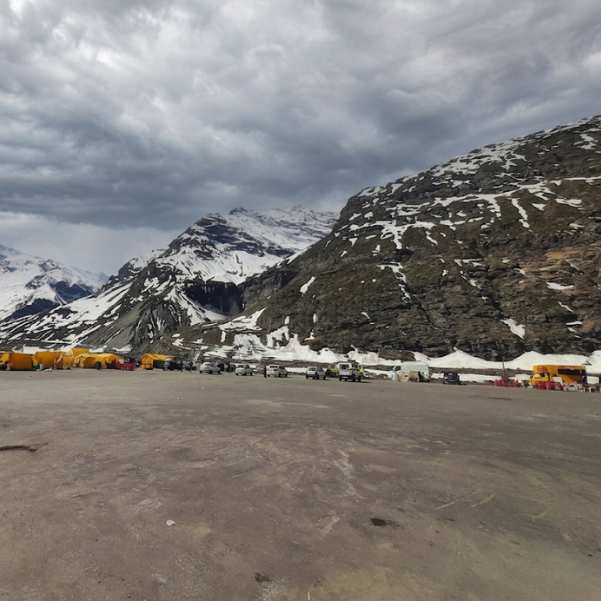
Lahaul is generally drier than lower Himachal because it sits behind the big mountains. But August is still monsoon season for anyone planning a Himachal trip.
The rain inside Sissu is often not the real issue. The bigger concern is the approach roads through Delhi, Chandigarh, Mandi, Kullu and Manali.
Look at what happened in August 2025 for context. One report said heavy rains closed 484 roads in Himachal. Another report counted 313 roads, including 2 national highways.
The same month, Beas flooding damaged parts of the Chandigarh-Manali highway and blocked the Manali-Leh road. These are historical examples, not a 2026 prediction, but they show what monsoon can do to your route.
The wider picture matters too. IMD's April 2026 long-range forecast says the 2026 southwest monsoon is most likely below normal, around 92 percent of the long period average, with a plus or minus 5 percent model error.
IMD updates these forecasts through the season, with monthly outlooks around the end of June, July and August. So check the latest one before you lock dates.
Is The Manali To Sissu Road Open In August 2026?
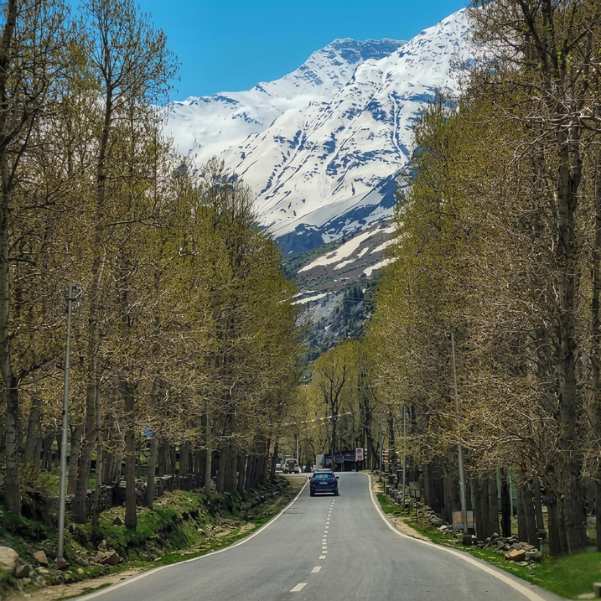
The usual route is straightforward. You go from Manali, past the Solang side, through the Atal Tunnel, out the north portal, and into Sissu.
The Atal Tunnel is 9.02 km long and connects Manali to Lahaul-Spiti all year, subject to weather and administration closures. Before this tunnel existed, Lahaul stayed cut off for about 6 months every year because of heavy snow.
During our research, the official road status showed Delhi to Manali open, Manali to Keylong open, Keylong to Kaza closed, and Keylong to Leh open.
You must check this again before an August 2026 trip. Status changes fast in monsoon.
Temporary closures happen for many reasons in this season. Landslides, flooding, police advisories, security arrangements, road maintenance, shoulder-season snowfall, or local restrictions can all shut a road with little warning.
Most travellers underestimate how slow these roads get after rain. A drive that looks short on a map can take far longer once you hit a slow-moving line of vehicles at a slide zone.
If you want a relaxed Manali base before heading up, our Manali tour packages cover stays and day trips around the town. And if you are curious how the high passes behave earlier in the year, our guide on Rohtang Pass in May explains the snow-clearing timeline well.
Do You Need A Permit For Sissu In August 2026?
This trips up a lot of people, so read this part slowly. Do not assume there is no permit at all.
Rohtang Pass permits are only for Rohtang Pass. The direct Atal Tunnel route to Sissu is a different road, so the Rohtang rule does not automatically apply.
But there is more to it. The official e-Aagman portal states that applicants with vehicles entering Lahaul and Spiti must apply for an e-pass.
It says an e-permit per vehicle is needed for the Atal Tunnel Rohtang, Koksar and Chandertal circuit, and an e-ticket for other places.
District rules can change during peak season, monsoon conditions, traffic restrictions, festivals, or administrative orders, so check the portal close to your travel date rather than relying only on old blogs.
Best Things To Do In Sissu In August
See Sissu Waterfall At Full Flow
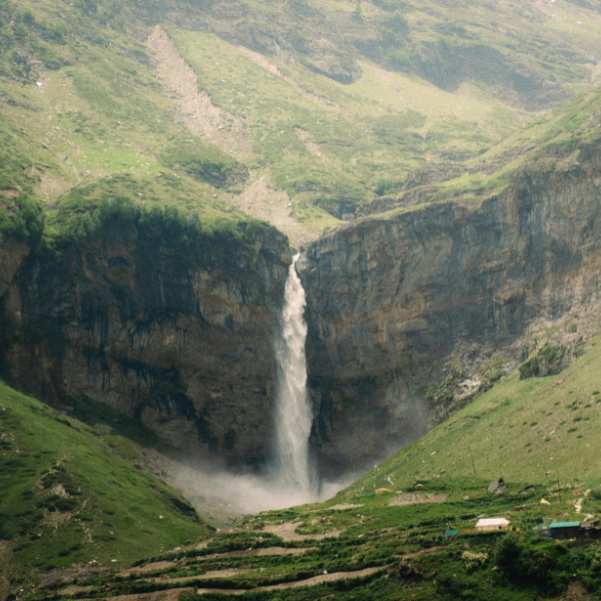
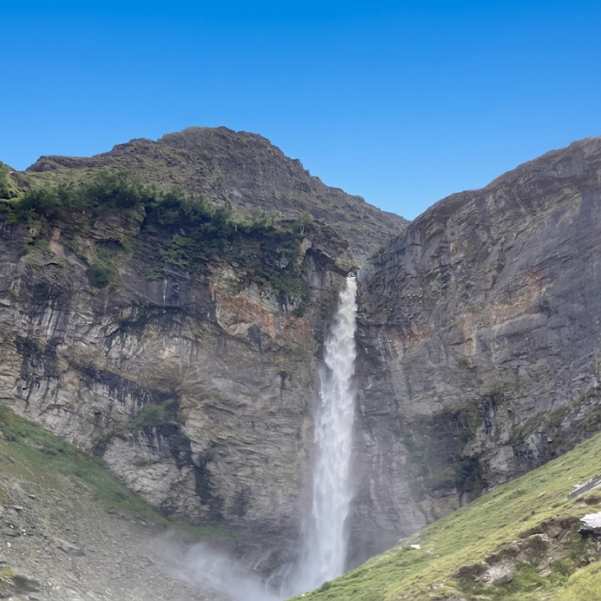
The Sissu Waterfall, locally called Palden Lhamo Dhar, runs full in July and August. This is the single best reason to come in this season.
You can see it from the highway, from Sissu Lake, and from the helipad side. Most travellers stop for 15 to 30 minutes, which is plenty.
In winter, this same waterfall freezes into an ice column from December to February, so August is the opposite end of its mood.
Now the safety part. Do not walk too close to the base in the rain. The trails turn slippery and the spray makes rocks dangerous.
Respect the local religious restrictions. Going close to the waterfall and diving are not permitted for religious reasons, so do not jump, dive, or push into restricted areas for a photo.
Walk Around Sissu Lake
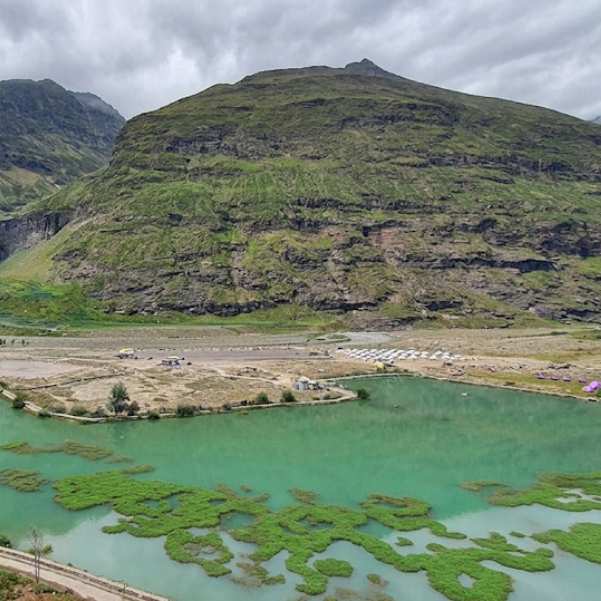
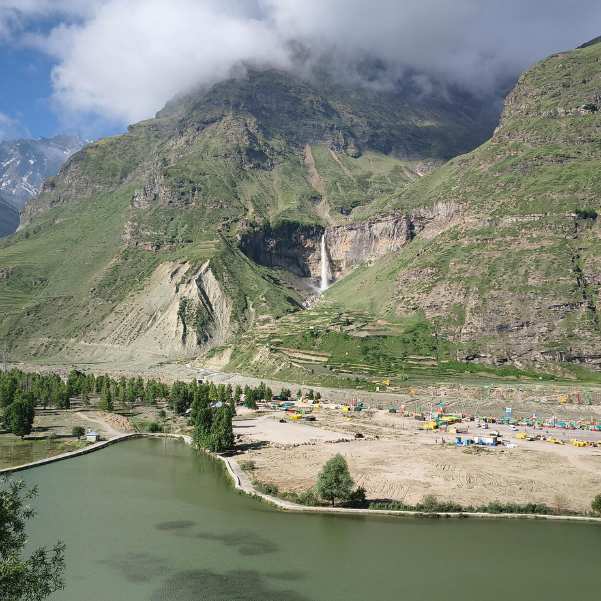
Sissu Lake is a small man-made water body at around 3,120 m. Most people spend 20 to 45 minutes here.
It is good for photos, a slow walk, a chai, and watching the waterfall from across the valley. We will be honest with you, it is not a full-day attraction, so do not plan your whole trip around it.
Stop At The Helipad Viewpoint
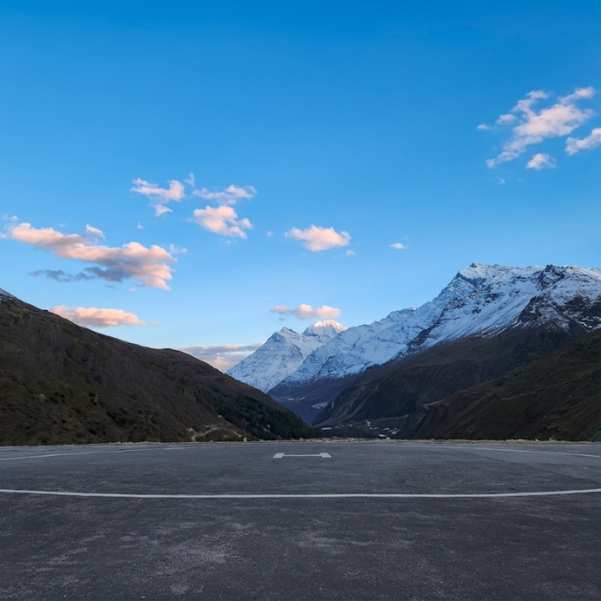
The helipad viewpoint gives you an open view of the valley and the waterfall when the weather is clear. On a good evening it is one of the nicer spots to just sit and look.
Skip it during lightning, heavy rain, or strong wind. It is an exposed open spot, and that is exactly where you do not want to be in a storm.
Visit Labrang Gompa Or Sissu Monastery
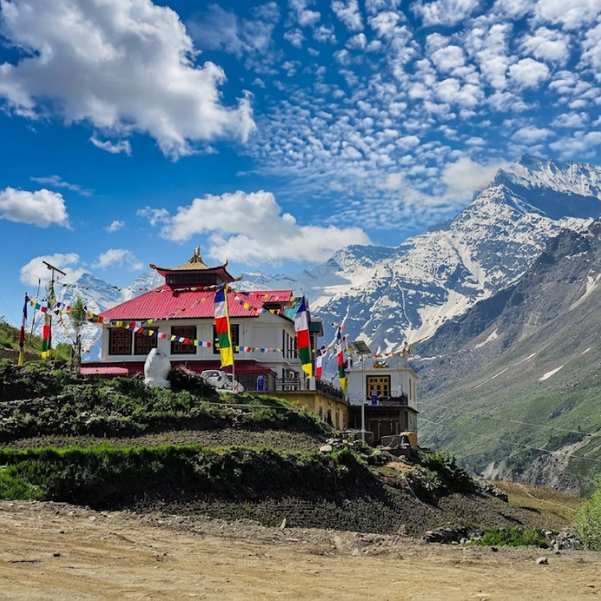
When people say Sissu Monastery, they usually mean Labrang Gompa, which sits just above the village. It is a short walk or a 5-minute drive uphill, and worth about 20 to 30 minutes.
One honest warning. It may be locked, and you might need a caretaker lama to open it. So do not build your whole day around it.
Extend To Keylong, Tandi Or Jispa If Roads Are Clear
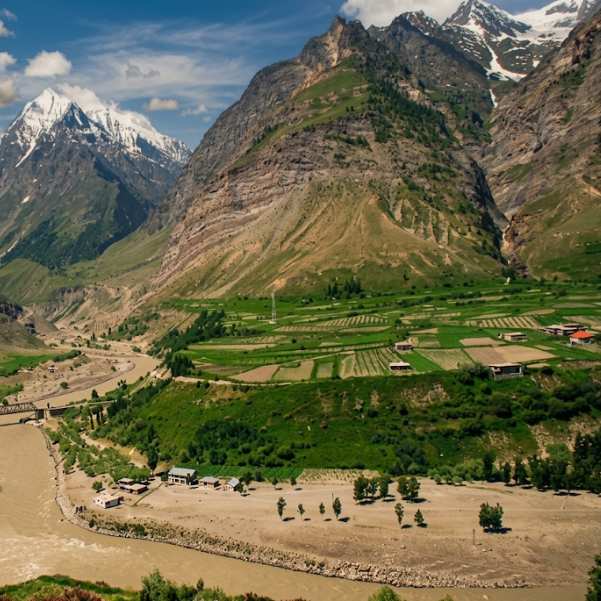
Keylong is the main town and the logistics base of the valley. It is roughly 71 km and 2 to 2.5 hours from Manali via the Atal Tunnel.
From there, Tandi Sangam sits about 7 km south of Keylong, and Jispa is about 20 km north of Keylong.
In August, only add this extension if live weather and road status allow it. Do not push deeper into the valley with a storm coming in.
If you want ideas on what else fills a day here, our list of the best places to visit in Sissu covers the smaller stops. And if Lahaul has you dreaming bigger, our Chandratal package connects this region into a longer Spiti loop.
Suggested Sissu Itinerary For August 2026
One Day Manali To Sissu Trip
Start early from Manali and cross the Atal Tunnel before the day-trip rush builds up.
Stop at Sissu Lake and the waterfall viewpoint first. Then have lunch or chai in the village. Cafe Atal and the chai spots near the lake are easy options.
Add the helipad viewpoint only if the weather looks clear. Then return before evening.
We do not give exact start times here because monsoon makes them unreliable. What we can tell you is that an early start and a daylight return are far safer than driving these roads after dark.
Two Day Sissu And Keylong Trip
Day one is Manali to Sissu, with the lake, waterfall, a village walk, and an overnight stay. This slower pace lets you actually enjoy the place instead of rushing back.
Day two can include Keylong, Tandi Sangam, or Jispa, but only if the weather and roads are clear. Do not force the extension during an active rain alert. We have turned cars around before, and nobody ever regretted playing it safe.
What To Do If Rain Starts
If the rain comes down hard, stay put. A hotel, a cafe, or a safe spot in the village is exactly where you should be.
Skip the waterfall base trails, the riverside edges, random shortcuts, and any long drives.
Call your hotel, driver, or local operator before you move anywhere. They know which stretch is acting up that day better than any app.
Who Should Avoid Sissu In August?
August is not for everyone, and we would rather tell you straight.
If you have fixed flights and no buffer day, the risk of a road block ruining your schedule is real.
Nervous first-time hill drivers will find wet, narrow roads stressful. Bikers without proper rain gear will be miserable and unsafe.
Families travelling during an orange or red weather alert should rethink the dates. And anyone planning late-night drives should drop that idea entirely.
None of this is meant to scare you off. For some people, simply shifting the trip to September is the smarter move, and there is no shame in that.
What To Pack For Sissu In August
Pack for two seasons in one day. Carry a rain jacket, a light fleece, quick-dry clothes, waterproof shoes, and extra socks because wet feet ruin a trip faster than anything.
Bring your regular medicines, motion sickness tablets if these roads get to you, a power bank, and offline maps since signal drops in patches.
Keep cash, your ID, and vehicle papers handy, plus your e-Aagman proof if it applies to your route. A waterproof pouch for your phone and documents is a small thing that saves you a big headache.
One local tip. Skip the umbrella. Mountain wind turns it inside out in seconds, and a good hooded rain jacket does the job far better.
Road Safety Tips For Sissu In Monsoon
Start early every single day. The first half of the day usually has calmer weather and clearer roads before afternoon rain builds.
Avoid night driving completely. These roads are hard enough in daylight, and a wet blind turn after dark is not worth the risk.
Check the district and police road updates before you set off, not just a generic weather app. Locals and police know about a fresh slide hours before it makes the news.
Do not park near streams or slide zones, even for a quick photo. Water levels and loose slopes change fast in monsoon.
Keep snacks and water in the car, because a road block can hold you for hours with nothing around. Never overtake on blind turns, and never try to cross a fast-flowing water patch on the road.
And the rule we repeat the most to our travellers
Keep one buffer day. That single spare day is the difference between a stressful trip and a relaxed one.
>>Talk to our team for safe travel advice and live route updates to Sissu
Sissu In August Vs September: Which Is Better?
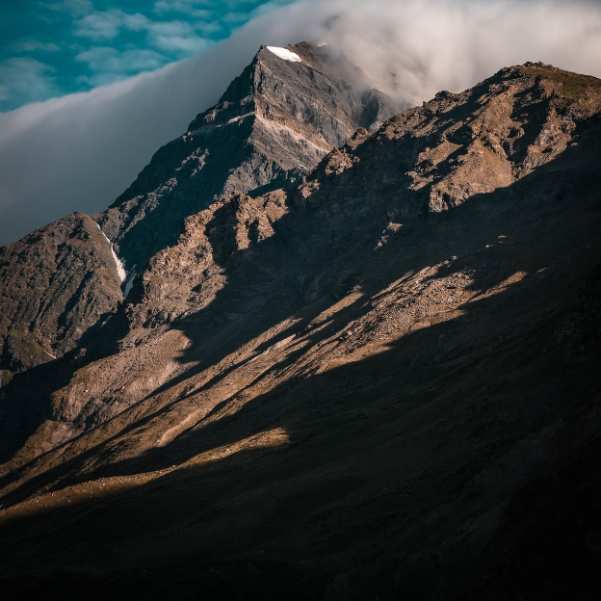
August gives you the greener valley, the stronger waterfall, and that full monsoon mood with clouds spilling over the slopes. It is the more dramatic version of Sissu.
September usually gives you more stable roads and clearer skies as the monsoon starts pulling back. The trade-off is that the waterfall may look slightly less powerful, and the evenings start feeling colder.
If your top priority is the waterfall and green views, pick August. If you want fewer road worries and clean skies, lean September.
For a sense of how this region looks once the monsoon clears, our guide on Chandratal in September shows what stable post-monsoon weather does to the whole Lahaul-Spiti belt.
Final Verdict: Should You Plan Sissu In August 2026?
Yes, plan Sissu in August 2026 if you can keep your plans flexible, check live road status, and avoid risky driving. The waterfall and green valley make it worth the effort.
No, do not plan it if you want a guaranteed smooth trip, a fixed sightseeing checklist, or zero road uncertainty. September will treat you better in that case.
We are based in Himachal, we drive these roads through the season, and we plan trips around what is actually happening on the ground, not around a pretty brochure.
A well-timed Sissu trip makes a huge difference in August. Our Sissu Tour Packages help you travel with better planning, local support, and less confusion on the route.
Related topics
Frequently Asked Questions
Is Sissu worth visiting in August?
Yes, if you stay flexible. The waterfall is at full flow and the valley is green, but you need to accept monsoon road uncertainty and keep a buffer day.
Is Sissu safe in August during monsoon?
Sissu itself is generally fine. The risk sits on the approach roads through lower Himachal and Manali, where rain can cause landslides and blocks. Check live status and avoid night driving.
Does Sissu get heavy rain in August?
Lahaul is drier than lower Himachal, but August is still monsoon season. The heavier rain usually hits the route to Sissu rather than Sissu itself, so the approach is the real concern.
Is Manali to Sissu road open in August?
During our research, Manali to Keylong showed as open, which covers the Sissu stretch. Roads change fast in monsoon, so always confirm status the day before and the morning you leave.
Do I need a permit for Sissu via Atal Tunnel?
Possibly. The e-Aagman portal says vehicles entering Lahaul and Spiti must apply for an e-pass, with rules differing by circuit. Check the current process before you travel.
Can I visit Sissu as a day trip from Manali in August?
Yes. Sissu is around 40 km from Manali via the Atal Tunnel, so a one-day trip works. Start early, finish sightseeing by afternoon, and return in daylight.
What is the weather in Sissu in August?
Using nearby Keylong as a reference, expect highs around 16°C and lows around 9°C. Days feel pleasant in the sun and cold once clouds roll in.
Are landslides common on the Manali to Sissu route in August?
They can happen during heavy rain, especially on the lower Himachal approach. In August 2025, hundreds of roads across the state closed at one point, so the risk is real.
What should I pack for Sissu in August?
Carry a rain jacket, light fleece, quick-dry clothes, waterproof shoes, extra socks, medicines, a power bank, offline maps, cash, ID and vehicle papers. Skip the umbrella.
Is Sissu better in August or September?
August wins for the waterfall and green views. September wins for stable roads and clear skies. Pick based on whether you value the scenery or the smoother logistics.
Can I do the Sissu Waterfall trek in August?
There is an easy hike to the waterfall, often quoted as about an hour from the Zostel side. In monsoon, trails turn slippery, so be cautious and skip the base in heavy rain.
Is August good for families travelling to Sissu?
It can work for families who keep a buffer day and travel only when there is no orange or red alert. Avoid forcing the trip during active heavy-rain warnings.
More about Sissu
 Sissu
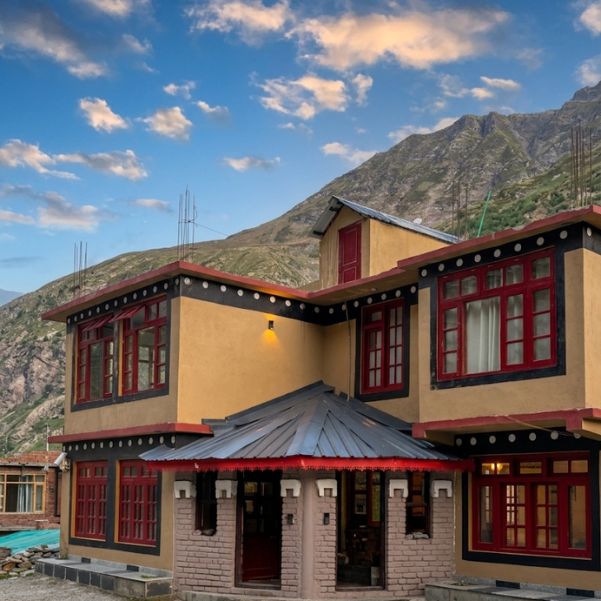
SissuWhere to Stay in Sissu in 2026: Best Hotels, Homestays & Areas for Every Budget
Planning an overnight stay in Sissu? This 2026 guide covers the best hotels, homestays, budget stays and convenient areas to help you choose the right accommodation for your trip.
- First-Time Travellers
- Places to Visit
 Sissu
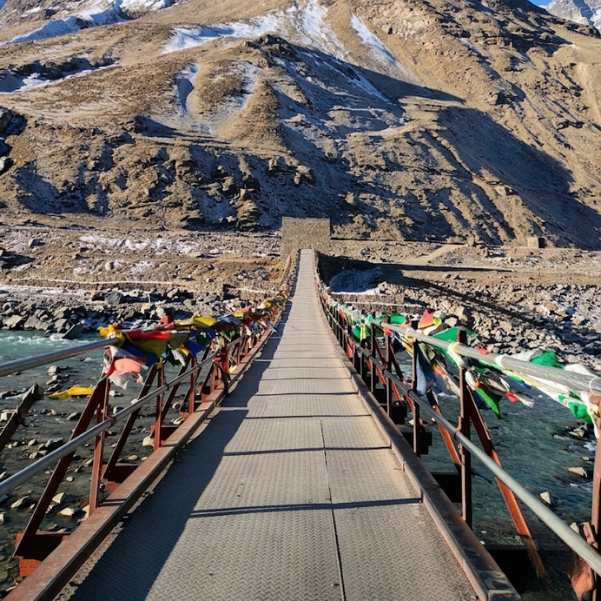
SissuSissu in October 2026: Weather, Snow Chances, Road Status & Autumn Travel Guide
Planning a trip to Sissu in October 2026? Here’s what to expect from the weather, temperatures, autumn colours, snow chances and Manali to Sissu road conditions, plus practical tips on what to pack and how to plan your visit.
- Best Time to Visit
- Road Status
 Sissu
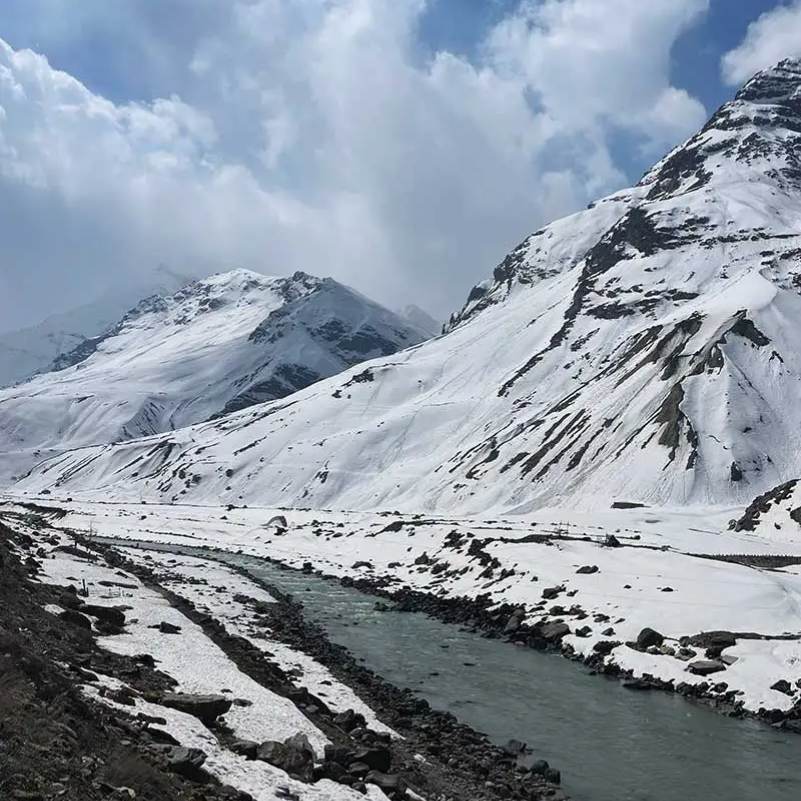
SissuSissu in December 2026: Snowfall, Weather, Road Status & Winter Travel Guide
Planning a Sissu trip in December 2026? This guide covers expected snowfall, temperatures, Manali to Sissu road conditions, Atal Tunnel access, what to pack, and practical winter travel tips for a safer snow trip.
- Snow Travel
- Road Status