
Shinkula Pass in June 2026: Road Status, Snow Guide and Travel Tips
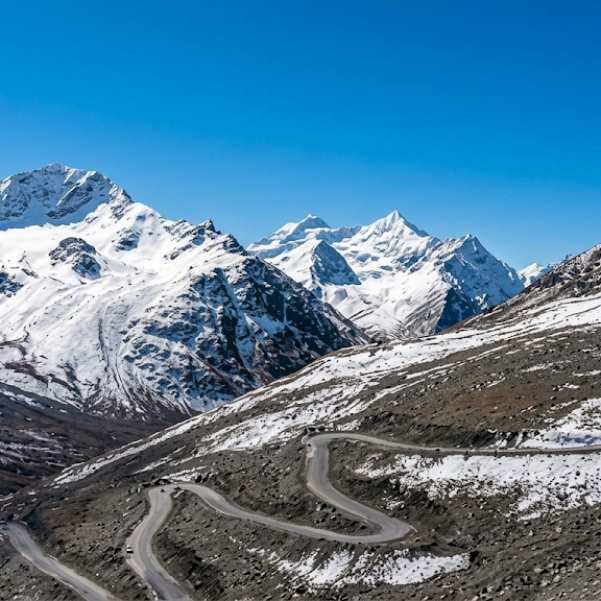
If you are planning Shinkula Pass in June 2026, the honest truth is this: June is one of the better months to attempt it, but the road still does not run on a fixed calendar.
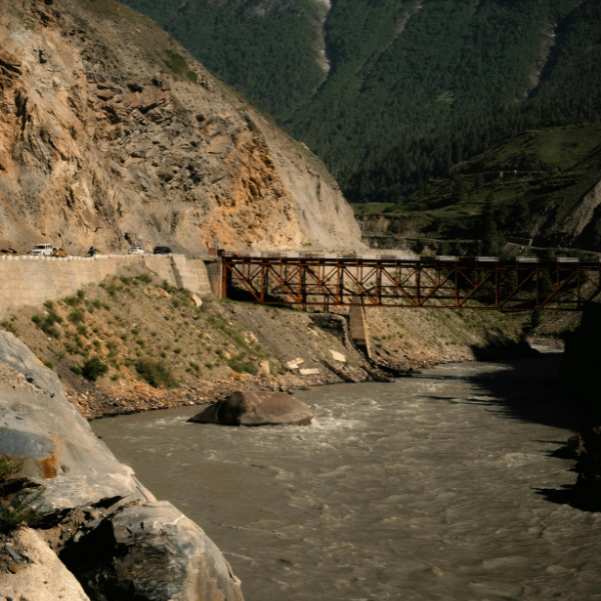
May this year already showed everyone why. A bridge collapsed under a loaded truck on May 1, the route was cut, and traffic was later allowed only for 4x4 vehicles.
So before you fall in love with those snow-wall photos, you need the real picture. That is exactly what this guide gives you.
We send travellers up the Lahaul side every season, and we have watched how this pass behaves week to week. Here is what June 2026 actually looks like, and how to plan it without ruining your trip.
Quick Answer: Is Shinkula Pass Open in June 2026?
June is usually a realistic month to visit Shinkula Pass, and access becomes more predictable as the month goes on.
But you must check the road status close to your travel date. May 2026 had 4x4-only conditions and a temporary blockage, so early June can still carry that early-season risk.
Snow is still possible near the pass top, especially in the first half of June. By late June, the road settles down and the drive feels far more reliable.
In short: plan it, but stay flexible and verify the Darcha to Shinkula stretch the same week you leave.
👉 Get live Shinkula Pass updates from our team on WhatsApp before you travel.
Shinkula Pass in June at a Glance
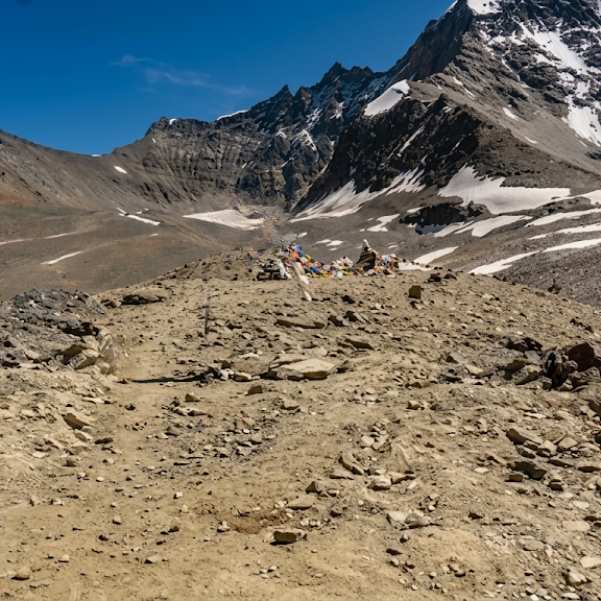
June suits a specific kind of traveller. If you have driven mountain roads before, ride a capable bike, want snow photos, or plan to push on into Zanskar, June is a strong window for you.
It does not suit everyone though. If your dates are fixed and you cannot afford a single delay, this is not the trip for you.
The same goes for young kids, older travellers with altitude or heart concerns, and anyone who just wants easy snow play near the car.
Expect snow near the top in early June, thinning out as the month progresses. A high-clearance vehicle is the safe choice, and a 4x4 is smarter still after fresh snow or rain.
One thing we tell everyone honestly
Shinkula is not a casual picnic-style snow point like the easy spots near Manali. This is a high, remote pass with real consequences if conditions turn. Treat it with respect and you will love it.
Where Is Shinkula Pass and Why Is It Popular in June?
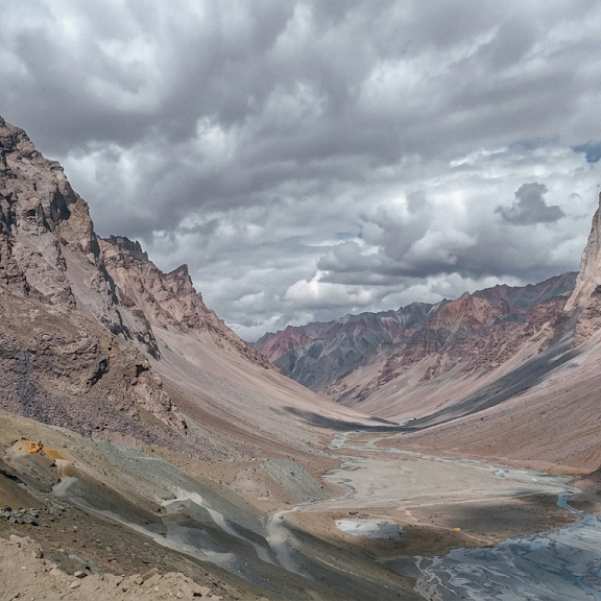
Shinkula Pass (also written Shinku La or Shingo La) connects Lahaul in Himachal Pradesh with Zanskar in Ladakh. It sits on the Nimu Padum Darcha road, the new link that finally joins these two isolated valleys.
The route flow goes like this: Manali, then the Atal Tunnel, then Sissu, Tandi, Keylong, Jispa, Darcha, up over Shinkula, past Gonbo Rangjon, through Kargyak, Purne and finally Padum.
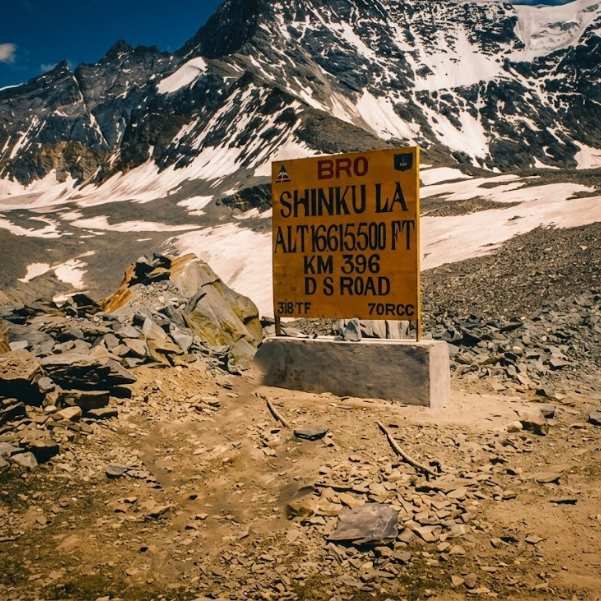
The pass altitude is roughly 16,580 ft. Some sources list it around 5,050 to 5,091 metres, so you will see slightly different numbers floating around. Treat any single figure as approximate.
June pulls crowds for a simple reason. It is the first proper summer window after a long winter lock-down, so the snow drama is still fresh while the road slowly becomes usable.
If Shinkula is just the warm-up for a bigger Ladakh plan, our Ladakh tour packages cover the routes and stays once you cross into Zanskar.
What Is the Latest Shinkula Pass Road Status for June 2026?
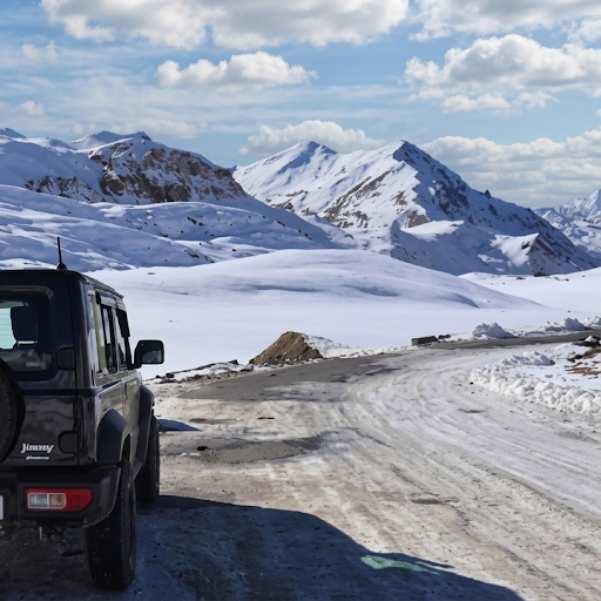
Here is the verified picture, and it matters more than any generic "June is open" line you read elsewhere.
On May 1, 2026, Shinkula was temporarily blocked after a small bridge collapsed under a loaded truck. Traffic was later restored, but only for 4x4 vehicles.
On May 14, 2026, the Lahaul and Spiti DC called the reopening of both Baralacha and Shinkula in a short window a major achievement. The police were directed to regulate traffic and monitor the route.
The official Lahaul and Spiti road page showed Manali to Keylong and Keylong to Leh as open on its March 20, 2026 update. But it did not give detailed tourist access info for the Shinkula stretch specifically.
That gap is the whole point. The highway being open does not mean the pass road is cleared for tourists.
So the advice is simple. Verify the Darcha to Shinkula section separately before you leave, not just the Manali to Keylong highway. These are two different things, and many travellers learn that the hard way at a police checkpost.
What Is the Road Condition from Manali to Shinkula Pass in June?
Let us break the drive into pieces so you know exactly what each stretch feels like.
Manali to Sissu via Atal Tunnel
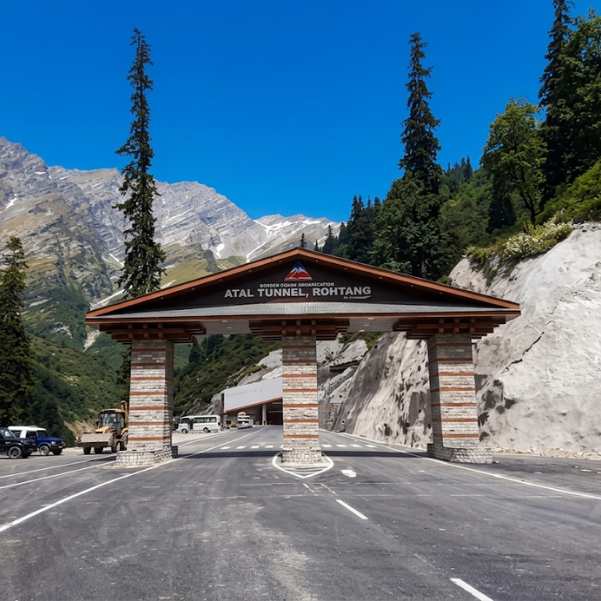
This is the easy part. The Atal Tunnel drops you into Lahaul in minutes, skipping the old Rohtang climb entirely.
Sissu is green, gentle, and a good first stop to catch your breath in the valley. The road here is smooth and well kept.
If you want a relaxed Lahaul base before the serious climbing starts, our Sissu tour packages cover stays and day plans around this stretch.
Most tourists make one mistake right here. They blast through the tunnel and try to reach Darcha or beyond on day one, skipping a night in lower Lahaul entirely. That rushed altitude gain is exactly what triggers headaches and nausea higher up.
A small tip from our drivers: stop for hot tea at one of the dhabas on the Sissu side of the tunnel. The food is simple but warm, and it is a far better rest point than pushing tired into the higher villages.
Sissu to Keylong, Jispa and Darcha
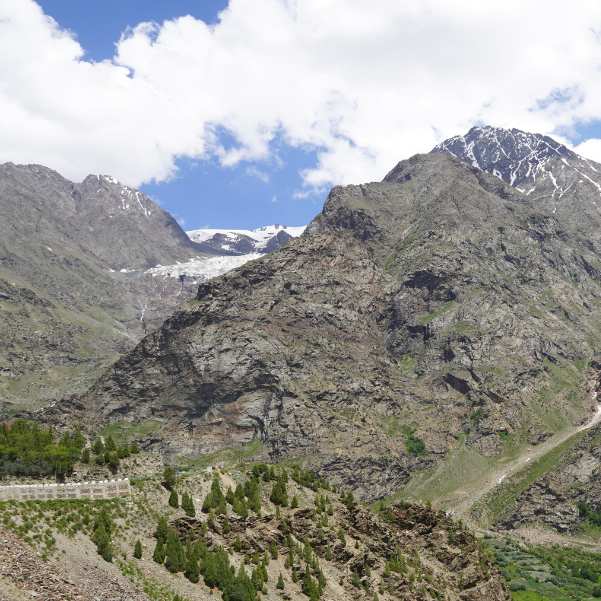
This is your practical approach route. You get fuel, food, beds, and most importantly, altitude that helps your body adjust before the big push.
Tandi is the last reliable fuel pump before the Zanskar diversion. Fill up here. Do not gamble on finding fuel further along.
Keylong, Jispa and Darcha all have stays and dhabas. We usually put first-timers up at one of these so they sleep at altitude before the climb, not the same day they arrive.
Darcha to Shinkula Top
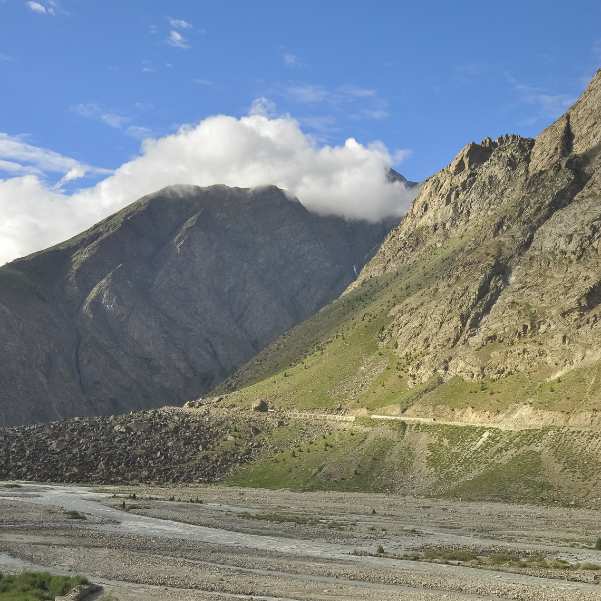
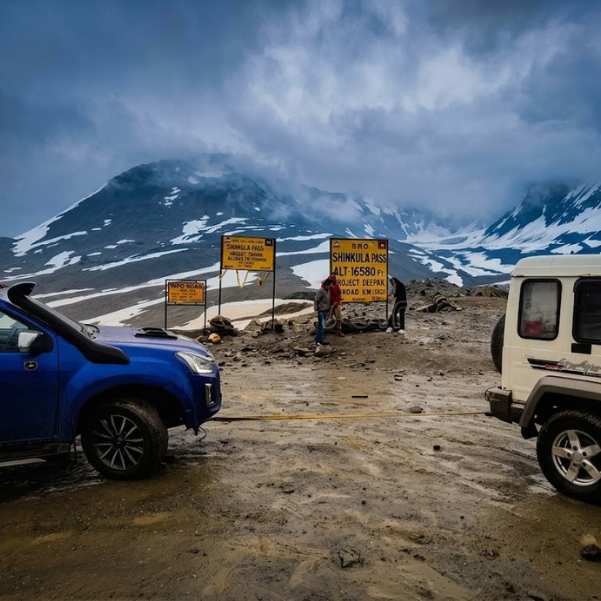
Now it gets serious. This section has rough patches, lingering snow, meltwater crossings and restrictions that can change without notice.
For distance, the sources genuinely conflict. Darcha to Shinkula is often quoted around 25 to 40 km depending on the measuring point, so check Google Maps and local drivers before publishing.
Whatever the number, the time matters more. This stretch is slow, and snow or water crossings can stall you for hours.
Shinkula to Padum
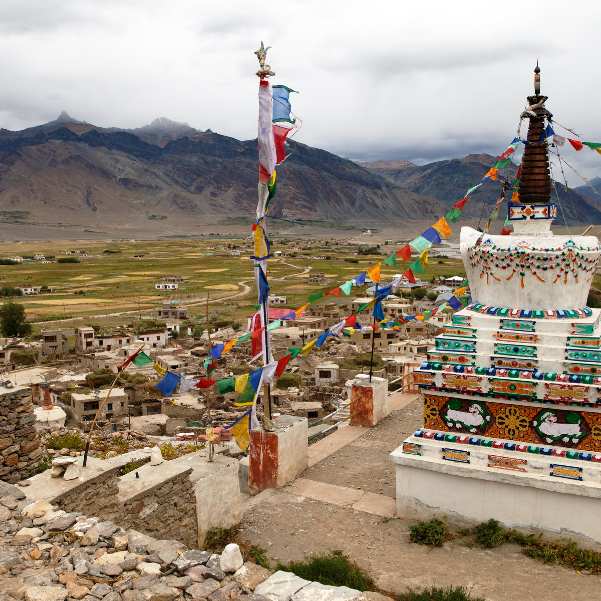
This part is for serious Zanskar road-trippers, not a casual Manali sightseeing add-on. Once you cross the pass, you are committing to a long, remote journey deep into Zanskar.
If your plan is just to see the pass and turn back, you stop at the top. Going down towards Padum is a different trip altogether.
Will There Be Snow at Shinkula Pass in June?
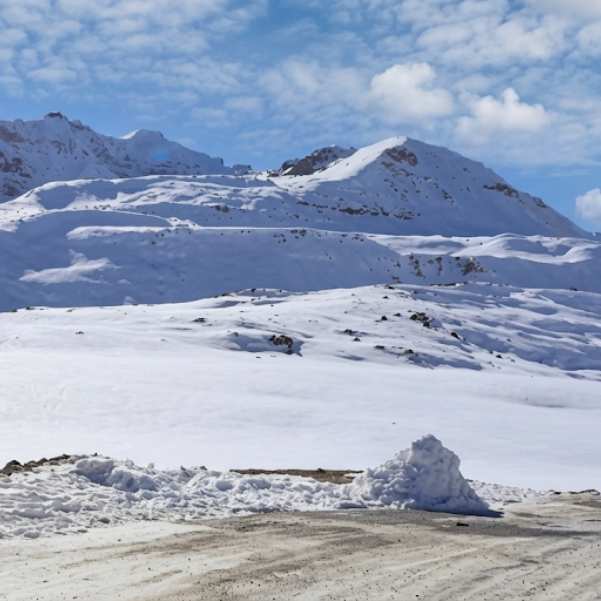
Yes, usually, but how much depends on when in June you go and on fresh snowfall.
Early June
This is your best shot at snow walls and icy patches near the top. The white drama is still here, the air is sharp, and the photos are spectacular.
The trade-off is risk. Roads are roughest now, and a fresh spell of snow can shut things down fast.
Mid June
Conditions usually become more stable by now. You can still find snow patches near the top, but the road is generally more dependable.
This is a good middle ground for travellers who want some snow without the early-season chaos.
Late June
Late June is usually the most comfortable and reliable window. The road settles, temperatures rise, and driving stress drops a lot.
The dramatic snow walls do shrink by now though. You gain comfort and lose some of the white spectacle. That is the honest trade.
We never promise exact snow depth for June because it swings with the weather every single year. Anyone giving you a fixed number is guessing.
One timing tip that changes everything: reach the pass top in the morning, ideally before the late-morning melt softens the snow patches and turns shaded sections slushy.
Early light also makes the snow and the bare Zanskar-side mountains look sharper for photos, before any haze builds up.
Here is a ‘skip-this’ tip
Do not waste time chasing every roadside snow patch lower down for photos on the way up. The real scenery is at and beyond the top. Save your energy, your daylight and your fuel for the section that actually deserves it.
Is June a Good Time to Visit Shinkula Pass?
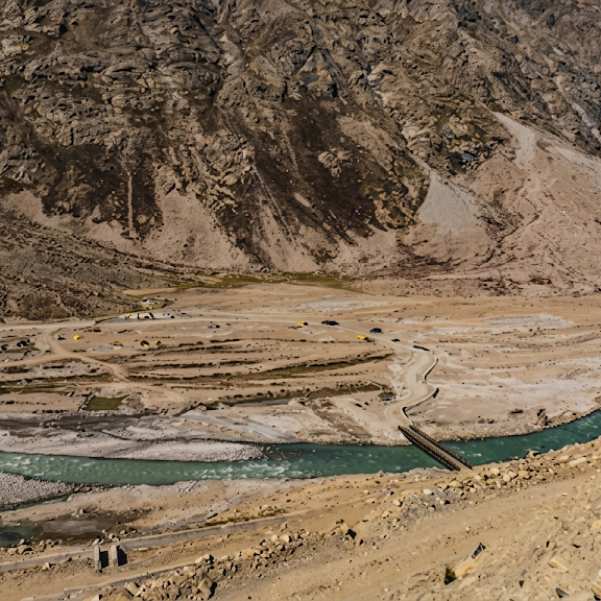
Yes, if you are the right traveller. June works well for experienced road-trippers, snow photographers, bikers, 4x4 travellers, and anyone planning to extend into Zanskar.
No, if you have a rigid itinerary, are travelling with young kids, have senior travellers worried about altitude, or just want easy snow play.
The single biggest thing most tourists get wrong is treating Shinkula like a fixed-date destination. It is not. The people who enjoy it most are the ones who keep a backup plan and accept that the mountain decides.
If you want to understand how unpredictable these high passes can be in early summer, our Rohtang Pass in May guide shows the same pattern playing out on a more famous pass.
Can You Take a Normal Car or Bike to Shinkula Pass in June?
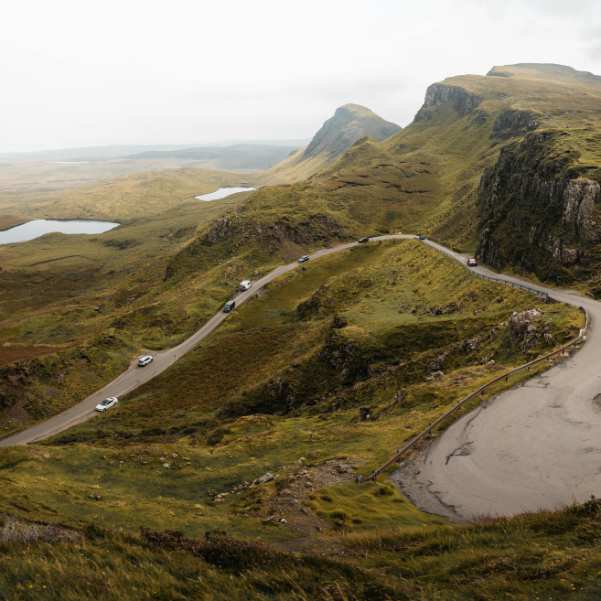
We will not promise you normal car access. High ground clearance is strongly recommended, and a 4x4 is the safer choice in early June or after fresh snow and rain.
The road has rough patches, river crossings and remote sections. A low sedan or hatchback will struggle, and a breakdown out here is a serious problem with no quick help nearby.
For the full Manali to Zanskar run, some route sources suggest a 4x4 SUV, or a Royal Enfield 350cc and above for riders.
If you are riding, check your brakes, tyres and warm gear before you commit. And check the weather the morning you leave. A bike on a wet, snowy pass at this altitude punishes any weakness in your prep.
One money note worth knowing. If you do not own a capable vehicle, hiring a 4x4 with a driver from Manali is far smarter than renting a low car cheap and gambling on the road.
We have seen travellers save money on the rental and then lose far more on a damaged underbody or a recovery tow from a stretch with no help nearby.
Decide your vehicle rate before you start, not at Darcha. Prices quoted on the spot for the final pass section can jump once a driver sees you have no other option. Lock the number in Manali or Keylong where you still have choices.
Do You Need a Permit for Shinkula Pass in June 2026?
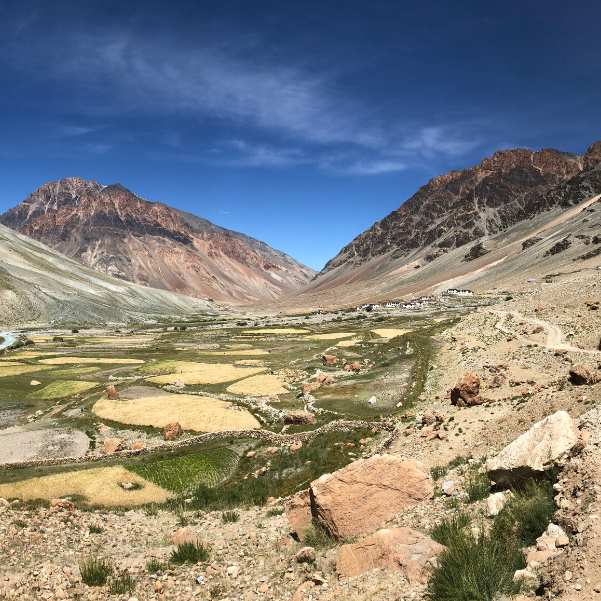
Be careful here, because permit rules get mixed up online all the time.
Domestic tourists generally do not need a Ladakh Inner Line Permit just for the Manali to Zanskar via Shinkula route, according to route sources. But district vehicle entry rules, e-pass, e-ticket or checkpost requirements can still apply and must be verified before you travel.
HP e-Aagman states that vehicles entering Lahaul and Spiti may need an e-pass, e-ticket or e-permit depending on the route or circuit.
Expect checkpoints to record your vehicle number, passenger count and ID proof. Keep your documents handy and your phone charged.
What we always tell our travellers is to sort any required e-pass before leaving Manali, while you still have network and time. Doing it at a checkpost with a queue behind you is a bad place to discover a missing document.
Can You Do Shinkula Pass as a Day Trip from Manali?
It is possible only when the roads are clear and you are well prepared, but we will be straight with you: treating it as a casual day trip is tiring and risky.
You face road delays, a big altitude jump, snow stops and checkpost waits, all in one stretch. That is a lot to cram into a single day, and it leaves no room for anything going wrong.
A far better plan is to stay a night in Sissu, Keylong or Jispa, then start early the next morning rested and acclimatised. Your body and your photos will both thank you.
If you want a base sorted near the start of this route, our Manali tour packages include stays and local drivers who actually know these roads.
Suggested 2-Day June Plan for Shinkula Pass
Here is a simple plan that works for most travellers in June.
Day one is your easy day. Drive from Manali through the Atal Tunnel and settle into Sissu, Keylong or Jispa. Take it slow, eat well, and sleep at altitude.
Day two is the real climb. Start early towards Darcha and up to Shinkula. Spend time at the top if conditions allow, then plan your return based on the road status and the weather that morning.
We are not giving you exact driving times because the rough sections make every estimate unreliable. The road, not the clock, sets the pace here.
One non-negotiable from us: keep a backup day or a backup destination. If Shinkula says no, Sissu or Keylong make a lovely fallback instead of a wasted trip.
What Should You Pack for Shinkula Pass in June?
June in Manali feels like summer. Shinkula does not. Pack for high-altitude cold even if you leave in a t-shirt.
Carry warm layers, a windproof jacket, gloves, sunglasses and sunscreen. The sun is brutal up here and the wind cuts straight through anything thin.
Bring water, snacks, cash, offline maps, a power bank and basic medicines. Network is patchy, ATMs do not exist out here, and a charged phone with offline maps is genuinely useful.
For the vehicle, carry a spare tyre and a tool kit. If you are pushing on into Zanskar, some route sources recommend carrying 20 to 30 litres of extra fuel because pumps are scarce and supply at Padum can be limited or unreliable.
Is Shinkula Pass Safe for Families, Kids and First-Time Travellers?
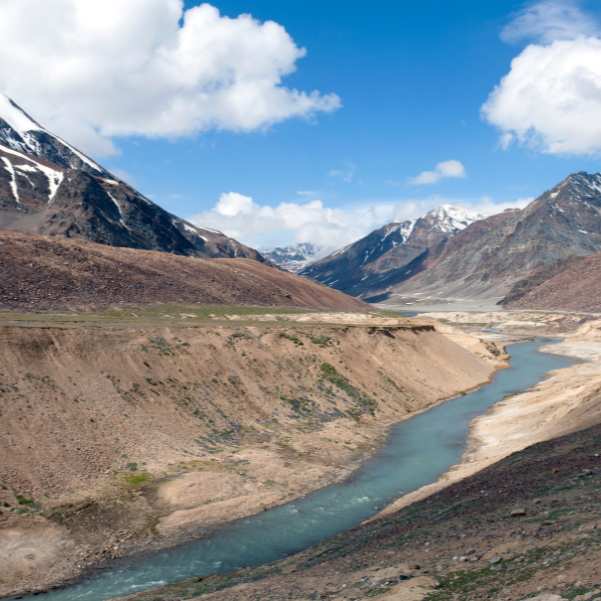
The lower Lahaul side is genuinely family-friendly, especially Sissu. Green, gentle, easy to reach, and comfortable for kids and grandparents alike.
Shinkula itself is a different story. It brings altitude, wind, long remote stretches and road uncertainty that do not mix well with very young or vulnerable travellers.
For a relaxed family trip, we usually steer people towards Sissu or Koksar instead. You still get Lahaul's beauty without the high-altitude stress.
If you are weighing this against another high-altitude lake trip with similar concerns, our Chandratal open 2026 guide walks through the same family safety logic in detail.
Shinkula Pass vs Sissu vs Baralacha in June
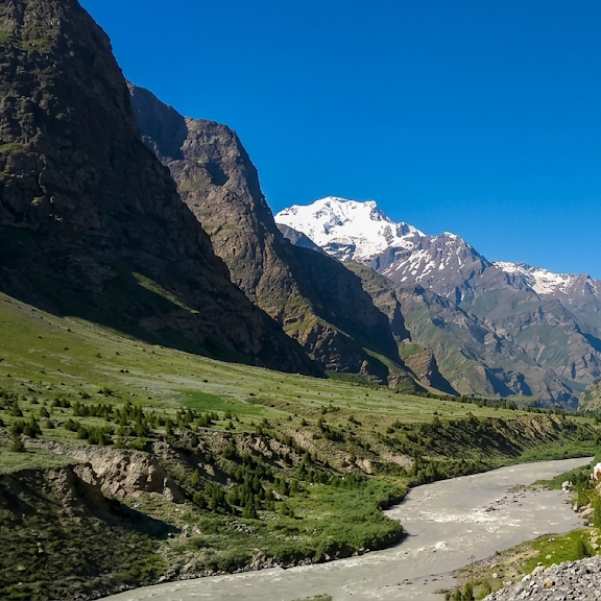
These three get compared a lot, so here is the honest difference.
Shinkula is raw, remote and adventurous. It is for travellers who want a real high-altitude challenge and the reward of crossing into Zanskar.
Sissu is the easy one. Comfortable, accessible, and far better for families or anyone who just wants a pleasant valley stay without the stress.
Baralacha is also high altitude and status-dependent, much like Shinkula. It usually suits travellers already heading up the Manali Leh side towards Sarchu and Leh, rather than a standalone trip.
If you want to fold any of these into a broader Lahaul and Spiti plan, our Spiti Valley tour packages cover the wider corridor and where each pass fits.
Latest Shinku La Tunnel Update
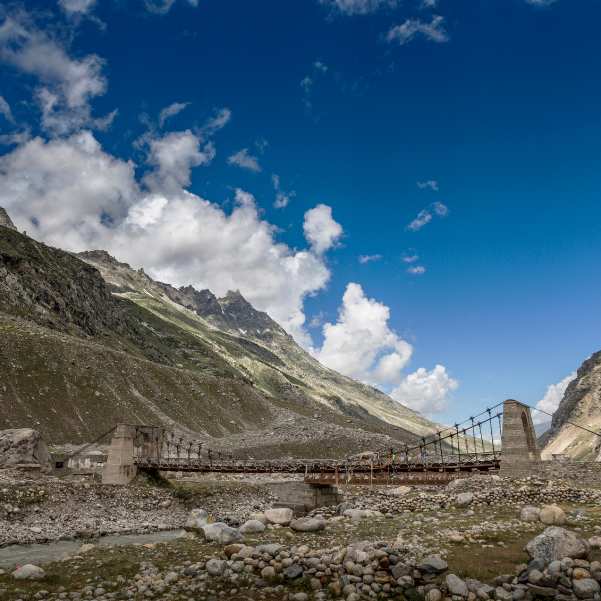
Big change is coming to this route. The Shinkun La Tunnel is a 4.1 km twin-tube tunnel planned at around 15,800 ft on the Nimu Padum Darcha road.
Once built, it is meant to give all-weather connectivity to Leh, which would change winter access to Zanskar completely.
PM Modi virtually carried out the first blast of the Shinkun La Tunnel Project on July 26, 2024. The tunnel is planned as a 4.1 km twin-tube project on the Nimu–Padum–Darcha Road to improve all-weather connectivity toward Ladakh.
Some 2026 sources mention a revised August 2028 completion target, but treat this as a reported target, not a fixed opening date, because high-altitude infrastructure timelines in the Himalayas often shift.
For now, none of this helps your 2026 trip. You still cross the open pass the old-fashioned way, snow walls and all.
Final Advice: Should You Plan Shinkula Pass in June 2026?
Here is our straight local verdict.
Yes, plan Shinkula Pass in June if you are flexible, have the right vehicle, can start early, and are genuinely okay turning back if conditions say so.
If you want predictable comfort, easy snow, or a stress-free family trip, choose Sissu or another Lahaul plan instead. There is no shame in picking the trip that actually fits you.
The travellers who come back happiest are the ones who treated the pass as a goal, not a guarantee. June rewards preparation and punishes rigid plans.
👉 WhatsApp us for live updates on Shinkula route before you travel.
Explore Spiti Valley Packages
Related topics
Frequently Asked Questions
Is Shinkula Pass open in June 2026?
June is usually a realistic month to visit, and access improves through the month. Still, verify the Darcha to Shinkula stretch close to your travel date, since early June can carry leftover risk from May.
Will I see snow at Shinkula Pass in June?
Likely yes, especially in early June when snow walls and icy patches are still around. By late June the snow thins out, so the dramatic white scenes reduce while the road gets easier.
Is early June or late June better for Shinkula Pass?
Early June is better for snow visuals but rougher and riskier. Late June is better for comfort and reliable roads, with less dramatic snow. Pick based on what matters more to you.
Can a normal car go to Shinkula Pass in June?
We do not recommend it. High ground clearance is strongly advised, and the road has rough patches, river crossings and remote sections that a low sedan will struggle with.
Is 4x4 compulsory for Shinkula Pass?
Not always officially, but a 4x4 is the safer choice, especially in early June or after fresh snow and rain. In May 2026, access was actually restricted to 4x4 vehicles only after a blockage.
Do I need a permit for Shinkula Pass?
Domestic tourists generally do not need a Ladakh Inner Line Permit for this route, but HP e-pass, e-ticket or checkpost rules may apply. Verify before you travel.
How far is Shinkula Pass from Manali?
Sources conflict, with figures often around 160 to 170 km, so we will not state an exact number. The rough sections matter more than the distance, since the drive is slow.
Can I do Shinkula Pass in one day from Manali?
It is possible only when roads are clear and you are well prepared, but it is tiring and risky. Staying a night in Sissu, Keylong or Jispa and starting early next morning is far smarter.
Is Shinkula Pass safe for children?
The lower Lahaul side, especially Sissu, is family-friendly. Shinkula itself has altitude, wind and remote stretches that are not ideal for young kids, so we usually suggest Sissu or Koksar instead.
Where should I stay before visiting Shinkula Pass?
Sissu, Keylong or Jispa all work well. They give you fuel, food, beds and the altitude your body needs to adjust before the climb to the pass.
Is there mobile network at Shinkula Pass?
Network is limited. BSNL postpaid may work in some areas, while other networks may drop after Darcha. Download offline maps and tell someone your plan before you lose signal.
Which is better in June, Shinkula Pass or Sissu?
It depends on what you want. Shinkula is for adventure and snow drama with real uncertainty. Sissu is easier, more comfortable, and the better pick for families or a relaxed valley trip.
More about Lahaul and Spiti
 Lahaul and Spiti
Winter Spiti from Bangalore in 2026-27: Flights, Leave Days & Delhi 4x4 Departures
Planning a Winter Spiti trip from Bangalore in 2026-27? Explore flight options, Delhi pickup points, leave requirements, 4x4 group expeditions, travel costs and a practical itinerary to help you plan your Himalayan winter adventure.
 Lahaul and Spiti
What Does a Winter Spiti 4x4 Trip Really Cost in 2026-27? Package Price vs Total Holiday Budget
Planning a Winter Spiti 4x4 trip in 2026-27? Discover the real travel budget, including package prices, transport, meals, winter essentials and hidden expenses. Learn what your package covers, what costs extra and how to plan your Spiti Valley adventure without unexpected spending.
 Lahaul and Spiti
How Many Leave Days Do You Need for a 9-Day Winter Spiti Trip in 2026-27?
Planning a 9 day Winter Spiti trip in 2026 to 2027 requires careful leave planning, especially for working professionals travelling from cities like Bangalore, Mumbai, Hyderabad and Delhi.