
Shangarh Trip Cost 2026: Budget, Stays, Transport and Package Price Guide
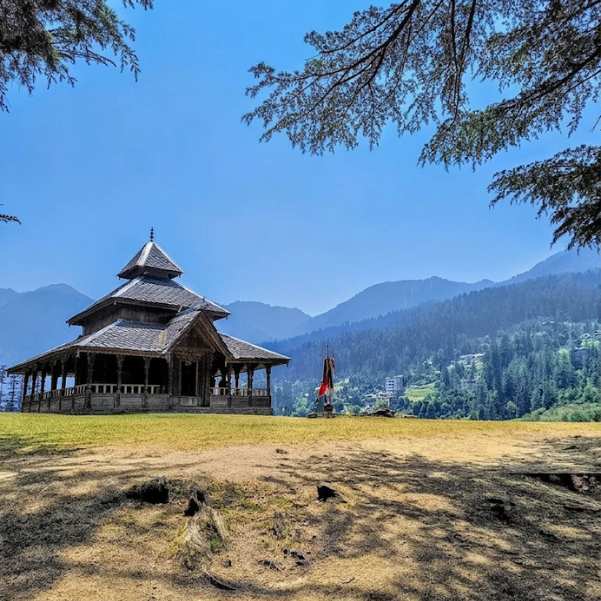
Shangarh is one of those Himachal places where the trip can stay simple, peaceful and surprisingly budget friendly if you plan it right.
You are not spending on big resorts or crowded tourist activities here. Most of the cost goes into your travel, homestay, food and local taxi movement between Aut, Sainj and Shangarh.
This guide by Travel Coffee breaks down the real Shangarh trip cost for 2026 in a simple way, so you can understand the budget before you pack your bags.
Quick Answer: How much does a Shangarh trip cost in 2026?
For most travellers, a basic Shangarh group trip works out to roughly ₹6,999 to ₹10,000 per person for a 2N/3D plan starting from Delhi. Where you land in that range depends mostly on how many people share a room and how much the package actually covers.
If you would rather travel on your own and stay a little longer, a DIY 4 to 5 day trip usually costs somewhere around ₹12,000 to ₹20,000 per person. That is a wide band, and it should be. Your stay choice, your food habits and how often you hire a taxi will move the final number a lot.
Private couple or family trips cost more than shared group departures. You are paying for privacy and a calmer pace, not a fixed schedule. In our experience, couples who want an unhurried Shangarh trip are happier paying a bit extra than squeezing into a group timetable.
One honest reminder before you plan anything. Mountain prices shift with season and demand, so treat every figure on this page as a planning estimate and reconfirm closer to your travel date.
👉 WhatsApp our team for help with your Shangarh travel plan.
What is included in a Shangarh trip cost?
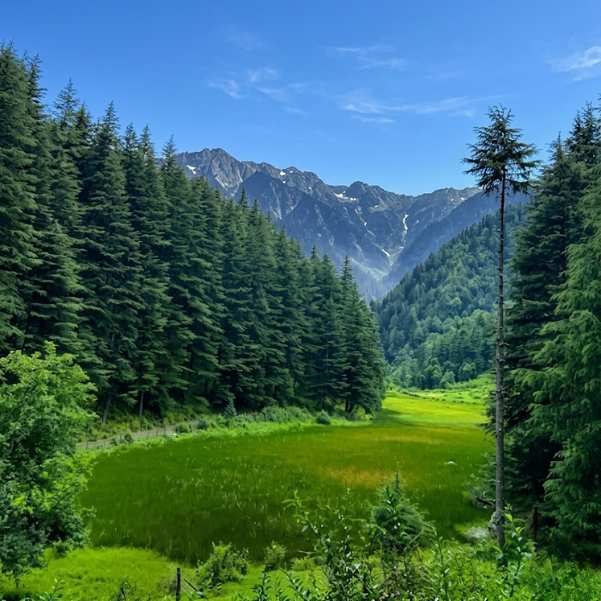
When people compare a Shangarh trip cost, they often look only at the headline price. The smarter move is to look at what sits inside it.
A typical Shangarh trip cost is built from transport, your stay, meals and basic sightseeing. Transport is usually the biggest single chunk, especially the long stretch from Delhi or Chandigarh.
Stay and food come next, and they swing the most depending on whether you pick a simple homestay or a nicer cottage.
Then there are the smaller costs that quietly add up. Driver charges, tolls, parking, GST on package bookings, and any permits if you plan to go beyond the village into deeper forest zones. None of these are huge on their own, but together they matter.
Finally, keep a buffer for personal expenses and a backup taxi. Local buses in the Sainj side are limited, so a backup taxi is not a luxury here, it is sensible planning.
Our team always tells travellers to keep a small cushion for the last mile rather than assume a bus will be waiting.
What is the Shangarh tour package cost from Delhi?
Shangarh package prices vary by operator and by how many people share a room, so it helps to look at a few signals rather than one number.
Travel Coffee sits a little differently. Our Shangarh tour packages page focuses on slower, fuller Jibhi Tirthan Shangarh itineraries, with a popular 6D/5N option listed around ₹15,999.
That is a broader trip, not a quick meadow stop, and the price reflects the longer plan and pacing.
The takeaway is simple. A lower number usually means a shorter trip, larger sharing, or fewer inclusions. A higher number usually means more days, better pacing and more on-ground support. Read the inclusions, not just the price tag.
Shangarh trip budget from Delhi, Chandigarh and nearby Himachal towns
Doing Shangarh on your own is very possible, and it can be light on the wallet if you are flexible. Here is how the rough numbers add up.
From Delhi, an overnight bus to Aut generally costs somewhere between ₹800 and ₹1,500 for ordinary or semi services, and around ₹1,500 to ₹2,000 for better Volvo style buses. The spread depends on the operator, the season and how early you book.
Once you reach Aut, a local bus towards Sainj is cheap, usually in the ₹50 to ₹80 range. From Sainj up to Shangarh, a taxi typically costs around ₹1,000 to ₹1,500. If you would rather skip the change at Sainj, a direct taxi from Aut to Shangarh usually runs about ₹1,500 to ₹2,200.
Treat all of these as approximate. Fares change with fuel prices, season and bargaining, and shared taxis cost less per head than a private one. Confirm rates on the spot before you sit in.
Transport cost to Shangarh
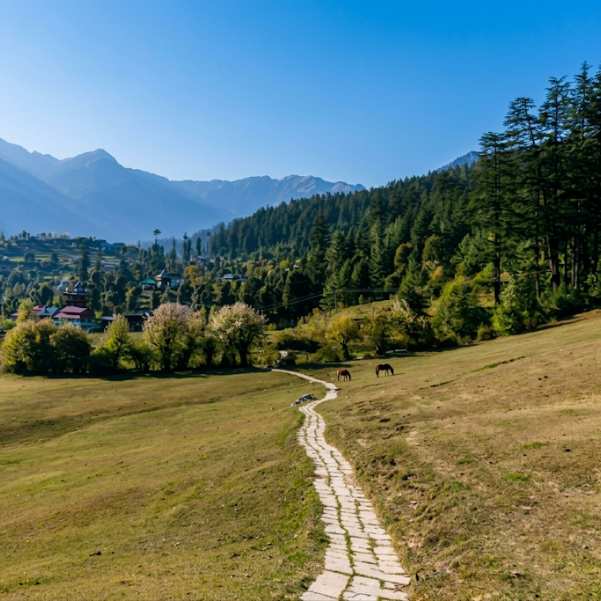
The route is straightforward once you picture it. You travel from Delhi or Chandigarh to Aut, then move from Aut towards Sainj, and finally climb from Sainj up to Shangarh.
The long haul to Aut is the part that costs the most and takes the most time, so most travellers do it overnight. The two shorter legs after that are cheaper, but they need a little planning because public transport thins out as you go higher.
Local buses on the Sainj side run, but they are limited and not always timed for your arrival. This is exactly why a taxi backup is smart. Missing a bus here does not mean a short wait, it can mean a long one.
One ground reality worth knowing. The road beyond Sainj is narrow and steep in stretches. It is not dangerous if your driver knows it, but it is slow, so do not plan a tight schedule around that final climb.
Stay cost in Shangarh
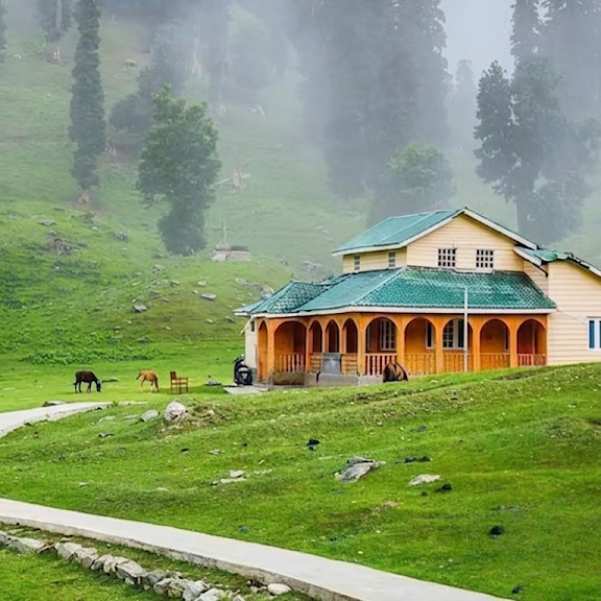
Stay cost in Shangarh is not a single number, and anyone who quotes you one without asking questions is guessing. It depends on whether you pick a homestay, a hostel bed, or a cottage, and it shifts with season and whether meals are included.
Rather than invent homestay rates, the honest approach is to use verified package data as your anchor.
A full Travel Coffee Jibhi Tirthan Shangarh package listed around ₹15,999 already bundles stay into the trip, which gives you a realistic sense of what a planned trip costs end to end.
For travellers who want a government-run stay option, the GHNP Forest Rest House at Shangarh does exist. The official GHNP booking page lists deluxe rooms here, with rates starting from ₹1,000 per night for Indian guests and ₹1,500 per night for foreign guests.
Since government tariffs and availability can change, we still recommend reconfirming the latest rate and booking status directly before planning your stay.
A practical tip from our side. Book your stay early for the March to June window. That is peak season for this valley, and the better homestays fill up first.
Food and daily local expense budget
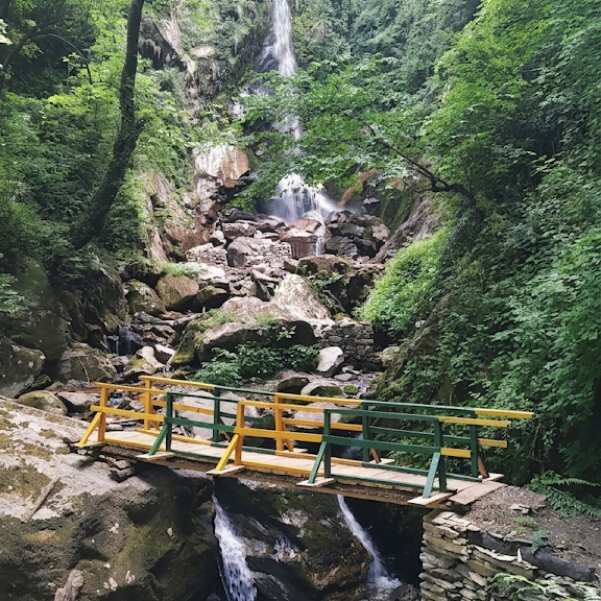
Food in Shangarh is one of the easier parts of the budget. Simple Himachali meals and homestay food are usually cheaper and more filling than cafe style travel, so if you eat where locals eat, your daily spend stays low.
Most homestays serve honest thali style meals, fresh parathas, rajma chawal and chai, and many will make local dishes if you ask a day in advance. This kind of eating is kind to both your stomach and your wallet.
For exact meal prices, we are not going to put a number you cannot trust. Rates vary by homestay and season, so confirm with your host on arrival.
As a planning habit, keep a small daily cash amount aside for tea stops, snacks and the odd extra. It is not a big number, but it keeps your trip smooth.
Sightseeing and local taxi cost in Shangarh
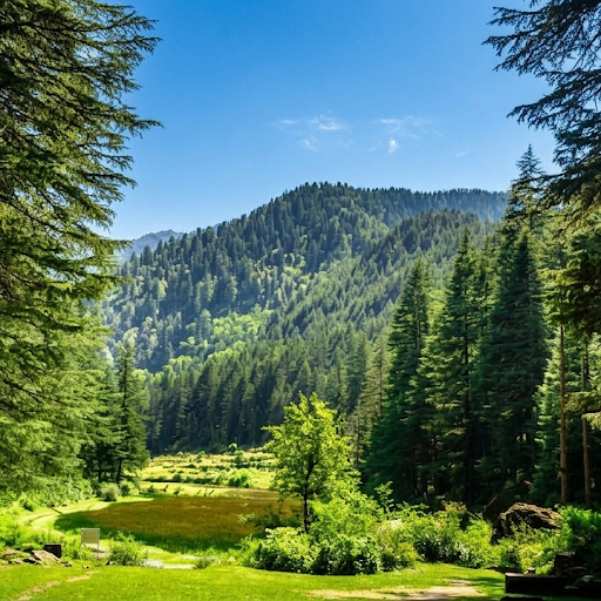
The good news here is that Shangarh is not a place that drains money on tickets. Most of what you come for is the landscape and the slow village pace.
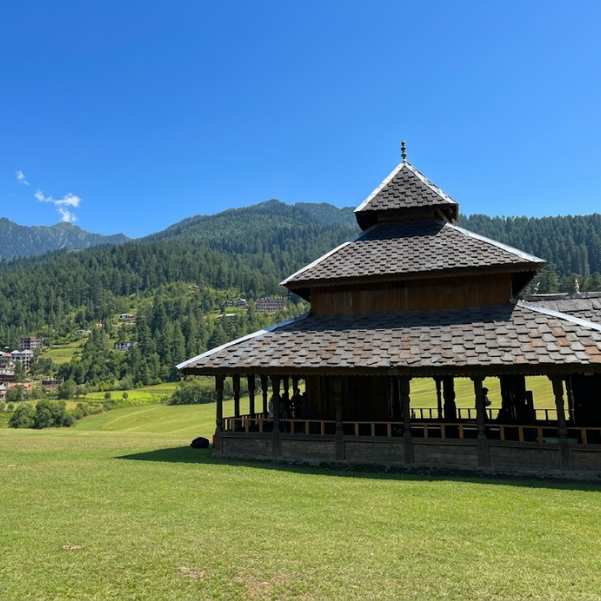
The main spots are the open Shangarh Meadows, the small Shangchul Mahadev Temple, easy walks around Sainj Valley, the Rupi Raila waterfall, and short trails on the GHNP side.
What does add cost is moving between them. The places are spread out and the roads are slow, so a private taxi for local sightseeing is where your sightseeing budget actually goes.
Our team usually suggests grouping nearby spots into one taxi outing rather than booking a vehicle again and again. It keeps the cost sensible and the day relaxed.
Do you need permits for Shangarh or GHNP?
This is a common worry, and the answer is reassuring for most travellers.
For Shangarh Meadows and normal village sightseeing, you usually do not need a permit. You can walk the meadow, visit the temple and explore the village without paperwork.
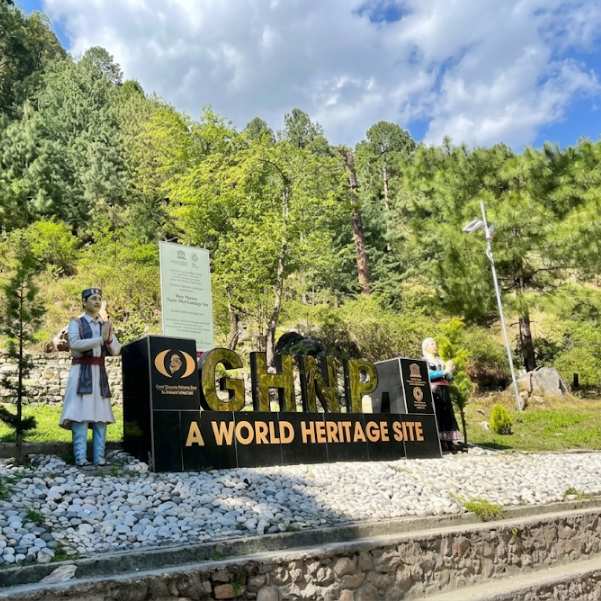
The picture changes if you plan to go into the core zones of the Great Himalayan National Park for treks. Those routes do require permits, which are issued from GHNP offices at Shamshi, Shairopa or Ropa.
We are deliberately not quoting permit fee numbers here, because these can change and we could not verify a current figure. Check the official GHNP offices for the latest permit cost and rules before you plan a core zone trek.
Shangarh package vs DIY: Which is cheaper?
The honest answer is that it depends on who you are.
DIY can genuinely be cheaper, but mainly for flexible backpackers who do not mind waiting for buses, changing vehicles, and adjusting plans on the day. If your travel style is loose and your budget is tight, doing it yourself can save money.
A package tends to win for couples, families, first time visitors, and anyone who simply does not want to manage limited buses and last mile taxis. You pay a bit more, but you remove the part of the trip that causes stress.
So it is less about which is cheaper on paper, and more about what your time and patience are worth to you. In our experience, the travellers who regret a DIY plan are usually the ones who underestimated the last stretch from Sainj.
2N/3D Shangarh trip cost itinerary
A simple 2N/3D plan is enough to feel the place without rushing. Here is how it usually flows.
Day one is mostly travel. You leave Delhi the night before or early, and reach Aut in the morning. From Aut you move through Sainj and climb up to Shangarh, check into your stay and ease into the quiet. Most of this day's cost is the long transport leg.
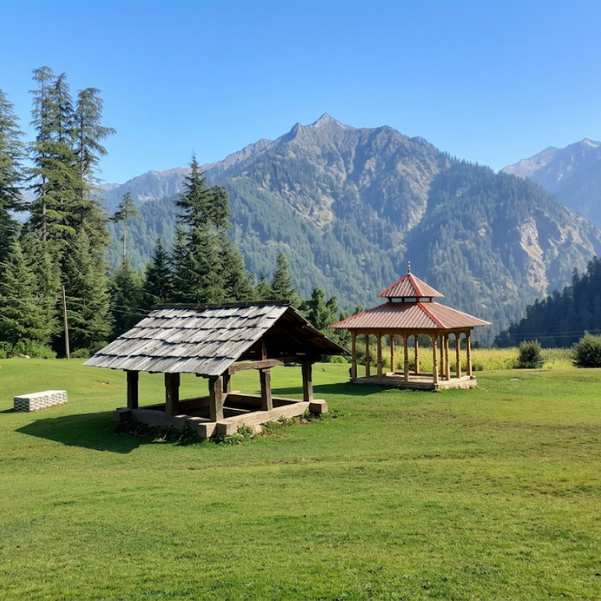
Day two is the heart of the trip. You spend unhurried time at Shangarh Meadows, visit the Shangchul Mahadev Temple, and do easy local walks and a riverside pause in Sainj Valley. Costs here are small, mostly local taxi movement and food.
Day three is the return. You head back down to Aut and onward to Delhi or Chandigarh. The cost logic mirrors day one, with the long journey being the main expense.
Across the three days, the pattern is clear. Two travel heavy days bookend one light, low cost day in the valley. That shape is exactly why packages price this trip the way they do.
4N/5D Shangarh with Jibhi or Tirthan cost
If you have four or five days, combining Shangarh with Jibhi and Tirthan is usually better value than a short Shangarh only run.
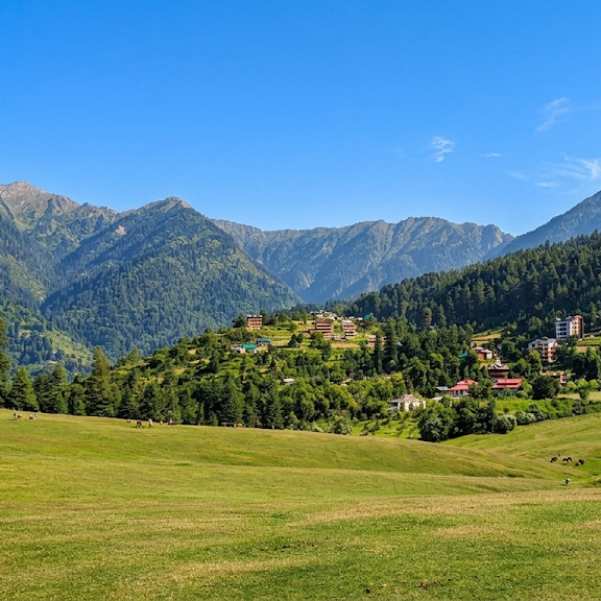
The reason is practical. You are already covering the long journey to this region, so adding Jibhi and Tirthan spreads that big transport cost across more days and more experiences. You get riverside stays, forest trails and the open Shangarh meadow in one trip, instead of paying a long travel cost for a single short visit.
If you want to see how a combined trip is structured, our Jibhi Tirthan Valley page lays out the routes and stays clearly. If you are still deciding between valleys, our honest Jibhi vs Kasol guide is worth a read before you commit.
A longer trip costs more in total, of course, but the cost per day and the cost per experience usually drop. That is the part most travellers miss when they compare only the headline price.
How to reduce your Shangarh trip cost
You do not have to spend big to do Shangarh well. A few simple choices make a real difference.
Use shared taxis instead of private ones wherever you can, especially on the Sainj to Shangarh leg. Splitting a taxi between travellers brings the per person cost down sharply.
Travel on weekdays and avoid peak holiday weekends. Prices and crowds both rise around long weekends, and the valley feels better when it is quieter anyway.
Book your stay early so you get the sensible options before they fill. Carry enough cash, because card and digital payments are not reliable once you are in the valley.
And always confirm bus timings locally rather than trusting an online schedule, since that one habit saves both money and a wasted morning.
Who should book a Shangarh tour package?
A package is not for everyone, but for some travellers it is clearly the right call.
It suits couples who want a smooth, private trip without logistics. It suits families, where managing kids plus changing buses and taxis is genuinely tiring. It suits office groups who want one organised plan instead of everyone coordinating separately.
It also suits women travellers who want a vetted, supported trip, and winter travellers, since road and weather conditions in the cold months make a planned trip far less stressful.
And it suits anyone arriving late at Aut or Sainj. If you reach after the limited local buses have stopped, having a pre-arranged transfer is the difference between a calm evening and a stranded one.
👉 Need help planning Shangarh? Message our team on WhatsApp.
Related topics
Frequently Asked Questions
How much does a Shangarh trip cost?
A basic 2N/3D group trip from Delhi generally costs around ₹6,999 to ₹10,000 per person, while a longer DIY trip of 4 to 5 days usually runs about ₹12,000 to ₹20,000 per person. Treat these as estimates and reconfirm before booking.
What is the Shangarh tour package cost from Delhi?
Listed prices vary by operator and sharing, with basic packages seen roughly between ₹6,999 and ₹10,000 per person. Travel Coffee's broader Jibhi Tirthan Shangarh package is listed around ₹15,999 for a longer, fuller trip.
Is Shangarh expensive?
Not really. The destination itself is light on costs, since sightseeing is mostly free and homestay food is cheap. The bigger expenses are transport and stay, not the place itself.
How much is a taxi from Aut to Shangarh?
A direct taxi from Aut to Shangarh usually costs around ₹1,500 to ₹2,200, and a taxi from Sainj to Shangarh is roughly ₹1,000 to ₹1,500. These are approximate and worth confirming on the spot.
Are there buses to Shangarh?
Local buses run on the Sainj side, with the Aut to Sainj bus costing around ₹50 to ₹80, but services are limited and not always timed for your arrival. A backup taxi is the sensible plan.
How many days are enough for Shangarh?
A 2N/3D trip is enough to enjoy Shangarh without rushing. If you want to add Jibhi and Tirthan, a 4N/5D plan gives much better value.
What is the stay cost in Shangarh?
Stay cost depends on the homestay, hostel or cottage you pick, plus season and meal plan, so there is no single figure. Booking a planned package, listed around ₹15,000 plus, gives you a realistic sense of an end to end trip cost.
Do I need a permit for Shangarh?
For Shangarh Meadows and normal village sightseeing, you usually do not need a permit. GHNP core zone treks do require permits, issued from Shamshi, Shairopa or Ropa.
Is Shangarh good for couples?
Yes. The quiet meadow, slow village pace and easy walks suit couples well, and a private or package trip keeps the experience smooth and unhurried.
Can I visit Shangarh on a budget?
You can. Use shared taxis, travel on weekdays, eat homestay food, book stays early and carry cash. A flexible backpacker can keep the trip genuinely affordable.
What is the best time to visit Shangarh?
March to June is the popular window with pleasant weather, and many travellers also like the clear post monsoon months later in the year. Confirm current road and weather conditions before you travel.
Is a package better than DIY for Shangarh?
DIY can be cheaper for flexible travellers, but a package is better for couples, families, first time visitors and anyone who does not want to manage limited buses and last mile taxis.