
Shangarh in August (2026): Weather, Rainfall, Road Conditions & Should You Visit?
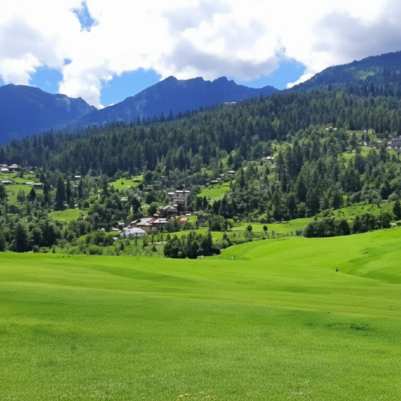
If you are planning Shangarh in August, here is the honest truth before you book anything. August is peak monsoon in Sainj Valley, and that means two things at once.
The meadows turn the greenest you will see them all year. And the road from Aut can throw a landslide or a washed-out patch at you with almost no warning.
We have sent travellers into Sainj Valley across different months, and August is the one we always talk through carefully before saying yes. It can be magic. It can also be a frustrating day of waiting for a road to clear.
This guide by Travel Coffee tells you exactly what to expect, so you can decide if August is your month or if you should shift to September.
Quick Answer: Is Shangarh Worth Visiting in August?
Yes, but only if you go in with the right expectations.
August is the peak monsoon, so expect rain on most days, thick clouds, and the lushest green meadows of the entire year.
The catch is the road. Heavy rainfall can trigger landslides on the Aut to Sainj to Shangarh route, so delays are normal and a tight schedule is risky.
If you want clearer mountain views and safer roads, September is the smarter choice. If you want raw, misty, monsoon green and you are flexible with time, August delivers.
What Most Travellers Get Wrong About Shangarh in August
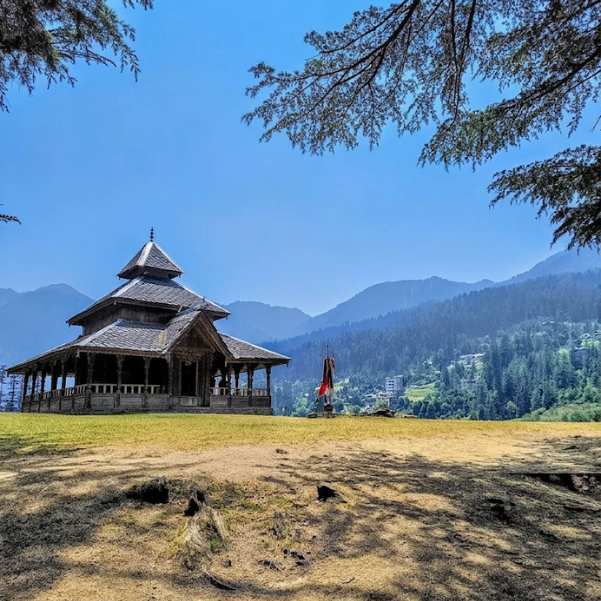
Most people look at a few green Instagram photos and book August thinking it will be all sunshine and soft grass.
Then they hit a blocked road near Sainj, lose half a day, and reach Shangarh tired and grumpy in the rain.
The mistake is treating a monsoon trip like a dry-season trip. In August you do not plan a schedule. You plan a window with buffer days baked in.
In our experience, the travellers who enjoy Shangarh in August are the ones who keep one extra day free and do not panic when a road update comes through.
How is the Weather in Shangarh in August?
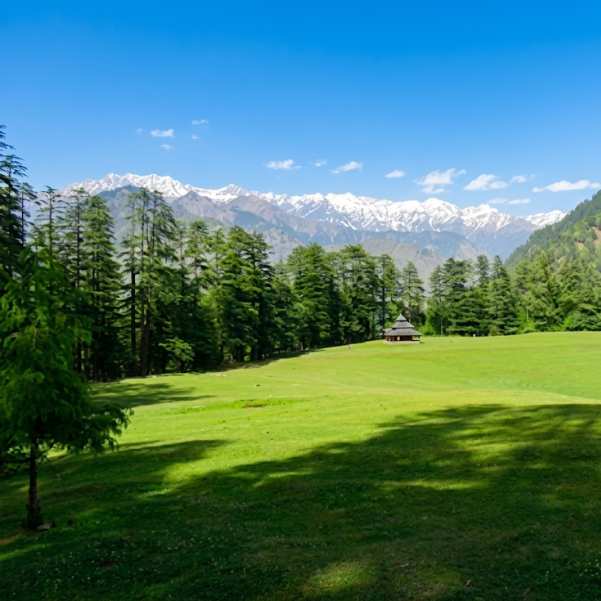
August weather in Shangarh is wet, green, and moody. This is full monsoon, not the edge of it.
Rainfall
Heavy rainfall can occur through August, and it is the main thing shaping your trip. Some days bring steady drizzle, others bring sudden hard spells that come and go.
Exact average rainfall figures for Shangarh in August can vary by source because the village does not always have dedicated weather records. The safest way to plan is to treat rain as the default and dry hours as a bonus.
Temperature
Days in Shangarh stay pleasant and cool in August, while evenings and nights can feel chilly because of the altitude and monsoon dampness.
Carry a light jacket or warm layer, even if you are visiting in peak summer.
Humidity
Humidity runs high during monsoon. Clothes dry slowly, forest trails stay damp, and the air feels heavy after rain.
This is why we tell people to pack quick-dry fabrics instead of heavy cotton that stays wet for hours.
Cloud Cover
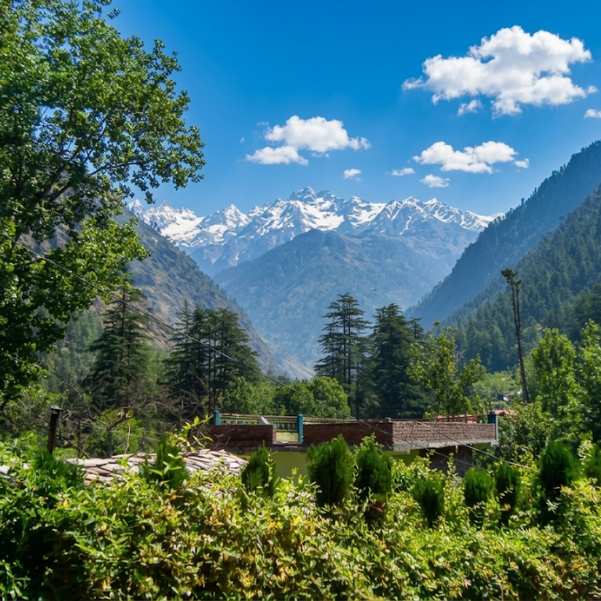
Clouds sit low and thick for long stretches in August. The big mountain views you see in September photos are often hidden behind a grey wall.
If clear peaks are your main reason to come, August will disappoint you on many days.
Fog
Fog and mist roll through the meadows often, especially early morning and after rain. It looks stunning in photos but it cuts visibility on the road and on trails.
Does it Rain Every Day in Shangarh During August?
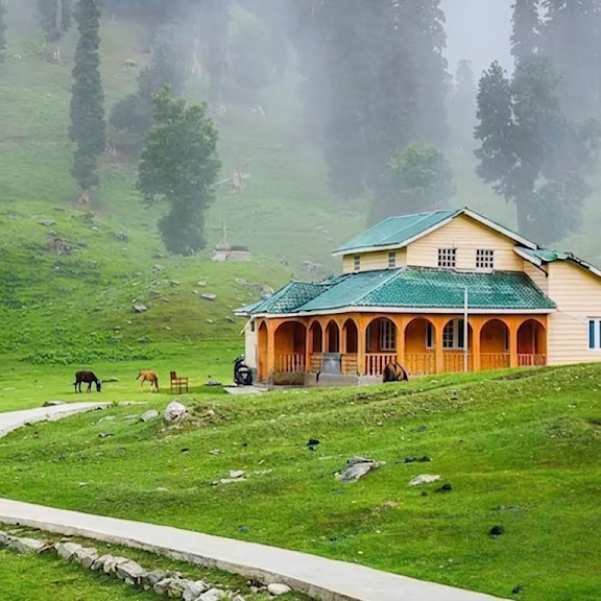
Not always, but you should plan as if it will.
Monsoon rain in the hills usually comes in waves. You can get a bright clear morning, heavy rain by afternoon, and a calm misty evening, all in one day.
So the smart move is to do your outdoor plans early when the sky is more likely to hold. Save flexible indoor or rest time for the afternoon when rain often picks up.
In our experience the mornings are your best friend in August. We always push travellers to be out by sunrise and back before the afternoon turns.
How Do Shangarh Meadows Look in August?
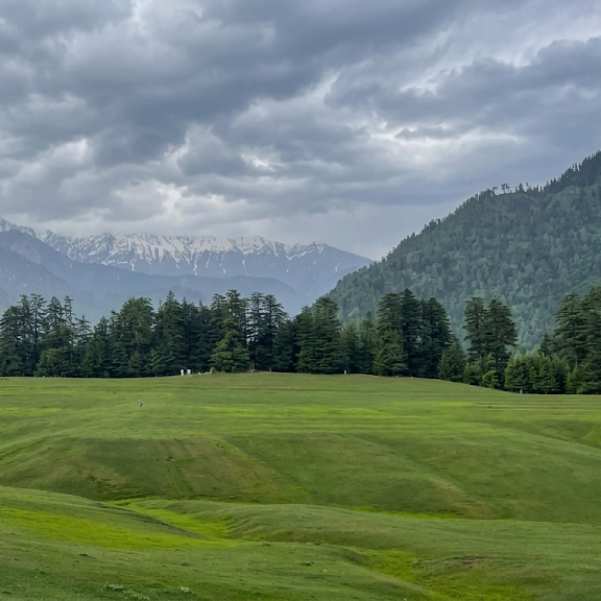
This is the one place August clearly wins.
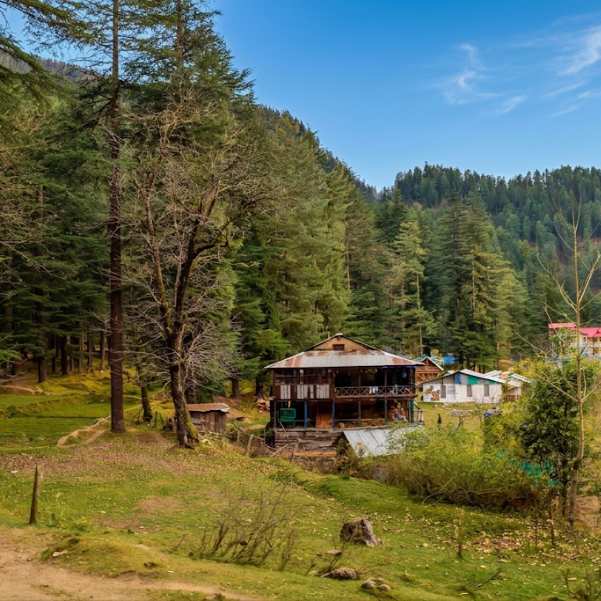
The Shangarh meadows are at their greenest in August. The big open grassland glows in a deep green that you simply do not get in the dry months.
Mist drifts across the grass in the early hours, and when a patch of sun breaks through the cloud, the whole meadow lights up.
For photography, this is moody monsoon scenery at its best. Low cloud, wet grass, dark pine forest at the edges, and soft diffused light that flatters everything.
The honest trade-off is that you photograph the meadow beautifully but rarely the big snow peaks behind it, because the clouds hide them.
A local tip most guides miss
The light right after a rain spell clears is the best of the day. Wet grass plus a sliver of sun is when the meadow looks unreal. Wait out the rain instead of leaving.
Are Roads to Shangarh Safe in August?
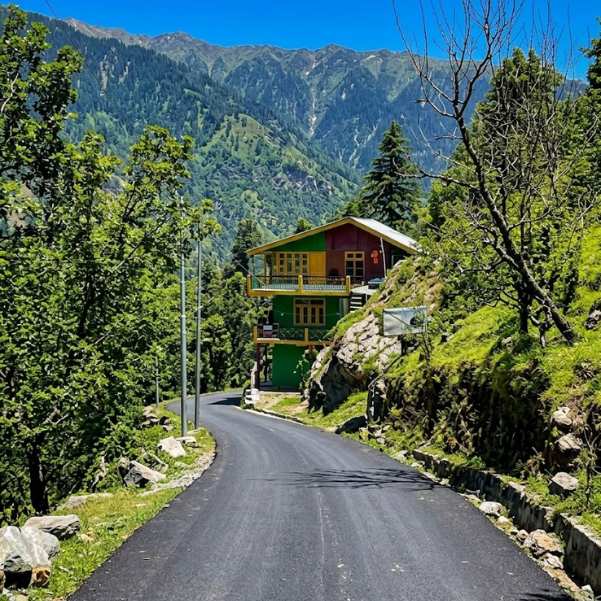
This is the part that decides your whole trip, so read it carefully.
The route runs from Aut on the main highway, into Sainj, and then up to Shangarh. In dry months it is a straightforward hill drive.
In August it changes. Heavy rainfall can cause landslides and road disruptions on this route, and a single slide can block the road for hours.
The Aut to Sainj Stretch
After you leave the highway near Aut, the road narrows as it follows the valley toward Sainj. Wet rock faces above the road are where slides tend to happen during heavy rain.
Drive this in daylight only. A blocked road in the dark with rain coming down is exactly the situation you want to avoid.
The Sainj to Shangarh Climb
From Sainj, the road climbs towards the Shangarh meadow area. This upper section can get slippery and muddy after rain, so a vehicle with decent ground clearance is a better choice than a low car on a wet day.
Always check the latest local road condition before driving up.
Driving Precautions and Buffer Time
Keep a buffer of extra travel time on every leg. What takes a couple of hours on a dry day can stretch much longer if you hit a slide or a slow-moving clearance crew.
Check road status the morning you travel, not just the day before. Conditions in this valley change overnight.
What we always tell our travellers heading to Sainj Valley in monsoon is simple. Leave early, never drive these roads after dark, and keep one day spare so a single landslide does not wreck the whole trip.
👉 Traveling to Shangarh this monsoon? Get local guidance on WhatsApp.
Can You Trek in Shangarh During August?
Yes, but monsoon trekking here comes with real conditions you must respect.
Trails get slippery, leeches show up in the forest, and mountain views are often buried under clouds. Go in prepared and you can still have a good time.
Shangarh Meadows
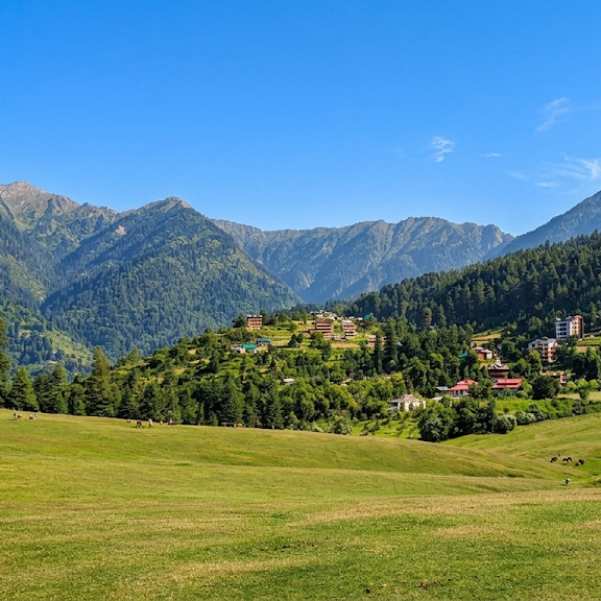
The easy walks around the meadow itself are the most doable in August. The ground is open, the gradient is gentle, and you are never far from your stay.
This is the trek we suggest for most monsoon visitors. Low risk, big green reward, and you can turn back fast if rain hits hard.
Barshangarh Area
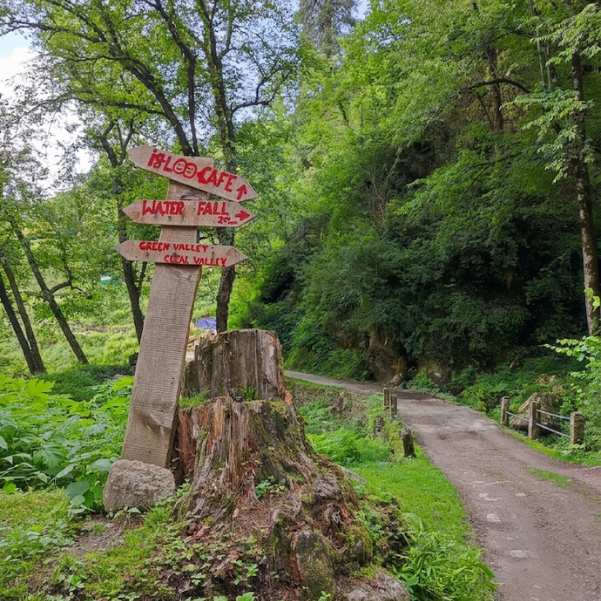
The Barshangarh area gives you more forest and waterfall scenery, which looks especially full and loud in monsoon.
Expect slick paths and leeches in the wooded sections. Good grip shoes and anti-leech precautions matter here.
Great Himalayan National Park Trails
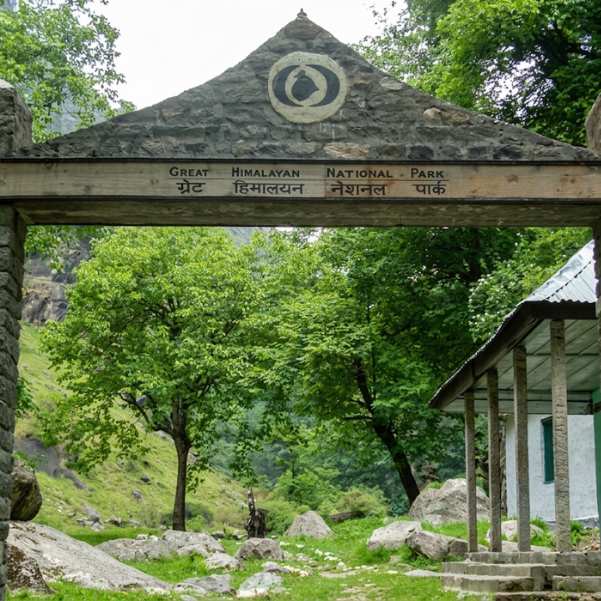
The trails connected to the Great Himalayan National Park are the serious end of the spectrum. These are not casual monsoon walks.
In August, routes can get slippery and conditions may change quickly, so confirm permits, guide requirements, and current trail status with park authorities before planning anything here.
For any forest trek in August, carry proper rain gear, wear shoes with strong grip, and keep salt or an anti-leech spray handy. Leeches on these trails are not a maybe, they are expected.
Advantages of Visiting Shangarh in August
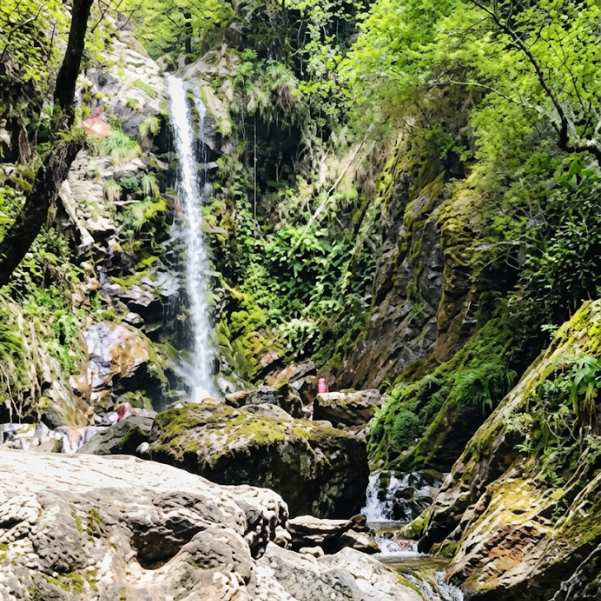
The greenery is unmatched. The meadows and forests look their richest of the whole year.
Crowds are usually thinner than the dry peak season, so the meadow feels quieter and more personal.
The monsoon atmosphere is special. Mist, soft light, the smell of wet pine, and the sound of streams running full.
For photographers chasing moody mountain frames rather than blue-sky postcards, August has a look that other months simply cannot give you.
Disadvantages of Visiting Shangarh in August
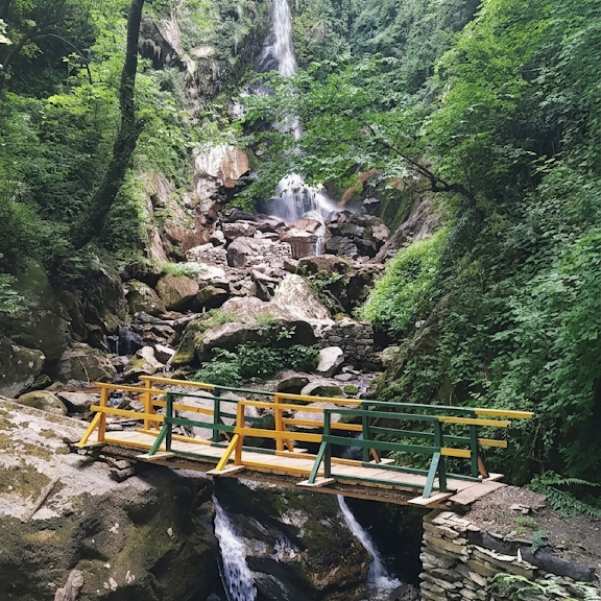
The roads are the biggest downside. Landslides and disruptions can delay or block you, and that risk hangs over the whole trip.
Mountain views are often hidden. If you come to see clear snow peaks, the clouds will let you down on many days.
Trekking gets harder and messier with slippery trails and leeches.
Damp everything. Wet clothes, wet shoes, and slow drying are part of the monsoon package here.
Shangarh in August vs September
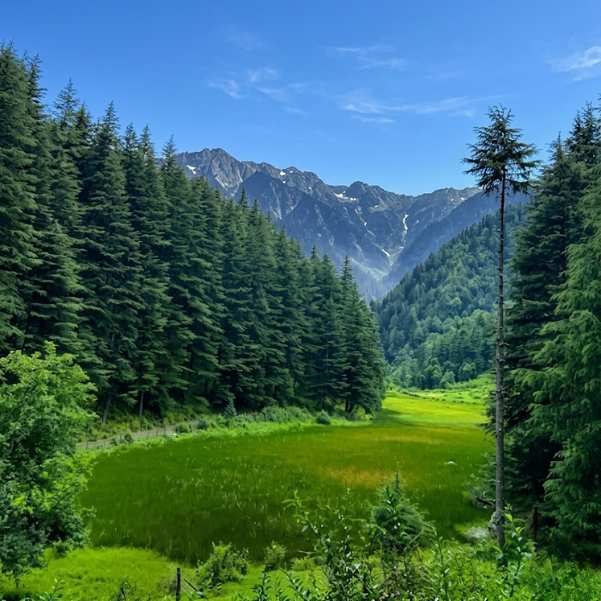
This is the comparison most people are really asking about.
August gives you the greenest landscape but worse roads, more cloud, and fewer clear views.
September usually brings clearer mountain views than August, as the heavy rain starts easing off. Roads tend to settle and the big peaks start showing themselves again.
Our honest recommendation
If you can move your dates, September is the safer and more rewarding month for most travellers. You keep a lot of the green, you lose a lot of the road risk, and you actually get to see the mountains.
Choose August only if you specifically want deep monsoon green and misty meadows, and you are relaxed about delays.
We broke down every month properly in our best time to visit Shangarh guide if you want the full season-by-season picture before locking your dates.
What to Pack for Shangarh in August
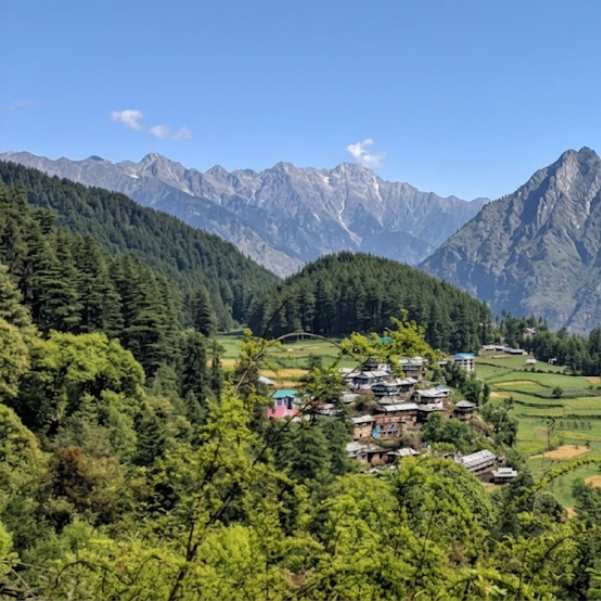
Pack for wet and cool, not for a sunny hill holiday.
Carry a proper rain jacket or poncho, not just an umbrella. Wind on the meadow makes an umbrella useless.
Bring shoes with strong grip for slippery trails, plus a spare pair because your main ones will get wet.
Pack quick-dry clothes, warm layers for chilly nights, and a dry bag or plastic covers to protect your phone, camera, and documents.
Add anti-leech precautions like salt or spray for forest walks, a torch or headlamp for power cuts, and a power bank since charging can be patchy.
A local tip
Keep all electronics in a sealed pouch the moment rain starts. We have seen more phones die from monsoon moisture here than from drops.
Where to Stay in Shangarh During August
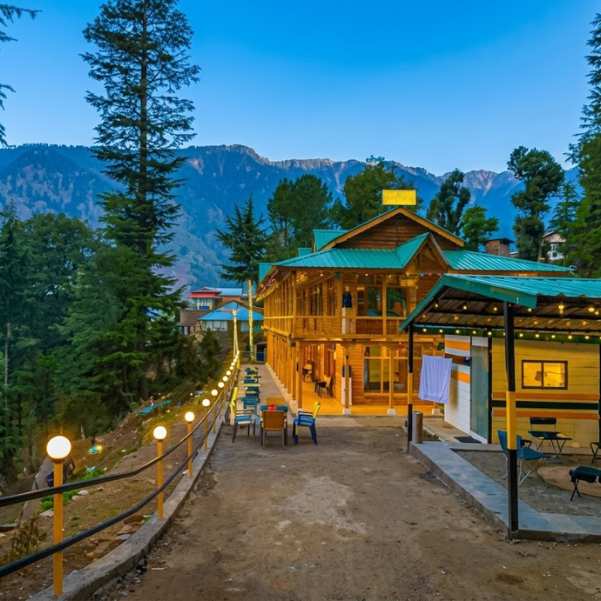
Shangarh has homestays and small guesthouses around the meadow area, and many remain open through the monsoon season.
Availability, room rates, and operating schedules can change from season to season, so it is best to contact the property directly and confirm details before planning your trip.
Book ahead even in monsoon. The good homestays near the meadow are limited, and a last-minute arrival in the rain with no room is a bad way to start.
In our experience the family-run homestays here are where the trip comes alive. Home-cooked food, a warm room, and a host who tells you exactly which road is clear that morning.
Sample 2-Day Shangarh Itinerary
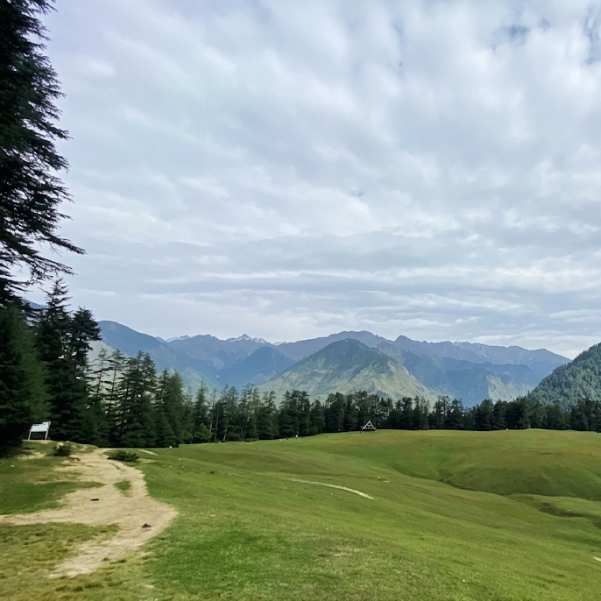
This is a relaxed plan built around monsoon reality, with room to absorb a delay.
Day 1
Start early from Aut and drive in via Sainj toward Shangarh, keeping buffer time for slow or blocked stretches.
Reach your homestay, settle in, and spend the misty afternoon walking the meadow close to your stay. Keep it gentle and stay near base in case rain picks up.
Day 2
Head out at sunrise for the best light and the best chance of dry hours on the meadow.
Do an easy walk around the Shangarh area or toward the nearby forest edge, then begin your return drive with daylight to spare.
If you have a third day, use it as a pure buffer. That spare day is what turns a stressful monsoon trip into a calm one.
Nearby Places to Explore
Sainj Valley sits close to some of the best-known valleys in this part of Himachal, so it pairs well with a longer loop.
Jibhi and Tirthan Valley
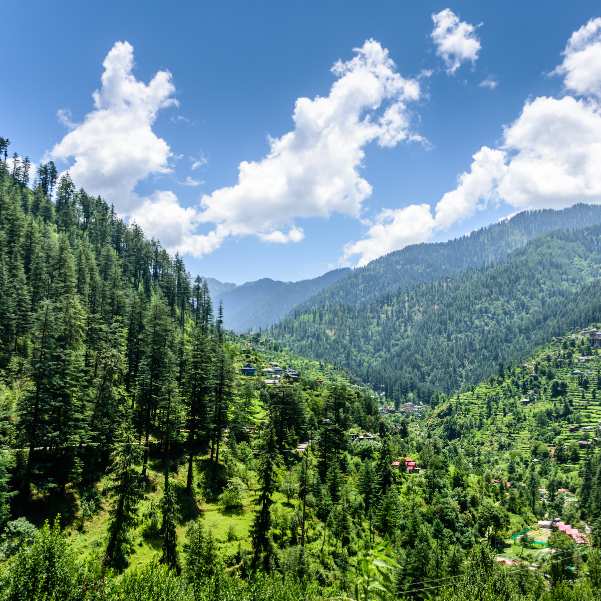
Jibhi and Tirthan Valley are a natural add-on, with forests, waterfalls, and a slower pace that suits the monsoon mood. Our Jibhi and Tirthan Valley packages cover stays and routing if you want to combine them.
Kasol
Kasol is the other popular option within reach, busier and more cafe-driven than quiet Shangarh. You can see our Kasol packages if that vibe fits your group.
Honest note: in August, the more valleys you stack into one trip, the more road risk you take on. We usually suggest picking Shangarh plus one neighbour, not three.
Our Recommendation: Should You Visit Shangarh in August?
Here is how we guide different travellers when they ask us about August.
Couples
August works for couples who want a quiet, misty, romantic setting and do not mind rain. The green meadow and thin crowds suit a slow trip. Keep a buffer day.
Solo Travellers
Doable, but be cautious with road timing and forest trails. Travel in daylight, tell someone your plan, and stick to the easier meadow walks rather than remote trails alone.
Families
We usually nudge families toward September instead. The road risk, leeches, and damp conditions are harder with kids. If you do come in August, keep the plan short and stay close to the homestay.
Photographers
August is a strong pick for you. Mist, deep green, and moody light are exactly what monsoon offers here. Just accept that clear snow peaks may not show up.
Weekend Visitors
This is the riskiest profile for August. A two-day weekend has no room for a road delay. If your dates are fixed and tight, September is the safer call.
If you are still unsure whether August fits your group and your dates, message us and we will give you a straight answer based on the current road and weather picture.
👉 Have questions about Shangarh in August? We're just a WhatsApp away.
Explore Our Curated Shangarh Tour Packages
 Group Tour5D/4N
Sainj Valley and Shangarh Group Trip
3D Shangarh
₹8,499₹12,499SAVE INR 4,000/ person Group Tour6D/5N
Best Jibhi Tirthan Valley Tour With Shangarh Meadows
2D Tirthan Valley•1D Shangarh (Sainj Valley)
₹9,999₹12,999SAVE INR 3,000/ person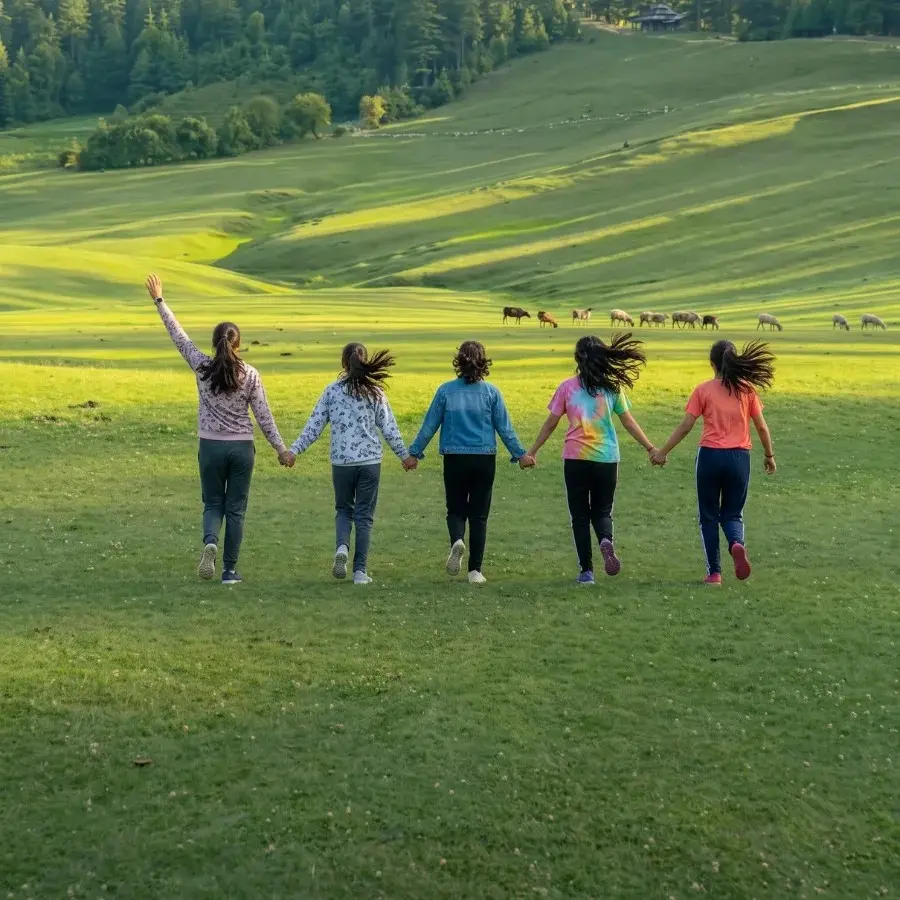 5D/4N
5D/4NMost Loved Shangarh Sainj Valley Tour With Private SUV
2D Shangarh
₹12,999₹16,999SAVE INR 4,000/ person
Related topics
Frequently Asked Questions
Is Shangarh open in August?
Yes, Shangarh is open in August. It is peak monsoon, so the destination is accessible but road delays from rain are common.
Does Shangarh receive heavy rainfall?
Yes. Heavy rainfall can occur in Shangarh during August, which is one of the peak monsoon months in Sainj Valley.
Can I drive to Shangarh in August?
Yes, via the Aut to Sainj to Shangarh route. Drive in daylight only and keep buffer time, since landslides and road disruptions are possible during heavy rain.
Is Shangarh safe during the monsoon?
It can be, with care. The main risks are landslides on the road and slippery trails, not the destination itself. Plan flexibly and avoid night driving.
How many days are enough for Shangarh?
Two days cover the main meadow experience. In August we suggest adding one buffer day so a single road delay does not ruin the trip.
Is September better than August for Shangarh?
For most travellers, yes. September usually offers clearer mountain views and steadier roads, while still keeping much of the green.
Can families visit Shangarh in August?
They can, but we usually recommend September for families. The road risk, leeches, and damp conditions make August harder with children.
Are homestays open in Shangarh in August?
Many homestays remain open during the monsoon season in August. However, availability and room rates can vary, so it is always a good idea to contact the property directly and confirm before you travel.
Is trekking possible in Shangarh in August?
Yes, mainly the easy meadow walks. Trails get slippery and leeches appear in the forest, so carry rain gear and good grip shoes.
What should I pack for Shangarh in August?
A rain jacket, grippy waterproof-friendly shoes, quick-dry clothes, warm layers for nights, a dry bag for electronics, and anti-leech precautions.
Which network works best in Shangarh?
Mobile coverage in this part of the Sainj Valley is limited and can be patchy depending on your location. Signal strength varies between networks and weather conditions, so do not rely on having a constant connection throughout your trip.
Can I work remotely from Shangarh in August?
Not reliably. Network and power can both be patchy during monsoon, so Shangarh is not a safe bet for time-sensitive remote work.