
15 Best Places to Visit in Pahalgam in 2026: Sightseeing, Routes and Local Tips
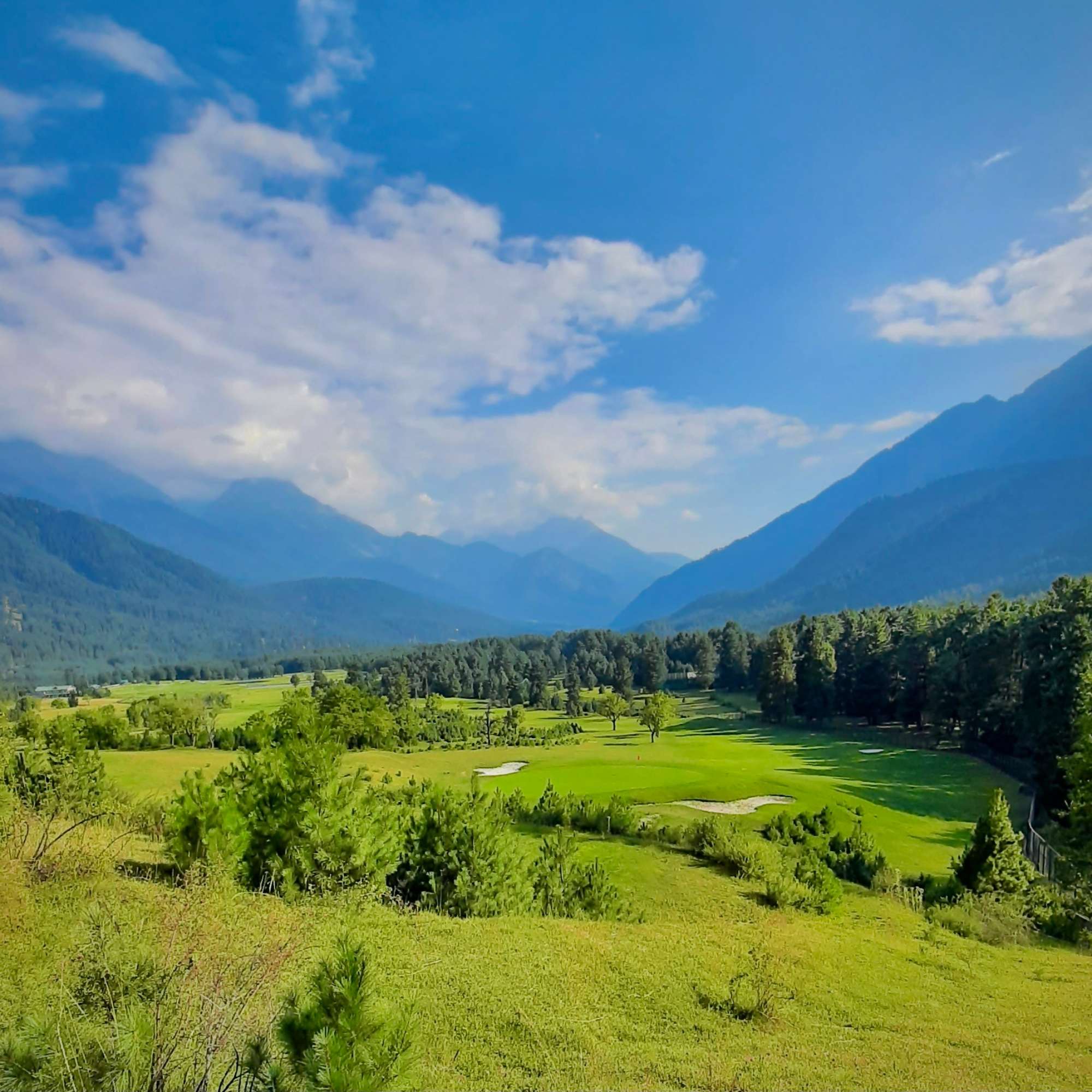
Pahalgam is one of those places where sightseeing is easy but the planning is not. Half the places people search for are simple road stops. The other half are treks that need boots, guides and two extra days.
And in 2026 there is one more thing to sort out before you go. Baisaran, the meadow everyone calls Mini Switzerland, was reported closed to civilian visitors in early July 2026.
So this guide by Travel Coffee separates the places to visit in Pahalgam into what you can actually drive to, what you can walk to, and what needs real preparation.
Quick Answer: Which Places Should You Visit in Pahalgam?
If this is your first time, cover Betaab Valley, Aru Valley, Chandanwari, the Lidder River and Mamaleshwar Temple. That is the core of Pahalgam sightseeing.
One long day can squeeze in the valleys. Two nights gives you a trip instead of a rush.
Baisaran was reported closed in early July 2026. Check with the district administration and your hotel before you build a day around it.
If you want the whole thing handled, our customised Kashmir tour packages cover the Srinagar transfer and the local arrangements.
What Are the Best Places to Visit in Pahalgam?
This list mixes three very different things. Easy road-accessible valleys, small town sights you can walk to, and serious treks that take days.
Do not assume all fifteen fit into one sightseeing day. They do not. Not even close.
What most tourists get wrong is booking one night in Pahalgam and expecting to see everything. They end up doing two valleys badly instead of three properly.
Betaab Valley
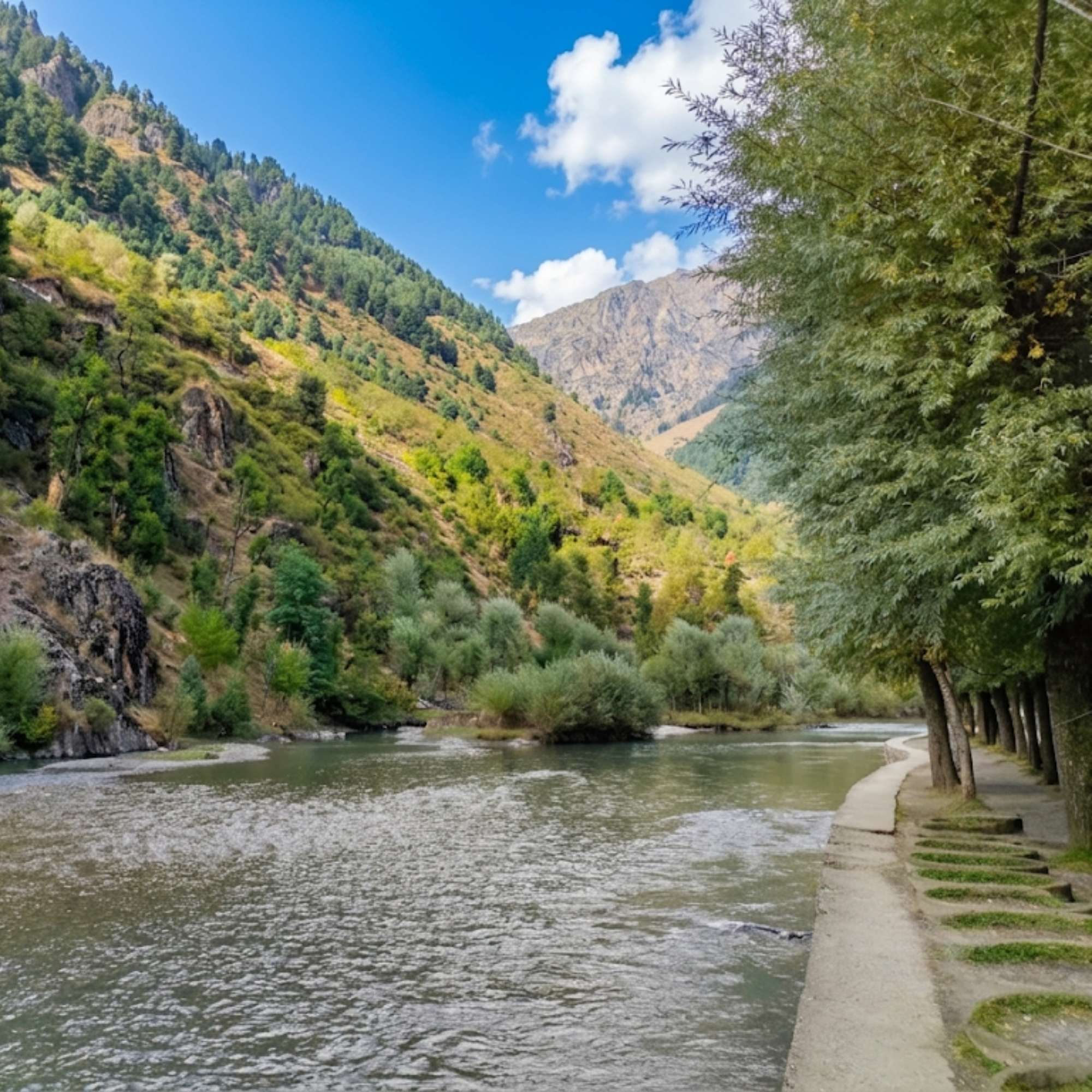
Betaab Valley takes its name from the film Betaab, which was shot here. Green meadows, mountains on both sides, the Lidder flowing through.
It sits on the same road as Chandanwari, so you do both in one direction.
Sources disagree on the distance. Call it approximately 7 to 8 kilometres from Pahalgam rather than trusting a precise figure you read somewhere.
The commonly quoted entry fee is ₹100 per adult. Check the board at the gate because these things change.
Authorities ordered Betaab reopened from 17 June 2025 after precautionary closures, which tells you access here can pause and restart.
Aru Valley
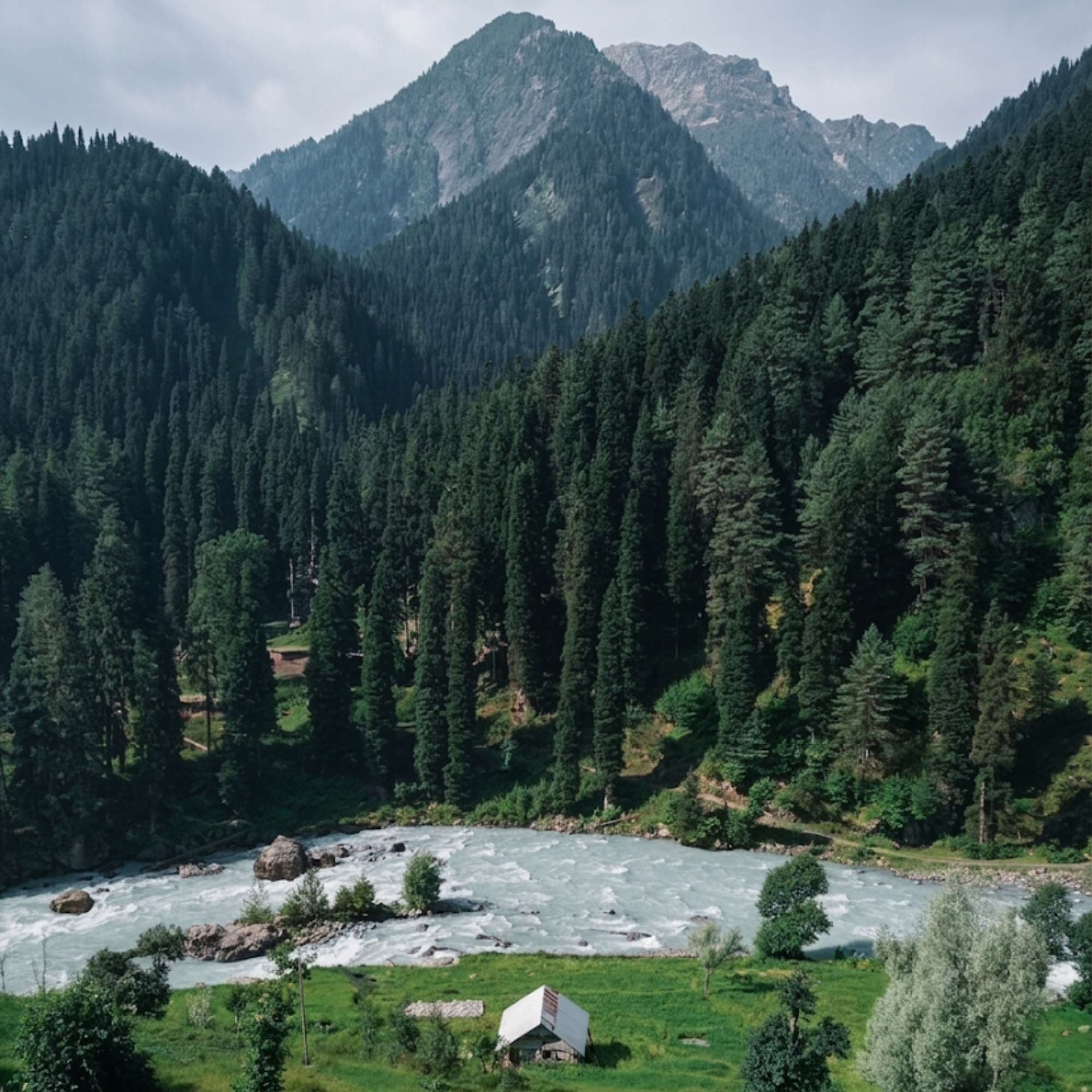
Aru Valley is approximately 12 kilometres from Pahalgam.
It is a village and meadow area, and it is also the base for routes toward Kolahoi Glacier, Tarsar–Marsar and other treks.
Important detail most guides skip. Aru is on a different road from Betaab and Chandanwari. You cannot chain all three in a straight line, and that changes how long your day takes.
General entry to Aru Valley is often free, although parking fees or other local charges may apply.
Chandanwari
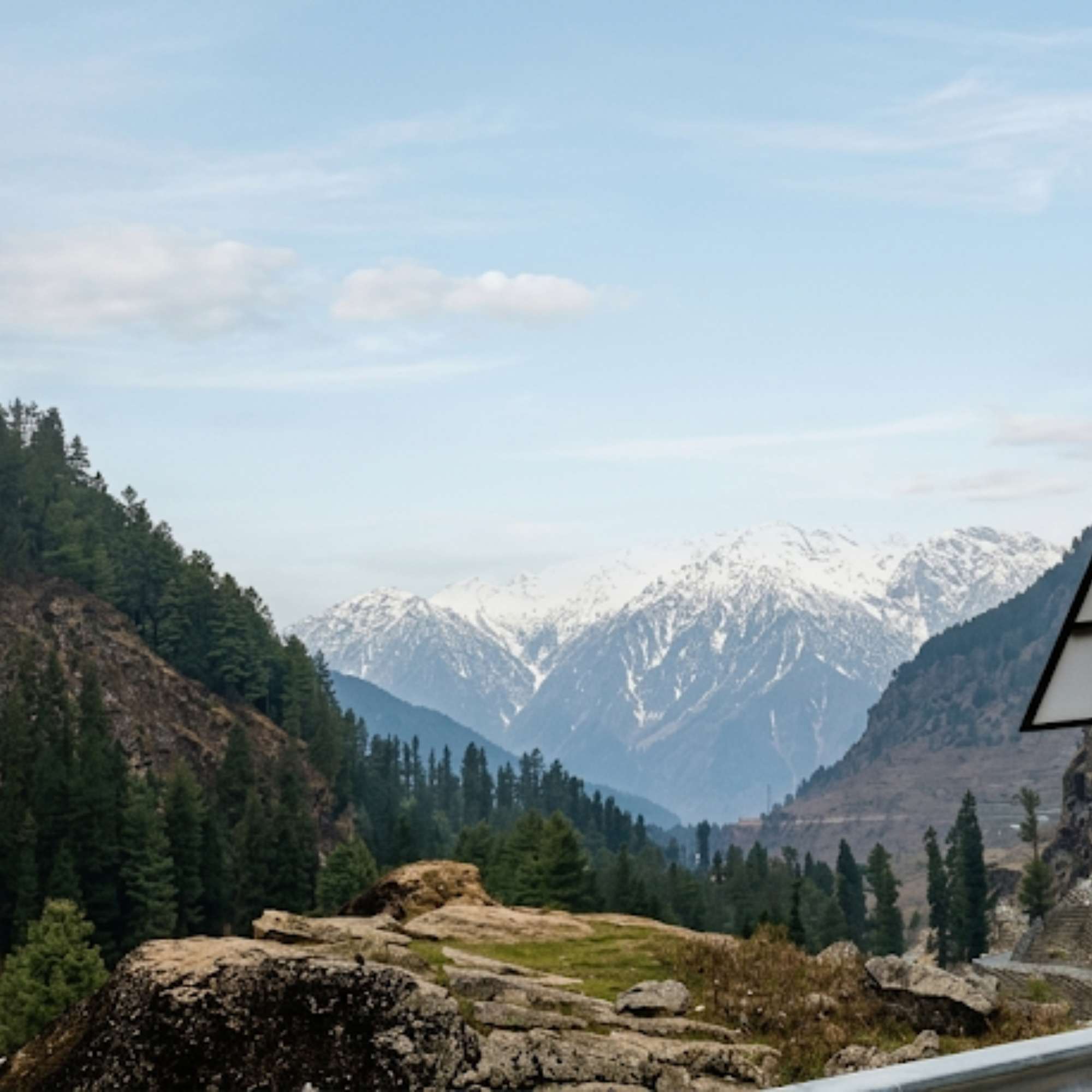
Chandanwari is approximately 16 kilometres from Pahalgam.
It sits on the traditional Pahalgam side of the Amarnath route, which is why it matters far beyond sightseeing.
Access here changes with snow, weather, security controls and Amarnath Yatra traffic. In our experience, this is the one stop most likely to get cut from a day plan at short notice.
Lidder River
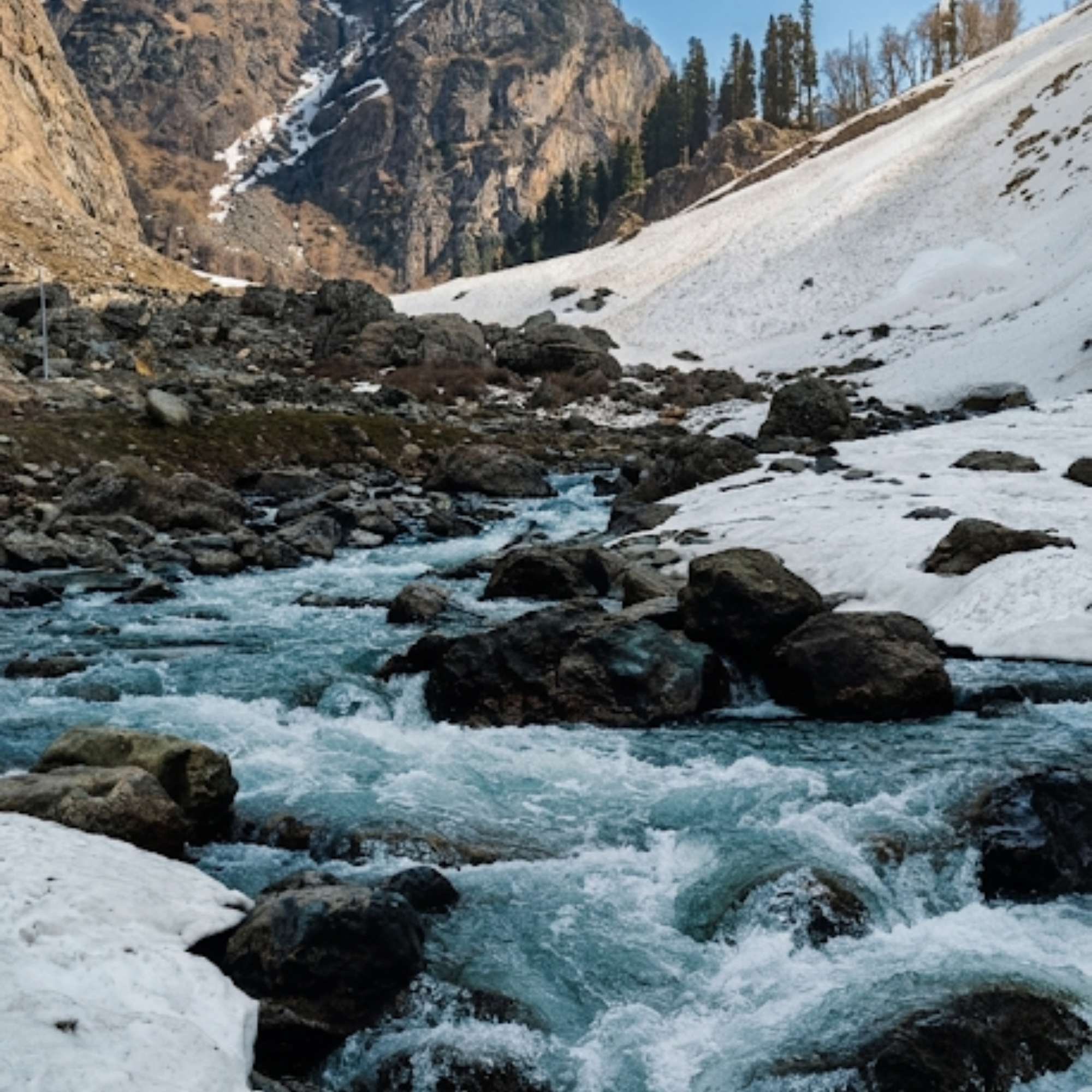
The Lidder River is the thing you will remember. It runs right through Pahalgam and you can hear it from most of the town.
Walk along it. Sit at the marked viewpoints. Do not wade into the fast sections because the water is cold and moves harder than it looks.
This is the easiest option in Pahalgam for families, couples and elderly travellers. No taxi, no ticket, no climb.
Mamaleshwar Temple
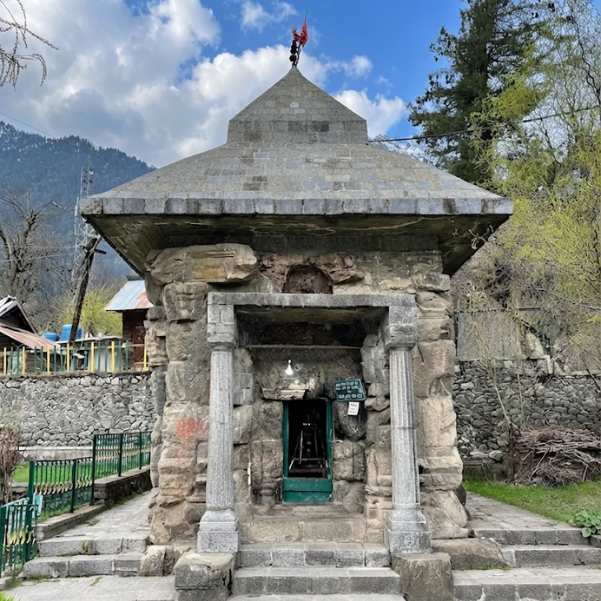
Mamaleshwar Temple is an old Shiva temple near Pahalgam town.
We are not putting a construction century on it because the historical dating is not settled well enough to state as fact.
Dress modestly, keep your voice down, and follow whatever the temple staff ask. It is a working place of worship, not a photo stop.
Pahalgam Golf Course
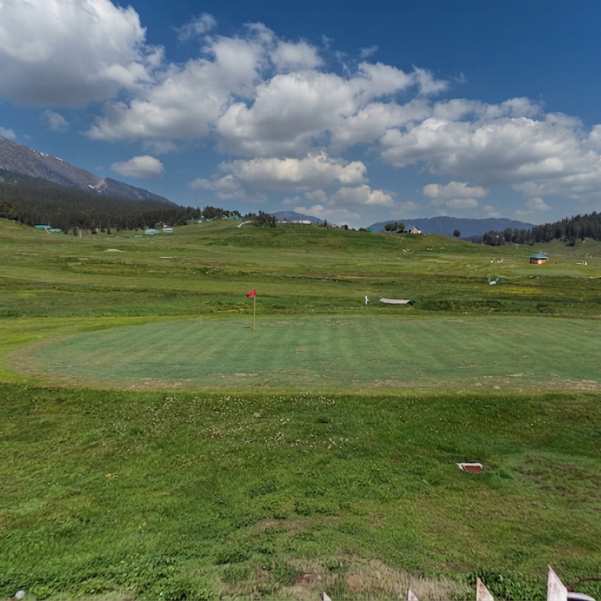
The Pahalgam Golf Course is an 18-hole mountain course.
Playing rights, visitor entry and opening conditions vary, so ask locally instead of turning up with clubs.
For everyone who is not golfing, treat it as a short scenic stop. Ten minutes, a few photos, move on.
How Should You Plan the ABC Valley Circuit?
What Does ABC Valley Mean?
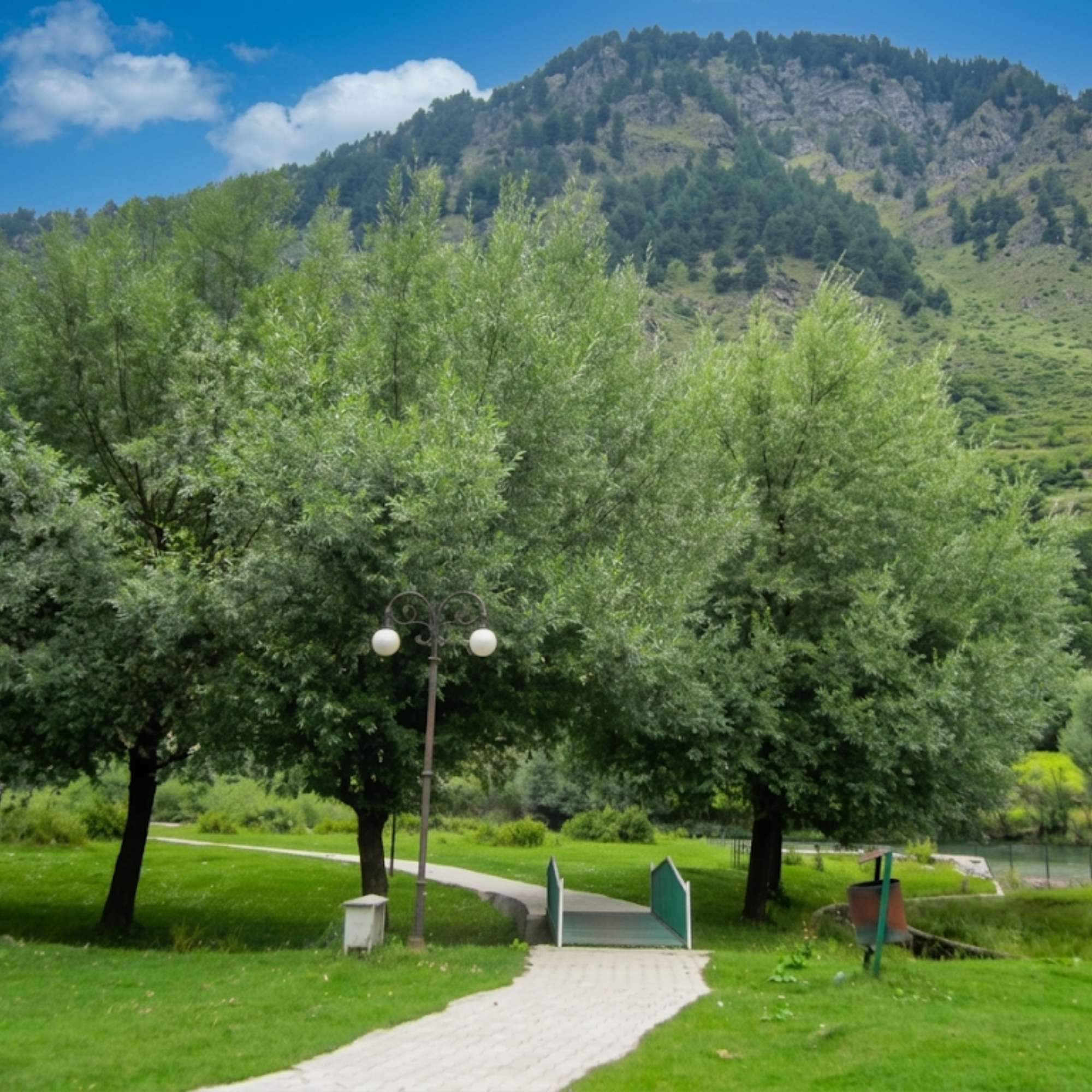
ABC means Aru Valley, Betaab Valley and Chandanwari. Drivers and agents in Pahalgam use this shorthand constantly.
Betaab and Chandanwari share one sightseeing direction. Aru sits on a separate road, so the circuit is really two trips stitched together.
In What Order Should You Visit the Valleys?
Start early. That is the whole trick.
Do Betaab and Chandanwari together, then Aru, or flip it depending on what the local drivers say about road conditions and weather that morning.
Here is the timing tip that saves the day. Leave your hotel by around 8 AM. Start at 2 PM and you will finish two valleys in fading light and skip the third entirely.
Our drivers always check the Chandanwari side first during the yatra period, because if traffic controls are on, the whole order of the day has to flip.
Do You Need a Local Taxi?
Recent traveller reports describe local union taxis as the normal arrangement for the inner routes to Aru, Betaab and Chandanwari.
This is a local arrangement, not a permanent national law, and it can change.
Go to the Pahalgam taxi stand and read the rate board yourself. Confirm the vehicle category, which stops are included, and how much waiting time you get.
Indicative online rates are ₹1,000 to ₹1,600 for Betaab Valley, ₹1,100 to ₹1,800 for Aru Valley, and ₹1,100 to ₹2,000 for Chandanwari. Nobody should present these as official fixed 2026 fares.
The safety warning here is simple. Settle the exact price, the exact stops and the waiting time before you sit in the car. Verbal add-ons appear later otherwise.
Is Baisaran Valley Open in 2026?
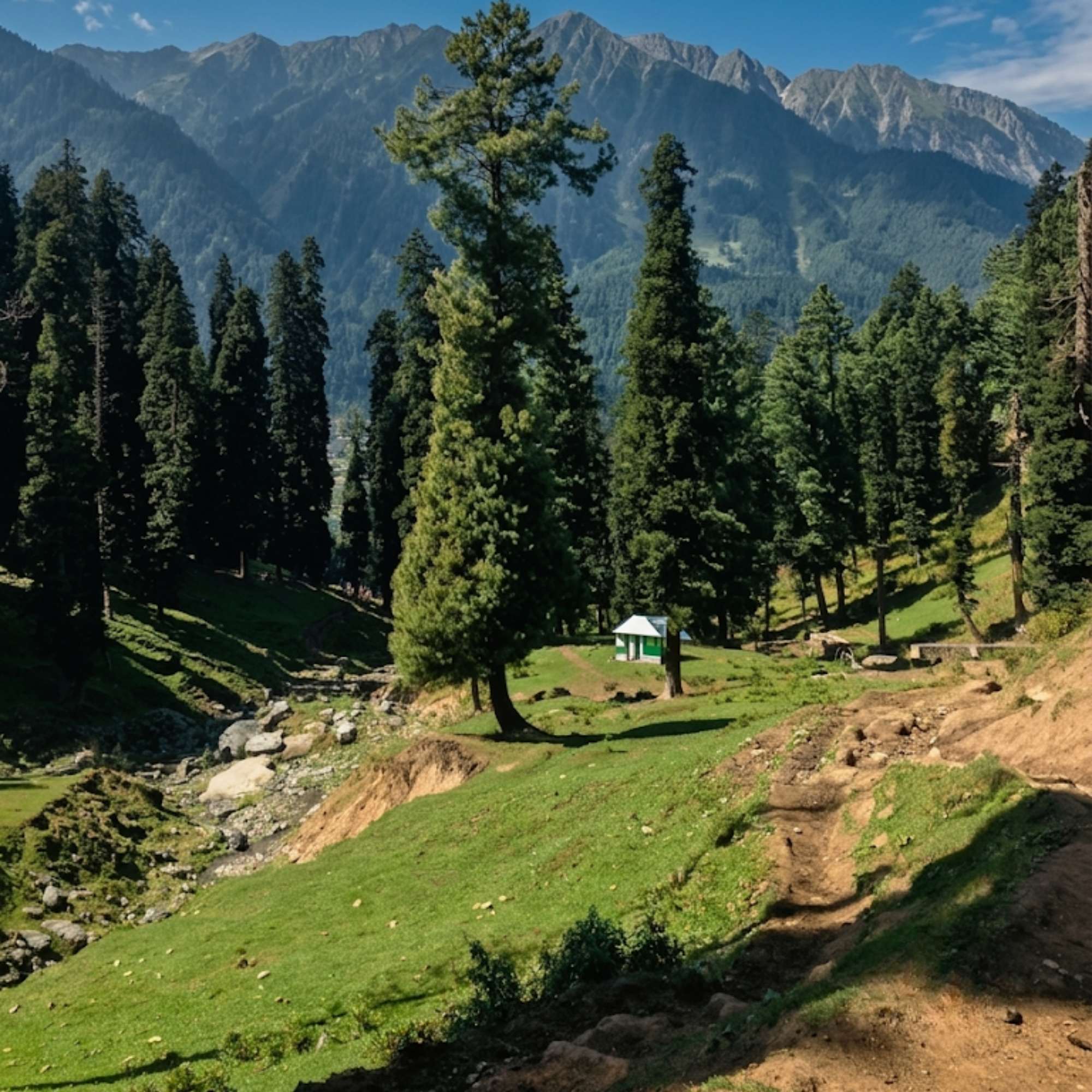
Baisaran was reported closed to civilian visitors as of early July 2026.
Before you plan anything around it, check with the district administration, the local police, your hotel and a trusted local operator. Four sources, not one blog post.
Baisaran normally sits about 5 to 7 kilometres from Pahalgam and people usually reach it on foot or horseback. It is not a drive-up attraction.
Do not hire a pony or attempt the route while official restrictions are in place. Cooperate with whatever the checkpoints tell you.
Even in normal times, the route is steep. Elderly travellers and anyone with knee or back trouble should think carefully about it.
What Can You Visit Inside Pahalgam Town Without a Full Sightseeing Tour?
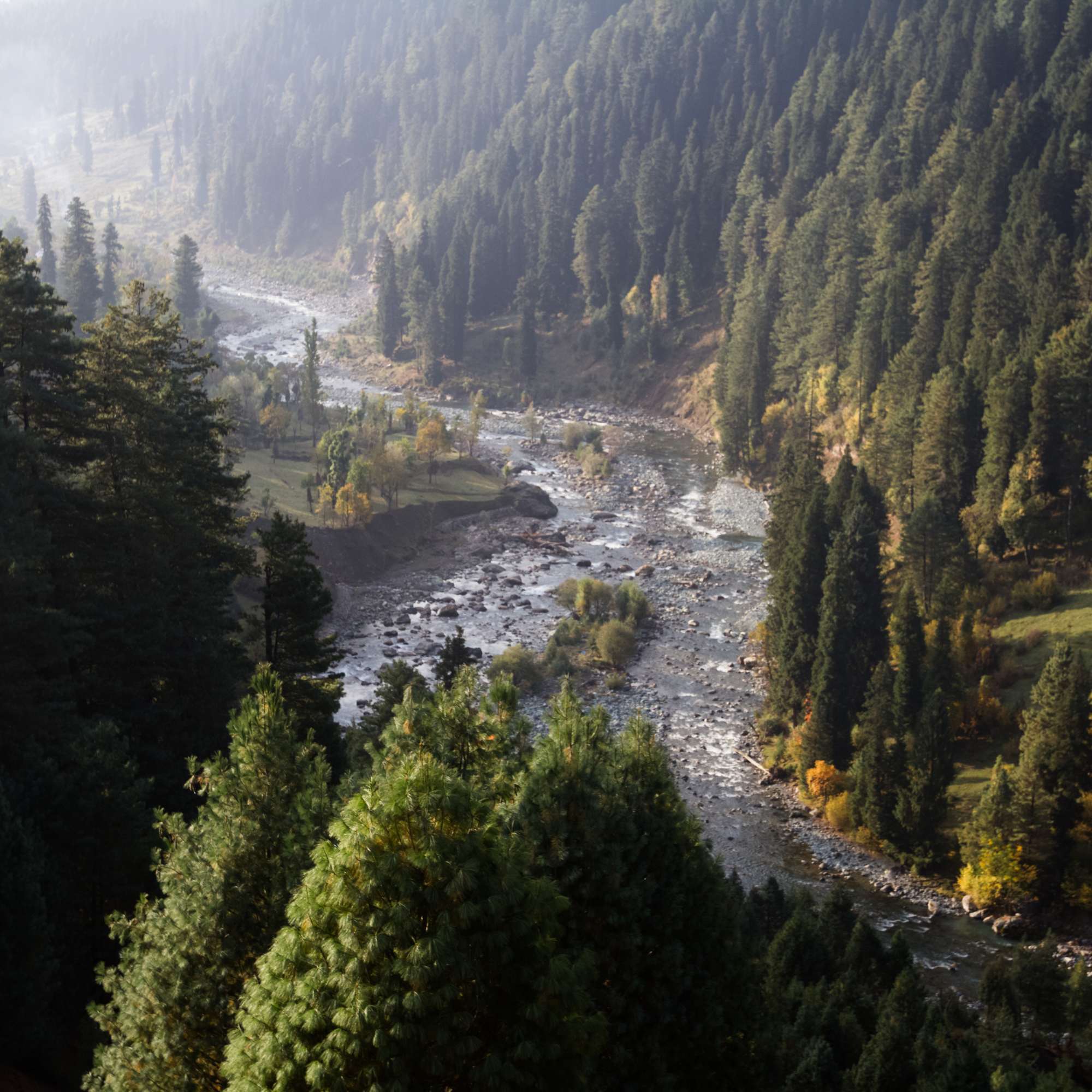
Lidder River Walks and Riverside Viewpoints
Your arrival evening or departure morning is perfect for a slow walk along the Lidder. No planning needed.
Stick to the marked viewpoints. The banks get slippery, and children need someone holding their hand near the water.
Mamaleshwar Temple and Local Market
Pair the temple with a short walk through the market. It is an easy hour.
You will find local food, dry fruits and handicrafts. We are not going to promise you every shop is selling top quality, because that is not something anyone can guarantee.
Check the packaging and confirm the price per kilo before you commit to an expensive dry fruit purchase.
Skip this: the roadside photo studios renting Kashmiri costumes near the main stretch. They cost more than the market rate and you can get the same photo cheaper in Srinagar. Put that money into a proper kahwa instead.
Speaking of which, the small tea stalls along the market road near the temple serve hot kahwa with almond slivers. On a cold Pahalgam evening that cup does more for you than anything else you will buy that day.
Golf Course Viewpoints and Parks
The area around the golf course and the town parks work as easy short stops. Fifteen minutes each.
Current entry and operating status changes, so ask at your hotel reception the same morning. Amusement rides may not operate every day, so confirm their current availability before planning them for children.
Which Offbeat Places and Treks Are Near Pahalgam?
None of these belong on an ordinary taxi sightseeing circuit. Please do not let an agent sell them to you as a half-day add-on.
Tulian Lake
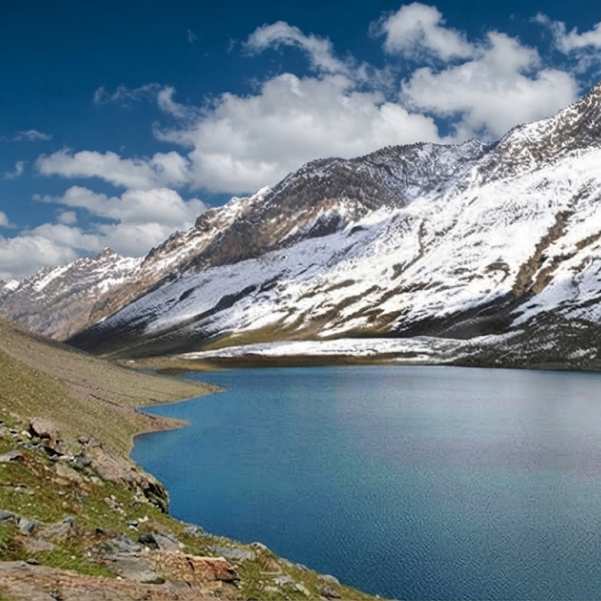
Tulian Lake is a hard mountain excursion, not a sightseeing stop.
The commonly quoted distance is about 16 to 18 kilometres from Pahalgam, but trail length changes depending on your starting point and route.
The trail is difficult and local guidance is worth paying for. We are not giving you a completion time because it depends entirely on your pace and the weather.
Lidderwat
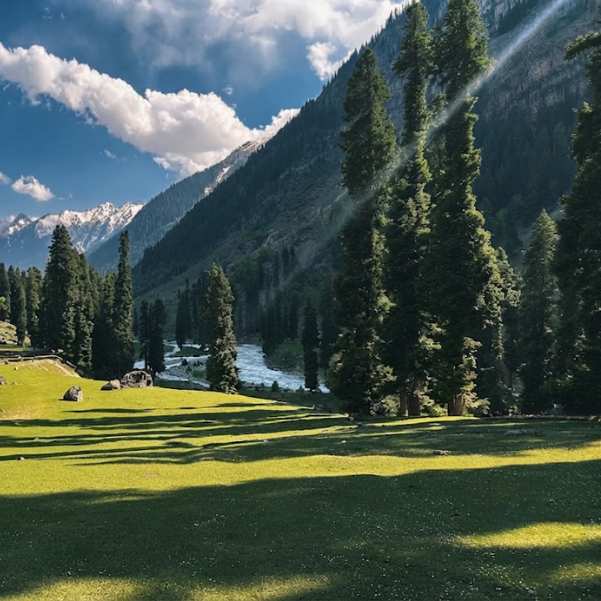
Lidderwat is approached from the Aru side.
This suits trekkers with spare days. It does not suit a family that arrived in Pahalgam yesterday afternoon.
Camping arrangements, guide charges and route duration all need checking on the ground.
Tarsar–Marsar Lakes
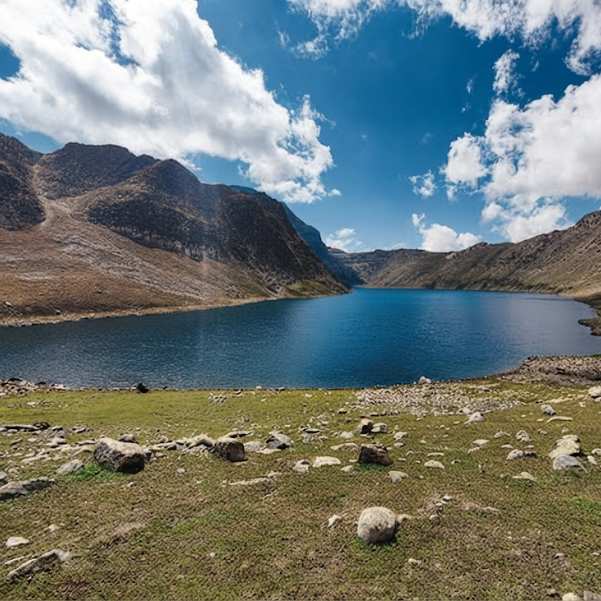
Aru is the usual approach base for Tarsar–Marsar.
This is a prepared multi-day trek. Proper gear, proper guide, proper planning.
We are not publishing a trek duration, package cost, campsite fee or permit detail here because there is no reliable figure to give you.
Kolahoi Glacier
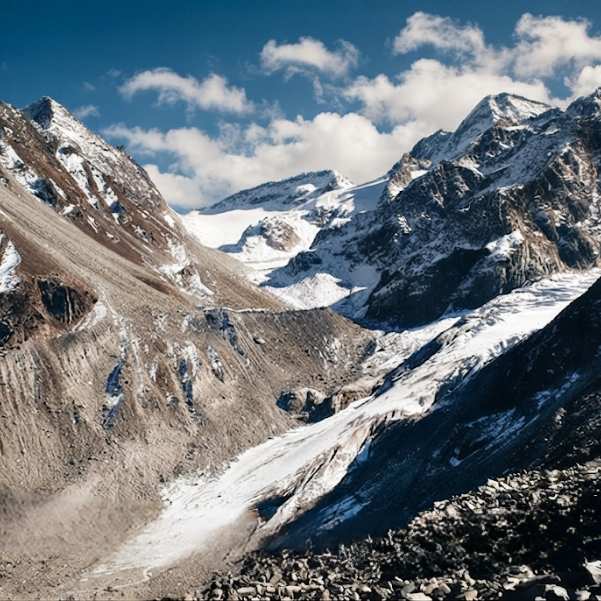
The Kolahoi Glacier route is also associated with the Aru side.
The terrain is challenging and you need experienced local guidance. Do not attempt glacier access unguided. That is the honest warning of this article.
Which Places Can You Visit on the Way from Srinagar to Pahalgam?
Avantipur Temple Ruins
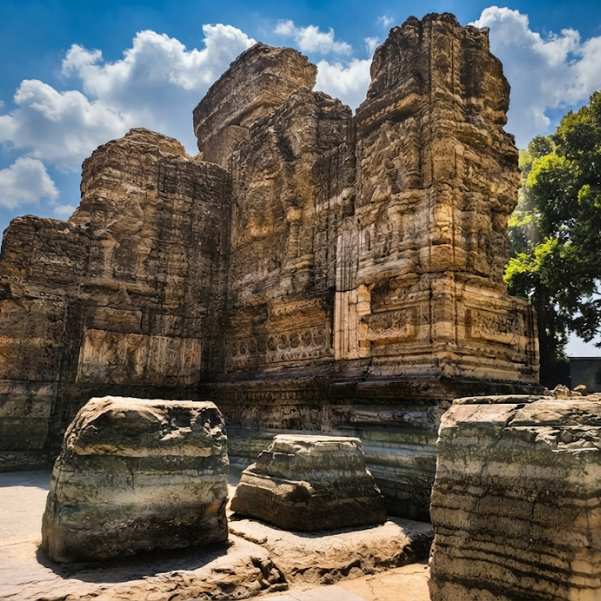
The Avantipur ruins make a good heritage break on the road journey.
They were built during the ninth-century reign of King Avantivarman, who ruled Kashmir from 855 to 883 CE.
Budget extra road time for this. It is not a two-minute stop.
Pampore Saffron Area
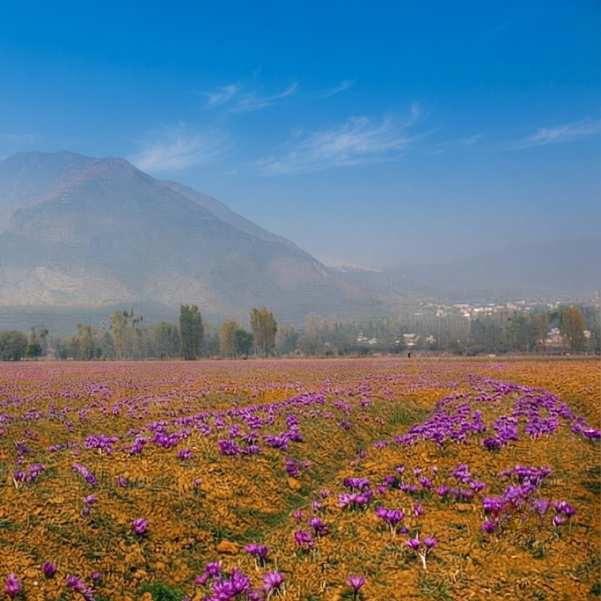
Pampore is saffron country, but flowering is seasonal.
Do not walk into cultivated fields without asking the owner. These are working farms, not a photo backdrop.
Nobody can guarantee you will see purple flowers on your date. If the season is off, the fields are just fields.
Aishmuqam
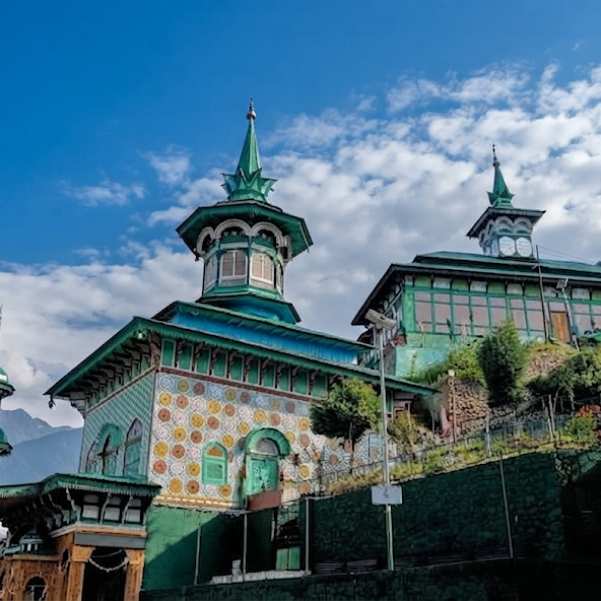
Aishmuqam works as a religious and cultural stop near the route.
Visiting hours, parking and access all need local confirmation.
Dress and behave the way you would at any place of worship.
How Many Days Are Enough for Pahalgam?
Two to three days is what most people need for ordinary Pahalgam sightseeing.
One-Day Pahalgam Plan
One day works, but it will feel rushed.
Prioritise the ABC circuit. If daylight or roads are against you, do two of the three valleys well instead of three badly.
Leave Baisaran out unless authorities have reopened it.
Driving back to Srinagar the same evening eats your town time completely. You will see valleys and nothing else.
Two-Day Pahalgam Plan
Day one is the valley day. Betaab, Chandanwari and Aru through the local transport arrangement.
Day two is the slow day. Lidder River, Mamaleshwar Temple, the golf course area, and unhurried time in the market.
Add Avantipur on your way in or out. It fits neatly into the drive.
Three-Day Pahalgam Plan: Guided Nature Walks and Buffer Time
Day three is where you add a short guided nature walk from Aru or another officially open area. That counts as a place worth visiting in its own right.
Keep the rest of the day loose. Weather delays in Pahalgam are normal, not exceptional.
Do not let a three-day plan quietly turn into a high-altitude trek. Different trip, different preparation.
What we tell our travellers is to book the third night before they book anything else. The people who regret their Pahalgam trip are almost always the ones who gave it a day and a half.
How Much Does Pahalgam Sightseeing Cost in 2026?
Your costs break into a few clear parts. The Srinagar transfer, the local union taxi, attraction entry, any pony ride, a guide if you need one, plus food and parking.
Online commercial listings quote approximately ₹1,000 to ₹1,600 for Betaab Valley, ₹1,100 to ₹1,800 for Aru Valley, and ₹1,100 to ₹2,000 for Chandanwari.
The commonly quoted entry fee for Betaab Valley is around ₹100 per adult, while general entry to Aru Valley is often free. Parking fees or other local charges may still apply at either destination.
Here is the money tip. Ask whether your quote covers one attraction or a combination, and whether waiting time, parking and the return journey are inside that number. Combination quotes usually work out cheaper than booking each valley separately on different days.
Read the displayed tariff yourself. Do not take a number from a hotel desk without cross-checking the board.
For pony rides, agree the exact route, the turnaround point, the total duration and the full price before anyone starts walking. We are not printing a pony fare because no reliable figure exists.
When Is the Best Time to Visit Pahalgam?
Spring and Early Summer
Green scenery, better access to the main valleys, and the most reliable window for the ABC circuit.
Crowds build up and rain patterns shift. Do not count on snow in Pahalgam town during this period.
Monsoon and Amarnath Yatra Period
The scheduled Amarnath Yatra period for 2026 runs from 3 July to 28 August.
Traffic restrictions and convoy timings affect movement around the Pahalgam route during these weeks.
Dated update: when we researched this article on 22 July 2026, the Shrine Board website showed the yatra temporarily suspended on both the Pahalgam and Baltal routes from 19 July because of an adverse weather forecast.
That is a live condition. It may have changed since. Recheck it yourself before you travel.
Autumn
Cooler air, clearer views, thinner crowds. Generally a good period, though nobody can promise you weather.
Mornings and nights get properly cold. Carry a jacket even if the afternoon feels warm.
Winter
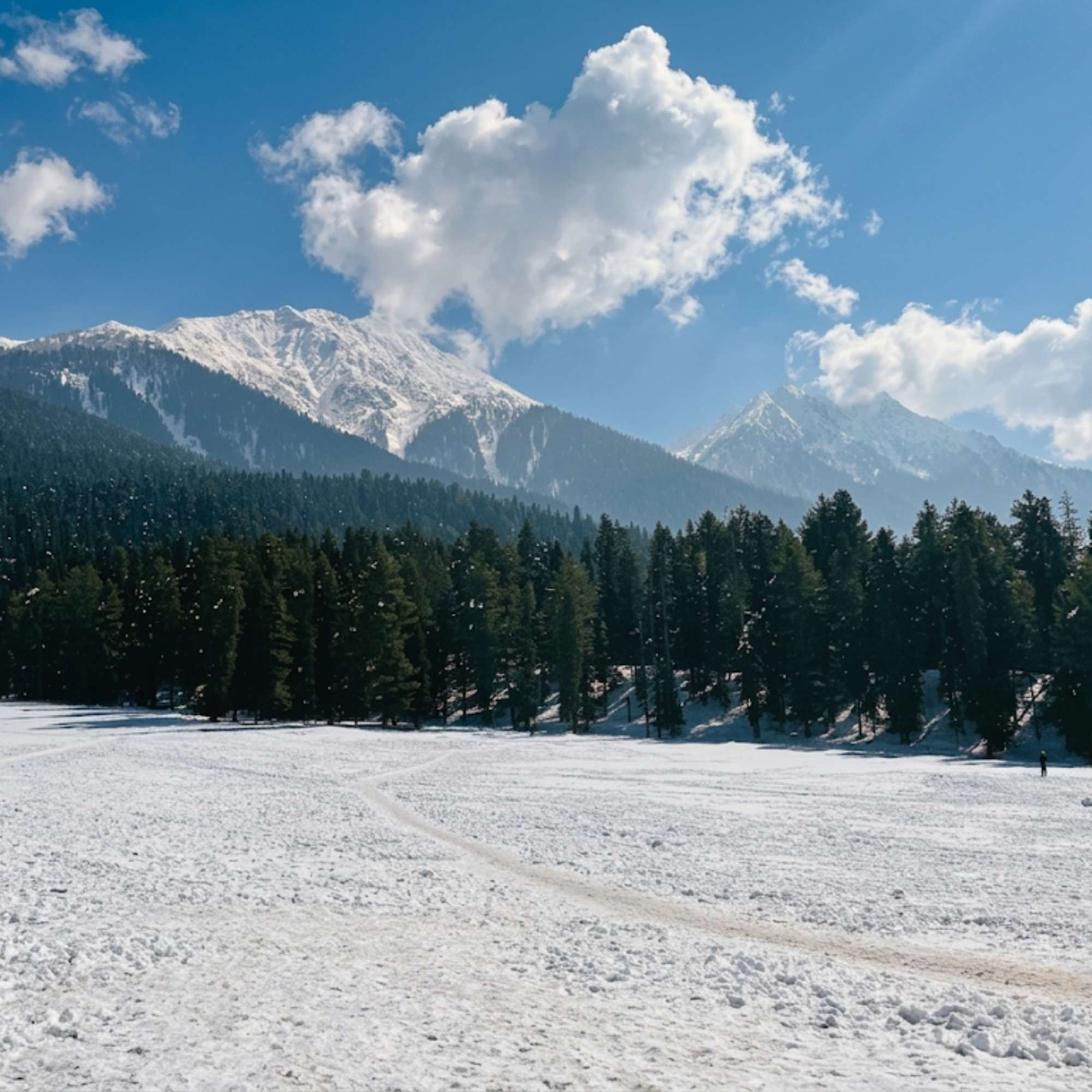
Pahalgam gets snow, but the inner roads can close after heavy snowfall.
Do not assume Aru Valley or Chandanwari will be open. Plan flexible sightseeing and verify road status the same morning you travel.
Which Pahalgam Places Suit Families, Couples and Elderly Travellers?
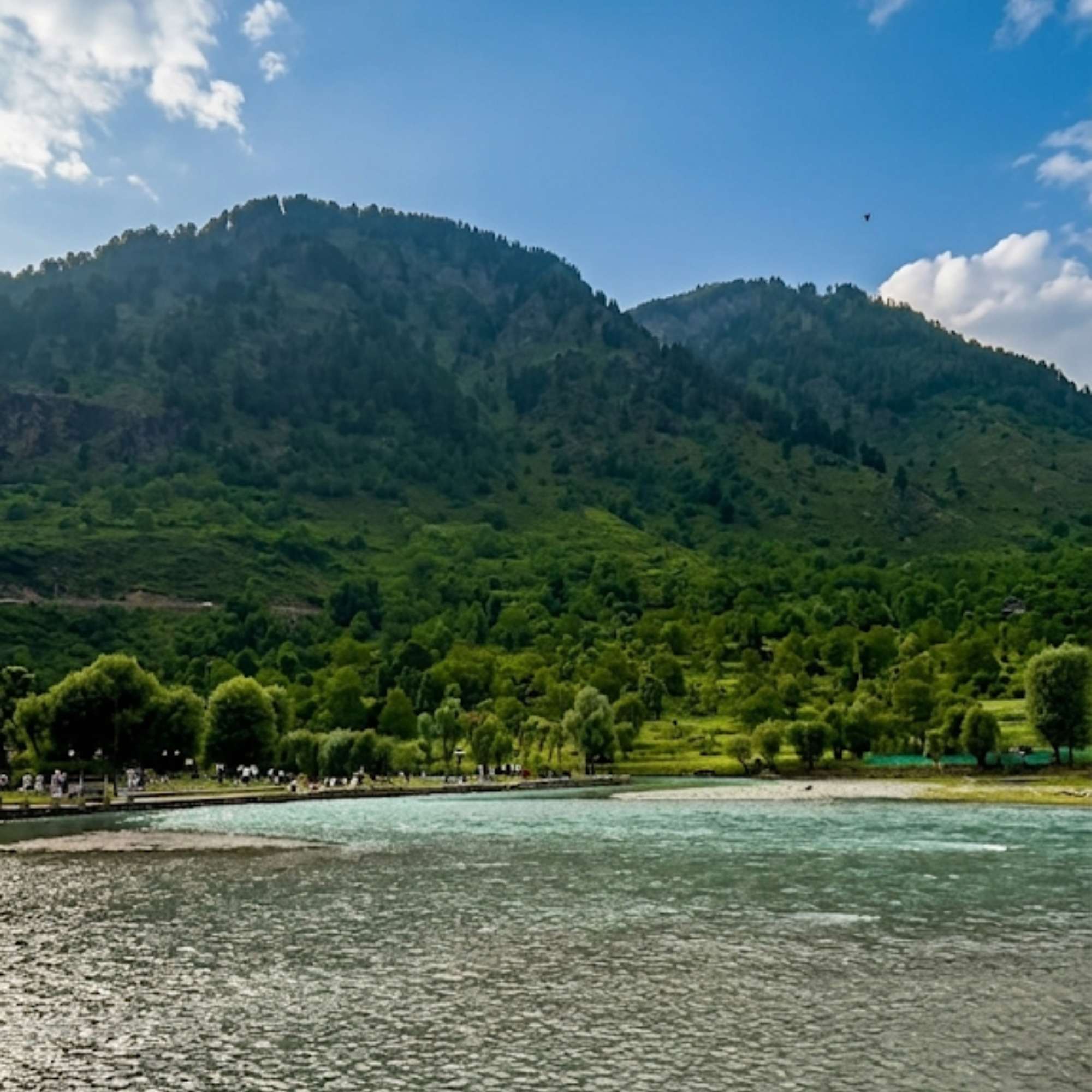
Families do best with Betaab Valley when it is open, safe Lidder River viewpoints, a short Aru stop and the town attractions.
Couples should slow down. Two nights, river walks, and unhurried time in the Aru meadows beats a packed checklist.
Elderly travellers should stick to road-accessible stops. Skip steep pony routes and lake treks entirely.
If anyone in your group has mobility limits, ask the hotel about walking surfaces, stairs, toilet access and exactly where the vehicle can drop you. Ask before you leave, not when you arrive.
How Do You Reach Pahalgam and Travel Locally?
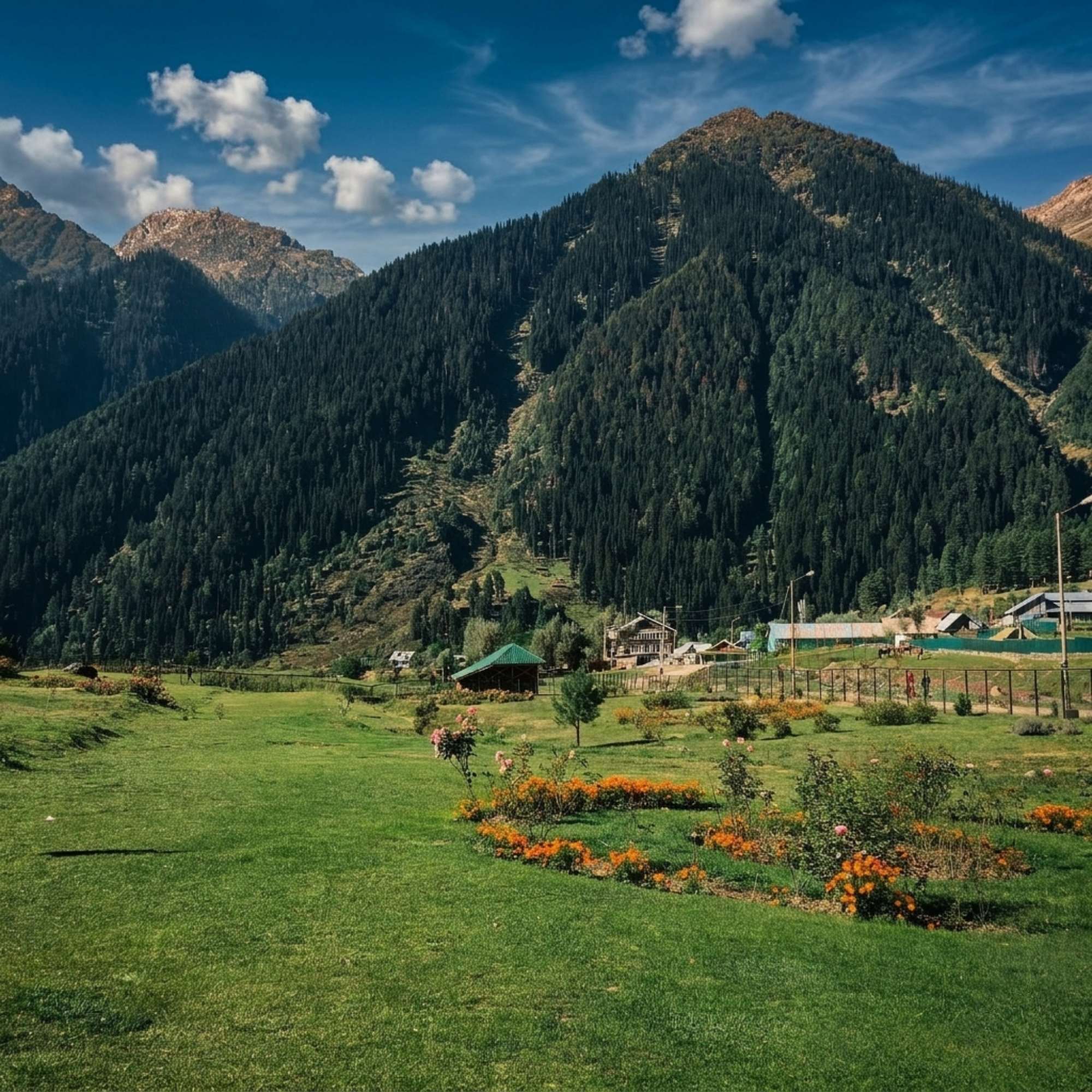
JKTDC places Pahalgam approximately 95 kilometres from Srinagar.
The drive commonly takes approximately 2.5 to 3 hours, depending on where in Srinagar you start, plus traffic, checkpoints and en-route stops.
A private transfer can bring you to Pahalgam, but it may not be permitted to run every inner sightseeing route. That is the part people miss when they book a Srinagar cab for the whole day.
Inside Pahalgam, you move around by local taxi or on foot. The town itself is small enough to walk.
What Should Travellers Know About Pahalgam in 2026?
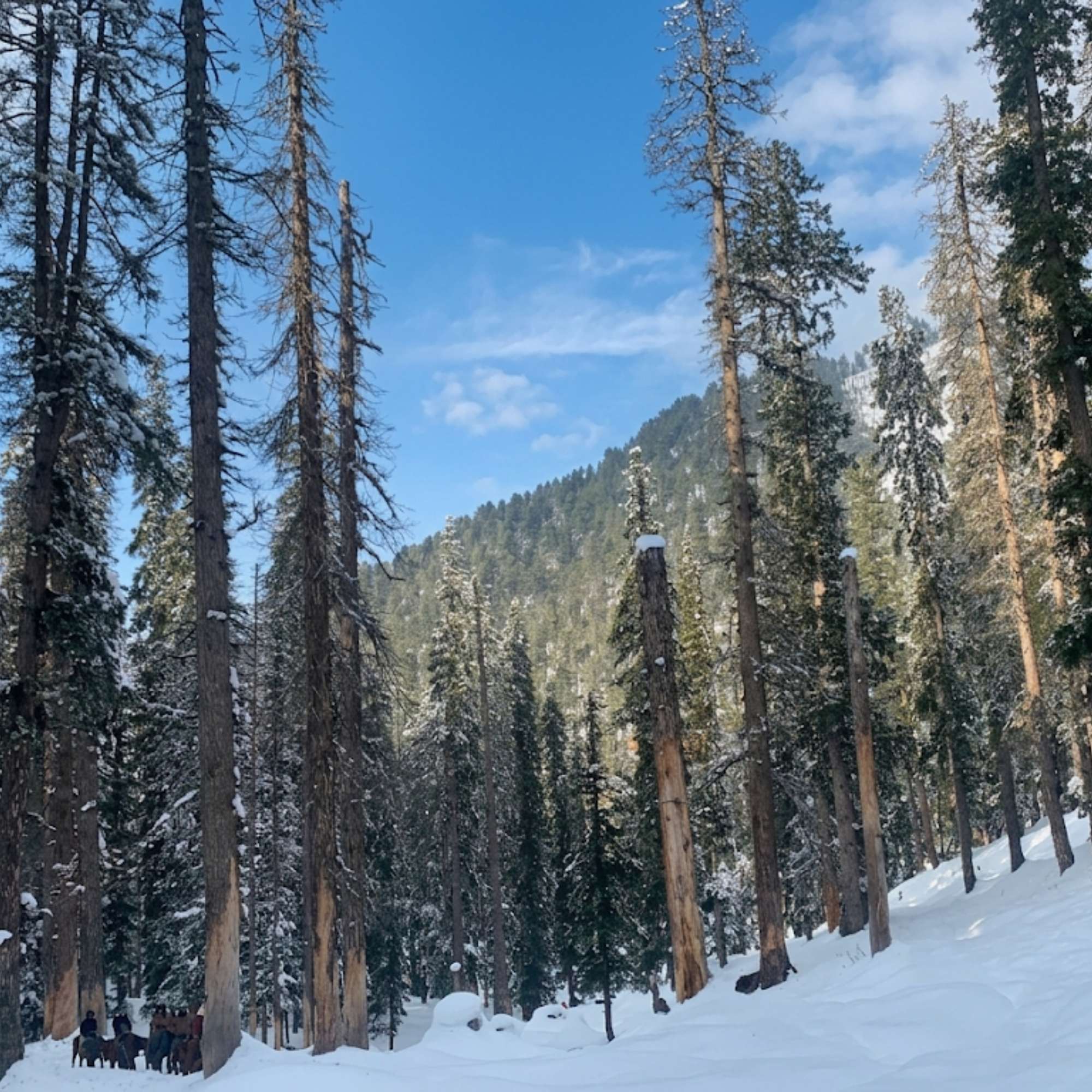
Current Baisaran Status
Baisaran was reported closed to civilian visitors in early July 2026.
Verify before you travel and respect every restriction in place.
Amarnath Yatra and Traffic
The scheduled dates are 3 July to 28 August 2026.
A temporary weather-related suspension was showing from 19 July when we researched this. Traffic controls change quickly, sometimes within hours.
Safety and Live Verification
We are not going to declare Pahalgam universally safe or unsafe. That is not a call a travel blog should make.
Check official district, police, weather and Shri Amarnathji Shrine Board updates close to your dates.
Planning a Longer Himalayan Holiday?
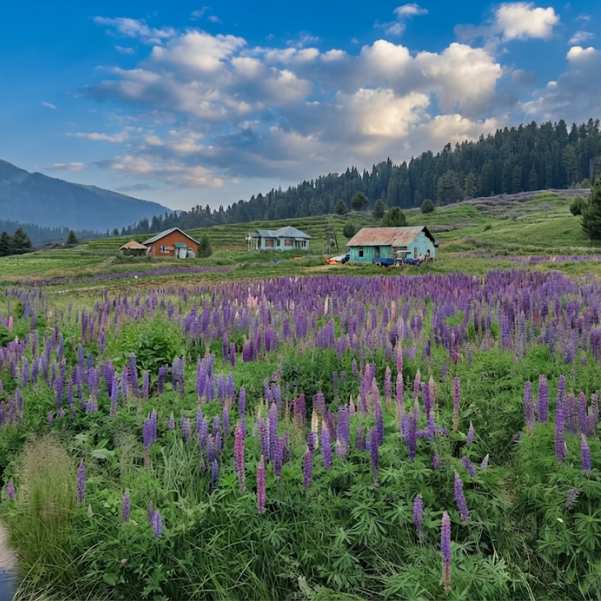
Pahalgam works best inside a wider Kashmir plan with Srinagar and Gulmarg. Our customised Kashmir tour packages build it that way.
Ladakh is a separate trip, not an extension. More days, different altitude planning, different season. Look at our Leh Ladakh tour packages if that is where your head is going.
Manali and Spiti are alternative Himalayan holidays, not day trips from here. Our Manali tour packages and Spiti Valley tour packages run on completely different calendars.
Final Verdict
Pahalgam deserves more than a rushed day trip. For most travellers, two nights is the ideal choice. It gives you enough time to explore the accessible valleys, enjoy the Lidder River, visit Mamaleshwar Temple and experience the town without turning the trip into a checklist.
Keep your itinerary flexible because road access, weather conditions and local restrictions can change quickly. Confirm which attractions are officially open, check the displayed local taxi rates and review current travel updates before leaving.
With realistic planning and enough time, Pahalgam can easily become one of the most memorable parts of your Kashmir trip.
Explore Our Curated Kashmir Tours Packages
 5D/4N
5D/4NKashmir Honeymoon Experience – Srinagar, Gulmarg & Pahalgam
3D Srinagar•1D Pahalgam+1
₹14,499₹21,499SAVE INR 7,000/ person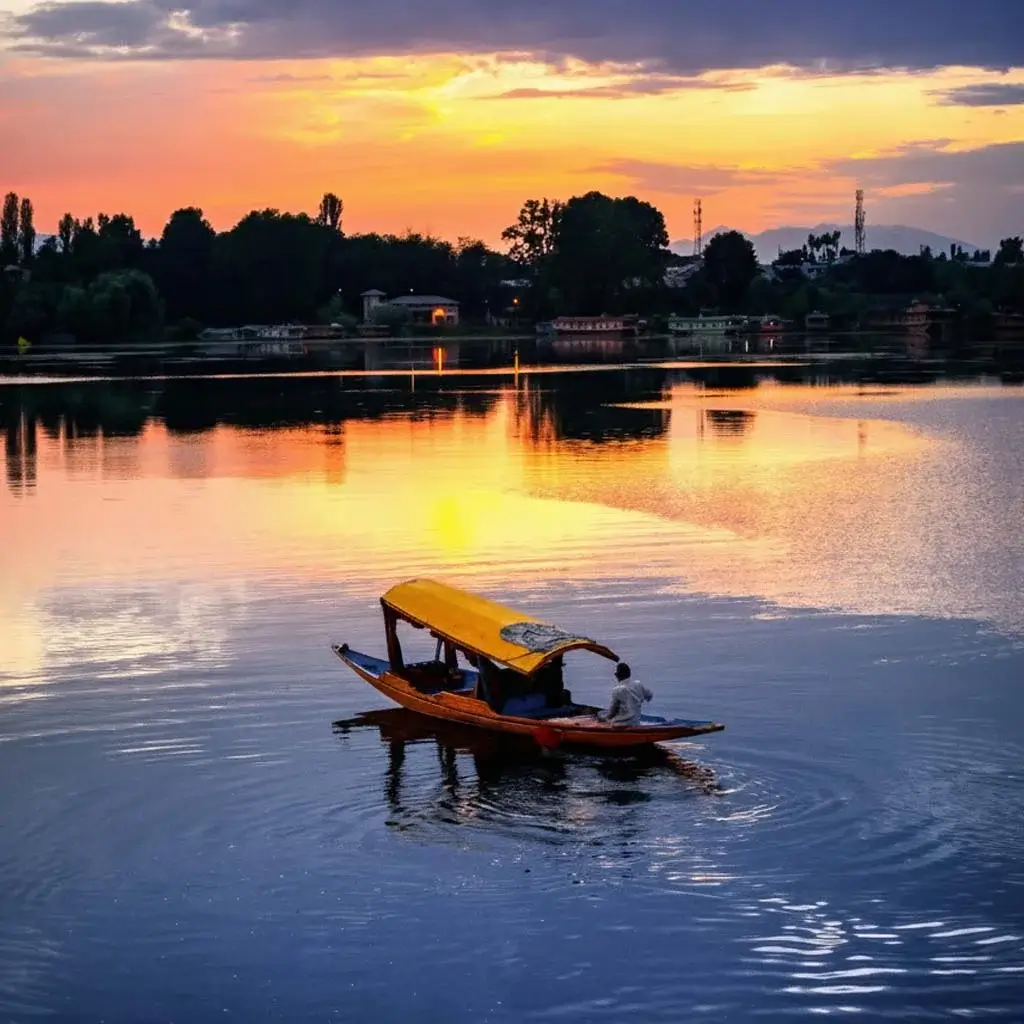 4D/3N
4D/3NThe Perfect 4 Day Kashmir Getaway
2D Srinagar•1D Gulmarg+1
₹9,999₹14,499SAVE INR 4,500/ person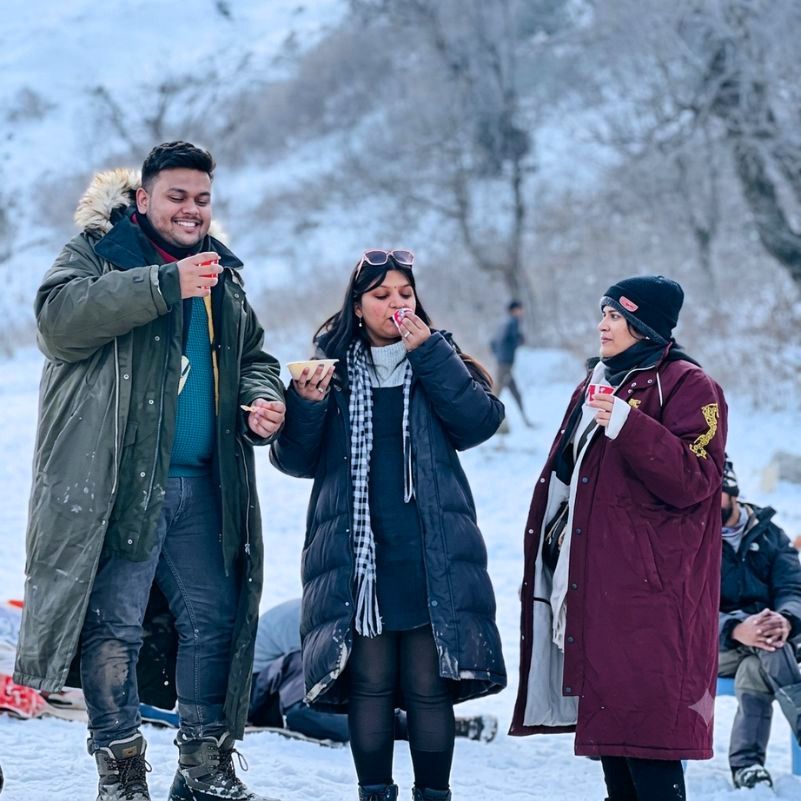 5D/4N
5D/4NBest Of Kashmir – Srinagar, Gulmarg & Pahalgam Tour Package
3D Srinagar•1D Pahalgam+1
₹11,499₹16,999SAVE INR 5,500/ person
Related topics
Frequently Asked Questions
What are the five must-visit places in Pahalgam?
Betaab Valley, Aru Valley, Chandanwari, the Lidder River and Mamaleshwar Temple. Those five cover the main scenery, the town character and the easy walks. The valleys need a local taxi arrangement, while the river and temple you can reach on foot from most hotels.
Can Pahalgam be covered in one day?
Yes, but it will feel rushed. You can manage the ABC valley circuit if you start early and the roads cooperate. You will not get relaxed town time, and a same-day return to Srinagar cuts the day further. Two nights is a much better trip.
How many nights should I stay in Pahalgam?
Two to three days is what most travellers need. Two nights lets you split the valleys and the town across separate days. A third night gives you buffer for weather delays, which are common enough here that we always suggest planning for them.
What is included in the ABC Valley tour?
ABC means Aru Valley, Betaab Valley and Chandanwari. What your specific booking includes varies by operator and vehicle. Always confirm which stops are covered, how much waiting time you get, and whether parking and the return journey are inside the quoted price.
Is a local taxi compulsory for Aru, Betaab and Chandanwari?
Recent traveller reports describe local union taxis as the normal arrangement for these inner routes. It is a local arrangement rather than a permanent national rule, and it can change. Check at the Pahalgam taxi stand when you arrive.
Is Baisaran Valley open in 2026?
Baisaran was reported closed to civilian visitors as of early July 2026. Do not plan around it until you have confirmed with the district administration, local police, your hotel and a trusted operator. Do not attempt the route while restrictions apply.
Can elderly travellers visit Baisaran?
Setting the closure aside, the route is steep and normally covered on foot or horseback. It is not suitable for most elderly travellers or anyone with knee or back problems. Road-accessible stops like Betaab Valley and the Lidder River viewpoints are far better options.
Which is better, Aru Valley or Betaab Valley?
Betaab is the easier stop with more open meadow and river scenery, and it pairs naturally with Chandanwari. Aru is quieter and feels more like a village, and it is the gateway for serious treks. If you only pick one, Betaab suits families and Aru suits slower travellers.
What are the current entry fees in Pahalgam?
Betaab Valley's commonly quoted entry fee is around ₹100 per adult. General entry to Aru Valley is often free, although parking fees or other local charges may apply. Since no reliable official 2026 tariff is available, check the current rates displayed at each entrance.
Can a self-drive car go to Aru Valley?
Local union taxi arrangements commonly apply to the inner routes toward Aru, Betaab and Chandanwari. Your own vehicle may not be permitted on every stretch. Confirm the current position locally before you plan a self-drive sightseeing day.
How far is Pahalgam from Srinagar?
JKTDC places Pahalgam approximately 95 kilometres from Srinagar. The drive commonly takes approximately 2.5 to 3 hours, depending on your starting point in Srinagar, traffic, security checkpoints and whether you stop at Avantipur or Pampore along the way.
Is Pahalgam suitable for children?
Yes, with the right stops. Betaab Valley when open, safe Lidder River viewpoints, short Aru stops and the town area all work well. Keep children supervised near the river because the banks get slippery. Skip the long treks entirely with young kids.
Where can visitors see snow near Pahalgam?
Chandanwari is the usual answer during the colder months, though access depends on snow, weather and security controls. Nobody can guarantee snow on a specific date. In spring and early summer, do not assume you will find snow in Pahalgam town itself.
More about Kashmir
 Kashmir
Kashmir Taxi Guide 2026: Local Union Rules, Cab Routes & Current Fare Logic
Planning to use taxis in Kashmir in 2026? Understand local union rules, popular cab routes, sightseeing restrictions and how taxi fares are generally structured across Srinagar, Gulmarg, Pahalgam and Sonamarg.
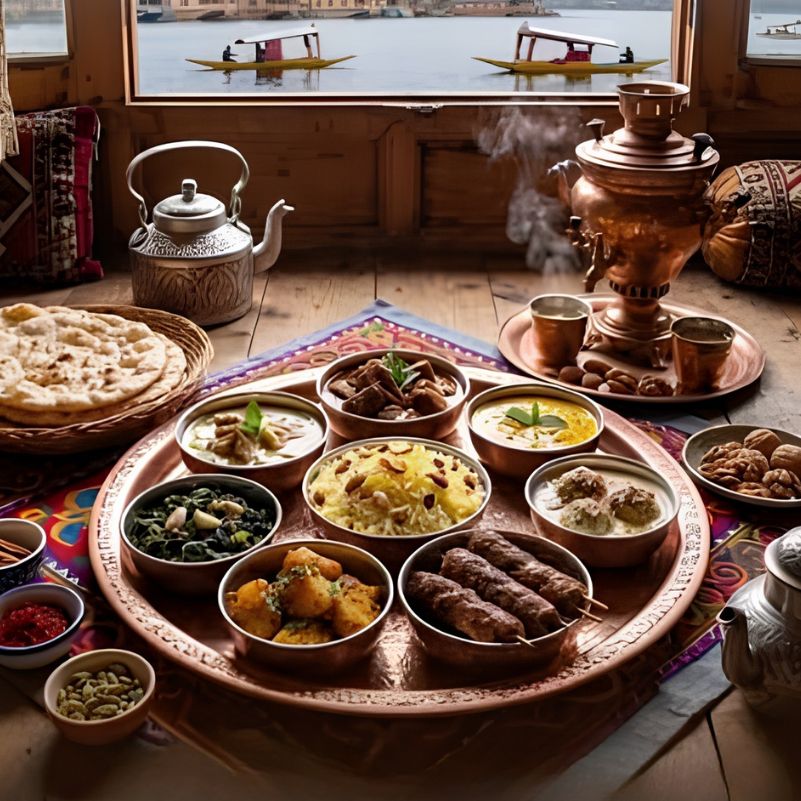 Kashmir
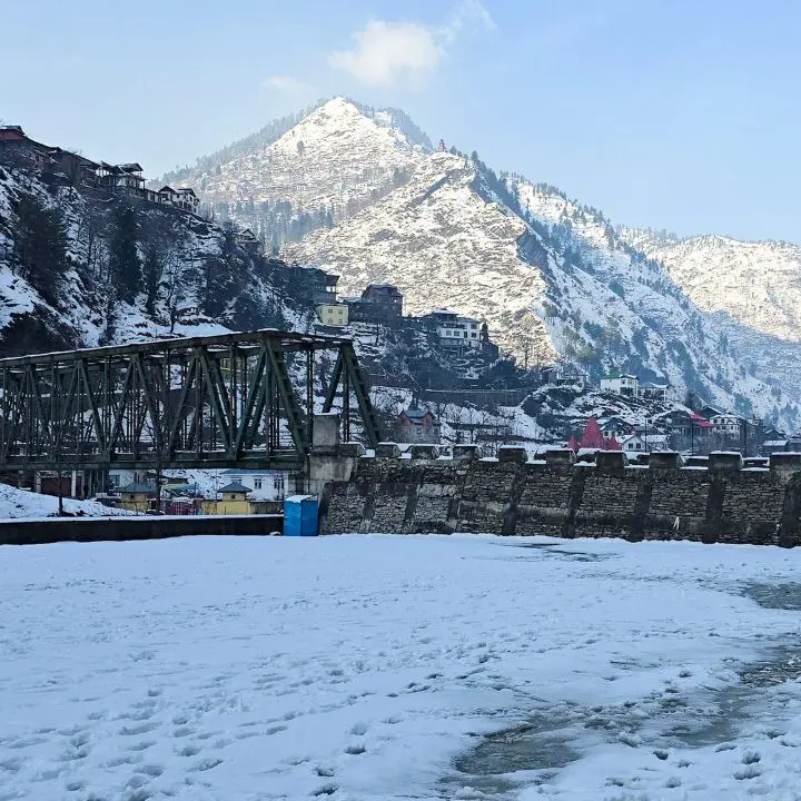
Kashmiri Food Guide 2026: What to Eat in Srinagar, Pahalgam & Gulmarg
Discover what to eat in Kashmir in 2026, from traditional Kashmiri dishes and Wazwan to local snacks, breads and drinks. This guide covers food experiences in Srinagar, Pahalgam and Gulmarg for first time visitors.
- Things to Do
- Places to Visit
 Kashmir
SIM Cards in Kashmir 2026: Internet, ATMs, IDs & Tourist Essentials
Travelling to Kashmir in 2026? Learn about SIM card access, mobile internet, ATM availability, accepted ID documents and other essentials tourists should arrange before visiting Srinagar, Gulmarg, Pahalgam and Sonamarg.
- First-Time Travellers