
12 Offbeat Places in Kashmir in 2026: Hidden Valleys Beyond the Usual Circuit
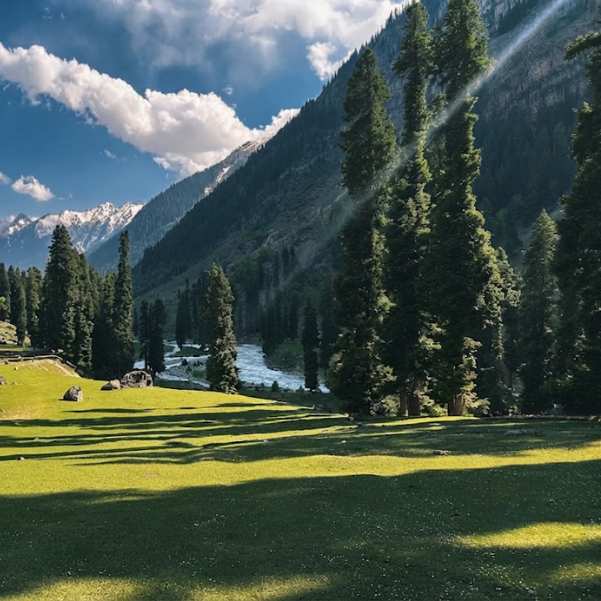
Most people who come to Kashmir see the same four places. Srinagar, Gulmarg, Pahalgam, Sonamarg. Beautiful, yes. Quiet, no.
The valleys we are covering here are the ones our travellers ask about after their second Kashmir trip. Log-wood villages, empty meadows, high passes where the road ends and the view starts.
But offbeat in Kashmir means different things in different places. Some of these are a 90-minute drive from your Srinagar hotel. Others need three days, a driver who knows the checkpoints, and a willingness to turn back if the road says no.
Here is the honest breakdown of all twelve.
Quick Answer: What are the best offbeat places in Kashmir?
The best offbeat places in Kashmir are Gurez Valley, Bangus Valley, Lolab Valley, Doodhpathri, Yusmarg, Aharbal, Daksum, Naranag, Warwan Valley, Sinthan Top, Watlab and Athwatoo.
Doodhpathri and Yusmarg are the easiest to add from Srinagar. Both work as day trips.
Gurez and Warwan sit at the other end. They need several days, route verification before you leave, and flexibility if weather changes.
Naranag, Watlab and Aharbal fall in between. Easy enough to reach, quiet enough to feel different.
If you want the routes planned around your dates and comfort level, our customised Kashmir tour packages are built around exactly this kind of trip.
What Does "Offbeat Kashmir" Actually Mean?
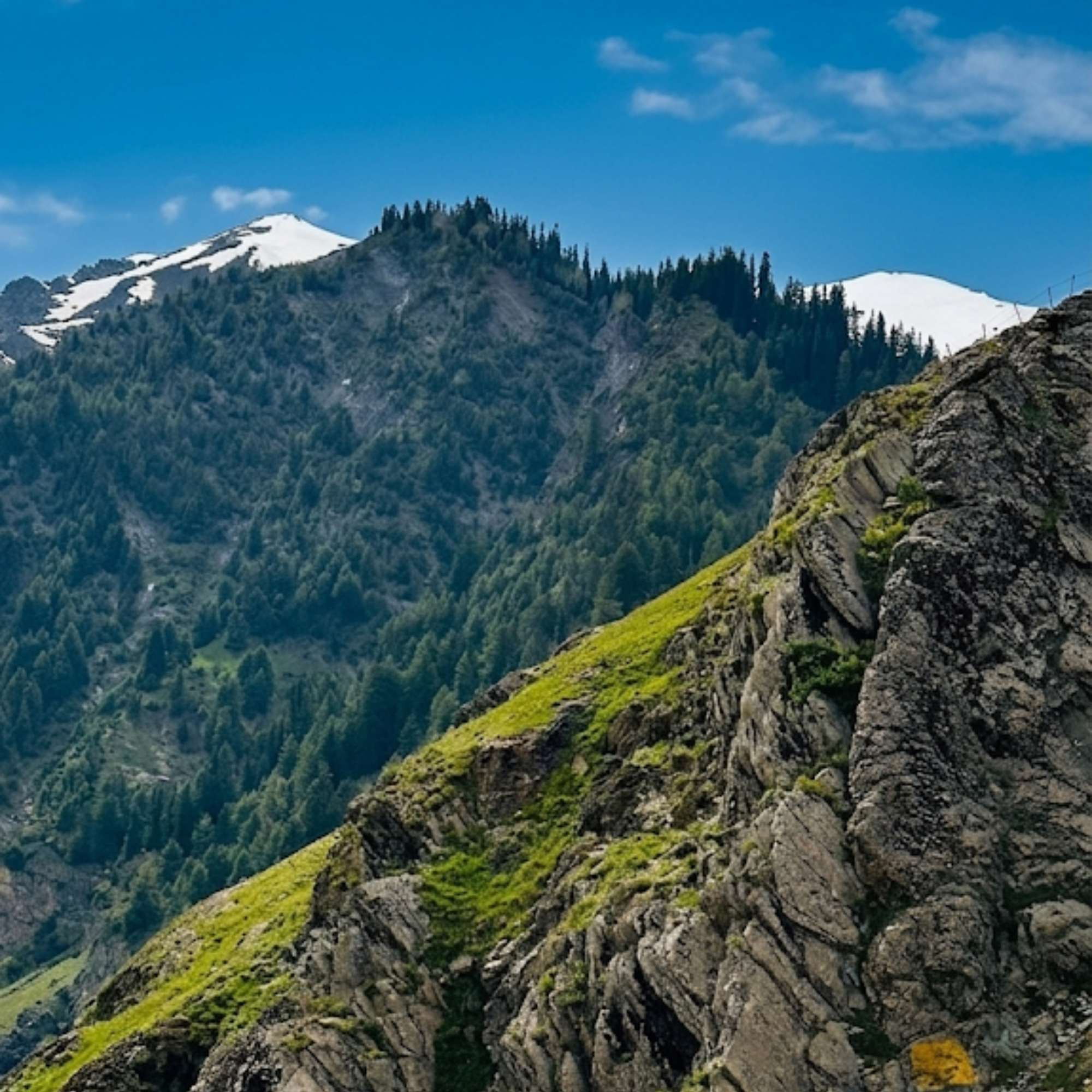
There are three different things people mean when they say offbeat, and mixing them up is how trips go wrong.
The first is a quieter alternative. Doodhpathri and Yusmarg are this. Proper roads, day-trip distance, fewer people than Gulmarg on most days.
The second is a remote road destination. Gurez, Bangus, Warwan. You drive for hours, cross a pass, and reach a place with limited stays and patchy phone signals.
The third is trekking-only. Gangabal above Naranag is this. You cannot drive there. You walk.
Doodhpathri and Yusmarg are not secrets anymore. On a summer weekend or a holiday stretch, both can get proper day traffic from Srinagar.
They are still calmer than the standard circuit. Just do not expect an empty meadow at 1 PM in July.
Choose based on how many days you have, how much road shaking you can handle, what kind of room you need at night, whether kids or elderly parents are travelling, and the season.
In our experience, the trips that go badly are the ones where someone picked Warwan for a five-day holiday because it looked wild on Instagram.
Which Offbeat Place Should You Choose?
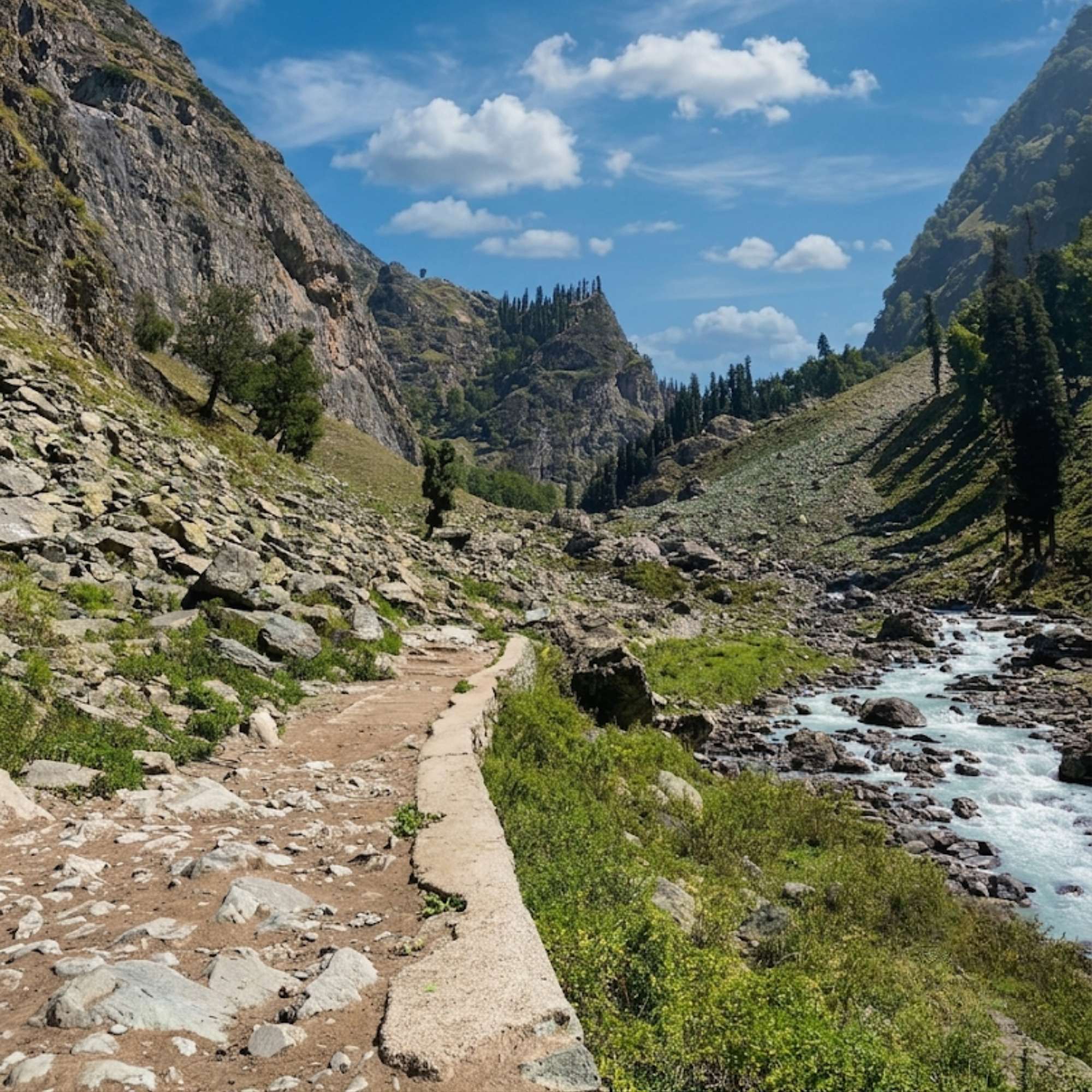
Easy day trips from Srinagar
Doodhpathri, Yusmarg, Naranag, Watlab and Aharbal all work while you keep Srinagar as your base.
You leave in the morning, spend a few hours, come back to a proper hotel with hot water and a working phone.
This suits first-time Kashmir visitors, families with young children, and anyone travelling with senior citizens.
It also suits people who want one quiet day inside an otherwise standard itinerary.
Quiet North Kashmir circuits
Gurez, Bangus and Lolab need more from you.
These are multi-day plans with real driving days, checkpoints where you show original ID, and accommodation that varies from decent to very basic.
You need spare days in the plan. Not a schedule where a road closure ruins everything.
Our team recommends a local driver for these routes, specifically someone who has driven them this season and knows how the checkpoint process works.
Remote South Kashmir and Kishtwar-side routes
Daksum, Sinthan Top and Warwan sit on the harder end.
High-pass access, weather that changes fast, and long driving days make these unsuitable for a rushed plan.
Warwan especially. More on that below.
Which Are the Best Offbeat Places in Kashmir?
Gurez Valley
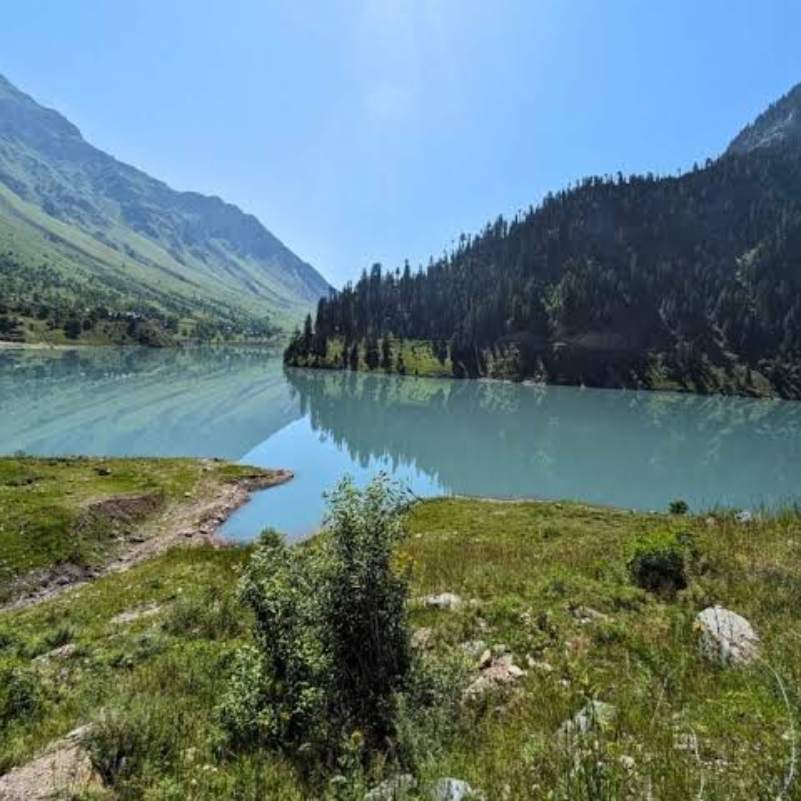
Gurez is the one most people mean when they say they want the real offbeat Kashmir experience.
The Kishanganga River runs through the valley. Traditional log-wood houses line the villages, built the way they have been built for generations.
Habba Khatoon Peak stands over the valley, a single pyramid-shaped mountain that you will photograph more than you planned to.
The Dard community lives here and speaks Shina, a language you will not hear anywhere else in Kashmir.
Gurez is in Bandipora district, approximately 123 kilometres from Srinagar and 86 kilometres from Bandipora.
It sits at around 2,400 metres above sea level.
The road goes through Bandipora and over Razdan Pass.
Foreign tourists can visit with advance permission. The reported procedure is to send the request to the Deputy Commissioner's office in Bandipora roughly three to four days before travel.
Here is where we have to be honest with you. The permit rule for Indian tourists is genuinely unclear right now.
One 2026 source says an Inner Line Permit is required. Another says Indian tourists generally need original identification and checkpoint registration, not a separate tourist permit.
We are not going to pick a side and send you to a checkpoint with wrong information.
Call the Bandipora district control room on 01957-225322 and confirm before you travel. It takes one phone call.
A 2026 travel source describes the broad road-access window as mid-June to mid-October, but this depends entirely on weather.
Tulail is an optional extension deeper into the Gurez area.
Bangus Valley
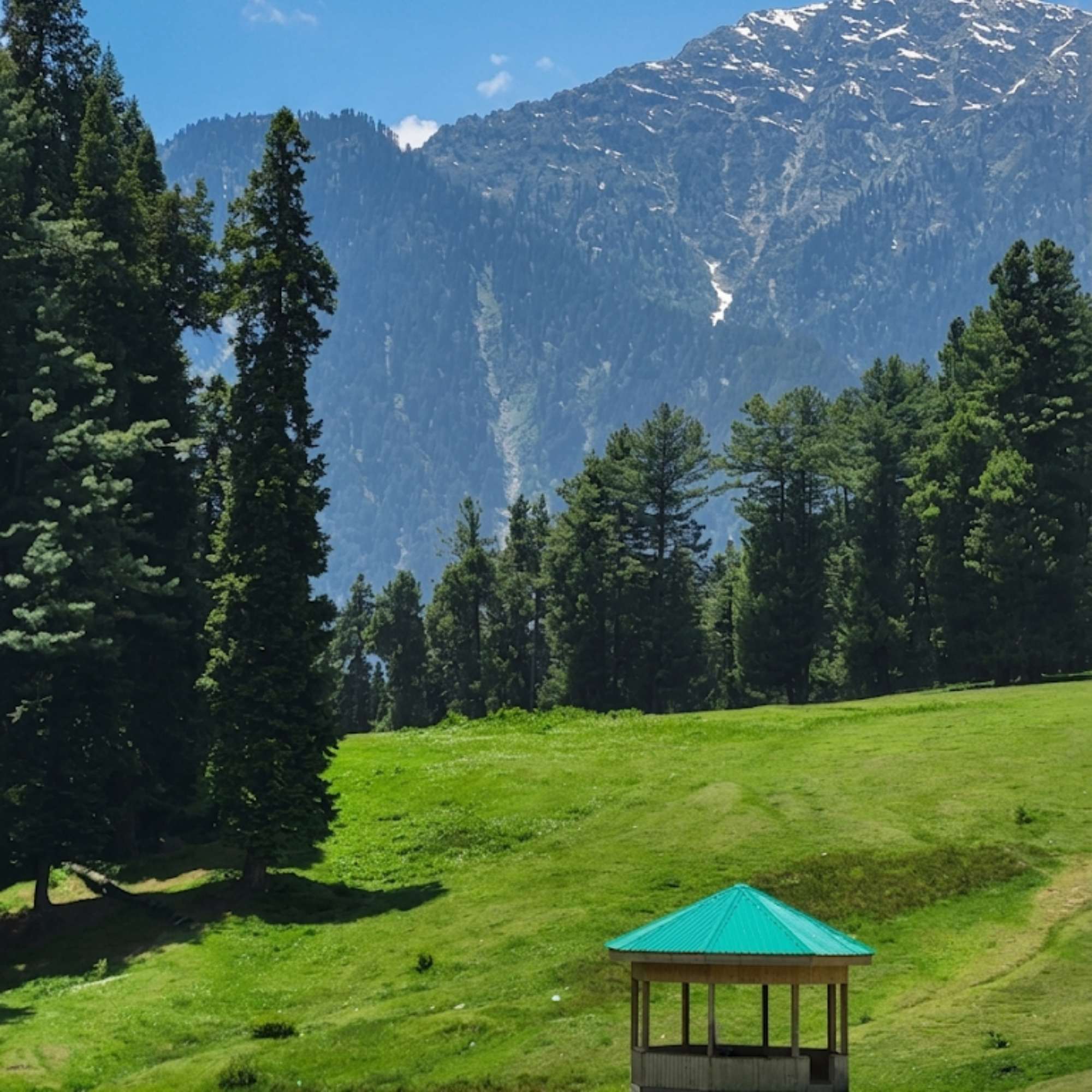
Bangus lies in the northern part of Kupwara district, within the Handwara sub-district.
The official district page places it at around 10,000 feet.
You get wide meadows, conifer forest, and a high-altitude setting that feels completely different from the manicured lawns of Gulmarg.
We are not publishing a Srinagar distance for Bangus because we could not verify a route-specific official figure. Blogs quote numbers that do not match each other.
We also cannot promise you hotels, mobile service or camping permission here.
Confirm accommodation, local access and current rules before you travel. Not after you arrive.
Bangus suits travellers who accept basic facilities and changing road conditions as part of the deal.
Lolab Valley
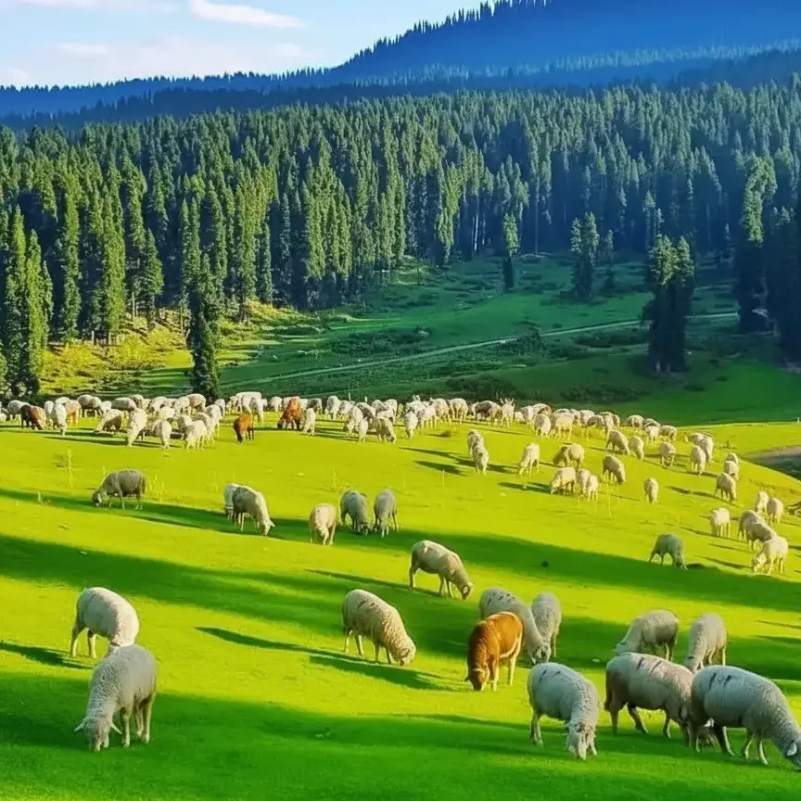
The centre of Lolab lies approximately 114 kilometres northwest of Srinagar.
The valley entrance is about nine kilometres north of Kupwara town.
Lolab runs roughly 24 kilometres long with an average width of around 3.2 kilometres.
Sogam is the main settlement. Around it you get forests, walnut and apple orchards, and village landscapes that look like Kashmir before tourism arrived.
The Kalaroos area sits at the far end of the valley.
You will hear stories about ancient tunnels at Kalaroos supposedly connecting to Russia. This is an unverified local legend, not an established fact. Enjoy the story, do not repeat it as history.
Lolab works as a countryside and cultural stay, not a photo stop. Give it a night if you can.
Doodhpathri
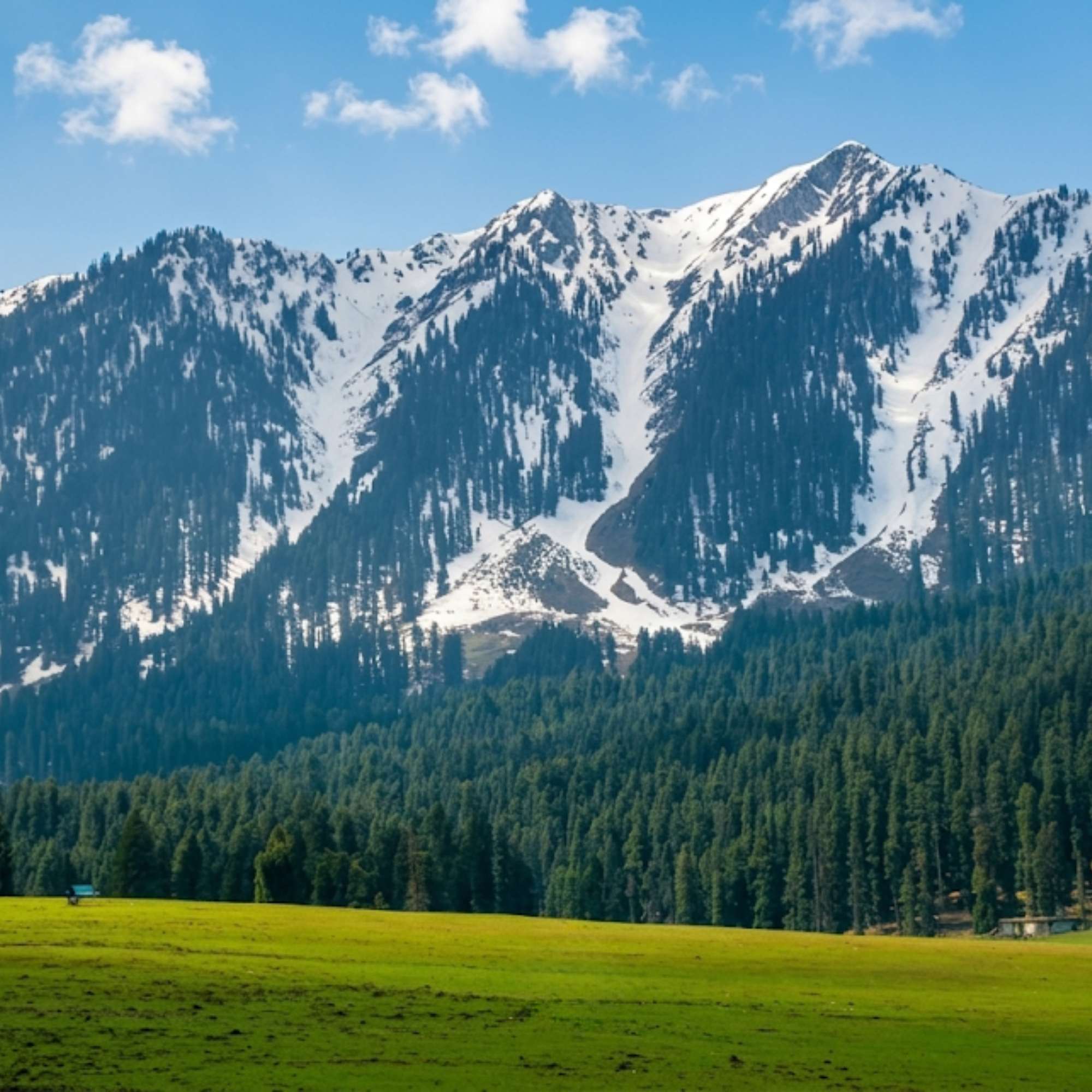
Doodhpathri is in Budgam district, approximately 42 kilometres from Srinagar, at 8,957 feet.
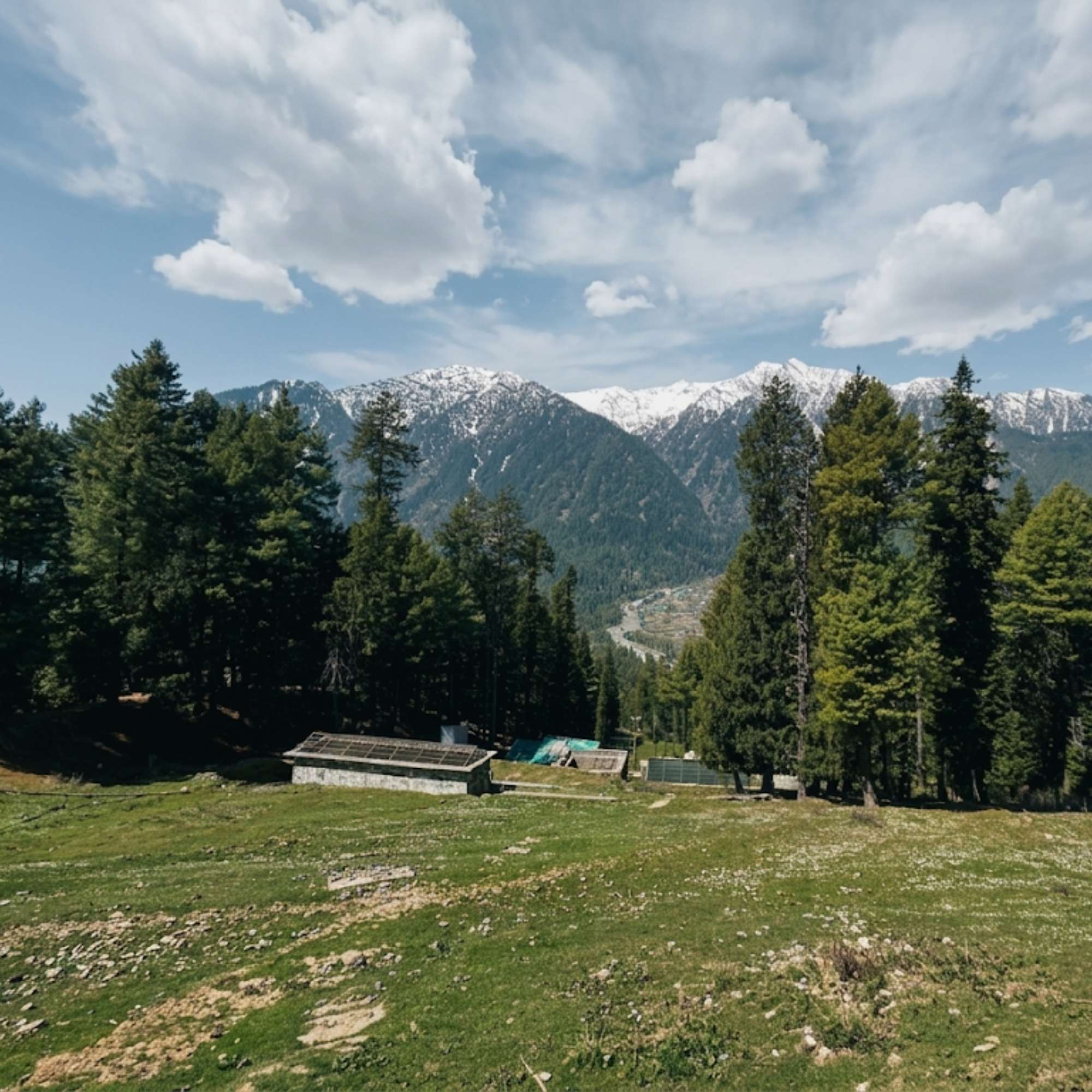
Open meadows, streams running through them, mountains on the edges. That is the whole appeal and it is enough.
This is the easiest offbeat addition to a Srinagar trip. It is also not always empty.
On peak weekends the parking area fills up and the main meadow gets crowded. Walk fifteen minutes upstream and you leave most of it behind.
Doodhpathri was among 14 J&K tourist sites ordered to reopen in February 2026 after earlier precautionary closures.
Confirm current access before you leave Srinagar. Things change here faster than blogs update.
We are not quoting pony or ATV rates because no dependable 2026 official tariff exists. Agree on a price before you sit on anything.
Yusmarg
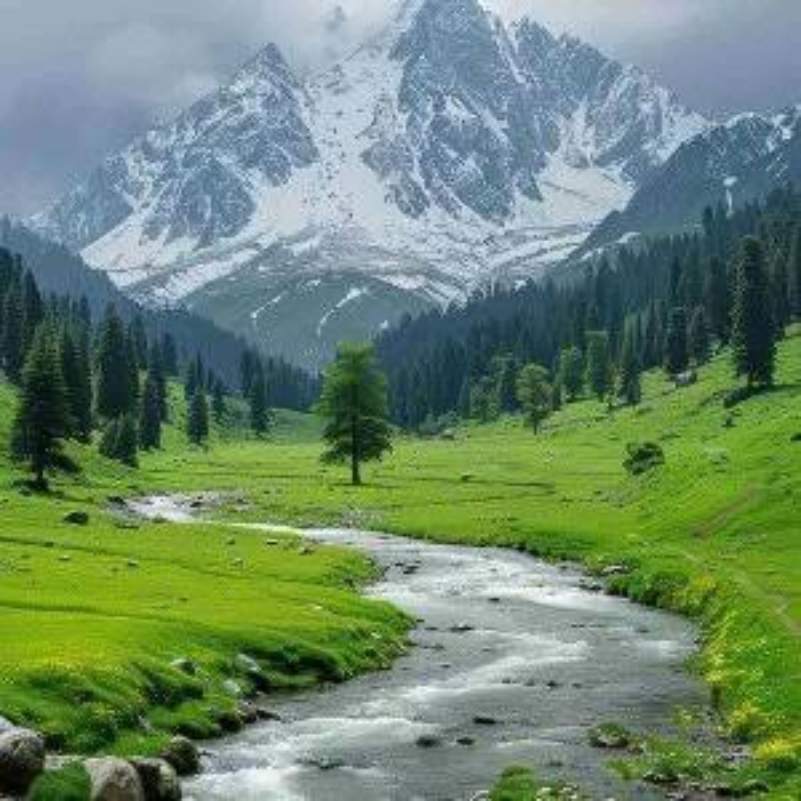
Yusmarg is approximately 47 kilometres from Srinagar.
JKTDC describes the drive as roughly two hours. Actual time depends on traffic through Chadoora and the state of the road that week.
Meadows, thick pine forest, and walking trails that go as far as you have energy for.
It is a relaxed day trip. No hard climbs, no altitude worry.
JKTDC accommodation is listed in Yusmarg. Staying overnight gives you the meadow at 6 AM and again at 6 PM, which is a completely different place from the 1 PM version.
That morning window is the single best reason to stay the night here.
No pony rates from us. Same reason as Doodhpathri.
Aharbal
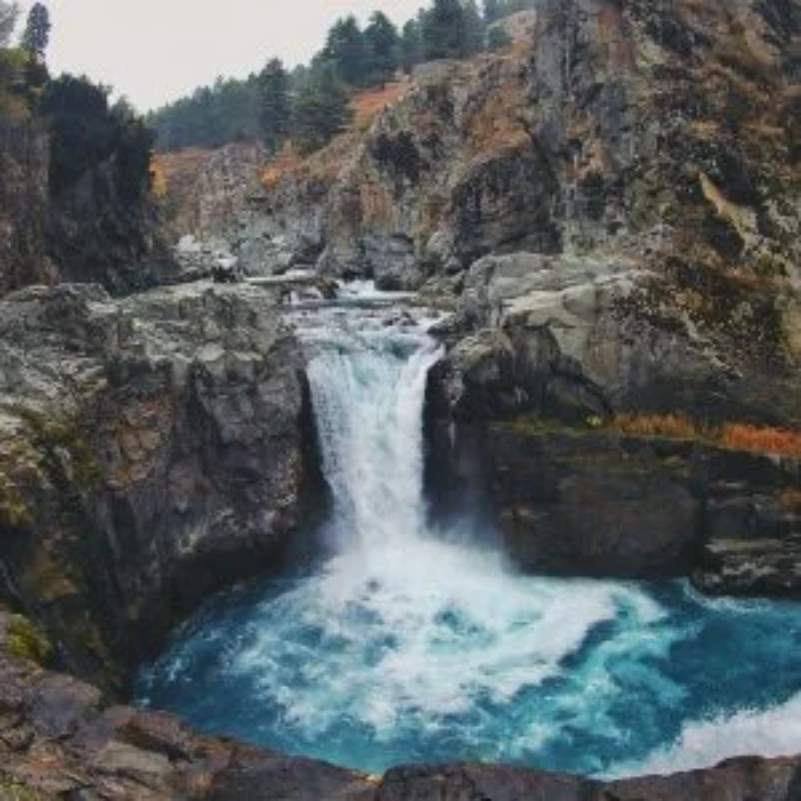
Aharbal is approximately 75 kilometres from Srinagar and sits at 2,266 metres.
It lies on the Veshaw River in Kulgam district.
The official district page describes a waterfall drop of approximately 25 metres.
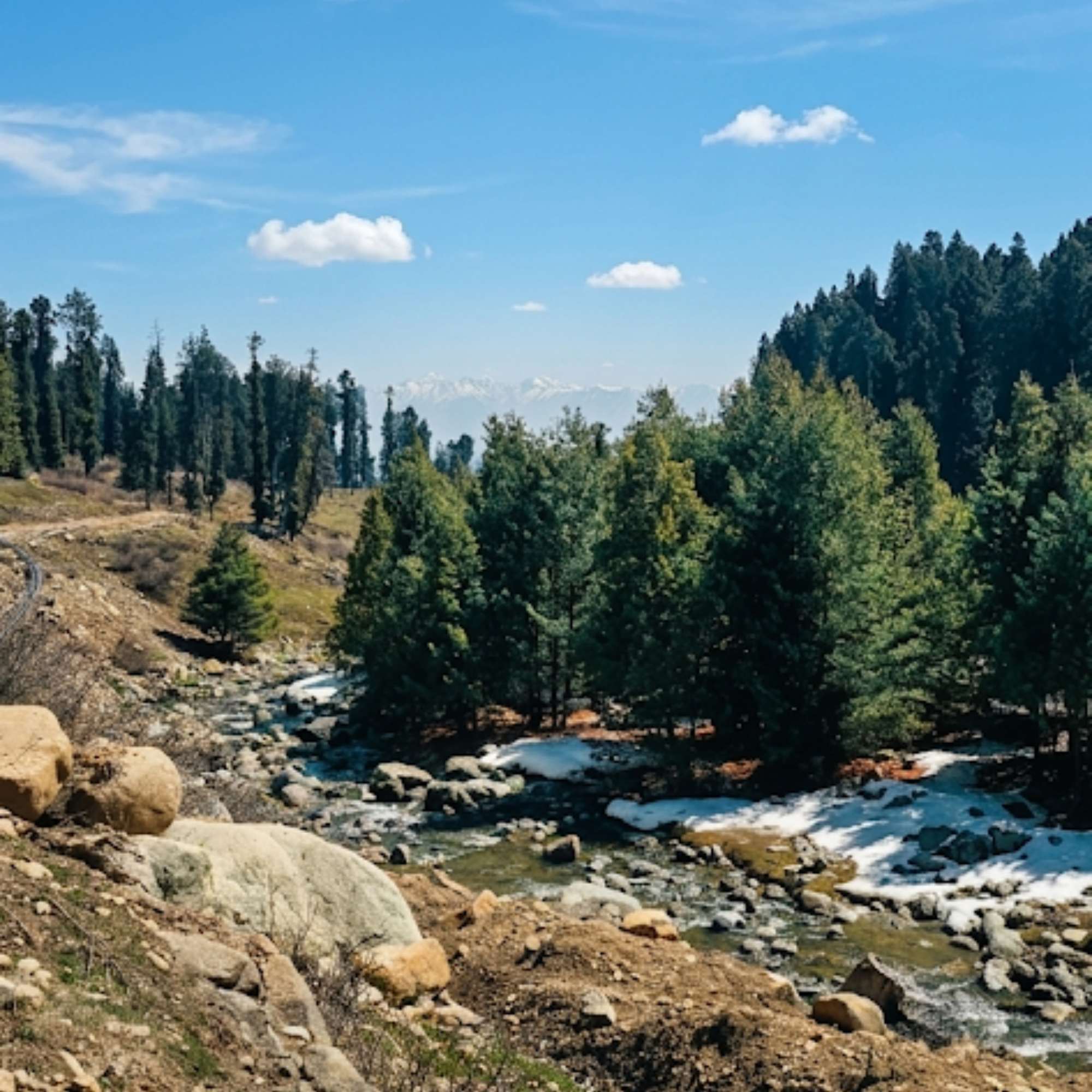
Pine and fir forest surrounds the falls. The sound of the water carries further than you expect, and there is a walking area along the river.
Now the safety part, because this one matters.
Do not approach slippery rock edges near the falls. The spray keeps them wet all day.
Do not go near fast-moving water for a photograph. And stay off the riverbanks entirely during and after heavy rain.
People get hurt at Aharbal every season and it is almost always the same story.
Daksum
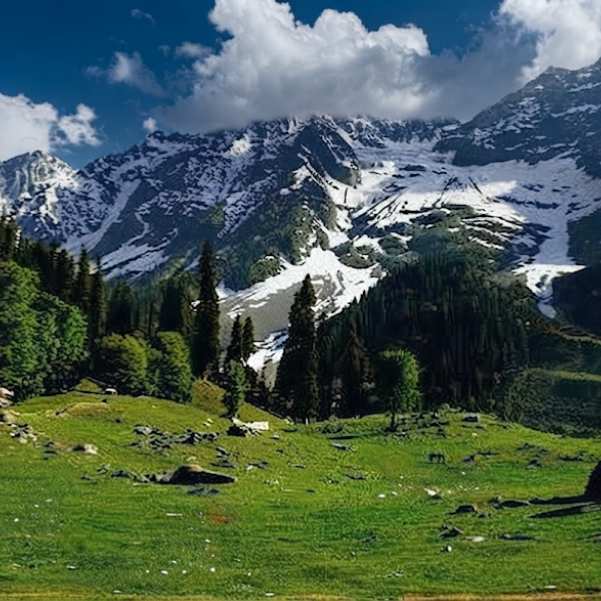
Daksum lies approximately 40 kilometres southeast of Anantnag at 2,438 metres.
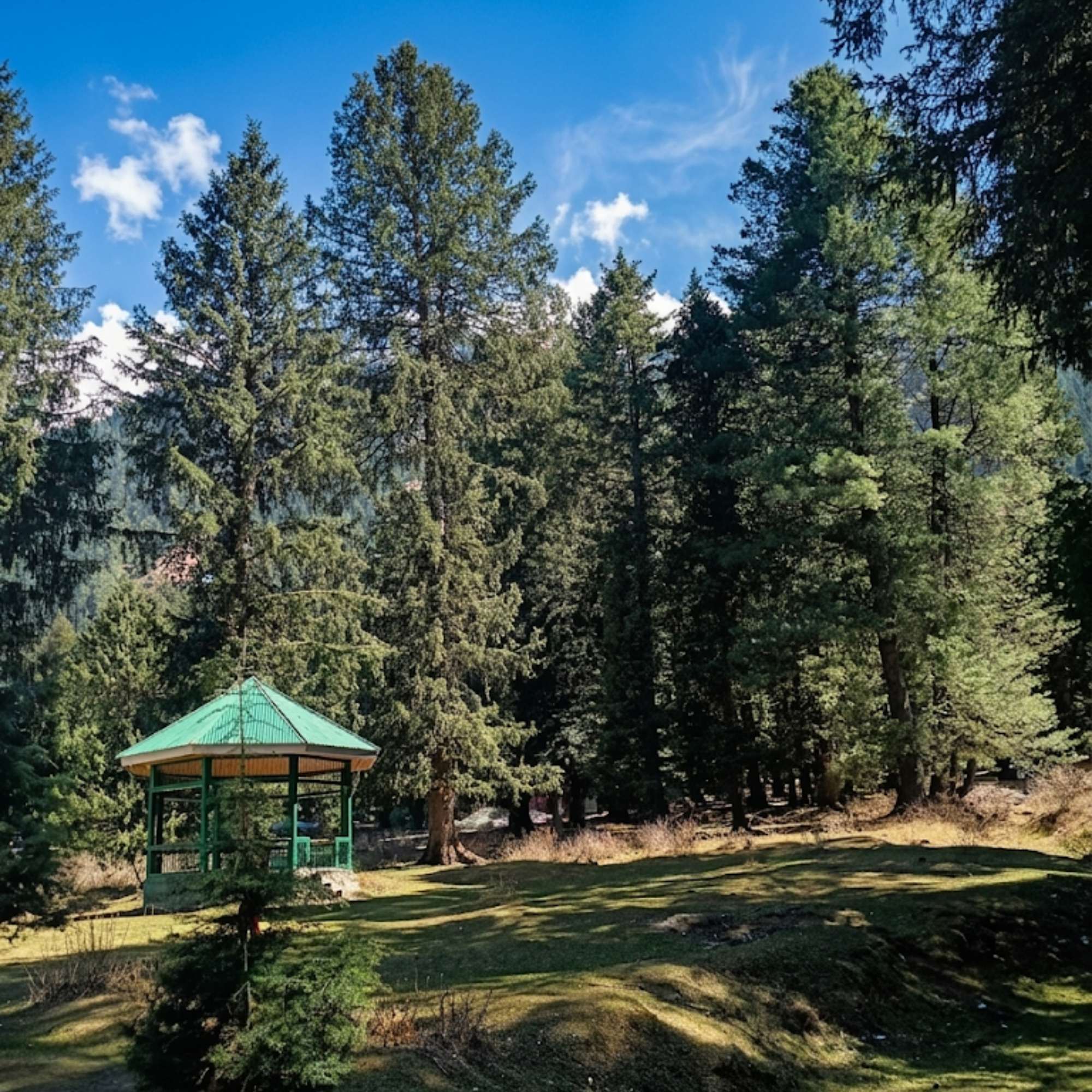
Dense conifer forest, streams cutting through it, small meadow clearings, and the Bringi River running alongside.
It works well as a base or a stop on the route toward Sinthan Top.
Snow and weather affect the upper road toward Sinthan even when lower South Kashmir roads are completely fine. One does not tell you about the other.
We are not giving you a Srinagar driving time or hotel prices for Daksum because we could not verify either.
Naranag
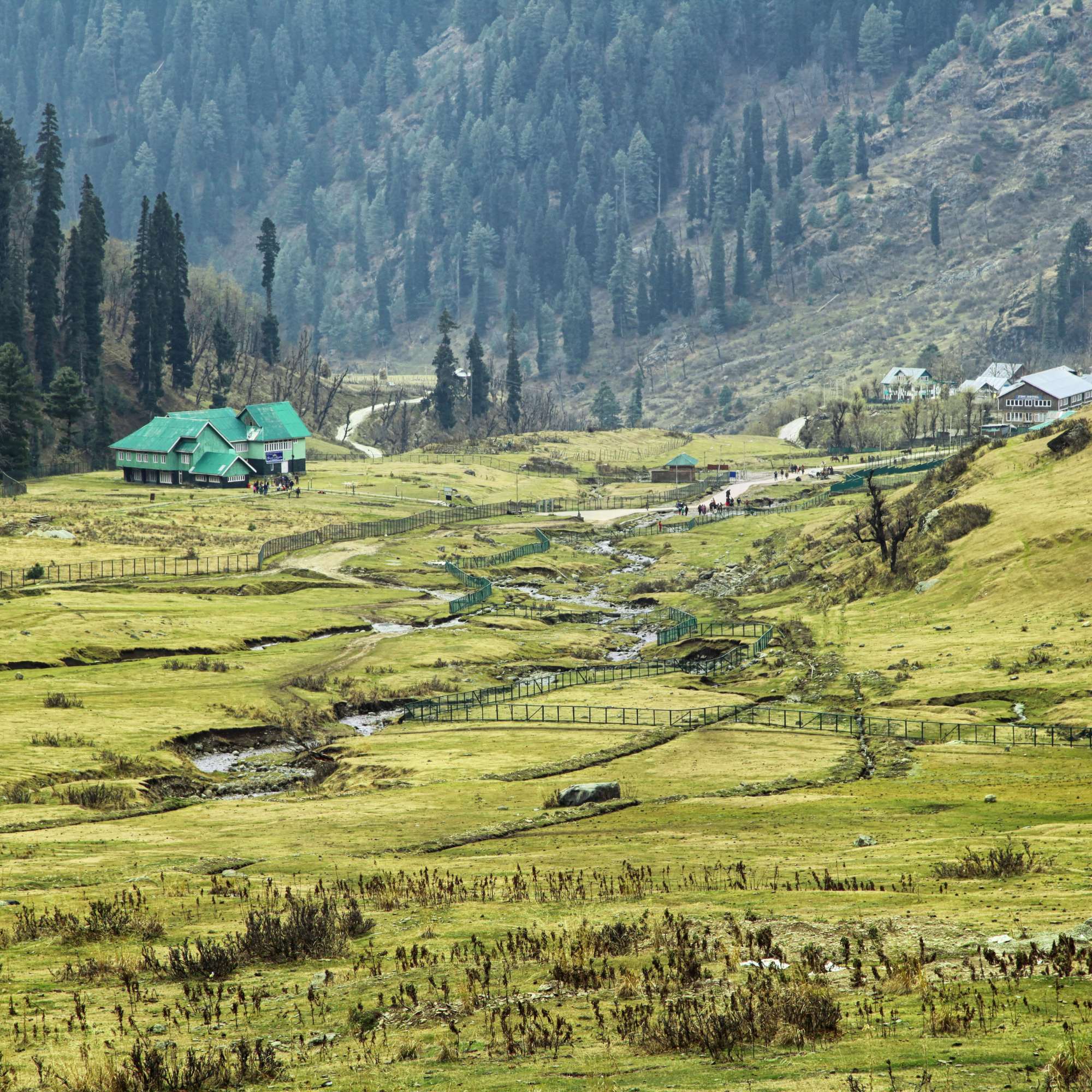
Naranag is approximately 50 kilometres from Srinagar.
It is an important base for trekking and adventure routes in the Sindh valley area.
An ordinary Naranag visit and the Gangabal trek are two completely different trips. Do not confuse them.
Visiting Naranag means ancient stone temple ruins, a river, forest, and a village that sees far fewer people than Sonamarg down the road.
The Gangabal Lake trek is a serious high-altitude walk. The lake sits at approximately 3,570 metres.
JKTDC describes a 15-kilometre trek route, but route descriptions vary between sources.
Gangabal is not a sightseeing stop. You need fitness, a guide, and proper planning.
Warwan Valley
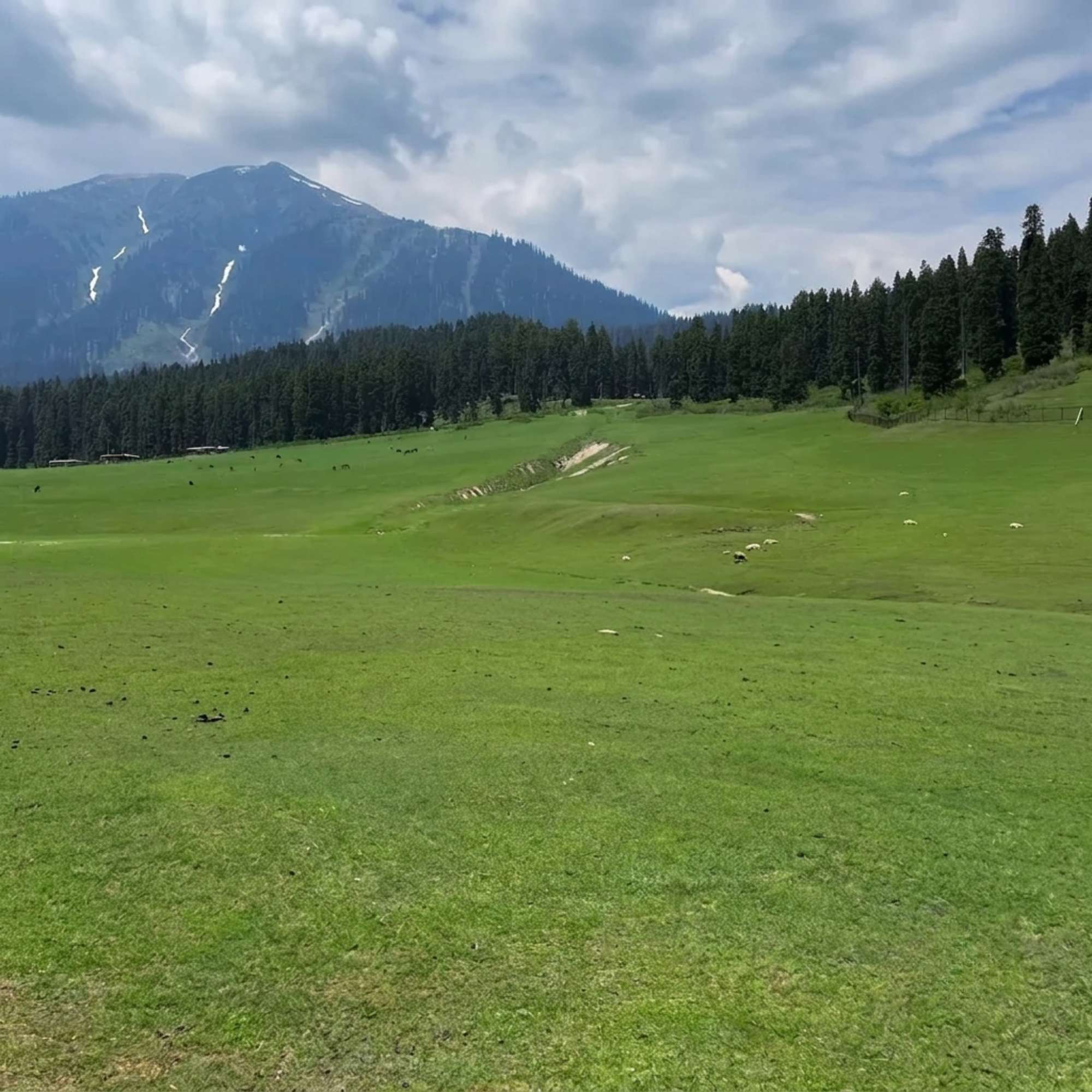
Warwan lies in Kishtwar district at around 7,000 feet.
JKTDC describes the valley as cut off from the outside world for roughly seven months each year.
Read that line again. Seven months.
Of everything in this article, Warwan asks for the most flexibility.
Verify the road before you commit. Arrange simple accommodation in advance. Carry essential supplies with you.
And build buffer time into the plan, because getting stuck here is not a hypothetical.
We are not publishing a fixed 2026 opening date for Warwan.
Sinthan Top
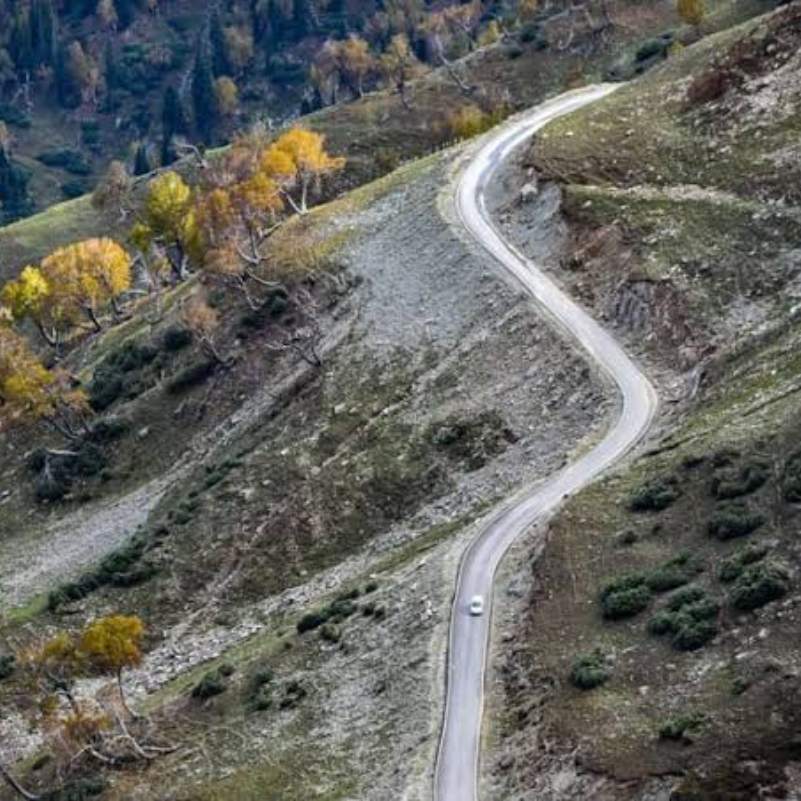
Sinthan Top sits on the Anantnag, Kokernag, Sinthan and Kishtwar route.
JKTDC places it at around 12,000 feet and approximately 132 kilometres from Srinagar.
Some sources say 12,500 feet. We are sticking with around 12,000 feet since that is what the official listing says.
The view from the top is the reason you go. Mountains in every direction, snow patches even in summer, and a road that drops away behind you.
Access depends entirely on weather. Services at the top are limited to whatever seasonal stalls happen to be running.
We are not going to tell you the road is always in good condition. It is not.
Watlab
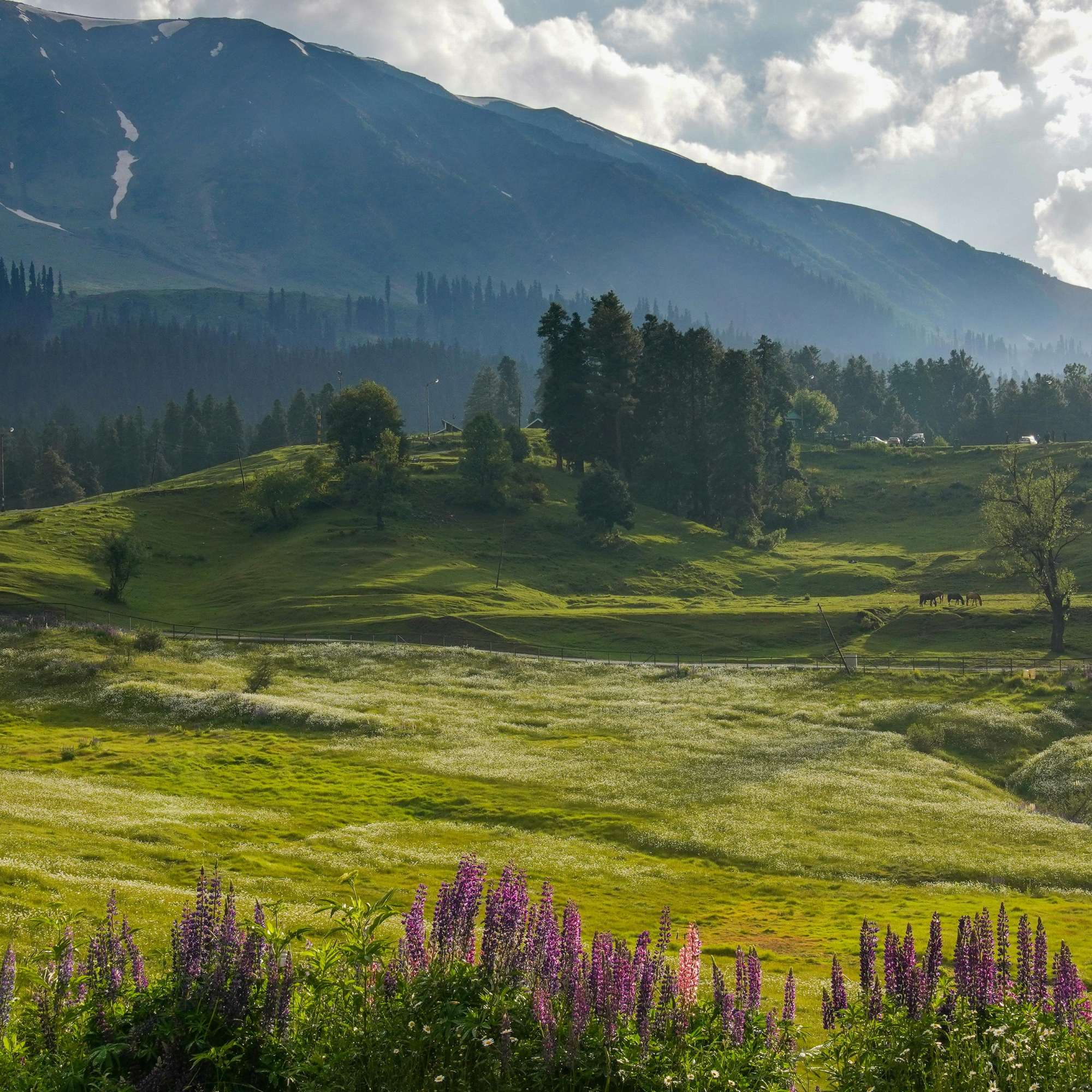
Watlab sits on the Sopore to Bandipora road, approximately 56 kilometres from Srinagar and eight kilometres from Sopore.
You get countryside, the Wular lake area below, and a hilltop shrine with a view over the water.
This is a quiet stop, not a multi-night destination. It fits naturally into a Bandipora-side route.
If you are driving back from Gurez, this is the logical place to break the journey.
Athwatoo
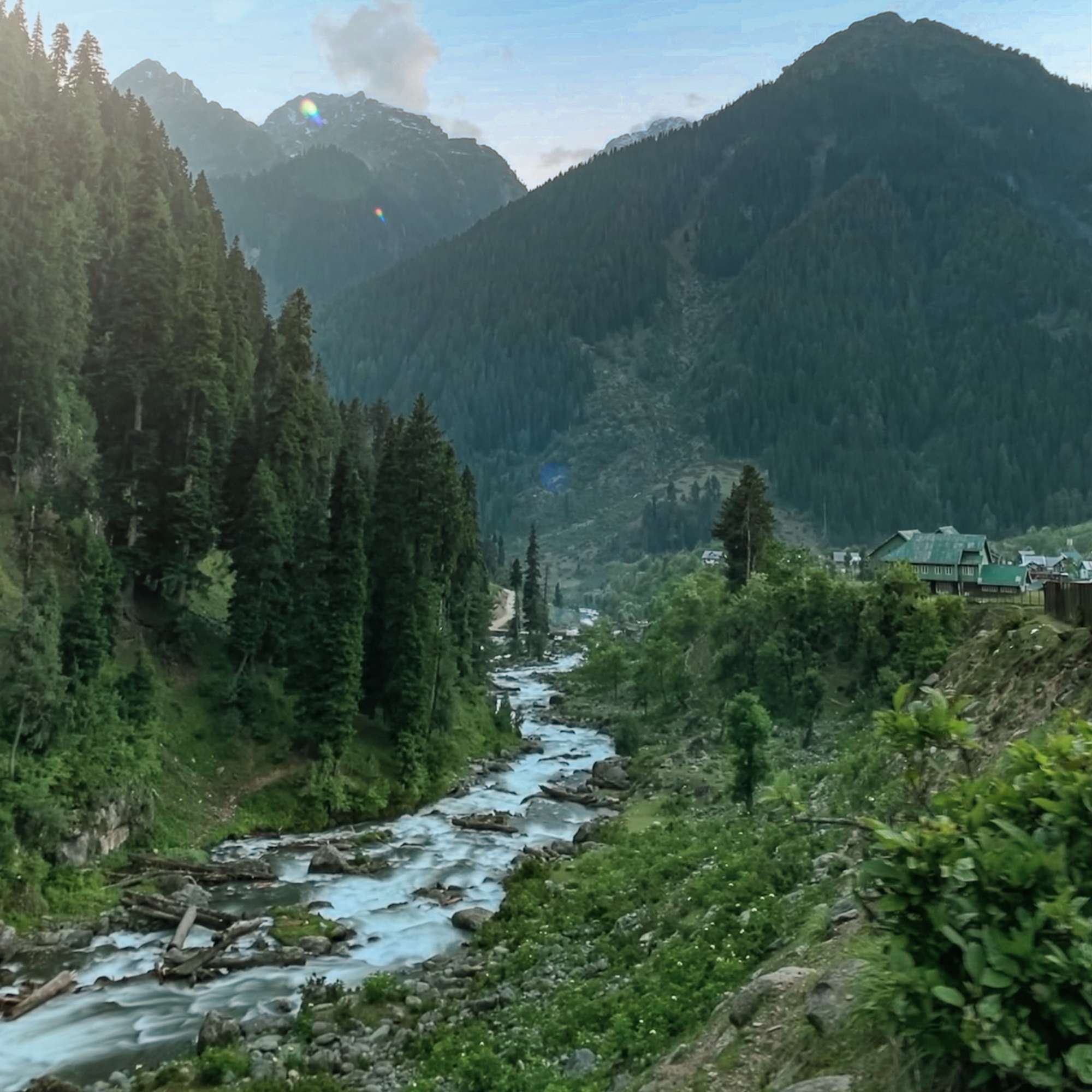
The Bandipora district administration recognises Athwatoo as a tourist destination.
You reach it through Bandipora, either by taxi or by passenger vehicle.
Riverside setting, forest around it, and the kind of quiet that Bandipora-side excursions do well.
We are not stating a Srinagar distance for Athwatoo.
Planning a route that includes two or three of these remote valleys is where most self-planned trips fall apart. Roads open and close, permit rules shift, and the accommodation you found online may not be running this season.
Which Offbeat Kashmir Places Work as Day Trips from Srinagar?
Five of these twelve work comfortably as day trips.
Doodhpathri
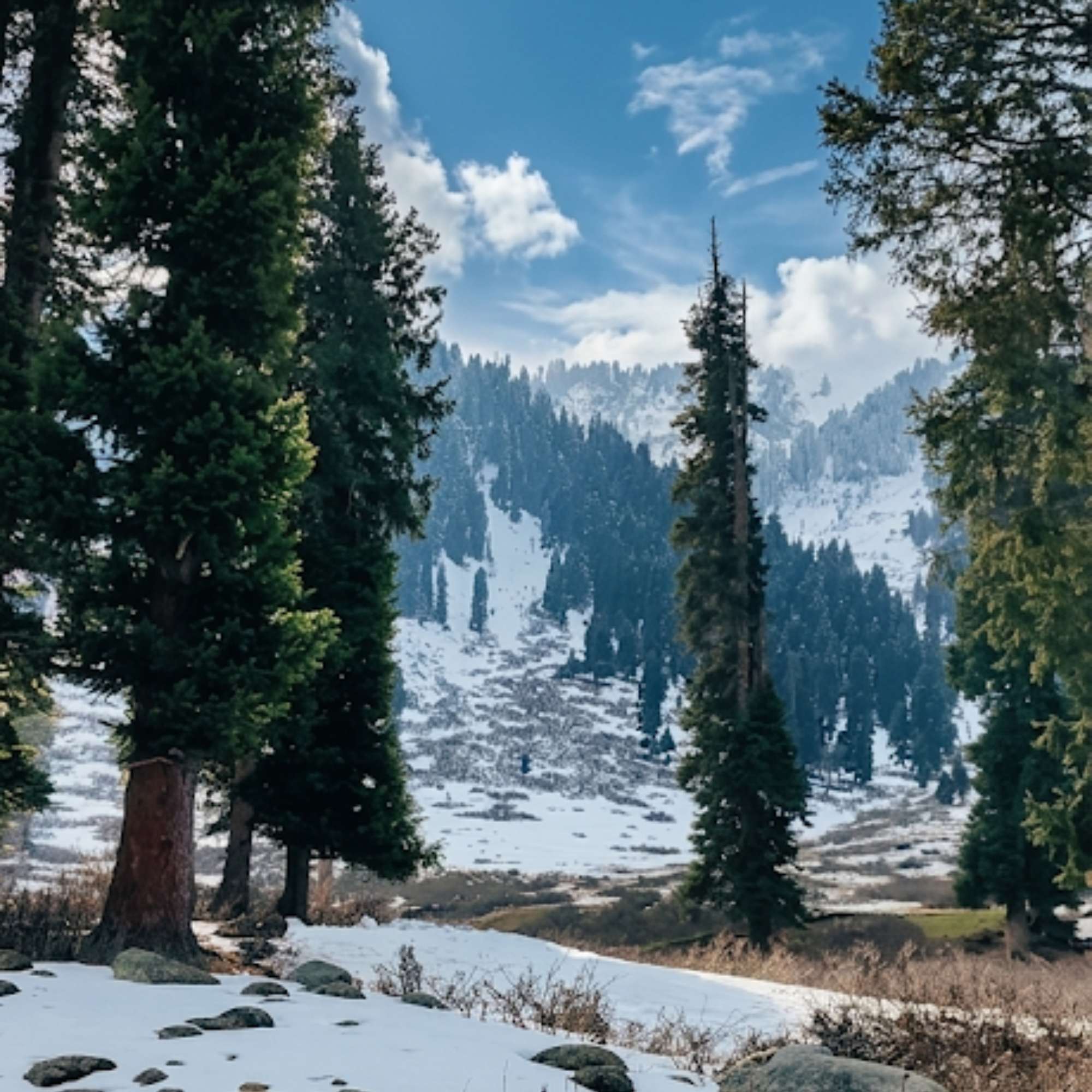
Doodhpathri at approximately 42 kilometres is the shortest run. You get meadows and streams, and unless you want that early morning light, a day trip covers it fully.
Yusmarg
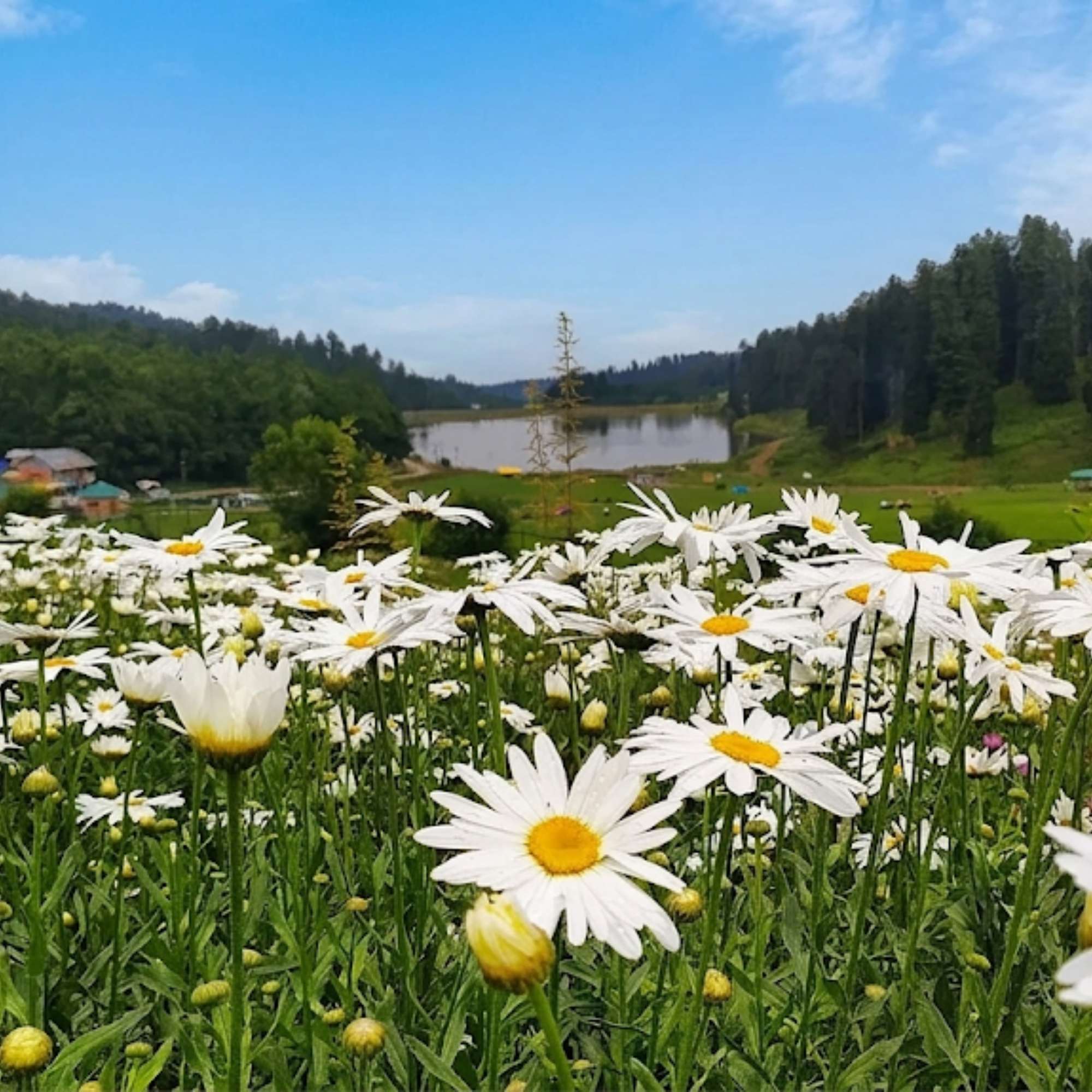
Yusmarg at approximately 47 kilometres gives you pine forest and open meadow walks. This is the one where an overnight genuinely adds something, because the morning meadow before the day crowd arrives is a different experience entirely.
Naranag
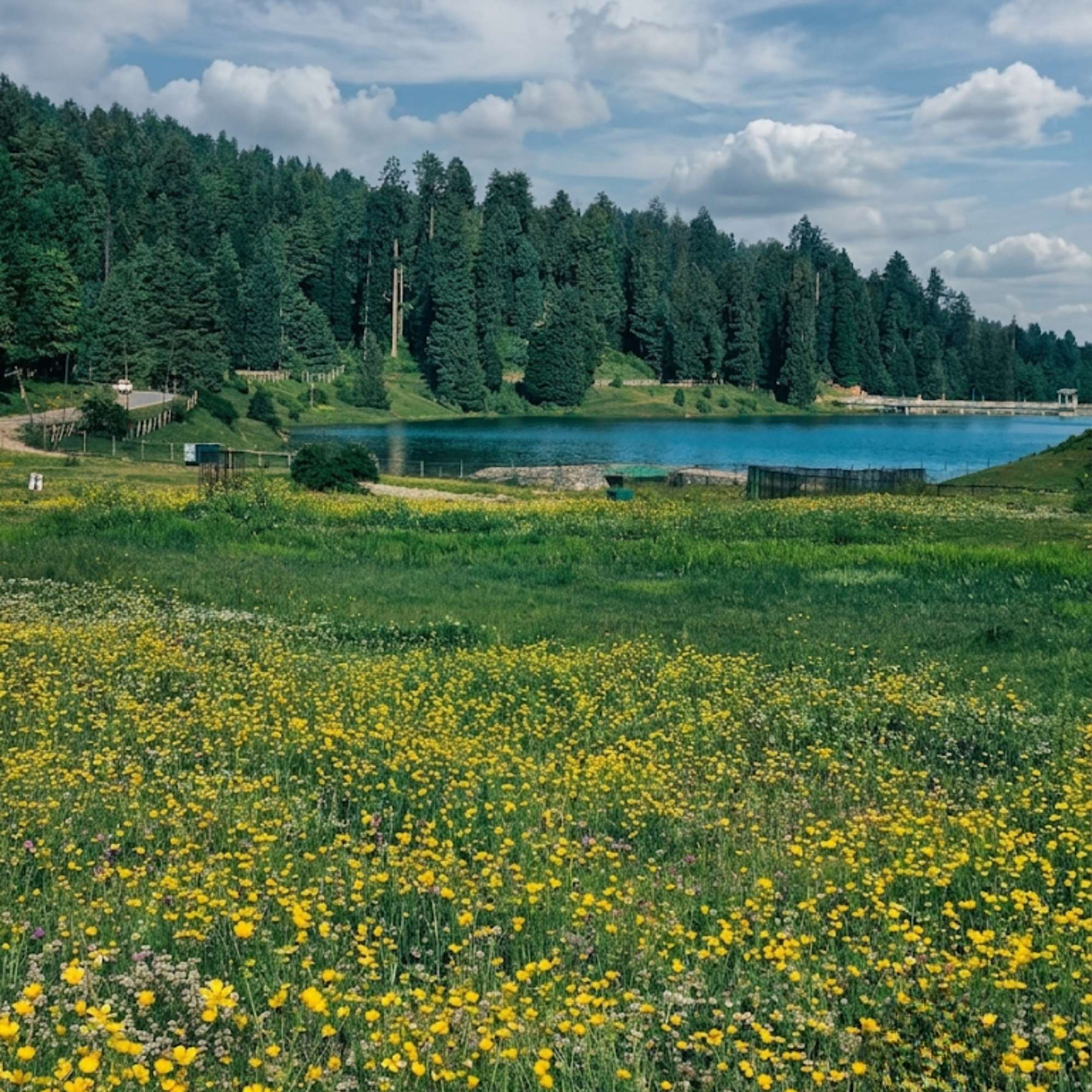
Naranag at approximately 50 kilometres works as a day trip only if you are visiting the village and temple ruins. If Gangabal is the plan, forget day trips.
Watlab
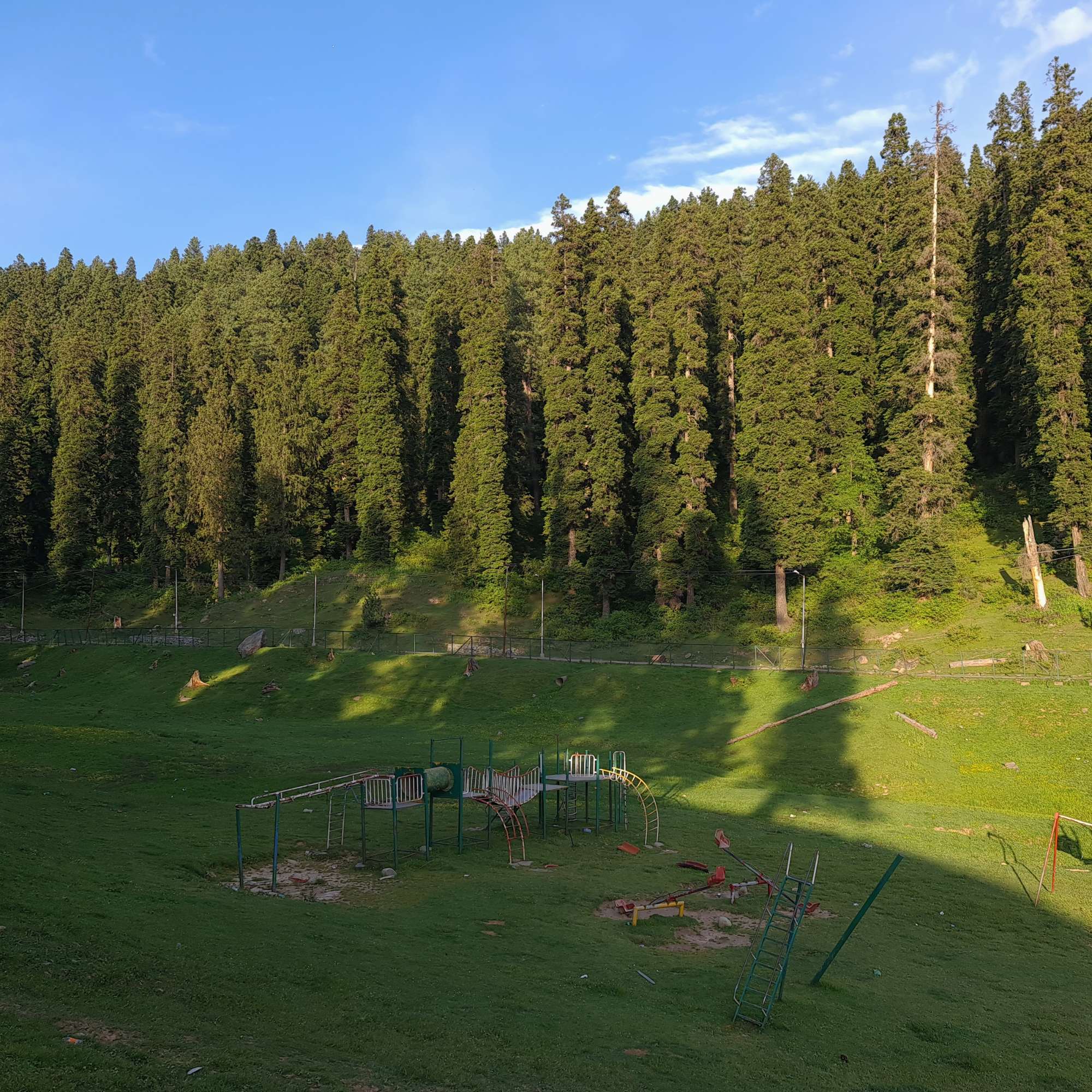
Watlab at approximately 56 kilometres is a stop rather than a destination. Two hours there is plenty, which is why it pairs well with a Bandipora-side drive.
Aharbal
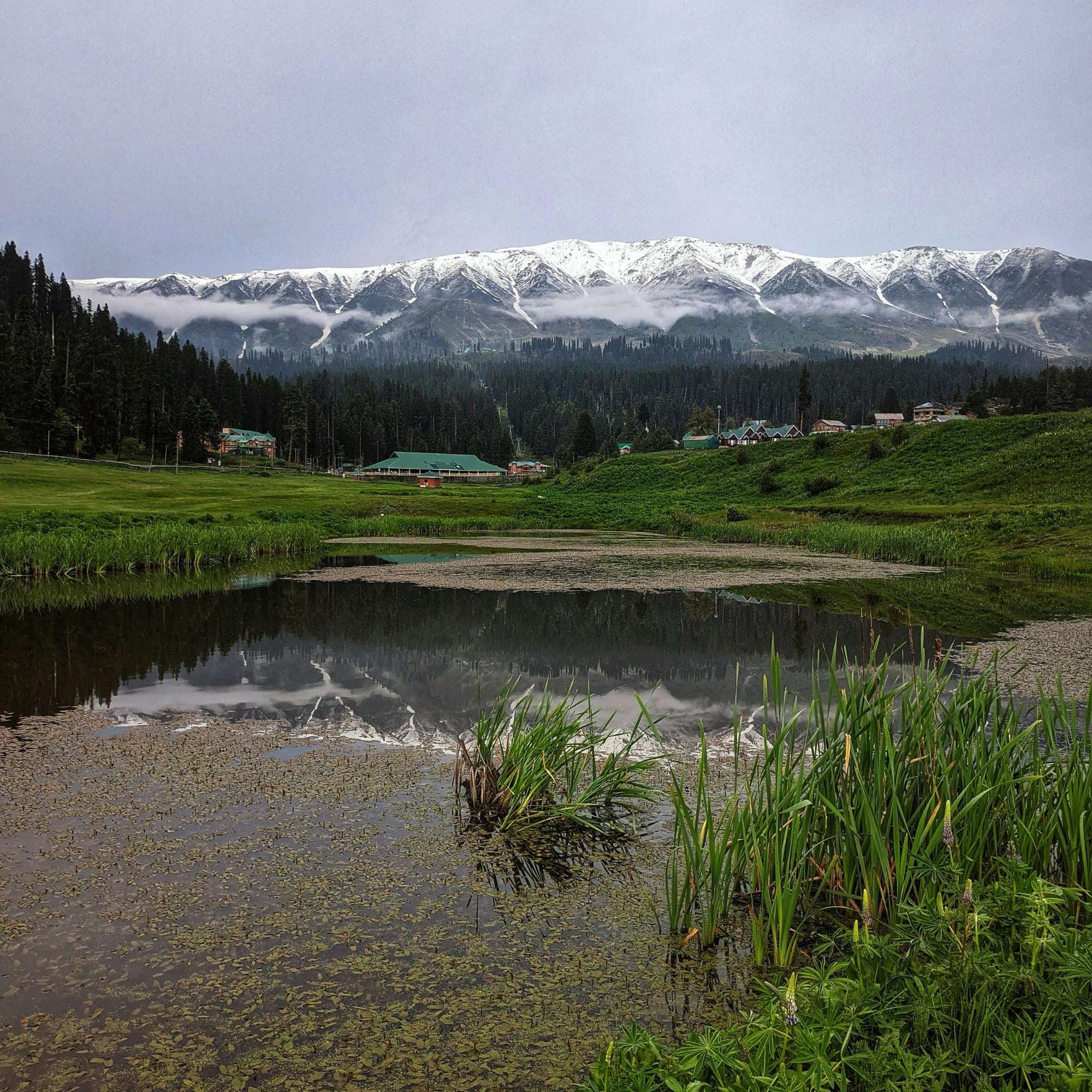
Aharbal at approximately 75 kilometres is the longest of the five. The falls, the forest walk, and the river area fill a good half day. Overnight adds little unless you want a very early start somewhere further south.
What we always tell our travellers is to pick one of these per day and do it properly. We could combine Yusmarg and Aharbal on paper and it would look impressive in an itinerary document. On the ground it means six hours in a car and forty minutes at each place.
That is not a good day.
Which Remote Valleys Deserve Two or More Nights?
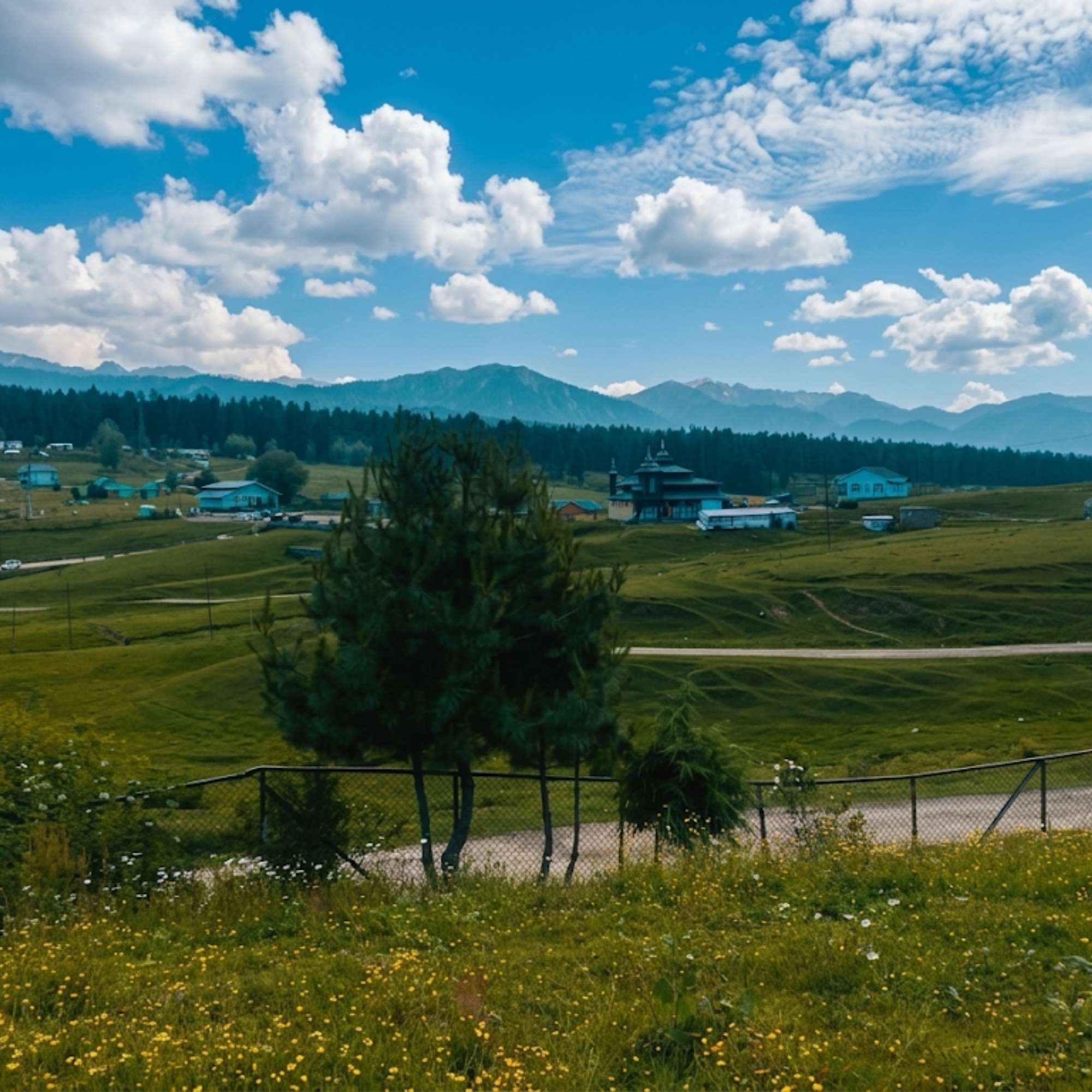
Gurez
Gurez should not be a rushed return journey. The drive over Razdan Pass alone eats a large part of a day, and doing it twice in 48 hours means you see the road and not the valley.
Our team recommends keeping enough time that a weather delay does not end the trip.
Bangus and Lolab
Bangus and Lolab can both work inside a North Kashmir plan. Current routes and driving times need verification before you fix a schedule, because road conditions here change season to season.
Lolab in particular rewards slowness. Villages, orchards and the Kalaroos end of the valley do not reveal much in four hours.
Warwan
Warwan needs the largest time commitment and the most flexibility of anything in this list. If your leave dates are rigid, choose something else.
We are not going to give you a fixed minimum-nights rule for any of these. Anyone who does is guessing.
When Is the Best Time to Visit Offbeat Kashmir?
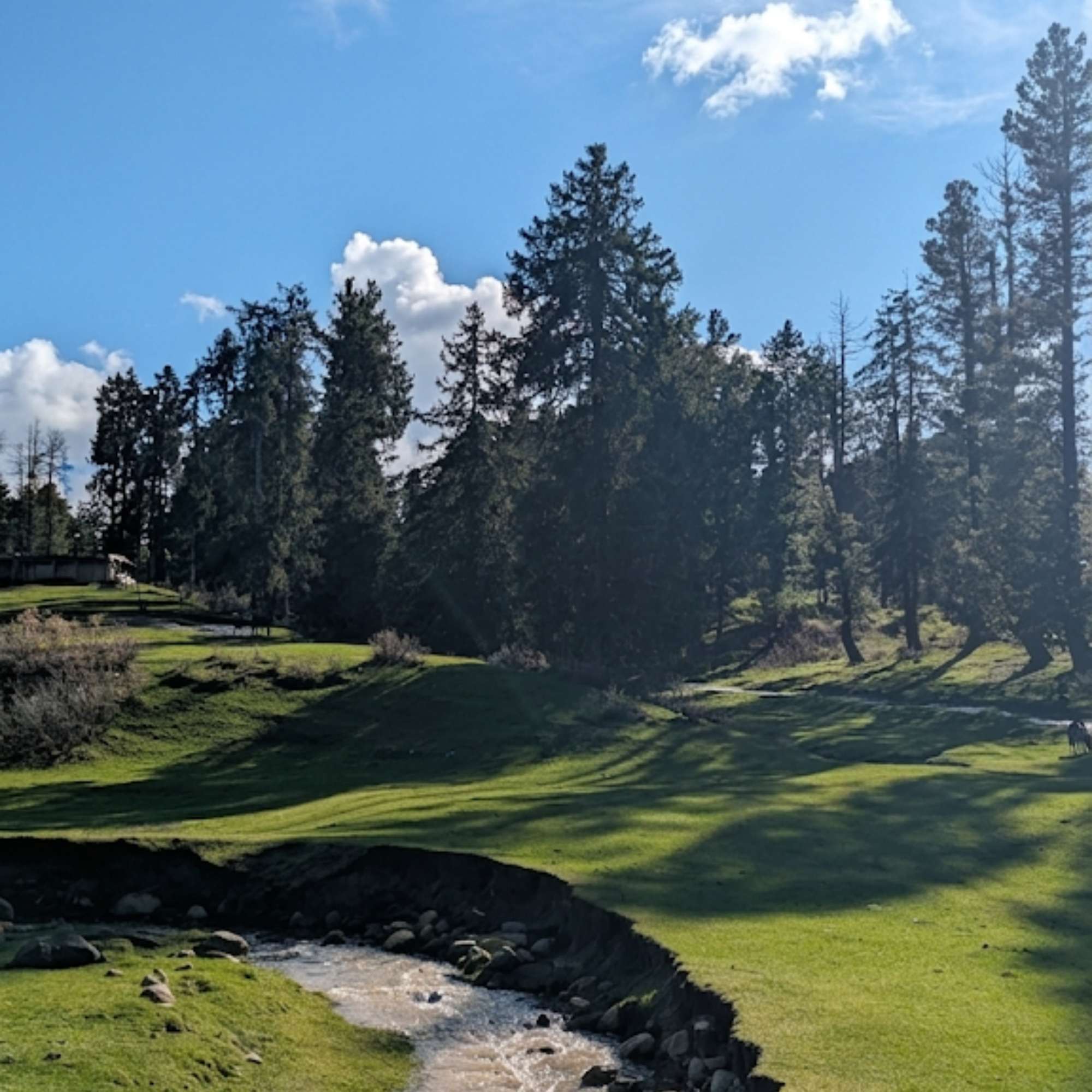
Spring and early summer
Lower meadow destinations near Srinagar may be open and pleasant while high passes are still affected by snow.
Doodhpathri, Yusmarg and Aharbal usually come into play earlier than the high valleys.
There is no single opening date that applies to all twelve places. Razdan Pass and Sinthan Top run on their own schedule.
July to September
This period usually gives the broadest access to high and remote valleys.
It also brings heavy rain spells that cause landslides, rising rivers and road interruptions at short notice.
Broadest access does not mean guaranteed access. Keep buffer days.
Autumn
Clearer views, orchards heavy with fruit in the Lolab and Kupwara belt, and cold nights.
Early snowfall can affect remote passes before you expect it. October in Gurez is a gamble that sometimes pays off beautifully.
Winter
Doodhpathri, Yusmarg, Aharbal or Daksum may offer winter experiences when officially accessible.
Gurez, Warwan and high-pass routes can be cut off or heavily restricted.
Never assume all twelve destinations stay open through winter. Most do not.
As of 22 July 2026, heavy rain and flooding had disrupted parts of Jammu and Kashmir, and major pilgrimages were suspended for safety.
This does not prove that every offbeat destination was closed. Check the same-day district and weather information before you travel.
Do You Need Permits for Offbeat Places in Kashmir?
Carry original government identification. Not photocopies, not photos on your phone. Originals.
You can encounter security registration at checkpoints on sensitive routes, especially toward the North Kashmir valleys.
For Gurez, foreign tourists may visit subject to advance permission. The reported procedure is to send the application to the Deputy Commissioner's office in Bandipora approximately three to four days before travel.
For Indian tourists visiting Gurez, the permit rule is CONFLICTING. One 2026 source says an Inner Line Permit is required. Another says original ID and checkpoint registration are what is actually needed.
Call the Bandipora district control room on 01957-225322 and confirm. We are not resolving this for you because we cannot verify which is current.
We are also not making permit claims about Keran, Machil or other border destinations. Those are not covered in what we could verify.
Trout angling in Kashmir is regulated. You cannot just show up at a river with a rod.
The J&K Fisheries Department's 2026 trout-angling season began on 2 April 2026, and an online permit system is available.
Get the permit. Fishing without permission is not a grey area here.
A Practical Seven-Day Offbeat Kashmir Itinerary
Day 1: Arrive in Srinagar
Land, settle in, do nothing ambitious.
Spend the evening checking current road status, weather forecasts and permit requirements for the days ahead. This is the day that saves the rest of the trip.
Day 2: Choose Doodhpathri or Yusmarg
Pick one. Not both.
They are in different directions from Srinagar and doing both means a long day of driving with two rushed stops.
Doodhpathri if you want open meadows and streams. Yusmarg if you want pine forest and longer walks.
Days 3 to 5: Gurez Valley
Day 3 is the approach over Razdan Pass. Day 4 is the valley itself, the villages, Habba Khatoon and the Kishanganga. Day 5 is the return.
Tulail is an optional extension if you have the appetite for more remote driving.
Day 6: Watlab or a Bandipora-side stop
You are already coming back through Bandipora. Watlab sits on that road, so it costs you almost nothing in extra driving.
The Wular-area view and the hilltop shrine make a decent last stop before the valley flattens out.
Day 7: Buffer day and departure
Keep this day free.
If Gurez went smoothly, you have a relaxed Srinagar day and a calm airport run. If a road is closed for six hours somewhere, you still make your flight.
We have seen too many travellers lose money on missed flights because they planned Gurez right up against their departure.
Prefer South Kashmir instead? Build the trip around Srinagar, Aharbal, Daksum and Sinthan Top. Do not try to stitch this together with Gurez in the same week, because the two ends of the valley do not connect conveniently.
How Much Does an Offbeat Kashmir Trip Cost in 2026?
We are not quoting taxi, hotel, homestay, pony, ATV, entry, camping or package prices here. No dependable official 2026 figures exist for these routes, and every number floating around online is either outdated or invented.
What actually drives your total is the number of private vehicle days, how rough the routes are, how experienced your driver needs to be, the accommodation standard you want, whether you need permit support, seasonal demand, and how many buffer nights you build in.
A Gurez trip with three vehicle days costs very differently from a Doodhpathri day trip. Obviously.
Ask for a dated quotation based on your exact route and dates. Any operator quoting you a firm price for Warwan in January is not being straight with you.
What Should You Know Before Travelling to Remote Kashmir?
Vehicle and driver
Get a local driver who has actually driven the route you are taking, this season.
We are not going to say four-wheel drive is mandatory everywhere, because it is not. Doodhpathri and Yusmarg do not need it.
The right vehicle depends on the specific road and current conditions. Ask your operator, not a forum post from 2021.
Mobile network and payments
Connectivity can be weak or absent in remote valleys. Do not plan around having signal.
Carry cash. Download offline maps before you leave Srinagar. Keep offline copies of your identification, any permits, and your accommodation details.
A screenshot of your booking is more useful than a booking app that will not load.
Accommodation
Some places have JKTDC accommodation, small hotels or homestays. Remote valleys can have very limited inventory.
We are not naming properties or quoting nightly rates because we cannot verify what is operating in 2026.
Confirm your stay is actually running this season before you drive six hours to reach it.
Food, fuel and medical support
Fill fuel before remote stretches. Not after.
Carry water, snacks and any personal medication you need. Chemists are scarce once you leave the main towns.
We are not going to quote distances between fuel stations because we do not have verified figures for these routes.
Weather and road verification
Check the route on the morning you leave. Not the night before.
Call the relevant district administration, your stay host, or a local operator you trust. Conditions here change overnight.
Responsible travel
Stay in village homestays where they exist. The money goes further and the experience is better.
Ask before photographing people. A camera pointed at someone's house without permission is rude in any language.
Carry your waste back with you, and skip the Bluetooth speaker in the meadows. Nobody in a Gurez village needs your playlist.
Is Offbeat Kashmir Suitable for Families, Couples and Senior Citizens?
Doodhpathri, Yusmarg, Watlab and a carefully planned Aharbal visit work well for travellers who want to keep Srinagar as a base.
Short drives, proper hotels at night, and no altitude issues to worry about.
Gurez can suit families when the roads are confirmed open, permits are sorted, accommodation is booked, and you have enough days that nothing is rushed.
It is not a place to improvise with young children.
Warwan and long high-pass journeys involve basic facilities, long hours in a vehicle, and limited medical access. This does not suit everyone, and there is no shame in choosing differently.
Think honestly about fitness levels, how the group handles winding mountain roads, and whether anyone needs regular medication or medical support. Talk to your doctor about altitude if that is a concern, not to a travel blog.
Travellers who enjoy this kind of remote mountain driving usually end up asking us about similar routes elsewhere.
Our Leh Ladakh tour packages cover higher and drier terrain, our Spiti Valley tour packages sit in cold desert country with a similar road-uncertainty problem, and our Kinnaur tour packages offer green valleys with gentler access.
Final Verdict: Which Offbeat Kashmir Destination Is Right for You?
If you want one quiet day inside a normal Kashmir trip, take Doodhpathri or Yusmarg. Easy, close, genuinely different from Gulmarg.
If you can give several days to one remote valley, take Gurez. It is the most complete offbeat Kashmir experience on this list.
If you want villages, orchards and slow countryside travel, take Lolab.
If forests and South Kashmir scenery appeal more, take Daksum.
Take Warwan only if you are flexible, comfortable with basic facilities, and genuinely okay with the trip changing shape mid-way.
One last thing. A current road update from someone standing in the valley beats any itinerary you find online, including this one.
Explore Our Curated Kashmir Tours Packages
 5D/4N
5D/4NKashmir Honeymoon Experience – Srinagar, Gulmarg & Pahalgam
3D Srinagar•1D Pahalgam+1
₹14,499₹21,499SAVE INR 7,000/ person 4D/3N
4D/3NThe Perfect 4 Day Kashmir Getaway
2D Srinagar•1D Gulmarg+1
₹9,999₹14,499SAVE INR 4,500/ person 5D/4N
5D/4NBest Of Kashmir – Srinagar, Gulmarg & Pahalgam Tour Package
3D Srinagar•1D Pahalgam+1
₹11,499₹16,999SAVE INR 5,500/ person
Related topics
Frequently Asked Questions
What are the best offbeat places in Kashmir?
Gurez Valley, Bangus Valley, Lolab Valley, Doodhpathri, Yusmarg, Aharbal, Daksum, Naranag, Warwan Valley, Sinthan Top, Watlab and Athwatoo. Doodhpathri and Yusmarg are the easiest to reach from Srinagar and work as day trips. Gurez and Warwan are the most remote and need several days plus route verification. The right choice depends on how much time you have and how much road discomfort you accept.
Which is the least crowded place in Kashmir?
There is no permanent winner here. Crowd levels shift with weekends, school holidays, season, road access and whatever went viral recently. A valley that was empty last year can see steady traffic this year. Generally, places that need long drives and have limited accommodation stay quieter, but even those fill up during peak weeks. Weekday visits almost always beat weekends.
Which hidden places are closest to Srinagar?
Doodhpathri is approximately 42 kilometres from Srinagar. Yusmarg is approximately 47 kilometres. Naranag is approximately 50 kilometres. Watlab is approximately 56 kilometres. All four are reachable as day trips with a private vehicle, though actual driving time depends on traffic and road conditions on the day.
Is Gurez Valley worth visiting?
Yes, if you can give it the time it needs. The Kishanganga River, log-wood houses, Habba Khatoon Peak and the Dard community's Shina-speaking villages make it unlike anywhere else in Kashmir. It sits around 2,400 metres, roughly 123 kilometres from Srinagar via Razdan Pass. Rushing it into two days means you experience the road more than the valley.
Can foreign tourists visit Gurez Valley?
Yes, subject to advance permission. The reported procedure is to send the request to the Deputy Commissioner's office in Bandipora approximately three to four days before your travel date. Start this early rather than the day before, and carry the approval with you along with your passport and visa.
Are offbeat places in Kashmir safe for families?
We are not going to guarantee safety anywhere. What we can say is that families should check current advisories, weather forecasts and road conditions before travelling, and choose destinations with suitable accommodation. Doodhpathri, Yusmarg and Watlab involve short drives and easier logistics. Remote valleys need more planning, confirmed stays and buffer time in the schedule.
Can Bangus Valley be visited as a day trip?
It depends on where you start, the current road condition, how many daylight hours you have, and how comfortable your group is with rough driving. We are not inventing a travel time for you. Confirm the route and driving hours with a local operator or the Kupwara district administration before assuming a day trip works.
What is the best month for an offbeat Kashmir trip?
There is no single best month covering all twelve places. High valleys like Gurez and Warwan have much shorter access seasons than places near Srinagar. July to September usually gives the broadest access to remote valleys, though heavy rain can interrupt roads. Doodhpathri, Yusmarg and Aharbal have longer usable seasons.
Can these destinations be visited in winter?
Some lower destinations like Doodhpathri, Yusmarg, Aharbal or Daksum may offer winter experiences when officially accessible. Gurez, Warwan and high-pass routes such as Sinthan Top can be cut off or heavily restricted in winter. Never assume all twelve stay open. Check current status with the district administration before planning winter travel.
How many days are enough for offbeat Kashmir?
If you are adding one easy destination to a standard Kashmir trip, a single extra day covers Doodhpathri or Yusmarg. A dedicated remote-valley circuit built around Gurez needs several days plus buffer time for road delays. Warwan needs the most. Rigid schedules and remote Kashmir roads do not go together well.
Which place is best for trekking and camping?
Naranag is the established trekking base, with the Gangabal Lake route starting from there. Gangabal sits at approximately 3,570 metres and is a serious high-altitude trek, not a sightseeing walk. Warwan suits remote adventure travel. Camping is not automatically permitted everywhere, so confirm current rules with local authorities before carrying tents.
More about Kashmir
 Kashmir
Kashmir Taxi Guide 2026: Local Union Rules, Cab Routes & Current Fare Logic
Planning to use taxis in Kashmir in 2026? Understand local union rules, popular cab routes, sightseeing restrictions and how taxi fares are generally structured across Srinagar, Gulmarg, Pahalgam and Sonamarg.
 Kashmir
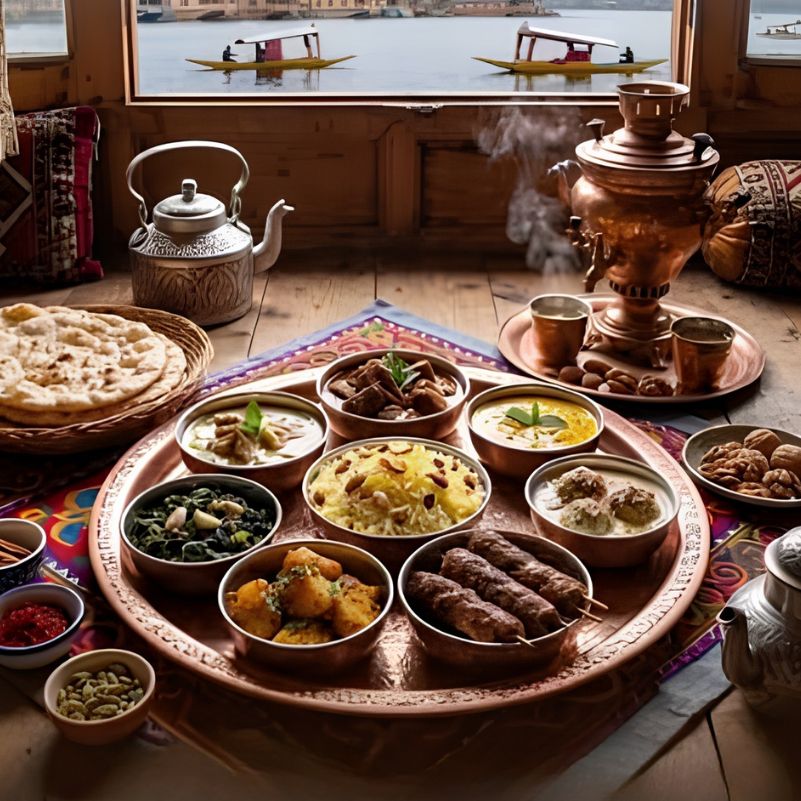
Kashmiri Food Guide 2026: What to Eat in Srinagar, Pahalgam & Gulmarg
Discover what to eat in Kashmir in 2026, from traditional Kashmiri dishes and Wazwan to local snacks, breads and drinks. This guide covers food experiences in Srinagar, Pahalgam and Gulmarg for first time visitors.
- Things to Do
- Places to Visit
 Kashmir
SIM Cards in Kashmir 2026: Internet, ATMs, IDs & Tourist Essentials
Travelling to Kashmir in 2026? Learn about SIM card access, mobile internet, ATM availability, accepted ID documents and other essentials tourists should arrange before visiting Srinagar, Gulmarg, Pahalgam and Sonamarg.
- First-Time Travellers