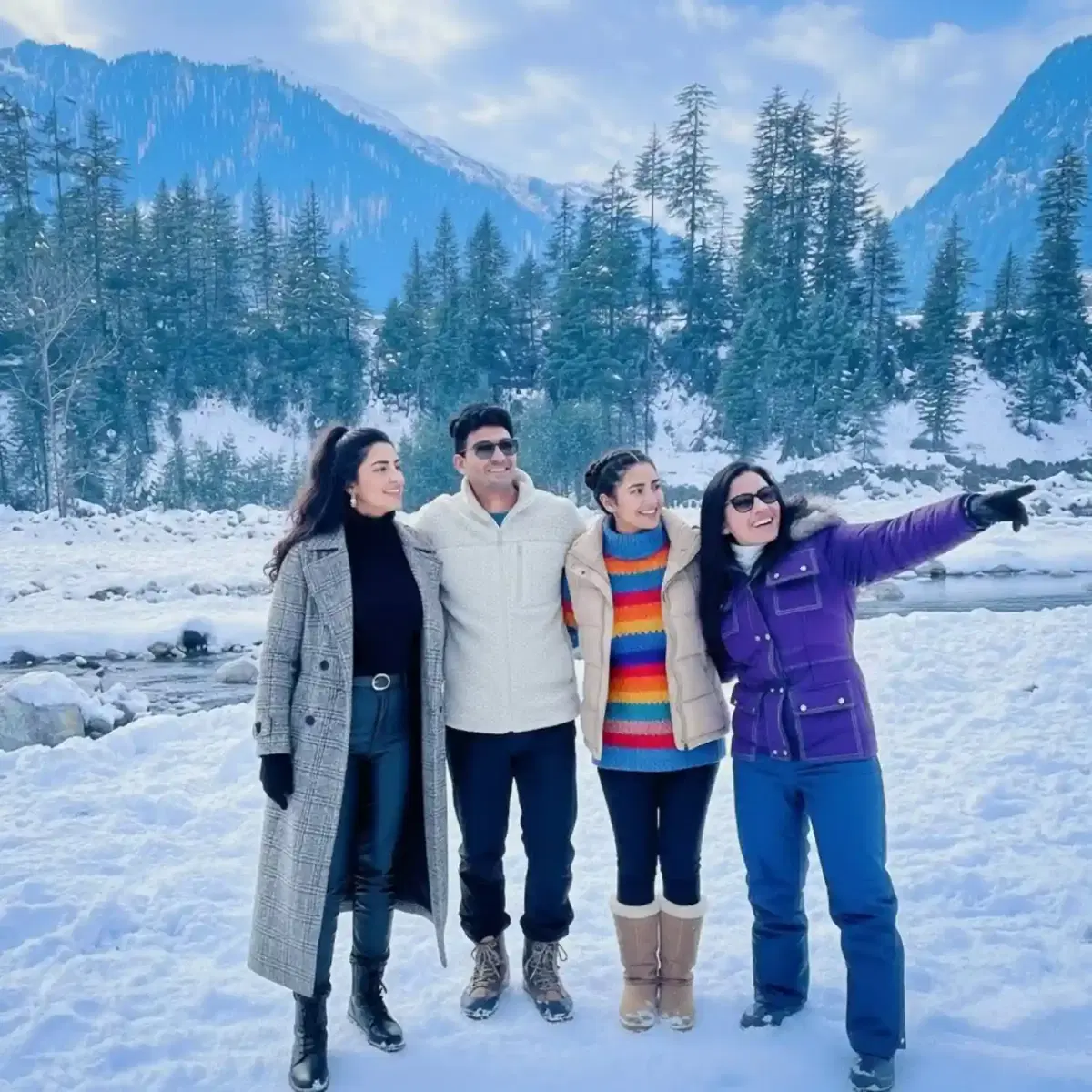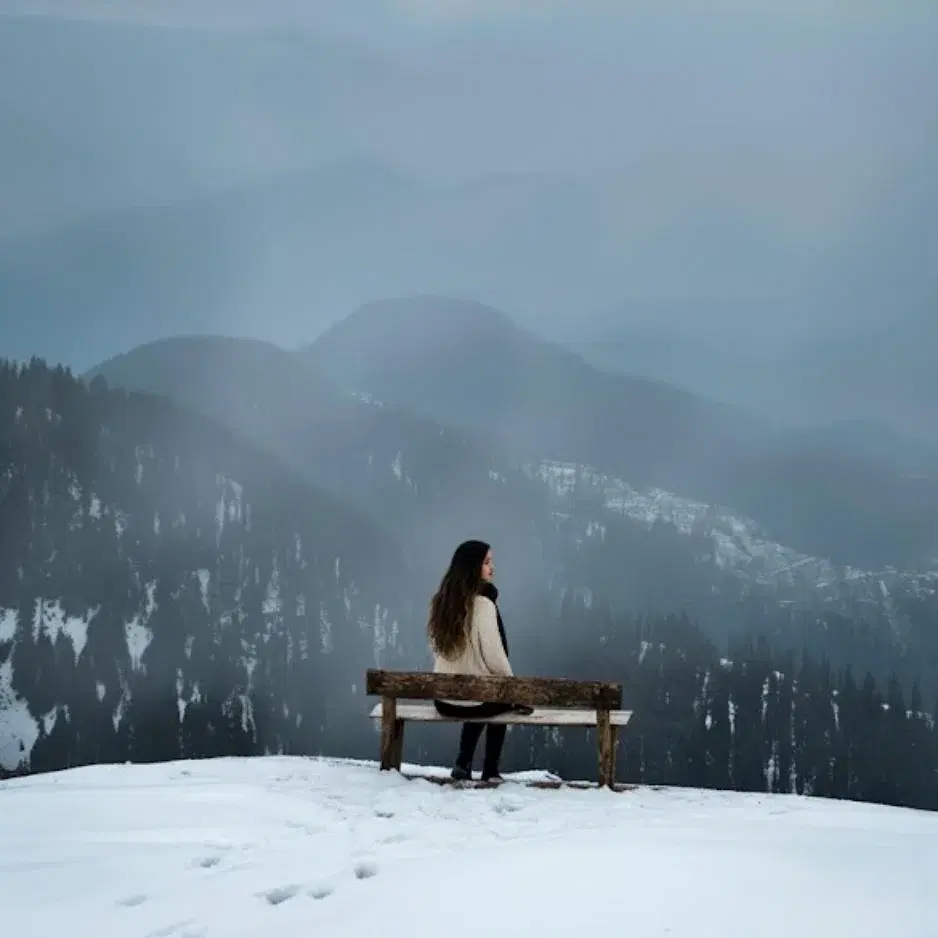
Planning Manali for senior citizens is less about age and more about pacing. We have sent plenty of families with elderly parents up these roads, and the ones who enjoy it most are the ones who slow the whole thing down and skip what does not suit them.
This guide by Travel Coffee covers exactly that. Which places involve the least walking, how to make the long road less tiring, when to skip the high-altitude stuff, what to check in a hotel, and how to build a calm five-day plan around parents who need breaks.
Manali is manageable for many senior citizens when the schedule stays slow, the hotel is properly checked before booking, and high-altitude trips like Rohtang stay optional.
A relaxed base in Manali town with short outings works far better than a packed itinerary.
Age by itself does not tell you enough. Mobility, chronic conditions, cold tolerance, how someone handled altitude before, and recent health history all matter more than the number on a passport.
They treat all of Manali as the same. Manali town is not the same as Rohtang Pass or the Manali-Leh highway. Sitting in a café in town and spending hours at 13,000 feet are two completely different things for the body.
If your parent has a heart, lung, mobility, balance, or recent-surgery concern, talk to their own doctor before finalising anything. That advice is worth more than any blog.
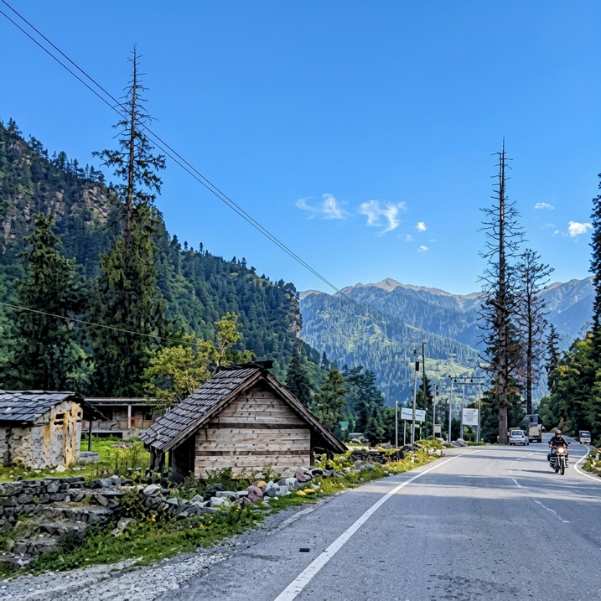
This plan is for seniors who can manage short walks with breaks and can get in and out of a private vehicle on their own or with light help.
It suits travellers with mild knee discomfort, some back discomfort, a slower walking speed, or anyone who simply needs the freedom to change plans on the day.
If your parent uses a wheelchair or needs continuous physical assistance, this plan is a starting point, not a promise. You will need to verify each attraction and each hotel separately, because access in Manali is not consistent and cannot be assumed.
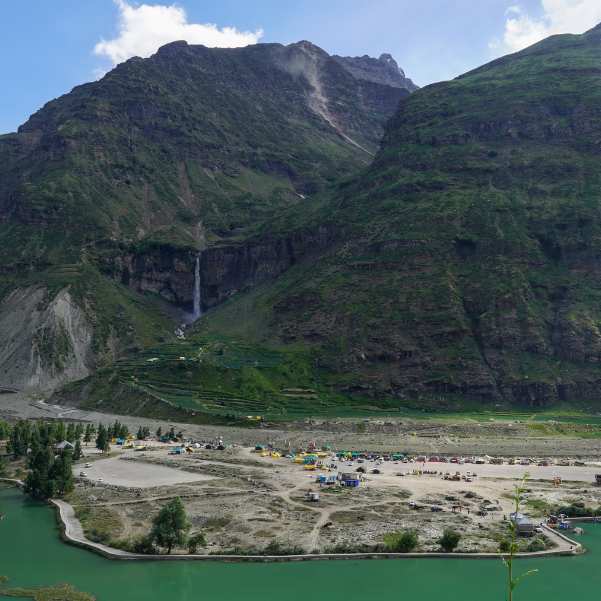
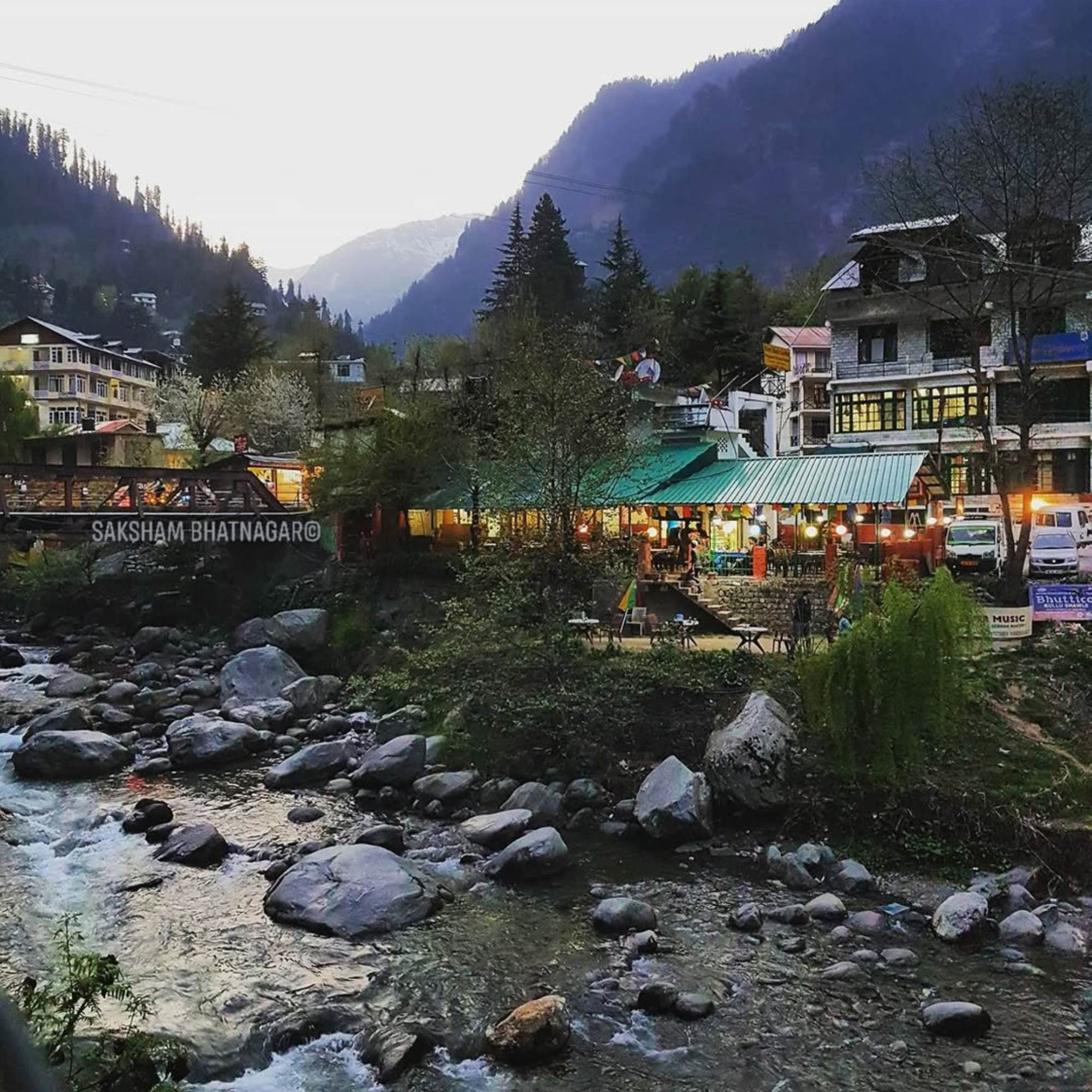
The best part of Manali is that you do not have to walk far to enjoy it. The mountain views come to you through scenic drives, hotel balconies, cafés, and short local stops.
A private vehicle changes everything. You can rest when you want, cut a plan short, or head back to the hotel the moment someone feels tired. No queues, no waiting for a group.
Be honest about one thing though. Physical accessibility here is patchy. Ramps, lifts, and smooth paths exist in some spots and not others, so you cannot assume any of it.
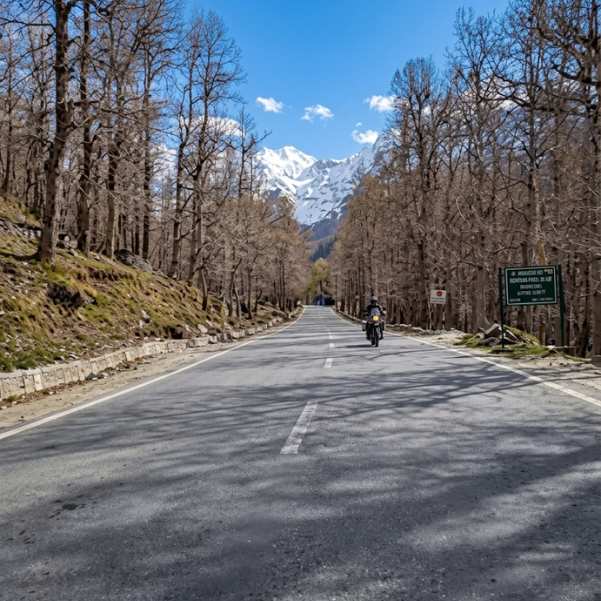
Manali's commonly cited altitude is approximately 2,050 metres. That is high, but it is a different world from the passes above it.
Rohtang Pass sits at approximately 3,980 metres or 13,058 feet. Staying in Manali town is not the same altitude exposure as spending several hours up at Rohtang.
This is the distinction that matters most. Your parents may feel completely fine in town and still struggle after a few hours at the pass. Altitude response varies from person to person, and age or general fitness does not predict it.
Some conditions deserve a proper conversation with a doctor before the trip.
These include heart disease, irregular heart rhythms, chronic lung conditions, oxygen dependence, uncontrolled blood pressure, recent surgery, significant anaemia, previous altitude illness, or major mobility limitations.
None of these automatically rule out a trip. Plenty of people with managed conditions travel to the mountains safely.
But the call is not ours or yours to make from a checklist. The traveller's own healthcare professional should look at the destination, the planned excursions, the road duration, their current health, and their full medication list, then advise.
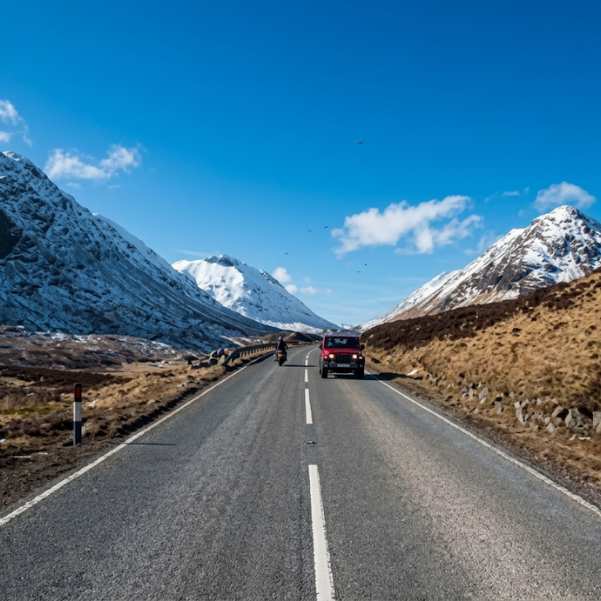
We usually suggest April and May for senior travellers because conditions are generally milder than deep winter. The cold is easier to handle and the roads are more predictable.
The trade-off is crowds. May and June bring heavy tourist traffic, longer queues at snow points, and slower road journeys. A physically easy plan can turn tiring just from sitting in traffic.
September and October can be a quieter stretch after the main monsoon eases. It is often calmer than peak summer, though you must check current weather and road conditions before you travel, since mountain weather does what it wants.
Nights get cooler in these months, so pack proper layers. A warm evening jacket makes café sit-downs and balcony views far more comfortable.
July and August need extra care. Heavy rain can trigger landslides and block or slow mountain roads with little warning.
Late December through February can be harder for seniors. Cold, snow, ice, and slippery surfaces raise the fall risk, and flight and road disruptions are common.
Also watch the calendar. Peak holiday weekends flood Manali with visitors, and a plan that looks easy on paper becomes exhausting in the crowds.
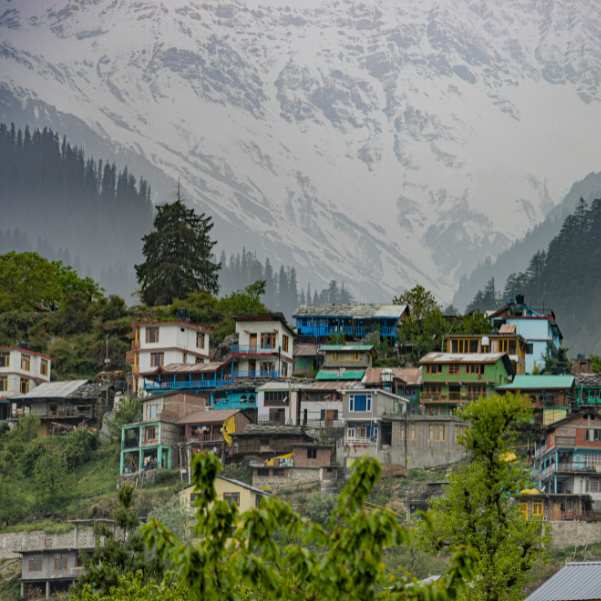
Flying into Bhuntar can cut down the hours of continuous road travel, which is a real relief for older travellers. This depends on flight availability, and hill-airport flights do get disrupted, so keep a backup in mind.
The onward drive from Bhuntar is still winding, so it is not a straight shot. We would not promise an exact travel time here.
Many families take a train to Chandigarh and then a private daytime cab up. The advantage is control. You can stop for meals, toilets, stretching, and rest whenever your parents need it.
A competitor gives an estimated Chandigarh to Manali driving time of eight to nine hours, but treats that as a broad estimate. Actual time shifts with traffic, weather, construction, and how often you stop.
If a continuous journey would tire your parents out, plan an overnight break on the way rather than pushing through in one go.
A competitor estimates Delhi to Manali at twelve to fourteen hours by road. Do not treat that as guaranteed, because it depends heavily on conditions.
For seniors, we suggest breaking the journey near Chandigarh, Bilaspur, or Mandi. Pick the stop based on your route and where your parents feel most comfortable resting.
Whoever drives should know Himachal hill roads well. An experienced hill driver makes the whole journey smoother and calmer.
An overnight bus may not suit someone who needs frequent toilet stops, flexible breaks, easy position changes, or uninterrupted sleep. The fixed schedule and limited stops are the problem, not safety.
A private daytime cab gives far more flexibility for older travellers. That said, budget, individual comfort, and medical needs decide the final choice, and for some families a bus still works fine.
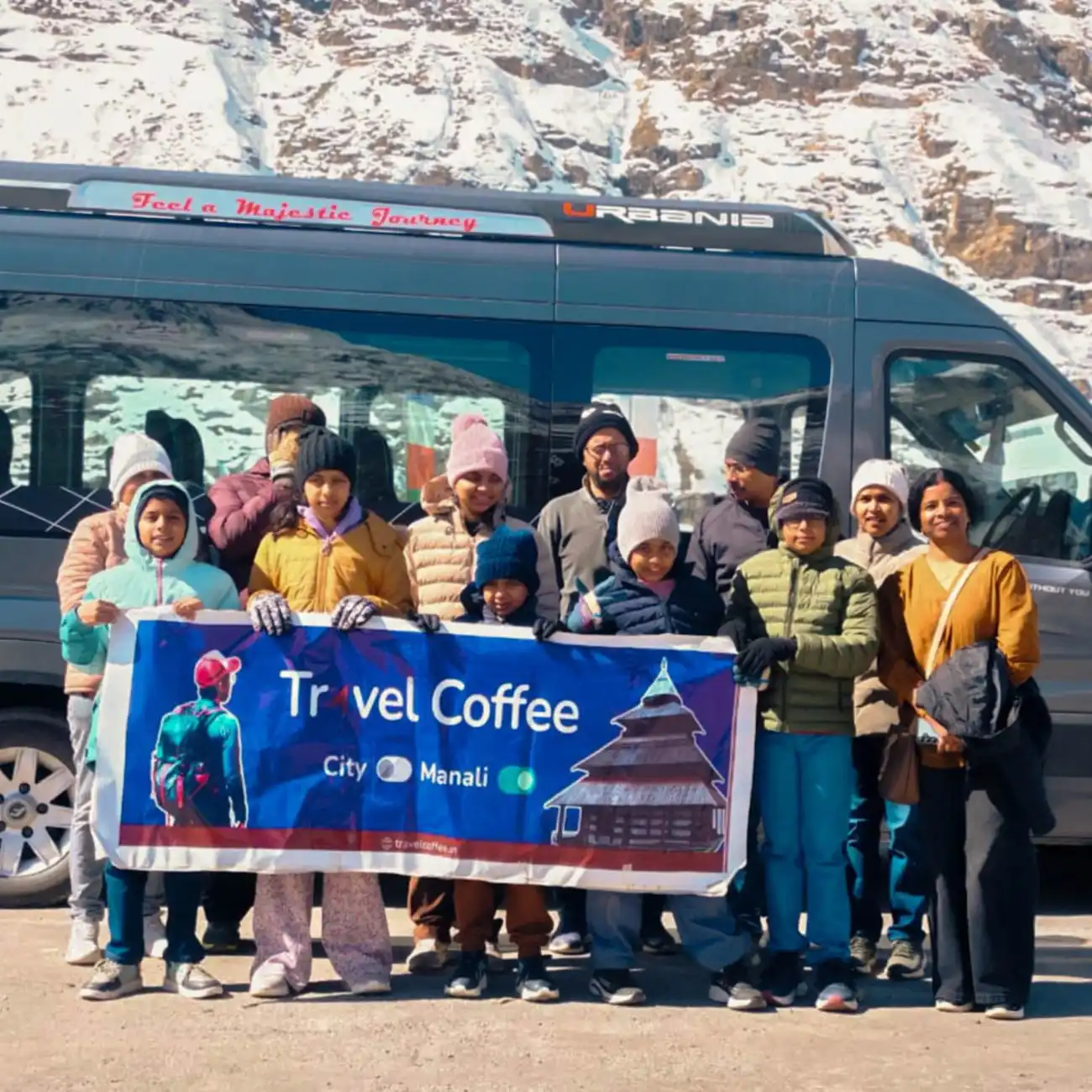
Vehicle choice comes down to the small stuff. Step-in height, seat support, suspension, legroom, luggage space, and climate control all matter, along with whether your parents can get in and out easily.
A very high SUV can actually be harder for someone with knee or hip limitations, because the climb up into the seat is a strain. Height is not always comfortable.
Keep elderly travellers out of the rear-most jump seats. They are cramped, bounce more, and are hard to climb into.
When you book, ask for working seat belts, a driver who drives at a moderate pace, clean seating, and someone experienced on hill roads. These small requests make a real difference over a long day.
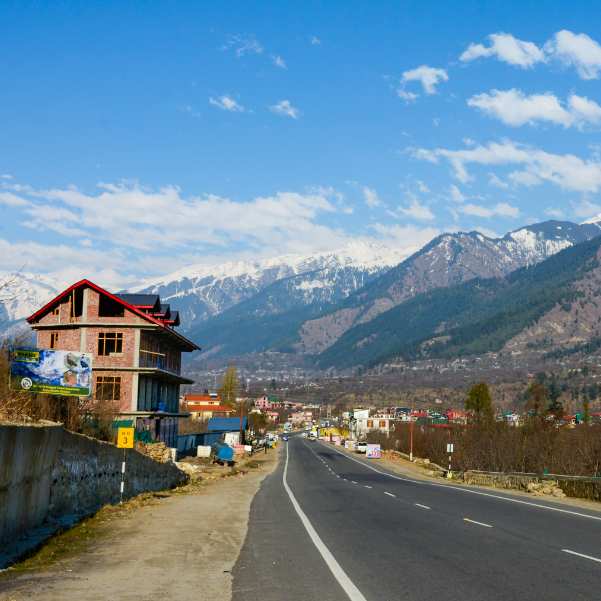
Do nothing today beyond arriving well. No sightseeing, no rushing out.
Keep the schedule light, eat normal meals, stick to your parent's usual medication routine, rest properly, and turn in early. The body needs to settle after a long road day.
If your parents feel up to it later in the evening, a very short walk right near the hotel is fine. Only if they feel comfortable, never as a task.
Hadimba Temple sits in a lovely cedar forest, and the setting alone is worth the visit. The final approach can include uneven ground, walking, crowds, and slippery patches in wet weather, so go slow.
We would not call the temple fully accessible. If the approach looks difficult on the day, enjoy the forest surroundings and skip the full walk to the temple. Nobody has to finish it.
Later, visit Mall Road at a quieter hour and keep the walking distance short. A slow café stop with a view beats trudging the full stretch.
We build these gentle days into our Manali tour packages so nobody feels rushed.
Treat Solang Valley as a scenic drive, not an adventure day. The views from the car are the point.
Parking position, mud, snow, crowding, queues, and walking conditions all change with the season. Confirm current conditions locally before you leave the hotel.
Do not try to bolt Solang, Atal Tunnel, Sissu, and Rohtang into one day. That is a recipe for exhaustion. Pick one and enjoy it.
Our adventure activities in Manali guide covers what is on offer at Solang, so you know what to watch from the car and what to skip.
Naggar makes a pretty drive with a few cultural stops, though the heritage properties and temples can have steps and uneven surfaces.
Pick just one or two stops here, not everything. Quality over quantity keeps the day easy.
If your parents would rather rest, swap it out. A scenic café, some hotel leisure, gentle local shopping, a slow riverside drive, or a full rest day are all good options.
Before you leave, pack medicines, your parent's medical information, water, simple snacks, and prescribed motion-sickness treatment where a doctor has advised it.
Plan the toilet and gentle-movement stops into the drive so nobody sits stiff for hours. How often you stop depends on your parents, so read the day rather than following a fixed rule.
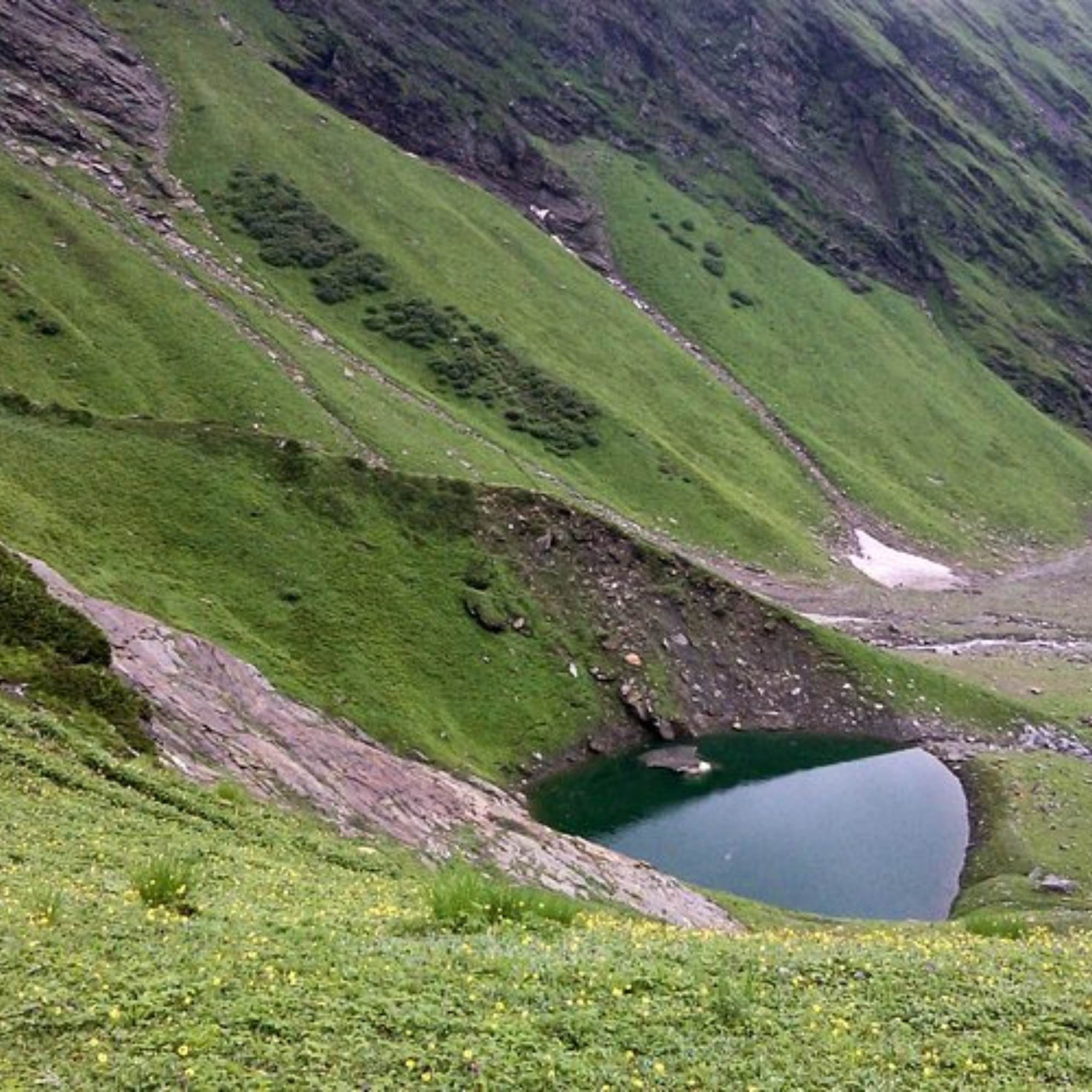
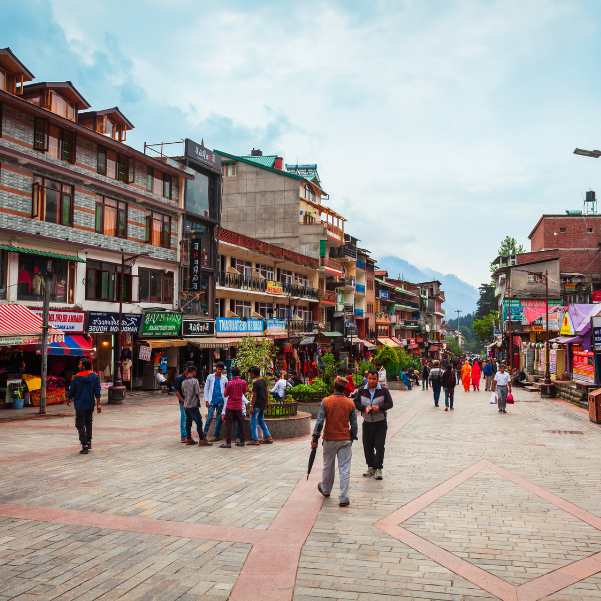
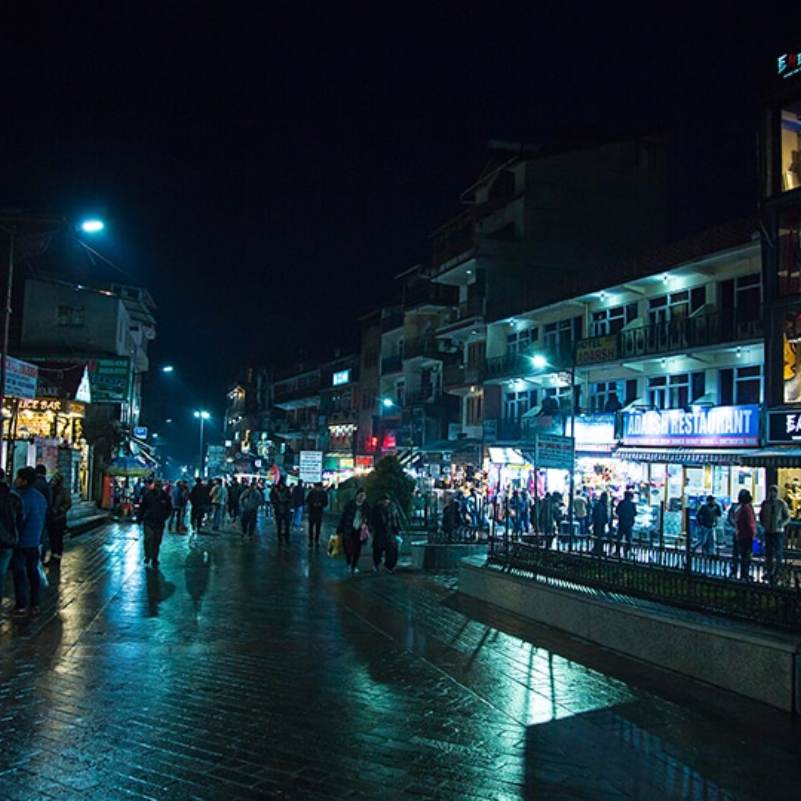
Mall Road is relatively level compared with most hillside attractions in Manali, which makes it one of the gentler options.
Even so, the crowds, the total walking distance, and where the car can drop you can still tire someone out. Keep it short and pick a calm time of day.
Van Vihar works as a shaded short walk near central Manali, nice and close to town.
Current path conditions, entrance arrangements, and wheelchair access need checking on the ground, since we cannot promise any of it stays the same season to season.
The cedar setting around Hadimba is the real draw, and you can enjoy it without doing the full approach to the temple.
Watch for uneven surfaces, steps, crowds, and slippery ground in wet weather. Take it slow and stop whenever you like.
Solang can suit a scenic car outing with limited walking, as long as road and weather conditions are favourable.
We would not call it universally senior friendly, because the ground and crowds vary so much. It is a "check on the day" kind of place.
The Atal Tunnel drive can be mostly a vehicle-based outing, which is ideal for seniors who want the experience without the effort.
Crossing the tunnel is very different from committing to a long day at higher Lahaul destinations beyond it. Weather, traffic restrictions, and your parent's condition all need a look on the day before you decide how far to go.
The drive to Naggar is enjoyable, but the specific attractions can have stairs and uneven approaches. Choose one stop, take it easy, and skip anything with a hard climb.
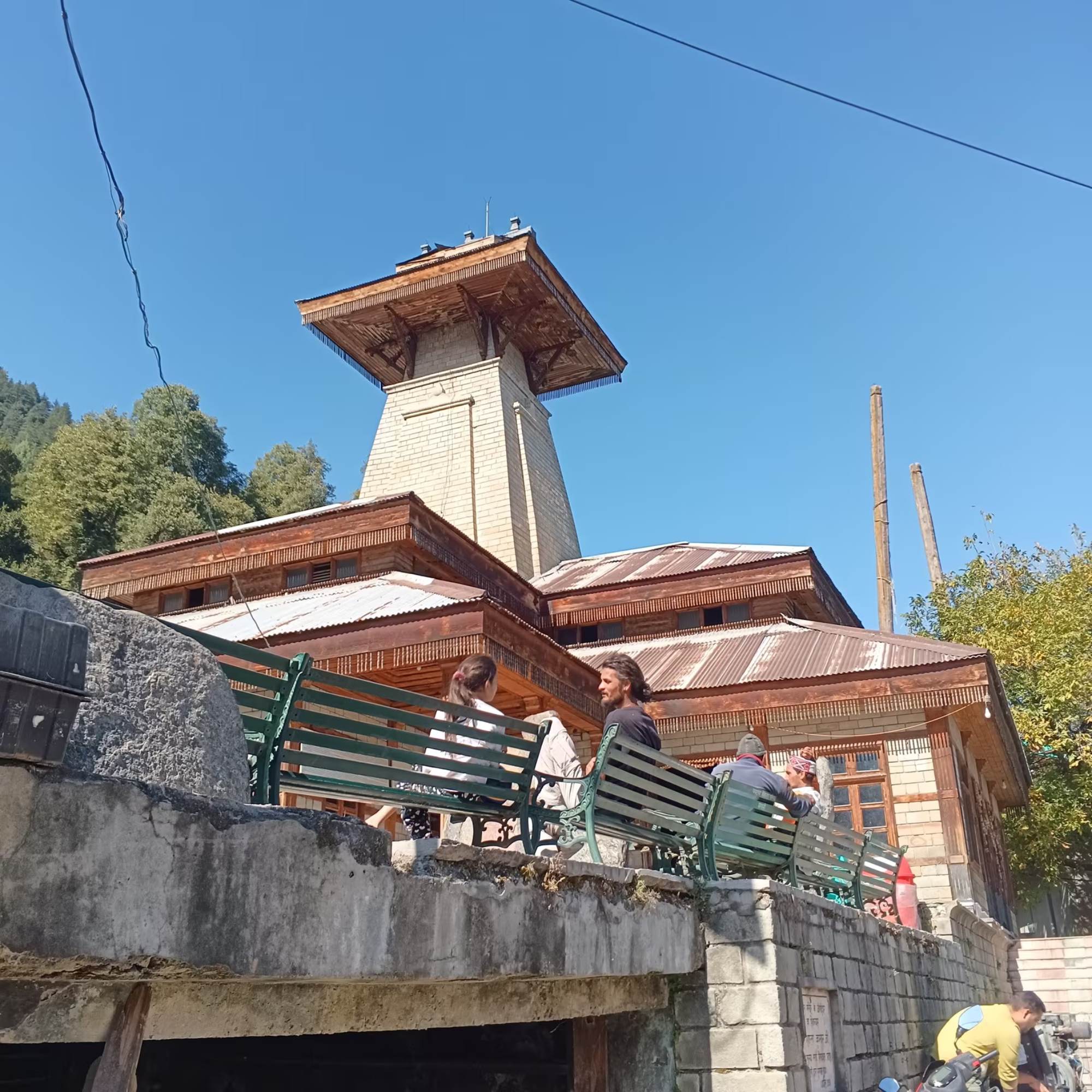
Manu Temple sits in an uphill locality and involves a fair bit of walking, so it is a tough one for many seniors.
Vashisht has narrow lanes, slopes, congestion, stairs, and limited convenient vehicle access. It gets crowded and cramped, which is hard going for older visitors.
Jogini Falls needs real walking to reach. Do not treat it as an easy senior stop, because it is not.
Snow points can mean slippery ground, bulky rented boots, cold exposure, crowding, and a genuine fall risk. Beautiful, but risky for unsteady legs.
Adventure activities need individual assessment, and honestly, you do not need any of them to enjoy Manali. The views and the calm are the real reward.
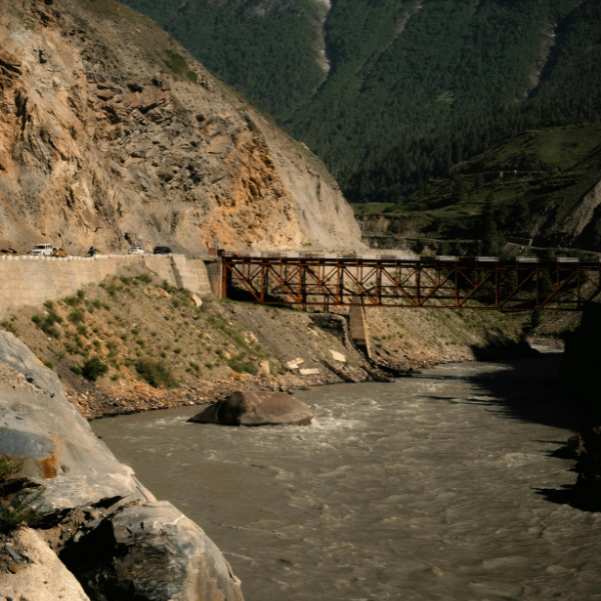
Solang can work as a scenic private-car outing for some senior travellers. The mountain amphitheatre around it is worth the drive on its own.
The catch is the variables. Ground condition, parking distance, ropeway boarding, queue length, weather, and crowding all shift from day to day.
Ropeway accessibility and operating status must be confirmed locally, since neither is guaranteed. Do not build a plan around it until you know it is running.
Keep the day to one main outing rather than combining several distant stops. One good, slow outing beats three rushed ones.
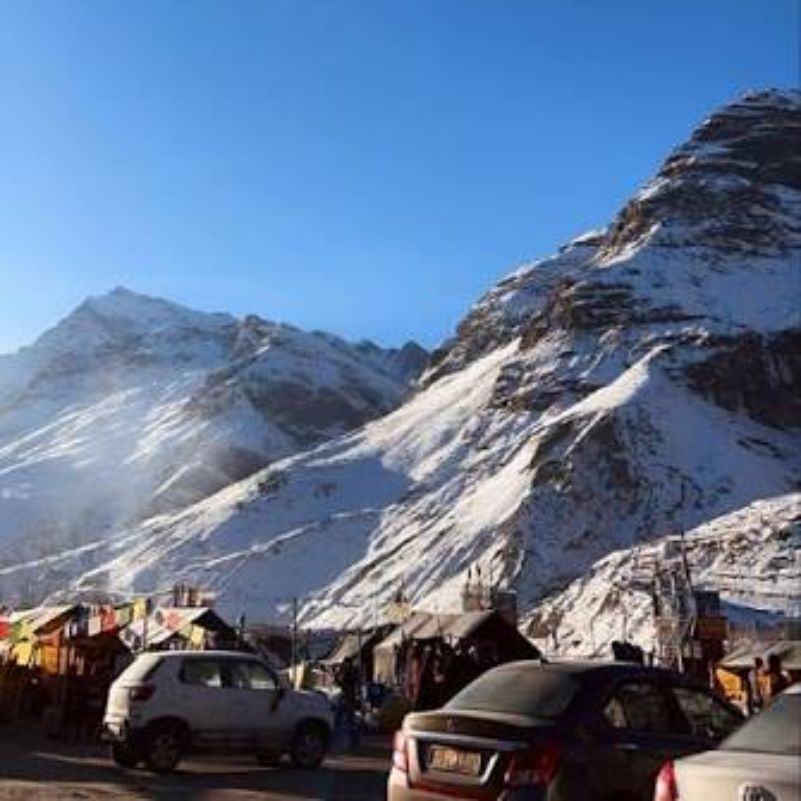
Keep Rohtang optional, not essential. Nobody needs to tick it off to have a great Manali trip.
Rohtang sits at approximately 3,980 metres or 13,058 feet, roughly 51 kilometres from Manali depending on your exact starting point.
The problem for seniors is the pile-up of factors: altitude, cold, long queues, hours of road time, crowding, permit rules, and access that changes with the weather. Any one is manageable, but together they wear people down.
The official permit system runs on a daily quota, and a tourism permit is valid for one day. You cannot just turn up and go.
Permit fees and congestion charges can change, so confirm the latest official amount on the Rohtang permit portal before applying. The vehicle permit also needs identification, vehicle details, and a valid Pollution Under Control certificate.
We will not promise Rohtang will be open on any future date. Access is seasonal and weather-dependent, full stop.
If your parents want mountains without the strain, Solang Valley, an Atal Tunnel drive, a local scenic day, or simple hotel-view leisure all deliver the views with far less effort.
For seasonal context, see our guides on Rohtang Pass in September and Rohtang Pass in October.
This is where families slip up most. They book on photos and price, then discover the "lift" does not reach their floor or the room sits up a flight of stairs.
Confirm a lift that actually serves your booked floor, or get a verified ground-floor room. Ask directly, in writing.
Count the steps. Ask how many steps sit between parking, reception, restaurant, lift, and room. That number tells you more than any star rating.
Check for an attached western-style bathroom, anti-slip flooring, grab bars where available, hot water, reliable heating, in-house food, room service, easy driver access, and dependable connectivity.
Remember, "lift available" does not mean step-free access from the parking area. Those are two different things.
Ask the hotel for recent photos or a short video of the full route from the car to the room. What you see beats what you are told.
Travel the hills in daylight wherever you can. Visibility is better and the whole journey feels calmer.
Long stretches of sitting can be uncomfortable, and for some travellers it matters medically too. Do not brush that off.
Ask your parent's doctor for personalised advice on blood-clot risk, mobility exercises, compression garments, or any medication. This is their call to make, not ours.
Keep medicines, prescriptions, a short medical summary, water, simple snacks, and emergency contacts inside the passenger cabin, not buried in a bag in the boot. You want them in reach.
Sit down with your parent's doctor and go through the destination, the planned altitude, the road duration, the excursions, any chronic illnesses, and the full medication list. That conversation shapes everything else.
The CDC advises older travellers to carry enough medication for the whole trip plus extra for possible delays. Pack for the trip going wrong, not just going right.
Carry medicines in their original labelled packaging, along with prescriptions, allergy information, and a brief medical history. The CDC recommends keeping a paper or electronic medical-history record on hand.
Rest on arrival. Skip strenuous sightseeing the day you reach Manali and let the body settle.
Stick to your parent's normal food, hydration, and medication plan as approved by their clinician. Now is not the time to change routines.
Nobody should self-start altitude medication or oxygen-related products based on a travel article. That decision belongs to a doctor.
Some symptoms need urgent medical attention. New chest discomfort, severe breathlessness, fainting, confusion, blue lips, inability to walk normally, or rapidly worsening weakness all fall in this group. Get help fast.
A new headache, nausea, dizziness, or unusual breathlessness after travelling substantially higher should not be ignored either. Take it seriously and watch it.
If symptoms get worse while going higher, that is a reason to stop climbing and seek professional help. We will not diagnose altitude sickness for you, and no article should.
Start with the health essentials. Regular medicines, prescriptions, a medical summary, spectacles, hearing-aid batteries, and a familiar walking aid your parents already trust.
Then the comfort and safety layer. Supportive shoes with grip, warm layers, a waterproof outer layer, sun protection, and gloves if you travel in the cold months.
Round it off with simple snacks, water, and a personalised first-aid kit built around your parent's own health history. The CDC recommends exactly that, a kit matched to the person and the trip, rather than a generic box of tablets.
Book four or five nights, not a rushed two-night dash. The extra days are what make the trip restful instead of draining.
Plan one main outing a day, with an optional second stop only if everyone feels good. Leave room to do less.
Keep one flexible rest day in the plan, and avoid shifting hotels again and again. Repeated packing and check-ins wear people out faster than any walk.
Do not try to squeeze Manali, Shimla, Dharamshala, and Kasol into one short trip. That much road time is exhausting for elderly travellers, and the driving eats the holiday.
A customised package lets you build the trip around what your parents actually need. Room access, lift requirements, meal timings, private transport, road breaks, rest periods, and optional sightseeing all get planned in advance instead of improvised.
The rule we follow is simple. Design the whole itinerary around the least mobile traveller in the group. Everyone else can flex around them.
In our experience, being Himachal-based helps here. Our team can check the practical hotel and vehicle details, the steps, the lift, the drop-off point, before we confirm anything, so there are fewer surprises on arrival.
Explore our Manali family tour packages if you would rather hand the logistics to someone who drives these roads every season.