
Kasol Travel Guide 2026: Best Time, Itinerary, Cost, Places & Local Tips
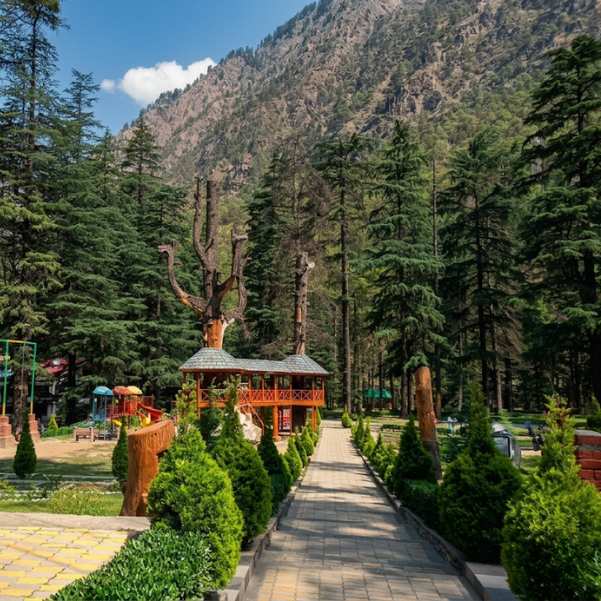
Kasol is one of those places that sounds like a vibe and actually delivers one. A small town on the Parvati River in Himachal's Kullu district, sitting at around 1,580 metres, it has been a backpacker favourite for years.
But in 2026, a few things have changed. The roads have new restrictions, Kheerganga's camping situation is different, and the crowds have shifted.
This guide by Travel Coffee covers what you actually need: which months work, how many days to spend, what it really costs, which places are worth your time, and the stuff most blogs skip entirely. We have been sending travellers here for years and we know what works and what wastes your time.
Quick Answer: Is Kasol Worth Visiting in 2026?
Yes. Kasol is still one of the most accessible mountain escapes in Himachal, especially from Delhi and Chandigarh.
The best time for first-timers is March to June. A comfortable trip takes 4 to 5 days if you want to include at least one trek and one nearby village like Tosh or Chalal. Budget travellers can manage the whole trip for around ₹5,000 to ₹8,000 per person over 4 to 5 days.
One thing to know before you go: the Bhuntar to Manikaran road now has vehicle restrictions during tourist season. Volvo buses and heavy vehicles can only use this road between 8 PM and 8 AM. Plan your travel timing around this.
What Is Kasol Really Like in 2026?
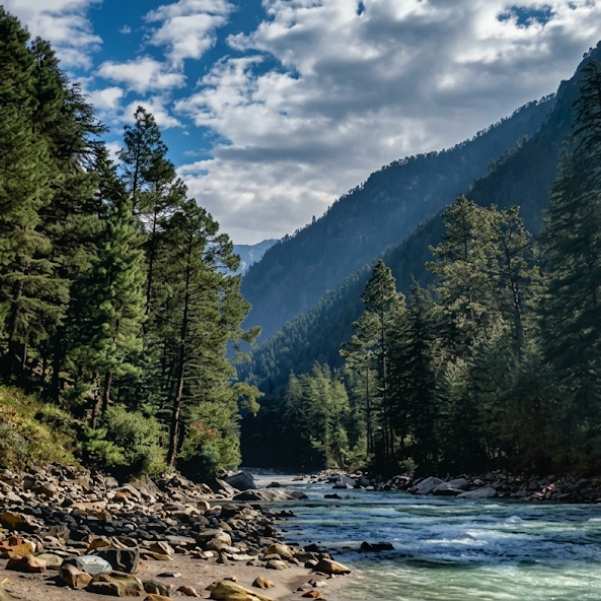
What most tourists get wrong about Kasol is thinking the whole place feels like the main market. It does not.
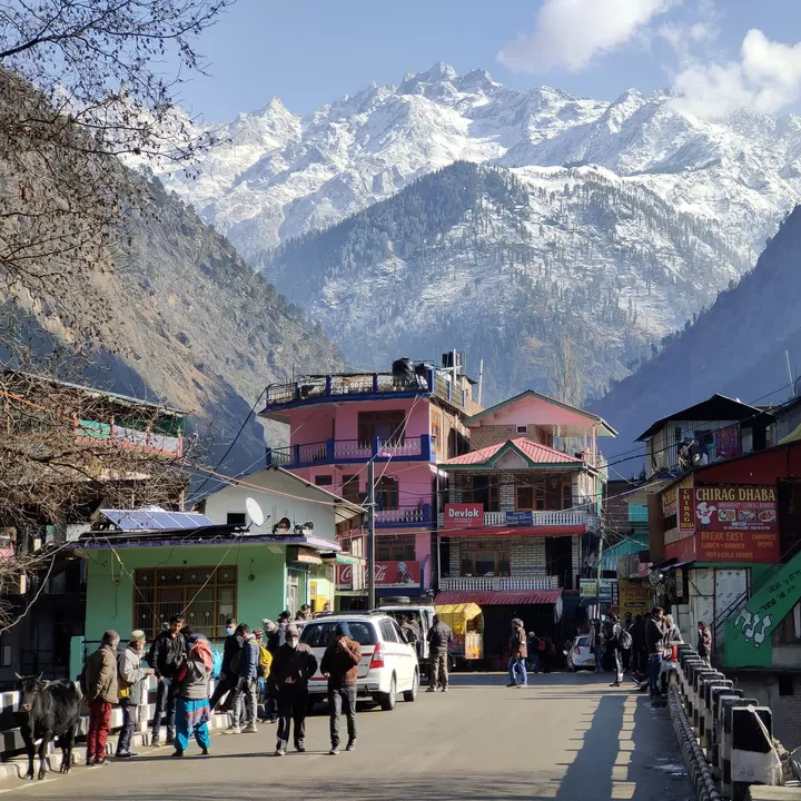
Kasol market is loud, crowded on weekends, and packed with cafes, souvenir shops, and hostels fighting for your attention. If you judge Kasol only by its market strip, you will leave underwhelmed.
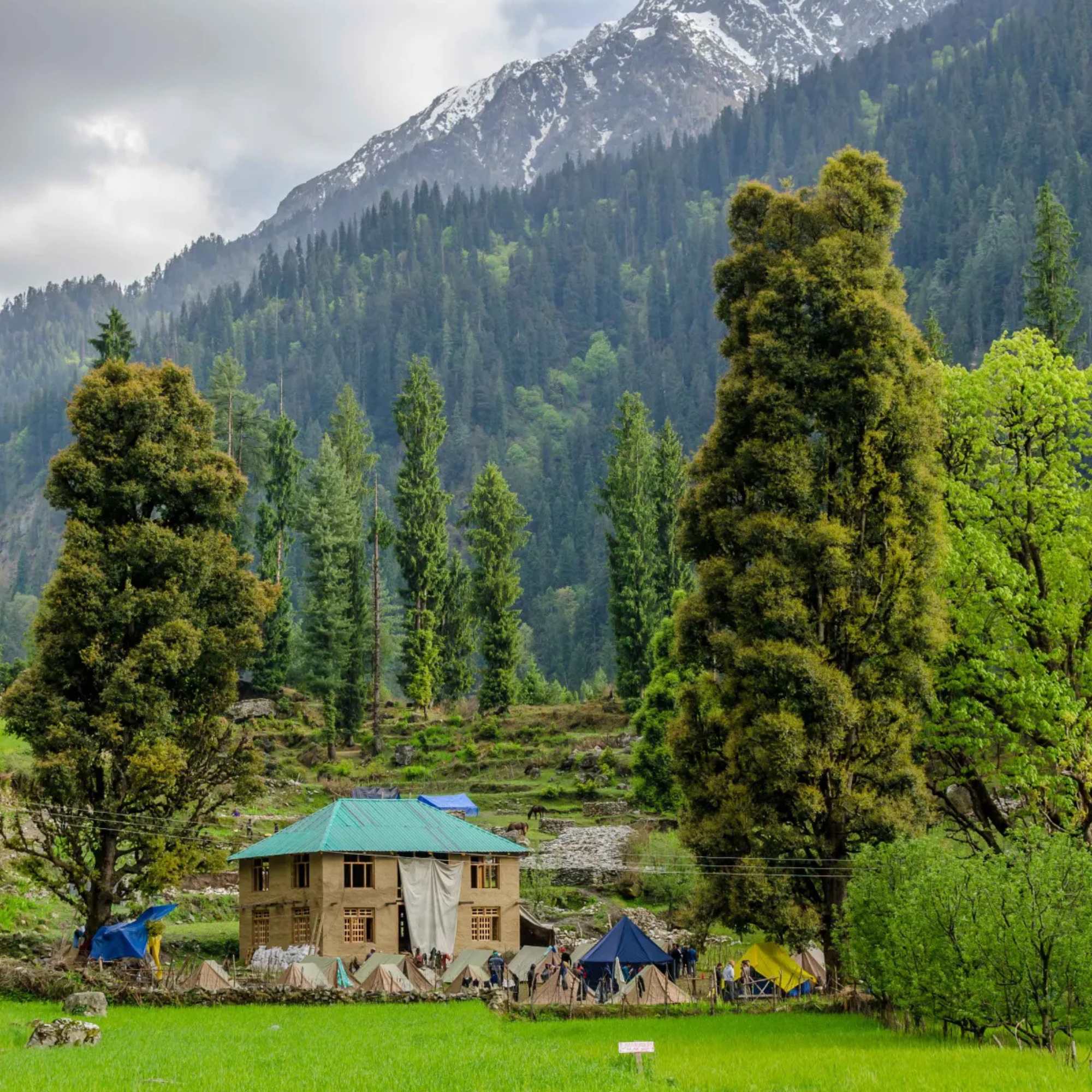
The real Kasol starts the moment you step off the main road. Walk toward Chalal and within 20 minutes the noise drops. Cross the river and the cafes thin out. Head to the villages above and you are in a completely different world.
People use Kasol as a base for the Parvati Valley. From here you can reach Tosh, Kalga, Pulga, Barshaini, and the Kheerganga trailhead without much hassle.
The river runs right through town, and on a quiet weekday morning, sitting by the water with a ginger lemon honey tea is one of the simplest good things you can do in Himachal.
But let's be honest. Kasol has a waste problem. In 2026, SADA Manikaran was fined ₹4.8 lakh over unauthorized garbage dumping concerns, and temporary disposal sites plus a material recovery facility were being planned.
The town is beautiful, but it needs visitors who carry their trash back. If you are going, be that visitor.
Where Is Kasol and How Do You Reach It?
Kasol sits in the Parvati Valley, around 30 km from Bhuntar and roughly 3.5 to 4 km from Manikaran. The nearest town with proper road connectivity is Bhuntar, which is where the highway, the airport, and most transport connections converge.
Delhi to Kasol by Bus
The most popular route. Delhi to Kasol is roughly 520 to 530 km by road. There is no direct bus to Kasol. You take a bus to Bhuntar or Manali and then switch to a local bus or shared taxi to Kasol.
HRTC buses run from Delhi (ISBT Kashmere Gate) to Bhuntar. Fares range from around ₹770 to ₹1,545 depending on the bus type. HRTC allows advance booking up to 60 days ahead. Book early if you are travelling on a weekend or during peak season.
From Bhuntar to Kasol, local buses cost around ₹60 to ₹150 and shared taxis run for around ₹150 to ₹450. The bus takes longer but costs less. The shared taxi is faster and drops you closer to the market.
The overnight bus from Delhi reaches Bhuntar early morning. From there, you are in Kasol within an hour. The whole door-to-door journey takes roughly 12 to 14 hours.
Chandigarh to Kasol
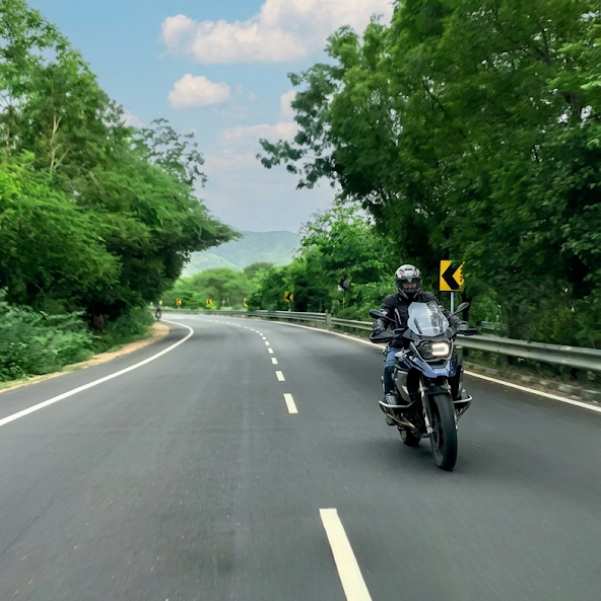
The drive from Chandigarh to Kasol is shorter, around 280 to 300 km. You can take an HRTC bus to Bhuntar or Mandi and switch from there. Alternatively, drive via Mandi and Aut. The road is mostly two-lane after Mandi and gets narrow after Bhuntar.
By Flight and Train

The nearest airport is Kullu Bhuntar Airport, around 30 to 35 km from Kasol. Flights operate from Delhi and Chandigarh, but schedules are limited and often disrupted by weather. Do not build your plan around a flight unless you have a buffer day.
The nearest major railway station is Joginder Nagar or Chandigarh. Trains get you partway, but you still need a bus or taxi for the final stretch. Most travellers stick with buses from Delhi or Chandigarh.
2026 Road Update for Bhuntar to Manikaran Road
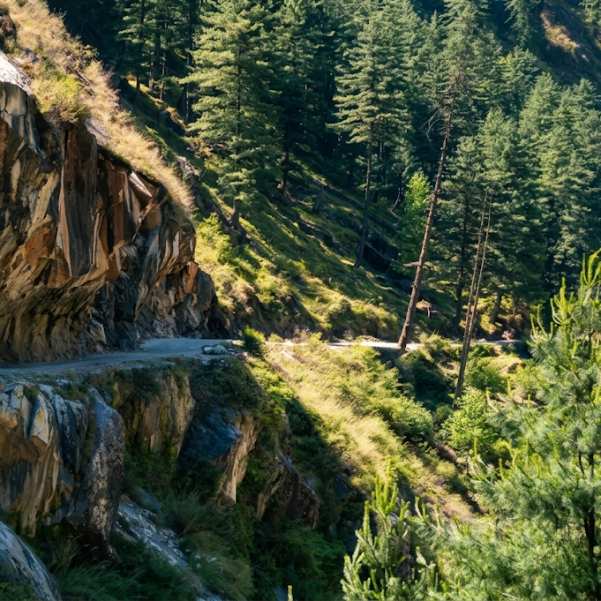
This is important. In 2026, the District Magistrate of Kullu issued an order restricting heavy vehicle movement on the Bhuntar to Manikaran road from 14 April 2026 till the end of the tourist season.
Volvo buses and heavy vehicles can only use this road between 8:00 PM and 8:00 AM. Emergency vehicles, school buses, and regular passenger buses are exempt. The order exists because of narrow road sections, landslide risk, tourist traffic, and congestion.
What this means for you: if you are arriving by Volvo from Delhi, your bus will likely reach Bhuntar early morning (within the allowed window). But if you are booking a private Volvo for a group, check the timing restrictions. Regular HRTC passenger buses are not affected.
Also, in February 2026, a landslide at Ghatigarh on the Manikaran to Barshaini link road blocked traffic and forced many tourists to turn back.
That stretch sees frequent landslides and shooting stones. Always verify the Barshaini and Tosh road status before leaving Kasol, especially during monsoon.
>>WhatsApp us for today's Kasol and Parvati Valley road status
What Is the Best Time to Visit Kasol in 2026?
March to June
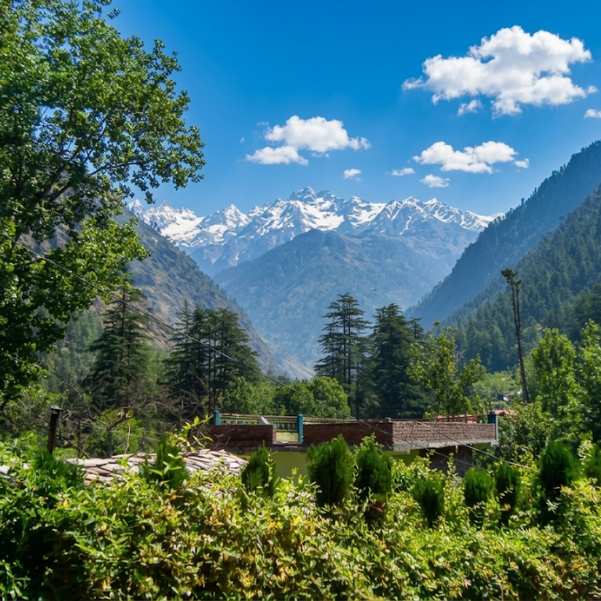
This is the sweet spot for most travellers. Days are warm and comfortable, the valley is green, and the trails are in good shape. April and May are peak months, so expect higher prices and more people, especially on weekends and holidays.
If you want the best weather with manageable crowds, mid-March to mid-April is our pick. The valley is waking up from winter, flowers are everywhere, and the cafes are open but not overflowing. June gets warmer and slightly busier as school holidays begin.
September to November
This is the window most blogs do not talk about enough. After the monsoon clears out in September, the Parvati Valley looks its cleanest. The sky is sharper, the river runs full, and the crowds from summer have gone home.
October brings cooler mornings and golden light that photographers love. Prices drop too, so your budget stretches further. If you are not locked to school holidays, this is a smarter time to visit.
July to Mid-September
The monsoon months. Avoid this window if you are planning treks. Trails get slippery, the road from Bhuntar gets landslide-prone, and the stretch beyond Manikaran toward Barshaini becomes genuinely risky.
Kasol town itself stays functional, and the rain gives the valley a moody green look that some people love. But the practical risks outweigh the vibes. We do not recommend monsoon trips for first-timers.
December to February
Cold, quiet, and different. Kasol itself does not get heavy snow most years, but the villages above, like Tosh and Kalga, can get a dusting. Nights drop below zero and some guesthouses close.
If you want a quiet winter escape and do not plan to trek, it works. But carry serious warm layers, expect limited food options, and know that the Kheerganga trail is not a good idea in these months.
How Many Days Are Enough for Kasol?
2 days
It is technically possible if you are only doing Kasol market, the riverside, and maybe a walk to Chalal. But it feels rushed, especially after a 12-hour bus ride from Delhi.
3 days
It gives you enough time for Kasol, Chalal, and either Manikaran or a short village visit. This is the minimum we suggest.
4 days
It is comfortable. You can add Tosh or Kalga and still have a relaxed day to sit by the river and do nothing.
5 days
It is what we recommend if you want to include a proper trek like Kheerganga (as a day hike) or explore multiple villages without feeling like you are racing through a checklist. This is the sweet spot where you actually feel the place instead of just ticking it off.
Best Kasol Itinerary for 3, 4 and 5 Days
3-Day Kasol Itinerary
Day 1: Arrive in Kasol from Bhuntar by morning. Drop your bags, eat breakfast at one of the riverside cafes, and walk to Chalal village. The walk takes around 30 to 45 minutes through a forest trail along the river. Spend the afternoon there. Return to Kasol for dinner.
Day 2: Head to Manikaran Sahib in the morning. It is only about 3.5 to 4 km from Kasol, so a shared auto or even a walk works. Visit the gurudwara, see the hot springs, and eat langar. Afternoon is free for cafe hopping or shopping in Kasol market.
Day 3: Morning by the river. Pack up and head to Bhuntar for your return bus. If your bus is in the evening, you have time for one more cafe visit and a walk on the other side of the bridge.
4-Day Kasol Itinerary
Follow Days 1 and 2 above.
Day 3: Take a shared cab to Barshaini (around ₹100 to ₹150 per person) and then walk up to Tosh (about 3 km uphill from Barshaini). Spend the day in Tosh. The views from up there make the walk worth every step. Return to Kasol by evening.
Day 4: Buffer and departure. Sleep in, pack slowly, grab breakfast, and leave for Bhuntar.
5-Day Kasol Itinerary
Follow the 4-day plan, and add one more day.
Day 4: If road conditions allow and you have checked the current status, take a day hike toward the Kheerganga trailhead from Barshaini. The trail is around 12 km one way and takes about 4 to 5 hours to reach the top.
Check locally whether you can visit and return the same day, since overnight camping rules have changed. More on this below.
Alternatively, spend Day 4 at Kalga or Pulga, quieter villages near Barshaini where the pace slows down even further.
Day 5: Departure day.
If you want us to put together a Kasol itinerary that fits your group and dates, our Kasol tour packages are designed with this kind of flexibility built in.
Best Places to Visit In and Around Kasol
Parvati River and Kasol Market
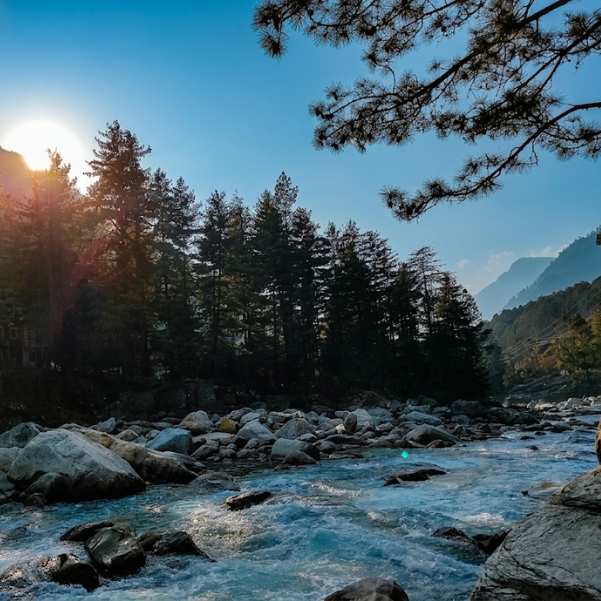
The river is the best thing about Kasol. Walk past the market toward either end of town and you will find spots where you can sit on the rocks right beside the water. Morning light on the river is worth waking up early for, especially between 6:30 and 8 AM before the cafes get loud.
The market itself is fine for an hour or two. Pick up supplies, browse the shops, eat something. But do not spend your whole trip here. The real Parvati Valley starts beyond this strip.
Chalal Village
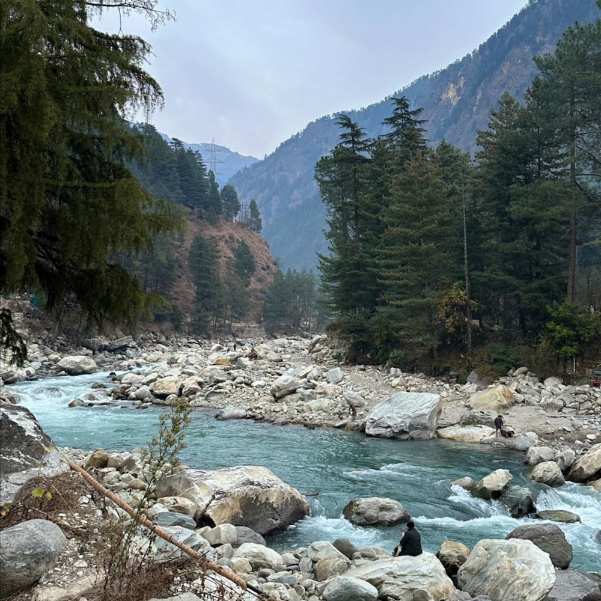
Chalal is the easiest escape from Kasol's noise. Cross the bridge and follow the trail along the river. The walk takes around 30 to 45 minutes and leads to a small village with a handful of guesthouses and cafes. It is quieter, cheaper, and feels like what Kasol probably felt like 10 years ago.
Our team always tells first-timers to spend at least one evening here. Get a window seat at one of the small cafes overlooking the valley. The sunset light through the trees is something you will remember.
Manikaran Sahib
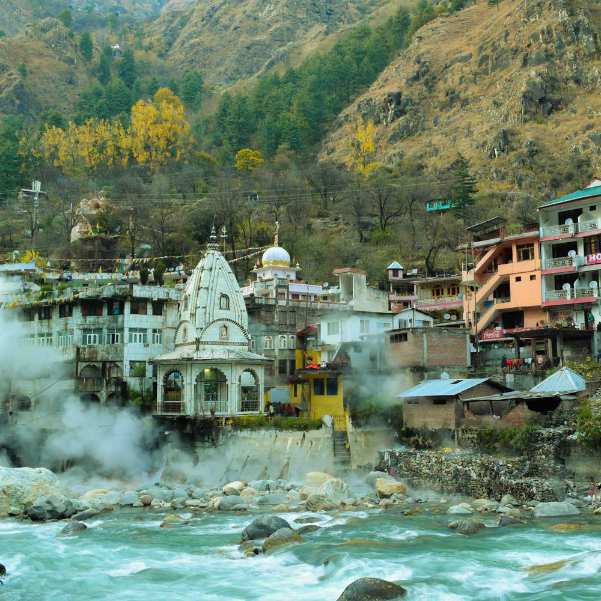
Manikaran is a 3.5 to 4 km drive from Kasol, or a pleasant walk along the road. The Gurudwara here is built over natural hot springs. You can see boiling water bubbling up from the ground right inside the complex. The langar is free, filling, and always running.
What we tell our travellers: skip the paid hot water bath places outside. The gurudwara itself lets you experience the hot springs for free inside the complex.
Tosh, Kalga and Pulga
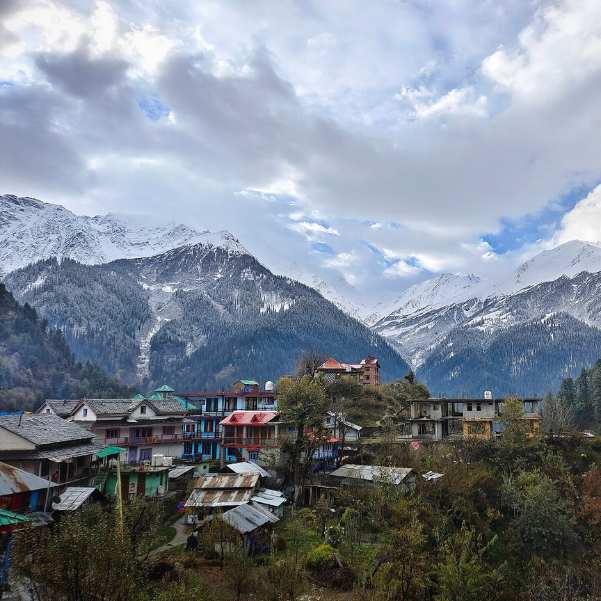
Tosh is around 20 km from Kasol and sits about 3 km uphill from Barshaini. The village has become popular, so weekends can get busy. But on a weekday, the view of the valley from Tosh is one of the best in Parvati.
Kalga and Pulga are quieter alternatives nearby. Fewer cafes, fewer Instagram poses, more actual mountain village energy. If you want two nights away from Kasol's buzz, Kalga is where we usually suggest.
A private cab from Kasol to Tosh costs around ₹2,400 to ₹3,200. The cheaper option is a shared cab to Barshaini and then walking up.
Kheerganga
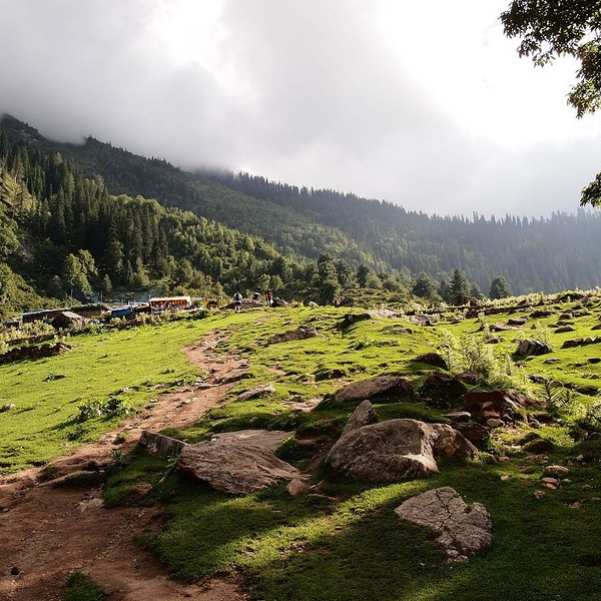
Here is the part most 2026 blogs are getting wrong. Kheerganga is still one of the most popular treks in Parvati Valley, around 12 km one way from Barshaini, taking about 4 to 5 hours to reach the top.
But the camping situation has changed. Commercial camps and cafes at Kheerganga were removed after a High Court mandate.
You can still hike up and visit, but overnight camping and staying at the top should be treated as restricted. Verify locally with forest officials or local authorities before planning an overnight stay.
In our experience, the safest plan in 2026 is to treat Kheerganga as a long day hike. Start early from Barshaini, reach the top, spend a couple of hours at the hot springs, and return before dark. This avoids any permit or camping complications.
Grahan and Rasol
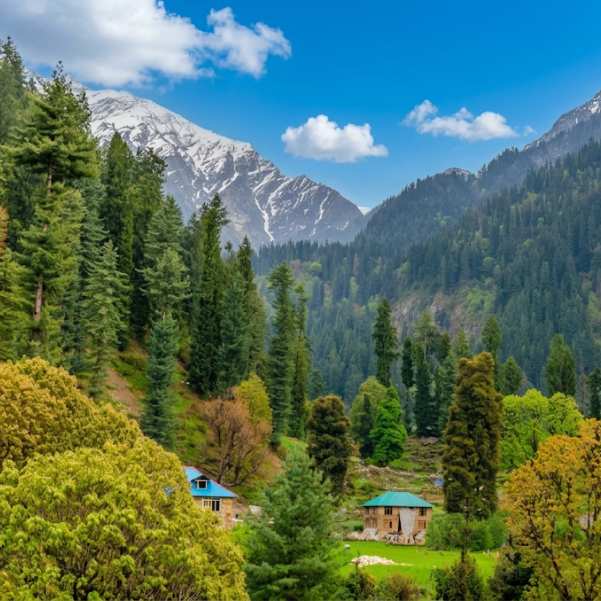
Rasol is around 5 km from Kasol and takes about 3 hours to reach on foot. It is a steep climb but the village at the top is small and feels genuinely remote.
Grahan is another village trek, less visited than Rasol, with a similar vibe. Both are good options if Kheerganga feels too long or uncertain. Neither requires special permits as of now, but always check locally before heading out.
Malana and Waichin
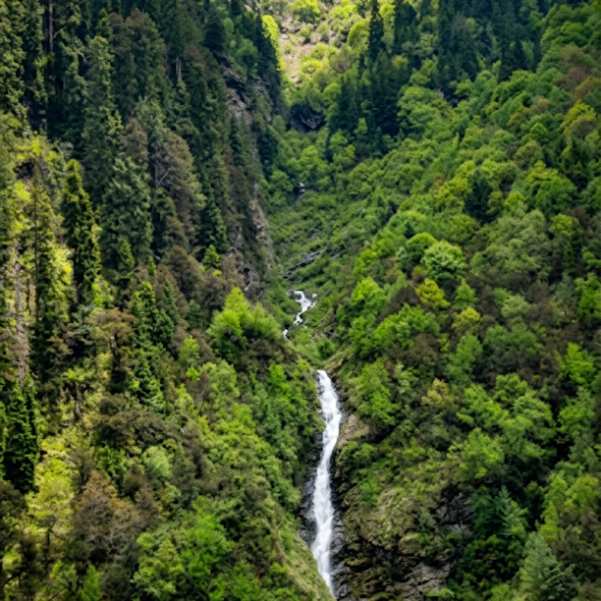
Malana is a unique village with its own customs and rules. Visitors are not allowed to touch the walls, buildings, or belongings of villagers. Respect this strictly. It is not a performance for tourists. These are real rules that matter to the community.
The trek to Malana takes about 3 to 4 hours from the road point near Jari. Waichin is a smaller, less visited valley nearby. Both are doable as day trips from Kasol but need early starts.
A money-saving tip most people miss: instead of hiring a private cab from Kasol to the Malana road point, take a local bus from Kasol to Jari (costs very little) and start the trek from there. You save a good chunk of cab fare.
How Much Does a Kasol Trip Cost in 2026?
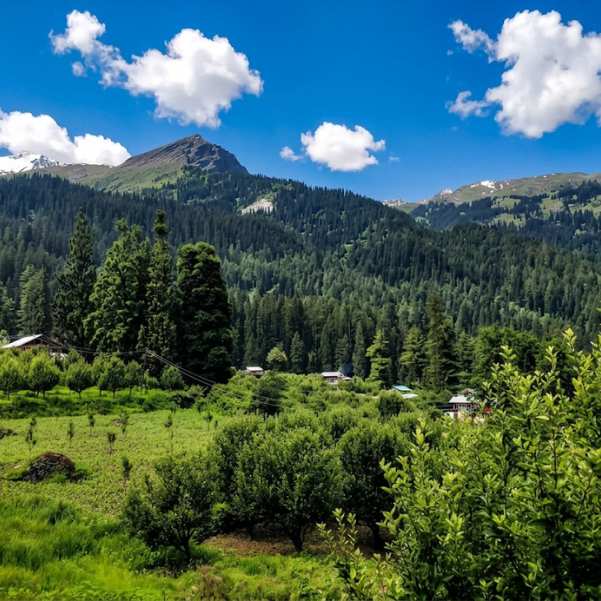
A budget Kasol trip for 4 to 5 days costs around ₹5,000 to ₹8,000 per person. This assumes hostel dorms, local buses, shared cabs, and eating at simple dhabas and small cafes.
A mid-range trip for the same duration runs around ₹10,000 to ₹18,500 per person. This includes budget guesthouses or riverside camps, a mix of shared and private transport, and cafe meals.
Here is what pushes costs up: travelling on peak weekends in May or June, booking private cabs to every village, eating every meal at the popular tourist cafes, and staying at riverside camps during peak season.
Hostel dorms go for around ₹350 to ₹500 per night in off-season and ₹800 to ₹1,200 in peak season. Budget guesthouses run around ₹1,000 to ₹2,000 a night. Riverside camps are around ₹1,500 to ₹2,500.
A simple daily food budget is around ₹600 to ₹800 if you eat at smaller cafes and dhabas. The Israeli cafes in the main market charge more, so factor that in if you plan to eat there often.
One thing you should know: ATMs in Kasol are unreliable. Carry enough cash from Bhuntar. There is no guarantee the Kasol ATM will have money, especially on weekends. UPI works at most cafes and shops, but not everywhere on the trails.
Where Should You Stay in Kasol?
Main Kasol
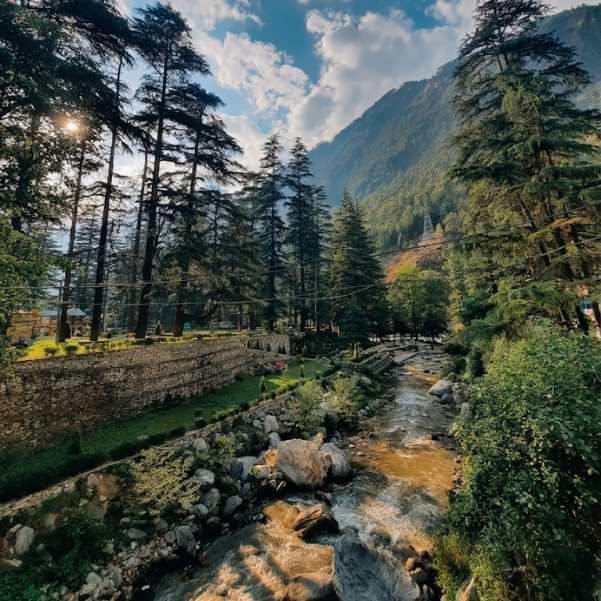
Stay here if you want everything within walking distance. Cafes, shops, the bus stand, the bridge to Chalal. It is convenient but noisy, especially on Friday and Saturday nights. Good for a first visit when you want easy access to everything.
Chalal or Katagla
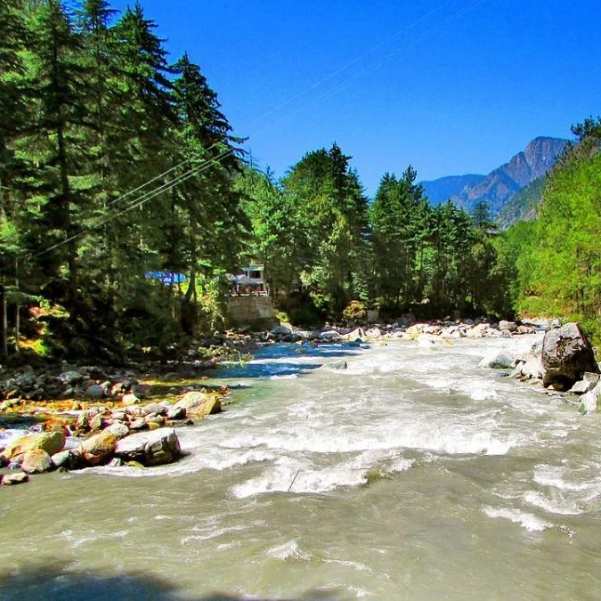
Just a 30-minute walk from Kasol market but a completely different energy. Quieter guesthouses, fewer people, and better river views.
This is where we send travellers who want the Kasol location without the Kasol chaos.
Tosh, Kalga and Pulga
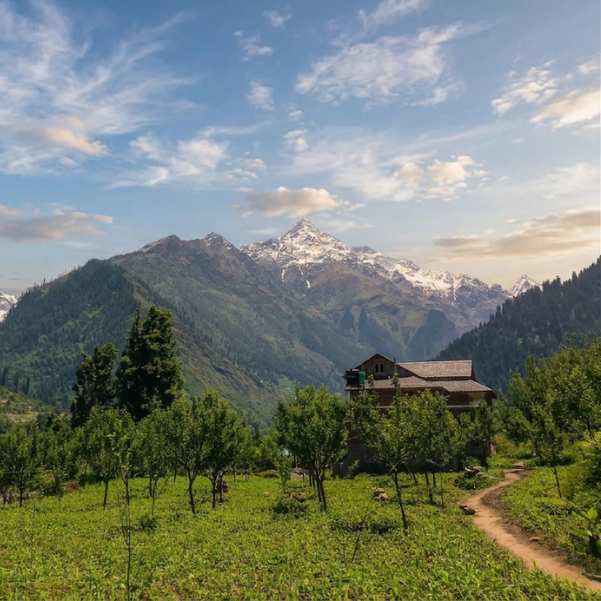
Stay here if you have 4 or more days and want a village experience. Tosh has become commercialized but still offers great views.
Kalga is the quieter pick with more charm. Pulga is the most remote of the three. All three are near Barshaini, so you can hop between them.
Manikaran
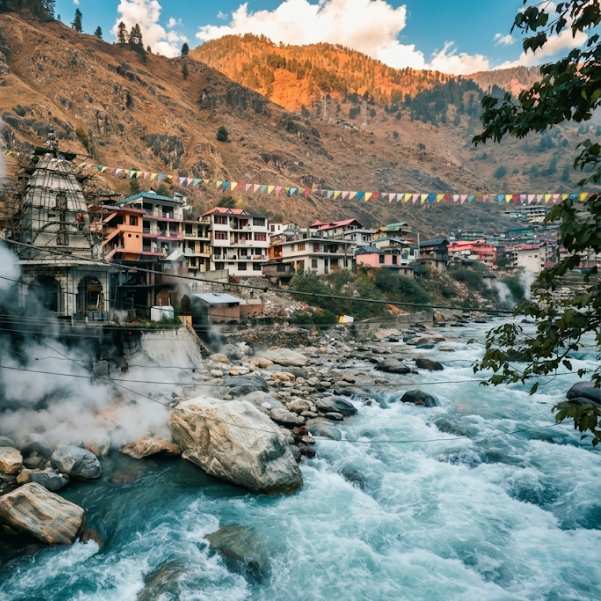
Not many tourists stay here, but it is an option if you want to be close to the gurudwara and the hot springs. Accommodation is basic and affordable. It works well for families or older travellers who are not planning treks.
Best Cafes and Food to Try in Kasol
Kasol's cafe culture is a big part of the experience. The town has a strong Israeli food influence, and you will find shakshuka, hummus, and pita bread on most menus alongside momos, thukpa, and maggi.
Evergreen Cafe
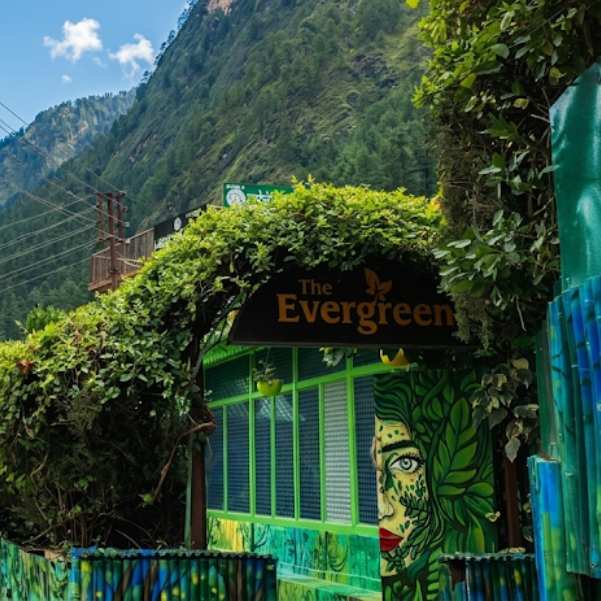
Evergreen Cafe is one of the most well-known spots. It sits right by the river and stays busy from morning to night.
The food is solid and the location is hard to beat. Get there before noon on weekends if you want a good seat.
Jim Morrison Cafe
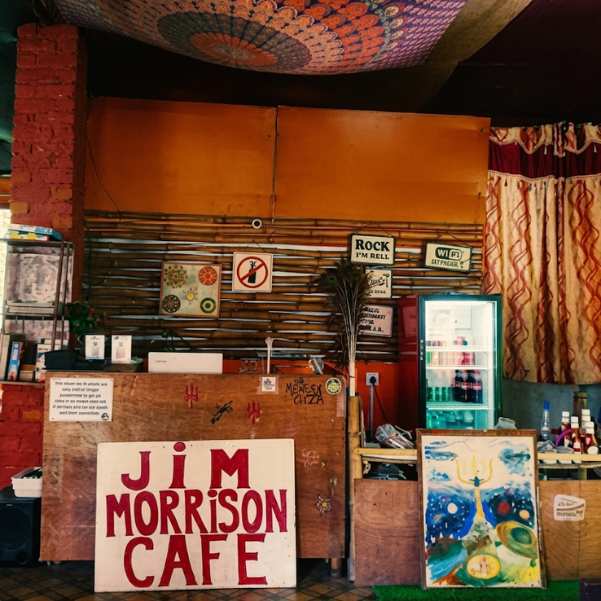
Jim Morrison Cafe is tucked into the forest on the Chalal trail. The walk to reach it is part of the appeal. It is a good stopping point on the way to or from Chalal.
Moon Dance Cafe and German Bakery
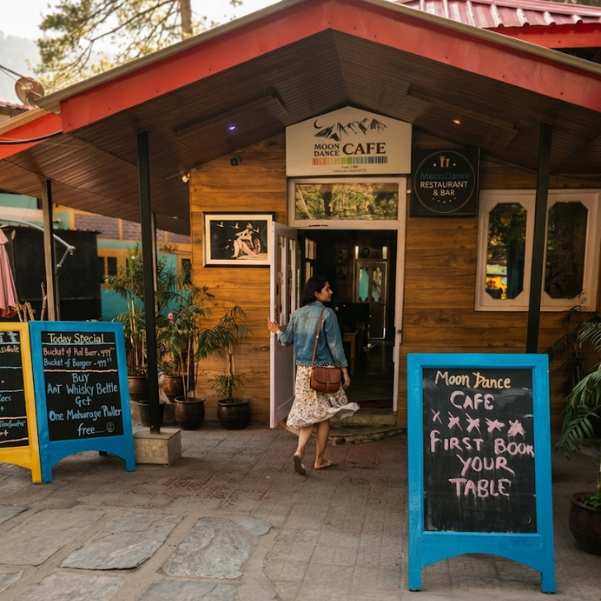
Moon Dance Cafe and German Bakery are popular for baked goods and coffee. Buddha Place is another favourite with a laid-back vibe.
The one thing we always tell our travellers
Skip the expensive tourist cafes for at least one meal and eat at one of the small local dhabas near the bus stand. A plate of rajma chawal for half the cafe price will remind you that simple food done well beats fancy menus.
The popular drink across all cafes is ginger lemon honey tea. On a cold morning by the river, it is genuinely the best thing you can order.
Local Transport, Road Status and Safety in 2026
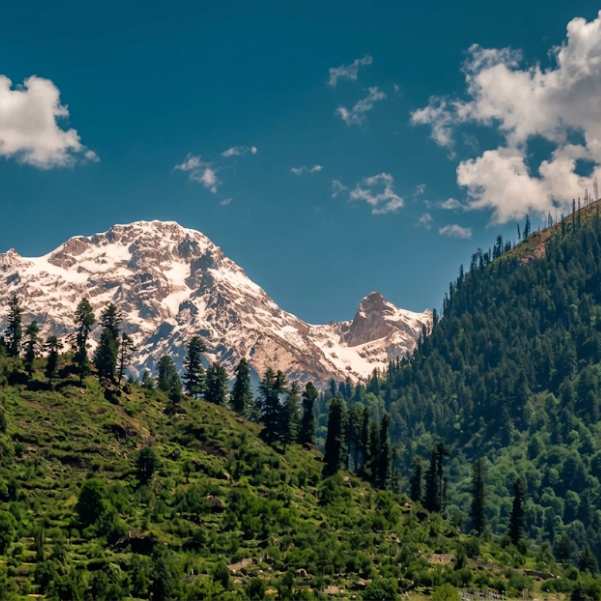
Local transport in and around Kasol runs on shared taxis and local buses. From Kasol to Barshaini, shared cabs cost around ₹100 to ₹150 per person. Private cabs to Tosh run around ₹2,400 to ₹3,200.
Within Kasol, everything is walkable. The market strip is small. The bridge connecting the two sides of the river is the only crossing point and takes 2 minutes to walk.
Road safety in 2026
The Bhuntar to Manikaran road restriction (Volvos and heavy vehicles only between 8 PM and 8 AM) means less congestion during the day, which is actually a good thing for regular travellers.
But the road beyond Manikaran toward Barshaini remains landslide-prone, especially during monsoon. The Ghatigarh landslide in February 2026 is a reminder to always check road conditions before heading toward Tosh or Kheerganga.
Mobile network
It works reasonably in Kasol market, with Jio and BSNL having the best coverage. But the moment you step onto a trek or head to a village, signal drops. Download offline maps before you leave Kasol.
For solo female travellers
Kasol is generally considered safe. The main market area is busy enough that you will not feel isolated. On treks, stick to known trails, avoid walking alone after dark, and always let your hotel or hostel know your plan before heading out.
In our experience, the travellers who have the smoothest solo trips are the ones who connect with other trekkers at their hostel and join small groups for day hikes.
Permits, Local Rules and Responsible Travel
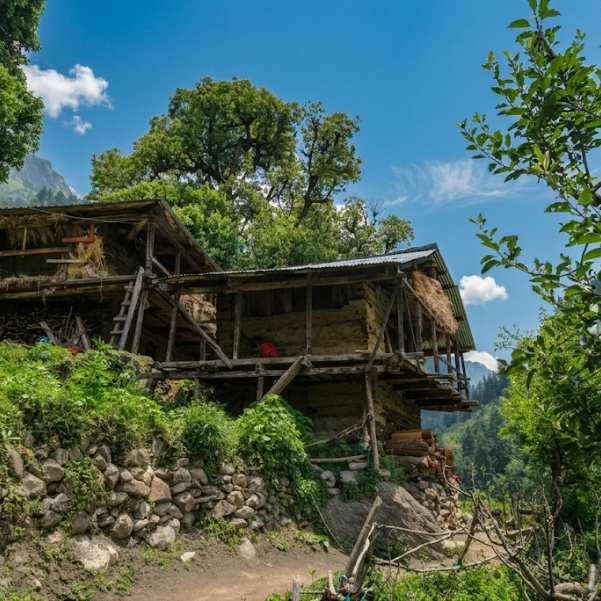
No standard permit is reported for Indian tourists visiting Kasol and the common Parvati Valley villages.
However, foreign travellers, guided treks, forest area access, Kheerganga camping, and any restricted zones may require permits or local clearances. Verify with local authorities or your tour operator before heading to any trek beyond the main villages.
Kheerganga camping is the big one. Commercial camps were removed by court order. Do not assume you can camp at the top without checking.
Forest officials in the area can clarify what is currently allowed. Our recommendation: treat it as a day trek unless you have verified overnight permission.
Malana has strict local customs. Do not touch walls, temples, or belongings. Do not litter. Do not enter restricted areas. The village allows visitors but does not owe you hospitality. Respect that.
Waste management is a real issue in Kasol and the Parvati Valley. Carry a bag for your trash and bring it back to Kasol or Bhuntar for proper disposal. The ₹4.8 lakh fine on SADA Manikaran in 2026 shows how serious the garbage situation has become. Do your part.
Cash: carry enough from Bhuntar. ATMs in Kasol are unreliable. Small vendors and dhabas on treks only take cash.
>>Send us your dates and group size on WhatsApp
What to Pack for Kasol by Season
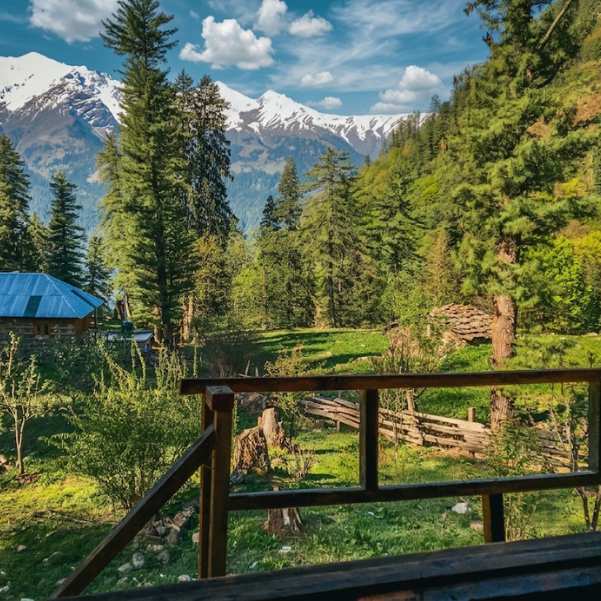
March to June
Light layers for the day, a fleece or light jacket for evenings, a rain jacket (especially late May onward), sunscreen, sunglasses, and comfortable walking shoes with grip. A power bank is essential since charging points in village stays can be limited.
July to September
Waterproof everything. Rain jacket, waterproof shoes, dry bags for electronics. Expect rain daily. Carry basic medicines for stomach issues (water quality changes in monsoon) and a headlamp for trails and village stays.
October to February
Serious warm layers. Thermals, a down jacket, warm socks, gloves, and a cap. December through February can drop below zero at night in villages above Kasol. If you are heading to Tosh or Kalga in winter, pack as if you are going to a genuinely cold place, because you are.
All seasons
Trekking shoes with grip (not sneakers, not sandals), a torch or headlamp, ORS packets, paracetamol, band-aids, wet wipes, a reusable water bottle, and enough cash in small denominations. Download offline maps on Maps.me or Google Maps before you lose signal.
Should You Combine Kasol with Manali, Jibhi or Tirthan?
Kasol and Manali are both in Kullu district, but they feel very different. Manali is more developed, more touristy, and has more activities like paragliding, river rafting, and snow points. Kasol is quieter, more backpacker-focused, and better for treks and village stays.
If you have 7 or more days, doing both works well. If you have to choose, ask yourself whether you want adventure activities (Manali) or slow village life (Kasol).
If you are considering Manali as part of the trip, our Manali tour packages combine both destinations with transport sorted.
Kasol versus Jibhi and Tirthan Valley is a question we get constantly. If you are confused between the two, we wrote a detailed comparison in our Jibhi or Kasol: which is better guide.
The short answer: Kasol suits backpackers and solo travellers. Jibhi and Tirthan suit couples and families who want a quieter, more curated mountain stay.
If Jibhi sounds more your speed, check our Jibhi and Tirthan Valley packages for stays and itineraries that actually make sense.
Related topics
Frequently Asked Questions
What is the best time to visit Kasol in 2026?
March to June for first-timers. September to November for fewer crowds and better value. Avoid July to mid-September if you plan to trek.
How many days are enough for Kasol?
3 days is the minimum. 4 to 5 days is better if you want to visit Tosh, Chalal, and do a trek without rushing.
How much does a Kasol trip cost from Delhi?
A budget 4 to 5 day trip costs around ₹5,000 to ₹8,000 per person including bus fare, hostel stays, and simple food. A mid-range trip runs around ₹10,000 to ₹18,500 per person.
How do I reach Kasol from Delhi by bus?
Take an HRTC bus from Delhi ISBT to Bhuntar (fares around ₹770 to ₹1,545). From Bhuntar, take a local bus (around ₹60 to ₹90) or shared taxi (around ₹150 to ₹450) to Kasol.
Is Kasol safe for solo female travellers?
Generally yes. The main market area is busy and well-lit. On treks, stick to known trails, avoid isolated paths after dark, and inform your hotel about your plans. Connecting with other travellers at your hostel for day hikes is a good practice.
Do I need a permit for Kasol or Parvati Valley?
No permit is required for Indian tourists visiting Kasol and the commonly visited villages of the Parvati Valley. Foreign travellers and visitors planning treks, camping activities, or visits to protected forest areas should check the latest local regulations before their trip, as requirements may vary by location and season.
Is Kheerganga trek open and is camping allowed?
The trek is open but commercial camps and cafes at the top were removed by a High Court mandate. Treat overnight camping as restricted and verify locally with forest officials before planning a stay at the top. A day hike is the safest option in 2026.
What are the best places to visit in Kasol in 2 or 3 days?
Chalal village, Manikaran Sahib, and the Parvati River banks in Kasol itself. If you have a third day, add Tosh or a short trek to Rasol.
Is Kasol better than Manali?
They serve different purposes. Kasol is quieter, more backpacker-friendly, and better for treks and village walks. Manali has more activities, more infrastructure, and more options for families. Choose based on what kind of trip you want.
Can I visit Kasol in winter?
Yes, but expect cold nights (below zero in nearby villages), limited food options, and some guesthouses shut. It is quiet and beautiful if you are prepared. Not ideal for first-time trekkers.
Which cafes are famous in Kasol?
Evergreen Cafe, Jim Morrison Cafe, Moon Dance Cafe, German Bakery, and Buddha Place are the most popular. Try the ginger lemon honey tea and the shakshuka at any of the Israeli-style cafes.
Is Kasol good for families?
Kasol town is fine for families with older children. Manikaran Sahib is an easy family visit. But the treks (Kheerganga, Rasol) are not suited for young kids. Families looking for a calmer mountain trip might prefer Jibhi and Tirthan Valley instead.
More about Kasol
 Kasol
KasolShimla Manali Kasol Itinerary 2026: 7, 8 and 9 Day Routes Without Rushing
Plan a relaxed Shimla Manali Kasol itinerary for 2026 with practical 7, 8 and 9 day routes covering Himachal’s key sights without rushing between destinations.
- Itinerary
- Places to Visit
 Kasol
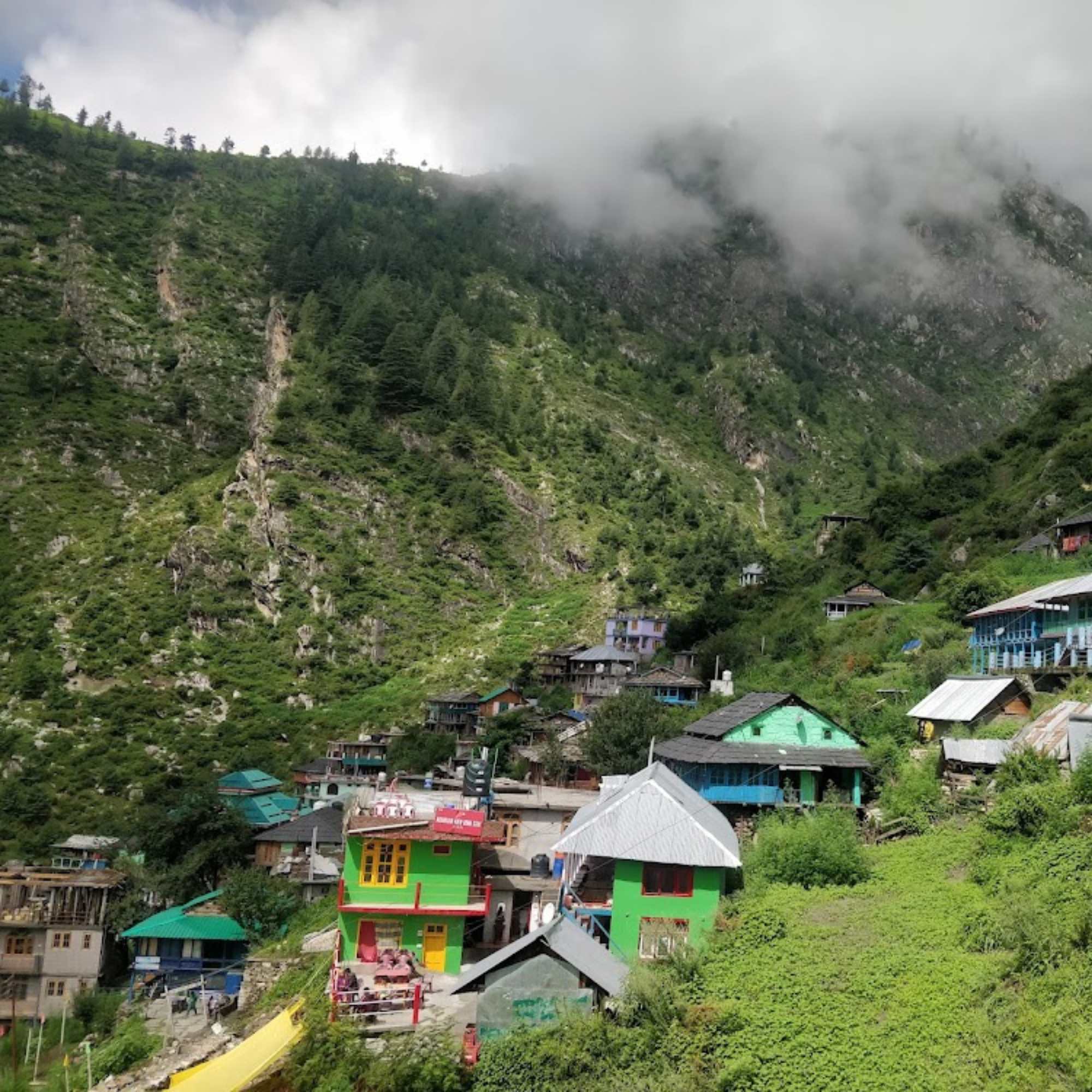
KasolBest Offbeat Places Near Kasol Most Tourists Miss in 2026
Escape the crowds and discover the hidden side of Kasol in 2026. From peaceful villages and untouched valleys to scenic trails and secret viewpoints, these offbeat places near Kasol offer authentic Himalayan experiences that most tourists completely miss.
- Places to Visit
- Things to Do
 Kasol
KasolRasol Village Trek From Kasol 2026: Route, Distance & What to Expect
Planning the Rasol Village Trek from Kasol in 2026? Explore the complete trekking route, distance, difficulty level, stay options, and essential travel tips to experience one of Parvati Valley’s most peaceful and offbeat Himalayan villages.
- Things to Do