
Kashmir Itinerary 7 Days 2026: Srinagar, Gulmarg and Pahalgam Trip Plan
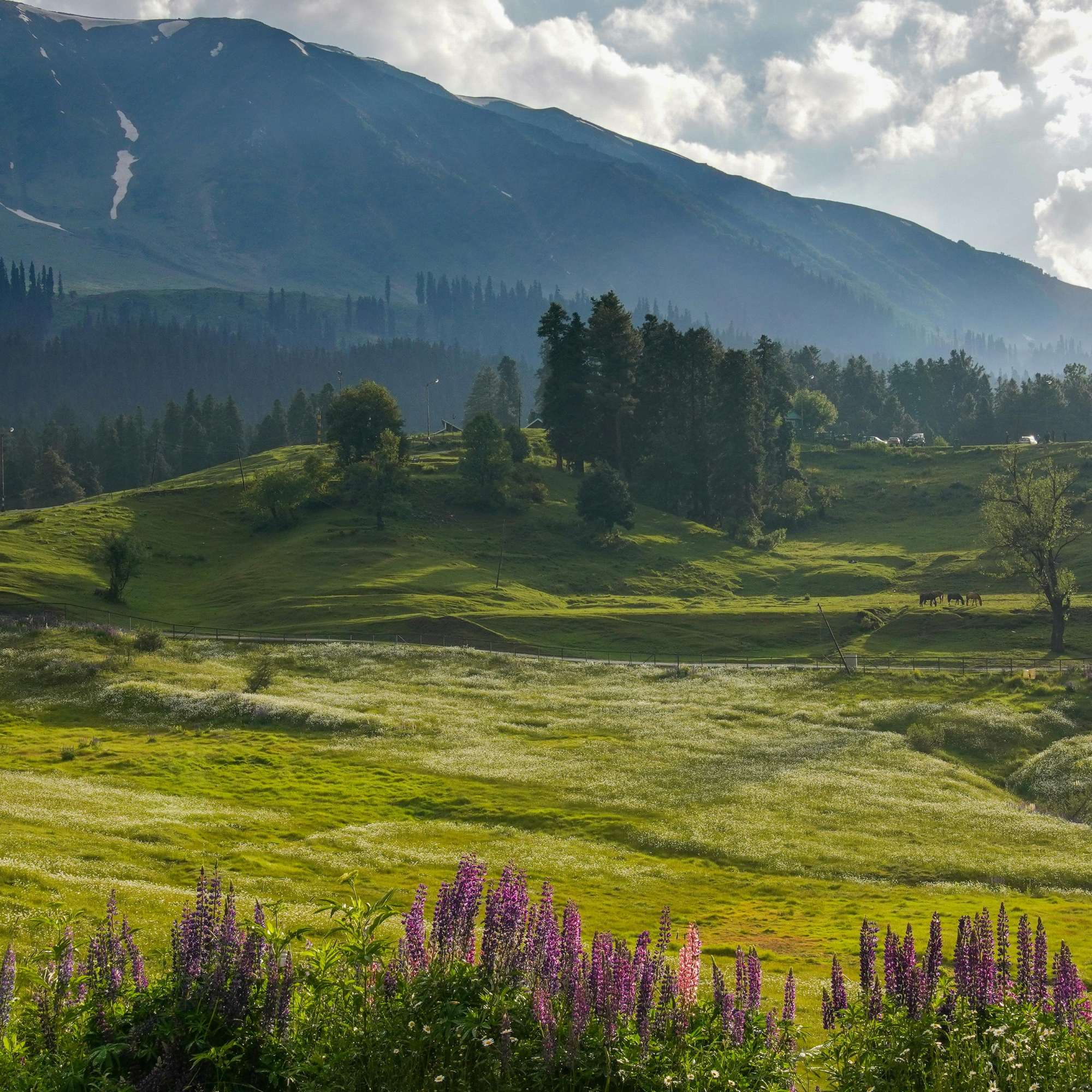
Planning a Kashmir trip in 2026 becomes much easier with a clear route and balanced schedule.
This 7 day Kashmir itinerary covers Srinagar, Gulmarg and Pahalgam while giving you enough time to enjoy the main sights without making the journey feel rushed.
Quick Answer: What Is the Best Kashmir Itinerary for 7 Days?
The most practical Kashmir itinerary 7 days plan is Srinagar for two nights, Gulmarg for one night, Pahalgam for two nights and Srinagar again for the final night.
You arrive in Srinagar, spend a day on city sightseeing, move to Gulmarg, transfer to Pahalgam, explore the valleys, and return to Srinagar before your flight.
Travellers who want an extra valley instead of a slower Srinagar day can replace Day 2 with a Sonamarg trip.
If you would rather have the routing, stays and vehicles handled for you, our Kashmir tour packages follow this same six-night structure.
Kashmir 7-Day Itinerary at a Glance
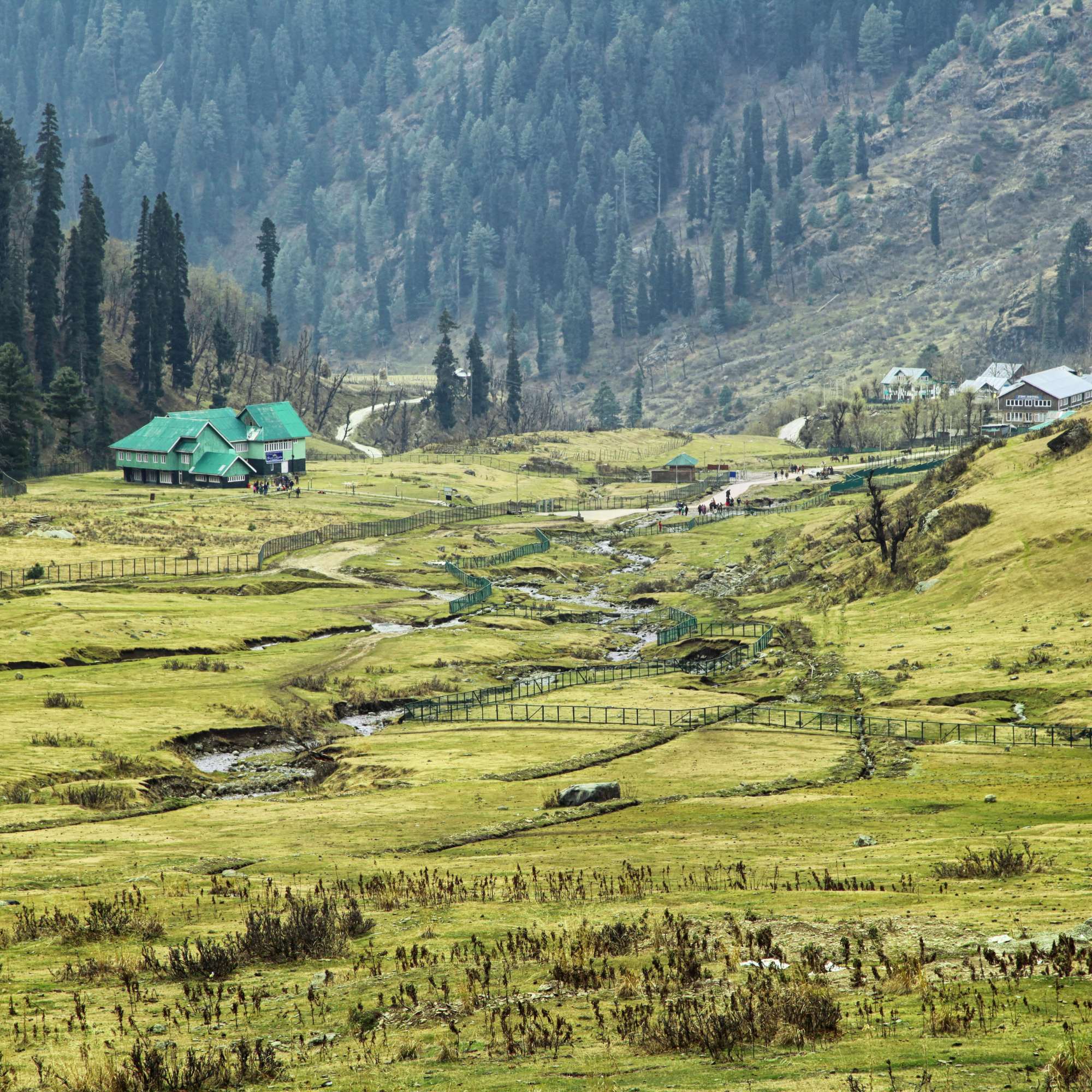
Day 1 brings you into Srinagar with a relaxed evening. Day 2 covers Srinagar sightseeing. Day 3 takes you to Gulmarg with an overnight stay. Day 4 is the transfer to Pahalgam.
Day 5 covers Aru Valley, Betaab Valley and Chandanwari. Day 6 returns you to Srinagar. Day 7 is your departure.
That gives you six hotel nights: three in Srinagar, one in Gulmarg and two in Pahalgam.
The final Srinagar night matters more than people expect. It puts you close to the airport instead of starting your flight day with a long mountain transfer.
In our experience, this single change removes most of the stress from the last 24 hours of a Kashmir trip.
Why This Srinagar, Gulmarg and Pahalgam Route Works
Srinagar is the natural starting point because your flight lands there and the first evening is rarely usable for much beyond a lake walk and dinner.
Gulmarg gets protected time because the Gondola does not run on demand. Weather, queues and maintenance can all interfere, and a rushed day trip leaves you no second chance.
Two nights in Pahalgam split the work sensibly. One day is your transfer and settling-in day, the next is your full sightseeing day.
Coming back to Srinagar on Day 6 is simply more comfortable than waking up in Pahalgam for an early flight.
This is not the only correct route. It is the one that fails least often.
Day 1: Arrive in Srinagar and Keep the First Evening Relaxed
How much you get done on arrival day depends entirely on your flight time, how long baggage takes and how the airport transfer runs.
Check into either a hotel or a houseboat first, then decide what the evening allows.
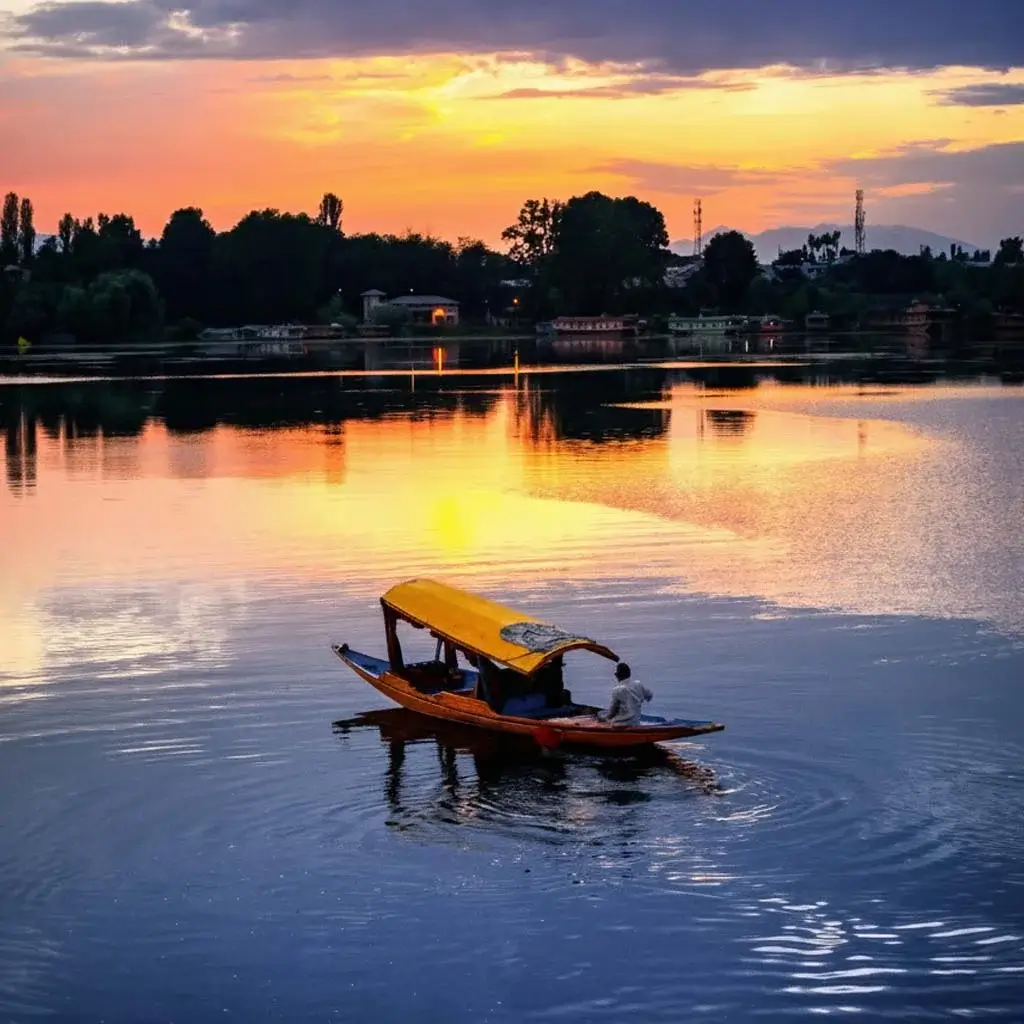
If you land early enough, Dal Lake and an unhurried shikara ride work well.
Do not plan gardens, the old city and a shikara ride on the same arrival day. Something will get cut, usually the part you were looking forward to.
A houseboat night suits travellers who want the lake experience itself, with water on all sides and a slower pace.
A regular hotel suits people who want easier access to restaurants, roads and standard amenities. Neither is better across the board.
Day 2: Explore Srinagar's Gardens, Lakefront and Old City
A workable sequence covers the Mughal gardens first, then Pari Mahal for the elevated view over the lake, then Hazratbal near the water.
Keep the late afternoon for Dal Lake, old-city lanes or shopping, depending on your energy.
Entry fees and opening times can change by season and by site, so confirm them locally.
Trying to add Nigeen Lake and Hari Parbat to the same day usually turns a good day into a tiring one.
Our team recommends picking three main stops and doing them properly instead of collecting six rushed ones.
Day 3: Travel from Srinagar to Gulmarg
Gulmarg is about 52 kilometres from Srinagar.
We are not going to give you a fixed driving time. Traffic, road conditions, snow and seasonal congestion change it enough that any number would mislead you.
Start early if you already hold a confirmed Gondola booking. The morning slots give you more room if anything runs late.
The Gulmarg Gondola works in two phases. Phase 1 takes you from the Gulmarg base to the first station, and Phase 2 continues higher up the mountain from there.
Book only through the official Jammu and Kashmir Cable Car Corporation system. Touts and unofficial agents near the base are a known problem and we tell every traveller to walk past them.
The currently published boarding window is 8:00 AM to 3:30 PM, with the last return listed at 5:00 PM.
The Gondola is officially notified as closed on the second and fourth Monday of each month for preventive maintenance.
All of this stays subject to weather, maintenance and official decisions on the day.
An overnight stay gives you a second morning if Phase 2 does not run on your first attempt. It does not guarantee access.
Is It Better to Stay Overnight in Gulmarg or Take a Day Trip?
An overnight stay suits couples, photographers, snow travellers and anyone who wants a slower schedule with two chances at the Gondola.
A Srinagar day trip suits families with young children, elderly travellers and people who would rather not repack and change hotels.
Hotel rates in Gulmarg, current weather, your confirmed Gondola timing and how your group handles packing should all feed into this call.
We usually suggest the overnight for first-timers travelling in winter, and the day trip for families travelling with small children in any season.
Day 4: Travel from Gulmarg to Pahalgam
Treat this as a transfer day and nothing more.
We are not publishing a Gulmarg-to-Pahalgam distance or drive time here because the routing varies and we would rather you confirm it with your driver before departure.
For reference, Pahalgam is about 95 kilometres from Srinagar, and JKTDC estimates roughly 2.5 hours under normal conditions on that stretch. That figure is from Srinagar, not from Gulmarg.
Actual travel time runs longer with traffic, weather and stops. It always does.
Skip the full Pahalgam sightseeing circuit today. Check in, rest, and take an easy riverside or market walk if conditions allow.
Day 5: Explore Aru Valley, Betaab Valley and Chandanwari
This is your main Pahalgam sightseeing day.
Aru Valley
Aru Valley sits about 15 kilometres from Pahalgam. It is the quietest of the three, with open meadows and a small village feel.
Betaab Valley
Betaab Valley is the most manicured and the easiest for families, with a maintained garden area and short walking paths.
Chandanwari
Chandanwari is the highest of the three and the roughest in feel. Snow patches survive here well past the point where the other two have cleared.
Entry charges and operating times for these points change, so confirm them locally.
The currently published official vehicle rates list the combined Aru Valley, Chandanwari and Betaab Valley circuit at ₹2,000 to ₹3,000 per vehicle, depending on vehicle category.
Aru Valley and Betaab Valley together are listed at ₹1,600 to ₹2,400 per vehicle.
Aru Valley and Chandanwari are listed at ₹1,800 to ₹2,700 per vehicle, and Chandanwari and Betaab Valley at ₹1,400 to ₹2,200 per vehicle.
Full Pahalgam local sightseeing is listed at ₹2,900 to ₹4,500 per vehicle.
The rate sheet allows a one-hour halt at each sightseeing point. Additional waiting is listed at ₹400 per hour for the first two extra hours.
These are the currently published official rates, not guaranteed final prices. Reconfirm the amount and the vehicle rule before you start.
Local operating rules for outside vehicles on these routes can change. Confirm with your driver, hotel or the tourism counter rather than assuming.
Should You Add Baisaran to the Same Day?
Baisaran is optional. Add it only if your group still has energy after the three valleys.
The currently published pony rate shows ₹1,500 return, including one hour of waiting, followed by ₹250 per additional hour.
Access, safety conditions, current pricing and local operating arrangements all need fresh confirmation before you commit.
Do not add Baisaran just to raise your attraction count for the day.
Families, elderly travellers and anyone uncomfortable on a pony should decide based on current conditions and their own comfort, not on what a blog says is popular.
Day 6: Return to Srinagar and Keep a Departure Buffer
Returning to Srinagar a day before your flight removes the single biggest risk in this itinerary: a long transfer on the morning you cannot afford a delay.
Keep the evening light. Shopping for shawls or saffron, an hour on Dal Lake, a café, or simply rest.
Do not stack Sonamarg or another long excursion onto this day in the primary route. The buffer only works if you leave it empty.
If you want help fitting these six nights around your actual flight times, plan your Kashmir holiday with us and we will work backwards from your departure.
Day 7: Srinagar Airport Departure
Follow your airline's reporting guidance for your specific flight.
Check current traffic conditions and airport security procedures on the morning itself, because both change.
During peak season, bad weather or major traffic-control periods, add extra buffers beyond whatever the airline suggests.
Can Sonamarg Be Included in a 7-Day Kashmir Itinerary?
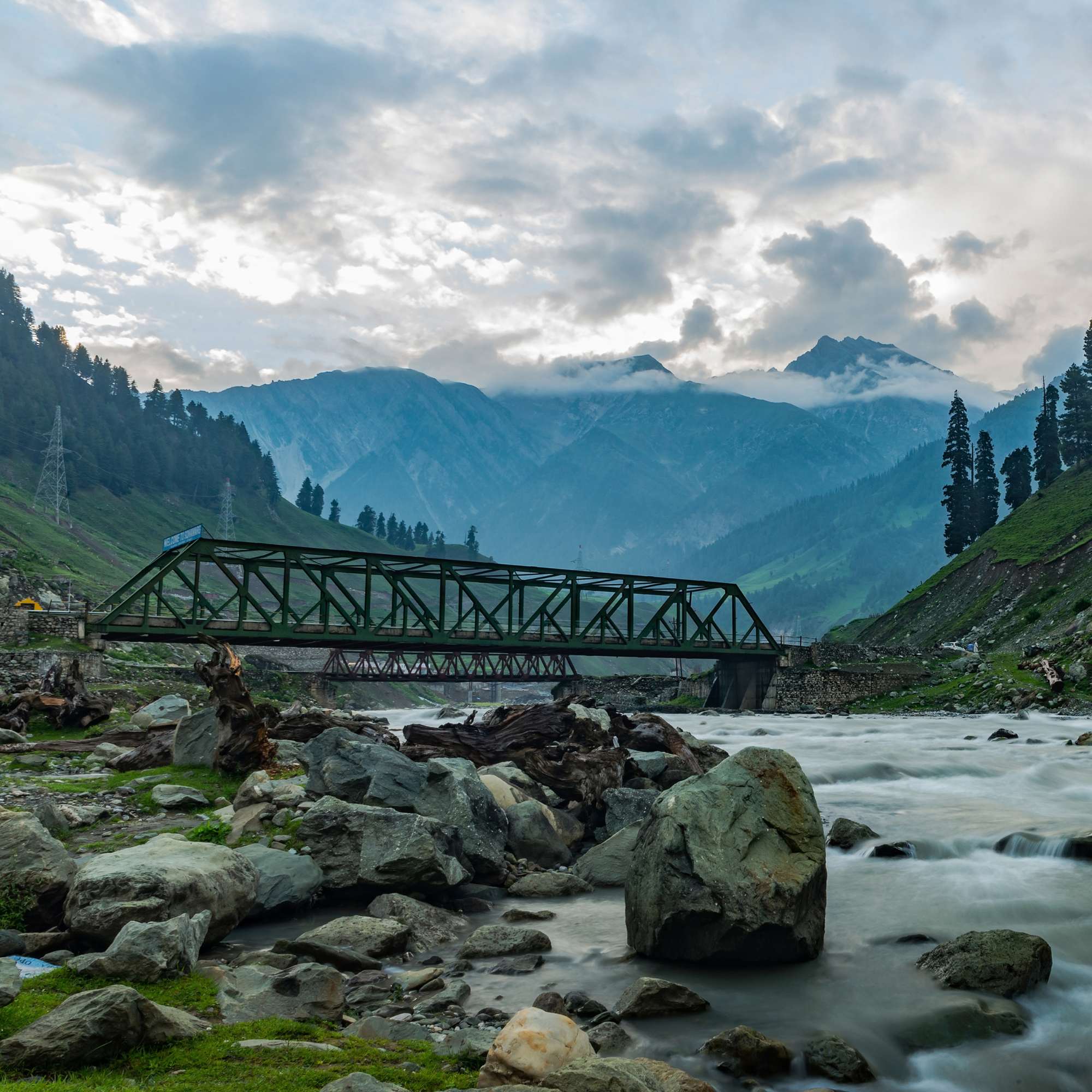
Yes, but as a replacement rather than an addition.
Sonamarg is about 110 kilometres from Srinagar, which makes it a full-day trip and not a half-day detour.
The cleanest way to fit it is to swap out your second Srinagar sightseeing day.
That alternative runs like this: Day 1 arrival in Srinagar, Day 2 Sonamarg day trip, Day 3 Gulmarg, Day 4 transfer to Pahalgam, Day 5 Pahalgam local sightseeing, Day 6 return to Srinagar, Day 7 departure.
What you lose is real. You give up the gardens, Pari Mahal, old-city time and the recovery buffer that a slower second day provides.
Many Sonamarg accommodation options traditionally operate mainly in the summer season. Winter road access and accommodation availability can be limited, so confirm current conditions before planning an overnight stay.
The official 2026 Amarnath Yatra runs from 3 July to 28 August 2026. During this window, the Sonamarg and Pahalgam corridors can see extra traffic management, security checks and delays.
Travellers continuing beyond Kashmir often use Sonamarg as the start of the road journey east, which pairs naturally with our Leh Ladakh tour packages if you have more days available.
How Many Nights Should You Spend in Srinagar, Gulmarg and Pahalgam?

The primary itinerary uses three Srinagar nights, one Gulmarg night and two Pahalgam nights.
Two Srinagar nights at the start cover arrival recovery and a full sightseeing day. The third night at the end is your flight buffer.
One Gulmarg night gives you a second morning window for the Gondola without adding an unnecessary hotel change.
Two Pahalgam nights separate the transfer day from the sightseeing day, which is the difference between seeing the valleys and driving past them.
There is a lower-hassle version: four Srinagar nights and two Pahalgam nights, with Gulmarg done as a day trip.
That version works better for families with children, elderly travellers, or anyone who dislikes repacking every second morning.
How Much Does a 7-Day Kashmir Trip Cost?
We are not going to hand you a total figure, because a real number depends on when you travel and what you book.
Accommodation is the largest variable. Houseboats, Gulmarg hotels in peak winter and Pahalgam properties near the river all price very differently.
Intercity transport covers your airport transfer, the Srinagar to Gulmarg leg, Gulmarg to Pahalgam, and the return to Srinagar.
Pahalgam local vehicles are the one component with published official rates, listed earlier in this article.
Gondola ticket cost: Check the latest Gondola ticket price on the official booking portal before confirming your budget.
Shikara cost: Shikara rates vary by route and duration, so agree on the total fare before the ride begins.
Meal budget: Your meal budget will depend on the hotel meal plan, dining preferences and number of meals included.
Complete six-night package cost: For an accurate six night package cost, request a quotation based on your travel dates, hotel category and transport requirements.
Kashmir pricing shifts with the month, hotel category, meal plan, vehicle type, room occupancy, snowfall, holiday dates and how early you book.
Do not build your budget from package prices you found on a third-party site from a previous season. In our experience that is the fastest way to feel short of money on Day 4.
If you want a current figure rather than a guess, our customised Kashmir holiday packages are quoted against live rates for your actual dates.
What Should You Book First for a Kashmir Trip?
Flights and hotels come first. They are the hardest to change and the most likely to sell out on popular dates.
Book the Gondola only through the official portal, and only once your Gulmarg date is fixed.
Confirm intercity transport after that, so your vehicle plan matches your hotel plan instead of the other way round.
Leave weather-dependent activities flexible wherever the booking terms allow it.
Making every single booking non-refundable is a mistake we see often. One snowfall or one road closure and you are paying for a plan you cannot use.
What Is the Best Time for This Kashmir Itinerary?
Spring Kashmir itinerary
Gardens come back to life, blossoms appear in the valley, and Srinagar days turn mild.
Mountain weather stays variable, so Gulmarg can feel like a different season entirely.
Blossom timing, tulip timing and snow conditions vary year to year. Nobody can promise you a specific week.
Summer Kashmir itinerary
Longer usable daylight opens up more sightseeing, and every part of this route is generally accessible.
Demand is also at its highest, which affects hotel rates and vehicle availability.
The Amarnath Yatra runs from 3 July to 28 August 2026 and may affect traffic management on the Pahalgam and Sonamarg corridors.
Autumn Kashmir itinerary
Cooler days, thinner crowds and changing foliage across the chinars.
This is the quietest version of the trip, which some travellers prefer over peak-season energy.
Foliage timing shifts each year, so treat any specific date claim with suspicion.
Winter Kashmir itinerary
Gulmarg becomes the centre of the trip rather than one stop among four.
Sonamarg access, upper mountain roads, local Pahalgam routes and Gondola operation all need checking close to your travel date.
Snow in Srinagar and Pahalgam is not guaranteed in any given week.
If an excursion becomes inaccessible, adding time in Srinagar or Gulmarg is usually a better use of the day than chasing a replacement destination.
Important Kashmir Travel Updates for 2026

Last checked: 15 July 2026
The Gulmarg Gondola reopened on 26 June 2026 after a temporary technical closure. Its live operation still needs checking on your travel date.
A temporary odd-even traffic-management pilot was introduced for Gulmarg in 2026. This is not a permanent rule.
A July 2026 cloudburst caused localised damage in parts of the Pahalgam area. This does not mean Pahalgam is closed or unsafe.
Reconfirm hotel access, road conditions and local sightseeing operations closer to your travel date.
The official 2026 Amarnath Yatra runs from 3 July to 28 August 2026, and daily restrictions along the corridors can change during this period.
Common Mistakes to Avoid During a 7-Day Kashmir Trip
The most common one is trying to fit Srinagar, Gulmarg, Pahalgam and Sonamarg into seven days without accepting that the pace will be much faster.
Booking an early flight directly after a Pahalgam stay is the second. One landslide or one traffic block and you miss it.
Buying Gondola tickets from unofficial sellers costs people money every season. Use the official portal only.
Assuming mountain operations will run regardless of weather sets you up for disappointment. They stop when conditions demand it.
Building a budget from old package prices is another. Rates move, and last season's number tells you very little about this one.
Assuming your outside vehicle can operate on every Pahalgam local route is risky. Confirm the current rule before you plan the day.
Stacking sightseeing onto transfer days is a classic. You end up rushed on the drive and too tired to enjoy the stop.
Changing hotels every night looks efficient on paper and feels miserable in practice.
Making every booking non-refundable removes the flexibility this route needs most.
Alternative Kashmir Itineraries for Different Travellers
Kashmir family itinerary for 7 days
Four Srinagar nights and two Pahalgam nights, with Gulmarg as a day trip from Srinagar.
Fewer hotel changes mean less packing, fewer early starts and fewer arguments with tired children.
Keep the sightseeing lighter than the standard route and build in genuine rest periods.
Kashmir honeymoon itinerary for 7 days
One houseboat night, one Gulmarg night, two Pahalgam nights and the remaining nights in Srinagar.
Prioritise slower evenings and time in one place over collecting stops.
Pahalgam's riverside and the Gulmarg meadows reward sitting still far more than they reward a packed schedule.
Kashmir itinerary for elderly travellers
Use Srinagar as a base, keep hotel changes to a minimum, and treat every sightseeing plan as adjustable.
Gulmarg works as a day trip. Pahalgam can stay in the plan if the group is comfortable with the drive.
Discuss any personal health or mobility concerns with an appropriate medical professional before finalising altitude-related plans.
Kashmir winter itinerary for 7 days
Put Srinagar and Gulmarg at the centre of the plan.
Add Pahalgam or Sonamarg only after verifying current access on your dates.
A weather buffer day is worth more in winter than another destination on the list.
Is This Kashmir Itinerary Right for You?
This Kashmir itinerary 7 days route suits first-time visitors who want a real balance of city, meadow and valley rather than a checklist.
Travellers who care more about Sonamarg than about a relaxed Srinagar day should use the alternative version instead.
Anyone who dislikes changing hotels can run Gulmarg as a day trip and keep Srinagar as the base for most of the week.
Whichever version you pick, keep the final Srinagar night, keep one flexible slot, and confirm the Gondola and Pahalgam vehicle rules close to your travel date.
Explore Our Curated Kashmir Tour Packages
 4D/3N
4D/3NThe Perfect 4 Day Kashmir Getaway
4D Srinagar•1D Gulmarg+1
₹8,999/ person 5D/4N
5D/4NBest Of Kashmir – Srinagar, Gulmarg & Pahalgam Tour Package
5D Srinagar•1D Pahalgam+1
₹8,999/ person 5D/4N
5D/4NKashmir Honeymoon Experience – Srinagar, Gulmarg & Pahalgam
5D Srinagar•1D Pahalgam+1
₹12,999/ person
Related topics
Frequently Asked Questions
Is seven days enough for Kashmir?
Seven days works well for Srinagar, Gulmarg and Pahalgam at a comfortable pace. It gives you two nights in Srinagar at the start, one in Gulmarg, two in Pahalgam and a final buffer night before your flight. Adding a fourth destination is possible but you lose the recovery time that makes this length pleasant rather than exhausting.
What is the best route for Srinagar, Gulmarg and Pahalgam?
Arrive in Srinagar, spend a full day on city sightseeing, move to Gulmarg for a night, transfer to Pahalgam for two nights, then return to Srinagar before departure. This sequence keeps the longest transfer in the middle of the trip and puts you near the airport on your last night, which removes most flight-day risk.
How should six nights be divided in Kashmir?
Three nights in Srinagar, one in Gulmarg and two in Pahalgam. Two Srinagar nights cover arrival and sightseeing, the Gulmarg night gives you a second Gondola window, the two Pahalgam nights separate your transfer day from your sightseeing day, and the final Srinagar night acts as your departure buffer.
Can Sonamarg fit into a seven-day Kashmir trip?
Yes, if it replaces your second Srinagar day rather than getting added on top. Sonamarg is about 110 kilometres from Srinagar, so it takes a full day. You give up gardens, Pari Mahal and old-city time in exchange. Many Sonamarg stays traditionally operate mainly in summer, so winter availability needs checking.
Is it better to stay in Gulmarg or visit from Srinagar?
Staying overnight gives you a second morning if the Gondola does not run on your first attempt, which suits couples, photographers and snow travellers. A day trip suits families with young children and anyone who dislikes changing hotels. Weather, hotel rates and your confirmed Gondola timing should decide it.
Are two nights enough in Pahalgam?
Two nights work well. The first covers your arrival and settling in, the second gives you a full day for Aru Valley, Betaab Valley and Chandanwari. A single night forces you to compress the transfer and the sightseeing into overlapping days, which usually means skipping at least one valley.
How much does a seven-day Kashmir trip cost?
There is no honest fixed figure. Costs shift with month, hotel category, meal plan, vehicle type, room occupancy, snowfall, holiday dates and booking lead time. The only component with published official rates is Pahalgam local transport. For everything else, get a live quotation rather than relying on last season's numbers.
Should Gulmarg Gondola tickets be booked in advance?
Booking ahead through the official Jammu and Kashmir Cable Car Corporation portal is the safest approach once your Gulmarg date is fixed. Avoid touts and unofficial agents entirely. Remember that the Gondola is notified as closed on the second and fourth Monday of each month, and operation always stays subject to weather and maintenance.
Are local taxis required for Pahalgam sightseeing?
Local operating rules for the Aru, Betaab and Chandanwari routes can change, so confirm the current position with your driver, hotel or the tourism counter before your sightseeing day. Published official rates exist for these circuits, which suggests a regulated local system, but the exact applicability to outside vehicles needs fresh checking.
Is a houseboat stay suitable for families?
It can be, particularly for families with older children who will enjoy being on the water. Access is by shikara, space is limited compared to a hotel room, and amenities vary widely between boats. Families with very young children or anyone needing easy road access often find a regular Srinagar hotel simpler.
Does the Amarnath Yatra affect regular tourists?
It can. The official 2026 Yatra runs from 3 July to 28 August 2026, and during this window the Sonamarg and Pahalgam corridors may see additional traffic management, security checks and delays. Regular tourism continues, but build extra time into transfers on those routes and check daily restrictions before you set out.
Are permits required for Srinagar, Gulmarg and Pahalgam?
Requirements can depend on your nationality, your route and current regulations, so there is no single answer that covers every traveller. Standard leisure travel across Srinagar, Gulmarg and Pahalgam is common, but any nationality-specific or restricted-area requirement must be checked against current rules before you book.
More about Kashmir
 Kashmir
Kashmir Taxi Guide 2026: Local Union Rules, Cab Routes & Current Fare Logic
Planning to use taxis in Kashmir in 2026? Understand local union rules, popular cab routes, sightseeing restrictions and how taxi fares are generally structured across Srinagar, Gulmarg, Pahalgam and Sonamarg.
 Kashmir
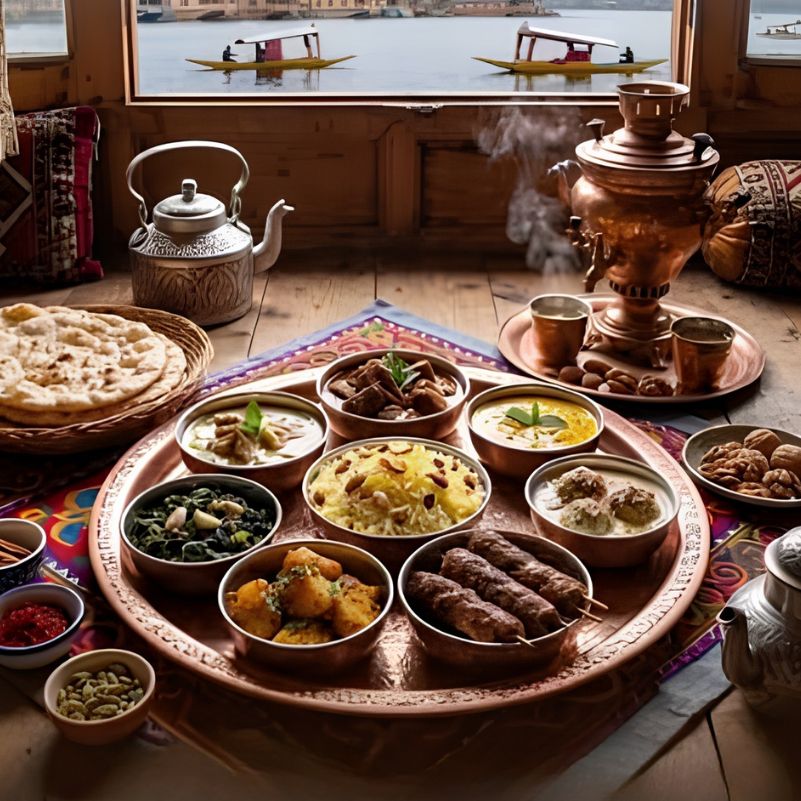
Kashmiri Food Guide 2026: What to Eat in Srinagar, Pahalgam & Gulmarg
Discover what to eat in Kashmir in 2026, from traditional Kashmiri dishes and Wazwan to local snacks, breads and drinks. This guide covers food experiences in Srinagar, Pahalgam and Gulmarg for first time visitors.
- Things to Do
- Places to Visit
 Kashmir
SIM Cards in Kashmir 2026: Internet, ATMs, IDs & Tourist Essentials
Travelling to Kashmir in 2026? Learn about SIM card access, mobile internet, ATM availability, accepted ID documents and other essentials tourists should arrange before visiting Srinagar, Gulmarg, Pahalgam and Sonamarg.
- First-Time Travellers