
Kashmir in September 2026: Weather, Places, Itinerary and Travel Updates
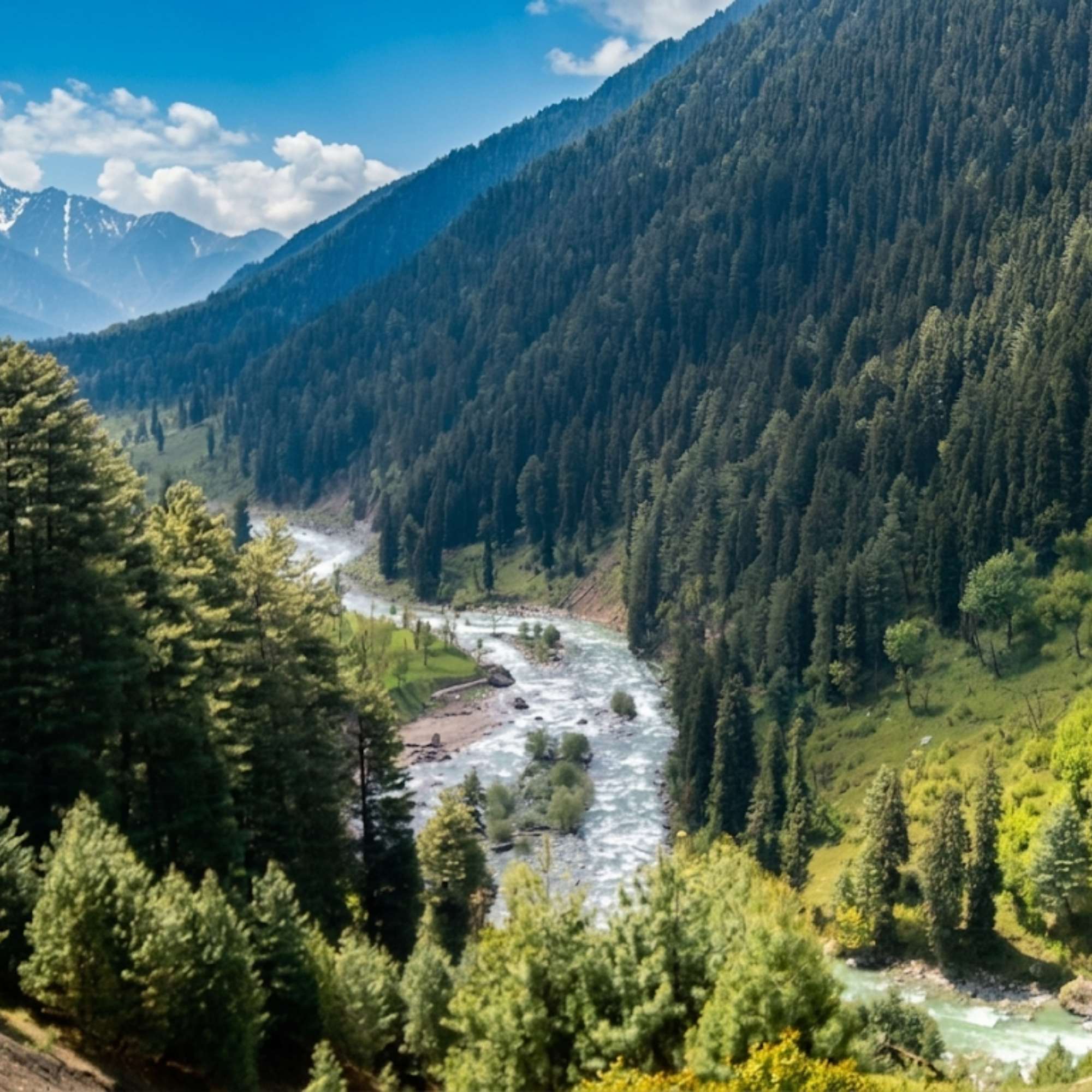
September is one of the best months to visit Kashmir if you prefer pleasant weather, clearer mountain views and fewer crowds than the busy summer season.
Days are generally comfortable for sightseeing, while mornings and evenings begin to feel cooler as autumn approaches.
During your Kashmir trip in September 2026, you can explore Srinagar, Gulmarg, Pahalgam and Sonamarg, enjoy outdoor activities and follow a relaxed 5 to 7 day itinerary.
Road conditions and attraction access are usually favourable, but it is still important to check current weather and local travel updates before departure.
Quick Answer
September is generally a comfortable month for Kashmir sightseeing. Srinagar stays warmer than Gulmarg, and you should not expect snowfall in the main tourist towns.
Early September looks greener and warmer, while late September brings cooler evenings and sometimes the first hints of autumn colour. Attraction and road status for 2026 must be verified before you travel.
If you want the trip handled end to end, look at our Kashmir tour packages and tell us your dates.
Is September a Good Time to Visit Kashmir in 2026?
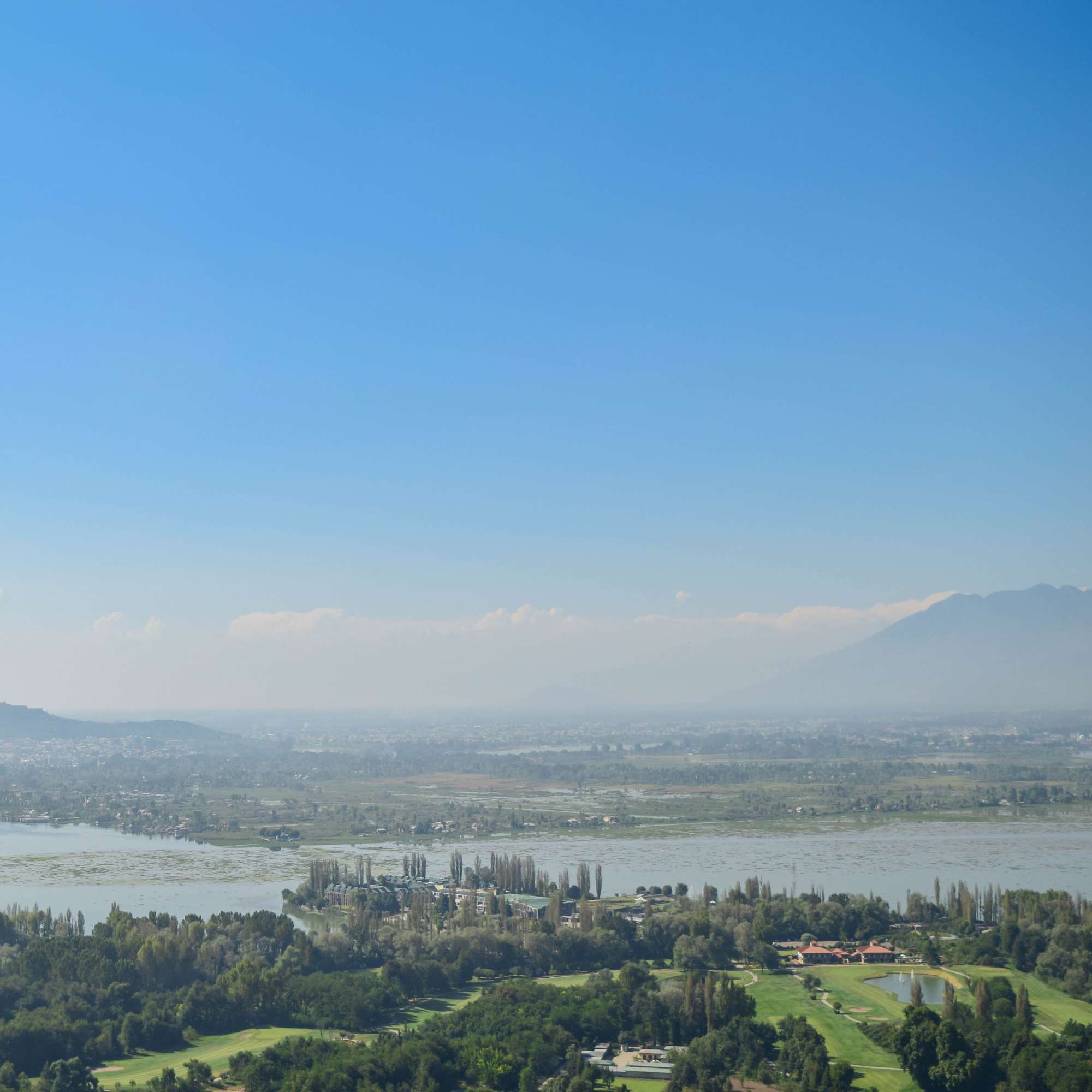
Days are warm enough to walk around gardens and old lanes without sweating through your shirt. Evenings cool down enough that a light jacket feels good instead of unnecessary.
That combination is why we push September for couples, families, photographers and anyone who does not need snow to enjoy a trip.
The catch is access. Several attractions in Kashmir remained restricted through mid 2026, and mountain roads can close with little warning.
So plan flexibly. Keep one spare day. Do not build your whole trip around a single place that might be shut on the morning you arrive.
What Is the Weather Like in Kashmir in September?
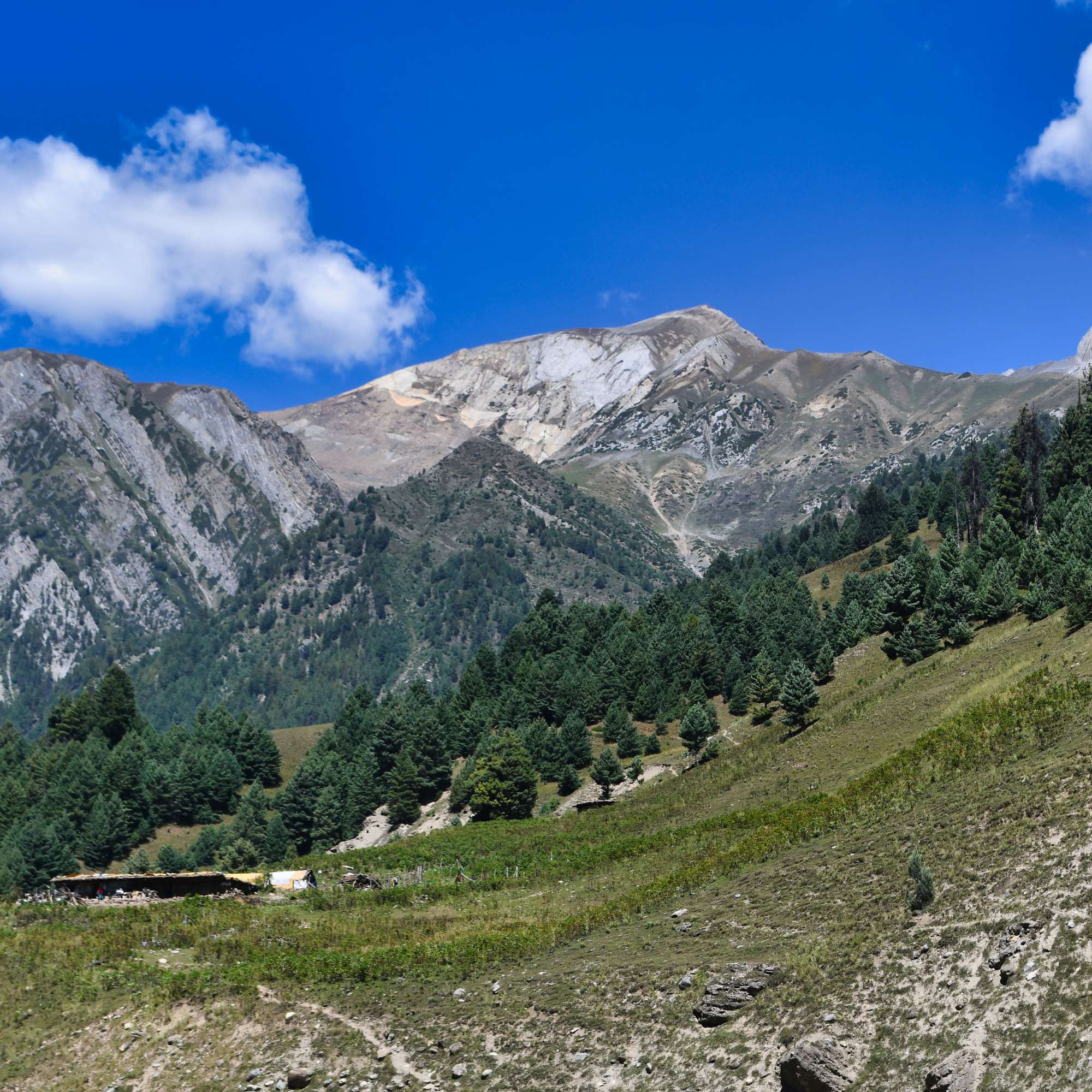
Srinagar weather in September
Srinagar's September mean minimum is 13.1°C and the mean maximum is 27.6°C, going by IMD climate normals.
Normal September rainfall is 37.4 mm across about 3.1 rainy days.
These are long-term averages, not a forecast for your exact dates. Your week could be drier or wetter.
In our experience, Srinagar afternoons in September feel like a good Delhi winter day. Pleasant sun, no burn, and a breeze off the water that keeps it honest.
Gulmarg weather in September
Gulmarg's September mean minimum is 8.6°C and the mean maximum is 18.5°C.
Normal September rainfall is 75.9 mm across about 5.8 rainy days.
That is roughly nine degrees cooler than Srinagar on both ends, and double the rain.
Gulmarg sits higher, so mornings bite and clouds roll in fast. Carry a fleece even if you left Srinagar in a t-shirt.
Most travellers who complain about Gulmarg being "freezing" are the ones who packed for Srinagar and did not think about the difference.
Pahalgam and Sonamarg weather
Both sit higher than Srinagar, so mornings and nights run cooler. We are not going to give you an exact range because we do not have verified numbers for either.
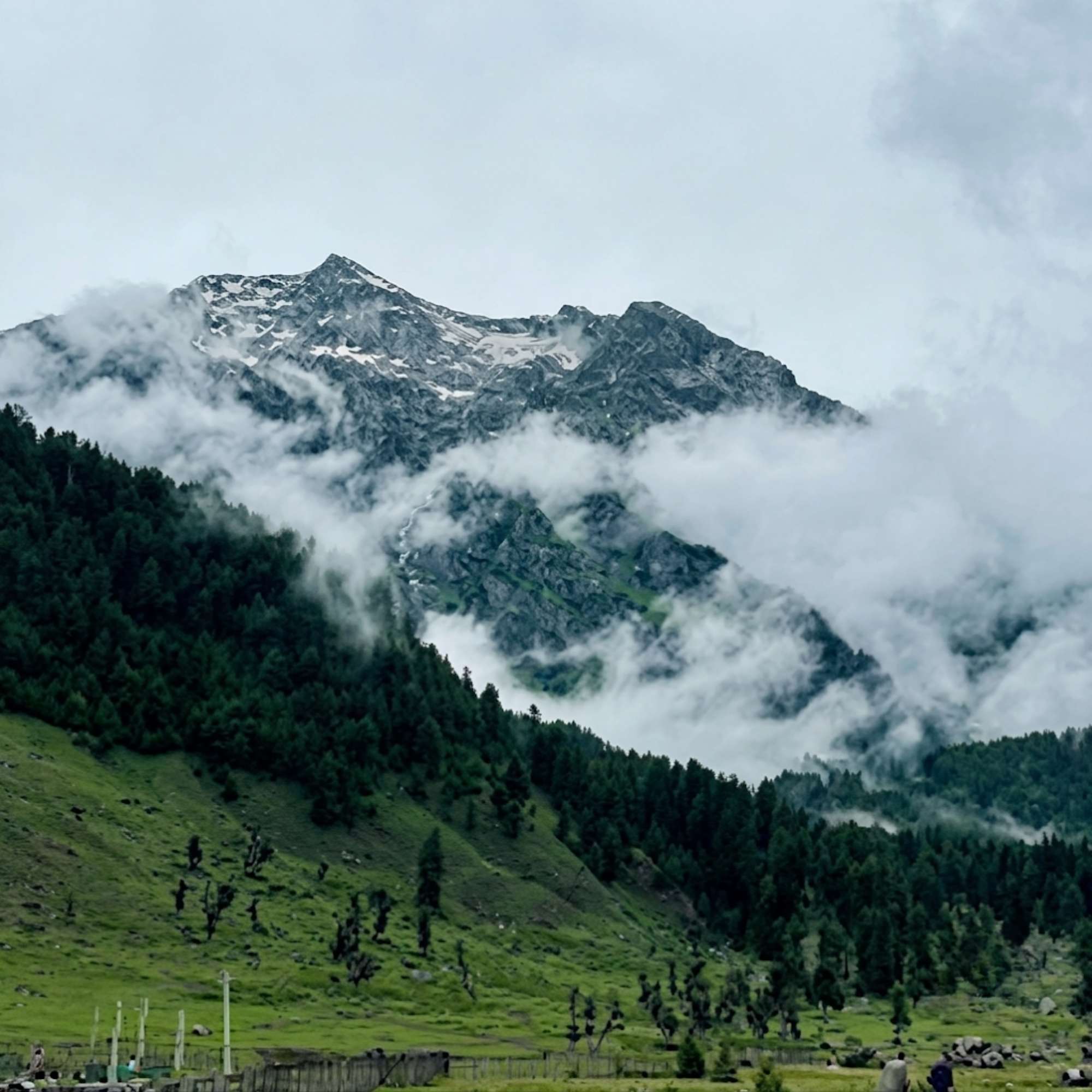
What matters more is that high-altitude weather shifts within an hour. Clear peaks at 9 AM can vanish behind clouds by noon.
If you want mountain photos, shoot early. Do not save it for the afternoon.
Early September versus late September
Early September is greener and slightly warmer. The valley still looks like late summer, and evenings are mild.
Late September cools down noticeably and you may start seeing the first seasonal colour change.
We will not promise you autumn colours on a specific date. Foliage timing shifts every year and anyone giving you an exact week is guessing.
Does It Snow in Kashmir in September?
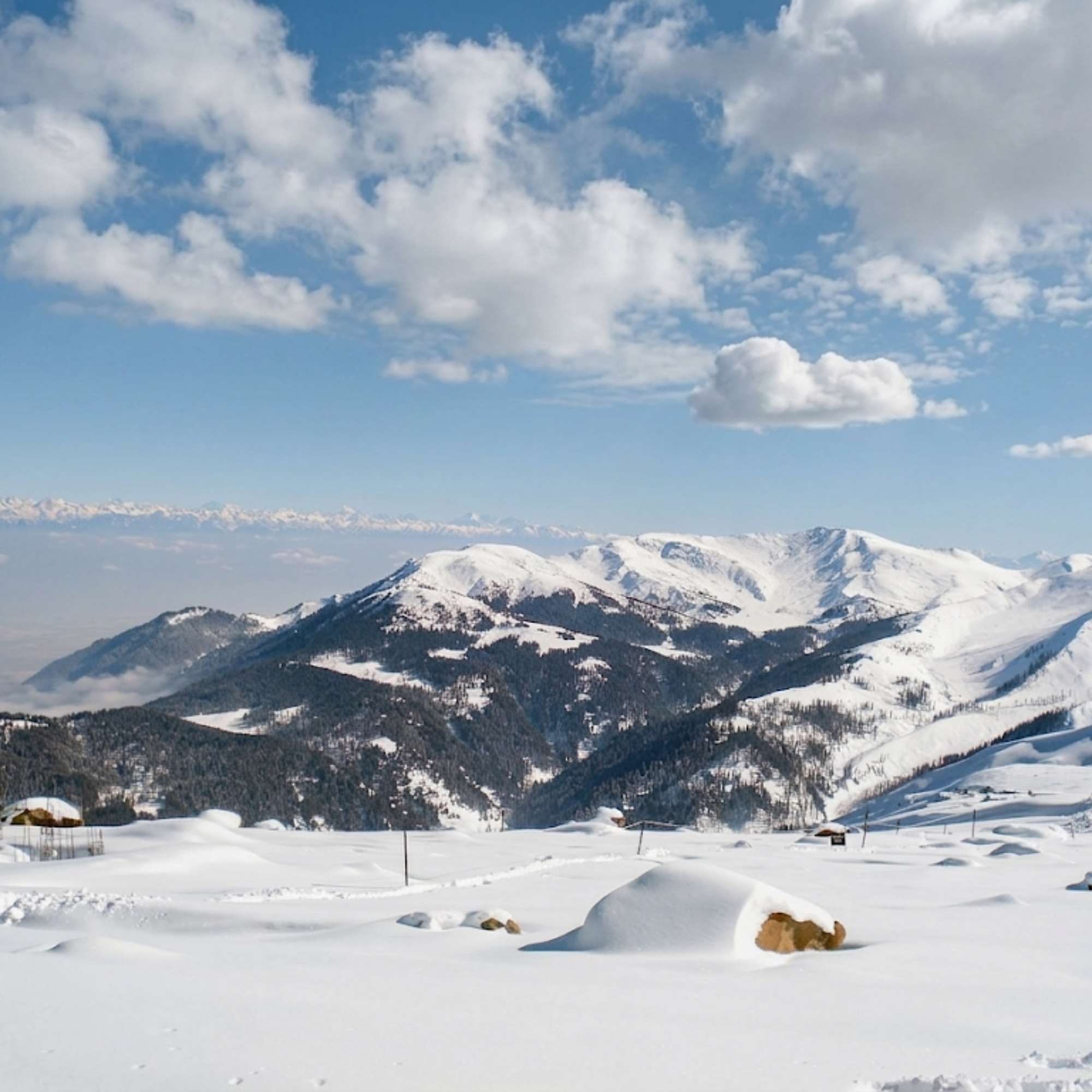
No. Do not expect reliable snowfall in Srinagar, Pahalgam town or lower Gulmarg during September.
Old snow patches sometimes survive at higher elevations, but whether you can see or reach them is not guaranteed.
This is the honest negative about a September trip. If snow is the whole point of your holiday, September is the wrong month and no operator can fix that for you.
We tell people this on the phone every year and some still book expecting white slopes. Then they are disappointed, and it was avoidable.
What Does Kashmir Look Like in September?
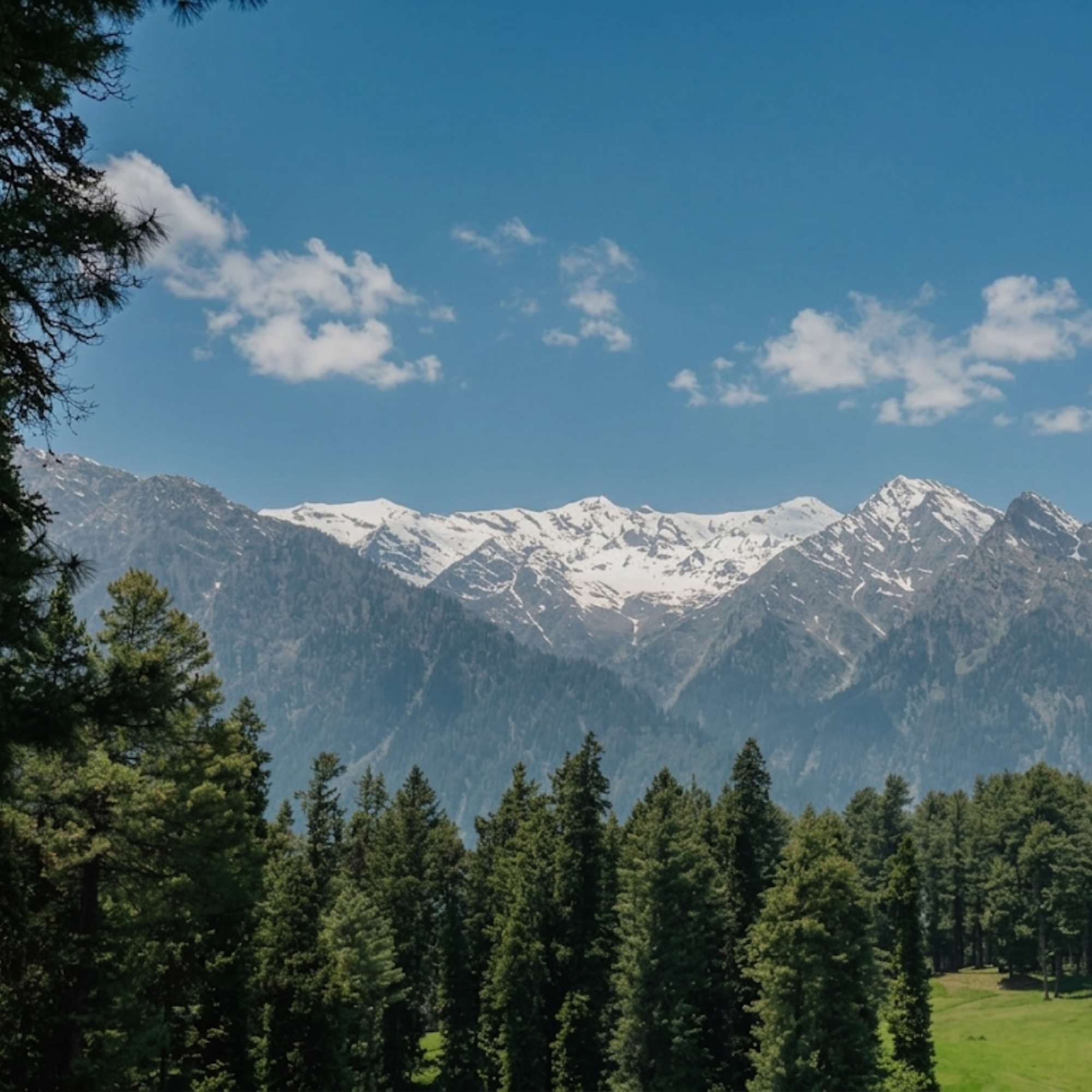
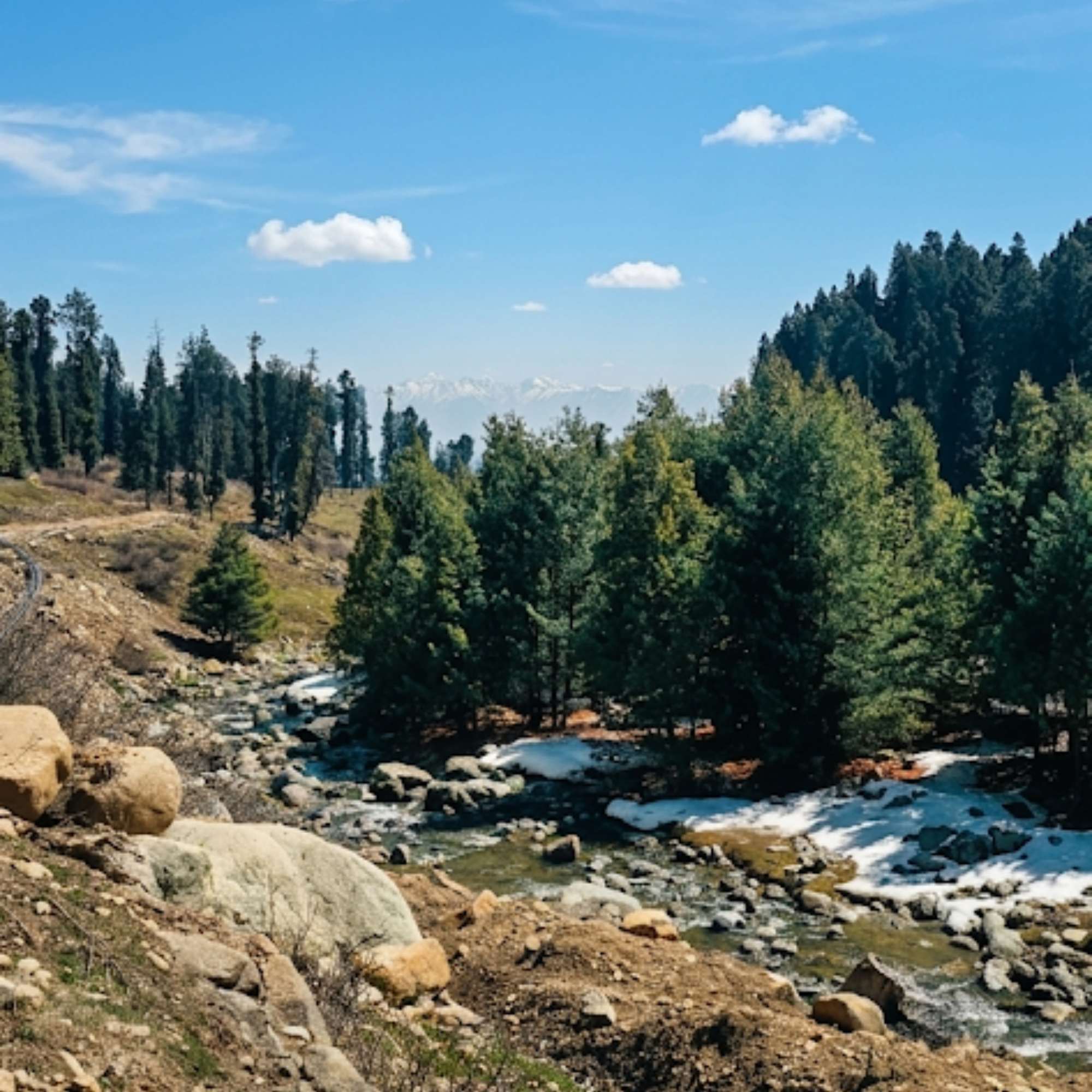
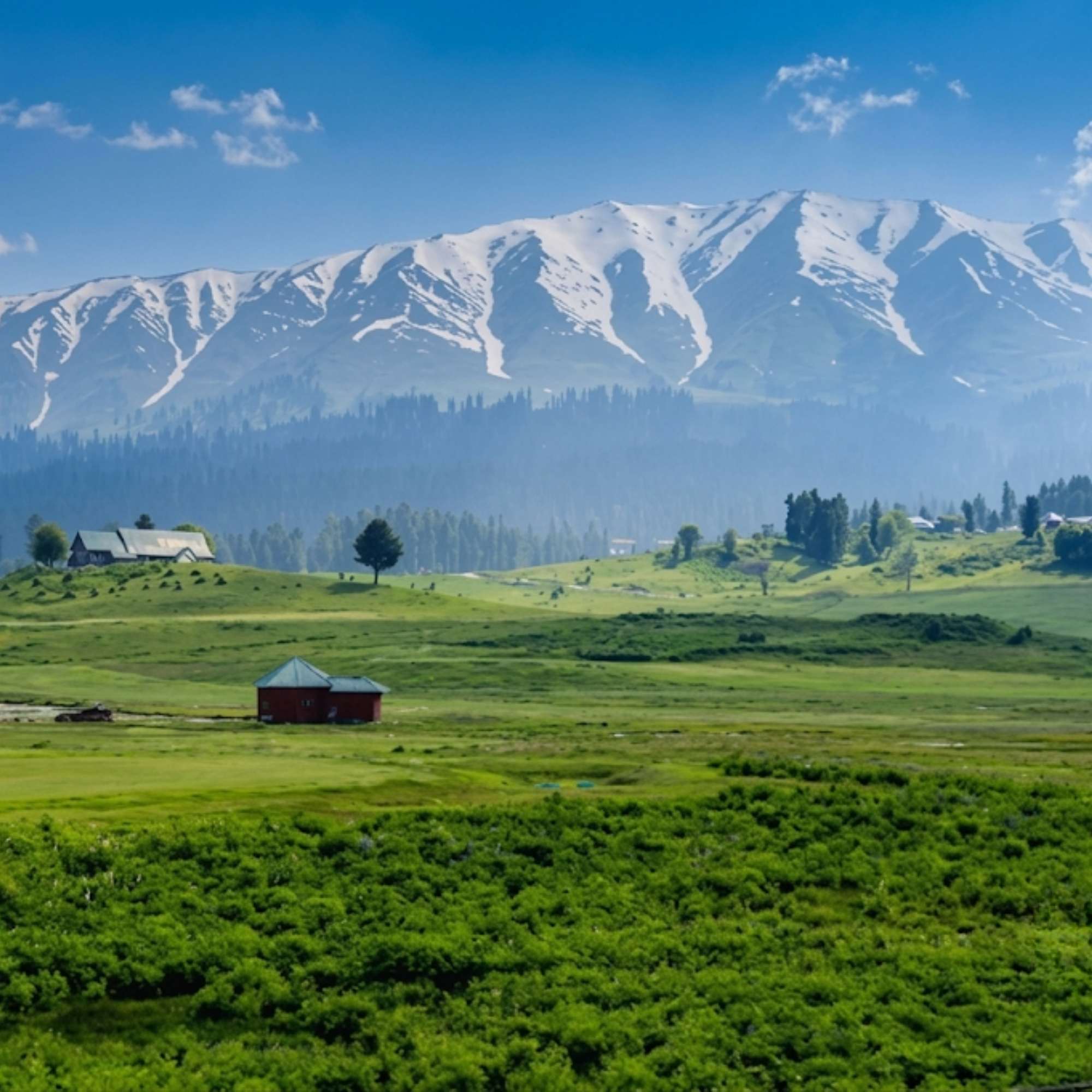
Green valleys, poplar lines along the roads, and clear mountain views on the days weather allows.
Apple harvest activity picks up across the valley, and you will see crates stacked along village roads and trucks loading through the day.
Early September can still look like late summer. Do not assume every Chinar turns red and gold this month, because most of that happens later.
Photography tips that actually work here
Dal Lake reflections are best in the first hour after sunrise, before the Shikara traffic breaks the surface.
Shoot mountains in the morning. By afternoon the haze and cloud usually win.
Our drivers always suggest keeping the camera out on the Srinagar to Gulmarg stretch instead of packing it away, because the open fields before Tangmarg photograph better than most of the "viewpoints" you will pay to stop at.
Which Places Should You Visit in Kashmir in September?
Srinagar
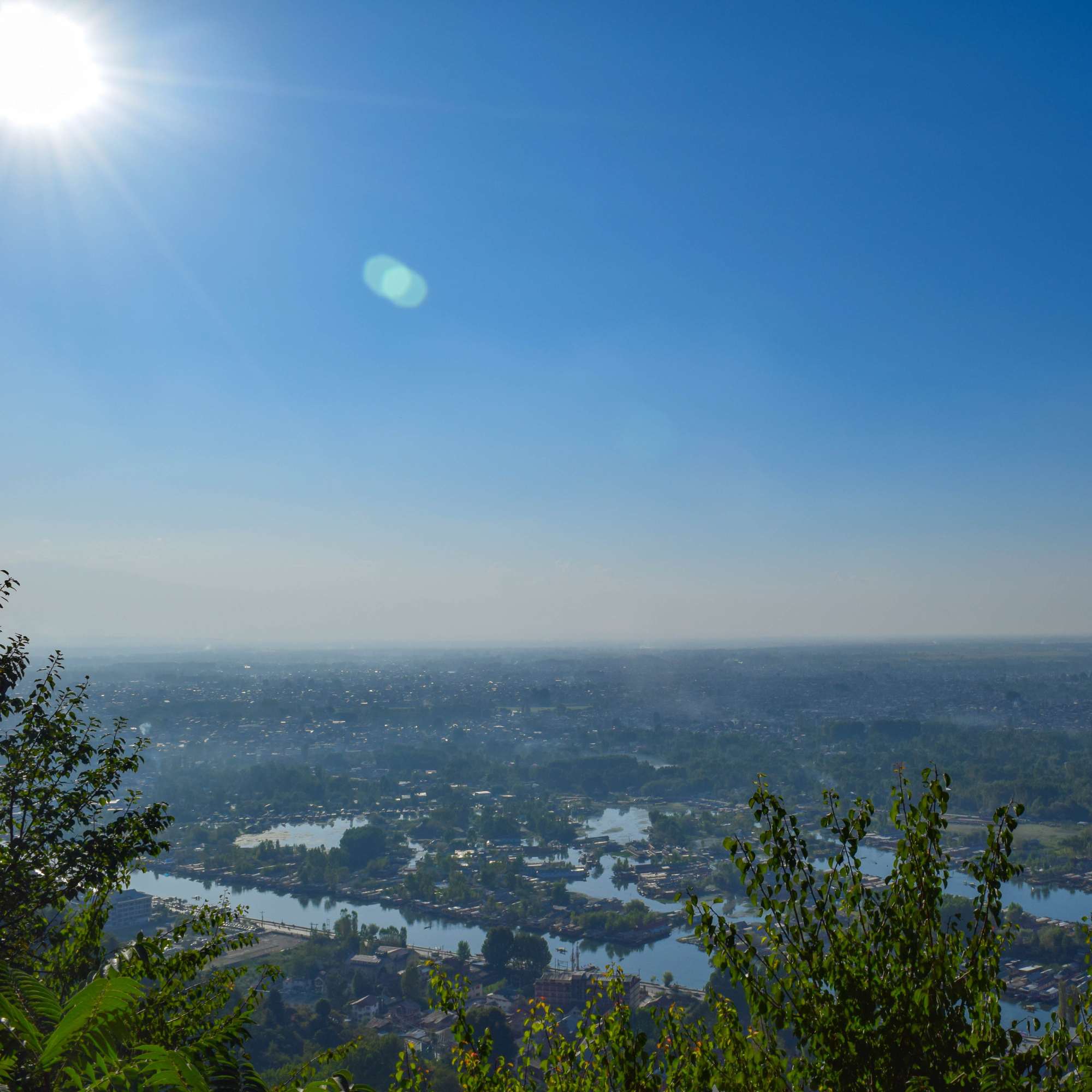
Dal Lake has a shoreline of roughly 15.5 km, so "seeing Dal Lake" means picking a section, not circling the whole thing.
A Shikara ride, a houseboat night, the Mughal Gardens and a walk through the old city cover the core of Srinagar comfortably.
Keep your first day slow. Srinagar also works as your buffer when a mountain road shuts and your Gulmarg or Sonamarg day collapses.
What most tourists get wrong: they treat Srinagar as a one-night formality and rush to the mountains. Then a road closure leaves them with nothing planned.
Gulmarg
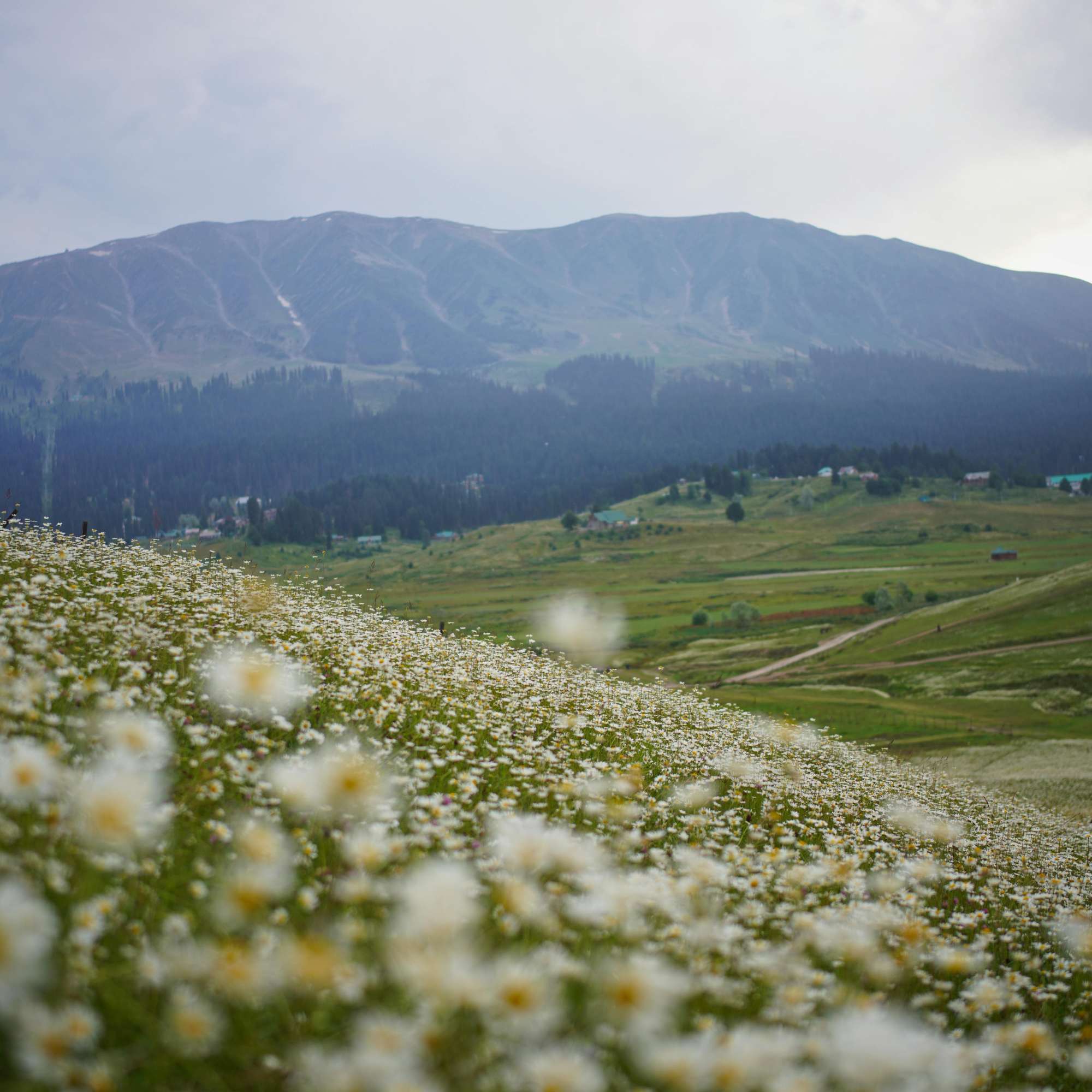
Gulmarg is about 60 km from Srinagar and the normal drive is around 1.5 hours. Traffic, road controls or weather can stretch that.
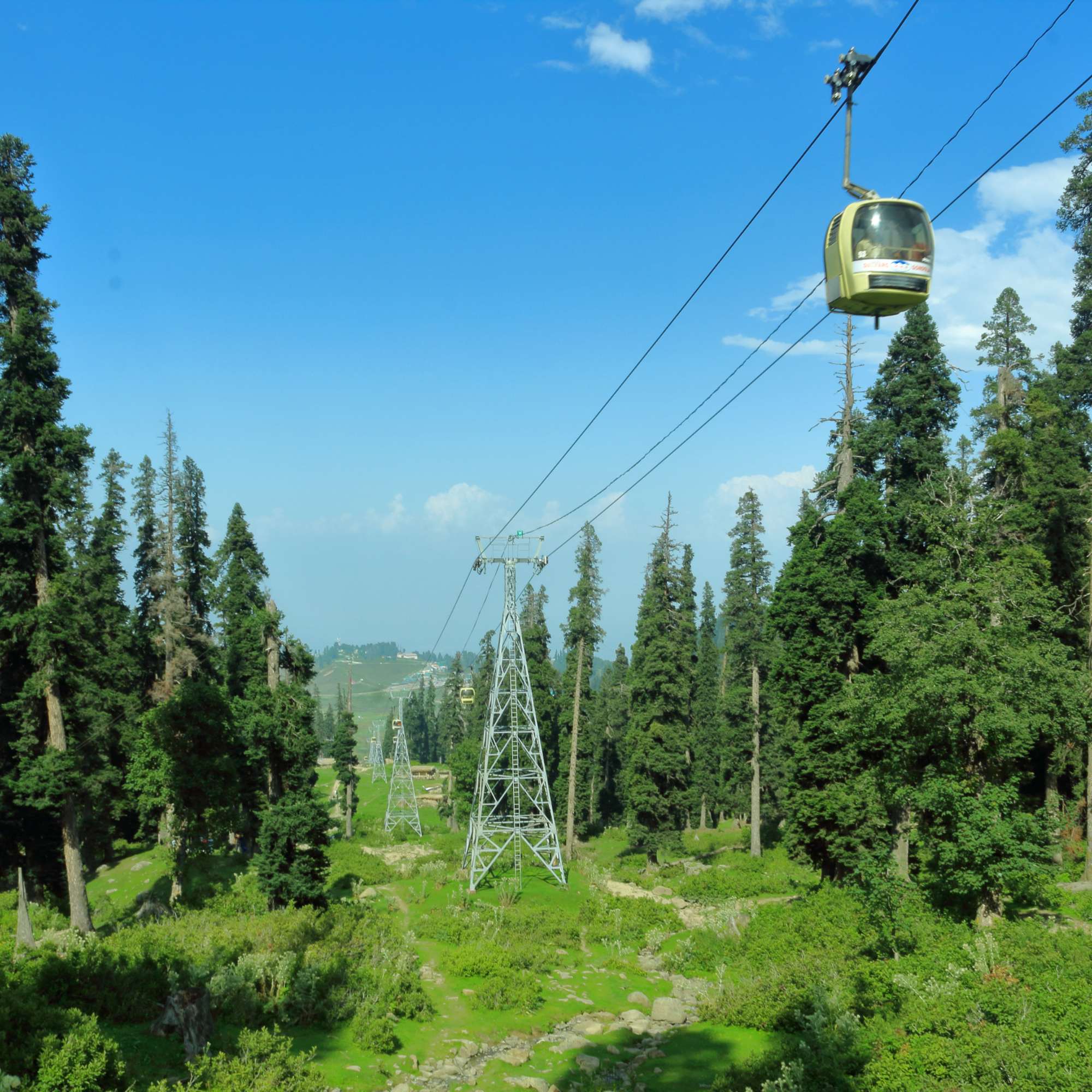
The Gondola is the main draw. It lifts you out of the meadow and up toward the higher slopes, and the view opens up fast once you clear the tree line.
The official J&K Cable Car Corporation website currently states that the Gulmarg Gondola has reopened. Check live operational status before you drive up.
Buy tickets only through the official portal and check the latest fare there before booking.
Skip this: the pony rides pushed at you the moment you park. Most of the meadow is walkable, and the pricing is a negotiation you will lose.
Safety and scam warning: people will approach you in the Gulmarg parking area offering "confirmed" Gondola tickets. Every year travellers pay extra for tickets that were available on the official portal anyway. Buy online, refuse the rest.
Pahalgam
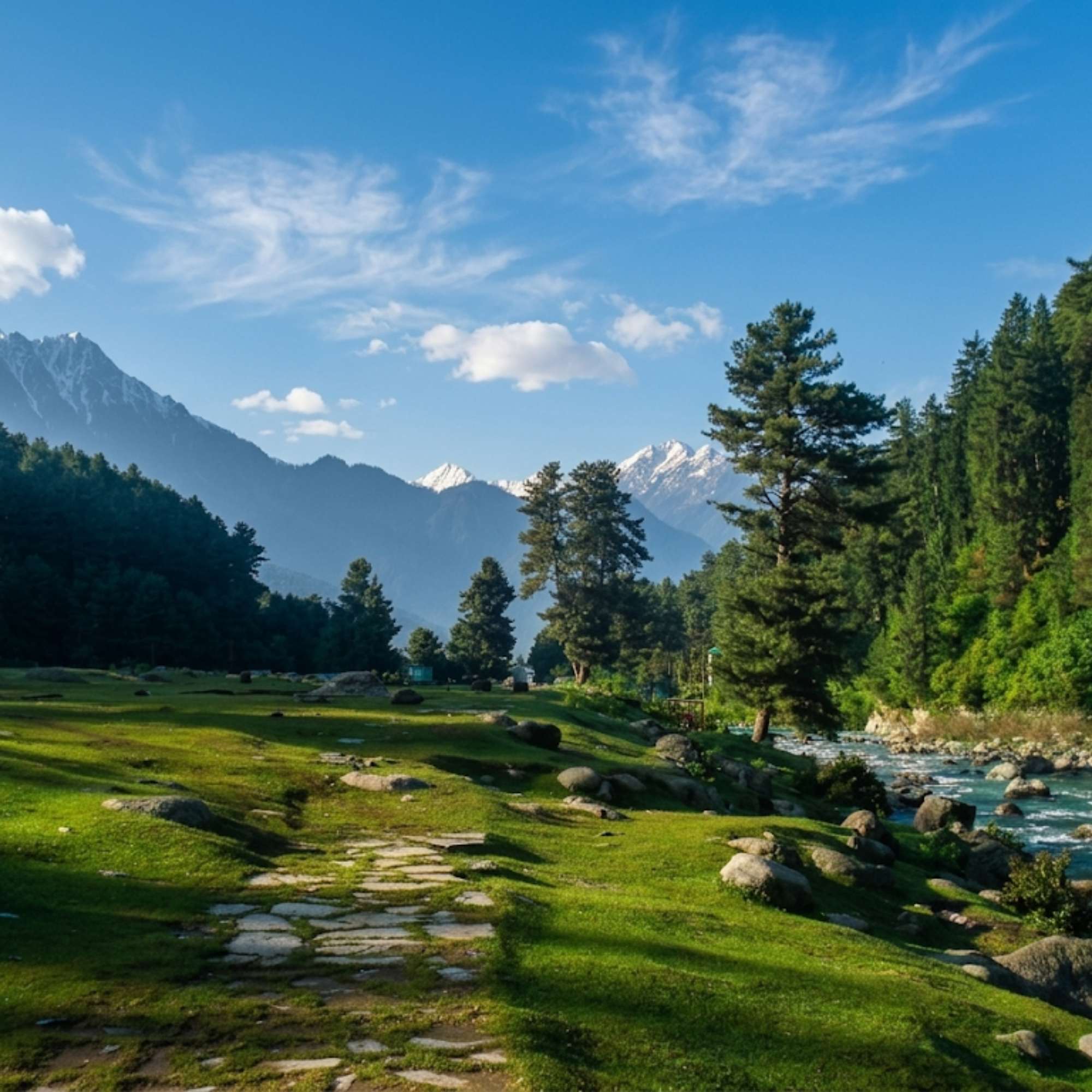
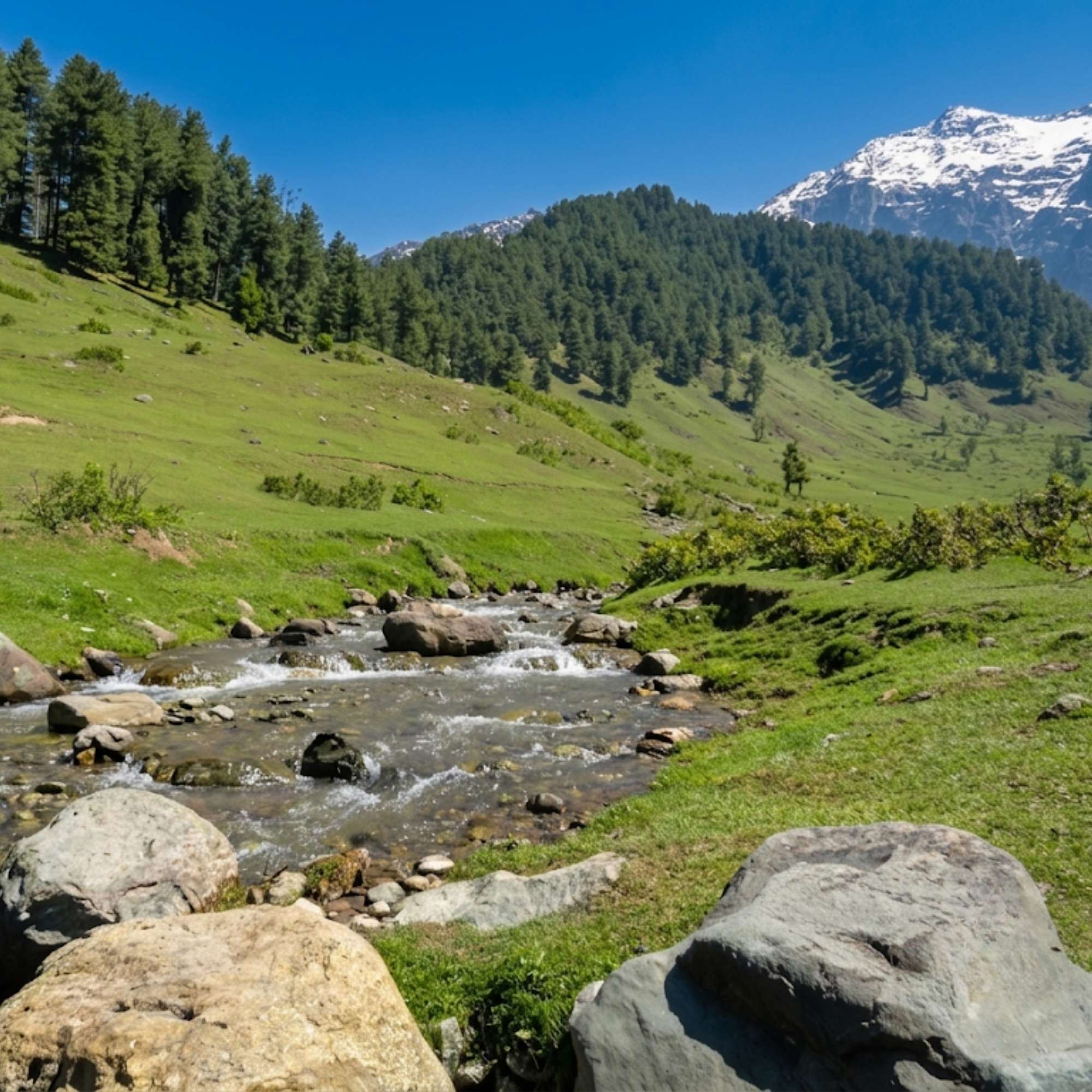
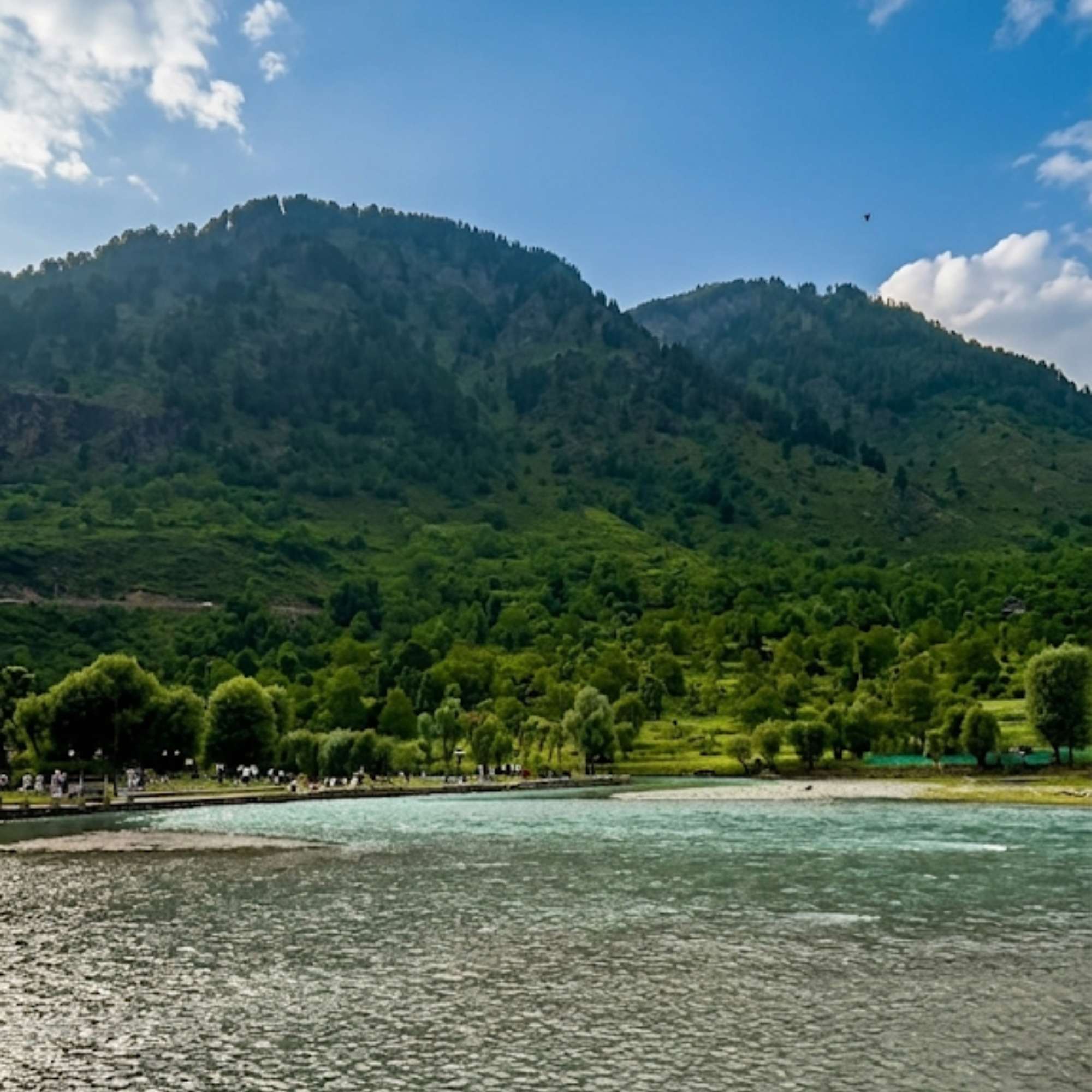
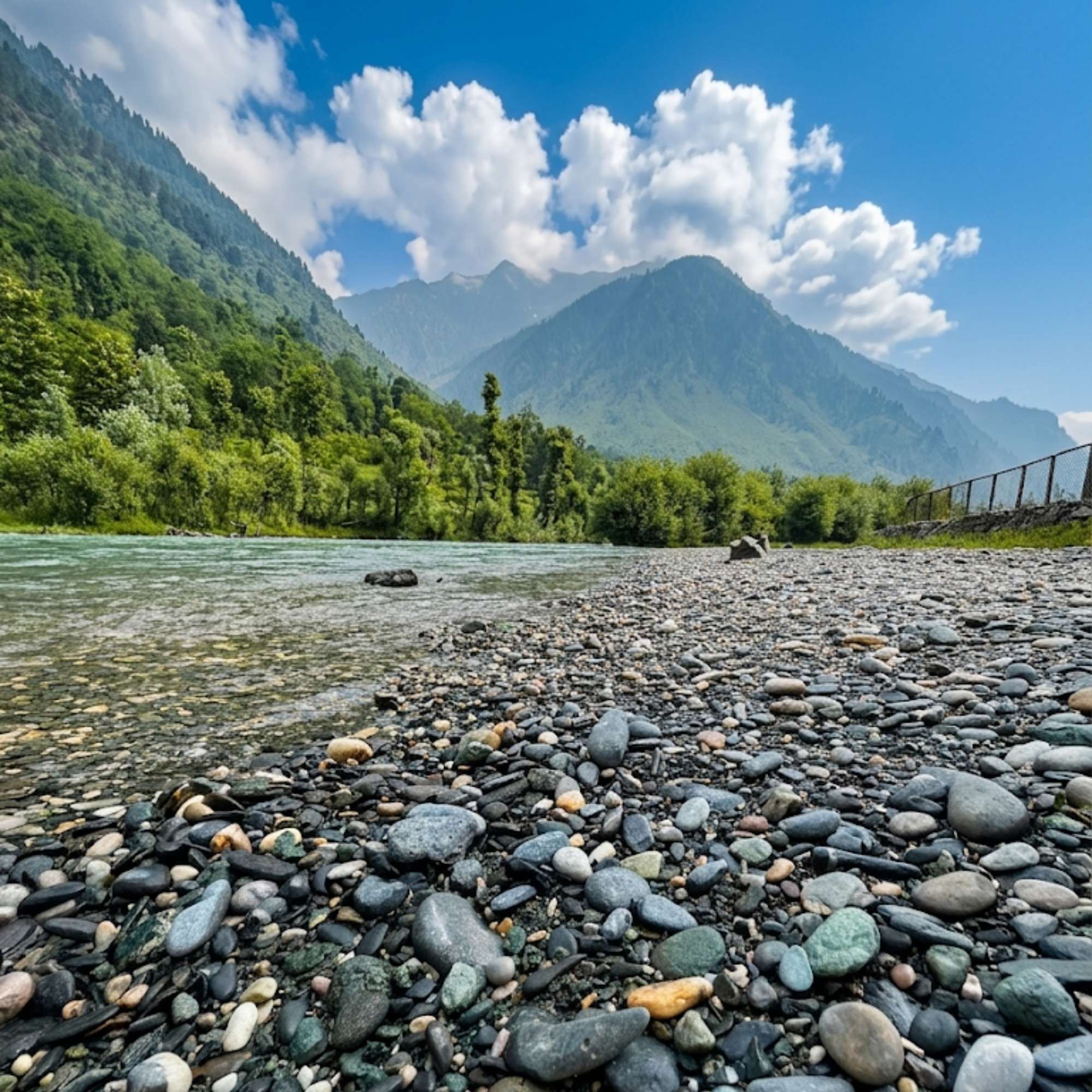
Pahalgam sits along the Lidder River with evergreen forest on both sides. The sound of the river is the whole appeal.
Spend time in the main town and along the riverside. It is a place to slow down, not to tick off stops.
Do not plan Baisaran or Chandanwari. Both appeared on the restricted list as of 7 July 2026.
Betaab Valley and Aru Valley access must be verified before you travel. Do not assume they are open because a blog from last year said so.
Sonamarg
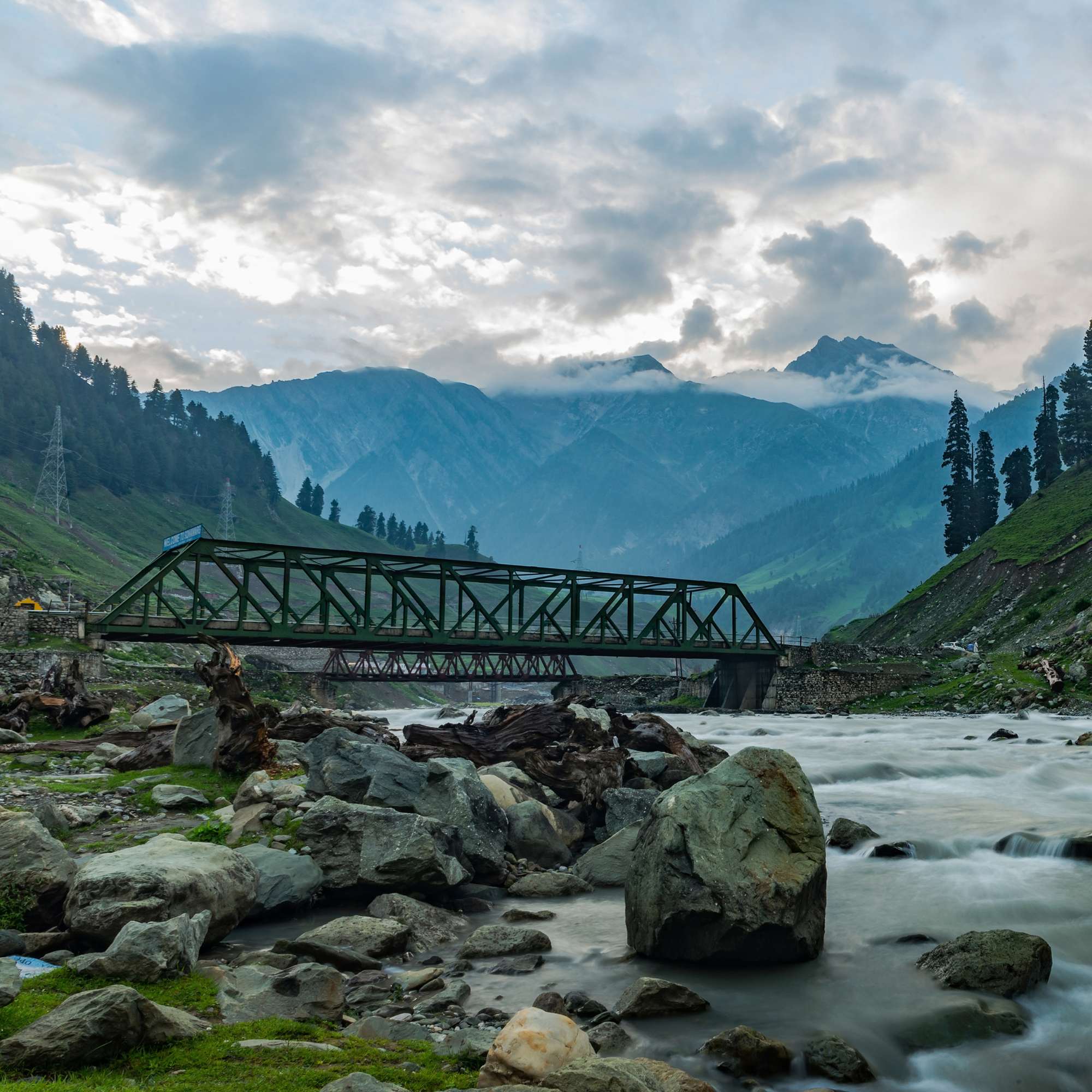
Sonamarg is roughly 87 to 88 km from Srinagar and normally takes about 2.5 to 3 hours in good conditions.
Leave early. This is a full day and the return traffic into Srinagar is worse than the outbound run.
Timing tip: start by 7 AM. You get better light, thinner traffic on the highway, and enough margin that a delay does not cancel your day.
We are not promising glacier, trekking or high-pass access. That needs a current official check close to your date.
A flexible alternative when the mountains are shut
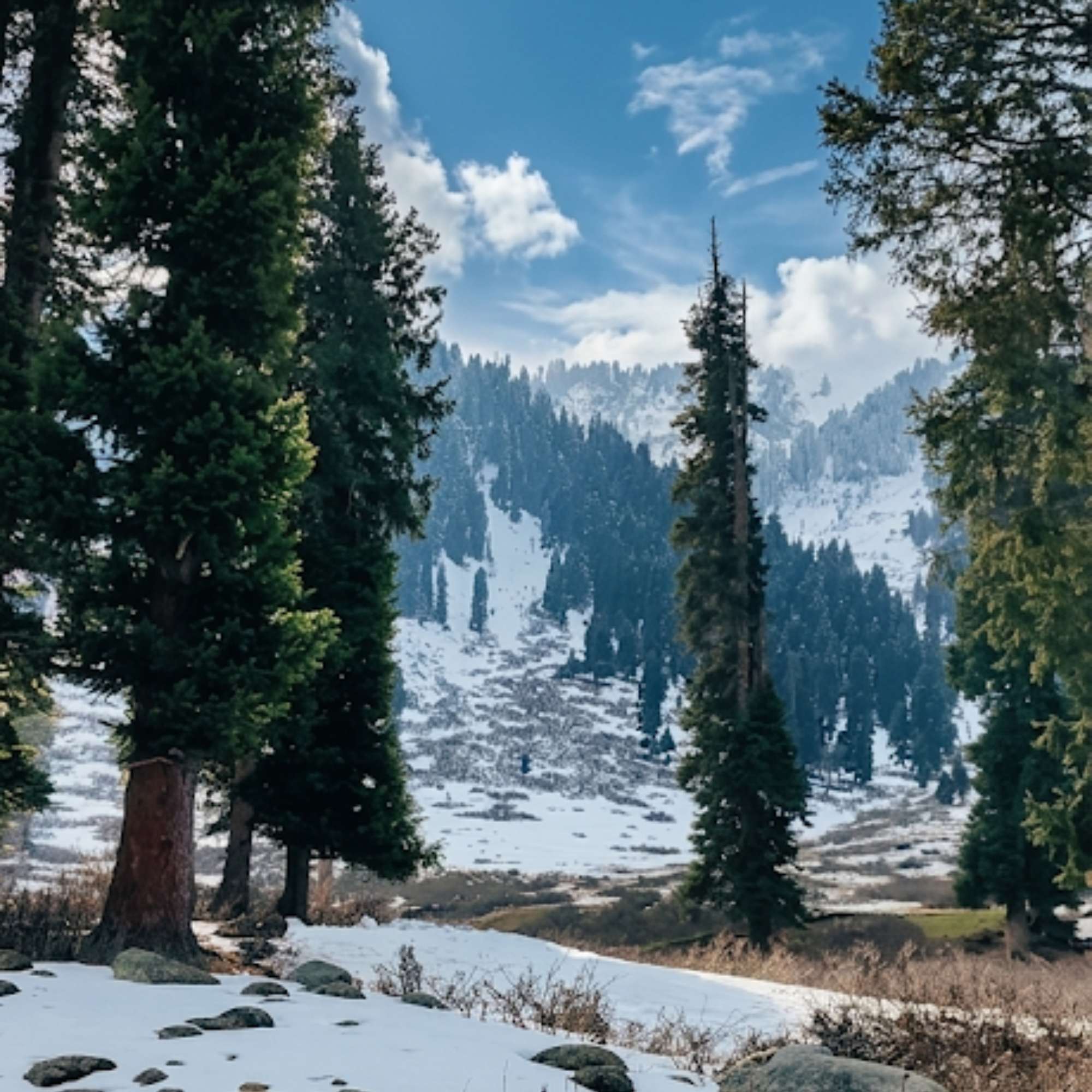
Doodhpathri works as a replacement when a high-altitude route is unavailable, and an extra Srinagar day is a fine fallback too.
Doodhpathri reopened during February 2026, but its status for your exact September date still has to be verified.
Which Places Need Extra Verification in 2026?
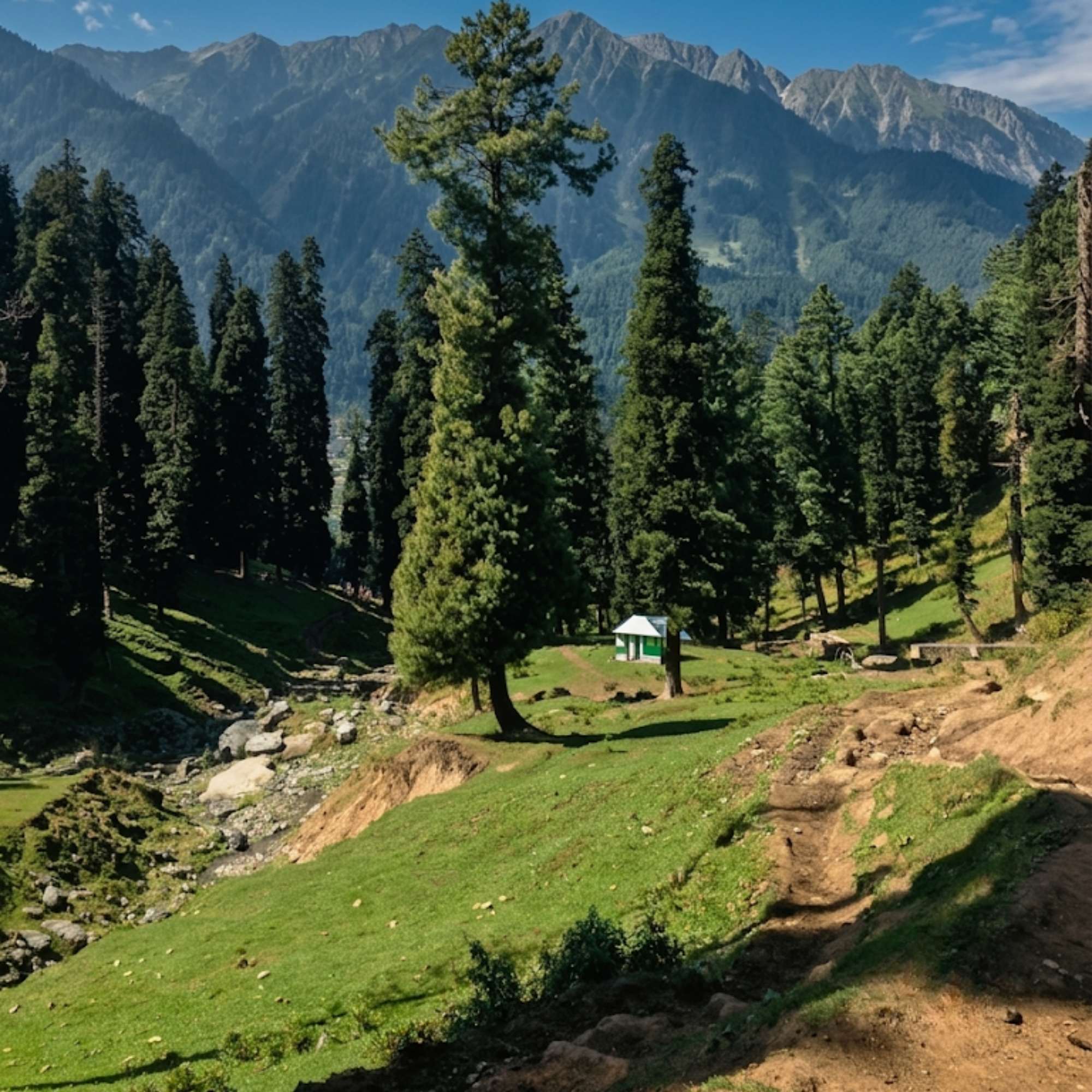
Nearly 30 tourism and trekking locations reportedly remained closed or restricted as of 7 July 2026.
The list included Baisaran, Chandanwari, Daksum, Sinthan Top, Dachigam, Aharbal, Tosamaidan and Bungus Valley, along with several trekking routes.
That does not mean all of them will still be closed in September. Orders change, sometimes quickly.
It also does not work the other way. A place missing from a closure list is not proof that it is open.
Check district administration notices, current road updates, your hotel and a local operator within a few days of travel.
What we tell our travellers
Build the itinerary around Srinagar, Gulmarg and Pahalgam town first, then add the uncertain stops only after someone on the ground confirms them.
>>Don’t build your trip around uncertain access. WhatsApp us for a practical Kashmir plan.
What Are the Best Things to Do in Kashmir in September?
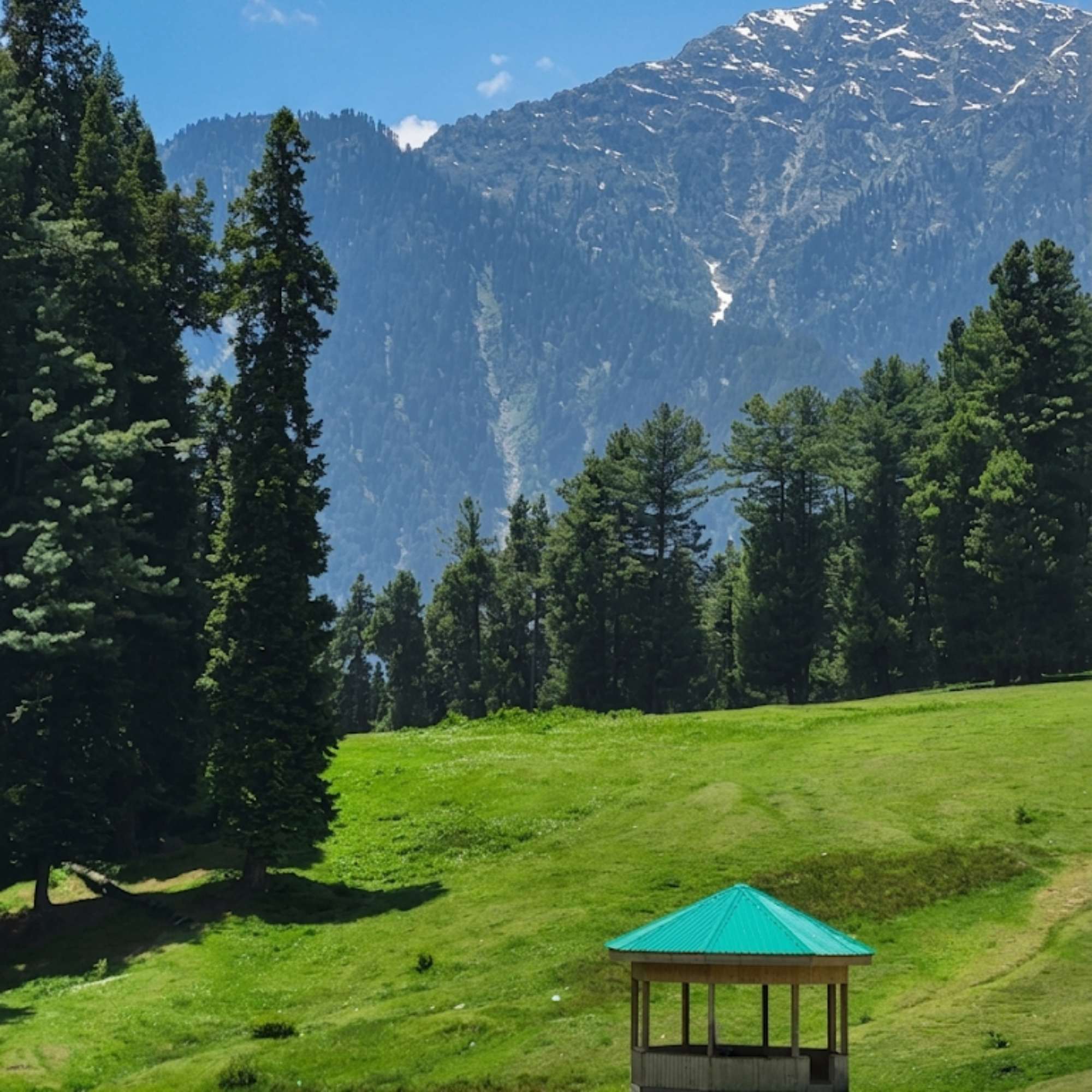
A Shikara ride at sunrise or late afternoon, a night on a houseboat, and a slow morning in the Mughal Gardens cover the classics without exhausting you.
The old city rewards walking. Narrow lanes, old wooden facades, bakeries working through the morning.
The Gulmarg Gondola is worth doing once, on a clear day, checked in advance.
Food you should not skip
Try the local bakery kandur shops in Srinagar's old city in the morning, when the bread comes out hot. It costs almost nothing and it is better than most hotel breakfasts.
Wazwan dishes are the other thing worth planning a meal around. Ask your hotel to point you to a place locals actually eat at, not the one with the English menu outside.
Apple orchards
September is apple season and orchards look great. Only enter with the owner's permission or through an organised visit.
Walking into someone's orchard for photos is not a tourist activity. It is somebody's income.
Rafting
Rafting started in Sonamarg and Pahalgam during May 2026. Whether it runs in September depends on water levels, weather and permissions.
What Is the Best Seven-Day Kashmir Itinerary for September?
Day 1: Arrive in Srinagar
Keep it easy. Check into your hotel or houseboat, rest, and take an evening Shikara ride if you land early enough.
Do not schedule sightseeing on arrival day. Flights and road transfers into Srinagar rarely run to plan.
Day 2: Srinagar sightseeing
Mughal Gardens in the morning, old city in the afternoon, and one more confirmed-open attraction if you have energy.
Finish by the lake. Evening light on Dal is the best free thing in the city.
Day 3: Gulmarg
Check Gondola status and road conditions before you leave Srinagar. Do not drive up hoping.
A day trip works if the weather is clear. Overnight makes sense if you want early morning meadow time without the crowd.
Day 4: Travel to Pahalgam
Take it slow. Skip the roadside diversions your driver may suggest unless you have verified they are open.
Day 5: Pahalgam sightseeing
Pick only from what the district administration and your local operator confirm is open on that date.
Do not build the day around Baisaran or Chandanwari without a fresh status update.
Day 6: Sonamarg or flexible alternative
Go to Sonamarg if the route and tourist access are operating normally.
If not, take Doodhpathri or add a Srinagar day. Neither is a wasted day.
Day 7: Departure
Give yourself extra transfer time. Highway and city traffic in Srinagar can turn a comfortable margin into a sprint.
What Should You Pack for Kashmir in September?
Light layers for the day, a fleece or light insulated jacket for evenings, and one warmer layer specifically for Gulmarg and Sonamarg.
Comfortable walking shoes matter more than anything else. You will walk on uneven ground in gardens, old city lanes and meadows.
Carry a compact rain layer. Gulmarg averages nearly six rainy days in September, so the odds are not small.
Sunscreen and sunglasses are not optional at this altitude, even on cool days.
Bring your prescribed medicines, government-issued ID and a small day bag for the excursions.
Money-saving tip most travellers miss
Three adjustable layers beat one heavy winter coat. You will end up buying a jacket in Gulmarg's tourist market at tourist prices if you pack wrong.
How Much Does a Kashmir Trip Cost in September 2026?
The cost depends on the hotel category, number of nights, private or shared transport, whether you take a houseboat, Gondola tickets and how many excursions you add.
We are not quoting a package figure here. Hotel tariffs, taxi rates, Shikara fares, pony rates, local union vehicle charges and Gondola fees all need current confirmation.
Get a live quote based on your actual dates, group size and room requirement. Prices in September move with demand, and a number from a blog post is worthless by the time you book.
Are the Roads, Gondola and Tourist Attractions Open?
The official cable car website currently reports the Gulmarg Gondola as reopened.
The Jammu to Srinagar highway had a landslide-related closure on 23 July 2026. That is an example of how fast conditions change, not a prediction for September.
Check official traffic information and district notices 24 to 48 hours before any long transfer. Not a week before. Not on a Facebook group.
Do Tourists Need Permits or Identification?
Carry valid government-issued identification and keep it accessible, not buried in a suitcase.
Ordinary tourist circuits, restricted border areas and trekking routes follow different rules. They are not the same thing.
We are not telling you no permit is needed anywhere. Destination-specific requirements have to be checked for your route.
Is Kashmir Safe to Visit in September 2026?
We will not give you a blanket guarantee in either direction. Conditions vary by date and by district.
Follow official advisories, district instructions, your hotel's guidance and updates from your local operator.
Book flexible where you can. Stay off closed, restricted or unapproved trekking routes, even if someone tells you it is fine.
Is September Suitable for Couples, Families and Senior Citizens?
Couples
Comfortable sightseeing weather, houseboat evenings and good photography light. Nobody can promise you perfect weather, but the odds in September are reasonable.
Families
Keep transfer days manageable and pack layered clothing for the kids. An overloaded itinerary with long drives is what ruins family trips here.
Senior citizens
More nights in Srinagar, fewer long transfers, regular rest stops. Be careful with sudden altitude changes on Gulmarg and Sonamarg days.
Is Early or Late September Better?
Early September looks greener and feels warmer. Evenings are mild and you can get away with lighter packing.
Late September cools down and may show the first colour change, but nothing about the timing is guaranteed.
Neither period gives you snowfall.
Pick late September only if cooler weather and seasonal uncertainty do not bother you.
Kashmir in September Versus Ladakh, Spiti and Manali
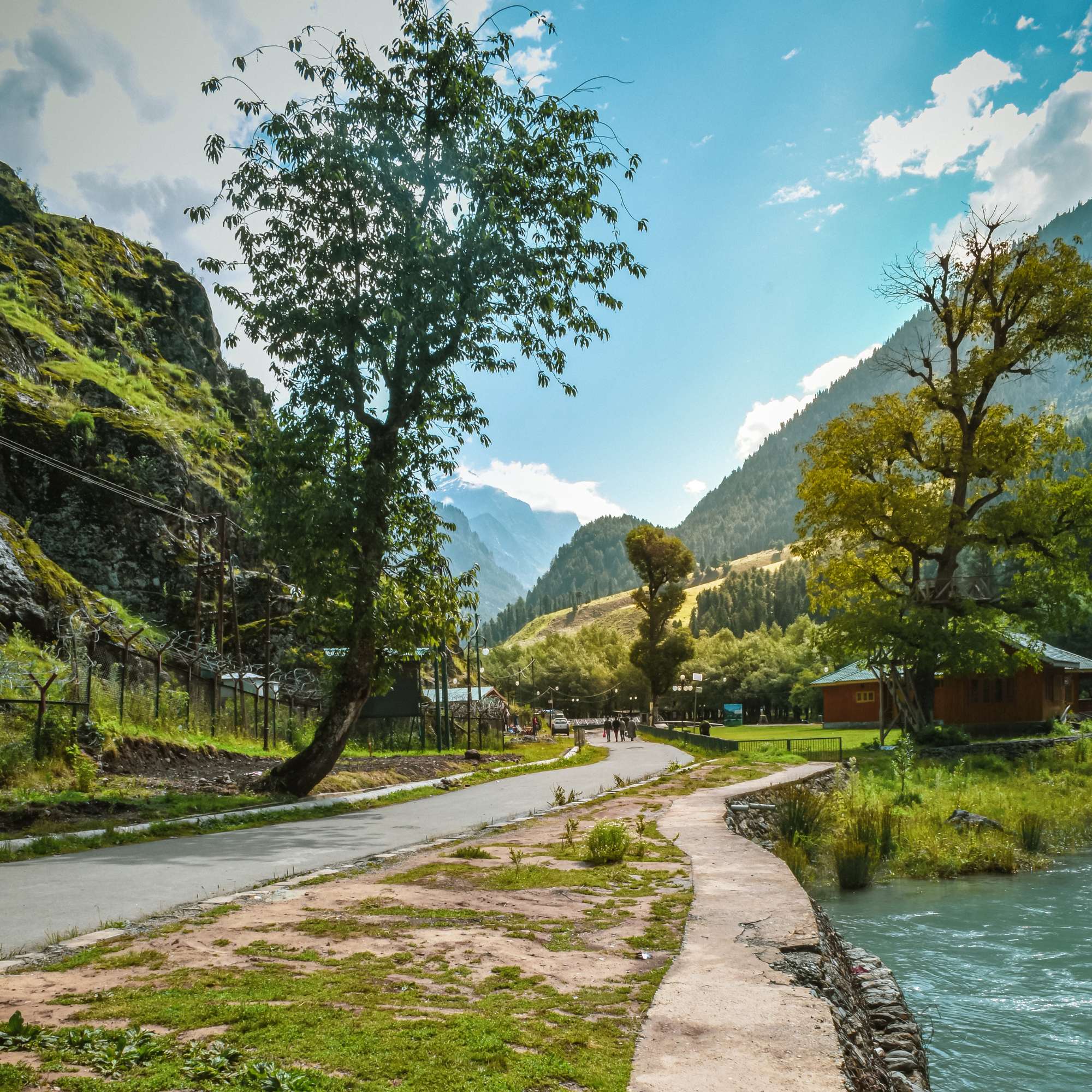
Kashmir is the greener, more relaxed circuit. Shorter drives, softer landscape, easier on the body.
Ladakh and Spiti are a different type of trip altogether, with higher altitude, harder roads and real acclimatisation planning. If that appeals to you, look at our Ladakh tour packages or Spiti Valley tour packages.
Manali sits somewhere in between and works for shorter trips with easier access. Our Manali tour packages cover that.
Practical Booking Tips for September 2026
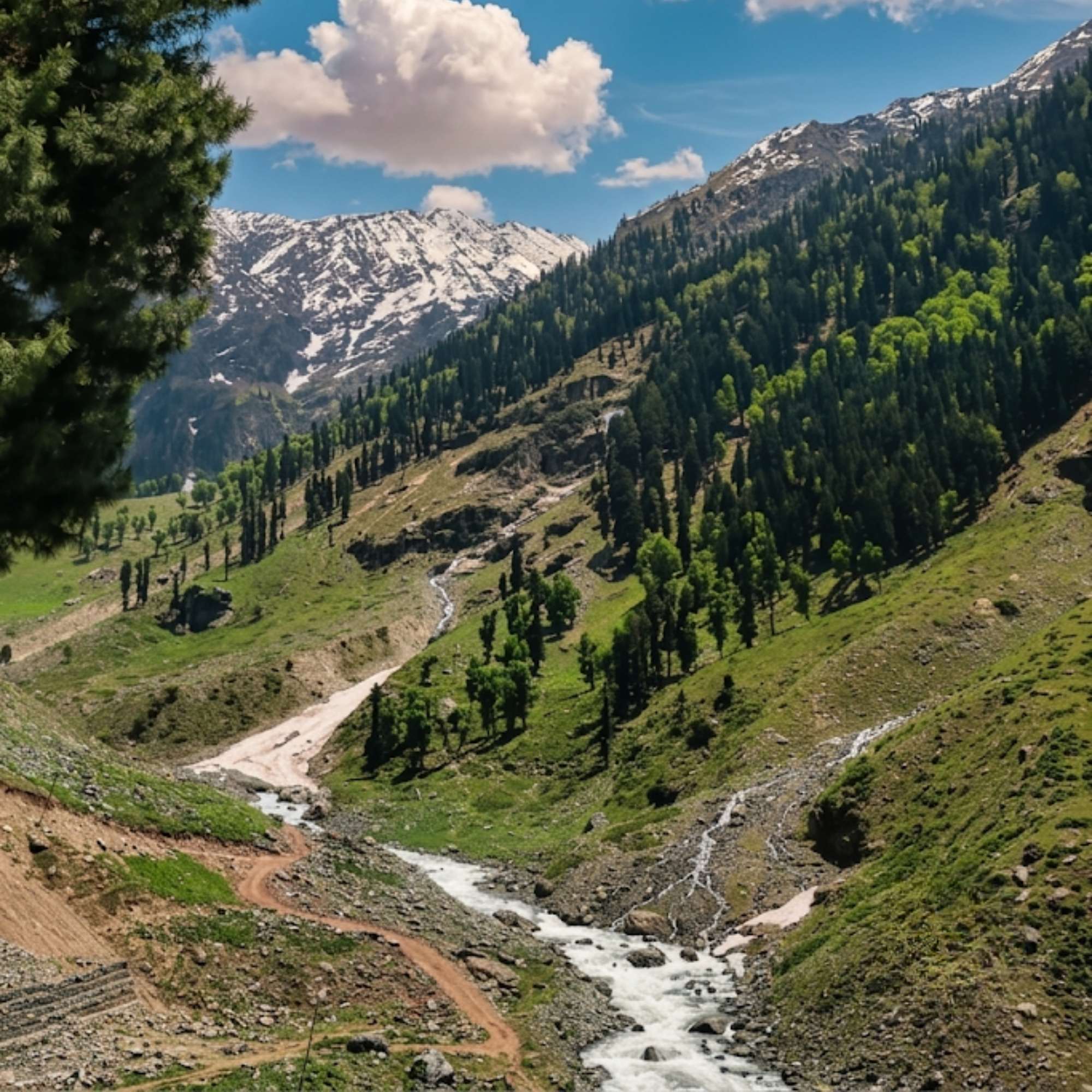
Book hotels and transport with flexible terms wherever you can. Given how 2026 has gone, that flexibility is worth paying a little extra for.
Buy Gondola tickets only through the official portal.
Keep one buffer day, or at least one replacement excursion you are happy with.
Reconfirm attraction status close to departure. A social media post from three months ago tells you nothing about the day you arrive.
Final Verdict
September can be an excellent month for Kashmir. Comfortable sightseeing weather, green-to-early-autumn landscapes, and a pace that works for couples and families.
It is not a snow month. Book it for the valley, not for white slopes.
Get your route checked against the latest access and road conditions before you lock anything. You can WhatsApp us and we will tell you what is realistically open.
>>Need a realistic Kashmir itinerary for September? Message us on WhatsApp.
Explore Our Curated Kashmir Tours Packages
 5D/4N
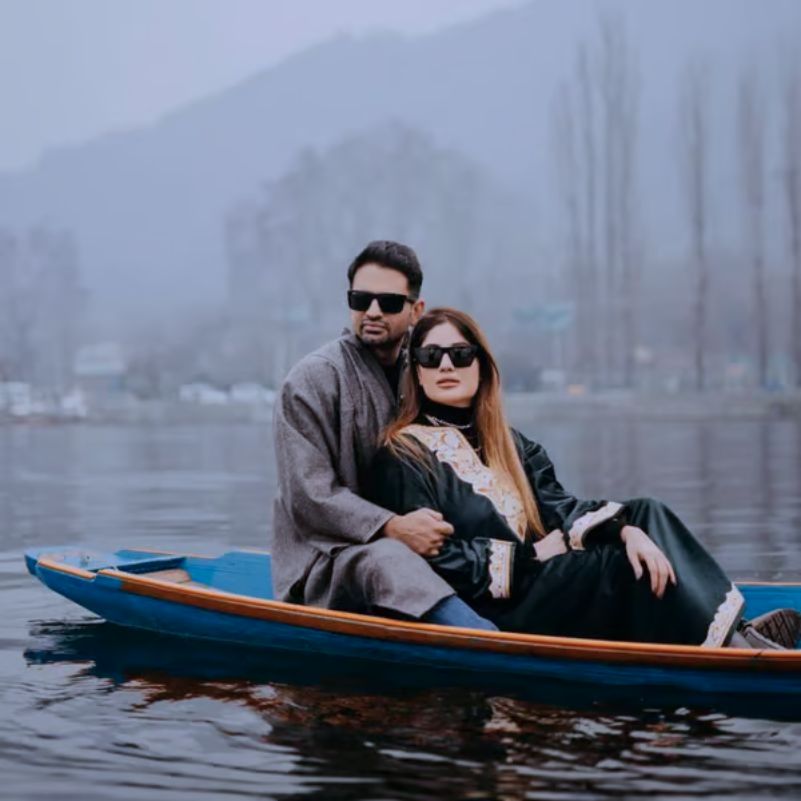
5D/4NKashmir Honeymoon Experience – Srinagar, Gulmarg & Pahalgam
5D Srinagar•1D Pahalgam+1
₹14,499₹21,499SAVE INR 7,000/ person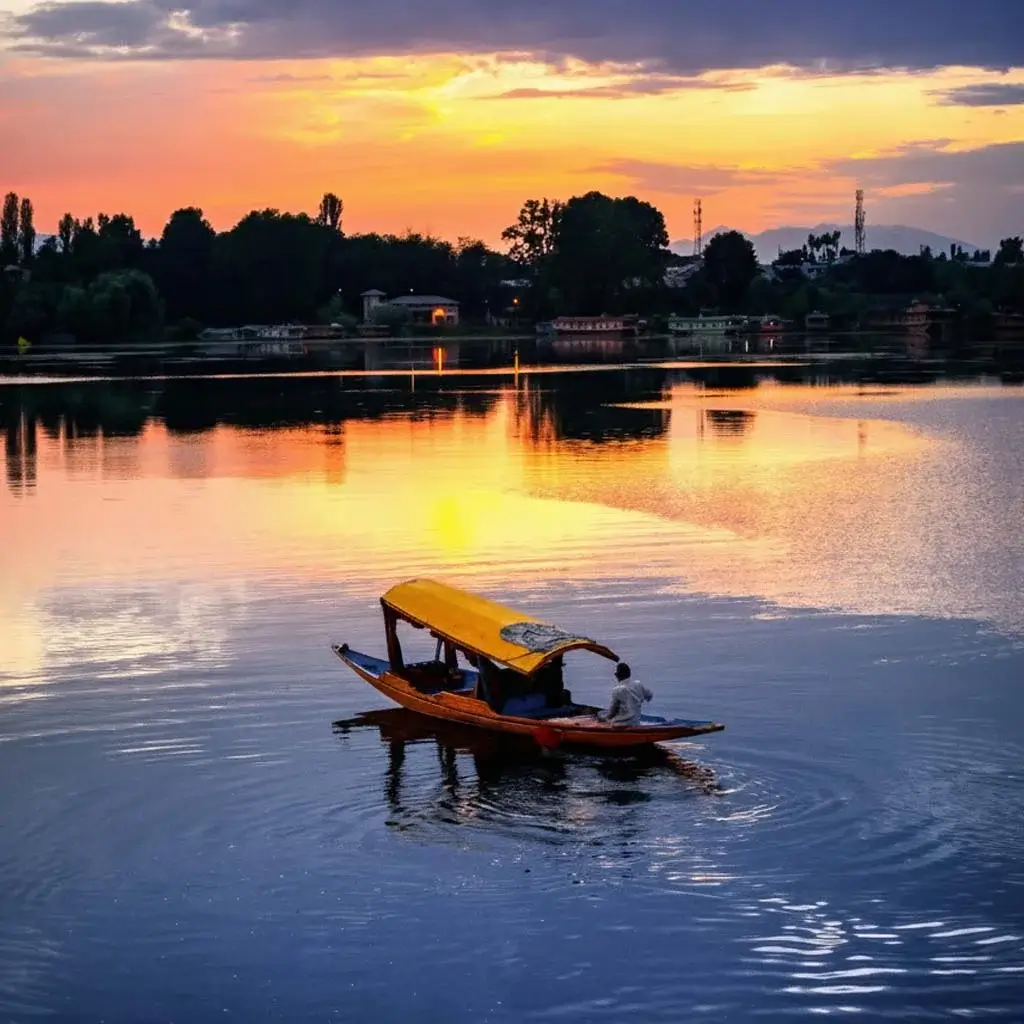 4D/3N
4D/3NThe Perfect 4 Day Kashmir Getaway
4D Srinagar•1D Gulmarg+1
₹9,999₹14,499SAVE INR 4,500/ person 5D/4N
5D/4NBest Of Kashmir – Srinagar, Gulmarg & Pahalgam Tour Package
5D Srinagar•1D Pahalgam+1
₹11,499₹16,999SAVE INR 5,500/ person
Related topics
Frequently Asked Questions
Is September a good time to visit Kashmir?
Yes, for comfortable sightseeing and green landscapes. Just plan flexibly because several attractions needed verification through 2026.
What is the temperature in Kashmir in September?
Srinagar's September normals are 13.1°C minimum and 27.6°C maximum. Gulmarg runs cooler at 8.6°C and 18.5°C.
Does it snow in Kashmir in September?
Not reliably. Do not expect snowfall in Srinagar, Pahalgam town or lower Gulmarg during September.
Can tourists see snow in Gulmarg during September?
Old snow patches sometimes survive at higher elevations, but visibility and access are not guaranteed.
What clothes should travellers pack?
Light day layers, a fleece or light insulated jacket, one warmer layer for Gulmarg and Sonamarg, walking shoes and a compact rain layer.
Is the Gulmarg Gondola open in September 2026?
The official J&K Cable Car Corporation website currently says it has reopened. Check live status and buy only through the official portal.
Are Pahalgam and Sonamarg open in September?
Pahalgam town and Sonamarg were generally accessible, but Baisaran and Chandanwari were restricted as of 7 July 2026. Verify before travel.
Does Kashmir have autumn colours in September?
Late September may show the first colour change. Peak foliage usually comes later and cannot be promised for a specific date.
Is Kashmir crowded in September?
Less than peak summer, but Srinagar and Gulmarg still see steady footfall. Weekends are busier than weekdays.
Is September suitable for a honeymoon?
Yes. Pleasant weather, houseboat stays and good photography conditions make it one of the easier months for couples.
Is Kashmir suitable for children and senior citizens in September?
Yes, with a lighter itinerary. Keep transfer days short and be careful with sudden altitude gain on Gulmarg and Sonamarg days.
Which Kashmir attractions need verification in 2026?
Baisaran, Chandanwari, Daksum, Sinthan Top, Dachigam, Aharbal, Tosamaidan, Bungus Valley, Betaab Valley, Aru Valley and Doodhpathri.
More about Kashmir
 Kashmir
Kashmir Taxi Guide 2026: Local Union Rules, Cab Routes & Current Fare Logic
Planning to use taxis in Kashmir in 2026? Understand local union rules, popular cab routes, sightseeing restrictions and how taxi fares are generally structured across Srinagar, Gulmarg, Pahalgam and Sonamarg.
 Kashmir
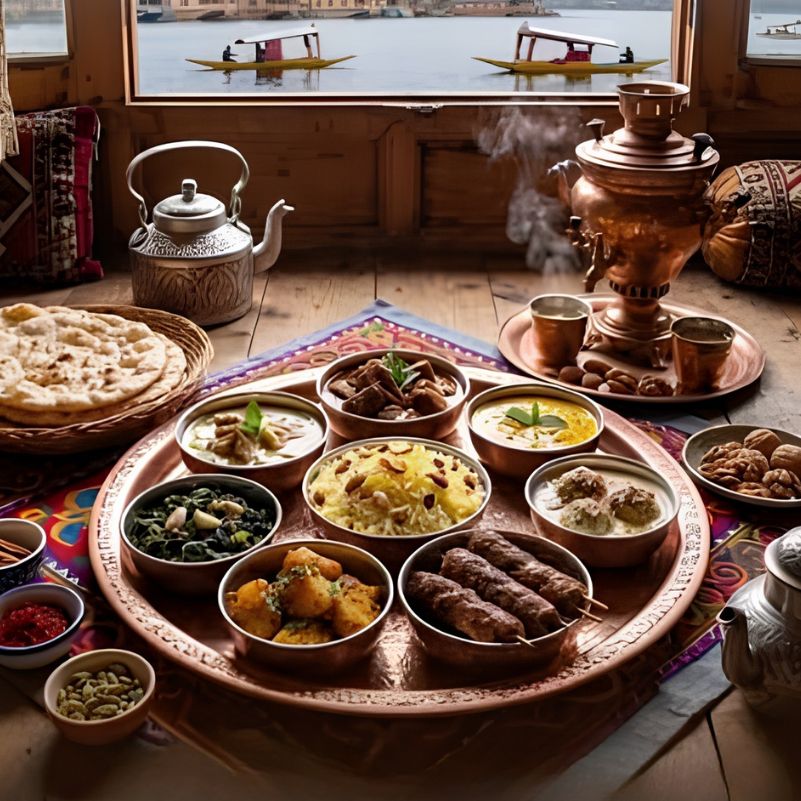
Kashmiri Food Guide 2026: What to Eat in Srinagar, Pahalgam & Gulmarg
Discover what to eat in Kashmir in 2026, from traditional Kashmiri dishes and Wazwan to local snacks, breads and drinks. This guide covers food experiences in Srinagar, Pahalgam and Gulmarg for first time visitors.
- Things to Do
- Places to Visit
 Kashmir
SIM Cards in Kashmir 2026: Internet, ATMs, IDs & Tourist Essentials
Travelling to Kashmir in 2026? Learn about SIM card access, mobile internet, ATM availability, accepted ID documents and other essentials tourists should arrange before visiting Srinagar, Gulmarg, Pahalgam and Sonamarg.
- First-Time Travellers