
Kashmir in October 2026: Weather, Snowfall, Autumn Colours and Itinerary
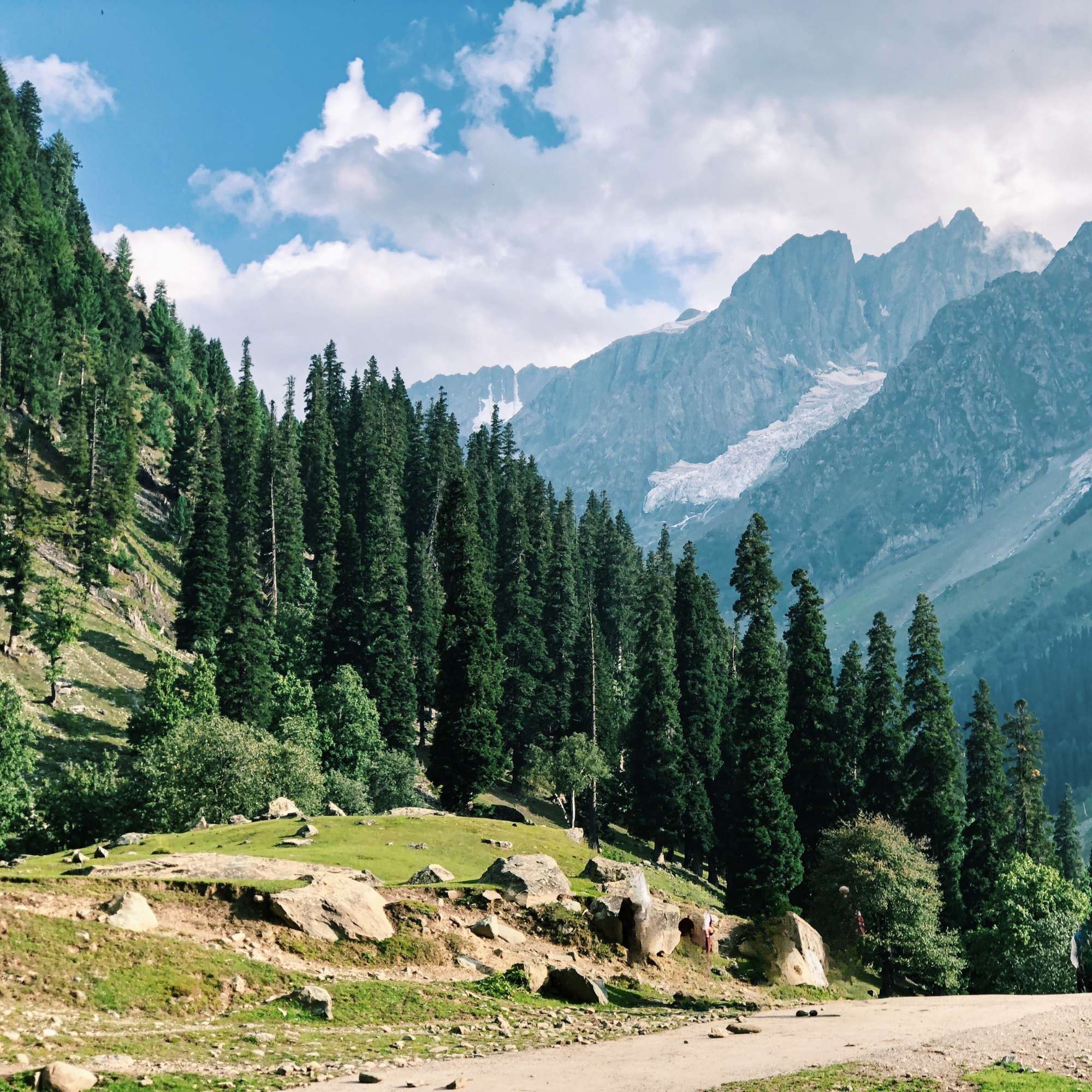
October is one of the most beautiful months to visit Kashmir, especially if you want to see golden Chinar trees, crisp autumn weather and quieter tourist places.
Days are usually comfortable for sightseeing, while mornings and evenings become noticeably colder as the month progresses.
During your Kashmir trip in October 2026, you can explore Srinagar, Gulmarg, Pahalgam and Sonamarg, enjoy the autumn colours and follow a relaxed 5 to 7 day itinerary.
Light snowfall may begin in the higher reaches, but it is not guaranteed in the main tourist towns, so check the latest weather and road updates before travelling.
Quick Answer
October is one of the best months to visit Kashmir, but not for the reason most people think. You come for the Chinar colours, the saffron bloom, clear sightseeing days and far smaller crowds than June or July.
Srinagar's long-term October climate normals sit at a mean maximum of 21.4°C and a mean minimum of 5.7°C. Higher places like Gulmarg and Sonamarg run colder than that.
Snow is possible on high peaks or during a late-October weather system. But snow is not guaranteed in Srinagar, in Pahalgam town, or in Gulmarg's lower meadows.
If you want a plan built around what October actually gives you, our customized Kashmir tour packages are shaped around flexible days instead of fixed promises.
What most tourists get wrong
They book October expecting a snow trip and end up disappointed in a month that had plenty else to offer. October is an autumn month. Treat it like one and it rarely lets you down.
Is October a Good Time to Visit Kashmir?
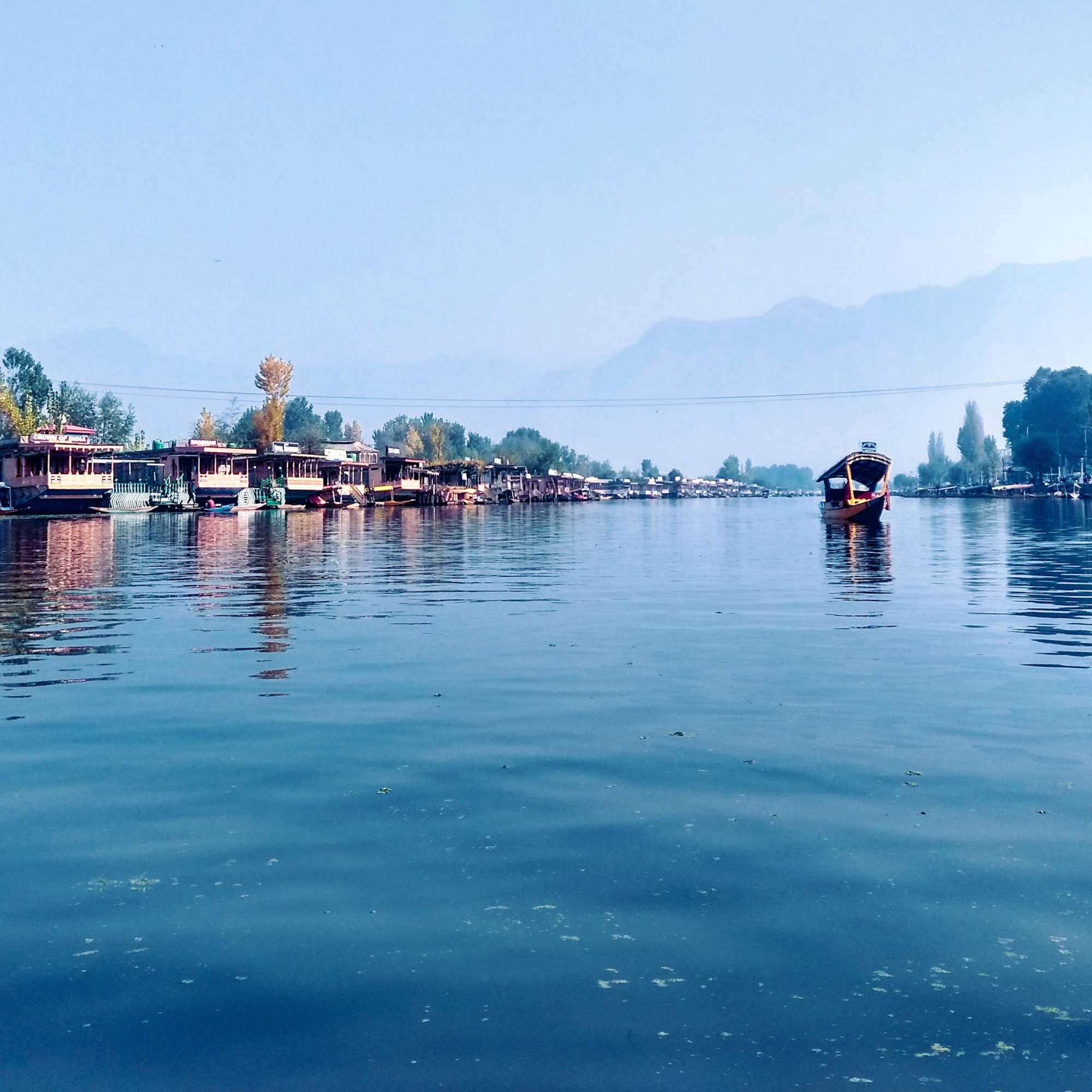
Yes, for most travellers. October gives you cool mornings, clear light through the middle of the day and evenings that actually feel like the mountains.
Photographers get the best month of the year here. The Chinar leaves turn from green to yellow to deep red, and the light in autumn is cleaner than in the hazy summer months.
Couples get quieter gardens and lakes. Families who dislike heat get comfortable daytime weather. And anyone who has seen Dal Lake in peak July will appreciate how much easier October feels.
Now the honest part.
The valley is no longer summer green. Some travellers arrive expecting lush meadows and find a landscape that has already started shutting down for winter.
Nights get cold, especially in the second half of the month. And your high-altitude plans get less predictable as October moves on.
If your only goal is guaranteed snow, October is the wrong month. Come in the main winter period instead.
👉 Planning Kashmir in October? Send us your dates and we’ll help you plan it right.
What Is Kashmir's Weather Like in October?
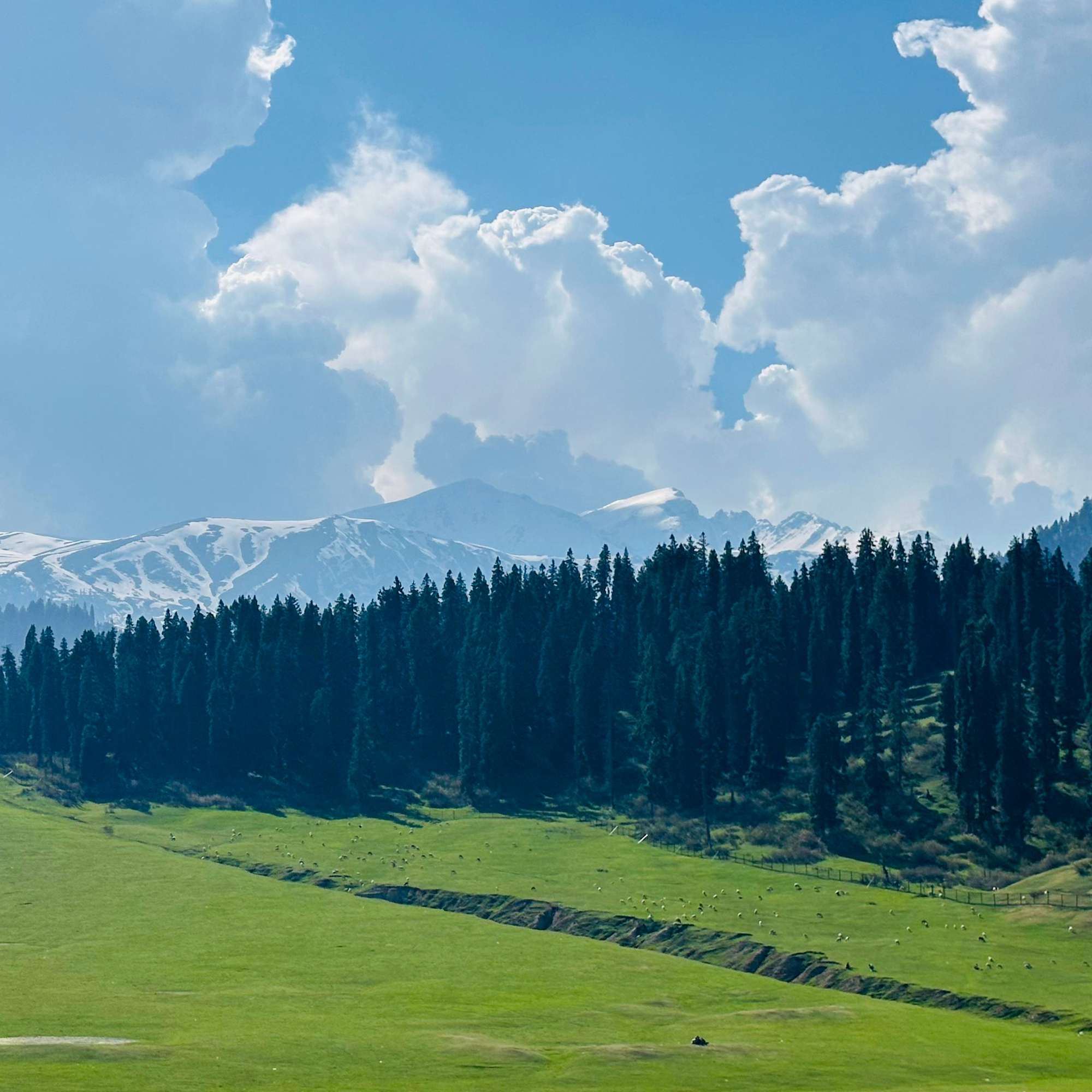
Srinagar weather in October
The IMD climate normals for Srinagar, calculated over the 1971 to 2000 period, give you a mean October maximum of 21.4°C and a mean minimum of 5.7°C.
Mean rainfall for the month is 31.2 mm, spread over roughly 2 rainy days.
Read those numbers correctly. They are historical averages, not a forecast for October 2026.
Any single October can run warmer, colder or wetter than the normal. Check the current IMD forecast seven to ten days before you travel, then check it again before every high-altitude excursion.
You can see the Srinagar normals at city.imd.gov.in and the live forecast at mausam.imd.gov.in.
How different are Gulmarg, Pahalgam and Sonamarg?
Altitude does the work here. Srinagar sits at 1,730 metres, and Gulmarg and Sonamarg are considerably higher, so they run colder through the whole month.
The change after sunset is the part people underestimate. A pleasant Gulmarg afternoon turns sharp within twenty minutes of the sun dropping behind the ridge.
Frost or snow at a high point does not mean Srinagar gets snow. These are different weather situations at different altitudes on the same day.
In our experience running October groups, travellers who packed only for Srinagar weather regretted it the moment they reached the upper Gondola station.
Early October versus late October
Early October usually gives you milder conditions and a better margin for mountain sightseeing. If Sonamarg is high on your list, the first half of the month is the safer bet.
Mid-to-late October is when the Chinar colours generally get strongest and when the Pampore saffron bloom is normally associated. Exact timing shifts every year with the weather.
The trade-off is risk. Later in October, the chance of a cold spell or a temporary high-road disruption goes up.
Does It Snow in Kashmir in October?
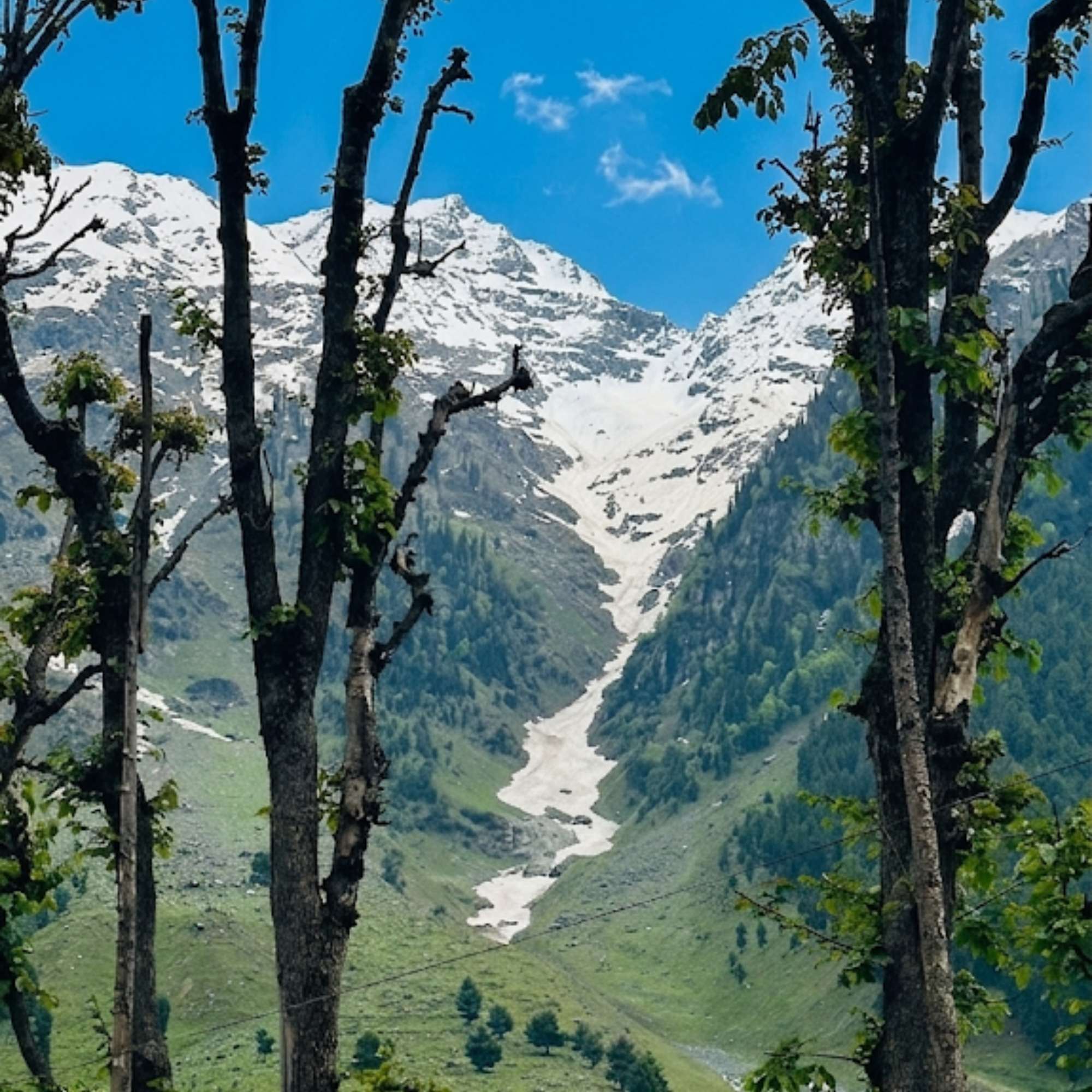
Snowfall is possible but not guaranteed. That is the honest answer and no local operator will tell you differently.
There are three different things people mean by "snow in October" and they are worth separating.
Seeing snow on distant peaks is common. Those higher summits often hold or receive snow while you stand in a jacket in Srinagar.
Finding older snow near a high-altitude viewpoint is possible but depends entirely on what fell earlier and whether it survived.
Witnessing fresh snowfall while you are standing in it is the least likely of the three, and it depends on a weather system arriving during your exact dates.
The upper Gulmarg Gondola area and other high elevations have a better chance of early snow than Srinagar or Pahalgam town.
We never promise a traveller that they will find snow at Aru Valley, Zero Point, Gulmarg or Sonamarg on a specific October date. Anyone who does is guessing.
Before any snow-focused excursion, check the IMD forecast, the official Gondola portal and the local road update.
When Can You See Kashmir's Autumn Colours?
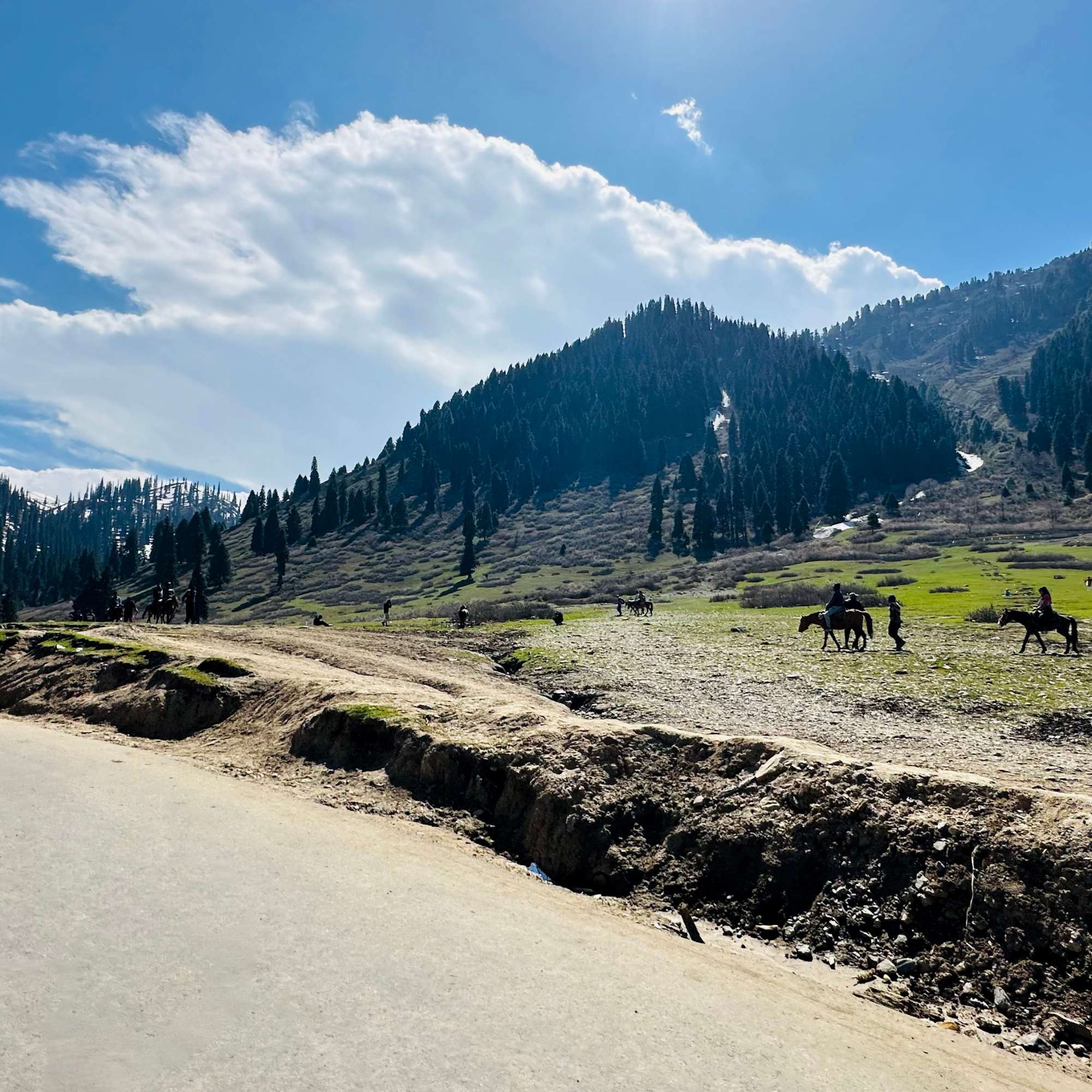
Best places for Chinar colours
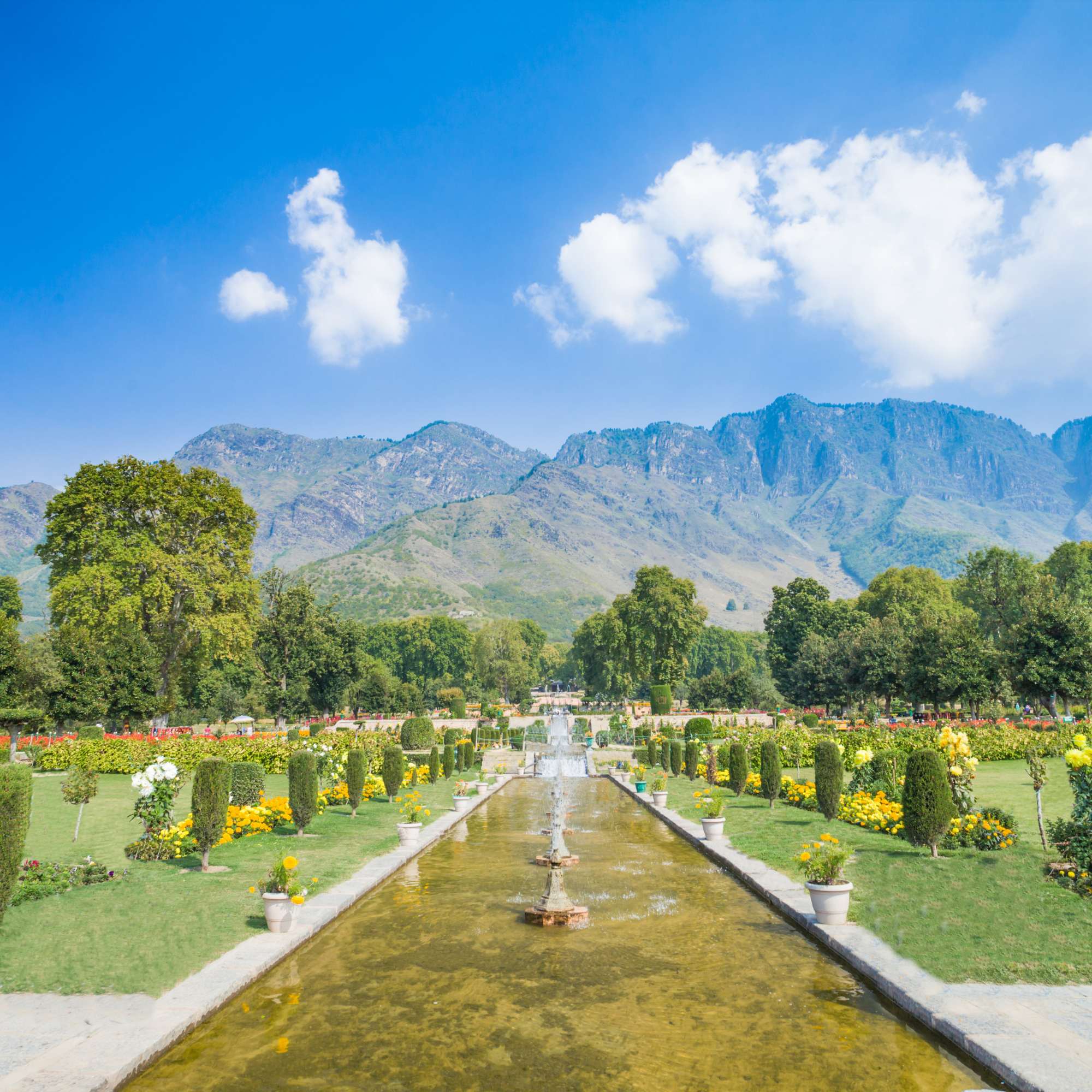
The Mughal Gardens are the obvious starting point, and they earn it. Old Chinars, planned layouts and water channels that hold reflections make them the easiest autumn photography in the valley.
Around Dal Lake, the Boulevard side and the lanes behind it give you Chinars against water without needing a ticket.
Naseem Bagh is the one most itineraries skip. It is a dense old Chinar grove and in late October it is one of the strongest colour spots around Srinagar.
The area around Pari Mahal gives you height, so you get colour in the foreground and the lake below.
Pahalgam works as a second autumn base if you want colour with a river running through it rather than gardens.
Mid-to-late October is commonly treated as the best window. But the transformation can move earlier or later depending on the year's temperatures.
Timing tip that changes everything: go early morning or late afternoon. Chinar red under harsh midday sun goes flat and orange. In the softer light either side of the day, the colour holds.
Local tip most guides miss: Naseem Bagh before 8 AM is almost empty, and the morning light coming through the grove is the best twenty minutes of photography you will get in Srinagar.
Can you see saffron flowers in Pampore?
Pampore's saffron flowering is usually associated with the later part of October and can continue into early November.
Bloom dates depend entirely on that year's weather. Confirm locally before you build a day around it.
These fields are farmland, not a tourist attraction. Ask the owner before you walk in.
Do not step between the flowering rows. And do not assume you are allowed to pick flowers, because you are not unless someone specifically tells you otherwise.
What we tell our travellers: treat Pampore as a bonus stop on a driving day, never as a fixed booking. We have seen too many people plan around a bloom that arrived ten days late.
Is October apple-harvest season?
Apple harvesting can continue into October depending on the variety and the location.
Shopian, Pulwama and other orchard belts are associated with apple production, and driving past loaded trucks in October is part of the experience.
Orchard visits need arranging with the owner or through your operator. Do not walk into private land assuming you can pick fruit.
We do not promise free apple picking to anyone, and any operator quoting you a casual orchard entry price is worth a second question.
Which Places Are Best to Visit in Kashmir in October?
Srinagar
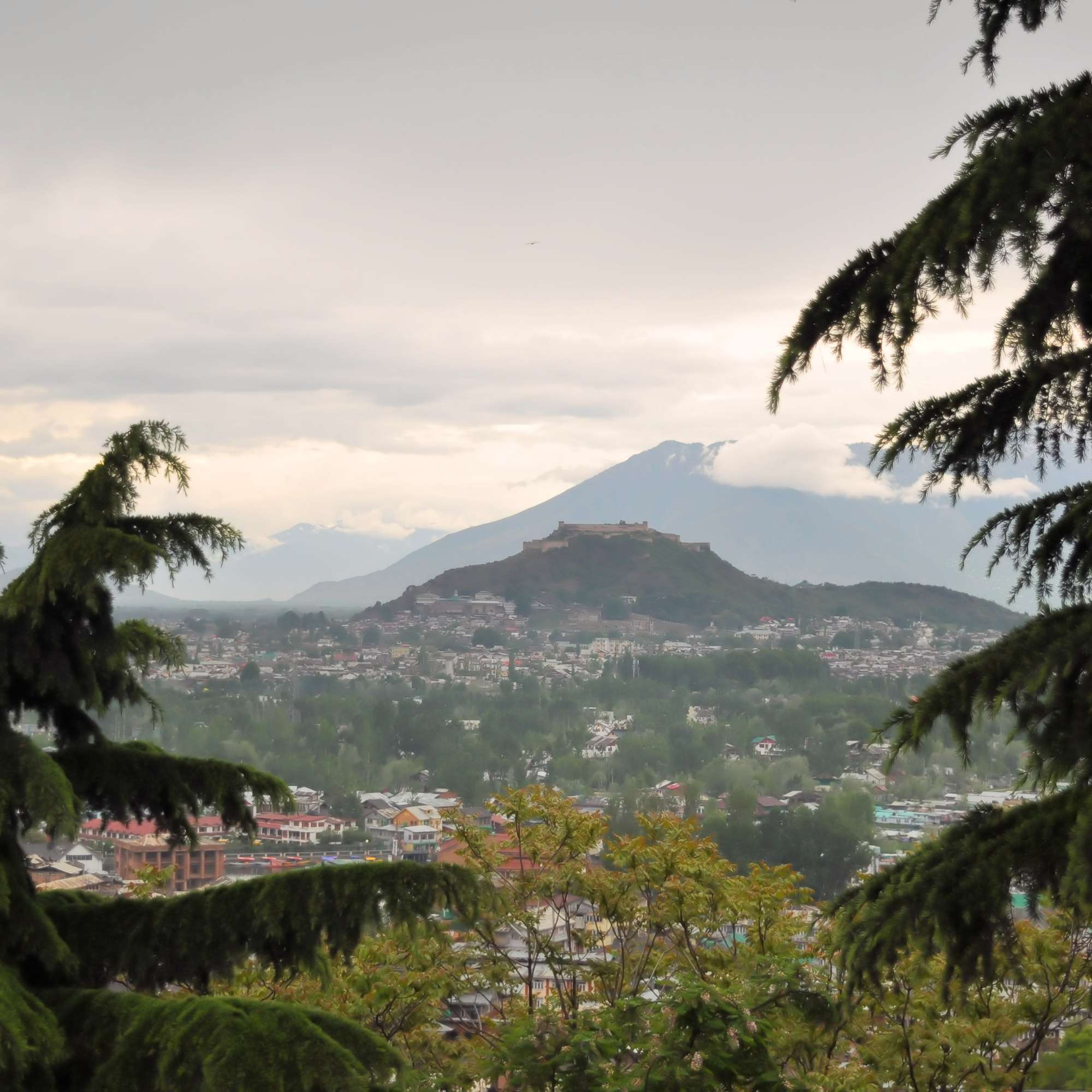
Srinagar sits at 1,730 metres according to JKTDC, which makes it the mildest base in your itinerary and the most practical one for flexible October planning.
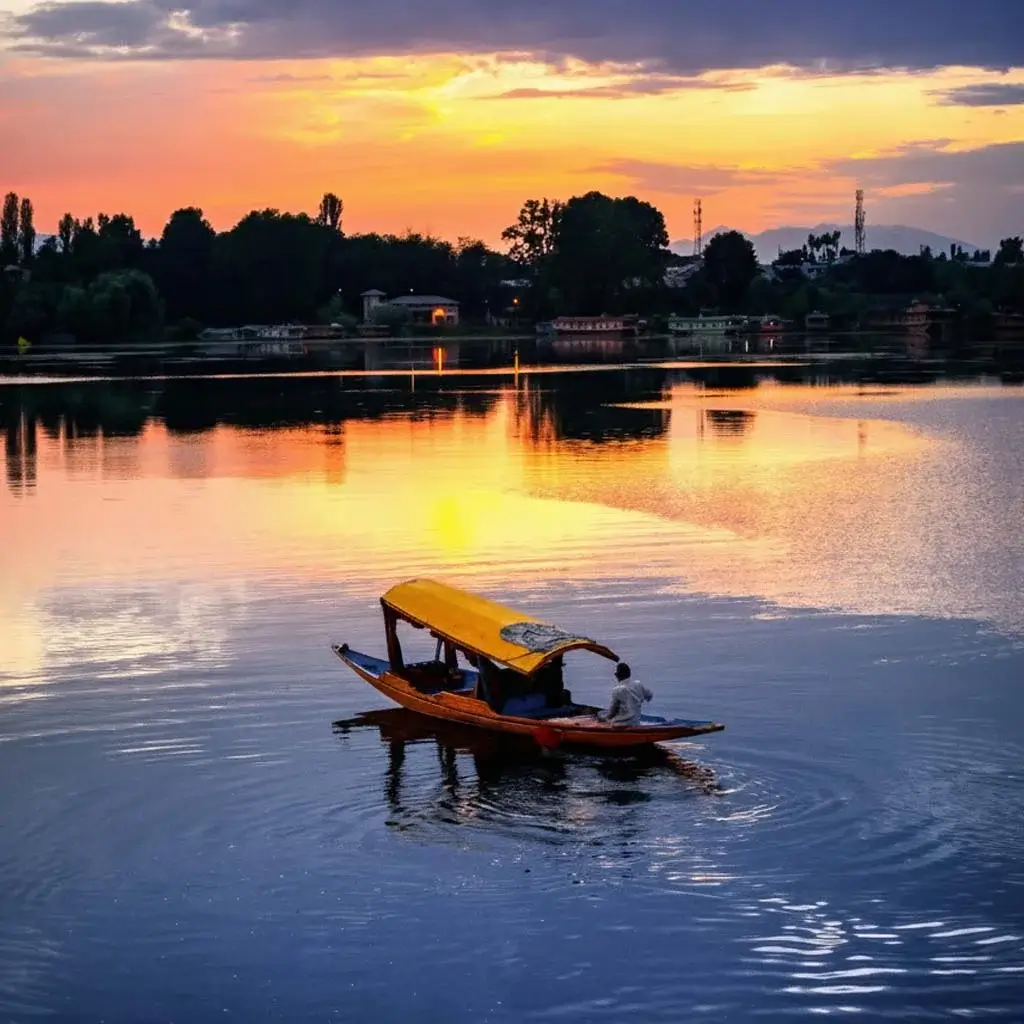
Dal Lake and Nigeen Lake give you two different moods. Dal is busier and more commercial. Nigeen is quieter and better if you want a calm houseboat stay.
A Shikara ride is the standard experience and worth doing early in the morning when the water is still and the light is low.
The Mughal Gardens, Pari Mahal and Hazratbal cover the main sightseeing. Local markets around Lal Chowk and the old city handle shopping.
Skip this: the floating vegetable market Shikara ride sold as a separate paid add-on at inflated rates. Ask your regular Shikara operator to include it in the early-morning ride you were already taking. Fix the price before you sit down.
Because Srinagar is low and central, it becomes your fallback when a mountain day collapses. That is why we base most October itineraries here.
Gulmarg
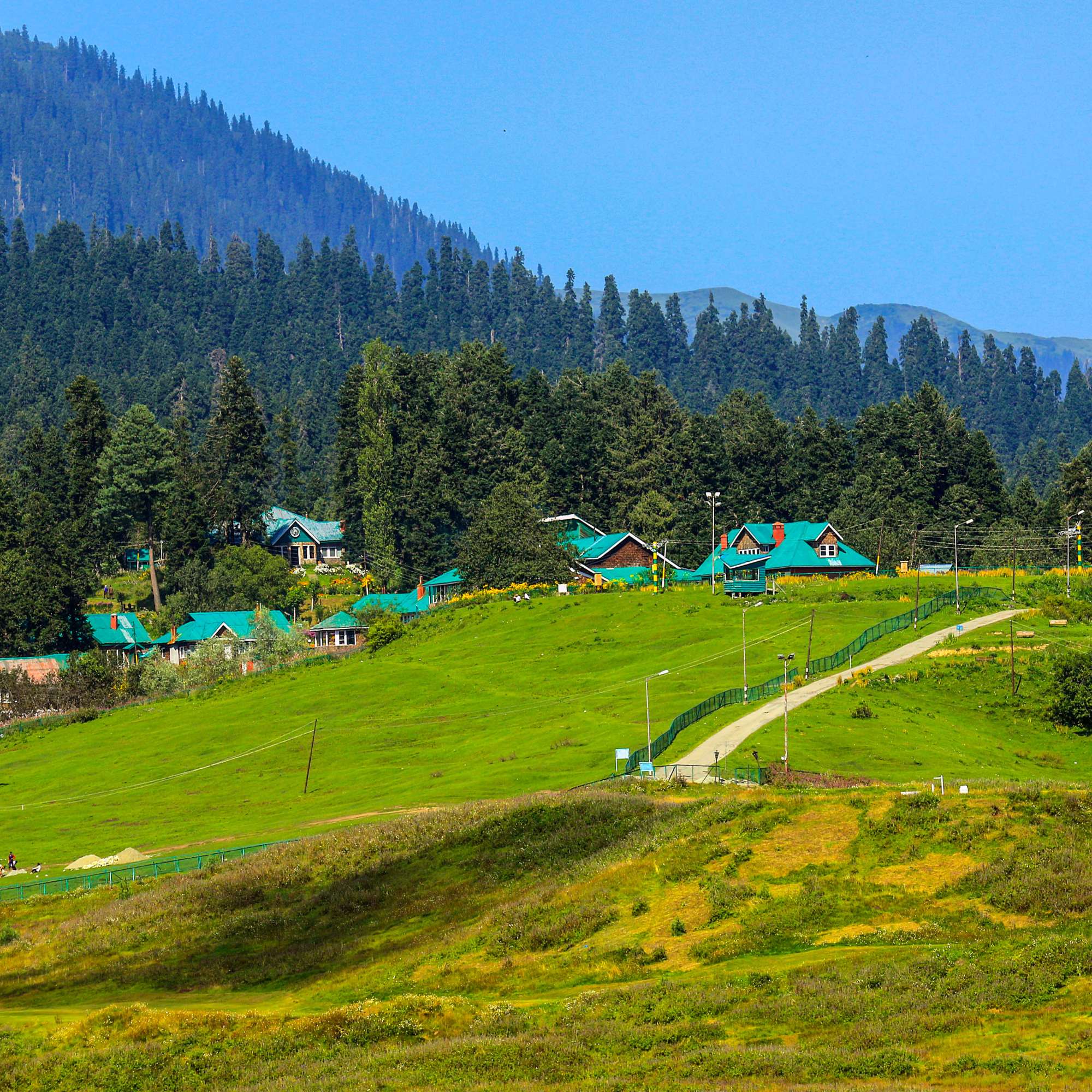
Gulmarg gives you open meadows, pine forest and the two-stage Gondola. In October the meadows have gone golden-brown rather than green, which photographs better than people expect.
The District Baramulla tourism page lists Gulmarg at around 60 km from Srinagar, with the journey described as roughly one and a half hours by car.
Treat that as a favourable-conditions estimate. Real driving time changes with traffic, weather and road conditions, and October mornings can be slow.
Gondola operation depends on weather, maintenance and technical clearance. It is not a guaranteed ride on any given day.
Pahalgam
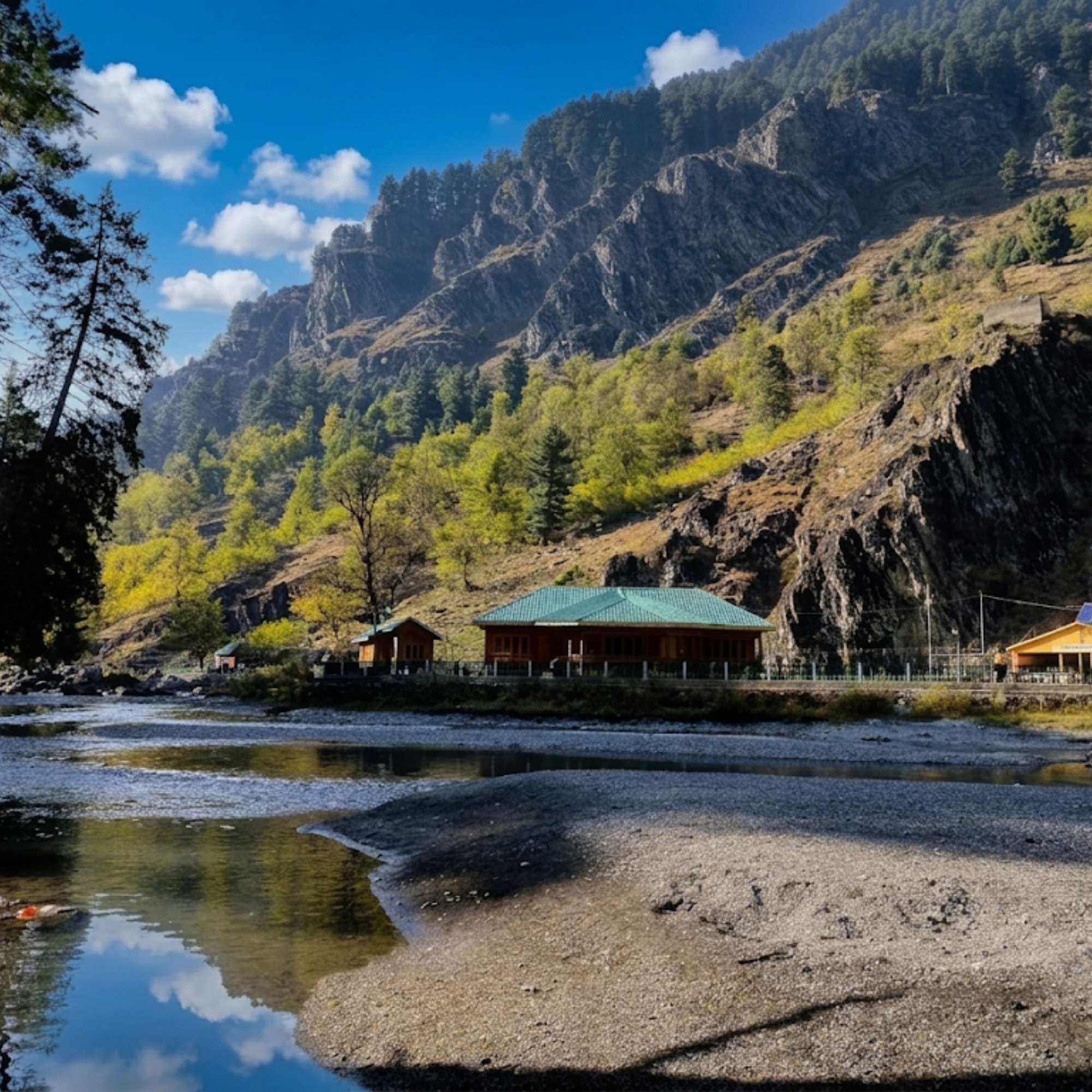
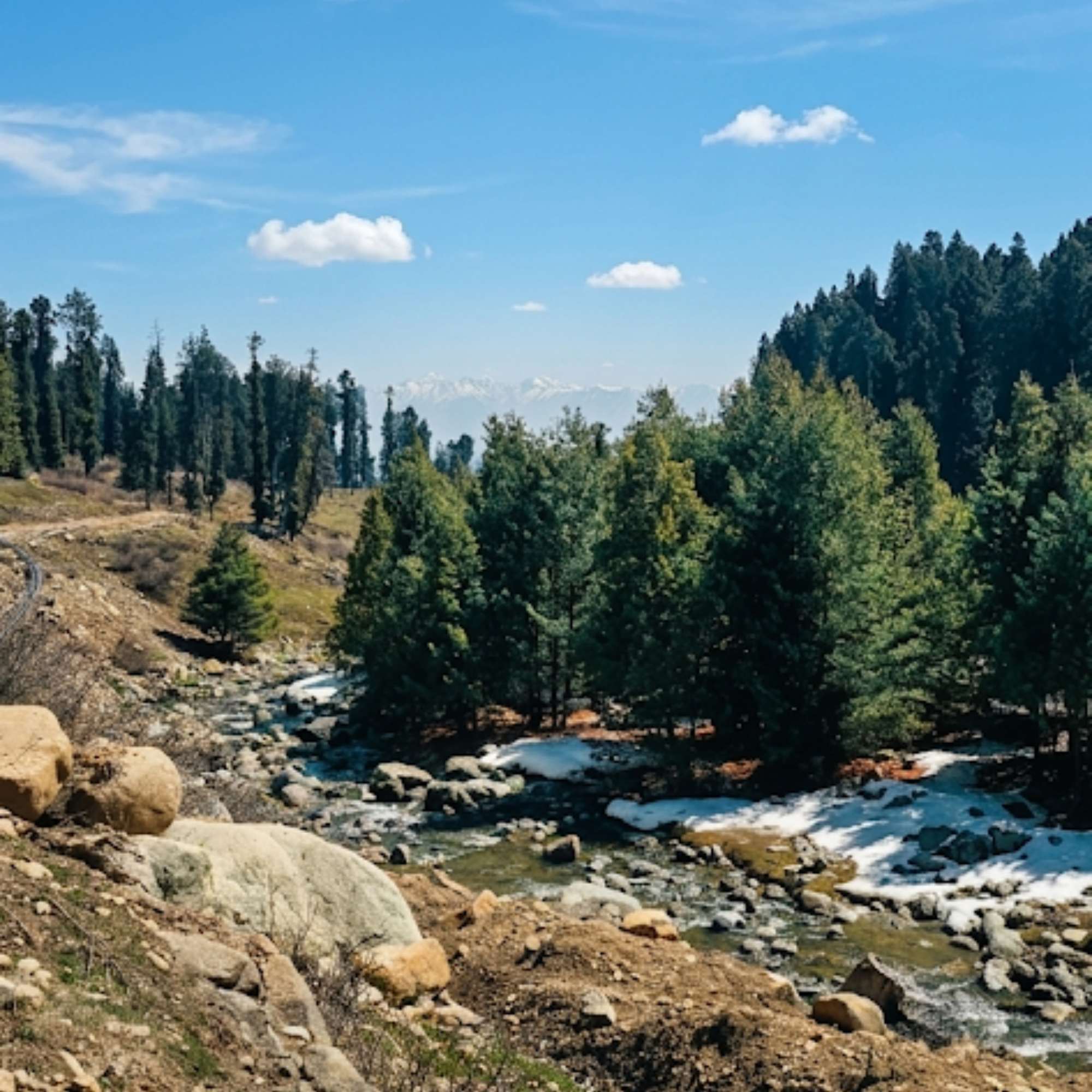
Pahalgam is the softer stop in the circuit. The Lidder River runs alongside the town and the riverside walks need no vehicle, no ticket and no planning.
Aru Valley, Betaab Valley and Chandanwari are the standard excursions from here.
The District Anantnag page lists Pahalgam as 96 km from Srinagar Airport.
Local transport arrangements for the valleys change, and not every vehicle can enter every sightseeing route. Check the latest local transport rules and sightseeing charges before travelling, as vehicle access and fares can change.
Safety and money warning: do not agree to any pony ride, valley taxi or guide service without settling the exact price and the exact route before you start. Verbal quotes get revised halfway up the trail. This is the single most common complaint we hear from Pahalgam.
Sonamarg
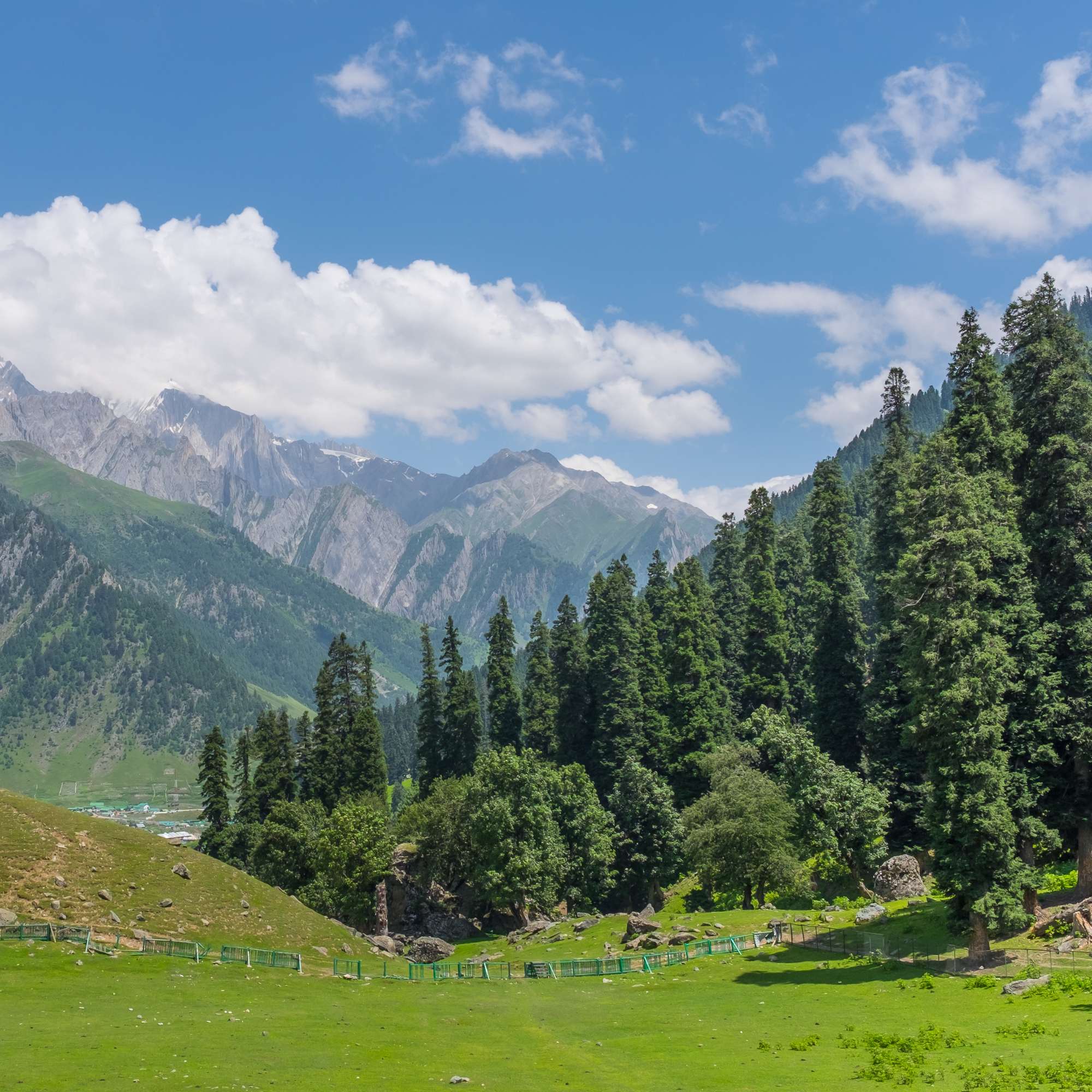
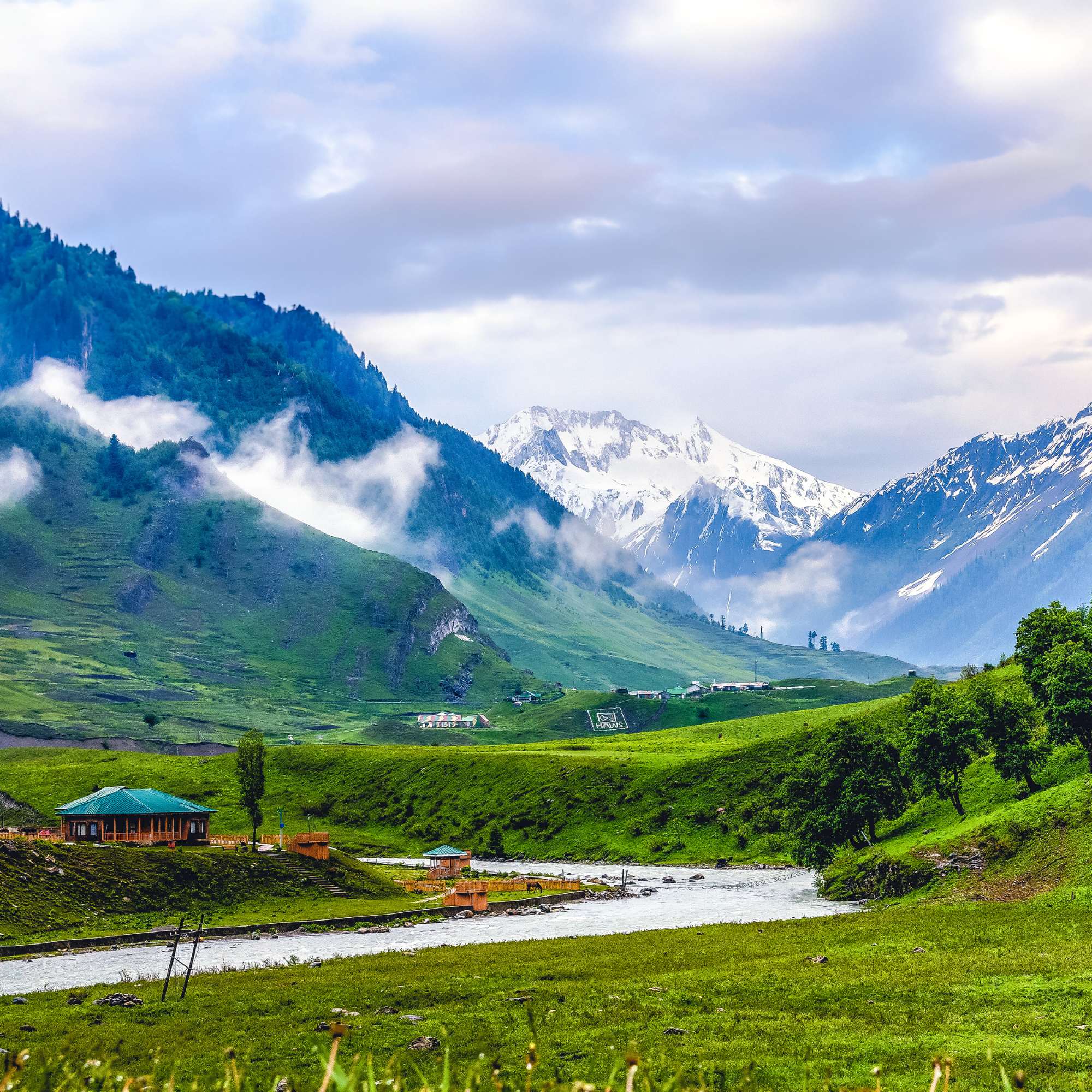
Sonamarg works better as an early-October attempt than a late-October promise. As the month goes on, the road and the weather get less reliable.
The draw is the mountain views and Thajiwas, which is a weather-dependent excursion rather than a certainty.
Available tourism and reference sources disagree on the Srinagar to Sonamarg distance, with figures ranging roughly from 80 km to 110 km.
Check current road access locally before committing a day to it. Do not build your whole trip around Sonamarg in the last week of October.
Pampore
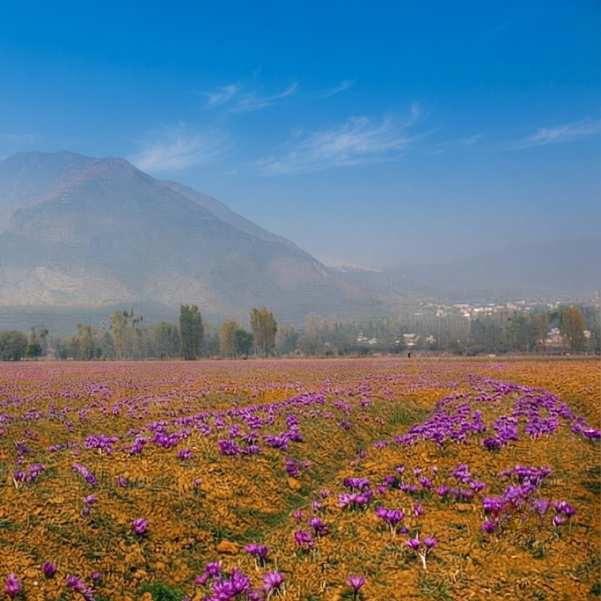
Pampore falls naturally on the route between Srinagar and south Kashmir, which makes it an easy add-on when flowering has been confirmed.
When the flowers are not out, it is a field. Do not make it a full-day compulsory stop.
Doodhpathri and Yusmarg
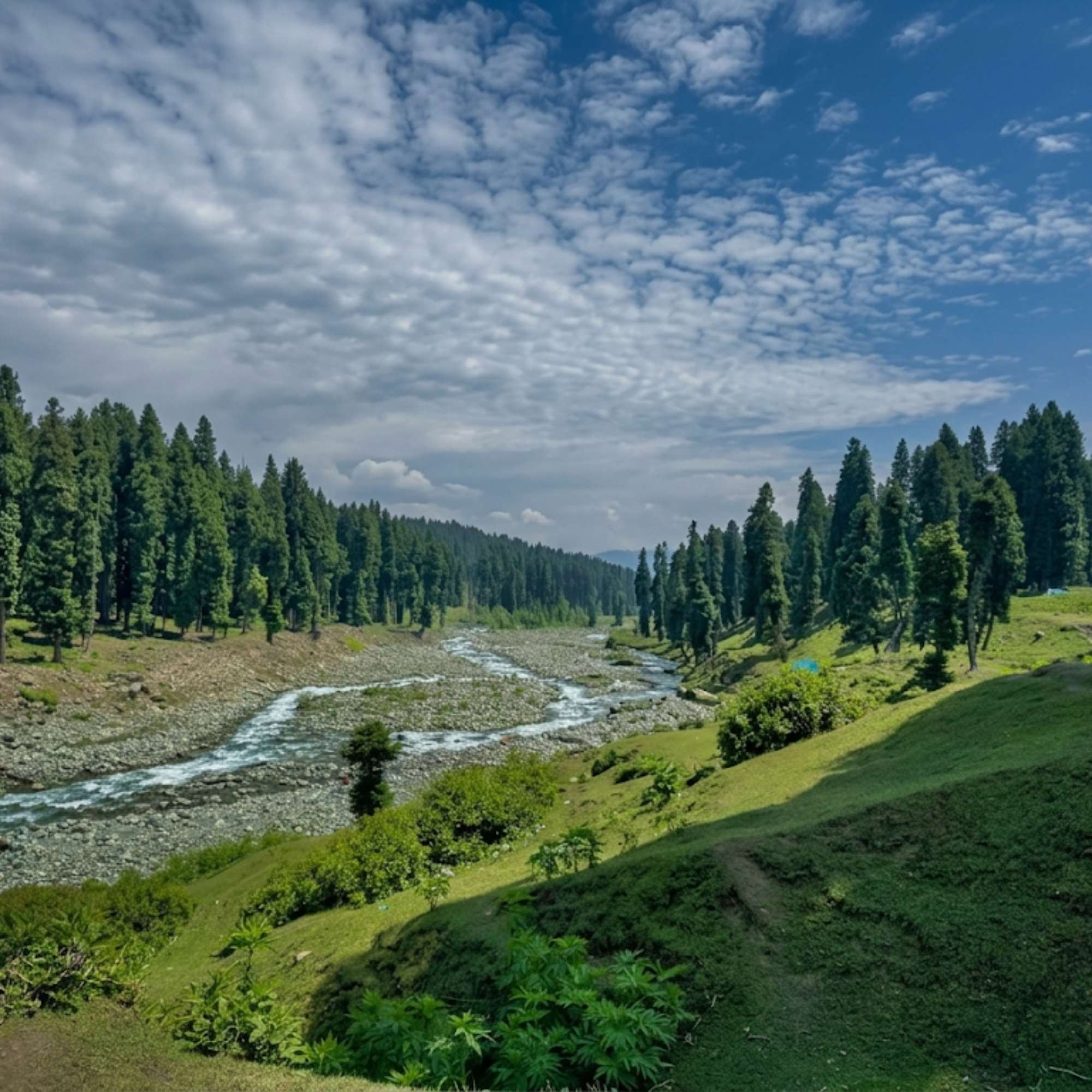
These two are the answer when high-altitude weather kills your Sonamarg plan.
Doodhpathri is officially listed 42 km from Srinagar. Yusmarg is officially listed 47 km from Srinagar.
Both give you meadow and pine scenery at a lower, more forgiving altitude, and both are close enough for a comfortable day trip.
Money-saving tip: these two days cost far less than a Sonamarg day because the distance is shorter and the vehicle requirement is simpler. When the weather turns, swapping to Doodhpathri saves you money and saves your day.
Should you include Gurez, Keran or Bangus?
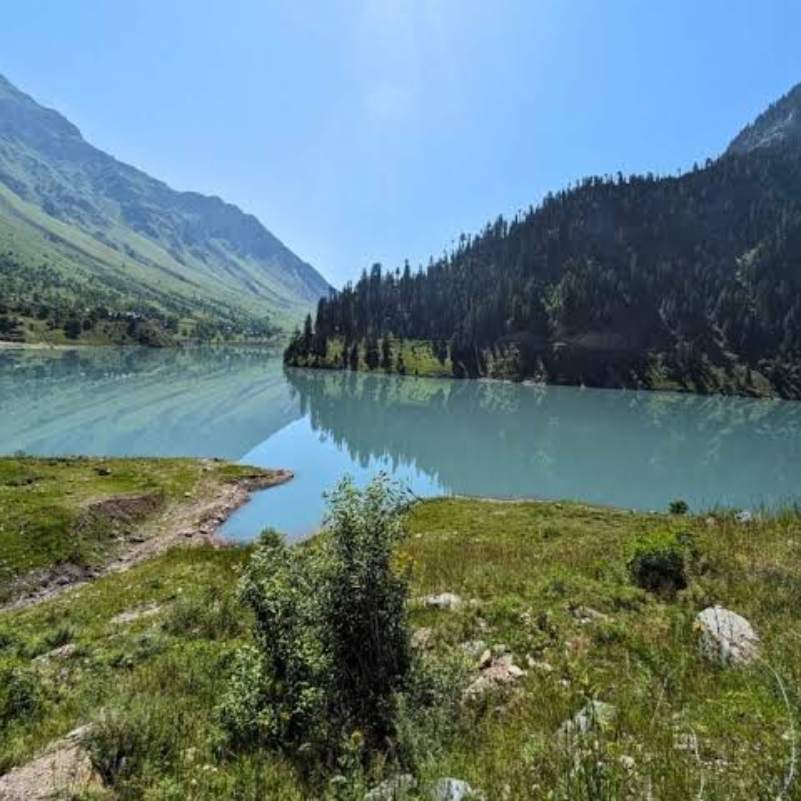
Not on a first-time six or seven-day trip. These are not casual add-ons and treating them as one is how people end up spending their whole holiday in a car.
The District Kupwara government runs an online permission process for the border areas of Machil, Karnah and Keran.
Gurez permission terminology and October road access need current confirmation.
Do not assume the same permit rules cover every remote destination. They do not.
What Is the Best Kashmir Itinerary for October?
This is a flexible seven-day frame, not a fixed schedule. October rewards people who leave room in the plan.
Day 1: Arrival in Srinagar
Check into your hotel or houseboat and do nothing demanding. A gentle Dal Lake or Boulevard Road evening is enough.
Get an early night. Do not schedule a mountain excursion on arrival day, no matter how early your flight lands.
Day 2: Srinagar sightseeing
Cover the Mughal Gardens, Pari Mahal and Hazratbal, and leave real time for local food and shopping.
Adjust the order around opening hours and traffic. Your driver will usually know which garden is quietest at which hour, so ask.
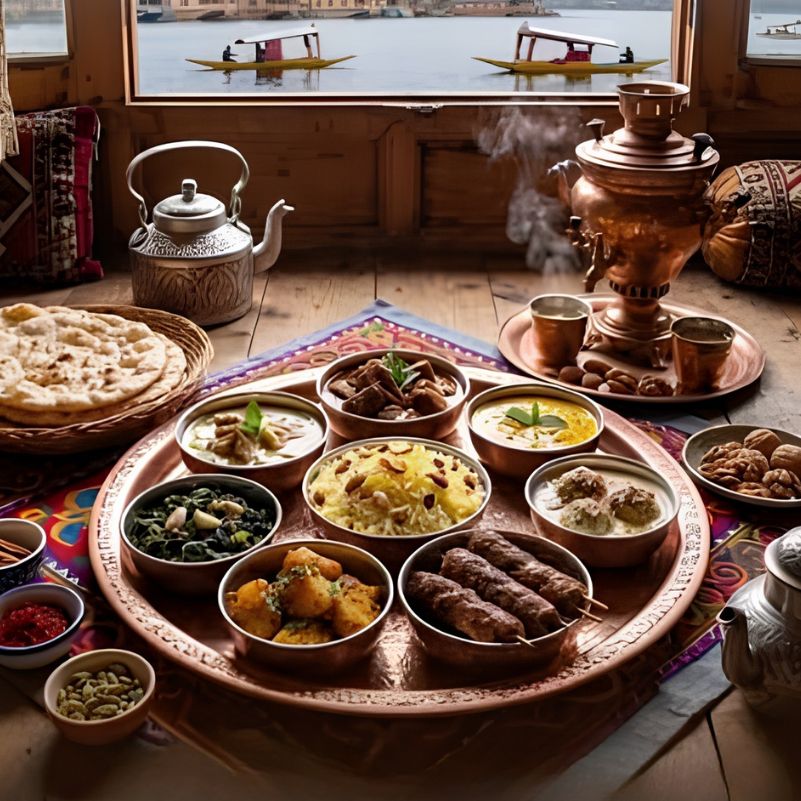
Food tip: eat wazwan properly at least once, at a sit-down place rather than a hotel buffet. The old city restaurants around the Khayam and Nowhatta side do it best. Order the rista and the gushtaba even if you only manage half.
Day 3: Gulmarg day trip or overnight stay
Book the Gondola in advance through the official portal. Walking up hoping for a same-day ticket is a bad plan.
The entire day depends on Gondola operation and weather. Have a backup in mind before you leave Srinagar.
Staying overnight in Gulmarg gives you a second morning attempt if the first one gets cancelled. In our experience, that extra night saves more October trips than any other single decision.
Day 4: Srinagar to Pahalgam
Drive down and settle in. Add a short Pampore stop only if the saffron bloom has been confirmed that week.
Do not stack multiple unrelated detours onto this day. A rushed arrival in Pahalgam wastes the best part of being there.
Day 5: Pahalgam sightseeing
Aru Valley, Betaab Valley and Chandanwari, subject to current local transport and access rules.
If you only have energy for one, the Lidder riverside walk near town costs nothing and beats a rushed three-valley run.
Day 6: Pahalgam to Srinagar
Drive back and keep the afternoon light free. Use it for a market walk, a café, a lakeside evening or whichever Srinagar attraction you missed on Day 2.
Day 7: Sonamarg or flexible weather alternative
Go to Sonamarg if the road and the forecast look good.
If they do not, switch to Doodhpathri, Yusmarg or another Srinagar day without arguing with the weather.
This flexible last day is the strongest part of the itinerary. It absorbs one bad-weather day without breaking anything else.
👉 Want a flexible October itinerary that works around weather and access? Message us on WhatsApp.
How Much Does a Kashmir Trip in October Cost?
There is no single honest per-person number, so we are not going to give you one.
Your flight is usually the biggest single variable. It changes with your departure city and how early you book.
Accommodation swings hard depending on whether you want a basic hotel, a mid-range property or a good houseboat, and how many rooms you need.
Private transport depends on your vehicle type, your total route and the number of days you keep the car.
Then you have meals, Gondola tickets, optional local sightseeing, Shikara rides and entry fees at the gardens.
Flight and hotel costs move with your booking date, so early October bookings for a late October trip usually cost less than last-minute ones.
Reconfirm taxi and local sightseeing rates for your exact route and vehicle. Rates quoted for a different itinerary will not match yours.
Check Gondola fares only on the official portal. Third-party 2026 sources publish conflicting amounts and we are not repeating any of them.
Do You Need a Permit for Kashmir in October?
For the mainstream Srinagar, Gulmarg and Pahalgam circuit, a special blanket tourist permit is not normally required. Carry valid government identification anyway, and expect to show it.
This is subject to current official restrictions, which can change. Confirm before you travel.
Border destinations are a separate matter with their own permission or registration requirements.
The Kupwara district government runs an online permission process for Keran, Machil and Karnah.
Wildlife area visits, fishing, mountaineering and certain treks can need separate permission of their own.
We do not claim that Gurez always uses a specific "Inner Line Permit" because that terminology needs official reconfirmation.
Is the Gulmarg Gondola Open in October?
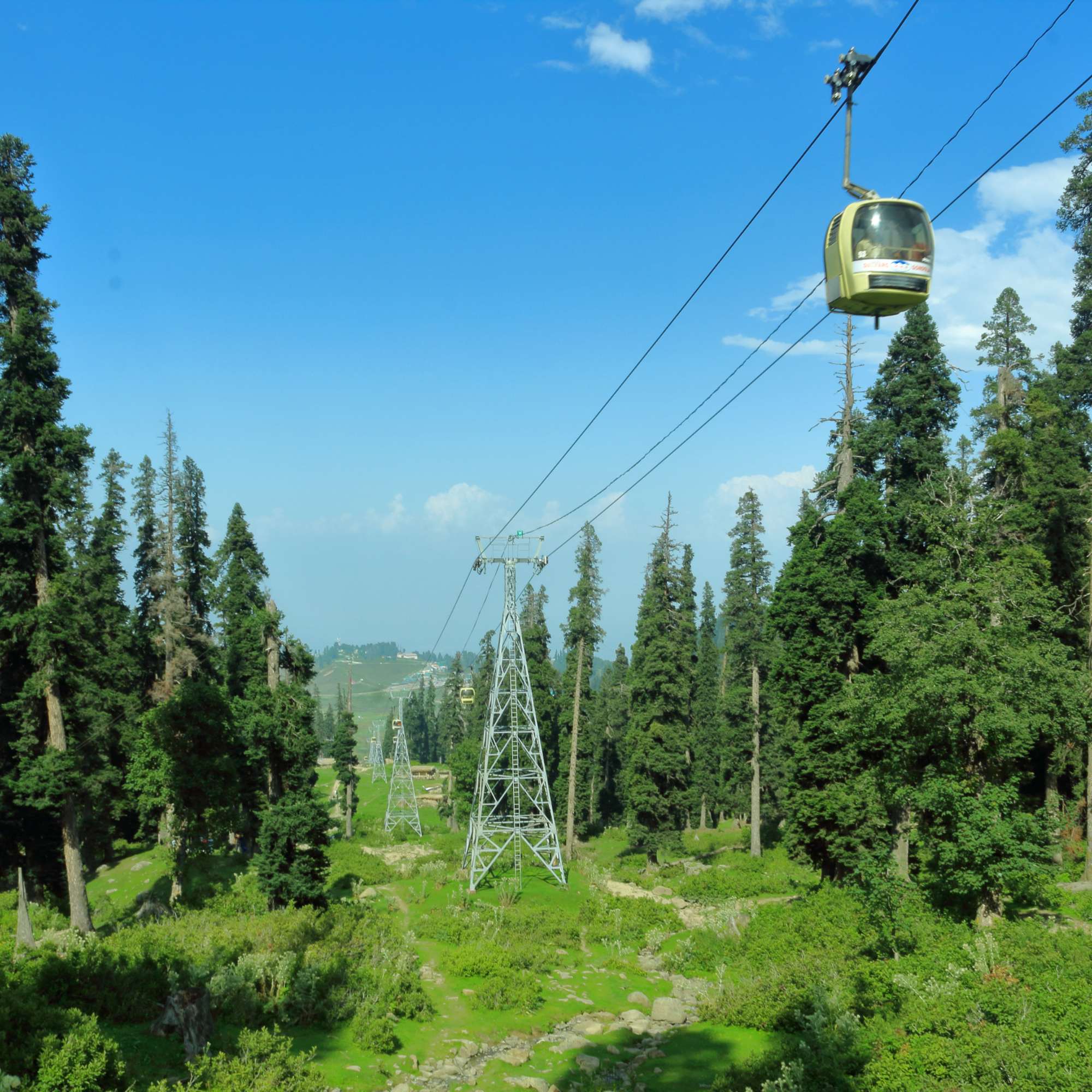
The Gulmarg Gondola is a two-stage ropeway, and the J&K Cable Car Corporation directs tourists to its official e-ticket portal for booking.
The currently published operating schedule starts at 8:00 AM and closes at 3:30 PM, with the last return listed at 5:00 PM.
Operation stays dependent on weather, maintenance and technical clearance. A published schedule is not a guarantee on any given morning.
The Gondola resumed service on June 26, 2026 after a temporary technical suspension, which is a useful reminder that this system does go offline sometimes.
We are not publishing a ticket price. Third-party 2026 figures conflict with each other, so check the official portal instead.
Timing tip
Book the first slot of the morning. Clouds build through the day at that altitude, and an 8 AM ride often gives you a view that the 1 PM ride does not.
What Clothes Should You Pack for Kashmir in October?

Layers do all the work in October. A single thick coat is worse than three thinner things you can add and remove through the day.
Carry a warm jacket, a light thermal layer, a woollen cap, gloves and warm socks. The cap and gloves matter more than people expect at the Gondola top station.
Comfortable walking shoes with grip are essential because garden paths, riverside walks and valley trails all involve uneven ground.
Add a water-resistant outer layer. October averages only about two rainy days in Srinagar, but the day it rains you will want it.
Pack sunscreen, sunglasses and moisturiser. The autumn sun at altitude is stronger than it feels and the dry air will get to your skin.
Carry a reusable water bottle and all your prescribed medicines, since specific medicines are not always easy to find outside Srinagar.
Late-October trips and any day in Gulmarg or Sonamarg need warmer layers than a sunny Srinagar afternoon suggests. Pack for the coldest part of your itinerary, not the average.
Is Kashmir in October Suitable for Couples, Families and Seniors?
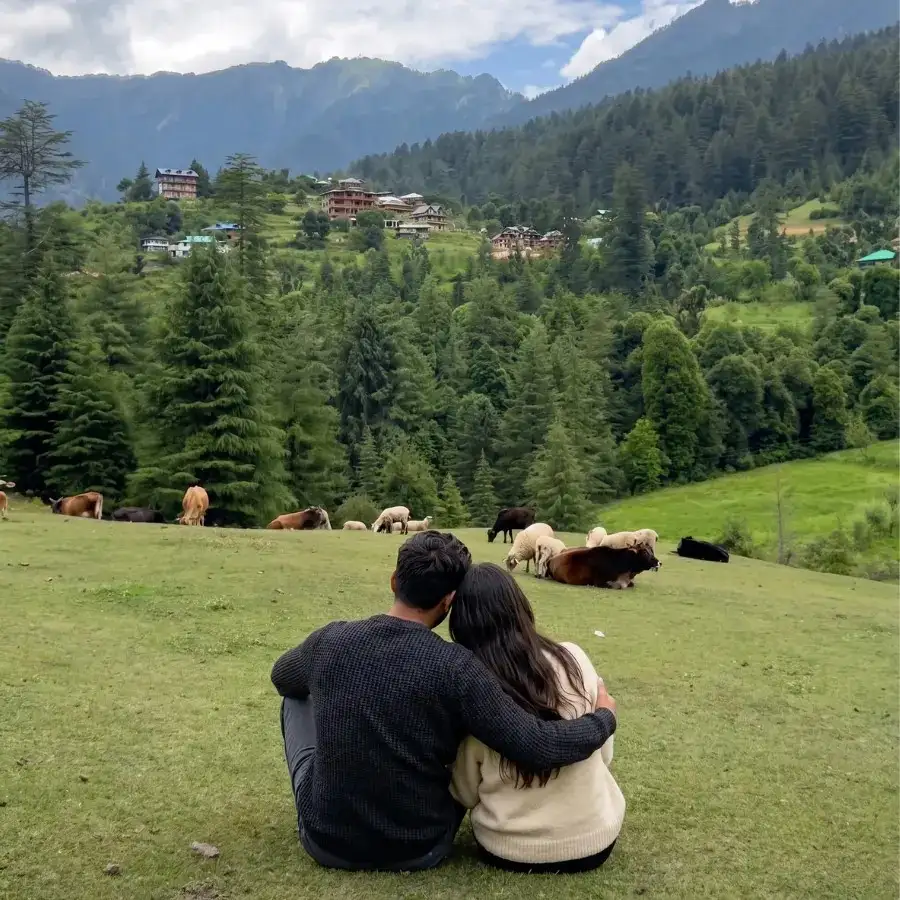
For couples, October is one of the better months in the year. Autumn colour, a quiet houseboat on Nigeen, slow walks in the gardens and photography that actually looks good without effort.
For families, keep hotel changes low. Two bases, Srinagar and Pahalgam, beat four. Build in one flexible day for the weather.
For seniors and young children, do not stack several long high-altitude excursions on consecutive days. One mountain day, then a lower, easier day, then another mountain day.
And for anyone travelling specifically for snow, we will say it again: October does not guarantee it.
What Can Disrupt an October Itinerary?
A Western Disturbance is the main one. It can bring rain, early snow at height and a sudden temperature drop within a day.
Beyond weather, a temporary high-road closure, Gondola maintenance, a flight change or a local administrative restriction can all reshape your plan.
For a sense of how quickly roads move: NH-44 was temporarily closed on July 23, 2026 after landslides and shooting stones during heavy rain, while the Srinagar–Sonamarg–Gumri road and Mughal Road were reported open that same morning.
That was July, not October, and it tells you nothing about what October will do. It only shows that road status here is a live thing, not a fixed fact.
Check IMD, your airline status and current traffic information before departure, and again before each mountain excursion.
Which Other Destinations Work Well in October?
If you are comparing autumn mountain trips, a few other regions are worth a look.
Our Ladakh tour packages cover a very different high-altitude landscape, though Ladakh road access is highly seasonal and must be checked for your exact dates.
For a quieter Himachal option, our Kinnaur tour packages work well in autumn.
If you want something easier to reach, look at our Manali tour packages or Shimla tour packages.
None of these are part of Kashmir. Treat them as alternatives or as a separate trip, not as an extension you squeeze onto the same holiday.
Explore Our Curated Kashmir Tour Packages
 4D/3N
4D/3NThe Perfect 4 Day Kashmir Getaway
4D Srinagar•1D Gulmarg+1
₹9,999₹14,499SAVE INR 4,500/ person 5D/4N
5D/4NBest Of Kashmir – Srinagar, Gulmarg & Pahalgam Tour Package
5D Srinagar•1D Pahalgam+1
₹11,499₹16,999SAVE INR 5,500/ person 5D/4N
5D/4NKashmir Honeymoon Experience – Srinagar, Gulmarg & Pahalgam
5D Srinagar•1D Pahalgam+1
₹14,499₹21,499SAVE INR 7,000/ person
Related topics
Frequently Asked Questions
Is October a good month for Kashmir?
Yes, especially for autumn colours, saffron season, photography and lighter crowds. It is a weaker choice if your only goal is snow.
Does Kashmir receive snowfall in October?
Snow is possible, particularly later in the month and at high altitude, but it is not guaranteed anywhere in the valley.
Can I find snow in Gulmarg in October?
The upper Gondola area has a better chance than Gulmarg's lower meadows, but nobody can promise snow on a specific October date.
How cold is Srinagar in October?
The IMD normals for 1971 to 2000 give a mean maximum of 21.4°C and a mean minimum of 5.7°C, so days are mild and nights are cold.
Is early October or late October better?
Early October is safer for high-altitude sightseeing. Late October usually gives stronger Chinar colour and the saffron bloom, with more weather risk.
Is Sonamarg open in October?
Often yes in early October, less reliably later. Confirm current road access locally before you plan a day around it.
Can I see the Pampore saffron fields in October?
Flowering is usually associated with late October and may run into early November, but dates shift with the weather and need local confirmation.
What clothes should I carry for Kashmir in October?
Layers, a warm jacket, a thermal layer, cap, gloves, warm socks, walking shoes with grip and a water-resistant outer layer.
How many days are enough for Kashmir in October?
Six to seven days covers Srinagar, Gulmarg and Pahalgam comfortably with one flexible day for weather.
Do tourists need a permit for Kashmir?
Not normally for the main Srinagar, Gulmarg and Pahalgam circuit, though you should carry valid ID. Border areas like Keran, Machil and Karnah have their own permission process.
Is Kashmir in October suitable for a honeymoon?
Yes. Autumn colour, quieter gardens, houseboat stays and comfortable daytime weather make it one of the better honeymoon months.
Is Kashmir safe for a family trip?
Check current official advisories before you travel, stay on approved tourist routes, carry identification, use reputable transport and follow local instructions.
More about Kashmir
 Kashmir
Kashmir Taxi Guide 2026: Local Union Rules, Cab Routes & Current Fare Logic
Planning to use taxis in Kashmir in 2026? Understand local union rules, popular cab routes, sightseeing restrictions and how taxi fares are generally structured across Srinagar, Gulmarg, Pahalgam and Sonamarg.
 Kashmir
Kashmiri Food Guide 2026: What to Eat in Srinagar, Pahalgam & Gulmarg
Discover what to eat in Kashmir in 2026, from traditional Kashmiri dishes and Wazwan to local snacks, breads and drinks. This guide covers food experiences in Srinagar, Pahalgam and Gulmarg for first time visitors.
- Things to Do
- Places to Visit
 Kashmir
SIM Cards in Kashmir 2026: Internet, ATMs, IDs & Tourist Essentials
Travelling to Kashmir in 2026? Learn about SIM card access, mobile internet, ATM availability, accepted ID documents and other essentials tourists should arrange before visiting Srinagar, Gulmarg, Pahalgam and Sonamarg.
- First-Time Travellers