
Kashmir in January 2027: Snowfall, Weather, Itinerary and Travel Guide
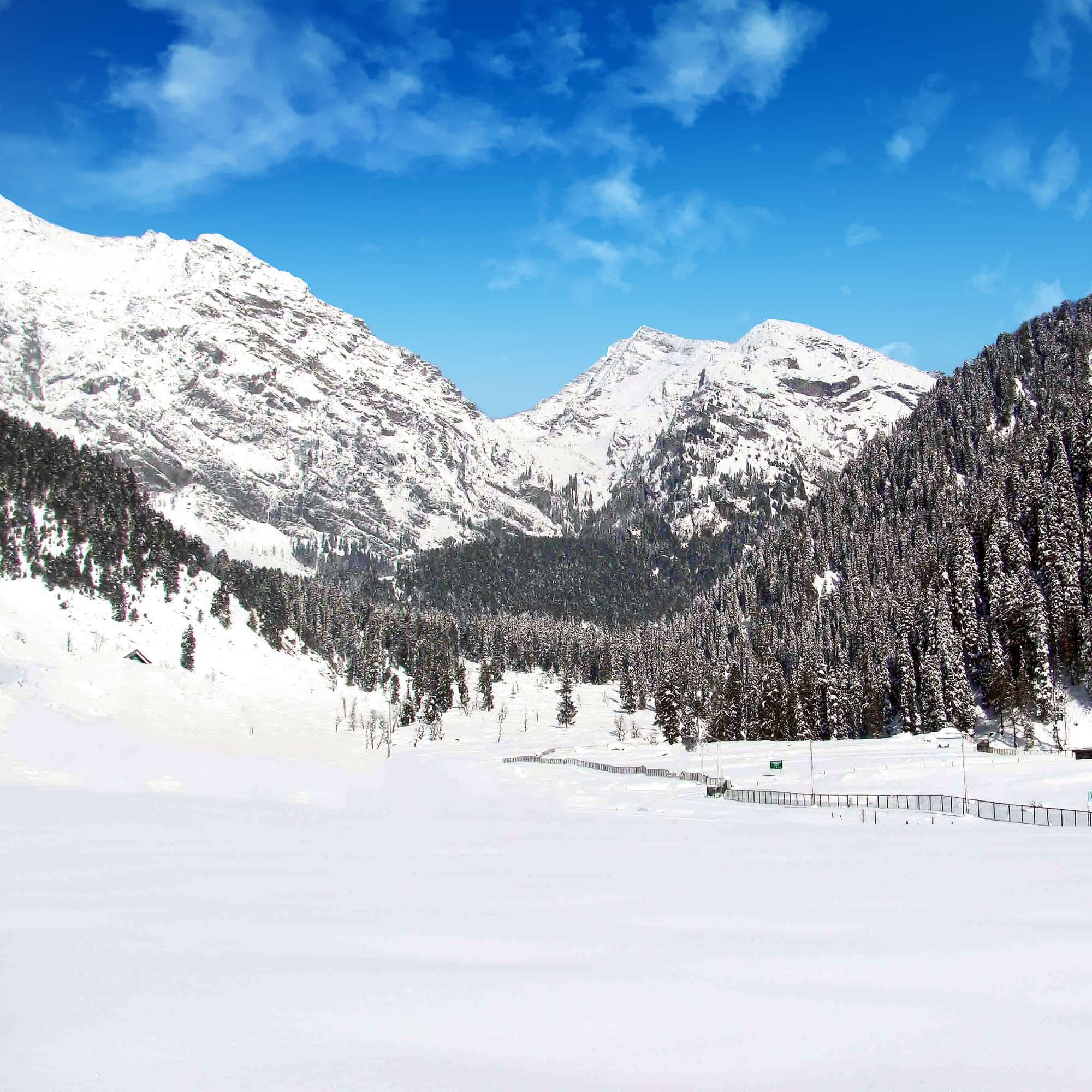
January is one of the coldest and snowiest months in Kashmir, with freezing nights, snow-covered landscapes and strong chances of snowfall in Gulmarg,
Pahalgam and other higher areas. Srinagar may also receive snowfall, although the timing and intensity can vary each year.
A Kashmir trip in January 2027 is ideal for travellers who want winter scenery, skiing, snow activities and a peaceful holiday experience.
This guide by Travel Coffee will help you understand the expected weather, snowfall conditions, suitable places to visit, recommended itinerary and important travel tips for planning your January Kashmir trip.
Quick Answer
Kashmir in January 2027 works well if you want snow scenery, beginner skiing and a proper winter atmosphere, especially around Gulmarg. Expect sub-zero nights, occasional flight and road delays, and destination access that changes with the weather.
Nobody can guarantee fresh snowfall on your exact dates. Our Kashmir tour packages are built around that uncertainty.
Is Kashmir Worth Visiting in January 2027?
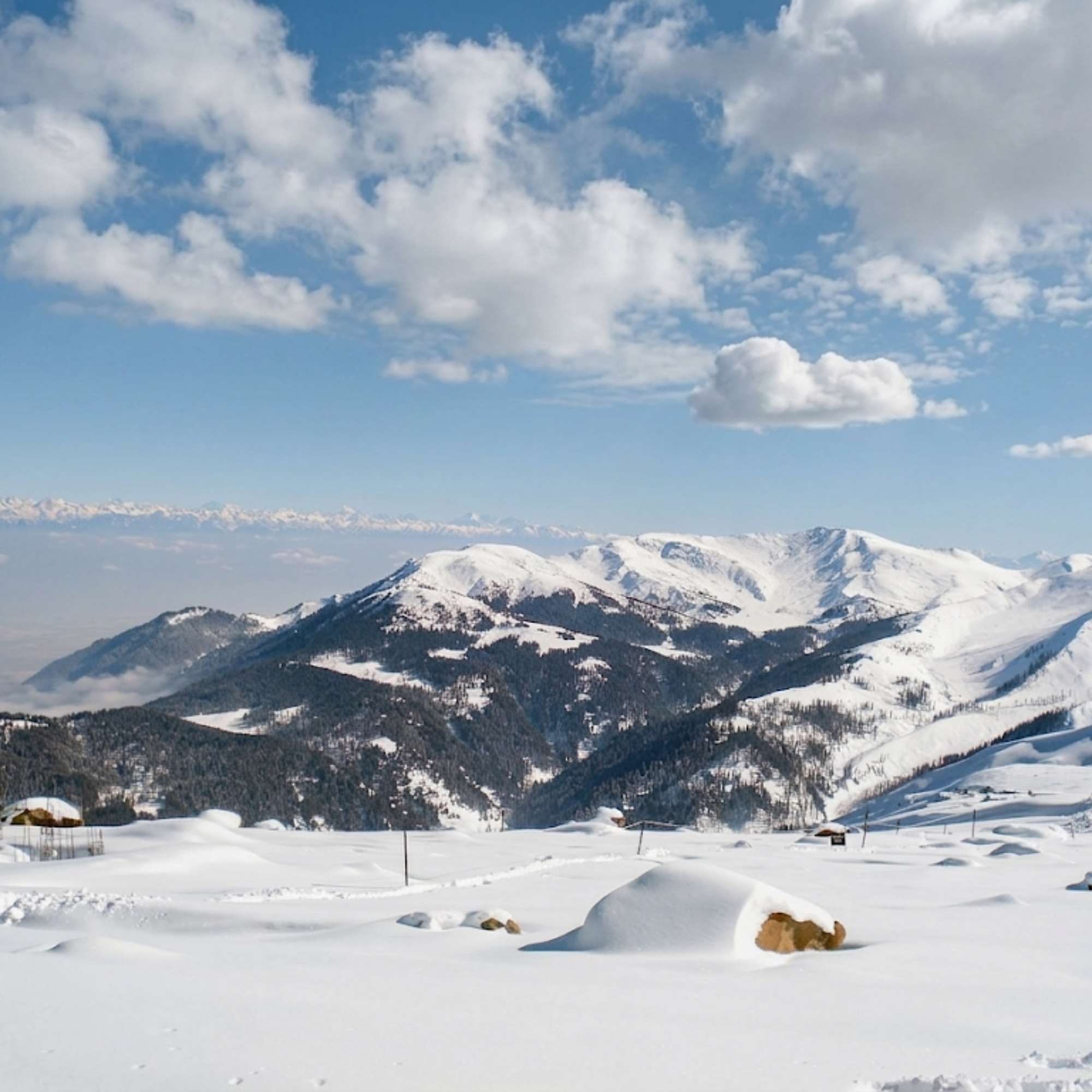
January suits you if you want snow, quiet, and photographs that look nothing like the rest of India in winter.
It works for honeymooners, photographers, first-time skiers and anyone who genuinely enjoys severe cold.
It does not work if you want flowering gardens, mild afternoons, unrestricted road trips or six sightseeing stops a day.
Here is the thing most tourists get wrong. Finding snow already on the ground and watching snow fall during your trip are two completely different experiences.
Snow lying on the ground in Gulmarg in January is likely. Live snowfall on the two days you happen to be there is luck.
In our experience running winter trips, the travellers who come back happiest are the ones who booked for the landscape, not for a snowfall event.
January falls inside Chillai Kalan, Kashmir's traditional 40-day severe winter period. Published sources differ on the exact end date, so treat the whole month as deep winter.
What Weather and Snowfall Can You Expect in January?
Srinagar Weather in January
A broad published planning range for Kashmir's plains sits around -2°C to 8°C.
Read that as a historical planning range, not a January 2027 forecast. Nobody has a forecast for a month that far out.
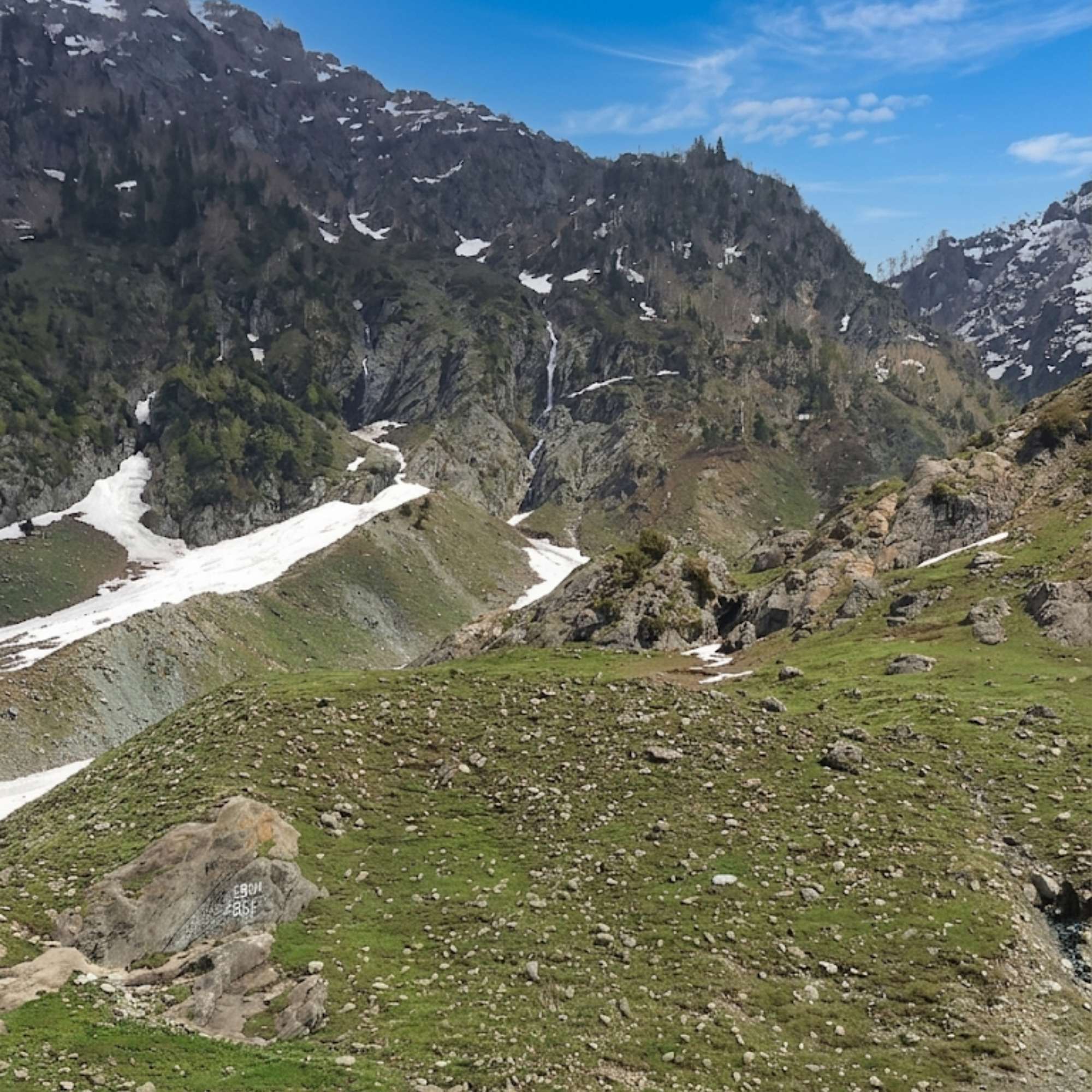
Sub-zero nights, morning frost, thick fog and snow are all possible in Srinagar.
Srinagar does not stay continuously white through January. Snow falls, then melts into slush, then falls again.
Sections around Dal Lake can freeze during severe cold spells. That does not mean the entire lake freezes solid, and it never means you should walk on it.
Do not step onto frozen water anywhere in Kashmir. Not the lake, not the Lidder, not a pond that looks solid.
Gulmarg Weather in January
Gulmarg sits higher than Srinagar, so your odds of settled snow on the ground are much stronger here.
Expect colder air, snow underfoot, and wind that cuts through anything that is not properly windproof.
The Gondola stops running when the weather turns. That is normal, not a failure.
Carry waterproof boots, dress in layers, and keep your Gulmarg plan flexible. Those three things decide whether you enjoy the place or endure it.
Pahalgam Weather in January
Pahalgam and the higher areas around it can pick up serious snow.
Access to Aru Valley, Betaab Valley and Chandanwari depends on snow clearing, road conditions and local orders on the day, so confirm their status before travelling.
Do not build your itinerary assuming all three will be open. Some Januarys they are, some Januarys they are not.
Sonamarg Weather in January
The Z-Morh tunnel improved year-round connectivity to Sonamarg, which was a real change for winter travel here.
Better connectivity does not mean guaranteed access. Avalanches, road controls and local weather still shut things down.
Access to Sonamarg in January depends on weather, avalanche risk and official road controls, so confirm the latest status locally one day before travelling.
A major avalanche affected Sonamarg in January 2026. We mention it only to make one point clearly: a tunnel does not cancel winter.
Where Are You Most Likely to Find Snow?
If settled snow is your main priority, Gulmarg is the practical answer. Higher ground, more reliable cover.
Pahalgam and Sonamarg can both deliver excellent snow, but access on any given day depends on clearing and orders.
Srinagar snowfall is the least predictable of the four. Some trips you get a white morning, some trips you get grey slush.
Here is why we never guarantee snowfall to anyone who calls us. India's Winter Games in Gulmarg were postponed in 2025 because there was not enough snow.
If a national sporting event can get postponed for lack of snow, no travel operator can promise you a snowfall on 14 January.
What we tell our travellers is simple. Book Kashmir in January for the winter landscape and the cold-weather experience. Treat live snowfall as a bonus.
Which Kashmir Destinations May Be Open in January 2027?
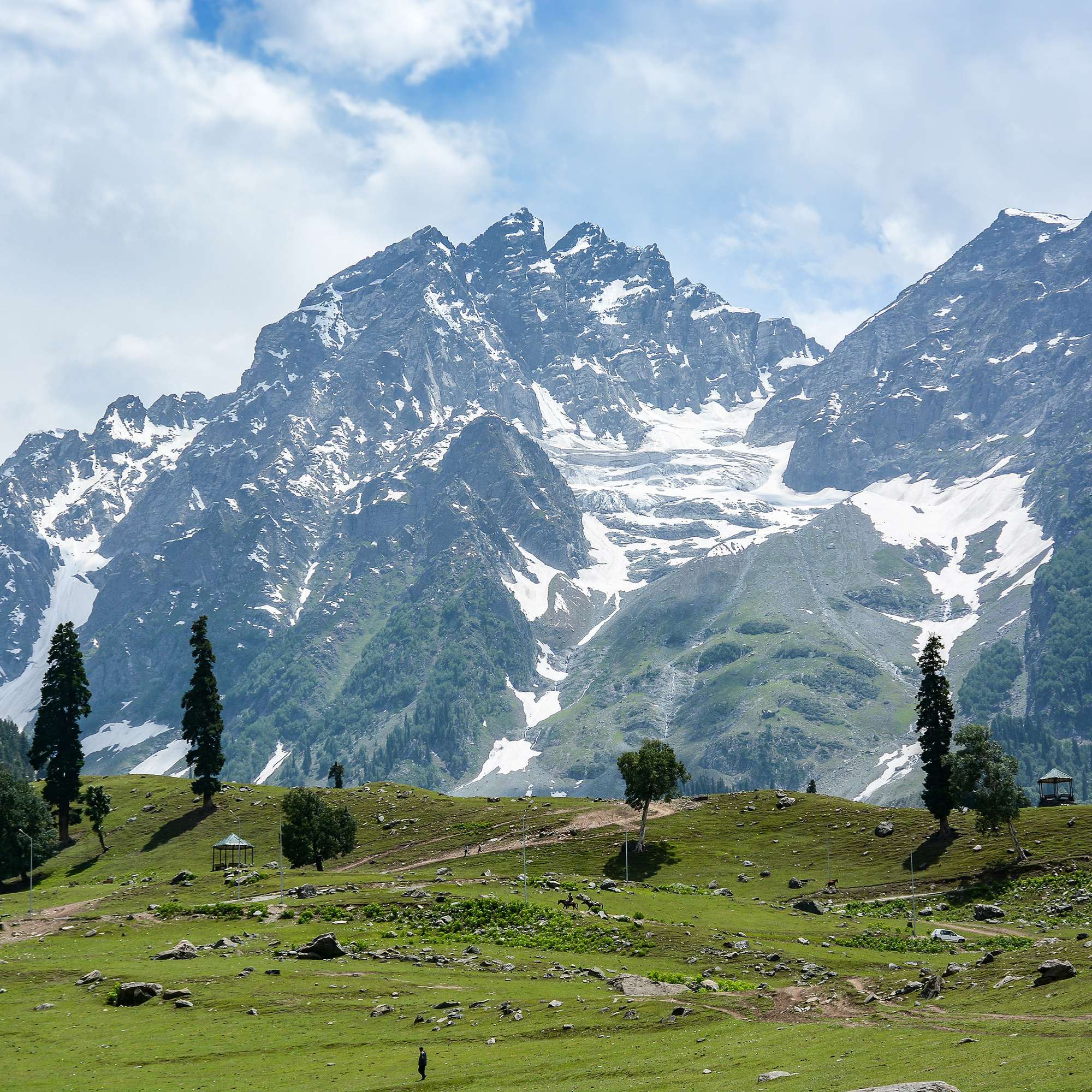
Srinagar
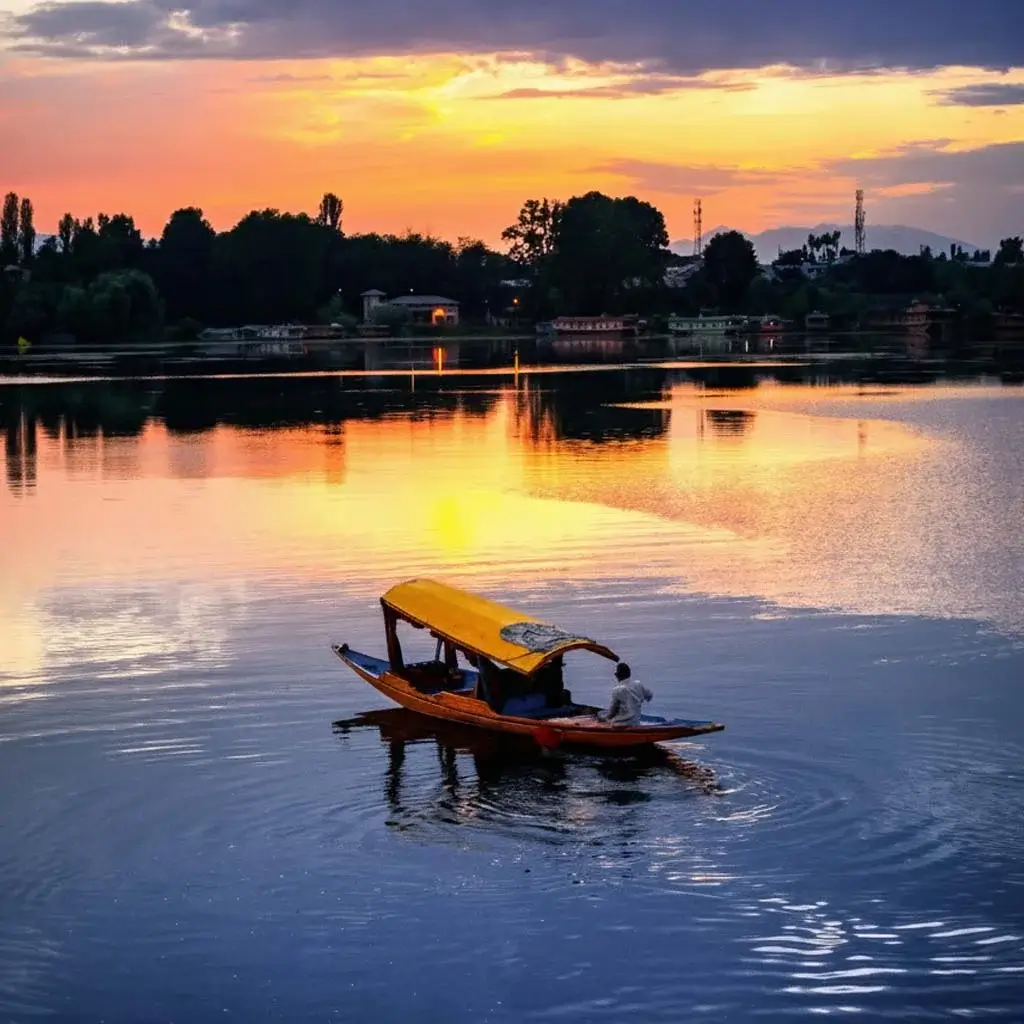
Dal Lake is the anchor. Shikara rides usually run when the water and weather allow, and a ride in cold January light is a different thing entirely from a summer one.
Old Srinagar is where the city actually shows itself. The lanes, the old wooden houses, the shrines.
Hazratbal and the local markets stay accessible in most winters. The markets are also where you buy the woollens you underestimated.
Stay in a heated houseboat or a properly heated hotel. Confirm the heating before you pay, not after you arrive.
The Mughal gardens can be visited subject to local timings, but January is not their season. Nothing flowers. You are looking at bare trees and old stonework.
Honest opinion from us: if your trip is tight, the gardens are the thing to skip in January. Put that time into Old Srinagar instead.
Gulmarg
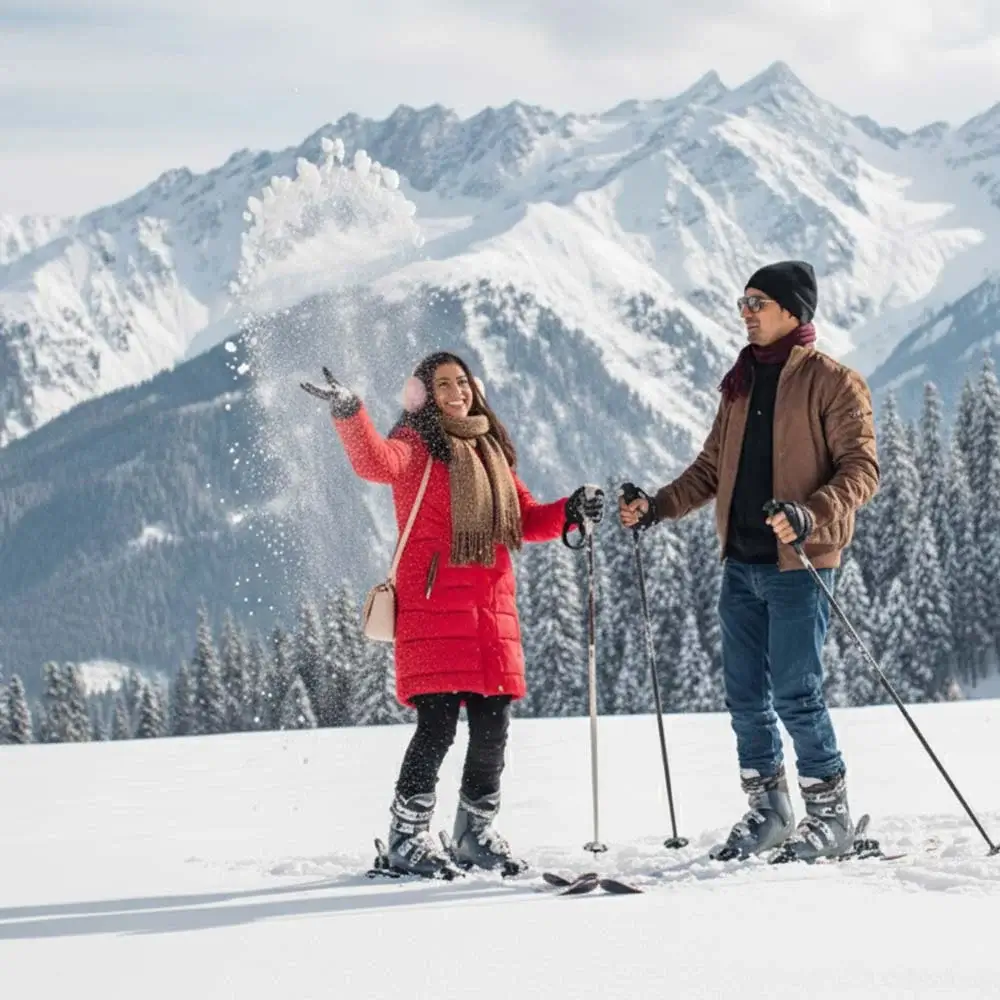
Snow walks, beginner skiing, sledging and the Gulmarg Gondola are the four reasons people come here.
The Gondola stops for strong wind, poor visibility, technical checks or preventive maintenance. Any of these can happen without warning.
Plan Gulmarg as an overnight stay, not a day trip. That single decision saves more Kashmir trips than anything else we advise on.
Pahalgam
Pahalgam town itself, the winter views along the Lidder River, and short walks in accessible areas are usually workable.
The surrounding valleys are a different question and depend on the day's clearance.
Sonamarg
The tunnel changed connectivity here for the better.
Still check the route and local sightseeing status the day before you travel. Not a week before. The day before.
Doodhpathri, Yusmarg and Other Offbeat Places
Treat Doodhpathri and Yusmarg as optional extras, never as fixed itinerary stops.
Government security orders and snow clearing changed access to offbeat spots repeatedly through 2025 and 2026, sometimes with almost no notice.
We have had to redraw itineraries the same morning more than once for exactly this reason.
What Is the Best Six-Day Kashmir Itinerary for January?
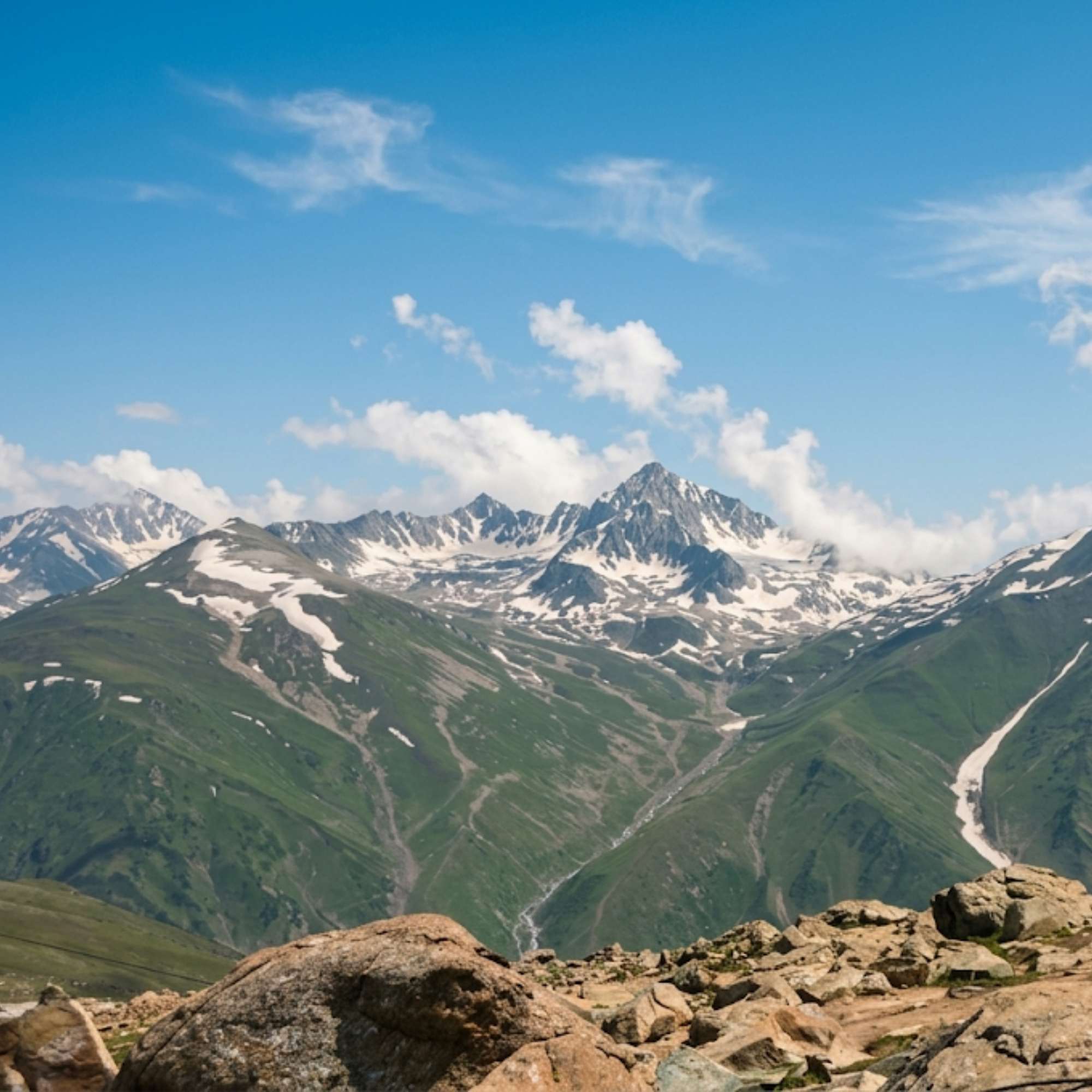
Day 1: Arrive in Srinagar
Keep day one light. Flights get delayed by fog and snow, trains run late, and roads slow down.
Check into the hotel, spend time around Dal Lake, take a short shikara ride if boats are operating, and eat an early dinner.
Do not schedule anything you cannot cancel on arrival day.
Day 2: Srinagar to Gulmarg
Gulmarg is approximately 60 km from Srinagar.
Do not calculate your travel time from that number alone. Snow on the road, traffic controls and chain fitting all add time in winter.
Stay overnight in Gulmarg. This is the single most important line in this itinerary.
Day 3: Gulmarg Gondola and Snow Activities
This is your Gondola day, and staying overnight is what gives you a full morning to use it.
If the Gondola is suspended, do not chase another distant destination out of frustration. Use the day for safe snow activities around Gulmarg instead.
A cancelled Gondola with a good local day still beats a six-hour round trip through slush.
Day 4: Gulmarg to Pahalgam
Pahalgam sits approximately 96 km from Srinagar Airport.
Check the weather and road status before you leave Gulmarg. If either looks bad, ask your driver honestly rather than pushing through.
Keep the evening free. After a winter transfer, nobody wants a sightseeing stop at 6 PM.
Day 5: Pahalgam Sightseeing and Return to Srinagar
Choose your local sightseeing based on what is actually cleared that morning, not what you saw on Instagram.
Return to Srinagar the same evening so your departure never depends on a long mountain transfer.
Day 6: Srinagar Sightseeing and Departure
Fit in local sightseeing or shopping if your departure time allows it.
This day doubles as your weather buffer. If something went wrong earlier in the week, this is where you absorb it.
How Can You Reach Kashmir in January 2027?
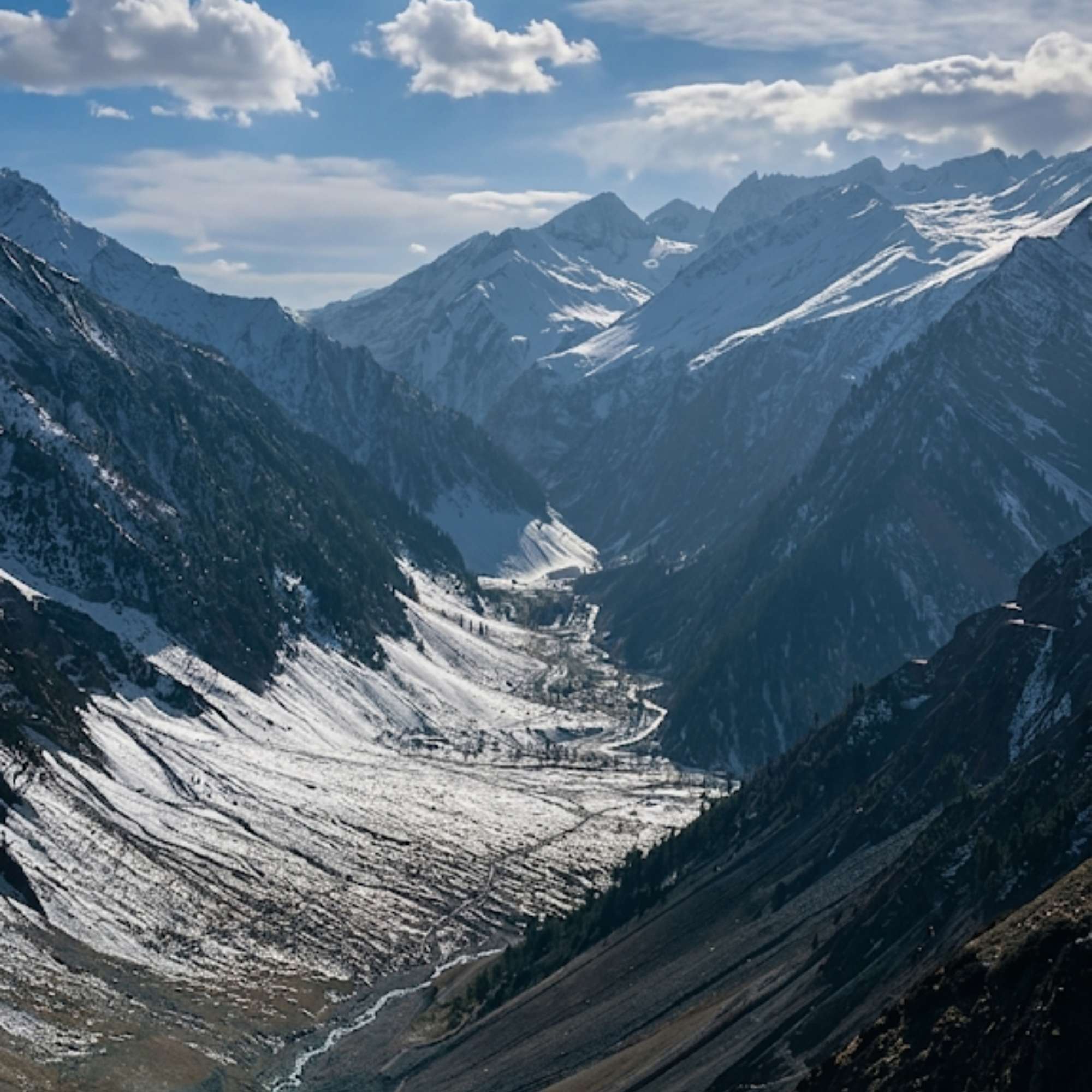
By Flight
A flight to Srinagar is the simplest option for most travellers.
Flights get delayed or cancelled because of snow, fog or poor visibility. This is routine in January, not rare.
Never book a tight onward connection, a wedding, an exam or anything important immediately after your scheduled arrival.
We have seen travellers miss same-day connections in Delhi because of a two-hour Srinagar fog delay. Leave a buffer night if the onward thing matters.
By Train
Regular Jammu Tawi-Srinagar Vande Bharat service began on 2 May 2026.
Two pairs of services operated at launch over a corridor of approximately 266 km.
The January 2027 timetable, operating days, seat availability and fares may change, so check the latest details before planning your journey.
By Road
NH-44 is the principal Jammu-Srinagar road route.
Temporary closures happen because of snow, landslides, shooting stones or unsafe weather.
Check J&K Traffic Police advisories before you leave Jammu. Every single time.
We will not give you a road duration for January. Winter conditions change it too much for any number to be honest.
If you would rather have the routing, stays and vehicles handled for you, our Kashmir tour packages follow this same six-night structure.
How Much Will a Kashmir Trip Cost in January 2027?
We are not going to invent a per-person figure for you.
Your final cost depends on the flight or train, the heated hotel and room category, the private vehicle, Gondola tickets, skiing, meals, snow clothing rental and your group size.
Hotel prices, taxi rates, Gondola tickets and winter activity charges vary by travel dates, demand and availability, so confirm the latest prices before booking.
Here is a money tip most travel blogs will not give you
When you take a quote, ask in writing whether heating, hot water, driver allowance, tolls, parking and local vehicle changes are included.
Local vehicle changes are the one people forget. On some winter routes the main taxi cannot go the last stretch and a local vehicle takes over, and that cost lands on you at the worst moment.
A cheap-looking quote that excludes room heating is not a cheap quote. It is a cold room.
>>Ready to plan Kashmir in January 2027? WhatsApp us for a customised winter itinerary and quote.
How Should You Book the Gulmarg Gondola?
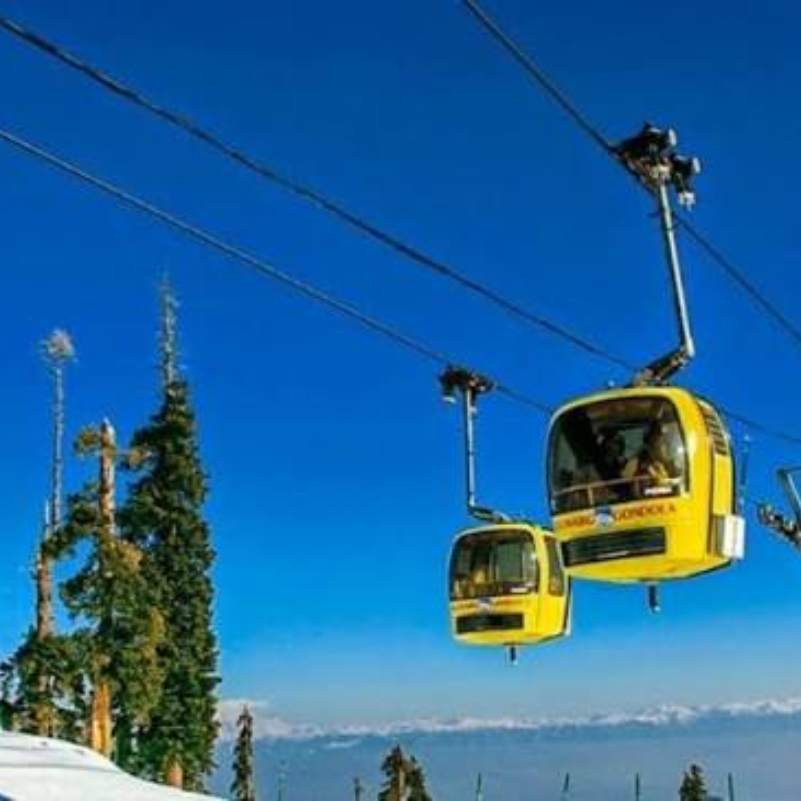
The Gulmarg Gondola is a two-stage ropeway.
The official operator advises tourists to book through the official J&K Cable Car Corporation ticket portal. Use that, not an agent standing outside the gate.
The Gondola reopened after a technical shutdown in 2026.
The official website states that preventive maintenance is normally scheduled for the second and fourth Monday of each month, but check the latest January 2027 closure notice before booking.
Current boarding guidance states that entry begins at 8:00 AM, closes at 3:30 PM, and the last return is at 5:00 PM. Confirm the timings again on your travel date.
Check the official portal for the latest January 2027 ticket prices, as third-party websites may show outdated or conflicting fares.
Phase 2 is more exposed to wind and weather closures than Phase 1. If both phases matter to you, go early in the day and go on overnight morning.
Timing tip
Reach the queue before entry begins at 8:00 AM. Operations can be suspended later in the day if wind or weather conditions worsen.
What Are the Best Things to Do in Kashmir in January?
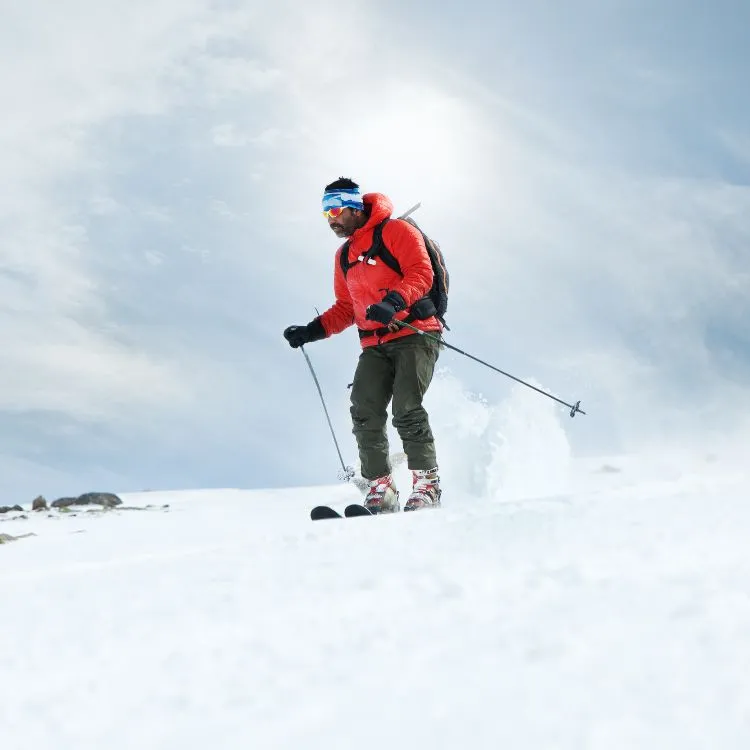
Beginner skiing in Gulmarg with a qualified instructor is the standout activity, and January is a genuinely good month for it.
Snowboarding, sledging and slow snow walks fill the rest of a Gulmarg day comfortably.
Unguided backcountry skiing is not a casual tourist activity. Do not let anyone talk you into it because you skied once in Auli.
Winter photography in Kashmir is exceptional, mostly because the light is low and clean all day.
A houseboat stay on Dal Lake with proper heating is worth doing once. Confirm the heating arrangement directly with the owner.
Local shopping means pashmina, walnut wood and carpets. Buy from the market, compare two or three shops, and do not buy on the first quote.
For food, get harissa early in the morning in Old Srinagar. It is a winter-only mutton dish, the shops sell out by late morning, and it is the single most Kashmiri thing you will eat in January.
Kahwa and noon chai are the two drinks you will end up having four times a day. Noon chai is salty and pink and confuses everyone the first time.
Again, do not walk on frozen lakes or rivers for a photograph. No image is worth it.
What Clothes Should You Pack?

Think in three layers and the whole thing gets simple.
The first layer is thermal innerwear, top and bottom. Wear it from morning to night in Gulmarg.
The second layer is your warmth layer, a fleece or a good woollen sweater, ideally two thinner ones instead of one thick one.
The third layer is a waterproof outer jacket. Waterproof matters more than thick, because wet cold is what actually ruins a day.
Waterproof insulated boots are the item people cut costs on and regret first.
Ordinary sports shoes soak through in about twenty minutes of wet snow. Once your socks are wet at -2°C, you are done for the day and you will spend the afternoon indoors.
Carry thick socks and spare socks, gloves, a warm cap that covers your ears, sunglasses, sunscreen, moisturiser and lip balm.
Snow glare burns your face even on a cloudy day. Sunscreen in January sounds silly until it happens to you.
Add your personal medicines, a power bank and some cash. Card machines fail more often than you would expect in winter.
If you want to rent snow clothing in Gulmarg instead of buying it, that is a reasonable choice for a single trip.
Is Kashmir Safe to Visit in January 2027?
Split this into two separate questions, because people keep merging them.
Weather safety is the one that affects most travellers. Slippery roads, closed passes, delayed flights, sudden snow.
Security conditions can change, so check the latest official travel advisories and local updates closer to your January 2027 travel dates.
Check official tourism, police, airline and road advisories seven days before your trip, and check them again 24 hours before you leave.
Security conditions and destination-opening orders changed during 2025 and 2026. Some places opened, some closed, some reopened.
We do not tell anyone Kashmir is completely safe or completely risk-free, because that is not a statement any honest operator can make about any destination.
What we do tell people is to check current official advisories themselves rather than trusting a blog written eight months ago, including this one.
Is January Suitable for Couples, Children and Senior Citizens?
Couples generally love January here. Fewer crowds, snow, heated rooms and long quiet evenings.
For children, the deciding factor is dry clothes. Waterproof outerwear, waterproof boots and multiple spare socks.
Keep children's outdoor sessions short. Forty minutes in the snow, then back into a warm indoor space, then out again.
For senior citizens, the real risk is slippery surfaces, not the cold itself. Icy hotel steps and frozen footpaths cause more trouble than the temperature.
Choose hotels with easy access and avoid stays that need a long walk from the road.
Anyone with heart, lung or serious circulation conditions should talk to their own doctor about high-altitude activities before booking. We cannot advise on that and we do not pretend to.
Common Mistakes to Avoid
Booking a same-day Gulmarg return with no flexibility. This is the number one mistake and it costs people their Gondola ride.
Choosing a hotel without confirming heating and hot water. Ask specifically. Do not assume.
Travelling with only sneakers or fashion boots. You will be indoors by noon.
Assuming Sonamarg, Doodhpathri, Yusmarg or every Pahalgam valley will be accessible. Some may not be.
Booking a departure flight immediately after a long mountain transfer. Come back to Srinagar the night before instead.
Here is the pattern behind all of these. One flexible day in your itinerary is worth more than one extra destination.
Travellers who add a sixth stop always end up rushing. Travellers who keep a buffer day always end up relaxed.
If Kashmir looks too uncertain for your dates, our Manali tour packages are the easier snow option from North India.
If you would rather do the Himalayas in a warmer season, look at our Ladakh tour packages for later in the year.
And if the cold is honestly not for you, our Kerala tour packages give you a warm January instead.
Explore Our Curated Kashmir Tour Packages
 4D/3N
4D/3NThe Perfect 4 Day Kashmir Getaway
4D Srinagar•1D Gulmarg+1
₹9,999₹14,499SAVE INR 4,500/ person 5D/4N
5D/4NBest Of Kashmir – Srinagar, Gulmarg & Pahalgam Tour Package
5D Srinagar•1D Pahalgam+1
₹11,499₹16,999SAVE INR 5,500/ person 5D/4N
5D/4NKashmir Honeymoon Experience – Srinagar, Gulmarg & Pahalgam
5D Srinagar•1D Pahalgam+1
₹14,499₹21,499SAVE INR 7,000/ person
Related topics
Frequently Asked Questions
Is January a good time to visit Kashmir?
Yes, if you want snow, quiet and winter atmosphere. No, if you want mild weather, gardens in bloom or a packed sightseeing schedule.
Does Kashmir receive snowfall in January?
Kashmir usually receives snowfall in January, but nobody can promise snow on your specific dates. Settled snow on the ground is more likely than live snowfall.
Which place has the most snow in January?
Gulmarg, because of its higher location. It is the strongest practical choice if settled snow is your priority.
Will Srinagar be completely covered in snow?
Not continuously. Srinagar gets snow, then slush, then more snow. Do not plan around a permanently white city.
Is the Gulmarg Gondola open in January?
It usually operates in January, but it stops for wind, poor visibility, technical checks and preventive maintenance. Second and fourth Monday closures are stated on the official site.
Is Sonamarg open in January after the Z-Morh tunnel?
The tunnel improved year-round connectivity, but avalanches, severe weather and road controls can still block access. Check the latest January 2027 road status before travelling.
Can Pahalgam be visited after heavy snowfall?
Pahalgam town is often reachable, but access to the surrounding valleys depends on snow clearing, road conditions and local orders on the day.
Are shikara rides available in January?
Usually yes, when weather and water conditions allow. Dress far warmer than you think you need to for a ride on open water.
How many days are enough for Kashmir in winter?
Six days works well, including one buffer day. Anything under four days leaves no room for weather delays.
Is January suitable for children and senior citizens?
It can be, with waterproof clothing, short outdoor sessions and hotels that are easy to walk into. Slippery surfaces are the main concern for older travellers.
Do tourists need a 4x4 vehicle or snow chains for Gulmarg?
Vehicle type and snow-chain requirements depend on the day’s road conditions and local traffic controls, so confirm them with your operator before the transfer.
What is the expected Kashmir trip cost in January 2027?
January 2027 hotel, taxi, activity and package prices can vary considerably. Your final cost will depend on travel fares, hotel category, vehicle type, chosen activities and group size.
More about Kashmir
 Kashmir
Kashmir Taxi Guide 2026: Local Union Rules, Cab Routes & Current Fare Logic
Planning to use taxis in Kashmir in 2026? Understand local union rules, popular cab routes, sightseeing restrictions and how taxi fares are generally structured across Srinagar, Gulmarg, Pahalgam and Sonamarg.
 Kashmir
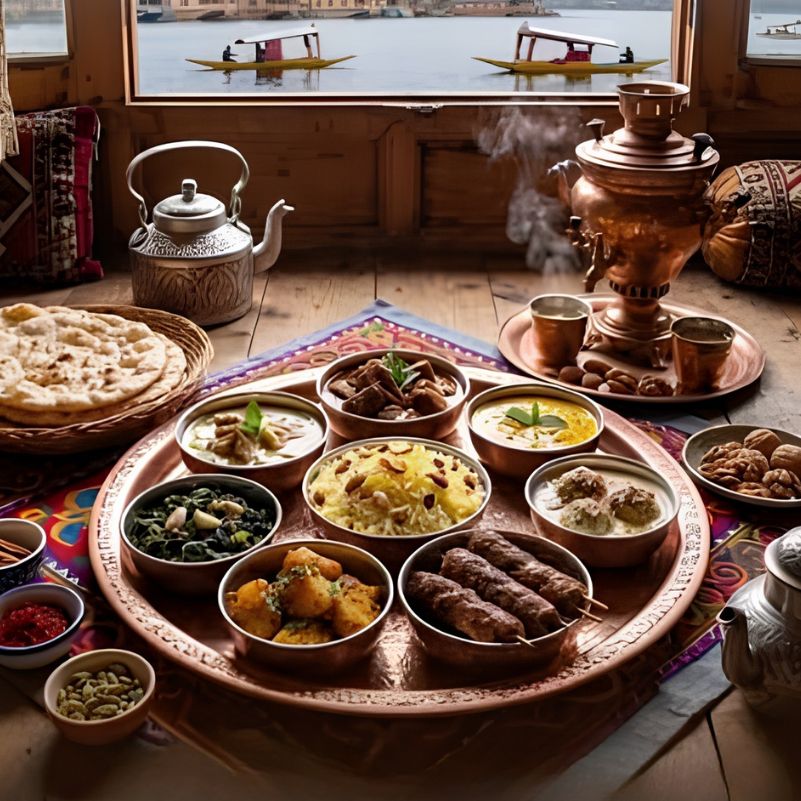
Kashmiri Food Guide 2026: What to Eat in Srinagar, Pahalgam & Gulmarg
Discover what to eat in Kashmir in 2026, from traditional Kashmiri dishes and Wazwan to local snacks, breads and drinks. This guide covers food experiences in Srinagar, Pahalgam and Gulmarg for first time visitors.
- Things to Do
- Places to Visit
 Kashmir
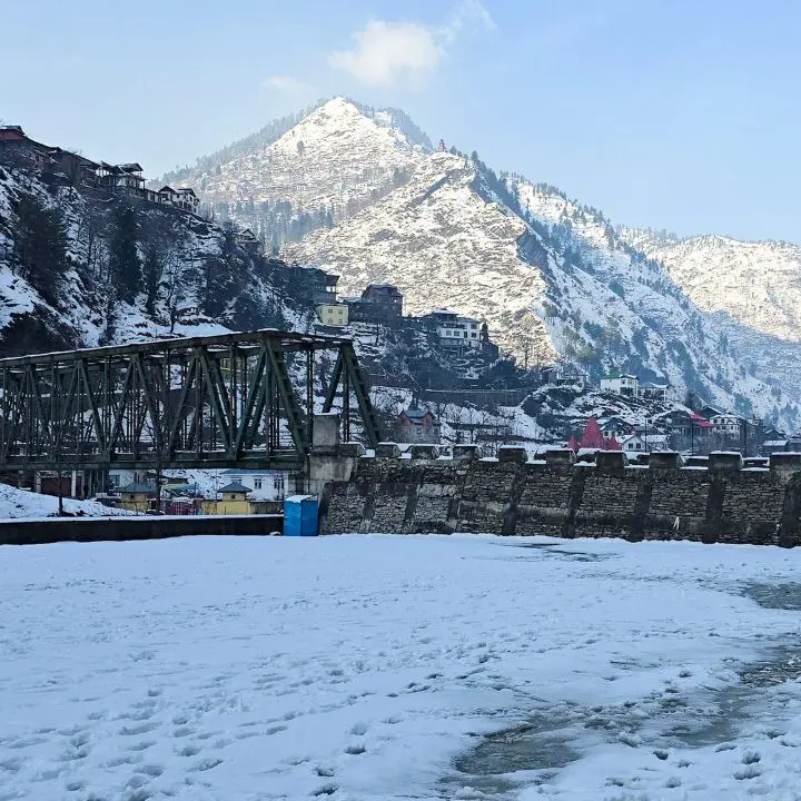
SIM Cards in Kashmir 2026: Internet, ATMs, IDs & Tourist Essentials
Travelling to Kashmir in 2026? Learn about SIM card access, mobile internet, ATM availability, accepted ID documents and other essentials tourists should arrange before visiting Srinagar, Gulmarg, Pahalgam and Sonamarg.
- First-Time Travellers