
Kashmir Honeymoon Guide 2026: Itinerary, Cost, Best Time and Romantic Places

Most couples planning a Kashmir honeymoon start by asking which places to cover. That is the wrong first question.
The right one is how many nights you are willing to spend in each place, because Kashmir punishes couples who change hotels every morning.
We have planned enough Kashmir trips to know the pattern. The couples who come back happiest are the ones who did three places properly, not five places badly.
Quick Answer: How Should You Plan a Kashmir Honeymoon in 2026?
Six to seven days works best for a first Kashmir honeymoon. It gives you relaxed mornings and room for weather changes.
Build the trip around Srinagar, Gulmarg and Pahalgam. Add Sonamarg only if your season and trip length allow it, and only by swapping a day rather than stacking one on.
Spring gives you gardens, summer gives you easy valley access, autumn gives you chinar colours, and winter gives you snow. Each one is a completely different honeymoon.
Check road, weather, security and attraction status shortly before you fly. Kashmir is a live-status destination, not a fixed one.
If you want the whole thing handled with hotels and private transport in place, our Kashmir tour packages are built around dates and pace rather than a fixed list of stops.
Is Kashmir a Good Honeymoon Destination?
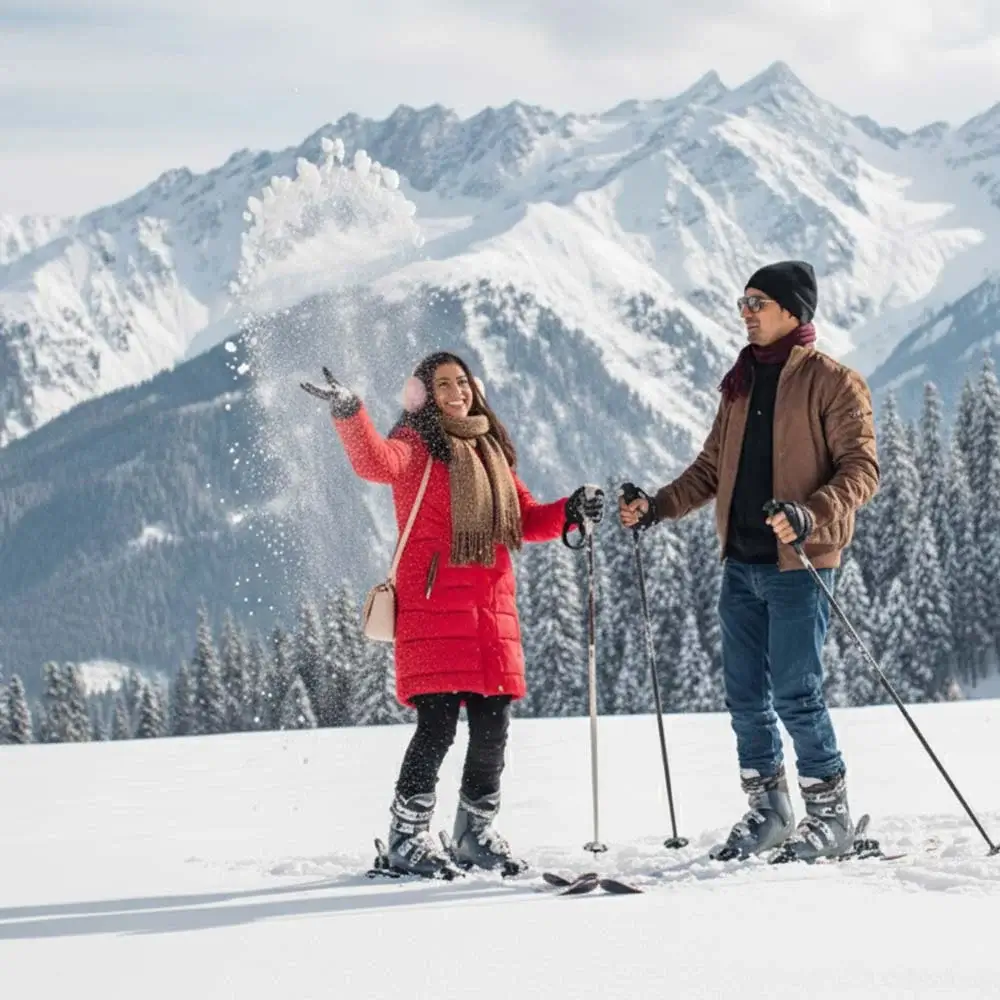
Yes, if you want mountains, lakes, snow, gardens, long scenic drives and quiet evenings.
It is not a nightlife honeymoon. There are no beach clubs and no late-night scene. Evenings here mean a lakeside walk, a slow dinner and an early night.
The three core places feel completely different from each other. Srinagar is water and gardens, and you spend your evenings on or beside a lake.
Gulmarg is mountain air and open meadows, sitting higher and colder than everywhere else on your trip.
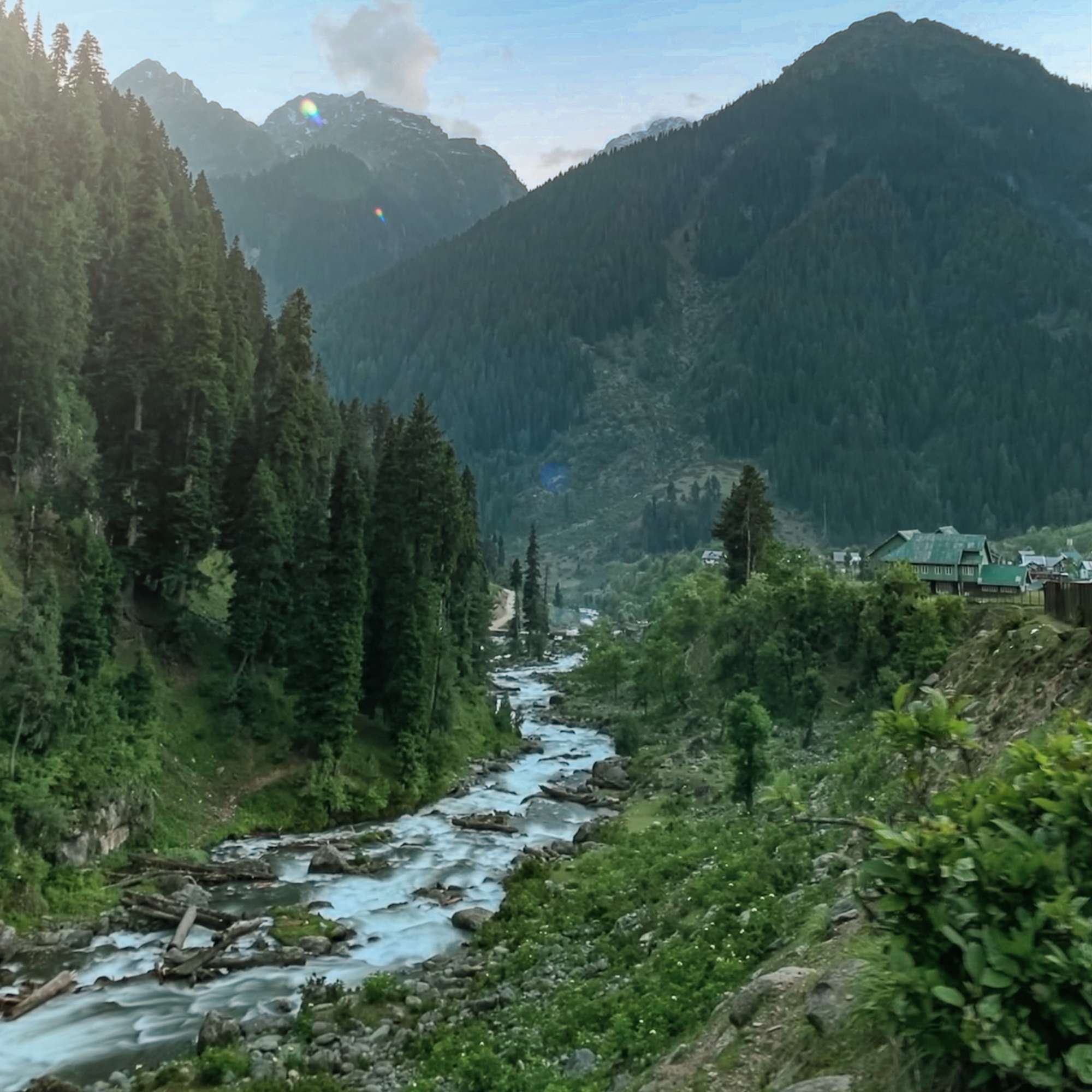
Pahalgam is a river town. The Lidder runs right through it, and most good stays put you close enough to hear it at night.
Now the honest part. Kashmir gets crowded in peak season, weather changes plans without warning, and road journeys take longer than any app tells you.
In our experience, couples enjoy Kashmir more when they spend fewer hours changing hotels and more time enjoying each destination.
What most couples get wrong
They treat the itinerary like a checklist. Four destinations in five days means you spend your honeymoon in the back seat of a car.
What Is the Best Time to Visit Kashmir for a Honeymoon?
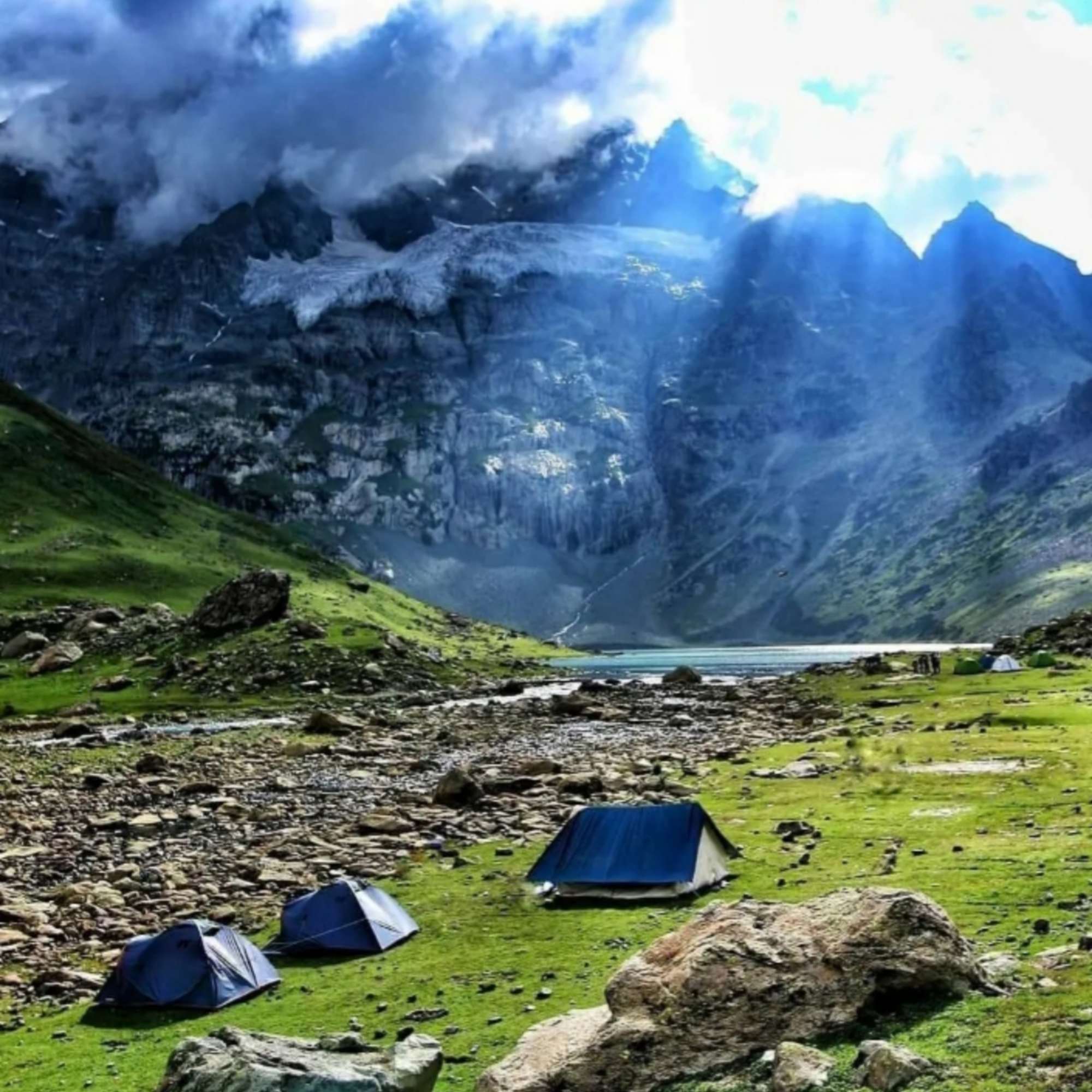
There is no single best month. There is only the season that matches what you want.
Spring honeymoon from March to May
Spring is the garden season. Fresh greenery in the valley, snow still sitting on the higher slopes.
The Tulip Garden’s opening period and peak bloom dates change each year with the weather, so check the latest official updates before planning your honeymoon around it.
Snow conditions change fast in these months. Gulmarg may still have snow in March and almost none by late May.
Summer honeymoon from June to August
Summer opens up the valleys. Longer daylight, easier road access, more sightseeing hours in a day.
July and August also bring rain, pilgrimage traffic and occasional road disruption. Plan a buffer day if you are travelling in these months.
If you want easy access to Sonamarg, this is your window.
Autumn honeymoon from September to October
The chinar trees turn and the whole valley changes colour. Photography is at its best.
Crowds thin out after the summer rush, so hotels and shikaras feel calmer. For many couples this is the most relaxed version of a Kashmir honeymoon.
We will not promise you specific weather. Autumn in the mountains can still surprise you.
Winter honeymoon from December to February
Winter is for couples who want snow, and that mostly means Gulmarg.
The Gondola and road access both depend on weather. A heavy snow day can shut things down with no notice.
Do not plan a winter trip that includes Sonamarg as a guaranteed stop. Access there is seasonal.
If snow is your main reason for the trip and Kashmir dates do not work out, couples sometimes shift to our Manali honeymoon packages instead.
Couples who want high-altitude landscapes over lakes and gardens sometimes look at Ladakh tour packages as a different kind of trip altogether.
How Many Days Are Enough for a Kashmir Honeymoon?
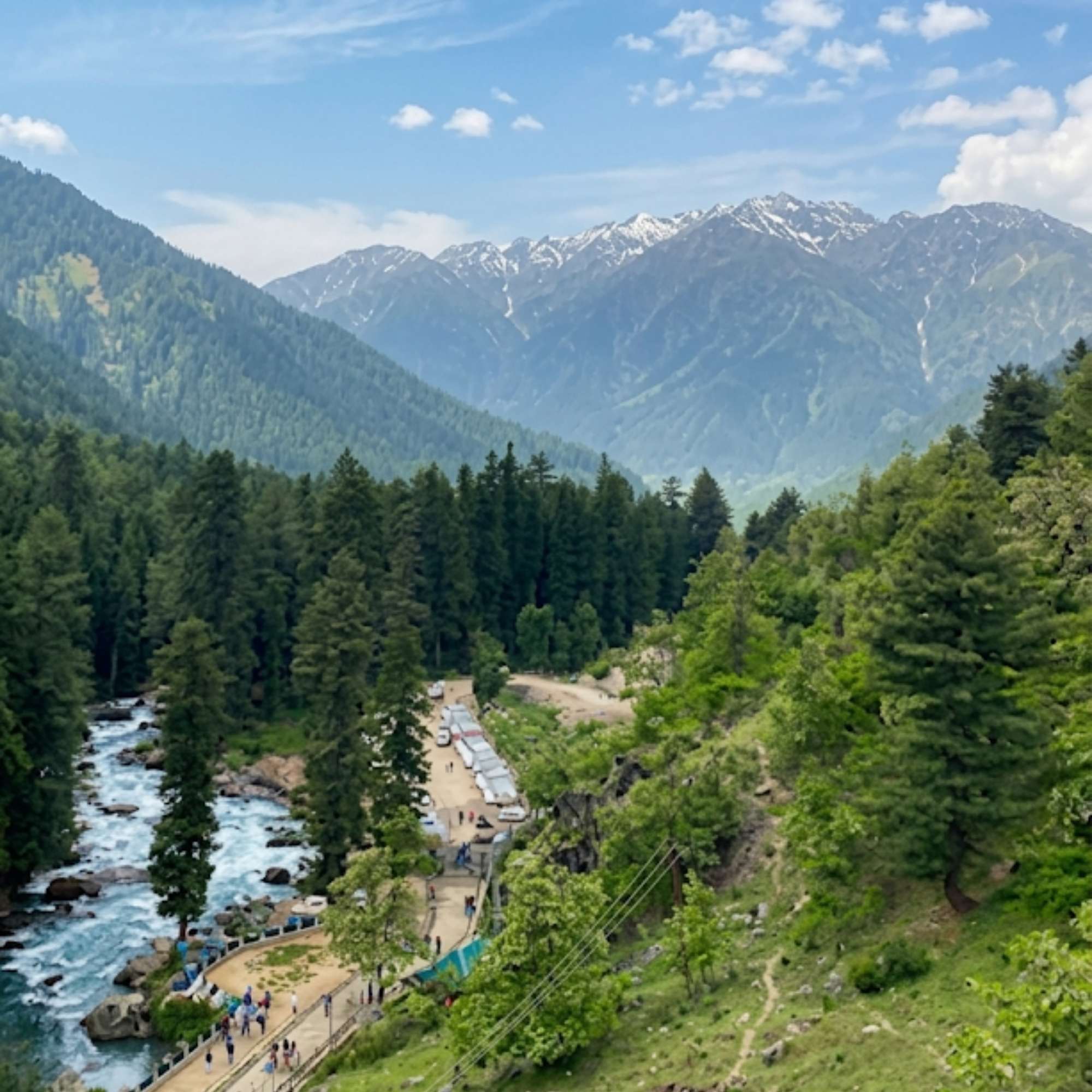
Five days covers Srinagar, Gulmarg and a short Pahalgam stay. It works, but you will feel rushed.
You will have almost no leisure time and no buffer if a road closes or a flight shifts.
Six to seven days is the version we actually recommend. You get relaxed mornings, at least one overnight outside Srinagar, and flexibility when weather interferes.
Four days for Srinagar, Gulmarg, Pahalgam and Sonamarg is a mistake. Skip it. You will spend most of that trip driving.
What Is the Best Seven-Day Kashmir Honeymoon Itinerary?
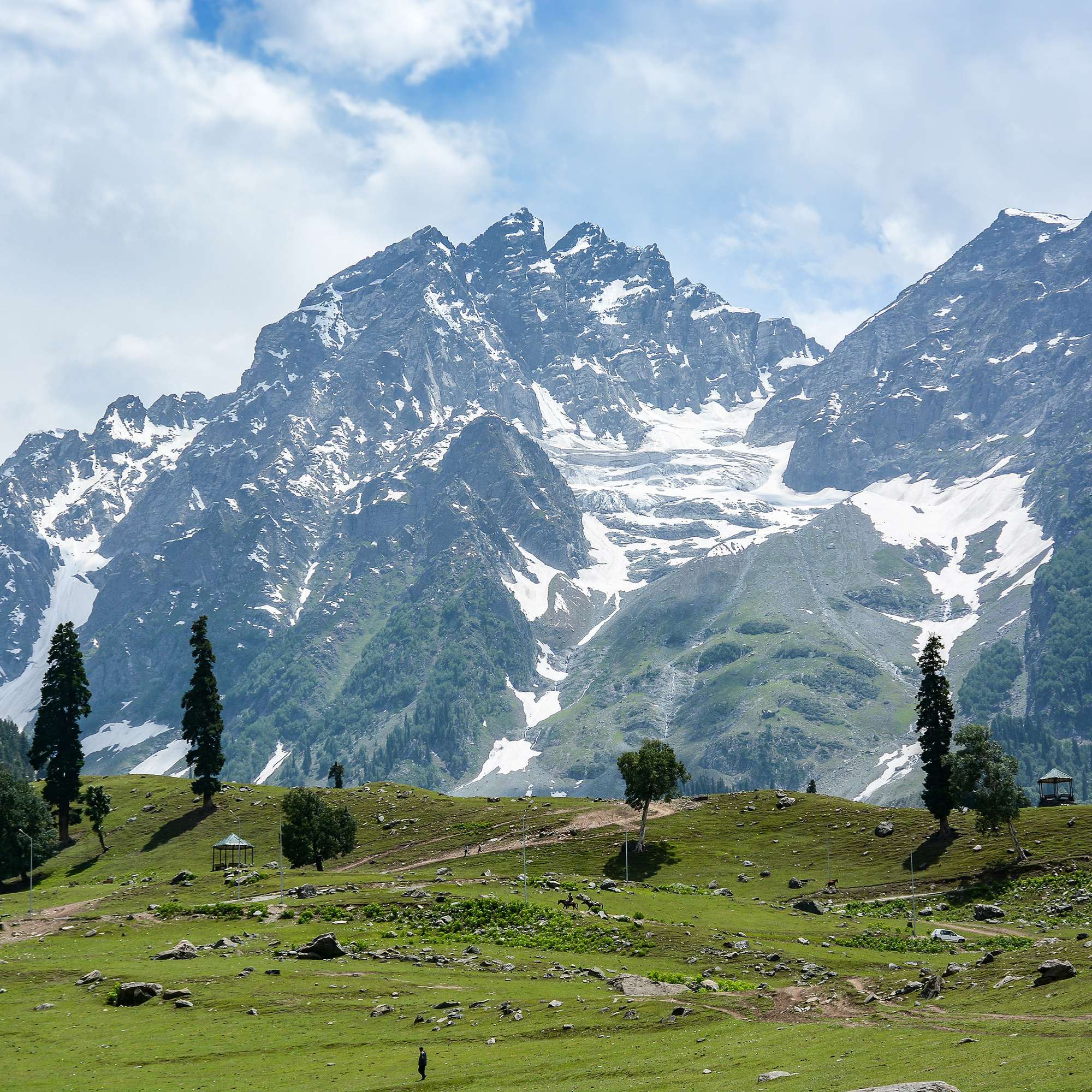
This is the structure we use most often. Adjust the order based on your flight timings and season.
Day 1: Arrival in Srinagar and sunset Shikara ride
Srinagar airport sits about 15 km from Dal Lake, and the drive normally takes 30 to 40 minutes.
Keep this day light. Check in, rest, and save city sightseeing for tomorrow.
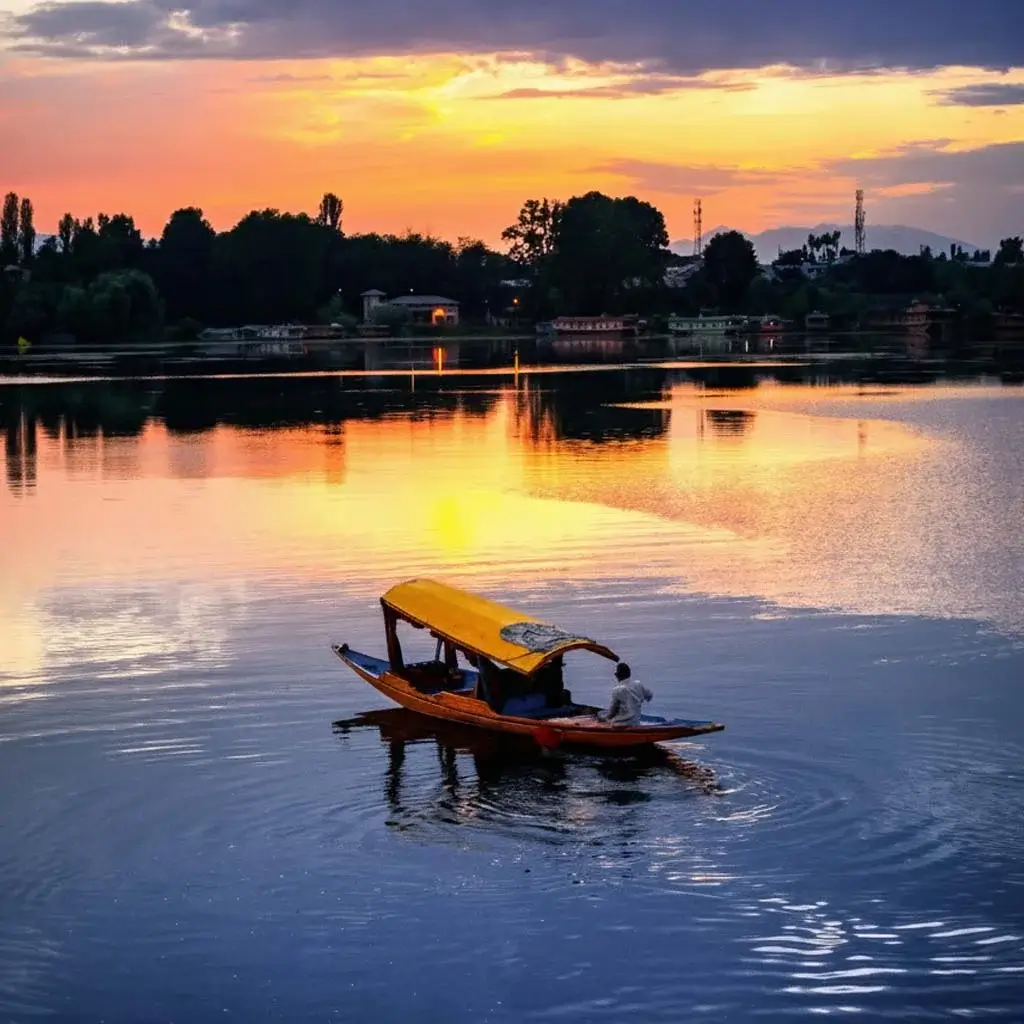
An evening Shikara ride is the right way to start. The light on the water in the last hour before sunset is better than anything you will get at midday.
Shikara rates vary by route, duration and boarding point, so confirm the current fare and agree on the total price before the ride.
Agree on the route, the duration and the total price before you sit in the boat. This is the single most common place couples get overcharged.
Timing tip: book your Shikara for roughly ninety minutes before sunset. You get golden light on the way out and lamps on the water on the way back.
Day 2: Srinagar gardens, culture and an unhurried evening
Pick only two or three attractions. Three gardens in one day turns into a photo-taking marathon.
Leave real time for local food, a café, a handicraft shop or a slow walk along the lake.
We do not list entry fees or timings here because they change. Ask your hotel or driver on the morning of.
Skip this: the rushed "cover all Mughal gardens in one day" plan every generic itinerary pushes. Two gardens done slowly beat four done at a jog.
Day 3: Srinagar to Gulmarg and overnight stay
Gulmarg is about 60 km from Srinagar and the published road time is around 1.5 hours, though traffic, snow and weather change that.
Most day-trip itineraries send you up, rush you through the Gondola queue and drive you back the same evening. Do not do that on a honeymoon.
Staying overnight means you get Gulmarg in the early morning, before the day crowd arrives from Srinagar. That is when the meadows feel like yours.
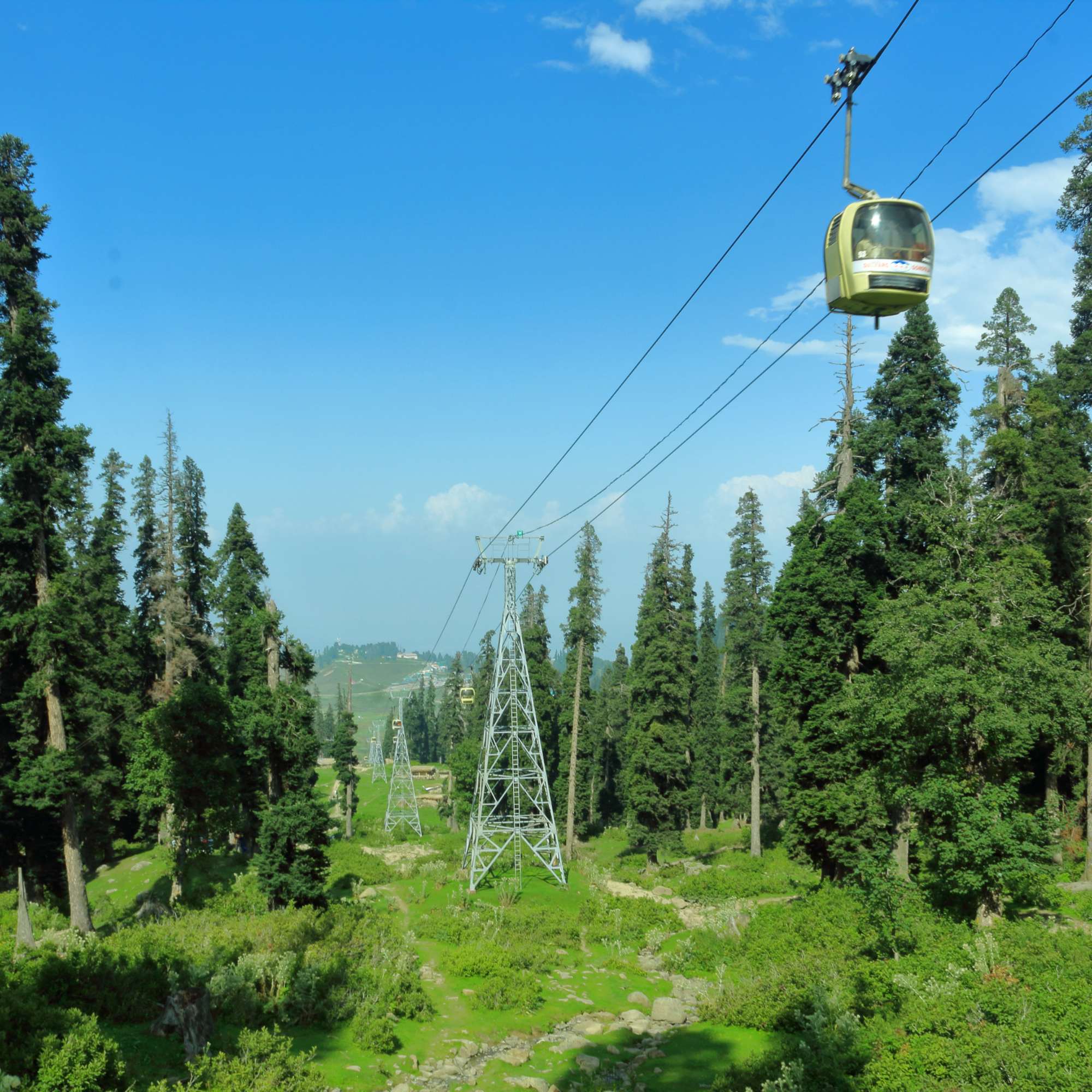
The Gulmarg Gondola reopened in June 2026 after a temporary technical closure. The official site says it normally closes on the second and fourth Monday of each month.
Book only through the official e-ticket portal. Then recheck operating status close to your date, because weather and maintenance stop services regularly.
Day 4: Gulmarg to Pahalgam
Treat this as a transfer day and nothing more.
Take photo stops on the way, check in, and keep the evening quiet. Do not try to squeeze valley sightseeing into an arrival day.
Travel time from Gulmarg to Pahalgam varies with the route, traffic and road conditions, so allow most of the day for the transfer.
Day 5: Pahalgam valleys and riverside leisure
Pahalgam is about 90 to 95 km from Srinagar, and official sources differ slightly on the exact number. The published road time is around 2.5 to 3 hours.
Here is what catches couples off guard. Aru Valley, Betaab Valley and Chandanwari usually need a separate local vehicle, not the car you arrived in.
The official rate list places the Aru Valley, Chandanwari and Betaab Valley route at roughly ₹2,000 to ₹3,000, depending on the vehicle category. Confirm the current tariff locally before booking.
Full local sightseeing is listed at approximately ₹2,900 to ₹4,500, depending on the vehicle category. Rates may change, so check the latest price before travelling.
A Baisaran-area pony package is listed at ₹2,700 for a full day, while local pony rides start at ₹550 for the first hour and ₹400 for each additional hour. Agree on the route, duration and total price before the ride.
Money-saving tip: ask for the official Pahalgam rate list before you agree to any local vehicle price. Most couples do not know a published rate list exists, and that is exactly why they get quoted above it.
Keep the evening free. Sit by the Lidder. Do not schedule another transfer.
Day 6: Return to Srinagar and houseboat stay
Head back to Srinagar and use your last night for the houseboat.
Dal Lake gives you a livelier atmosphere with more boats and more movement. Nigeen Lake is generally quieter, but ask your planner which suits your dates rather than assuming one is always better.
Confirm the exact lake, the access ghat, heating, attached bathroom, meal plan and cancellation policy before you pay. Every one of these varies wildly between houseboats.
Day 7: Departure or local shopping
Keep this day light. Some shopping, a slow breakfast, and a realistic buffer to the airport.
Do not plan distant sightseeing before a flight. Kashmir traffic and security checks do not care about your boarding time.
If you have extra days, swap one Srinagar leisure day for Sonamarg rather than adding it on top.
Sonamarg is about 80 km from Srinagar with a published drive time of roughly 2 hours. Its suggested tourism season is May to September, and actual access depends on weather and road conditions.
Which Are the Most Romantic Places in Kashmir?
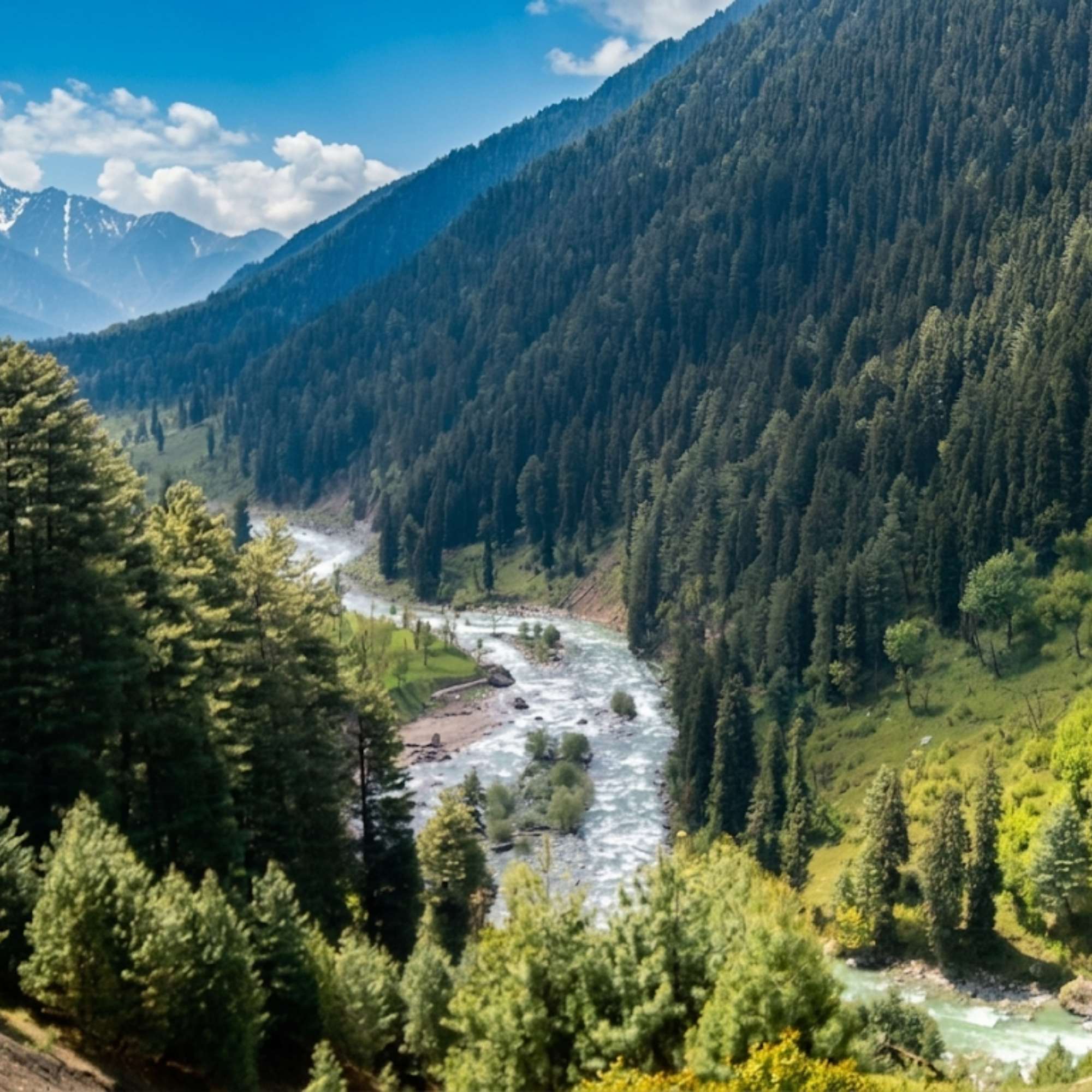
Srinagar
Dal Lake and Nigeen Lake, the Mughal gardens, houseboats and long lakeside evenings.
Srinagar works well at both ends of the trip. You arrive here, you leave from here, and the houseboat night is a good closing note rather than an opening one.
Gulmarg
Mountain views, the Gondola, snow activities in winter and open meadow walks in summer.
The experience changes completely by season. Winter Gulmarg and July Gulmarg are two different places.
Book the Gondola in advance, expect weather dependence, and remember the second and fourth Monday closure days.
Pahalgam
The Lidder River runs through it, and the valleys around it are the reason to stay rather than pass through.
Two nights work better than a day trip for most honeymoon couples. One night means you see the valleys and nothing else.
Sonamarg
A seasonal add-on, not a compulsory stop. Its suggested season is May to September.
Do not build a winter itinerary around it.
Doodhpathri, Yusmarg and Gurez
If you have extra days and want somewhere quieter, these are worth asking about.
Distances and travel times vary by route, road conditions and starting point, so confirm the latest details before planning these excursions.
Gurez requires an Inner Line Permit according to the tourism department. Reconfirm access before you book anything there.
What Romantic Experiences Should Couples Include?
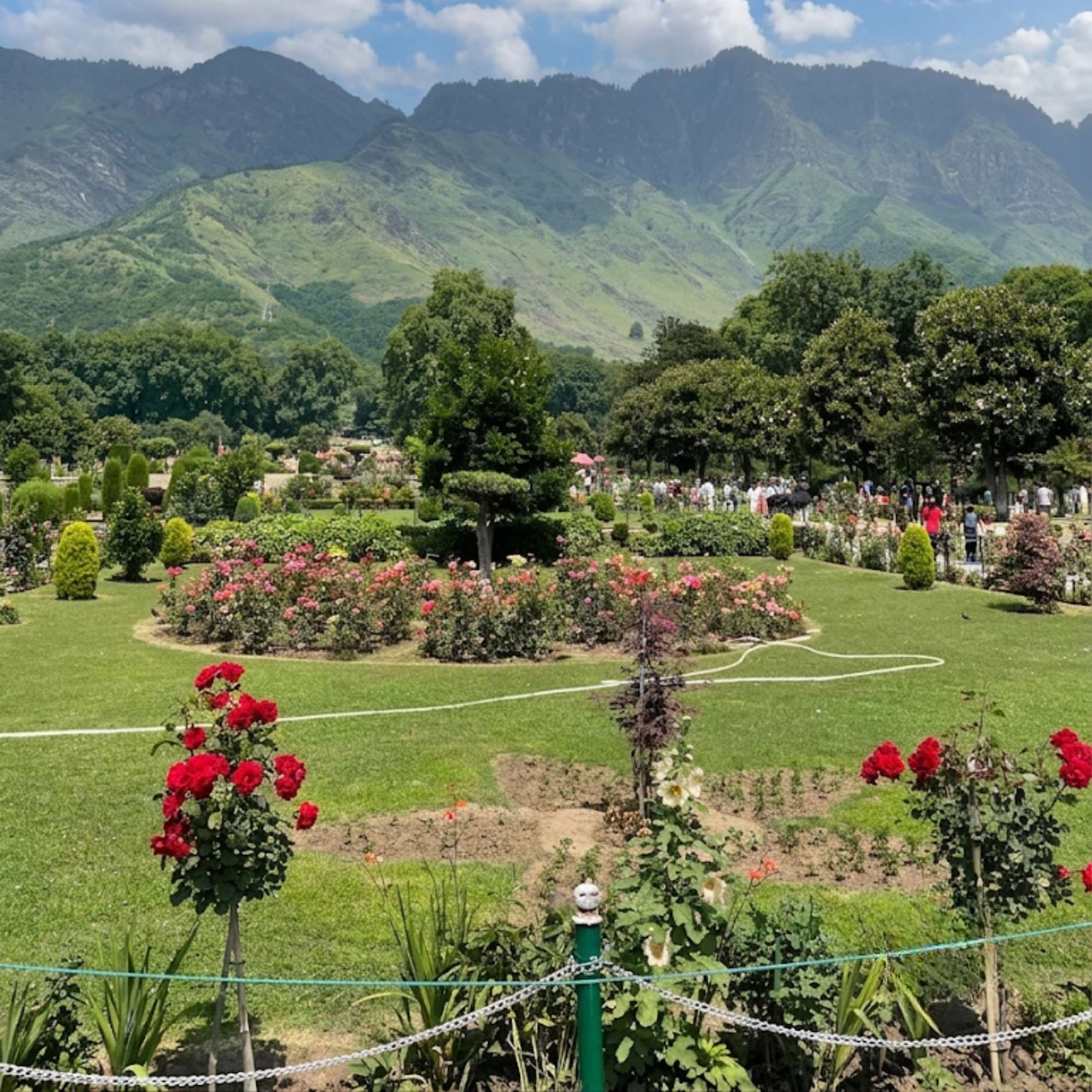
A Shikara ride, one houseboat night, the Gondola, riverside walks in Pahalgam, meadow time in Gulmarg and a couple photography sessions cover the essentials.
Candlelight dinners, room decorations, cakes, flower beds and private photography are add-ons. They come from the hotel or the package, not automatically.
Get every add-on in writing. "The hotel will arrange it" is not confirmation.
Our team recommends choosing two meaningful romantic add-ons rather than paying for a long list of decorations you may not value.
Should You Stay in a Houseboat or a Hotel?
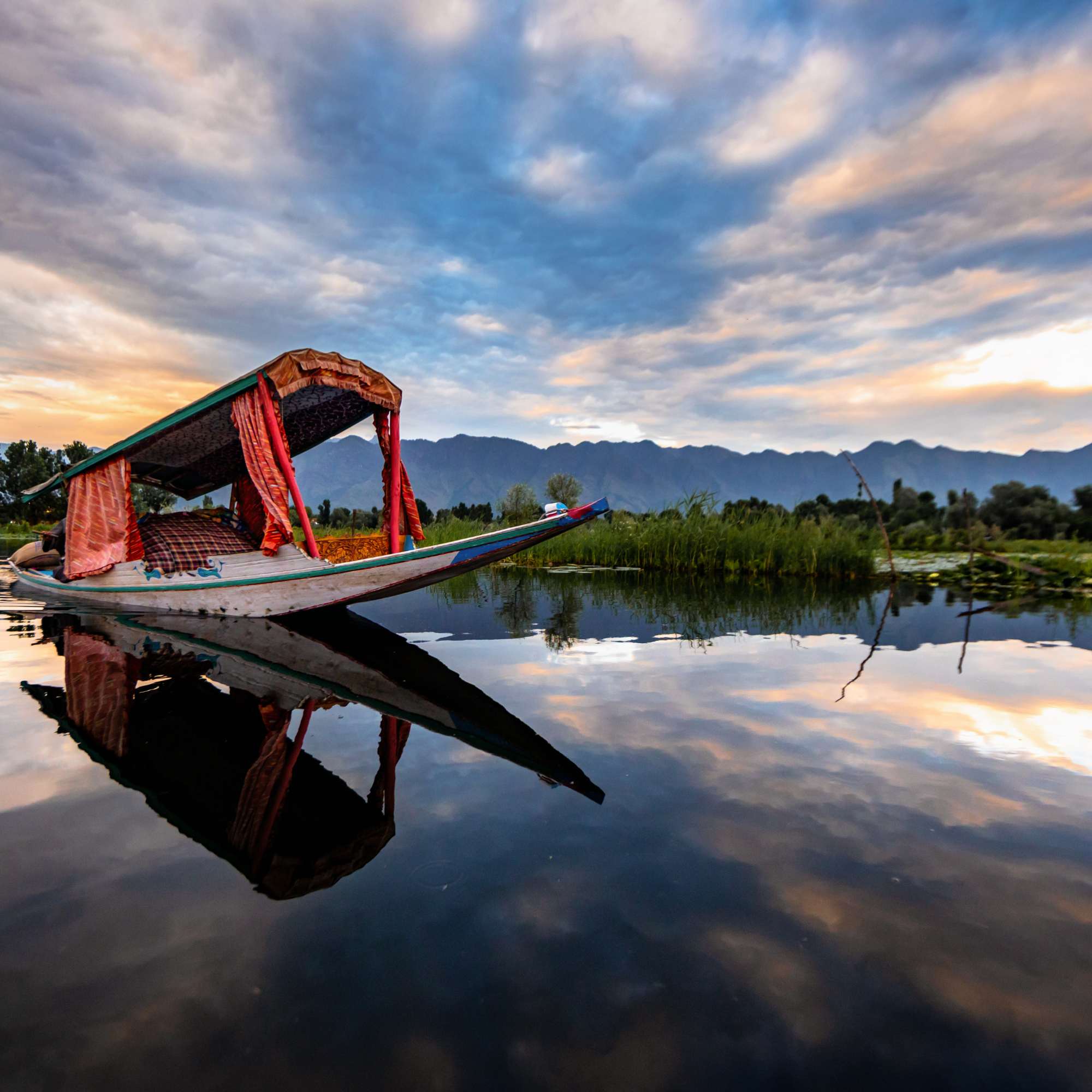
A houseboat gives you an atmosphere. Carved wood, water on all sides, and mornings where the first sound you hear is a paddle.
A hotel gives you convenience. Better road access, reliable heating, bigger bathrooms and easier check-in and check-out.
Houseboats vary enormously. Some are beautifully maintained with proper heating and attached bathrooms. Others are not.
For most first-time couples, one houseboat night and the rest in hotels is the right balance. That is a recommendation, not a rule.
Ask for recent room photographs and the exact houseboat name before you pay. Insider tip: a houseboat listing without a name is a listing you cannot verify.
How Much Does a Kashmir Honeymoon Cost in 2026?
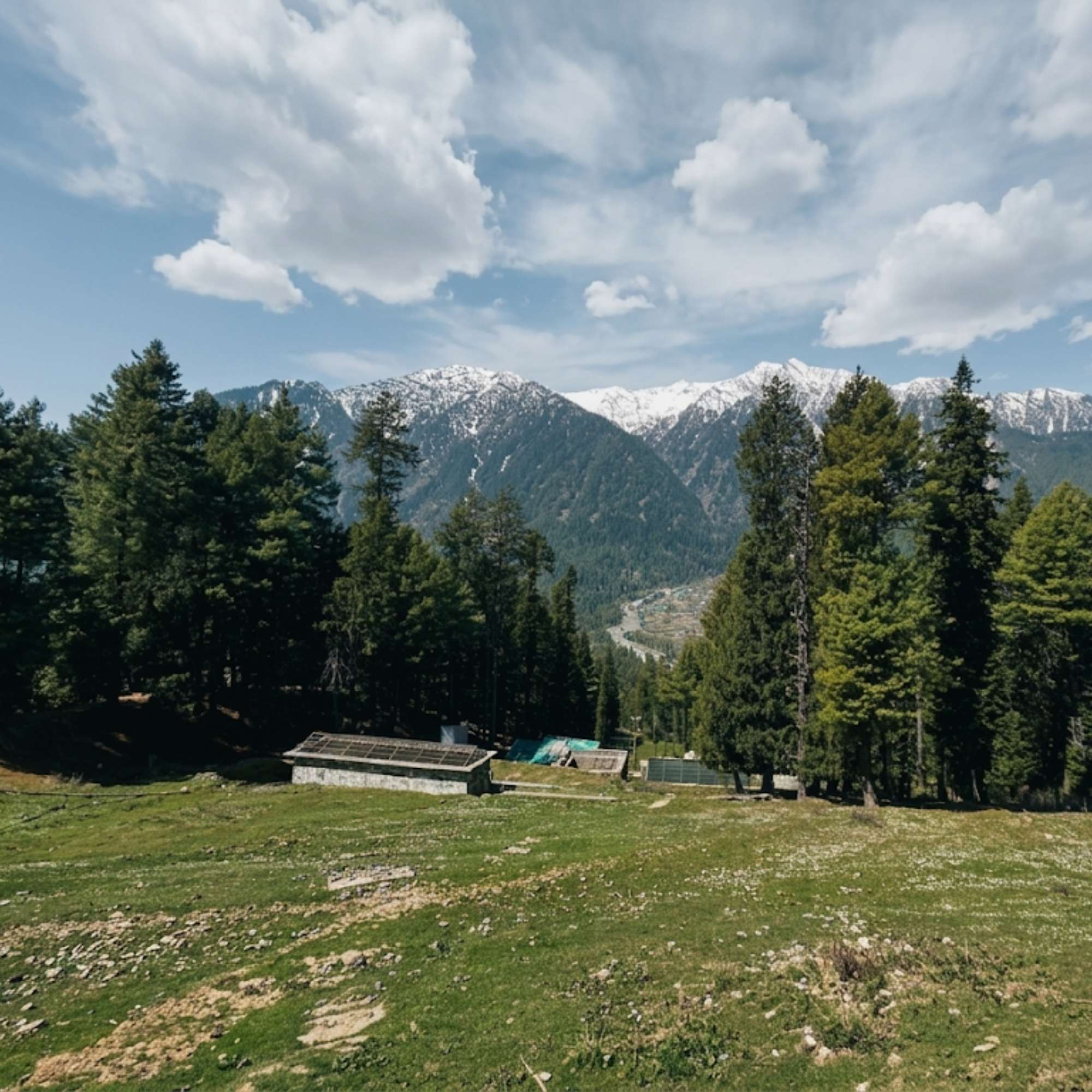
There is no single package price, and anyone giving you one number is skipping the details.
Your budget has several parts. Flights or train tickets, hotels, intercity transport, local union vehicles, meals, Shikara and Gondola tickets, optional pony rides, photography and romantic arrangements.
One travel company publishes per-couple estimates of ₹80,000 to ₹1,10,000 for a comfortable honeymoon, ₹1,30,000 to ₹1,80,000 for a premium trip and ₹2,00,000 or more for a luxury experience. These are indicative market ranges, not fixed prices.
Another major package page lists prices between ₹22,088 and ₹23,369, but the duration and inclusions may differ significantly.
These figures conflict because they use different durations and different inclusions. They are market examples, not Travel Coffee prices.
A lower-priced package may still exclude local sightseeing, which can add approximately ₹2,900 to ₹4,500 for a day in Pahalgam. Confirm the latest tariff and inclusions before booking.
Ask for a written quotation showing hotel category, room type, meals, vehicle, local sightseeing, Gondola, Shikara, taxes, romantic add-ons and cancellation terms. If an operator will not put it in writing, that tells you something.
Couples comparing destinations sometimes look at our Kerala honeymoon packages for backwaters instead of mountains, or Goa honeymoon packages for a shorter, easier first trip.
>>Share your honeymoon dates and budget, and we’ll prepare a customized Kashmir package for you.
How Can Couples Reach Kashmir in 2026?
By air
Flying into Srinagar is the most practical option for a short honeymoon.
The airport is about 15 km from Dal Lake, and the transfer takes 30 to 40 minutes.
We are not quoting flight fares because they change daily.
By train
The Jammu Tawi to Srinagar Vande Bharat connection was operating in 2026, with a published journey time of under five hours.
Verify current schedules, train numbers, fares and operating days before you book. Rail timetables in this region change more often than people expect.
By road
The Jammu to Srinagar road journey can be affected by traffic, snow, rain, landslides and temporary restrictions.
As of 23 July 2026, heavy rain had caused flooding and disruption along parts of the Jammu–Srinagar highway.
Never connect a long road journey to a non-refundable flight on the same day. That is how honeymoons start with a missed flight.
How Does Local Transport Work in Kashmir?
The intercity vehicle in your package may not be permitted or priced to handle every internal sightseeing route.
Pahalgam is the clearest example. Local sightseeing there has its own published rate list, separate from whatever brought you into town.
Snow conditions can also force a different vehicle or additional equipment. That is an extra cost nobody mentions in winter itineraries.
A Gulmarg odd-even vehicle-entry pilot was announced for 5 July to 5 August 2026 between 8:00 AM and 8:00 PM. Check the latest local traffic rules before travelling, as the arrangement may expire, change or be extended.
Ask your operator directly which local transfers and union charges are included. Ask before booking, not on the ground.
Is Kashmir Safe for Honeymoon Couples in 2026?
We will not tell you Kashmir is completely safe or risk-free. No honest operator would.
Security conditions change. Check current government, tourism, district, traffic, airline and hotel information before you travel.
A fatal security incident occurred in Anantnag on 22 July 2026, followed by heightened security checks and a wider investigation. Conditions can change quickly, so check the latest official advisories before travelling.
What that means practically is simple. Use registered transport, stick to established tourist routes, do your transfers in daylight, stay at hotels that are easy to reach, and book with flexible cancellation terms.
In our experience, the most useful safety advice is not a blanket promise but a current route check shortly before travel.
Do Couples Need Permits or Advance Bookings?
Current guidance indicates that ordinary tourist visits to Srinagar, Gulmarg, Pahalgam and Sonamarg generally do not require a special permit, but check the latest rules before travelling.
Carry valid government identification at all times. You will be asked for it.
Gurez is listed by the Directorate of Tourism Kashmir as requiring an Inner Line Permit.
Permits may also apply to selected border areas, fishing and specialist adventure activities. Ask before you plan around any of these.
Book the Gondola, premium Gulmarg hotels, popular houseboats and peak-season transport early. These are the four things that sell out first.
What Should You Pack for a Kashmir Honeymoon?
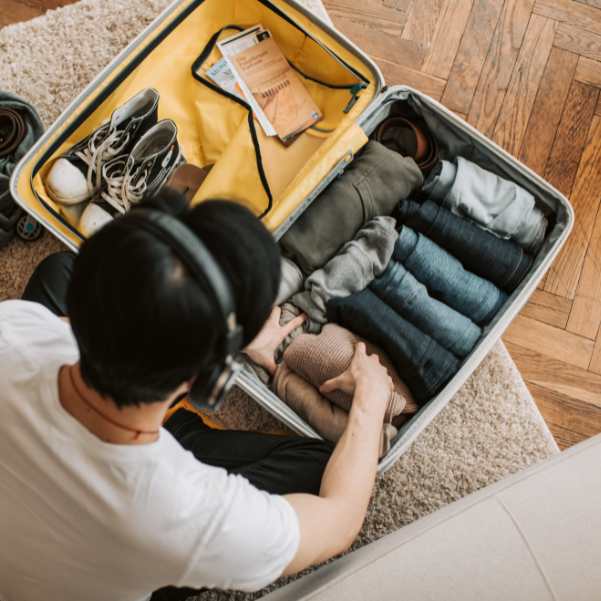
For spring and autumn, pack layers. A light thermal, a fleece and a windproof outer works better than one heavy jacket.
Mornings and evenings are cold in these months even when the afternoon feels mild.
For summer, pack lighter but still bring one warm layer and rain protection. Sudden showers are normal in July and August.
For winter, pack serious cold-weather gear. Thermals, an insulated jacket, gloves, a warm cap and waterproof shoes with grip.
Winter couples should confirm hotel-room heating and hot water before arrival. Not every property has both, and finding out at 9 PM is a bad way to start a honeymoon.
Everyone needs comfortable walking shoes, sunscreen, personal medicines, identification, charging equipment and a power bank.
What Mistakes Should Honeymoon Couples Avoid?
Changing hotels every night. You lose hours to packing and checking in, and you never settle anywhere.
Cramming too many destinations into a short trip. Five days is not seven days, no matter how the itinerary is written.
Assuming activities are included. Shikara, Gondola and local sightseeing are often separate line items.
Planning a trip around unverified snowfall predictions. Nobody can tell you in October whether January will deliver snow.
Accepting verbal promises for room decoration, lake-view rooms, Gondola tickets or private sightseeing. Written confirmation or it does not exist.
Flexible bookings matter here more than in most places. In a weather-sensitive mountain region, the ability to shift a date is worth paying for.
How Can Travel Coffee Customise Your Kashmir Honeymoon?
We build Kashmir honeymoons around your dates, trip length, hotel level, preferred pace and what you actually enjoy.
That means private transfers, houseboat selection with the exact property named, Gulmarg and Pahalgam stays chosen for location rather than commission, and seasonal alternatives when the plan needs changing.
Every inclusion goes in writing before you pay anything.
What we always tell couples is this. Decide your pace first, then pick your destinations. Not the other way around.
Explore Our Curated Kashmir Tour Packages
 4D/3N
4D/3NThe Perfect 4 Day Kashmir Getaway
2D Srinagar•1D Gulmarg+1
₹9,999₹14,499SAVE INR 4,500/ person 5D/4N
5D/4NBest Of Kashmir – Srinagar, Gulmarg & Pahalgam Tour Package
3D Srinagar•1D Pahalgam+1
₹11,499₹16,999SAVE INR 5,500/ person 5D/4N
5D/4NKashmir Honeymoon Experience – Srinagar, Gulmarg & Pahalgam
3D Srinagar•1D Pahalgam+1
₹14,499₹21,499SAVE INR 7,000/ person
Related topics
Frequently Asked Questions
Is Kashmir good for a honeymoon?
Yes, if you want lakes, mountains, gardens and quiet evenings rather than nightlife. Srinagar, Gulmarg and Pahalgam each feel different, which keeps the trip varied without long travel days. It suits couples who like scenery and slow pacing. It does not suit couples looking for a party destination or guaranteed predictable weather.
Which month is best for a Kashmir honeymoon?
There is no single best month. Spring brings gardens, summer brings easy valley access, autumn brings chinar colours and calmer crowds, and winter brings snow in Gulmarg. Pick the season that matches what you want to see rather than chasing a "best" month. Autumn tends to be the most relaxed for honeymoon couples.
How many days are sufficient for Kashmir?
Six to seven days is the comfortable answer for a first trip. That gives you relaxed mornings, at least one overnight outside Srinagar, and a buffer for weather. Five days works but feels rushed. Four days covering Srinagar, Gulmarg, Pahalgam and Sonamarg is too tight and you will spend most of it driving.
Is Kashmir safe for couples in 2026?
Security conditions in Kashmir can change, so no honest answer can promise complete safety. A fatal security incident occurred in Anantnag on 22 July 2026, followed by heightened security checks. Check the latest government, tourism and district advisories close to your travel date, use registered transport, follow established tourist routes and choose bookings with flexible cancellation terms.
Which places should first-time honeymoon couples visit?
Srinagar, Gulmarg and Pahalgam form the core route and cover lakes, mountains and a river valley. Sonamarg is a good seasonal addition between May and September if your trip is long enough. Doodhpathri, Yusmarg and Gurez suit couples with extra days who want somewhere quieter. Gurez requires an Inner Line Permit.
Can couples see snow in Kashmir throughout the year?
No. Reliable snow means winter, mostly in Gulmarg between December and February. Spring can still have snow on higher slopes, but it varies year to year. Summer and early autumn will not give you snow at the usual tourist spots. Do not plan a trip around unverified snowfall predictions.
Is five days enough for Srinagar, Gulmarg and Pahalgam?
It is possible but tight. You will cover all three with a short Pahalgam stay and very little leisure time. Any road closure or flight delay eats into your sightseeing with no buffer left. Six to seven days is the version we recommend for couples who want to actually relax on their honeymoon.
Is a houseboat stay worth including?
For most first-time couples, one night is worth it. The atmosphere is genuinely different from a hotel. Quality varies a lot though, so confirm the exact houseboat name, the lake, the access ghat, heating, attached bathroom, meal plan and cancellation policy in writing. Ask for recent room photographs before you pay.
Should couples stay overnight in Gulmarg?
We usually recommend it. Staying overnight gives you early morning Gulmarg before the day crowd arrives from Srinagar, which is when the meadows feel quietest. Rushing up and back the same day means queueing for the Gondola with everyone else. It also gives you a second chance if weather stops the Gondola on day one.
Is Sonamarg open during winter?
Its suggested tourism season is May to September, and access outside that depends entirely on weather and road conditions. Do not build a winter itinerary around Sonamarg or treat it as a guaranteed stop. If snow is your priority in winter, Gulmarg is the more reliable choice. Check current road status before planning either.
Are Shikara rides, Gondola tickets and local taxis included in honeymoon packages?
Often not. Shikara rides, Gondola tickets and local sightseeing vehicles are frequently separate costs. Pahalgam local sightseeing has its own published rate list, running roughly ₹2,900 to ₹4,500 depending on vehicle category. Always ask for a written breakdown showing exactly what is included and what you will pay on the ground.
More about Kashmir
 Kashmir
Kashmir Taxi Guide 2026: Local Union Rules, Cab Routes & Current Fare Logic
Planning to use taxis in Kashmir in 2026? Understand local union rules, popular cab routes, sightseeing restrictions and how taxi fares are generally structured across Srinagar, Gulmarg, Pahalgam and Sonamarg.
 Kashmir
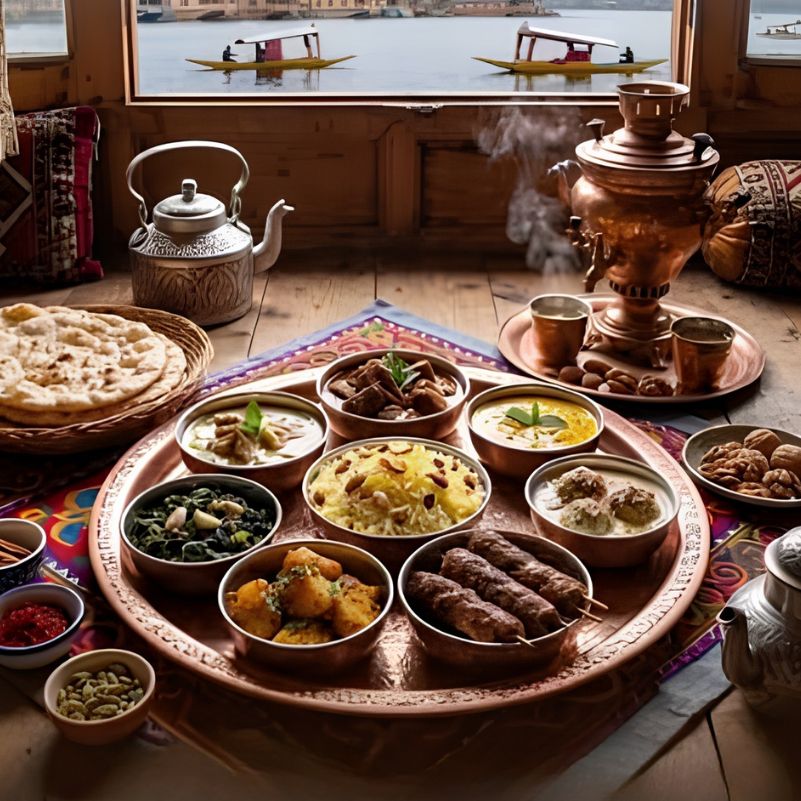
Kashmiri Food Guide 2026: What to Eat in Srinagar, Pahalgam & Gulmarg
Discover what to eat in Kashmir in 2026, from traditional Kashmiri dishes and Wazwan to local snacks, breads and drinks. This guide covers food experiences in Srinagar, Pahalgam and Gulmarg for first time visitors.
- Things to Do
- Places to Visit
 Kashmir
SIM Cards in Kashmir 2026: Internet, ATMs, IDs & Tourist Essentials
Travelling to Kashmir in 2026? Learn about SIM card access, mobile internet, ATM availability, accepted ID documents and other essentials tourists should arrange before visiting Srinagar, Gulmarg, Pahalgam and Sonamarg.
- First-Time Travellers