
Jispa in October 2026: Weather, Snowfall, Road Status and Trip Guide
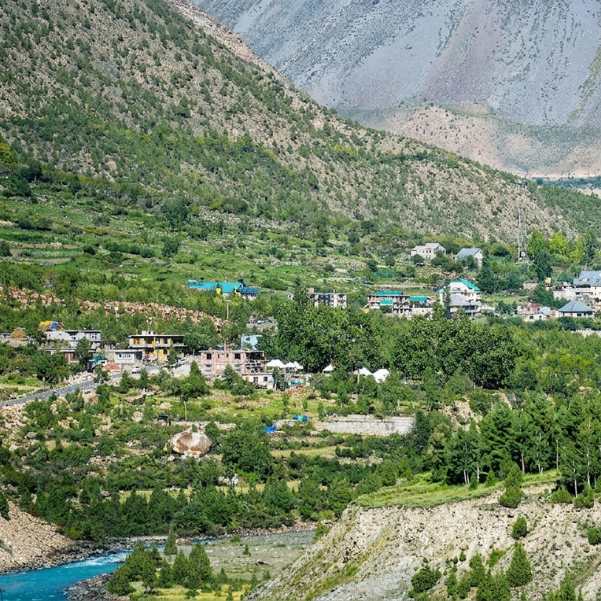
Planning a trip to Jispa in October 2026 can be a beautiful experience, with crisp mountain air, quieter roads, fewer tourists and the possibility of early season snowfall.
However, October also brings colder weather and changing road conditions. This guide by Travel Coffee covers Jispa weather, snowfall chances, road status and essential trip planning tips to help you prepare for your visit.
Quick Answer: Is Jispa Worth Visiting in October 2026?
Yes, Jispa is a rewarding trip for a lot of travellers, and Jispa in October is one of the quietest times to see this side of Lahaul. Early October is the more practical window, but nothing about the weather is fixed this far out.
Nights can drop below freezing, the higher roads past Jispa toward Baralacha La get far less dependable, and no one can promise you the October 2026 road situation in advance.
Snowfall is possible but never guaranteed. A snow day and an open road are two separate things, so plan for both.
Before you leave Manali, check the official district road page and the recent Lahaul and Spiti Police updates 24 to 48 hours ahead, then check again on the morning you actually drive.
Is October a Good Time to Visit Jispa?
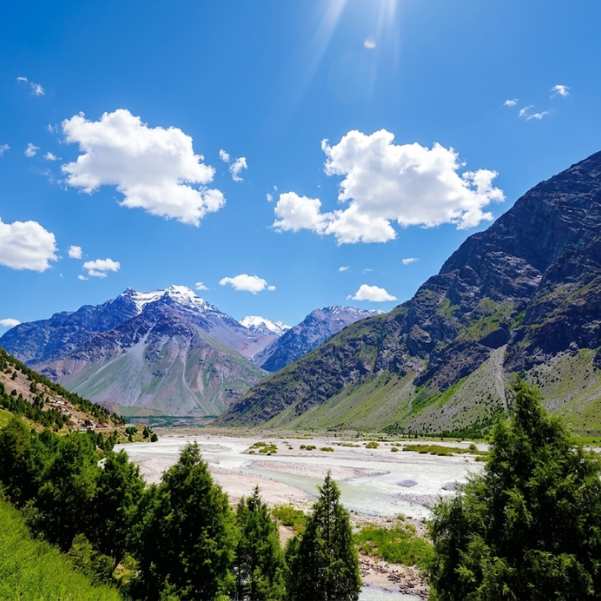
October gives you the valley without the summer rush. The monsoon has usually pulled back by now, so the air is clearer, the light is sharp, and the autumn slopes look their best against the snow line up high.
Traffic through the Atal Tunnel thins out, stays are easier to find, and the whole Lahaul side feels slower and calmer than it does in July.
Now the honest part. Nights get cold fast, some hotels and most camps start winding down for the season, and an early snow spell can change your plans with almost no notice.
In our experience running trips on this side, the travellers who enjoy October most come for the quiet and the scenery, not for a guaranteed snowball fight.
What Is Early October Like in Jispa?
The first week or two is usually the safer bet for a smooth trip. Days can still feel pleasant in the sun, road access is more likely to hold, and you get the autumn colour before deep winter sets in.
We usually say it on purpose. Early October is a preference, not a promise.
In 2025, snow hit Jispa and the surrounding areas as early as 6 October, and the Manali to Leh highway was blocked between Darcha and Sarchu, with police advising people to avoid unnecessary travel.
So even the first week can throw a surprise. Plan early October if you can, but keep some slack in your dates.
What Changes in Mid and Late October?
As the month goes on, freezing nights become normal, fresh snow on the higher roads gets more likely, and more properties shut for the winter.
This is when a rigid, fixed plan starts to hurt. If you are travelling in the second half of October, book stays you can cancel, keep one buffer night in hand, and have a clear Plan B ready in Manali, Sissu or Keylong in case you cannot go higher.
What Weather and Temperature Can You Expect in Jispa in October?
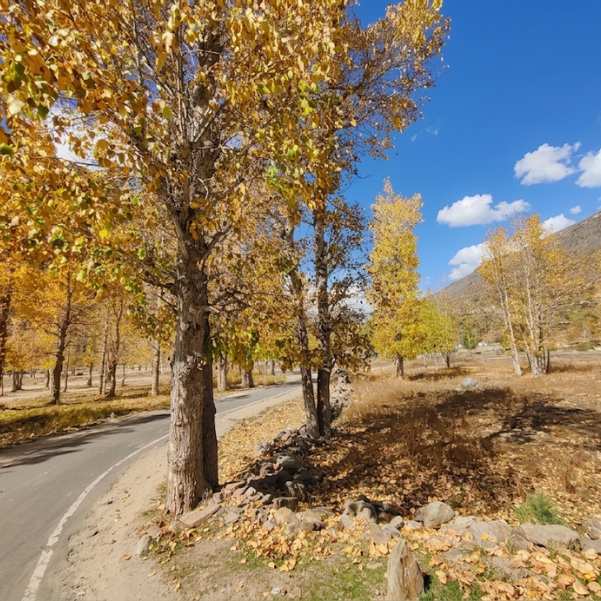
Here is the real problem with pinning down the temperature for Jispa in October. Different popular travel pages show wildly different ranges for the same month.
One site lists something like minus 12 to 18 degrees, another says 4 to 12, and a third blends October and November together. If we picked one and called it the Jispa average, we would be guessing.
So we use the nearest official reference we could find during research, the IMD Keylong station about 22 km down the valley.
Its 1971 to 2000 October climatology records a mean daily minimum of minus 4.1°C, a mean daily maximum of 21.8°C, mean rainfall of 12.2 mm and 1.2 rainy days.
Read that carefully. Those are historical Keylong figures, not an October 2026 forecast for Jispa. Jispa sits higher and colder, and any single year can look nothing like the long average.
To see how much one October differs from the next, look at Keylong's own recent readings. In October 2024 the highest recorded max was 24.5°C, the lowest min was 1.7°C, and it logged 0 mm of rain.
In October 2025 the highest max was 17.2°C, the lowest min was minus 2.3°C, and precipitation was 45 mm. Two Octobers back to back, and completely different.
That is exactly why we tell people to prepare for both ends, not to trust one number.
The practical takeaway is simple. A clear afternoon in the sun can feel mild, while dawn, evening and any cloudy snow day can sit below zero. Pack for strong daytime sun and hard sub-zero nights in the same bag.
Does It Snow in Jispa in October?
Snow is possible, but it is not guaranteed, and this is where a lot of trip plans go wrong.
The key thing to understand is that snowfall and road access are two separate questions. Snow can fall and the road can still be fine, or snow can fall and shut a section completely.
Two real examples from last year make it clear. On 6 October 2025, snow was reported in Jispa and the Darcha to Sarchu highway section was blocked.
On 22 October 2025, snow was again reported around Jispa and the high passes, but the important roads, including the Manali to Leh highway, stayed open at that time.
Same valley, same month, two very different outcomes. So do not assume late October means guaranteed snow, and do not assume early October means a guaranteed open road.
Is the Manali to Jispa Road Open in October 2026?
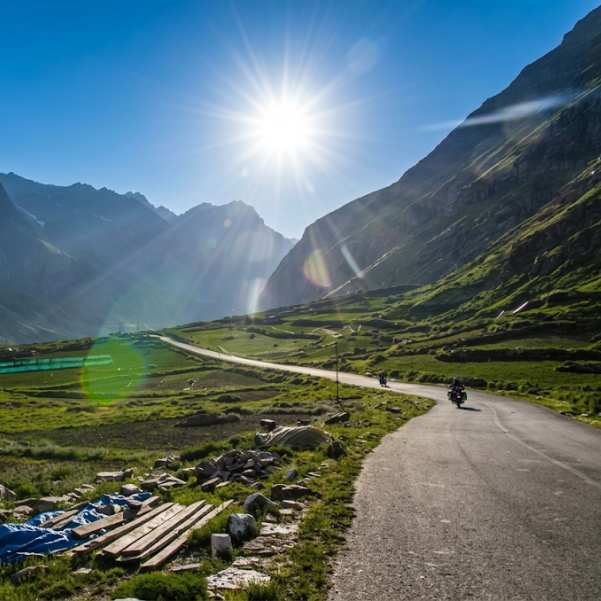
We are writing this in August, and the honest answer is that no one can confirm the October 2026 road status yet. Anyone who tells you otherwise is guessing.
The usual route runs from Manali up the Solang side, through the Atal Tunnel, down to Sissu, then Tandi, Keylong and finally Jispa. Depending on your exact starting point and which map you trust, that is roughly 92 to 100 km.
In clear conditions the drive is commonly around three to four hours before you add long sightseeing halts or a proper meal stop. Snow, tunnel controls, traffic and photo breaks can stretch it well beyond that.
If you would rather have a local team handle the driving and the stays, our customized Manali tour packages come with a driver who knows this road and stays we have checked ourselves.
Sissu is worth a stop on the way, both for the waterfall view and as a fallback base if the weather turns. We build that area into the trip through our Sissu tour packages if you want it included.
What Does the Latest 2026 Road Update Say?
As of 6 August 2026, the District Lahaul and Spiti road page listed Manali to Keylong open, Keylong to Leh open and Keylong to Kaza closed.
That was a 6 August snapshot, nothing more. It is not a forecast for October and it does not promise the same picture when you travel. Roads here change with a single weather event.
Does the Atal Tunnel Make Jispa an All-Weather Destination?
The district route page describes the Atal Tunnel approach to Lahaul as operational through the year, which is why Jispa is easier to reach now than it was in the old Rohtang-only days.
But that does not mean every connecting road stays open every hour. Fresh snow, ice, avalanche risk, poor visibility and police restrictions can still stop traffic for a while, tunnel or no tunnel.
How Should Travellers Check the Road?
Check the district road-status page and the recent Lahaul and Spiti Police updates 24 to 48 hours before you leave. Then check again on the morning of travel, because things shift overnight.
One more thing that trips people up. "Atal Tunnel open" is not the same as "your road is open." If your plan includes Jispa, Darcha, Deepak Tal, Suraj Tal or Baralacha La, ask specifically about that section, not just the tunnel.
What Should You Do if the Road Closes?
If a section shuts, the safe move is to sit tight in Manali, Sissu or Keylong and wait for an official update. A closed mountain road is not a suggestion.
Do not try to cross a barricade, do not blindly follow local traffic without knowing where it is actually headed, and do not drive at night after snowfall. None of it is worth the risk.
Which Places Can You Visit Around Jispa in October?
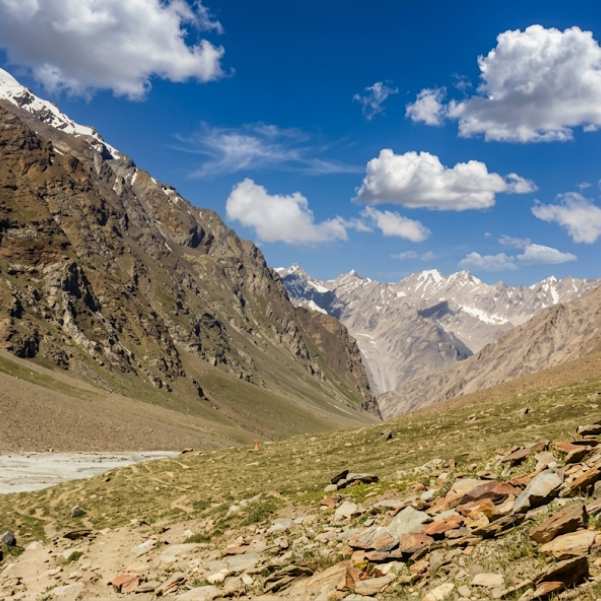
Split your sightseeing into two buckets. There is the lower-valley plan that usually holds up, and the high-pass plan that depends entirely on the day's weather and the road decision.
The lower-valley plan covers Jispa village itself, the Bhaga River stretch, Gemur, Keylong and nearby Darcha, all doable when the local roads are open.
Can You Visit Darcha in October?
Darcha is the next important settlement beyond Jispa, and it doubles as a police-checkpoint area, so keep your documents handy.
We are not going to give you an exact Jispa to Darcha distance, because the sources genuinely disagree, ranging from about 7 km to 12 km. It is close, that is all you need. The district tourism page puts Darcha at around 3,500 metres.
Are Deepak Tal, Suraj Tal and Baralacha La Open in October?
Short version: never assume these are open in October. Getting to Deepak Tal, Suraj Tal or Baralacha La depends on the Darcha to Sarchu road, fresh snowfall, clearance work and police permission on the day.
The district tourism page places Suraj Tal just below 16,000 feet and clearly says there are no shops or dhabas anywhere around it. So there is no chai stop, no maggi point, nothing.
Carry your own food, drinking water and enough fuel only after the road has been officially confirmed open. And do not fool yourself that carrying supplies makes it safe to ignore an advisory. It does not.
Can You Combine Jispa with Chandratal or Spiti?
Not reliably in October. The official district route page says the Keylong to Kaza road through Kunzum generally closes from October or November until June or July.
So treat Jispa to Chandratal or Jispa to Kaza as a summer plan, not an October one. If Spiti is your real goal, look at our Lahaul and Spiti Valley packages for the right season to attempt it.
For the exact opening window and how the season tends to move, we lay it all out in our Chandratal opening guide for 2026.
Do You Need a Permit or e-Aagman Registration for Jispa?
Yes, plan for registration. The current e-Aagman portal says vehicle applicants entering Lahaul and Spiti must apply for an e-pass, so do not assume you can just drive in without it.
The portal describes an e-permit for the Atal Tunnel, Rohtang, Koksar and Chandratal circuit, and a separate e-ticket for other places. Pick the option that matches your real route and vehicle when you apply, rather than trusting a "no permit needed" line from a random blog.
For foreign travellers, Jispa is not named in the district's protected-area list, so the village itself is not a restricted zone. But broader Spiti routes can enter listed protected areas, which is a different set of rules.
If you are a foreign guest staying overnight, use authorised accommodation, because your host has to supply Form C information within 24 hours. Book a proper registered stay and this sorts itself out.
How Do You Reach Jispa in October?
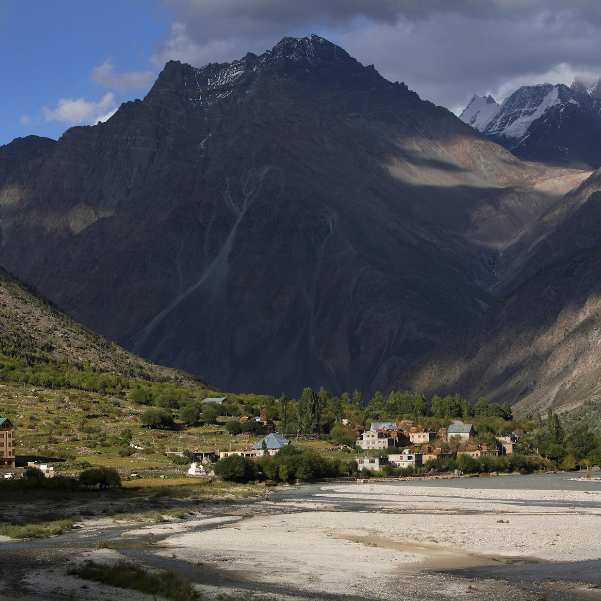
By Private Taxi from Manali
A local driver is usually the least stressful choice, especially after a snow forecast or if you have never driven in the Himalaya. Someone who knows this road reads the ice and the blind curves better than any first-timer.
We are not going to print one taxi fare as the official rate, because the online quotes genuinely conflict.
Examples online range from about ₹3,100 for a sedan to around ₹4,500 for a small car, but fares and vehicle categories vary between operators, so confirm the current rate directly before booking.
Get a written quote before you commit. It should spell out the vehicle category, one-way or round-trip, waiting time, driver allowance, any overnight stay, parking, and what happens to your money if a closure cancels the trip.
By Self-Drive Car or Motorcycle
A normal car can often handle the tarred route when the highway is dry and officially open. That is the key condition, dry and open.
We will not tell you a hatchback, sedan, SUV or motorcycle is always fine, because fresh snow, slush and black ice change the answer completely. The same road that was easy at noon can be dangerous by evening.
If you self-drive, go in daylight, check your tyres and brakes before leaving, fill the tank, carry your documents and a charged phone with a power bank, and pack enough warm clothing to sit out a delay safely.
By HRTC Bus or Shared Taxi
Bus and shared-taxi options are date-specific and tend to thin out toward the end of the tourist season, so do not build your whole trip around one assumed departure.
The official HRTC portal lets you book by date, but we could not verify any stable October Manali to Jispa schedule during this research.
Check your exact travel date and confirm the return connection before you rely on it. Treat any specific departure time or fare as subject to change, and confirm the latest schedule and price on the HRTC portal for your exact travel date before planning around it.
Can You Travel from Leh to Jispa in October?
This one depends on Baralacha La and the Darcha to Sarchu section, both of which are the first things to shut when it snows.
Coming from Manali is generally easier to plan, because you do not have to cross Baralacha La first. We would not promise the Leh to Jispa highway stays open through October, so if you are attempting it, keep your dates loose.
If Ladakh is part of the bigger picture, our Leh Ladakh tour packages are built around the right season and the right crossings.
Where Should You Stay in Jispa in October?
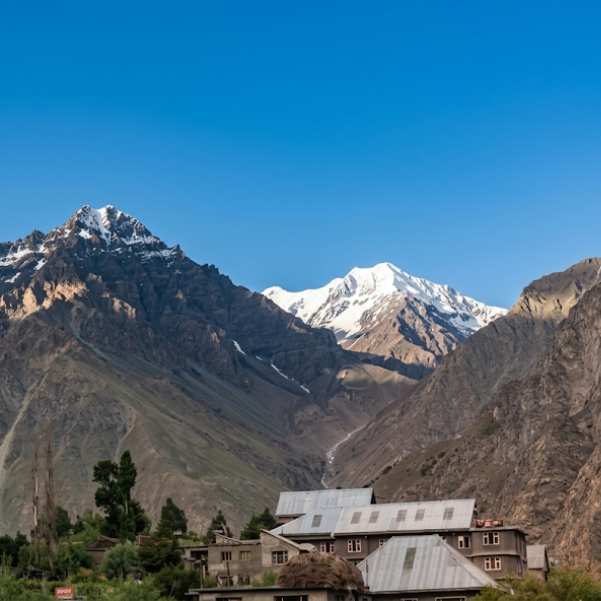
You will find hotels, homestays and camps in and around Jispa, but October changes what matters. For mid or late October especially, put an enclosed room with confirmed heating at the top of your list.
Look for a private bathroom, reliable hot water, power backup and a working kitchen, because a pretty tent with no heat at freezing point is a long night.
The district accommodation page lists a PWD rest house at Jispa and publishes the contact number 01900-222276. That is a listing, not a confirmed booking, so call and check availability yourself.
A current accommodation platform snapshot shows Jispa listings from about ₹1,680 to ₹10,230 per night, but prices, taxes and October availability vary by property and travel date, so use this only as a rough estimate and check current rates before booking.
Many camps in and around Jispa may close as the season winds down in October or November, so confirm directly with the property that it will still be operating on your exact travel dates.
Before you pay anything, confirm the final operating date, room heating, any extra heating cost, the meal plan, water supply, power backup and the weather-cancellation policy. Get it in writing.
What Should You Pack for Jispa in October?
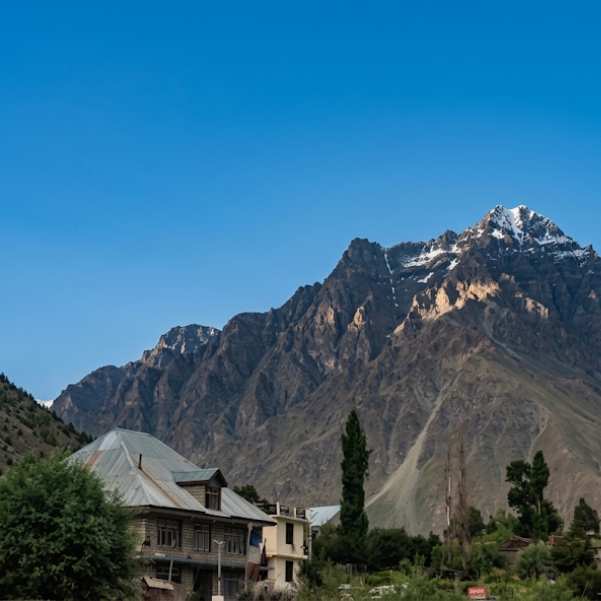
Think layers, not one heavy coat. Start with thermals, add a fleece or warm sweater, then an insulated outer jacket, and keep a waterproof and windproof shell on top for snow or wind.
Round out the warmth with warm socks, gloves, a wool cap, comfortable boots and a spare set of dry clothing, because getting wet at altitude is miserable.
Then the small stuff people forget: sunglasses, sunscreen and lip balm for the strong high-altitude sun, a reusable water bottle, snacks, a power bank, a torch, your personal prescription medicines and a compact first-aid kit.
The layering is the whole trick. In a sunny afternoon you peel down to the fleece, and as the sun drops you add the jacket and shell back on. One bag, both extremes.
Is Altitude Sickness a Concern in Jispa?
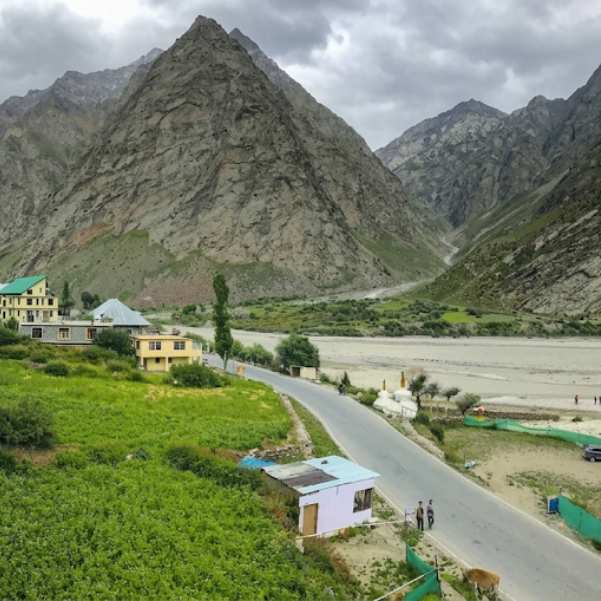
Jispa is commonly reported at around 3,200 metres, so yes, altitude is worth respecting even though this is not an extreme-elevation stop.
Altitude illness can start above roughly 2,500 metres, especially if you climb fast. Common early signs are headache, nausea, unusual tiredness, dizziness, loss of appetite and trouble sleeping.
Give your first evening to settling in. Drink water normally, skip the alcohol, and do not throw yourself into anything strenuous the moment you arrive.
If you have symptoms, do not keep climbing to a higher sleeping altitude. If they get worse, come down and get medical help. NHS guidance says a descent of about 300 to 1,000 metres may be needed when symptoms worsen or do not improve.
We are not going to tell you to pop any altitude tablet. If you have had altitude sickness before, or you have heart or lung conditions, pregnancy concerns or other medical issues, talk to a qualified doctor before the trip.
For reference, Civil Hospital Keylong is the nearest listed hospital-level facility. The district also lists a primary health facility at Gemur and a dispensary at Darcha.
What Is the Best Three-Day Jispa Itinerary in October?
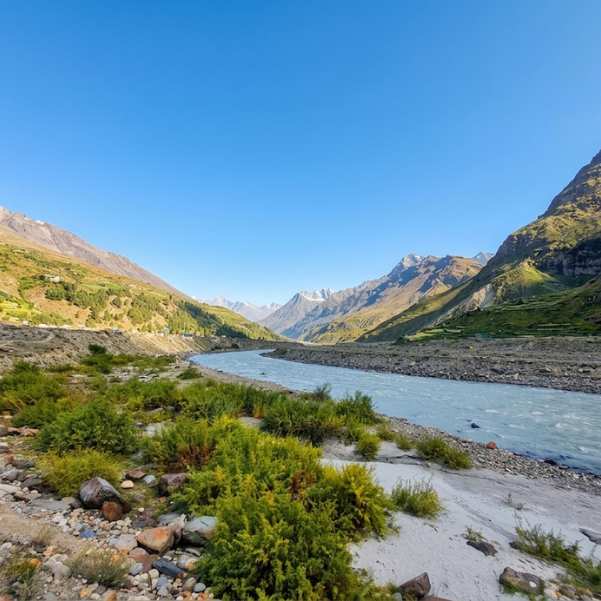
Day 1: Manali to Jispa
Leave Manali in the morning and drive through the Atal Tunnel, Sissu, Tandi and Keylong. An early start gives you daylight in hand if the road slows down.
Take short breaks instead of turning the day into a rushed tick-list. Stop for the Sissu waterfall, stretch your legs at Tandi, grab food in Keylong.
Keep your Jispa evening slow and easy. Let your body adjust to the altitude before you plan anything big.
Day 2: Plan A When the Higher Road Is Open
Start with nearby Darcha to ease into the day and clear the checkpoint formalities.
Push on to Deepak Tal, Suraj Tal or Baralacha La only when the current police information, your driver and local road updates all agree it is open. All three, not just one.
Do not try to force every attraction into a single day. Turn back with daylight to spare.
Day 2: Plan B after Snow or a Road Restriction
If it snows or a section is shut, keep the day in the lower valley around Jispa, Gemur and Keylong. There is plenty to slow down for.
A calm Plan B beats sitting beside a closed barricade for hours hoping it opens. Some of our travellers end up preferring these quiet days.
Day 3: Jispa to Manali
Drive back in daylight through Keylong, Tandi, Sissu and the Atal Tunnel. Aim to clear the higher stretches well before evening.
If snow or a western disturbance is in the forecast, keep one buffer night spare in your overall holiday.
How Much Does a Jispa Trip Cost in October?
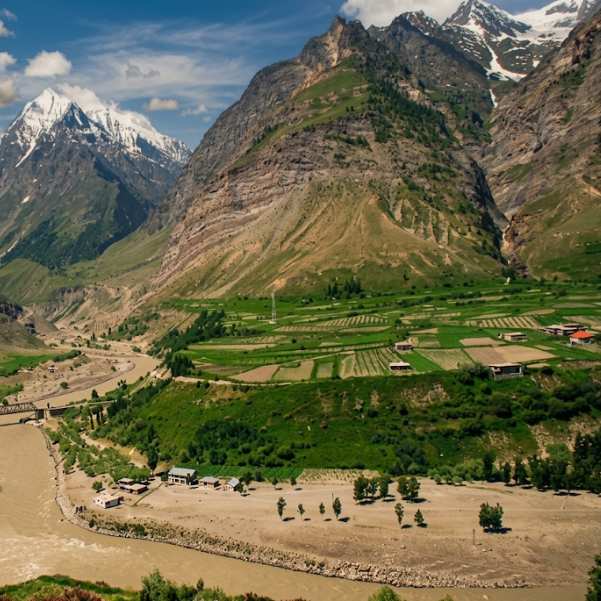
There is no single fixed number here, so let us break down what really drives the cost. Transport from Manali is the first big piece, and it swings with your group size and vehicle type.
Rooms are the next piece. A basic room costs very differently from a heated premium one, and heating, meals and hot water often sit on top as extras in the cold months.
Then there are the variables people forget. An extra weather-delay night, and any conditional drive up to the high passes if the road opens, both add to the final figure.
On stays, that same platform snapshot shows roughly ₹1,680 to ₹10,230 per night, but taxes, heating charges, meal plans and availability can vary significantly by property and travel date, so check the latest price before booking.
We are not going to invent a neat total trip price, because a real number depends on your exact dates, group and choices. For that, get a live written quote from us.
On taxis too, the sampled one-way online quotes conflict, so ask for a current written quotation rather than trusting a screenshot.
What Facilities Are Available Near Jispa?
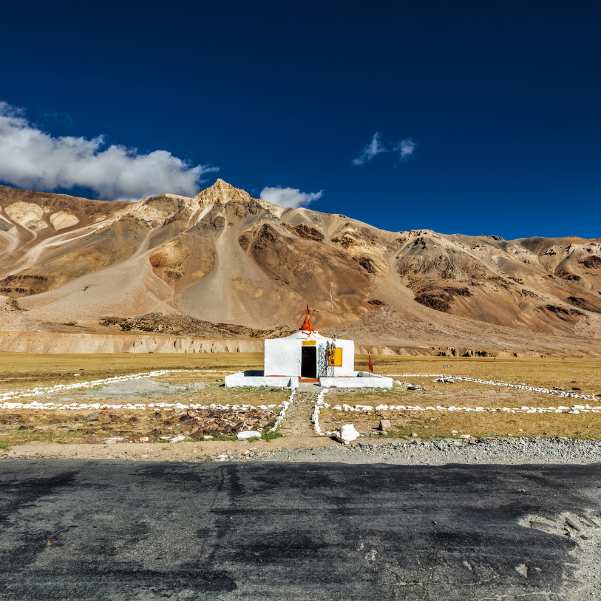
Fuel
The district facilities page lists a petrol pump at Tandi, which sits before Keylong on the way up. Fill up there.
Check its current operating status before you travel farther north, and fill up at Tandi rather than relying on another fuel station being available ahead.
Mobile Network and Internet
The district lists BSNL, Airtel 4G and Jio 4G services in parts of Lahaul, with coverage described toward Darcha. So you are not completely off-grid.
Still, do not count on stable mobile data inside every Jispa room or camp. Download your maps and any bookings offline before you lose signal.
Cash and Payments
Carry backup cash. Network-dependent payments fail more often than you would like up here, and a card is useless if the machine cannot connect.
We are not going to name a specific Jispa ATM without current confirmation, so carry enough cash from Manali or Keylong for your stay and onward journey.
Medical and Emergency Contacts
Keep the nearest hospital-level facility in mind, which is Civil Hospital Keylong.
Save these before you go: Keylong Police Station on 01900-222223, the district SP office on 01900-222226 and the disaster relief helpline on 1077.
Who Should Visit Jispa in October and Who Should Reconsider?
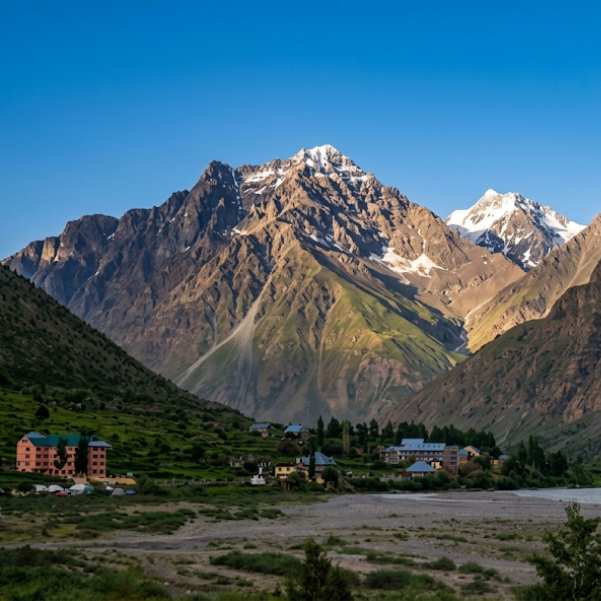
October Jispa suits flexible travellers, couples, photographers, experienced hill drivers and anyone happy with a quiet mountain stay even if the high-pass sightseeing gets cancelled.
Think twice if you are on a rigid schedule, if you are expecting guaranteed snowfall, if you have never driven on snow, if your whole plan hinges on a same-day crossing to Leh, or if you cannot spare a buffer night.
Families with kids or senior citizens can absolutely enjoy it with sensible planning. Book a heated room, gain altitude slowly, get medical advice where it is relevant, and keep a lower-valley Plan B ready.
We are not saying children or older parents cannot handle Jispa. Plenty do it well. It just rewards a slower, better-planned trip rather than a rushed one.
Final Verdict: Should You Book Jispa in October 2026?
If you want our straight take, early October is the more practical window for Jispa in October, but even early October can get snow, as 6 October 2025 showed.
Book it with cancellable accommodation, travel in daylight, keep one buffer night, and go without any emotional attachment to reaching Baralacha La. Do that, and a quiet Lahaul trip is well worth it.
Come for the calm valley, the autumn light and the empty roads, and treat any high-pass drive as a bonus, not the point.
Explore Our Curated Jispa Tour Packages
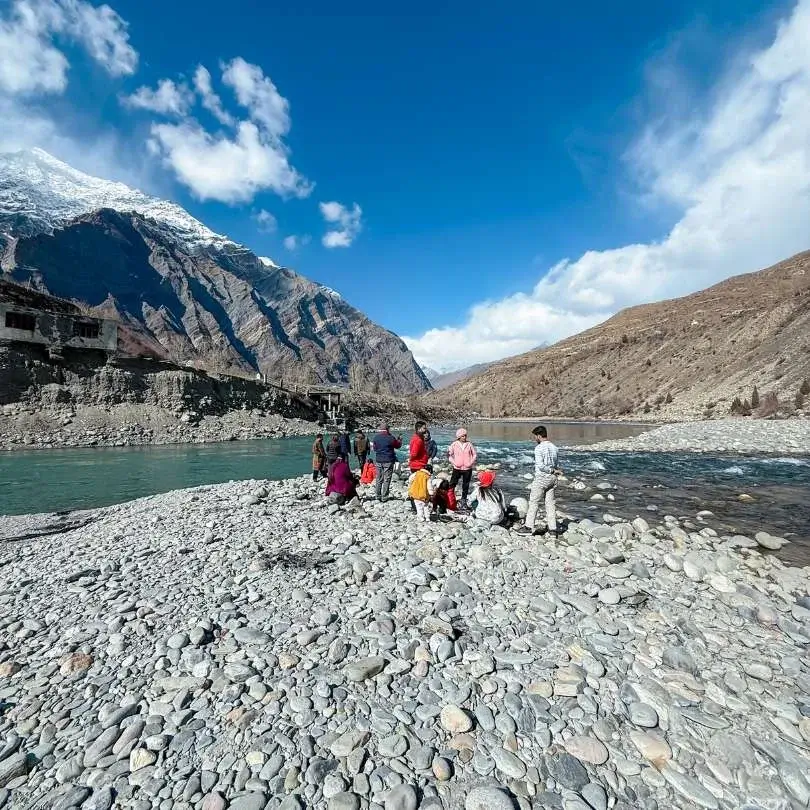 6D/5N
6D/5NMost Loved Sissu Valley Escape With Jispa Riverside Stay
2D Sissu•1D Jispa
₹15,999/ person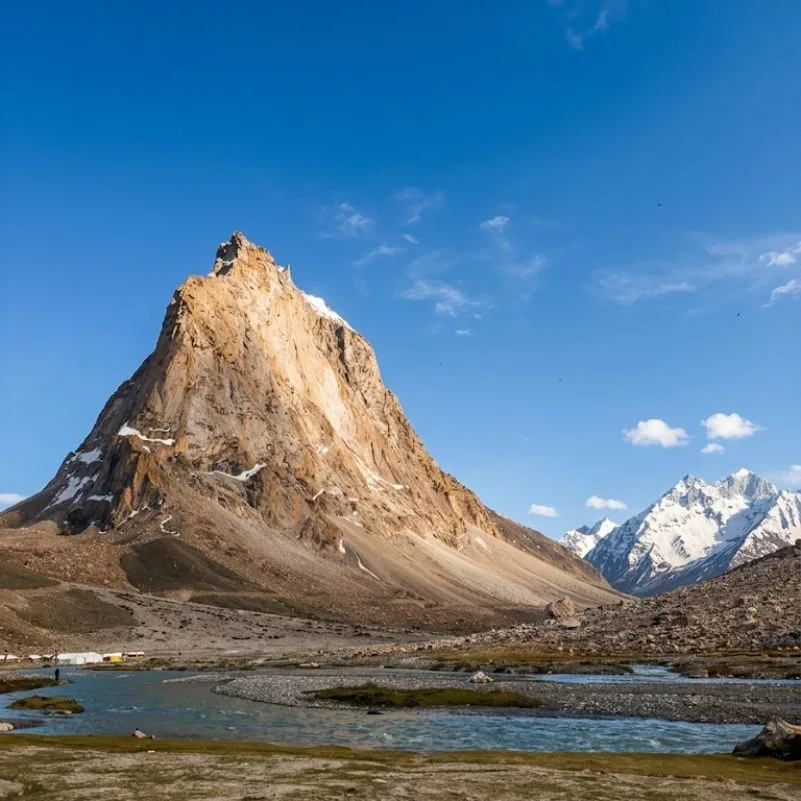 Group Tour8D/7N
Zanskar Valley Group Tour With Phugtal Gonbo Rangjon and Baralacha La
1D Manali•1D Purne / Kargyak / Gonbo Rangjon Side+2
₹20,999/ person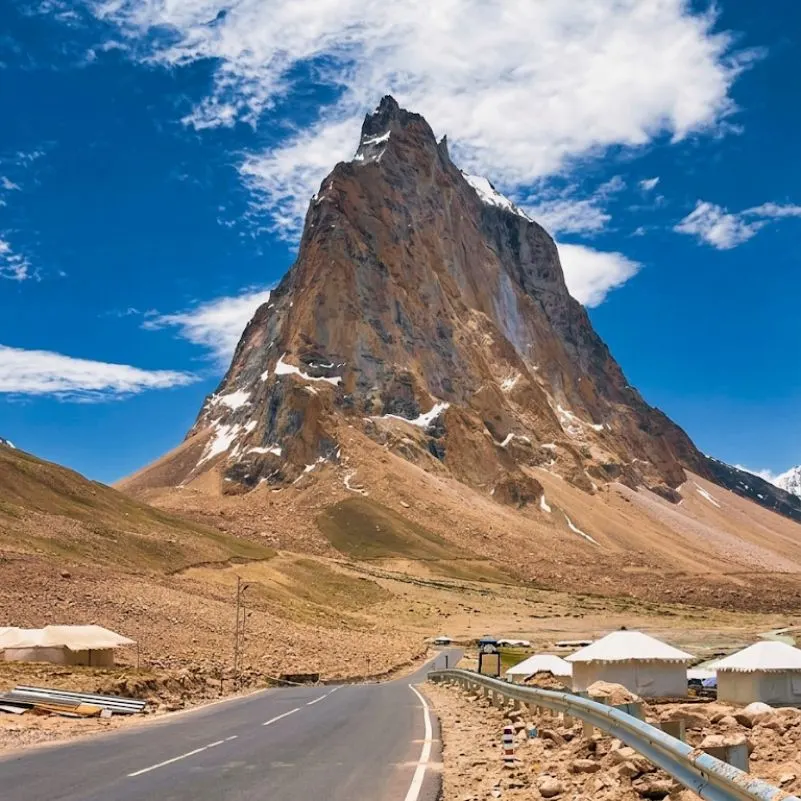 8D/7N
8D/7NPrivate Zanskar Valley Tour With Phugtal Gonbo Rangjon and Baralacha La
1D Manali•1D Purne / Kargyak / Gonbo Rangjon Side+2
₹29,999/ person
Related topics
Frequently Asked Questions
Is Jispa open in October 2026?
Jispa is usually reachable in early October via the Atal Tunnel, but road access depends on weather. Check Lahaul and Spiti district and police road updates 24 to 48 hours before travelling.
Is early October better than late October for Jispa?
Yes, early October is generally better because temperatures are milder and road access is more reliable. However, early snowfall can still disrupt travel, so keep your itinerary flexible.
What is the temperature in Jispa in October?
October days can feel pleasant in the sun, while nights may drop below freezing. Temperatures vary significantly, so pack warm layers and check the latest forecast before travelling.
Does Jispa receive snowfall in October?
Yes, snowfall is possible in October, but it is not guaranteed. Some years see early October snow, while others remain mostly dry until later in the month.
Is the Manali to Jispa road open in October?
The Manali to Jispa road is often open in early October via Atal Tunnel and Keylong. Snowfall or ice can temporarily close the route, so check the latest road status before departure.
Can a hatchback or sedan reach Jispa in October?
Yes, a hatchback or sedan can usually reach Jispa when the road is dry and open. After snowfall, slush and black ice can make driving difficult, so local taxis may be safer.
Can I visit Baralacha La and Suraj Tal in October?
Possibly, but only if the Darcha to Sarchu road is officially open. Snow can close Baralacha La quickly in October, so treat Suraj Tal and Baralacha La as optional day trips.
Do I need an e-Aagman pass for Jispa?
Yes, travellers entering Lahaul and Spiti by vehicle should check the current e Aagman requirements. Apply for the appropriate e pass, e permit or e ticket based on your route.
Are hotels and camps open in Jispa in October?
Some hotels and homestays remain open in October, while many seasonal camps begin closing. Confirm heating, meals, hot water and the property's closing date directly before booking.
Is Jispa safe for children and senior citizens?
Jispa can be suitable with slow travel and proper acclimatisation. Keep everyone warm, avoid rapid altitude gain and seek medical advice beforehand if anyone has existing health conditions.
How many days are enough for a Jispa trip?
Two nights and three days are usually enough for a Jispa focused trip from Manali. Adding an extra buffer day is useful in October because snowfall can affect road conditions.
Can I continue from Jispa to Leh in October?
Only if the Manali Leh highway and Baralacha La are officially open. October snowfall can close the Darcha to Sarchu section, so do not depend on this route without checking current conditions.
More about Jispa
 Jispa
JispaJispa in November 2026: Weather, Snow, Road Status and Travel Guide
Planning a trip to Jispa in November 2026? Discover expected weather, snowfall chances, temperatures, road conditions, travel safety tips, and everything you need to know before visiting Jispa in early winter.
- Road Status
- Snow Travel
- Jispa
Darcha 2026: The Base for Baralacha La and Shinkula Pass (Stay, Fuel & Route)
Planning to use Darcha as your base in 2026? This guide covers where to stay, fuel options, route details and how Darcha connects travellers to Baralacha La, Shinkula Pass and the road toward Zanskar.
- How to Reach
- Road Status
 Jispa
JispaJispa in December 2026: Snowfall, Temperature, Road Status and Travel Guide
Planning a trip to Jispa in December 2026? This guide covers expected snowfall, temperatures, road conditions, winter accessibility and practical travel tips to help you plan a safer visit.
- Road Status
- Snow Travel