
Is Ladakh Safe in 2026? Leh Ladakh Safety, Altitude Sickness and Road Safety Guide
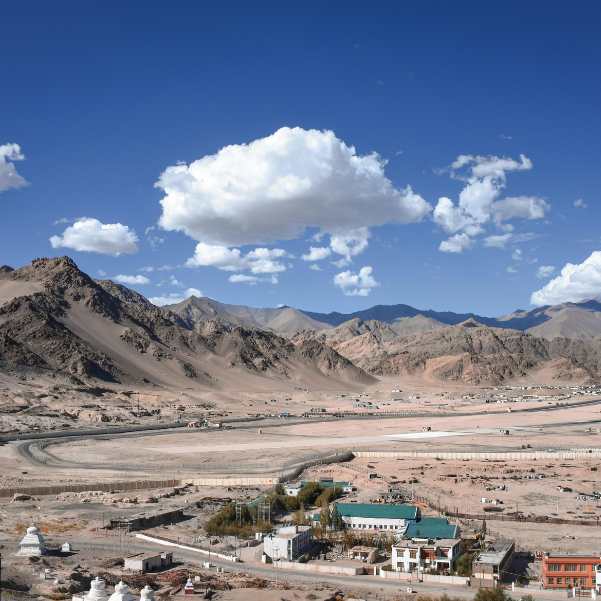
Every year, thousands of people search "is Ladakh safe" before booking their trip. And every year, the answers they find are either overly dramatic or uselessly vague.
So here is the honest version from a team that plans mountain trips for a living.
Quick Answer
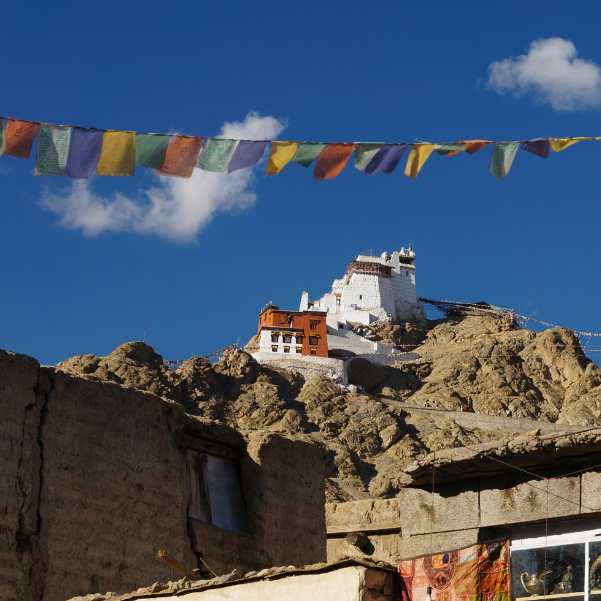
Ladakh is safe for tourists in terms of day-to-day travel, local hospitality and law and order. The real risks are not crime or conflict.
They are altitude sickness, poorly planned itineraries, dangerous road conditions and weather that can change within hours.
If you plan your trip with proper acclimatization, a sensible itinerary and the right vehicle, Ladakh is one of the most rewarding places you will ever visit. If you rush it, skip rest days or force yourself over high passes without preparation, you are asking for trouble.
The biggest mistake most travellers make? Treating Ladakh like a regular hill station. It is not. Leh sits at around 3,500 m. That is higher than most European ski resorts. Your body needs time to adjust, and no amount of excitement or fitness will change that.
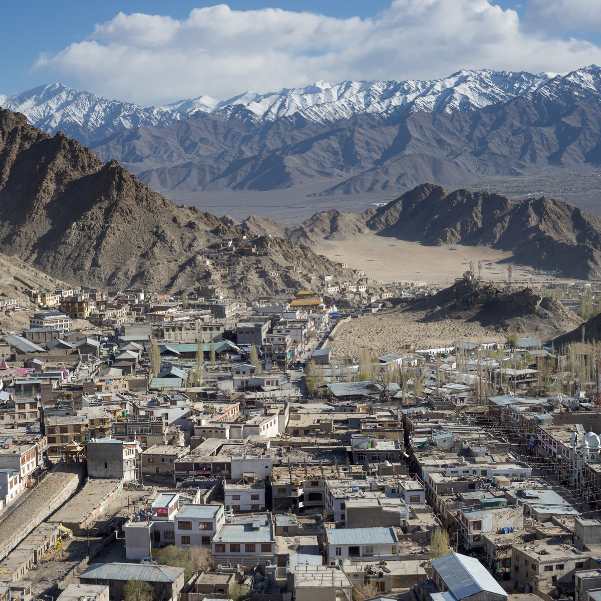
Yes, Ladakh is a safe region for couples, families, solo travellers and women. You will not face the kind of street-level safety concerns you might worry about in a big city. The local people are genuinely warm, theft is rare, and Leh town feels relaxed even at night.
But "safe" in Ladakh means something different from "safe" in Jaipur or Goa. The dangers here do not come from people. They come from geography.
Weather changes fast. A clear morning can turn into a hailstorm by afternoon. Roads that were fine last week can be blocked by a landslide today.
And the altitude affects everyone, whether you are 25 and run marathons or 55 and walk daily.
In our experience planning Ladakh trips over the years, the travellers who have the best time are the ones who plan for the terrain, not just the Instagram spots.
The ones who struggle are almost always the ones who packed a 5-day itinerary into 4 days and skipped rest.
What Is the Biggest Risk in Ladakh? It Is Usually Altitude, Not Crime
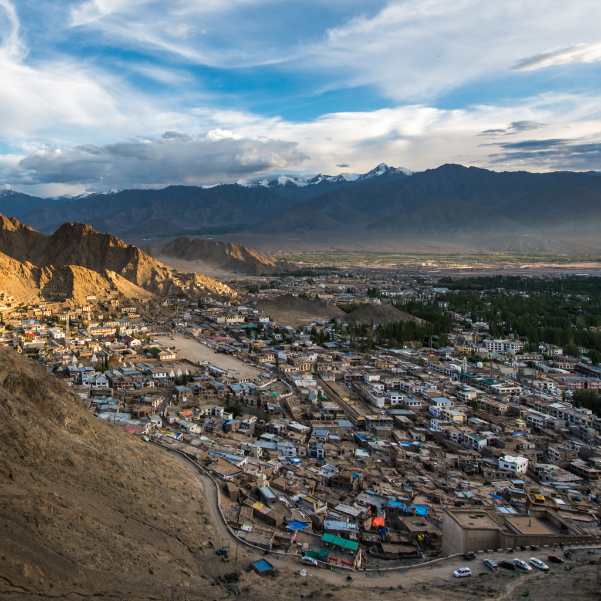
The Ladakh Police FAQ itself says the biggest challenge tourists face is high-altitude sickness due to the elevation. Not theft. Not scams. Not political tension. Altitude.
Acute Mountain Sickness, or AMS, happens when your body has not had enough time to adjust to reduced oxygen at high altitudes.
Leh is at around 3,500 m, and most travellers either fly in from Delhi (jumping from 200 m to 3,500 m in 90 minutes) or drive in through passes that go well above 4,000 m.
Mild AMS feels like a bad hangover. Headache, nausea, tiredness, trouble sleeping. Most people get some version of this on their first day in Leh, and it passes if you rest properly.
Serious altitude illness is a different thing entirely. When fluid builds up in the lungs (HAPE) or the brain (HACE), the situation becomes a medical emergency.
This does not happen often, but it happens enough that you should know the signs.
The good news? AMS is almost entirely preventable with the right pacing. You do not need special fitness. You need patience.
How Many Days Should You Acclimatize in Leh?
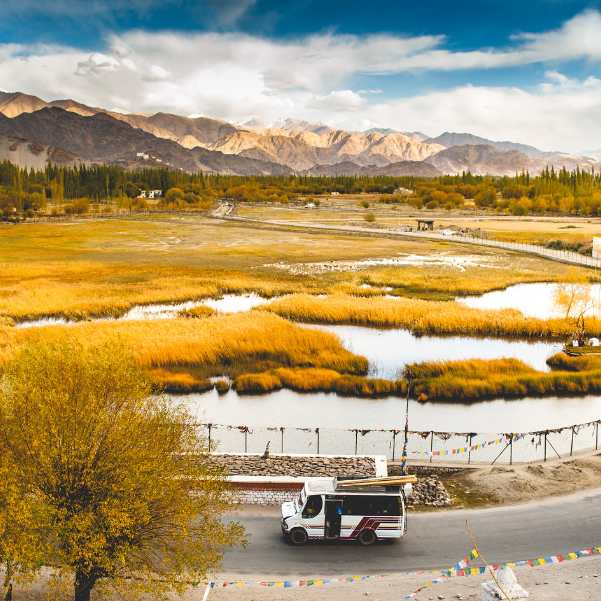
The official LAHDC Leh health advisory says all visitors arriving in Leh should allow at least 48 hours of acclimatization before heading to higher-altitude areas like Nubra Valley, Pangong Lake or any of the high passes.
What most tourists get wrong is what "rest" actually means. It does not mean sleeping for two days straight. And it does not mean walking around Leh Market for 6 hours shopping for pashmina shawls, either.
Rest means keeping activity light. Walk slowly. Eat light meals. Stay well hydrated. Sit in a cafe, read a book, stroll through the old town at an easy pace.
The thukpa at Chopsticks Noodle Bar on the main Leh Market road is warm, light and easy on the stomach. Perfect acclimatization food. The official advisory specifically says there should be no active physical exertion on the first two days in Leh.
Our team always tells first-timers the same thing: your first two days in Leh are not wasted days. They are the days that make the rest of your trip actually enjoyable.
Skip them, and you will spend Day 3 at Pangong with a splitting headache wondering why you came.
Official guidance also says to avoid alcohol, smoking and sedatives during acclimatization. That celebratory beer on your first night in Leh? Save it for your last night instead.
And drink water. A lot of it. Stay well hydrated throughout your trip. The dry mountain air dehydrates you faster than you realize, and dehydration makes altitude symptoms worse.
Can You Get Altitude Sickness Even If You Come by Road?
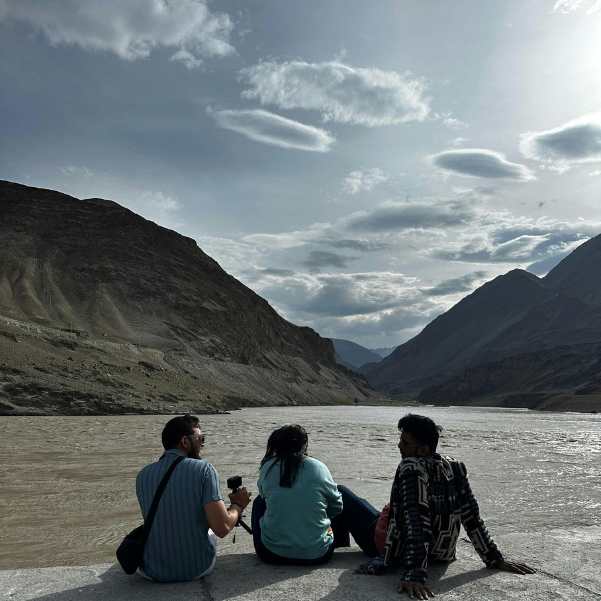
This is one of the most common myths about Ladakh travel. Many people believe that driving to Leh instead of flying protects you from AMS. The logic sounds reasonable: you gain altitude slowly, so your body adjusts along the way.
The reality is more complicated. The official advisory says road travel does not help acclimatization on its own. And here is why.
The Manali to Leh highway crosses multiple passes above 4,000 m, and the drive is exhausting. Your body is dealing with altitude, fatigue, dehydration and bumpy roads all at once. You are not resting while driving. You are surviving.
One Ladakh-linked resource citing NCBI data puts mild AMS prevalence at 22% for people arriving by flight, 31% for those coming via the Srinagar road, and 57% for those coming via the Manali road.
That last number surprises people, but it makes sense when you consider that the Manali route crosses higher passes and takes a heavier physical toll.
The Srinagar side is gentler in altitude gain but has its own risks, which we will cover in the road safety section.
In our experience, the Srinagar route gives most first-timers a slightly easier entry into Ladakh, though neither route is a guarantee against AMS.
The bottom line: however you reach Leh, you still need those 48 hours of rest before pushing higher.
Ladakh Altitude Sickness Symptoms You Should Never Ignore
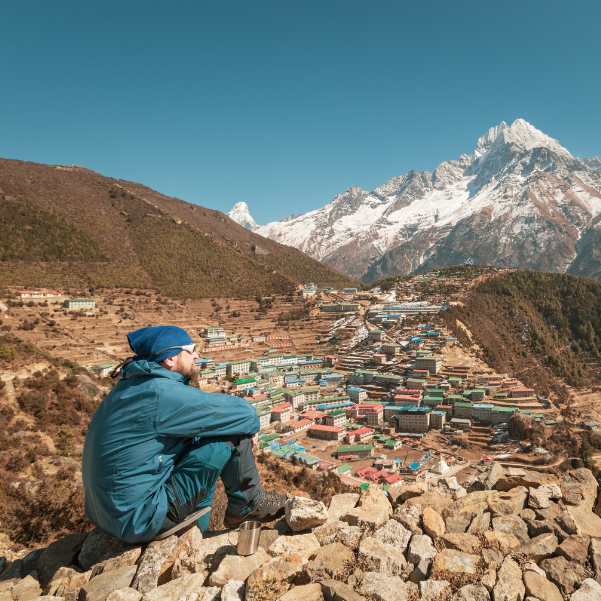
The common symptoms of AMS show up within the first 6 to 24 hours of arriving at altitude. They include headache, nausea, dizziness, breathlessness, disturbed sleep, fatigue, poor appetite and trouble concentrating. Most people experience at least one or two of these on their first day in Leh.
Mild symptoms are normal. They usually ease up with rest, hydration and time. Do not panic if you have a headache on Night 1. Almost everyone does.
What you should watch for is symptoms getting worse instead of better. If the headache becomes severe and does not respond to paracetamol, if you feel confused or disoriented, if you are struggling to breathe even while sitting still, or if you cannot walk in a straight line, these are warning signs of something more serious.
HAPE (fluid in the lungs) and HACE (swelling in the brain) are rare but dangerous. If anyone in your group shows these signs, stop ascending, descend immediately and get medical help. Do not wait for morning. Do not try to sleep it off. Time matters.
CDC guidance says AMS improves rapidly with descent of about 300 m (1,000 ft) or more. Just getting to a lower altitude can make a dramatic difference.
Not sure how to plan your acclimatization properly? Talk to our team on WhatsApp and get a safe, altitude-friendly itinerary.
👉 WhatsApp us for a safe, altitude-friendly itinerary
Who Should Be Extra Careful Before Planning Ladakh?
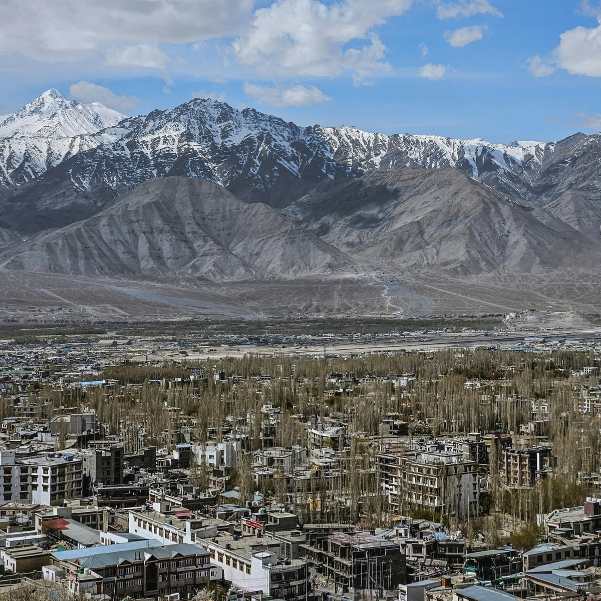
Children under 8 to 10 years
Children under 8 to 10 years are more vulnerable to altitude effects and less able to communicate what they are feeling. Families with small kids should consult a doctor before planning, keep the itinerary very gentle and avoid passes above 5,000 m altogether.
Seniors above 60
Seniors above 60 can absolutely visit Ladakh, but a slower itinerary is not optional for them. Spending 3 days in Leh instead of 2, skipping one high pass, and choosing comfortable stays over budget options can make the difference between a good trip and a hospital visit.
Anyone with heart conditions, lung problems, severe asthma or a history of serious altitude sickness should get a medical clearance before booking.
This is not us being cautious for the sake of it. At 3,500 m and above, your heart and lungs work harder than at sea level. Existing conditions get amplified.
And anyone flying in from a low-altitude city with only 4 or 5 days of leave and a packed itinerary should seriously reconsider the plan. A rushed Ladakh trip is not a fun Ladakh trip. It is a miserable one.
Is Leh Ladakh Safe for Families, Couples, Solo Travellers and Women?
Families
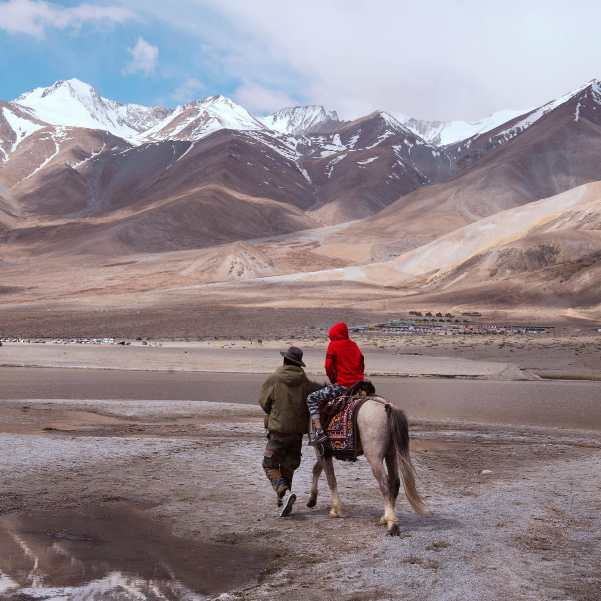
Families do very well in Ladakh when the itinerary is built around rest, not ambition. Skip one high-altitude excursion if you have kids. Add a buffer day. Stay in proper hotels in Leh, not bare-bones guesthouses. Our Ladakh tour packages are built with this kind of pacing in mind.
Couples
Couples love Ladakh. The landscape is dramatic, the cafes in Leh are charming, and places like Nubra and Pangong feel like another planet. The only thing to watch for is not pushing each other to "do more" at the cost of rest.
Solo travellers
Solo travellers will find Ladakh very welcoming. Leh has a solid backpacker scene, shared transport options and a culture of travellers helping each other. You are never really alone on the main circuits.
Women
Women travelling solo generally feel safe in Ladakh. The local community is respectful, and the tourist infrastructure in Leh is well-developed.
We always suggest pre-booked stays and reliable transport rather than winging it, simply because options dry up once you leave Leh town. If you have done solo travel in Spiti, you will find Ladakh similar in vibe. Our Spiti solo female safety guide covers the mindset that works for both regions.
Ladakh Road Safety: What Makes Driving Here Risky?
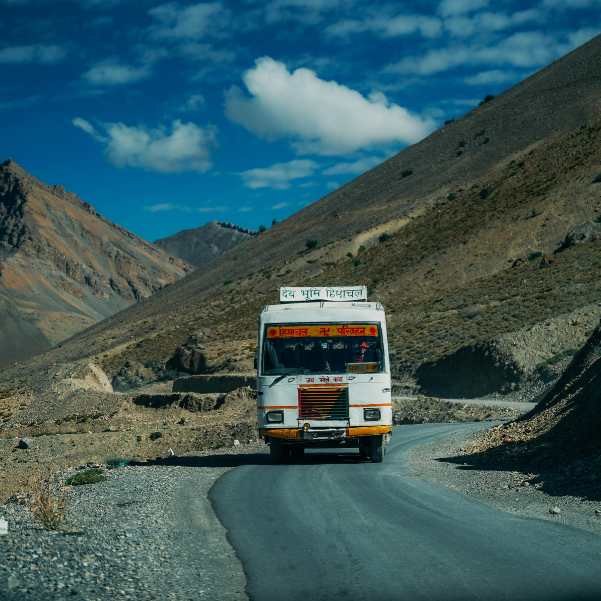
The mountains around Ladakh are beautiful. The roads through them are not always kind.
You are dealing with narrow stretches cut into mountainsides, blind curves with no barriers, loose gravel, water crossings that appear out of nowhere, and altitude that slows your reflexes and decision-making.
Add snow, ice, landslides and sections where the road just disappears, and you start to understand why road safety in Ladakh is a real topic and not just a disclaimer.
In January 2026, the UT Ladakh administration launched a Road Safety Awareness Drive in Leh under National Road Safety Month 2026. That tells you something about the priority this gets locally.
And this is not abstract. On March 27, 2026, an avalanche at Zoji La blocked the Srinagar to Leh highway and killed at least 7 people.
This was not a freak event on an obscure trail. This was the main highway connecting Srinagar to Ladakh.
We are not sharing this to scare you. We are sharing it because Ladakh road conditions are something you plan around, not ignore.
Check route-wise road status close to your travel date. The Leh district administration updates conditions regularly, and routes open and close depending on weather and clearance work.
Is Self-Drive in Ladakh Safe or Should You Hire a Local Driver?
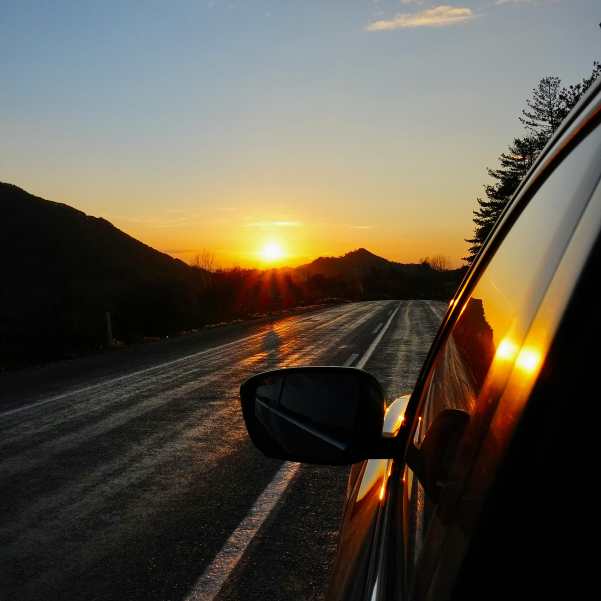
Self-driving in Ladakh is possible if you are an experienced mountain driver, you have a high-clearance vehicle in good condition, and you are comfortable making decisions on bad roads with no phone signal and no help nearby.
If that sounds like you, self-drive can be a great experience. The freedom of stopping where you want, when you want, is hard to beat.
But if this is your first mountain road trip, or you are travelling with family, or your vehicle is a sedan or a low-clearance SUV, we strongly recommend a local driver. This is not a sales pitch. It is a safety call.
Fatigue at altitude hits differently. You get tired faster, your reactions slow down, and a 6-hour drive on a broken road takes more out of you than a 10-hour highway run in the plains.
A local driver knows where the blind spots are, where the road vanishes after rain, and where to stop when weather turns.
In our experience, first-timers who hire a driver enjoy the trip more and spend less time stressed. Save the self-drive for your second Ladakh trip when you already know the roads.
Here is a skip-this tip while we are on the subject: those roadside "adventure jeep rental" operators in Leh who offer cheap self-drive SUVs often give you vehicles with poor tyres, weak brakes and no insurance coverage for off-highway damage. If you must self-drive, rent from a reputable operator and check the vehicle yourself.
Which Roads and Routes Need the Most Caution?
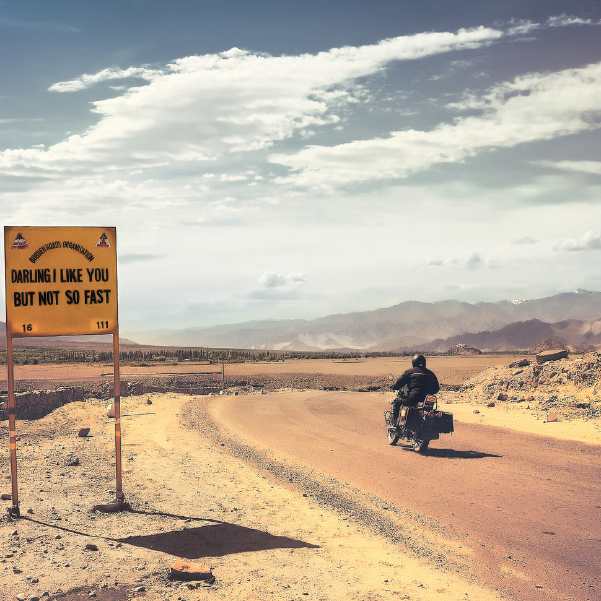
Srinagar to Leh Highway is the more gradual route in terms of altitude, and most people find it more comfortable. But it passes through Zoji La, which is avalanche-prone in the early and late season.
The highway also stretches near Drass and Kargil where landslides and military convoys can cause long delays. On a good day, this drive takes about 2 days with a stop in Kargil. The total distance is roughly 434 km.
Manali to Leh Highway is the more dramatic route and the one most people romanticize. It crosses multiple passes above 4,000 m and covers roughly 474 km of mountain terrain.
The road between Sarchu and Pang is exhausting, and the altitude at Tanglang La and Lachalung La leaves you short of breath even sitting in the car.
This route demands a high-clearance vehicle and an experienced driver. If you are coming from Manali, plan for 2 days minimum with a night halt at Jispa or Sarchu.
Leh to Nubra via Khardung La is a popular day drive. Khardung La sits at around 18,350 ft and many travellers feel the altitude strongly here.
Do not spend more than 15 to 30 minutes at the pass. Get your photos and move on. The descent into Nubra Valley is steep and the road is rough in patches.
Leh to Pangong via Chang La is another high-altitude drive. Chang La is high enough to trigger AMS symptoms in people who have not acclimatized properly in Leh.
Do not attempt this on Day 2 of your trip. We always slot Pangong for Day 4 or later.
If you are considering the Srinagar to Leh route via Kashmir, the initial stretch through the Kashmir Valley is smooth and scenic, but conditions change completely once you hit Zoji La.
A Safer Ladakh Itinerary for First-Time Travellers
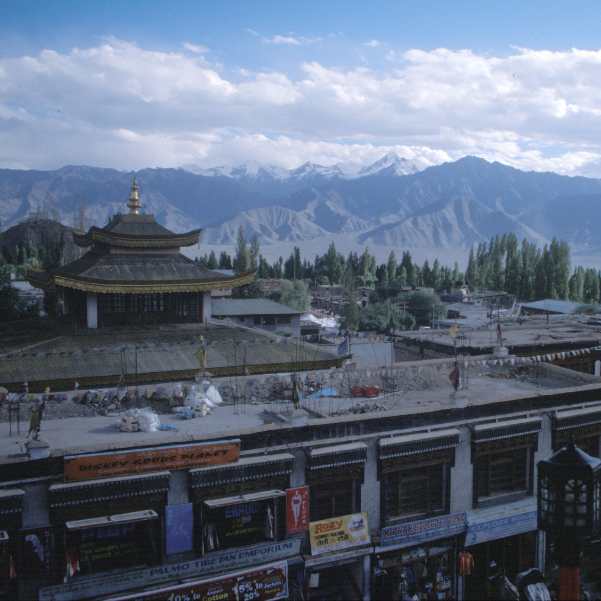
The best way to avoid altitude trouble is to build your itinerary around rest, not around ticking off locations. Here is the kind of pacing we recommend for first-timers.
Day 1
Arrive in Leh. Go straight to your hotel. Rest. Do nothing. Eat light, drink water, sleep early. We know this feels like wasting a day. It is not. It is the day that makes the next 6 days possible.
Day 2
Light exploration in Leh town. Walk to Shanti Stupa before 8 AM when the light is golden and the steps are empty. By 10, tourist buses start arriving and the whole vibe changes. Visit Leh Palace if you feel up to it. Do not push beyond what feels easy. Go back to your room by afternoon.
Day 3
Drive to Nubra Valley via Khardung La. You have had 48 hours to adjust now, and this excursion becomes much more enjoyable. Spend the night in Nubra.
Day 4
Explore Nubra. Visit Diskit Monastery and the sand dunes at Hunder. Return to Leh in the evening or stay a second night if your schedule allows.
Day 5
Rest day in Leh or a short drive to nearby monasteries like Thiksey and Hemis. These are at a similar altitude to Leh, so your body stays comfortable.
Day 6
Drive to Pangong Lake via Chang La. You are now well-acclimatized and the altitude at Pangong will not hit you the way it would have on Day 2.
Day 7
Return to Leh. Buffer day or departure.
This itinerary does not cover every single thing in Ladakh. But it keeps you healthy and happy, and you actually remember the places you visit instead of spending the trip fighting headaches.
Browse our popular tour options to see how we build acclimatization into every Ladakh plan.
Explore Our Curated Leh Ladakh Tours
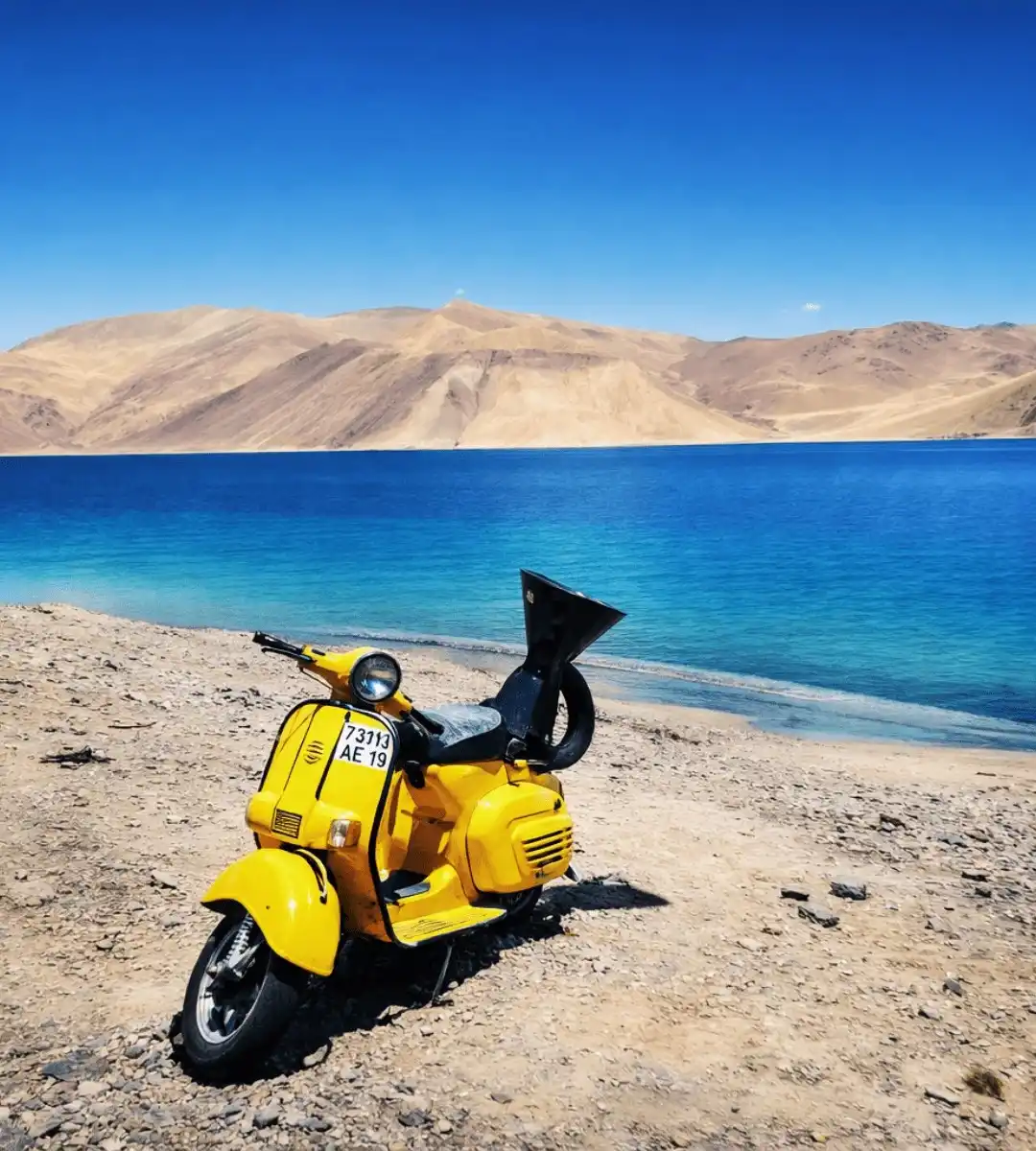 6D/5N
6D/5NBest Selling Leh Ladakh Tour With Nubra Valley and Pangong Lake
2D Leh•1D Nubra Valley+1
₹23,999₹28,599SAVE INR 4,600/ person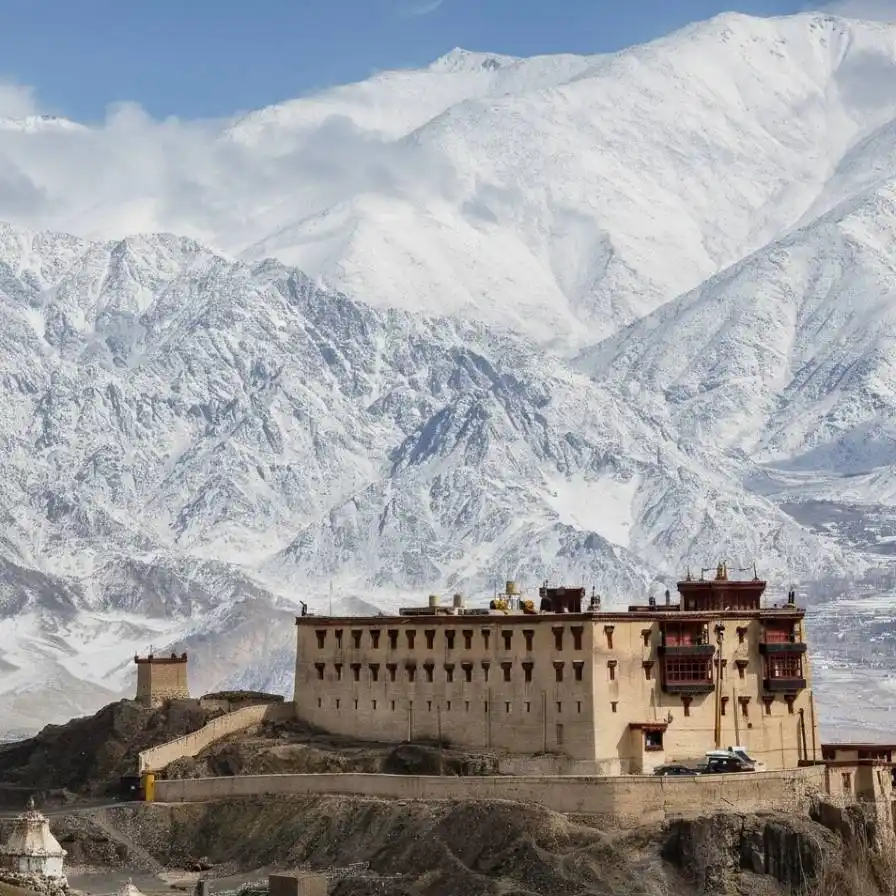 4D/3N
4D/3NLeh Ladakh Winter Getaway
1D Leh•1D Leh Local+2
₹19,999₹22,999SAVE INR 3,000/ person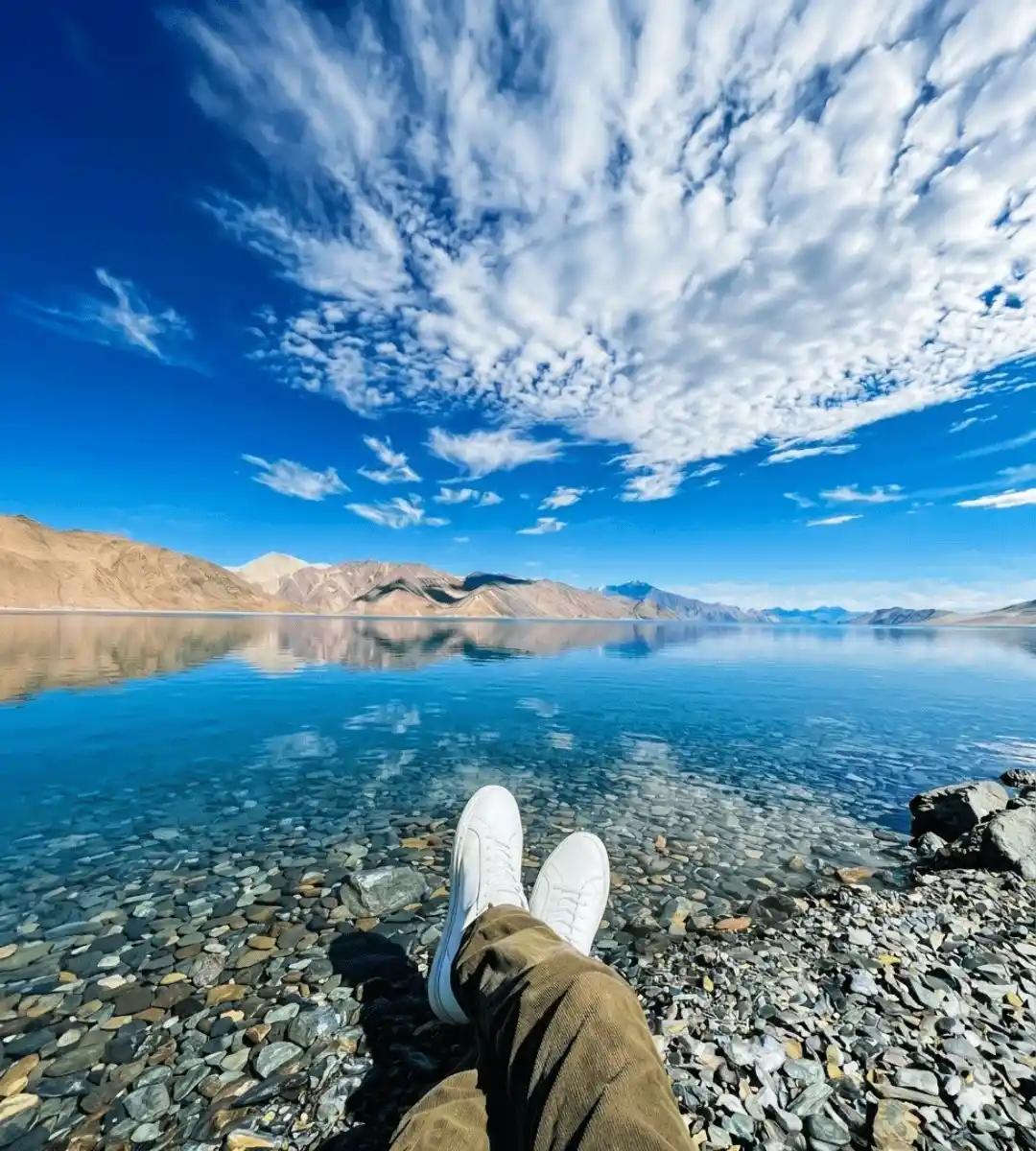 6D/5N
6D/5NUltimate Leh Ladakh Tour Package with Nubra Valley & Pangong Lake
2D Leh•1D Nubra Valley+1
₹28,999₹35,999SAVE INR 7,000/ person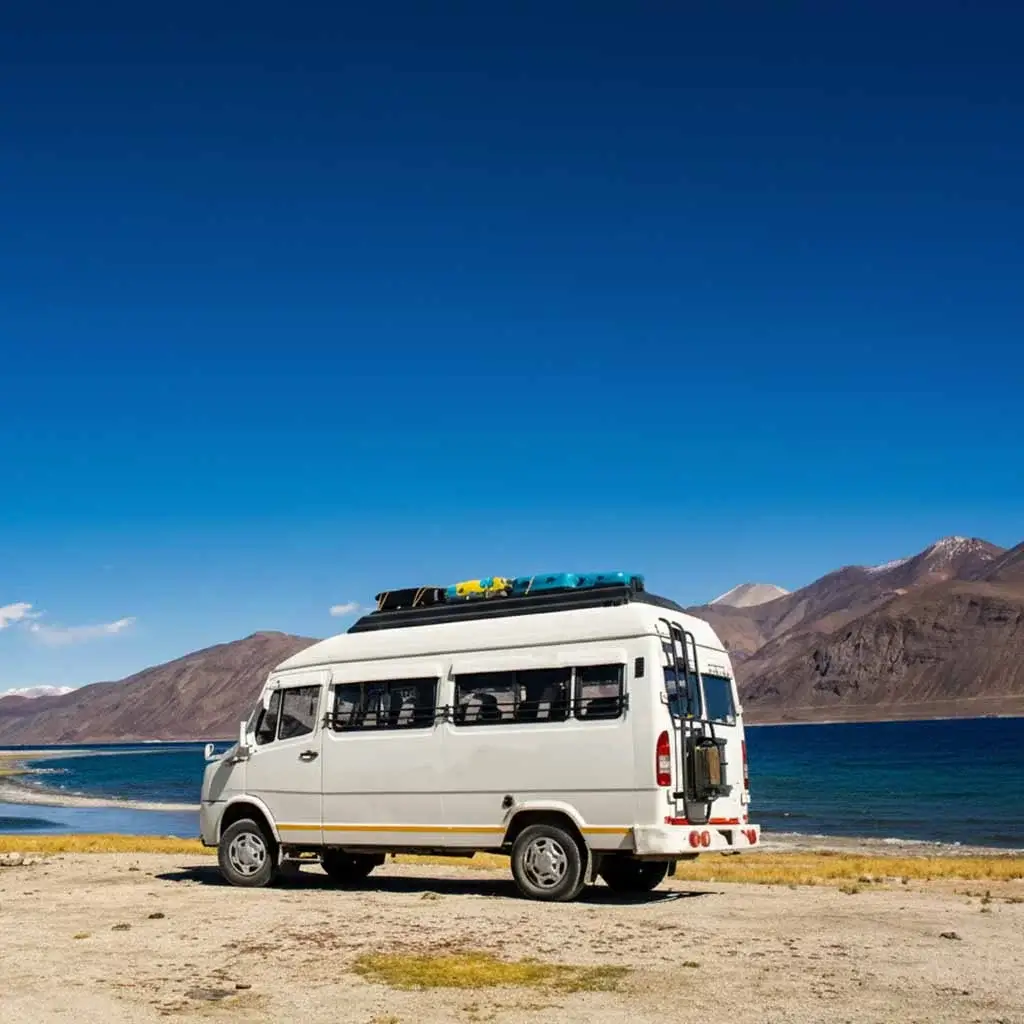 Group Tour6D/5N
Leh Ladakh Group Tour With Nubra Valley and Pangong Lake
2D Leh•1D Nubra Valley+1
₹18,999/ person
What Should You Carry for Ladakh Safety?
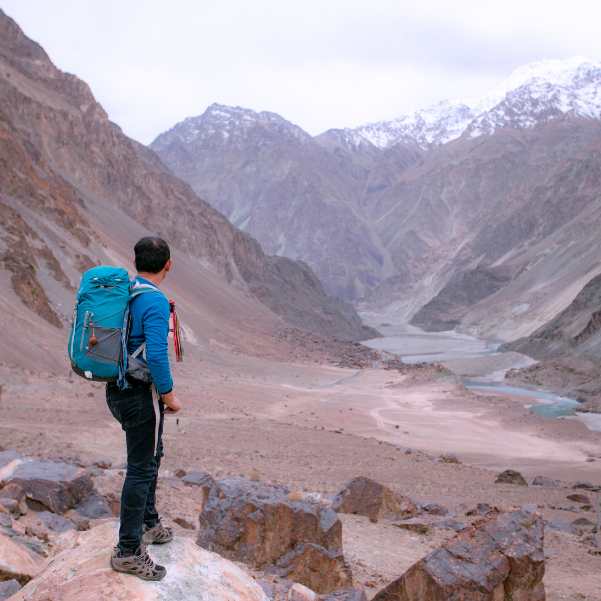
Get a proper medical consultation before your trip. Ask your doctor about altitude medication like Diamox and whether it suits your health profile.
Do not self-prescribe based on blog recommendations. Carry paracetamol, ORS packets, anti-nausea tablets and any personal prescriptions you normally use.
Warm layers matter even in summer. Mornings and evenings in Leh are cold. At Pangong and Nubra, nights drop sharply. Pack thermals, a fleece, a windproof jacket and warm socks.
Offline maps are not optional. Cell signal disappears for long stretches on every route outside Leh. Download the Ladakh region on Google Maps or Maps.me before you leave.
Carry a power bank because charging points are unreliable at guesthouses along Nubra and Pangong circuits. Keep cash in small denominations.
ATMs exist in Leh but are scarce and sometimes offline elsewhere. Carry your ID proof and any permits at all times because checkpoints are common.
Portable oxygen cans are sold everywhere in Leh. CDC guidance says these small handheld oxygen cans only provide brief relief and are not enough for sustained treatment.
They can help for a few minutes if you are feeling short of breath at a high pass, but they are not a substitute for rest, hydration and descent.
What we always tell our travellers: the best safety gear for Ladakh is not a gadget. It is a sensible itinerary with enough buffer days.
One money-saving tip most travel blogs will not mention: many tourists buy those ₹500 to ₹800 oxygen cans at the airport in bulk "just in case." You do not need 4 of them.
If you acclimatize properly, you will probably not use even one. Buy one can if it gives you peace of mind, but do not stock up like you are heading to Everest.
👉 WhatsApp us for honest advice on what to keep and what to skip
Emergency Tips If You Feel Unwell on a Ladakh Trip
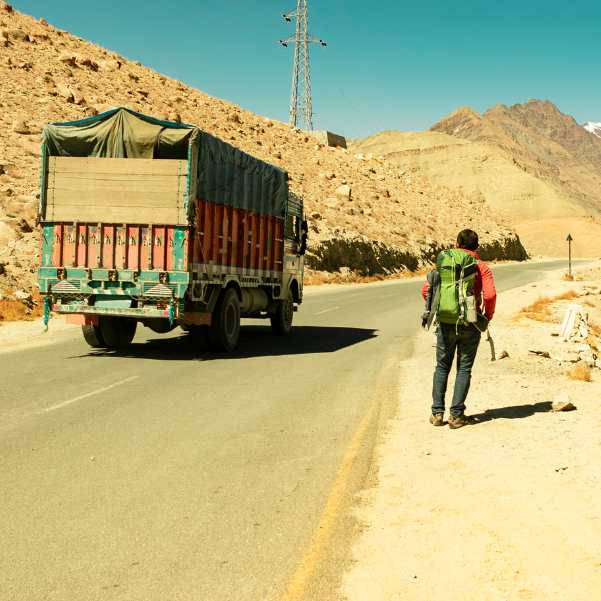
If you or anyone in your group starts feeling AMS symptoms, the first rule is simple: stop going higher.
Rest where you are. Drink water. Inform your hotel, your driver or your group leader. Do not try to push through it. AMS does not reward toughness.
If mild symptoms like headache and nausea persist for more than 12 hours or start getting worse, seek a doctor. Leh has medical facilities, and most camps and guesthouses on the main circuits can direct you to the nearest help.
If symptoms become severe (confusion, severe headache that will not go away, difficulty breathing while resting, loss of coordination), descend immediately. Even moving down a few hundred metres can bring rapid relief.
Do not rely on social media home remedies. Do not assume the oxygen can in your bag is enough. And do not wait until morning if someone is seriously unwell at night.
The Sissu area on the Manali to Leh route and Kargil on the Srinagar route have some medical options. But they are basic. Leh is the only place with proper medical facilities, so keep this in mind when planning how far you go each day.
Our Honest Verdict: Is Ladakh Safe in 2026?
Ladakh is safe for well-planned travel. It is risky for rushed, poorly-paced, over-ambitious travel.
The altitude is real. The roads are demanding. The weather does what it wants. But none of these things are unmanageable. They just need respect and planning.
Do not cram 10 destinations into 5 days. Do not skip acclimatization because you feel fine on Day 1 (that is how altitude works: it hits you later).
Do not self-drive if you have never driven mountain roads before. And do not treat high passes like photo stops where you spend an hour jumping around at 18,000 feet.
Plan with buffer days. Carry the right gear. Listen to your body. And if something does not feel right, do not push it.
Ladakh will still be there next year. Your health is not something you gamble with at 3,500 metres.
If you want help building a Ladakh itinerary that balances ambition with safety, get in touch with our team or reach out to Travel Coffee on WhatsApp We plan these trips with proper rest days, acclimatization stops and honest advice about what to skip and what to keep.
👉 Find the Right Leh Ladakh Tour Package for Your Dates
Related topics
Frequently Asked Questions
Is Ladakh safe for a first-time traveller?
Yes. First-timers do well in Ladakh when they respect the altitude and do not rush the itinerary. Spend your first 48 hours resting in Leh before heading to Nubra or Pangong, and you will be fine.
How common is AMS in Leh?
Very common in mild form. Most travellers experience at least a headache or tiredness on Day 1. One study linked to NCBI data showed mild AMS prevalence of 22% for flight arrivals, 31% for the Srinagar route and 57% for the Manali route. Proper rest reduces the severity significantly.
Is Ladakh safe for children?
Children above 8 to 10 years can handle Ladakh on a gentle itinerary. Avoid taking very young children above 5,000 m. Always consult a paediatrician before planning and keep the pace slow with extra rest days.
Can senior citizens visit Ladakh?
Yes, with a slower itinerary and medical clearance. Seniors with heart or lung conditions should be especially cautious. Add extra rest days and avoid the highest passes if possible.
Is flying to Leh better than going by road?
Flying is faster but the altitude jump is sudden. Road travel is slower and tiring but gives your body more time to adjust. Neither guarantees protection from AMS. You still need 48 hours of rest in Leh regardless of how you arrive.
Is self-drive safe in Ladakh?
For experienced mountain drivers with a properly equipped vehicle, yes. For first-timers, families and anyone with a tight schedule, a local driver is the safer and more relaxing option.
How long should I stay in Leh before Nubra?
At least 2 full days in Leh before heading to Nubra Valley via Khardung La. This gives your body enough time to adjust to the base altitude before climbing higher.
Is portable oxygen enough for AMS?
No. Small handheld oxygen cans only give brief relief. They are not treatment for serious altitude sickness. Rest, hydration and descent are the actual solutions. If symptoms are severe, get medical help.
Which route is safer, Srinagar or Manali?
The Srinagar route is generally easier on the body because the altitude gain is more gradual. The Manali route crosses higher passes and causes more fatigue. Both routes carry road risks including landslides and weather closures.
Can I visit Pangong on Day 2?
No. Pangong is at high altitude and involves crossing Chang La. Going there on Day 2 without acclimatization is a very common cause of severe AMS. Slot it for Day 4 or later.
How do I know AMS is becoming dangerous?
Mild AMS means headache, nausea and tiredness. If you notice confusion, severe persistent headache, breathlessness while resting, or difficulty walking straight, the situation is serious. Descend immediately and seek medical help.
Should I cancel my trip if roads are open but weather is bad?
Not necessarily cancel, but definitely adjust. If a route is technically open but weather reports show storms, landslides or heavy snow, wait a day. Build buffer days into your plan for exactly this reason. Roads in Ladakh change condition fast, and flexibility is your best safety tool.
More about Ladakh
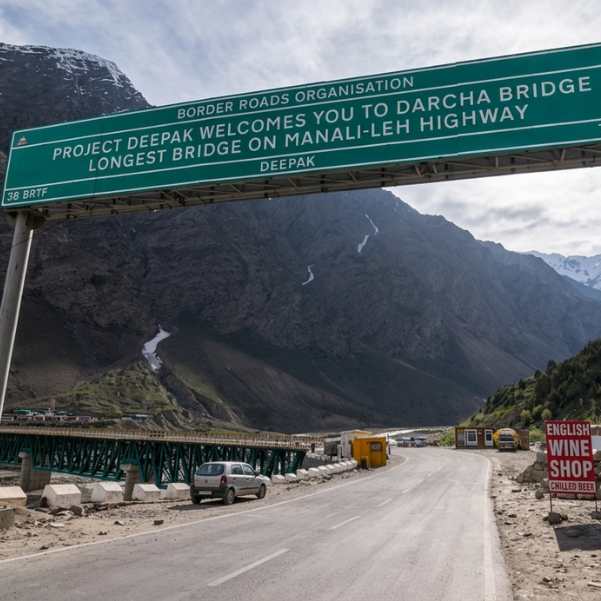 Ladakh
Manali to Leh Highway 2026: Every Pass, Stop and Distance
Plan your Manali to Leh Highway journey in 2026 with a complete guide to major mountain passes, overnight stops, route highlights, and distance. Discover key stops like Jispa, Sarchu, and Pang, along with famous passes including Baralacha La and Tanglang La.
- Road Trips
- How to Reach
 Ladakh
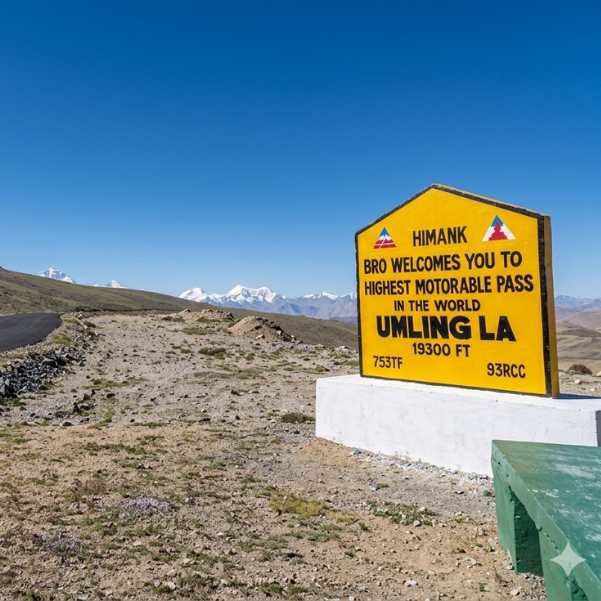
Umling La Ladakh Guide 2026: Route, Altitude, Permit, Safety & Reality Check
Planning to visit Umling La in 2026? This complete guide covers the route, altitude, permit requirements, road conditions, safety tips, and the realities of travelling to one of the world's highest motorable roads.
- Road Status
- Altitude & Health
 Ladakh
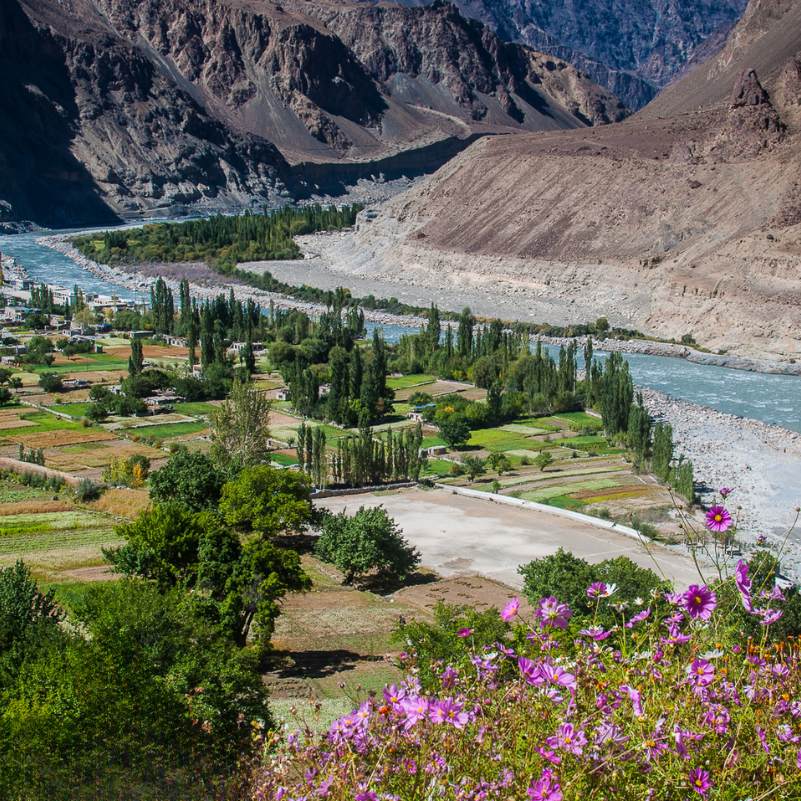
Turtuk Ladakh Travel Guide 2026: Balti Culture, Apricot Orchards and Why It Is Perfect for Families
Planning a trip to Turtuk? This 2026 travel guide explores the village's rich Balti culture, beautiful apricot orchards, top attractions, travel route, and why Turtuk is one of the best family-friendly destinations in Ladakh.
- Places to Visit
- Family Travel