
Is Kasol Safe in Monsoon? July-August Road, Rain & Landslide Guide 2026
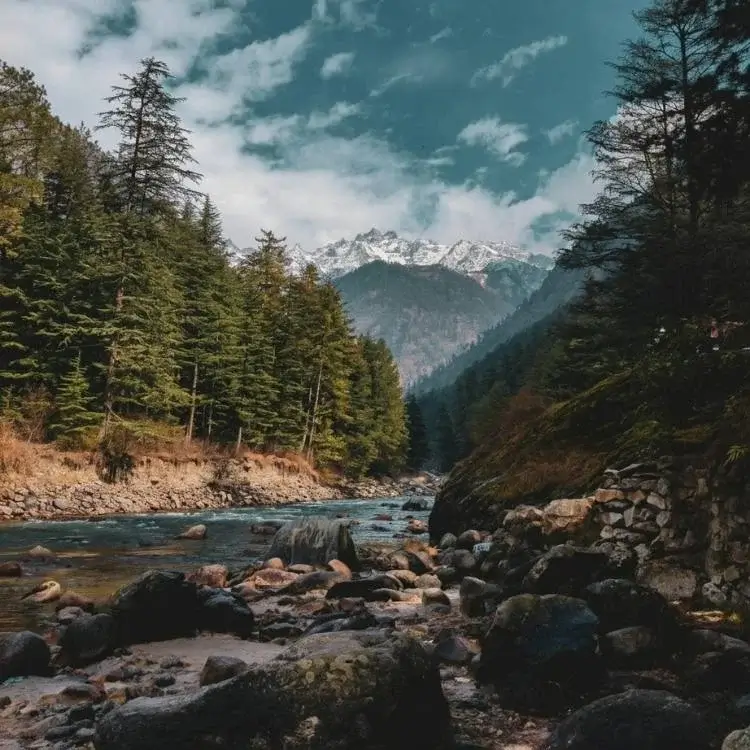
If you are asking is Kasol safe in monsoon, here is the honest truth before anything else. Kasol in July and August is doable, but it is not the relaxed weekend trip Instagram makes it look like. The town itself is fine. The road getting there is the real gamble.
We run trips in this valley every season, and the questions we get most in July and August are always the same. Will the road be open? Will we get stuck? Is the trek safe? This guide answers all of that without the sugarcoating most blogs give you.
Quick Answer: Is Kasol safe in monsoon?
Kasol is not the safest Himachal destination in July and August. It can still be manageable, but only during light-rain windows, with flexible plans, no remote treks, and no driving on hill roads at night.
The bigger danger is not Kasol town. It is the road approach through Mandi, Aut and Bhuntar, where landslides, roadblocks and sudden closures are common in heavy rain.
There is also a real flash flood risk along the Parvati River. If you go, keep a buffer day on both sides and be ready to change plans at short notice.
Should you visit Kasol in July or August 2026?
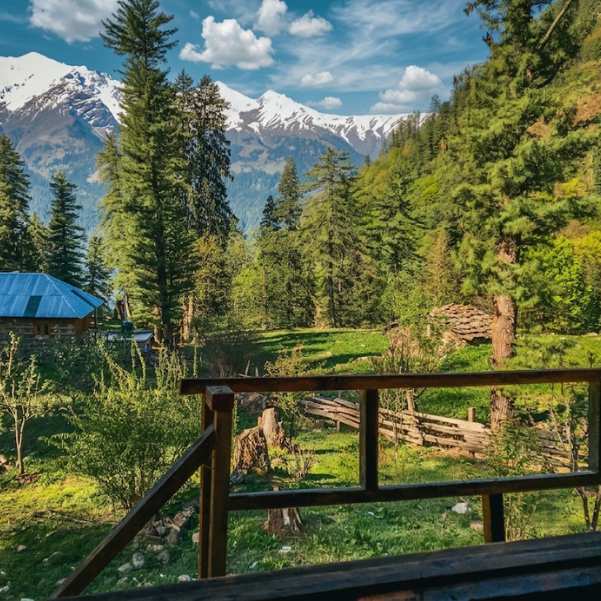
Both months are full monsoon in Parvati Valley, but they behave a little differently.
July is the start or the active phase of the rains. You get fresh rain, fast-moving water in the river, and slopes that are just beginning to soak up moisture.
August is often the trickier one. By then the slopes have already absorbed weeks of rain, so they are saturated. A single heavy spell can trigger a slide on ground that was holding fine the day before.
In our experience, August also brings more sudden, short cloudbursts in this valley. That unpredictability is what catches travellers off guard.
Whichever month you pick, do not lock your plan based on a forecast you checked a week ago. Before leaving, check IMD Shimla, Kullu DDMA, the traffic police updates, your bus operator, and your hotel owner. A quick call to a local taxi driver tells you more than any app.
What most travellers get wrong about monsoon timing
Most people book a fixed two-night Kasol weekend, leave Friday night, and expect to be back Sunday evening no matter what. That rigid plan is exactly what turns a small roadblock into a ruined trip.
When the road shuts for a few hours near Mandi or Aut, the rigid traveller panics and tries to push through in the dark. The flexible traveller waits it out with a chai and reaches safely the next morning.
What is Kasol weather like in July and August?
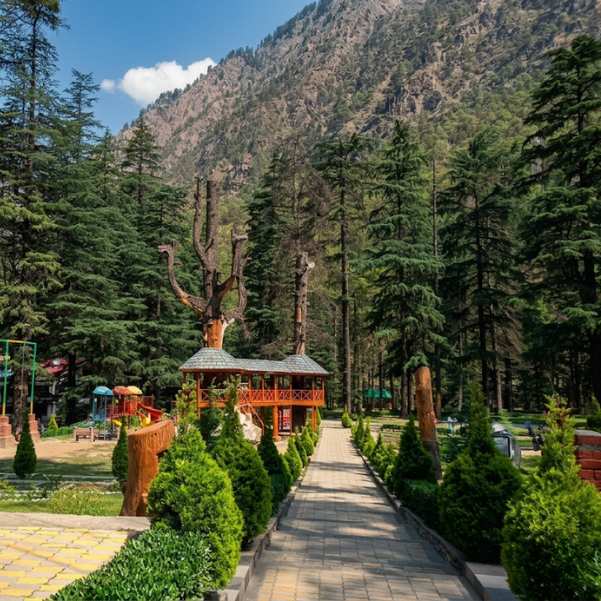
Kasol sits at over 1,580 metres above sea level, so even in summer it never gets truly hot in the way the plains do.
Published temperature ranges vary a lot depending on the source. MakeMyTrip lists July around 10.2°C to 17.2°C and August around 10.3°C to 16.8°C. Another MakeMyTrip page lists monsoon temperatures as 23°C to 33°C.
Because these numbers conflict so much, treat the exact daily temperature as [VERIFY]. What matters more for your trip is that days are mild and nights get cool and damp.
The real weather story in monsoon is moisture, not temperature. MakeMyTrip lists August rainfall as 457 mm, which is a lot of water falling in one month.
That much rain means mist rolling through the valley, high humidity, wet roads, and trails that turn slippery fast. Visibility on the drive can drop badly when the cloud sits low over the road.
Carry quick-dry clothes and proper grip shoes. Cotton stays wet for hours here and you will be miserable in it.
What are the main road risks on the way to Kasol?
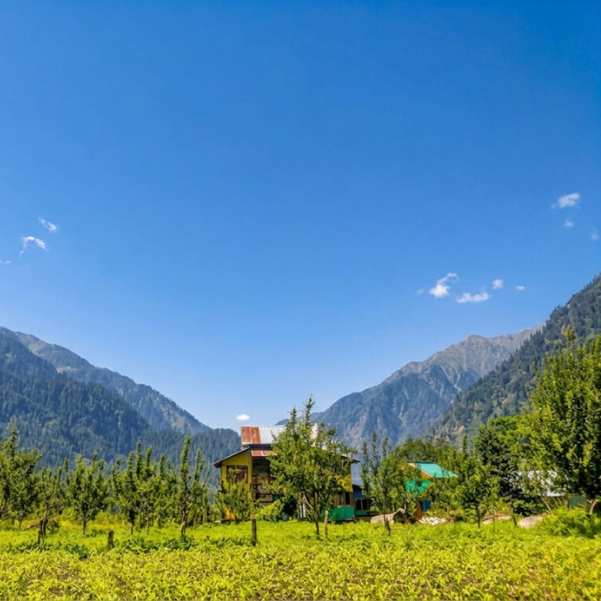
Most travellers reach Kasol from Delhi or Chandigarh, then through Mandi, Aut, Bhuntar, and finally into the Parvati Valley.
Road distances change depending on the source you read, so treat the Delhi to Kasol distance and Chandigarh to Kasol distance as [VERIFY] rather than trusting one fixed figure.
The point we make to every traveller is this. The danger is rarely Kasol itself. It is the long approach, especially the Mandi to Kullu stretch in bad weather and the narrower roads past Bhuntar.
These sections run beside rivers and under steep slopes. When it rains hard, that is exactly the kind of ground that gives way.
Delhi to Kasol and Chandigarh to Kasol in monsoon
Overnight buses and taxis are convenient, but in heavy rain they get delayed, rerouted, or held up at a slide point for hours. You can leave on time and still reach late.
Keep one buffer day on each side of your trip. That single extra day is the difference between a calm wait and a stressful scramble.
If you are a first-time hill driver, do not self-drive these roads during active rain. The wet corners, blind turns, and falling stones near Mandi and Kullu are not the place to learn mountain driving.
Bhuntar to Kasol and Manikaran side
Bhuntar to Kasol is the final valley approach, and this is where conditions flip the fastest. A road that was clear in the morning can have water flowing across it by afternoon.
The stretch beyond Kasol towards Manikaran and Barshaini, especially around Ghatigarh, has a worrying recent record. A major landslide hit this road near Ghatigarh in February 2026, and reports through March and April 2026 mentioned more blockages and shooting-stone risk on the same stretch.
Going further back, the Bhuntar to Manikaran road was blocked in October 2025 by a flash flood and mudslide near Chhani Khod close to Kasol, with another mudslide near Jachhni close to Bhuntar.
We tell our travellers plainly that this Manikaran side is the part to respect most in the rains. If a slide is active there, do not try to time a gap between falling stones.
Are landslides common near Kasol during monsoon?
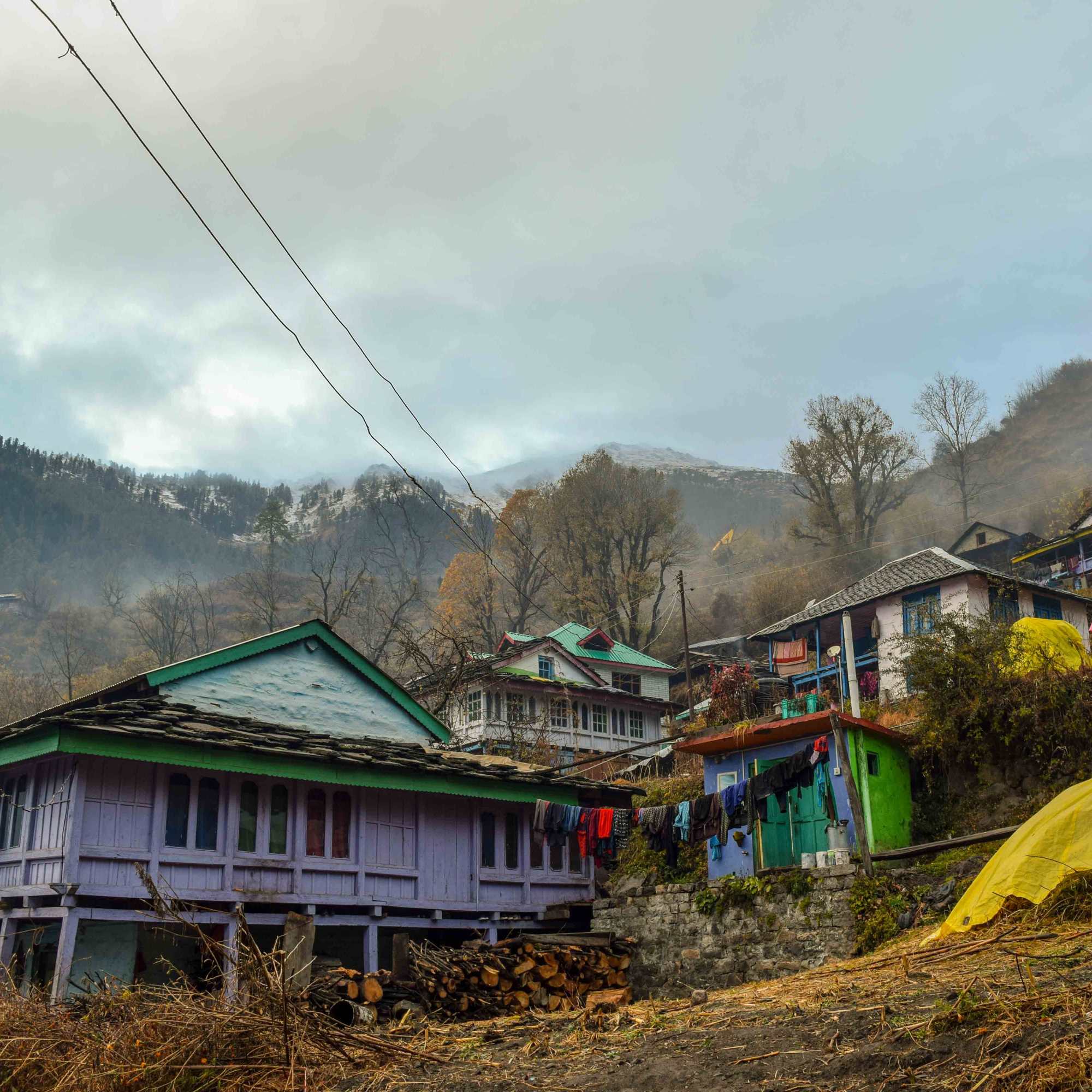
Honest answer. Landslides do not happen every single day. But the risk climbs sharply after continuous rain, after a cloudburst, and once the slopes are fully saturated.
When a slide does come down, you are not just looking at a clean blockage. You get falling stones, loose debris, long traffic jams, and the very real chance of being stuck for several hours or even overnight.
This is normal for the valley in July and August. It is not a freak event. Plan as if a delay will happen, and treat a smooth journey as a bonus.
One more thing on the bigger picture. The IMD and PIB 2026 monsoon outlook says India's June to September rainfall is likely around 90% of the long-period average, with a model error of plus or minus 4%, and an 84% chance of below-normal or less rainfall across the country.
Do not read that as proof Kasol is safe. A national average means nothing to a single saturated slope above your road. Local cloudbursts and landslides can still hit hard in a year that is dry overall.
Is it safer to travel by bus, taxi, car, or bike?
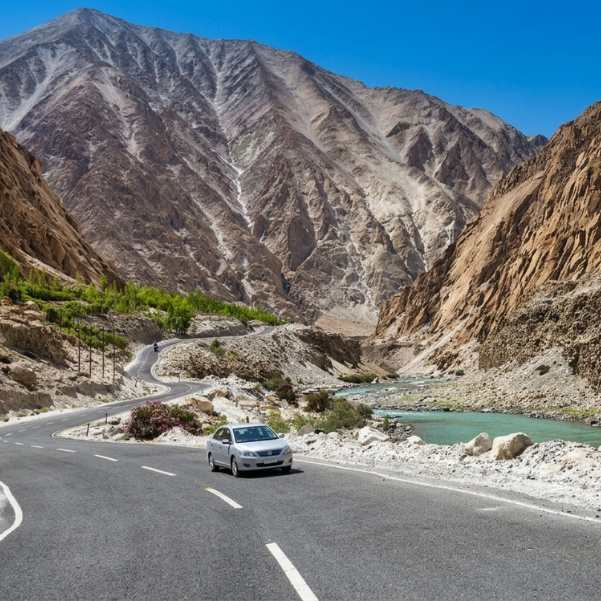
For most travellers, a reputable bus or an experienced local taxi beats self-driving in monsoon. A driver who knows where the slide-prone spots are will read the road far better than you can.
Self-driving is only for people who are genuinely comfortable on wet mountain roads. If that is not you, do not test it in July and August.
Bikes are the riskiest option in these months, full stop. Wet corners, falling stones, fog, and poor visibility turn a fun ride into a serious hazard. Many experienced riders skip Parvati Valley entirely during peak monsoon.
Talk to our Himachal team on WhatsApp
Whatever you choose, never drive these roads at night in the rain. Daylight gives you the warning signs of a slide. Darkness takes them away.
Which places around Kasol should you avoid in heavy rain?
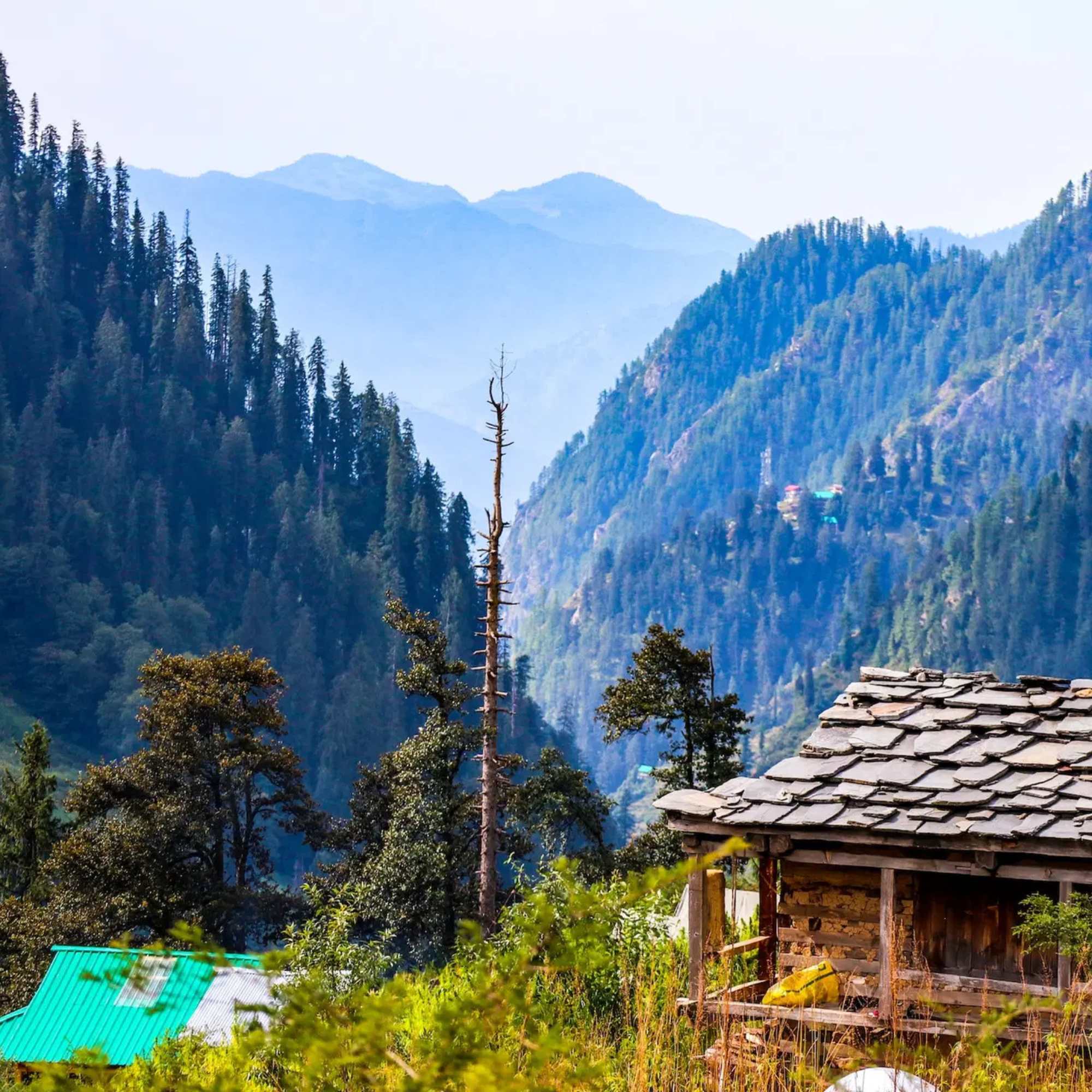
This is where a lot of trips go wrong. People come for Kasol but plan a trek-heavy itinerary, and that is exactly the wrong move in active rain.
The places to skip when it is pouring are Kheerganga, Tosh, Pulga, Tulga, Kalga, Grahan, Rasol, Waichin, and Malana.
These spots are genuinely beautiful. But they sit at the end of remote roads and forest trails, with river crossings and stretches where rescue takes a long time to reach.
The Kheerganga trek in particular runs through forest and along the river. In heavy rain the path turns slick and the river swells, and that is not a place you want to be when a slide blocks your way back.
A simple plan built around Kasol and a cautious Manikaran visit during a clear window is far safer than chasing high treks in the rain. Café hopping in Kasol main market beats being stranded above Barshaini any day.
A skip-this for monsoon visitors
Skip the rush to do Malana and Kheerganga in the same short trip during July and August. People try to cram both in, get caught by rain, and end up doing neither safely.
Save those treks for the post-monsoon window. They will still be there in September and October, when the trails dry out.
Where should you stay in Kasol during monsoon?
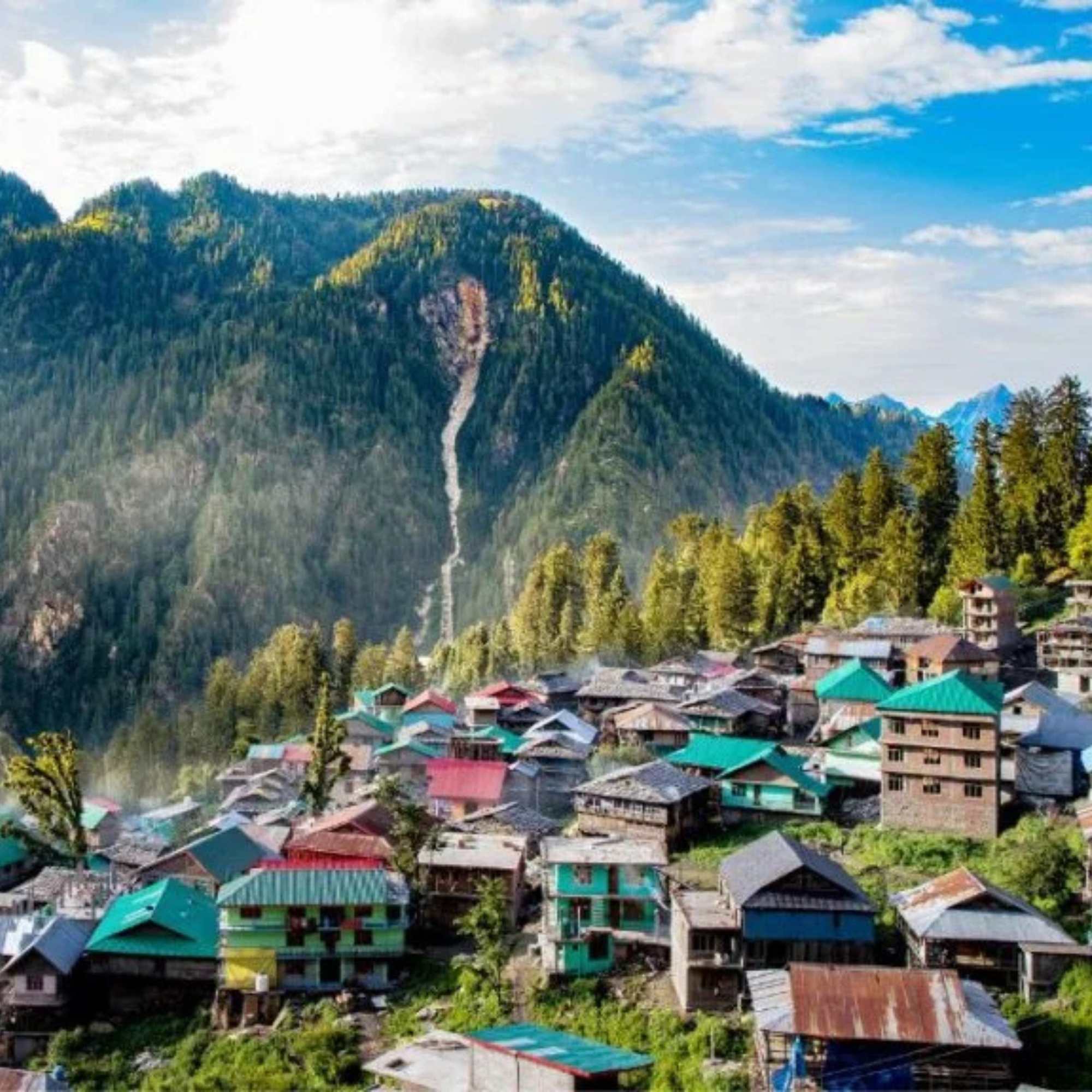
Stay near the Kasol main market or on a property the road can actually reach. An isolated riverside camp looks dreamy in photos and turns into a trap when the road softens.
Avoid rooms set too close to the Parvati River. The river runs fast and high in monsoon, and you do not want your bed a few metres from a swollen stream after a night of rain.
When you book, look for parking, easy food access, power backup, a working phone network, and flexible cancellation. A stay that lets you cancel without losing your money is gold when the weather turns.
Pick a place where the staff actually know the road situation and will pick up the phone. In our experience, a switched-on hotel owner is the best real-time road update you can get in this valley.
If you want help finding the right kind of stay for the season, our Kasol tour options come with road-accessible stays and a team that monitors conditions day by day.
How to check Kasol road status before leaving?
Do not trust a single Facebook post or a week-old forecast. Stack a few sources and cross-check them.
Start with IMD Shimla forecasts for the rain outlook. Then check Himachal Traffic and Tourist Police updates and the Kullu district and DDMA channels for live road conditions.
Call your bus operator, your hotel owner, and a local taxi driver. These three together give you the ground reality before any official notice goes out.
Keep the Kullu District Emergency Operation Center numbers saved before you leave. They are 01902-225630 and 01902-225631.
The timing of your check matters as much as the check itself. Look again on the morning you travel, not just a week earlier. Roads that were open Monday can shut by Tuesday afternoon.
Monsoon safety checklist before starting for Kasol
Run through this before you leave home, not after you reach the hills.
Check the latest weather and road alerts on the morning of travel, and share your full itinerary with someone back home who is not on the trip.
Carry enough cash, because ATMs and card machines fail when the network drops. Download offline maps so a dead signal does not leave you blind.
Pack a power bank, a proper raincoat, quick-dry clothes, and waterproof shoes with grip. Add your regular medicines, a torch, some snacks, and extra drinking water for long waits at a blocked road.
One safety habit that saves lives. Do not stand near an active slide zone or a river edge for photos. That perfect shot is not worth standing under a loose slope while stones come down.
What should you do if you get stuck because of a landslide?
First, stay calm and stay put in a safe spot. Panic is what pushes people into bad decisions on these roads.
Keep well away from falling-stone zones and do not walk under unstable slopes to "check" the blockage. More stones often come down minutes after the first fall.
Contact your hotel or your taxi driver so someone local knows where you are. In a real emergency, call the Kullu DDMA numbers, 01902-225630 or 01902-225631.
Conserve your phone battery from the start. Drop the brightness, close apps, and avoid scrolling while you wait. You may need that battery for hours.
Most importantly, wait for official clearance. Do not force your vehicle through debris or flowing water. A car that gets swept or stuck in a slide is far worse than a few hours of patience.
Better alternatives if Kasol is unsafe in monsoon
If the alerts are bad, change the destination rather than your luck. There is no shame in switching plans.
Dharamshala and Shimla are reasonable options when their own road and weather alerts are clear. We have broken down the best spots in our Dharamshala and McLeodganj guide if you want a calmer base.
Manali can work too when conditions allow, and our Manali travel packages are built to flex around the weather.
Jibhi and Tirthan Valley are gentler and quieter, but only commit after a local road check. We compared them directly in our Jibhi or Kasol guide, and you can see the season-friendly stays in our Jibhi and Tirthan packages.
Be honest with yourself though. No Himachal hill destination is risk-free in heavy monsoon. The safer choice is simply the one with stable roads and no active alert on the day you travel. You can browse our popular Himachal tours to see what is running smoothly this season.
Final verdict: Who should go and who should avoid Kasol in monsoon?
If you are a flexible traveller who only wants café time, a quiet stay, and a slow couple of days, Kasol during a clear weather window is fine. Keep a buffer day, skip the treks, and you will likely have a lovely, low-key trip.
But some travellers should simply avoid Kasol in July and August when heavy rain alerts are up. That list is families with young children or elderly members, bikers, trekkers, tight weekend travellers with no buffer, and first-time hill drivers.
What we tell our travellers every season is this. Kasol rewards patience and punishes a tight schedule. If your plan has no room to wait out a closed road, this is not your monsoon destination.
Talk to our Himachal team on WhatsApp
If you are unsure whether your dates are safe, just message us before you book anything. We would rather help you pick the right window than see you stuck on a blocked road. You can also reach us through our contact page.
Explore Our Curated Kasol Tour Packages
 4D/3N
4D/3NPerfect Manikaran Kasol Tosh Weekend Getaway
1D Delhi•2D Kasol+1
₹15,999₹19,999SAVE INR 4,000/ person 7D/6N
7D/6NManali Kasol Jibhi Valley Trip
1D Delhi•2D Manali+3
₹25,799₹32,999SAVE INR 7,200/ person 8D/7N
8D/7NManali Kasol Bir Himalayan Explorer
1D Delhi•2D Bir+3
₹21,999₹27,999SAVE INR 6,000/ person
Related topics
Frequently Asked Questions
Is Kasol safe in monsoon?
It can be, but only during light-rain windows with a flexible plan and no remote treks. The main risk is landslides and roadblocks on the approach, not Kasol town itself.
Is July a good time to visit Kasol?
July works for a relaxed café-and-stay trip if you keep a buffer day. Skip high treks and never drive the hill roads at night during rain.
Is August safe for Kasol?
August can be trickier than July because the slopes are already saturated, so a single heavy spell can trigger a slide. Travel only with flexible dates and live road checks.
Are there landslides on the way to Kasol?
Yes, the risk rises after continuous rain and cloudbursts, especially on the Manikaran and Barshaini side near Ghatigarh. Expect possible delays of several hours or even overnight.
Is the Delhi to Kasol road safe in monsoon?
The route through Mandi, Aut and Bhuntar can face delays and slides in heavy rain. The distance varies by source, so plan a buffer day and avoid overnight self-driving.
Is Chandigarh to Kasol safe by road in July?
It is generally the shorter approach, but the same Mandi to Kullu stretch can get disrupted in rain. The exact distance varies by source [VERIFY], so keep your schedule loose.
Can we go to Kasol by bike in monsoon?
We strongly advise against it in July and August. Wet corners, falling stones, fog, and poor visibility make biking the riskiest option in Parvati Valley during the rains.
Is the Kheerganga trek safe in July or August?
No, skip it during active rain. The forest trail turns slippery, the river swells, and rescue takes long if a slide blocks your way back.
Is Tosh safe in monsoon?
Tosh sits at the end of a remote, narrow road that can block fast in heavy rain. Avoid it during active rain spells and choose a road-accessible Kasol stay instead.
How do I check Kasol road status?
Cross-check IMD Shimla, Himachal Traffic and Tourist Police, and Kullu DDMA, then call your bus operator, hotel owner and a local taxi driver. Keep Kullu emergency numbers 01902-225630 and 01902-225631 saved, and check again on the morning of travel.
What should I pack for Kasol in monsoon?
A raincoat, quick-dry clothes, waterproof grip shoes, power bank, offline maps, cash, torch, medicines, snacks and extra water. Pack for cool, damp days, not plains-style summer.
What is the safest month to visit Kasol after monsoon?
Once the rains ease, the post-monsoon window brings drier trails and more stable roads, which is when treks like Kheerganga and Tosh become much safer to attempt.
More about Kasol
 Kasol
KasolShimla Manali Kasol Itinerary 2026: 7, 8 and 9 Day Routes Without Rushing
Plan a relaxed Shimla Manali Kasol itinerary for 2026 with practical 7, 8 and 9 day routes covering Himachal’s key sights without rushing between destinations.
- Itinerary
- Places to Visit
 Kasol
KasolBest Offbeat Places Near Kasol Most Tourists Miss in 2026
Escape the crowds and discover the hidden side of Kasol in 2026. From peaceful villages and untouched valleys to scenic trails and secret viewpoints, these offbeat places near Kasol offer authentic Himalayan experiences that most tourists completely miss.
- Places to Visit
- Things to Do
 Kasol
KasolRasol Village Trek From Kasol 2026: Route, Distance & What to Expect
Planning the Rasol Village Trek from Kasol in 2026? Explore the complete trekking route, distance, difficulty level, stay options, and essential travel tips to experience one of Parvati Valley’s most peaceful and offbeat Himalayan villages.
- Things to Do