
Is Kashmir Safe to Visit Right Now? An Honest 2026 Ground Report
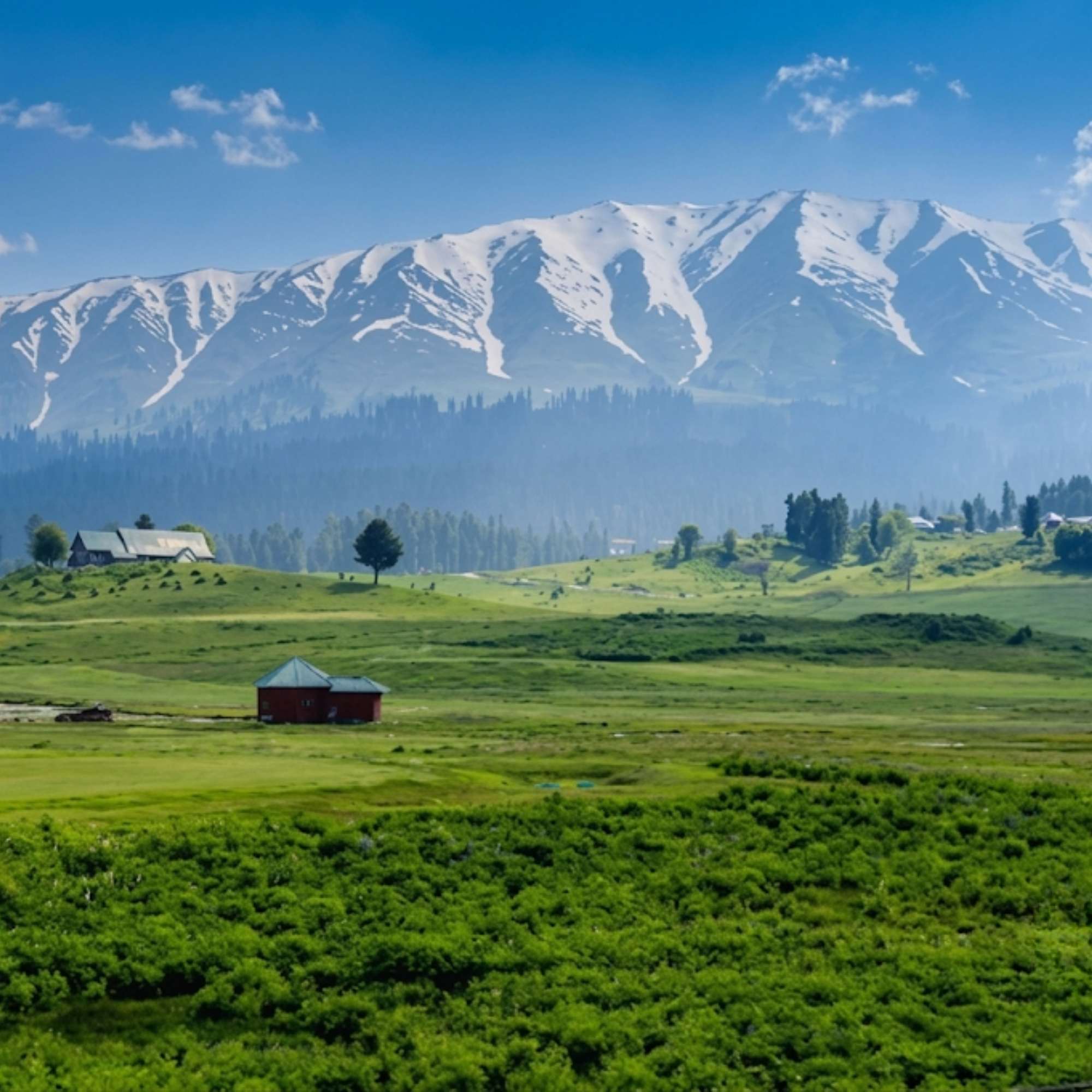
If you are asking is Kashmir safe to visit right now, you are asking the right question, and you deserve a straight answer instead of either panic or false comfort.
The honest version is this. The main tourist circuit of Srinagar, Gulmarg, Pahalgam, and Sonamarg is active and getting Indian visitors in 2026. But this is not a destination you book on a whim without checking anything.
We run trips across the mountains for a living, and Kashmir is one of those places where the answer changes with the route, the week, and the news cycle. So let us give you the real ground report.
Quick Answer: Is Kashmir Safe Right Now in 2026?
Many Indian domestic tourists can visit Kashmir's main circuit in 2026 with proper planning, flexible bookings, and a willingness to follow security checks and local advice.
It is not a casual no-check destination. You verify routes, weather, and attraction status before you pay for anything.
Foreign travellers are in a different situation and must follow their own government advisories, which are far stricter. More on that below.
👉 Want the latest Kashmir travel updates before you book? Chat with our team on WhatsApp.
What Is the Current Ground Situation in Kashmir?
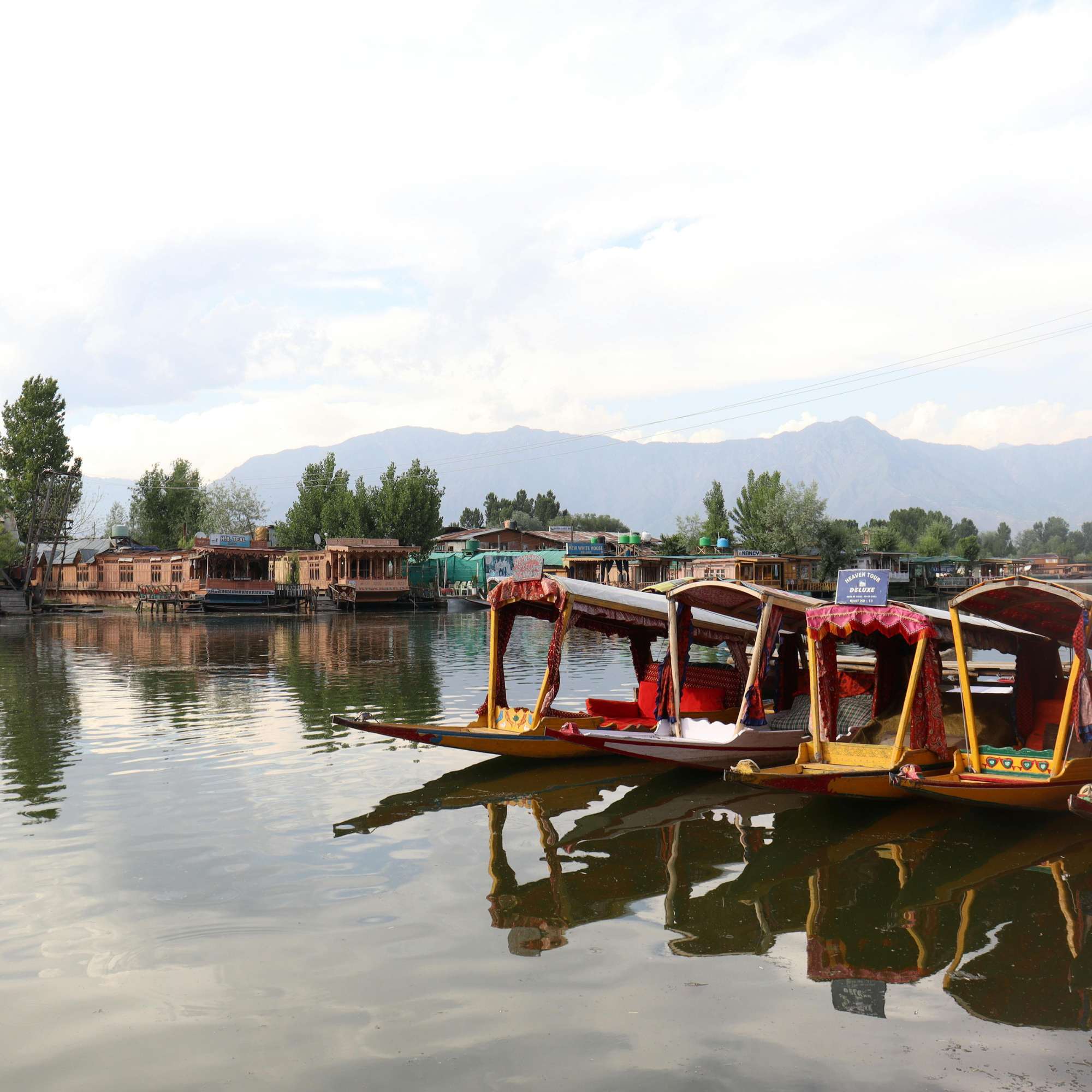
Tourism is running in the core circuit. People are landing in Srinagar, staying on houseboats, driving up to Gulmarg, and spending nights in Pahalgam and Sonamarg.
That is the real picture. Hotels are open, taxis are running, and the main sights are getting visitors.
But "tourism is running" and "everything is fully normal" are two different things. Some attractions get closed for security reviews. Roads shut for weather. Plans change at short notice.
The right answer here is not a blind yes or a blind no. It is a "yes, if you plan it properly and stay flexible."
What most tourists get wrong is treating Kashmir like Goa, where you book three months ahead and never check anything again. Here, you keep checking right up to your departure date.
What Happened in Pahalgam and Why Are Travellers Still Worried?
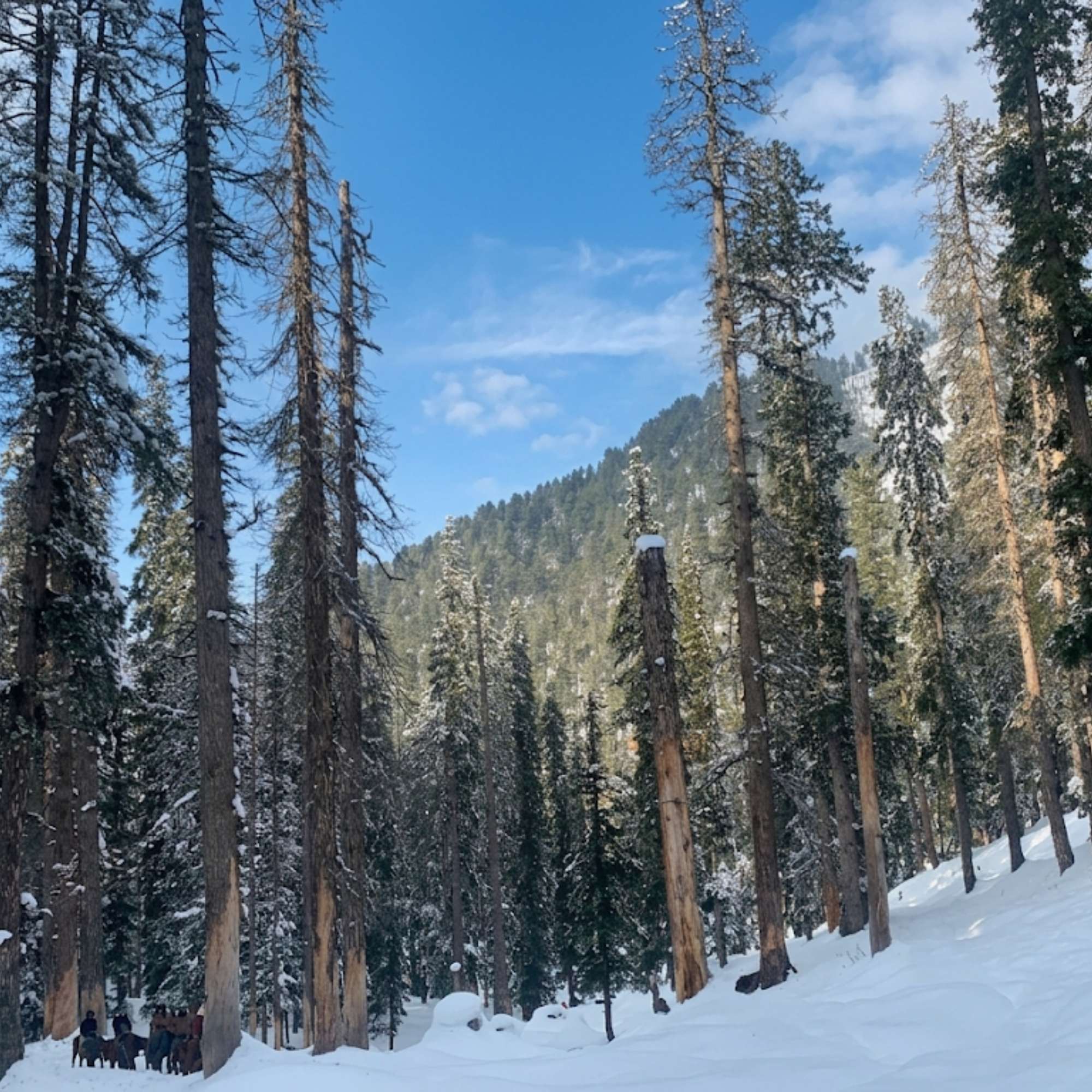
On 22 April 2025, terrorists attacked tourists at Baisaran, a meadow near Pahalgam reachable on foot or pony. 26 people were killed, most of them tourists.
It was the deadliest attack on civilians in the region in years, and it shook tourist confidence across the whole valley.
After the attack, security forces reviewed dozens of tourist sites and shut many of them. Reports said 48 tourist sites were closed following the attack.
By February 2026, reports said 42 of those 48 sites had been restored after review and reopened to visitors.
So the situation today is very different from the weeks right after the attack. But the memory is fresh, and that fear is why you are reading this article. It is a fair worry, not an irrational one.
In our experience, travellers who plan around the current reality, rather than the headlines from a year ago, have good trips. If you want a handled, end-to-end plan, our Kashmir tour packages come with local drivers and stays we actually vet.
Is Srinagar Safe for Tourists in 2026?
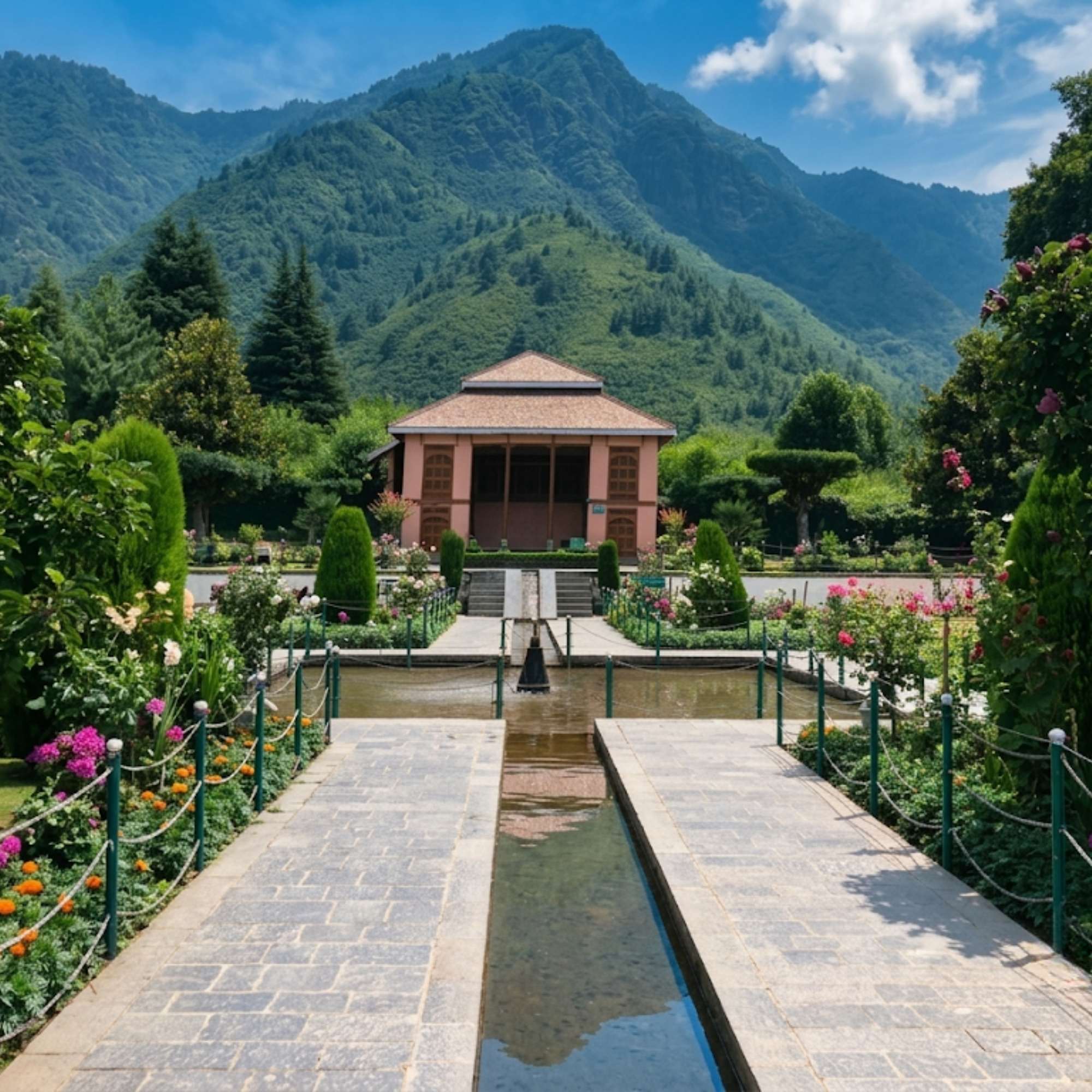
Srinagar is where almost everyone arrives and bases themselves. It is the main hub for the whole trip.
This is where you find Dal Lake, the houseboats, the Mughal Gardens, and the old city markets. We are not going to invent entry fees or timings here, because those change and you should confirm them locally when you arrive.
Srinagar is generally where tourists spend the most relaxed part of their trip. But relaxed does not mean careless.
Carry your ID everywhere. Do not photograph security check posts, army installations, or anything that looks official and guarded. This is not a suggestion, it is a real rule and people get into avoidable trouble ignoring it.
Use registered hotels and registered taxis, not random offers on the street. And when your hotel or local operator tells you a certain road or area is best avoided that day, listen to them. They know before the news does.
One local tip most guides skip
The shikara rides on Dal Lake have wildly different prices depending on where you start and who you talk to. Fix the price and the duration before you step into the boat, not after.
Is Gulmarg Safe Right Now?
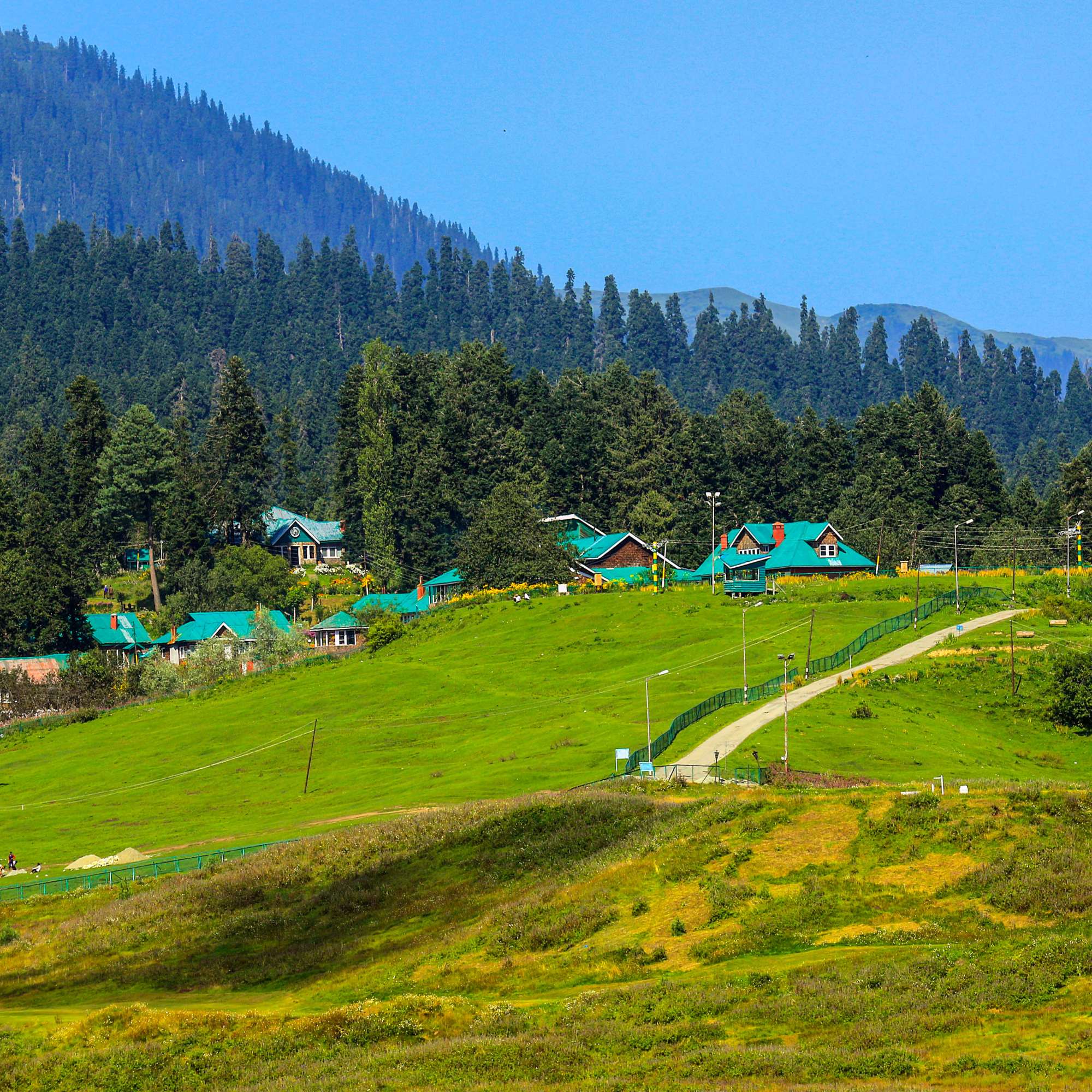
Gulmarg is one of the biggest tourist draws in Kashmir, sitting roughly 52 to 60 km from Srinagar depending on the source.
It is a popular day trip or overnight, and most people go for the meadows and the famous cable car.
Here is the honest warning you need before booking. The Gulmarg Gondola is closed for tourists until further notice as of June 2026. A malfunction on 25 May 2026 stranded over 300 tourists mid-air, and the service has stayed shut while safety checks and a probe run.
So do not book Gulmarg only for the Gondola right now. If the cable car is the entire reason for your visit, you may end up disappointed.
What we tell our travellers is simple. Recheck the Gondola status close to your travel date, and treat Gulmarg as a meadow-and-mountains day rather than a Gondola day until it reopens.
Is Pahalgam Safe After the 2025 Attack?
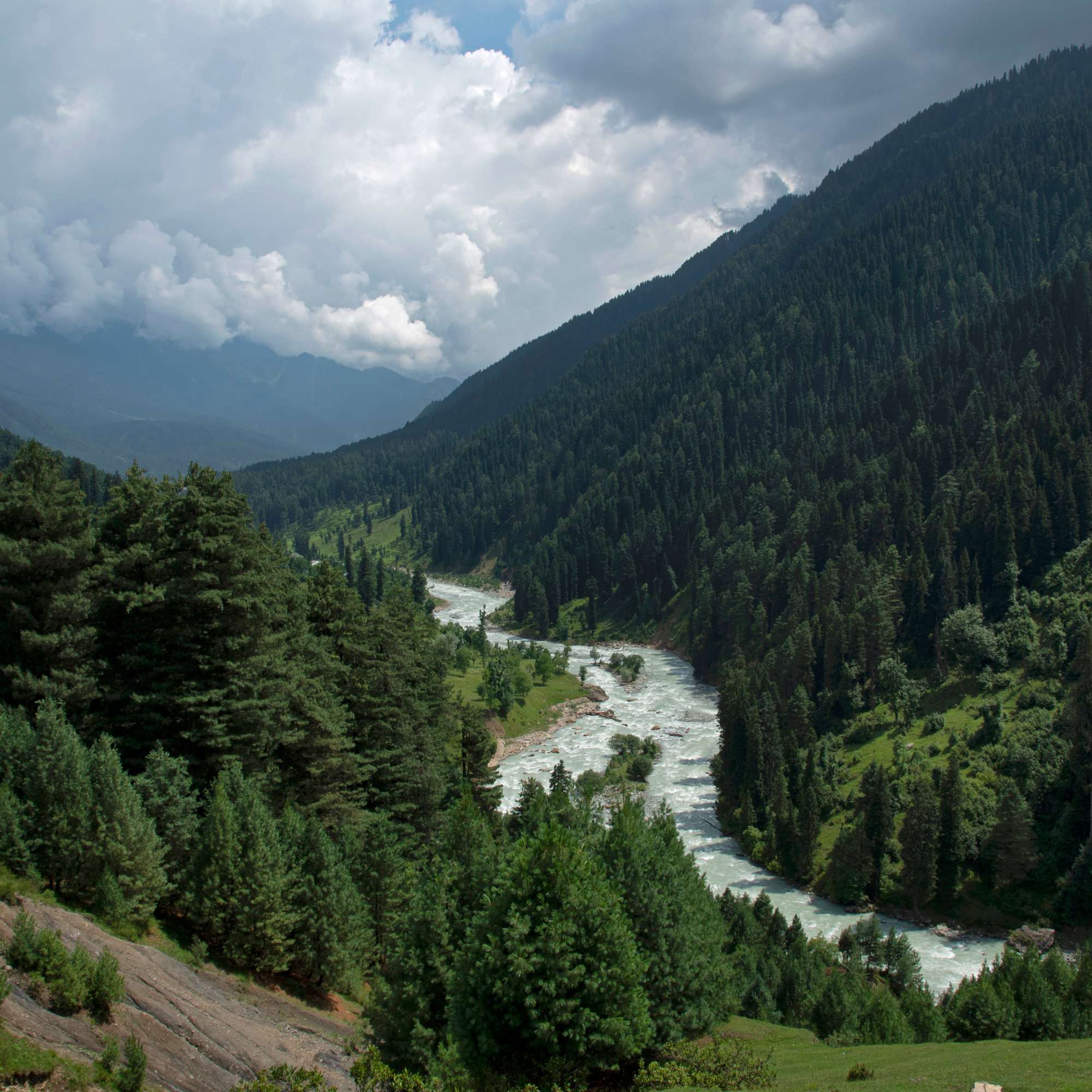
This is the question that worries people the most, so let us separate two things clearly.
Pahalgam town and the main valley are not the same as the isolated, offbeat meadows further out. The town is about 95 km from Srinagar and sits at around 2,130 m altitude.
The attack in 2025 happened at an isolated meadow reached on foot, not in the main town. That distinction matters for how you plan.
Use registered transport, check current route status the day you travel, and stay flexible about side trips like Baisaran, Aru, Betaab Valley, and Chandanwari.
Do not assume every side valley is open and running normally. Some open, some have restrictions, and it changes. Confirm each one locally rather than building your whole trip around a spot that might be closed that week.
Honestly, this is where flexibility saves your trip. If you treat the side valleys as bonuses rather than guarantees, you will not be upset when one is shut.
Is Sonamarg Safe for Tourists?
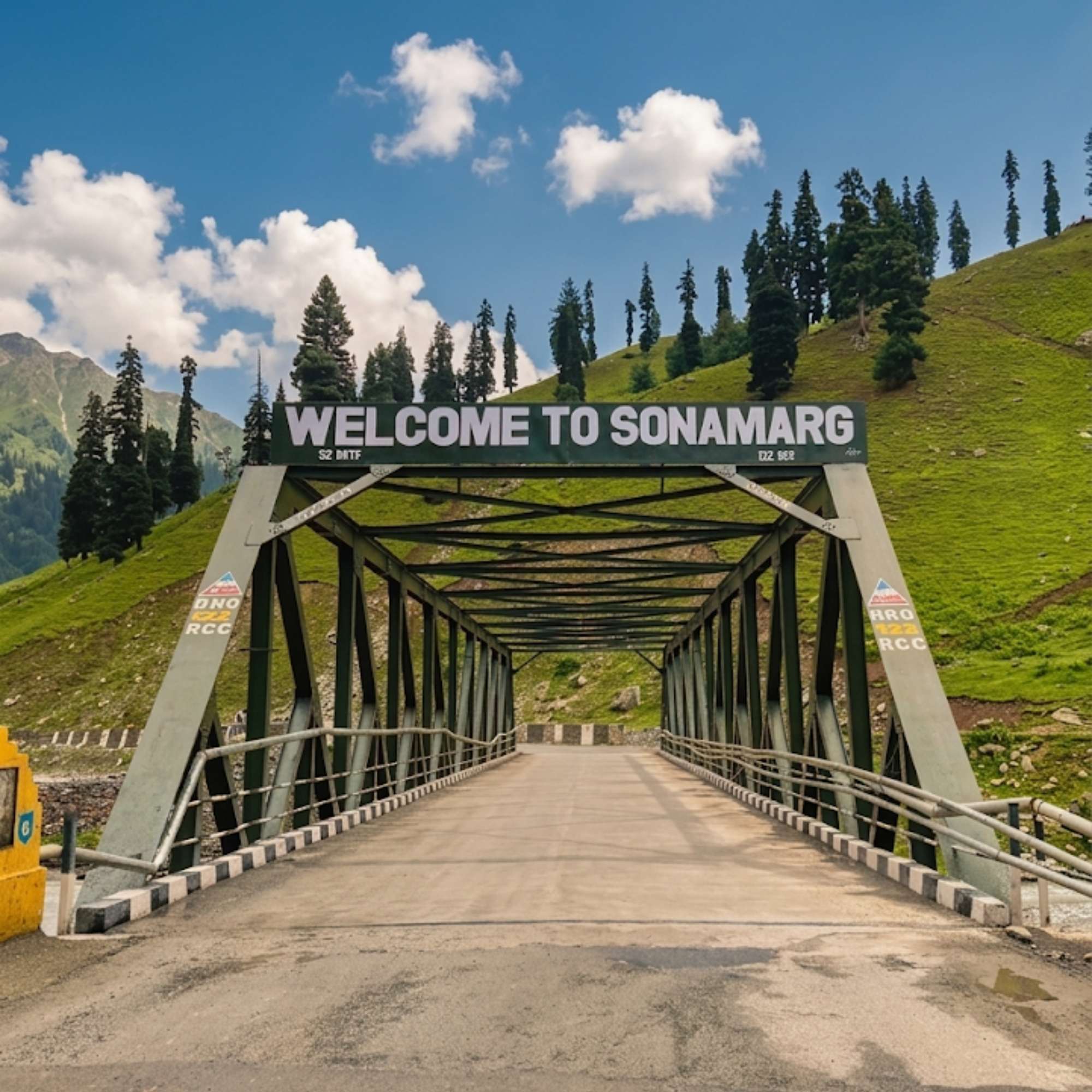
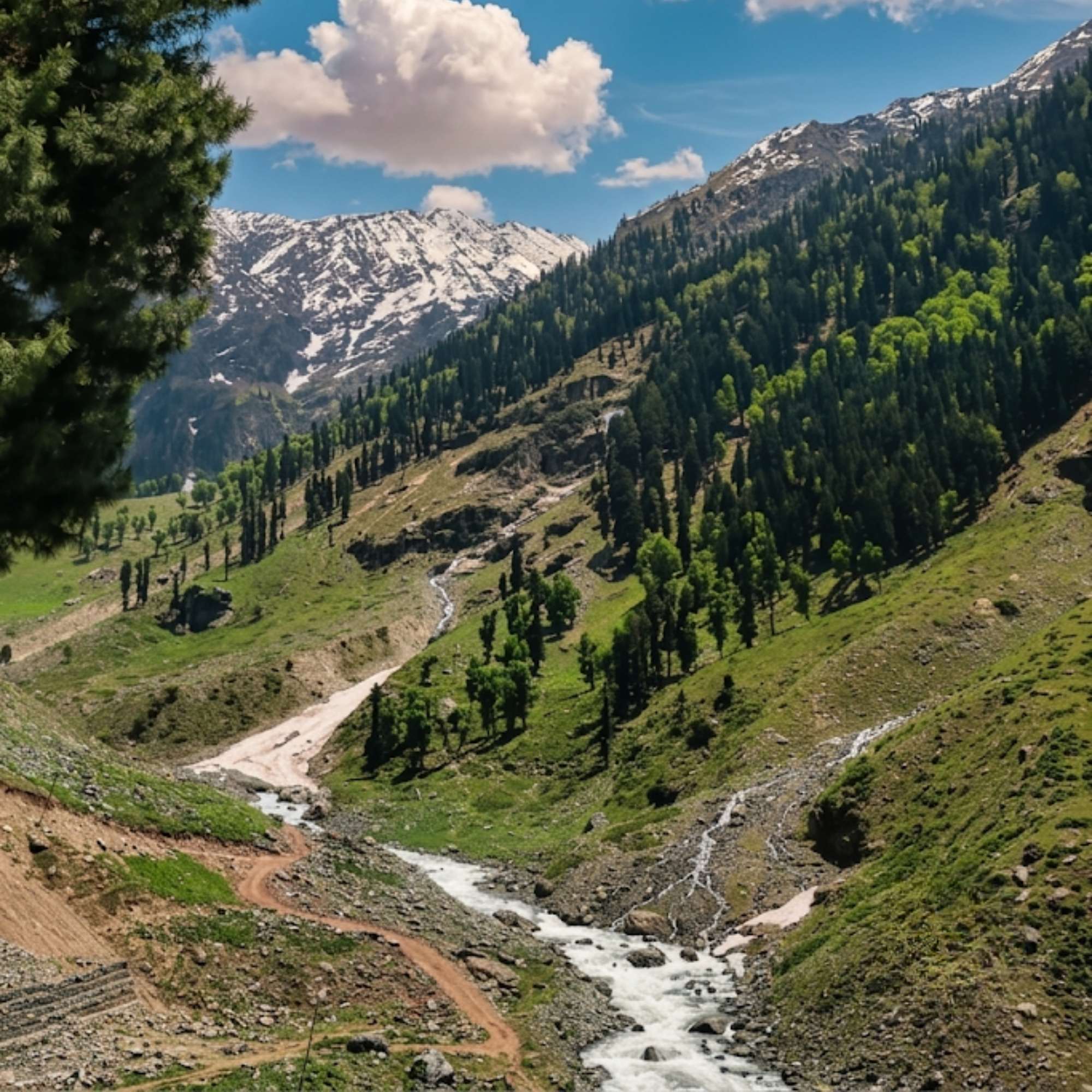
Sonamarg is part of the standard tourist circuit and a beautiful drive from Srinagar. The bigger issue here is rarely security and more often the weather.
It sits in high mountain terrain where conditions shift fast. As an example, a January 2026 avalanche was reported in the area with no casualties.
We mention that not to scare you, but to make the point. Check weather and local advice before heading up, especially in shoulder seasons.
In our experience, the travellers who get stuck or disappointed at Sonamarg are the ones who ignored a weather warning because they had "already planned that day." Keep your plan loose enough to swap a day if the mountains say no.
What Areas Should Tourists Avoid in Kashmir?
Stay away from anything near the Line of Control and border-sensitive zones. These are not tourist areas and you have no reason to be there.
Avoid remote, unverified meadows that random touts push as "secret spots." The isolated areas are exactly where things go wrong.
Skip late-night drives on mountain roads. Avoid any protest, gathering, or crowd that forms suddenly. And never photograph security installations, check posts, or military movement.
Foreign nationals should be extra careful here, because several governments advise their citizens against travel to Jammu and Kashmir altogether. We will break that down properly in a later section.
Is Kashmir Safe for Families, Honeymoon Couples, and Solo Travellers?
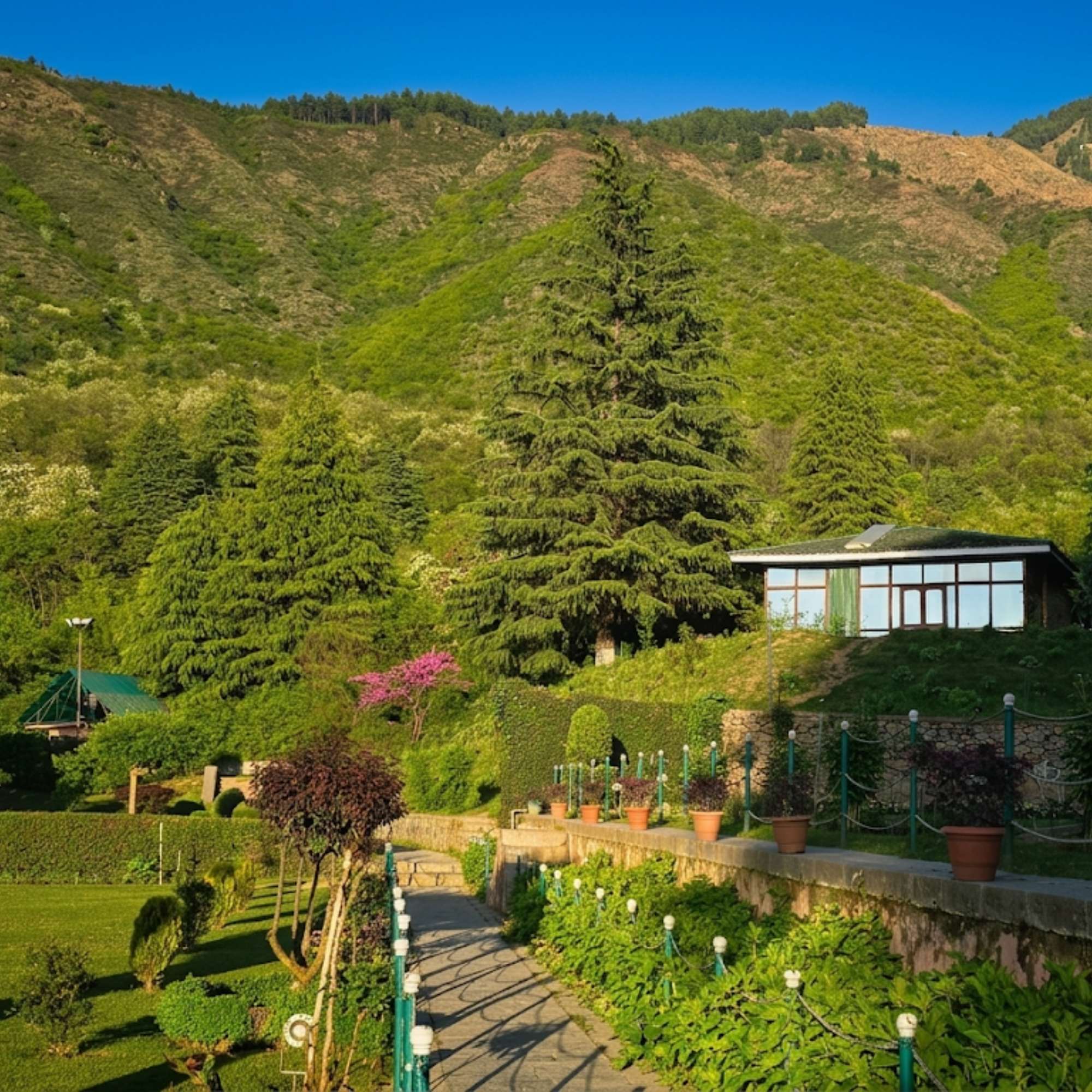
The answer shifts depending on who is travelling, so here is how we think about each group.
Families with children and senior citizens
Stick to the main tourist towns and use a private cab rather than shared or random transport.
Keep the itinerary slow. Build in buffer time so a road delay or weather day does not wreck the whole trip.
Families with very young kids or elderly members should avoid the long, remote drives and keep days relaxed.
Honeymoon couples
Base yourselves in hotels in Srinagar, Gulmarg, and Pahalgam, and enjoy the comfortable, well-travelled parts of the circuit.
Skip the late-night remote drives entirely. A romantic trip does not need an isolated mountain road after dark.
Solo female travellers
Use verified hotels and registered transport only. Do not book on impulse from someone you just met.
Avoid late-night movement in isolated areas, and share your itinerary with family back home so someone always knows where you are.
Be wary of impulsive offbeat routes that a guide or driver suggests on the spot. Stick to the plan you researched.
What About Roads, Flights, and Weather in 2026?
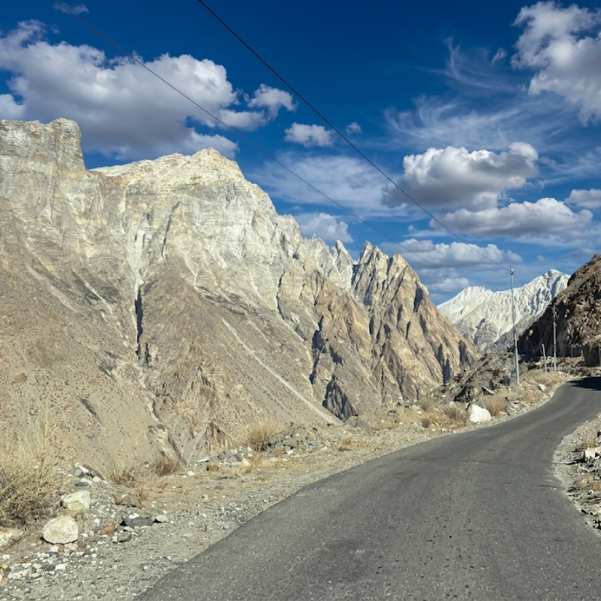
Kashmir safety is not only about security. The boring stuff, roads and flights, can derail your trip just as easily.
NH-44, the main highway, can face maintenance restrictions, landslides, weather delays, and night-travel advisories. A clear morning is no guarantee the road stays open all day.
There is a bigger flight issue to know about. Srinagar airport runway work may affect flights from July to September 2026, with a proposed total shutdown window reported for October.
This is the kind of thing that ruins trips quietly. You book a Monday flight, the runway work hits that day, and suddenly your whole plan unravels.
So check airline and airport updates before you pay for flights, especially if you are travelling between July and October 2026. If you are weighing a mountain alternative, our Ladakh trip planning covers a region with its own access rules worth understanding.
Is Kashmir Safe During Amarnath Yatra 2026?
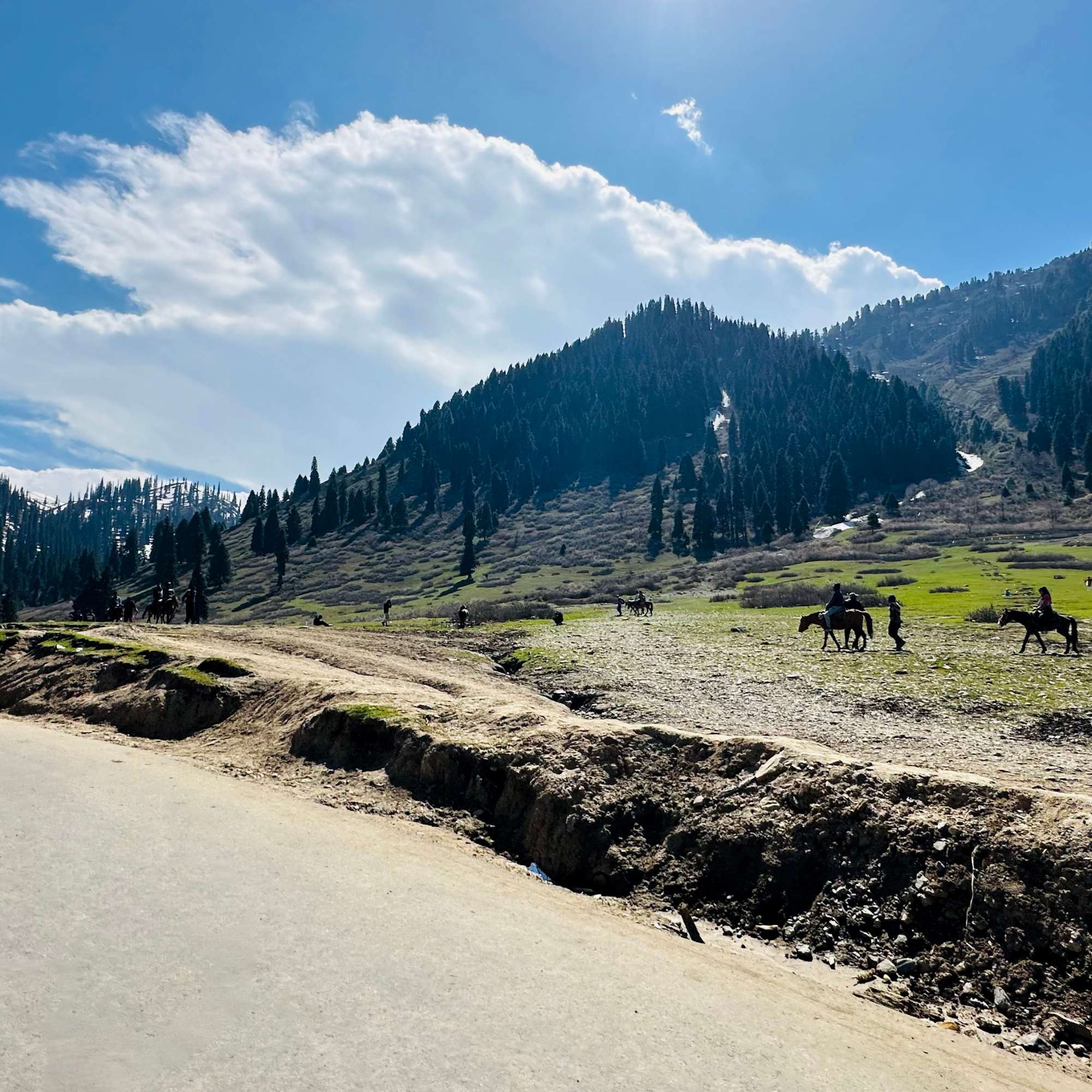
The Shri Amarnathji Yatra 2026 is listed from 3 July 2026 to 28 August 2026.
During this window, expect more security across the region, but also more crowding, tighter traffic management, and higher demand for hotels and vehicles.
That cuts both ways. Security presence is heavier, which some travellers find reassuring. But roads get congested and prices climb.
If you are a regular tourist, not a yatra pilgrim, and your dates fall in this window, keep extra buffer time. Traffic and checks slow everything down during the yatra.
Domestic vs Foreign Traveller Advice: Why the Answers Differ
This is the part many articles blur, so let us be precise. Indian domestic travellers and foreign travellers often get very different practical answers about Kashmir.
The United States advises its citizens not to travel to Jammu and Kashmir, except eastern Ladakh and Leh.
The UK advises against all travel to Jammu and Kashmir, including Srinagar, Gulmarg, Pahalgam, Sonamarg, and the Jammu-Srinagar highway.
Canada advises avoiding all travel to Jammu and Kashmir due to the unpredictable security situation. Australia advises against travel to Jammu and Kashmir as well.
If you are a foreign traveller, this matters for more than safety. Travelling against your government's advisory can affect your travel insurance coverage.
Check your policy carefully before you commit, because a claim can be refused if you knowingly travelled against an advisory.
Practical Safety Checklist Before Booking Kashmir
Before you pay for anything, run through this. Start by checking the official advisory that applies to you, especially if you are a foreign national.
Confirm route and attraction status directly with your hotel or operator close to your travel date, not weeks in advance.
Book refundable flights and stays wherever you can, because flexibility is your best insurance in a region where plans change. Save the tourist police contacts before you travel.
The J&K Police posts Tourist Police at important tourist spots, and listed contacts include 0194-2477224 and +91-9419036278. For any emergency in India, 112 works, with 100 for police and 102 for medical.
Carry both physical and digital copies of your ID. Avoid acting on rumours, avoid late-night drives, and use registered services for everything. These habits are not paranoia, they are just how you travel smart in the mountains.
Should You Cancel or Go Ahead With Your Kashmir Trip?
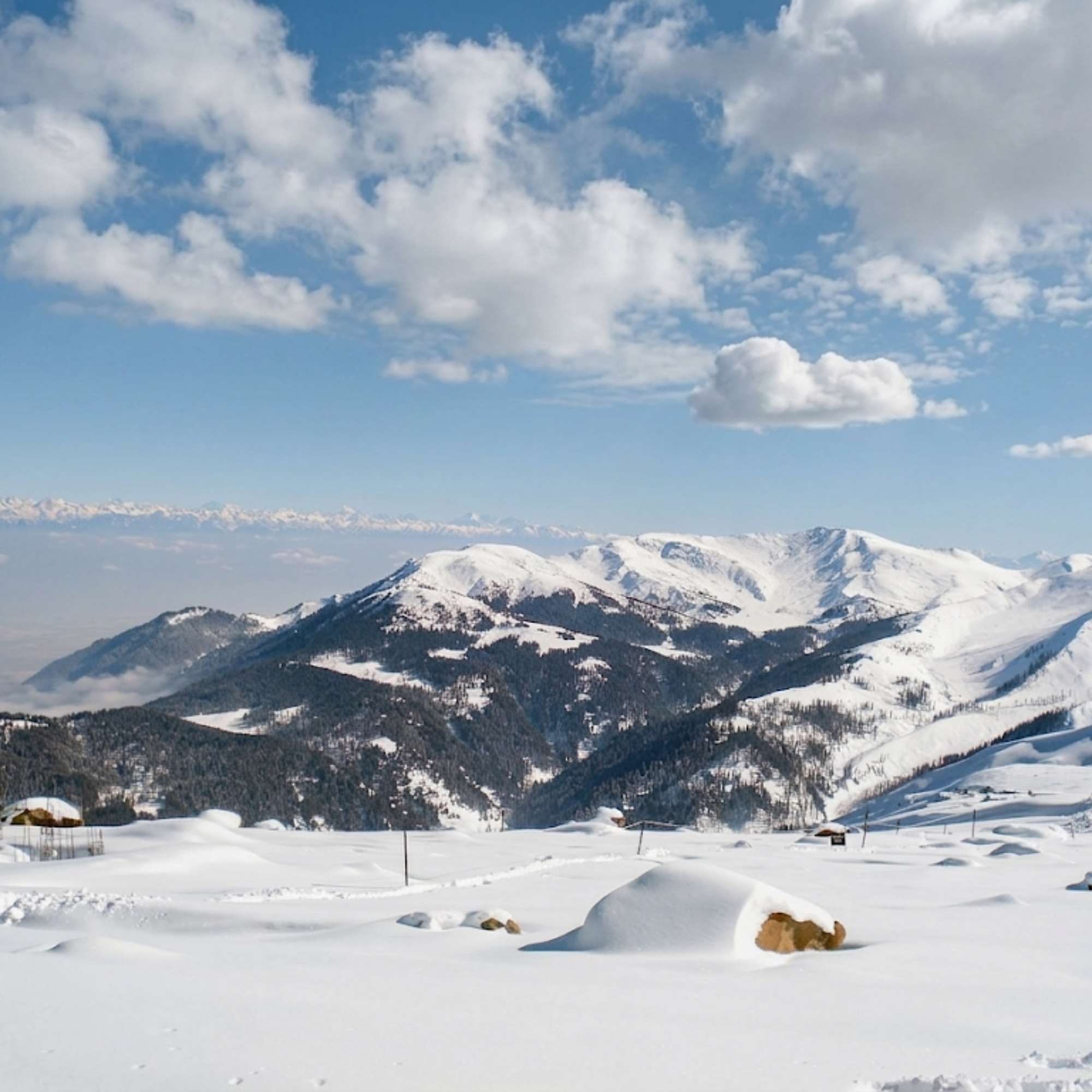
Here is a simple way to decide instead of going in circles.
Go ahead if your plan sticks to Srinagar, Gulmarg, Pahalgam, and Sonamarg, you have current confirmation on routes and attractions, your bookings are flexible, and you are comfortable with security checks along the way.
Postpone if your whole trip depends on a closed attraction like the Gondola, or on remote routes that may not be open.
Also postpone if your bookings are non-refundable and you cannot absorb a change, or if reading current advisories leaves you genuinely anxious. A trip you are scared of is not a holiday.
There is no shame in either choice. The point is to decide with clear eyes, not on either fear or false confidence.
Safer Kashmir Itinerary Suggestions for 2026
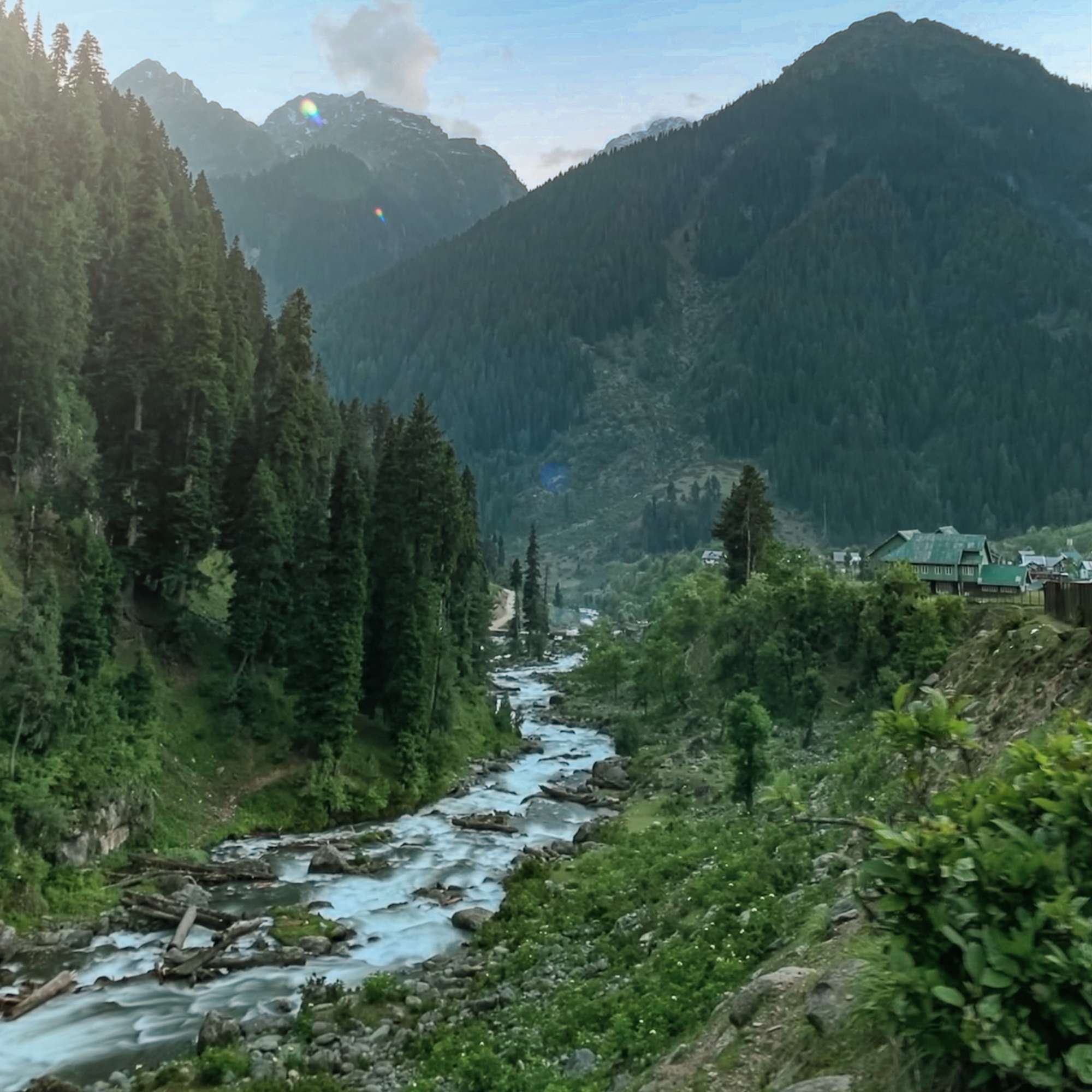
For most first-timers, a relaxed 4 night 5 day plan covering Srinagar, Gulmarg, and Pahalgam works well. It keeps you on the main circuit with comfortable stays and short, manageable drives.
If you have more time, a 5 night 6 day plan adding Sonamarg gives you the fuller circuit without rushing.
Whichever you pick, keep one buffer day. A spare day covers a road delay, a weather day, or a flight change without collapsing your whole trip.
We are not putting exact day-wise prices here because they shift with season and demand, and we would rather you get a current quote than an outdated number. If you want a plan built around your dates, see our Kashmir packages and we will work it out with you.
Alternatives If You Are Not Comfortable With Kashmir Right Now
If reading all this makes you want a different mountain or beach instead, that is completely reasonable. There are good options depending on your season and comfort level.
For high-altitude landscapes and a different kind of mountain trip, Ladakh or Himachal are strong picks. Our Spiti Valley packages cover one of the most dramatic regions in the country.
If you want forts, colour, and culture, look at our Rajasthan packages. For backwaters and greenery, our Kerala packages suit a slower, softer trip.
And if you just want sun and sea with zero stress, our Goa packages are the easy answer. There is no rule that says you must go to Kashmir this year if your gut says wait.
Final Verdict: Is Kashmir Safe to Visit Right Now?
Kashmir is being visited in 2026, especially the main tourist circuit, and many Indian domestic tourists can plan it responsibly.
We will not guarantee anyone's safety, because no honest operator can. What we can tell you is how the smart travellers do it.
They verify before they pay. They stay on established routes. They keep their bookings flexible and their itinerary loose. And they lean on local support instead of guessing.
Do it that way, and a Kashmir trip in 2026 can be everything you hoped. Do it on impulse with no checks, and you are gambling. The choice, and the planning, is yours.
Explore Our Curated Kashmir Tours Packages
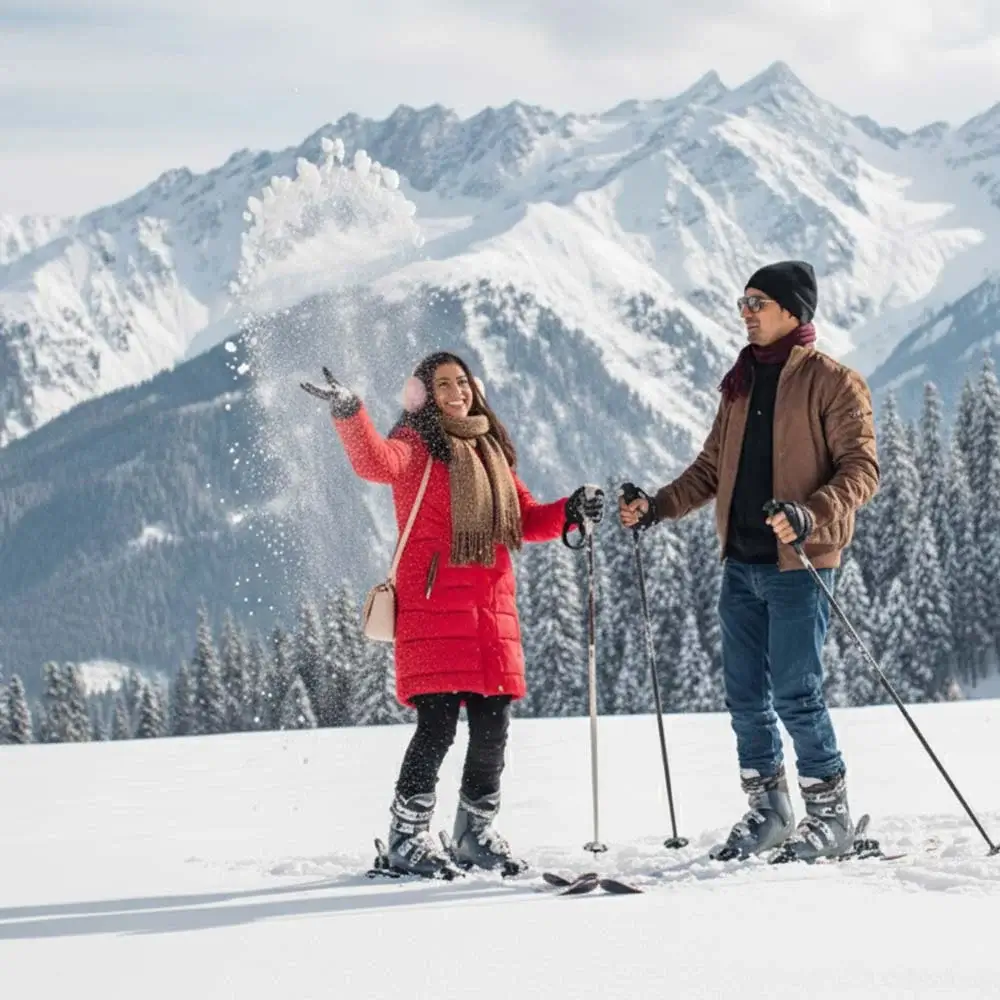 5D/4N
5D/4NKashmir Honeymoon Experience – Srinagar, Gulmarg & Pahalgam
1D Srinagar•1D Gulmarg (day trip)+3
₹14,999₹29,999SAVE INR 15,000/ person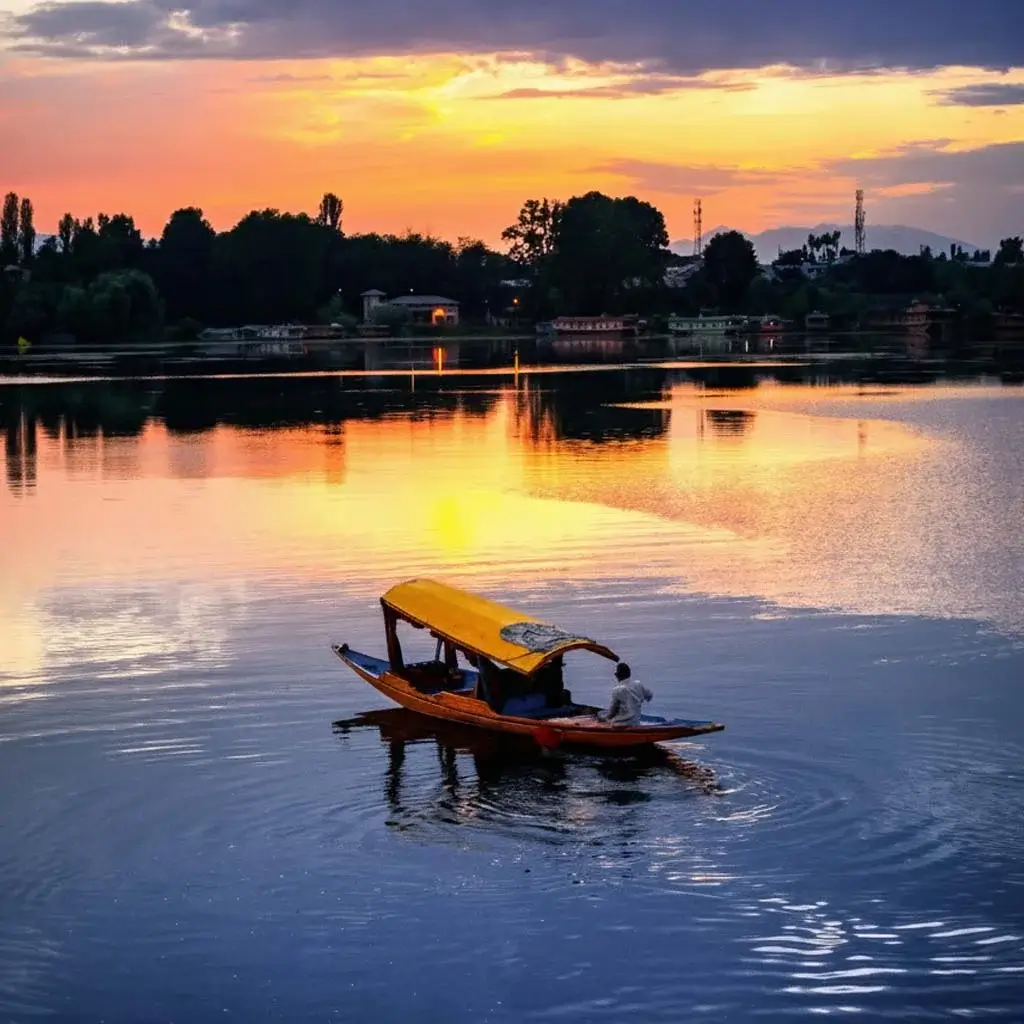 4D/3N
4D/3NThe Perfect 4 Day Kashmir Getaway
1D Srinagar•1D Gulmarg +2
₹8,999₹24,999SAVE INR 16,000/ person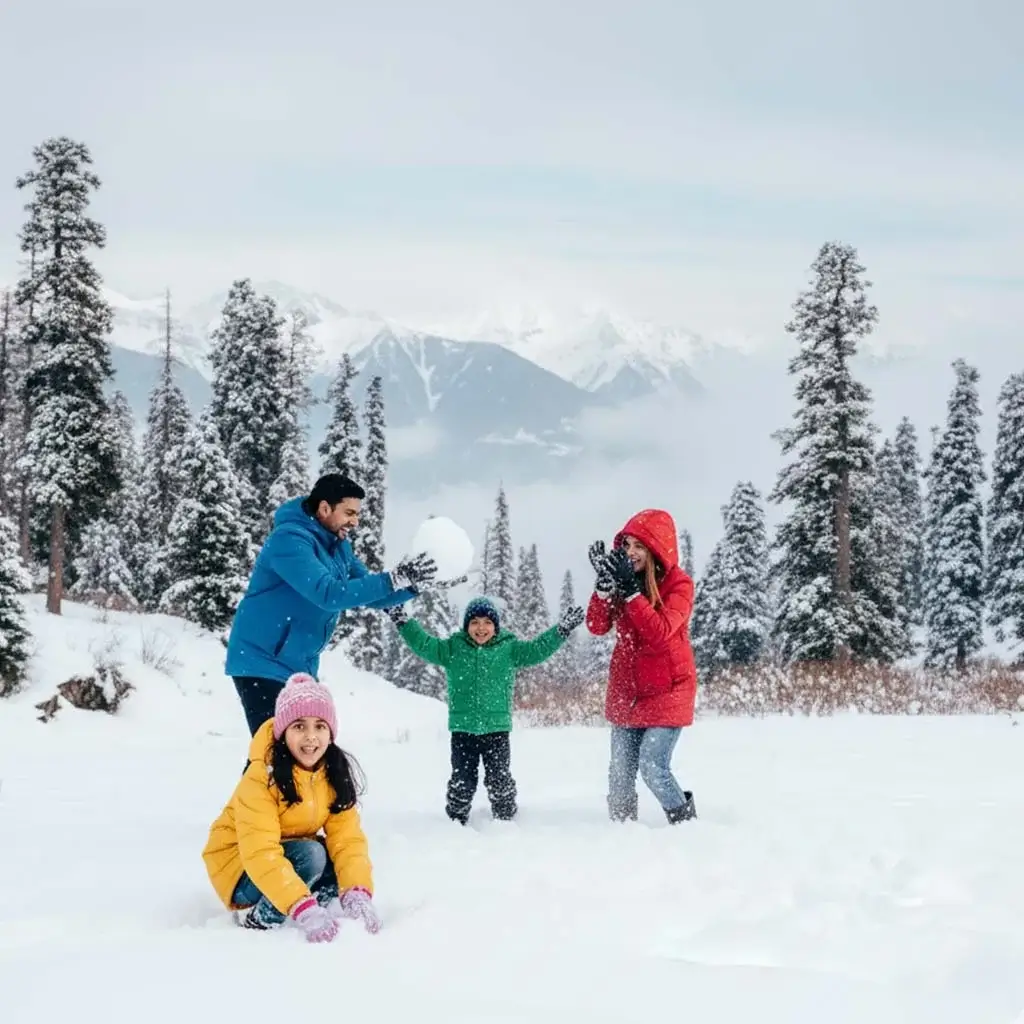 5D/4N
5D/4NBest Of Kashmir – Srinagar, Gulmarg & Pahalgam Tour Package
1D Srinagar•1D Gulmarg (day trip)+3
₹12,500₹28,999SAVE INR 16,499/ person
Related topics
Frequently Asked Questions
Is Kashmir safe for tourists in 2026?
The main tourist circuit is active and getting Indian visitors, and many can plan it responsibly with flexible bookings and current route checks. It is not a no-check destination, so verify before you pay.
Is Kashmir safe to visit right now after the Pahalgam attack?
The April 2025 attack hit an isolated meadow, not the main town, and most reviewed sites have since reopened. Travellers who plan around current conditions, not year-old headlines, are having good trips.
Is Srinagar safe for tourists today?
Srinagar is the main base and generally the most relaxed part of a Kashmir trip. Carry ID, use registered hotels and taxis, avoid photographing security posts, and follow local advice.
Is Gulmarg safe for tourists now?
Gulmarg remains a popular tourist area roughly 52 to 60 km from Srinagar. The big catch is the Gondola, which is closed until further notice, so do not visit only for the cable car right now.
Is the Gulmarg Gondola open in 2026?
No. As of June 2026 the Gondola is closed for tourists after a 25 May malfunction stranded over 300 people. Recheck the status close to your travel date before booking around it.
Is Pahalgam safe after the 2025 attack?
Pahalgam town and the main valley are different from the isolated meadows further out. Use registered transport, check routes the day you travel, and treat side valleys as bonuses, not guarantees.
Is Kashmir safe for family trips?
Yes, for families who stick to the main towns, use a private cab, keep the pace slow, and build in buffer time. Avoid long remote drives, especially with very young kids or elderly members.
Is Kashmir safe for honeymoon couples?
Yes, with hotel-based stays in Srinagar, Gulmarg, and Pahalgam, and no late-night remote drives. The comfortable, well-travelled circuit suits a relaxed romantic trip.
Is Kashmir safe for solo female travellers?
It can be, with verified hotels, registered transport, no late-night isolated movement, and a shared itinerary. Avoid impulsive offbeat routes suggested on the spot.
Which areas should tourists avoid in Kashmir?
Avoid the Line of Control and border zones, remote unverified meadows, late-night mountain roads, sudden crowds or protests, and photographing security installations. Foreign nationals should be especially cautious.
Should I cancel my Kashmir trip if I see bad news?
Not automatically. Check whether the news affects your specific route and dates, confirm with your hotel or operator, and lean on flexible bookings. Cancel only if your plan depends on closed spots or you feel genuinely unsafe.
Is Kashmir safe during Amarnath Yatra 2026?
The yatra runs 3 July to 28 August 2026, bringing heavier security but also more crowding and tighter traffic. Non-yatra tourists travelling in this window should keep extra buffer time.
Are foreign tourists allowed to visit Kashmir?
Foreign travellers can enter, but several governments, including the US, UK, Canada, and Australia, advise against travel to Jammu and Kashmir. Travelling against an advisory can also affect your insurance, so check your policy first.
More about Kashmir
 Kashmir
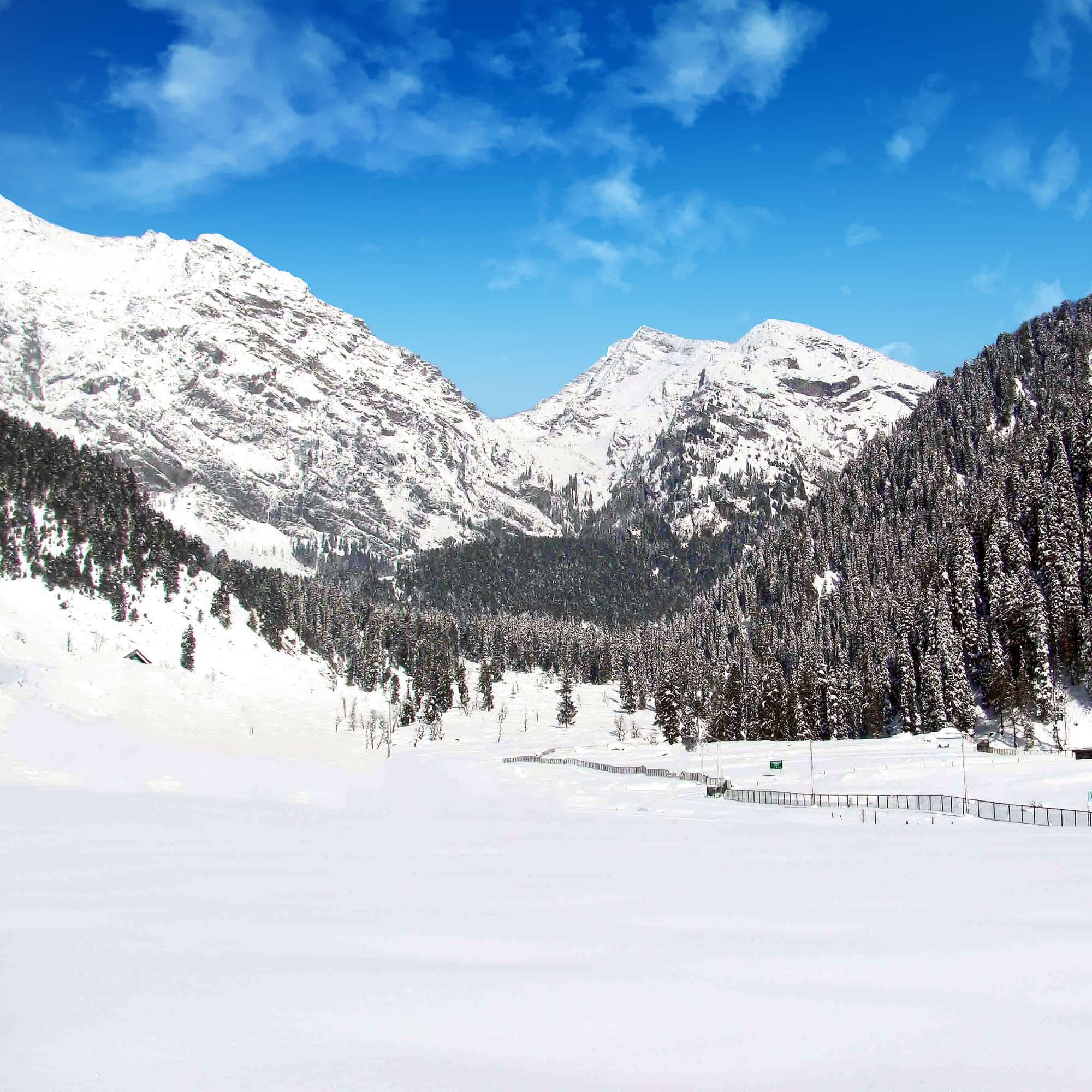
Kashmir in January 2027: Snowfall, Weather, Itinerary and Travel Guide
Planning a trip to Kashmir in January 2027? Discover everything you need to know about snowfall, weather conditions, top places to visit, a detailed itinerary, travel tips, packing essentials, and the best winter experiences in Srinagar, Gulmarg, Pahalgam, and Sonamarg for an unforgettable snowy getaway.
- Best Time to Visit
- Snow Travel
 Kashmir
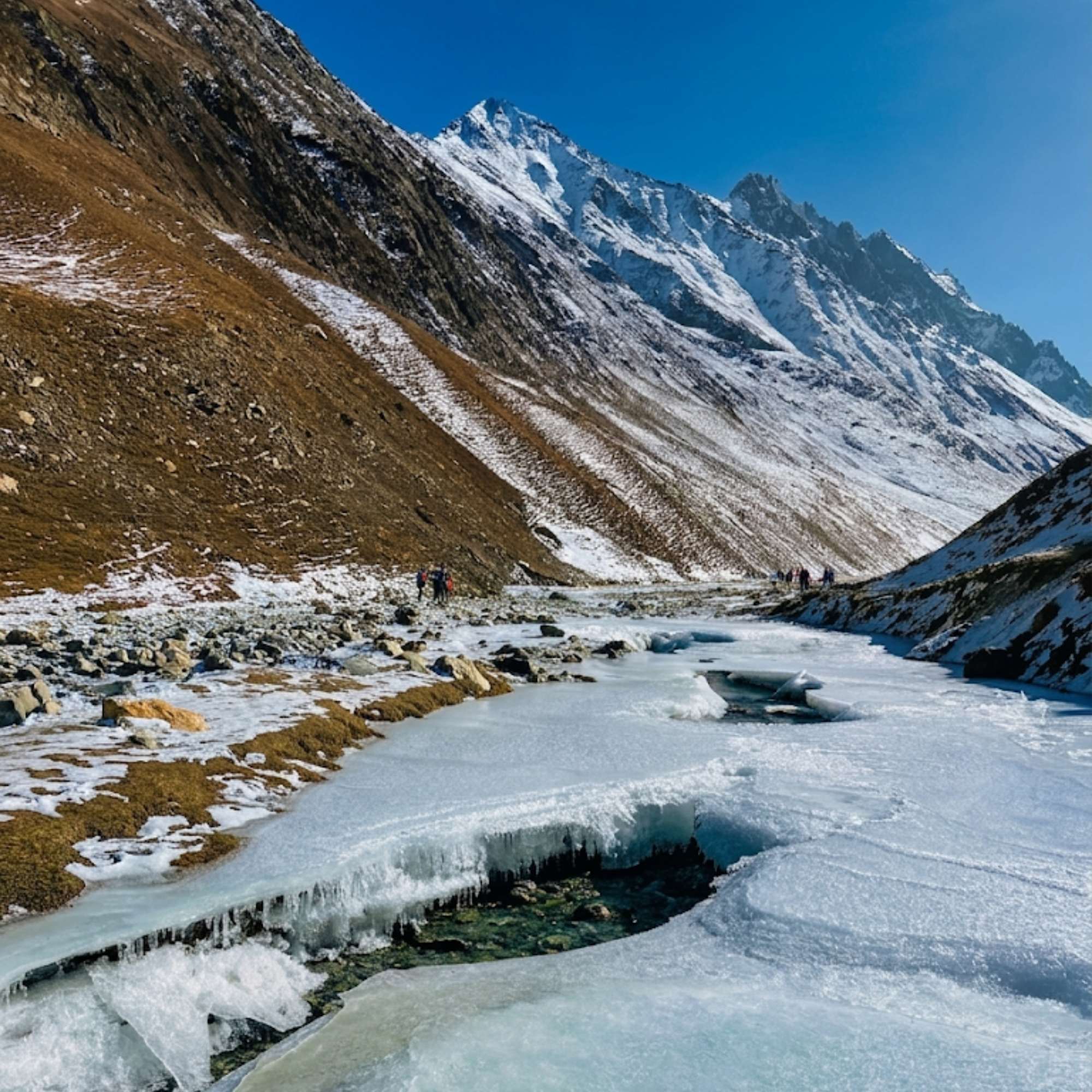
Kashmir in February 2027: Weather, Snowfall, Places, Cost and Itinerary
Planning a trip to Kashmir in February 2027? Discover the latest weather conditions, expected snowfall, top places to visit including Srinagar, Gulmarg, Pahalgam, and Sonmarg, estimated travel costs, and a detailed itinerary. This guide covers everything you need to enjoy a memorable winter vacation in the snowy paradise of Kashmir.
- Best Time to Visit
- Snow Travel
 Kashmir
Kashmir Honeymoon Guide 2026: Itinerary, Cost, Best Time and Romantic Places
Planning a romantic escape to Kashmir in 2026? Explore the perfect Kashmir honeymoon guide with a detailed itinerary, estimated trip costs, the best time to visit, and the most romantic destinations including Srinagar, Gulmarg, Pahalgam, and Sonamarg. Make your dream honeymoon unforgettable with expert travel tips and budget insights.
- Itinerary
- Places to Visit