
Is Chandratal Crowded in June 2026? Honest Crowd, Road and Camp Guide
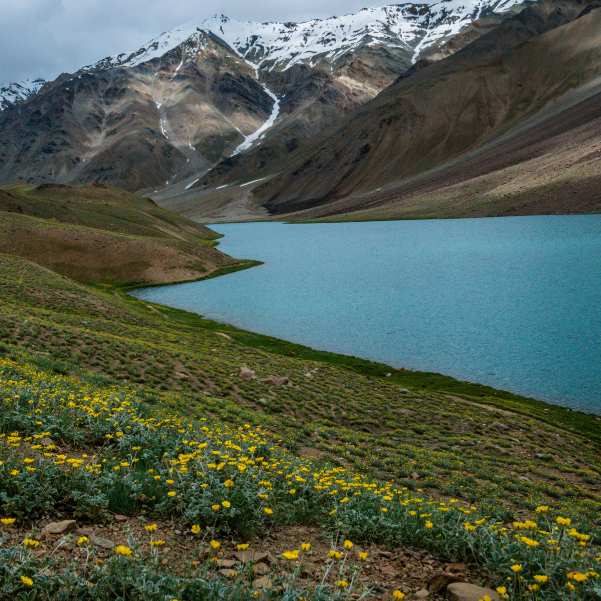
Let us save you some scrolling. Chandratal in June 2026 will not feel crowded. Not even close to what July and August look like.
But "not crowded" and "empty" are two very different things at 14,100 feet, and the difference comes down to which week you pick, which day you go and what time you show up at the lake.
We run trips to Chandratal every season from our base in Shimla, and June always follows the same pattern. First week is a gamble. Second week starts feeling real. Third week onward is when the magic happens without the chaos. The trick is knowing where you fall on that timeline.
This is everything we know about the Chandratal crowd in June, based on years of putting travellers on this road and hearing what they came back saying.
Quick Answer: Is Chandratal Crowded in June 2026?
Not really. Early June will probably see barely anyone because the road itself might not be fully sorted. Mid June picks up a little as camps start setting up. Late June is the best practical window, but weekends can feel moderately busy around the parking area and camps.
Weekdays and early mornings are your cheat code. Show up at the lake before 7 AM on a Tuesday and you might have the entire shore to yourself for a solid twenty minutes. Try that in August and you will be sharing it with fifty other people.
>>Talk to our team on WhatsApp
Why June Feels So Different From Peak Season
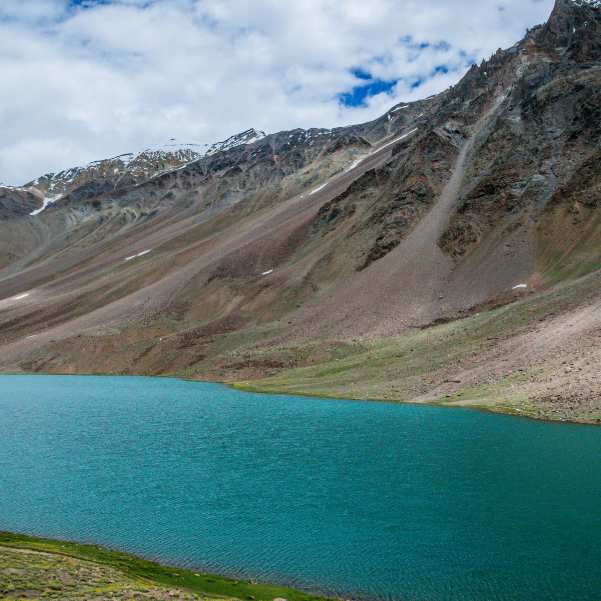
Here is what you need to understand about June at Chandratal. It is not a "season." It is a slow boot-up.
Kunzum Pass and the Batal diversion road clear at their own pace. Camps do not all start on the same date. One operator might pitch tents by June 8, another waits until June 18. WhatsApp groups start buzzing with road photos and everyone is guessing.
Half the travellers who show up in June are the kind who check road status every morning with their chai. The other half are bikers who will go regardless.
Compare that to July. In July, everything is running. Every camp is open. Every tour operator is booking. Families from Delhi are driving up in Innovas. Instagram reels from Chandratal are all over your feed. The whole machine is at full speed.
June does not have that energy. And honestly, that is exactly why the people who love June at Chandratal love it so much.
We wrote a full breakdown of when the roads actually open in our Chandratal opening 2026 guide if you want the complete picture.
Week by Week: What June 2026 Will Probably Look Like
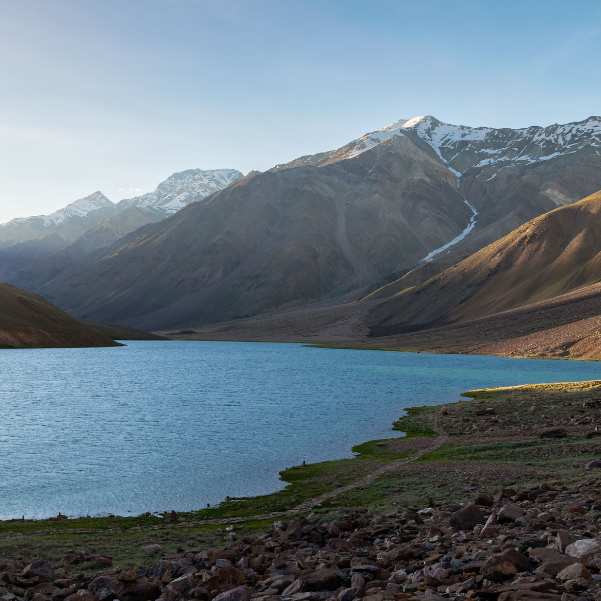
June 1 to 10: Almost Nobody, But Also Almost No Guarantee
Honest truth? The first week of June at Chandratal is quiet because getting there is still a question mark.
Snow patches, slush, muddy sections and water crossings can still mess with the Batal to Chandratal stretch.
The diversion road from Batal is always the last section to become usable each season. Camps may not be set up yet. You could drive all the way from Manali and find the road blocked 14 km from the lake.
A Spiti-based operator posted a road status update on May 6, 2026 estimating Kaza-side day access around May 20 to 28, Manali-side access around May 28 to June 7 and camps from early to mid June. Good to know, but these are just estimates. Not promises.
In our experience, early June suits only people who treat flexibility as a personality trait. If your leave is fixed and you will be upset about a wasted day, skip this window.
June 11 to 20: Things Start Looking Real
This is when it gets interesting. Most camps begin setting up. Roads improve. Bikers doing the Spiti circuit start rolling through. Hampta Pass trekking groups cross over from the Manali side. A few serious photographers show up with tripods bigger than their backpacks.
But the crowd is still thin. You will share the lake trail with a handful of people, not a queue. Camps will have guests but they will not feel packed.
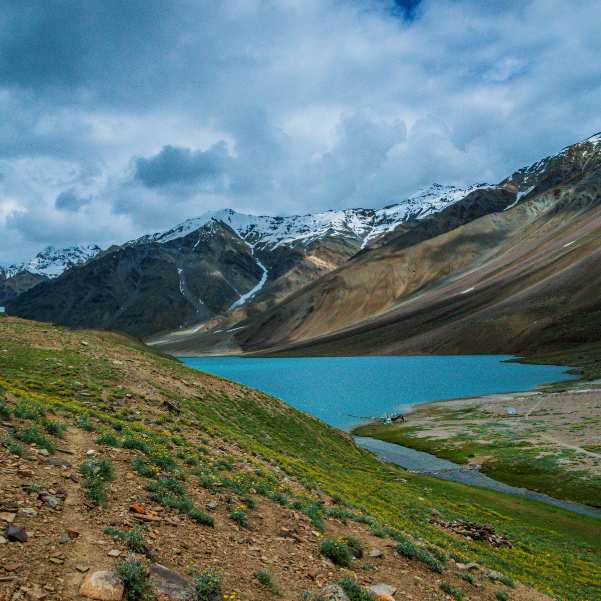
What most people get wrong about mid June is thinking that road-open equals peak-season-experience. It does not. The landscape looks different. Snow still sits on the peaks around the lake.
The water colour hits harder because of fresh snowmelt feeding into it. Nights are genuinely cold. Everything feels raw and unfinished in the best possible way.
That early-season quality disappears the moment July kicks in. If you want Chandratal before it puts on its tourist face, mid June is your window.
June 21 to 30: The Sweet Spot, With a Weekend Catch
Late June is where most travellers should aim. Roads are more settled. Camps are more likely to be functional. The lake is accessible without crossing your fingers.
The catch is weekends. Saturday nights and long weekends can fill up the popular camp clusters near the parking area. You might see 15 to 20 vehicles at the parking lot on a Saturday afternoon. The trail to the lake will have steady foot traffic from 10 AM onward.
But weekdays? In our experience, late June weekdays still feel genuinely calm. You get the good stuff without the gamble. If you can take leave on a Wednesday and Thursday, you have cracked the code.
What "Crowded" Actually Looks Like at Chandratal
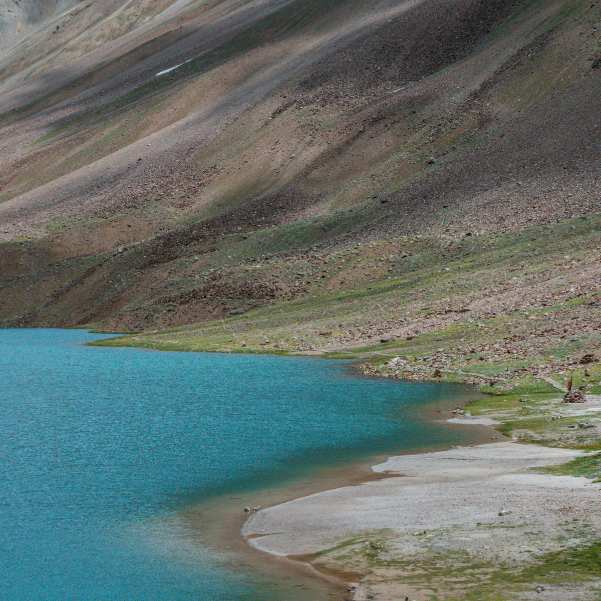
Let us set the scale properly. Chandratal crowded is not Shimla Mall Road crowded. It is not even Rohtang tunnel traffic crowded.
We are talking about a lake at 14,100 feet at the end of a dirt road. The numbers are small. But when the space is small too, even twenty people can change how a place feels.
The lake trail feels busiest between late morning and early afternoon. That is when day visitors from Kaza, overnight campers from Batal and bikers who left Manali at dawn all converge at the same spot. Between 10 AM and 2 PM, the trail has a steady stream.
Now compare that to sunrise. We always tell our travellers the same thing: reach the lake before 7 AM. The light on the water is a completely different thing at that hour. The reflections are sharper. The air has that bite to it. And you might share the shore with three people instead of thirty.
Evening visits work well too. Most day visitors are gone by then. The wind picks up and the cold cuts through whatever jacket you are wearing. But the sky over the lake at dusk, especially when there is no cloud cover, that is something you will think about for a long time.
June vs July vs September: Which One Suits You?
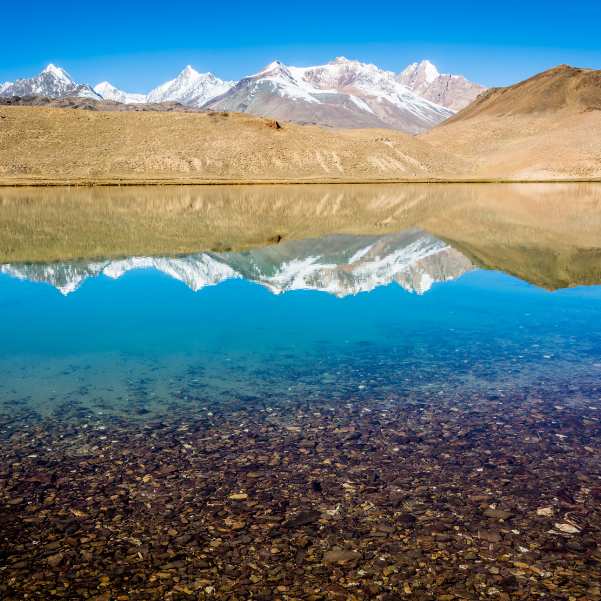
People ask us this constantly. Here is the honest version.
June
June wins on atmosphere. Fewer people, snow on the peaks, that raw first-season feeling where the camps still smell like new canvas and the trails do not have beaten paths yet. But you pay for it with road uncertainty and the chance that plans change last minute.
July
July wins on convenience. Both routes are stable. All camps are running. Your family can plan a trip without worrying about whether the road will be there when they arrive. The trade-off is that tourist numbers are noticeably higher, especially on weekends and around national holidays.
September
September wins on everything except cold tolerance. Roads are stable, monsoon is fading, skies are cleaner than any other month and the landscape around the lake turns golden-brown.
Crowds drop hard after August. But nights can hit minus 5 and the cold is not messing around. If you pack right though, September at Chandratal is the best version of the place.
If you want to explore Spiti Valley trips timed to the right month for your group, we can help you pick.
The Crowd Trend Nobody Is Talking About
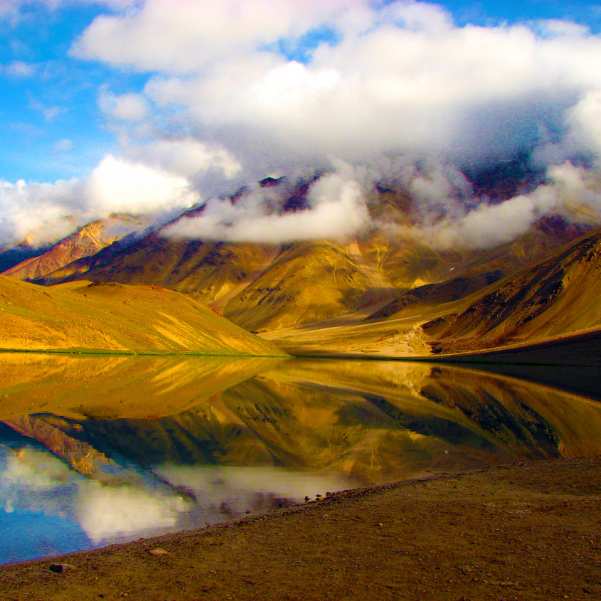
Chandratal stopped being a secret a while ago. And the numbers confirm it.
Manali was already running at 70% to 80% hotel occupancy in early May 2026 with expectations of a stronger season ahead.
Lahaul-Spiti as a region has seen foreign tourist arrivals nearly double from 3,792 in 2022 to 7,504 in 2024. Domestic numbers have been climbing steadily too.
What this means for you: late June 2026 might feel a little busier than what five-year-old blog posts describe. The "hidden" days are shrinking every season. But June will still feel noticeably calmer than July and August because access uncertainty naturally filters out casual visitors.
Our prediction is this
If you go on a late June weekday, you will still find the quiet Chandratal you are imagining. Go on a late June weekend and it will feel livelier than you expected. Neither will feel anything like peak season.
Here is a money tip most people miss. If you are booking a Chandratal camp through a Manali travel agent, the same camp is usually cheaper if you contact the camp owner directly.
Agents may add a markup of ₹300 to ₹800 per person. Ask your driver or a dhaba owner at Batal for the camp contact. They all know each other.
Is Chandratal Actually Open in June 2026?
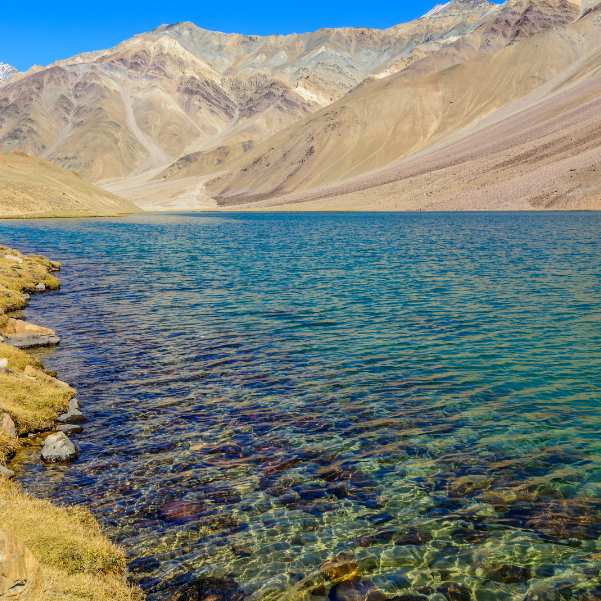
This is the question underneath the crowd question. Because what good is "not crowded" if you cannot get there?
June access depends on two separate things: Kunzum Pass clearance and the Batal to Chandratal diversion road.
Kunzum can be wide open while the Chandratal diversion is still blocked by a landslide or snow patch. Many travellers reach Kaza thinking Chandratal is sorted, only to discover the last 14 km are not.
The official Lahaul-Spiti road status page showed the Keylong to Kaza stretch as closed, last updated March 20, 2026. A May 6 operator estimate put Kaza-side day access around May 20 to 28, Manali-side access around May 28 to June 7 and camps from early to mid June.
But here is what years on this route have taught us: road status from two weeks ago is useless. A sunny week can open everything. A single afternoon storm can close it again.
Check within 24 hours of your departure. Ask a local operator, check BRO social media updates or call someone who is physically in Batal. That is the only way.
If you need a night in Manali before pushing ahead, plan your Manali stays with buffer days built in.
Are Camps Ready in June?
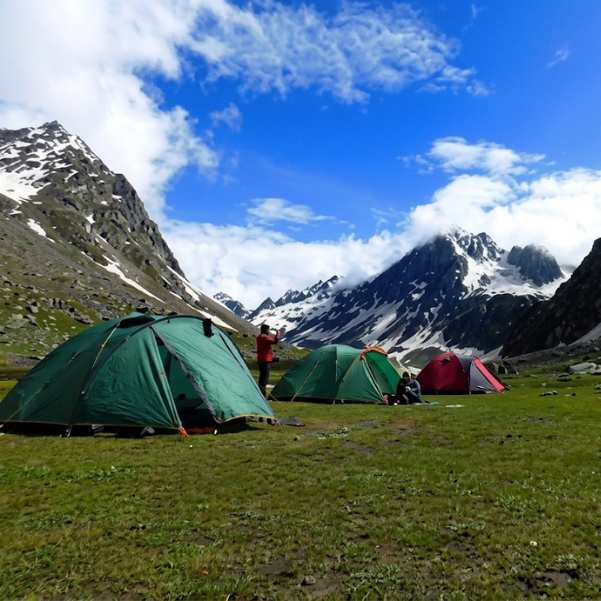
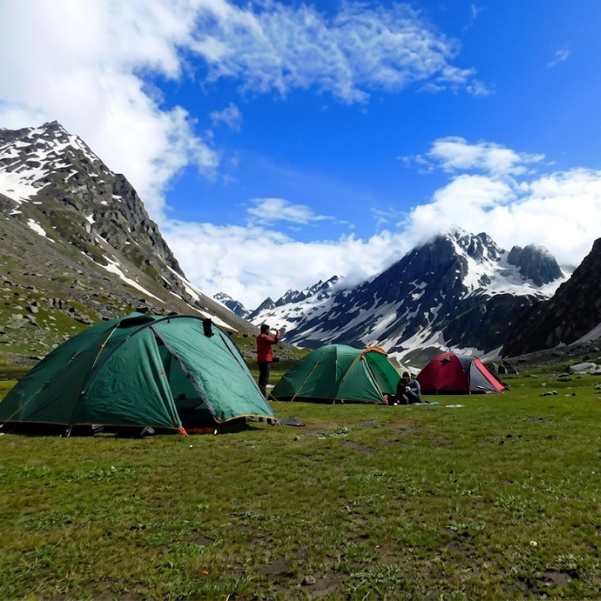
Camp operators do not set up tents on snow. They wait until the ground is clear, the road is drivable and enough travellers are coming to make it worth the effort. Early June is often too soon. Mid to late June is when most camps become functional.
Now here is something that catches first-timers off guard every single season. You do not camp beside the lake.
The camps are in designated zones away from the lakeshore. Chandratal is a Ramsar wetland, internationally protected since 2005. Camping at the water edge is not allowed.
Most camps sit 2 to 4 km from the lake depending on the operator. You walk from the parking area to the lake, about 1.5 to 2 km, and that walk takes around 30 to 45 minutes at 4,337 metres because the altitude makes even flat ground feel like an uphill slog.
If you want the camp booking headache taken off your plate, our summer Spiti circuit with Chandratal handles timing, stays and transport so you do not have to chase camp owners on patchy BSNL signal.
The Four Places Where You Actually Feel the Crowd
The crowd at Chandratal does not sit in one place. It is spread across four points, and each has its own rhythm.
The Gramphu to Batal road
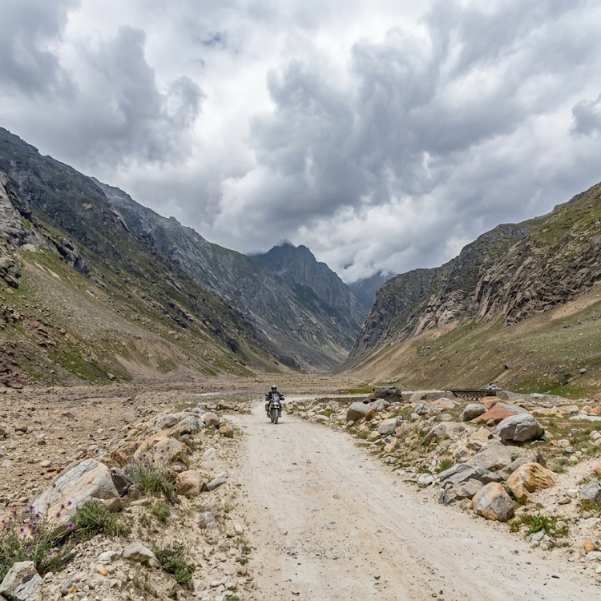
This is not a crowd in the tourist sense. It is the mountain version of traffic. Two SUVs nose-to-nose on a single-lane broken road with a stream running across it. Someone has to reverse. In June it happens less than July, but it happens.
Batal dhabas
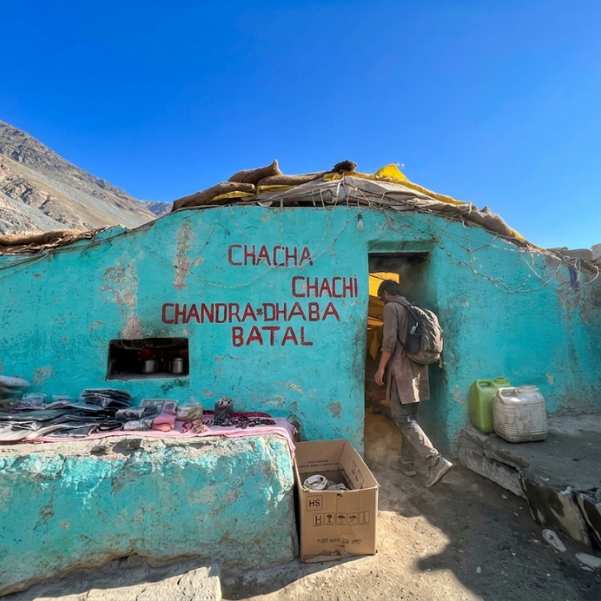
Almost everyone stops at Batal because there is nowhere else to stop. The small tin-roof dhabas get packed during lunch. The momos at the dhaba just past the Batal checkpoint are the last proper hot meal before Chandratal. The same guy runs it every season from June to September. Do not skip the momos. Do not skip the chai either.
Camps at dinner time
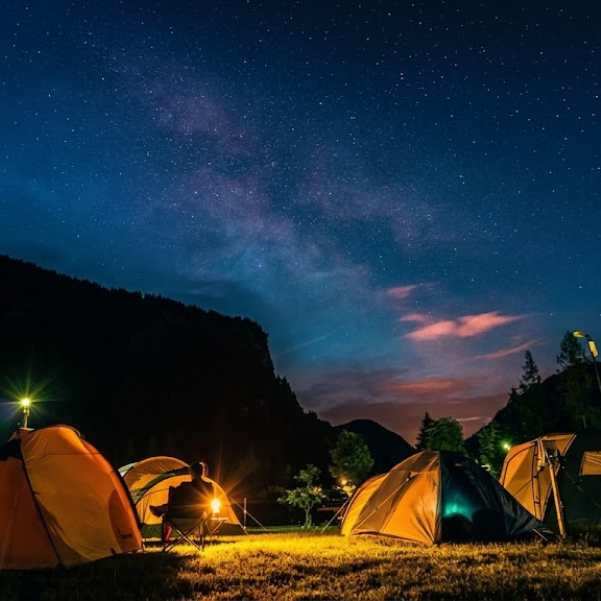
Everyone returns from the lake around the same hour. Meal times are communal. Tents sit close together. A camp with 15 to 20 guests on a Saturday night feels full even though the valley around you stretches to the horizon.
The parking area and lake trail
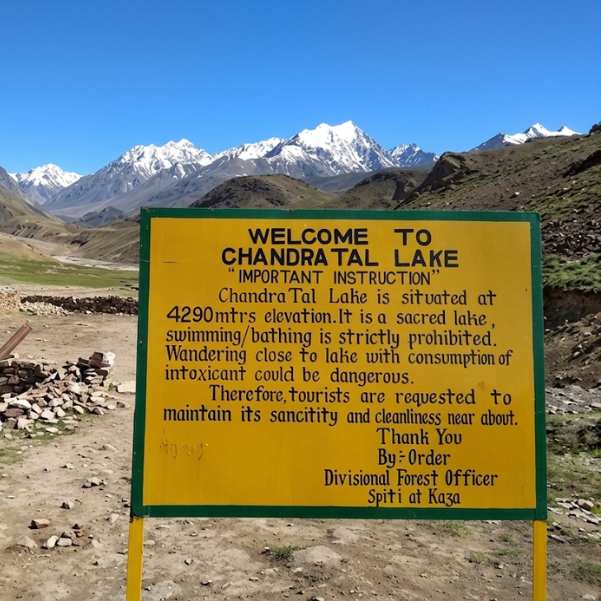
This is the real overlap zone between 10 AM and 2 PM. Day visitors, bikers, trekkers and camp guests all walk the same narrow trail. The lakeside itself has open space, but the silence you see in Instagram photos depends entirely on whether you got there at 6:30 AM or 12:30 PM.
How to Time Your Visit for Maximum Peace
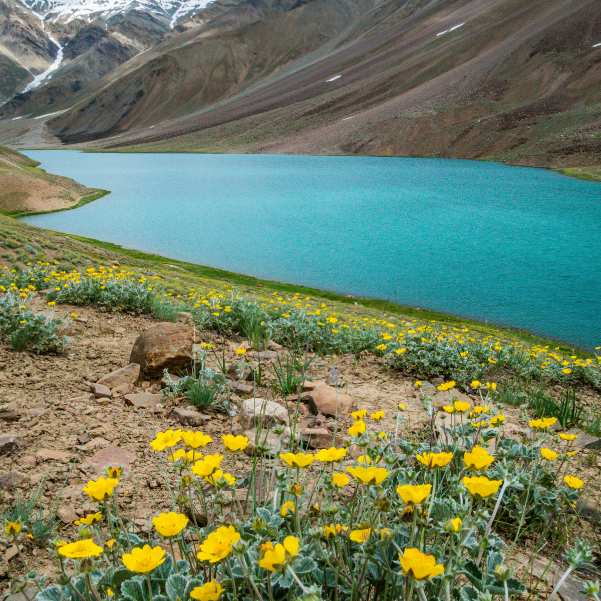
Weekdays beat weekends. Every single time. A Tuesday at Chandratal and a Saturday at Chandratal feel like two different lakes.
Get to the lake early. Before 7 AM if you can push yourself out of a warm sleeping bag at 4,300 metres.
The walk from camp in the cold half-light is not comfortable. Your nose will be running. Your fingers will be stiff. But the lake at sunrise makes you forget all of it.
Skip the afternoon. Most people visit between 11 AM and 3 PM. If you already went in the morning, stay back at camp. Read a book. Sleep. Drink chai. Go back to the lake in the evening if your legs say yes.
One more thing about June specifically: avoid afternoon water crossings on the Batal road when you can. Snowmelt makes the streams stronger as the day warms up. Morning crossings are calmer and shallower.
And always keep one buffer day. June roads can change overnight. A single landslide or swollen nala can eat half your day. The travellers who enjoy June the most are the ones who built slack into their plan instead of packing every hour tight.
Manali Side or Kaza Side: Which Route in June?
The Manali route
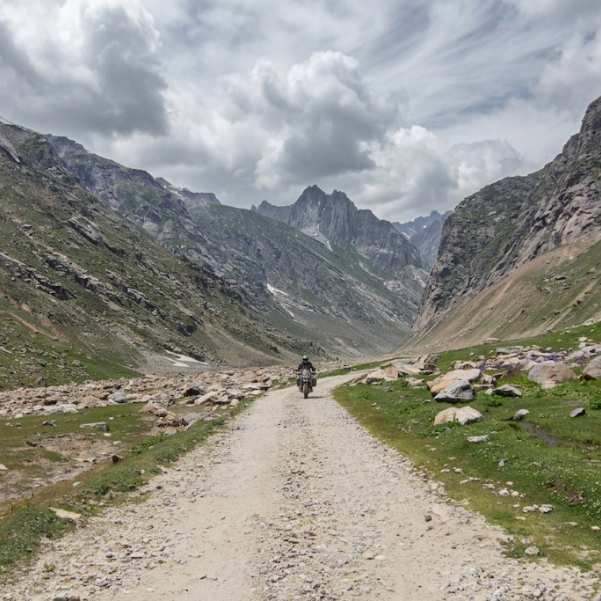
The Manali route runs through the Atal Tunnel, then via Gramphu, Chattru and Batal to the Chandratal diversion. Distance is around 110 to 125 km. Driving time is anywhere from 5 to 9 hours depending on how the road feels that day and how many water crossings slow you down.
The Manali side is shorter on paper but can be rougher in early June. The Gramphu to Batal stretch is one of those roads where Google Maps gives you a time estimate and reality laughs at it.
Water crossings near Pagal Nala can stop vehicles for hours. Start from Manali by 5:30 AM. You want maximum daylight for the bad sections.
The Kaza route
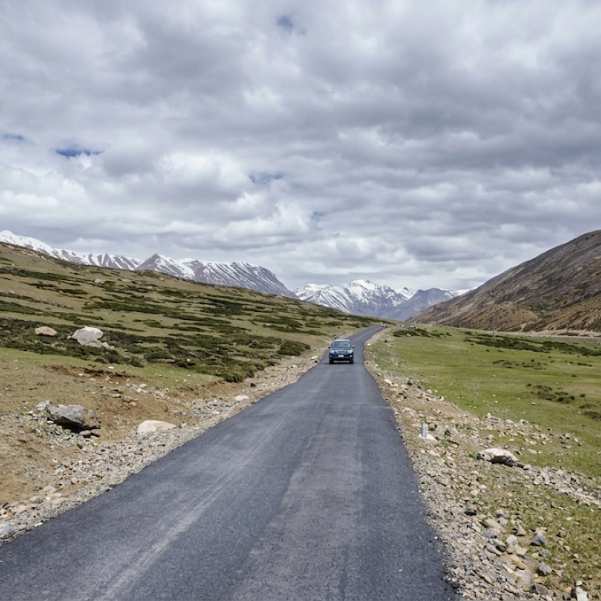
The Kaza side works better if you are already acclimatized from a few days in Spiti. You drive through Losar and over Kunzum Pass. This side often opens a bit earlier because BRO clears Kunzum from the Kaza direction first.
Either way, you need a high-ground-clearance SUV. We have seen travellers in Innovas make it to Batal and then turn around because the diversion road looked too rough. Do not be that person.
If you want to break the journey, Sissu in Lahaul is a good overnight halt. Green, relatively warm and it has actual guesthouses with actual beds.
Permits, Fees and Rules You Need to Know
The Himachal e-Aagman portal requires an E-Permit per vehicle for the Atal Tunnel Rohtang-Koksar-Chandertal circuit. Do this online before you leave. Checkpoints check.
An eco-sensitive zone entry fee introduced in recent seasons was ₹150 for Indian tourists and ₹500 for foreign tourists.
Since no official 2026 rate revision is clearly published yet, confirm the current collection status and charges on the e-Aagman portal or at local checkpoints before travel.
Here is context most people do not know. Chandertal is part of the Chandertal Wildlife Sanctuary covering 38.56 sq km.
With its eco-sensitive buffer, the protected area extends to 61.50 sq km. It has been a Ramsar wetland since 2005. The rules exist because the ecosystem at this altitude genuinely cannot take the pressure.
So no lakeside camping. No littering. Do not walk into the fragile wetland edges where the soil is soft and mossy. Do not blast speakers. And carry cash because UPI does not work where there is no network.
If you are curious about the geography and why Chandratal sits at a weird administrative boundary, our piece on whether Chandratal is in Lahaul or Spiti explains it well.
One thing to watch out for at Batal is last-mile transport pricing. For the 14 km stretch to the Chandratal parking area, local drivers may quote anywhere from ₹1,500 to ₹3,000 depending on demand, timing, and availability.
There is no fixed official rate for this route. Always agree on the price before getting into the vehicle, because once you are on that road, you have very limited alternatives and almost no bargaining power.
Who Should Come in June and Who Should Wait
Come in June
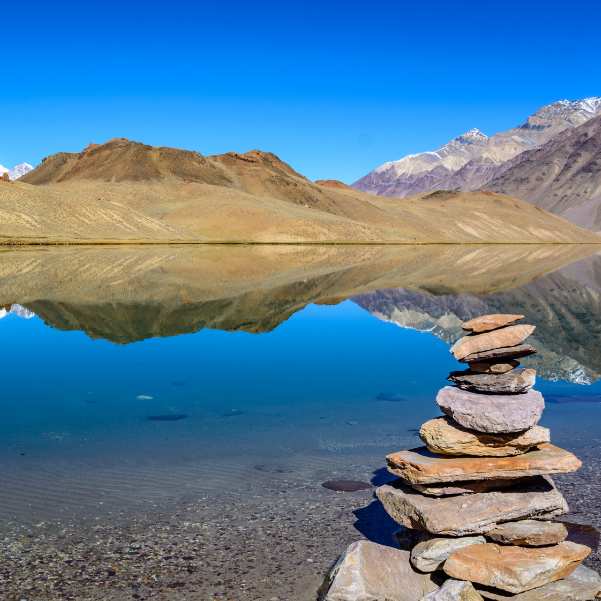
Come in June if you are flexible with dates, comfortable with plans changing, experienced with mountain travel or just the kind of person who likes places before they get polished.
Photographers, bikers, backpackers and couples who want snow-dusted peaks with fewer selfie sticks; June is your month.
Wait for July
Wait for July if you are bringing family, doing high-altitude camping for the first time or need predictable roads and functional camps without checking road status every morning. Everything works in July. The trade-off is more company.
Push to September
Push to September if you want the quietest conditions, the cleanest skies and do not mind genuinely cold nights.
September is Chandratal at its visual peak. The landscape turns golden-brown, reflections on the lake are razor-sharp and the air has a clarity that summer months cannot match.
Skip Chandratal entirely
Skip Chandratal entirely if you have young children under 8, elderly family members with breathing or heart conditions, a sedan, or zero buffer days. The altitude is 4,337 metres. The facilities are basic. There is no hospital within hours.
A Practical 5-Day Late June Plan From Manali
Day 1
Day 1 is arriving in Manali and doing nothing ambitious. Walk around Old Manali. Eat at a café. Hydrate like you mean it. You are about to gain over 2,000 metres of altitude in the next two days. Your body needs the head start. Skip alcohol completely.
Day 2
Day 2 depends on your experience level. First-timers should either spend another relaxed day in Manali or drive to Sissu in Lahaul for a gentle altitude step-up.
Sissu is about two hours through the Atal Tunnel and sits at a comfortable elevation that helps your body adjust. If you have been to high altitude before and feel fine, you can push further.
Day 3
Day 3 is the real day. Manali to Chandratal camp via the Atal Tunnel, Gramphu, Chattru and Batal. Leave by 5:30 AM. This drive can take 5 to 9 hours depending on road conditions. Settle into camp and rest.
If your body and lungs feel okay in the evening, a short walk towards the lake before sunset is worth it. All subject to road status; check that morning.
Day 4
Day 4 is why you came. Early morning lake visit. Be there by sunrise. Spend an hour. Sit by the water. Let it get quiet inside your head. Then walk back to camp, pack up and either drive back towards Manali or continue to Kaza if you are doing the full Spiti circuit.
Day 5
Day 5 is your insurance. June roads change. A landslide, a swollen nala, an unexpected closure can eat half a day.
If nothing goes wrong, enjoy a relaxed drive back with a chai stop at every dhaba that looks inviting. If something does go wrong, you will be grateful you did not book a flight home today.
What we always tell first-timers: carry a thermos of ginger tea from Manali. At 14,000 feet, a warm drink at sunrise does more for how you feel than any altitude tablet from a chemist.
>>Send us your dates and group size on WhatsApp
Final Verdict: Should You Go in June 2026?
Yes, if you pick mid to late June, travel on a weekday and walk in with the right expectations. You get snow on the peaks. Vivid lake colour from fresh melt.
Fewer people than July and August. That raw, early-season energy where the mountains still feel like they belong to themselves.
No, if you need guaranteed comfort, smooth roads, fixed plans and a warm bed. June at Chandratal is a high-altitude camp at 4,337 metres with basic tents, basic food, no electricity, no phone signal and toilets that will test your commitment to the outdoors.
From our side, the honest recommendation: if you have flexible dates, aim for the last week of June and leave on a weekday.
If your dates fall in early June, have a backup plan that does not depend on Chandratal being open. And if you can push to September, do it. September is still the best version of this place.
The lake will be there. It has been there for thousands of years. Pick the right week, and it will feel like it has been waiting just for you.
Explore Our Curated Chandratal Tour Packages
 Group Tour10D/9N
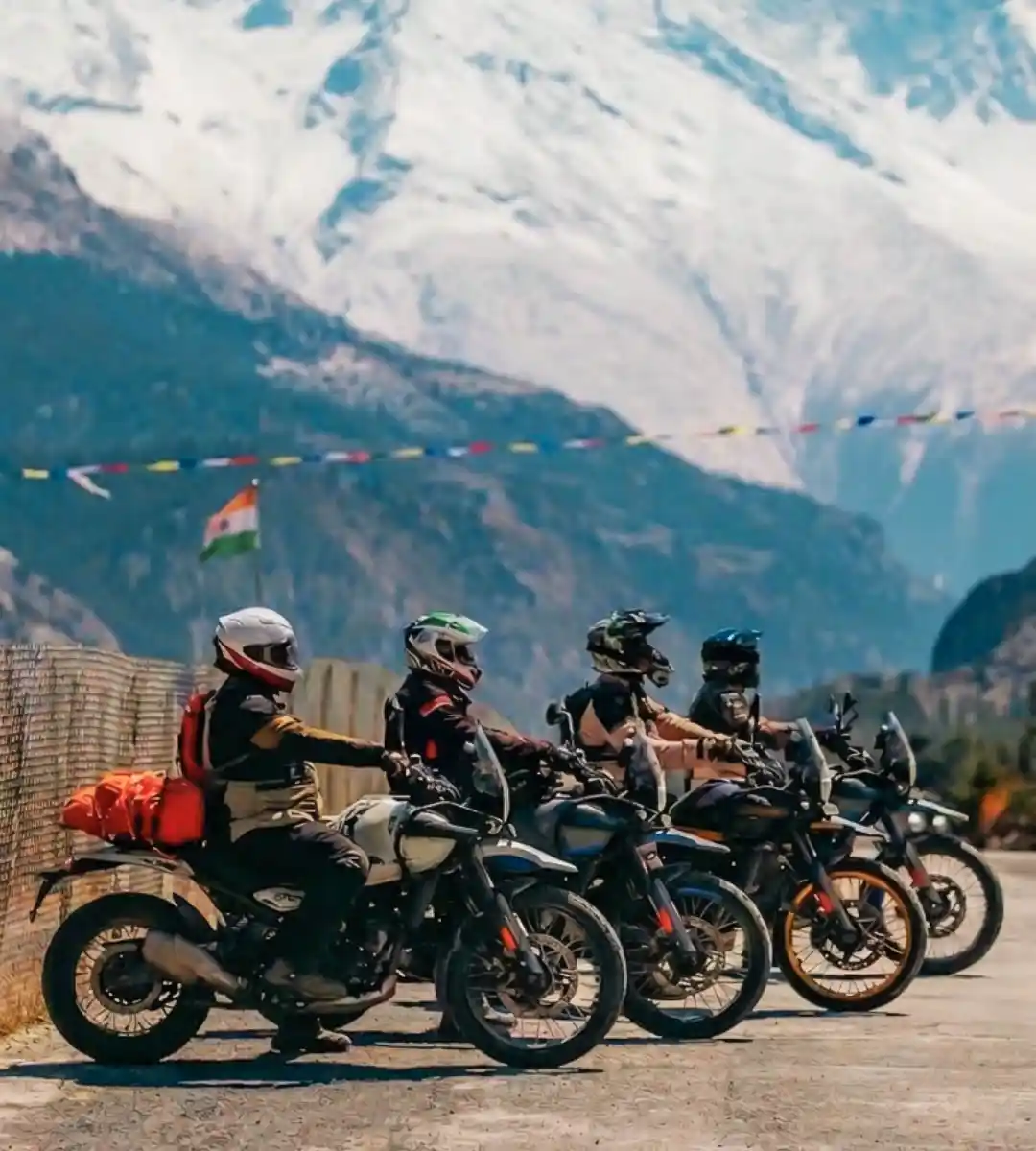
Most Loved Spiti Valley Bike Expedition With Chandratal
1D Jibhi•1D Sangla+4
₹34,999₹41,999SAVE INR 7,000/ person
Related topics
Frequently Asked Questions
Is Chandratal crowded in June 2026?
No. June is one of the quieter months. Early June is almost empty because access is uncertain. Mid June picks up slightly. Late June weekends can feel moderately busy around camps and parking, but nothing close to July or August.
Which week of June is best for Chandratal?
Last week, ideally on a weekday. Roads are more settled, camps are more likely functional and you still get snow views on surrounding peaks without the early-season gamble.
Is Chandratal open in the first week of June?
Uncertain. Snow patches, mud and water crossings can still affect the Batal to Chandratal road. A May 6, 2026 estimate put Manali-side access around May 28 to June 7, but always verify before travelling.
Is late June crowded at Chandratal?
Weekdays are calm. Weekends and long weekends can feel moderately busy by Chandratal standards. Reaching the lake before 7 AM on any day gives you the quietest experience.
Are camps open at Chandratal in June?
Most camps start operating by mid June once the road stabilizes. Early June camps may not be set up. Always confirm availability before booking.
Is Chandratal more crowded in June or July?
July is busier. Both routes are fully open, all camps are running and more first-time visitors choose July. June has fewer people because the uncertainty keeps casual travellers away.
Do I need a permit for Chandratal in 2026?
Yes. The Himachal e-Aagman portal requires an E-Permit per vehicle for the Atal Tunnel Rohtang-Koksar-Chandertal circuit. An eco-sensitive zone fee of ₹150 for Indians and ₹500 for foreigners was introduced in 2025.
Can I camp beside Chandratal Lake?
No. Chandratal is a Ramsar wetland. Camping at the lakeshore is not allowed. All camps are in designated zones, typically 2 to 4 km from the lake. You walk to the water from your camp.
Can families visit Chandratal in June?
Families with older children comfortable with basic camping can consider late June. For younger kids, elderly members or anyone with health conditions, July is safer and more comfortable.
Can a sedan go to Chandratal in June?
Not recommended. The Batal to Chandratal stretch is rough, unpaved and full of loose gravel and water crossings. High-ground-clearance SUV is strongly recommended. Sedans risk getting stuck or damaged.
Is there mobile network at Chandratal?
No reliable network. BSNL might catch a faint signal in a few random spots, but do not count on it for anything. Download offline maps and tell someone your plan before you lose signal.
How cold is Chandratal in June?
Days feel cool to pleasant when the sun is out. Nights drop to around 0°C to 5°C and feel colder with wind. Carry thermals, a down jacket, warm socks, gloves and a beanie. Everyone who comes back says the same thing: they wish they had packed one more warm layer.
More about Chandratal
 Chandratal
Chandratal by Bike Safety in 2026: Road Difficulty, Timing & Pillion Tips
Planning to ride to Chandratal by bike in 2026? This complete guide covers road difficulty, riding conditions, the best time to visit, safety precautions, water crossings, and pillion tips to help you enjoy one of Himachal Pradesh's most iconic high-altitude rides with confidence.
- Bike Trips
- Altitude & Health
- +1
 Chandratal
Where to Stay If Chandratal Camps Are Not Available in 2026
If Chandratal camps are not available in 2026, stay at nearby alternatives like Batal, Losar, or Kaza. Since camping is not allowed at the lake itself and designated camps operate a few kilometers away, these villages are the safest backup options for travelers planning a Spiti Valley trip.
- Itinerary
- Best Time to Visit
 Chandratal
Delhi to Chandratal by Road in 2026: Distance, Route, Travel Time and Best Way to Go
Confused about the real Delhi to Chandratal distance and best route? This practical 2026 guide explains the fastest road option via Manali, the better acclimatisation route via Shimla and Spiti, realistic travel time, and how to plan the trip without rushing.
- How to Reach
- Road Trips