
How to Plan a Kashmir Trip in 2026: Itinerary, Cost and Local Tips
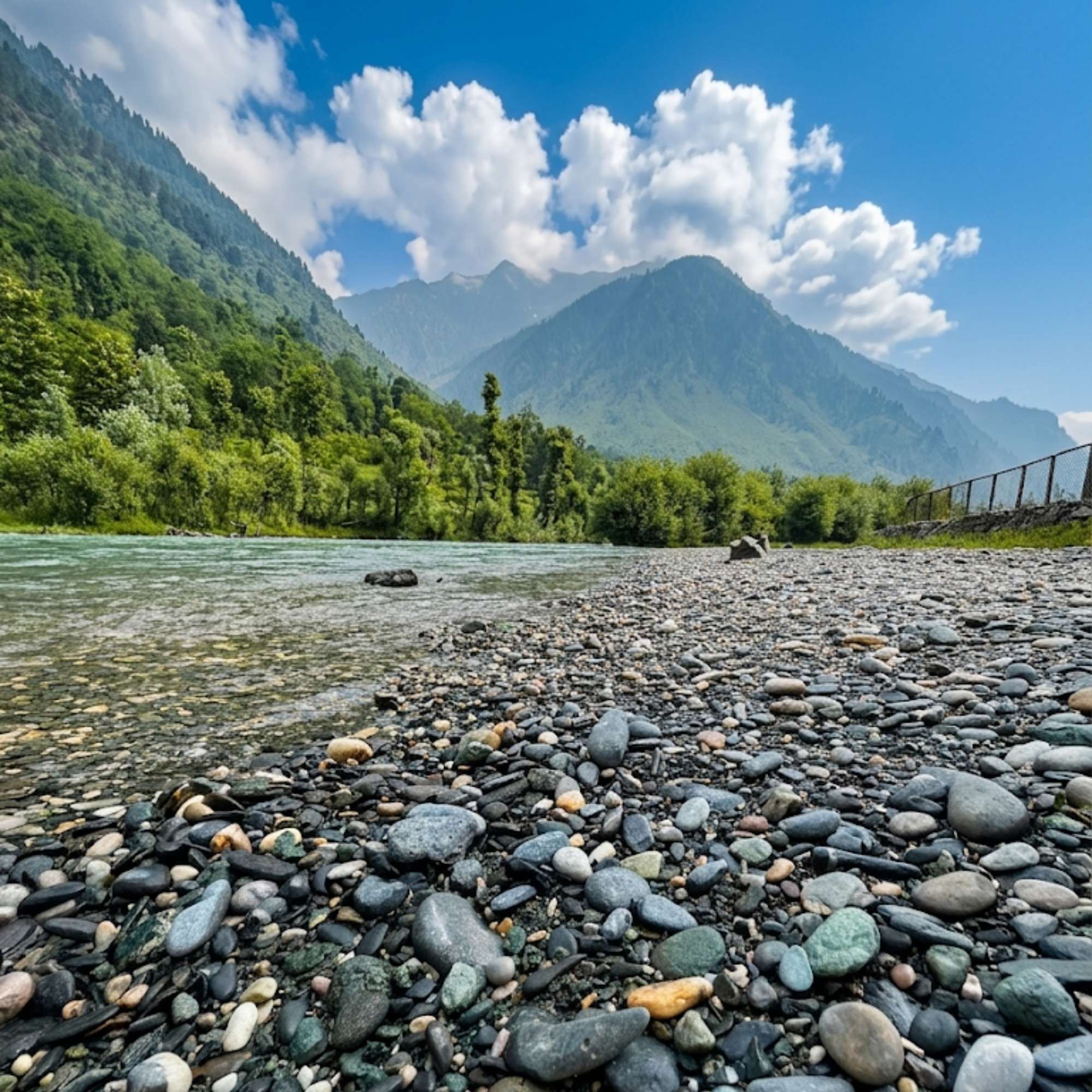
Kashmir looks small on a map. Srinagar, Gulmarg, Pahalgam and Sonamarg all sit within a few hours of each other, so most first-time travellers assume they can cover everything in four or five days.
Then they land, and the reality of mountain roads, checkpoints, hotel checkouts and weather-dependent activities hits them.
That gap between the map and the road is where most Kashmir trips go wrong. Not because the destinations disappoint, but because the plan was too tight from the start.
This guide by Travel Coffee walks you through the whole thing. How many days you actually need, which route works, how the season changes your plan, how to reach Srinagar in 2026, what to book first, and which details you must verify shortly before you travel.
Quick Answer: How Should You Plan a Kashmir Trip?
Plan around seven days for a comfortable first Kashmir trip covering Srinagar, Gulmarg and Pahalgam.
Keep Srinagar as your base for arrival and departure, treat Gulmarg as a day trip or one-night stay, and give Pahalgam two nights so the drive is worth it.
Add Sonamarg only with an extra day. Squeezing it into an already busy week means more driving and less enjoying.
Book in this order: arrival transport first, then hotels, then your main cab, then limited-capacity activities like the Gulmarg Gondola.
If you would rather have someone build this around your dates, our customised Kashmir tour packages start from exactly this planning logic.
What Should You Decide Before Booking Kashmir?
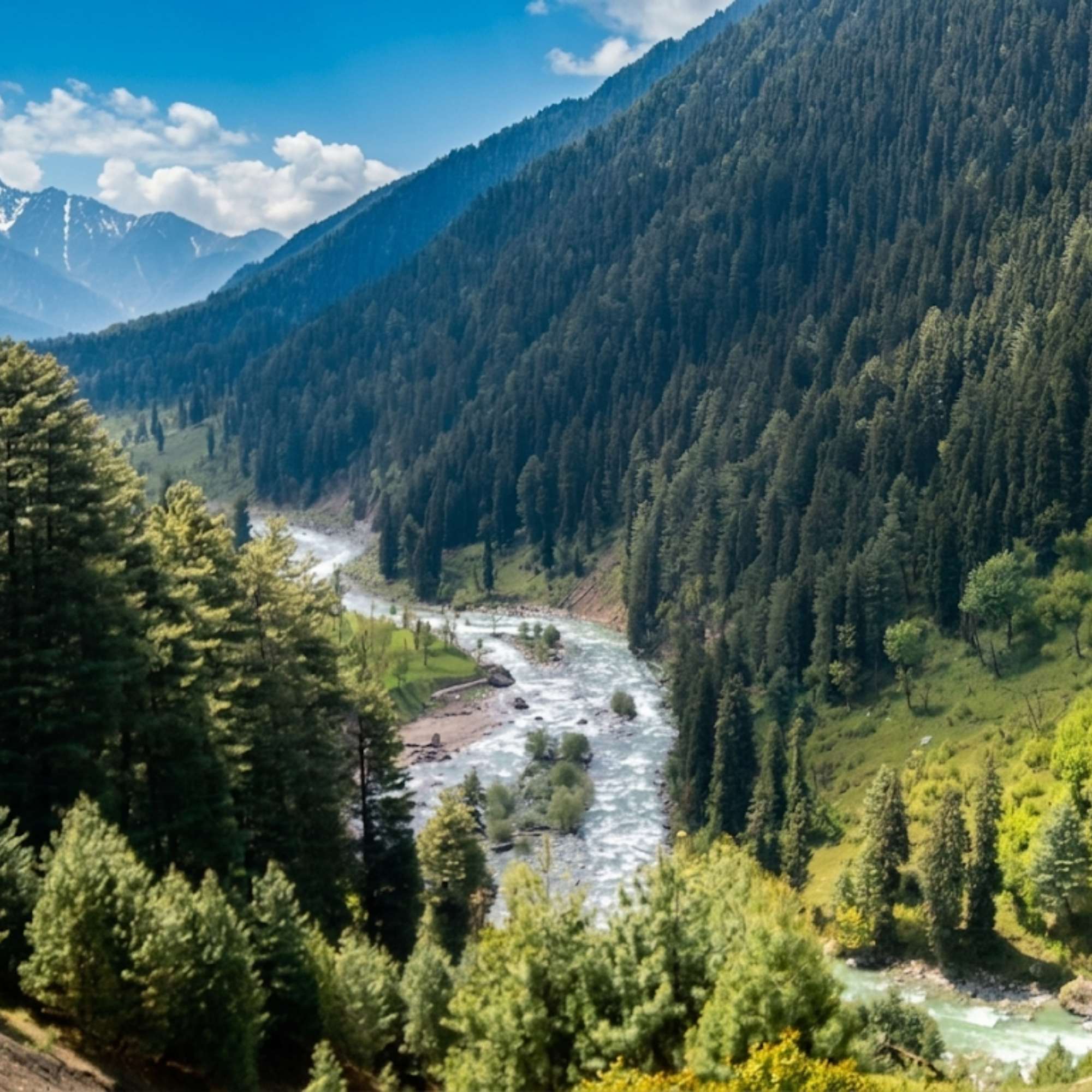
Before you open a single hotel booking site, settle three things: the season you are travelling in, how many days you can give the trip, and who is travelling with you.
Everything else follows from those three answers. Hotels, route order, activities and budget all change depending on them.
Decide what kind of Kashmir experience you want
Snow, flowers, green valleys, autumn colour, skiing, sightseeing or a slow family holiday. These are not the same trip.
A snow itinerary built for January will not work in June. The activities are different, the road access is different, and the clothes in your bag are different.
Someone chasing skiing at Gulmarg needs a completely different plan from a family who wants gardens, a Shikara ride and easy drives.
What most tourists get wrong is copying a winter itinerary they saw on Instagram and running it in summer. The photos will not match, and half the activities in that plan do not operate.
Road access and seasonal activities also shift year to year, so recheck them close to your travel date rather than trusting an old blog.
Choose a realistic number of days
Five days can cover the highlights, but it will feel compact. You will be moving most mornings.
Six or seven days give you a much better balance for a first trip. You get proper time in each place plus a buffer if weather interferes.
Eight to ten days open up Sonamarg, Yusmarg, an overnight stay in Gulmarg, or simply a slower pace with room for a bad-weather day.
Decide your comfort and budget level
Guesthouses, standard hotels, premium hotels or a houseboat. Pick your category before you start comparing, otherwise every quote will look confusing.
Your budget needs separate lines for arrival transport, hotels, meals, the main vehicle, local sightseeing vehicles and activities.
A low headline package price often leaves out flights, Gondola tickets, local taxi circuits, pony rides, room heating charges and lunches. Those add up fast.
How Many Days Are Enough for a Kashmir Trip?
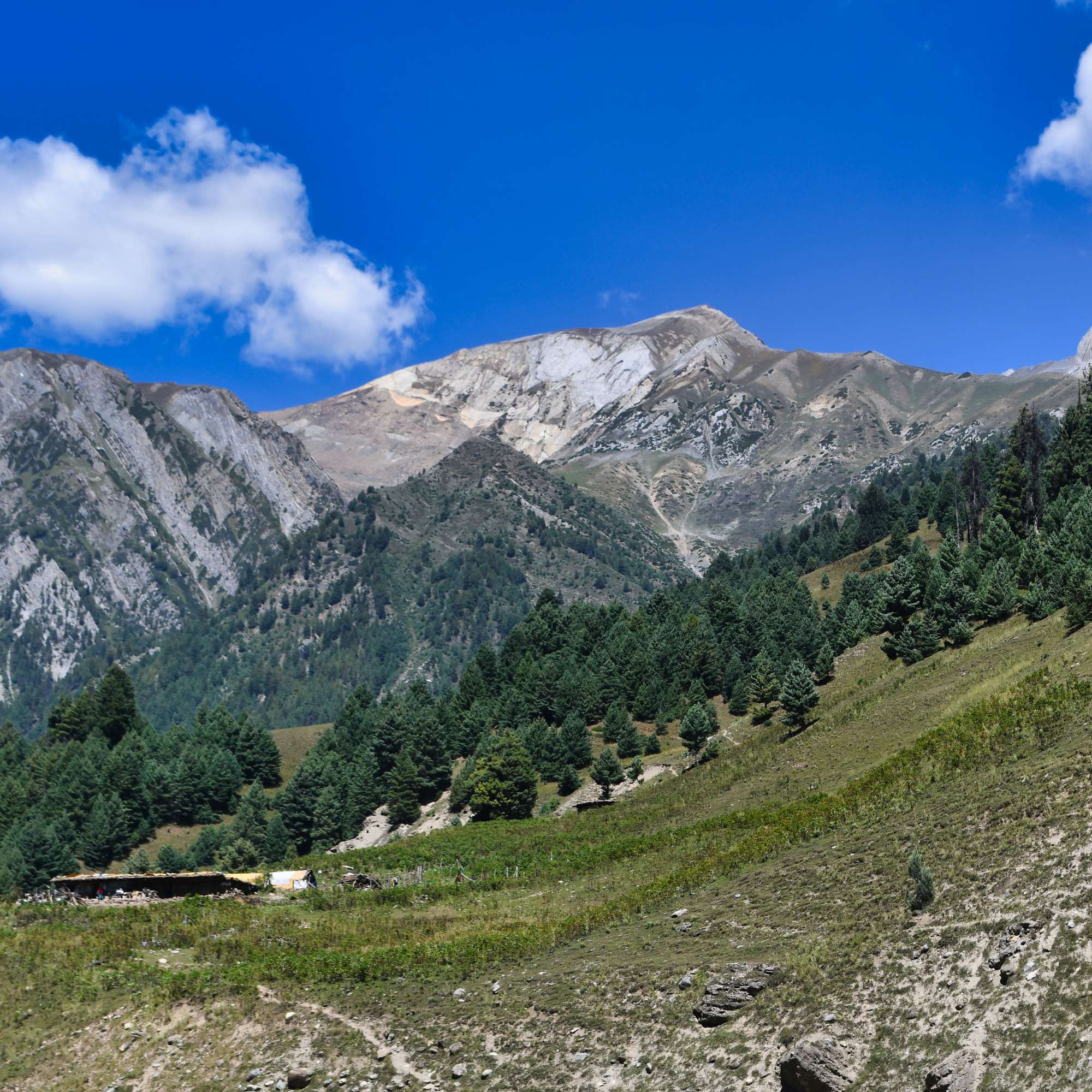
Is five days enough for Kashmir?
Yes, for a compact plan covering Srinagar, Gulmarg and Pahalgam. You will see the main places.
But something has to give. Either you cut Srinagar sightseeing short or you limit Pahalgam to one night.
Do not try to fit Srinagar, Gulmarg, Pahalgam and Sonamarg into five days as four full experiences. That is a driving holiday, not a Kashmir holiday.
Why seven days work well for first-time travellers
Seven days give you Srinagar properly, a Gulmarg excursion, two nights around Pahalgam and a real buffer day.
Fewer hotel changes also make the trip noticeably more comfortable, especially with luggage and children.
In our experience, seven days give first-time visitors enough variety without turning every morning into a checkout.
When should you plan eight to ten days?
Go longer if you want to add Sonamarg, Yusmarg, Doodhpathri, another Pahalgam night or an overnight in Gulmarg.
A slower itinerary also suits young children, senior citizens and winter travel, where a single snowfall can rearrange your whole plan.
What Is the Best Route for a First Kashmir Trip?
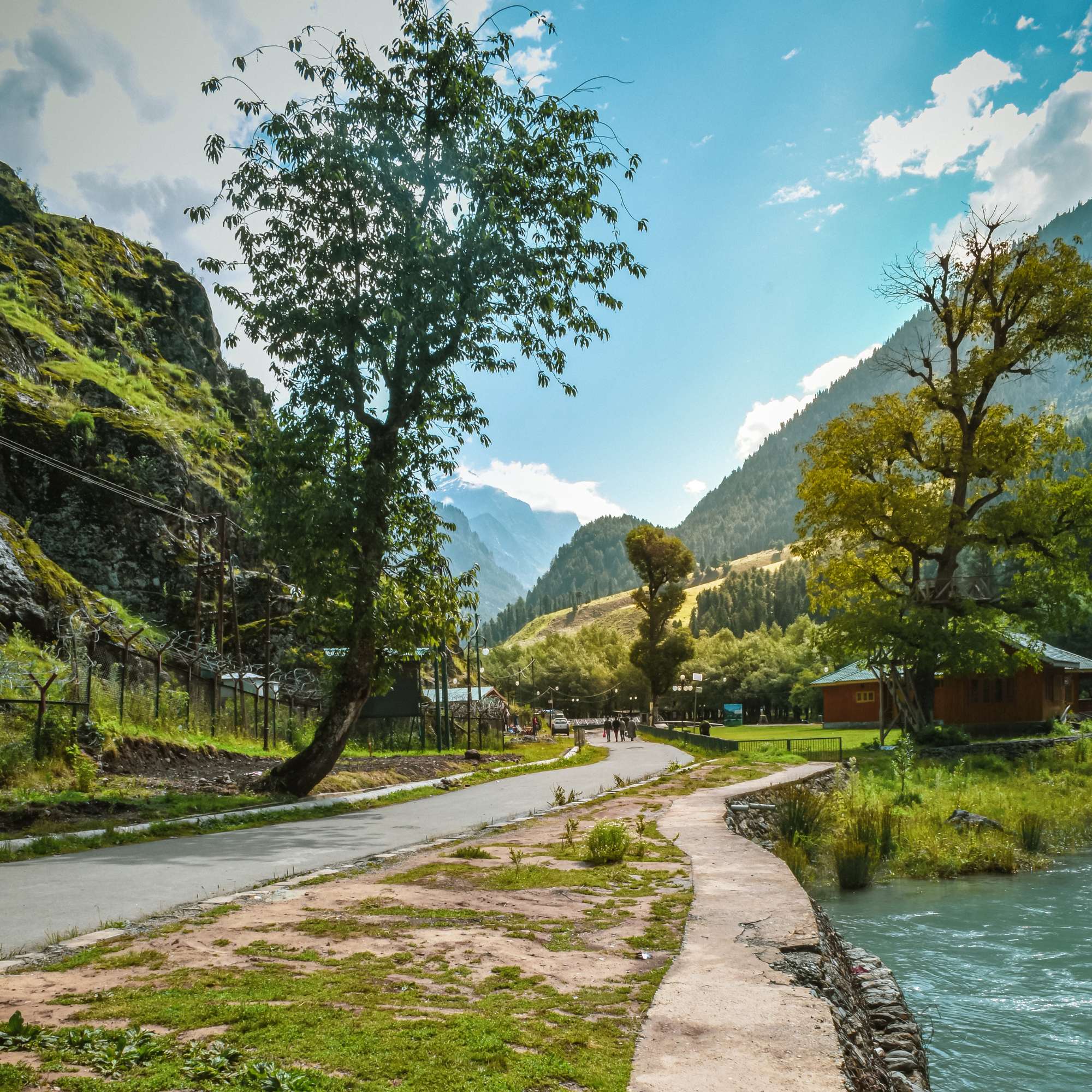
The core route that works for most first-timers is Srinagar to Gulmarg to Srinagar to Pahalgam to Srinagar.
Srinagar stays as your arrival and departure base, which keeps your logistics simple and your bags in one place longer.
Gulmarg usually works as a day trip, though you can stay one night if you want a slower mountain morning.
Pahalgam deserves one or two nights. Driving all that way for a quick photo stop wastes the best part of the journey.
Your final route still depends on flight or train timing, hotel availability and current road conditions. This is a sensible default, not the only way to do it.
Which Places Should You Include in Your Kashmir Itinerary?
Srinagar
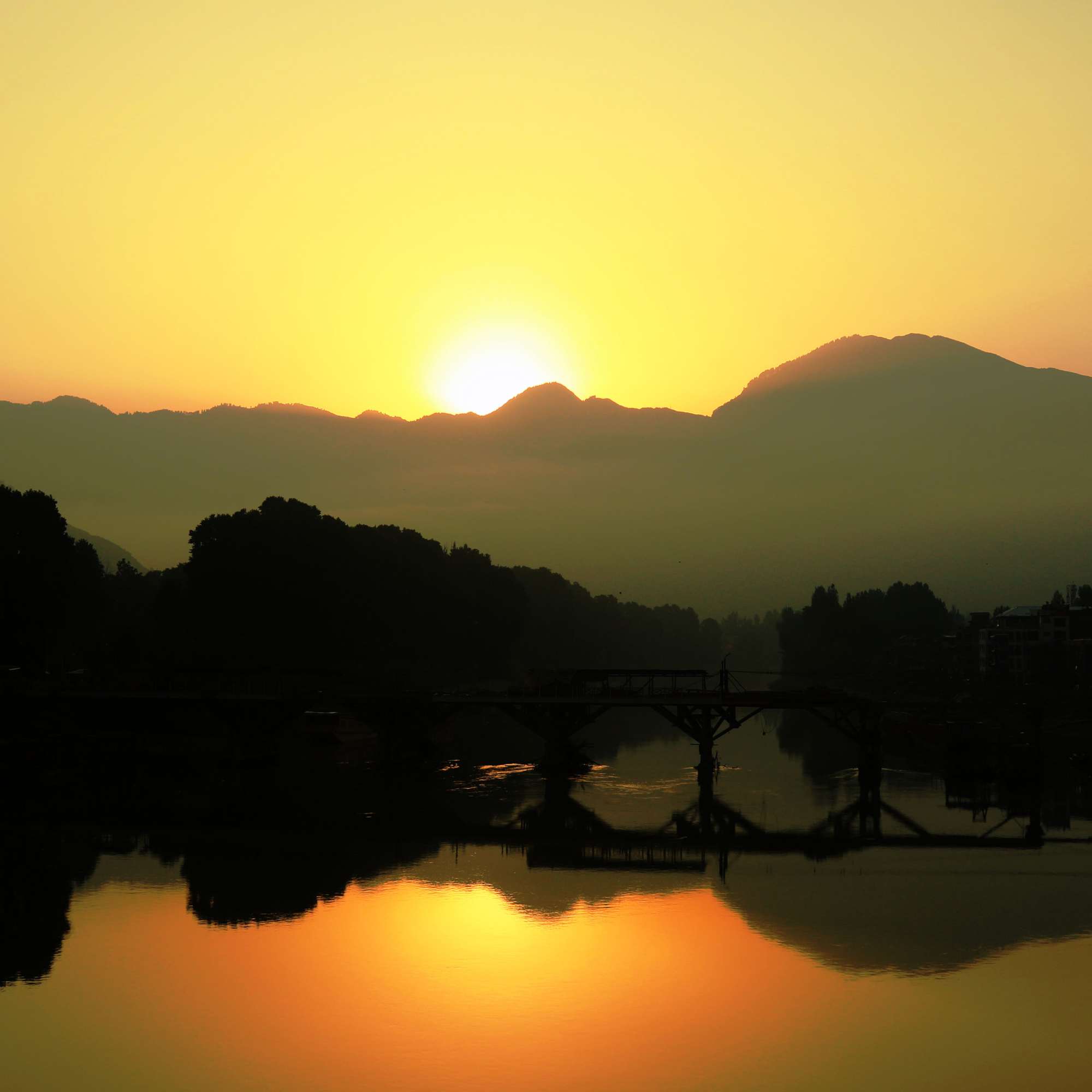
Srinagar is not just the airport you land at. Dal Lake, a Shikara ride, the Mughal gardens, the old city lanes, the food and the markets can easily fill a full day.
Keep your arrival day light. Flights get delayed, road transfers run long, and a packed first day rarely survives contact with reality.
One night on a houseboat is usually enough if you also want the convenience of a road-accessible hotel for the rest of your Srinagar stay.
Gulmarg
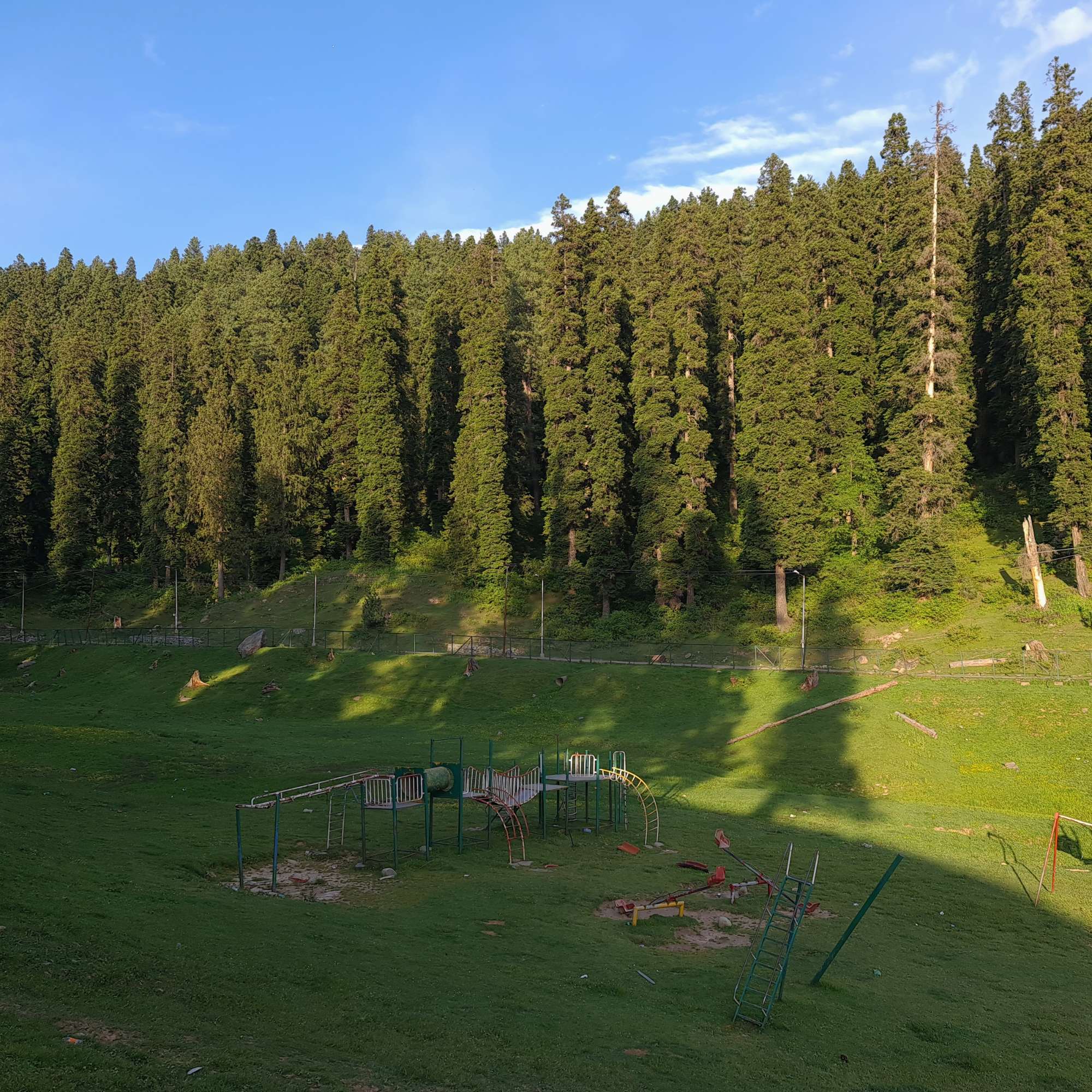
Gulmarg is about mountain scenery, the Gondola, walking around, and seasonal snow activities.
A day trip works for most people. An overnight stay makes sense if you are skiing, shooting photos or want to be up there early.
Weather affects both Gondola operation and visibility. A clear morning in Srinagar does not guarantee a clear Gulmarg.
Book Gondola tickets only through the official J&K Cable Car Corporation system. More on that below.
Pahalgam
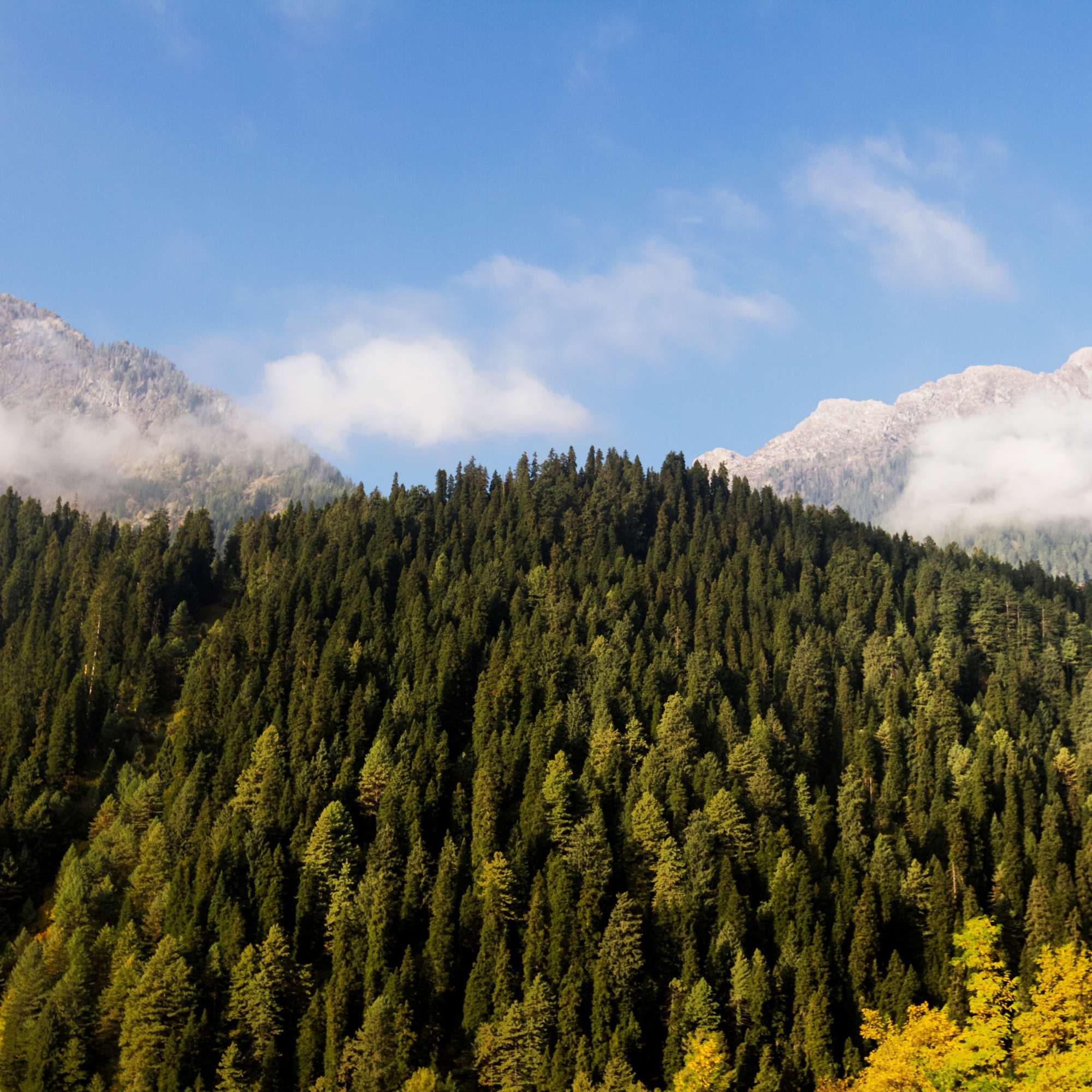
Pahalgam is where the trip slows down. The Lidder River runs through it and the pace is gentler than Srinagar.
Excursions head towards Aru Valley, Betaab Valley and Chandanwari.
Local vehicle rules and charges for these sightseeing circuits must be confirmed before you travel, because your main cab may not be permitted on all of them.
Confirm the latest local vehicle rules and sightseeing charges close to your travel dates, as your main cab may not be permitted on every route.
Sonamarg
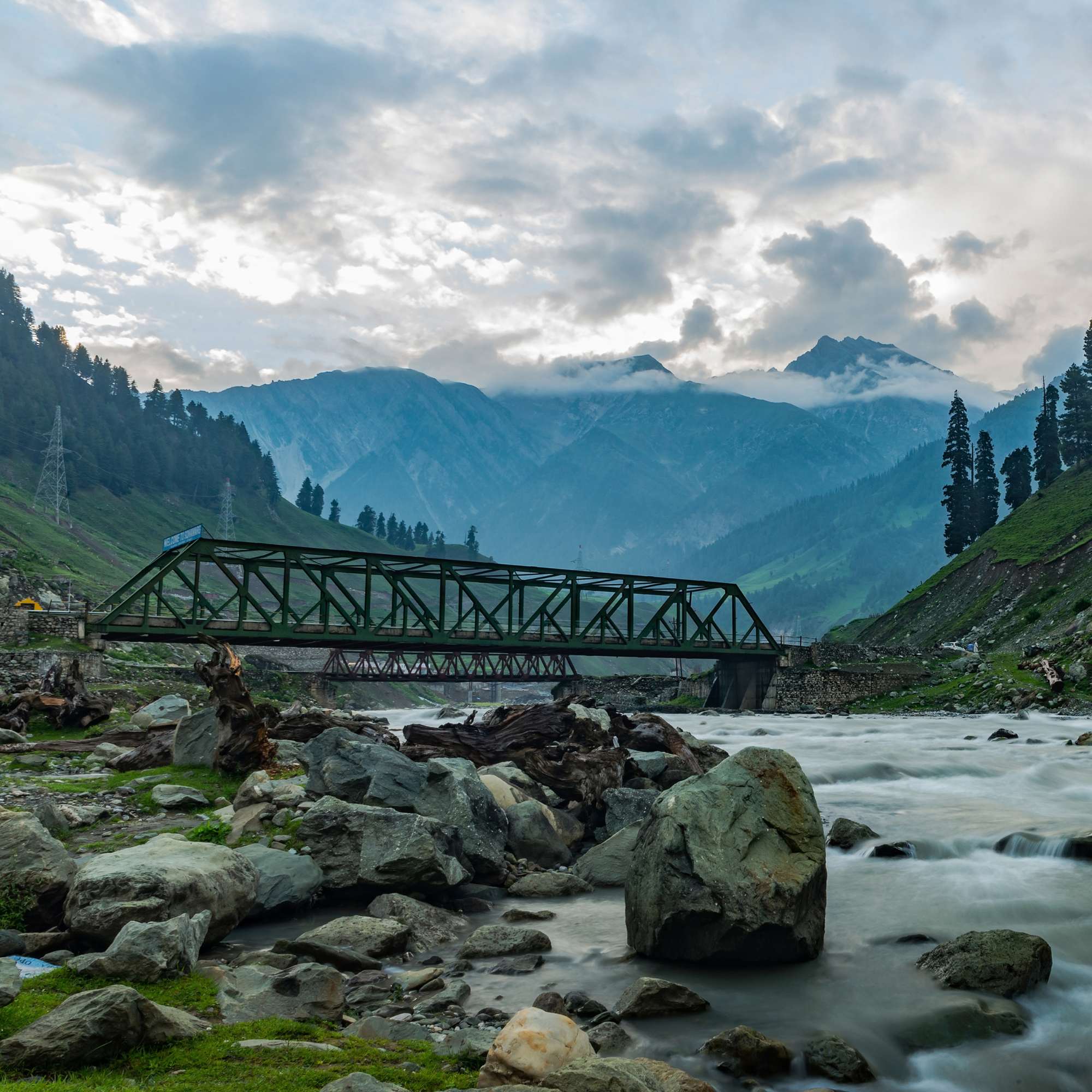
Sonamarg usually works as a separate day excursion from Srinagar, or as an overnight stop in a longer itinerary.
Do not add Sonmarg just to raise your destination count. A rushed Sonamarg day is a long drive with a short stop at the end.
Road access and seasonal activities here need checking before departure too.
What Is the Best Time to Visit Kashmir?
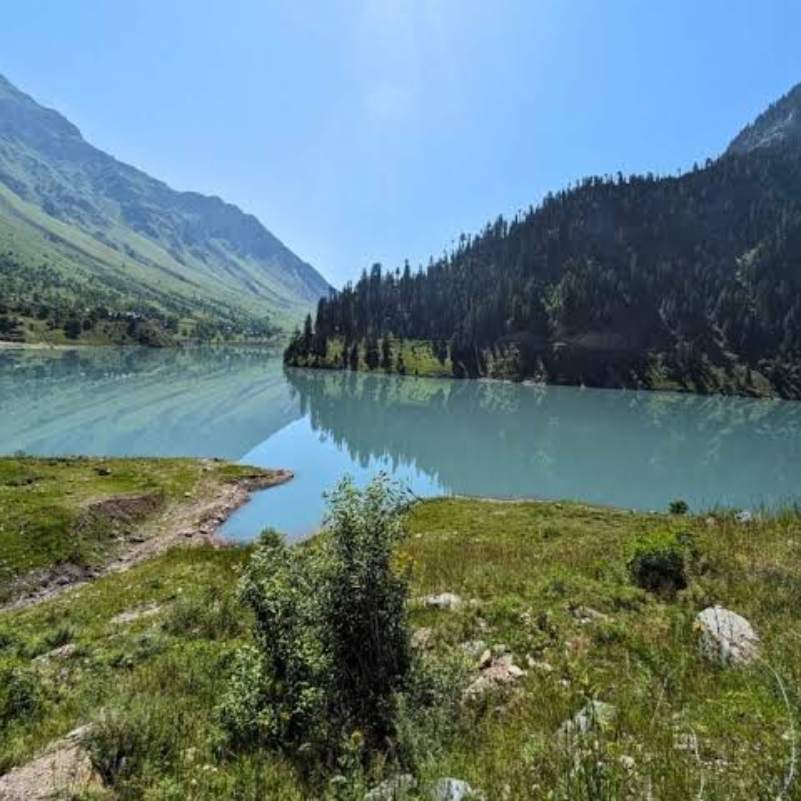
There is no single best month. It depends entirely on what you want to see.
Kashmir in spring from March to April
Cool weather, gardens waking up, blossoms and green starting to return.
The Srinagar Tulip Garden opening date and blooming period vary each year, so check the latest official announcement before planning your visit around the flowers.
If you are travelling for the flowers, book early. Those weeks fill up faster than any other spring period.
Kashmir in summer from May to June
Green landscapes, comfortable sightseeing and the easiest season for families.
Summer is also the busiest. Hotels, cabs and Gondola slots get harder to secure the closer you book.
Rafting was announced for Pahalgam and Sonamarg from the second week of May 2026, but daily operation still depends on official confirmation, weather and river conditions.
Kashmir from July to September
Green scenery, yes. But also rain, road disruption and changing traffic arrangements.
The Amarnath Yatra affects road movement and timing during the notified period, which matters even if you are not on the pilgrimage.
Check the J&K Traffic Police advisory and IMD forecasts shortly before each road journey. July and August are not dry months here.
Kashmir in autumn from October to November
Chinar leaves turn, evenings get cold and daylight shortens noticeably.
Carry layers. Afternoons can feel pleasant while mornings and evenings do not.
Peak autumn colour shifts every year, so do not lock exact dates expecting a specific look.
Kashmir in winter from December to February
This is the snow season, and Gulmarg skiing is the main draw.
Snowfall can delay roads, flights and activities. Keep at least one flexible day and make sure your transport is winter-ready.
Confirm room heating arrangements before you book, and ask whether heating carries an extra charge. Our team recommends getting that answer in writing.
How Can You Reach Kashmir in 2026?
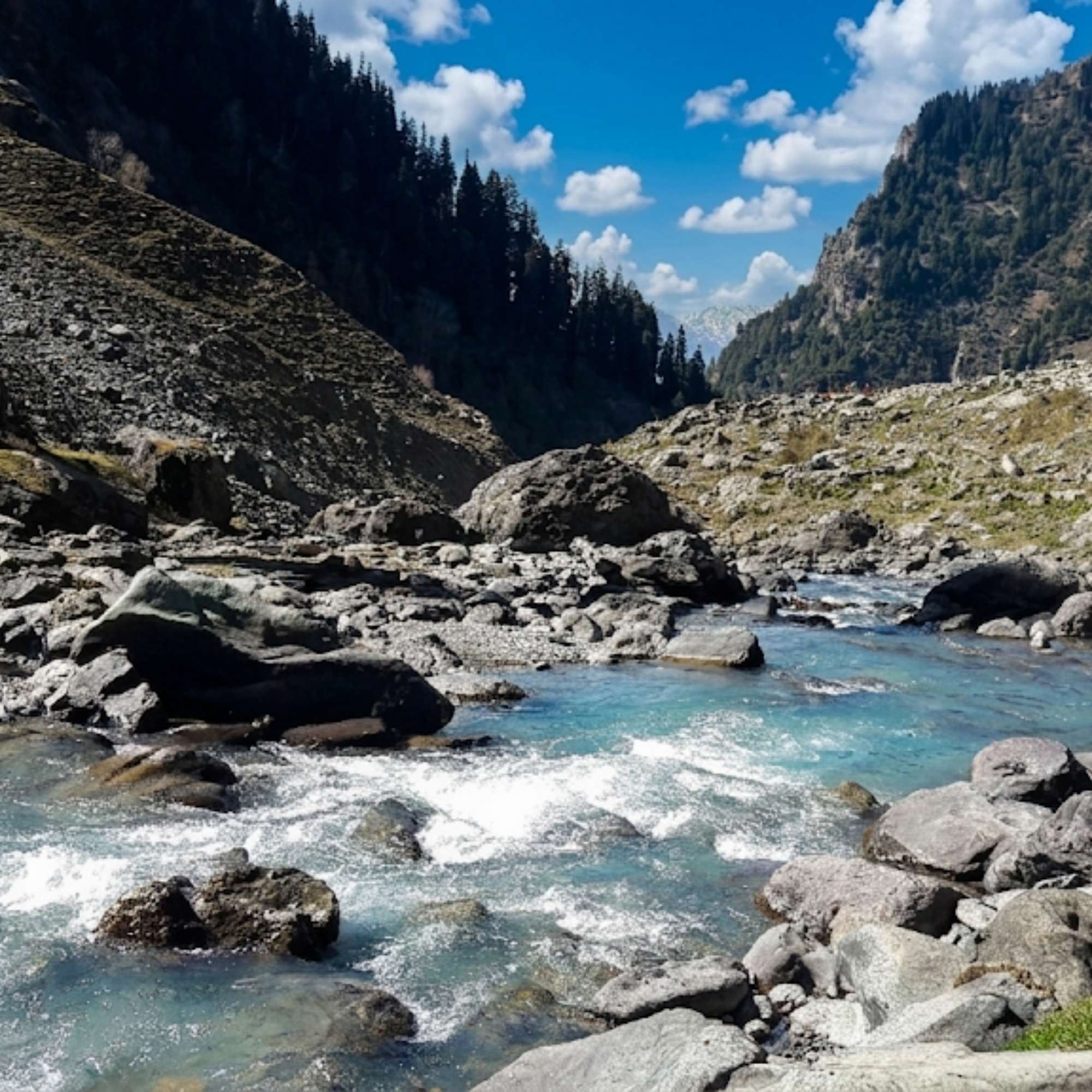
Reaching Kashmir by flight
Flying into Srinagar is usually the fastest option if your days are limited.
Compare baggage rules, cancellation conditions and arrival timings before booking, not just fares.
Keep day one free of any fixed long-distance excursion. A delayed flight should not cost you a paid activity.
Reaching Kashmir by train
Direct Vande Bharat service between Jammu Tawi and Srinagar began regular operation on May 2, 2026.
According to Northern Railway's May 2026 announcement, the journey covers about 267 kilometres in roughly four to five hours.
Train 26401/26402 runs six days a week except Tuesday.
The published schedule has Jammu departure at 6:20 AM and Srinagar arrival at 11:10 AM, with the return departing Srinagar at 2:00 PM and reaching Jammu at 6:50 PM.
Northern Railway also announced Train 26403/26404 as a second pair operating six days a week except Wednesday.
Schedules change. Verify the current timetable and seat availability on the official railway booking system before you plan a connection around it.
Reaching Kashmir by road
The Jammu to Srinagar road gets affected by weather, traffic controls, landslides and seasonal restrictions.
Check the J&K Traffic Police daily advisory on the morning you travel, not the week before.
Do not book a tight same-day flight or train connection after a long road transfer. That road does not respect schedules.
If you are unsure whether to fly, take the new train or come by road, send us your arrival details and we will structure the route around your actual landing time.
What Is a Realistic Seven-Day Kashmir Itinerary?
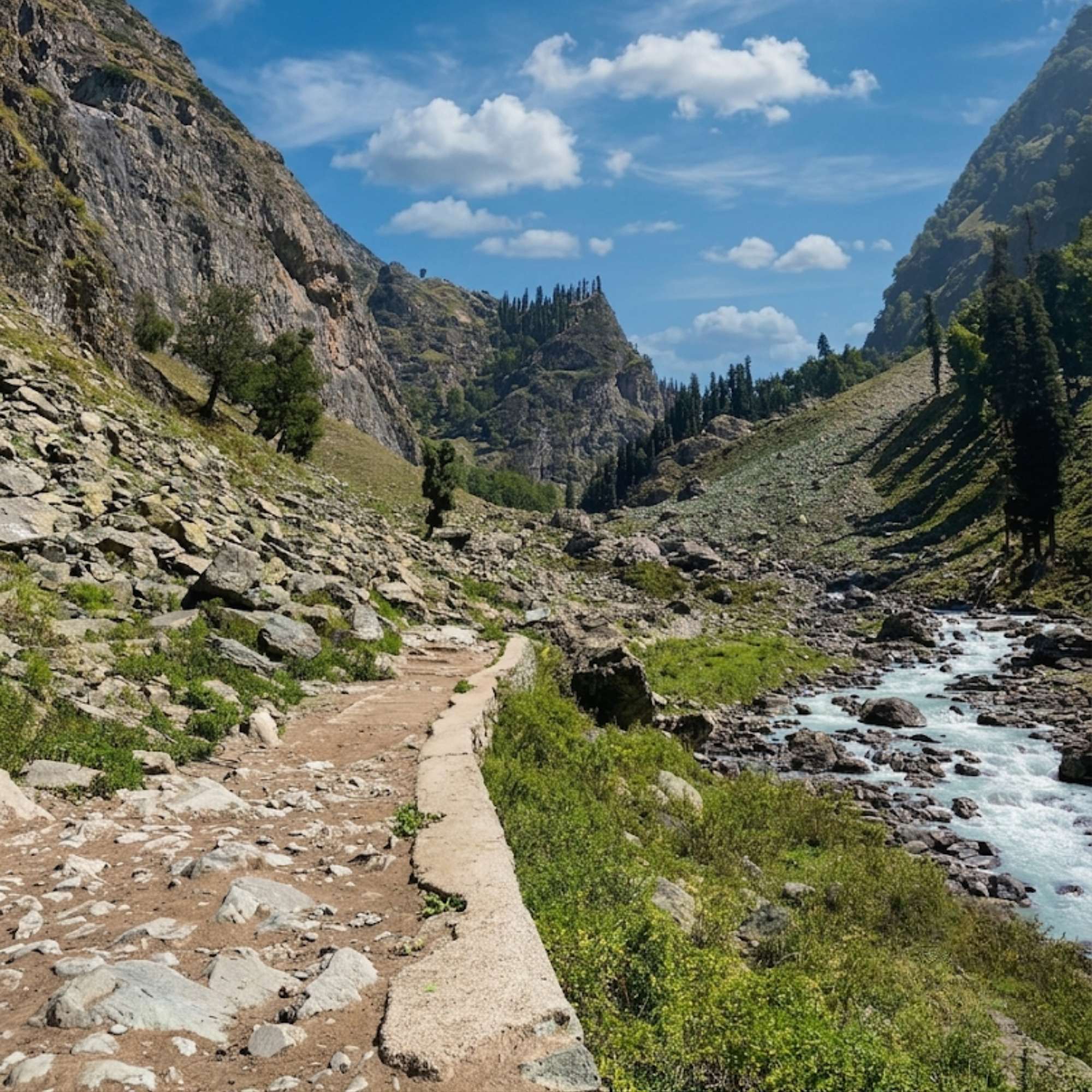
Day 1: Arrive in Srinagar
Check in, rest, and keep the day light.
If you land early enough, a lakeside walk or a Shikara ride is plenty. Nothing more.
Do not schedule Gulmarg, Sonamarg or Pahalgam on arrival day, however tempting the map looks.
Day 2: Explore Srinagar
Pick from the Mughal gardens, the old city, the Hazratbal surroundings, Dal Lake and the food you keep hearing about.
Choose based on opening status, your interests and available daylight. Trying to cover everything in Srinagar in one day means seeing none of it properly.
Here is a small local timing tip. Reach the gardens early in the morning before the tour buses arrive, and you get the same place with a fraction of the crowd.
Day 3: Visit Gulmarg
A day trip works for most first-time itineraries.
Start early and have your Gondola booking already done through the official portal.
Keep a weather-dependent alternative ready. The Gondola can stop for operational or weather reasons, and snow is not guaranteed every month.
Day 4: Travel to Pahalgam
Move to Pahalgam and keep the evening relaxed. The river and the walk along it are the point of this stop.
Confirm with your driver which stops and sightseeing points are included in the main cab before you set off.
Skip the long chain of roadside shopping stops on this drive if you want to reach Pahalgam with daylight left. Those same shops exist in Srinagar, usually cheaper.
Day 5: Explore Pahalgam
Aru Valley, Betaab Valley and Chandanwari are the usual sightseeing areas, subject to current access and local transport arrangements.
Confirm the route, vehicle, price, waiting time and included points before starting. Settle all of it before anyone gets in the car.
Local circuit rates and vehicle rules can change based on current local decisions, so confirm the latest arrangements in Pahalgam instead of relying on older online information.
Day 6: Return to Srinagar
Head back and use the remaining time for shopping, food, anything you missed, or a houseboat night.
This day doubles as your buffer. If weather ruined an earlier plan, this is where you recover it.
Day 7: Depart from Srinagar
Leave proper time for your airport or railway transfer.
Do not plan a distant excursion before a fixed departure. Check traffic and weather updates that morning.
You can adjust this shape easily. Sonamarg can replace a Srinagar sightseeing day, or you can add a day for it. What you should not do is squeeze Sonamarg into your departure morning.
How Can You Plan a Five-Day Kashmir Itinerary?
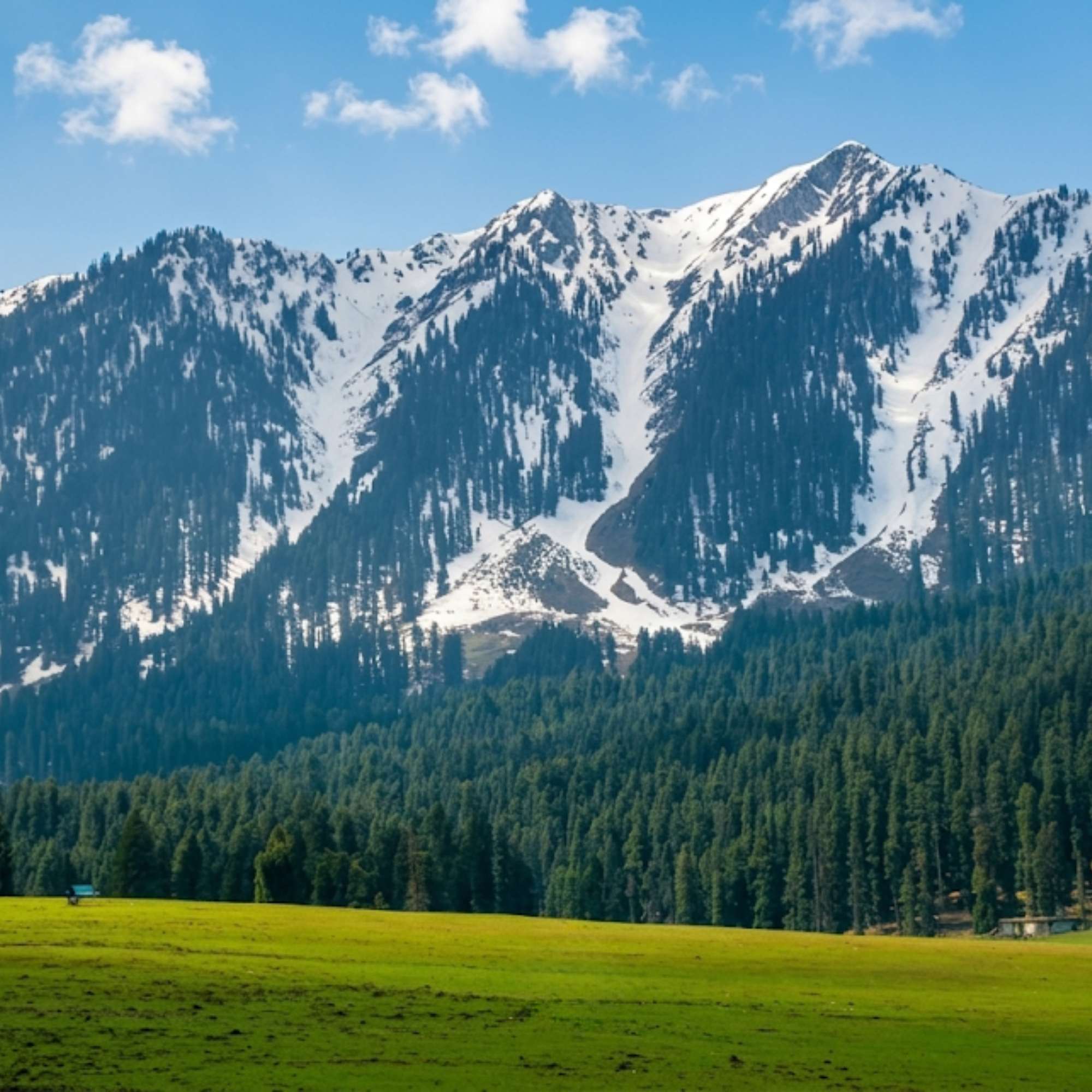
Arrive and settle into Srinagar on day one. Gulmarg on day two as a day trip. Transfer to Pahalgam on day three.
Day four covers Pahalgam sightseeing and your return planning, and day five is departure.
The exact order shifts depending on your departure timing, and this version leaves very little room for error.
Leave Sonamarg out unless you are willing to drop Gulmarg or Pahalgam entirely.
Five days suit travellers who want the major highlights and accept the pace. If you want slow mornings and long walks, add days instead.
How Should You Plan an Eight-to-Ten-Day Kashmir Trip?
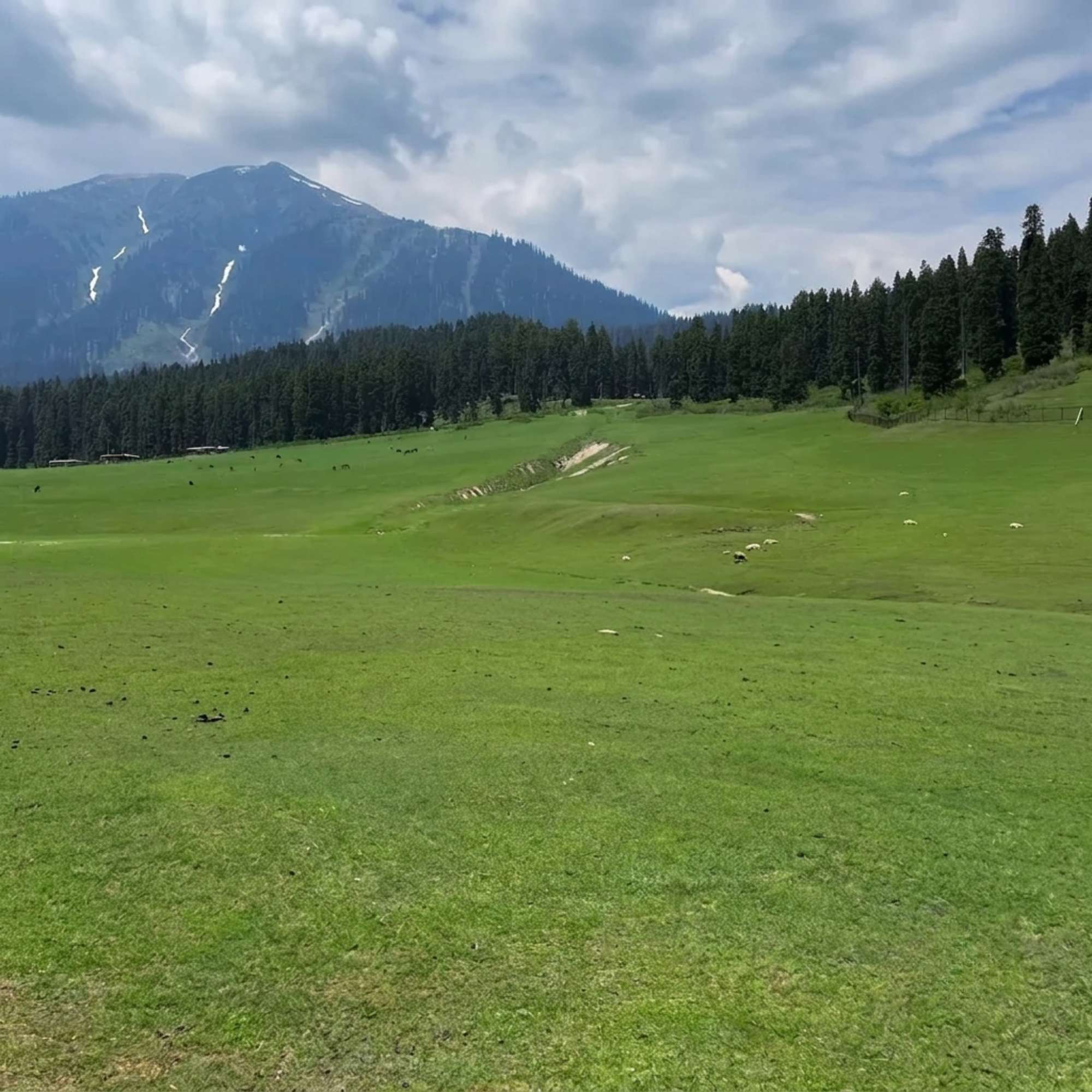
A longer trip lets you add a dedicated Sonamarg day, a second night in Pahalgam, an overnight stay in Gulmarg, or a quieter excursion like Yusmarg or Doodhpathri.
Access conditions, travel times and local transport requirements for Yusmarg and Doodhpathri can change, so confirm the latest arrangements before adding either excursion to your itinerary.
Keep at least one flexible day if you are travelling in winter or during the monsoon.
Extra days should improve your pace, not just add more hotel checkouts.
Should You Stay Overnight in Gulmarg?
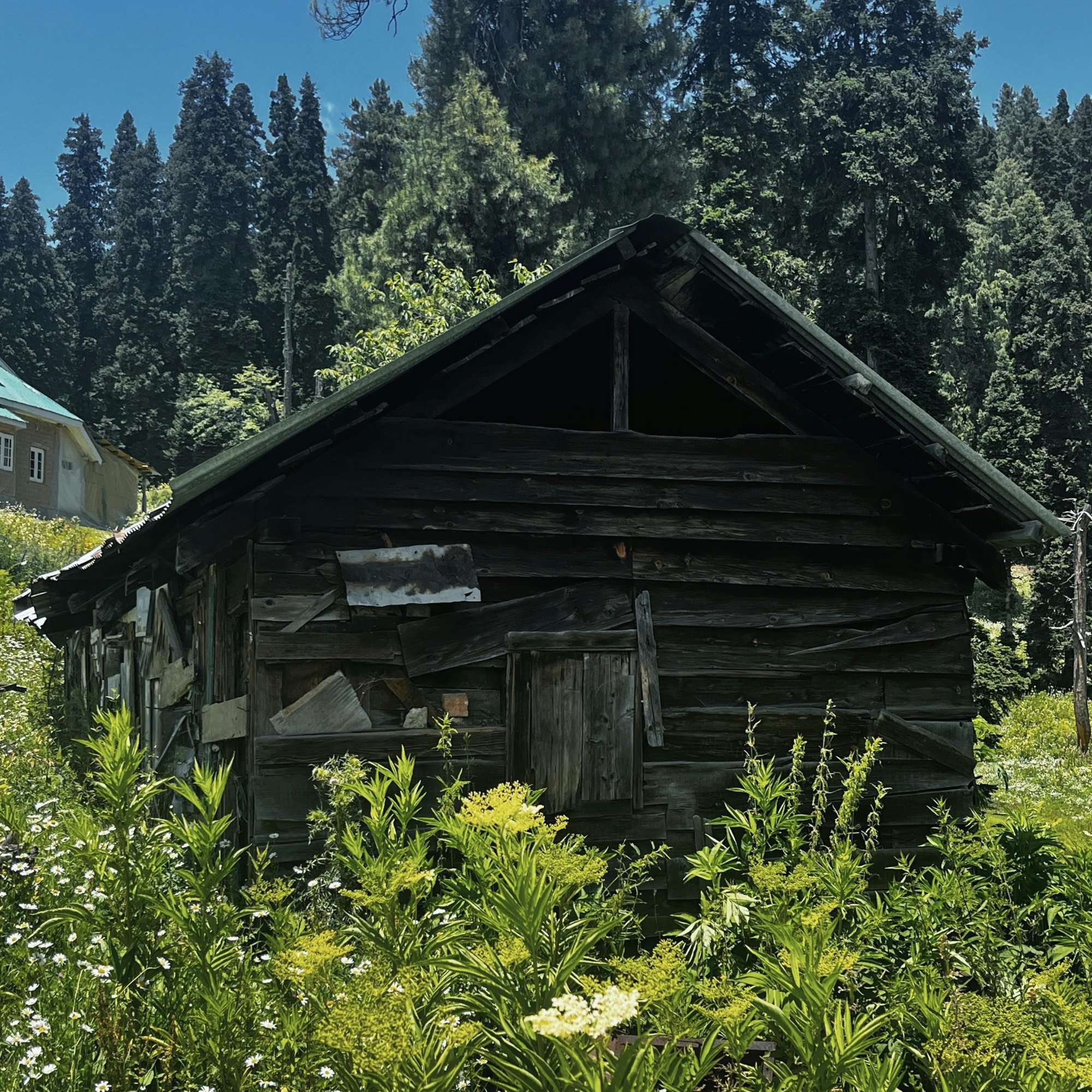
A day trip suits you if you mainly want the Gondola and some sightseeing without paying Gulmarg's accommodation rates.
An overnight stay makes sense for skiing, winter travel, photography, or if you simply want a slower mountain stay with an early start.
In winter, confirm snow conditions, road access, heating arrangements and whether the hotel is reachable by vehicle. Some properties involve a walk in deep snow.
Is a Kashmir Houseboat Stay Worth It?
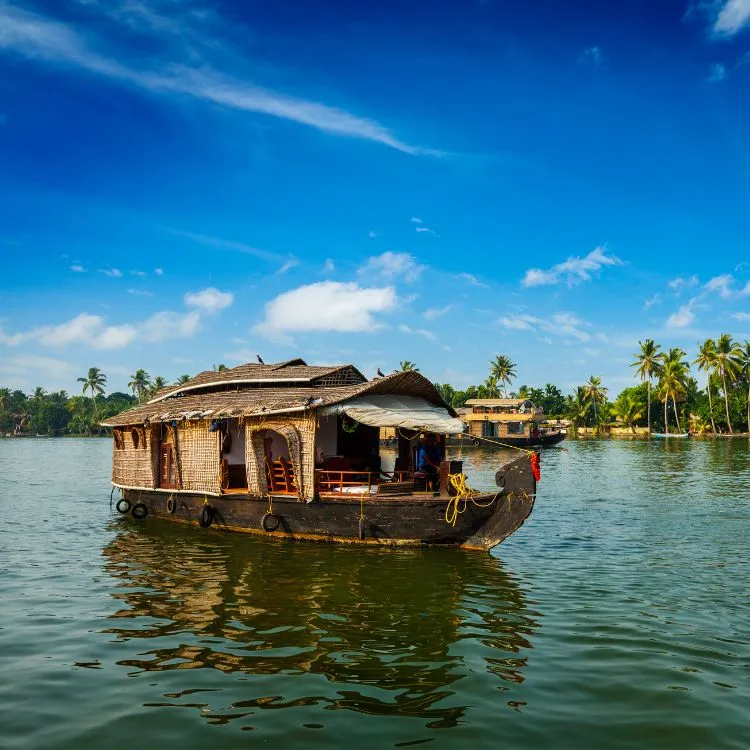
A houseboat is an experience worth having. It is not automatically the most convenient base for your entire Srinagar stay.
One night on the boat and the remaining nights in a road-accessible hotel usually gives you both the experience and the practicality.
Dal Lake and Nigeen Lake both have houseboats, and neither is universally better. They just feel different.
Confirm the exact location, the road-to-boat transfer, heating, meals, room access and the cancellation policy before paying.
The word "houseboat" tells you nothing about the property's condition or service. Two boats a hundred metres apart can be completely different stays.
How Much Does a Kashmir Trip Cost in 2026?
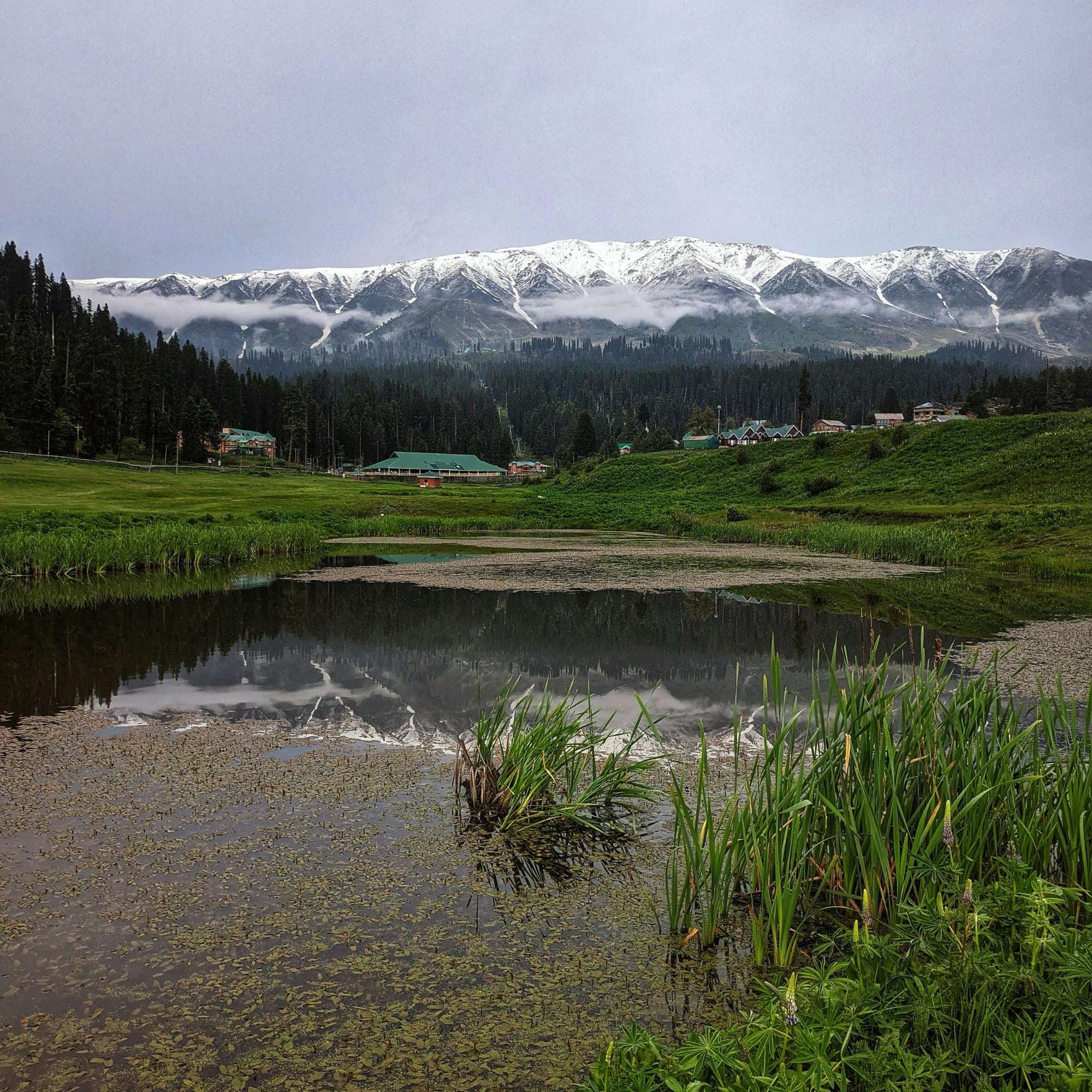
There is no single accurate Kashmir trip price. Anyone quoting one without asking your departure city, month, hotel category, group size, transport type and inclusions is guessing.
Broad market estimates
Published 2026 travel guides disagree with each other, which tells you something.
One 2026 guide estimates roughly ₹20,000 to ₹25,000 per person for a budget trip, ₹30,000 to ₹45,000 for mid-range and ₹50,000 or more for premium.
Another 2026 market guide estimates around ₹20,000 to ₹35,000 for budget travel, ₹35,000 to ₹55,000 for mid-range and ₹60,000 to ₹80,000 or more for luxury over five to seven days.
These are third-party market estimates, not Travel Coffee quotations.
Whether flights are included changes the total substantially, so always check that first when comparing.
Accommodation expenses
Prices move with season, destination, heating, hotel category and room occupancy.
Gulmarg gets expensive during snow season and peak summer. Pahalgam rates can climb during peak tourism and pilgrimage periods.
We do not quote nightly hotel rates without checking current availability, because a rate from last month often does not hold.
Transport expenses
A private cab may cover airport transfers and intercity travel without covering every destination-specific local sightseeing circuit.
Ask for a written inclusion list covering vehicle type, driver allowance, fuel, parking, tolls, airport transfers and local excursions.
Activity expenses
The Gulmarg Gondola, Shikara rides, skiing, sledging, pony rides and rafting usually sit outside your package.
Verify Gondola prices through the official portal rather than any agent's quote.
Expenses travellers often forget
Hotel heating charges, local taxi circuits, meals outside your room plan, guides, equipment rental, airport meals and cancellation costs.
This is where cheap packages stop being cheap. Our team recommends comparing packages by inclusions rather than choosing the lowest headline price.
How Does Local Transport Work in Kashmir?
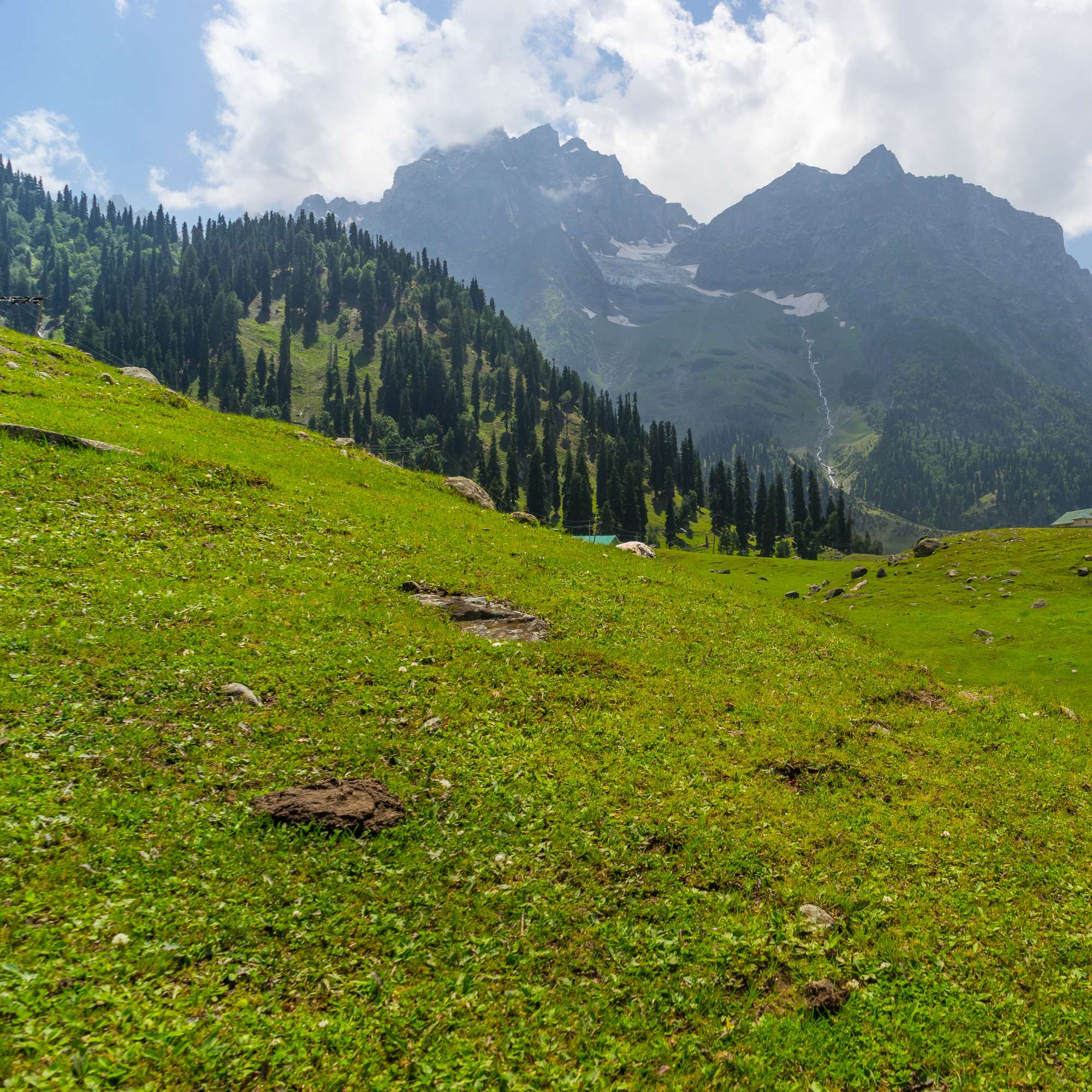
A private cab is the practical choice for a multi-destination trip, especially with families or heavy luggage.
Your main cab may not be authorised or included for every local sightseeing circuit. This surprises a lot of travellers mid-trip.
Pahalgam and some other destinations have separate local vehicle arrangements that you must check before travel.
Local taxi restrictions and fares can change, so confirm the latest rules and charges close to your travel date.
Request the complete route and inclusion list in writing before paying anything.
Confirm specifically whether airport transfers, waiting charges, parking, tolls, driver allowance and night halts are covered.
If you want help working out which vehicle covers your main circuit and where separate local transport applies, message us with your day-wise plan.
How Should You Book the Gulmarg Gondola?
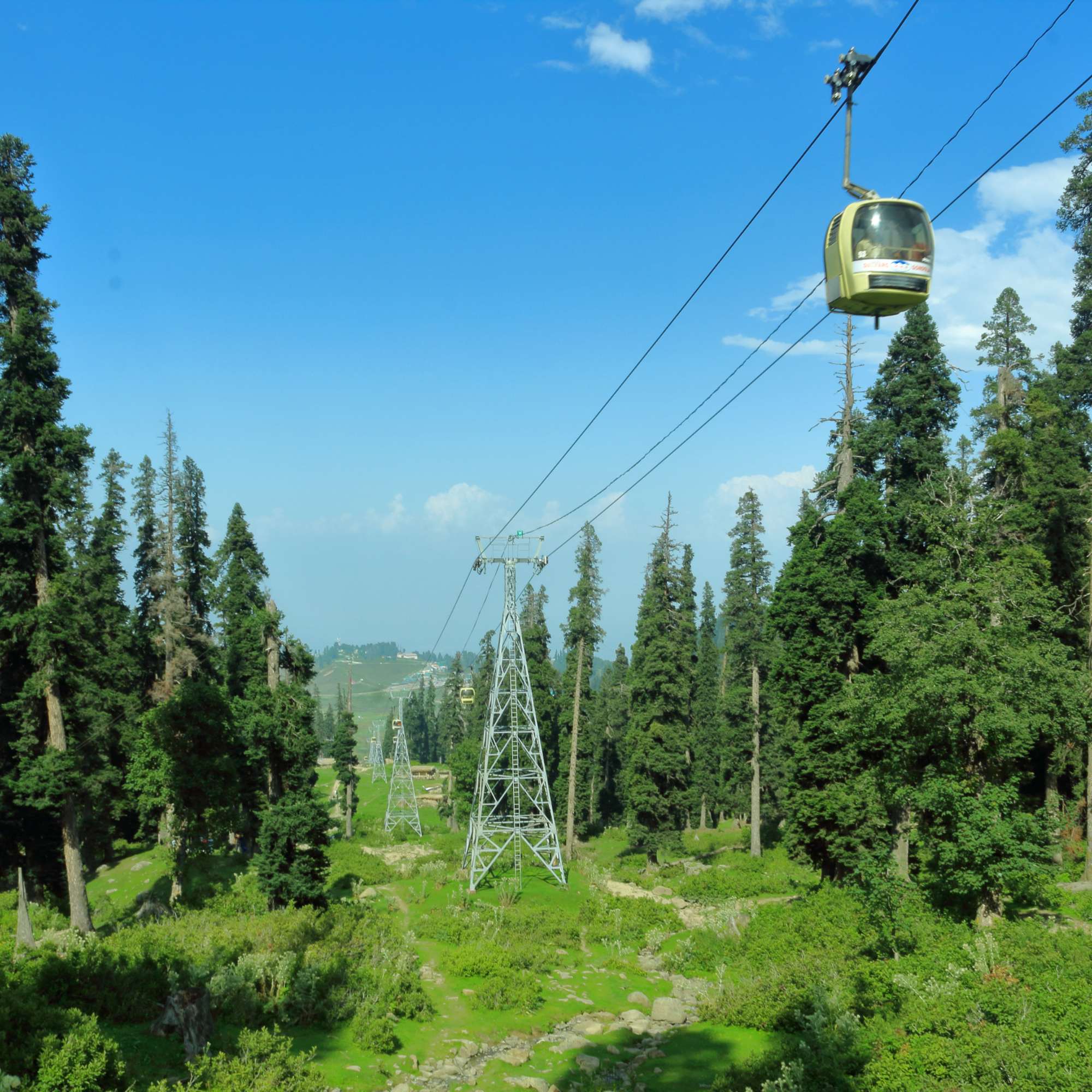
The Gulmarg Gondola is a two-stage ropeway system.
The J&K Cable Car Corporation advises tourists to book through its official ticketing domain and avoid touts.
The official portal is https://etickets.jammukashmircablecar.com
Check tickets, phase availability, operating status and maintenance notices through that portal only. This is the single most common place travellers get overcharged.
A booking does not guarantee clear visibility or snow. Weather changes on its own schedule.
Think about whether the higher phase suits your health, your children, senior travellers in your group and the day's conditions.
In What Order Should You Book a Kashmir Trip?
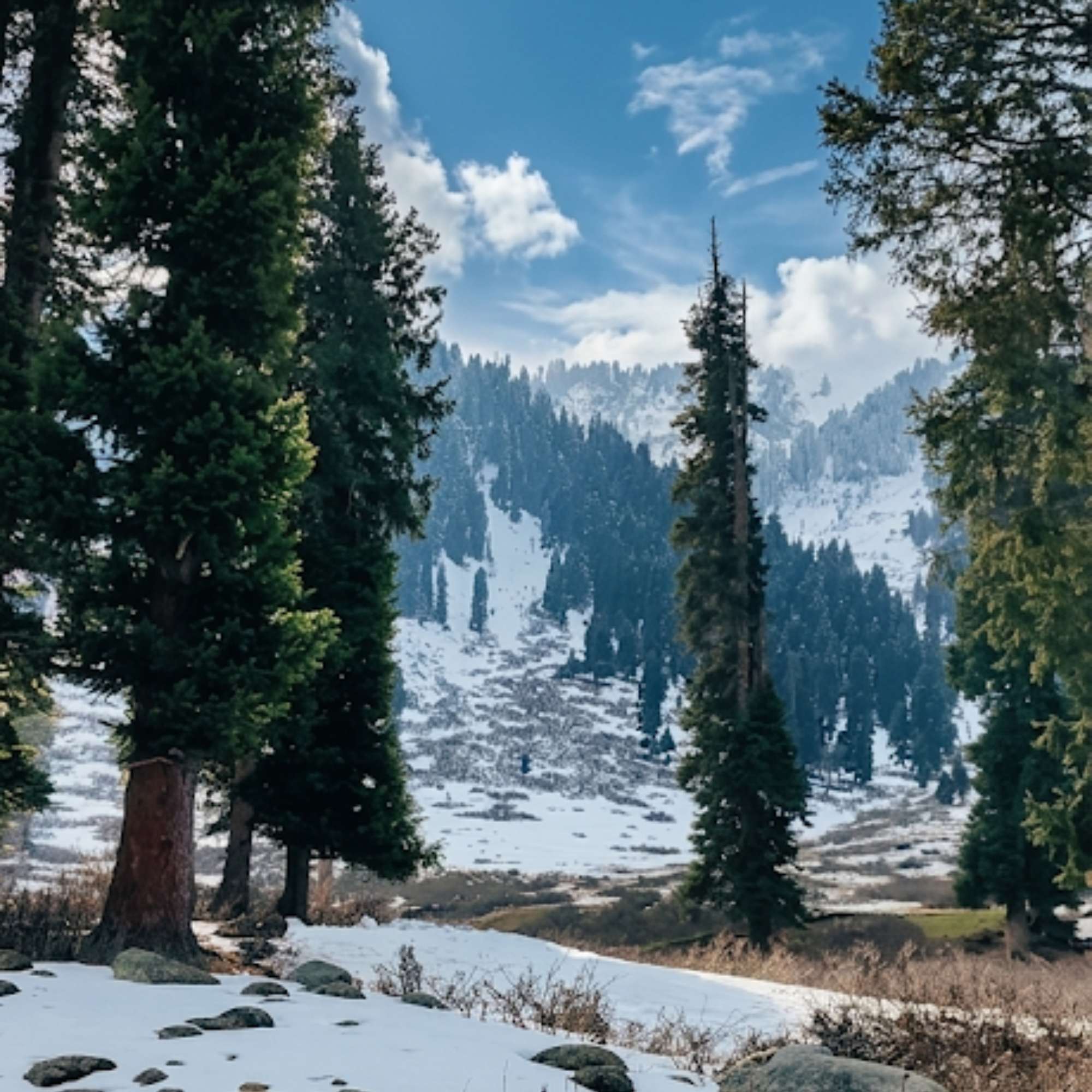
First, confirm how you will reach Kashmir
Your arrival and departure transport decides how much sightseeing time you actually have.
Check cancellation conditions and avoid tight connections at both ends.
Second, reserve the main accommodation
Confirm Srinagar first, then Pahalgam, then any Gulmarg overnight.
Check room heating, meals, accessibility and cancellation policies before paying.
Third, arrange intercity transport
Your cab quotation should match the complete day-wise route, not a rough outline.
Ask directly which local sightseeing vehicles are additional.
Fourth, reserve limited-capacity activities
The Gulmarg Gondola and season-dependent adventure activities fill up.
Check official operating status again closer to the activity date.
Fifth, reconfirm conditions before departure
Check weather, road status, traffic advisories and whether your activities are operating.
We usually suggest reconfirming the route a few days before arrival rather than assuming an itinerary made months earlier will operate unchanged.
Do Tourists Need Permits for Kashmir?
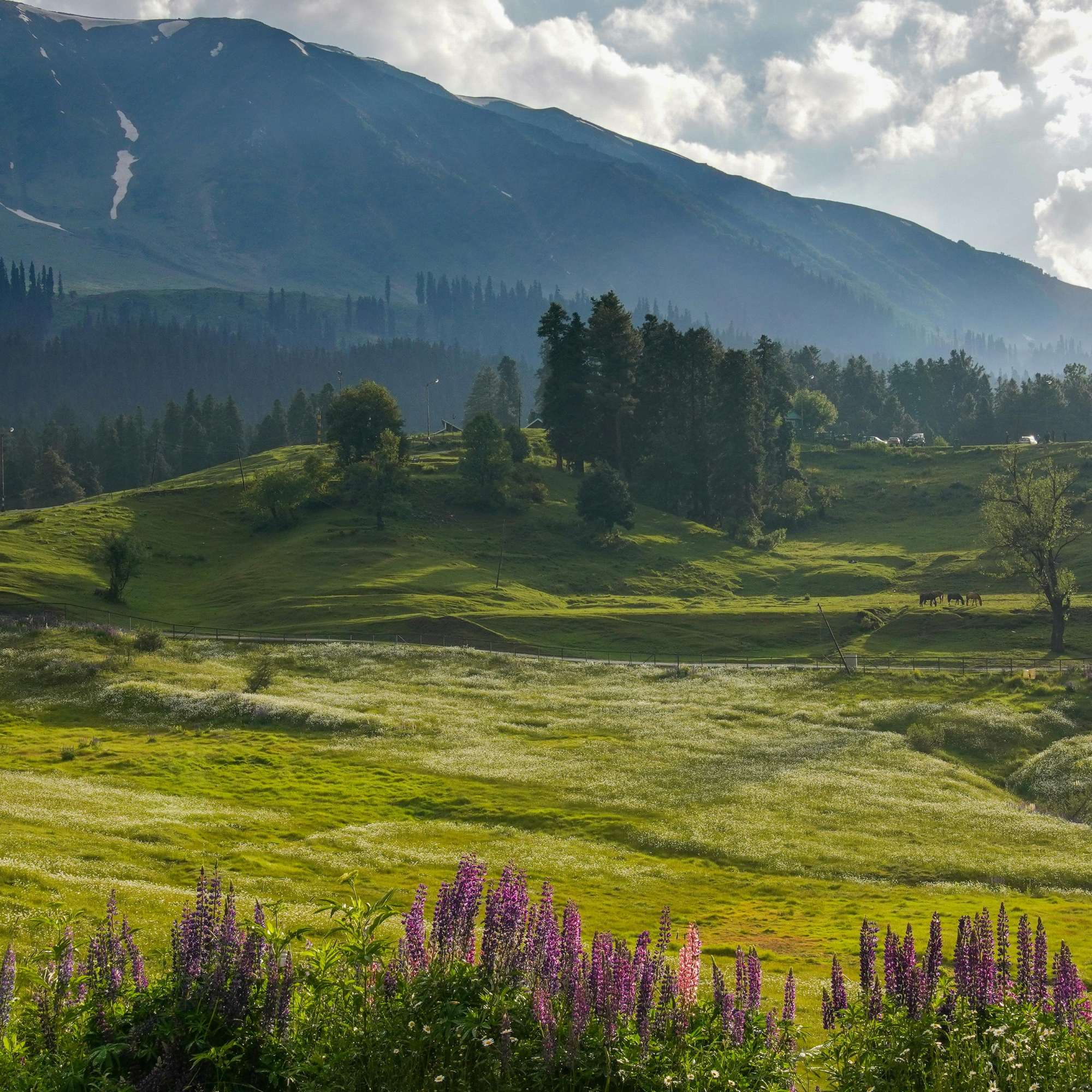
No verified source has been supplied here for a blanket 2026 permit statement covering every nationality, route and activity.
Ordinary sightseeing on the main tourist circuit may not involve the same permissions as border areas, treks, fishing, drone use or restricted routes. The exact rule still needs checking for your specific plan.
Indian citizens travelling on the standard Srinagar, Gulmarg, Pahalgam and Sonamarg circuit should confirm whether any route specific identification or permission requirements apply to their dates.
Foreign nationals should check the latest registration and restricted area requirements before finalising their itinerary.
Border areas, trekking routes, fishing, camping and drone photography may require separate permissions, so confirm the rules for each planned activity in advance.
Carry government-issued identification, your hotel details and offline copies of major bookings regardless.
What Kashmir Travel Updates Matter in 2026?
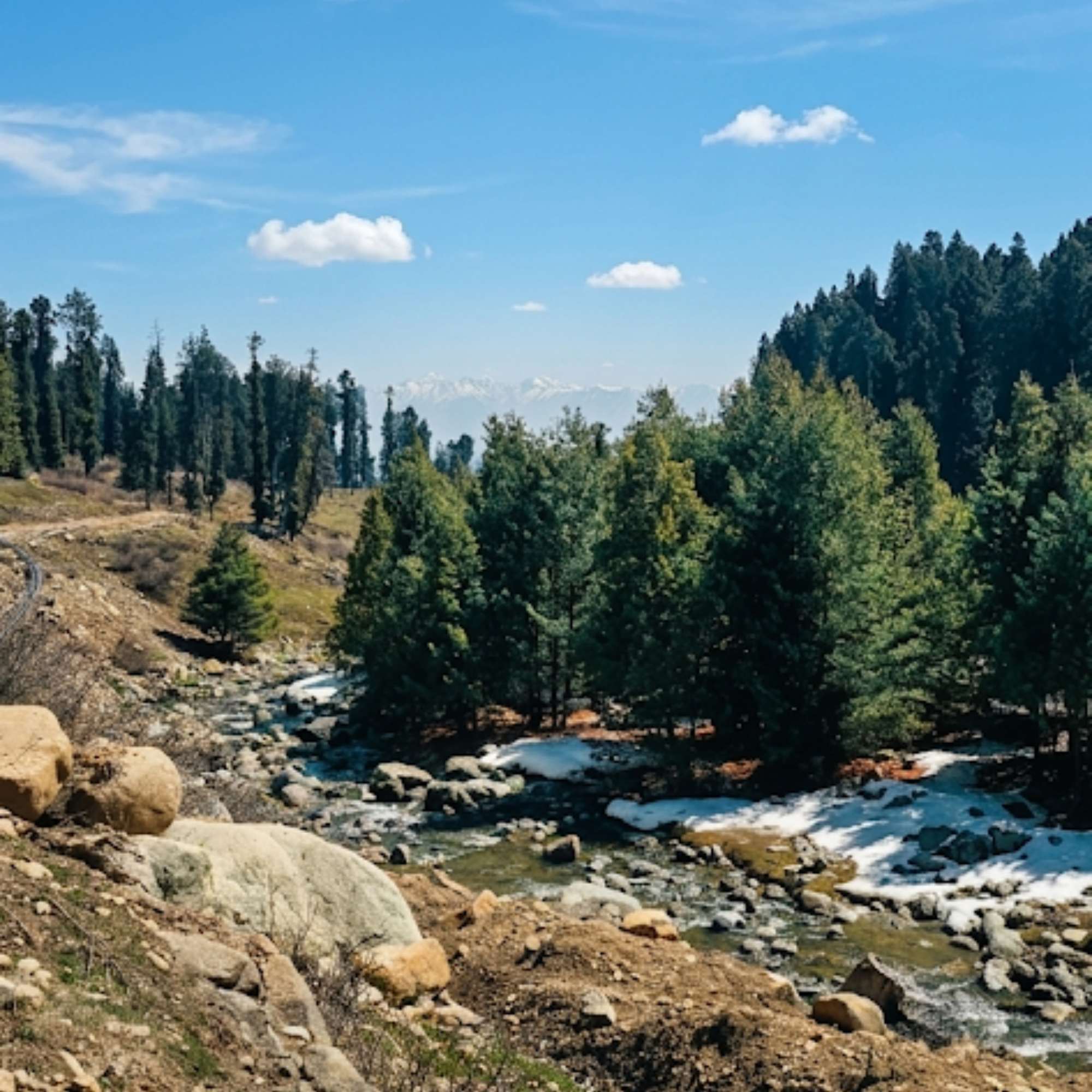
Direct Jammu to Srinagar Vande Bharat
Regular direct service began on May 2, 2026, covering about 267 kilometres in roughly four to five hours according to Northern Railway's announcement.
Verify the current schedule when you book, because operational timetables change.
Official Gulmarg Gondola booking
Book only through the official J&K Cable Car Corporation ticketing portal. The corporation itself warns tourists against touts.
Operating conditions and tariffs must be checked live.
Amarnath Yatra traffic restrictions
The J&K Traffic Police advisory for Shri Amarnath Ji Yatra 2026 is valid from July 2, 2026 to August 28, 2026.
During this period, the advisory tells yatris and tourists to travel within the Kashmir Valley only between 7:00 AM and 6:00 PM.
Published cutoffs include 3:30 PM for tourist vehicles from Pahalgam towards Jammu or Srinagar, and 4:00 PM from Sonamarg towards Srinagar.
From Gulmarg towards Srinagar the published cutoff is 5:00 PM, and from Srinagar towards Gulmarg it is also 5:00 PM.
Read the latest daily traffic advisory anyway. Temporary orders, weather and security arrangements can override the seasonal advisory.
These timings apply to the stated 2026 validity period only.
Rafting announcement for 2026
The official J&K Cable Car Corporation website announced rafting in Sonamarg and Pahalgam from the second week of May 2026.
Daily availability depends on weather, water levels, safety clearances and local operations. Confirm the latest prices and operating hours before travelling.
Weather and road conditions
Treat your Kashmir itinerary as flexible during snowfall and heavy rain.
Check IMD Srinagar forecasts and J&K Traffic Police notices immediately before long road transfers.
As an example of why this matters, a heavy-rain warning was in effect on July 22, 2026. That is a dated example, not a permanent condition, which is exactly the point about live verification.
Is Kashmir Safe for Tourists?
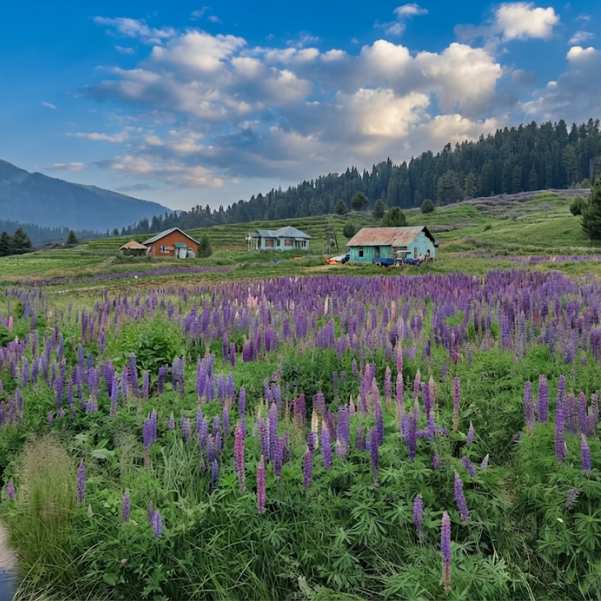
Kashmir receives tourists regularly, and the standard circuit is well travelled. Security conditions can still change.
Review current government, local administration and traffic advisories close to your travel date.
Follow security instructions, stay out of closed or restricted areas, and keep someone at home or your tour coordinator informed of your daily route.
Avoid unnecessary late-night intercity movement. Beyond security, mountain roads at night are their own risk.
Weather and road safety deserve the same attention as security conditions when you plan your days.
What Should You Pack for Kashmir?
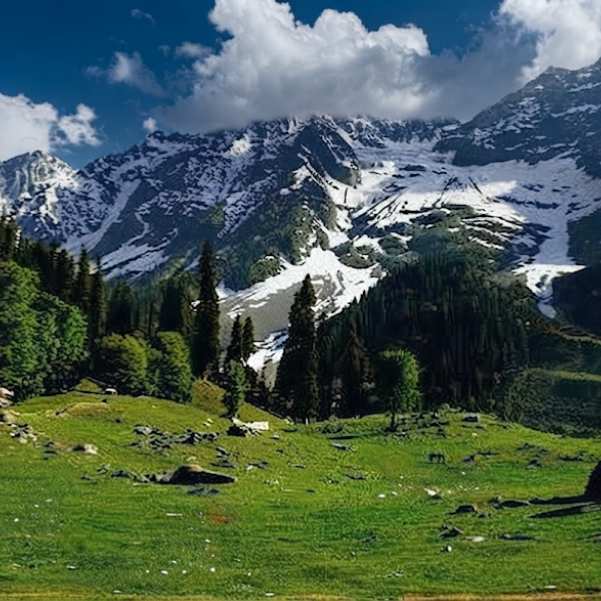
Packing for spring and autumn
Layers, a warm outer jacket, comfortable walking shoes and rain protection.
Mornings and evenings feel much colder than afternoons. A single fleece will not cover both.
Packing for summer and monsoon
Light clothing, one warm layer, rain protection and waterproof storage for your phone and camera.
Carry essential medicines and leave spare time in the itinerary for rain delays.
Packing for winter
Thermals, an insulated jacket, gloves, warm socks and waterproof footwear.
Snow equipment may be available to rent locally, but availability and prices vary by destination and season, so confirm both before relying on rental gear.
Sunscreen and sunglasses matter more than people expect in snow. Carry identification, a power bank and offline copies of your bookings.
How Should Families and Senior Citizens Plan Kashmir?
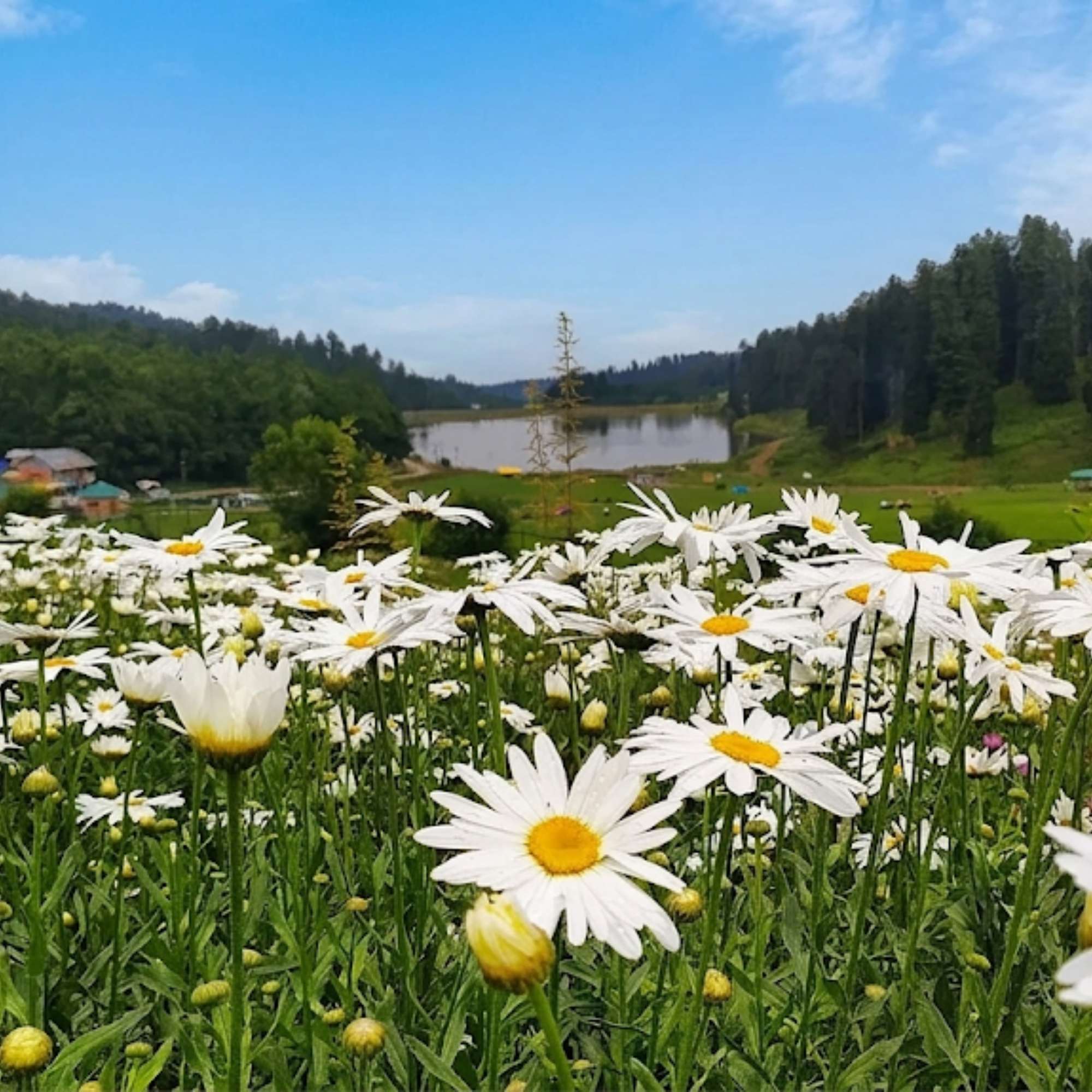
Go slower with fewer hotel changes. Every checkout with elderly parents or small children costs more energy than the drive itself.
Avoid a long drive immediately after arrival.
The Gondola's higher sections, snow surfaces and long sightseeing days do not suit every traveller.
Check walking requirements, vehicle access to the hotel, room heating, stairs and any medical needs before booking.
Keep one flexible day. Anyone with health concerns should speak to their doctor before high-altitude activities.
What Mistakes Should First-Time Kashmir Travellers Avoid?
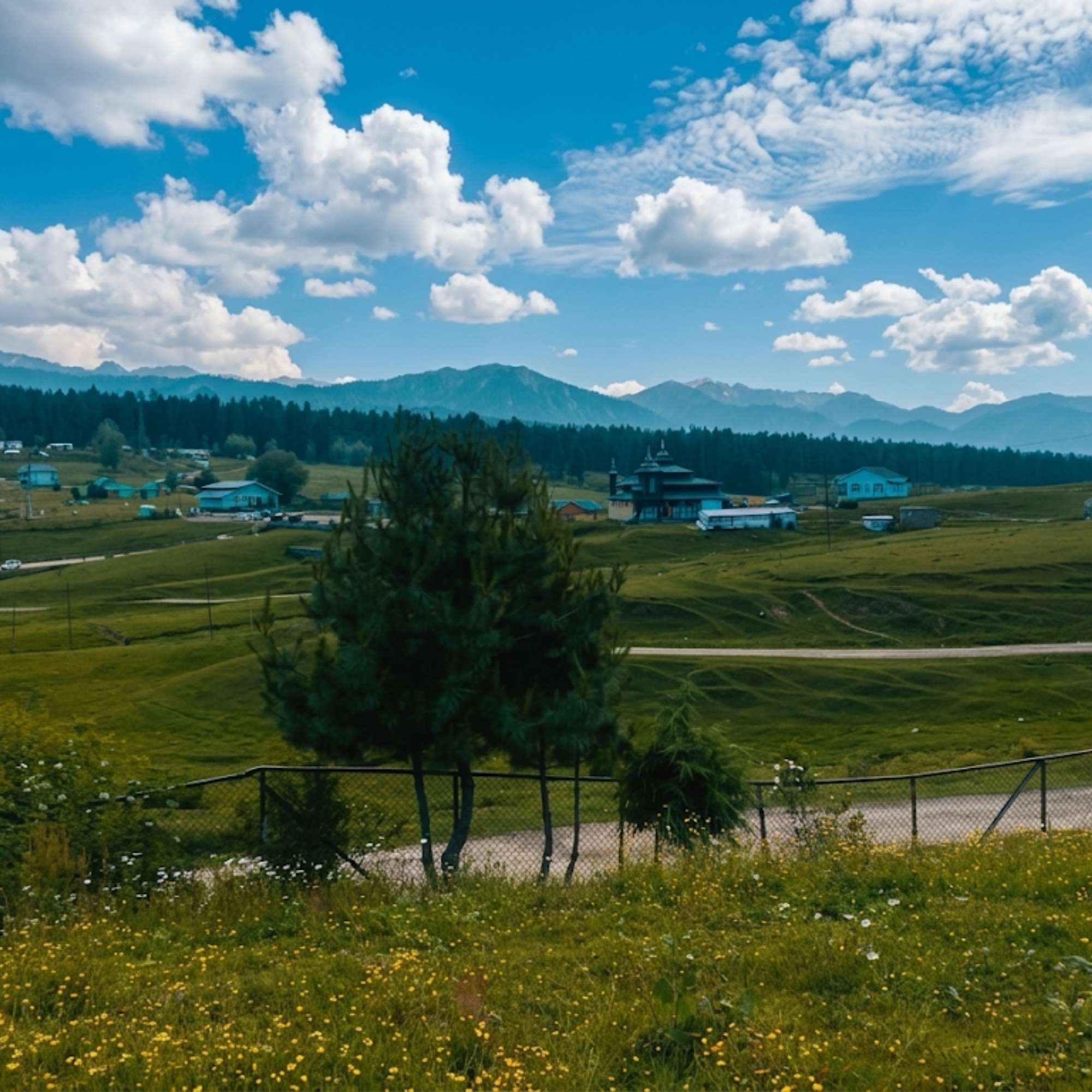
Trying to fit Srinagar, Gulmarg, Pahalgam and Sonamarg into a very short trip. You end up remembering the car more than the places.
Changing hotels every night. The packing and checking out eats your holiday.
Assuming the main cab covers all local sightseeing. It often does not.
Buying Gondola tickets from unofficial agents instead of the official portal.
Using old screenshots as proof of current prices. Rates and rules change every season.
Booking non-refundable activities without checking weather and cancellation policies.
Planning a distant excursion on arrival or departure day.
Assuming snow is guaranteed in every winter week. It is not.
Ignoring the Amarnath Yatra traffic plan during the notified period, then losing hours to cutoff timings.
Comparing packages only by total price without reading the inclusions.
Can You Combine Kashmir and Ladakh in One Trip?
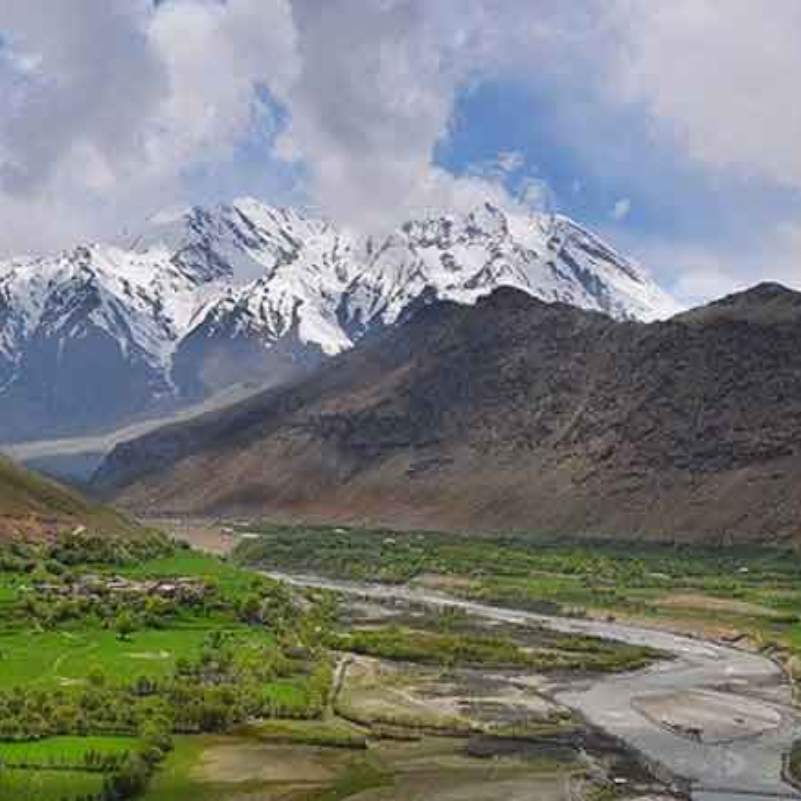
Kashmir and Ladakh are different landscapes, different road conditions and a completely different travel pace.
Combine them only if you have enough days and a properly planned route. Altitude adjustment becomes a real consideration once you enter Ladakh.
Do not convert a seven-day Kashmir holiday into a rushed Kashmir and Ladakh circuit. You will enjoy neither.
If Ladakh is what you actually want, explore Leh Ladakh tour packages and plan it as its own trip.
Is Kashmir Better Than Manali or Spiti for Your Trip?
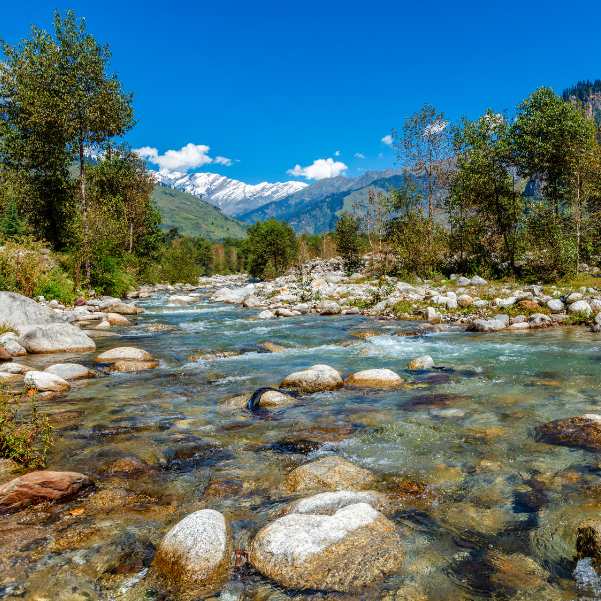
Kashmir suits you if you want lakes, gardens, broad valleys, houseboats and a route linking Srinagar, Gulmarg and Pahalgam.
Manali suits travellers who want a familiar hill-station base with adventure activities close by. You can explore Manali tour packages if that sounds closer to your plan.
Spiti is a rugged high-altitude road journey and should not be treated as the same kind of holiday. If that appeals, explore Spiti Valley tour packages instead.
None of these is better than the others. They are different trips for different moods.
Final Kashmir Trip Planning Checklist
Start with your season and trip length, then lock your arrival transport, because everything downstream depends on when you land.
Fix your route next, then hotels, then your houseboat location if you want one, then your cab with a written inclusion list.
Sort out local sightseeing transport separately from the main cab, book the Gondola through the official portal, and reconfirm activity status closer to your dates.
Check weather and traffic advisories before every long transfer, and keep digital plus offline copies of all your bookings.
Explore Our Curated Kashmir Tours Packages
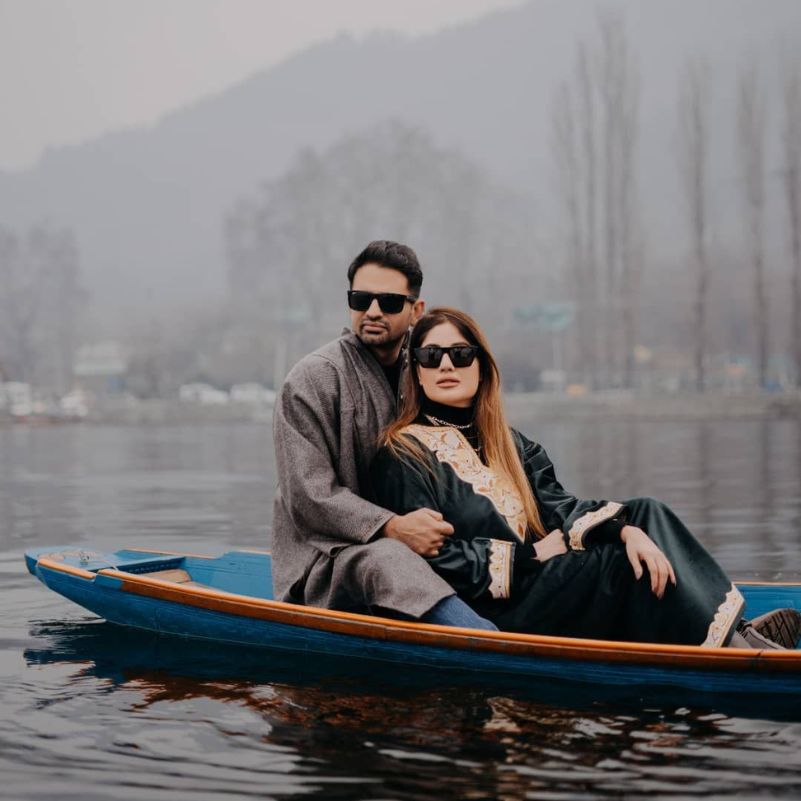 5D/4N
5D/4NKashmir Honeymoon Experience – Srinagar, Gulmarg & Pahalgam
5D Srinagar•1D Pahalgam+1
₹12,999/ person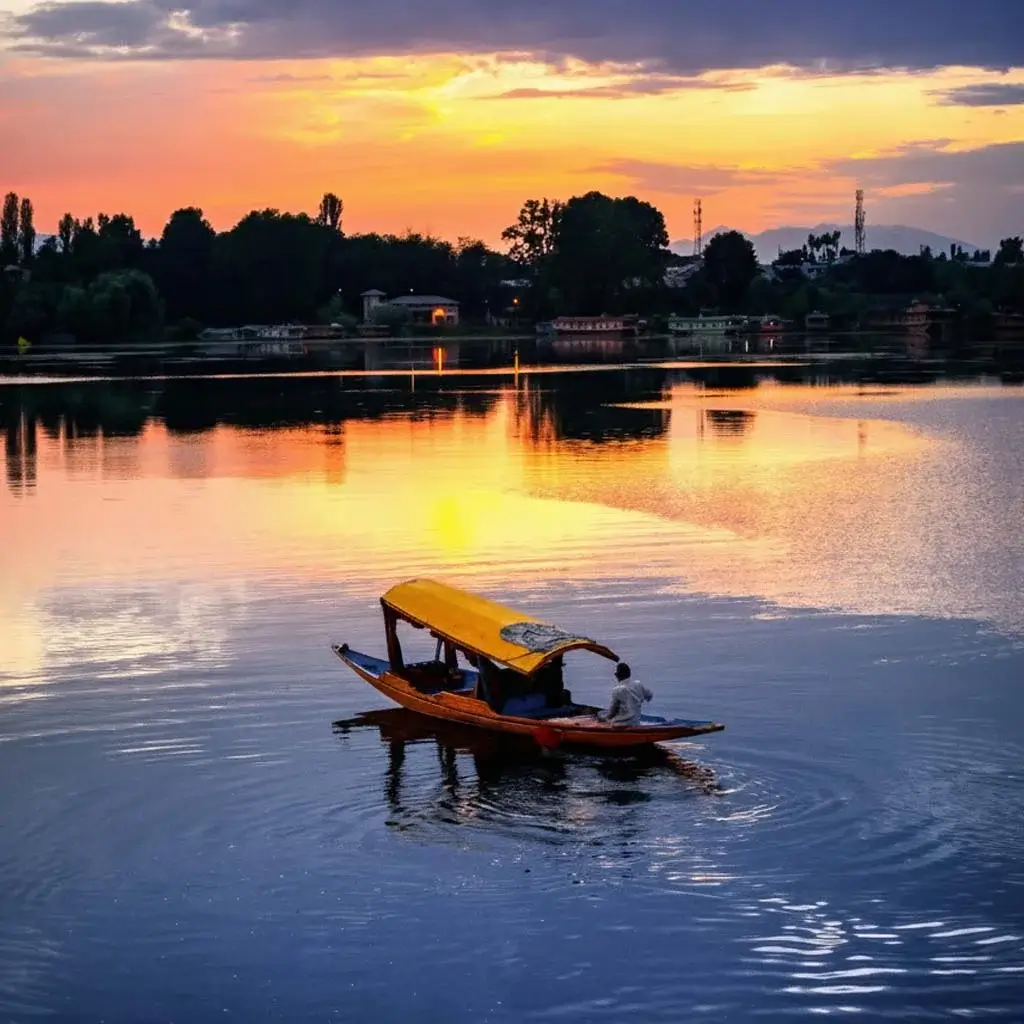 4D/3N
4D/3NThe Perfect 4 Day Kashmir Getaway
4D Srinagar•1D Gulmarg+1
₹8,999/ person 5D/4N
5D/4NBest Of Kashmir – Srinagar, Gulmarg & Pahalgam Tour Package
5D Srinagar•1D Pahalgam+1
₹8,999/ person
Related topics
Frequently Asked Questions
How many days are enough for a Kashmir trip?
Seven days work well for most first-time travellers covering Srinagar, Gulmarg and Pahalgam with a buffer day. Five days can cover the highlights but feel compact, with little room for weather delays. Eight to ten days let you add Sonamarg, Yusmarg or an extra Pahalgam night at a slower pace. The right number depends on your group, the season and how much driving you are willing to do.
Is five days enough for Srinagar, Gulmarg and Pahalgam?
Yes, but it will be tight. A workable five-day plan gives you Srinagar on day one, Gulmarg on day two, a transfer to Pahalgam on day three, Pahalgam sightseeing on day four and departure on day five. You will likely need to shorten Srinagar sightseeing or limit Pahalgam to one night. Leave Sonamarg out unless you drop Gulmarg or Pahalgam.
What is the best seven-day Kashmir itinerary?
Arrive and rest in Srinagar, spend a full day exploring Srinagar, take a day trip to Gulmarg, transfer to Pahalgam, spend a day on the Pahalgam valleys, return to Srinagar, and depart on day seven. Srinagar stays as your base at both ends. The day-six return doubles as a buffer if weather affected anything earlier in the week.
Which month is best for visiting Kashmir?
There is no single best month. Spring brings gardens and blossoms, summer brings green landscapes and easy family travel, autumn brings chinar colour and cooler evenings, and winter brings snow and Gulmarg skiing. July to September can bring rain and road disruption. Pick the month that matches the experience you want rather than following a generic recommendation.
Should I stay overnight in Gulmarg or take a day trip?
A day trip suits most first-time travellers who mainly want the Gondola and some sightseeing without paying Gulmarg accommodation rates. An overnight stay makes sense for skiing, photography or a slower mountain morning. In winter, confirm snow conditions, road access, heating and whether your hotel is reachable by vehicle before booking.
How many nights should I spend in Pahalgam?
One or two nights. Two nights let you enjoy the Lidder River and the valley excursions without rushing, which is the whole reason to make the drive. One night works in a compact five-day plan but leaves little time for Aru, Betaab or Chandanwari. A quick photo stop wastes the journey entirely.
Can Sonamarg be covered as a day trip from Srinagar?
Yes, Sonamarg is commonly done as a separate day excursion from Srinagar. It can also work as an overnight stop in a longer itinerary. Do not squeeze it into an already busy week just to add a destination, and never plan it for your departure morning. Check road access and seasonal activity status before you go.
Is a houseboat stay in Srinagar worth it?
It is worth doing once, but it is not always the most convenient base for your whole Srinagar stay. One night on a houseboat and the rest in a road-accessible hotel usually gives you both. Confirm the exact location, road-to-boat transfer, heating, meals, room access and cancellation policy first. The word "houseboat" alone tells you nothing about quality.
How can I book the Gulmarg Gondola?
Book through the official J&K Cable Car Corporation ticketing portal at etickets.jammukashmircablecar.com. The corporation warns tourists against buying from touts or unofficial sellers. Check phases, operating status and maintenance notices on the same portal, and verify current fares there rather than trusting quoted rates. A booking does not guarantee clear weather or snow.
Can I travel directly from Jammu to Srinagar by train in 2026?
Yes. Regular direct Vande Bharat service between Jammu Tawi and Srinagar began on May 2, 2026. Northern Railway describes the journey as around 267 kilometres taking roughly four to five hours. Train 26401 departs Jammu at 6:20 AM and reaches Srinagar at 11:10 AM, with 26402 leaving Srinagar at 2:00 PM. Verify the current timetable before booking.
Do tourists need a permit to visit Kashmir?
The exact 2026 requirements need verification for your specific nationality, route and activities. Ordinary sightseeing on the main circuit may not involve the same permissions as border areas, treks, angling, camping or drone photography. Do not assume no permit is needed anywhere. Carry government identification, hotel details and offline booking copies, and confirm your specific plan before travelling.
More about Kashmir
 Kashmir
Kashmir Taxi Guide 2026: Local Union Rules, Cab Routes & Current Fare Logic
Planning to use taxis in Kashmir in 2026? Understand local union rules, popular cab routes, sightseeing restrictions and how taxi fares are generally structured across Srinagar, Gulmarg, Pahalgam and Sonamarg.
 Kashmir
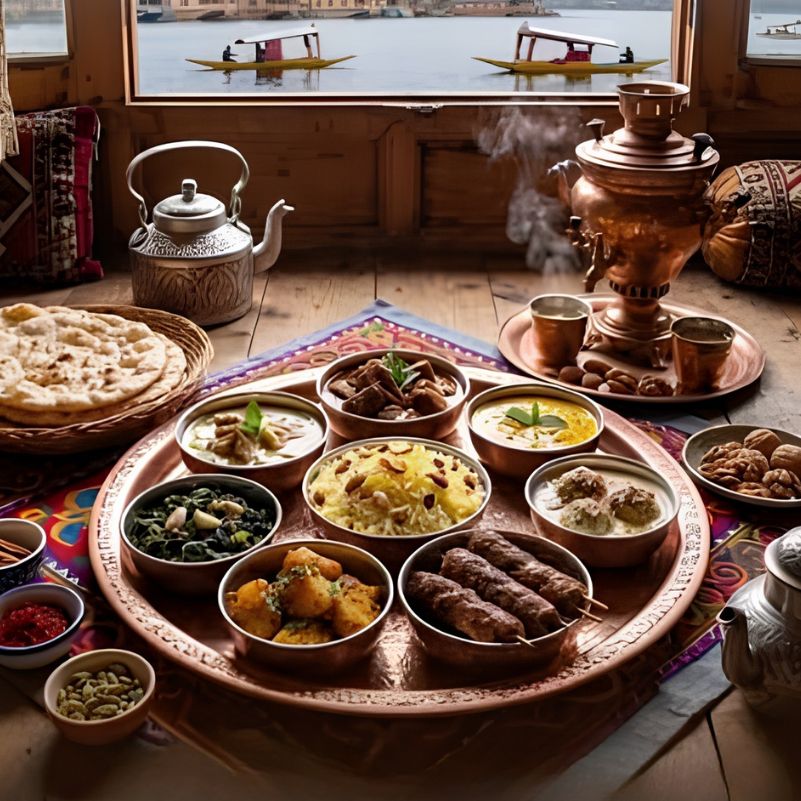
Kashmiri Food Guide 2026: What to Eat in Srinagar, Pahalgam & Gulmarg
Discover what to eat in Kashmir in 2026, from traditional Kashmiri dishes and Wazwan to local snacks, breads and drinks. This guide covers food experiences in Srinagar, Pahalgam and Gulmarg for first time visitors.
- Things to Do
- Places to Visit
 Kashmir
SIM Cards in Kashmir 2026: Internet, ATMs, IDs & Tourist Essentials
Travelling to Kashmir in 2026? Learn about SIM card access, mobile internet, ATM availability, accepted ID documents and other essentials tourists should arrange before visiting Srinagar, Gulmarg, Pahalgam and Sonamarg.
- First-Time Travellers