
15 Hidden Places in Udaipur Beyond the Usual Tourist Circuit (2026)
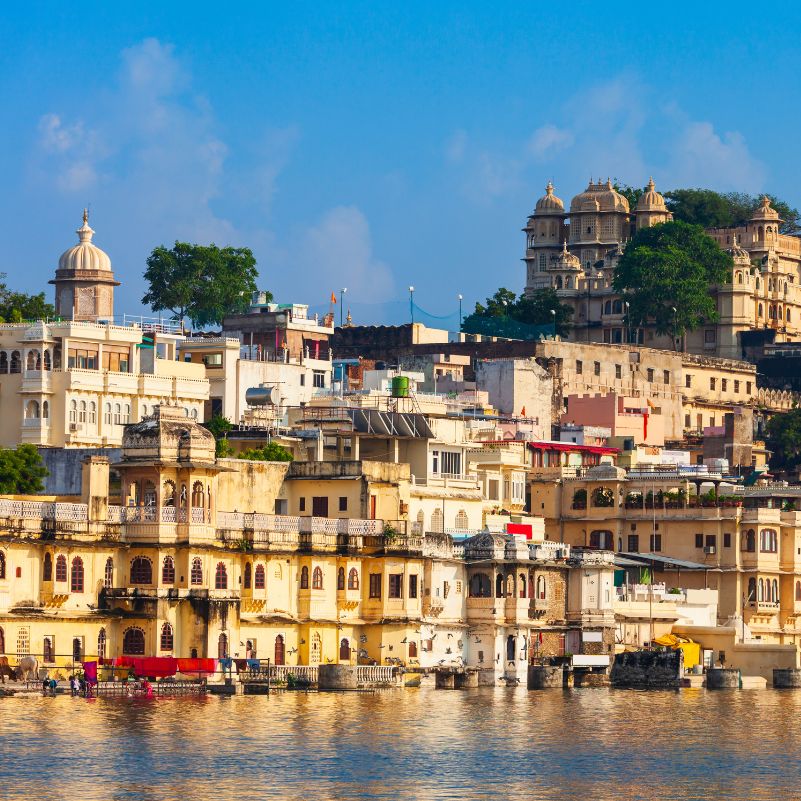
If you have already seen City Palace, Lake Pichola and Fateh Sagar, the next question is usually what else is worth your time.
This guide by Travel Coffee covers 15 hidden places in Udaipur that sit outside that standard circuit, with honest notes on which ones stay quiet and which have already gone popular.
Quick Answer
The most rewarding hidden places in Udaipur beyond the main circuit are the Ahar Cenotaphs and museum, Badi Lake, Menar Wetland, the Sahasra Bahu temples at Nagda, the Delwara heritage walk and Ubeshwar Mahadev.
Here, hidden means outside the usual City Palace, Lake Pichola and Fateh Sagar plan. It does not mean these places are empty.
A few of them, like Bahubali Hills, Rayta and the rural Aravalli drives, need extra care around daylight, weather and current road access before you go.
If you would rather have someone map these stops around your dates, our Udaipur tour packages follow the season and how much driving you actually want to do.
What Does "Hidden" Really Mean in Udaipur in 2026?
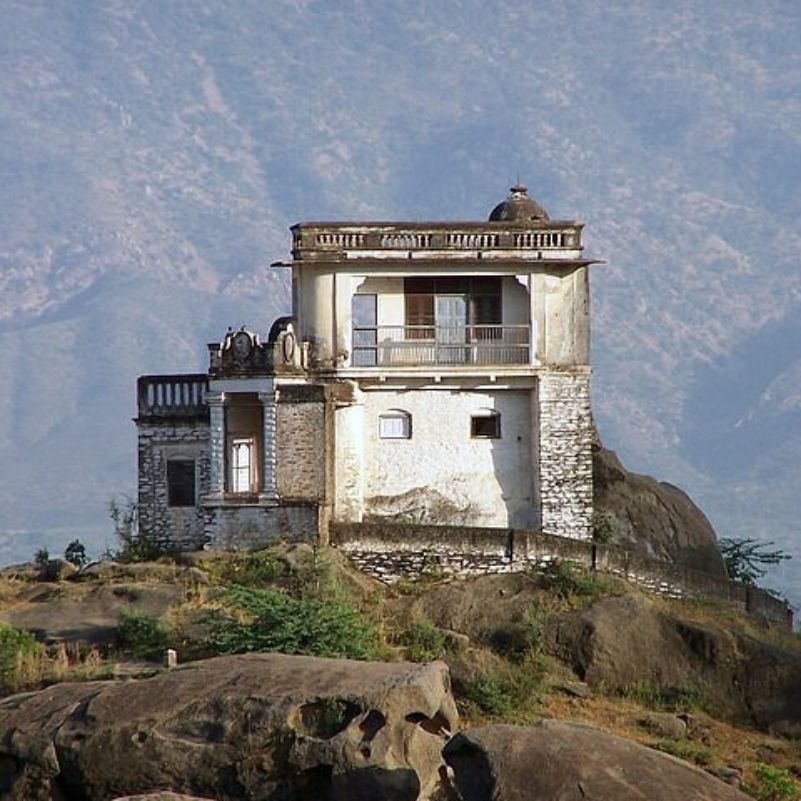
Hidden in Udaipur no longer means unknown. Instagram and travel reels have pushed places like Bahubali Hills and Rayta into everyone's saved lists.
The mistake most first-timers make is treating every offbeat name they saw online as a quiet, empty spot. Some of these were quiet three years ago and are busy now.
So we use hidden in a practical sense. These are places most visitors skip because their three days go to palaces and lake views, not because nobody has heard of them.
There is also a difference worth understanding between the types of places on this list.
A formal attraction like a museum has a ticket window, staff and set hours. A public heritage site like Nagda has established access you can rely on.
A rural drive or an informal hilltop viewpoint is a different animal. Conditions there change by season and by day, and an empty hill is not the same as a place that is open and safe.
This is also why this guide flags what it does not know. When a timing or an entry fee is genuinely unclear right now, we say so instead of printing a confident number that sends you to a closed gate.
Most listicles will not do that. They copy an old figure, call everything a secret, and leave you to find out the hard way that a place is packed or shut.
This guide leaves out so-called secret trails, unmarked shortcuts and abandoned structures that random pins on a map make look accessible.
A dropped pin is not proof that you are allowed to be somewhere. Keep that in mind for every place below that is not a formal ticketed site.
If you have not locked the core sightseeing yet, our guide to things to do in Udaipur covers the palaces, ghats and lake experiences these offbeat stops are meant to sit alongside.
Which 15 Hidden Places in Udaipur Are Actually Worth Visiting?
Here are the 15, with what each one actually offers and, where the information is genuinely uncertain, a clear note to check on the ground.
Ahar Cenotaphs and Ahar Museum
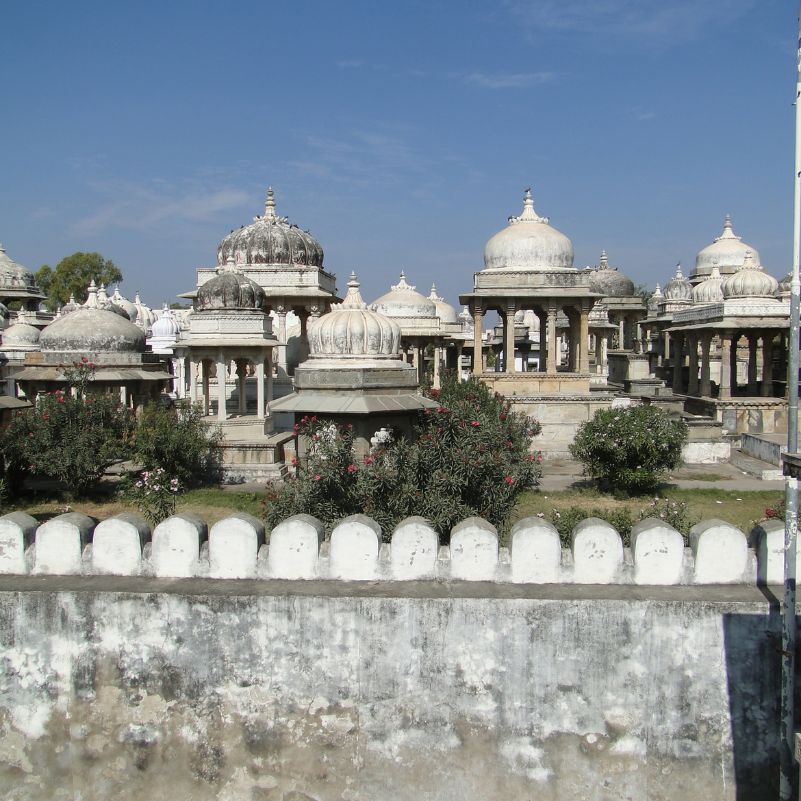
The Ahar Museum sits right next to a large cluster of cenotaphs belonging to the Maharanas of Mewar. It is one of the more atmospheric heritage corners in the city, and very few tour groups stop here.
Inside the museum you will find earthen pottery, sculptures and archaeological finds, some going as far back as 1700 BC.
For anyone who likes history but has had enough of another royal palace, this is a strong change of pace.
Give yourself an unhurried hour or so here. The cenotaphs photograph beautifully in the softer morning light, before the day heats up and the harsher sun flattens everything.
Current admission charges and museum opening hours may change, so confirm the latest details before planning your morning visit.
Badi Lake
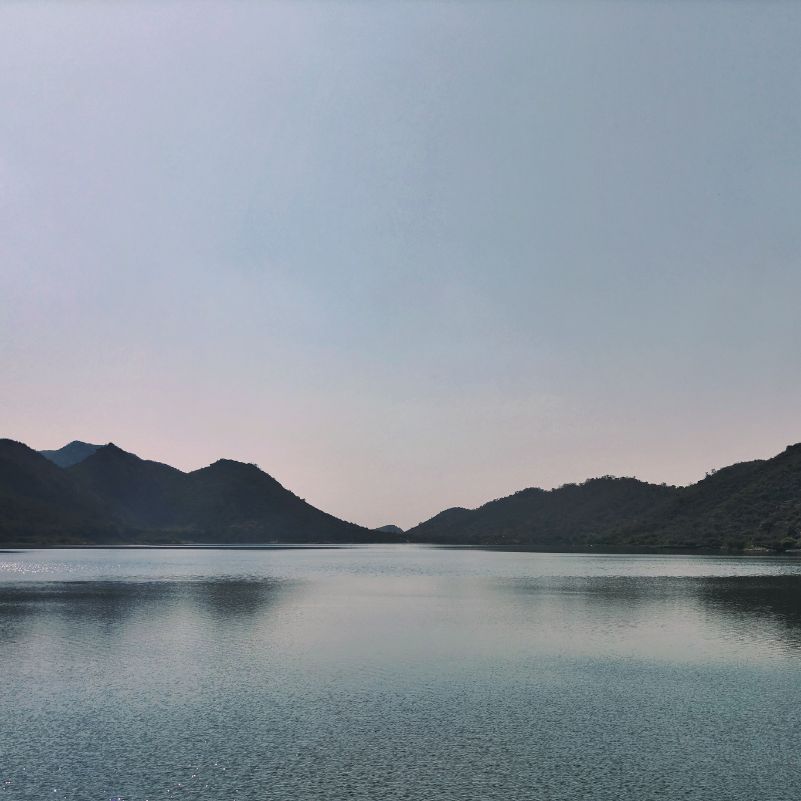
Badi Lake is around 12 km from Udaipur and makes an easy escape from the city centre for half a day.
Maharana Raj Singh built this artificial lake and named it Jiyan Sagar after his mother, Jana Devi. Rajasthan Tourism notes that three chhatris stand around the water.
It is a calm, scenic stop, though we will be honest that it is no longer a quiet secret. On clear weekends you will share the shoreline with other visitors and the crowd heading up to Bahubali Hills above it.
It works best as a slow morning or a late afternoon stop rather than a midday one. Come to sit by the water for a while, not to rush through a big list of things to do.
Visitor access, parking arrangements and any applicable entry charges may change, so confirm the latest details locally before travelling.
Bahubali Hills: Worth Visiting, but Not a "Secret" Anymore
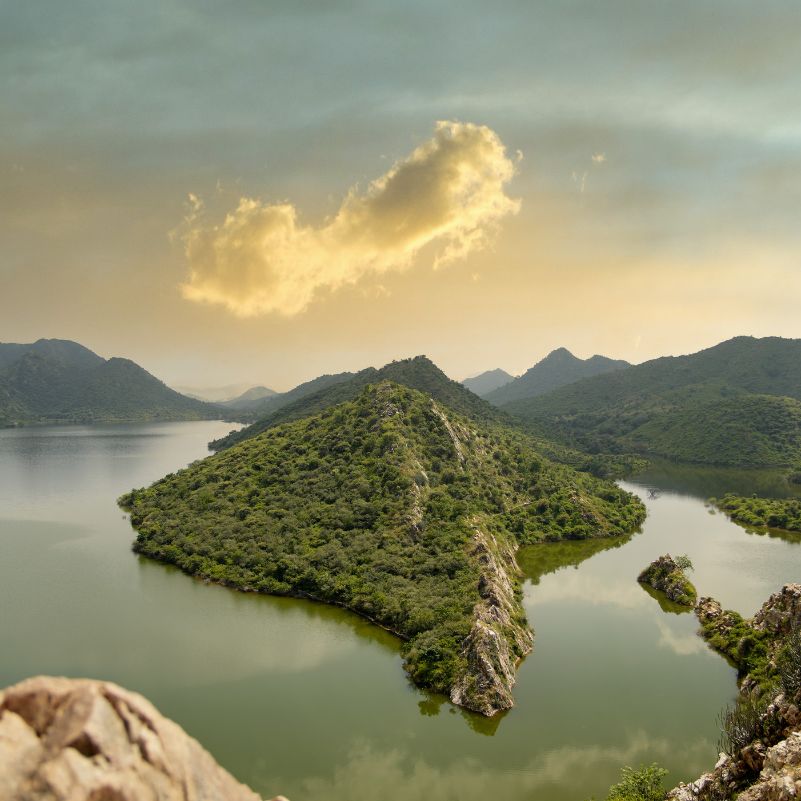
Bahubali Hills is a forested hill area just above Badi Lake, and people go up for the wide view over the lake and the country around it.
Do not expect a hidden spot. In 2026, locals openly describe Bahubali as very touristy, and on weekends it gets busy.
One serious reason to plan this as a daytime visit. In March 2026, a forest fire around Bahubali Hill burned close to three hectares.
The fire trapped a tourist who had gone up alone at night, and that person later died from suffocation.
So go in daylight, go with company, and sort your transport in advance. This is not a place for solo wandering after dark or before sunrise.
If you do go, go with at least one other person and agree on a turnaround time before you start up. Getting back down comfortably in daylight matters more than squeezing out one more photo.
Entry arrangements and access hours are not consistently published, so check the latest local conditions before planning your visit.
Rayta Village and the Aravalli Drive
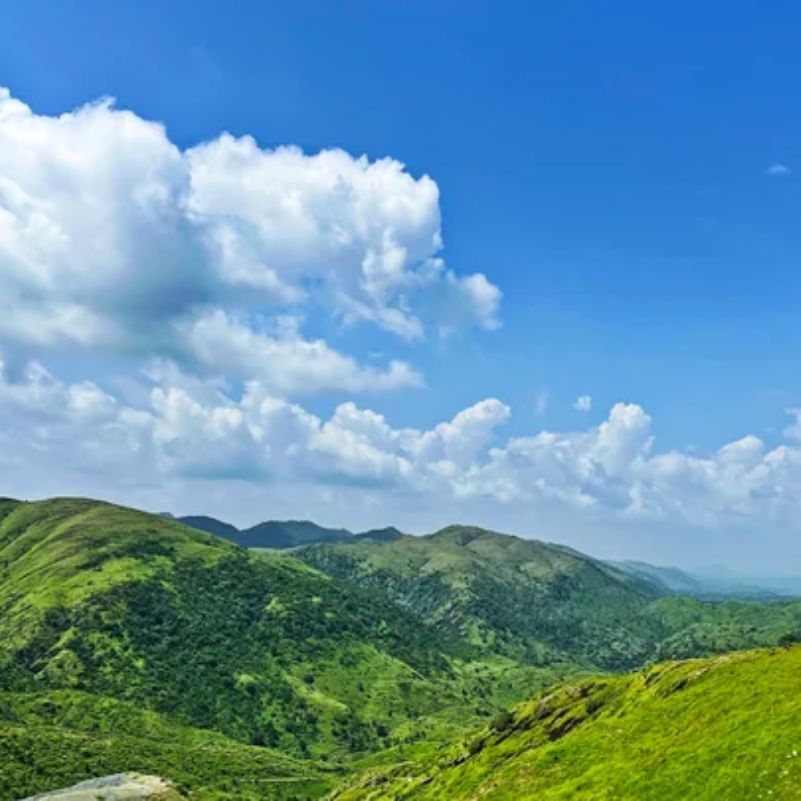
Rayta is best understood as a scenic countryside drive through the Aravalli hills, rather than one specific cliff or viewpoint you are entitled to reach.
It comes alive when the hills turn green after rain. That same rain, though, is exactly why road conditions matter more here than the view does.
We are not publishing a fixed distance for Rayta, because current sources vary depending on your route and where you start from.
Think of the drive itself as the experience. If you go expecting one dramatic, guaranteed viewpoint you may come away underwhelmed, but if you like quiet hill roads and green slopes, it delivers.
Road conditions, viewpoint access and local restrictions can change, particularly after heavy rain, so ask locally on the day before committing to the drive.
Ubeshwar Mahadev
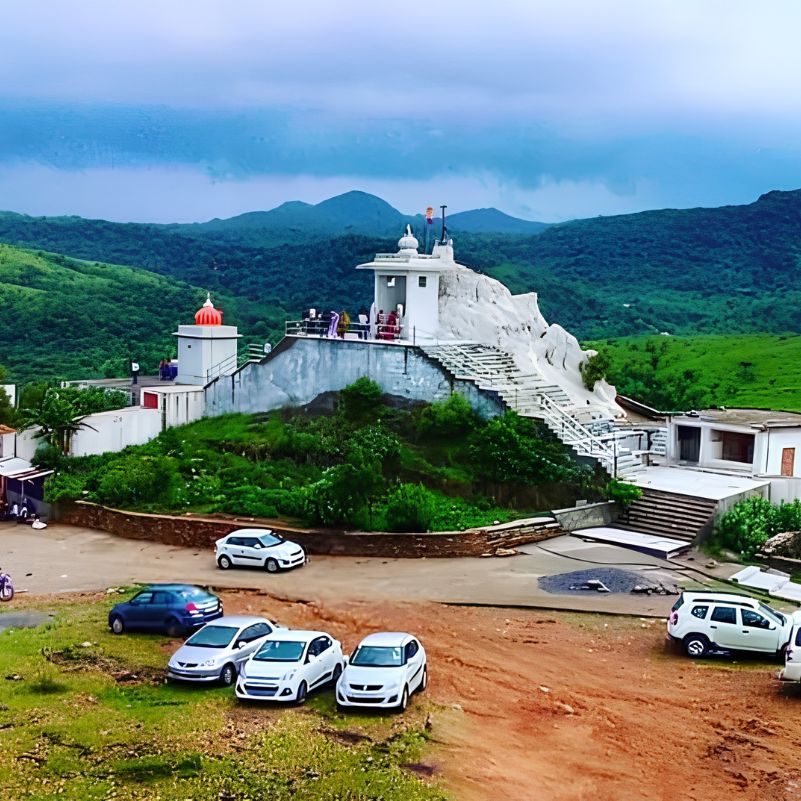
Ubeshwar Mahadev works as a Shiva temple visit paired with a countryside drive into the Aravallis.
Treat it as a living place of worship first and a scenic outing second. People come here to pray, not to pose.
Keep your visit low key and unhurried. This is the kind of place where sitting quietly for a few minutes gives you far more than rushing in for a photo and rushing back out.
Published opening hours are inconsistent, so confirm the current temple timings locally before making a time-sensitive visit.
Go during the day, and check road conditions in any spell of heavy rain.
Alsigarh Countryside and Dam Area
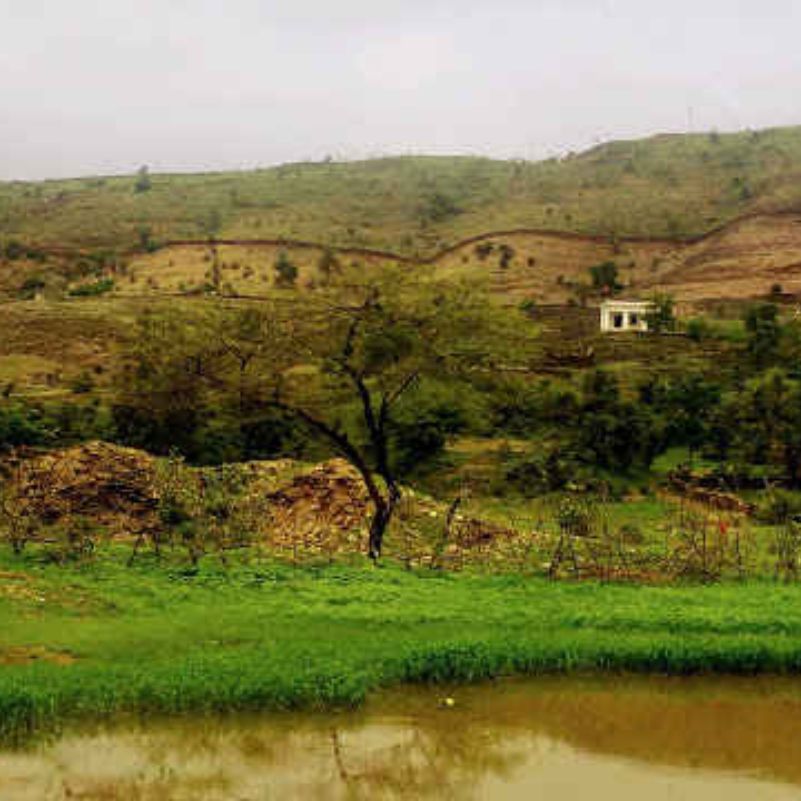
Alsigarh is mainly a scenic countryside and dam-area drive, and that is how we would set your expectations.
You may read blogs pointing to ruins or old structures around here. We are not going to tell you those are open to walk into, because that is a different question from simply driving through on public roads.
We also will not claim that you need no permission anywhere here. The research behind this guide did not establish current official permission rules, so do not assume.
The honest read is that this is a drive for people who like open countryside, not a checklist attraction. Set your expectations there and you will enjoy it for what it is.
Access to forts, ruins, forest areas and private land may be restricted or require permission, so remain on public routes and confirm locally before entering any site.
Purohito Ka Talab
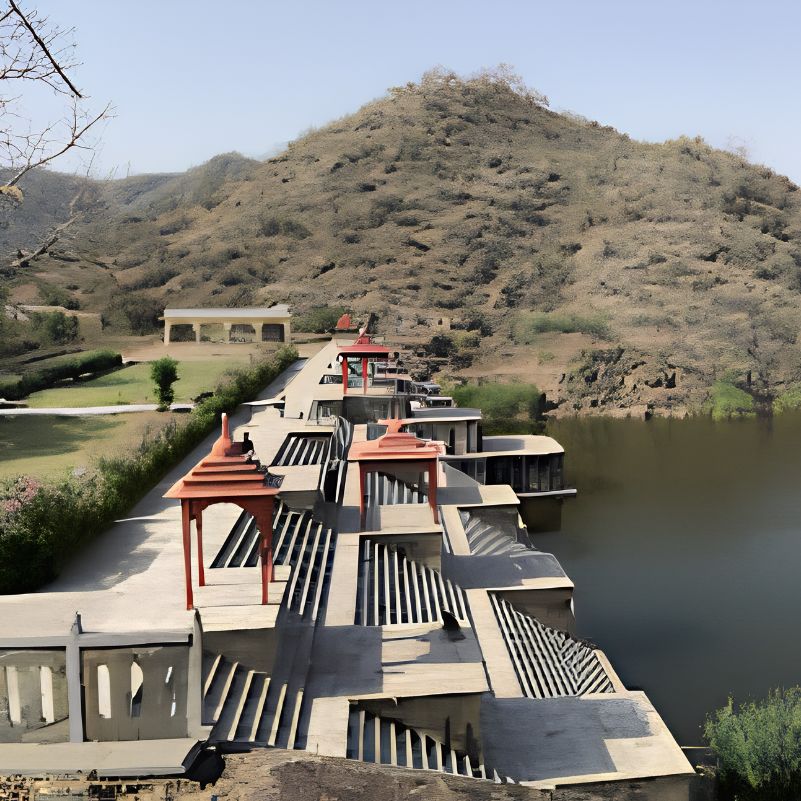
Purohito Ka Talab is a rural waterbody and landscape spot, not an adventure destination, and it helps to set expectations that way.
Even travellers discussing it online have questioned whether the isolated area is a sensible place to visit alone early in the morning.
That is reason enough to keep it to daylight hours and go with company, rather than a solo dawn trip.
Pair it with another daytime stop nearby rather than making a special early trip out. Going in a small group during clear daylight hours takes most of the guesswork out of it.
Formal timings, admission charges and access arrangements are not consistently published, so confirm the latest local conditions before making a dedicated trip.
Menar Wetland
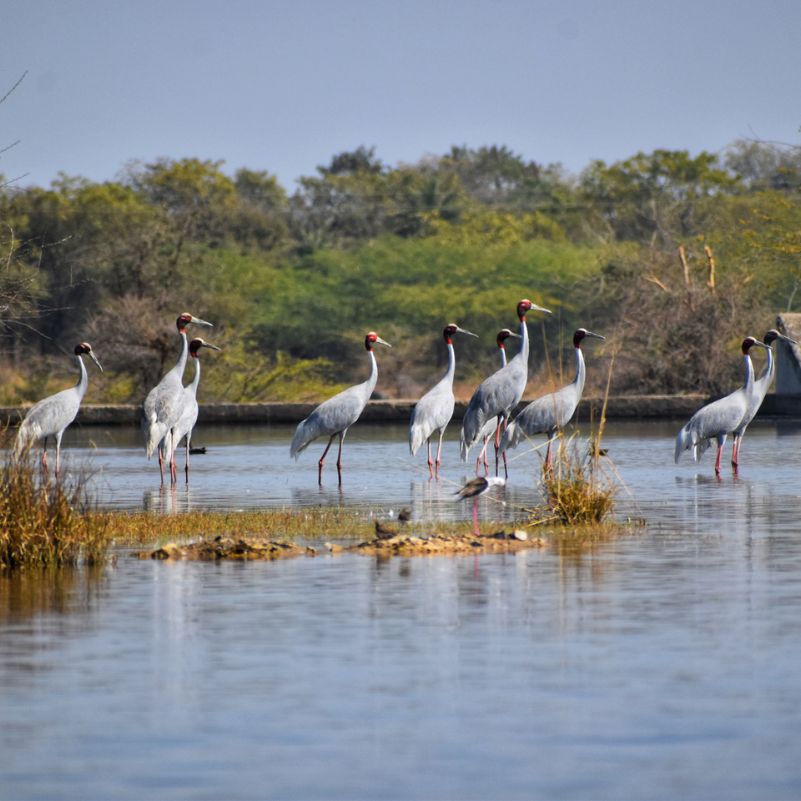
Menar Wetland is around 48 km from Udaipur on the Udaipur to Chittorgarh road, according to Rajasthan Tourism. This one is worth a dedicated trip.
Menar joined the Ramsar list of internationally important wetlands in June 2025. The wetland takes in Brahm Talab, Dhand Talab, Kheroda Talab and surrounding farmland that floods during the monsoon.
A conservation report credits it with more than 110 waterbird species, including 67 migratory ones. Rajasthan Tourism recommends winter for seeing the migratory birds.
Much of the credit goes to the local community, who have long protected the birds here as part of village life.
Bring binoculars or a decent zoom if you have one, and go early in the day when the birds are most active. Patience helps here far more than getting closer ever will.
Watch from a respectful distance and let the zoom do the work. Do not walk up to nests or crowd the birds for a photograph.
Sahasra Bahu Temples at Nagda
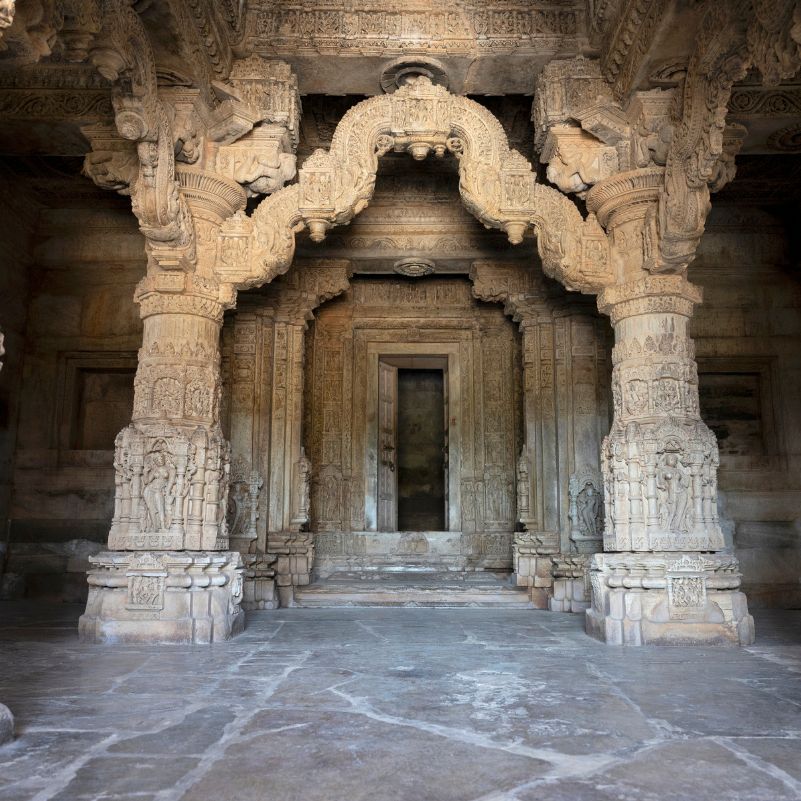
The Sahasra Bahu temple complex at Nagda sits around 22 km from Udaipur.
Rajasthan Tourism dates the complex to roughly the 9th to 10th century and notes that it appears on the Archaeological Survey of India heritage monument list.
Rajasthan Tourism also states that the temple is open from sunrise to sunset, which makes timing simple to plan.
Come for the stone carving and the architecture in a much quieter setting than the city temples. It pairs well with other stops on the northern side, so group it rather than driving back and forth.
Mornings are usually calmer and cooler for walking around the carvings. Give the detail time, because the finer stonework rewards a slow look far more than a quick photo does.
Delwara Heritage and Community Walk
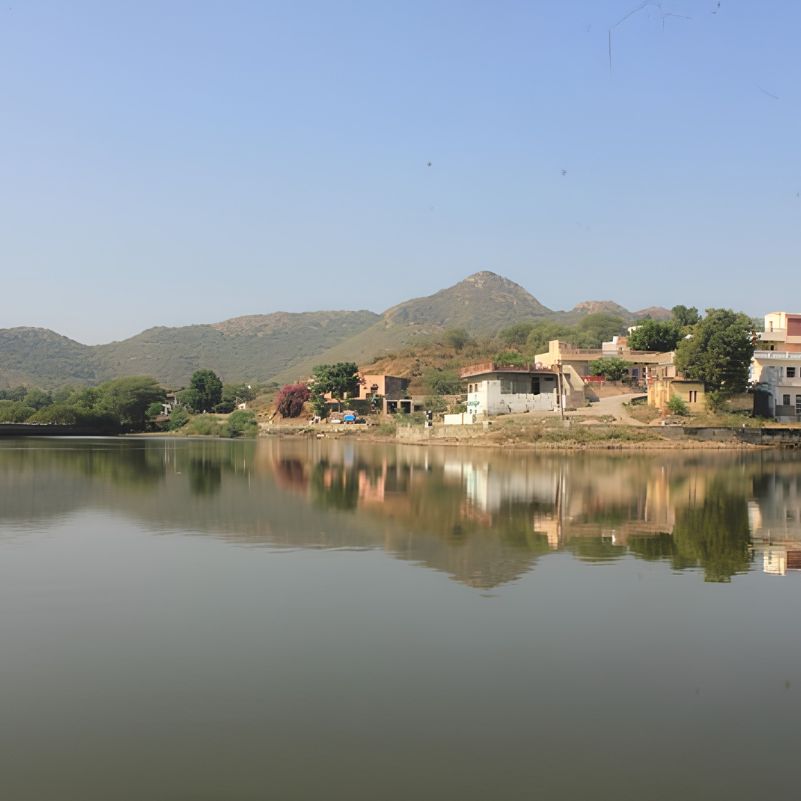
Delwara, near Udaipur, holds traditional stepwells, temples and medieval havelis, according to Seva Mandir, which runs a heritage walk here.
Seva Mandir built the Heritage and Community Walk with local young people who trained as guides, so you hear the place from the people who live in it.
It goes well beyond old buildings. The walk can cover artisans and their livelihoods, water and sanitation, women's rights and caste as parts of the community's real story.
Because a trained local guide leads it, the walk feels different from wandering a monument on your own. You come away understanding how the community actually lives, not just how old the buildings are.
Arrange or book the walk ahead rather than turning up expecting a fixed daily departure. And do not confuse this Delwara with the Dilwara Jain temples at Mount Abu, which are a completely different place.
Shilpgram Beyond Festival Season
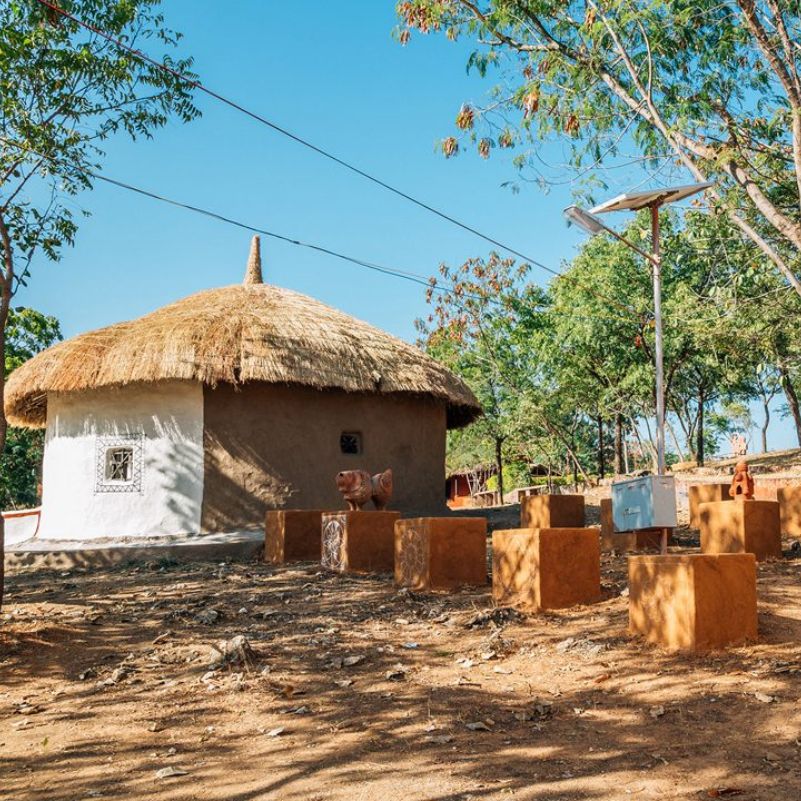
Shilpgram is a 70 acre Rural Arts and Crafts Complex that Rajasthan Tourism describes as a living museum of the folk and tribal lifestyles of western India.
Most people only think of it during its big festival, but it is worth a visit outside festival season too, when rushed palace-focused itineraries usually skip it entirely.
Outside the festival, it is a calmer place to see crafts, folk architecture and demonstrations without the big-event crowds. Allow a relaxed couple of hours if you enjoy this kind of living-culture stop.
We are not quoting a single distance from the city, because Rajasthan Tourism itself lists both 3 km and 7 km depending on the reference point.
Admission charges and opening hours may change, so confirm the current schedule before planning your visit.
Bharatiya Lok Kala Mandal
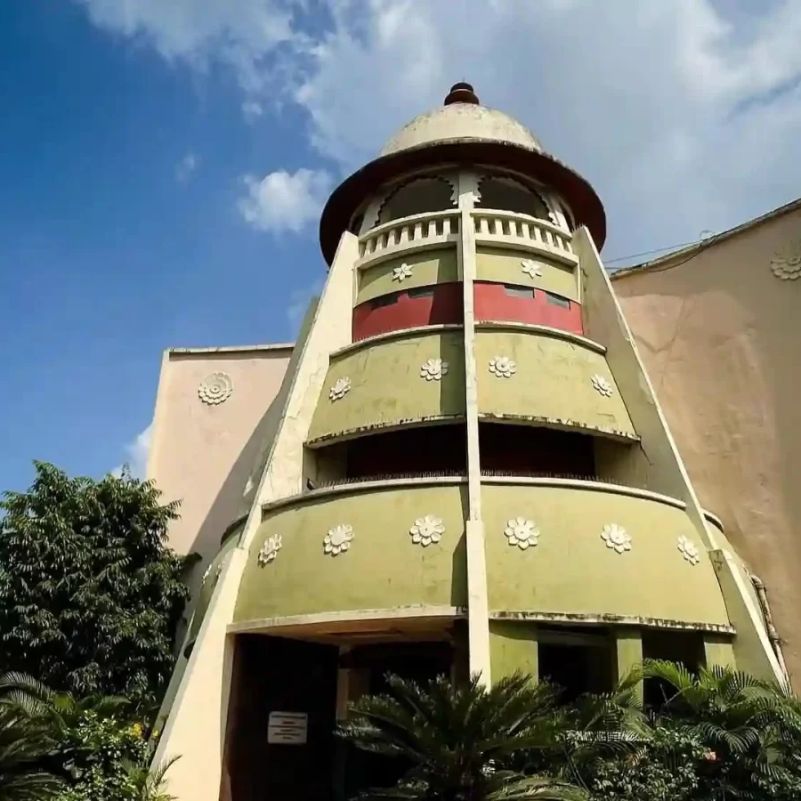
Bharatiya Lok Kala Mandal studies and promotes folk arts, culture, songs and festivals, with a museum plus regular puppet shows.
The museum runs from 9 AM to 5:30 PM. Tickets are ₹90 for Indian visitors, ₹50 for students and ₹180 for foreign visitors.
Puppet and folk dance performances happen in three slots: 12 PM to 1 PM, 6 PM to 7 PM and 7:15 PM to 8:15 PM.
The performance ticket is ₹170 for Indians, ₹80 for students and ₹250 for foreign visitors.
Line your visit up with one of the three performance slots if you can, since the puppet show is the part most people remember. Check the day's schedule first, because timings can shift.
If you want culture rather than one more lake or viewpoint, this is one of the easiest wins in the city, and the student rates make it light on the budget.
Udai Sagar Lake
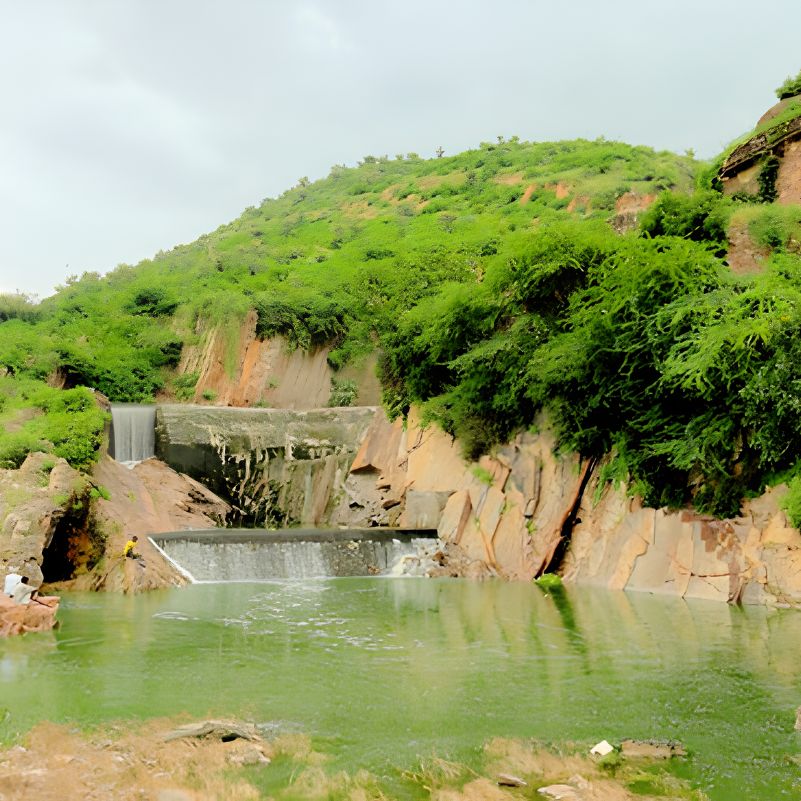
Udai Sagar lies around 13 km east of Udaipur and gets far less attention than the famous city lakes.
Its construction began in 1559 under Maharana Udai Singh. The lake formed behind a dam across the Berach River.
Think of it as one of Udaipur's historically important lakes that simply never made the top of most itineraries.
It suits travellers who like the story behind a place as much as the view. Combine it with something else on the eastern side so the drive out is worth your while.
We are not listing boating, swimming, entry fees or opening hours for it, because we do not have verified current details. Check locally if you plan to spend time there.
Pratap Gaurav Kendra at Tiger Hills
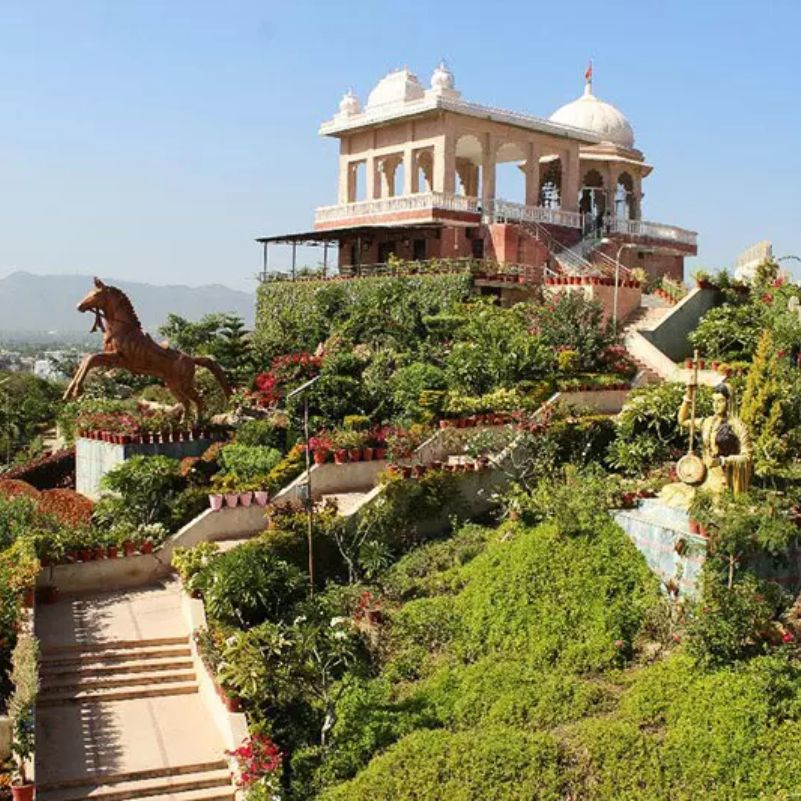
Pratap Gaurav Kendra spreads across 25 bighas at Tiger Hills, according to Rajasthan Tourism, and centres on a 57 foot seated statue of Maharana Pratap.
The centre uses exhibitions and presentations to walk you through Maharana Pratap and the wider history of Mewar.
The ticket window runs from 9:30 AM to 6 PM daily. The general show costs ₹160 for visitors above age 12 and ₹110 for children aged 5 to 12, while children aged 0 to 4 go free with family.
There is a separate robotic show at ₹100 per person. As a Mewar-history stop that many visitors overlook, it earns its place, especially with kids.
Give yourself enough time to actually go through the exhibitions rather than only seeing the big statue. For families, the presentations do a good job of holding children's attention.
Mewar Biodiversity Park, Amberi
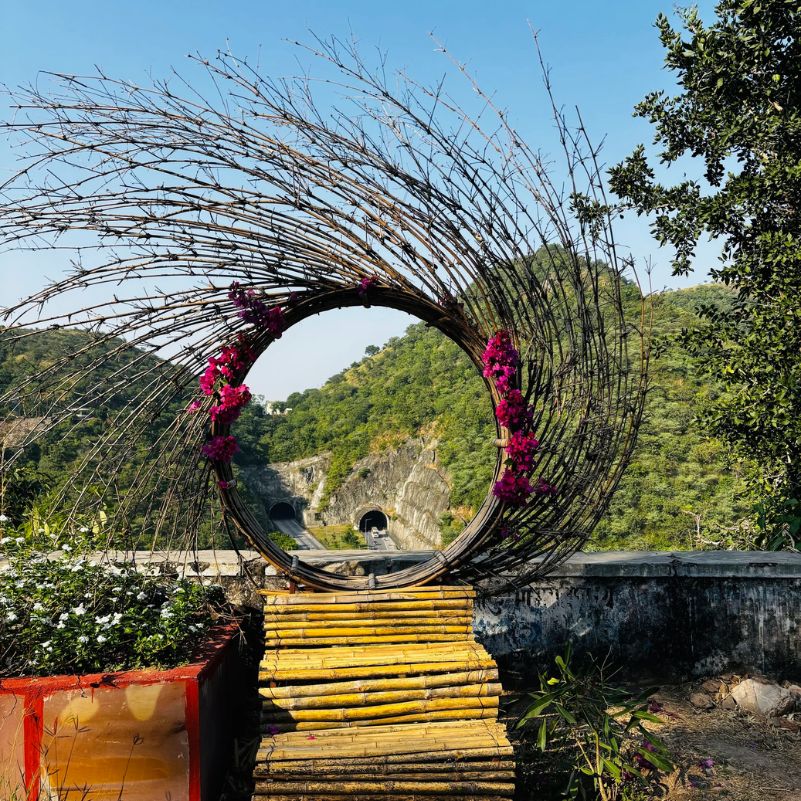
Mewar Biodiversity Park at Amberi is a good pick if you want greenery and a bit of nature away from the built-up city.
We are deliberately not printing a fixed entry fee because recently published sources give different figures, generally between ₹20 and ₹40.
Opening hours and activity charges may also change, so confirm the current details before travelling.
On a clear day it is a pleasant green break from the busier parts of the city. Treat it as a relaxed nature stop, and confirm the day's status first so the drive is not wasted.
Check the day's opening status, the price and what activities are running before you drive out, so you are not caught out at the gate.
Working out which of these fit your dates, the weather and the road situation is the fiddly part. That is the bit we do all the time.
Which Hidden Places Are Best for Different Travellers?
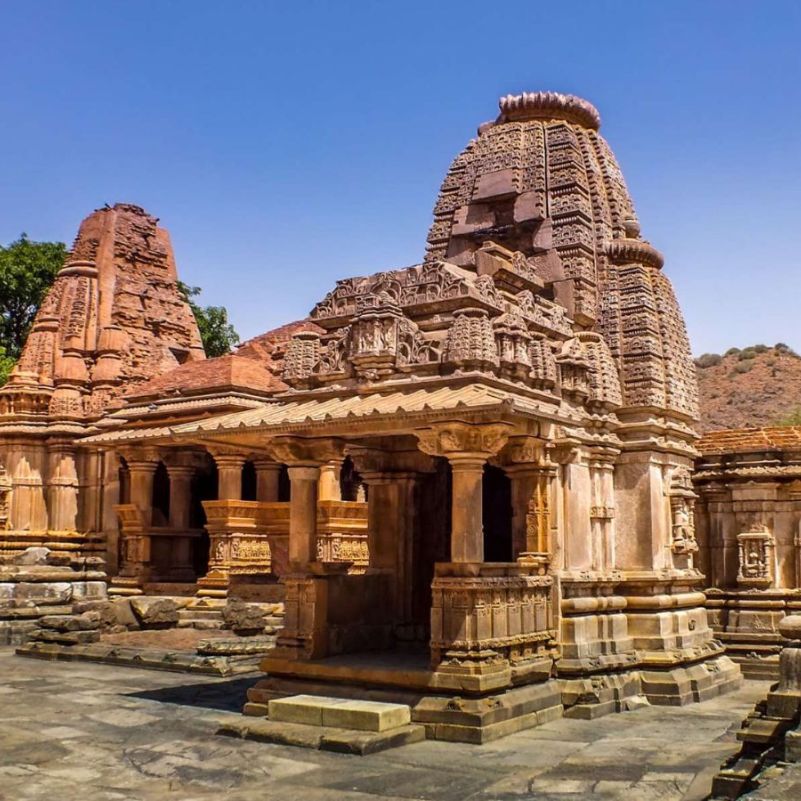
Not every place here suits every kind of traveller, so it helps to match them to what you actually enjoy.
If you are travelling with family or you are here for culture, lean towards Ahar, Shilpgram, Bharatiya Lok Kala Mandal and Pratap Gaurav Kendra. They are formal, easy to access, and there are plenty for kids.
If you are more into nature and birds, Menar, Badi Lake and Udai Sagar are the ones to prioritise, with Menar the clear standout in winter.
If you specifically want rural Aravalli scenery, look at Rayta, Ubeshwar and Alsigarh. Weather and road conditions decide how good, or how sensible, the drive is on any given day.
Bahubali Hills and Purohito Ka Talab sit in a different bucket. Treat them as conditional choices that only work with sensible timing and a clear read on access and safety.
If you are short on time, the formal cultural sites give you the most reliable payoff. Their hours and access do not depend on the weather or a village road being in good shape that week.
If a sorted base beats planning every leg yourself, our 3 day Udaipur package with the Lake Pichola boat ride and Bagore Ki Haveli covers the core city and leaves room to add a stop or two.
How Can You Combine These Places Without Spending the Day in a Car?
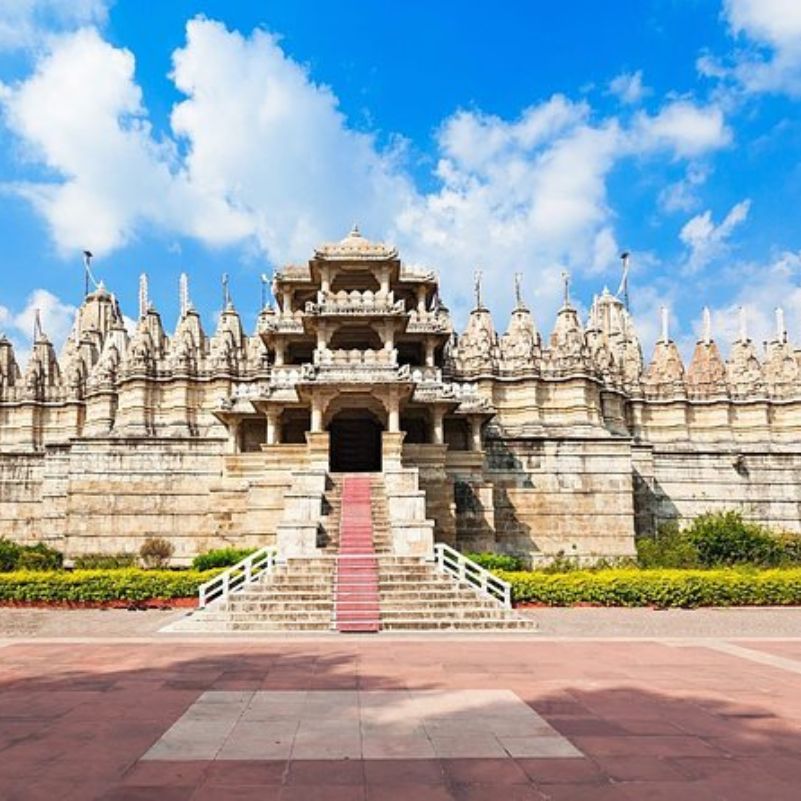
The fastest way to ruin an offbeat day in Udaipur is to chase places that sit on opposite sides of the city. A little grouping saves you hours.
For a city and culture day, Ahar, Bharatiya Lok Kala Mandal and Shilpgram sit together comfortably without much backtracking.
Badi Lake and Bahubali Hills pair naturally, since Bahubali sits right above the lake. Just make sure daylight, weather and access all line up before you plan it.
Nagda and the Delwara walk make a more logical northern heritage combination, so you are not crossing the whole city twice.
Menar deserves its own birding trip. At around 48 km out on the Chittorgarh road, it does not squeeze neatly into a normal day of city sightseeing.
For a rural hill drive, pick only two or three from Rayta, Ubeshwar and Alsigarh, and let the day's conditions decide which ones.
A realistic day usually means one cluster, not two. Pick either the city-and-culture side or the northern heritage side for a given day, and keep the rural drives for a day when the weather cooperates.
If you only have one full day for offbeat stops, choose the cluster that matches your main interest and do it properly, rather than rushing three areas and enjoying none of them.
If Udaipur is one stop in a bigger trip, our Rajasthan tour packages can thread these clusters into a route that does not have you doubling back across the state.
What Is the Best Time for Offbeat Udaipur?
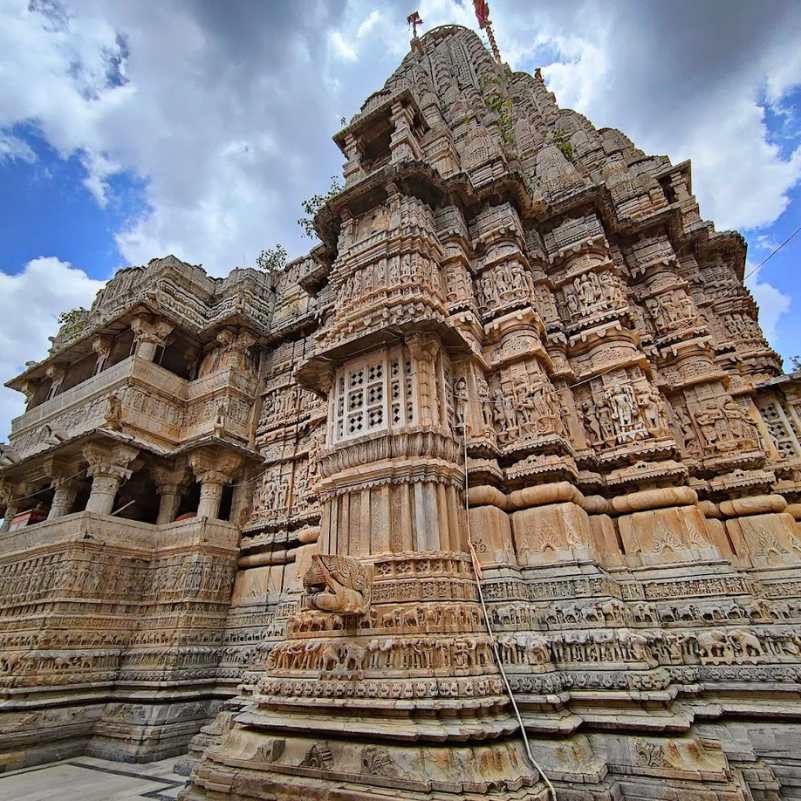
There is no single best season that suits all 15 of these places, so the honest answer depends on which ones you care about.
Winter matters most for Menar, because that is when the migratory birds are the whole point. Miss winter and you miss the main show there.
Peak winter also brings the biggest crowds to Udaipur's main sights, so pairing a popular season with these quieter stops can balance a trip nicely. You get the city buzz and calmer corners in the same visit.
Monsoon turns the Aravalli countryside green, which is lovely for the Rayta, Ubeshwar and Alsigarh drives. It also makes checking road conditions on the actual day far more important.
We will not pretend every waterfall, road or viewpoint is automatically open just because it is monsoon. Rain that makes the hills pretty can also make a track risky or close a road outright.
Summer is hot and better suited to early mornings and indoor cultural sites than to long rural drives. Plan the outdoor stops for the cooler hours if you travel then.
Safety, Access and Etiquette for Udaipur's Less-Touristy Places
None of this needs to make you nervous. A little common sense covers almost everything.
The one hard rule is to avoid isolated night exploration on forested hills. The Bahubali incident in 2026 is exactly why. In the dark, on an unfamiliar hill, small problems turn serious fast.
Do not cross barriers, climb closed structures, walk through private fields or enter ruins that have no established public access. And do not treat a map pin as permission to be there.
At living temples like Ubeshwar, dress modestly and keep your behaviour respectful. If you want to photograph people at worship, ask first.
At Menar, put the birds ahead of your photos. Keep your distance and let a zoom do the work instead of stepping closer.
Carry your rubbish back out with you. Rural spots and wetlands have nobody cleaning up behind visitors.
On the rural drives, do not count on finding a hot meal or clean water once you leave the city edge. Carry water and some snacks, because reliable food stops thin out fast on the hill roads.
Tell someone your plan for any rural drive, especially the hill routes. Mobile signal can drop out there, so a person back in the city knowing your rough route and return time is simple insurance.
Start the rural drives early in the day. That way any delay, a slow road or a wrong turn, still leaves you a comfortable margin to be back before the light goes.
One 2026 update worth knowing. On 5 June 2026, the authorities declared Sajjangarh Wildlife Sanctuary, the Monsoon Palace and Sajjangarh Biological Park plastic bottle free zones.
Reports mention a ₹1,000 fine for using a plastic water bottle inside the sanctuary area. That rule applies to those Sajjangarh areas specifically, so do not assume it automatically covers all 15 places on this list. Carrying a refillable bottle is still a good habit everywhere.
If you would rather not gamble on same-day road and access calls yourself, that is where a local team earns its keep.
If you want to stretch beyond the city, our Udaipur tour with Kumbhalgarh Fort and Ranakpur Jain temple adds two of the region's best heritage sites without a marathon.
Is It Better to Hire a Local Driver for Offbeat Udaipur?
Not every place here needs a taxi. The central cultural sites, the museums and the in-city stops are easy enough to reach on your own.
A driver earns their fee once you start combining rural stops. That is where navigation on the last stretch, changing weather and uncertain road conditions make a local who knows the current route genuinely useful.
A good local driver also reads the day's conditions better than a map can. They will know if a hill road is in poor shape this week or which stretch to skip after rain.
Skip the fantasy of ticking off all 15 in a couple of days. Chase everything and you will spend the trip in the car, not at the places.
In our experience arranging Udaipur trips, the plans that actually work pick two or three offbeat stops that fit the side of the city you are already exploring. Our team recommends building the day around that, not around a checklist.
So here is the honest way to plan the hidden places in Udaipur. Pick one small cluster that matches your interests, your season and what is actually open, rather than trying to see all 15.
Sort that, and if you want those stops fitted into a practical, well paced Udaipur trip, that is exactly what we are here for.
👉 Ready to explore the quieter side of Udaipur? WhatsApp us to plan your trip.
Explore Our Curated Udaipur Tour Packages
 3D/2N
3D/2NUdaipur Tour With Lake Pichola Boat Ride and Bagore Ki Haveli
3D Udaipur
₹9,999₹12,999SAVE INR 3,000/ person 4D/3N
4D/3NUdaipur Honeymoon Tour With Candlelight Dinner and Boat Ride
4D Udaipur
₹17,999₹21,999SAVE INR 4,000/ person 5D/4N
5D/4NUdaipur Mount Abu Tour With Nakki Lake and Dilwara Temples
2D Udaipur•2D Mount Abu
₹20,999₹24,999SAVE INR 4,000/ person
Related topics
Frequently Asked Questions
What are the best hidden places in Udaipur?
The strongest picks are the Ahar Cenotaphs and museum, Menar Wetland, the Nagda temples, the Delwara heritage walk, Badi Lake and Bharatiya Lok Kala Mandal. They cover history, birds and living culture without repeating the same experience.
Which places in Udaipur are genuinely less crowded?
The formal heritage and culture spots like Ahar, Nagda and Delwara usually stay calmer than the city palaces. Menar is quiet outside its birding season, while Bahubali and Badi Lake now draw real crowds on clear weekends.
Is Bahubali Hills safe for sunrise?
Go in daylight with company rather than alone before dawn. In 2026 a forest fire on the hill trapped a lone night visitor who later died, which is reason enough to avoid solo pre-dawn trips and keep it to daytime.
Is Badi Lake the same as Bahubali Hills?
No. Badi Lake is the lake around 12 km from the city, and Bahubali Hills is the forested hill and viewpoint area just above it. People often mix the two names, but they are different spots.
Which offbeat places near Udaipur are best in monsoon?
The Aravalli drives around Rayta, Ubeshwar and Alsigarh look their best when the hills are green. Only go if the day's rainfall and road conditions allow it, and do not expect guaranteed seasonal waterfalls.
Can I cover Udaipur's hidden places in one day?
Not all of them. One day is enough for a sensible cluster of two to four stops on the same side of the city. Trying to do all 15 in a day just means a lot of driving and very little time anywhere.
Which of these places are best for families?
Stick to the formal, easy-access cultural sites. Ahar, Shilpgram, Bharatiya Lok Kala Mandal and Pratap Gaurav Kendra all work well with children and skip the risk of isolated hills and rough tracks.
Do I need permission to visit Alsigarh?
We could not verify a blanket current permission rule. Driving public roads is one thing, but entering a ruin, a forest area or private land is another. Check local access before you step into anything beyond a clearly public area.
Which hidden place near Udaipur is best for birdwatching?
Menar Wetland, without much competition. It supports over 110 waterbird species, and Rajasthan Tourism recommends winter, when the migratory birds arrive, as the best time to see them.
How far is Menar Wetland from Udaipur?
Around 48 km, according to Rajasthan Tourism, along the Udaipur to Chittorgarh road. Because of that distance, it works best as its own birding trip rather than a quick add-on to city sightseeing.
Are Rayta and Ubeshwar safe during monsoon?
There is no blanket yes here. Hill roads and weather change quickly in the rains, so conditions that are fine one day can be risky the next. Check locally on the actual day before you set out.
Do I need a cab to explore offbeat places around Udaipur?
Not for the central cultural sites, which are easy to reach on your own. For the rural clusters, a car with a local driver is far more convenient, since navigation and road conditions get less predictable out there.
More about Udaipur
 Udaipur
Udaipur to Chittorgarh Day Trip 2026: Fort Route, Timings, Cost and Honest Advice
Planning a Udaipur to Chittorgarh day trip in 2026? This practical guide covers the best fort route, travel time, sightseeing timings, expected costs and transport options. We also share honest advice on how much time you need at Chittorgarh Fort, what to prioritise and whether the trip is worth adding to your Udaipur itinerary.
- Places to Visit
- Road Trips
 Udaipur
Udaipur Trip Cost 2026: Budget for 2, 3, 4 and 5 Days
Planning an Udaipur trip in 2026? This practical cost guide breaks down the budget for 2, 3, 4 and 5 days, including hotels, food, local transport, sightseeing and activities. Use realistic budget ranges to plan your Udaipur holiday without overspending.
- First-Time Travellers
- Itinerary
 Udaipur
Udaipur Local Transport Guide 2026: Auto, Taxi, Cab, Scooter, Parking and Old-City Access
Planning how to get around Udaipur in 2026? This practical transport guide compares autos, taxis, cabs and scooter rentals, with tips on fares, parking and navigating the narrow Old City. Learn which option works best for sightseeing, lake areas and day trips, and where vehicle access can become difficult.
- How to Reach
- First-Time Travellers