
Gurez Valley Travel Guide 2026: Route, Permit, Itinerary and Cost
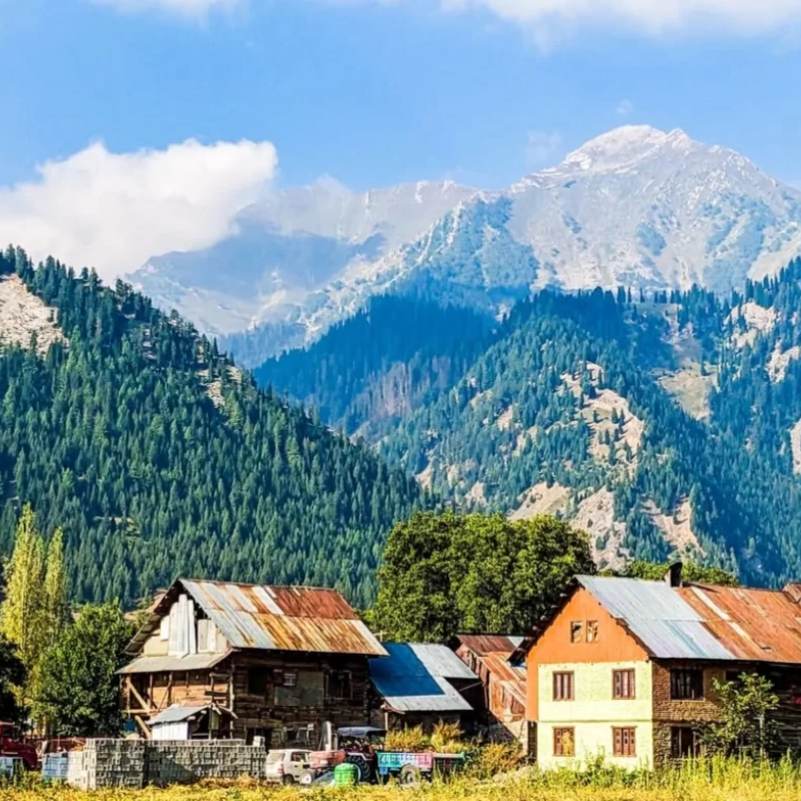
Gurez Valley is a remote and scenic destination in Kashmir, known for its mountain landscapes, traditional villages and peaceful setting near the Line of Control.
Reaching the valley requires careful route planning, and travellers may need permits or identity checks depending on current local rules.
This Gurez Valley Travel Guide by Travel Coffee will help you understand the best route, permit requirements, suitable itinerary, places to visit and estimated trip cost. It also covers road conditions, transport options and practical tips for planning a safe and comfortable journey.
Quick Answer
Gurez Valley sits in Bandipora district in North Kashmir, close to the Line of Control. You reach it from Srinagar through Bandipora and Razdan Pass.
The road is usually most dependable from late May or June through September, though everything depends on snowfall and what the road looks like on the day you travel.
Give it at least three days. A rushed one-night visit wastes the drive.
Confirm road status and permit rules right before you leave, not a month earlier. If you want the whole thing handled, our customized Kashmir tour packages can be built around your dates.
Where is Gurez Valley and what makes it worth visiting?
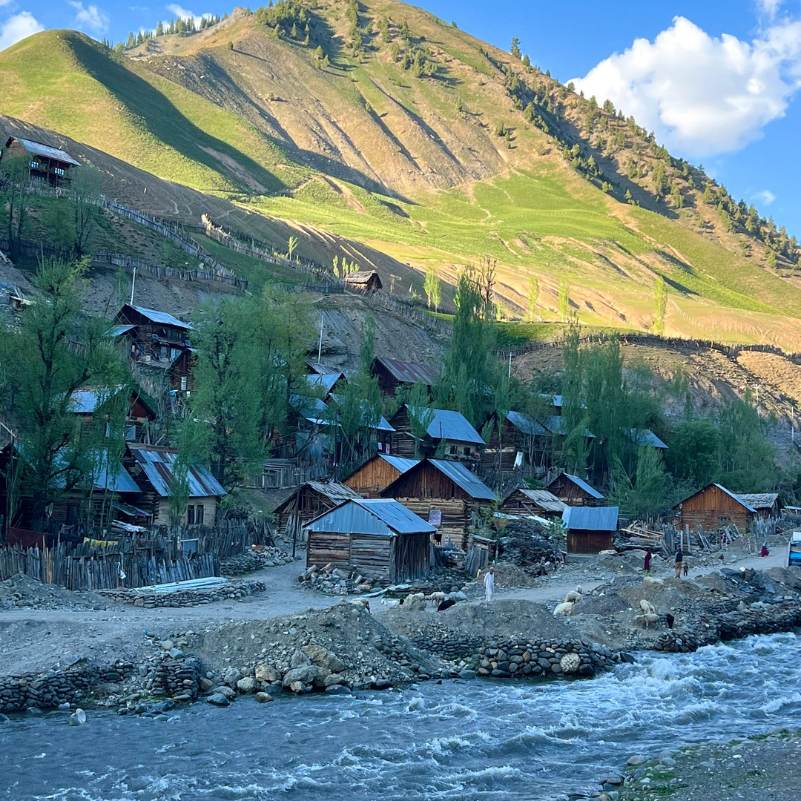
Gurez lies in Bandipora district in North Kashmir, close to the Line of Control. That single fact shapes everything about the trip, from checkpoints to how freely you can move around.
The valley sits at roughly 8,000 feet. Some sources put Dawar closer to 2,580 metres, so treat the number as approximate.
The Kishanganga River runs through the valley. It is the thing you keep coming back to, whether you are driving beside it or sitting on the bank at Dawar doing nothing.
Dawar is the main township. Almost every stay, taxi arrangement and local plan starts here.
Gurez is home to Dard-Shin communities, and the Shina language is spoken here. The culture feels different from the Kashmir most travellers see around Srinagar.
Who should come? Anyone who likes slow travel, wooden village houses, river landscapes and photography.
Who should not? Anyone who needs reliable wifi, easy shopping and a full range of restaurants. Facilities are limited and that is the honest picture.
What most tourists get wrong
They treat Gurez like Pahalgam or Sonmarg and plan one night. Then they spend eleven of their thirty-six hours inside a car and wonder why the trip felt flat.
Is Gurez Valley open in 2026?
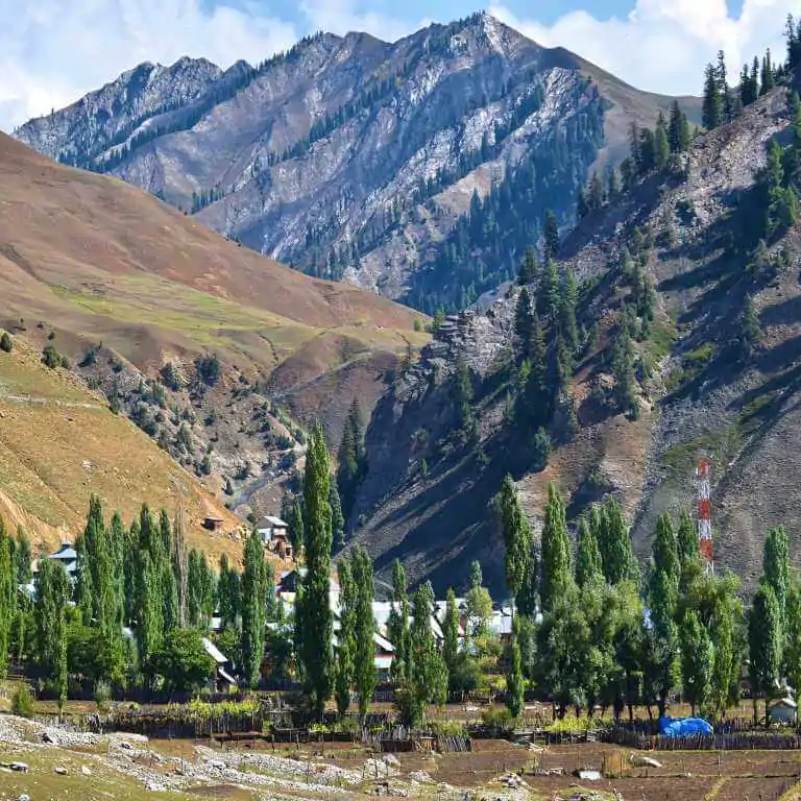
Access depends entirely on the Bandipora to Gurez road crossing Razdan Pass, which sits at around 11,667 feet. Some guides round it to 3,300 metres.
When the pass is blocked, Gurez is effectively closed by road. There is no alternative route you can quietly take instead.
Different 2026 sources give different seasonal windows. The practical range most people work with runs from late May or June through September, sometimes stretching into October.
Check the latest Bandipora to Gurez road status before travelling, as access can change quickly with weather, landslides and Razdan Pass conditions.
So do this. Confirm the road one day before you leave Srinagar, then confirm again on the morning of travel.
In our experience running mountain routes, the morning check is the one that saves trips. Conditions that looked fine at 8 PM can change overnight.
Do tourists need a permit for Gurez Valley in 2026?
Rules for Indian nationals
Recent sources contradict each other on this, and we are not going to pretend otherwise.
One current source says Indian tourists generally do not need a separate tourist permit for the main Bandipora, Dawar and Tulail belt, and that you are simply registered at checkpoints.
Other 2026 sources say an Inner Line Permit is required.
Permit requirements for Indian tourists may change, so confirm the latest rule with the district administration or your operator close to your travel date.
Carry your original government photo ID and several photocopies regardless of what the rule turns out to be. This costs you nothing and solves a lot.
Rules for foreign nationals
Foreign-national access may be restricted, or may require additional permission such as a Protected Area Permit.
We cannot promise foreign nationals will be admitted. Anyone telling you otherwise online is guessing.
Foreign nationals should confirm current access and permit requirements in writing with the relevant authority before booking flights, transport or accommodation.
Checkpoints, photography and drones
Expect identification and registration checks along the route. This is normal here and goes smoothly when your papers are in order.
Follow whatever the security personnel at the checkpoint tell you, even if it differs from what you read online.
Do not photograph military installations, convoys or checkpoint areas.
Do not fly a drone without written permission. This is not a grey area, and the consequences are not worth the footage.
What is the best time to visit Gurez Valley?
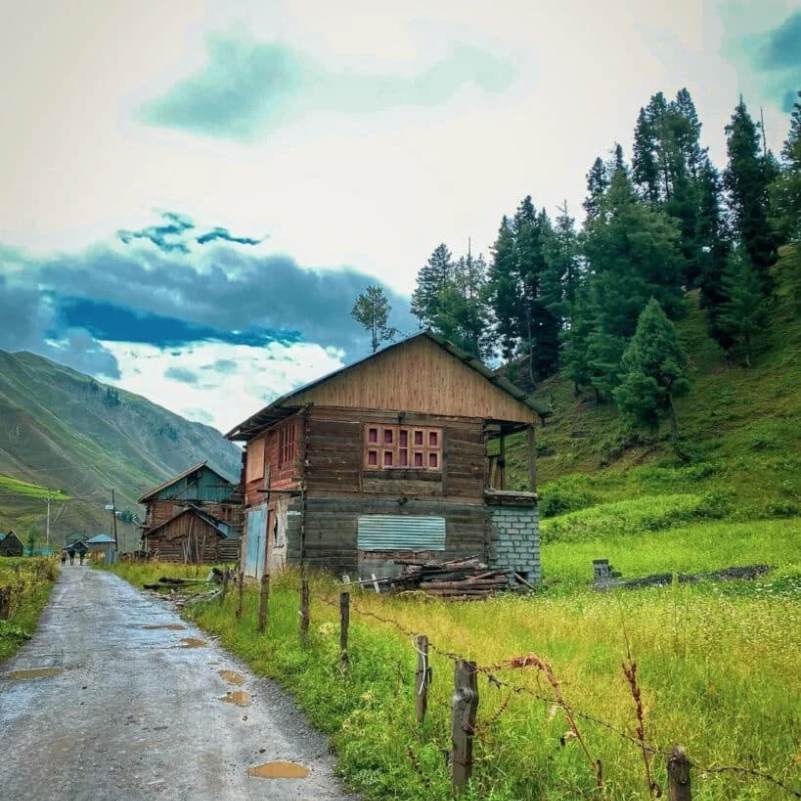
Late May and June
The route may open after snow clearance during this window. Residual snow can still sit near Razdan Pass.
The valley turns green, the river runs strong, and evenings stay cold even when the day felt warm.
Early season is the least predictable, so keep a buffer day in your plan.
July and August
These are generally the most dependable summer months for road access.
Demand for stays goes up, especially in Dawar where the total number of rooms is small. Book in advance rather than arriving and hunting.
Timing tip: leave Srinagar by 5:30 or 6 AM in these months. You cross Razdan Pass in a clean morning light, clear checkpoints before the day's traffic builds, and reach Dawar with the afternoon still ahead of you. A 9 AM start costs you the entire first day.
September and early October
Autumn brings clearer air and better long-distance visibility. Photographers usually prefer this window.
The trade-off is rising risk of weather interruption as the season moves on. A single early snowfall can change your return plan.
Can Gurez be visited in winter?
Heavy snow commonly closes or restricts Razdan Pass in winter.
We do not encourage an independent winter road journey to Gurez. This is not caution for its own sake.
Any winter visit requires specialised arrangements, so confirm access with local authorities well in advance.
How do you reach Gurez Valley from Srinagar?
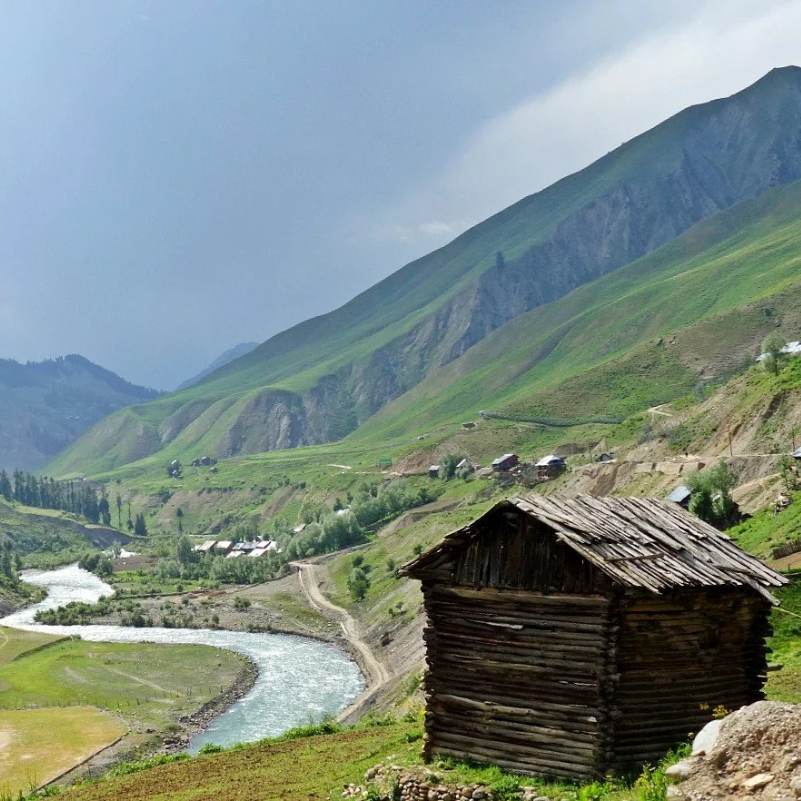
Srinagar to Gurez route
The usual route runs Srinagar, then Bandipora, then over Razdan Pass, then down into Dawar.
The official district figure places Gurez at roughly 123 km from Srinagar and about 86 km from Bandipora.
Other travel sources quote 140 to 150 km, most likely because they measure to a different endpoint. Work with an approximate distance of 123 to 150 km, as the total varies depending on whether the route is measured to Dawar or another point within Gurez Valley.
The drive commonly takes five to eight hours. Traffic, checkpoints, road condition, weather and your own stops decide where you land in that range.
Do not plan your day around a mapping app estimate. Those numbers assume conditions that rarely exist on this stretch.
Private taxi, shared transport or self-drive?
A private taxi is the simplest option for families and first-time visitors. You control your timing, your stops and your return.
Shared transport information conflicts. Some sources mention shared SUVs running from Bandipora, while another source says shared transport is unavailable.
Shared transport availability can change, so confirm locally before relying on shared SUVs from Bandipora.
Self-drive works only if you are already comfortable on narrow mountain roads with changing surfaces and blind curves. This is not the route to learn on.
Money tip: book your taxi from Srinagar for the full return trip rather than paying one way and hoping to arrange a return vehicle in Dawar. Vehicle supply in Gurez is thin, and a driver who knows he is your only realistic option prices accordingly.
How many days are enough for Gurez Valley?
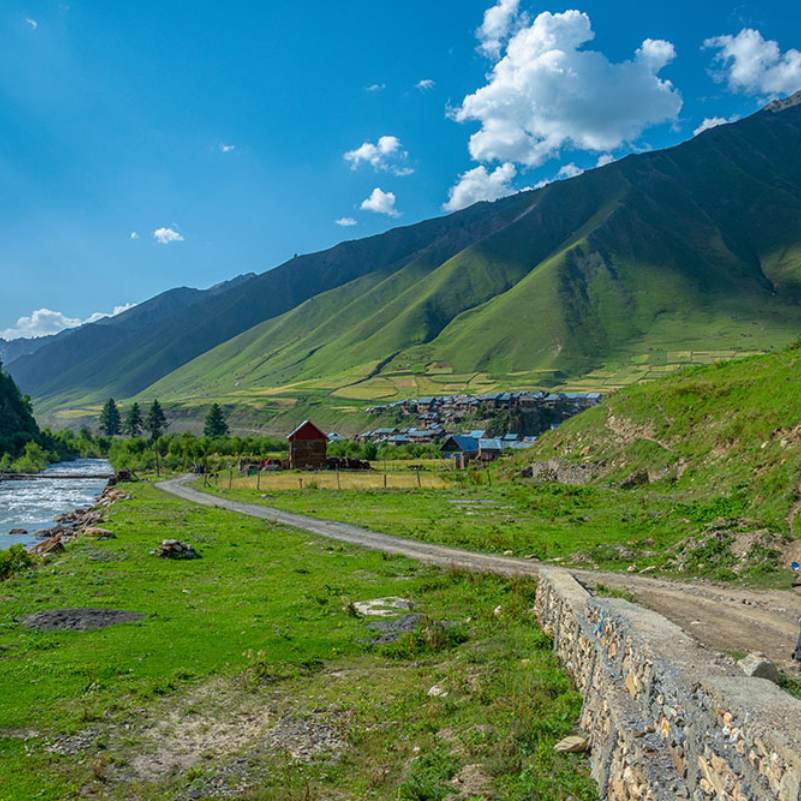
Three days and two nights is the practical minimum. That gives you one full day in the valley after the travel days at either end.
Four days and three nights is better. You get a proper Tulail day and an unhurried look at Dawar and the areas around it.
A same-day return from Srinagar is technically possible. We do not recommend it.
You would spend ten to sixteen hours driving to look at a valley for ninety minutes, then cross Razdan Pass tired. The math does not work.
Suggested 3 days and 2 nights Gurez itinerary
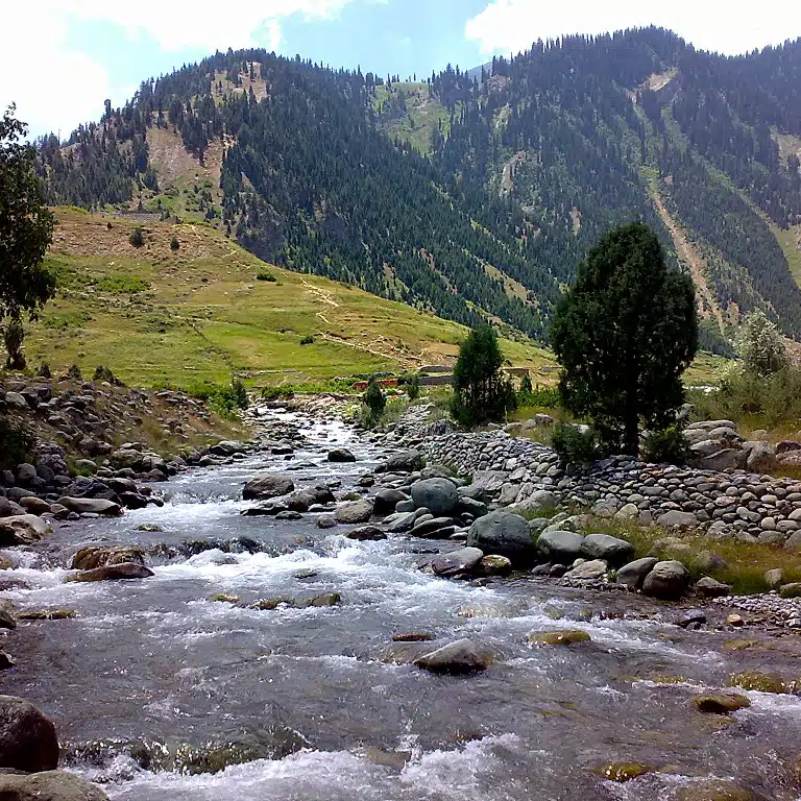
Day 1: Srinagar to Dawar
Leave Srinagar early. Before 6 AM if you can manage it.
Drive through Bandipora, climb to Razdan Pass, then descend towards Dawar. Expect checkpoint formalities along the way and keep your ID accessible rather than buried in a bag.
Reach Dawar, check in, and keep the evening light. A nearby river view or a Habba Khatoon viewpoint works well if daylight and local advice allow.
Do not try to add Tulail on day one. It will not fit.
Day 2: Tulail Valley excursion
Give Tulail Valley the whole day. It sits roughly 40 km from Dawar, and the drive is slow.
The road runs alongside the river past villages with old wooden houses and open landscape stops worth pulling over for.
Access to Tulail Valley, Chakwali and nearby villages can change with road conditions and checkpoint instructions, so confirm the latest status with your driver on the morning of the excursion.
Return to Dawar before dark.
Day 3: Dawar to Srinagar
A nearby morning viewpoint is fine if time and weather permit. Keep it short.
Leave early enough to cross Razdan Pass in daylight. This matters more than any sight you might squeeze in.
Suggested 4 days and 3 nights Gurez itinerary
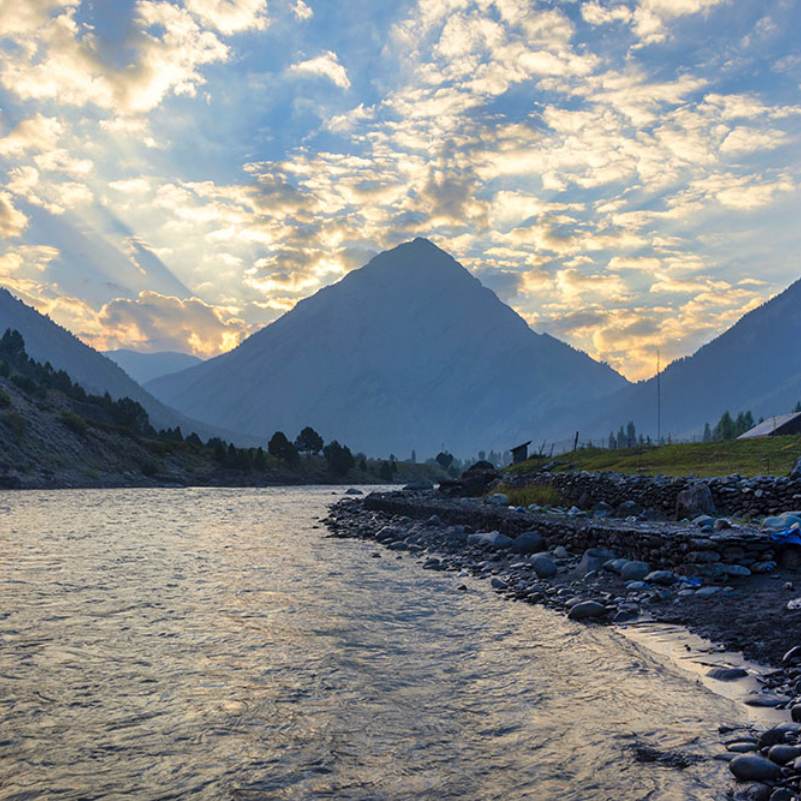
Day 1: Srinagar to Dawar
Same early departure, but with a relaxed arrival plan. No pressure to see anything on arrival day.
Settle in, walk around Dawar, sit by the river, sleep well.
Day 2: Dawar and central Gurez
Cover Dawar itself, the Habba Khatoon Peak and spring area, the Kishanganga River, and Khandiyal Top where access allows.
This is the day the valley starts making sense to you rather than passing by a car window.
Day 3: Tulail Valley
Full day for Tulail, same as the three-day plan but without the pressure of packing tonight.
Mention Chakwali to your driver only as a possible addition, as permission and road access can change. Confirm the latest status at the checkpoint on the day.
Day 4: Gurez to Srinagar
Keep this as your weather buffer. If day three got cut short by rain, you have a second chance in the morning.
Return in daylight either way.
If you want the whole route mapped around your dates, group size and comfort level, you can WhatsApp us and we will put together something realistic rather than something that looks good on paper.
What are the best places to visit in Gurez Valley?
Dawar
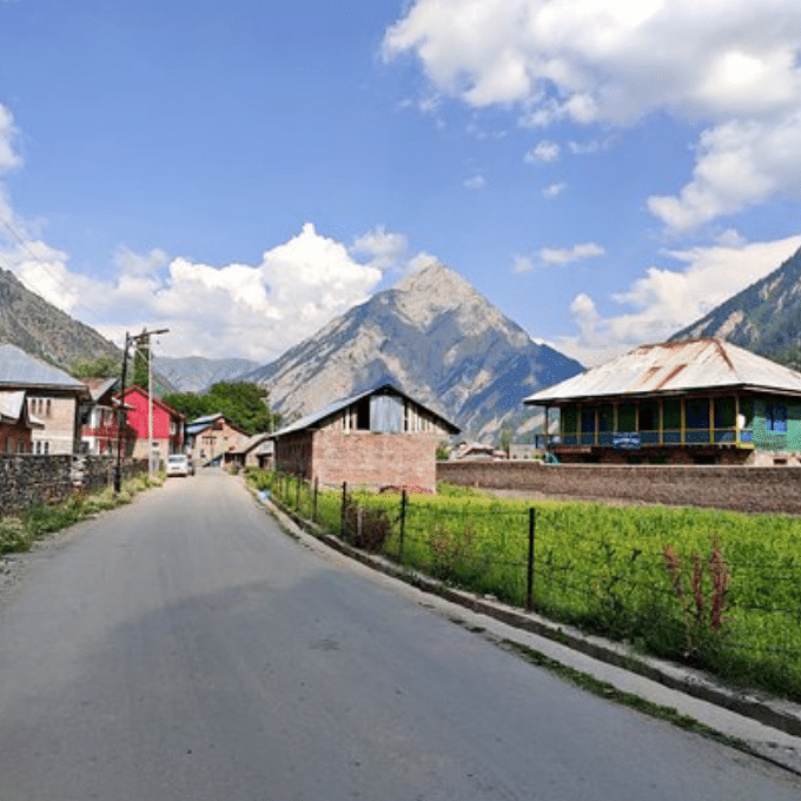
Dawar is the central township and the usual base for stays, taxis and local arrangements.
You will pass through it more than once. It is small, and that is part of the appeal.
Habba Khatoon Peak and spring area
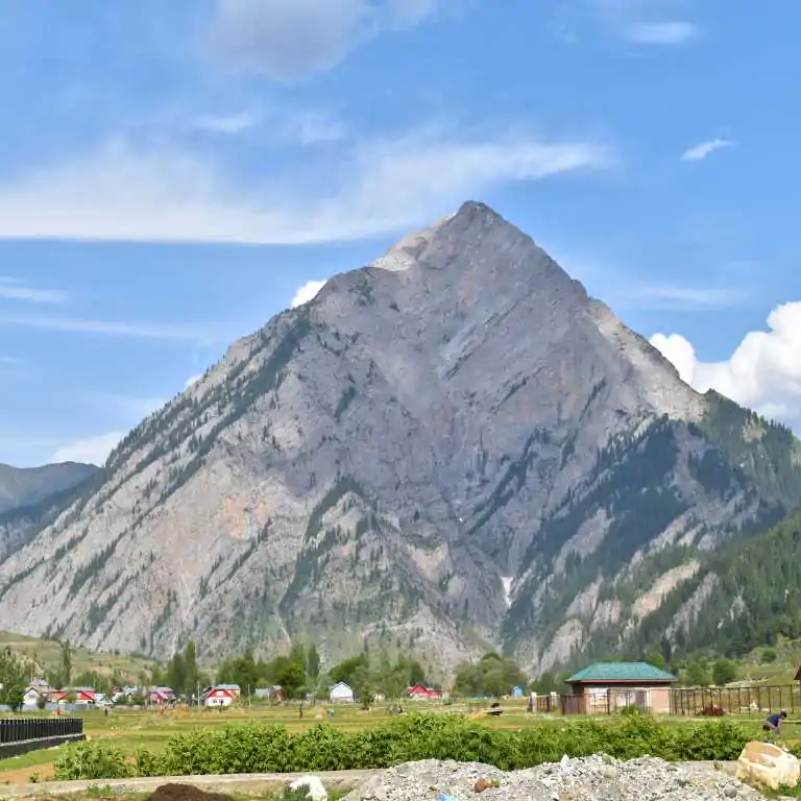
The peak has a distinctive pyramid shape that dominates the view from parts of the valley.
Locals associate it with the Kashmiri poetess Habba Khatoon, and the stories are worth hearing from someone in the valley rather than from a blog. Treat the folklore as folklore, not settled history.
There is a spring area connected to the same site, subject to local access on the day.
Kishanganga River
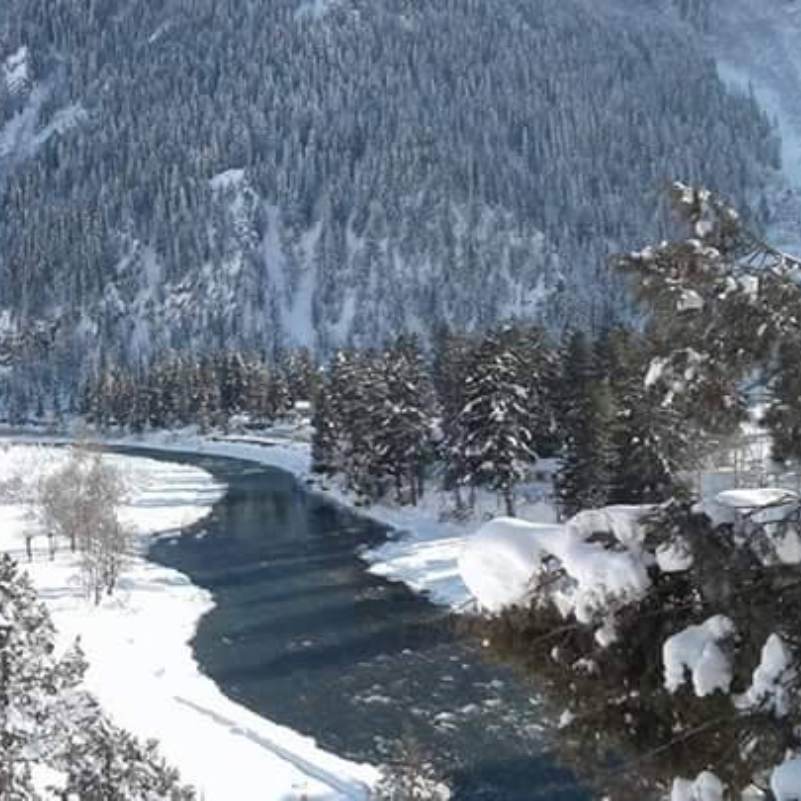
The Kishanganga defines the Gurez landscape. It runs beside the road for long stretches and past most of the villages you will see.
We are not going to tell you swimming, rafting or fishing is allowed. Rules around river use in a border area change, so ask locally before doing anything beyond looking at it.
Khandiyal Top
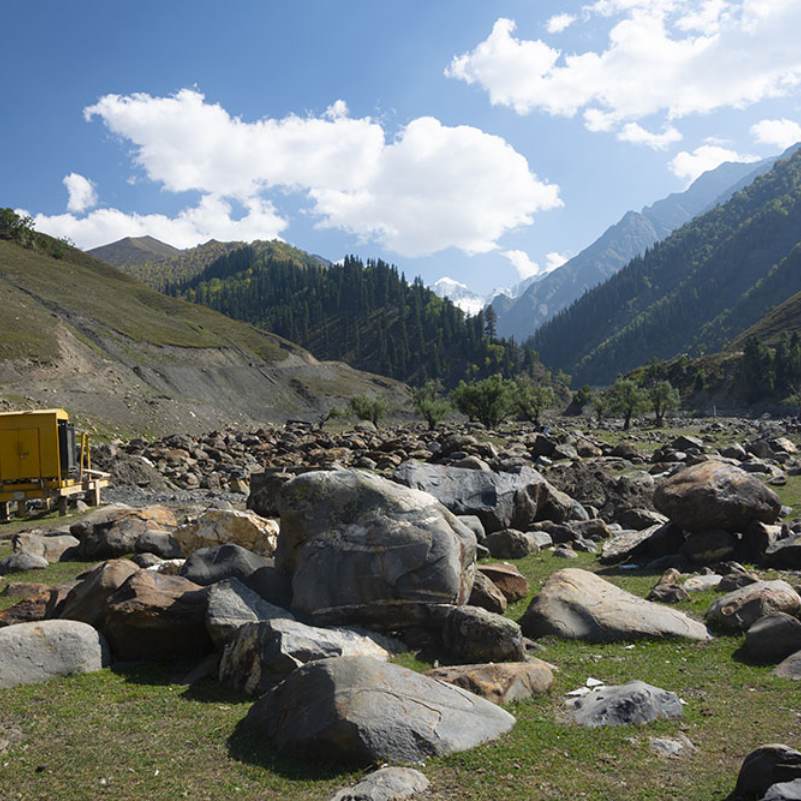
A panoramic viewpoint looking over Dawar and the surrounding landscape.
Access depends on local conditions and instructions, so confirm before planning a morning around it.
Tulail Valley
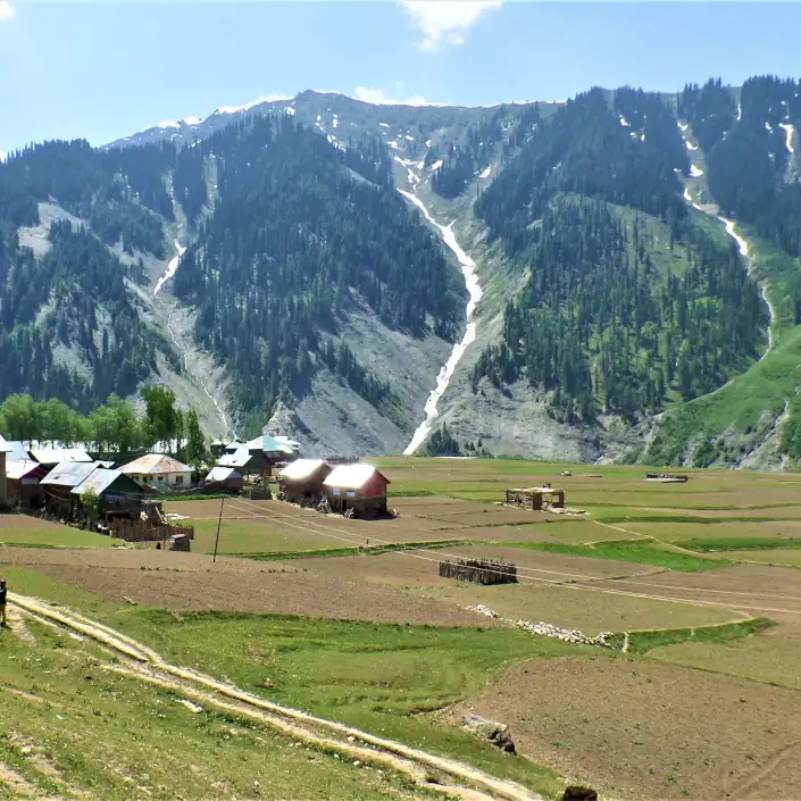
Roughly 40 km beyond Dawar, and it deserves a separate sightseeing day rather than a half-day squeeze.
The villages and river scenery along this stretch are the reason a lot of people come back.
Chakwali
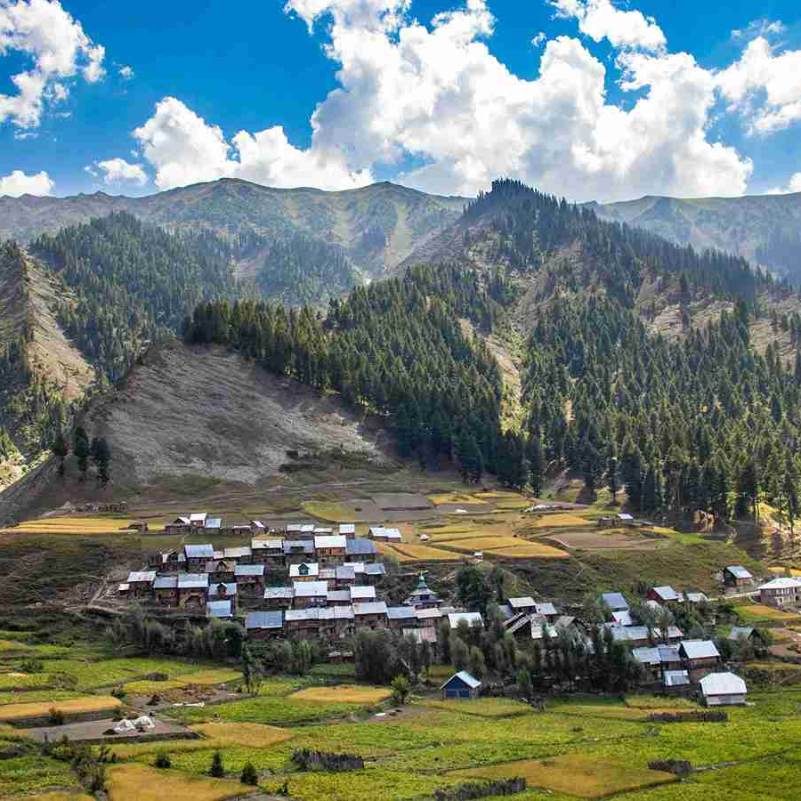
A permission-sensitive border location. This is not a casual add-on.
Access to Chakwali depends on current permission requirements and checkpoint restrictions, so confirm approval before including it in your itinerary.
Kanzalwan and Bagtore
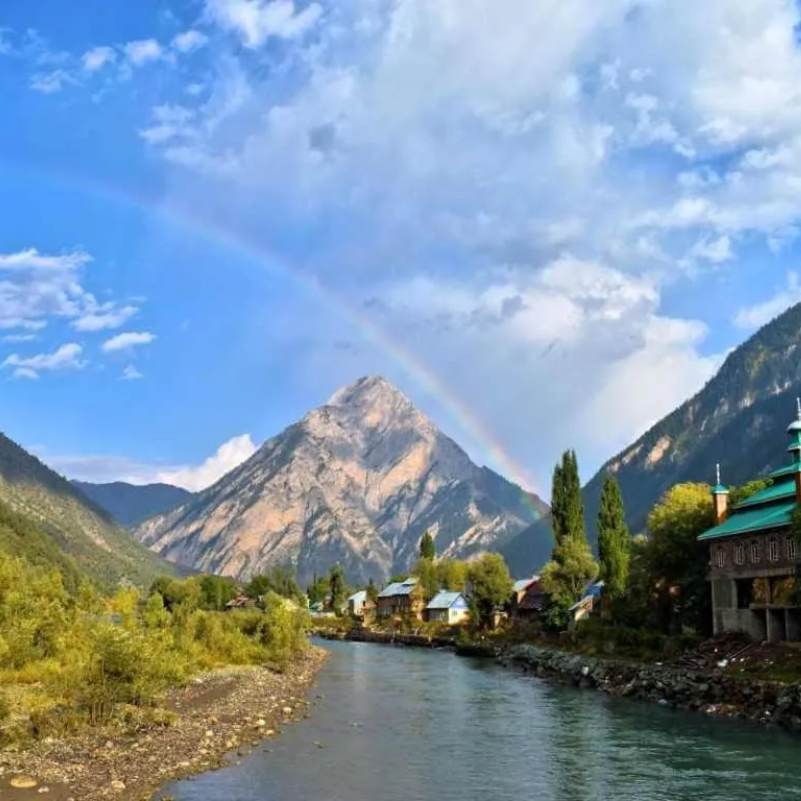
Treat these as optional stops depending on your approved route, your available time and current security instructions.
What can travellers do in Gurez?
Village walks are the best thing here. Slow, unstructured, and you actually meet people.
Landscape photography works well through most of the day because the valley is wide and the light changes fast.
Riverside time by the Kishanganga is worth building into the plan rather than treating as filler.
Cultural interaction with Dard-Shin families happens naturally if you are polite and unhurried. Ask before entering courtyards.
Locally guided short walks are the safest way to see more. Remote trekking routes may be unmarked and unclear, so attempt them only with an experienced local guide.
What we tell our travellers
In a place like this, the day you plan the least is usually the day you remember most. Leave one morning completely empty and let a local suggest what to do with it.
We are not promising fishing, rafting, camping or unrestricted trekking. None of that can be assumed in a border area.
Skip this
Do not spend half a day chasing a specific "viewpoint" you saw on Instagram if your driver says access is uncertain that day. You will burn four hours on a road for a maybe. Spend them in Tulail instead, where the whole drive is the view.
Where should you stay in Gurez Valley?
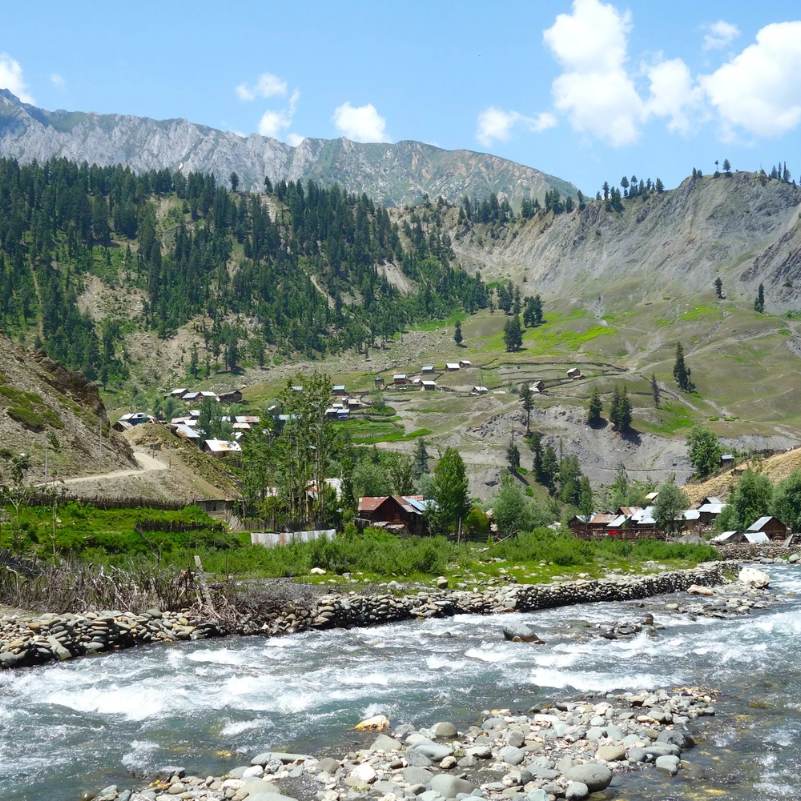
Dawar has the widest selection of guesthouses, homestays, hotels and camps. Outside Dawar, options thin out fast.
Many current listings fall between roughly ₹2,100 and ₹5,600 per night.
Selected higher-end resorts can go beyond ₹8,000 to ₹9,500.
All of these are indicative and shift with the date, the season and demand.
Before booking, confirm hot water, power backup, whether meals are included, parking, mobile connectivity at the property and cancellation terms.
JKTDC lists hut and dormitory categories for Gurez, though you must verify current availability directly.
Insider tip
Ask the property whether hot water is running or bucket-supplied, and at what hours. In smaller Dawar stays it is often bucket-supplied during a fixed window in the morning and evening, and knowing that changes how you plan your day.
How much does a Gurez Valley trip cost in 2026?
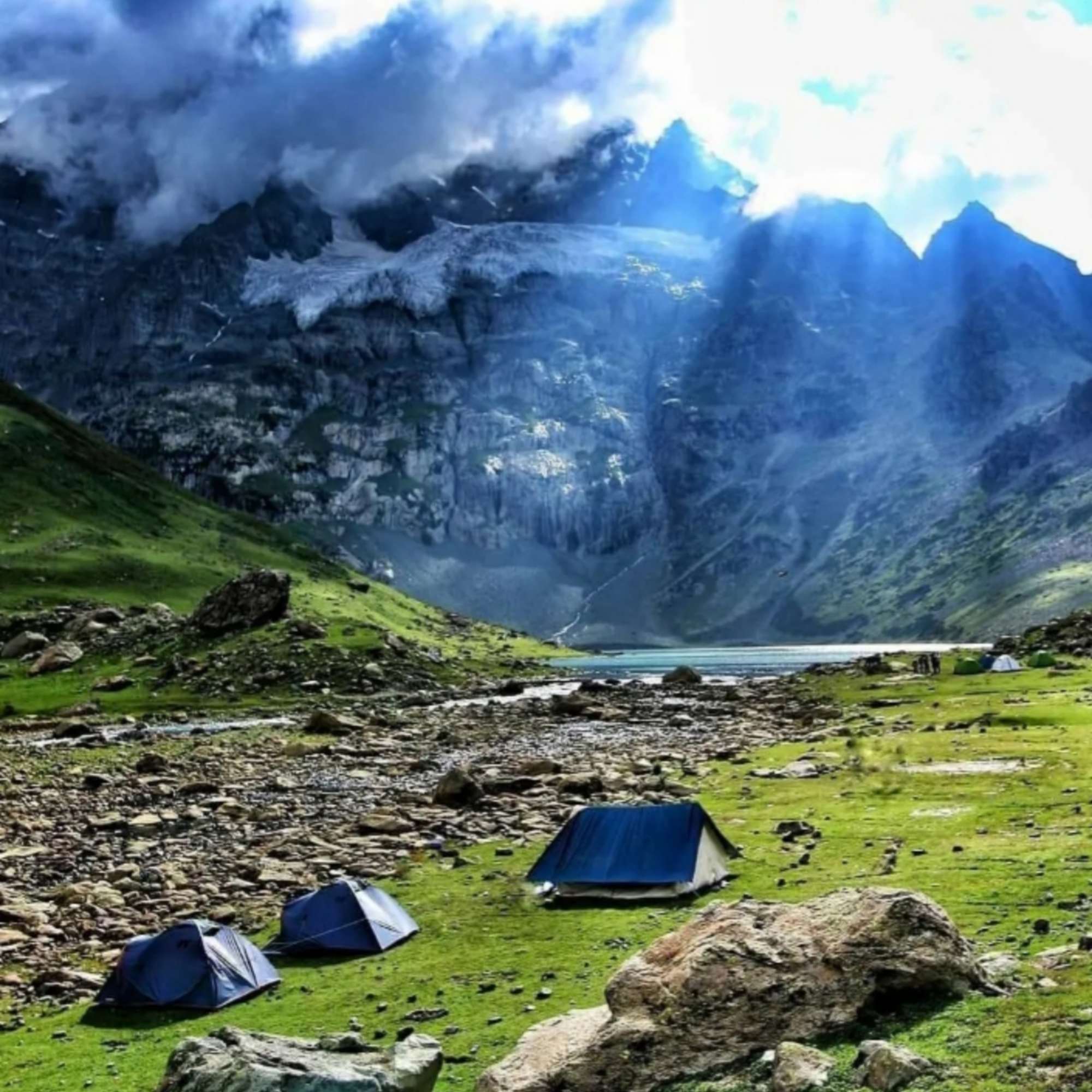
Srinagar taxi cost
Current commercial quotes suggest roughly ₹15,000 to ₹16,000 for a two-day sedan round trip from Srinagar.
A two-day SUV is commonly quoted around ₹17,000 to ₹18,000, though some providers quote more.
Some three-day vehicle listings start around ₹18,000 for the lowest category, with higher charges for larger vehicles.
These are private market quotes, not a guaranteed official fare. They move with season and demand.
Safety and scam warning: before you pay anything, confirm in writing whether the quote covers driver allowance, parking, tolls, overnight charges and local sightseeing in Gurez.
A ₹15,000 quote that excludes local sightseeing turns into ₹19,000 by day two, and the argument always happens in Dawar where you have no alternative vehicle.
Local Gurez taxi cost
A full-day vehicle from Dawar to Tulail is currently quoted around ₹4,000 to ₹4,500.
A Chakwali vehicle is quoted around ₹5,000 to ₹8,000, subject to access being permitted at all.
Confirm the current local union taxi rates and Chakwali access permission after arriving in Gurez, as both can change.
Accommodation and meals
Use the accommodation range above, roughly ₹2,100 to ₹5,600 per night for most listings, with higher-end resorts beyond ₹8,000 to ₹9,500.
Meal prices vary by property, location and what is included, so confirm the cost directly with your accommodation before travelling.
Meal plans vary widely by property. Some homestays include all meals in the room rate, others charge per plate, and a few expect you to tell them in the morning what you want at night because supplies are limited.
Food tip: eat where you sleep. In Dawar, the kitchen at your homestay is usually the most dependable hot meal of your day, and standalone restaurant options are few. Tell them by afternoon if you want dinner.
Sample trip budget
Here is how it stacks up for two travellers on a three-day, two-night plan with a sedan from Srinagar.
Transport sits in the ₹15,000 to ₹16,000 band for the two-day sedan round trip, and a three-day vehicle would move you closer to the ₹18,000 starting figure.
Add a local Tulail day vehicle at roughly ₹4,000 to ₹4,500 if your Srinagar quote does not already include local sightseeing.
Two nights in a mid-range Dawar stay in the ₹2,100 to ₹5,600 range gives you a spread of roughly ₹4,200 to ₹11,200 for the accommodation.
Meal costs vary by property and dining arrangement, so confirm the expected food charges directly with your accommodation when booking.
Every figure here is indicative. Confirm each one before you treat any of it as your budget.
👉 Planning a Gurez Valley trip in 2026? WhatsApp us for a customised quote based on your dates.
Is Gurez Valley safe for tourists?
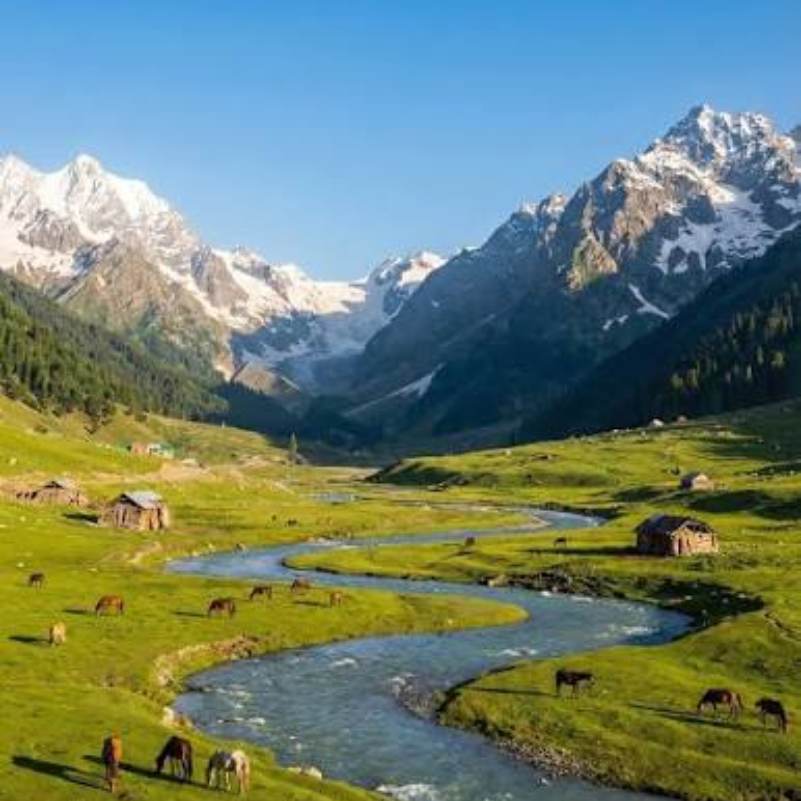
We are not going to give you a blanket yes, and be careful of anyone who does.
Gurez is a sensitive border region. There are security checkpoints, and the rules governing movement can change with little notice.
Follow current government, police, army and district guidance. What was allowed last season may not be allowed this one.
Do not wander onto unapproved trails. Do not photograph security installations, personnel or checkpoints.
Cross Razdan Pass in daylight, both directions. Keep your plans flexible enough that a closed road is an inconvenience rather than a crisis.
For families
The long drive is the hardest part for young children and older travellers. Break it with stops, carry motion sickness medicine, and choose four days over three.
For solo travellers
Tell someone your route and expected return, since the signal is unreliable. Move with a local driver rather than improvising transport.
For motorcyclists
The road demands real mountain riding ability and the weather changes fast on the pass. Ride in daylight, ride in a group if possible, and carry your documents where you can reach them at checkpoints.
What should you know about mobile signals, cash, fuel and medical help?
Mobile signals and the internet can be intermittent through the valley.
Mobile coverage varies across the valley, so check current network availability before travelling and download offline maps in advance.
Carry enough cash for the trip. We are not saying there is no ATM anywhere, but do not build your plan around finding a working one.
Fuel availability can be limited beyond Bandipora, so confirm the latest situation and fill your tank before beginning the climb to Gurez.
Carry your regular medicines plus basics for headache, stomach upset and minor injuries. Advanced medical facilities here are more limited than in Srinagar, and the drive back is long.
What should you pack for Gurez?

Layers matter more than one heavy jacket. Pack thermals or a fleece, a warm outer layer and something windproof.
Rain protection is worth carrying even in summer. A compact rain jacket beats an umbrella on a windy riverbank.
Comfortable walking shoes with grip, because village paths and riverbanks are uneven.
Sunscreen and sunglasses. At this altitude the sun is stronger than it feels.
A power bank, your personal medicines, your original government photo ID and photocopies of it.
Evenings feel cold here even during the summer travel season. Pack for that, not for the afternoon you experienced in Srinagar.
How can visitors travel responsibly in Gurez?
Homes, farms and religious sites are not tourist attractions. Behave the way you would in someone's neighbourhood, because that is exactly what this is.
Ask before photographing people. A no is a no, and a yes usually comes with a conversation worth having.
Stay well away from military areas and follow every instruction you are given without arguing.
Carry your waste back with you. Do not throw anything into the Kishanganga, and do not wash with soap in the river.
Camp only in locally approved areas and confirm the current camping rules before setting up.
Use local accommodation and local guides where practical. In a valley this small, where your money goes actually shows.
Is Gurez better than Ladakh, Spiti or mainstream Kashmir?
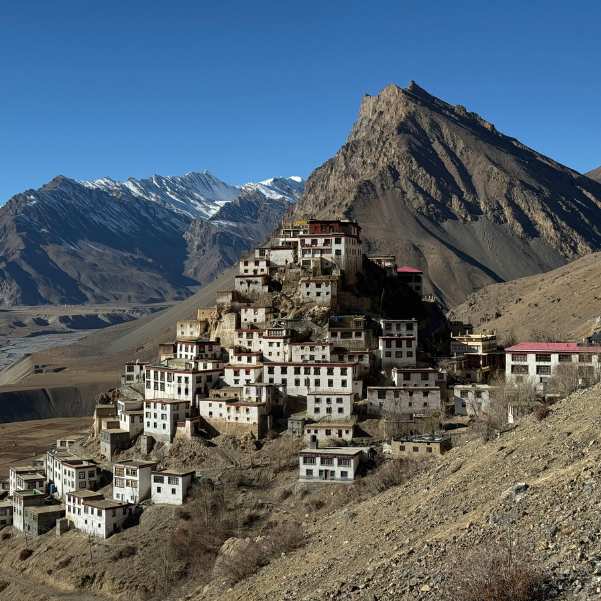
Gurez gives you something specific. Green valley scenery, the Kishanganga running through it, and the feel of a remote border region where tourism has not reshaped daily life.
Ladakh and Spiti are drier, higher and more barren, with far more developed travel infrastructure and a much longer list of things to see. Our Ladakh tour packages and Spiti Valley tour packages cover both, and they suit a different kind of trip.
If you want a green valley route with a similar remote feel closer to Himachal, our Kinnaur tour packages are worth a look.
Here is the honest part. Gurez tourism infrastructure is less developed than mainstream Kashmir. Fewer rooms, fewer restaurants, less reliable connectivity and more rules about where you can go.
That is a feature for some travellers and a dealbreaker for others. We are not going to tell you one destination is objectively better than another.
Final planning advice
Give Gurez three to four days. Anything less and you are just driving.
Leave Srinagar early. Every good day in this valley starts before 6 AM.
Confirm road status the day before and again the morning you travel. Confirm the permit rule close to your dates rather than trusting anything you read weeks earlier.
Carry your original ID and photocopies, and book your transport in advance rather than sorting it out in Bandipora.
Keep the plan flexible. Razdan Pass and border-area access can change, and a rigid itinerary is the fastest way to ruin a good trip here.
If you want help putting this together around your actual dates, talk to us. We would rather help you plan it properly than watch you find out the hard way what a closed pass does to a fixed itinerary.
Explore Our Curated Kashmir Tours Packages
 4D/3N
4D/3NThe Perfect 4 Day Kashmir Getaway
2D Srinagar•1D Gulmarg+1
₹9,999₹14,499SAVE INR 4,500/ person 5D/4N
5D/4NKashmir Honeymoon Experience – Srinagar, Gulmarg & Pahalgam
3D Srinagar•1D Pahalgam+1
₹14,499₹21,499SAVE INR 7,000/ person 5D/4N
5D/4NBest Of Kashmir – Srinagar, Gulmarg & Pahalgam Tour Package
3D Srinagar•1D Pahalgam+1
₹11,499₹16,999SAVE INR 5,500/ person
Related topics
Frequently Asked Questions
Where is Gurez Valley located?
Gurez Valley is in Bandipora district in North Kashmir, close to the Line of Control, at roughly 8,000 feet.
Is Gurez Valley open for tourists in 2026?
Access depends on the Razdan Pass road and current local rules, so confirm the latest status one day before departure and again on the morning you travel.
Is Razdan Pass open throughout the summer?
It is usually most reliable from late May or June through September, sometimes into October, but weather can close it temporarily at any point.
What is the best month to visit Gurez?
July and August are generally the most dependable for road access. September brings clearer autumn views with slightly higher weather risk.
How far is Gurez from Srinagar?
Gurez is roughly 123 km from Srinagar by the official district figure, though some sources quote 140 to 150 km depending on the exact endpoint within the valley.
How many days are enough for Gurez?
Three days and two nights is the practical minimum. Four days and three nights is more comfortable and gives Tulail a full day.
Do Indian tourists need a permit?
Sources conflict on the current rule, so confirm the latest permit requirement with the district administration or your operator before travelling. Carry your original government ID along with photocopies.
Are foreign tourists allowed in Gurez?
Foreign tourist access may be restricted or require additional permission, such as a Protected Area Permit. Confirm the current rule in writing with the relevant authority before booking transport or accommodation.
Can tourists visit Tulail and Chakwali?
Tulail is roughly 40 km from Dawar and is commonly visited, while access to Chakwali depends on permission and checkpoint restrictions. Confirm the latest status of both locally before travelling.
Is Gurez safe for families and solo travellers?
It is a sensitive border region with checkpoints and changing rules. Follow official guidance, avoid unapproved trails, travel in daylight and keep your plans flexible.
Is mobile internet available in Gurez?
Mobile signal and internet access can be intermittent across Gurez, so check current network coverage and download offline maps before leaving Srinagar.
Can I visit Gurez in my own car or on a motorcycle?
Yes, if you are experienced with narrow, changing mountain roads. Cross Razdan Pass in daylight, fuel up before the climb and carry your documents for checkpoints.
More about Kashmir
 Kashmir
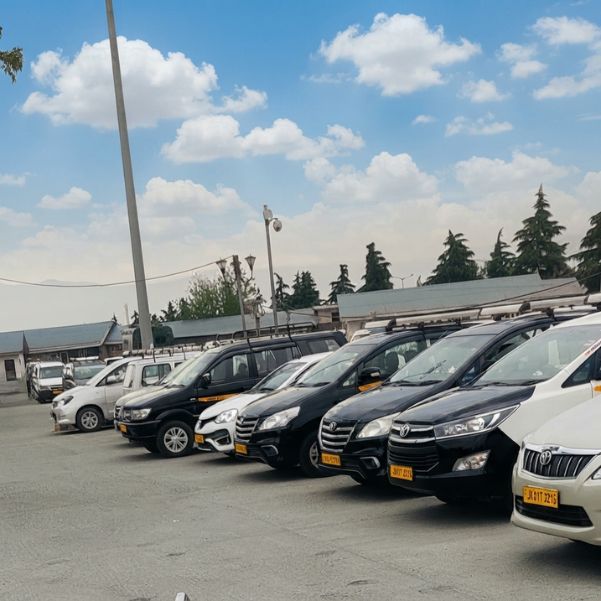
Kashmir Taxi Guide 2026: Local Union Rules, Cab Routes & Current Fare Logic
Planning to use taxis in Kashmir in 2026? Understand local union rules, popular cab routes, sightseeing restrictions and how taxi fares are generally structured across Srinagar, Gulmarg, Pahalgam and Sonamarg.
 Kashmir
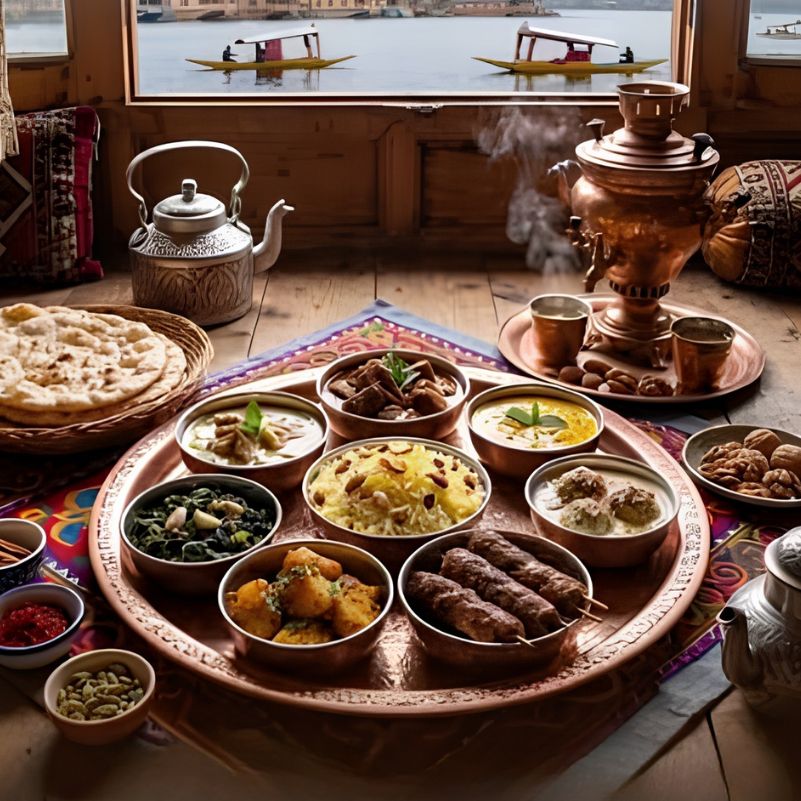
Kashmiri Food Guide 2026: What to Eat in Srinagar, Pahalgam & Gulmarg
Discover what to eat in Kashmir in 2026, from traditional Kashmiri dishes and Wazwan to local snacks, breads and drinks. This guide covers food experiences in Srinagar, Pahalgam and Gulmarg for first time visitors.
- Things to Do
- Places to Visit
 Kashmir
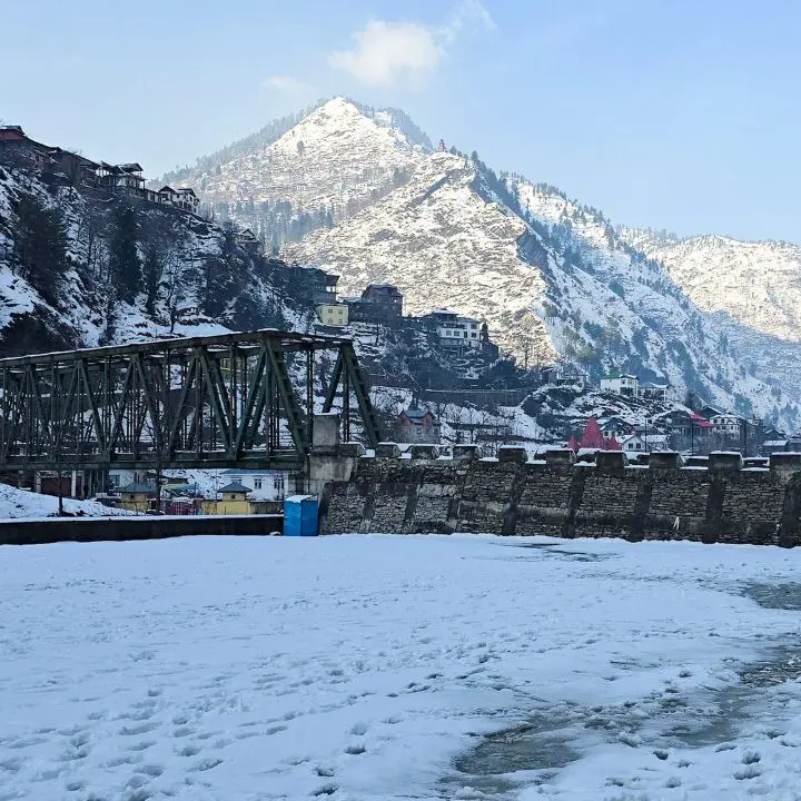
SIM Cards in Kashmir 2026: Internet, ATMs, IDs & Tourist Essentials
Travelling to Kashmir in 2026? Learn about SIM card access, mobile internet, ATM availability, accepted ID documents and other essentials tourists should arrange before visiting Srinagar, Gulmarg, Pahalgam and Sonamarg.
- First-Time Travellers