
Dharamshala McLeodganj Itinerary for 3 Days (2026 Guide)
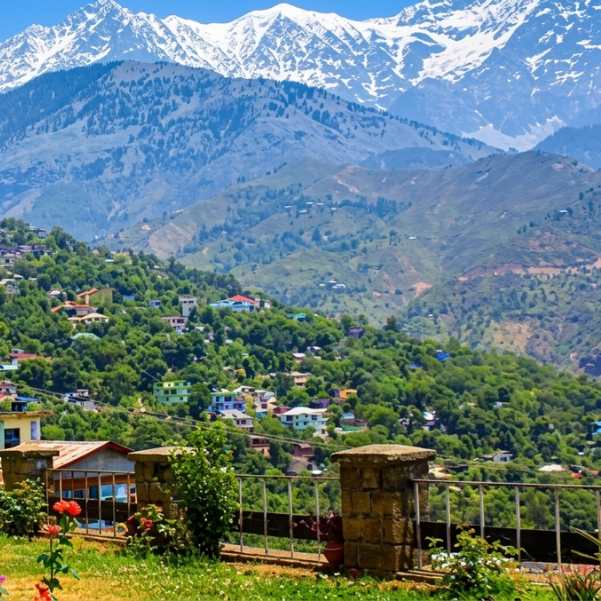
Most people planning a Dharamshala McLeodganj itinerary for 3 days make the same mistake. They try to cover everything in a flat list, without realising that this is not a flat town.
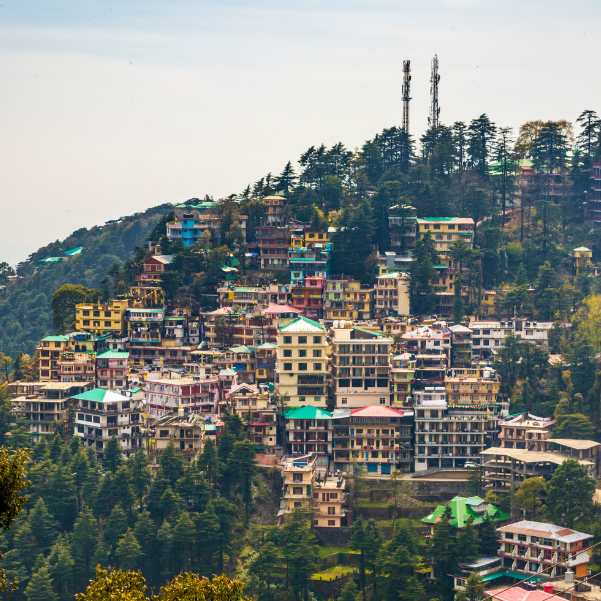
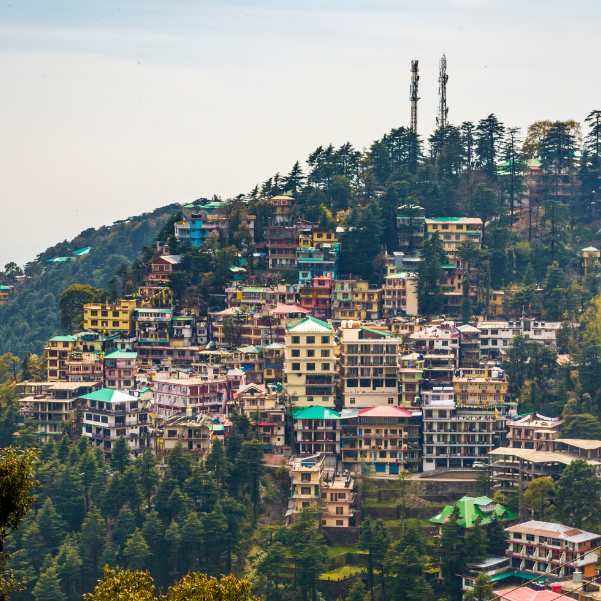
McLeodganj, Bhagsu, Dharamkot, and Lower Dharamshala sit at different elevations, connected by steep roads and steeper walking paths. If you do not group your sightseeing by area, you will spend half your trip in autos going up and down the same hill.
This guide by Travel Coffee gives you a day-by-day plan that actually respects the terrain. We have been sending travellers here for years, and the ones who enjoy Dharamshala most are the ones who slow down and cluster their days smartly.
Quick Answer
A solid 3-day Dharamshala McLeodganj trip plan looks like this. Day 1 is McLeodganj core: the Tsuglagkhang Complex, Namgyal Monastery, and the main market. Day 2 goes to Bhagsu, Dharamkot, and Naddi for a mix of waterfalls, village walks, and sunset views.
Or swap this for a Triund trek if you want adventure. Day 3 covers Lower Dharamshala: the cricket stadium, Norbulingka, and the War Memorial.
Group nearby places together. The elevation changes are real, and backtracking wastes time and energy.
Why 3 Days Are Enough for Dharamshala and McLeodganj
Three days cover the highlights comfortably. You get the monastery circuit, the Bhagsu waterfall walk, a sunset at Naddi, and a half day in Lower Dharamshala. That is a full trip.
What 3 days do not cover is every possible side trip. You will not have time for a full Triund overnight, a day trip to Dharamkot yoga centres, and Lower Dharamshala all in one go. Pick your priority and build around it.
This itinerary works best for people who want to experience a place rather than tick off a checklist. Dharamshala rewards slow mornings, long café lunches, and unplanned walks through monastery lanes.
If you are the type who needs to see 15 spots a day, you will fight the terrain here and lose.
Should You Stay in Dharamshala or McLeodganj?
Stay in McLeodganj. Almost everything you want to see in the first two days is within walking distance from there. The monastery, the market, Bhagsu, and Dharamkot are all close. McLeodganj has more cafés, more energy, and more options for food and shopping.
Lower Dharamshala is quieter, more spread out, and better connected by road to the highway. It works if you are driving your own car and want easier parking. But you will need a cab every time you want to visit McLeodganj, which gets old fast.
In our experience, about 8 out of 10 travellers are happier staying in McLeodganj. The only exception is families with elderly members who find steep walking difficult.
For them, a stay near the main road in Lower Dharamshala with a dedicated cab for sightseeing makes more sense.
If you want a trip with handpicked stays and local café recommendations, check out our Dharamshala tour packages for a plan that fits your group.
Day 1: Explore McLeodganj, the Dalai Lama Temple, and the Market
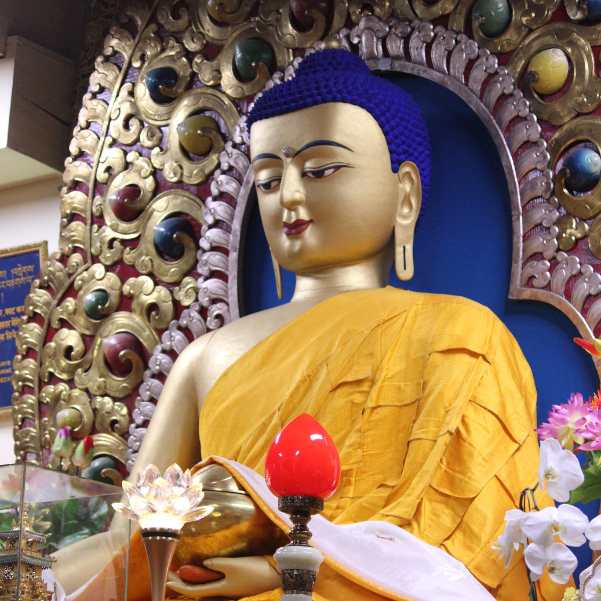
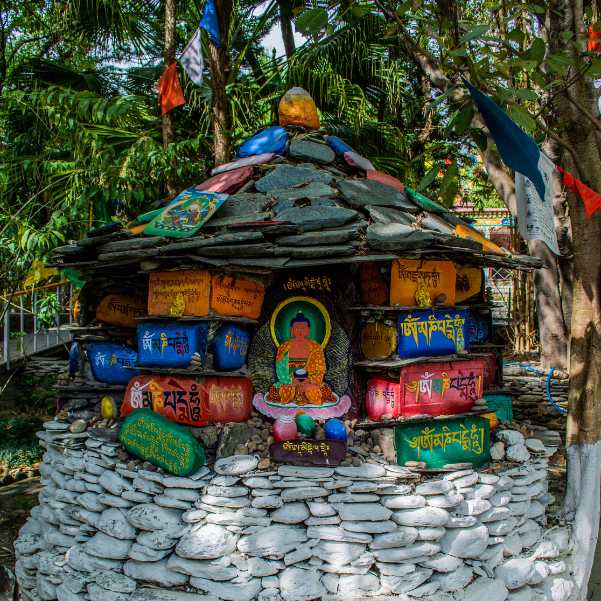
Start your morning at the Tsuglagkhang Complex. This is the main temple of the Dalai Lama and the spiritual centre of McLeodganj. Walk through the prayer wheel circuit slowly.
The monastery grounds are calm in the morning, with monks in maroon robes walking past you and incense floating through the courtyard. The Tibet Museum inside the complex is small but worth 20 minutes.
Right next to it is Namgyal Monastery. You can hear chanting from inside if you visit before 9 AM. Most day-trippers arrive after 10, so early mornings here feel completely different. This is what we always tell our travellers: reach the temple before breakfast, not after.
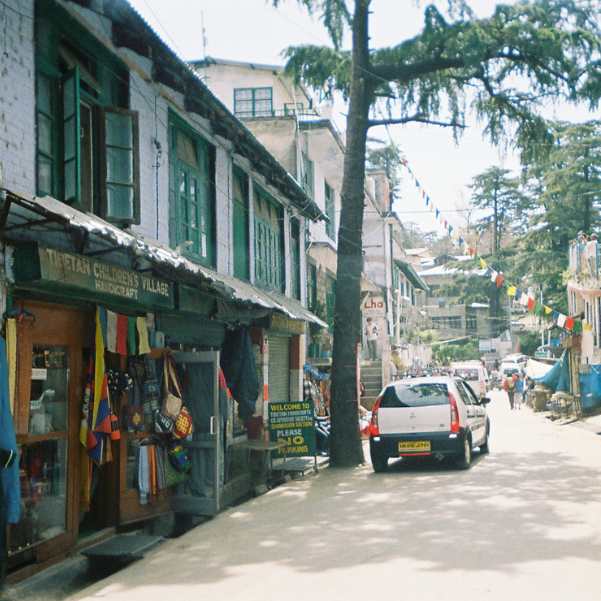
After the monastery, walk through the McLeodganj main market. It is not a big market, but it has character. Tibetan shops selling prayer flags, singing bowls, and handmade jewellery line both sides of the road. The narrow lanes have more personality than the main drag. Do not rush this.
For a deeper breakdown of what to see and what to skip, our complete Dharamshala McLeodganj guide covers every major spot with honest reviews.
What Should You Do on Day 1 Afternoon and Evening?
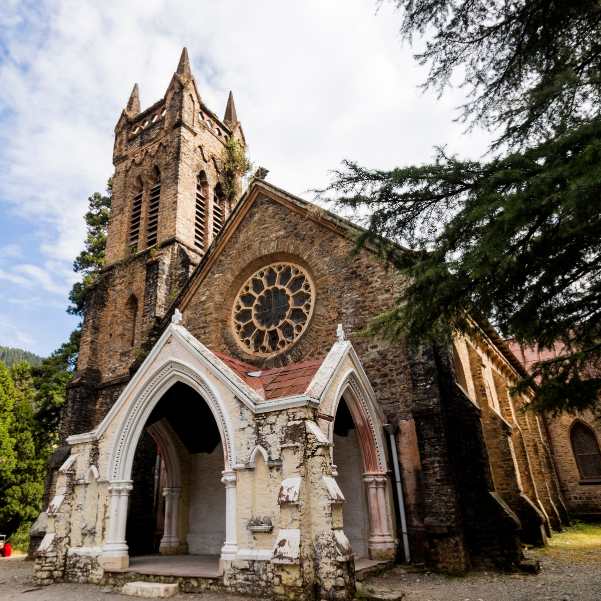
If you still have energy, walk to St. John in the Wilderness. It is a 19th century Anglican church set inside a cedar forest, about 2 km from the main market.
The walk there is downhill and peaceful. The church itself takes 15 minutes, but the setting is worth the visit.
Here is the honest advice though. If you arrived in McLeodganj after an overnight bus from Delhi or a 10 to 12 hour drive, you will be tired. Do not force a packed afternoon on Day 1.
Instead, grab a coffee at one of the cafés near the main square, watch the sunset from the market road, and save your energy for Day 2. The worst mistake people make here is cramming too much into their first day and then feeling wiped out for the rest of the trip.
Day 2: Bhagsu, Dharamkot, and Naddi for a Relaxed Second Day
This is the day most people remember best.
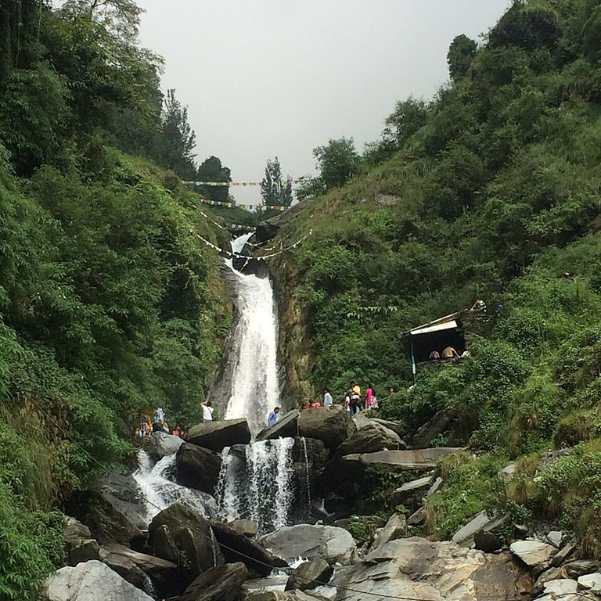
Start the morning at Bhagsunag Temple, a small Shiva temple with a natural spring pool. It is not a grand temple, but it has an easy charm. From here, the trail to Bhagsu Waterfall is about a 20-minute walk uphill.
The waterfall is strongest after the monsoon, but even in dry months the walk itself is worth it. Rocks, small streams, and pine trees all the way.
What most tourists get wrong about Bhagsu: they visit only the waterfall and turn back. The real payoff is continuing uphill from the waterfall towards Dharamkot.
The stretch is steep but the views open up dramatically once you cross the treeline. You can see the valley below, snow on the Dhauladhar range, and the entire McLeodganj town from above.
Dharamkot itself is a small village with yoga centres, a couple of quiet cafés, and a pace that feels nothing like McLeodganj. Spend an hour here. Eat something. Sit. Our detailed Dharamkot travel guide covers the village in full if you want to plan more time here.
In the evening, head to Naddi for sunset. Naddi is a small viewpoint about 3 km from McLeodganj, and on a clear day, the Dhauladhar range turns gold right in front of you.
Get there by 5 PM in summer and earlier in winter. The light changes fast and you do not want to miss the best 15 minutes.
If you need help building a Dharamshala plan around your group and travel dates,
>> WhatsApp us for a Dharamshala plan with local recommendations
Want Adventure? Here Is the Day 2 Triund Version
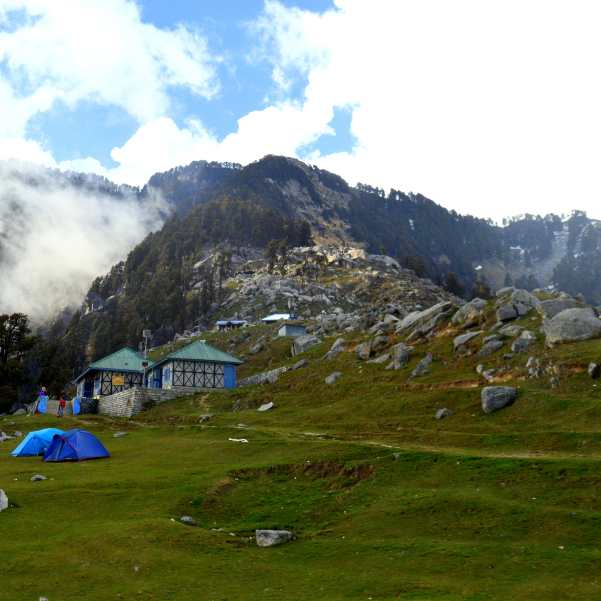
If you are a trekker, swap the Bhagsu and Dharamkot plan for a Triund trek. The trek starts from Galu Devi Temple near Dharamkot and takes about 4 to 5 hours up, depending on your pace.
The trail is well-marked and the payoff at the top is a wide, grassy ridge with the Dhauladhar peaks directly in your face.
But Triund changes the rhythm of the whole trip. You will need to start by 7 AM, carry water and snacks, and plan for a return that leaves you tired by late afternoon. The rest of Day 2 will be recovery.
One thing to know: current rules around Triund permits and trekking access should be checked before travel. Some sources mention permit counters in the Triund area, while others say only areas beyond Triund need permits. Please verify the latest position before you go.
Our recommendation? If you are fit and enjoy trekking, Triund is absolutely worth it. But do not attempt it the morning after an overnight bus. Give your body one day in McLeodganj first.
Day 3: Lower Dharamshala Sightseeing Without Wasting Time
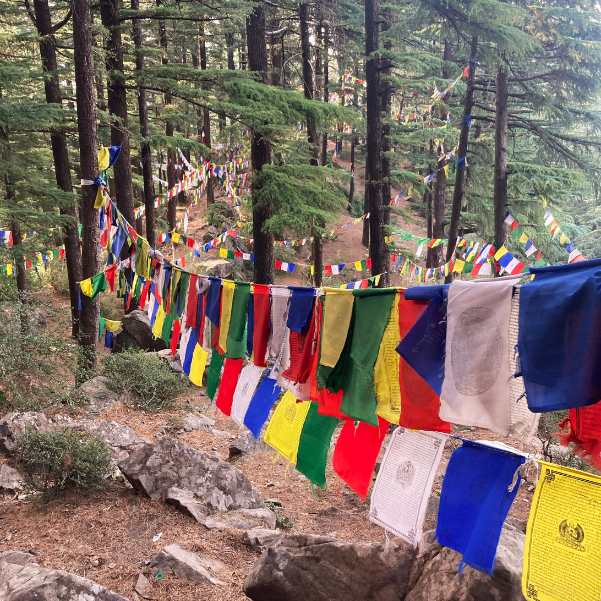
Day 3 takes you downhill to Lower Dharamshala. You can take a cab (about 20 minutes) or try the Dharamshala Skyway ropeway if you want the scenic route down. More on the ropeway below.
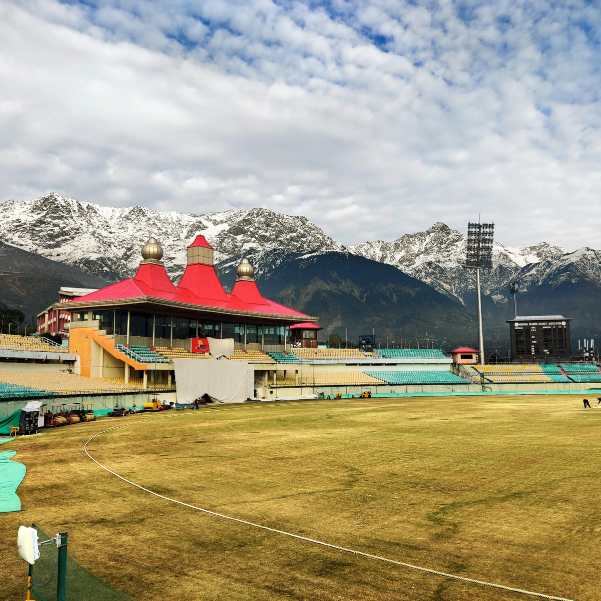
Start with the HPCA Cricket Stadium. Even if you do not follow cricket, the stadium is worth a stop. It sits against a backdrop of snow peaks and pine forests.
Few stadiums anywhere in the world look like this. Walk around the outside if there is no match happening. It takes 15 minutes and photographs well.
Next, drive to the Norbulingka Institute, about 20 minutes from the stadium. This is a Tibetan arts centre with workshops where artisans create traditional paintings, woodcarvings, and textiles.
You can watch them work, walk through the temple inside, and spend time in the garden. It is one of the few places in the area that feels genuinely unhurried.
If you have time before your departure, stop at the War Memorial. It is small, well maintained, and takes 15 minutes. Not essential, but a respectful addition if your bus or car leaves in the evening.
Skip the Kangra Fort unless you have a full extra day. It is about 20 km from Dharamshala and the drive eats into your time without adding much to a 3-day trip.
Is the Dharamshala Skyway Ropeway Worth Including?
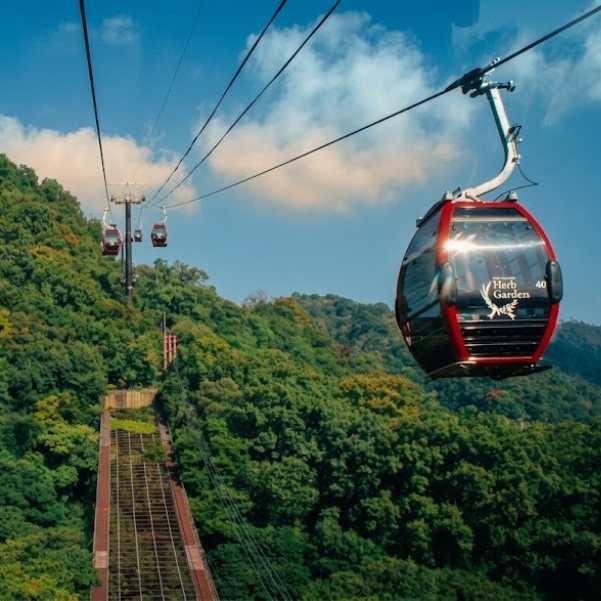
The Dharamshala Skyway connects McLeodganj to Lower Dharamshala across a 1,775 m span. It was commissioned in 2022 and Ticket prices have varied over time but are typically around ₹500 one way. Listed timings are 9:30 AM to early evening, depending on the season.
That said, reconfirm the fare and timing before you go. Different third-party sources show different numbers, and operational hours can shift with season and weather.
Is it worth it? If the weather is clear, yes. The views from the ropeway are genuinely good, and it saves you the winding taxi ride down. If it is foggy or raining, a taxi is simpler and faster.
Do not treat the ropeway as a sightseeing attraction on its own. It is a fun transport option when conditions are right.
Best Cafés, Local Food, and What to Try in 3 Days
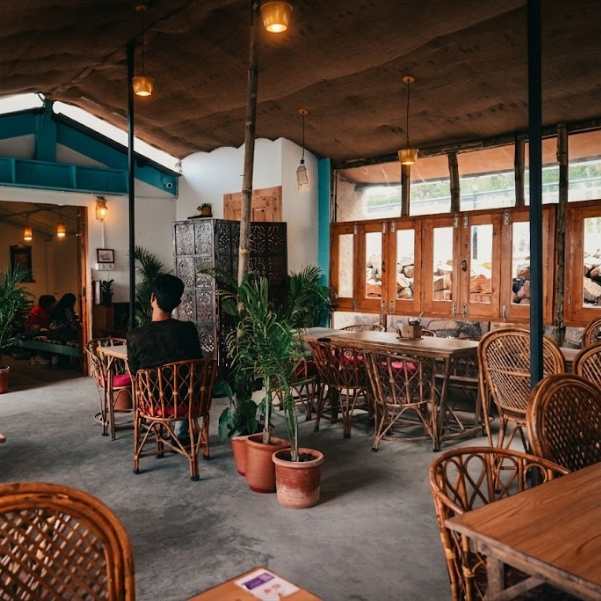
McLeodganj is one of the best café towns in Himachal. You will find Tibetan food everywhere, and you should eat it.
Thukpa is a Tibetan noodle soup that is perfect after a cold morning walk. Momos here are better than what you get in Delhi.
The steamed ones with a spicy red chutney are the classic. Tingmo with spicy aalu is an underrated combination that most tourists skip.
The cafés near Bhagsu lean more towards Western food and Israeli cuisine. Good for a long lunch after the waterfall walk. Dharamkot has a few quieter spots where you can eat with a valley view and no crowd.
Here is a money-saving tip most people miss: the small Tibetan eateries in the lanes behind the main market serve the same food as the popular cafés, at about half the price. You do not need to eat at the most Instagrammed café to eat well here.
How to Travel Locally Between Dharamshala, McLeodganj, and Bhagsu
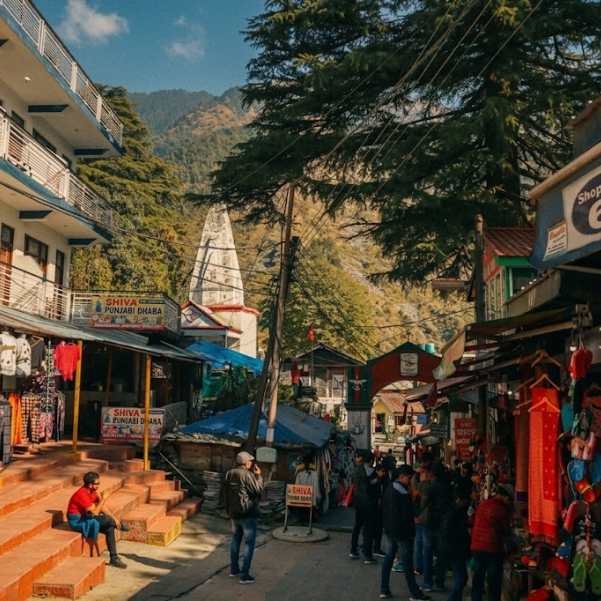
Walking is the best way to move within McLeodganj and between McLeodganj and Bhagsu. The distance is short, about 2 km, and the path is interesting. But it is steep. Wear proper shoes, not sandals.
Autos and taxis run between Lower Dharamshala and McLeodganj constantly. Expect to pay ₹400 to ₹600 for a one-way taxi between the two. Shared autos are cheaper but less predictable.
If you are driving your own car, be prepared. McLeodganj roads are narrow, parking is a nightmare on weekends, and the one-way systems will confuse you at least twice.
Our drivers know the back routes and where to park without getting stuck. Self-drive visitors should park at the lower lots and walk up.
What Is the Best 3-Day Itinerary for Families, Couples, and Backpackers?
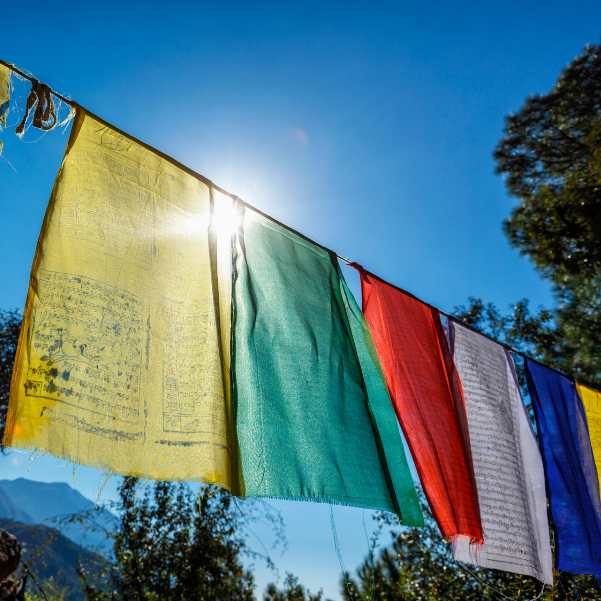
Families
Families should follow the standard plan: McLeodganj temples on Day 1, Bhagsu waterfall and Naddi sunset on Day 2, Lower Dharamshala on Day 3.
Skip Triund and Dharamkot. The steep walks tire out kids and older family members. Take the ropeway if it is running.
Couples
Couples should swap the Lower Dharamshala day for more time in Dharamkot and Naddi. Dharamkot has quieter cafés, Naddi has better sunset views, and the pace feels more romantic than rushing through a cricket stadium. Add St. John in the Wilderness for a peaceful walk together.
Backpackers
Backpackers should do Triund on Day 2, Dharamkot on the morning of Day 3, and skip Lower Dharamshala unless the cricket stadium genuinely interests them.
Backpacking McLeodganj is about the monastery, the trek, the food, and the people. Not about covering every tourist point.
Best Time to Follow This Itinerary in 2026
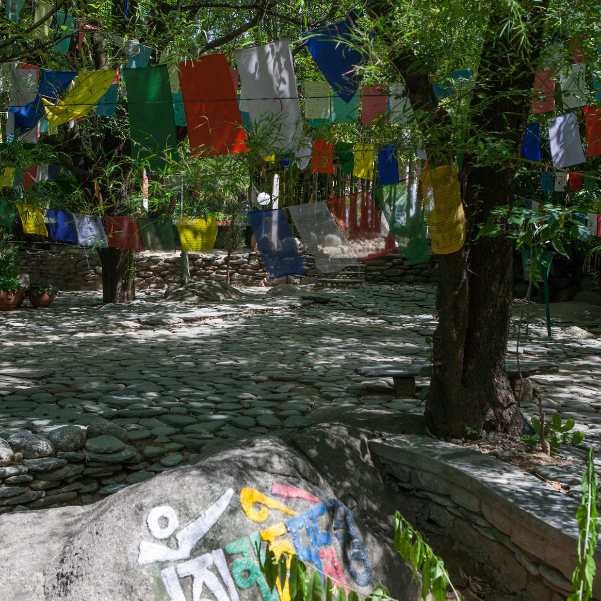
March to June
March to June is the most comfortable window. Clear skies, pleasant days, cool evenings. April and May are peak tourist months, so expect crowds in McLeodganj.
September to November
September to November is the post-monsoon window and quietly the best time for photography. The air is clean, the Dhauladhar range is sharp, and the tourist rush has dropped.
December to February
December to February brings snow to the upper areas. Mornings are cold and slow. Triund may be inaccessible. But if you like winter mountain towns with fewer people, this has its own charm.
July and August
July and August are monsoons. Roads can get disrupted, Bhagsu waterfall is at its strongest, and you will need a rain jacket. Flexibility is key. Do not lock a rigid plan in monsoon.
A transport update for 2026: a news report says Shimla to Dharamshala flights are expected to begin by late April 2026. If that happens, it adds a new option for people already in Shimla.
But most travellers will still arrive by road from Delhi (10 to 12 hours), by train to Pathankot (about 90 km from McLeodganj), or by flight to Kangra Airport (about 12 km from Dharamshala).
Practical Budget for 3 Days in Dharamshala and McLeodganj
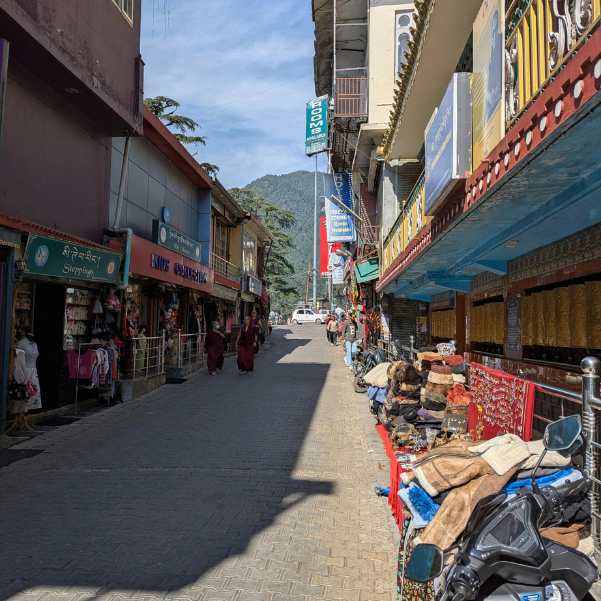
Hotel costs vary widely depending on the season and how early you book. McLeodganj has everything from ₹800 per night budget guesthouses to ₹5,000+ boutique stays. Monsoon and winter rates drop. April and May peak season rates rise.
Food is affordable. A full Tibetan meal at a local eatery costs ₹150 to ₹300 per person. Café meals with coffee run higher, around ₹400 to ₹700.
Local transport between McLeodganj and Lower Dharamshala by taxi is ₹400 to ₹600 per trip. Walking between McLeodganj and Bhagsu is free and takes about 25 minutes.
A rough all-in budget for 3 days excluding travel to and from Dharamshala: ₹4,000 to ₹8,000 per person on a mid-range plan. This includes stay, food, local transport, and entry fees. Actual numbers depend on your choices, so check live rates before booking.
Common Mistakes to Avoid on a 3-Day Dharamshala McLeodganj Trip
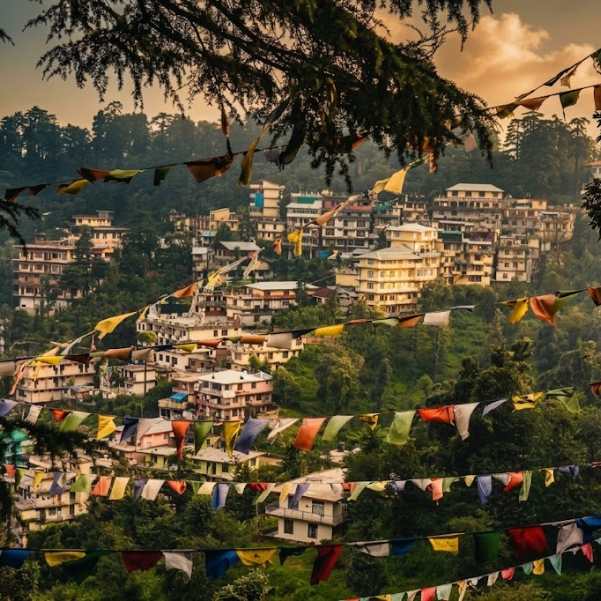
Doing Triund right after an overnight bus. Your body needs rest. Altitude and steep trails on zero sleep is a recipe for headaches and misery. Give yourself a full day in McLeodganj before attempting the trek.
Booking a stay far from the day's sightseeing cluster. If you stay in Lower Dharamshala but plan to spend two days in McLeodganj, you will waste time and money on cabs. Match your stay to where you will spend most of your time.
Underestimating the steep walking. McLeodganj is not a flat town. The walk from the market to Bhagsu is uphill. The walk from Bhagsu to Dharamkot is steeper. Wear proper shoes and carry water. Sandals and flip-flops will slow you down and hurt your feet.
Trying to cover Triund, Dharamkot, Naddi, and Lower Dharamshala all in one trip. Something has to give. Pick the version of Day 2 that matches your energy and interests, and let go of the rest.
Not carrying cash. UPI works at most cafés, but some smaller shops and auto drivers still prefer cash. Keep ₹2,000 to ₹3,000 on you at all times.
Our Recommended 3-Day Dharamshala McLeodganj Itinerary
Here is the plan we give to most of our travellers. It is realistic, tested, and does not leave you exhausted.
Day 1
Day 1 morning: Reach McLeodganj and check in. Walk to the Tsuglagkhang Complex and Namgyal Monastery before the crowds. Spend about 2 hours here.
Day 1 afternoon: Lunch at a Tibetan place in the lanes behind the main market. Walk through the McLeodganj market slowly. If you have energy, walk to St. John in the Wilderness and back.
Day 1 evening: Café time. Early dinner. Rest.
Day 2
Day 2 morning: Start at Bhagsunag Temple, then walk to Bhagsu Waterfall. Continue uphill to Dharamkot. Lunch at a café with a view.
Day 2 afternoon: Come back to McLeodganj for a break. Head to Naddi by 4:30 PM for sunset. The golden light on the Dhauladhar range is the best free show in Himachal.
Day 2 evening: Dinner near McLeodganj market. Pack for checkout the next morning.
Day 3
Day 3 morning: Take the ropeway or a taxi to Lower Dharamshala. Visit the HPCA Stadium and Norbulingka Institute.
Day 3 afternoon: War Memorial if time allows. Head to your bus, flight, or next destination.
This plan works in any season, for any group size. If you want us to build a version around your exact dates and preferences.
>> WhatsApp us for a Dharamshala plan tailored to your dates and preferences
Explore Our Curated Dharamshala Tours
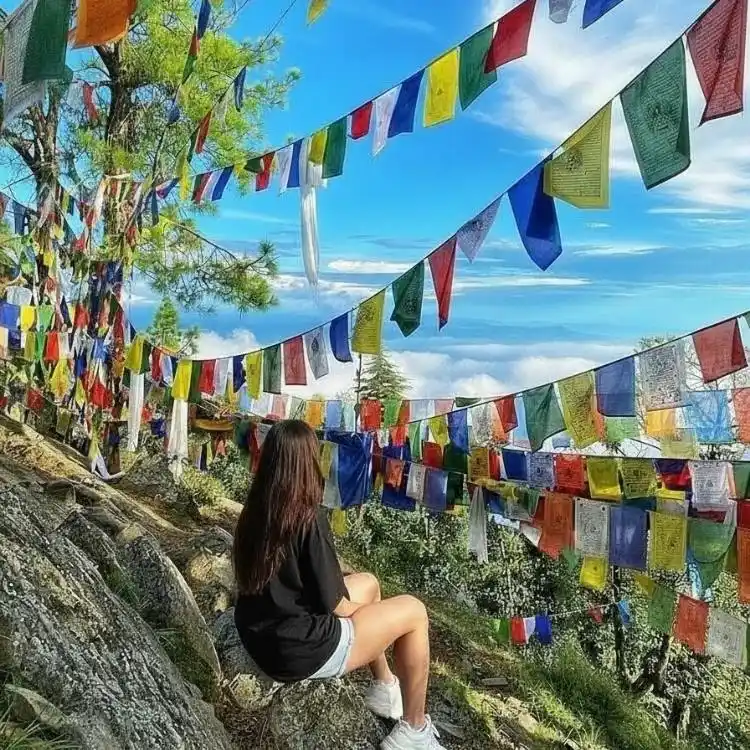 3D/2N
3D/2NDharamshala & McLeodganj Weekend Tour
1D Delhi•2D Dharamshala / McLeodganj
₹8,799₹17,880SAVE INR 9,081/ person
More Himachal Trip Ideas After Dharamshala
If your Dharamshala trip is part of a longer Himachal holiday, two extensions work really well.
Jibhi and Tirthan Valley is about 7 to 8 hours from Dharamshala by road and feels like a completely different world. Quiet forests, river trails, and wooden homestays. Perfect if you want nature without crowds. Check our Jibhi and Tirthan Valley packages for itinerary ideas.
Shimla is a classic add-on, especially if you are driving back towards Delhi. Our Shimla tour packages include local sightseeing plans that skip the tourist traps.
Related topics
Frequently Asked Questions
Is 3 days enough for Dharamshala and McLeodganj?
Yes. Three days cover the monastery circuit, Bhagsu waterfall, Dharamkot or Triund, Naddi sunset, and Lower Dharamshala comfortably. You will not run out of things to do, and you will not feel rushed.
Should I stay in Dharamshala or McLeodganj?
McLeodganj for most travellers. It is closer to the key sightseeing spots, has better cafés and food options, and is walkable. Lower Dharamshala works only if you need quieter, road-accessible accommodation.
Can I do Triund in a 3-day itinerary?
Yes, but it takes over your Day 2 entirely. You will need to start early, skip Bhagsu and Dharamkot as separate stops, and keep the rest of the day light. It is worth it if trekking is your priority.
Do I need a permit for Triund in 2026?
There is conflicting information online. Some sources mention permit counters near the Triund trail, while others say permits are needed only beyond Triund. Check with local authorities or your tour operator before departure.
Is the ropeway worth it?
On a clear day, yes. The Dharamshala Skyway gives you good views and saves the taxi ride between McLeodganj and Lower Dharamshala. In fog or rain, take a taxi instead. Reconfirm fare and timings before you go.
What is the best time to visit?
March to June for the most comfortable weather. September to November for clean skies and fewer crowds. December to February for snow and quiet. Avoid monsoon unless you are flexible with plans.
Is McLeodganj walkable?
Yes, but it is steep. You can walk between the monastery, the market, and Bhagsu without a vehicle. Wear proper shoes. The terrain is not flat and some sections are genuinely uphill.
Are 3 days enough for families?
Yes. Skip Triund and stick to the relaxed version: temples, Bhagsu waterfall, Naddi sunset, and Lower Dharamshala. The pace works well for kids and older family members.
What can I skip if I hate trekking?
Skip Triund and the Dharamkot climb. Replace Day 2 with a longer morning at Bhagsu, a ropeway ride to Lower Dharamshala, and an afternoon at Norbulingka. You still get a full 3-day experience.
Is Bhagsu worth visiting?
Yes. The temple is simple, but the waterfall walk is the highlight. Continue past the waterfall towards Dharamkot for the best views. Morning visits are quieter and more enjoyable than afternoons.
Can I cover Dharamkot and Naddi on the same day?
Yes. Dharamkot in the morning (via Bhagsu), back to McLeodganj for lunch and rest, then Naddi for sunset works well. The two are in different directions from McLeodganj, so do not try to walk directly between them.
More about Dharamshala
 Dharamshala
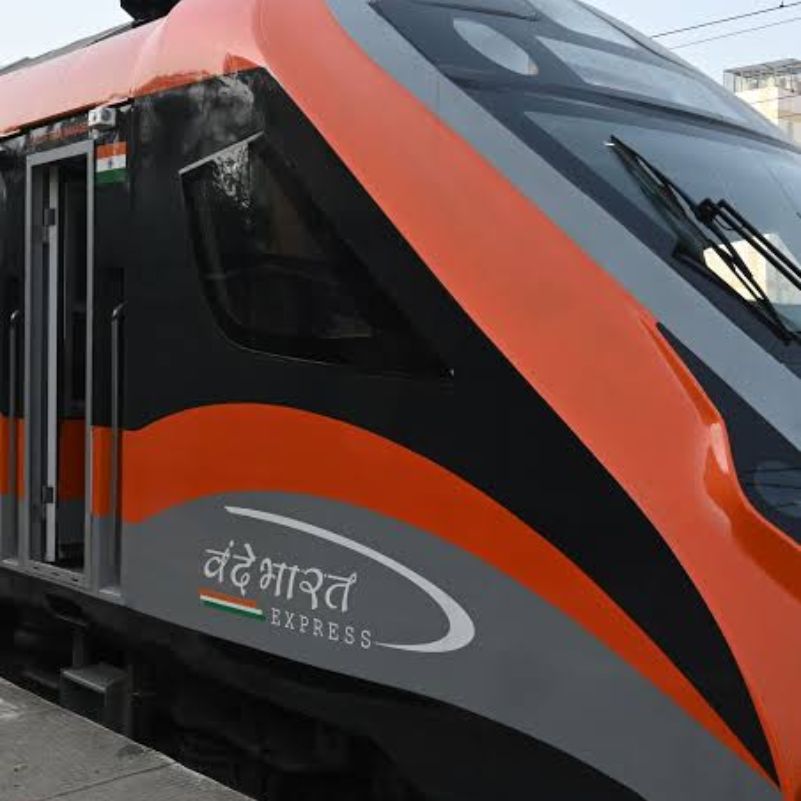
Delhi to Dharamshala by Vande Bharat in 2026: Amb Andaura Transfer & Return Guide
Planning to travel from Delhi to Dharamshala by Vande Bharat? Learn the best rail route, where to get off, and how to arrange your onward transfer to Dharamshala by taxi or bus.
- How to Reach
- First-Time Travellers
 Dharamshala
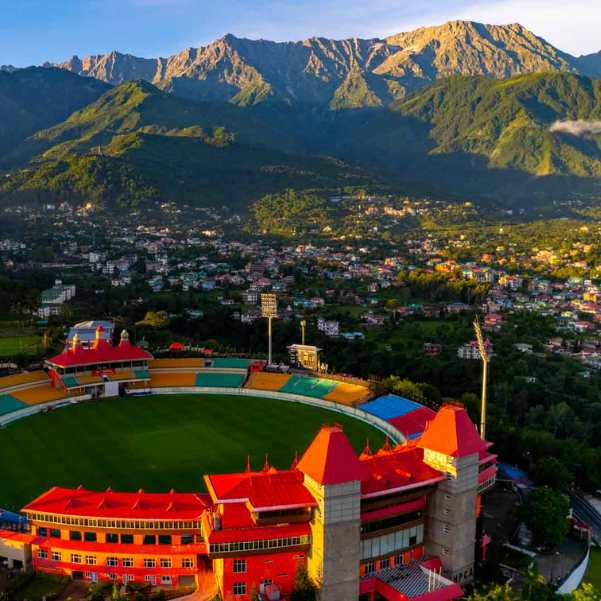
Dharamshala Group Trip with Friends 2026: Cabs, Rooms, Triund and Shared Costs
Planning a Dharamshala group trip with friends in 2026? Explore cab options, estimated travel costs, group budgeting tips, and practical ways to plan an affordable trip to Dharamshala and McLeod Ganj.
- First-Time Travellers
- Itinerary
 Dharamshala
Dharamshala Trip Cancellation Due to Weather in 2026: Refunds, Rescheduling and What Happens Next?
Planning a Dharamshala trip in 2026? Learn when severe weather, heavy rain, snowfall, landslides or road disruptions may require you to cancel or postpone your trip, and what to check before travelling.
- First-Time Travellers
- Road Status