
Dharamshala and McLeodganj in August 2026: Monsoon, What to Expect and Is It Worth It
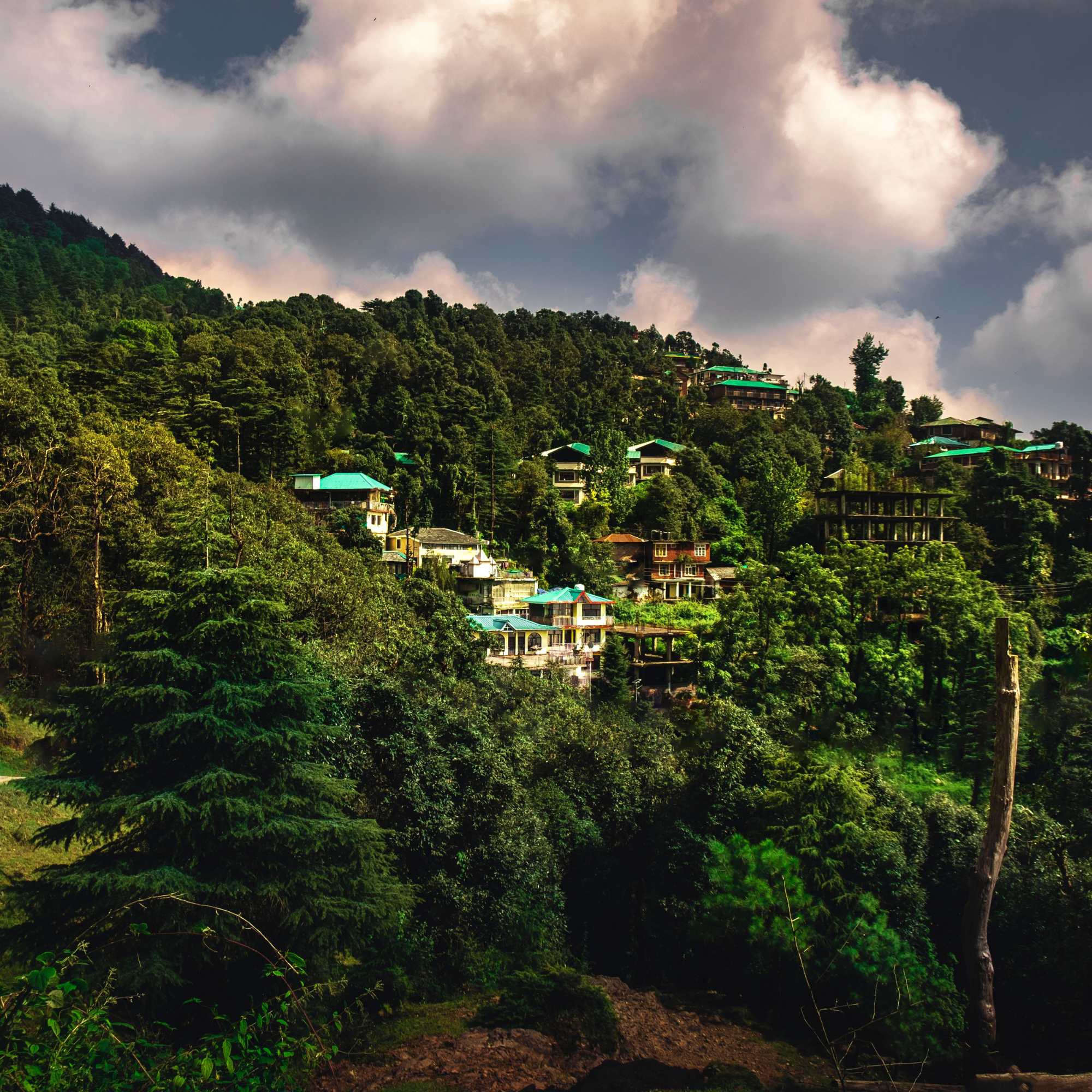
Most people write off Dharamshala in August because of the rain. And honestly, they are not entirely wrong. August is deep monsoon territory. It rains hard, it rains often, and the roads can get messy.
But here is what most tourists get wrong: they assume rain means the trip is ruined. It does not.
August in Dharamshala is a completely different experience from the dry season, and if you are the kind of traveller who likes green mountains, roaring waterfalls, empty cafés, and hotel rooms at half the price, this might quietly be one of the best months to visit.
We have been running trips to Dharamshala across all seasons, and every year a handful of travellers come back from an August trip saying it was better than their May visit. Not despite the rain. Because of it.
This guide by Travel Coffee tells you exactly what August looks and feels like, what works, what does not, and whether it makes sense for the kind of trip you are planning.
Quick Answer: Is Dharamshala Worth Visiting in August 2026?
Yes, but only if you are okay with rain. August temperatures generally range between 18°C and 25°C, the hills are at their greenest, waterfalls are at full force, and hotel prices drop significantly because it is off-season.
You will not get clear mountain views every day. Trekking conditions are slippery. Roads can get disrupted after heavy rain. But if you want a quiet, affordable, monsoon-soaked version of Dharamshala without the tourist crowds, August works well.
The last 10 days of August tend to be more stable than the first half. If your dates are flexible, aim for late August.
What Is Dharamshala Weather Like in August?
Dharamshala weather in August is warm, humid, and wet. Daytime temperatures hover between 18°C and 25°C, though some sources place the range closer to 19°C to 24°C.
It is not cold. It is not hot. It is that in-between zone where a light jacket in the evening and a T-shirt during the day covers most situations.
The humidity is what catches people off guard. Unlike the dry, crisp air you get in October or March, August air in Dharamshala feels heavier. You will sweat on uphill walks even when the temperature feels mild.
Mornings often start with clouds sitting right on top of McLeodganj. Sometimes they lift by noon and you get a few hours of sun. Sometimes they do not. That is August. You plan around it, not against it.
In our experience, the most pleasant part of the day is usually late afternoon. The rain eases, the light turns soft, and the mountains peek out briefly before the clouds roll back in. Those windows are short but genuinely beautiful.
Does It Rain Every Day in Dharamshala in August?
Almost. Dharamshala monsoon season runs from June to mid-September, and August sits right in the thick of it. Some days bring steady, all-day drizzle. Others bring short, intense bursts followed by clear patches.
What surprises most travellers is that Dharamshala receives heavy rainfall during monsoon. This is not Shimla-style light rain. This is proper downpour territory.
But here is the thing:
It rarely rains nonstop for 24 hours. Most days have windows of 2 to 4 hours where the rain pauses, and that is when you step out, explore, eat, and take photos.
Late August tends to be noticeably better than early August. By the last week, the monsoon starts losing intensity, and you get more dry spells. If you can plan your trip for the last 10 days of August, you will have a significantly more comfortable experience.
Our team always tells travellers heading to Dharamshala in monsoon: do not try to fight the rain. Build your day around it. Wake up early, step out during the dry windows, and keep your indoor activities ready for when it pours.
Dharamshala vs McLeodganj Weather in August
This confuses a lot of people. Dharamshala and McLeodganj are often used interchangeably, but they sit at different elevations, and that changes the weather noticeably.
Dharamshala (lower town) sits at roughly 1,457 metres. McLeodganj is higher up, and as a result, McLeodganj is generally cooler than lower Dharamshala.
The temperature difference is usually a few degrees, but on a humid August afternoon, those few degrees make McLeodganj feel noticeably more comfortable.
Rain hits both equally hard. If anything, McLeodganj sometimes gets slightly more because of its elevation catching the clouds directly. But the cooler temperatures at McLeodganj mean the air feels less stuffy after the rain stops.
If you are choosing where to base yourself in August, stay in McLeodganj. The cooler air, the walkable market, and the concentration of cafés and monasteries make it the better base during monsoon.
Pros of Visiting Dharamshala in August
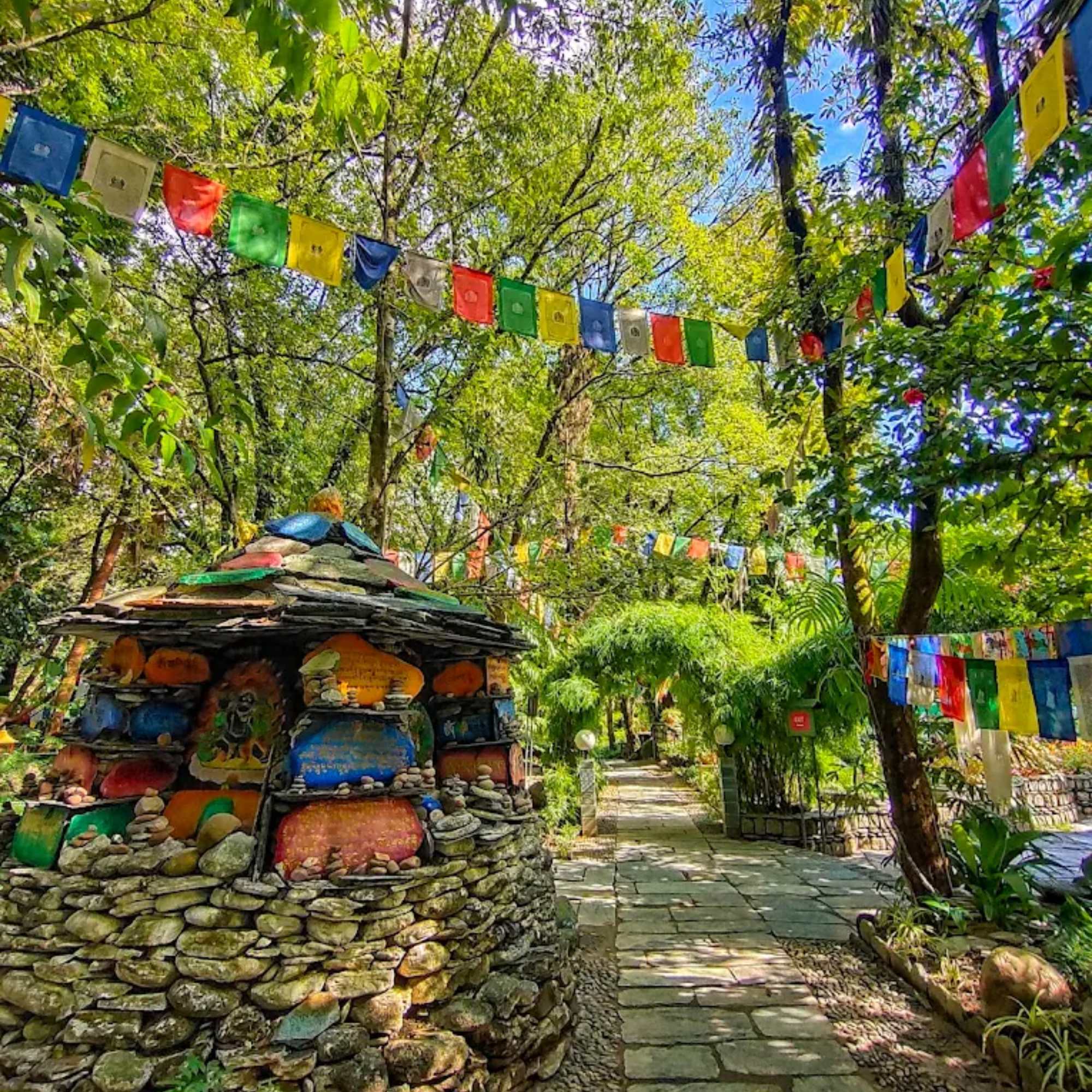
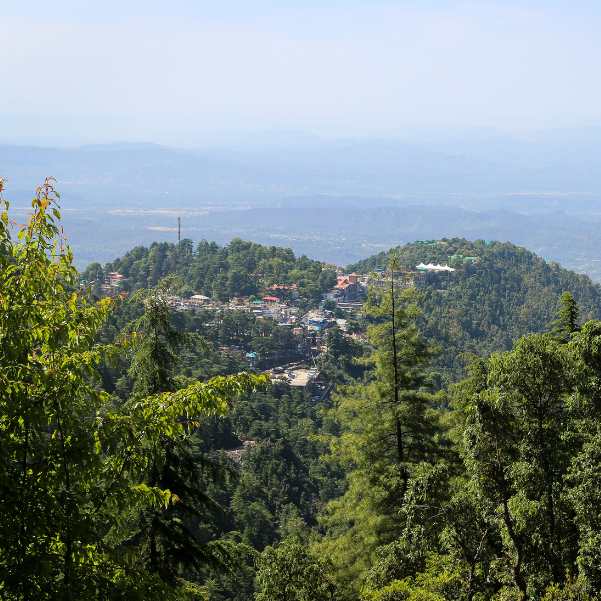
The greenery is on another level. We are not exaggerating. The hills turn a shade of green that you simply do not see at any other time of year. Every slope, every trail, every view from your hotel window is drenched in colour.
Bhagsu Waterfall is especially powerful during monsoon. During dry months, it is a trickle that frankly does not justify the walk.
In August, it turns into a roaring cascade that you can hear from a distance. This is the version of Bhagsu that actually lives up to the photos you see on Instagram.
Hotel prices drop. July to September is generally considered off-season, and hotels often offer discounts during monsoon.
Properties that charge premium rates in May or October come down significantly. You can stay in a genuinely nice room for a fraction of what you would pay in peak season.
Crowds disappear. The main McLeodganj market, which is shoulder-to-shoulder in May and June, feels almost empty in August. Cafés have open tables.
Temple visits are peaceful. You can actually hear the monks chanting at the monastery instead of tourist chatter drowning them out.
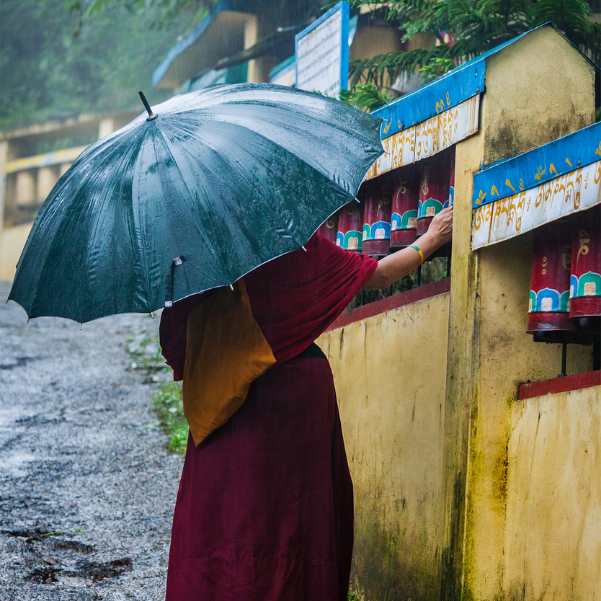
The monsoon light is incredible for photography. Low clouds, mist rolling through narrow lanes, monks walking under umbrellas, waterfalls at full force.
If you carry a decent camera, August gives you images that look nothing like the flat, bright photos everyone takes in peak season.
Cons of Visiting Dharamshala in August
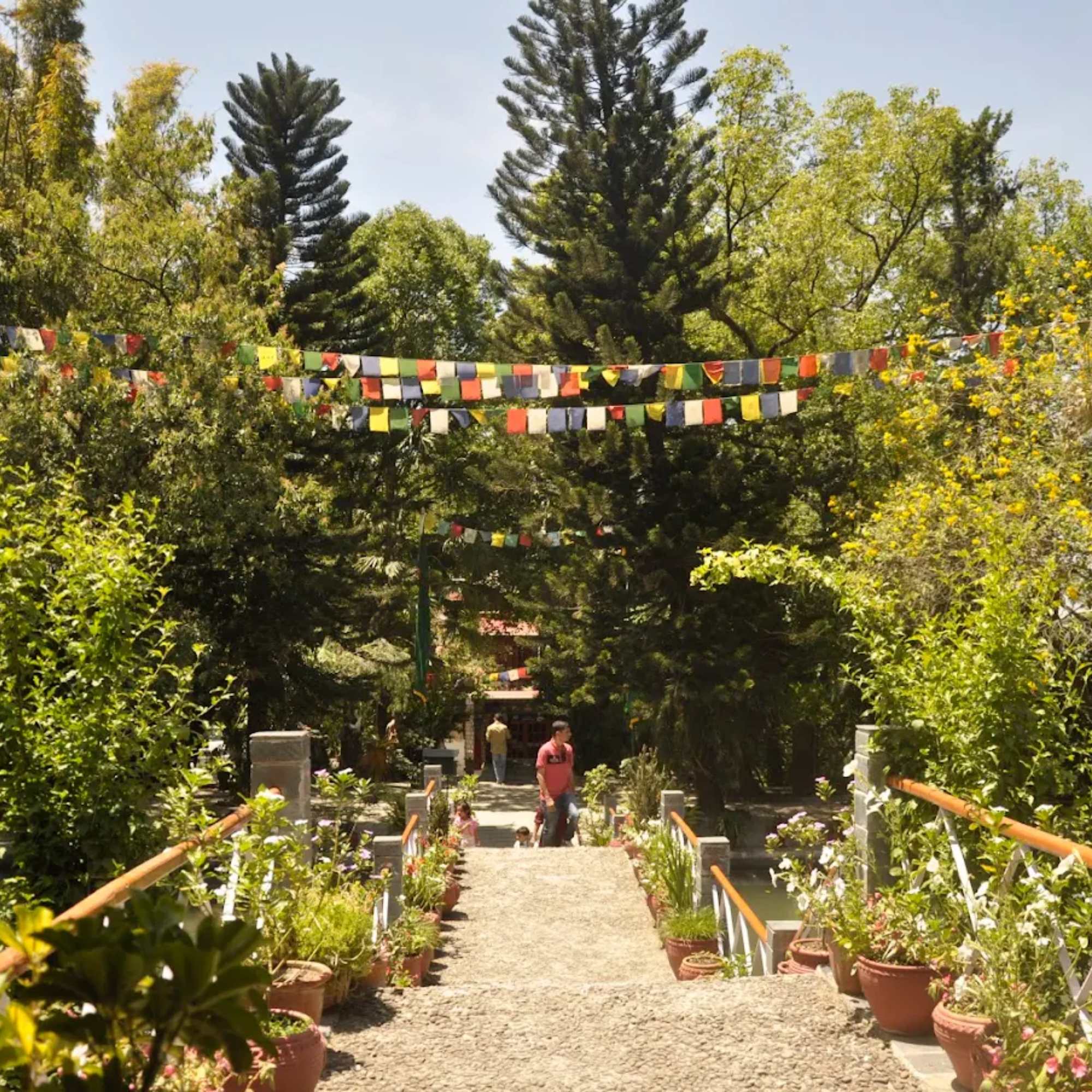
Landslides and road disruptions can occur after heavy rainfall. The road from Gaggal to McLeodganj passes through sections prone to small slides during heavy rain. Most get cleared within a few hours. But occasionally, a bigger slide can block traffic for half a day or more.
Cloud cover kills mountain views. If you are coming to Dharamshala specifically to see the Dhauladhar range up close, August will disappoint you.
The mountains stay hidden behind clouds for most of the day, most of the week. You might get a clear morning or a post-rain window, but consistent views are not happening.
Trekking conditions are poor. Trails get slippery, leeches come out in full force on forest paths, and the risk of sudden downpours mid-trek makes any serious hike genuinely risky. More on this in the Triund section below.
Your shoes will be wet. Constantly. No matter how careful you are, the combination of rain and puddles means your feet will be damp for most of the trip. This sounds minor until you are on day two and everything you packed feels slightly soggy.
One honest warning from our side
If you are someone who gets irritated by plans changing because of weather, August Dharamshala will test your patience. You need flexibility. That is the price of monsoon travel.
Best Places to Visit in Dharamshala and McLeodganj in August
Not everything shuts down during monsoon. Some places actually get better. Here is what works in August and what you should prioritise.
Tsuglagkhang Complex and the Dalai Lama Temple
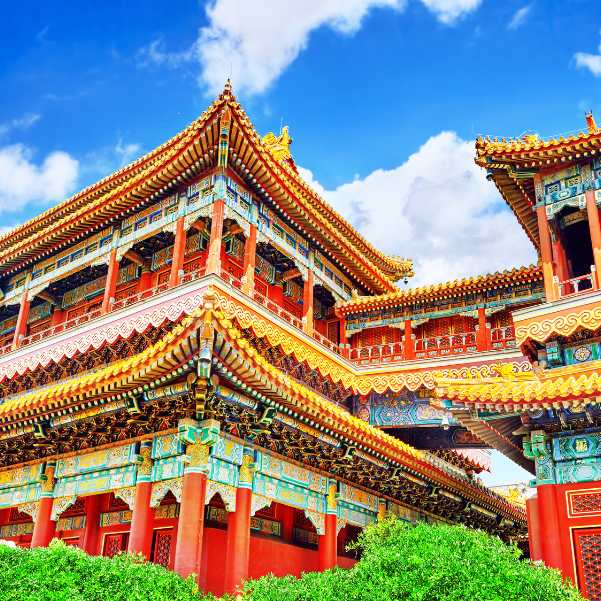
This is the heart of McLeodganj and the one place that stays worth visiting in any weather. Dharamshala is home to the Dalai Lama and the Tibetan Government-in-Exile, and this complex is where that presence feels most real.
The main temple, the museum, and the peaceful walking paths inside the complex are all covered or sheltered enough that rain does not ruin the visit.
Go in the morning when it is quietest. If you time it right, you can sit in the prayer hall and listen to monks chanting without another tourist in sight.
Bhagsu Waterfall
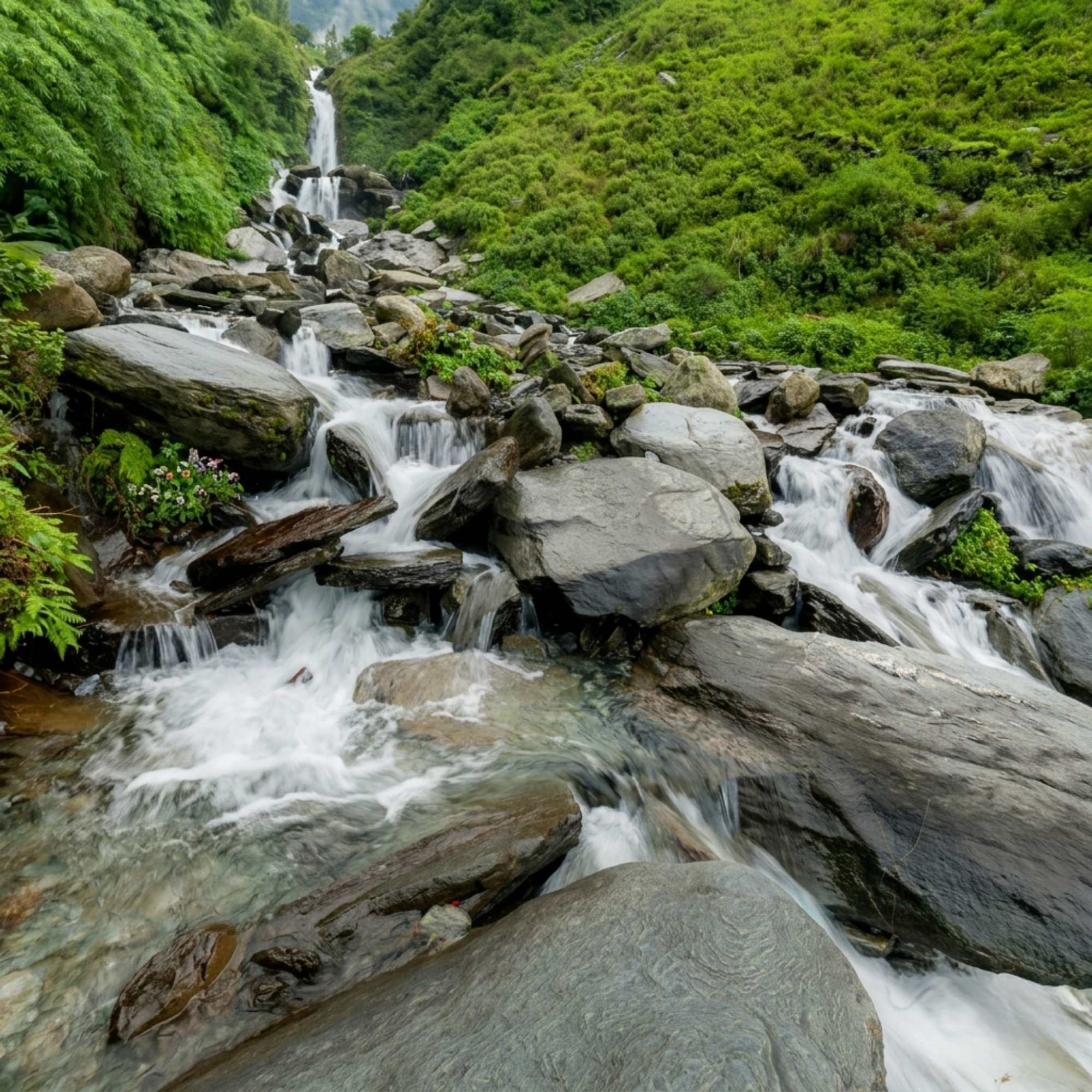
August is the best month for Bhagsu Waterfall. Full stop. The water volume during monsoon turns this from a photo-op into an actual experience. The rocks around the fall get slippery, so wear proper shoes and skip the sandals.
The chai stall at the base of the fall stays open during monsoon. Grab a cup and sit on the rocks (the dry ones) and just watch the water. Skip this spot if you visit Dharamshala in October or November. The waterfall in dry season is honestly not worth the walk.
Dharamkot
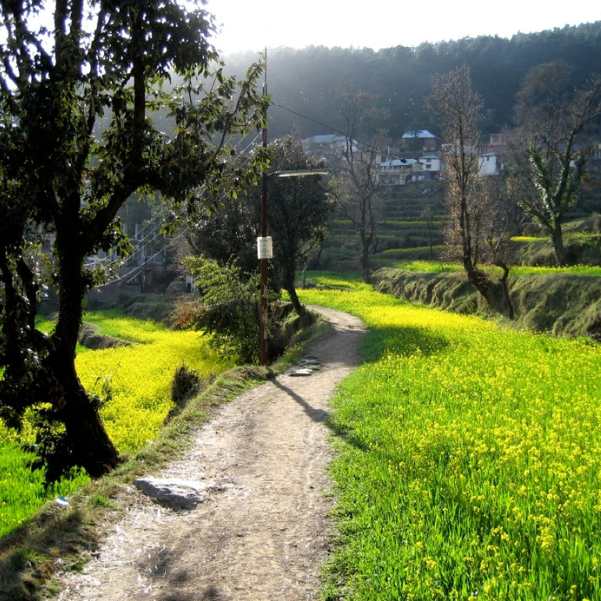
Dharamkot is a short walk uphill from McLeodganj, and in August, the walk itself is the highlight. The trail passes through dripping pine forests, and on a misty morning, it feels like you are walking through a cloud.
The cafés in Dharamkot are perfect for a rainy afternoon. Order something warm, sit by a window, watch the clouds move through the valley. Our full Dharamkot travel guide covers the village in detail if you want to plan a longer stay.
Naddi
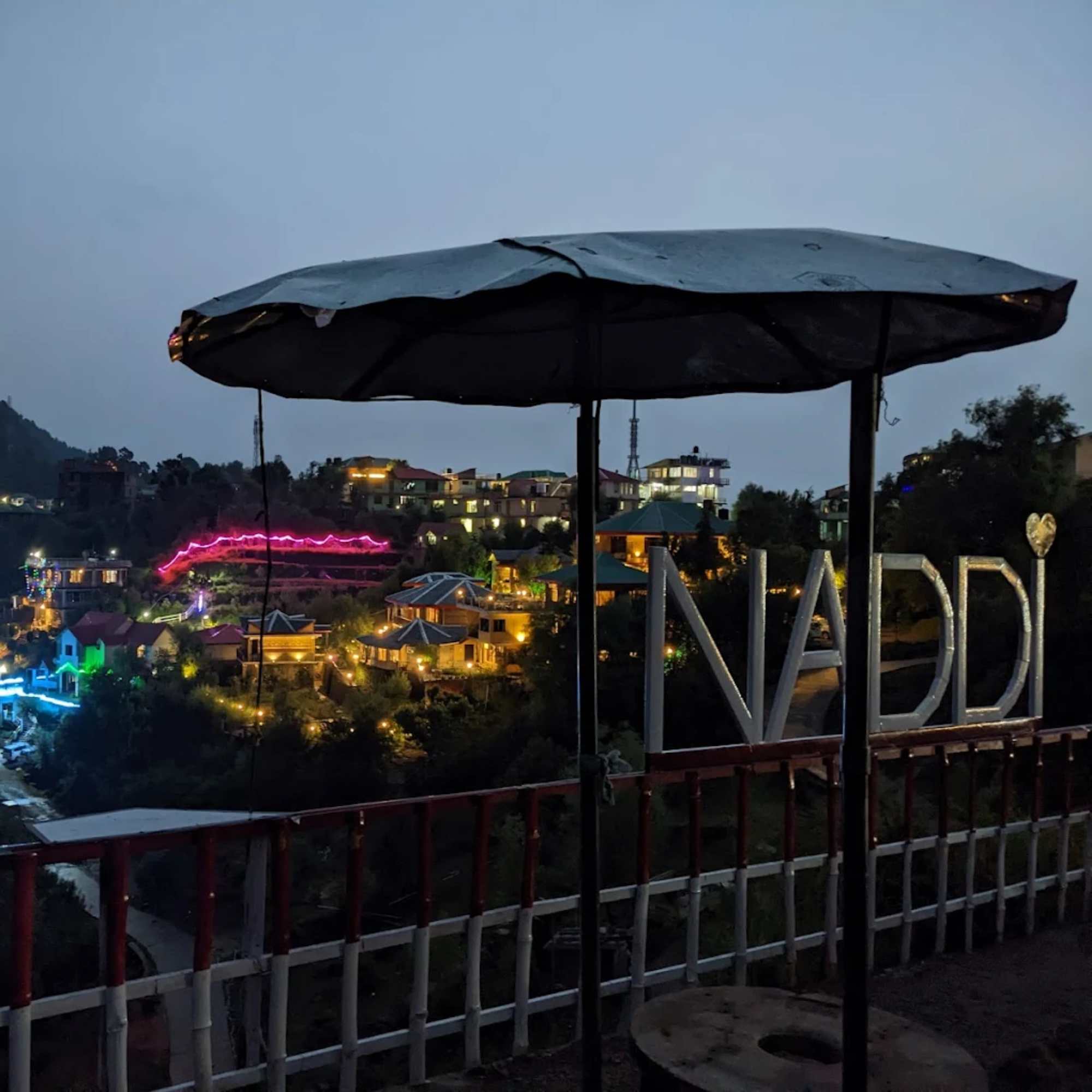
Naddi is a small viewpoint village above McLeodganj. On a clear day, it gives you a panoramic Dhauladhar view. In August, you will probably see clouds instead of mountains.
But the drive to Naddi through the wet pine forest is lovely, and if you catch a 30-minute clear window, the view with clouds breaking apart around the peaks is more dramatic than any clear-sky version.
Norbulingka Institute
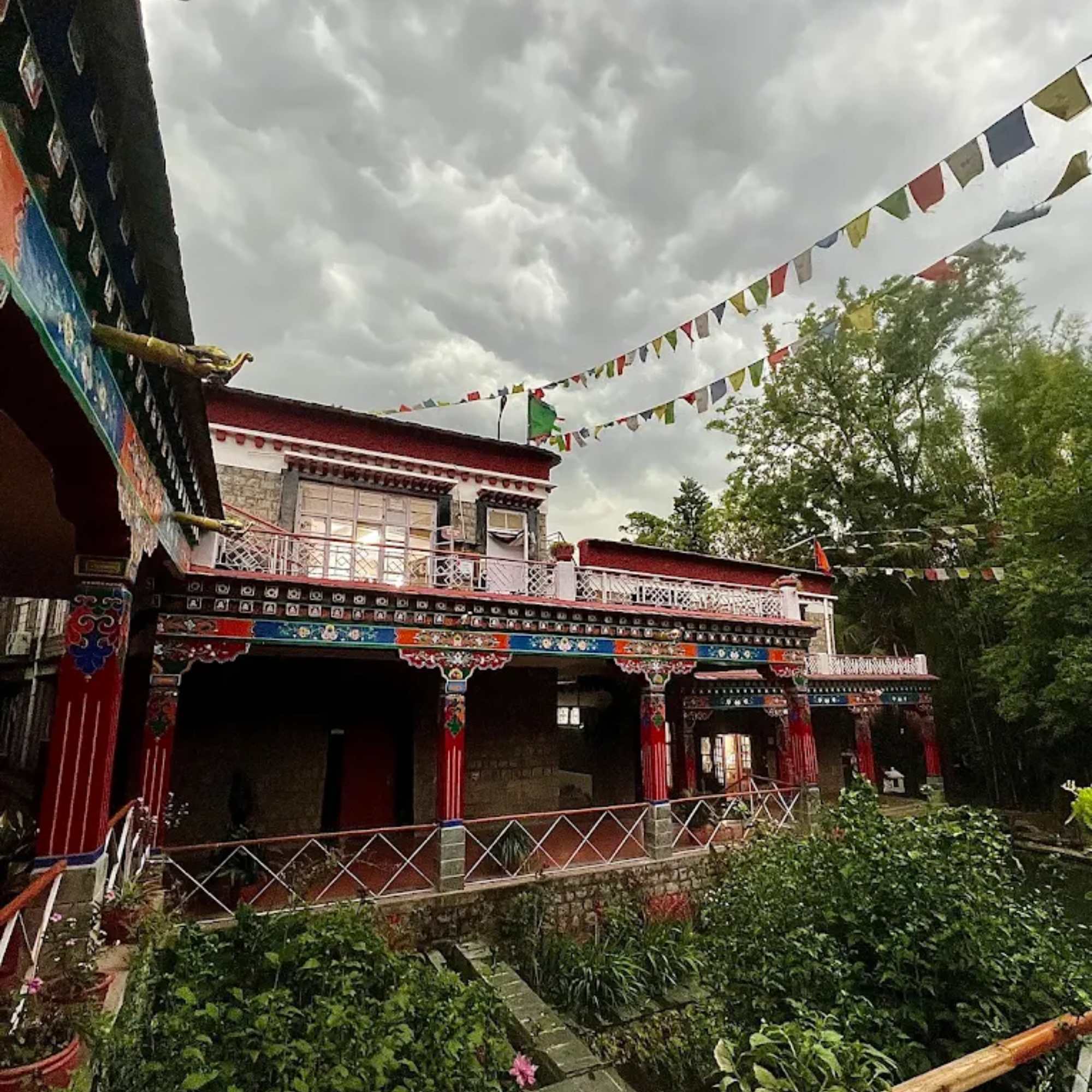
This is the perfect August activity because it is almost entirely indoors. The Tibetan art workshops, the temple, and the gardens are sheltered and well-maintained.
You learn about Tibetan thangka painting, woodcarving, and textile work. Most tourists skip this entirely, which means in August, you might have the whole place to yourself.
HPCA Stadium
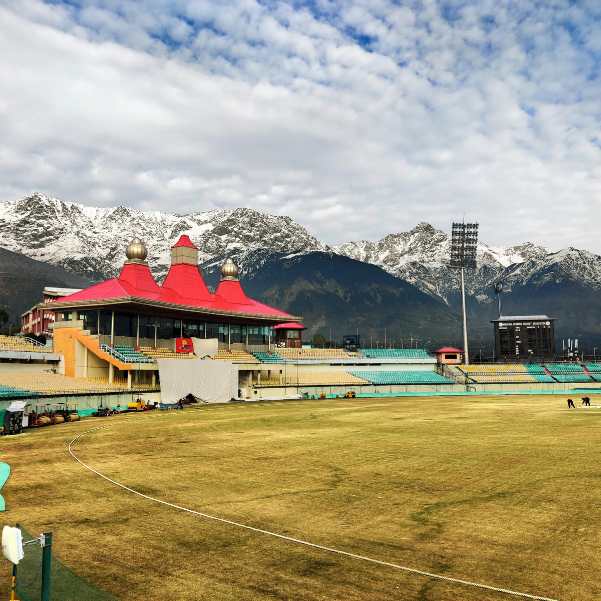
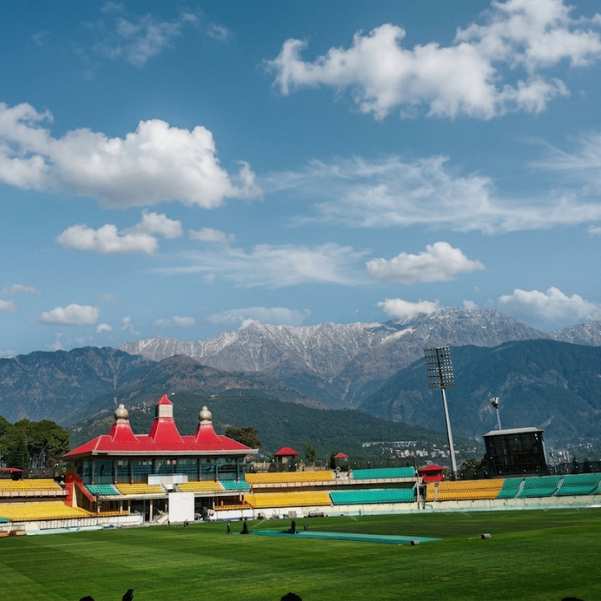
HPCA Stadium in Dharamshala is one of the most beautifully located cricket grounds in the world, and it looks even more dramatic when the clouds are low and swirling around the mountains behind it. Even if there is no match, the ground is worth a quick visit for photos.
St John in the Wilderness
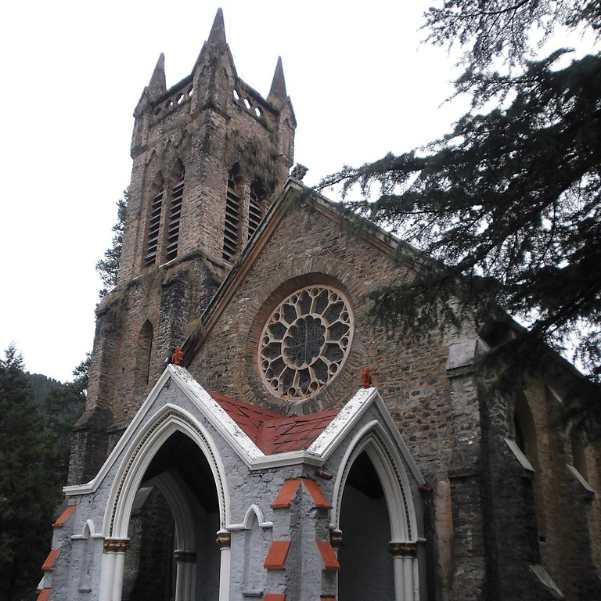
A small stone church surrounded by pine and deodar trees, dating back to the 1850s. In monsoon, the moss-covered walls and the rain dripping off the old roof give it a completely different atmosphere.
This is one of those places that is nice in any season but becomes genuinely atmospheric during the rains.
For the full list of places across both towns, our best places to visit in Dharamshala and McLeodganj guide covers everything in one place.
Can You Do the Triund Trek in August?
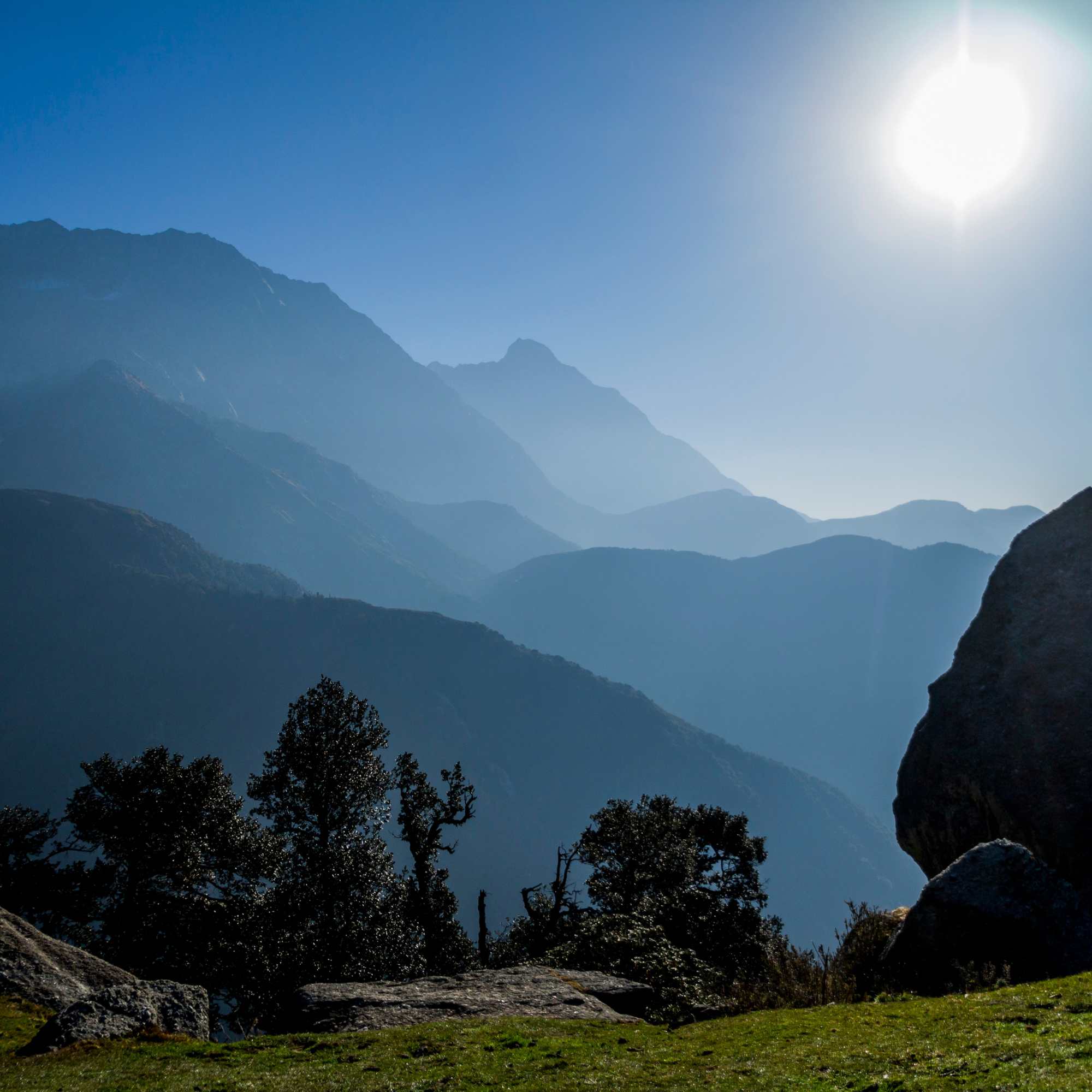
This is the one question we get asked more than anything else about monsoon Dharamshala. The honest answer: you can attempt it, but you probably should not.
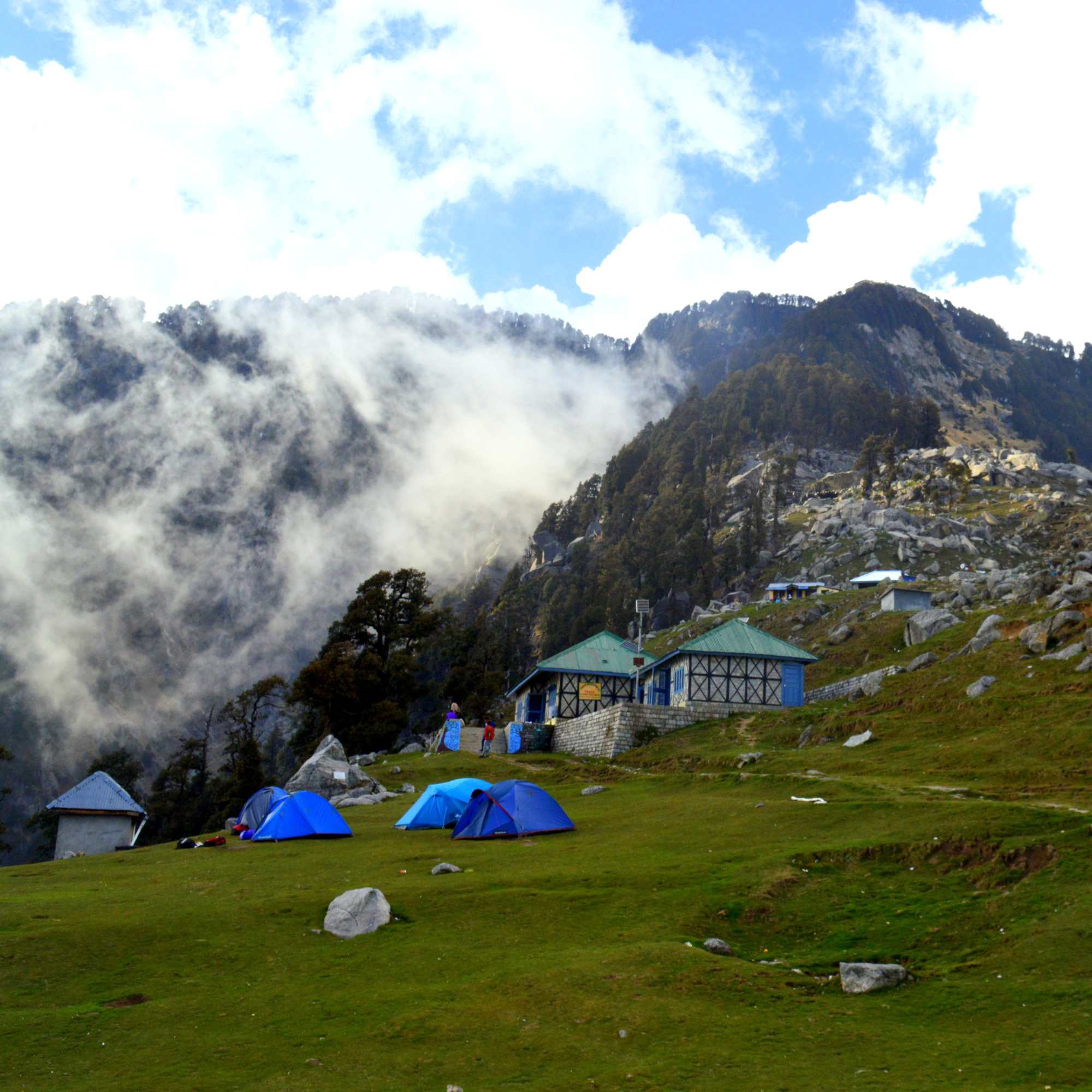
Triund trails can be slippery during monsoon. The path from McLeodganj to Triund gains significant elevation through a forested route, and in August, that forest floor turns into a muddy, leech-filled obstacle course. The last steep section before the meadow gets genuinely dangerous when wet.
We do not recommend the Triund trek in August to casual hikers. If you are an experienced trekker with proper waterproof boots, gaiters, and rain gear, and you accept the risk of getting caught in a downpour at altitude, it is doable on a dry day. But for most travellers, the risk outweighs the reward.
There is also the question of availability. Local authorities sometimes restrict or close the Triund trail during heavy monsoon spells.
Do not assume the trek will be open just because you read a blog from three years ago saying it was fine. Always check with local guides or the forest department on the day you plan to go.
What we tell our travellers instead
Do the walk to Dharamkot or Gallu Devi temple. You get a taste of the forest trail without the dangerous upper section, and you can turn back easily if the rain picks up.
Things to Do in Dharamshala During Monsoon
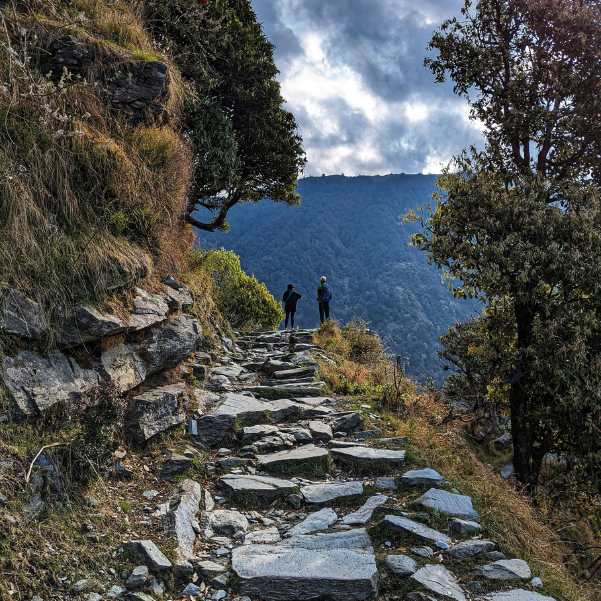
Monsoon Dharamshala is not about ticking off viewpoints. It is about slowing down. And if you let it, it becomes one of the most relaxing trips you will take all year.
Monastery Visits and Tibetan Culture
McLeodganj has a concentration of Tibetan monasteries, meditation centres, and cultural spaces that most travellers rush through in clear weather. In August, with fewer crowds and rain keeping you indoors, you actually have time to sit, watch, and absorb.
The Namgyal Monastery prayer sessions are open to visitors. Sitting quietly in the prayer hall while rain hammers the roof outside is an experience you will not forget.
Café Culture
McLeodganj and Dharamkot have some of the best cafés in Himachal. Places that are packed to capacity in peak season have empty corners in August.
Order a pot of Tibetan butter tea, grab a book, and watch the rain from a window seat. That is a perfectly valid way to spend an afternoon.
Our local tip: the small bakeries near the Tsuglagkhang Complex sell fresh cinnamon rolls and banana bread in the morning. Get there before 9 AM and you get them warm. By 11, they are gone.
Photography
If you are into photography, monsoon Dharamshala is a goldmine. Mist rolling through narrow lanes, monks in maroon robes walking under umbrellas, waterfalls at full force, wet stone pathways reflecting light. The drama in August photos is hard to replicate in any other month.
Meditation and Yoga
Several centres in McLeodganj and Dharamkot offer drop-in meditation and yoga sessions. August is the easiest time to get a spot because the regular tourist crowd thins out.
Tushita Meditation Centre runs courses that tend to have more availability during monsoon.
The rain creates the perfect background for sitting still. No honking, no crowd noise, just water hitting the roof and birds after the rain stops.
Dharamshala Hotel Prices in August
This is where August starts looking really attractive. Hotels often offer discounts during monsoon because August falls in the off-season window.
Properties in McLeodganj and Dharamshala that are fully booked and charging peak rates in May, June, and October suddenly have availability and willingness to negotiate.
You can often get a deal on the spot. Walk-in rates in August are almost always lower than what you see on booking websites.
We are not quoting exact prices here because they change every season and vary hugely by property.
But the general pattern holds: off-season monsoon pricing means you get a better room for less money. If you have a fixed budget, August stretches it further than almost any other month.
One money-saving tip that most travel blogs will not mention
call the hotel directly instead of booking through an app during monsoon season. Hotels in Dharamshala prefer direct bookings because they avoid paying commission to aggregator platforms.
In off-season, they are genuinely more willing to give you a better rate on a direct call than what is listed online.
What to Pack for Dharamshala in August
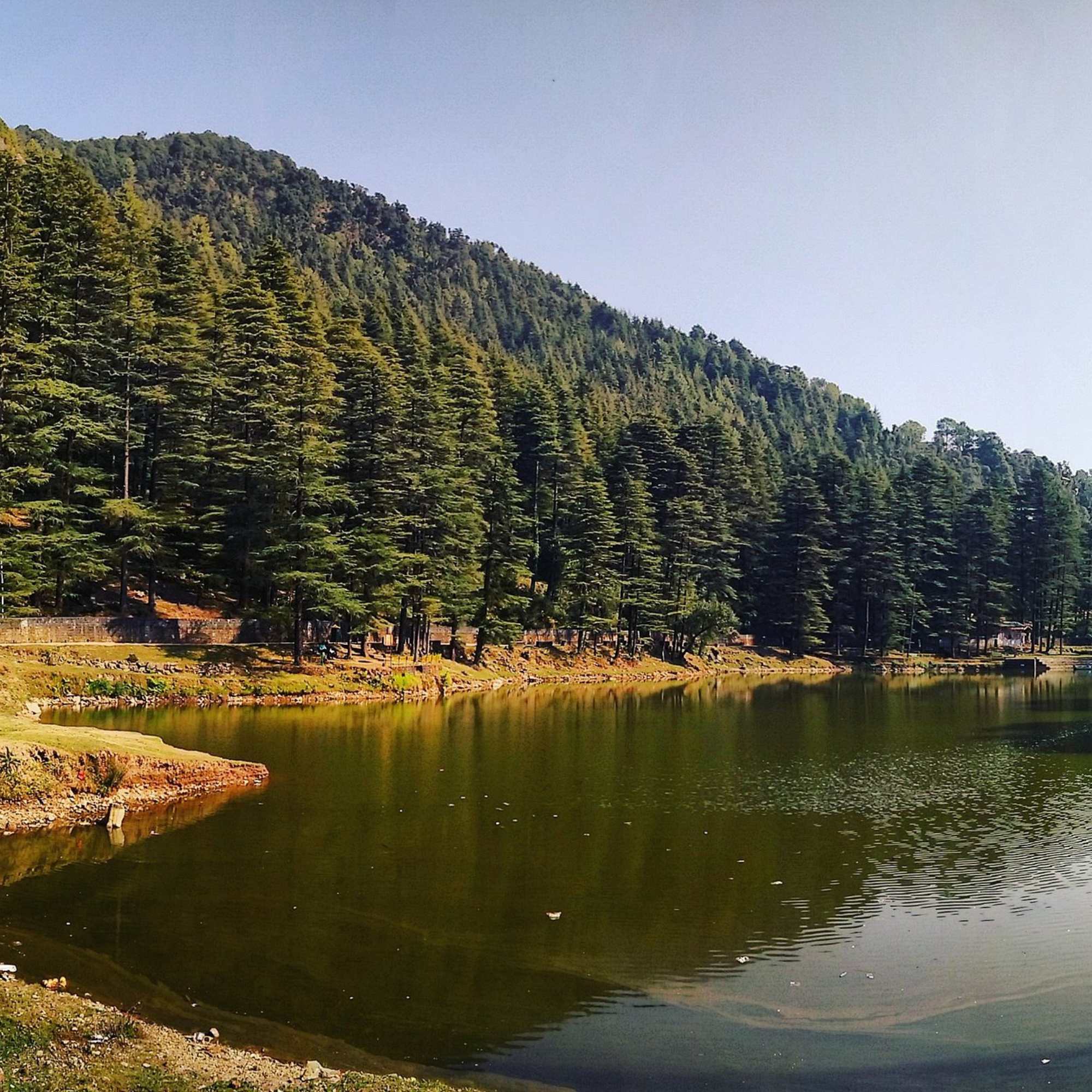
Packing wrong is the fastest way to hate a monsoon trip. Get this right and you will be comfortable even on the wettest day.
Rain Jacket
A proper rain jacket is the single most important item you carry. Not a thin poncho from a roadside shop. A real waterproof jacket with a hood that actually covers your head. Umbrellas help in the market, but on any uphill walk or trail, they are useless.
Quick-dry clothes
Quick-dry clothes make a huge difference. Cotton takes forever to dry in humid August weather. Synthetic or blended fabrics dry overnight and do not start smelling after one day of sweat and rain.
Waterproof shoes
Waterproof shoes with grip are essential. Sneakers get soaked in 10 minutes. Sandals are slippery on wet stone paths. Proper waterproof trekking shoes are the only footwear that works for everything in August.
ziplock bags
Carry ziplock bags for your phone, wallet, and documents. One unexpected downpour and an unprotected phone screen can ruin your trip worse than any landslide.
A small daypack with a rain cover keeps your stuff dry when you are walking around. Leave the big backpack at the hotel.
Insect repellent. Leeches come out on forest trails during monsoon, and mosquitoes are more active than usual. A good repellent cream is worth its weight in gold in August Dharamshala.
Is Dharamshala Safe During August Monsoon?
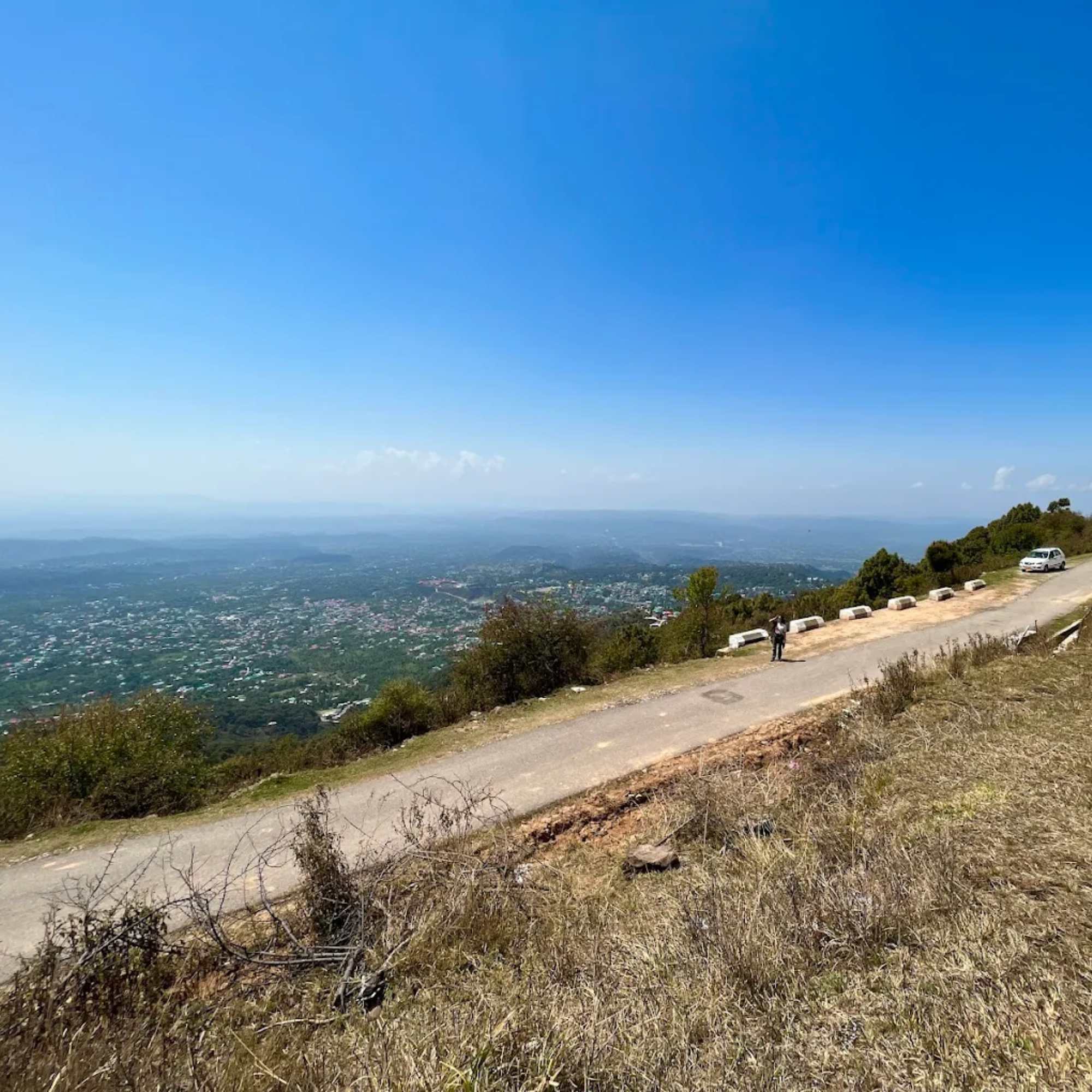
Dharamshala is safe in August, but with conditions. The town itself does not flood. The market areas, hotels, and main roads in McLeodganj and lower Dharamshala handle rain well because they are built for it. Monsoon is not new here.
Road disruptions can occur after heavy rainfall. The road from Gaggal airport or Dharamshala bus stand up to McLeodganj occasionally gets blocked by small landslides after particularly heavy spells.
These usually get cleared within a few hours, but they can throw off your schedule if you have a tight plan.
The bigger risk is on hiking trails. Slippery paths, sudden water flow across trails, and poor visibility during heavy rain make solo hiking genuinely risky. Stick to main roads and well-marked paths.
One safety warning we give every monsoon traveller
Do not stand near or under waterfalls after heavy rain. Water volume can spike suddenly with zero warning. Every season, people get caught out at Bhagsu Waterfall by standing too close during a surge. Watch from a safe distance and do not climb the wet rocks.
Mobile networks work fine in the main market areas. You might lose signal on the walk to Dharamkot or Naddi, but not for long.
Sample 3-Day Dharamshala August Itinerary
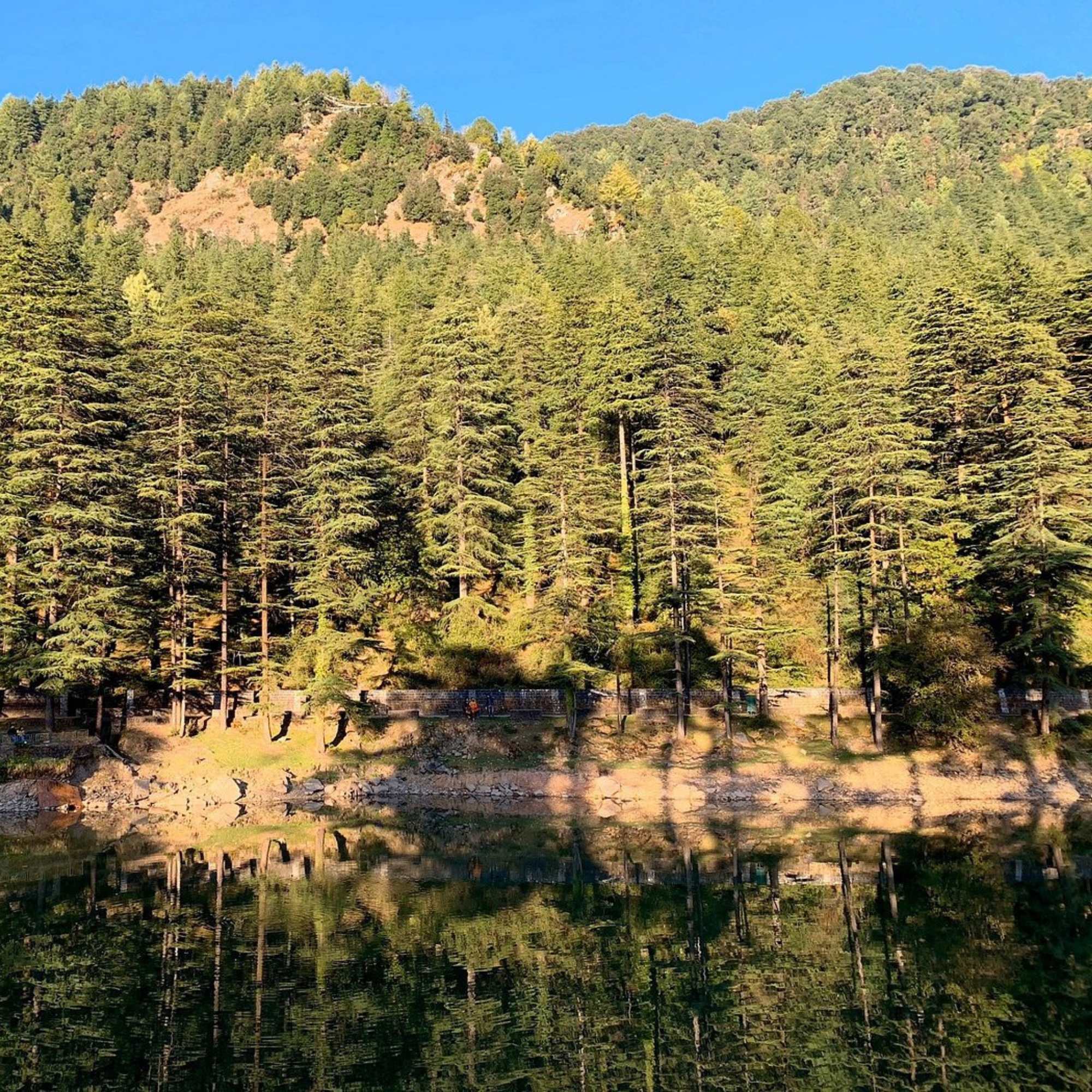
This itinerary assumes you are based in McLeodganj and accounts for rain disruptions. It is flexible by design because August does not cooperate with rigid plans.
Day 1: McLeodganj, Tsuglagkhang, and Bhagsu
Arrive in McLeodganj and check into your hotel. Walk to Tsuglagkhang Complex and spend time at the temple, the museum, and the bookshop. This is a sheltered visit, so rain does not matter.
In the afternoon, walk to Bhagsu Waterfall if the rain has paused. The walk takes about 20 minutes from the main market. Watch the waterfall, have chai at the stall near the base, and head back before it gets dark. Dinner at one of the Tibetan restaurants near the main square.
Day 2: Dharamkot and Naddi
Morning walk up to Dharamkot through the forest trail. Have breakfast at one of the hillside cafés. If the weather clears, continue to Gallu Devi temple for partial Triund trail views without the full trek.
Afternoon, take an auto or taxi to Naddi for the viewpoint. Even if clouds cover the mountains, the drive through wet pine forest is worth it. Come back to McLeodganj and spend the evening café-hopping or sitting in at a meditation session.
Day 3: Norbulingka, HPCA Stadium, and St John in the Wilderness
Drive down to Norbulingka Institute in the morning. Spend a couple of hours exploring the workshops and the temple. This is entirely sheltered, so plan it for a heavy rain day if needed.
On the way back, stop at HPCA Stadium for photos and then visit St John in the Wilderness church. Both are quick stops that work well even in drizzle.
If you want a trip planned with the right stays, local transport, and a guide who knows which roads to avoid after rain, our Dharamshala packages take the guesswork out.
>>Want a hassle-free Dharamshala trip? Chat with our local travel experts on WhatsApp.
Who Should Visit Dharamshala in August?
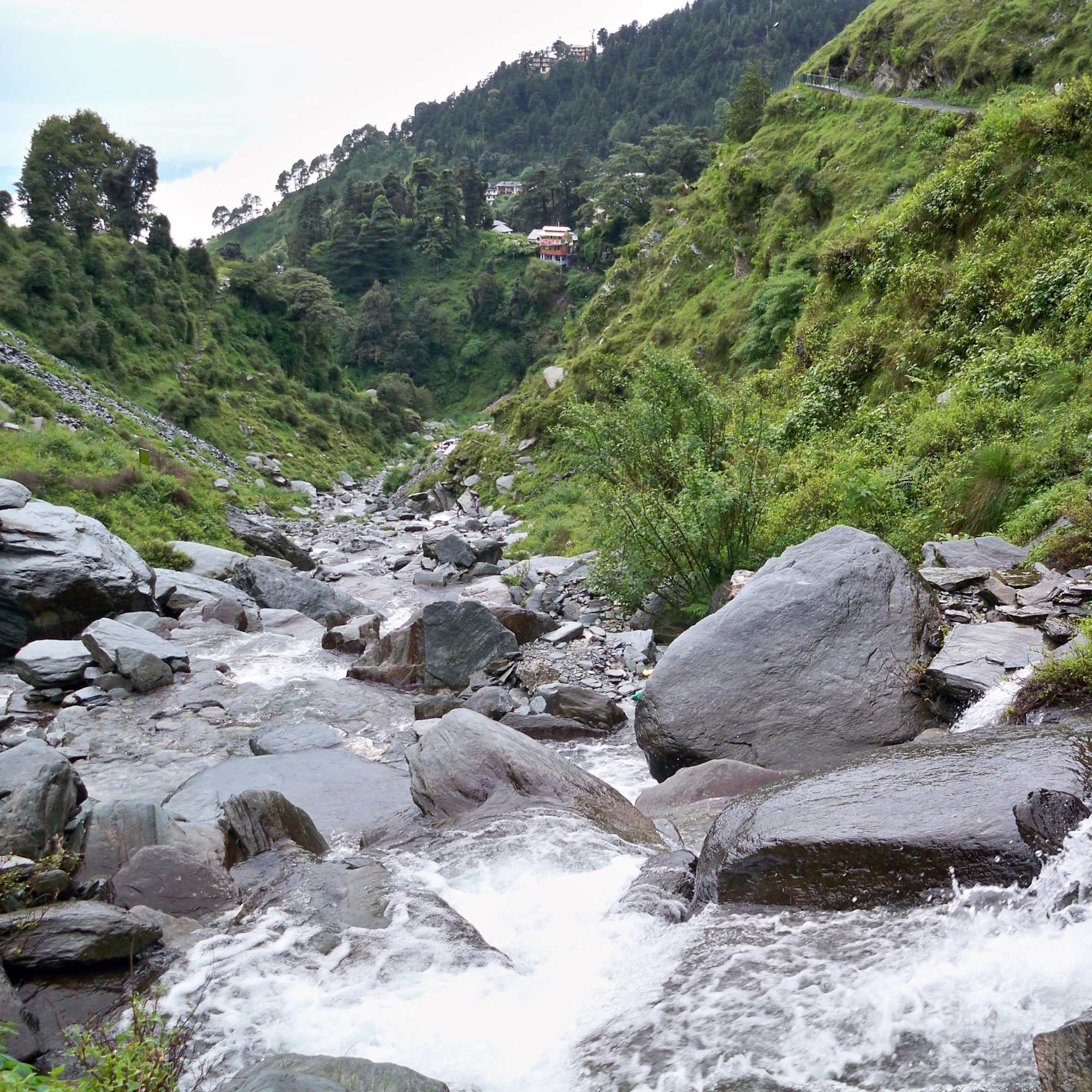
Couples who want a quiet, rainy hill station trip without tourist chaos. McLeodganj in monsoon has a romantic, slow quality that peak-season crowds completely destroy.
Solo travellers, especially those interested in Tibetan culture, meditation, and café culture. August gives you space and stillness that you will not find in other months.
Budget travellers who want a Dharamshala trip at the lowest possible cost. Off-season hotel prices and empty properties mean your money goes much further.
Photographers looking for moody, dramatic frames. Monsoon light, mist, green hills, and Tibetan life in the rain give you material that no filter can replicate.
People who genuinely enjoy rain. This sounds obvious, but if you are the kind of person who lights up when it rains, Dharamshala in August is your trip.
Who Should Avoid Dharamshala in August?
Families with very young children or elderly members who find wet, slippery terrain difficult. The constant dampness and uneven paths make getting around harder than it needs to be for anyone with mobility concerns.
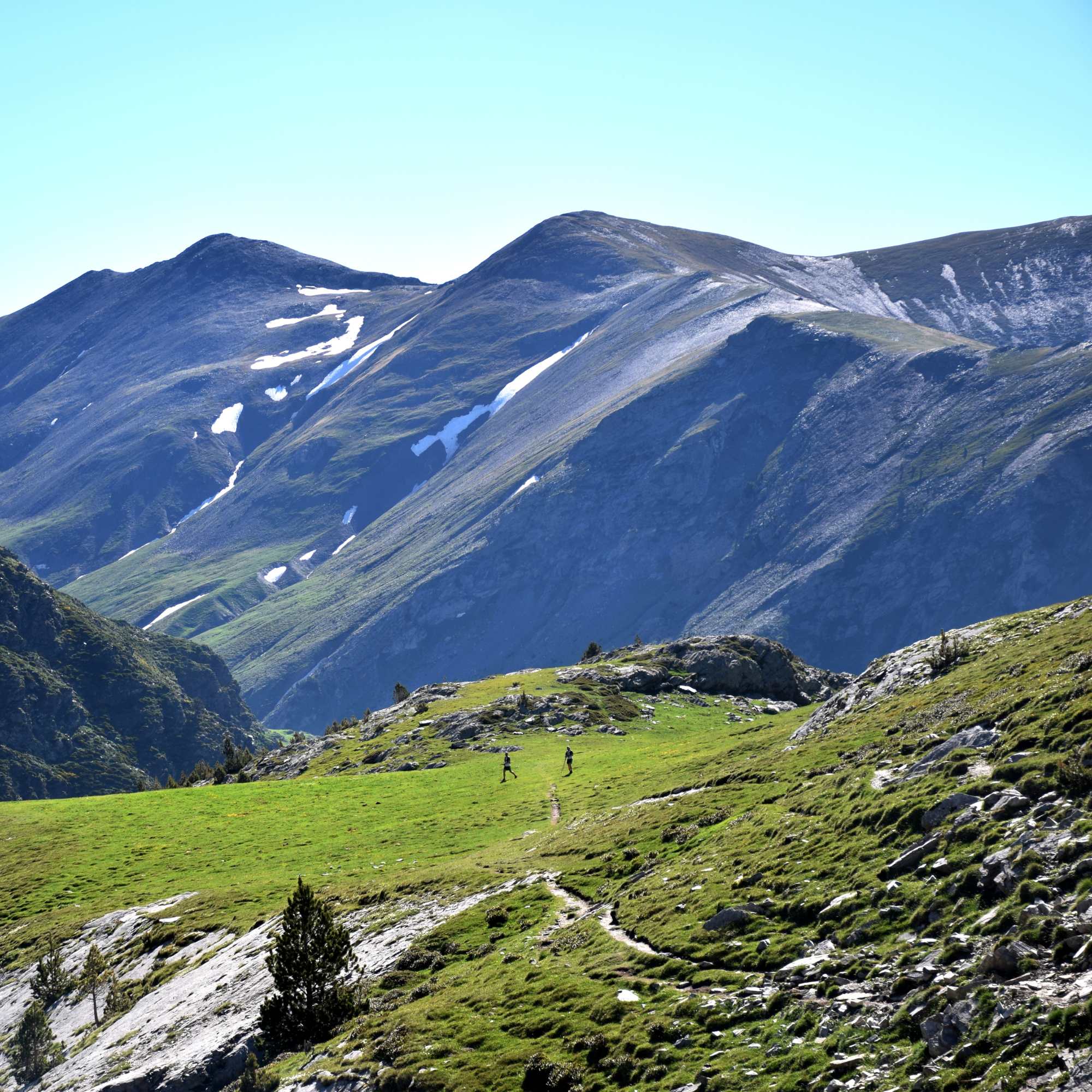
Anyone whose main goal is mountain views. The Dhauladhar range stays hidden behind clouds for most of August. If clear views are your priority, come in October or March instead.
Travellers with tight, non-flexible schedules. If your entire plan falls apart when a road closes for 4 hours, August is not the month for you.
Trekkers planning Triund or any serious multi-day hike. Monsoon trail conditions make high-altitude trekking genuinely risky, and you will not enjoy it even if you power through.
If the monsoon puts you off but you still want Himachal in a quieter month, consider Jibhi and Tirthan Valley which handles rain a bit better, or plan a Shimla trip for September when the rains start easing up.
Final Verdict: Is Dharamshala in August Worth It?
If you go in with the right expectations, absolutely yes.
Dharamshala in August is not a picture-perfect postcard trip. It is a slower, wetter, greener, cheaper, and emptier version of one of Himachal's most beautiful towns.
The waterfall is at its best. The monasteries are at their quietest. The cafés are at their most welcoming. And the room you could not afford in May suddenly fits your budget.
You trade clear mountain views for monsoon drama. You trade Triund for Dharamkot. You trade dry shoes for green hills. Whether that trade is worth it depends entirely on what you are looking for.
What we always tell first-timers who ask about August: go if you like rain, stay flexible, and pack one more dry layer than you think you need. You will come back with stories that peak-season travellers never get.
If you want help putting together a monsoon trip that accounts for rain, road conditions, and the right stays, our team plans Dharamshala trips that actually work in August. WhatsApp us and we will sort out the details based on your dates and group size.
>>WhatsApp us for a Dharamshala plan with local recommendations
Explore Our Curated Dharamshala Tour Packages
 3D/2N
3D/2NDharamshala & McLeodganj Weekend Tour
1D Delhi•2D Dharamshala / McLeodganj
₹8,799₹17,880SAVE INR 9,081/ person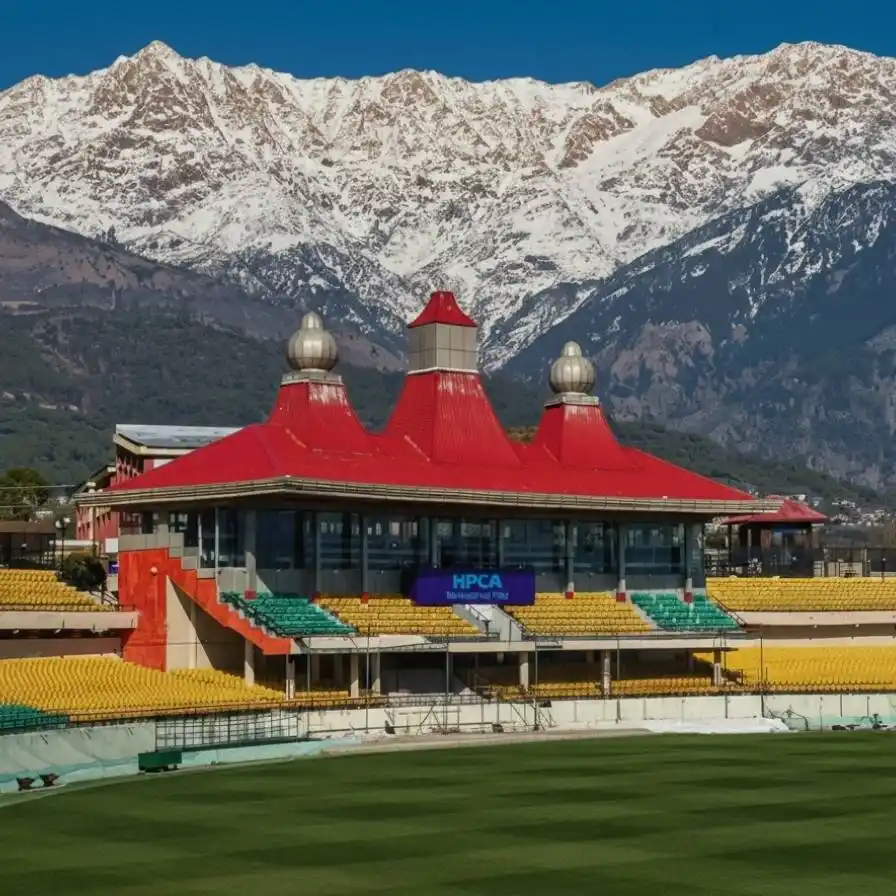 6D/5N
6D/5NDharamshala Dalhousie Khajjiar Himalayan Retreat
1D Delhi•2D McLeodganj+1
₹25,999₹32,999SAVE INR 7,000/ person 3D/2N
3D/2NDharamshala & McLeodganj Luxury Hideaway
1D Delhi•2D Dharamshala / McLeodganj
₹23,799₹29,999SAVE INR 6,200/ person
Related topics
Frequently Asked Questions
Is August a good time to visit Dharamshala?
It depends on what you want. August offers lush greenery, powerful waterfalls, cheap hotels, and no crowds. But you will deal with heavy rain, limited views, and slippery trails. If you enjoy monsoon travel and are flexible with plans, it is a great month.
Does it rain every day in Dharamshala in August?
Almost every day sees some rain. But it rarely rains nonstop. Most days have windows of a few hours when the rain pauses and you can explore. Late August is noticeably drier than early August.
Can we visit McLeodganj in August?
Yes. McLeodganj stays open and functional during monsoon. Restaurants, cafés, temples, and hotels all operate normally. Road disruptions can happen but are usually resolved within hours.
Is Triund Trek open in August?
The trail may be open, but conditions are risky. Slippery mud, leeches, and sudden downpours make the trek dangerous for casual hikers. Local authorities sometimes restrict access during heavy monsoon. Always check with local guides on the day.
What clothes should I carry for Dharamshala in August?
A waterproof rain jacket, quick-dry clothing, waterproof shoes with grip, a light fleece for evenings, and ziplock bags for electronics. Avoid cotton. Carry insect repellent for leeches on forest trails.
Is Dharamshala crowded in August?
No. August is off-season. Tourist numbers drop sharply compared to May, June, and October. You will find available hotels, quiet markets, and open café tables everywhere.
Is Dharamshala safe during monsoon?
The town is safe. The main risks are small landslides on approach roads after heavy rain and slippery hiking trails. Avoid standing close to waterfalls during heavy rain surges, and stick to marked paths.
How cold is McLeodganj in August?
It is not cold. Temperatures range between 18°C and 25°C. Evenings feel cool, especially after rain, but you will not need heavy winter clothing. A light fleece or jacket is enough for after sunset.
How many days are enough for Dharamshala in August?
Three days work well. That gives you enough time to explore McLeodganj, visit Bhagsu, Dharamkot, and Norbulingka, and still have a buffer day for weather disruptions.
Which is better in August, Dharamshala or Manali?
Both get heavy rain. Dharamshala is quieter, more cultural, and better for a relaxed monsoon trip. Manali has more adventure options but also more traffic and tourist activity, even in August. For a peaceful monsoon escape, Dharamshala wins.
Can families travel to Dharamshala during monsoon?
Families with older kids can manage fine if they stay in McLeodganj and avoid trekking. Families with very young children or elderly members may find the wet paths and road disruptions stressful. A shorter 2-day trip works better for families in monsoon.
What is the best part of August for visiting Dharamshala?
Late August, from around the 20th onward, tends to be better. The monsoon starts easing, you get more dry spells, and the greenery is still at its peak. If you can choose your dates, aim for the last 10 days.
More about Dharamshala
 Dharamshala
Dharamshala Bir Billing Itinerary 2026: McLeodganj, Triund and Bir in 5 to 6 Days
Plan the perfect Dharamshala Bir Billing itinerary for 5 to 6 days in 2026. Explore McLeodganj, trek to Triund, visit Dharamshala’s key attractions, and experience Bir Billing with a practical day-by-day route.
 Dharamshala
Dharamshala with a Toddler or Baby in 2026: Stays, Food and a Comfortable Trip
Planning a Dharamshala trip with a toddler or baby requires a little extra preparation. This guide covers where to stay, easy places to visit, transport, weather, packing and practical tips for a comfortable family trip.
 Dharamshala
Where to Keep Luggage During Triund Trek in 2026: Hotel Nights and Bag Storage
Wondering where to keep your luggage during the Triund Trek in 2026? This guide explains hotel luggage options, bag storage in McLeod Ganj and Dharamkot, and the easiest way to manage your belongings before an overnight trek.
- First-Time Travellers
- Things to Do