
5 Days in Dharamshala and McLeodganj: A Slow Travel Itinerary for 2026
If you are searching for a dharamshala 5 day itinerary that does not run you ragged, you are in the right place.
Most plans for this region try to cram McLeodganj, Triund, Kangra, Palampur and Dalhousie into a few days. You end up spending most of your time in a car, not on the hills.
We run trips here every season. The travellers who enjoy Dharamshala the most are always the ones who slow down and let one neighbourhood unfold at a time.
This guide by Travel Coffee gives you a realistic, neighbourhood-based plan. Five days, no rushing, and enough breathing room to actually sit in a café and watch the clouds roll in.
Quick Answer: What is the best Dharamshala 5 day itinerary?
Spend Day 1 in McLeodganj doing the Tibetan culture circuit and the kora walk.
Day 2 is Bhagsu, Dharamkot cafés and a Naddi sunset. Day 3 is either the Triund trek or a slow café-and-forest day if you want to rest.
Day 4 covers Lower Dharamshala, the stadium, tea gardens and Norbulingka. Day 5 is your buffer for Kangra, Palampur, or just shopping and coffee.
That is the version that actually feels like a holiday, not a checklist.
Is 5 days too much for Dharamshala and McLeodganj?
No. Five days is the sweet spot for slow travel here.
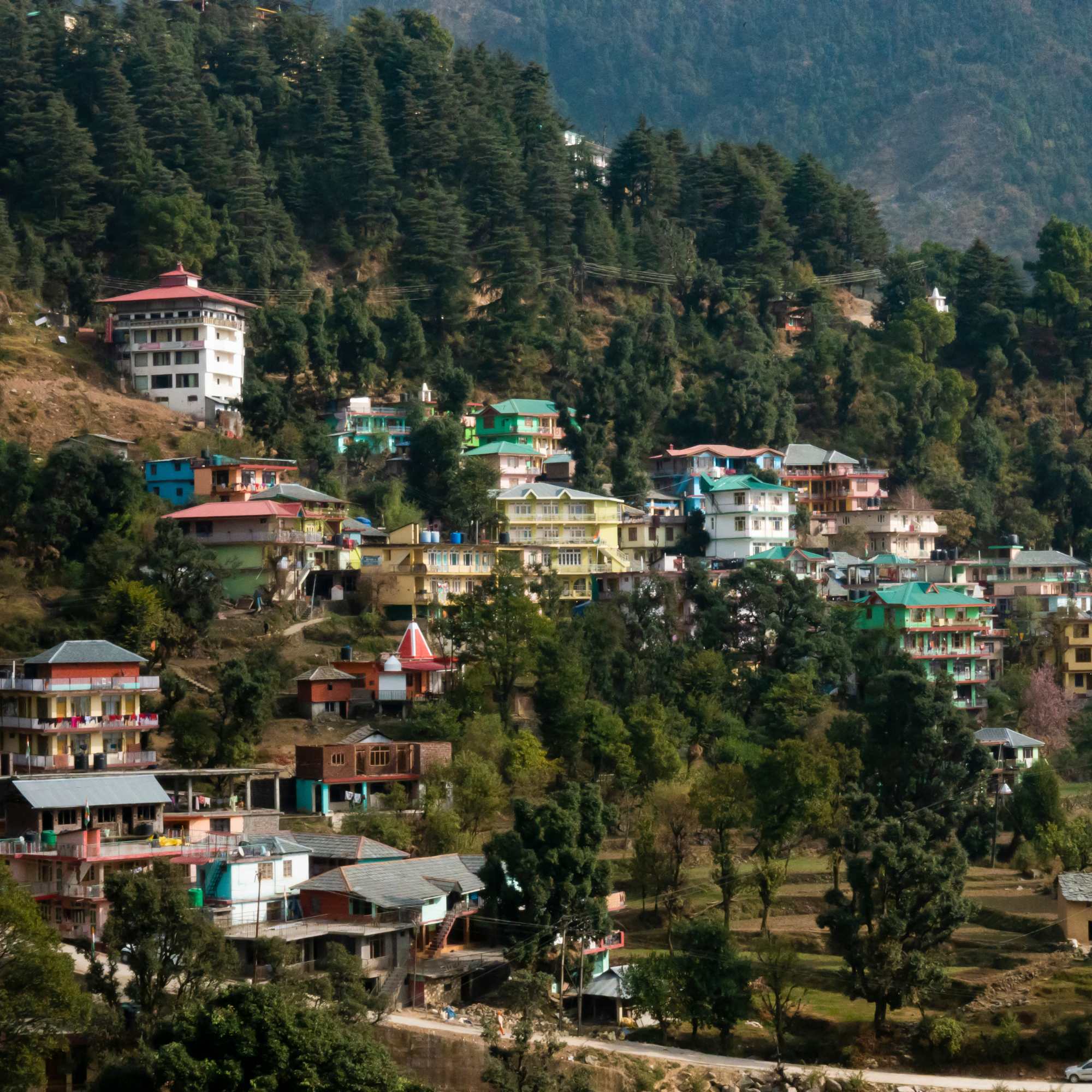
The mistake we see most often is people treating Dharamshala like one small town. It is not. It is a cluster of hill neighbourhoods stacked at different heights.
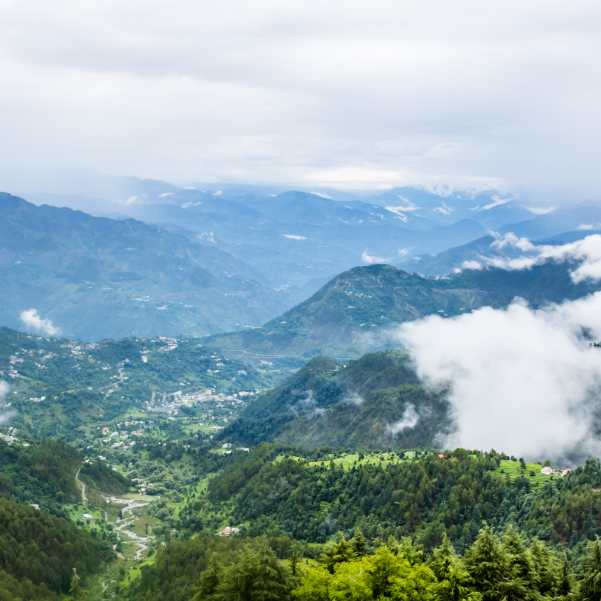
McLeodganj sits up top. Bhagsu and Dharamkot are short climbs. Naddi is higher and quieter. Lower Dharamshala sits well below all of them.
Each one has its own feel, its own roads, and its own pace. When you plan day by day around a single neighbourhood, you stop wasting hours going up and down the same hill.
In our experience, three days feels tight and seven days starts to drag for most people. Five days lets you see everything that matters without sprinting.
Day 1: Arrive in McLeodganj and explore the Tibetan culture circuit
Most travellers reach McLeodganj after a long overnight bus or a tiring drive. So keep Day 1 light. There is no prize for doing too much on the first day.
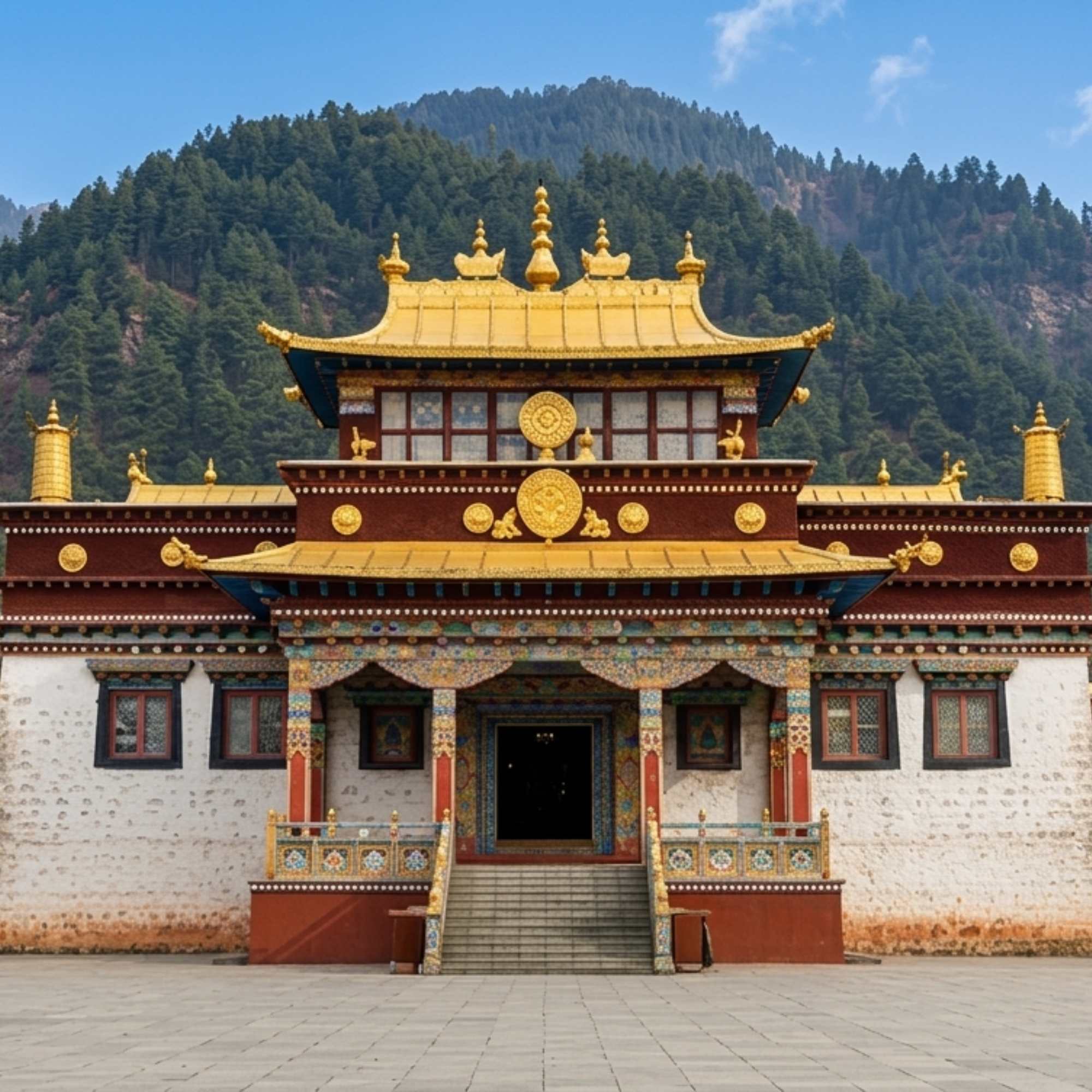
Drop your bags, eat a proper meal, and start with the Tsuglagkhang Complex. This is the main temple area and the spiritual heart of McLeodganj.
Inside the complex you will find Namgyal Monastery, the Kalachakra Temple, and the Dalai Lama Temple. Monks debate in the courtyard in the afternoon, and it is worth just sitting and watching.
The Tibetan Museum in the same area is small but genuinely moving. It tells the story of the Tibetan exile, and most people walk out quieter than they walked in.
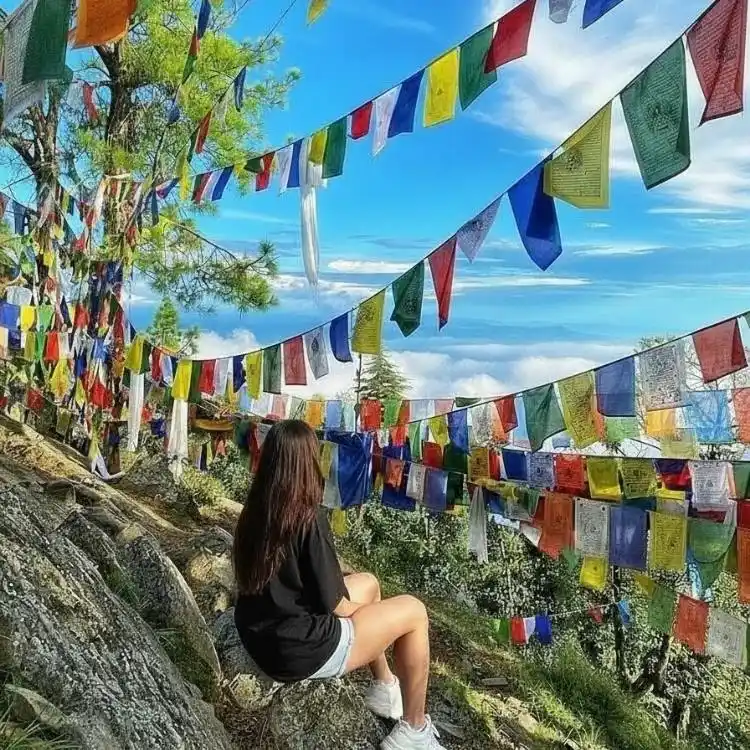
After the temple, do the kora walk. This is the circular path that loops around the Dalai Lama's residence, lined with prayer wheels and fluttering flags.
Here is one local insider tip. Walk the kora in the late afternoon, not midday. The light through the deodar trees is softer, and the crowd thins out as day-trippers head back.
End the day in McLeodganj market. It is a tight little tangle of lanes selling Tibetan jewellery, prayer flags, woollens and street food.
What most tourists get wrong here is treating Day 1 like a race. They land, rush all five sights, and then feel awful by evening because the altitude and the travel catch up with them.
For a food recommendation, try a steaming plate of thukpa or momos at one of the small Tibetan kitchens just off the main square. It is the kind of warm, simple meal your body wants after a long journey.
If you would rather have someone handle the stays, transport and day-wise routing for you, our Dharamshala tour package is built around exactly this slow pace.
Day 2: Bhagsu, Shiva Café, Dharamkot and Naddi sunset
Day 2 is about the neighbourhoods just above McLeodganj. They sit close together, so you can do this whole day on foot if you are reasonably fit.
Start at Bhagsunag Temple in Bhagsu. It is an old Shiva temple with a stone tank where locals and travellers take a dip.
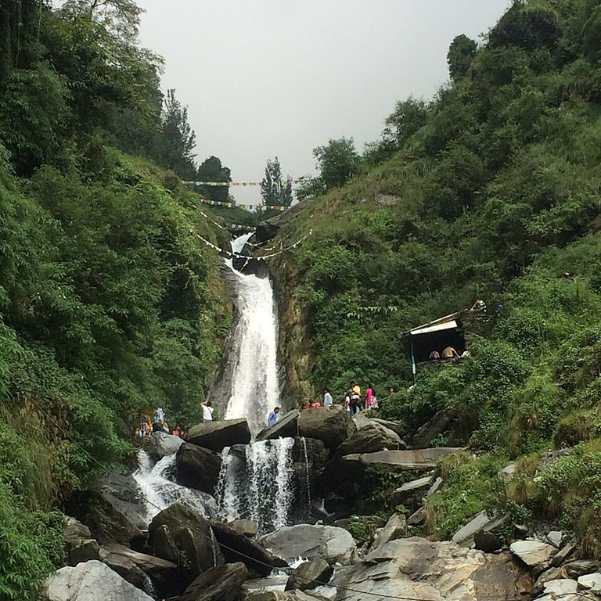
From the temple, walk up to Bhagsu Waterfall. The falls sit around 2 to 3 km from the McLeodganj and Bhagsu side, depending on where you start.
The walk to the falls is gentle and pretty, with little dhabas along the way. After the monsoon, the water really thunders down. In the dry months it is thinner, so do not expect a wall of water in May.
If you have the legs for it, take the Shiva Café trail above the falls. It is a steeper climb, but the views open up and the café itself is a proper hangout spot.
Here is an honest warning. The trail above the falls gets slippery when wet, and people underestimate it. Wear shoes with grip, not flip-flops, especially after rain.
Next, head to Dharamkot. McLeodganj to Dharamkot is around 2 km according to Rome2Rio, though your exact walking time depends on the route and how often you stop for chai.
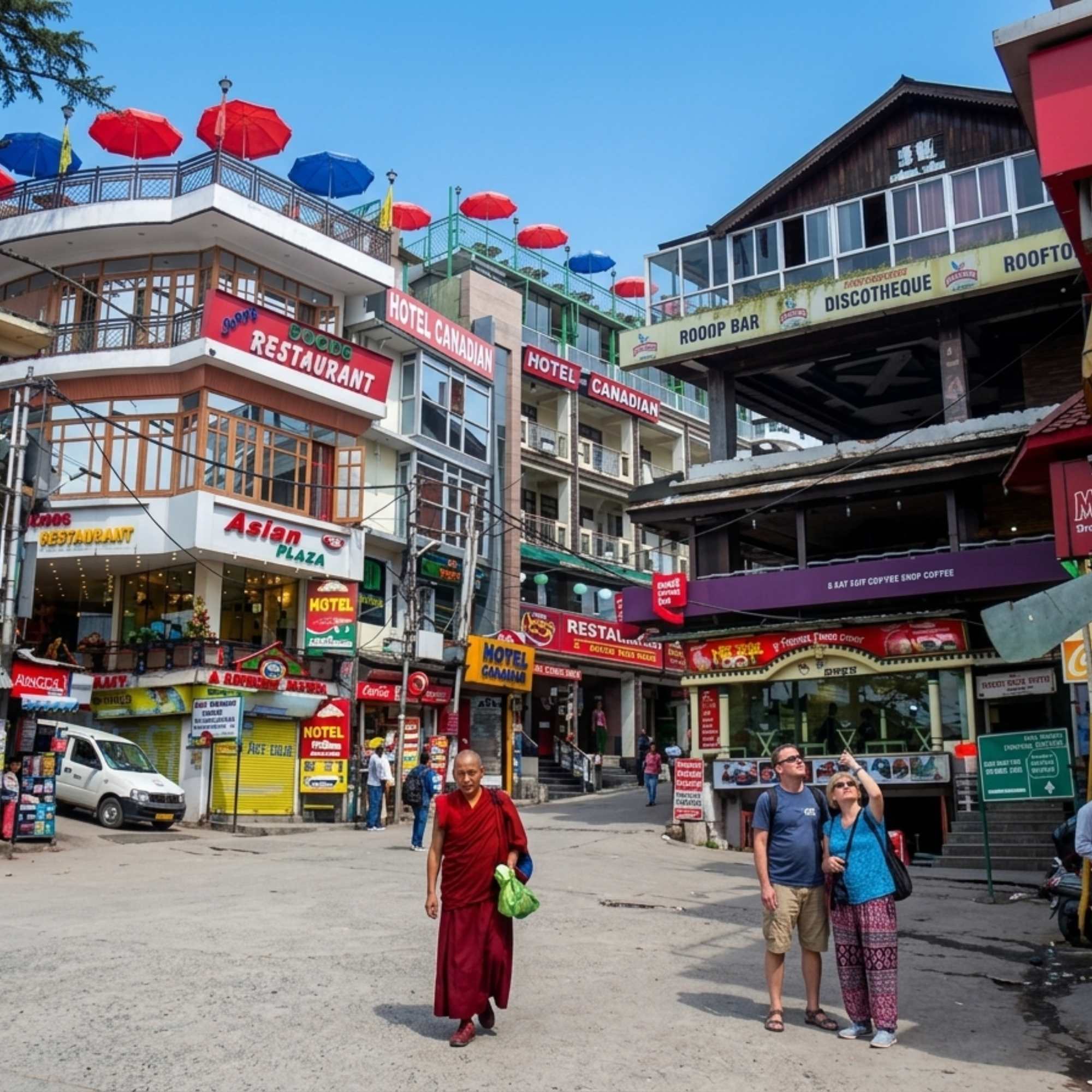
Dharamkot is the café and slow-stay capital of the area. The lanes are full of bakeries, yoga spaces and quiet guesthouses.
The Tushita meditation area near Dharamkot is worth a peaceful wander even if you are not joining a course. The forest around it is calm and shaded.
Finish the day at Naddi sunset point. The view of the Dhauladhar range catching the last orange light is one of the best free things you can do here.
A money-saving tip from our drivers
You do not need a paid viewpoint at Naddi. The open ridge near the village gives you the same sunset without anyone charging you for it.
For a deeper café-by-café breakdown of this area, our Dharamkot travel guide covers where to eat and where to stay.
Day 3: Should you do Triund trek or choose a slow mountain day?
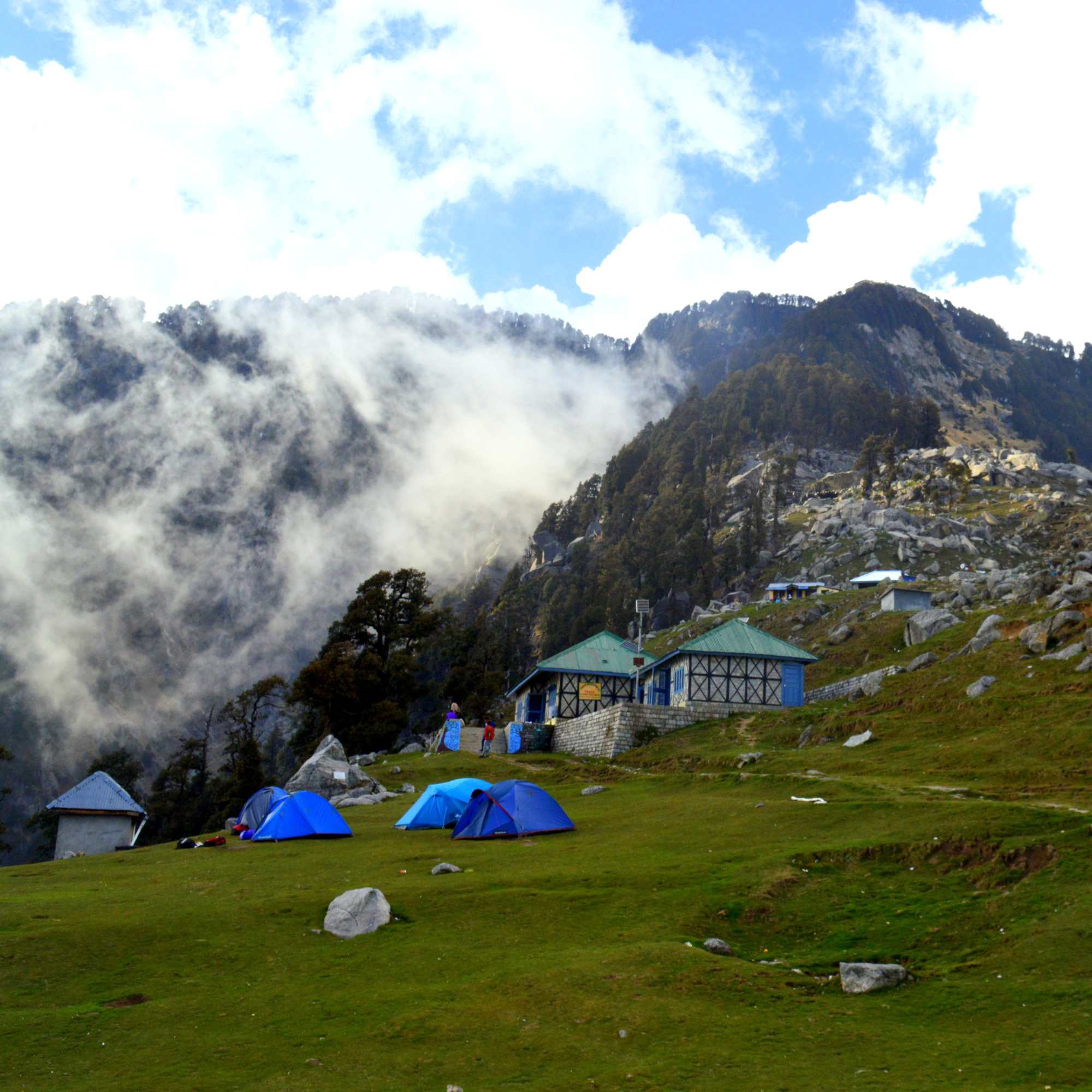
Day 3 is your big decision. You either climb to Triund, or you keep things gentle. Both are good days. They just suit different people.
Option one: Triund as a day trek
The Triund trek from McLeodganj is the classic Dharamshala hike. You climb to a high ridge with the Dhauladhar peaks right in front of you.
In 2026, daytime trekking is allowed from sunrise to sunset. Night trekking is prohibited, so plan to be back down before dark.
There is some good news for planning. The earlier rule that required prior police intimation for Triund, Kareri Lake and Adi Himani Chamunda was withdrawn in 2026.
One important safety note. Treks can be suspended if the IMD issues a weather warning or alert. Always check the forecast the night before and the morning you set off.
What we always tell our travellers is to start early. Begin the climb soon after sunrise so you reach the top with hours to spare and a calm walk back down.
Carry water, snacks and a windproof layer. The ridge gets cold and breezy even when McLeodganj feels warm.
Option two: a slow Dharamkot and Gallu Devi day
If your legs are tired or the weather looks shaky, skip the full trek. Do a relaxed day instead.
Walk up to Gallu Devi Temple, which sits at the start of the Triund trail. You get a taste of the climb and the views without committing to the whole thing.
Spend the rest of the day café-hopping in Dharamkot, reading on a terrace, and watching the mountains. This is slow travel at its best, and nobody regrets a rest day here.
Our honest take is that a half-day to Gallu Devi plus cafés often beats a rushed, exhausting Triund attempt for first-timers. Listen to your body.
Day 4: Lower Dharamshala sightseeing without rushing
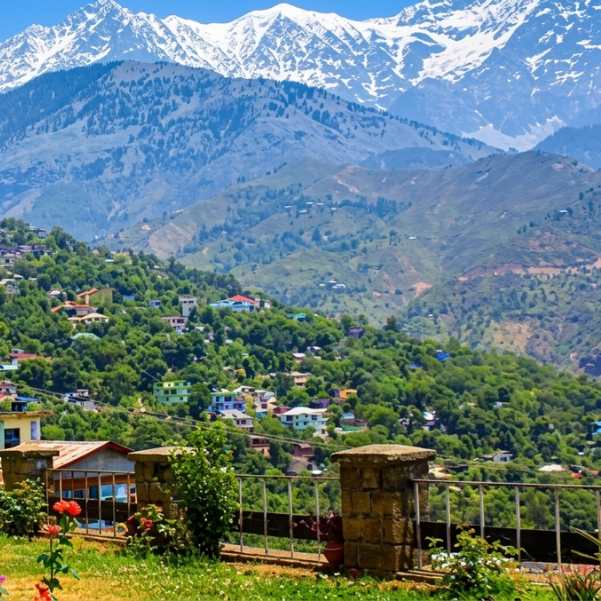
Day 4 drops you down to Lower Dharamshala. The pace here is easier because most of these stops are quick.
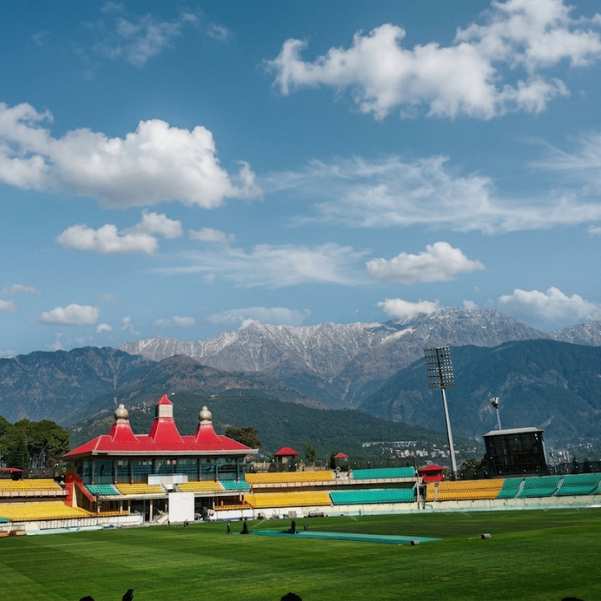
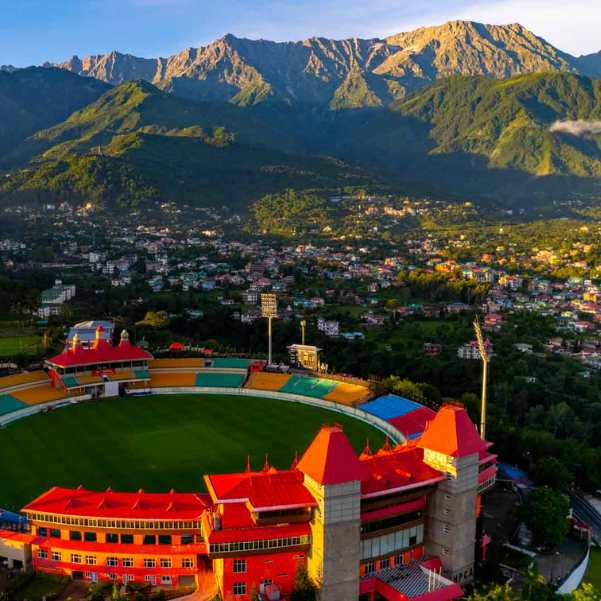
Start at the HPCA Stadium. It is one of the most beautiful cricket grounds in the world, with the snow line sitting right behind the stands.
Visitor timings and entry rules for HPCA Stadium can change because of matches, practice sessions and private events.
Some days may allow visitor access, while other days may have restricted entry. Before you go, confirm the current timing and entry fee locally with the stadium staff, your hotel or a local operator.
Near the stadium you will find the War Memorial, set in a quiet pine grove. It is a calm, shaded spot for a slow walk.
The tea gardens around Lower Dharamshala are a lovely surprise. Most people picture Himachal as only deodar forest, then they see these green tea slopes and slow right down.
Next, visit the Norbulingka Institute. This is a centre for Tibetan art and craft, with gardens, workshops and a temple.
Norbulingka timings are around 9:00 AM to 5:00 or 5:30 PM. Entry is around ₹50 for Indian and Tibetan visitors and higher for foreign visitors, so confirm at the gate.
Take your time in the gardens here. The water channels, the wood carving studio and the thangka painting room are the kind of details you miss if you hurry.
Finish at Gyuto Monastery, known for its monks and its setting beside the Kangra valley views. It is a peaceful place to end the day.
For travellers with less time, our best places to visit in Dharamshala and McLeodganj guide helps you trim this down without missing the highlights.
Day 5: Kangra, Palampur or a no-plan café day?
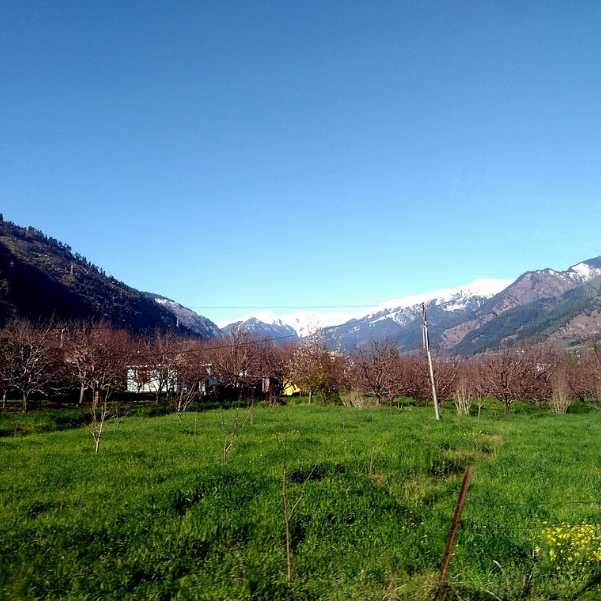
Day 5 is your flexible buffer. You have three good choices, and the right one depends on your energy.
Choice one: Kangra for history
Drive to Kangra Fort, one of the oldest and largest forts in the Himalayas. The ruins, the gates and the valley views reward the trip.
Pair it with the Masroor Rock Cut Temples, a set of stone shrines carved straight out of a rock face. History lovers will find this the most rewarding Day 5.
Choice two: Palampur for a softer drive
If you want a gentler day, head to Palampur. The tea gardens, the open valley and the slow roads make for an easy, scenic outing.
This is the choice for couples and families who want pretty views without a demanding schedule.
Choice three: a no-plan café and shopping day
Sometimes the best Day 5 is no plan at all. Sleep in, drift between cafés, finish your shopping in McLeodganj market, and pack slowly.
One firm warning. Do not try to add Dalhousie to this itinerary. It sits too far away, and squeezing it in turns your slow trip into a stressful long-drive day.
Where should you stay for this 5-day itinerary?
Where you sleep shapes your whole trip here, because every neighbourhood has a different vibe.
McLeodganj
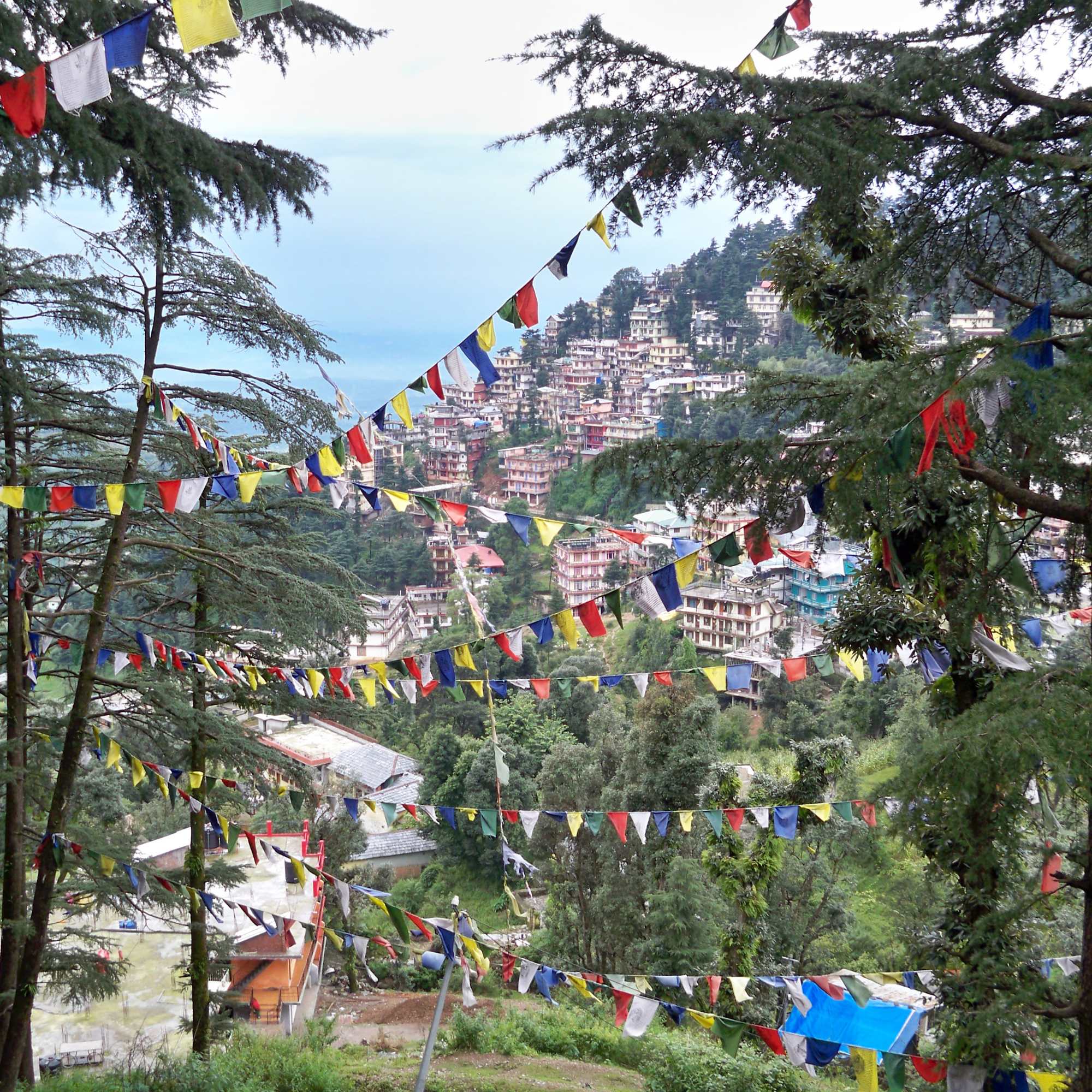
It is best for first-time travellers. You are close to the temple, the market and the buses, and everything feels walkable.
Dharamkot
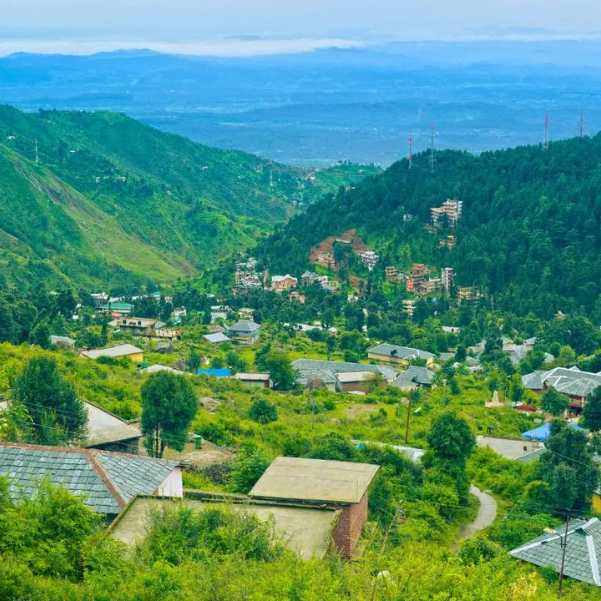
It is best for cafés and slow stays. If you want a quiet terrace, good coffee and a yoga-and-reading kind of holiday, stay here.
Bhagsu
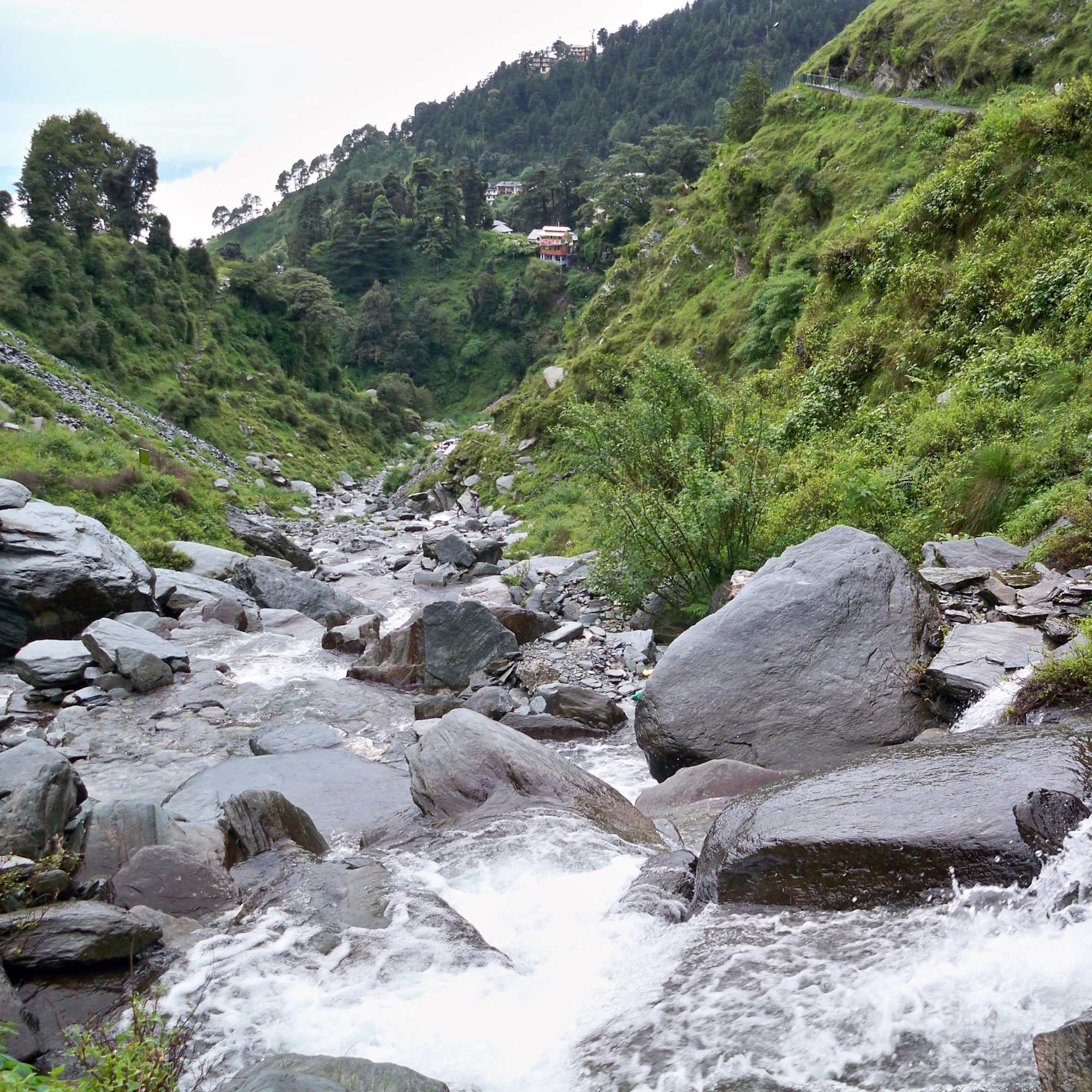
It suits younger travellers and budget trips. It is lively, social and full of cheap eats and music cafés.
Naddi
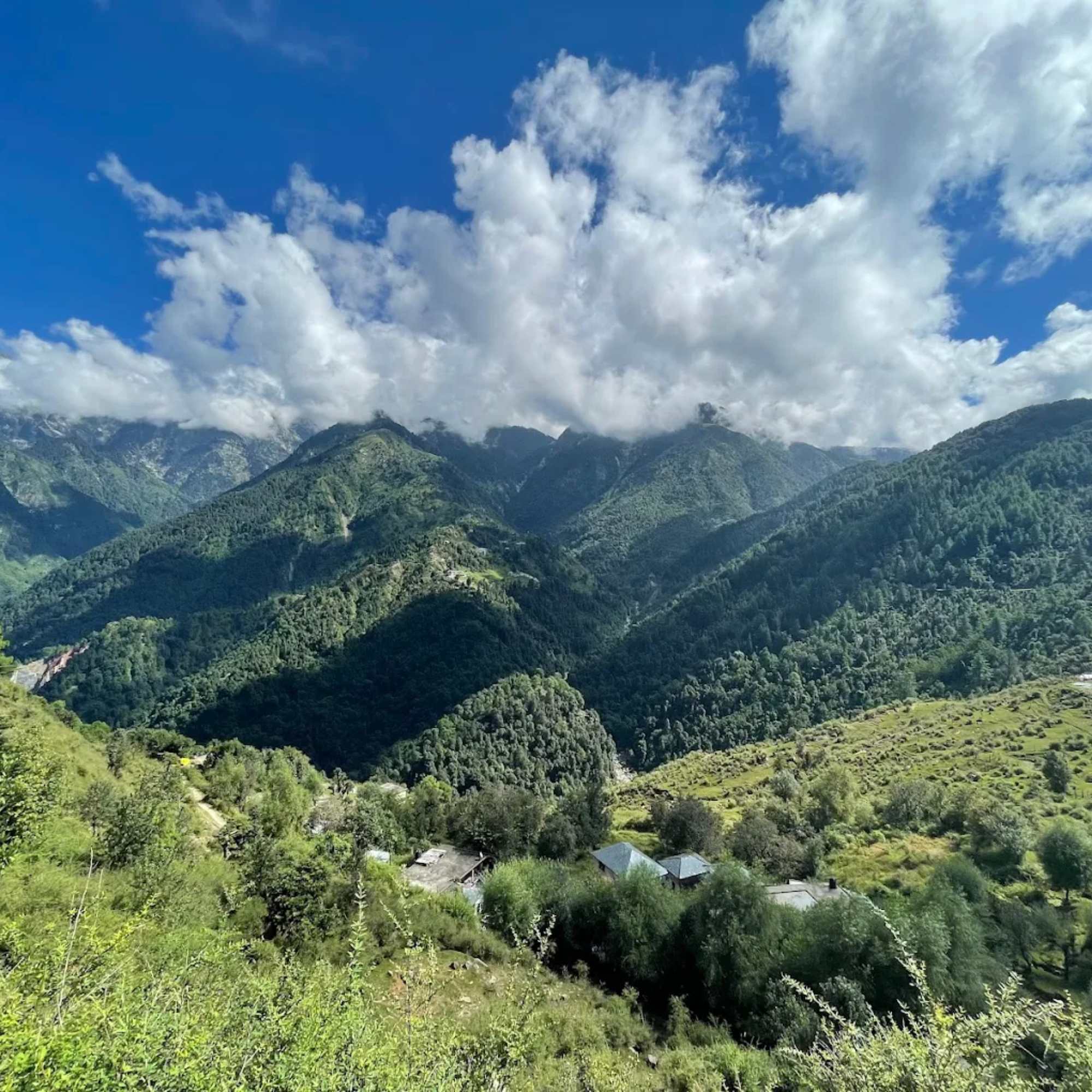
It is the quiet choice. It sits higher, the air is cleaner, and the Dhauladhar views are right outside your window.
Lower Dharamshala
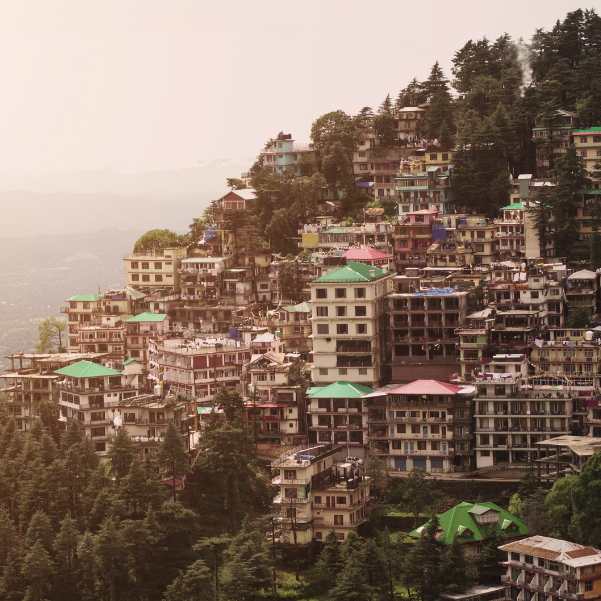
It works best for families and anyone who wants easy road access. It is less charming but more convenient for cars and the airport.
In our experience, most couples and first-timers do best splitting nights between McLeodganj and Dharamkot. You get the buzz of one and the calm of the other.
How to travel between Dharamshala, McLeodganj, Bhagsu and Dharamkot?
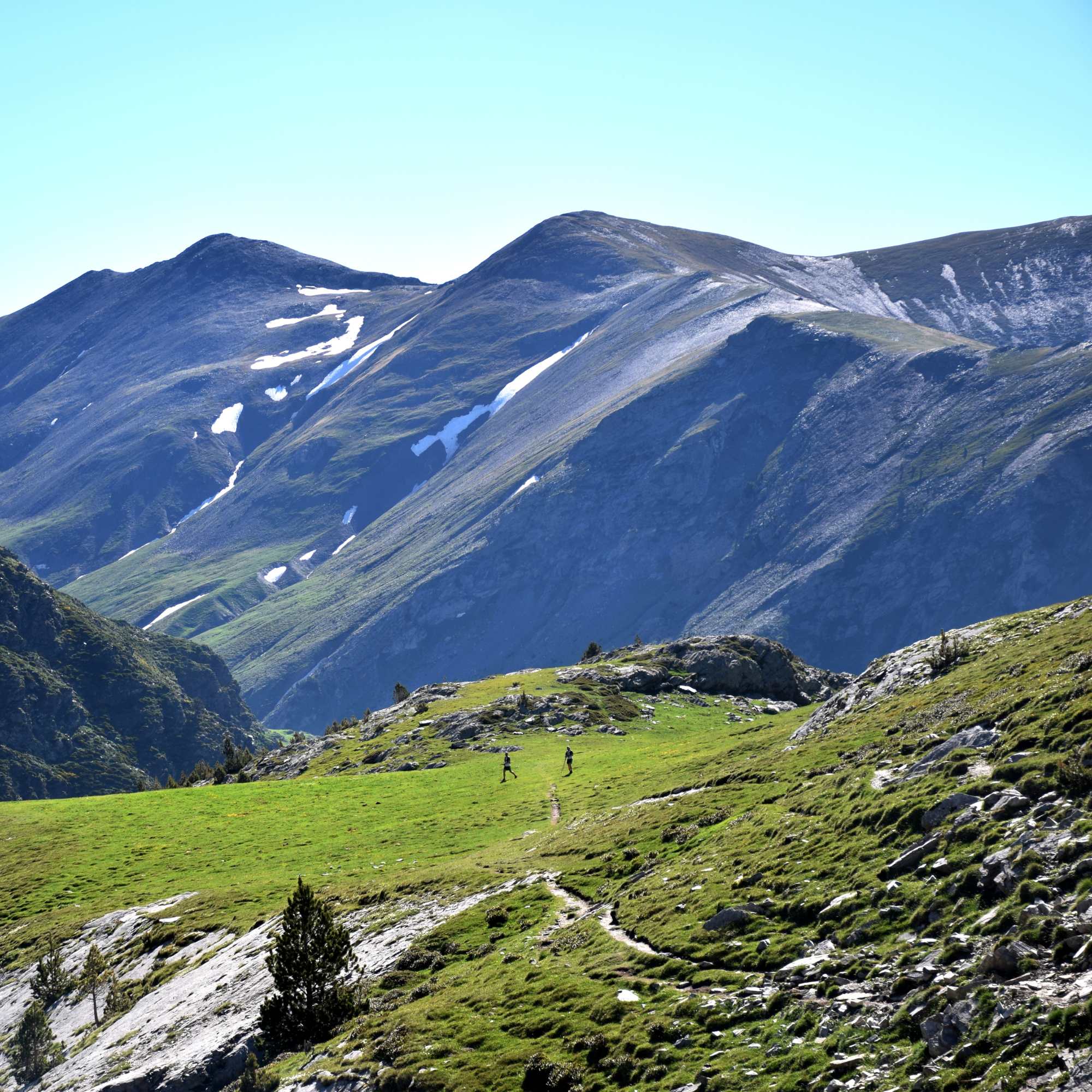
Getting around here is easy once you understand the layout.
Dharamshala to McLeodganj is usually cited around 5 to 10 km by road depending on the exact start and end points. It is a short but winding climb.
Local taxis are the simplest option for hops between neighbourhoods. Agree on the fare before you sit in, since meters do not really exist here.
Walking is genuinely the best way to move between McLeodganj, Bhagsu and Dharamkot. They are close, and the walks are part of the fun.
Local buses connect Lower Dharamshala and McLeodganj cheaply, though they can be crowded and slow during peak hours.
A nice recent update for getting around: Dharamshala got a new e-bus charging depot and three approved intra-city e-bus routes in June 2026. Cleaner, quieter local transport is slowly arriving.
Then there is the Dharamshala Skyway, the ropeway connecting Lower Dharamshala and McLeodganj. The ride takes around 9 to 10 minutes and the views are excellent.
What is the best time for this Dharamshala 5 day itinerary?
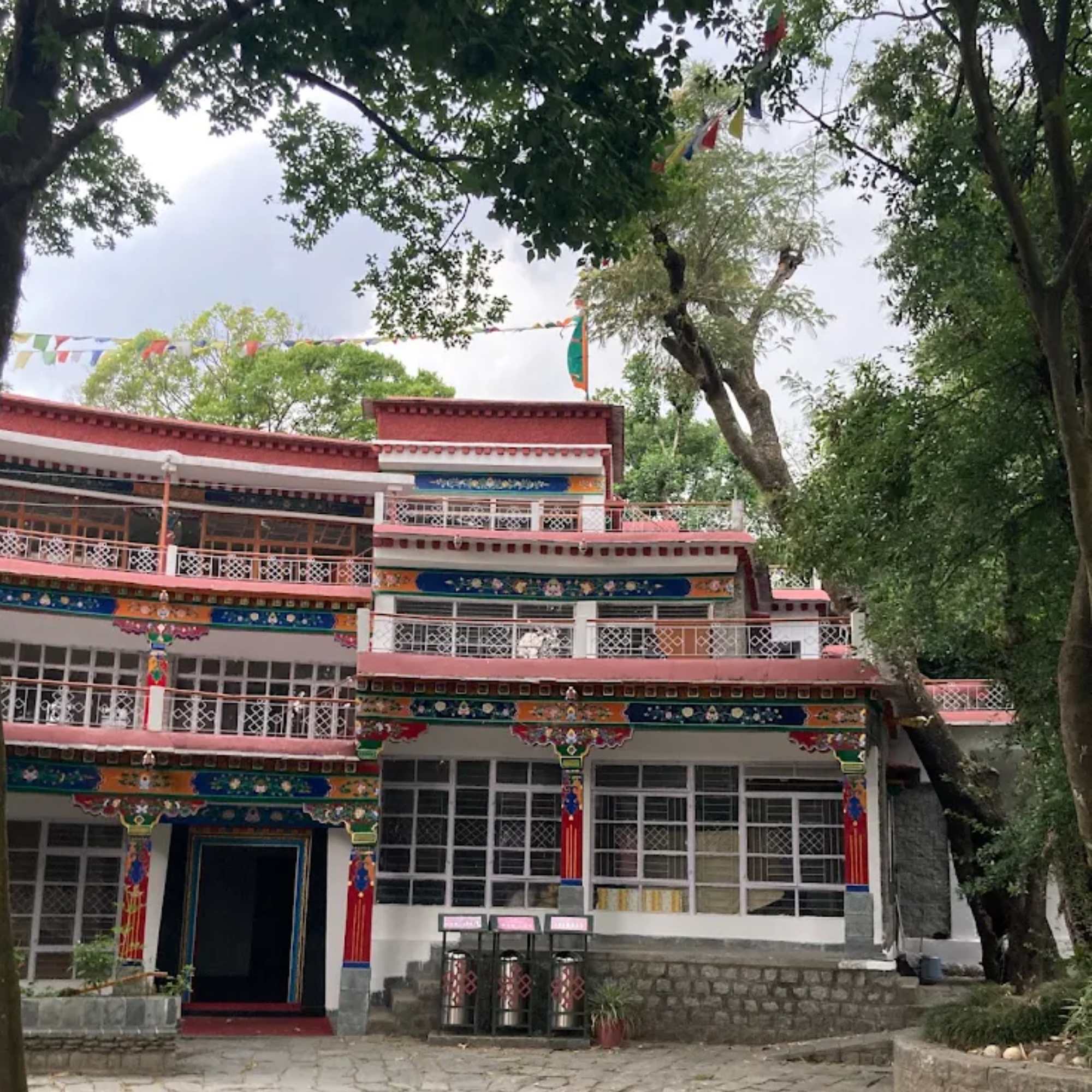
The season you choose changes everything about this trip.
March to June
March to June gives you pleasant weather and green hills. This is the easiest window for first-timers and the most reliable for treks.
September to November
September to November brings clear, post-monsoon skies. The Dhauladhar views are at their sharpest, and the crowds thin out after the summer rush.
Winter
Winter is cold, and higher areas like Naddi and the Triund trail can get snow. It is beautiful but you need to pack seriously warm.
Monsoon
Monsoon is the risky window. Heavy rain causes landslides and road disruption, and treks may close during IMD alerts. We usually steer slow-travel clients away from peak monsoon.
If you want a month-by-month feel for the area, our Dharamshala and McLeodganj in May guide breaks down one of the most popular travel windows.
What should you pack for 5 days in Dharamshala?
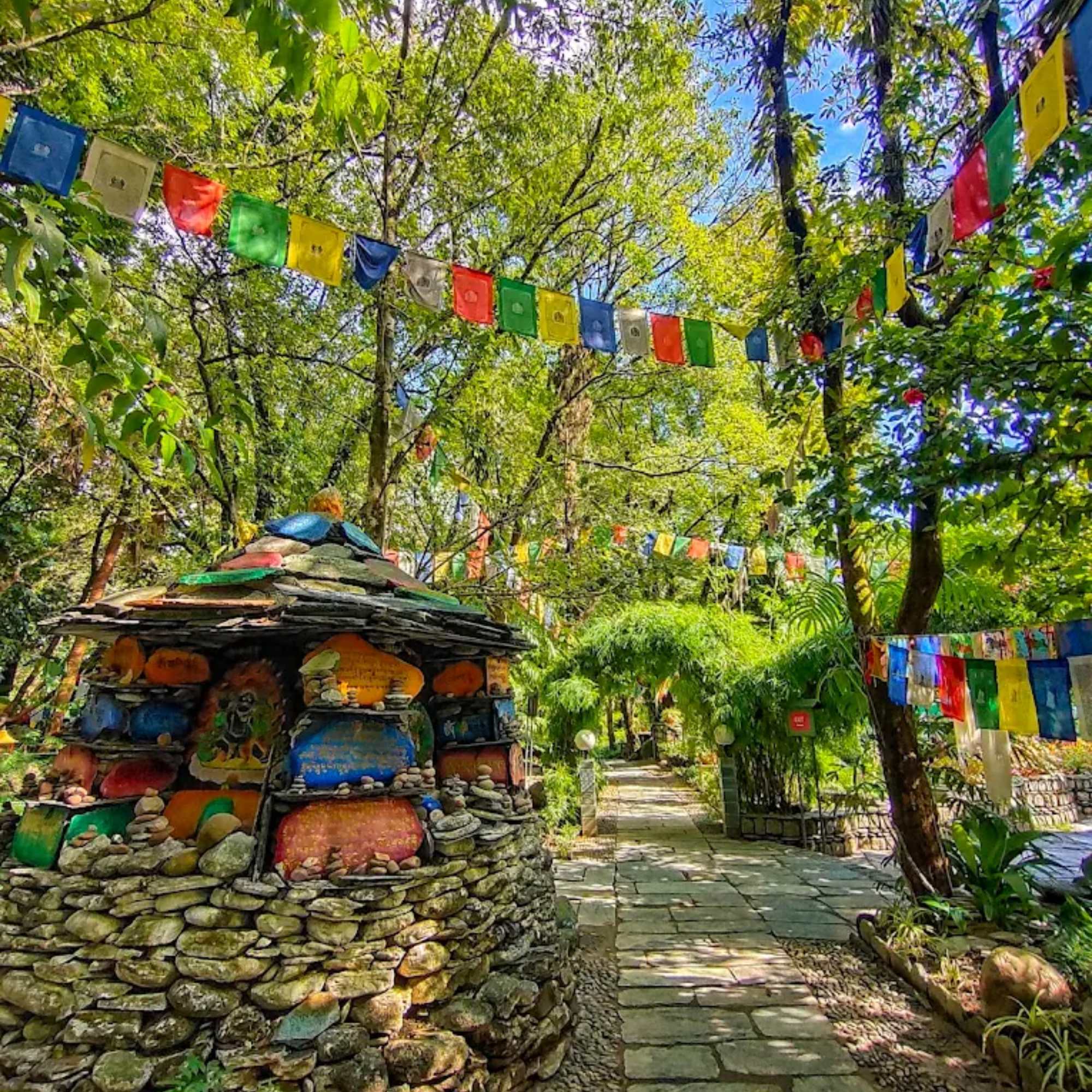
Pack light but smart, because you will walk more than you expect.
Bring good walking shoes with grip, a warm jacket, and a rain layer even in the dry months. Mountain weather flips fast here.
Carry a small daypack for your café days and treks, a reusable water bottle, and a basic medicine kit for headaches and stomach issues.
Add a power bank, some cash for the smaller dhabas and taxis, and modest clothing for the temples and monasteries. Covered shoulders and knees keep things respectful.
Estimated budget for 5 days in Dharamshala and McLeodganj
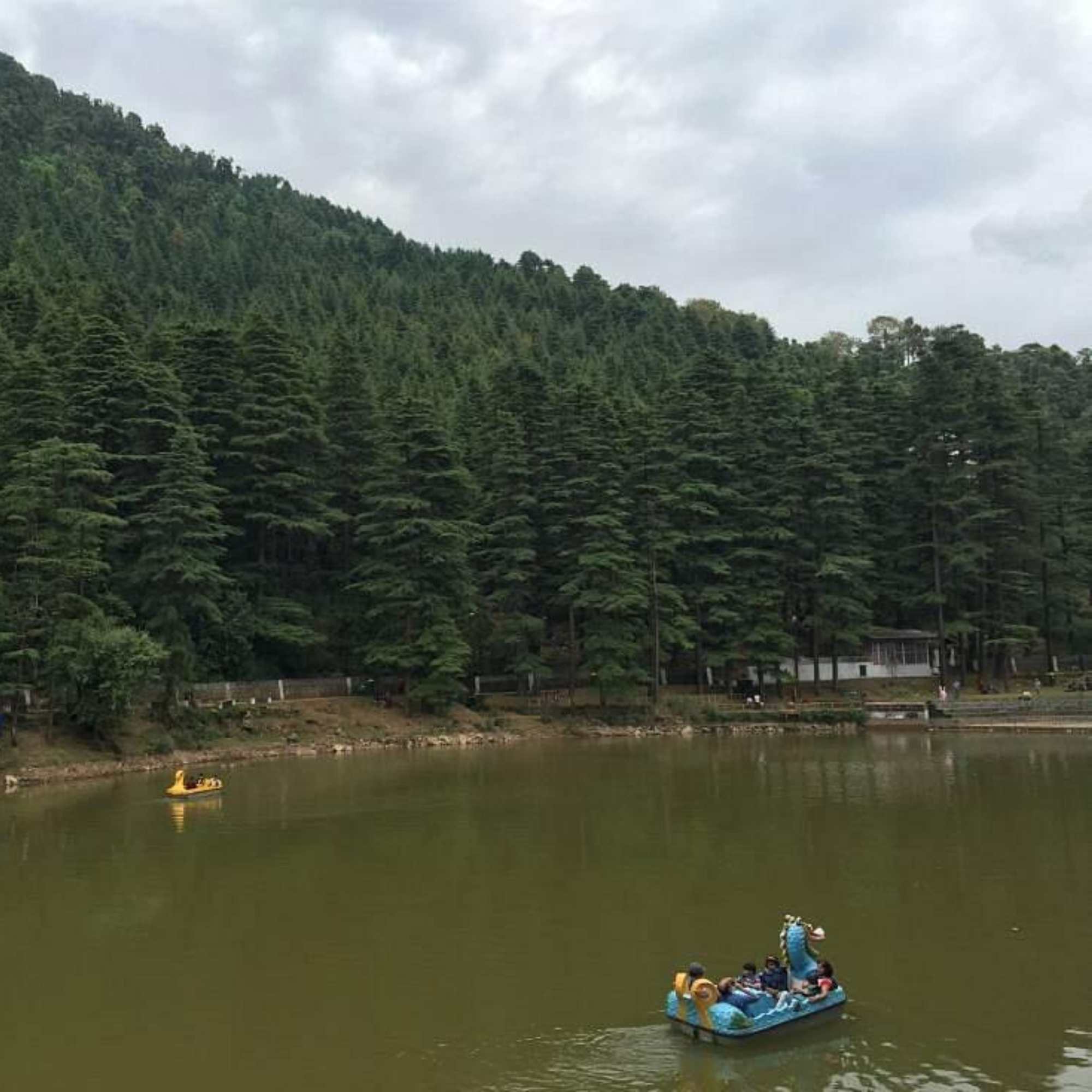
Rather than throwing fake numbers at you, here is how to think about your budget in clear categories.
Your stay is the biggest variable. A backpacker hostel in Bhagsu costs a fraction of a boutique stay in Dharamkot or Naddi.
Food is genuinely affordable if you eat at Tibetan kitchens and local dhabas, and pricier if you stick to the trendy Dharamkot cafés.
Budget separately for local commute, which means taxis, the occasional bus and the Skyway ride. Short taxi hops add up across five days.
Set aside a little for sightseeing, like the Norbulingka entry and any stadium or fort fees. Keep a Triund guide or permit buffer if you plan to trek, plus a small amount for shopping and a general buffer for surprises.
We always tell travellers to keep a buffer day's worth of cash spare. Mountain plans shift, and a little flexibility saves a lot of stress.
Common mistakes to avoid
The first mistake is adding Dalhousie to a slow five-day plan. It is too far, and it turns your relaxed trip into a long-drive marathon.
The second is starting the Triund trek late. Night trekking is prohibited in 2026, so a late start can leave you racing the daylight.
The third is randomly combining Lower Dharamshala and Dharamkot on the same day. They sit at different heights, and you waste time going up and down. Plan by neighbourhood.
The fourth is underestimating walking. This region is all slopes and stairs, and people who pack only fashion shoes regret it by Day 2.
The fifth is travelling in heavy rain without checking the weather. Monsoon landslides and IMD trek closures are real, so check the forecast before you commit each day.
Who should book a customised Dharamshala trip?
A customized plan suits more people than you might think.
Couples love it because we can build in the quiet sunset points and the cosy Dharamkot stays without the noise. Families like having a driver and a relaxed pace that works for kids and grandparents.
Senior travellers benefit most from neighbourhood-based planning that avoids long, tiring drives. Remote workers get café-friendly stays with reliable bases for slow weeks.
First-time Himachal travellers get the biggest lift. We sort the stays, the routing and the realistic timings so you skip the rookie mistakes.
If any of that sounds like you, we are happy to put a plan together around your dates and pace.
Explore Our Curated Dharamshala & McLeodganj Tours Packages
 3D/2N
3D/2NDharamshala & McLeodganj Weekend Tour
1D Delhi•2D Dharamshala / McLeodganj
₹8,799₹17,880SAVE INR 9,081/ person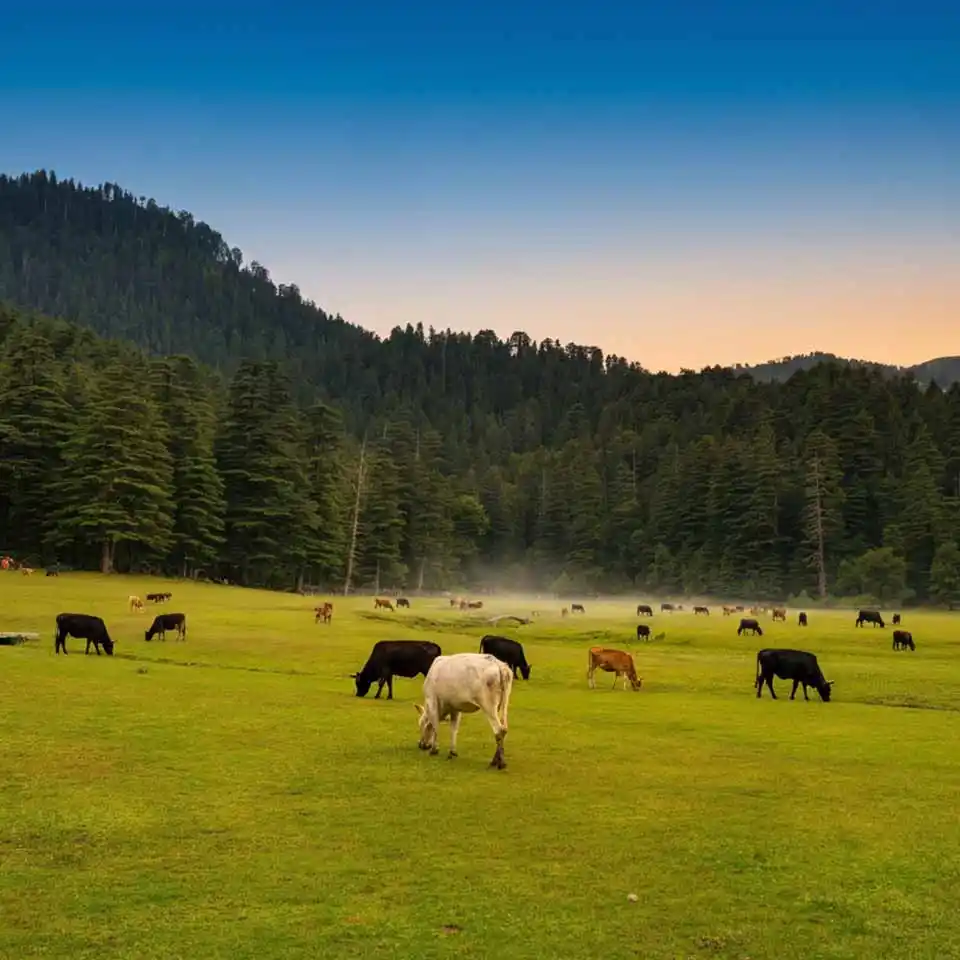 6D/5N
6D/5NDharamshala Dalhousie Khajjiar Meadow Circuit
1D Delhi•2D McLeodganj+1
₹19,999₹25,999SAVE INR 6,000/ person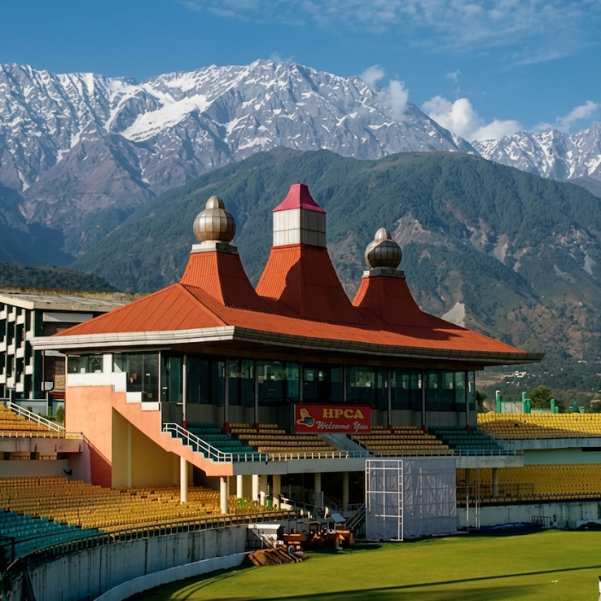 7D/6N
7D/6NDharamshala–McLeod Ganj, Dalhousie & Khajjiar With Amritsar
1D Delhi•2D McLeod Ganj / Dharamshala+3
₹23,999₹28,999SAVE INR 5,000/ person
Related topics
Frequently Asked Questions
How many days are enough for Dharamshala and McLeodganj?
Four to five days is the sweet spot. Five lets you slow down, rest properly, and still fit in a trek or a day trip without rushing.
Is 5 days enough for Dharamshala?
Yes, five days is plenty for a relaxed trip. You can cover McLeodganj, Bhagsu, Dharamkot, Lower Dharamshala and one outing like Triund or Kangra.
Which is better to stay, Dharamshala or McLeodganj?
McLeodganj is better for most travellers because it is walkable and close to the temple and market. Lower Dharamshala suits families who want easy road and airport access.
Can I cover Dharamshala and McLeodganj in 5 days?
Easily. Five days actually gives you spare time, which is why we suggest a buffer day on Day 5 for Kangra, Palampur or just cafés.
Is Triund trek possible in one day?
Yes. In 2026 daytime trekking is allowed from sunrise to sunset. Start early, stay aware of IMD alerts, and you can do it and return the same day.
What is the best time to visit Dharamshala?
March to June for pleasant weather and September to November for clear mountain views. Avoid peak monsoon when rain and landslides disrupt roads and treks.
How far is McLeodganj from Dharamshala?
It is usually cited around 5 to 10 km by road depending on the exact points. It is a short, winding climb that takes only a few minutes by taxi.
Is Dharamshala safe for solo travellers?
Yes, it is one of the more relaxed and welcoming hill towns for solo trips. Stick to daytime treks, keep someone informed, and you will be fine.
What to do in McLeodganj at night?
Wander the market, eat at a Tibetan kitchen, and catch live music at a Bhagsu or Dharamkot café. It is low-key, not a party town, so keep expectations gentle.
Can we visit Dalhousie with Dharamshala in 5 days?
We do not recommend it. Dalhousie sits too far away, and adding it turns a slow trip into a long-drive scramble. Keep them as separate trips.
Is Dharamkot walkable from McLeodganj?
Yes. McLeodganj to Dharamkot is around 2 km according to Rome2Rio. It is an easy uphill walk that most people enjoy doing on foot.
Does Dharamshala get snow?
The higher areas like Naddi and the Triund trail can get snow in winter. McLeodganj sees occasional snow too, while Lower Dharamshala stays mostly clear.
More about Dharamshala
 Dharamshala
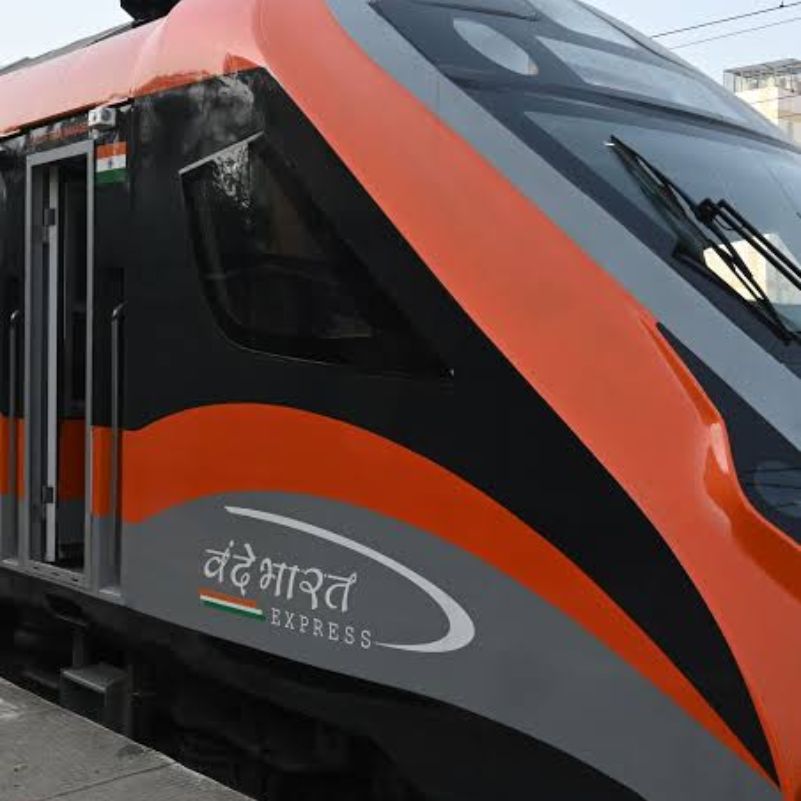
Delhi to Dharamshala by Vande Bharat in 2026: Amb Andaura Transfer & Return Guide
Planning to travel from Delhi to Dharamshala by Vande Bharat? Learn the best rail route, where to get off, and how to arrange your onward transfer to Dharamshala by taxi or bus.
 Dharamshala
Dharamshala Group Trip with Friends 2026: Cabs, Rooms, Triund and Shared Costs
Planning a Dharamshala group trip with friends in 2026? Explore cab options, estimated travel costs, group budgeting tips, and practical ways to plan an affordable trip to Dharamshala and McLeod Ganj.
 Dharamshala
Dharamshala Trip Cancellation Due to Weather in 2026: Refunds, Rescheduling and What Happens Next?
Planning a Dharamshala trip in 2026? Learn when severe weather, heavy rain, snowfall, landslides or road disruptions may require you to cancel or postpone your trip, and what to check before travelling.