
Delhi to Shimla Trip 2026: Route, Cost and 4-Day Itinerary
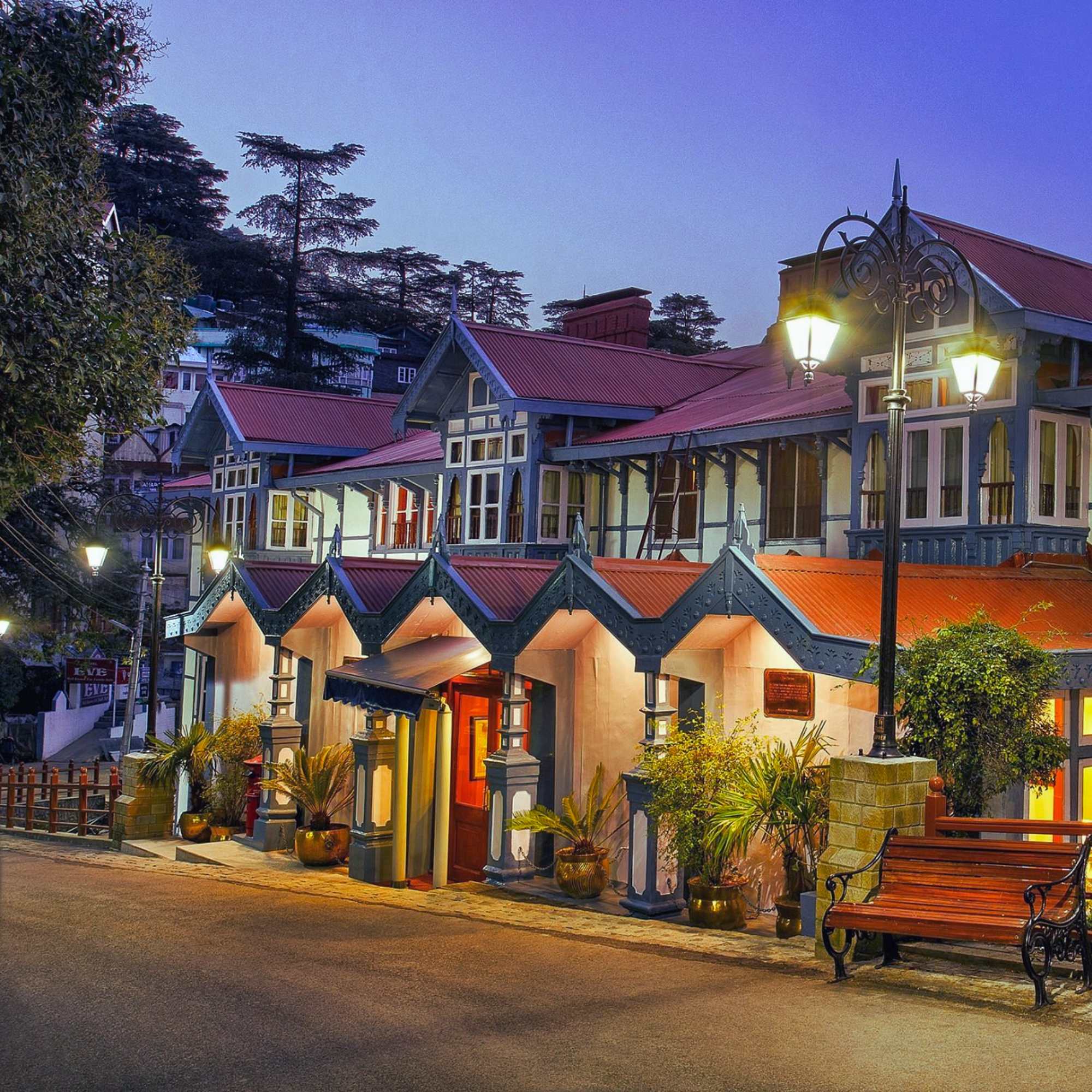
A Delhi to Shimla trip is a convenient choice for travellers looking for a refreshing hill holiday with comfortable road, bus and train connections.
This guide by Travel Coffee explains the best route, expected travel cost and a practical four day itinerary covering Shimla’s main attractions and nearby sightseeing places.
The plan is suitable for couples, families and friends who want to organise transport, accommodation and daily activities without making the journey feel rushed. It will help you estimate your budget and plan each day before travelling from Delhi to Shimla.
Quick Answer: How Should You Plan a Delhi to Shimla Trip?
A Delhi to Shimla trip covers approximately 340 to 350 km by road and usually takes 7 to 9 hours in normal conditions. Three nights and four days give most first time travellers enough time to enjoy Shimla without rushing.
An overnight HRTC Volvo usually works well for a budget trip. A private car gives couples and families more flexibility, while the Delhi to Kalka train followed by the Kalka Shimla toy train provides the most scenic journey.
We create customised Shimla tour packages with transport, accommodation and sightseeing based on your group, budget and travel dates.
What most tourists get wrong is treating Shimla like a compact city where a vehicle can drop them outside every attraction. Central Shimla involves walking, slopes and restricted roads, while Kufri and other outer areas need separate transport.
How Far Is Shimla from Delhi and How Long Does the Journey Take?
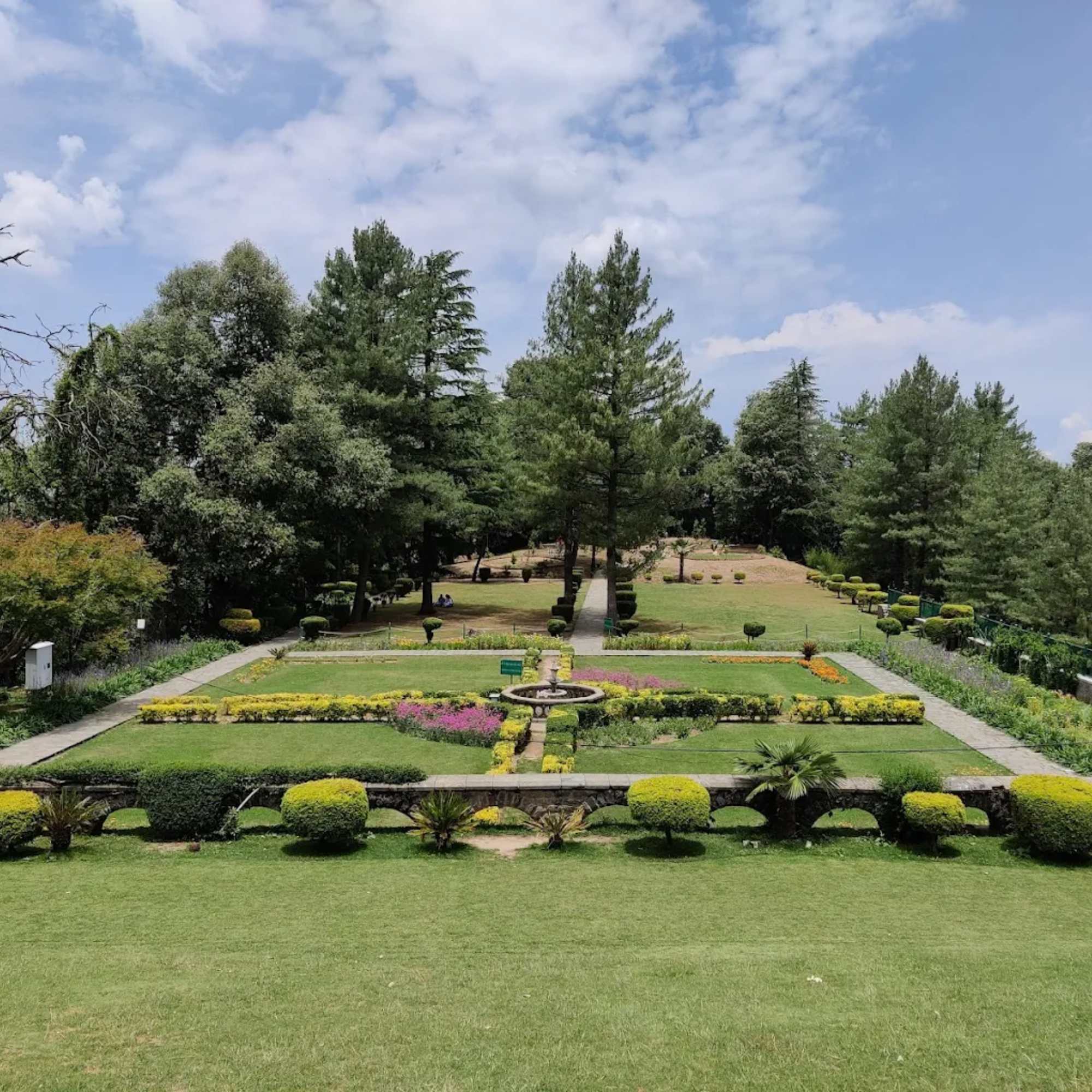
Delhi to Shimla by road
The Delhi to Shimla distance varies according to where you start in Delhi and which roads your driver follows around Chandigarh, Panchkula and Kalka. Use approximately 340 to 350 km as a sensible planning range.
A normal Delhi to Shimla road trip takes approximately 7 to 9 hours. This estimate excludes major traffic jams, long meal breaks, rain disruption, snowfall, fog and roadworks.
Traffic near Delhi NCR can slow you down before the journey properly begins. Weekends and long holidays also create queues around the Parwanoo, Dharampur and Solan sections.
In our experience, travellers underestimate how tiring the final hill section can feel after several hours on the highway. Keep your first evening light instead of planning a packed sightseeing schedule immediately after arrival.
Delhi to Shimla by bus
HRTC runs ordinary buses as well as Himsuta Volvo or Scania services. Ordinary buses cost less and make more stops, while Volvo and Scania coaches usually provide better seats and a more comfortable overnight journey.
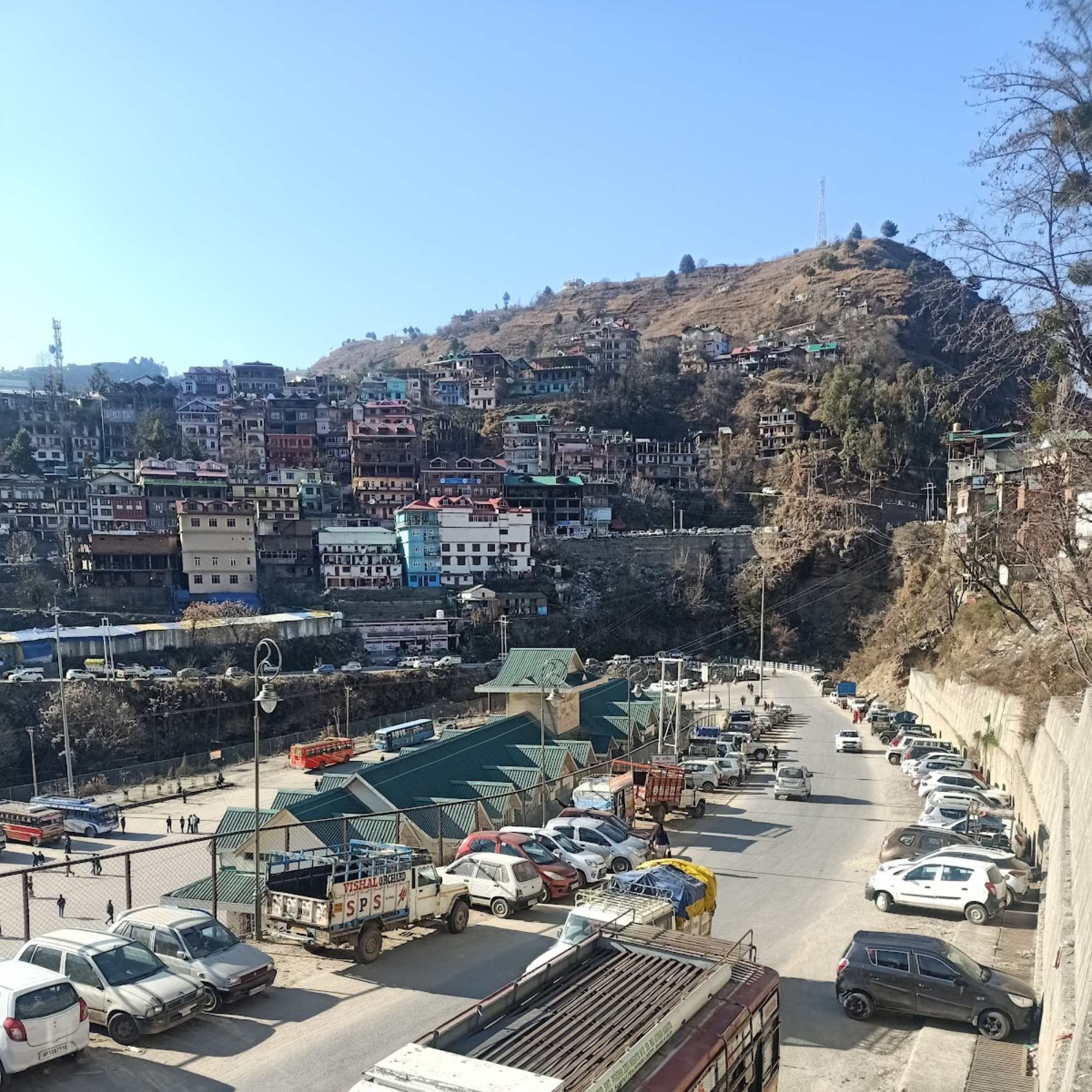
ISBT Kashmiri Gate serves as a common boarding point in Delhi. Most services reach ISBT Tutikandi, the main bus terminal below central Shimla.
Check your exact boarding point and reporting time on the ticket. Delhi has several bus pickup locations, and going to the wrong terminal can ruin the start of your trip.
An overnight bus saves daytime and may save one hotel night. This makes it useful for a weekend trip to Shimla from Delhi.
The savings has a trade off. If you cannot sleep in a moving bus, you may arrive tired and lose much of your first morning. Book a hotel that can store luggage because normal check in may not match your arrival time.
Delhi to Shimla by train
No single direct broad gauge train connects Delhi and Shimla. You first take a Delhi to Kalka train, then change to the narrow gauge Kalka Shimla railway.
The Kalka Shimla toy train route covers approximately 96 to 96.6 km. UNESCO includes this railway within the Mountain Railways of India.
The hill train usually takes around 5 to 6 hours, depending on the service, stops and operating conditions. Check the latest timetable, platform details and service status for your travel date.
This journey works best when the experience matters more than speed. You pass through tunnels, small stations and forested slopes at a slow pace.
Keep enough connection time at Kalka. A minor delay on the Delhi train can become a major problem if you book a tight toy train connection.
Delhi to Shimla by flight
Alliance Air may operate a morning Delhi to Shimla service, but flight timings and operating days can change. Confirm the current schedule directly with the airline before booking.
The scheduled flying time looks short, but your total journey also includes airport reporting, baggage collection and the road transfer from Jubbarhatti Airport to your hotel.
Hill airport operations depend heavily on weather and visibility. Delays and cancellations can happen, so retain a road or bus backup plan if you have a fixed hotel booking or onward journey.
Check the latest Shimla to Delhi return timing before planning a same day connection, as schedules may change.
What Is the Best Way to Travel from Delhi to Shimla?
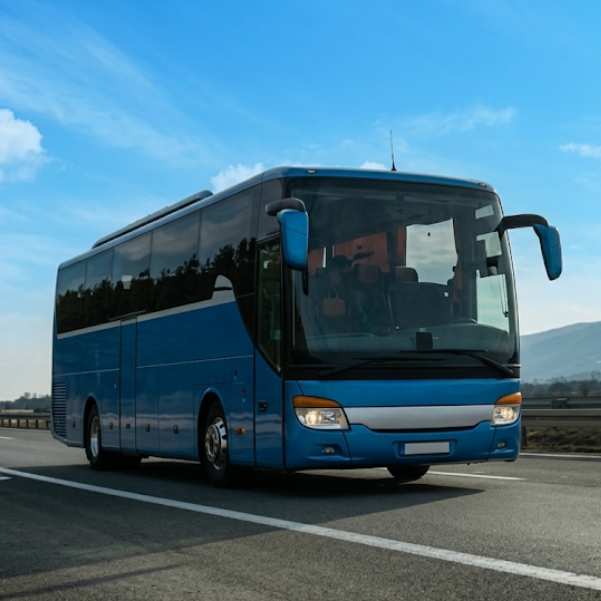
Best option for couples and families
A private car or customised cab works well when you need flexibility, luggage space and direct hotel transfers. It also allows you to stop for meals or breaks without following a bus schedule.
Families with children and senior citizens benefit from this control. Couples can also plan a relaxed stop without turning the journey into a race.
Choose a driver who has genuine hill road experience. Rain, fog and winter conditions need calm driving, controlled braking and familiarity with bends.
Confirm whether the quote covers tolls, parking, driver allowance, night charges and the return journey. A low starting fare can increase once the operator adds these costs.
Best budget option
An overnight HRTC bus usually provides the most practical budget choice. It works particularly well for solo travellers and people who do not want to drive.
Ordinary HRTC bus fares may start at around ₹540 one way, while selected Himsuta Volvo services may cost approximately ₹1,067 to ₹1,092 one way. Check the live fare for your travel date, boarding point and selected service before booking.
These figures help with early planning, but they do not replace a live fare check. Your selected service, date, seat type and boarding point can affect the final amount.
Booking the overnight journey can save one hotel night. This remains one of the easiest local money saving tips for a short Shimla trip, provided you can rest properly on a bus.
Best scenic option
Choose the Delhi to Kalka train and the Kalka Shimla heritage train when you want the journey to become part of the holiday.
The hill train moves slowly and gives you time to enjoy the changing landscape. It also removes the stress of driving on bends.
This option takes most of a day and does not suit travellers trying to reach Shimla quickly. It also needs careful connection planning at Kalka.
Fastest scheduled option
The direct flight has the shortest published journey time. Once you add airport reporting, baggage collection and the hotel transfer, the real time saving becomes smaller.
Weather creates another risk. Keep enough flexibility on your first day and avoid attaching a non refundable connection to a hill flight.
Which Road Route Is Best from Delhi to Shimla?
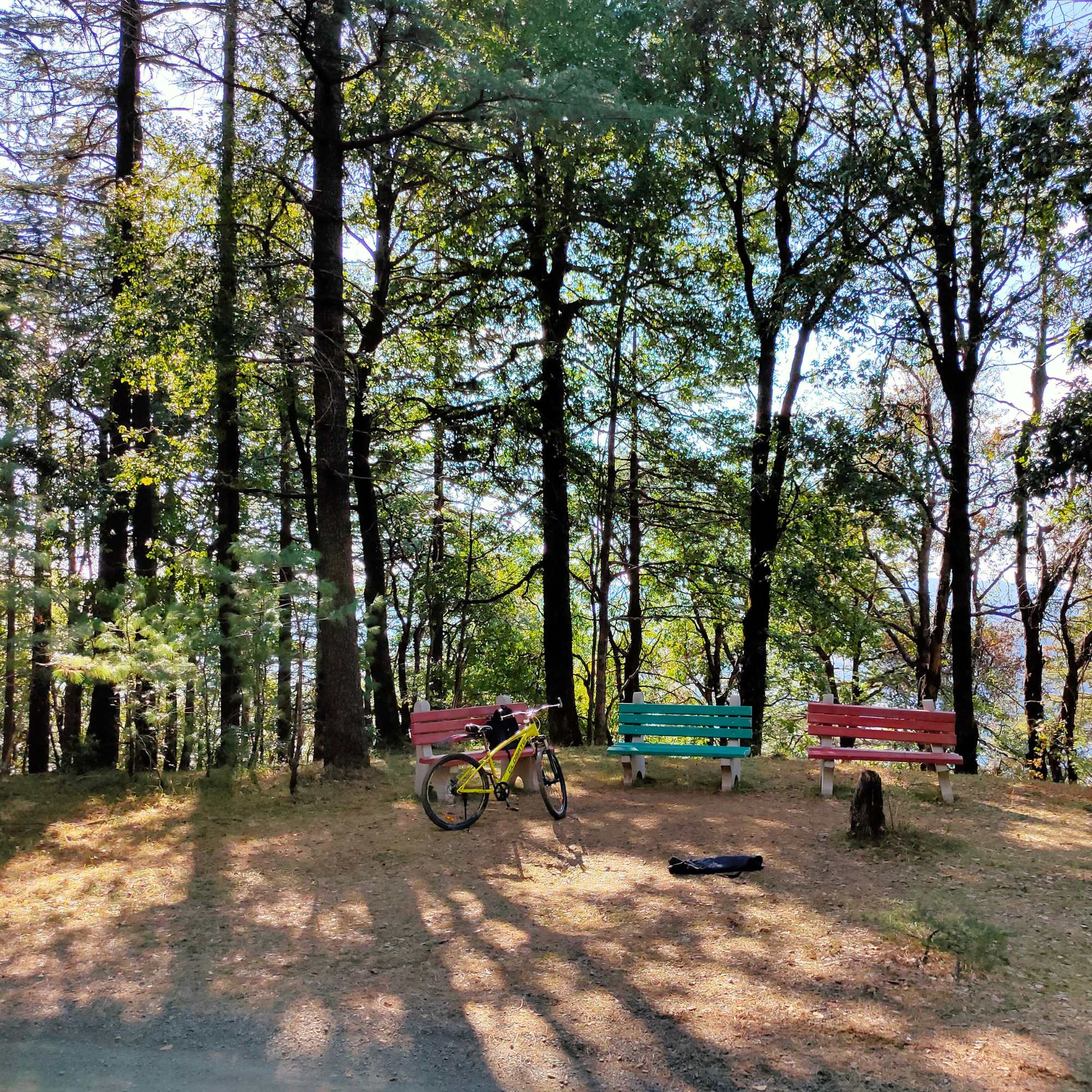
Recommended NH44 and NH5 route
The usual route runs from Delhi to Sonipat, Panipat, Karnal, Kurukshetra, Ambala, Zirakpur, Panchkula, Parwanoo, Solan and Shimla.
You follow the main plains corridor before joining the hill road towards Parwanoo and Solan. Navigation may create small variations around Chandigarh, Zirakpur, Panchkula and Kalka.
This established corridor normally makes more sense than longer alternatives. Follow live police and highway diversions if weather, roadworks or an incident changes the route.
Download the Delhi to Shimla route map before leaving Delhi. Mobile coverage can fluctuate on some stretches, and an offline map helps if navigation stops updating.
Where should you stop for food and rest?
Plan one proper breakfast or tea stop around Murthal, Panipat or Karnal. A stuffed paratha with chai at a busy highway dhaba in Murthal on NH44 makes a practical first break without taking you far from the route.
Take one shorter rest around Dharampur or Solan before completing the hill section. Use this stop for the washroom, water and a quick stretch rather than another long meal.
Too many stops can turn a manageable journey into an exhausting full day. Our team recommends deciding your main meal stop before departure so every roadside sign does not become a group discussion.
Choose a busy, well lit establishment and keep valuables with you when leaving the vehicle. Do not leave phones, wallets or travel documents visible inside a parked car.
What time should you leave Delhi?
Leave between 5:00 am and 6:00 am as a practical planning choice. This can reduce your exposure to Delhi traffic and help you cover the hill section in daylight.
An early departure does not guarantee a fixed arrival time. Traffic, roadworks, weather and meal breaks can still extend the journey.
Prepare the vehicle and pack your bags the previous evening. Searching for fuel, air pressure or forgotten luggage after sunrise can erase the advantage of leaving early.
Should you drive at night?
First time hill drivers should avoid covering the Parwanoo to Shimla section late at night, particularly during rain, fog or snowfall.
Sharp bends, poor visibility, fatigue and unexpected debris make night driving harder. Daylight helps you judge the road edge, approaching traffic and surface condition.
If delays push your journey deep into the evening, stop for a proper rest instead of forcing a tired driver onward. Changing drivers only helps when the second person also understands hill roads.
What Transport Changes Should Travellers Check in 2026?
As of 4 August 2026, reports said railway authorities had suspended four Kalka Shimla narrow gauge services through 5 August 2026 because of heavy rain and landslide risk.
This dated update does not mean the entire route will remain closed. Check the exact train number and current status before travelling.
Reports also counted more than 150 blocked roads across Himachal during parts of late July 2026. Those figures covered different parts of the state, so do not assume every closure affected the Delhi Shimla highway.
NHAI asks road users to exercise caution during heavy rain. Call the national highway emergency number 1033 if you face a highway emergency.
HRTC allows online booking up to 60 days in advance. Its portal currently warns that only eligible BS VI Volvo buses can operate into Delhi under NCR air quality directions and that HRTC may suspend some services.
Before departure, check the HRTC booking portal, railway enquiry, Alliance Air flight status, weather forecast, Himachal police advisories and current highway information. Run these checks again on the morning of travel because hill conditions can change overnight.
What Is the Best Delhi to Shimla Itinerary for Four Days?
Day 1: Delhi to Shimla and evening on Mall Road
Leave Delhi early by car or take an overnight bus from Kashmiri Gate. Keep the morning flexible if you arrive by bus because poor sleep can make a long walking day unpleasant.
After reaching Shimla, complete the hotel check in, eat lunch and rest. Do not rush straight from Tutikandi or the highway into a full sightseeing circuit.
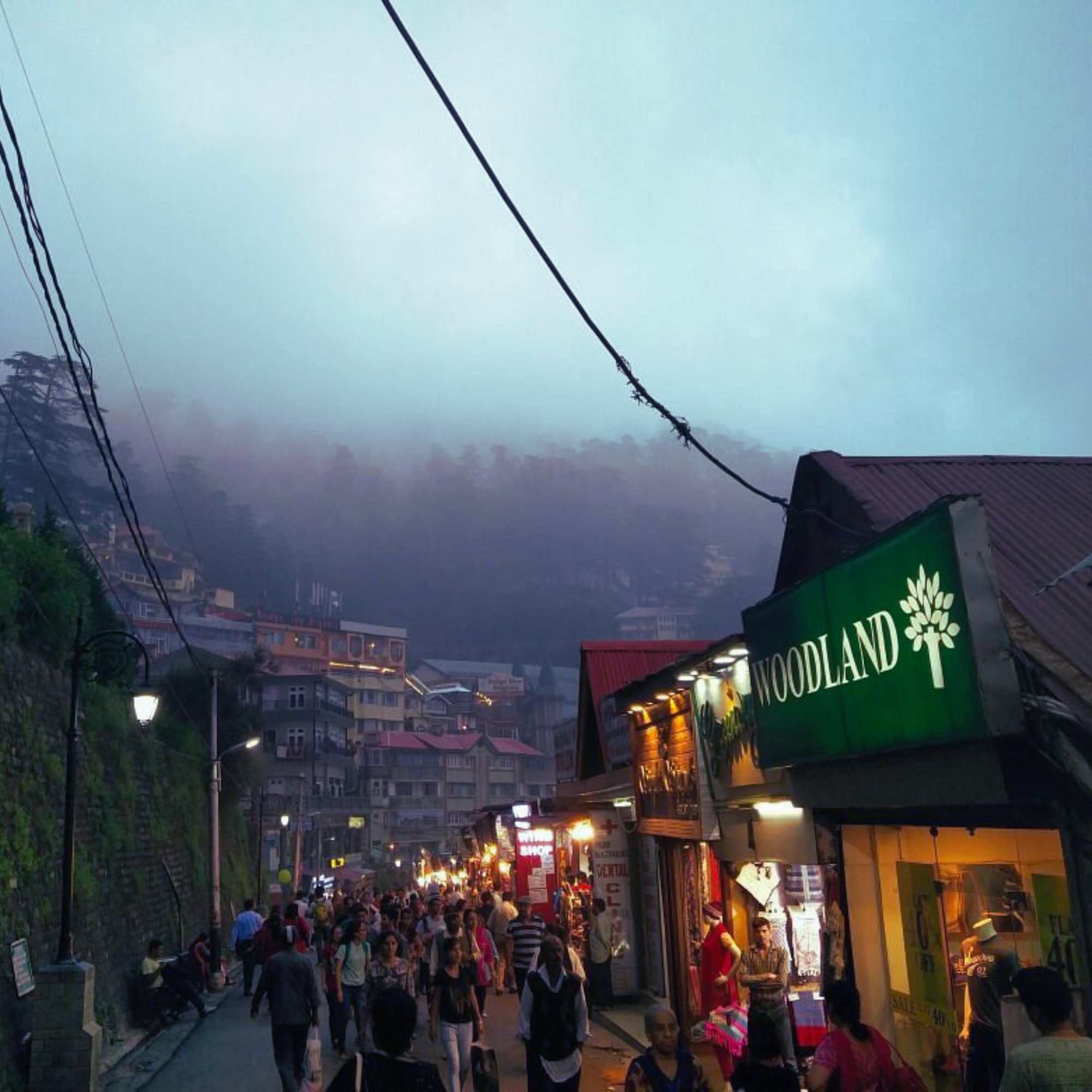
Spend the evening walking through The Ridge, Christ Church, Scandal Point, Mall Road and Lakkar Bazaar. These central attractions connect naturally on foot.
Vehicles cannot provide direct point to point access across the main pedestrian area. Wear comfortable walking shoes and carry only what you need for the evening.
We usually suggest tea near The Ridge overlooking Christ Church before continuing towards Scandal Point. The central location makes it easy to pause without adding another vehicle transfer.
Day 2: Heritage and local Shimla sightseeing
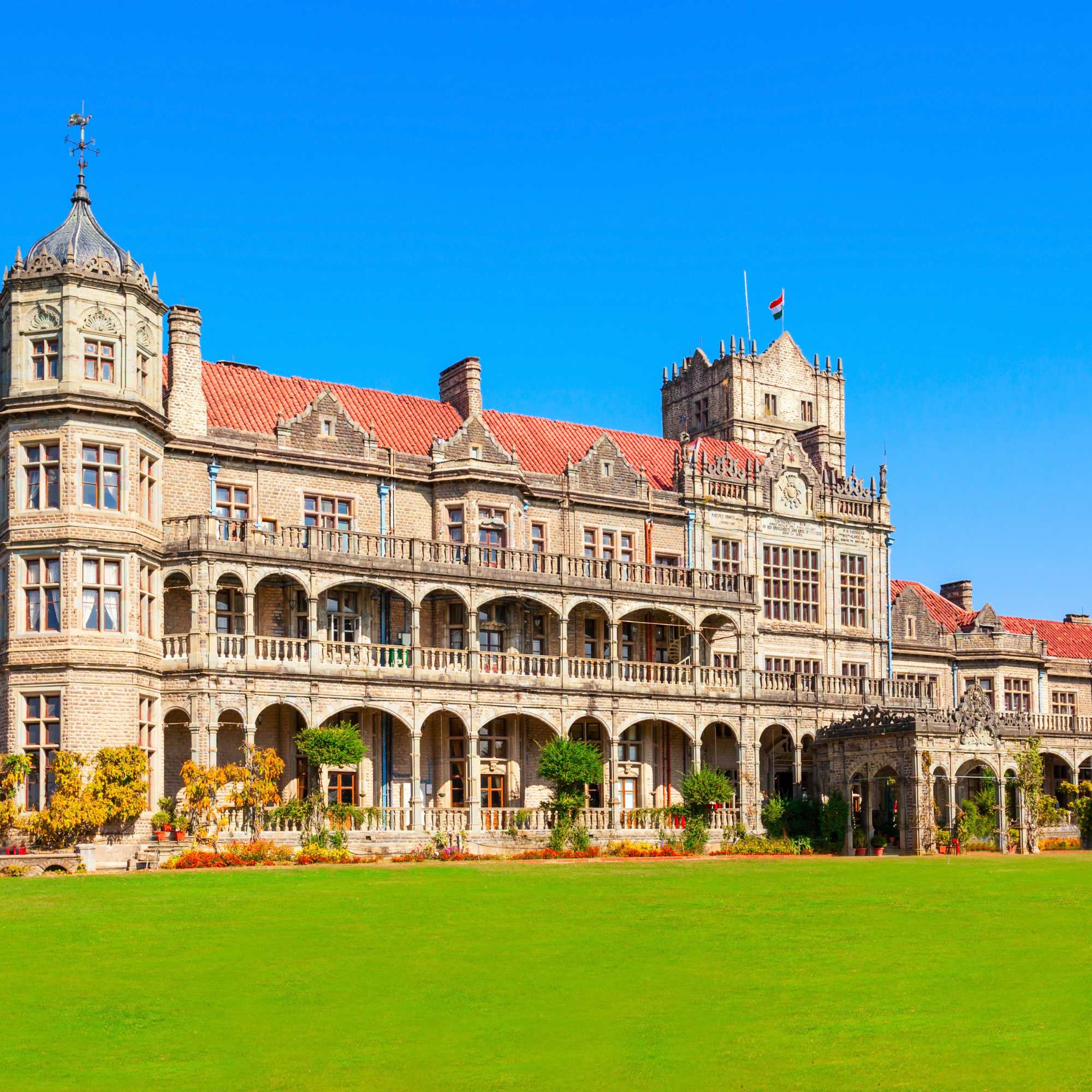
Start with Jakhoo Temple, then continue to Viceregal Lodge, also known as the Indian Institute of Advanced Study, and the Himachal State Museum.
These attractions sit across different slopes. Do not treat them like neighbouring city monuments that you can cover with a short walk.
A local cab can reduce difficult transfers, though walking still forms part of the experience. Ask the driver exactly where the vehicle can drop and collect you.
Return towards Mall Road for a relaxed evening. Keeping this buffer gives you time if traffic, queues or hill walking slow the day.
Remove one attraction when travelling with small children, senior citizens or anyone who struggles with climbing. A shorter day that everyone enjoys beats collecting hurried photographs at every stop.
Day 3: Kufri excursion with an optional extension
Make Kufri the main outing. Kufri lies approximately 13 to 17 km from Shimla, depending on your starting point, destination and selected road route.
Leave early enough to reduce your exposure to weekend traffic. The timing can change the experience because late departures often mean more road congestion and less time at the destination.
Add Fagu or Mashobra only when the weather, traffic and your group’s energy permit. Treat Chail as a longer alternative day excursion.
Skip the popular plan that forces Kufri, Fagu, Chail and Naldehra into one day. You spend too much time inside the vehicle, pay for a longer route and barely experience any stop.
Discuss horse rides, activities and charges before agreeing to anything at a tourist point. Walk away from unclear bundled offers rather than negotiating after the activity.
Day 4: Shimla to Delhi
Check the current road condition, weather and any police advisory before leaving. Road travellers should eat an early breakfast and start without adding another major attraction.
Keep water and light snacks in the vehicle. Take planned breaks, but avoid stretching the return journey with unnecessary detours.
Bus travellers can choose an evening or overnight return. Confirm hotel checkout and luggage storage before deciding how to spend the day.
Leave enough time to reach Tutikandi because central Shimla traffic and vehicle restrictions can slow the transfer. Do not judge the terminal journey only by its map distance.
Can You Plan a Two-Night, Three-Day Delhi to Shimla Trip?
A Delhi Shimla three day trip works for a long weekend, but it can feel rushed if both road journeys take place during daytime.
On Day 1, arrive, rest and walk through The Ridge, Christ Church and Mall Road. Avoid adding distant sightseeing after the drive.
On Day 2, choose either local Shimla with Jakhoo Temple or a Kufri excursion. Do not attempt local attractions, Kufri and Chail in one day.
On Day 3, have a relaxed breakfast and return to Delhi. Start earlier if weather or holiday traffic may slow the road.
Two nights suit travellers who accept a tighter schedule. Three nights give most first time visitors a better pace and protect the trip from feeling like two long drives with one hurried day between them.
How Much Does a Delhi to Shimla Trip Cost in 2026?
Your Delhi to Shimla trip cost depends on transport, hotel season, room sharing, sightseeing and weekend demand. Treat the figures below as planning ranges rather than fixed quotations.
Bus based budget trip
Ordinary HRTC bus fares may start at around ₹540 one way, while selected Himsuta services may cost approximately ₹1,067 to ₹1,092 one way. Check the live fare for your date, boarding point and chosen service before booking.
A return bus journey therefore creates only the transport base. Add your hotel, meals, attraction expenses and local sightseeing separately.
Two people sharing one room usually use the accommodation budget more efficiently than a solo traveller. An overnight bus can also remove one hotel night, though only choose it if you can sleep comfortably.
Private cab trip
Indicative one way Delhi to Shimla cab fares may start at around ₹4,200 to ₹5,100, depending on the vehicle category, pickup point and travel date.
Tolls, parking, vehicle class, airport pickup, waiting time, night charges and return requirements can change the quotation. Ask for a written inclusion breakdown before paying.
Toll charges may be approximately ₹390 for a car and ₹630 for an SUV, but the final amount depends on the route, vehicle classification and current toll rates.
Do not assume that a one way starting price covers a four day vehicle. Local sightseeing, driver stay and the return trip need a separate calculation.
Local sightseeing costs
Full day small car rates for selected local sightseeing routes may begin at around ₹1,800 to ₹2,800.
Longer routes covering places such as Kufri and Chail, or trips requiring a larger vehicle, may cost approximately ₹4,000 to ₹4,500.
Compare the route, vehicle and hours included rather than looking only at the headline price. A cheaper cab that excludes a major stop or adds waiting fees may not save money.
Sharing a sightseeing cab within your family or group can reduce the per person cost. Combine central attractions on foot instead of hiring a vehicle for places where road restrictions limit access.
Total planning budgets
A three day budget trip may cost around ₹6,000 to ₹10,000 per person, depending on transport, hotel sharing, meals and sightseeing choices.
A mid range three day trip may cost approximately ₹12,000 to ₹20,000 per person, depending on hotel quality, travel dates, transport and included experiences.
Hotel season, room sharing, weekends and transport choice can change these totals substantially. Snowfall dates, school holidays and long weekends can increase demand without warning.
Where Should You Stay in Shimla?
Near Mall Road or the Lift
This area works well for first time visitors who want evening walks and easier access to central attractions.
The convenience comes with access problems. Parking, luggage movement and the walk from the usable road to the hotel can become difficult.
Ask the hotel to explain the exact arrival process. “Near Mall Road” can still involve slopes, stairs or a walk that feels much longer with suitcases.
Chhota Shimla, Bharari or nearby residential areas
These locations may suit families and travellers who prefer quieter accommodation away from the busiest pedestrian centre.
Check the distance from the nearest usable road rather than trusting only the hotel’s description. Also ask whether a cab can stop near the entrance.
A hotel may appear close to Mall Road on a map while sitting on another slope. Map distance alone does not show the climb or road restrictions.
Kufri, Mashobra or Shoghi
These areas suit travellers who prioritise open views, resort stays and quieter surroundings.
They feel less convenient if you want to visit central Shimla every evening. Repeated cab journeys can add time and expense.
Self drive travellers should obtain written confirmation of hotel parking before booking. Ask whether the parking sits inside the property and whether the approach road suits your vehicle.
What Are the Best Places to Visit on a First Shimla Trip?
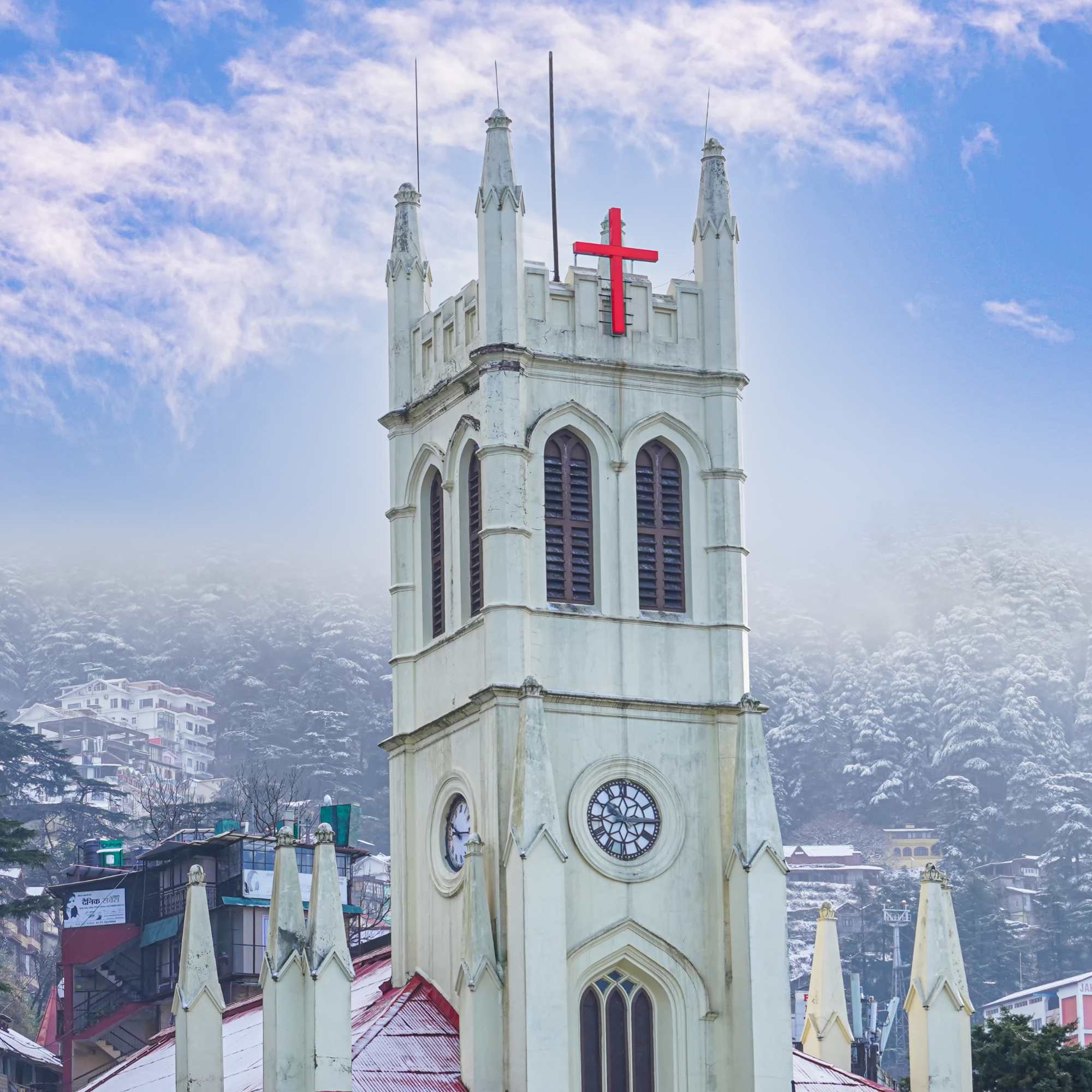
The Ridge forms the open heart of central Shimla and works well for an evening walk. Christ Church stands beside it, so you can see both without arranging another transfer.
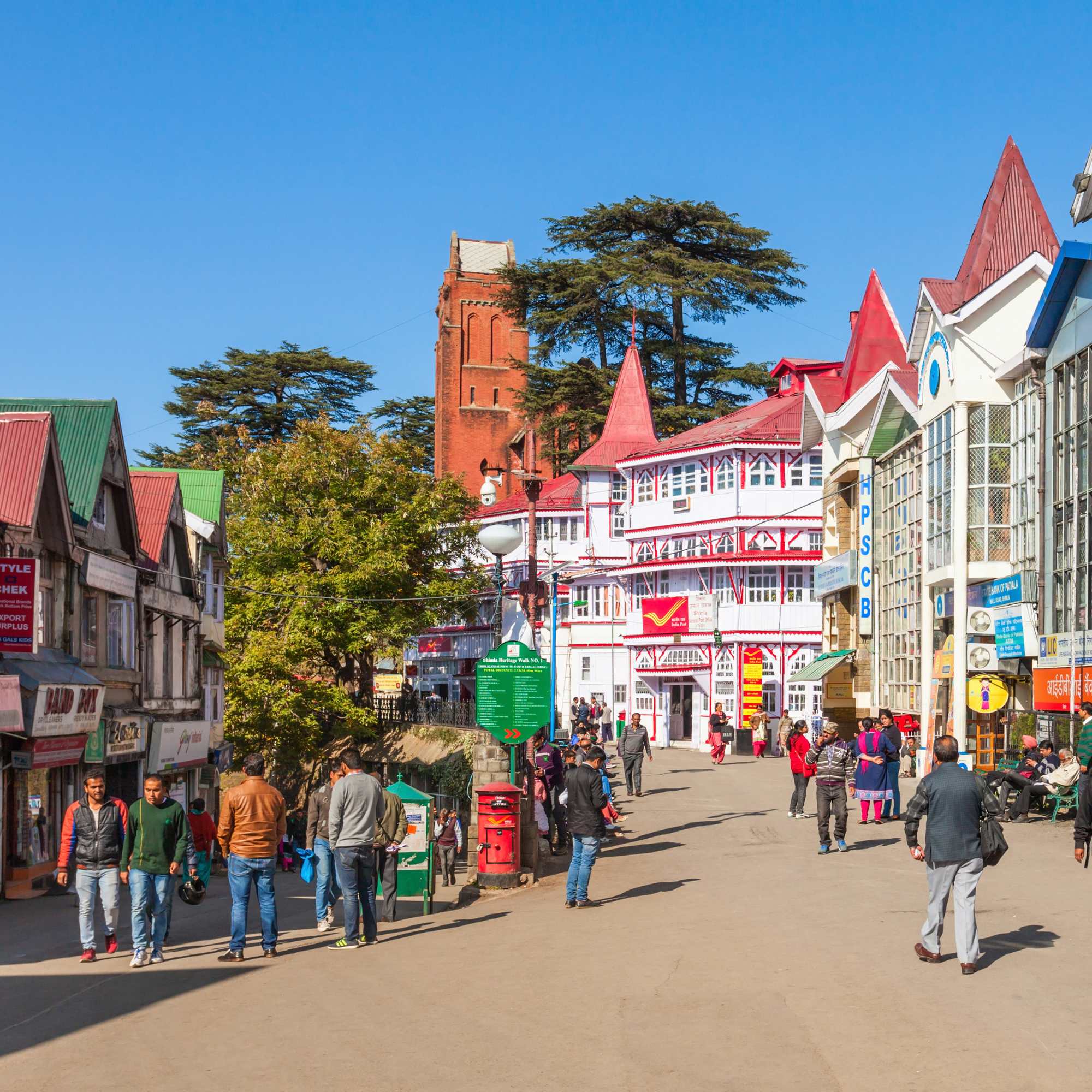
Continue on foot towards Scandal Point, Mall Road and Lakkar Bazaar. These central places connect naturally, though slopes and crowds can slow you down.
Jakhoo Temple sits higher above the centre and needs a separate climb or local transfer. Keep loose items secure around monkeys and avoid carrying visible food.
Viceregal Lodge adds history and grand architecture to the local sightseeing day. The Himachal State Museum also needs transport planning because it does not sit beside the Mall Road cluster.
Kufri works as a separate half day or day outing depending on traffic, weather and any extension. Do not squeeze it between several central stops.
Choose Mashobra as a quieter option when you have extra time and prefer a slower outing. It works better as a considered extension than another name on an overloaded checklist.
Our Shimla team recommends connecting The Ridge, Christ Church, Scandal Point, Mall Road and Lakkar Bazaar on foot, then using local transport for Jakhoo, Viceregal Lodge, the museum and Kufri.
You can review our Shimla package and sightseeing options when you want help matching these places to your available days.
When Is the Best Time to Travel from Delhi to Shimla?
March to June
March to June attracts travellers who want sightseeing and relief from Delhi’s heat.
Weekends, school holidays and long weekends can bring congestion and stronger accommodation demand. Book early if your dates cannot move.
Start sightseeing earlier in the day and keep evening plans within central Shimla. This reduces repeated vehicle movement during busy periods.
July to September
The hills look greener during the monsoon, but heavy rain can trigger landslides, debris, delays and temporary road closures.
Keep bookings flexible and check live conditions. Do not treat the whole season as completely unsafe, but never treat a clear morning as proof that the road will stay clear all day.
Avoid stopping below unstable slopes for photographs or snacks. Follow police diversions even when navigation suggests a shorter road.
October and November
October and November often suit travellers who want walking, clearer conditions and colder evenings.
Carry layers because conditions can feel different between sunny central areas and exposed viewpoints. Do not rely on Delhi clothing for the whole day.
These months can provide a calmer trip outside major holiday dates, though weekends still need advance planning.
December to February
Winter travellers may experience cold weather and possible snowfall. No company or weather app can guarantee snow on your chosen date.
Road conditions can change during snow or ice. Choose an experienced hill driver and leave room in the schedule for delays.
Do not build the entire holiday around reaching one snow point. Enjoy central Shimla and keep outer sightseeing flexible if police restrict the road.
What Are Shimla’s Parking and Vehicle Rules?
Central areas such as The Mall, The Ridge, Kali Bari and Lakkar Bazaar mainly require access on foot from the surrounding road network.
Official parking locations include ISBT, near the Lift, near the High Court, the railway station godown, Old Bus Stand, Chhota Shimla and Sanjauli. Space at any facility depends on current demand.
The district administration lists the parking near the Lift at approximately 800 vehicles. This capacity does not guarantee a space, particularly on busy weekends and holidays.
Roadside parking on Cart Road remains prohibited. Sealed or restricted roads require permission.
The administration lists a temporary restricted road permit at ₹100 per day. This permit does not give unrestricted vehicle access to pedestrian Mall Road.
No general tourism permit applies simply because you travel on the normal Delhi to Shimla route. Be cautious if anyone claims a ₹100 permit lets your private car drive freely across Mall Road. Confirm restricted road access through official channels before paying anyone.
Is the Delhi to Shimla Road Safe?
People use the established Delhi to Shimla route regularly, but safe travel depends on weather, visibility, driver experience and vehicle condition.
Check the tyres, brakes, lights, wipers, coolant and fuel before departure. A city vehicle still needs proper preparation for a long highway and hill journey.
During monsoon, avoid unnecessary stops below unstable slopes. Obey police and highway diversions even if another road appears open on your map.
During snow, do not assume a normal city car can continue without suitable equipment or local permission. Turn back or wait when authorities restrict movement.
Avoid letting an exhausted driver continue simply to protect the itinerary. A late arrival creates less damage than an unsafe decision.
Call the NHAI emergency helpline 1033 for a national highway emergency. Keep your hotel and transport provider informed if weather causes a major delay.
What Should You Pack for Shimla?
Carry layered clothing so you can adjust between daytime walking, shaded streets and colder evenings. Kufri and exposed viewpoints can feel colder than central Shimla.
Comfortable walking shoes matter more than fashionable footwear. Central sightseeing includes slopes, stairs and pedestrian streets.
Pack rain protection during the monsoon. Keep prescribed medicines, a basic first aid kit, a power bank and a reusable water bottle within easy reach.
Prepare for motion sickness before the hill section if bends usually affect you. Sit where you feel comfortable and avoid a heavy meal immediately before the climb.
Keep one light layer, medicine and essential documents in a day bag. A tightly packed suitcase does not help when you need something during the journey.
Who Is This Trip Best For?
Couples
Couples usually enjoy a slower Delhi to Shimla itinerary with a private cab and a quieter hotel.
Confirm road access, parking and the walk from the drop point before booking a romantic looking hillside stay. A difficult luggage climb can spoil the arrival.
Keep one evening free for Mall Road rather than filling every hour with sightseeing.
Families with children
Families should plan fewer attractions each day and allow regular meal and washroom breaks.
Choose accommodation with clear road access. Check whether the room setup and luggage movement suit your family before paying.
A private vehicle adds flexibility, but central Shimla will still require some walking.
Senior citizens
Check hotel lift availability, road access and the walking distance from parking to reception.
Do not accept “close to Mall Road” without asking about stairs and slope. Remove attractions that require repeated climbing.
In our experience, one well planned outing and a relaxed evening work better than a long checklist for senior travellers.
Solo travellers
HRTC Volvo buses and the Delhi to Kalka train route can provide practical options for solo travellers.
Choose central accommodation, aim for a daylight arrival where possible and share your itinerary with family.
Keep your hotel address, transport details and emergency contacts available offline. Confirm how you will travel from Tutikandi or the railway station before arriving.
Where Can You Go After Shimla?
You can combine Shimla with Manali when you have enough days for a longer classic Himachal holiday. Avoid adding Manali to a short three day Shimla plan.
Choose Dharamshala packages when Tibetan culture, cafés and mountain scenery suit your interests. Allow proper travel time rather than treating it as a nearby Shimla excursion.
You can plan a Kinnaur journey when you want a slower mountain road trip. Kinnaur needs more time and careful attention to road and weather conditions.
Consider Spiti Valley packages only when you understand the seasonal routes and have enough days. Spiti does not work as a casual extension to a short Shimla weekend.
>> Find the Right Shimla Package for Your Travel Dates
Related topics
Frequently Asked Questions
What is the Delhi to Shimla distance by road?
The Delhi to Shimla distance falls between approximately 340 and 350 km, depending on your starting point and route. The drive normally takes 7 to 9 hours, but Delhi traffic, meal stops, roadworks, rain, fog and holiday congestion can increase the time.
How many days are enough for a Shimla trip from Delhi?
Three nights and four days suit most first time travellers. This gives you one travel day, central Shimla sightseeing, a Kufri outing and a manageable return. Two nights can work for a weekend, but the long journeys make the schedule feel rushed.
What is the cheapest way to travel from Delhi to Shimla?
An ordinary overnight HRTC bus usually offers the lowest transport cost, with one way fares starting at around ₹540. Check the live fare for your travel date and selected service before booking.
Is there a direct train from Delhi to Shimla?
No single direct broad gauge train runs from Delhi to Shimla. Take a Delhi to Kalka train, then change to a narrow gauge service on the Kalka Shimla railway. Leave a safe connection gap in case your first train reaches Kalka late.
How long does the Kalka Shimla toy train take?
The Kalka Shimla toy train usually takes around 5 to 6 hours, depending on the selected service, scheduled stops and operating conditions. The railway covers approximately 96 to 96.6 km and forms part of UNESCO’s Mountain Railways of India. Check the live timetable and operating status before departure.
Is an overnight bus from Delhi to Shimla comfortable?
A Himsuta Volvo or Scania usually feels more comfortable than an ordinary bus, but comfort remains personal. The bends may disturb your sleep, and an early arrival can leave you tired. Carry a light layer and plan a gentle first morning.
Is the Delhi to Shimla road safe during monsoon?
The established route stays busy, but heavy rain can cause landslides, debris and temporary closures. Check weather, police advisories and road information before leaving. Avoid stopping below unstable slopes and call 1033 if you face an emergency on the national highway.
Does a private car need a permit to enter Shimla?
You do not need a general tourism permit for the normal Delhi to Shimla route. Restricted and sealed roads follow separate rules. A temporary restricted road permit costs ₹100 per day, but it does not allow unrestricted driving across pedestrian Mall Road.
Can Kufri and Chail be visited in one day?
You can plan a longer day covering both if weather and traffic cooperate, but it may feel rushed. For a first trip, choose Kufri as the main outing and add only a nearby stop. Treat Chail as an alternative day excursion when possible.
Is two nights enough for Shimla?
Two nights can work when you accept a quick weekend schedule. Spend the first evening around Mall Road, then choose either local Shimla or Kufri for the full day. Three nights provide a more comfortable pace and greater flexibility if the road slows you down.
What is the approximate Delhi to Shimla trip cost for a couple?
For a couple, a three day budget trip may cost around ₹12,000 to ₹20,000, while a mid range trip may cost approximately ₹24,000 to ₹40,000. The final cost depends on transport, hotel category, room rates, sightseeing and weekend demand.
Which area is best for a first stay in Shimla?
A hotel near Mall Road or the Lift suits first time visitors who want easy evening access to central attractions. Confirm the exact walking route, stairs, luggage transfer and parking before booking. Chhota Shimla or Bharari may suit travellers who prefer quieter surroundings.
More about Shimla
 Shimla
Shimla Snow Trip 2026: Best Time, Itinerary, Cost and Local Tips
Plan your Shimla Snow Trip 2026 with this complete guide to the best time for snowfall, estimated trip cost, winter itinerary, top snow spots, Kufri visit, and useful travel tips.
- Snow Travel
- Best Time to Visit
 Shimla
Shimla in February 2027: Weather, Snowfall, Itinerary and Travel Tips
Planning a trip to Shimla in February 2027? Discover typical February temperatures, chances of snowfall, what the weather is usually like, the best places to enjoy snow, what to pack, and practical tips for planning a memorable winter trip to Shimla.
- Best Time to Visit
- Snow Travel
 Shimla
Snow Point Near Shimla in 2026: Kufri, Fagu, Narkanda and the Best Places to Find Snow
Discover the best snow points near Shimla in 2026, including Kufri, Fagu and Narkanda. Find out where to see snow, the best time to visit, and the top winter destinations near Shimla.
- Snow Travel
- Places to Visit