
Delhi to Manali Travel Guide 2026: Distance, Route, Volvo, Cab, Flight and Total Cost
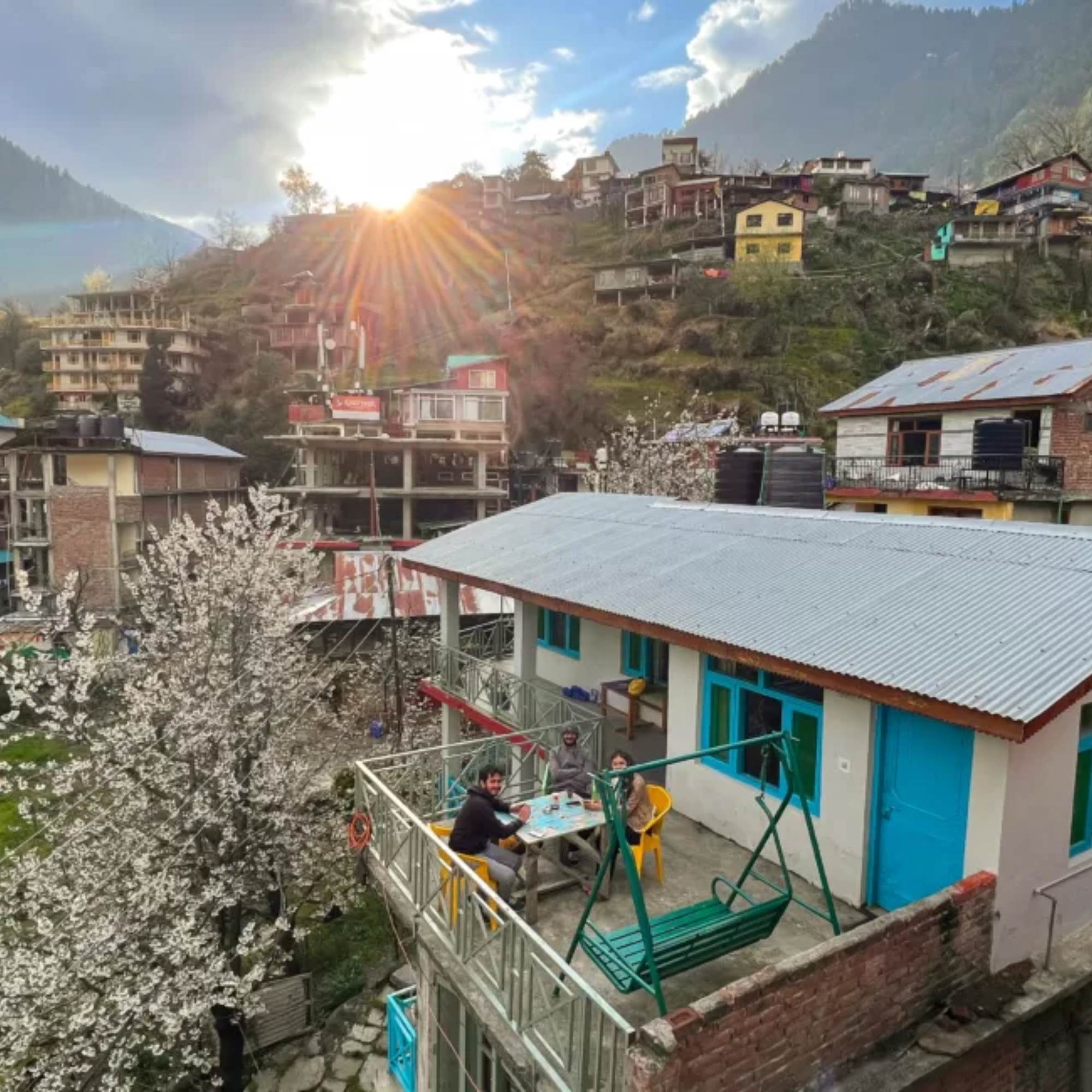
If you are planning your first trip and searching for a proper delhi to manali travel guide, you have probably already seen ten different distances, five different Volvo fares, and a lot of confusion about whether flying is worth it.
Here is the honest version. We run trips in Himachal every season, and we help travellers pick the right way to reach Manali based on how many people are going, how much luggage they carry, and how much time they actually have.
Let us sort it out properly.
Quick Answer: What Is the Best Way to Travel from Delhi to Manali?
The delhi to manali distance by road is around 536 to 550 km, and most road journeys take about 12 to 14 hours in normal conditions.
For solo travellers and couples, an overnight Volvo bus is usually the most practical option. It saves money and often saves one hotel night too.
For families and groups, a private cab often makes more sense because you get door-to-door travel, luggage space and control over your stops.
Flying to Kullu is the fastest in the air, but it is not always fastest or cheapest door-to-door. You still land at Bhuntar and need a road transfer to reach Manali.
If you want the full trip handled for you, our Manali tour packages come with a local driver and handpicked stays.
Delhi to Manali Travel Options at a Glance
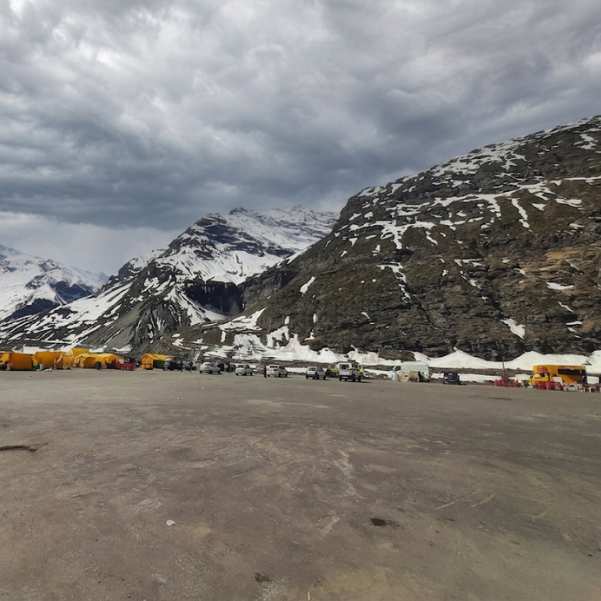
There is no single "best" mode. The right choice depends on your group size, budget, comfort needs and how much time you can spare. Here is how each option actually plays out.
Overnight Volvo bus
A Volvo usually takes around 12 to 14 hours and is generally the strongest value option for solo travellers and couples.
Travelling overnight also means you do not lose a full sightseeing day on the road, and you may save the cost of one hotel night. You sleep on the bus and wake up close to the mountains.
Private cab
A cab gives you door-to-door travel, planned breaks, proper luggage space and full flexibility on when to stop for food or a washroom.
It becomes more cost-effective per person when four to six travellers split the total fare. For a family, this often works out well.
Flight to Kullu Airport
The scheduled flight takes around 1 hour 20 to 25 minutes. But you also have to add Delhi airport reporting time, baggage collection and the road transfer from Bhuntar.
So the time in the air is short, but the full journey is longer than the flight duration alone suggests.
Self-drive car
Driving yourself gives you total flexibility, but it also means one long driving day that mixes plains and mountain roads.
You deal with fatigue, tolls, fuel, parking and changing weather. It suits confident drivers who enjoy road trips, not everyone.
Train plus bus or cab
There is no direct train to Manali. The most practical rail combination is a train to Chandigarh, then a bus or cab onward.
This works for travellers who specifically want part of the journey by train, but it adds a change of transport in the middle.
What Is the Delhi to Manali Distance and Travel Time?
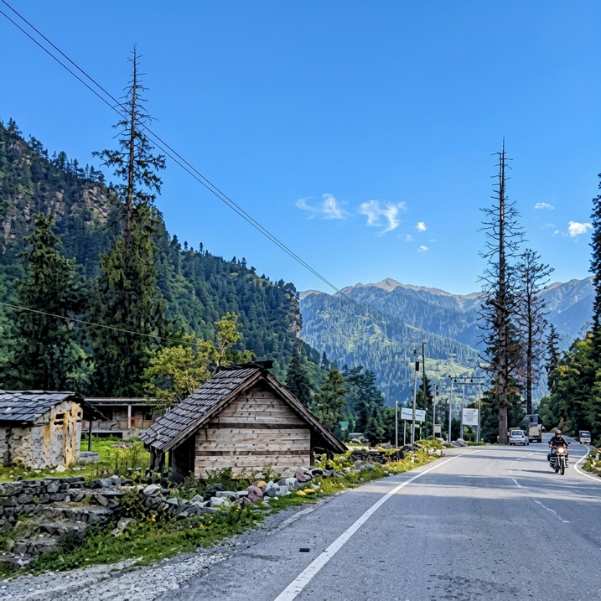
The delhi to manali distance by road is approximately 536 to 550 km.
Different websites show slightly different numbers because the result changes with your exact Delhi pickup point, the route taken, bypasses used and any live diversions.
The normal delhi to manali travel time by road is around 12 to 14 hours. Weekend traffic, holiday rush, monsoon disruptions, snow and meal breaks can all push it higher.
Keep one thing clear in your head. Scheduled vehicle time is not the same as realistic door-to-door time. Plan for the longer figure so delays do not ruin your first day.
Which Is the Best Delhi to Manali Road Route?
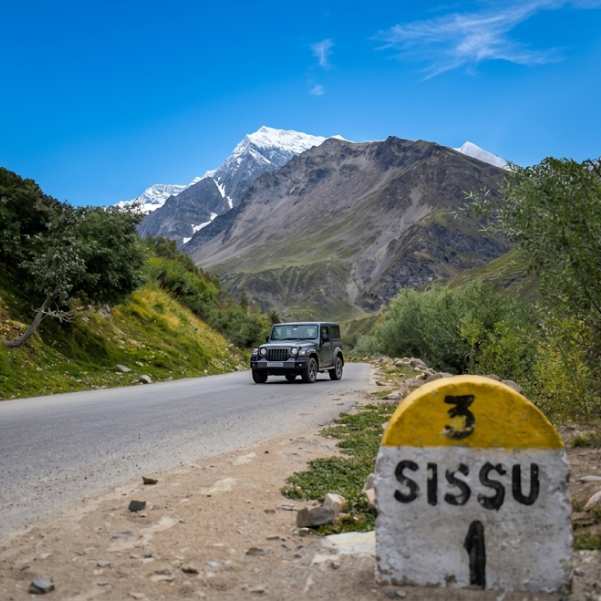
Recommended route through Chandigarh and Mandi
The commonly used corridor runs like this: Delhi, then Panipat, Karnal, Ambala, Chandigarh or Zirakpur, then Kiratpur, Bilaspur, Sundernagar, Mandi, Pandoh, Aut, Bhuntar, Kullu and finally Manali.
The first portion crosses the plains, and it moves fast. The later section turns into a proper mountain drive with slower speeds.
In our experience, Pandoh, Aut, Kullu and the final approach to Manali can turn into traffic bottlenecks during busy periods. Do not expect the whole route to feel the same.
One honest warning. Not every navigation app will show you the exact same route, so do not assume your map and the driver's map will match to the kilometre.
Alternative routes and diversions
Police or road authorities may set up diversions after landslides, construction, flooding or traffic incidents.
Our team recommends following same-day navigation and official traffic advisories instead of taking an unfamiliar shortcut you found on a forum. A "faster" shortcut on a hill road can cost you hours.
Where should travellers stop?
On a private journey, plan for two or three proper breaks rather than one long push.
Let the driver rest properly at these stops. A tired driver on a mountain road is the last thing you want, and no one saves time by skipping rest.
How Can You Travel from Delhi to Manali by Volvo Bus?
Government versus private buses
HRTC operates direct services, and the relevant government buses may depart from ISBT Kashmere Gate.
Private operators may use Majnu ka Tila, RK Ashram, Kashmere Gate or another operator-specific pickup point.
Always follow the exact boarding point printed on your ticket. The location can change, and the ticket is the final word, not a blog.
What does a Delhi to Manali Volvo cost?
General bus listings can begin around ₹598, and current HRTC listings begin around ₹895.
For a premium Volvo, treat approximately ₹900 to ₹2,500 one way as an indicative planning range. Verify the live fare for your travel date.
This delhi to manali volvo fare is dynamic. It can rise during weekends, summer holidays, snowfall periods and festivals, so do not lock a fixed number in your budget.
How long does the Volvo take?
Use 12 to 14 hours as your normal planning time.
The journey can stretch to 15 hours or longer during congestion, road disruption or bad weather. No operator can promise an exact arrival time on this route.
Which seat should you book?
Front-middle seats often feel steadier than seats over the rear axle.
If you tend to get motion sickness, think about your seat location carefully when booking. The bus can also feel cold at night, so keep a light jacket in your hand luggage instead of packing it away.
Practical overnight-bus tips
Reach your pickup location 30 to 45 minutes early. Confirm the bus and operator before you board.
Carry water, keep a power bank charged and store your valuables in your hand luggage, not in the cabin below. Small things, but they make an overnight ride much smoother.
How Much Does a Delhi to Manali Cab Cost?
Indicative cab price
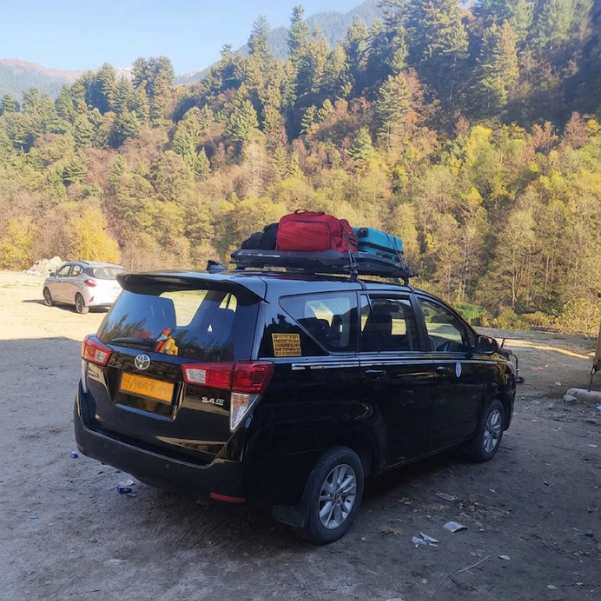
Current commercial listings show starting prices from approximately ₹5,830 to ₹7,304.
For planning, we suggest using approximately ₹6,500 to ₹10,000 one way depending on vehicle type, travel date, pickup point and inclusions.
This is an indicative range, not a Travel Coffee quotation. An SUV, a peak-season date or extra charges can push the delhi to manali cab cost higher.
What should be included in the quote?
Before you book, confirm the vehicle category, legal seating capacity, luggage space, tolls, state taxes, parking, driver allowance, night charges, waiting time and your exact pickup and drop locations.
Also ask whether the vehicle has the correct commercial documents for interstate and hill travel. This matters on a route that crosses state lines and climbs into the mountains.
When is a cab better than a Volvo?
A cab is especially useful for families with children, elderly travellers, groups, people carrying a lot of luggage and anyone who wants control over meal and washroom stops.
We will not tell you a cab is always safer or more comfortable. It depends on the operator and the vehicle. But for the reasons above, many families prefer it.
Example per-person cab calculation
The maths is simple once you share the fare. An ₹8,000 cab shared by two people is ₹4,000 per person.
The same ₹8,000 cab shared by four people drops to ₹2,000 per person. A ₹9,000 vehicle shared by six people is ₹1,500 per person.
These are examples to show how sharing works, not fixed quotes. If you want a real per-person figure for your group, our customised Manali packages can be built around your numbers.
Is It Worth Flying from Delhi to Manali?
Delhi to Kullu flight details
The arrival airport is Kullu-Manali Airport at Bhuntar, airport code KUU. This is important. You do not fly into Manali town itself.
The Alliance Air schedule we accessed in July 2026 showed Delhi to Kullu service on Monday, Wednesday, Friday and Sunday, with a scheduled departure at 06:05 and arrival at 07:30.
This is not a daily service, and schedules change. Check the flight directly for your selected date before you plan anything around it.
How long does the complete flight journey take?
The scheduled flight time is approximately 1 hour 20 to 25 minutes.
Now add your Delhi airport travel, reporting time, baggage collection and roughly 1.5 to 2 hours for the 50 km Bhuntar to Manali road transfer.
Put it all together and a realistic estimate is about 5 to 7 hours door-to-door. Treat that as an estimate, not a guarantee.
What does flying cost?
Use an indicative one-way airfare range of approximately ₹6,800 to ₹13,000 or more.
You must also budget for the Delhi airport transfer and the onward Bhuntar to Manali transfer. Those are extra on top of the ticket.
For two passengers, flights alone may cost approximately ₹13,600 to ₹26,000 before airport transfers. Fares are dynamic, so verify them close to your date.
Who should consider flying?
Flying may suit travellers with limited leave, people who find a long overnight road journey difficult, and travellers who can keep their onward plans flexible.
Mountain weather and operational changes can affect the schedule. Build a little buffer into your plan so a change does not throw off your whole trip.
Can You Travel from Delhi to Manali by Train?
There is no direct train from Delhi to Manali. Let us be clear about that up front.
The most practical rail-based option is a Delhi to Chandigarh train, then a bus or cab onward.
Even after Chandigarh, you are still approximately 310 to 315 km from Manali by road, so the mountain drive is still ahead of you.
The Joginder Nagar narrow-gauge line is a scenic route, but it is not the normal choice for a Delhi origin journey because it does not sensibly connect your start and end points.
Do not assume train plus road is automatically the cheapest without a current fare calculation for your date.
How Much Does a Delhi to Manali Road Trip Cost by Car?
Fuel calculation
Use approximately 540 km as a rounded one-way planning distance.
A car returning 15 km per litre would use about 36 litres for the one-way drive. A car returning 12 km per litre would use about 45 litres.
Multiply your litres by the actual fuel price on your travel date to get your fuel cost. Verify the current petrol price yourself, since it changes constantly.
Toll and road charges
Available commercial toll estimates conflict with each other.
Use ₹455 to ₹600 one way only as a rough planning range, and confirm the latest toll amount for your route and vehicle category before travelling.
Toll revisions, your route choice and vehicle category can all change the final total.
Additional costs
Beyond fuel and tolls, budget for food, parking, and possibly an overnight stop if you break the journey.
If you rent a self-drive car, watch for rental charges, excess-kilometre charges and late-return fees.
One commercial self-drive estimate showed a two-day hatchback example beginning around ₹5,560, including that provider's rental, fuel and toll assumptions. That is provider-specific, not a universal market price.
What Is the Total Delhi to Manali Travel Cost?
Solo traveller
For a solo traveller, an overnight Volvo is generally the most practical direct budget choice.
Use approximately ₹900 to ₹2,500 for one-way premium bus transport. Also budget for local transport between the Manali bus stand and your hotel.
Couple
For two people, use approximately ₹1,800 to ₹5,000 for two one-way Volvo seats.
Two one-way flight tickets may cost approximately ₹13,600 to ₹26,000 before airport transfers. A cab gives you privacy and stop flexibility, but it will normally cost more than two bus seats.
Family of four
For four people, four one-way Volvo tickets come to approximately ₹3,600 to ₹10,000.
Compare that with an indicative one-way cab budget of approximately ₹6,500 to ₹10,000. At this occupancy, a cab may offer better convenience and sometimes better per-person value.
Group of six
For six travellers, compare the total cost of six bus tickets against a suitable larger vehicle.
Confirm the legal seating and luggage capacity of any vehicle you book. Never overload to save money, it is not worth the risk on hill roads.
Suggested round-trip planning method
Doubling the one-way fare is only a starting estimate. Real round-trip costs can differ.
Remember that local Manali sightseeing is a separate cost. Round-trip cabs may use minimum-kilometre billing and driver allowances, and bus or flight return fares can differ from your outbound fares.
Which Travel Mode Is Best for You?
Best for solo travellers
An overnight Volvo wins for solo travellers. Direct connectivity, good value, and you wake up near the mountains.
Best for couples
A Volvo is the budget pick for couples. Choose a flight when saving time matters more to you than saving money.
Best for families
Compare a private cab first. It simplifies luggage handling and lets you stop whenever the kids need a break.
Best for groups
For a group, compare the full larger-vehicle quote against the total cost of individual bus seats before deciding.
Best for elderly travellers
The right choice depends on road tolerance, ability to board a bus, airport transfers, luggage and individual health needs. Weigh these honestly for the people travelling.
Is the Delhi to Manali Road Safe?
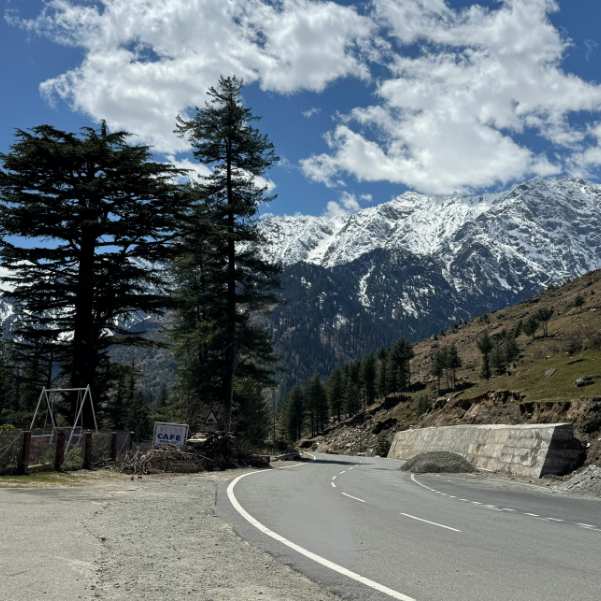
It is a major tourist route, but it includes a long mountain-road section that deserves respect.
Rain, landslides, snow, ice and heavy tourist traffic can all delay your movement.
We strongly advise against fatigued night driving. If you are not used to mountain roads, use an experienced hill driver instead of pushing yourself.
During monsoon and winter, check same-day road conditions before you leave. Conditions change fast in these mountains.
How Does the Journey Change by Season?
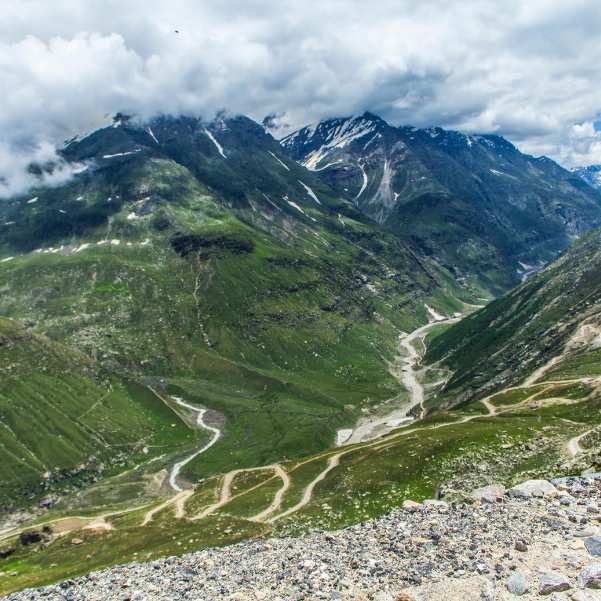
March to June
This is a high-demand period. Expect heavier weekend traffic and potentially higher transport prices.
Book early. Waiting until the last minute in peak season usually costs you more and leaves fewer good options.
July to September
Monsoon weather can raise the risk of landslides and delays.
Keep buffer days in your itinerary and check road updates before you leave. Do not plan a tight schedule during these months.
October to November
This season can be good for road travel, but the days are shorter, so plan your driving in daylight.
An early snowfall can also change conditions near the mountains, so stay flexible.
December to February
Snow and ice can affect schedules and traffic management near Manali.
Use an experienced operator and keep your arrival-day plan flexible. If you are heading up towards the passes, our guides on Rohtang Pass in September and Rohtang Pass in October cover how conditions shift in different months.
How Should You Book Delhi to Manali Transport?
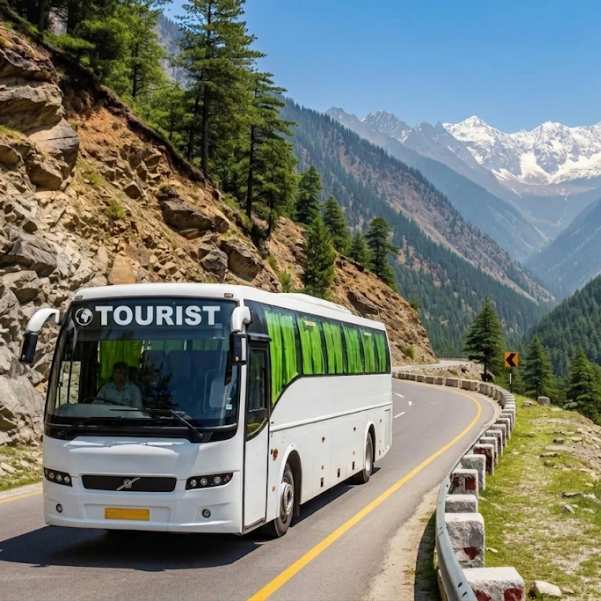
For government buses, check tickets through the official HRTC booking system.
For private buses, verify the operator name, boarding point and contact details before you pay.
Cab travellers should request complete written inclusions so nothing is a surprise later. Flight travellers should reconfirm the schedule directly with the airline.
One safety warning
Do not transfer money to an unverified driver or agent without proper booking documentation. This is where travellers most often get scammed on this route.
Should You Book Transport Separately or Choose a Manali Package?
Booking each part separately suits travellers who like to manage everything themselves and enjoy the control.
A package can simplify hotels, transfers, sightseeing and schedule coordination, which helps a lot for families and peak-date trips.
We are based in Shimla and we arrange customised Manali trips for exactly this reason. What we always tell our travellers is to decide early whether they want to juggle five bookings or hand the logistics to one team.
You can look through our Manali tour packages to see what fits. Planning some activities too? Our guide to adventure activities in Manali is a good next read.
Explore Our Curated Manali Tour Packages
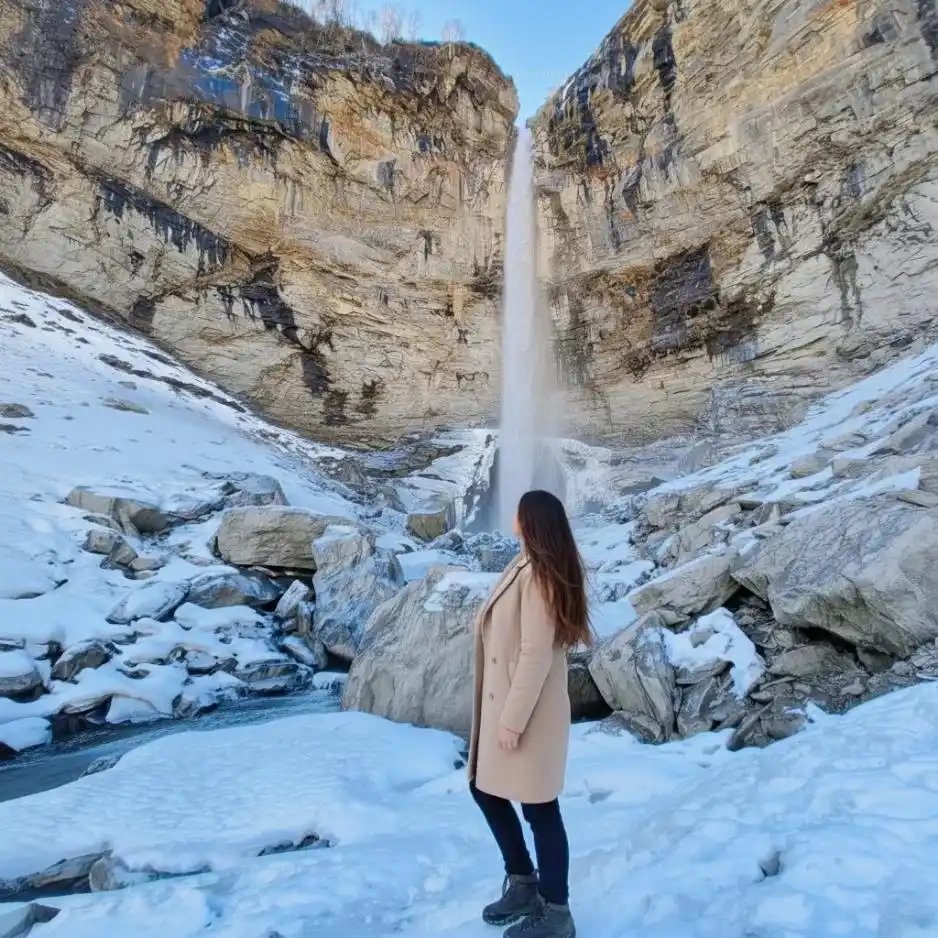 6D/5N
6D/5NManali Solang Sissu Sethan Snow Adventure
1D Delhi•3D Manali+2
₹15,999₹21,999SAVE INR 6,000/ person 6D/5N
6D/5NManali Solang Sissu Sethan Snow Trip With Kasol
1D Delhi•3D Manali+2
₹25,999₹33,999SAVE INR 8,000/ person 7D/6N
7D/6NManali Kasol Jibhi Valley Trip
1D Delhi•2D Manali+3
₹25,799₹32,999SAVE INR 7,200/ person
Related topics
Frequently Asked Questions
What is the exact Delhi to Manali distance?
The road distance is approximately 536 to 550 km. The exact figure changes with your Delhi pickup point, the route taken and any live diversions, which is why different websites show slightly different numbers.
What is the best way to reach Manali from Delhi?
There is no single best way. An overnight Volvo suits solo travellers and couples on a budget, a private cab suits families and groups, and a flight to Kullu suits those short on time who can stay flexible.
How many hours does a Volvo take from Delhi to Manali?
A Volvo normally takes about 12 to 14 hours. During congestion, road disruption or bad weather, it can stretch to 15 hours or more, so no exact arrival time can be promised.
What is the Delhi to Manali Volvo fare?
General listings can start around ₹598 and HRTC listings around ₹895. For a premium Volvo, plan for roughly ₹900 to ₹2,500 one way. Fares are dynamic and rise during weekends, holidays and festivals.
Is a Volvo bus safe for overnight travel?
It is a widely used overnight option on this route. Reach your boarding point early, confirm the operator, keep valuables in hand luggage and carry a jacket, since the bus can get cold at night.
Where do Manali buses depart from in Delhi?
HRTC services may leave from ISBT Kashmere Gate. Private buses may use Majnu ka Tila, RK Ashram, Kashmere Gate or another operator point. Always follow the exact boarding point printed on your ticket.
What is the Delhi to Manali cab fare?
Commercial listings show starting prices from about ₹5,830 to ₹7,304. A safer one-way planning range is roughly ₹6,500 to ₹10,000, depending on vehicle type, date, pickup point and inclusions. Confirm tolls and charges before booking.
Is a cab economical for four people?
It can be. An ₹8,000 cab split four ways is ₹2,000 per person. At four to six travellers, a cab often gives better convenience and sometimes better per-person value than individual bus seats.
Is there a direct flight from Delhi to Manali?
No. Flights land at Kullu-Manali Airport in Bhuntar (code KUU), not Manali town. You still need a road transfer of about 1.5 to 2 hours to reach Manali. The service is not daily, so check the schedule for your date.
How far is Kullu Airport from Manali?
Kullu Airport at Bhuntar is approximately 50 km from Manali, and the road transfer normally takes about 1.5 to 2 hours depending on traffic and road conditions.
Is there a direct Delhi to Manali train?
No. There is no direct train. The most practical rail option is a Delhi to Chandigarh train followed by a bus or cab. Chandigarh is still around 310 to 315 km from Manali by road.
How much should I budget for a round trip?
Doubling your one-way fare is only a starting estimate. Local sightseeing is separate, round-trip cabs may use minimum-kilometre billing and driver allowances, and return bus or flight fares can differ from your outbound fares.
More about Manali
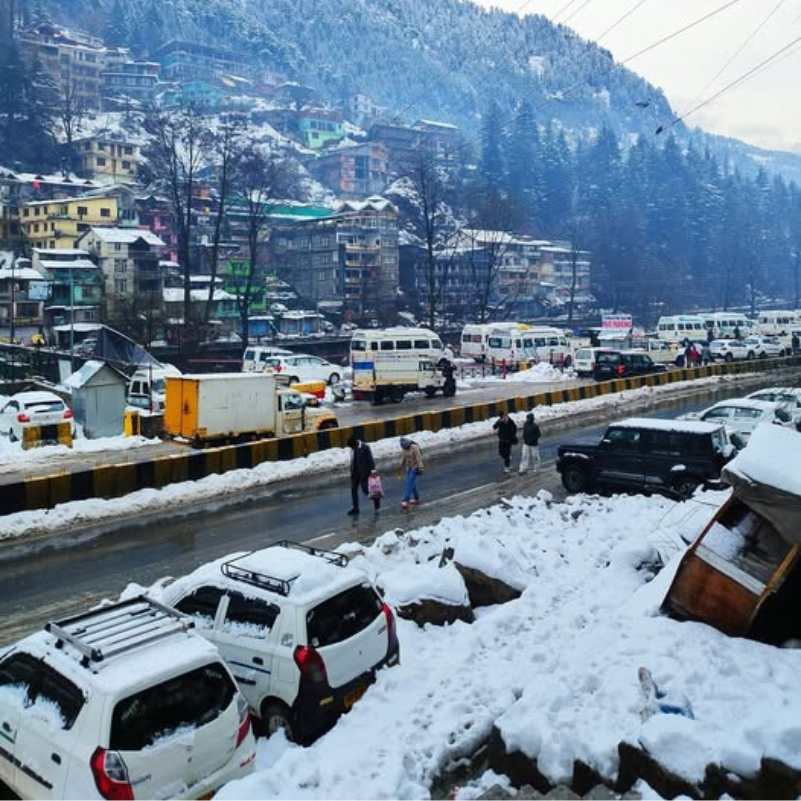 Manali
What Happens If Snowfall or Road Closures Affect Your Manali Trip in 2026? Refunds, Rescheduling and Plan B
Learn what to do if snowfall or road closures disrupt your Manali trip in 2026, including refund rules, rescheduling options and practical backup plans.
 Manali
How to Choose the Best Manali Tour Operator in 2026: 15 Questions to Ask Before Booking
Choosing the right Manali tour operator in 2026 can make your trip smoother, safer and easier to manage. Check registration, package inclusions, hotel details, transport arrangements, cancellation terms and local support before you book.
- First-Time Travellers
 Manali
How Many Days Should You Book for a Manali Tour Package in 2026? 3N/4D vs 4N/5D vs 5N/6D
Not sure how many days to book for Manali? Compare 3N/4D, 4N/5D and 5N/6D packages to find the right trip length for your sightseeing plans and travel style.
- Itinerary
- First-Time Travellers