
Chandratal in July: Weather, Road Status, Camping, Safety and Travel Tips for 2026
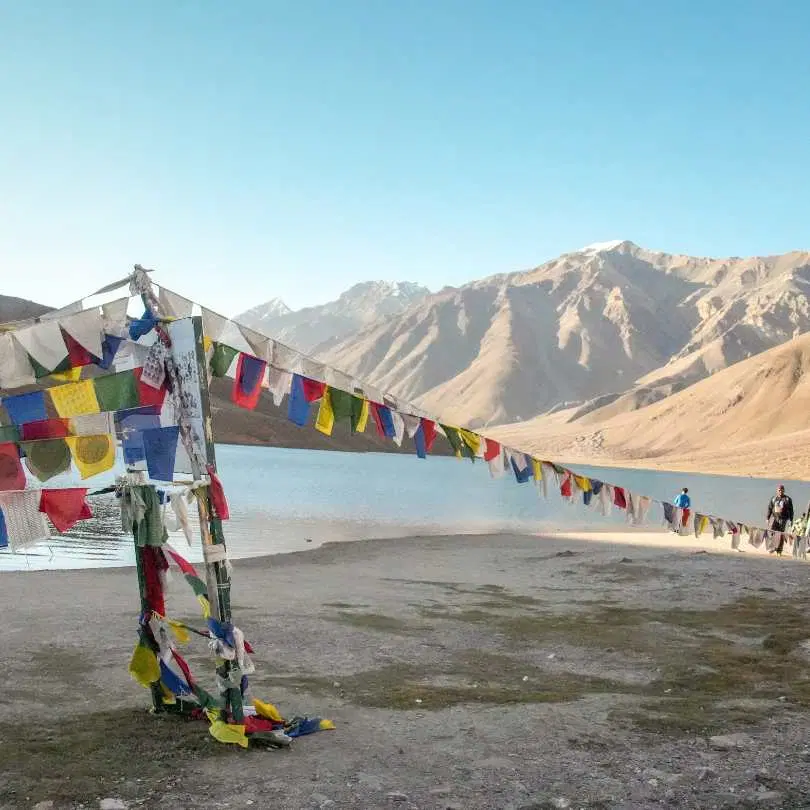
Yes, you can visit Chandratal in July. In fact, July is one of the most popular and reliable months for visiting Chandratal Lake. Camps are usually operational, the road from Kaza side is generally open, and the lake is at its most vivid blue-green colour.
But here is the honest part. Not all of July is the same.
Early July can still be uncertain, especially on the Manali side. Rain, slush, landslides near Gramphu and Batal, and unpredictable conditions on Kunzum Pass can throw off your plans.
Mid to late July is when things settle down for most travellers. That is the window we usually recommend to our guests who are visiting for the first time.
The biggest caution? Do not assume July means guaranteed access. Chandratal sits at around 4,337 metres in a remote, high altitude zone.
Weather can shift fast, roads can close without warning, and this is not a place where you want to be stuck without a backup plan.
If you go with the right timing, the right route, and realistic expectations, July can give you a genuinely memorable Chandratal experience.
Is Chandratal Open in July?
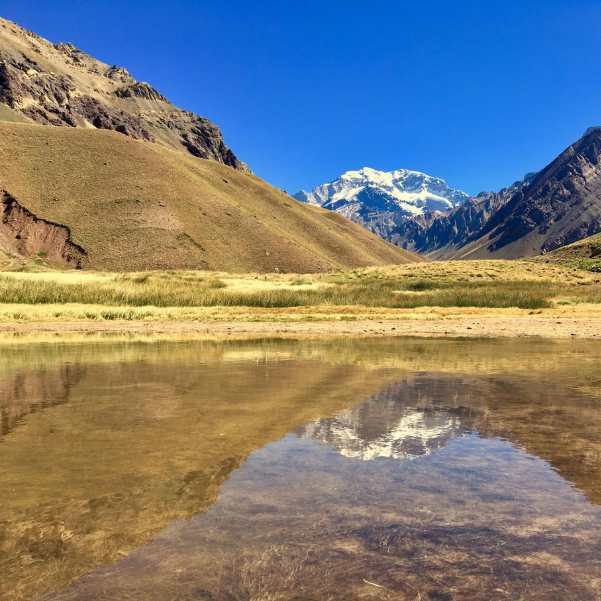
2026 Season Update: Kunzum Pass opened for the 2026 season in late May following BRO snow clearance. The Manali-Keylong-Kaza highway is now open for traffic. The Chandratal diversion road from Batal typically opens 1 to 2 weeks after Kunzum clears, with camps expected to be fully operational by mid-June. By July 2026, Chandratal should be in full swing.
In most years, Chandratal Lake is open and accessible by July. The camps around the lake area begin operating from mid-June onward, and by July, the infrastructure is largely in place.
But "open" needs a small disclaimer.
The Kaza side (via Losar and Kunzum Pass) is more predictable in July. This route runs through the rain shadow zone, so it stays relatively dry even when it is raining heavily in other parts of Himachal.
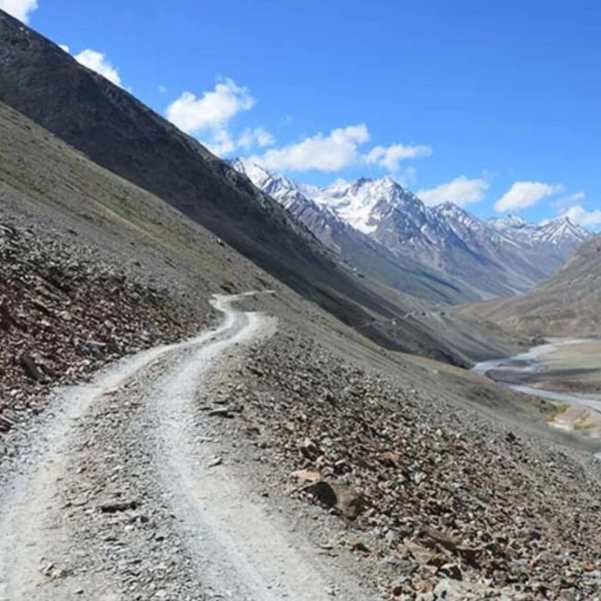
The Manali side (via Atal Tunnel, Gramphu, and Batal) is the tricky one. This route crosses areas that get direct monsoon moisture. Landslides, water crossings, and slush patches are common in July, especially in the first half. Road closures of a few hours to a couple of days are not unusual.
If you want to understand when Chandratal typically opens and how the season builds up, that guide breaks it down year by year.
In short: Chandratal is usually open in July. The question is not whether it is open, but whether the route you pick can get you there without trouble.
How Is the Weather at Chandratal in July?
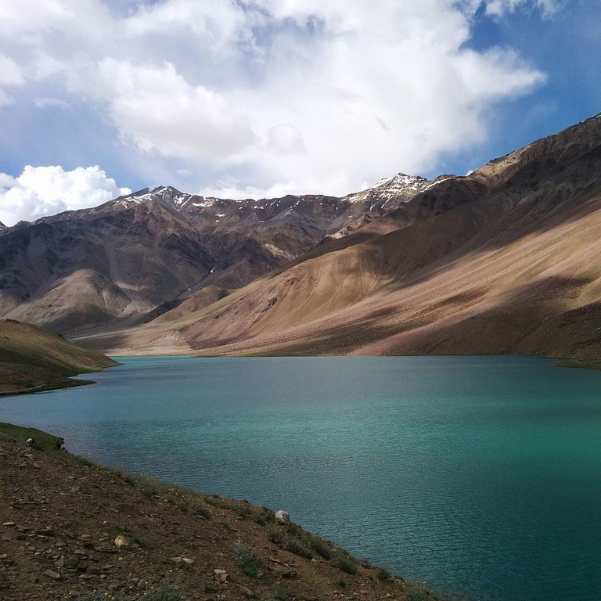
Chandratal weather in July can surprise you if you only look at daytime temperatures. During the day, it feels pleasant. You might get 12 to 18 degrees Celsius under the sun, maybe even warmer if it is clear.
At night, it drops hard. Temperatures around the lake can go down to 2 to 5 degrees Celsius, and with wind chill, it can feel close to freezing.
This is where many travellers get it wrong. They pack for a "summer trip" and end up shivering in a tent at 2 AM.
Sun exposure is intense at 4,300+ metres. You will burn faster than you expect, even on a cloudy day. Always carry strong sunscreen and sunglasses.
The rain story is more about the route than the lake itself. Chandratal sits in a cold desert rain shadow region, so rainfall at the lake is usually light or scattered.
But the approach from Manali side passes through zones that receive heavy monsoon rain. So you might drive through hours of rain and slush to reach a dry campsite.
Wind is the other factor people forget
Evenings and nights at Chandratal get very windy. If you are camping, a good wind-resistant tent matters more than a fancy sleeping bag.
Is July a Good Time to Visit Chandratal?
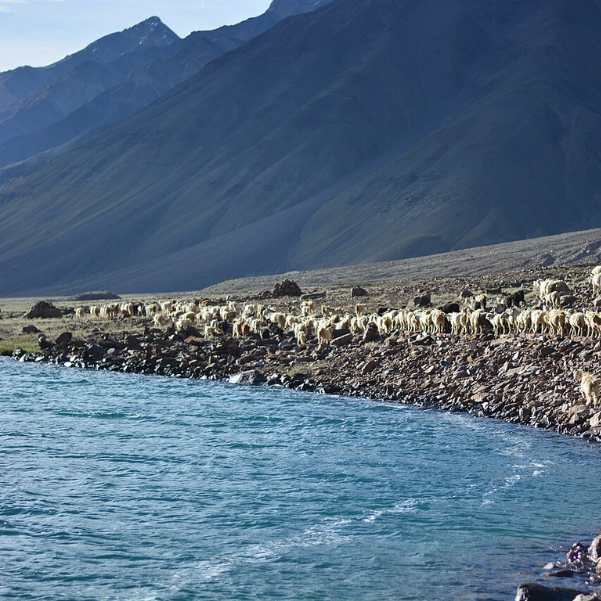
For most travellers, yes. July is one of the best months for Chandratal, especially if you are planning a full Spiti circuit trip.
What works in July
The lake is fully thawed and at its most striking colour. Camps are up and running. The Kaza to Chandratal road is generally stable.
You get long daylight hours, which helps with travel and photography. It is one of the few months when the full Shimla-Kaza-Chandratal-Manali circuit is possible.
What to be cautious about
Monsoon activity affects the Manali side heavily. Kunzum Pass can be blocked temporarily. Early July can still be unstable in some years.
The area is remote, and if weather turns, rescue and evacuation are not quick. In July 2023, a large-scale rescue operation had to be carried out near Chandratal after sudden weather disruption stranded many travellers. That is a reminder that flexibility and caution are not optional here.
So yes, July works. But it works best when you plan with awareness, not with assumptions.
Early July vs Mid July vs Late July
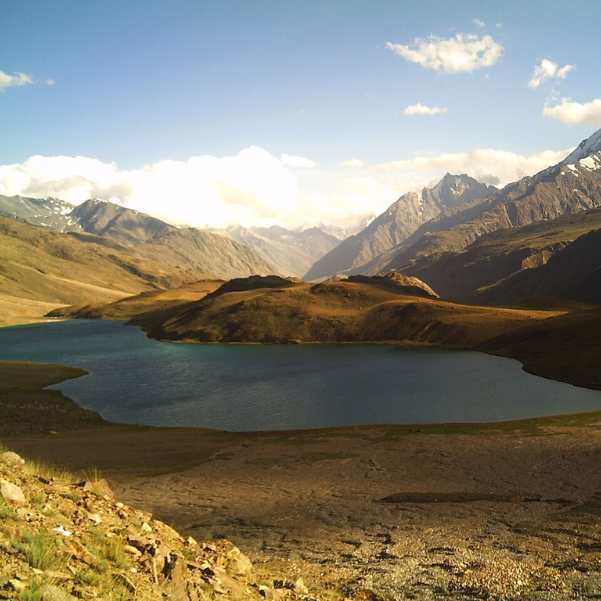
This is the section most travel blogs skip, and it is the one that matters most.
Early July (1st to 10th July)
This can be hit or miss. Some years, the monsoon sets in strong by early July and the Manali-Batal road becomes messy. Kunzum Pass may have fresh snow or slush. Camps are open but may not be fully operational.
If you are flexible and okay with Plan B scenarios, early July can work. But if you are on a tight schedule with no room for delays, it is a gamble.
Mid July (11th to 20th July)
This is typically the sweet spot. The road from Kaza side is stable. The Manali side, while still rain-prone, is usually manageable. Camps are in full swing.
Weather at the lake tends to be more settled. From our experience planning Spiti trips, this is the window where the most travellers have a smooth experience.
Late July (21st to 31st July)
Generally good, sometimes better than mid July in terms of road stability. But monsoon intensity can peak in late July, and that can disrupt the Manali exit route on certain days. If you are entering from Shimla side and exiting via Kaza without crossing Kunzum at all, late July is solid.
The bottom line: if you can choose your dates, aim for mid to late July. If you are doing this for the first time, avoid locking into early July unless you are genuinely comfortable with uncertainty.
How to Reach Chandratal in July
From Manali to Chandratal in July
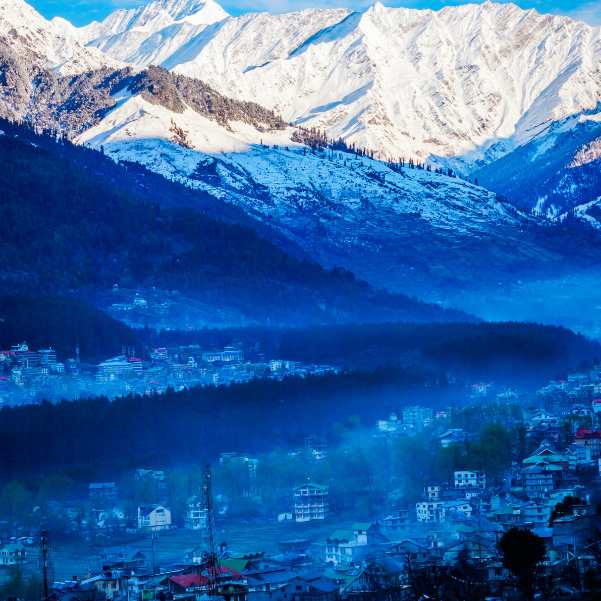
The route is Manali to Rohtang Pass (via Atal Tunnel or over the pass) to Gramphu to Batal to Chandratal.
This is the more scenic but less reliable route in July. The Gramphu to Batal section is notorious for landslides, water crossings, and broken road patches during monsoon.
You need a high-clearance vehicle. This is not a route for sedans or low-ground-clearance SUVs.
Travel time from Manali to Chandratal is roughly 7 to 9 hours depending on road conditions, but delays of several hours are possible if a landslide blocks the way.
From Kaza to Chandratal in July
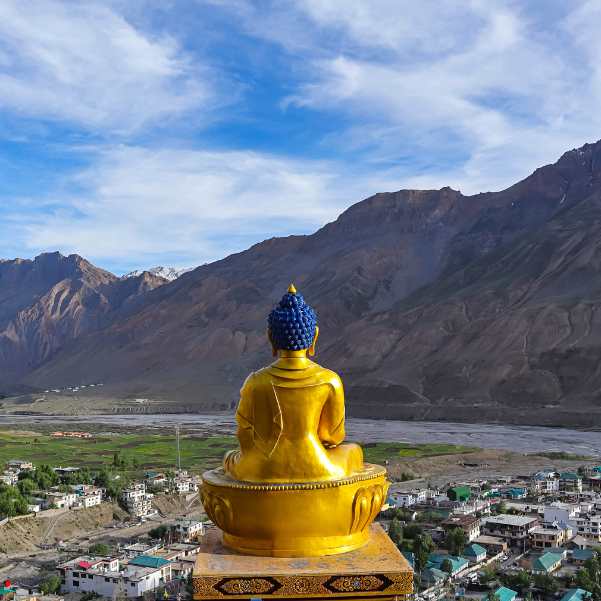
The route is Kaza to Losar to Kunzum Pass to Chandratal.
This is the more stable route in July. The Kaza-Losar stretch is largely a dry, rain shadow road. Kunzum Pass can occasionally have weather issues, but it is more predictable than the Manali side.
Travel time from Kaza to Chandratal is roughly 4 to 5 hours one way. Many travellers do a day trip from Kaza and return the same evening. Others camp overnight near the lake.
Which Route Is Better for First-Time Travellers?
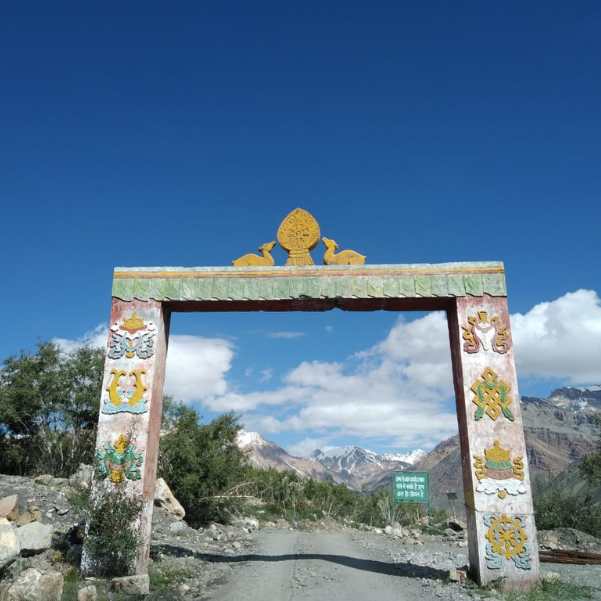
If you are doing this for the first time, the Shimla-Kaza route as your entry into Spiti is the smarter backbone. It gives you gradual altitude gain, better acclimatisation, and a more stable road experience.
You can then do Chandratal from Kaza side and decide whether to exit via Manali based on real-time road conditions.
From our experience, the Shimla entry Spiti circuit is the most dependable way to plan a July Chandratal trip.
Can You Camp at Chandratal in July?
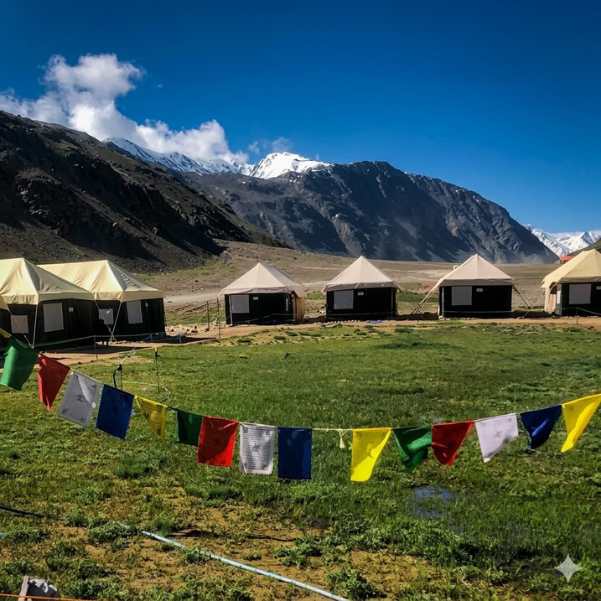
Yes, camping at Chandratal in July is very much possible and it is one of the main reasons people visit. July is peak camping season, and most organised camps near the lake are fully operational.
A few things to know.
Camping is not allowed at the lakeshore. Chandratal is a protected Ramsar-designated high-altitude wetland. The Koksar Gram Panchayat has banned all camping directly at the lake edge to protect the fragile ecosystem. All camps operate in designated zones roughly 2 to 5 km from the lake. You walk to the lake from your camp, which takes about 20 to 40 minutes.
Camp pricing in 2026: Expect to pay ₹1,200 to ₹2,500 per person per night at most organised camps. This typically includes a tent, sleeping bag, mattress, and basic meals (dal, rice, roti, chai). Some camps charge extra for better tents or additional meals. The higher-end camps with thicker mattresses and more food variety sit at the upper end of that range. The toilet is still a pit at all of them.
Pre-booking your camp is strongly recommended in July. This is peak season, and walk-in availability is unreliable. Some camps fill up weeks in advance, especially on weekends and long weekends. Contact your camp operator or travel planner directly. Do not assume you will find a spot on arrival.
Self-camping: You can bring your own tent and sleeping bag, but you must camp in the designated zones only. If you are self-camping, carry a sleeping bag rated for -5 to -10 degrees Celsius. Nights at 4,300 metres in July can drop to 2 degrees or below. Also carry your own food, water purification, and a headlamp. There are no shops or charging points at the camping zone.
Expect basic facilities. Most camps provide tents, sleeping bags, mattresses, and meals. Do not expect attached washrooms, hot running water, electricity, or phone signal. A few camps have basic solar panels for limited device charging. The dhabas near Batal serve the last proper hot meals before you reach the camping zone.
Set your expectations right and you will enjoy it. Arrive expecting a hotel and you will have a miserable night.
Is Chandratal Safe in July?
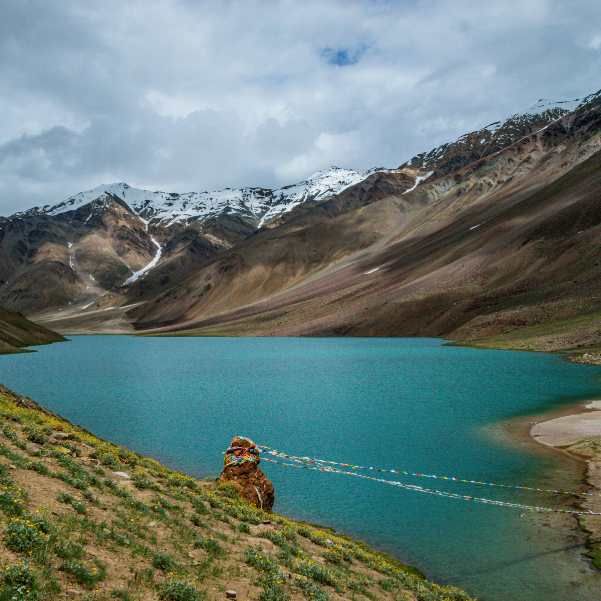
Chandratal is not unsafe, but it demands respect. This is a remote, high altitude location with limited connectivity, no hospitals, and unpredictable weather.
Road risk
The Manali side is prone to landslides and water crossings during monsoon. Travellers have been stranded for hours, sometimes days, when roads get blocked.
Always carry extra food, water, and warm layers in your vehicle.
Altitude risk
At 4,337 metres, altitude sickness is a real possibility, especially if you have come directly from a low-altitude city without acclimatisation. More on this in the next section.
Remote location
Mobile network is almost non-existent at Chandratal. If something goes wrong, help is not a phone call away. The nearest town with any meaningful infrastructure is Kaza, which is several hours away.
Who should be extra careful
People with heart conditions, respiratory issues, or severe blood pressure problems should consult a doctor before planning this trip. Children under 5 and senior citizens above 65 should approach an overnight stay at the lake with extra caution.
Always check the official Lahaul Spiti road status close to your departure date. Conditions can change within hours.
Altitude and Acclimatisation
This is the section that most Chandratal blogs either skip or handle poorly. So let us be clear.
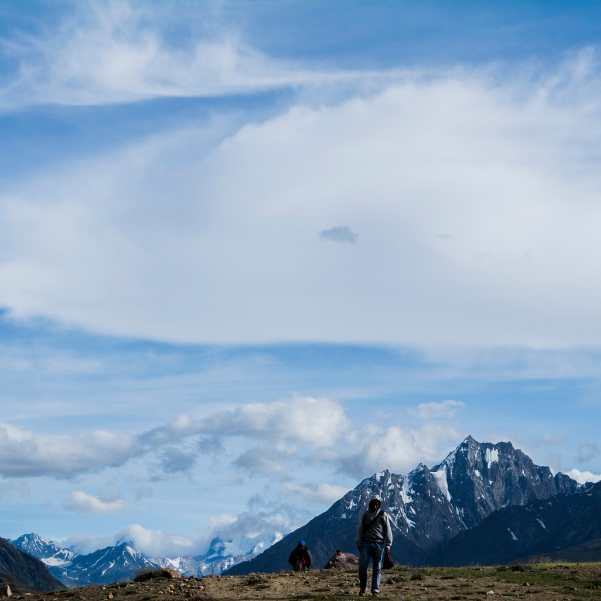
Chandratal Lake sits at approximately 4,337 metres above sea level. If you are coming from Delhi (216 metres), Chandigarh (321 metres), or any other plains city and reaching Chandratal within 2 to 3 days, your body has not had enough time to adjust.
Altitude sickness does not care about your fitness level. It can hit anyone. Symptoms include headache, nausea, dizziness, breathlessness, and in severe cases, disorientation and vomiting.
How to acclimatise properly:
Spend at least one night in Kaza (3,650 metres) or a similar altitude before heading to Chandratal. If you are entering via Shimla-Kinnaur, the gradual altitude gain through Narkanda, Sangla, Kalpa, and Nako naturally helps your body adjust over 3 to 4 days.
This is why the Shimla entry circuit is better for first-timers. Avoid alcohol at altitude. Stay hydrated. Do not overexert on the first day at camp.
If you are flying into Kullu and driving to Chandratal in one or two days, you are skipping acclimatisation entirely. That is a risk many people take knowingly and regret quickly.
What to Pack for Chandratal in July
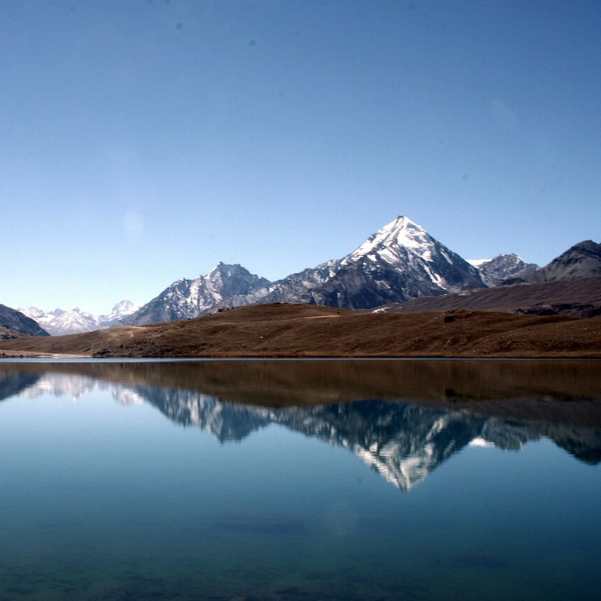
Do not pack for a regular Himachal trip. Chandratal in July needs specific gear.
Clothing
A proper down jacket or heavy insulated jacket for nights. Thermal innerwear (top and bottom). Fleece layers. Windproof outer shell. Avoid cotton. Pack at least 2 pairs of warm socks and gloves.
Footwear
Sturdy trekking shoes with good grip. The walk from the parking area to the lake is on uneven, sometimes muddy terrain. Slippers for camp use.
Sun protection
SPF 50+ sunscreen. UV-protection sunglasses. A wide-brimmed hat or cap. Lip balm with SPF.
Health essentials
Diamox (consult your doctor before use). Basic first aid kit. ORS sachets. Personal medicines. Paracetamol. A small oxygen can if you are prone to altitude issues.
Electronics
Power bank (fully charged). Head torch or flashlight. There is no electricity at most camps.
Miscellaneous
Reusable water bottle. Dry snacks. Wet wipes. Tissue rolls. Biodegradable bags for waste. Please carry your trash back. This is a fragile ecosystem.
Permit, Entry, and Local Travel Rules
Here is what you actually need to know about permits and entry rules for Chandratal in 2026. This section is based on the latest information available and replaces the vague advice you will find on most blogs.
Entry fee: ₹150 per person for Indian nationals. ₹500 per person for foreign nationals. This is collected at the Batal checkpost, usually in cash. Keep exact change ready.
e-Aagman vehicle permit: All vehicles entering through the Atal Tunnel to Rohtang to Koksar to Chandratal circuit need a free e-permit from the Himachal e-Aagman portal. Register your vehicle online before you leave Manali. This is non-negotiable and checked at the tunnel entry. If you are approaching from the Kaza side via Kunzum Pass, the e-Aagman permit is not required for that stretch, but confirm locally as rules can shift between seasons.
Inner Line Permit (foreigners): Foreign nationals need a Protected Area Permit (PAP) or Inner Line Permit for certain areas in Lahaul and Spiti. This can be obtained from the SDM office in Kaza or Keylong, or arranged through your travel operator. Indian nationals do not need an ILP.
Drone ban: Flying drones at Chandratal is prohibited. This is a Ramsar-designated high-altitude wetland and an ecologically sensitive zone. Violating this can attract fines and confiscation. If you see drone footage of Chandratal on Instagram, that does not mean it is allowed.
Lakeside camping ban: The Koksar Gram Panchayat has banned camping directly on the lake shore to protect the fragile ecosystem. All camps must operate in designated zones 2 to 5 km from the lake. Do not attempt to pitch your own tent at the lake edge. You will be fined or asked to leave.
No littering: Chandratal is a designated Ramsar Wetland Site. Carry all your trash back with you. This is not optional. The area has suffered from irresponsible visitors in the past, and the National Green Tribunal has flagged waste management violations in the Koksar panchayat area.
ID proof: Carry valid government-issued photo ID (Aadhaar or passport for foreigners). You will be asked for it at checkposts.
If you are booking through our Spiti packages, all permits, entry fees, and logistics are handled by our team so you do not have to worry about any of this on the road.
Best 1-Day and 2-Day Chandratal Plans for July
Day Trip from Kaza
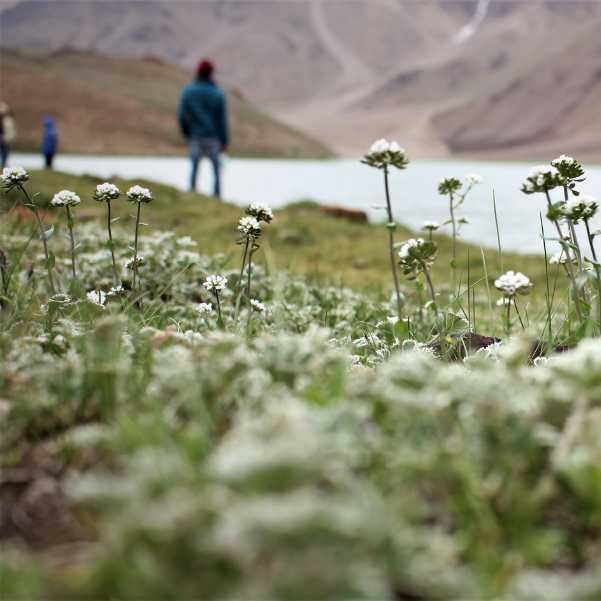
This is the most common option. Leave Kaza early morning (around 5 to 6 AM). Drive to Kunzum Pass and then to the Chandratal parking area. Walk to the lake (about 1.5 to 2 km). Spend 2 to 3 hours at the lake. Drive back to Kaza by evening.
This works well if you do not want to camp or if you are short on time. The downside: you miss the sunrise and sunset at the lake, which are genuinely special.
Overnight Camp at Chandratal
This is the fuller experience. Reach the camp zone by afternoon. Settle in. Walk to the lake for sunset. Have dinner under the stars (or clouds, depending on the day). Wake up early for sunrise. Head back to Kaza or continue toward Manali the next morning.
Pre-book your camp. Carry warm layers. Be ready for a cold night. This is not glamping. This is real mountain camping at 4,300 metres.
Full Spiti Circuit with Chandratal
For travellers who have 8 to 10 days, the best way to experience Chandratal is as part of a complete Spiti Valley circuit. Enter from Shimla, spend time in Kinnaur and Spiti, camp at Chandratal, and exit via Manali (or return via Kaza if the Manali route is disrupted).
This is the most rewarding and well-rounded way to do it. If you want help planning this, reach out to us and we can put together a practical itinerary based on your dates.
Explore Our Curated Spiti Valley Tours
 Group Tour10D/9N
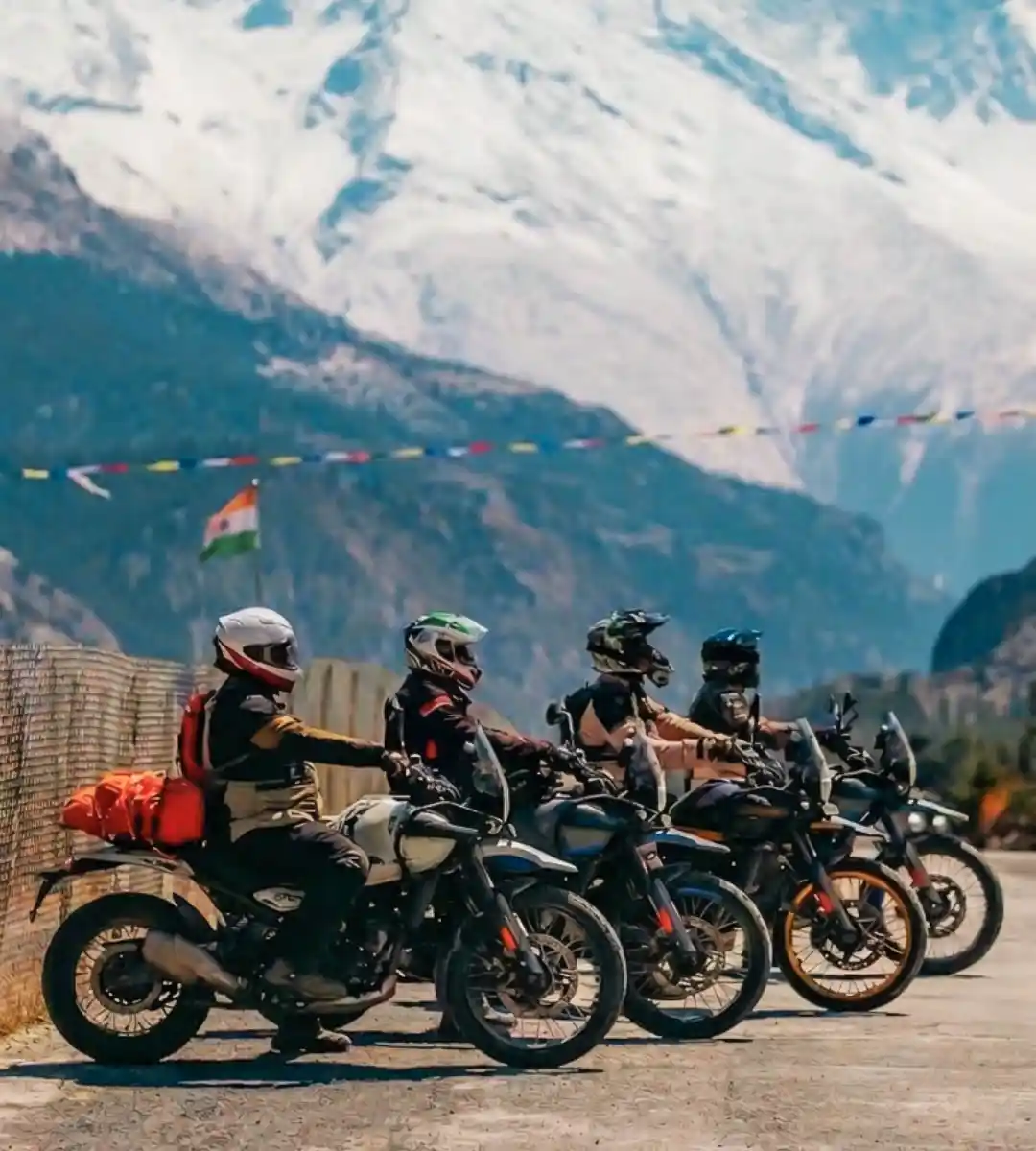
Most Loved Spiti Valley Bike Expedition With Chandratal
1D Jibhi•1D Sangla+4
₹34,999₹41,999SAVE INR 7,000/ person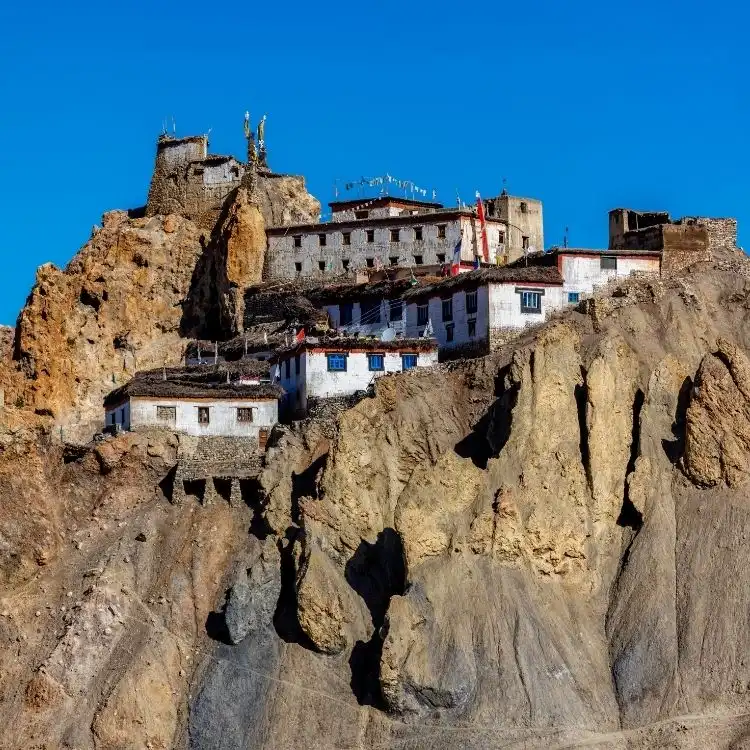 Group Tour10D/9N
Full Spiti Valley Circuit With Chandratal
1D Narkanda•1D Sangla+5
₹29,999₹32,999SAVE INR 3,000/ person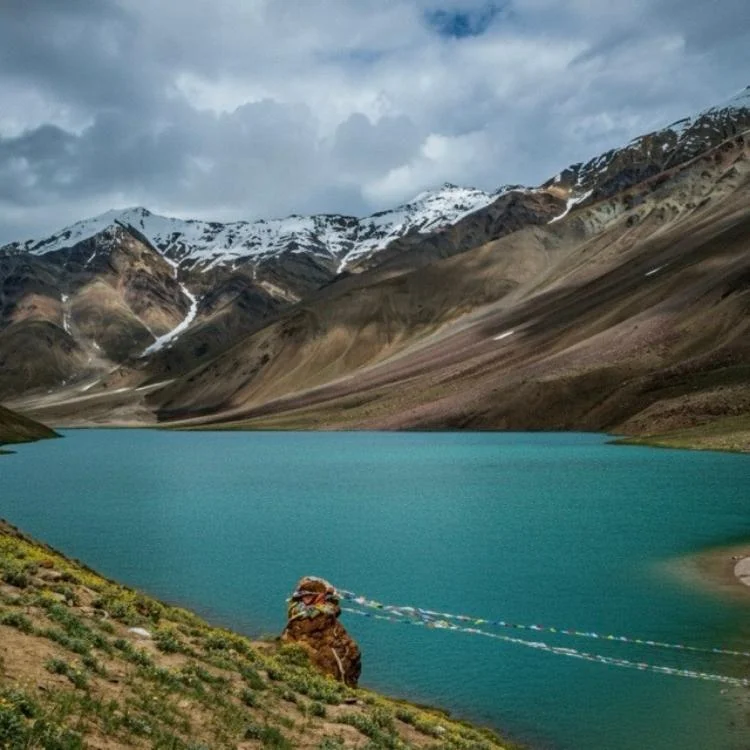 10D/9N
Shimla Spiti Manali Circuit With Chandratal
1D Narkanda•1D Sangla+5
₹45,999₹52,499SAVE INR 6,500/ person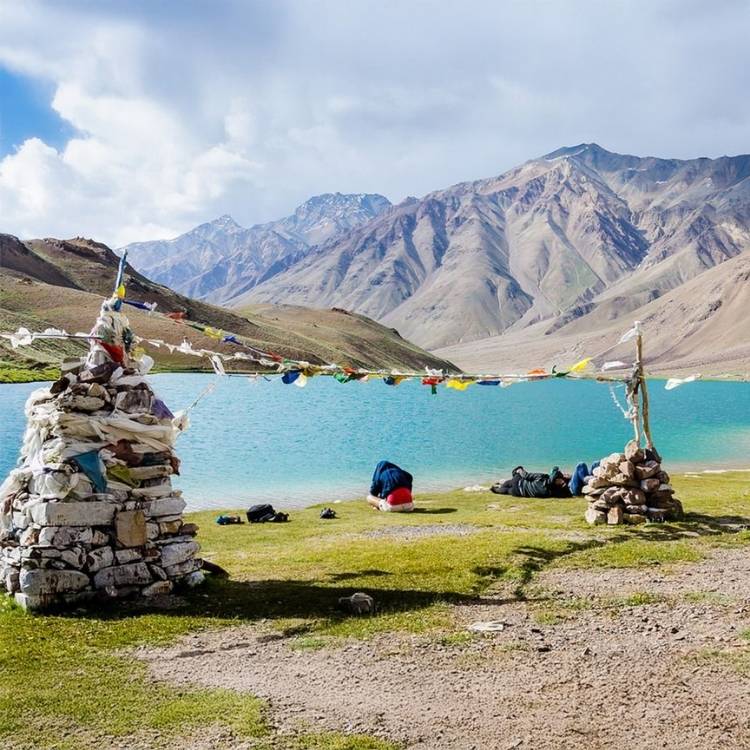 10D/9N
Summer Spiti Circuit With Chandratal
1D Narkanda•1D Sangla+5
₹29,999₹38,999SAVE INR 9,000/ person
If Chandratal Is Not Accessible in July, What Should You Do Instead?
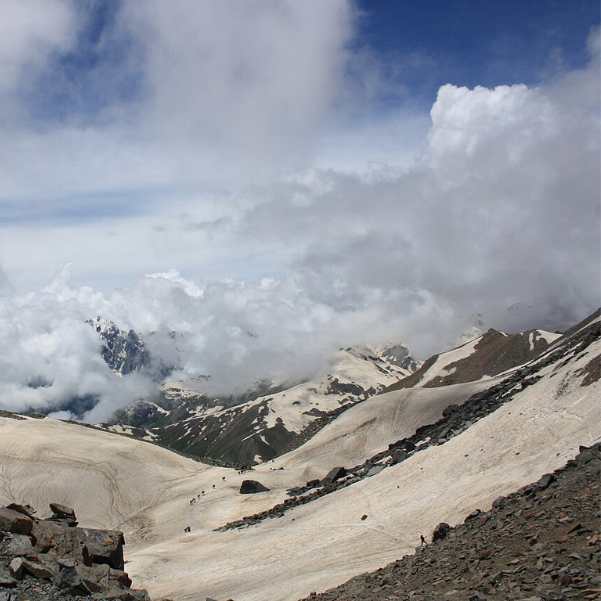
It happens. Roads close. Weather turns. Kunzum Pass gets blocked. And suddenly your Chandratal plan is off the table.
Do not panic. Spiti has plenty to offer even without Chandratal.
Kaza and surrounding villages
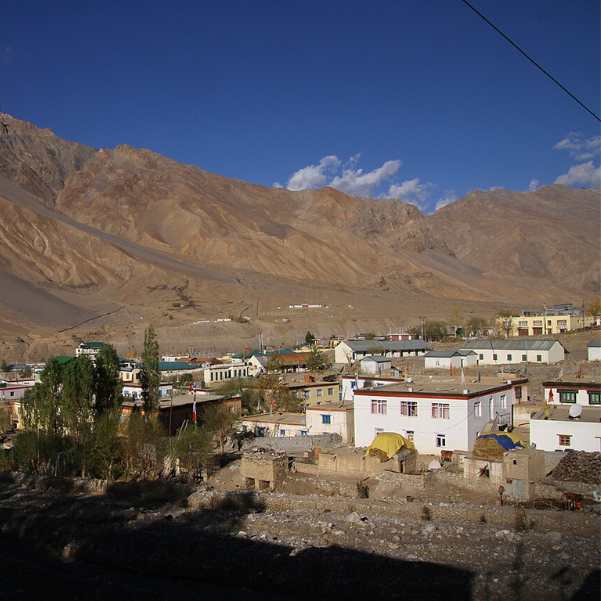
Langza, Hikkim, Komik, and Demul are stunning high-altitude villages with their own character. The Langza fossil walk and the Hikkim post office are crowd favourites.
Pin Valley
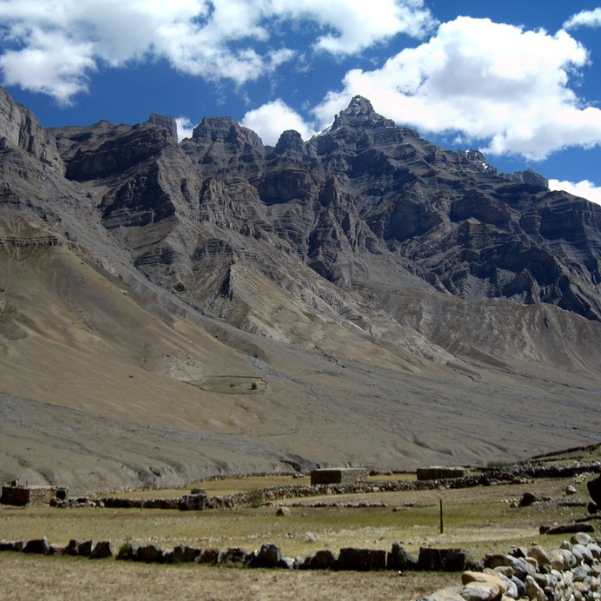
If you want wilderness and remoteness, Pin Valley delivers. It is one of the most underrated parts of Spiti.
Dhankar and Tabo
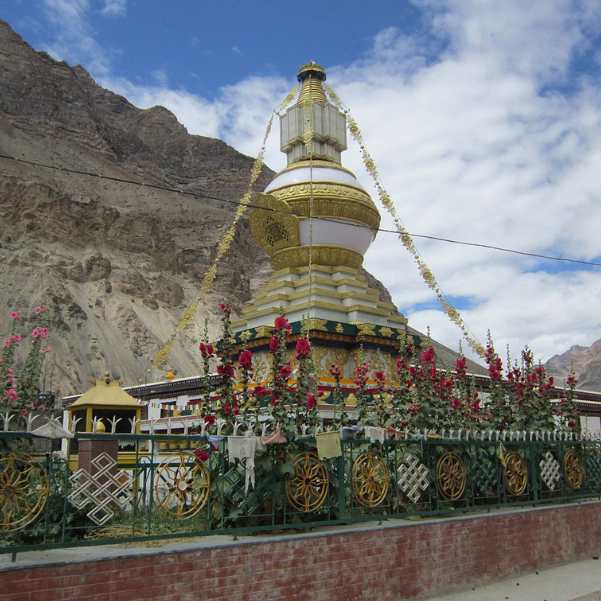
Dhankar Lake trek and the ancient Tabo monastery are worth a full day each.
Chicham Bridge and Kibber
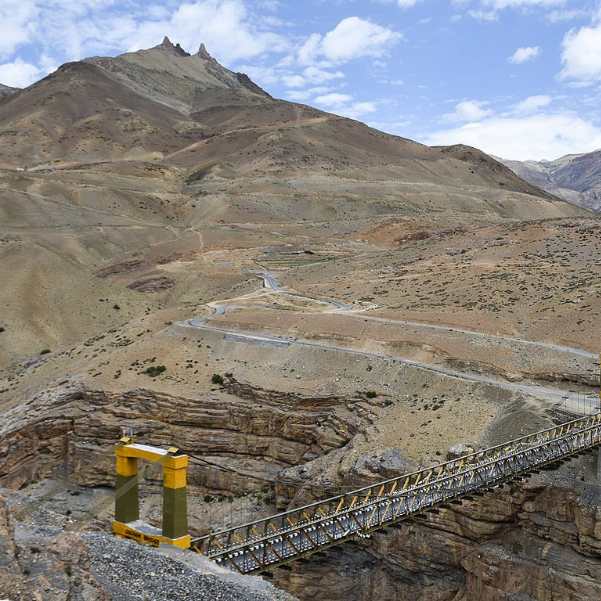
The Chicham suspension bridge and the village of Kibber offer incredible views and a quieter experience.
If Chandratal does not work out, Spiti still gives you more than enough. The valley itself is the main event.
Our Honest Verdict on Chandratal in July
July is one of the best months to visit Chandratal for most travellers. The lake is fully accessible, camps are running, and the landscape is at its most alive.
But July is also monsoon season. The Manali side is weather-sensitive. Early July can be unstable. And the altitude demands respect regardless of the month.
If you are flexible with dates, aim for mid to late July. If you are entering Spiti for the first time, use the Shimla-Kaza route as your backbone. And if you are camping overnight, book in advance and pack like the night will be cold, because it will be.
We plan Spiti trips with Chandratal through the summer season every year. If you want a well-paced, realistic itinerary that does not overpromise and accounts for real mountain conditions, we are happy to help. You can explore our Spiti circuit options here or write to us directly.
👉 WhatsApp Our Local Team to Plan Your Trip
Related topics
FAQ
Is Chandratal open in July 2026?
Yes. Kunzum Pass opened for the 2026 season in late May. By July, the route from Kaza via Kunzum is stable and camps near Chandratal are fully operational. The Manali side route can be disrupted by monsoon rain but is also often passable, especially from mid-July onward.
Is July a good time to visit Chandratal?
July is one of the best months for most travellers. The lake is fully thawed and at its most vivid blue-green colour. Camping infrastructure is in place and the full Spiti circuit is usually possible. Mid to late July is the most reliable window.
How cold is Chandratal in July?
Daytime temperatures range from 12 to 18 degrees Celsius but nights drop to 2 to 5 degrees. Wind chill can make it feel close to freezing after sunset. Warm layers, thermals, and a good sleeping bag are essential.
How much does Chandratal camping cost in July 2026?
Organised camps near Chandratal charge ₹1,200 to ₹2,500 per person per night in 2026. This typically includes a tent, sleeping bag, mattress, and basic meals. Pre-booking is strongly recommended in July as it is peak season and walk-in availability is unreliable.
What is the entry fee for Chandratal Lake in 2026?
The entry fee is ₹150 per person for Indian nationals and ₹500 for foreign nationals. This is collected at the Batal checkpost, usually in cash. You also need a free e-permit via the Himachal e-Aagman portal (eaagman.hp.gov.in) if entering through the Atal Tunnel-Rohtang-Koksar route.
Is Chandratal safe in July?
Chandratal is generally safe for healthy travellers who are prepared. The main risks are altitude sickness at 4,300 metres, road disruptions on the Manali side during monsoon, and the remote location with no mobile network or medical facilities. Flexibility, proper acclimatisation, and buffer days make a big difference.
Which route is better in July for Chandratal, Manali side or Kaza side?
The Kaza side is more reliable in July. The Manali side passes through monsoon-affected zones and is prone to landslides and water crossings between Gramphu and Batal. For first-time travellers, entering Spiti via Shimla and reaching Chandratal from Kaza is the safer approach.
Can I fly a drone at Chandratal?
No. Flying drones at Chandratal is prohibited. The lake is a Ramsar-designated high-altitude wetland and an ecologically sensitive zone. Violating this rule can result in fines and confiscation of your equipment.
Do I need a permit for Chandratal in 2026?
Indian nationals need the free e-Aagman vehicle permit if entering via the Atal Tunnel-Rohtang route, available at eaagman.hp.gov.in. Foreign nationals may additionally need a Protected Area Permit or Inner Line Permit obtainable from the SDM office in Kaza or Keylong. No separate trekking permit is needed for the lake visit itself.
Can I camp at the Chandratal lakeshore?
No. The Koksar Gram Panchayat has banned camping directly at the lake edge to protect the fragile Ramsar wetland ecosystem. All camps operate in designated zones 2 to 5 km from the lake. Pitching your own tent at the lakeside can result in fines or removal.
Can Chandratal be done as a day trip from Kaza?
Yes. Leave Kaza by 5 to 6 AM, drive via Kunzum Pass to the Chandratal parking area (about 4 to 5 hours), walk 1.5 to 2 km to the lake, spend 2 to 3 hours, and return to Kaza by evening. You miss the sunrise and sunset experience at the lake, but it is a practical option for those who prefer not to camp.
Can children or senior citizens visit Chandratal in July?
Children above 8 and reasonably fit senior citizens can attempt a day visit or overnight stay, but proper acclimatisation is critical. Spend at least one night in Kaza before heading to Chandratal. Anyone with heart, lung, or blood pressure conditions should consult a doctor first. Children under 5 are generally advised against overnight stays at this altitude.
More about Chandratal
 Chandratal
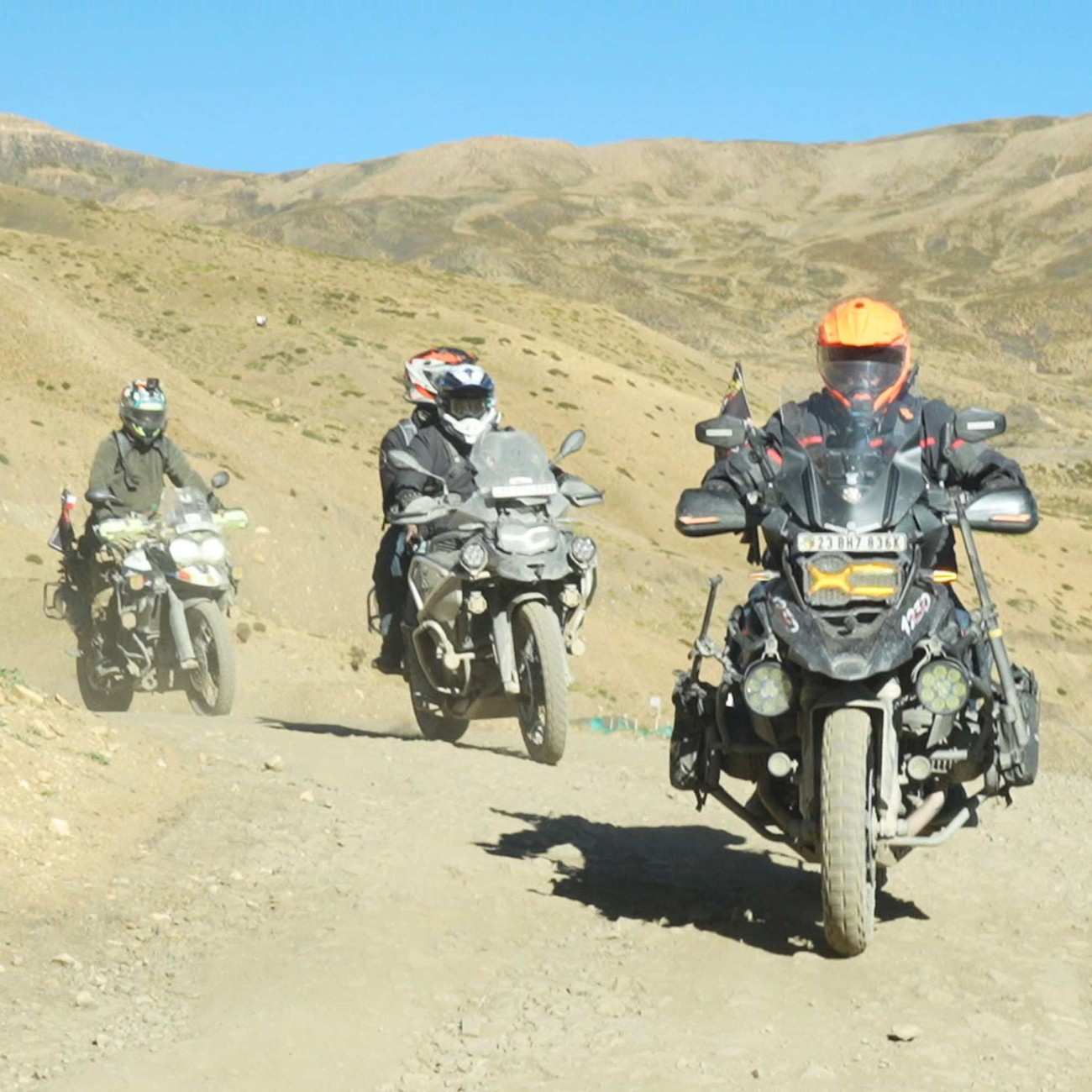
Chandratal by Bike Safety in 2026: Road Difficulty, Timing & Pillion Tips
Planning to ride to Chandratal by bike in 2026? This complete guide covers road difficulty, riding conditions, the best time to visit, safety precautions, water crossings, and pillion tips to help you enjoy one of Himachal Pradesh's most iconic high-altitude rides with confidence.
- Bike Trips
- Altitude & Health
- +1
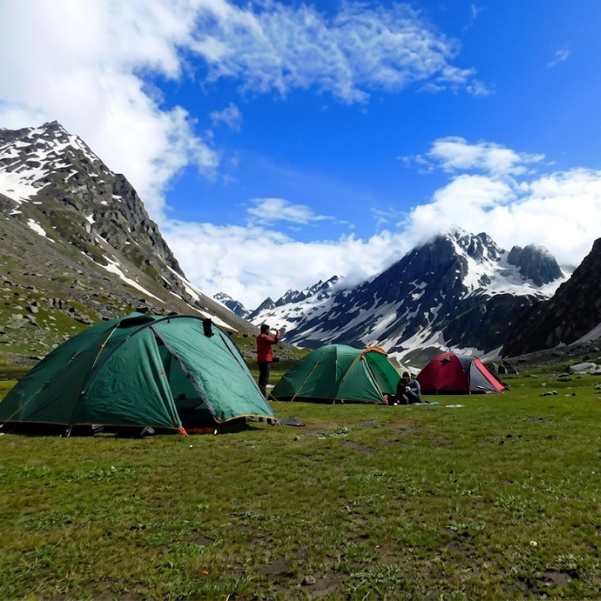 Chandratal
Where to Stay If Chandratal Camps Are Not Available in 2026
If Chandratal camps are not available in 2026, stay at nearby alternatives like Batal, Losar, or Kaza. Since camping is not allowed at the lake itself and designated camps operate a few kilometers away, these villages are the safest backup options for travelers planning a Spiti Valley trip.
- Itinerary
- Best Time to Visit
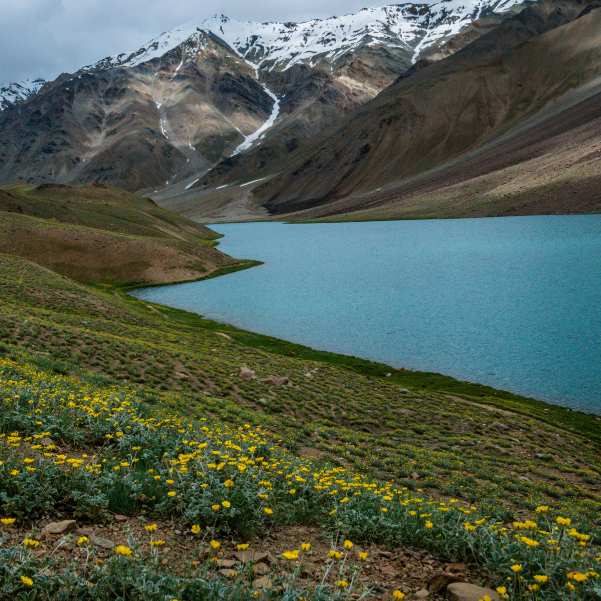 Chandratal
Is Chandratal Crowded in June 2026? Honest Crowd, Road and Camp Guide
Planning Chandratal in June 2026? Here’s an honest guide to crowds, road opening chances, campsite availability, lake access, and the best time to visit without chaos.
- Best Time to Visit