
Chandigarh to Manali Road Trip Guide 2026: Distance, Route, Stops, Time and Cost
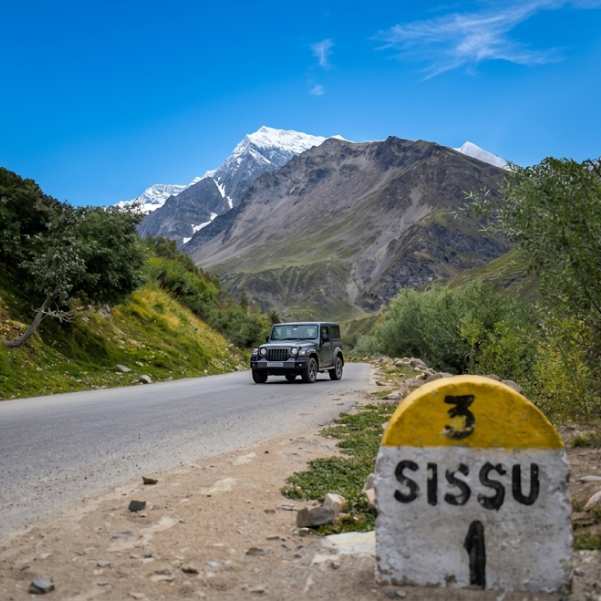
You are planning a chandigarh to manali road trip and the first thing you want to know is simple. How long will it actually take, and what will it cost?
On paper the journey is only around 300 kilometres. That sounds like a four-hour drive. It is not.
A big part of this route runs through mountain terrain, busy traffic corridors and stretches where road work is common. That is why most people spend the better part of a full day on this drive.
This guide by Travel Coffee breaks down the distance, the route, the stops, the time and the money, so you can plan the drive properly instead of guessing.
Quick Answer
Chandigarh to Manali is approximately 300 to 310 kilometres by road.
The standard route runs through Chandigarh, Kurali or Rupnagar, Kiratpur Sahib, Bilaspur, Sundernagar, Mandi, Kullu and Manali.
Allow approximately 8 to 10 hours of road time in normal conditions, and around 9 to 11 hours once you add sensible meal and comfort breaks.
Weekends, holidays, roadworks, heavy rain and snowfall can all make the trip longer.
If you would rather hand over the logistics, explore Travel Coffee's Manali tour packages.
What Is the Chandigarh to Manali Distance by Road?
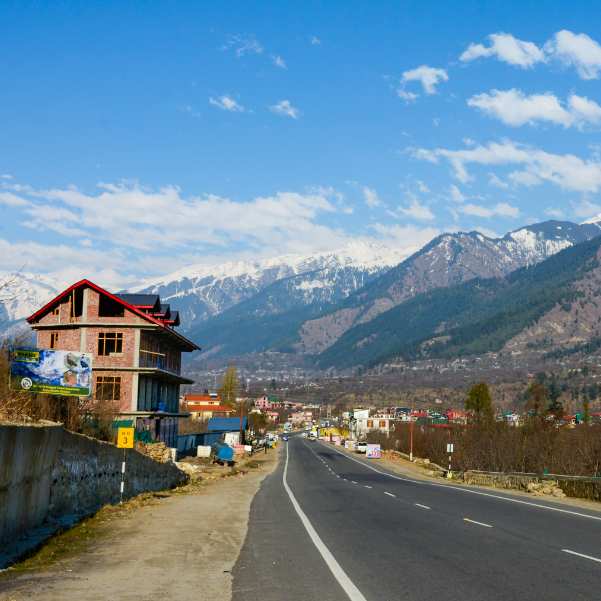
You will see slightly different numbers on Google Maps, on travel blogs and on cab apps. This confuses a lot of people.
The reason is simple. The chandigarh to manali distance changes depending on where exactly you start and where you end.
Are you starting from Chandigarh city, from Chandigarh Airport, or from Mohali? Each adds or subtracts a few kilometres.
Your hotel location in Manali matters too. A stay in old Manali reads differently from one near the bus stand or up in Aleo.
For planning, use 300 to 310 kilometres as your practical range. No single exact figure applies to every traveller, so do not stress over a five-kilometre difference between two apps.
Which Is the Best Chandigarh to Manali Route in 2026?
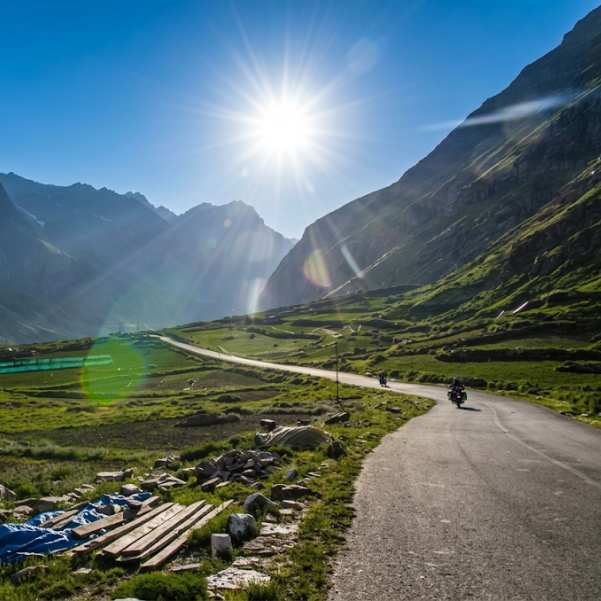
Recommended main route
The usual Chandigarh to Manali route runs like this. Chandigarh to Mohali or Kurali to Rupnagar to Kiratpur Sahib to Bilaspur to Sundernagar to Mandi to Pandoh to Aut to Bhuntar to Kullu to Manali.
This is the practical choice for most private cars and cabs. It is the road our drivers take almost every week.
One thing to know. Highway numbers and navigation labels can differ from one section to the next.
Do not get stuck on which highway number you are on. Just follow the road signs and live navigation pointing toward Bilaspur, Mandi, Kullu and Manali, and you will stay on track.
Is there a Chandigarh to Manali Expressway?
No. There is no single continuous expressway from Chandigarh to Manali.
People use the word "expressway" loosely. What they really mean is the mix of upgraded highway sections, new alignments, tunnels and bypasses that have made parts of the drive faster than before.
But this is still a mountain road for a large stretch. Traffic, terrain and ongoing work all affect your journey time, no matter how smooth some sections feel.
Are alternative routes worth taking?
Here is where most people get confused. Shimla is not on the normal direct route to Manali. If someone tells you to "go via Shimla," they are adding hours, not saving them.
Pinjore and Kasauli also need a deviation. They are not quick roadside stops you tick off on the way. Treating them as such throws your whole day off.
Only take a different alignment when traffic police, district authorities or reliable live navigation actually direct you away from the main route because of a closure or block.
How Long Does Chandigarh to Manali Take by Car?
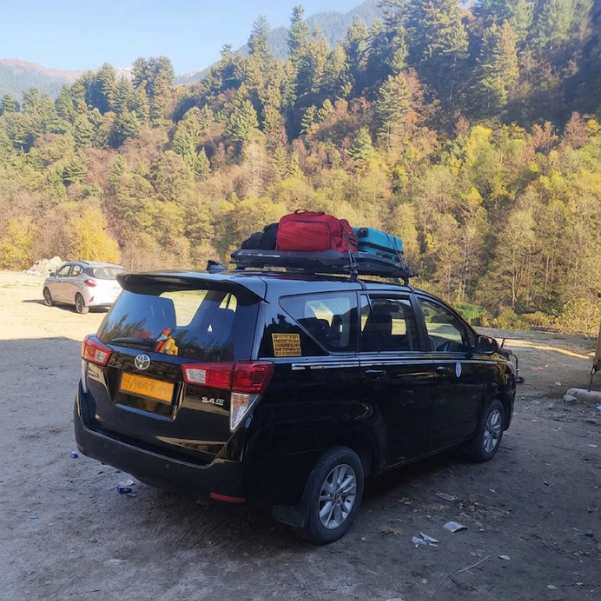
There is a difference between moving time and total journey time, and this is where people misjudge the trip.
Moving time is the hours your wheels are turning. Total journey time includes fuel stops, meals, washroom breaks and the slow crawl through towns.
An early weekday drive can take approximately 8 to 9 hours. A normal trip with meal, washroom and rest breaks can take approximately 9 to 11 hours.
Weekend and holiday journeys may take approximately 10 to 12 hours or longer. Heavy rain, snowfall, accidents and temporary road closures make the Chandigarh to Manali travel time genuinely unpredictable.
In our experience, the travellers who enjoy this drive are the ones who plan for the longer end of the range and treat an early arrival as a bonus. We never promise anyone an exact arrival time on this route.
Segment-wise journey planning
Think of the drive in segments rather than one long slog.
The first segment, Chandigarh to Kiratpur Sahib, is your urban and semi-urban stretch. Roads are wider here and you are still in the plains.
Kiratpur Sahib to Bilaspur is where the terrain starts changing. You begin climbing and the landscape opens up around the reservoir.
Bilaspur to Mandi takes you deeper into Himachal, with more curves and hill sections. Mandi to Aut or Bhuntar brings you into the river valley, which is scenic but demands full attention from the driver.
The final segment, Bhuntar or Kullu to Manali, is the home stretch. It looks short on the map but can crawl during peak arrival hours.
What is the best time to leave Chandigarh?
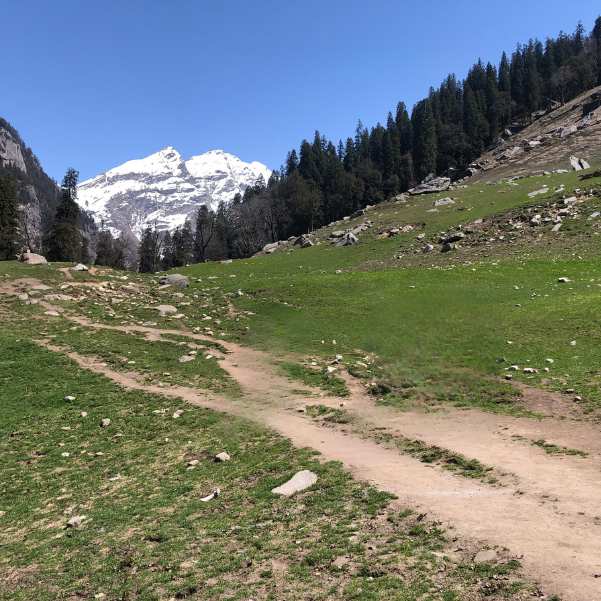
Leave between 5:00 am and 6:30 am. This is our planning recommendation, not a promise of empty roads.
An early start does three things. It helps you clear city traffic, drive the mountain sections in daylight, and reach Manali before late-evening congestion builds up.
If this is your first time driving in the hills, do not start the mountain section late at night. Darkness plus unfamiliar bends plus tiredness is a bad combination.
What Is the Chandigarh to Manali Road Condition in 2026?
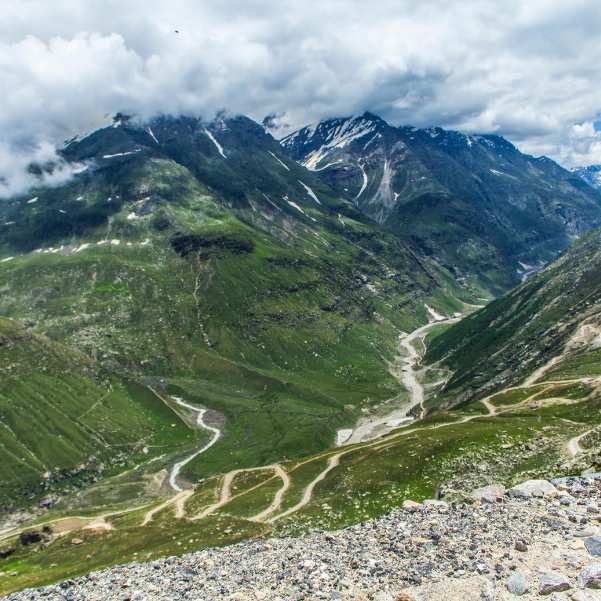
The Chandigarh to Manali road condition is a mix. You get widened highway, tunnels, bypass sections, construction areas and traditional mountain road, all on the same trip.
Delays can happen around Bilaspur, Mandi, Pandoh, Aut and the Kullu to Manali approach. That does not mean every one of these spots is jammed every single day. Some days you sail through.
NHAI records include continuing slope protection, bypass, tunnel and erosion-protection work tied to the broader Kiratpur to Manali and Kullu to Manali corridor. This is ongoing work, not proof that the whole road is dug up and crawling.
Where are the monsoon-sensitive sections?
The Mandi, Pandoh and Aut corridor needs extra caution during heavy rain. This is the stretch that makes local drivers nervous when the sky opens up.
In July 2026, a landslide near Hanogi temporarily disrupted Chandigarh to Manali highway traffic. Rockslides were also reported at Banala and Jhalogi near Aut around the same time.
Traffic was restored after the debris was cleared. But this is exactly why you check current conditions before you leave instead of assuming the road is either perfectly fine or permanently unsafe.
Our team recommends a simple habit. Do not park below unstable slopes, beside fresh debris, or on blind bends. If a stretch looks freshly damaged, keep moving and stop somewhere safe.
What changes during winter?
Fog is your enemy in the Punjab plains and the lower sections. Ice or snowfall becomes more likely closer to Manali and on the higher local roads.
Snow chains are not automatically required for the complete Chandigarh to Manali route. You will not need them for most of the drive.
Chains may become necessary, or authority-mandated, on snow-covered local roads near Manali. Follow local police and district instructions on your actual travel date rather than guessing in advance.
Where Should You Stop Between Chandigarh and Manali?
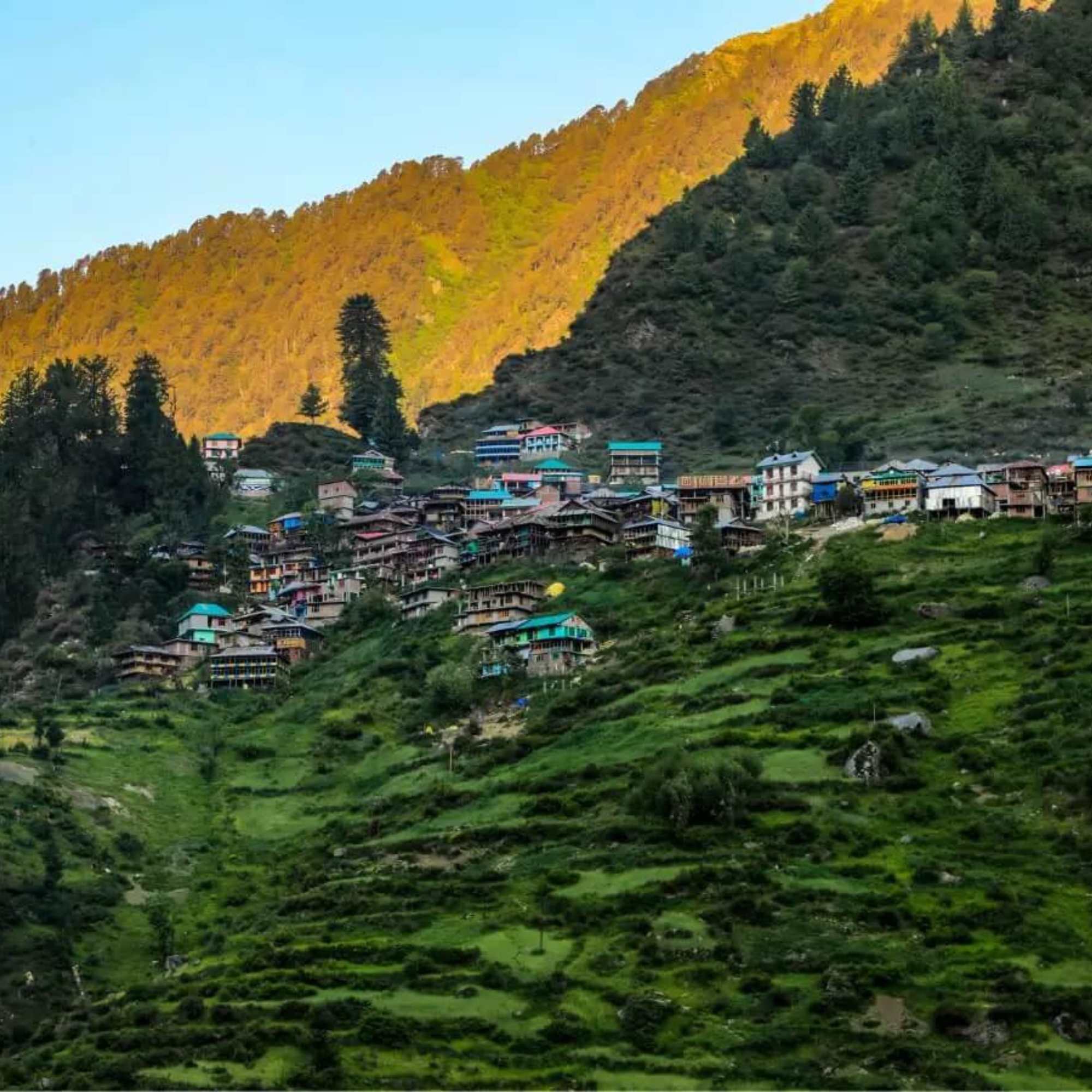
There is a difference between a practical route stop and a sightseeing detour. On a one-day drive, you want practical stops that keep you moving.
Rupnagar or Kiratpur for breakfast
Once you clear the Tricity, this area is your natural first breakfast halt. You have driven a couple of hours and it is time for hot food.
Pick a busy, well-reviewed restaurant with visible parking and clean washrooms. A crowded dhaba usually means fresh food and fast turnaround.
Bilaspur and Gobind Sagar viewpoints
Around Bilaspur you get a reservoir and mountain views over Gobind Sagar. It is a pretty stretch and worth slowing down for.
Stop only at proper lay-bys, restaurants or safe parking areas. Do not brake suddenly near a bend for a photo. That is how accidents happen on this road.
Sundernagar for a rest
Sundernagar is a solid practical stop for a meal, a washroom break or just to stretch your legs.
Being a larger town, it gives you easier access to fuel and basic services than the smaller settlements along the way.
Mandi for fuel and essential supplies
Mandi is a useful service town before you hit the Pandoh and Aut sections. This is a smart place to top up.
If your tank is running low, refuel here. Do not gamble on waiting until you reach Manali.
Pandoh and Aut
This is the scenic river-valley section, and it demands attention. The views are lovely but the road keeps you busy.
Driver, keep your eyes on the road. Let the passengers handle the photographs. Use proper commercial stopping areas, not narrow shoulders squeezed against the hillside.
Kullu or Bhuntar for the final break
Kullu or Bhuntar is your last useful break before Manali. Grab a chai, use the washroom, reset.
The Kullu to Manali approach can get slow during peak arrival periods. If you plan to head toward Solang Valley, Atal Tunnel or Sissu on another day, start that day with enough fuel in the tank.
Suggested One-Day Chandigarh to Manali Driving Plan
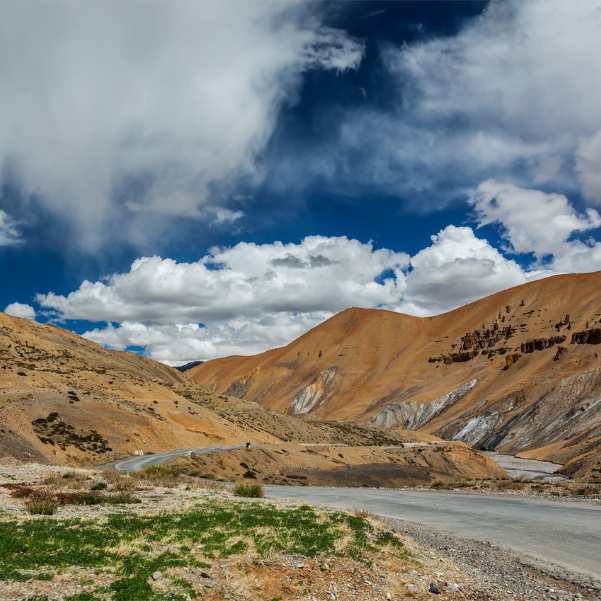
Here is a flexible template, not a fixed schedule.
Aim to leave Chandigarh around 5:30 am. The early start is the single biggest thing that makes this drive smooth.
Take breakfast after Rupnagar or near Kiratpur Sahib, once the first stretch is behind you. Then plan a short rest around Bilaspur or Sundernagar to break the climb.
Have lunch around Mandi, Pandoh or Aut, depending on how the day is going. Some days you move faster, some days slower, so stay flexible.
If you need one more break, take it around Kullu. Then push on and aim to reach Manali before dark.
We usually advise our guests to treat this as a loose plan. Reaching before dark is the goal, but we never lock in an exact arrival time on a mountain road.
How Much Does a Chandigarh to Manali Road Trip Cost?
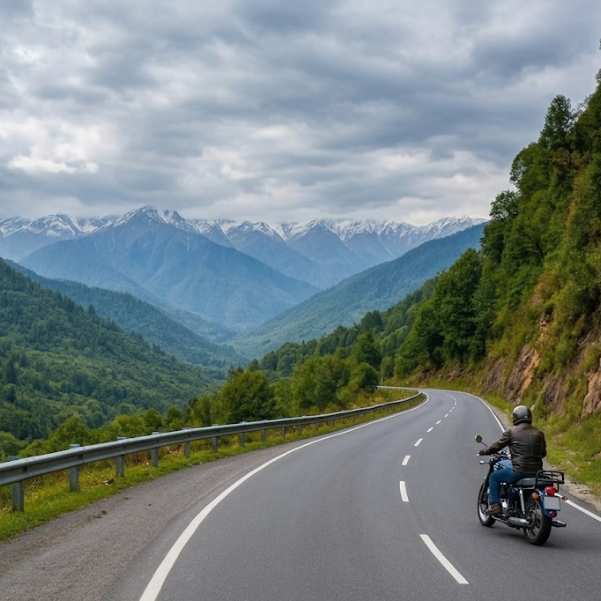
Your total depends on vehicle mileage, the day's fuel price, toll alignment, meals, parking and any optional driver charges. Let me break each part down.
Fuel cost
The formula is simple. Trip fuel cost equals route distance divided by vehicle mileage, multiplied by fuel price.
For these numbers we use a calculation distance of 305 kilometres and a Chandigarh petrol reference price of ₹101.54 per litre on July 29, 2026. Fuel prices change daily, so treat this as a snapshot.
At 10 kilometres per litre, your vehicle needs about 30.5 litres, costing approximately ₹3,097 one way.
At 12 kilometres per litre, it needs about 25.42 litres, costing approximately ₹2,581 one way.
At 15 kilometres per litre, it needs about 20.33 litres, costing approximately ₹2,065 one way.
These are mathematical estimates, not guaranteed bills. Steep gradients, traffic, air-conditioning, luggage and idling in jams all pull your real mileage down, so budget a little above the number you calculate.
Toll cost
This one is genuinely messy. Online toll calculators do not agree with each other on this route.
One result shows approximately ₹120, another shows ₹445, and another reports no toll at all. None of these can be treated as the single correct figure.
Keep a provisional one-way toll allowance of ₹150 to ₹500 and check the live FASTag or toll-calculator amount right before you leave.
Food, parking and travel buffer
What you spend on food depends on your group size and where you choose to stop. A family of four at a proper restaurant spends very differently from two friends grabbing quick parathas.
Add money for meals, parking and an emergency buffer. Something always comes up on a long drive, and a small cash cushion saves stress.
Approximate self-drive total
To get your rough self-drive total, add fuel, the verified live toll, meals, parking and an emergency buffer.
I am not going to quote you a single total, because tolls and personal spending vary too much to make one number honest.
This total also does not include self-drive rental charges. Rental rates, deposits, kilometre limits and insurance terms differ from one provider to the next, so those need a separate quote.
Private-cab cost
I will not hand you a fixed chandigarh to manali taxi fare. Anyone who quotes one flat number without knowing your date and vehicle is guessing.
The fare must be confirmed for your actual travel date and vehicle. A sedan differs from an SUV, one-way differs from a round trip, and peak dates and pickup points all move the price.
Before you book, confirm whether toll, parking, state tax, waiting charge and driver allowance are included. This is where hidden costs usually hide.
You can also plan a customised Manali trip with us and get everything in one clear quote.
Self-Drive or Private Cab: Which Is Better?
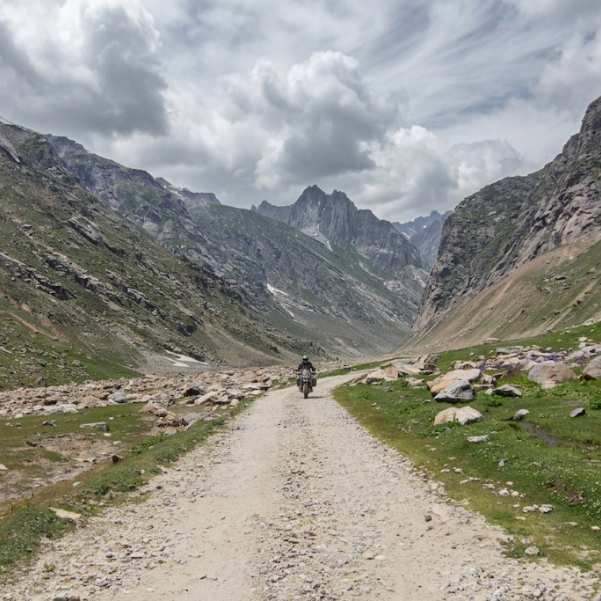
Choose self-drive when
Self-drive suits you if you have real hill-driving experience and a well-maintained vehicle.
You also want a rested driver and a genuine wish to stop wherever and whenever you like. Flexibility is the big win with self-drive.
Choose a private cab when
A cab makes more sense for families, senior citizens and anyone without hill-driving experience.
It is also the smarter pick for winter journeys, monsoon journeys and any group that just wants to rest and enjoy the views instead of gripping the wheel for ten hours.
Is an SUV necessary?
No, an SUV is not automatically required on the main route in normal conditions. This surprises people.
A well-maintained hatchback or sedan can normally handle this highway when conditions are ordinary. We have sent plenty of travellers up in regular cars without trouble.
An SUV does give you more luggage space and ground clearance. But honestly, tyres, brakes, driver judgment and current road conditions matter far more than the size of your car.
Is the Chandigarh to Manali Drive Safe for First-Time Hill Drivers?
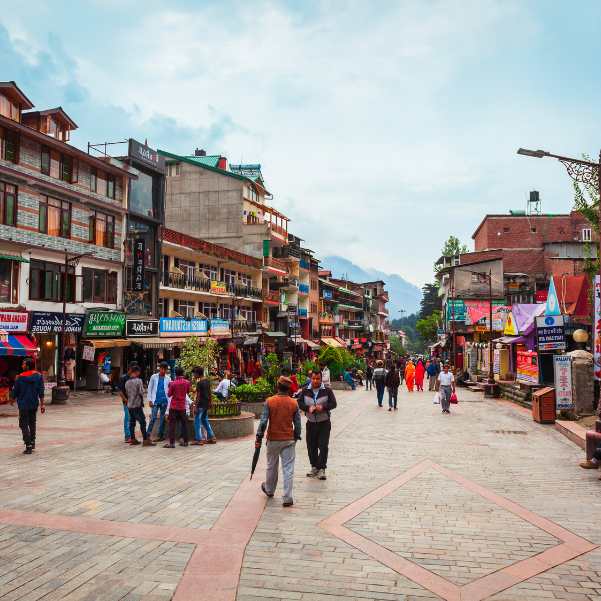
The route is manageable, but it is long and tiring. Respect it and you will be fine.
Do not overtake aggressively, and never cross the centre line at a blind bend. On these roads you cannot see what is coming, and that is where head-on crashes happen.
Learn to use engine braking on the descents instead of riding your brakes the whole way down. Keep a healthy distance from buses and trucks, which move slowly and stop suddenly.
Never coast downhill in neutral. It feels harmless but you lose control and burn out your brakes. If you want to switch drivers, do it only at a safe parking area, never on a narrow stretch.
Essential Car Checklist Before Leaving Chandigarh
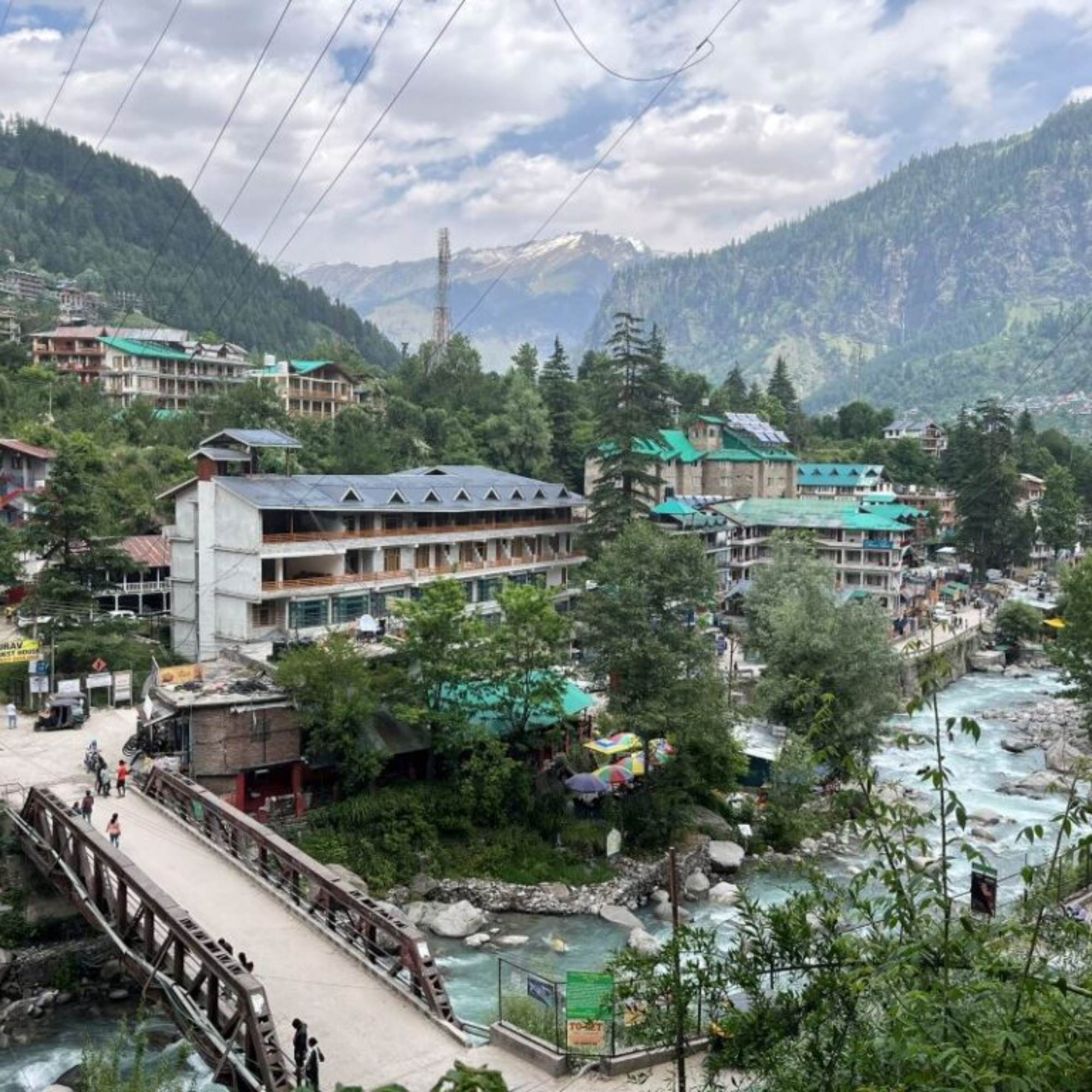
Start with the wheels. Check your tyres, your spare wheel and your tyre pressure before you leave the city, because a flat on a mountain shoulder is no fun.
Then the mechanicals. Look at your brakes, coolant and battery, and make sure your headlights and wipers work, since you may hit fog or rain.
Sort your paperwork and payments. Confirm your FASTag balance, and carry your driving licence, registration, insurance and pollution certificate.
Pack the practical extras. A phone charger, power bank, offline map, water, basic first-aid items and something for motion sickness all earn their place.
Keep your warm or rain layers inside the cabin, not buried under luggage in the boot. You want to reach them the moment the weather turns.
Planning your Manali days already? Read about adventure activities in Manali to line up things to do once you arrive.
What Should Families, Couples and Senior Travellers Plan Differently?
Families and older travellers need more frequent washroom and movement breaks. Do not try to power through with fewer stops. It backfires.
If anyone is prone to motion sickness, get suitable medical advice beforehand and skip heavy meals before the winding sections. A queasy passenger changes the whole mood of the drive.
When comfort matters more than driving flexibility, book a private cab with an experienced hill driver. Let someone who knows the road handle it.
We usually advise our guests to keep the first evening in Manali light. Do not book a packed sightseeing schedule the moment you arrive. You will be tired, and a relaxed first night sets up a better trip.
Common Chandigarh to Manali Road-Trip Mistakes
The biggest one is trusting the fastest map estimate as your total journey time. That number ignores stops, towns and terrain.
Another classic mistake is leaving Chandigarh after lunch. Start that late and you will be driving the mountain sections in the dark, tired and stressed.
Treating Kasauli or Shimla as quick direct-route stops is a planning trap. They are detours, not pit stops, and they wreck your timing.
Driving through active heavy rain without checking current advisories is asking for trouble on the Mandi to Aut stretch. So is stopping on blind bends or narrow shoulders for photographs.
Reaching the upper route with almost no fuel is a rookie error. Fill up at Mandi. Also avoid booking a private cab without confirming what is included, or you will argue about tolls and taxes later.
One more. Do not plan Atal Tunnel, Sissu or Solang sightseeing on the same tiring transit day. You will be exhausted and rushed, and you will enjoy none of it.
What Can You Do After Reaching Manali?
Keep your arrival day light. You have earned a slow evening after ten hours on the road.
Solang Valley, Atal Tunnel and Sissu deserve their own day, planned around the weather and current road conditions rather than squeezed into your travel day.
When you are ready to explore, WhatsApp us for ideas, look at Sissu tour options for a day beyond the tunnel, or read the Rohtang Pass travel guide if that is on your list.
Explore Our Curated Manali Tour Packages
 6D/5N
6D/5NManali Solang Sissu Sethan Snow Adventure
1D Delhi•3D Manali+2
₹15,999₹21,999SAVE INR 6,000/ person 6D/5N
6D/5NManali Solang Sissu Sethan Snow Trip With Kasol
1D Delhi•3D Manali+2
₹25,999₹33,999SAVE INR 8,000/ person 7D/6N
7D/6NManali Kasol Jibhi Valley Trip
1D Delhi•2D Manali+3
₹25,799₹32,999SAVE INR 7,200/ person
Related topics
Frequently Asked Questions
What is the Chandigarh to Manali distance by road?
The road distance is approximately 300 to 310 kilometres. It varies slightly depending on your starting point and hotel location.
How long does Chandigarh to Manali take by car?
The journey usually takes 8 to 10 hours. With traffic, weather and meal breaks, it may take 10 to 12 hours or longer.
Which route is best from Chandigarh to Manali?
The usual route is Chandigarh-Rupnagar-Kiratpur Sahib-Bilaspur-Mandi-Aut-Kullu-Manali. It is the most practical route for cars and taxis.
Can Chandigarh to Manali be completed in one day?
Yes, the journey can comfortably be completed in one day. Start early and keep your arrival time flexible because traffic and road conditions may cause delays.
What time should I leave Chandigarh for Manali?
Leave between 5:00 am and 6:30 am. This helps you avoid city traffic and cover most mountain sections in daylight.
Is the Chandigarh to Manali road safe?
The road is generally safe but requires extra caution around Mandi, Pandoh and Aut. Check current weather, landslide and traffic updates before leaving.
Can a first-time hill driver drive to Manali?
Yes, but drive slowly, avoid risky overtaking and use engine braking on descents. An experienced hill driver is safer if you are not confident.
How much fuel is needed from Chandigarh to Manali?
For a 305-kilometre journey, most cars need around 20 to 31 litres of petrol. At ₹101.54 per litre, the estimated one-way cost is approximately ₹2,065 to ₹3,097.
What are the Chandigarh to Manali toll charges?
Published toll estimates vary widely. Keep around ₹150 to ₹500 for one-way tolls and confirm the latest FASTag amount before travelling.
Where should I stop for food between Chandigarh and Manali?
Rupnagar or Kiratpur Sahib are good for breakfast, while Sundernagar and Mandi suit longer breaks. Kullu or Bhuntar is ideal for a final stop before Manali.
Is an SUV required for Chandigarh to Manali?
No, a well-maintained hatchback or sedan can manage the regular route in normal weather. Good tyres, brakes and careful driving matter more than vehicle type.
Is it safe to drive from Chandigarh to Manali at night?
Night driving is not recommended, especially for first-time hill drivers. Blind bends, trucks, fog and poor visibility make the mountain sections more difficult.
More about Manali
 Manali
Medical Help in Manali for Tourists 2026: Hospitals, Pharmacies and Emergency Steps
Need medical help while travelling in Manali? This guide covers hospitals, pharmacies, emergency contacts and practical steps tourists should take during illness or injury. It also explains what to do in urgent situations, including breathing problems at higher altitudes.
- First-Time Travellers
- Altitude & Health
 Manali
Vegetarian and Jain Food in Manali 2026: Where to Eat Without Guesswork
Looking for reliable vegetarian and Jain food in Manali? This guide covers pure veg restaurants, Jain-friendly places, no onion no garlic options, and practical tips on what to confirm before ordering in 2026.
- Things to Do
- Places to Visit
 Manali
Mobile Network, Internet, UPI and ATMs in Manali 2026: What Works Where
Planning a Manali trip in 2026? Know which mobile networks work, where internet may be weak, whether UPI is reliable, and where to find ATMs. This guide helps you stay connected and payment-ready during your Manali trip.
- First-Time Travellers