
Best Time to Visit Kashmir: Month-by-Month Guide for 2026
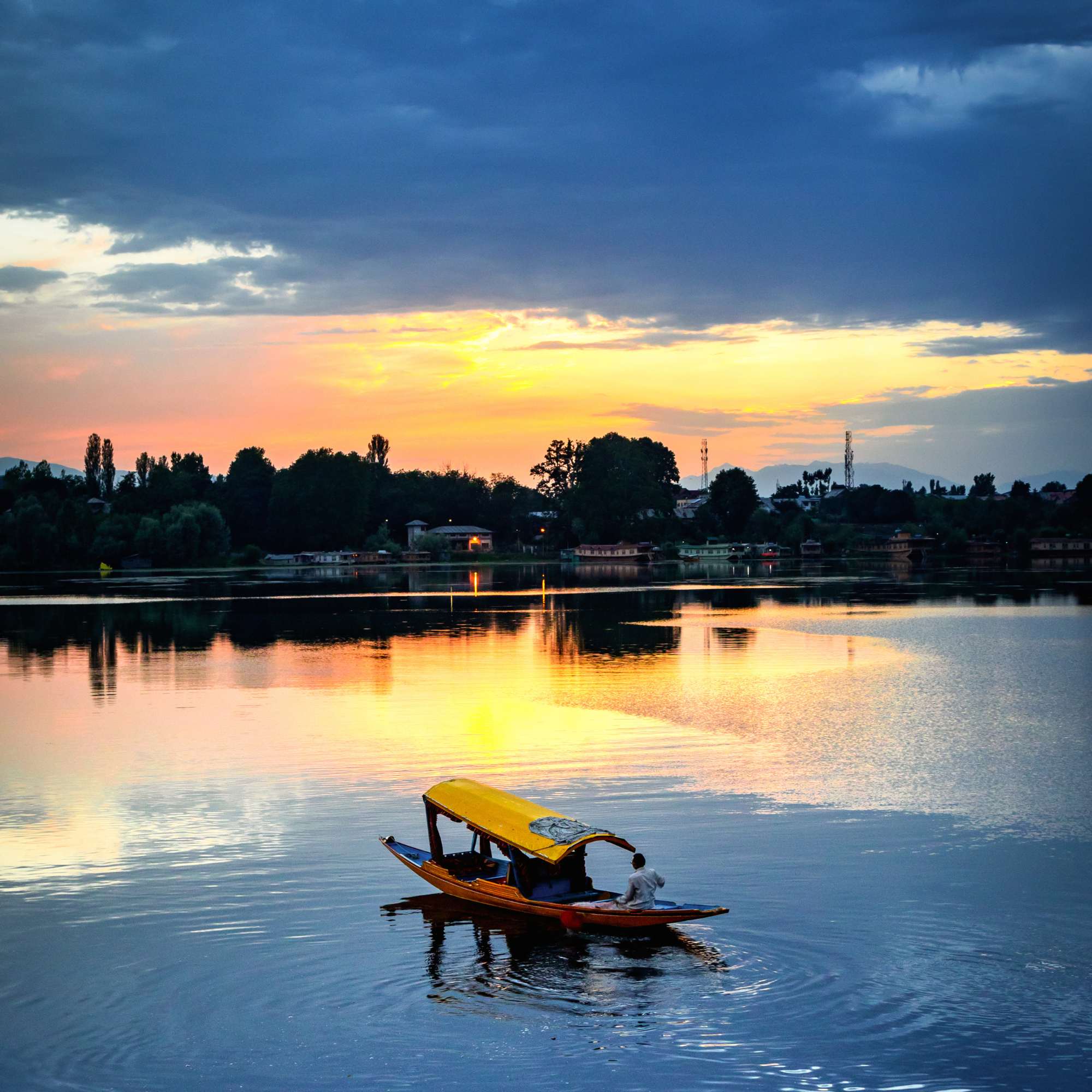
The best time to visit Kashmir is not one fixed window. It changes completely depending on whether you want tulips, snow, autumn Chinar leaves, or quiet meadows with almost nobody around.
Most people search for one perfect month and end up confused because every blog says something different. The truth is simpler. Kashmir has four very different moods through the year, and the right month depends entirely on what you came to see.
In our experience planning Himalayan trips, the travellers who enjoy Kashmir the most are the ones who match their dates to the season they actually want, not the season Instagram sold them.
Here is the honest, month-by-month breakdown for 2026, with real weather numbers, what works, what does not, and the few logistics changes this year that genuinely affect your plan.
Quick Answer: When is the Best Time to Visit Kashmir in 2026?
For first-timers, March to May is the sweet spot. The weather is pleasant, the Tulip Garden and Mughal Gardens are open, and you still get snow at higher places like Gulmarg.
May to June is best for families and school holidays. Comfortable days, easy logistics, and most spots fully running.
September to November is best for autumn lovers, couples, and quieter travel, with the famous Chinar leaves turning red in October.
December to February is best for snowfall and winter photography.
Plan July and August carefully. The Amarnath Yatra runs from July 3 to August 28, 2026, which makes some routes busier and changes a few rules around flying and helicopters.
If you want us to match your exact dates to the right plan, our Kashmir tour packages are built around these seasonal windows.
Kashmir Weather by Season: What Changes Through the Year?
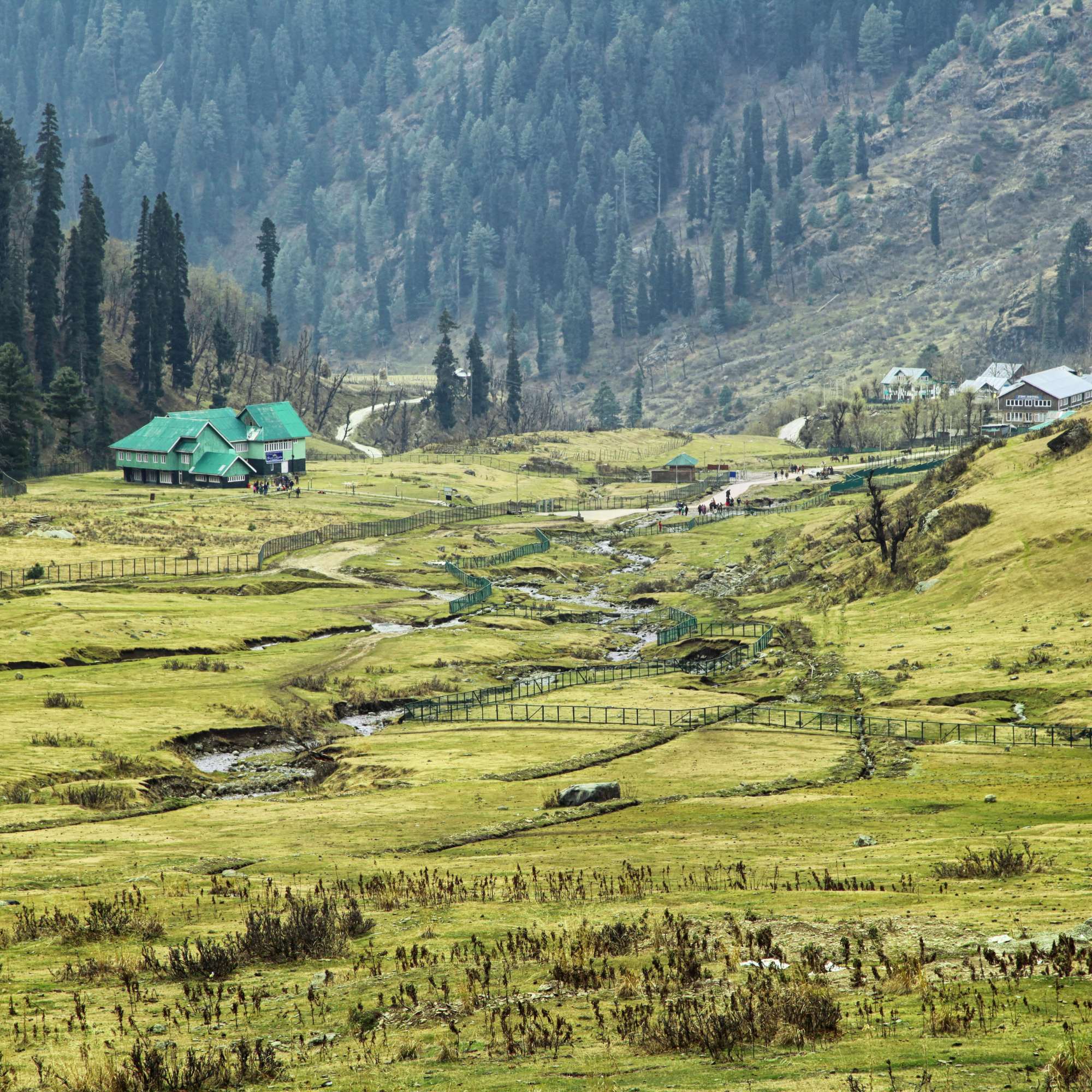
Kashmir has four clear seasons, and each one feels like a different place.
Spring
It runs from March to May, with Srinagar temperatures around 15°C to 24°C. Flowers bloom, gardens open, and the valley turns green again.
Summer
It runs from June to August, with Srinagar around 20°C to 30°C. Yes, it actually gets warm in Srinagar. This surprises a lot of travellers.
Autumn
It runs from September to November, with Srinagar around 10°C to 20°C. Cooler days, golden Chinar trees, and the cleanest light of the year.
Winter
It runs from December to February, with Srinagar around -8°C to 10°C. Snow, cold, and a completely different kind of beauty.
One thing most travellers get wrong: they assume Kashmir is freezing all year and pack only heavy woollens. Then they land in Srinagar in July and sweat through 30°C afternoons.
Remember that Srinagar is the mildest of the lot. Gulmarg and Pahalgam sit higher and stay colder than Srinagar in every season, so add a layer when you head up.
Which Month Is Best to Visit Kashmir? Month-by-Month 2026 Guide
Kashmir in January
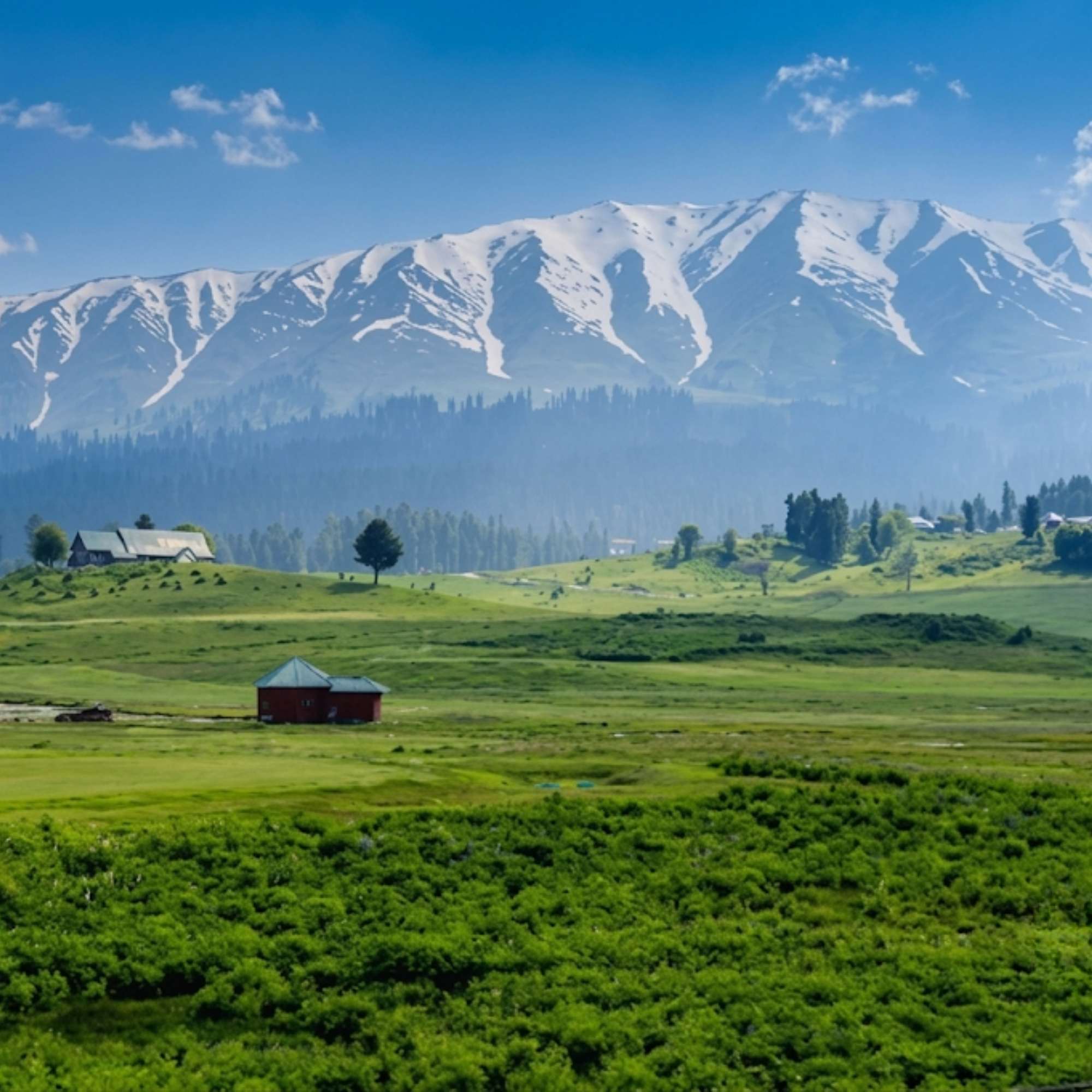
January is deep winter. Srinagar sits around an IMD mean of -1.9°C to 7.1°C, so days are cold and nights bite hard.
Higher up it is colder still. Gulmarg runs around -7.7°C to 0.7°C, and Pahalgam around -6.1°C to 4.9°C.
This is the month for snow lovers, winter photography, and anyone who can genuinely handle the cold without complaining by day two.
If you are planning your trip around the Gulmarg Gondola for skiing or snow views, check its operating status first. We will explain why below, but do not assume it is running.
Kashmir in February
February stays cold but starts easing. Srinagar runs around 0.7°C to 10.5°C.
Snow conditions in Gulmarg and the higher areas can still be very good, so you get winter without the peak New Year rush.
If you want snow but hate crowds, February is the smarter pick over late December and January.
Kashmir in March
March is when the valley wakes up. Srinagar climbs to around 4.3°C to 15.5°C.
The big news for 2026 is that the Tulip Garden opened on March 16, 2026. So from mid-March, you get spring flowers in the city while higher places still hold snow.
That mix of blooming gardens below and white peaks above is one of the best reasons to visit Kashmir in March.
Kashmir in April
April is one of the easiest months for a first trip. Srinagar sits around 7.9°C to 20.6°C, which is close to perfect for sightseeing.
The Tulip Garden sits at the foothills of the Zabarwan Range, overlooking Dal Lake, spread across about 30 hectares. In April it is usually in full swing, weather and bloom permitting.
If this is your first time and you want pleasant weather with everything open, April is hard to beat.
Kashmir in May
May is warm, green, and very popular. Srinagar runs around 11.2°C to 24.7°C.
This is a great month for families, seniors, and couples. The Mughal Gardens, Dal Lake, Pahalgam, and Sonamarg are all comfortable to explore.
Because May is one of the busiest months, book early. We have seen good houseboats and hotels fill up weeks ahead for May, so last-minute planning here usually means paying more for less.
Kashmir in June
June brings warmer days. Srinagar climbs to around 15.0°C to 28.5°C.
It works well for families and school holiday trips. Long days, open roads, and meadows at their greenest.
Here is the planning tip for 2026: early June is smoother than July. The Amarnath Yatra begins on July 3, 2026, so finishing a relaxed June trip before that keeps your logistics simple.
Kashmir in July
July is the warmest month in Srinagar, around 18.4°C to 30.0°C. The valley is lush and green.
The Amarnath Yatra 2026 runs from July 3 to August 28. Because of this, all Amarnath routes are no-flying zones from July 1 until the Yatra ends, and helicopter services are not available this year.
July is beautiful, but Pahalgam and the Baltal route get busy with pilgrim movement. If you travel now, plan around that.
Kashmir in August
August stays warm, around 17.8°C to 29.7°C in Srinagar, and the valley is at its greenest.
The Amarnath Yatra continues until August 28, 2026, so the same crowd and route considerations apply.
August suits flexible travellers who do not mind a few crowd surges and possible route changes. If your dates are rigid, this is not the easiest month.
Kashmir in September
September is quietly one of the best months. Srinagar settles to around 13.1°C to 27.6°C.
The weather is pleasant, the crowds thin out after the summer rush, and the valley is still green.
For couples and photographers who want calm, comfortable days without peak-season prices, September is a strong, underrated choice.
Kashmir in October
October is autumn at its finest. Srinagar runs around 6.2°C to 23.0°C.
This is the month for Chinar colours, when the big trees turn deep red and gold. For autumn photography, nothing else comes close.
One caution for 2026: Srinagar airport runway restrictions were reported for July to September, with possible early October disruption. Check your flight status with the airline before booking.
Kashmir in November
November turns cold and quiet. Srinagar drops to around 1.2°C to 15.9°C.
This is a month for low crowds, cold-weather travellers, and people who want peaceful stays without the summer noise.
Be honest with yourself though. November is not the month for lush green meadows. The valley is winding down, and a lot of the green is gone.
Kashmir in December
December brings the winter mood back. Srinagar sits around -1.6°C to 9.9°C.
Snow chances rise at higher places, and the Christmas and New Year period draws plenty of travellers chasing a white holiday.
Book winter trips with flexibility built in. Snow is wonderful but unpredictable, and roads and activities can shift at short notice.
What Is the Best Time for Snowfall in Kashmir?
The best snowfall window is December to February.
For real snow, head up. Gulmarg and the higher Pahalgam areas hold snow far better than Srinagar, which often sees slush instead of postcard powder.
Important for 2026: the Gulmarg Gondola was suspended indefinitely in June 2026 after a technical issue on May 25. So if your snow plan depends on the Gondola, verify its latest operating status before you book anything around it.
We tell every traveller the same thing this season. Do not build your whole Gulmarg day around the Gondola until you have confirmed it is running.
When Should You Visit Kashmir for Tulip Garden and Spring Flowers?
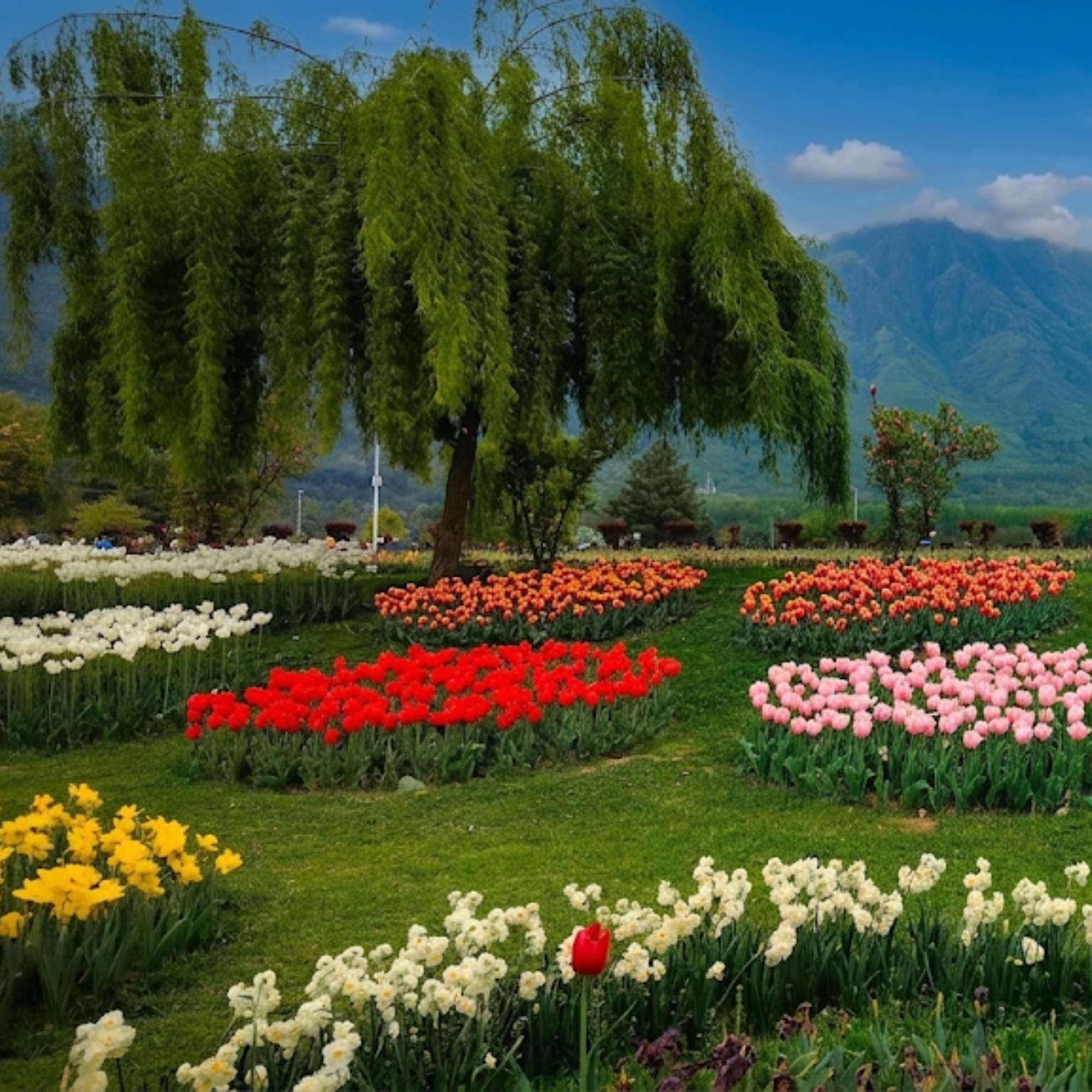
The practical window is mid-March to mid-April, depending on the bloom and the weather that year.
For 2026, the Tulip Garden opened on March 16. It is Asia's largest Tulip Garden, spread across around 30 hectares, sitting near the Zabarwan Range overlooking Dal Lake.
A real timing tip from our trips: go early in the morning, right after it opens. The light is softer, the flowers look fresher before the midday sun, and you beat the tour-bus crowds that pour in by late morning.
The bloom does not last forever, so do not plan a tulip trip for May and expect a full garden. By then the peak is usually gone.
Is May or June Better for a Family Kashmir Trip?
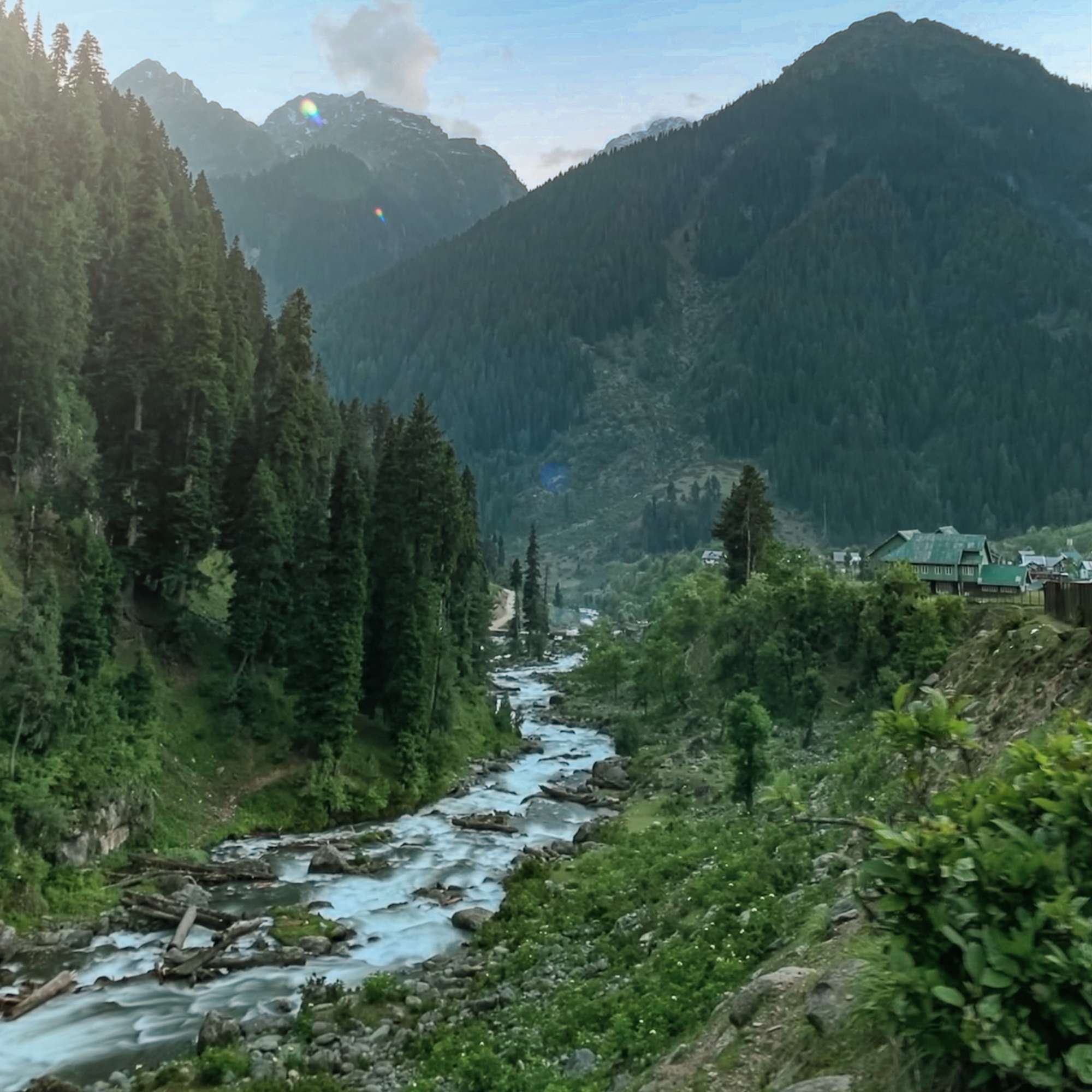
Both work well, but they feel different.
May
May is calmer and more comfortable, with milder days around 11.2°C to 24.7°C in Srinagar. Easier for seniors and small kids.
June
June is warmer, around 15.0°C to 28.5°C, and lines up perfectly with school holidays. The trade-off is more crowds.
For 2026, if your family wants the easiest logistics, try to finish the trip before July 3, when the Amarnath Yatra begins and some routes get busier.
Is September, October or November Better for Autumn in Kashmir?
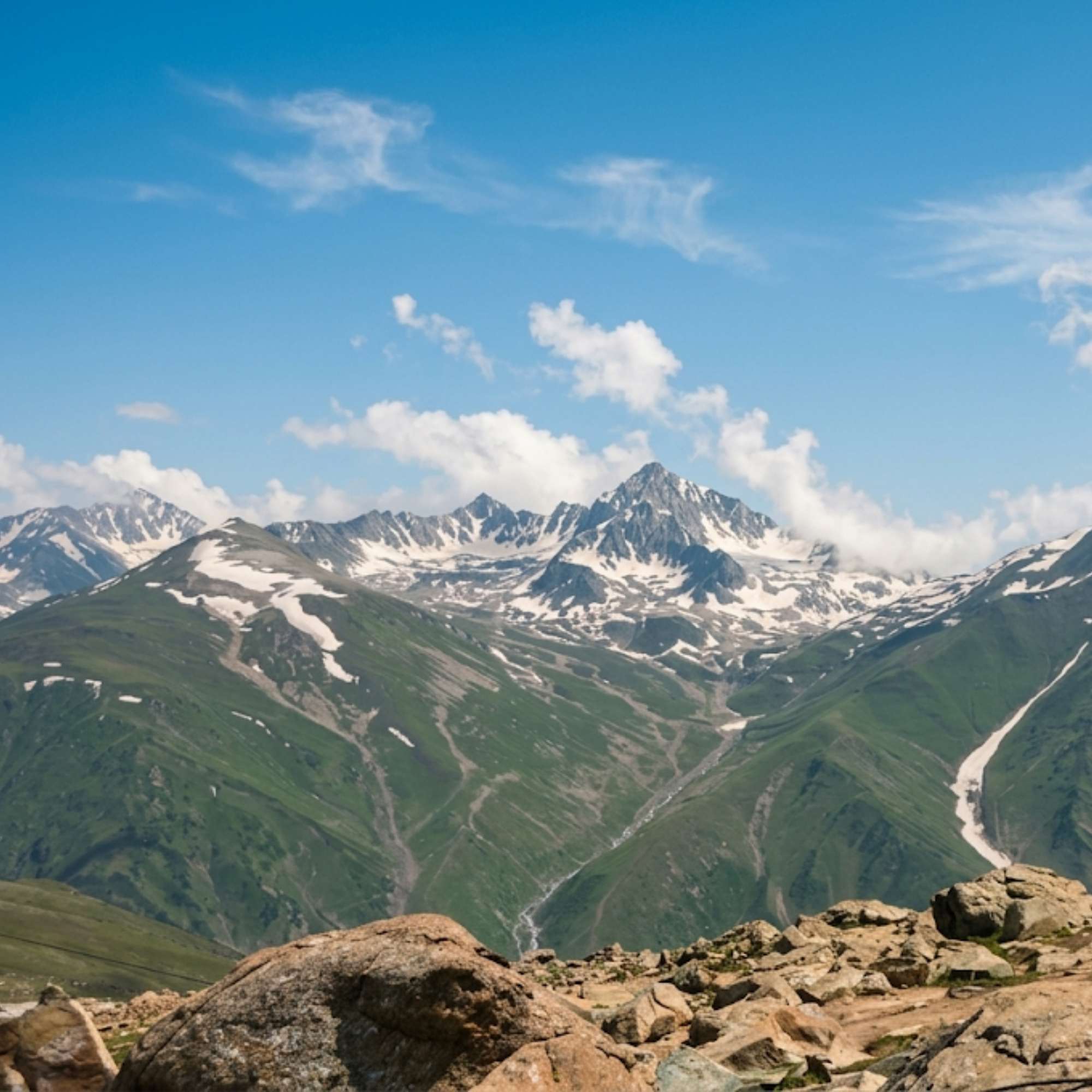
Each autumn month gives you something different.
September
September is still green and pleasant, around 13.1°C to 27.6°C, with fewer people than summer.
October
October is the star for autumn colours, around 6.2°C to 23.0°C, when the Chinar leaves turn. If red and gold trees are what you came for, this is your month.
November
November is colder and quieter, around 1.2°C to 15.9°C. Lovely for solitude, but the lush look is gone.
In our experience, October gives the best photos and September gives the best balance of weather, greenery, and calm.
Is July or August a Bad Time to Visit Kashmir?
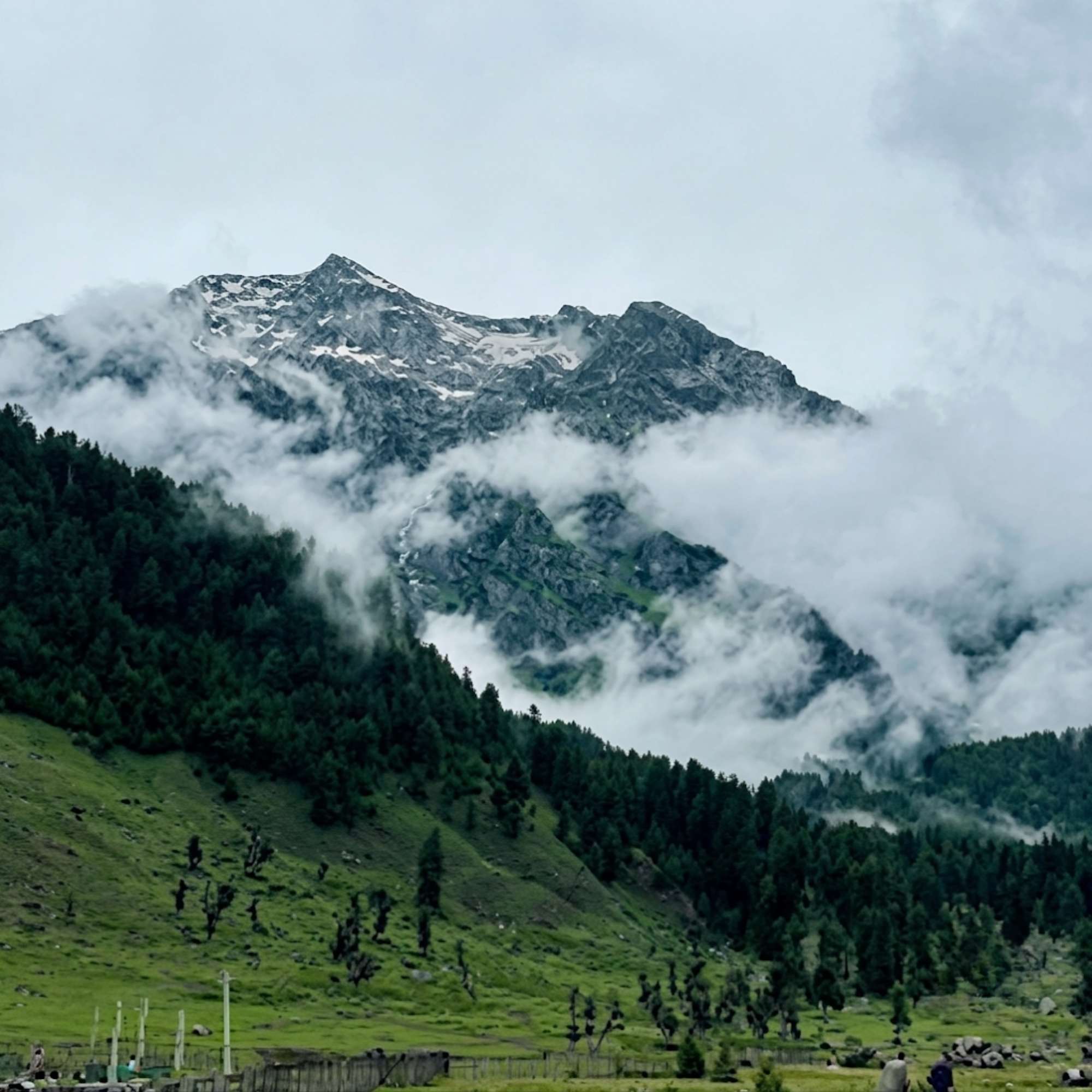
It is not bad. It is just less convenient for first-timers.
The Amarnath Yatra runs July 3 to August 28, 2026. During this period, all routes are no-flying zones from July 1 until the Yatra finishes, helicopter services are not available, and an RFID card is mandatory for Yatra pilgrims.
For leisure travellers, this means more traffic and movement around Pahalgam, Baltal, and the busy connecting routes. The valley is green and beautiful, but the roads carry a lot more people.
If you travel in these months, build extra buffer time into your plan and keep your itinerary flexible around those busy stretches.
What Should You Know Before Booking Kashmir in 2026?
This is the section that actually saves your trip, so read it twice.
First, the Gulmarg Gondola was suspended indefinitely in June 2026 after a technical snag on May 25. Verify the latest status before you plan any snow or sightseeing day around it.
Book Gondola tickets only through the official Jammu and Kashmir Cable Car Corporation ticketing site, never through random agents.
Second, Srinagar airport runway maintenance restrictions were reported for Mondays and Tuesdays from July to September 2026, with possible early October closure. Confirm your flight days directly with the airline before booking.
Third, the Jammu to Srinagar Vande Bharat regular service started from May 2, 2026, with two train pairs across about 266 km.
This opens up a comfortable rail option for reaching the valley, which a lot of travellers do not yet know about. Booking the train early in peak months is one of the easier ways to save on last-minute flight prices.
Fourth, the Sonamarg Tunnel was inaugurated on January 13, 2025. It has a 6.4 km main tunnel and improves all-weather connectivity between Srinagar and Sonamarg on the way to Leh. This genuinely makes the Sonamarg side more reliable than it used to be.
One safety note worth saving in your phone before you travel. The Srinagar tourist information number is 0194-2479547, and the tourist police number is 1364.
Keep both handy, especially if you are travelling during the busy Yatra season or heading anywhere remote.
Which Kashmir Places Are Best in Each Season?
The four big names each have their own best window.
Srinagar
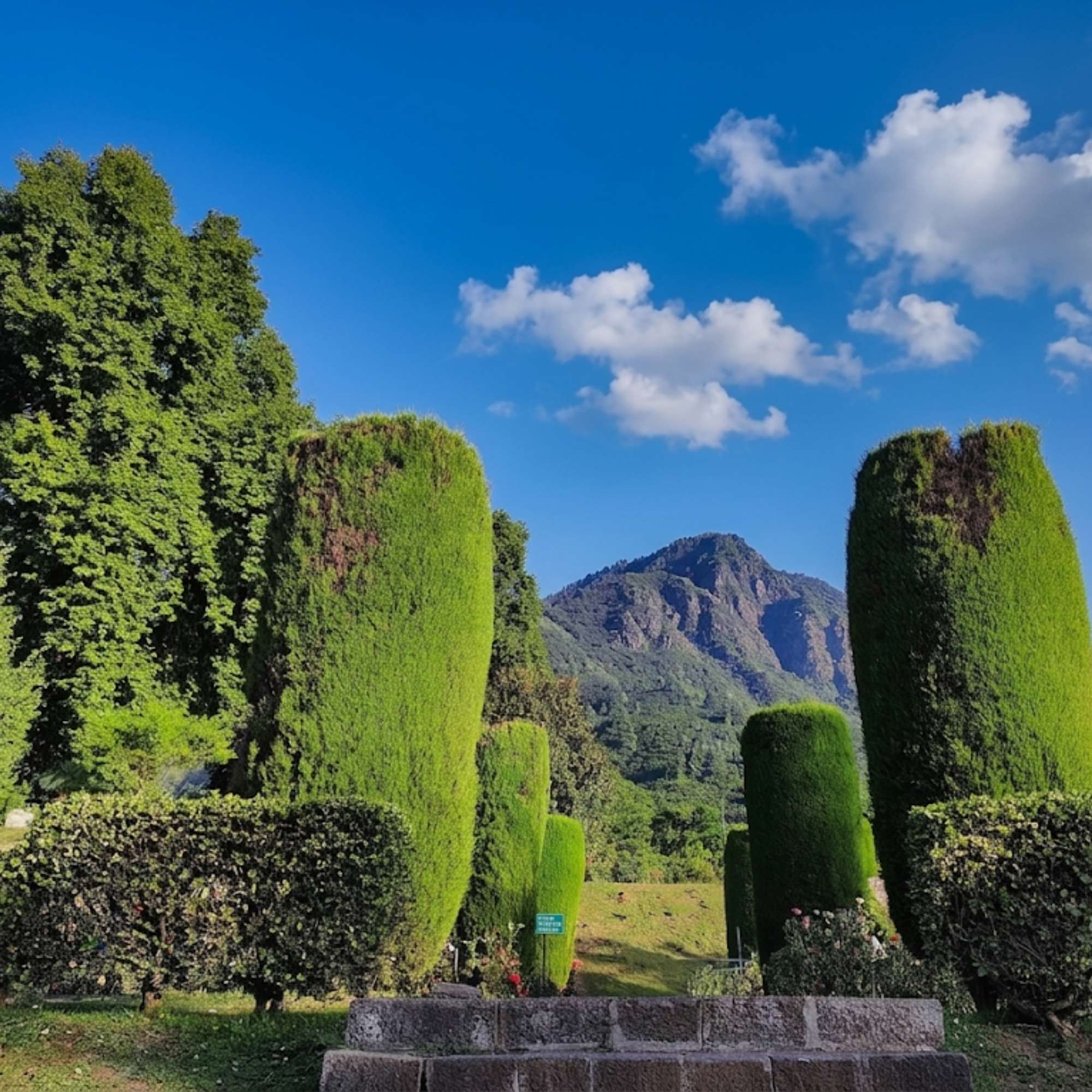
It works well in spring, summer, and autumn. Dal Lake, the Mughal Gardens, and the old city are comfortable across these seasons.
Gulmarg
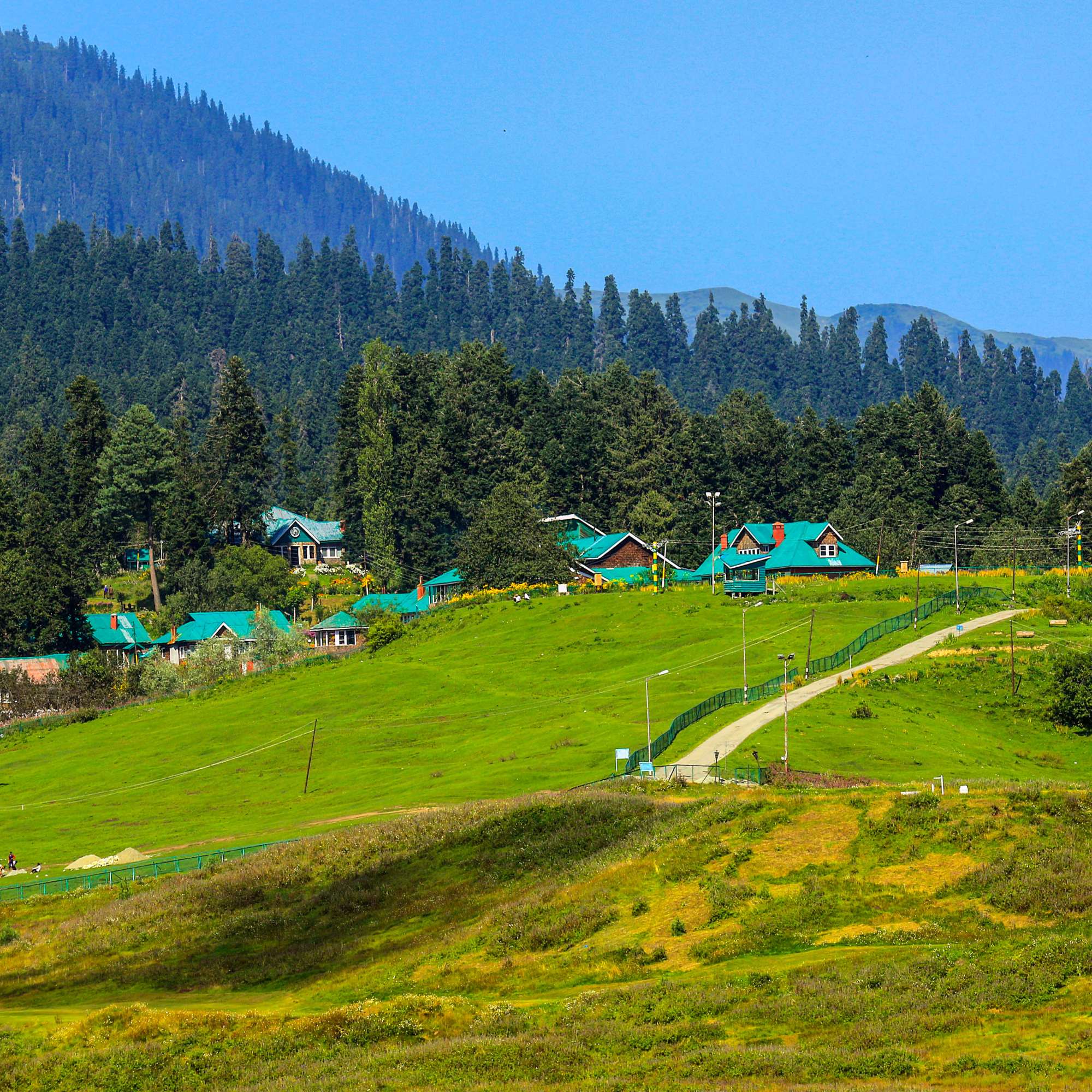
It sits around 54 to 60 km from Srinagar, about 1.5 hours by car. It is best for snow in winter and for meadows in late spring and summer. Just remember the Gondola status must be verified before you plan around it.
Pahalgam
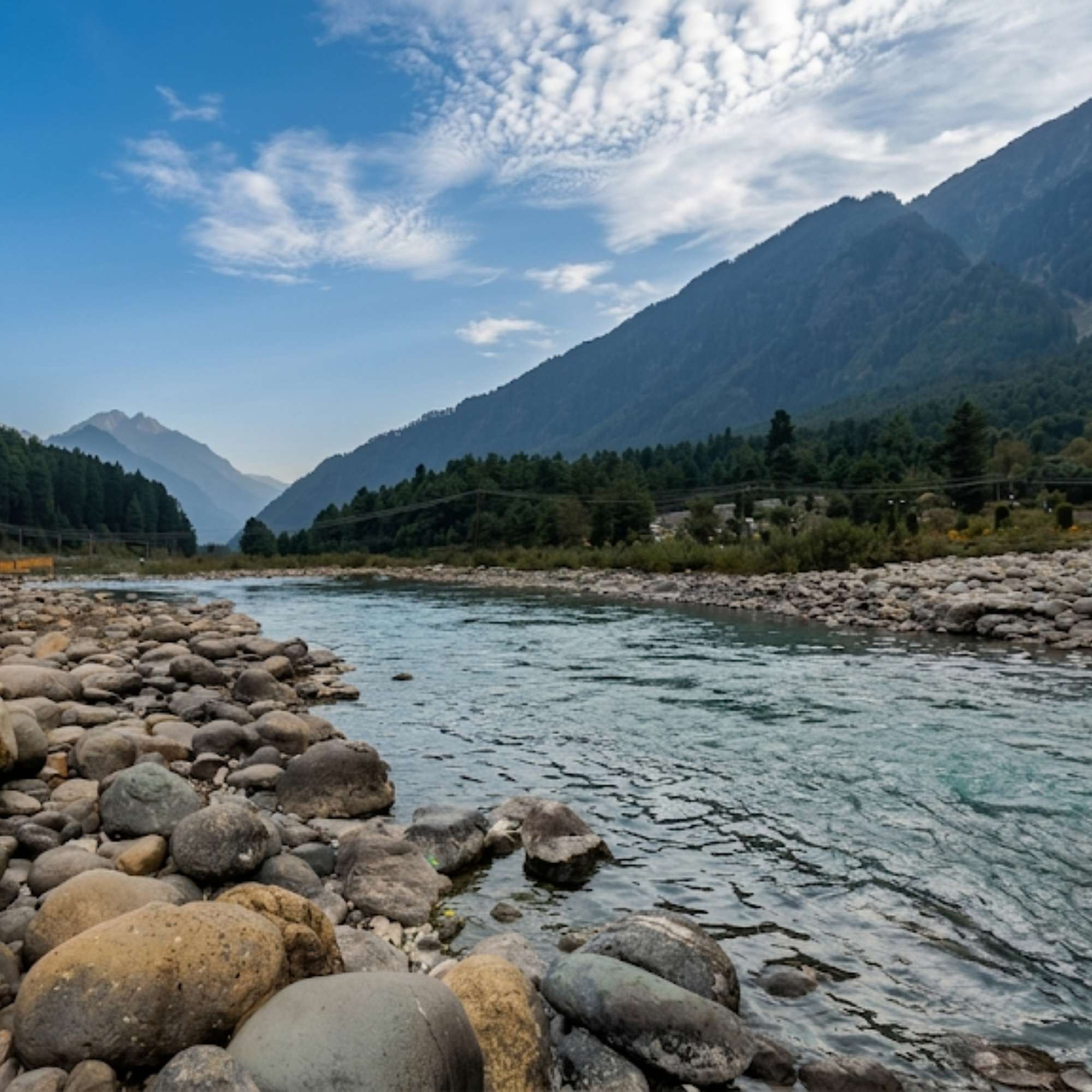
It is around 88.5 km from Srinagar. It is great for families from April to June and again from September to October.
Sonamarg
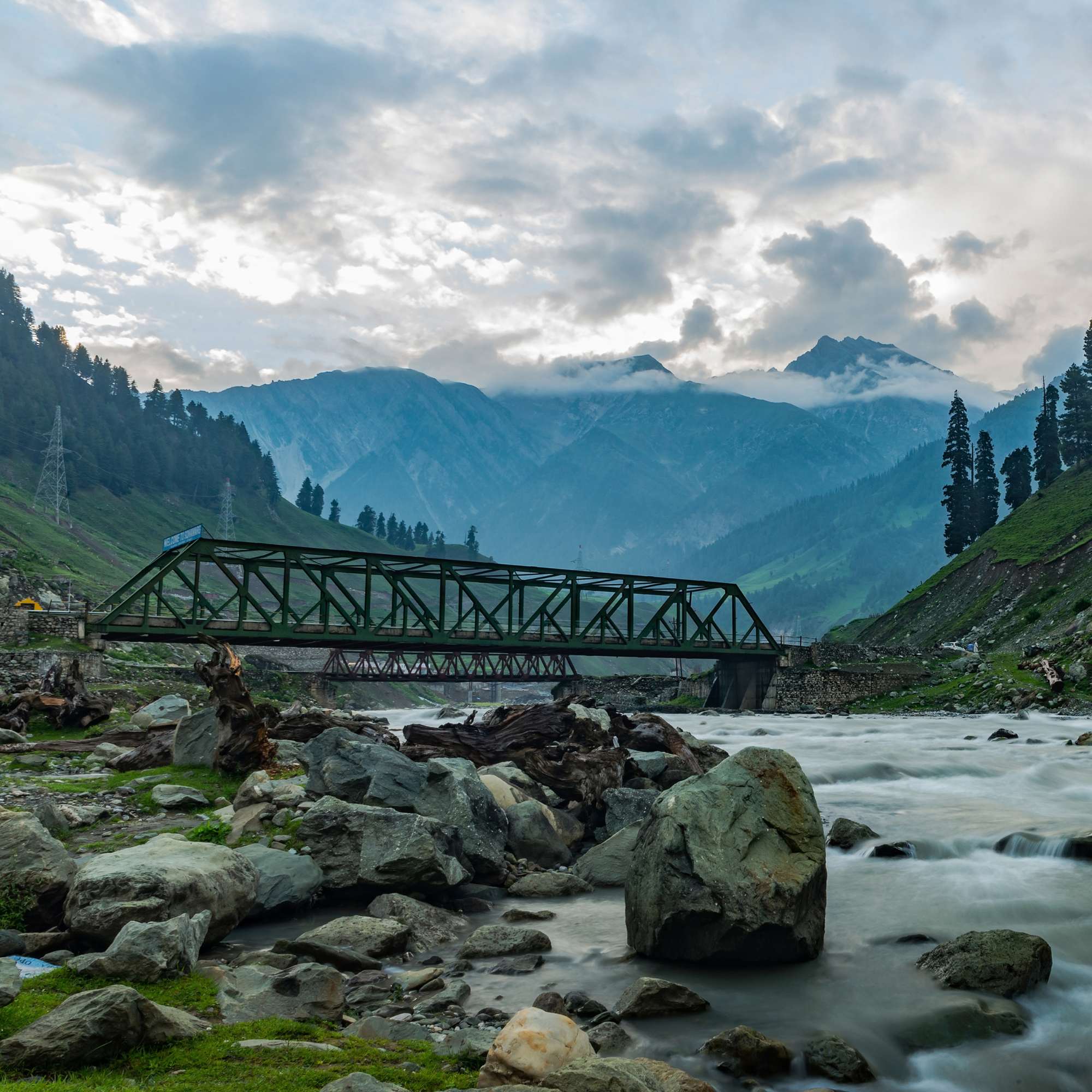
It is around 87 km from Srinagar, under 3 hours by car or bus. It is a classic from May to October, and winter access has improved because of the new tunnel. Even so, local weather and road status still decide your day, so check before heading up.
If you are thinking of extending the trip beyond the valley, our Ladakh tour packages connect naturally for travellers who want to push further into the high Himalayas.
How Many Days Are Enough for a Kashmir Trip?
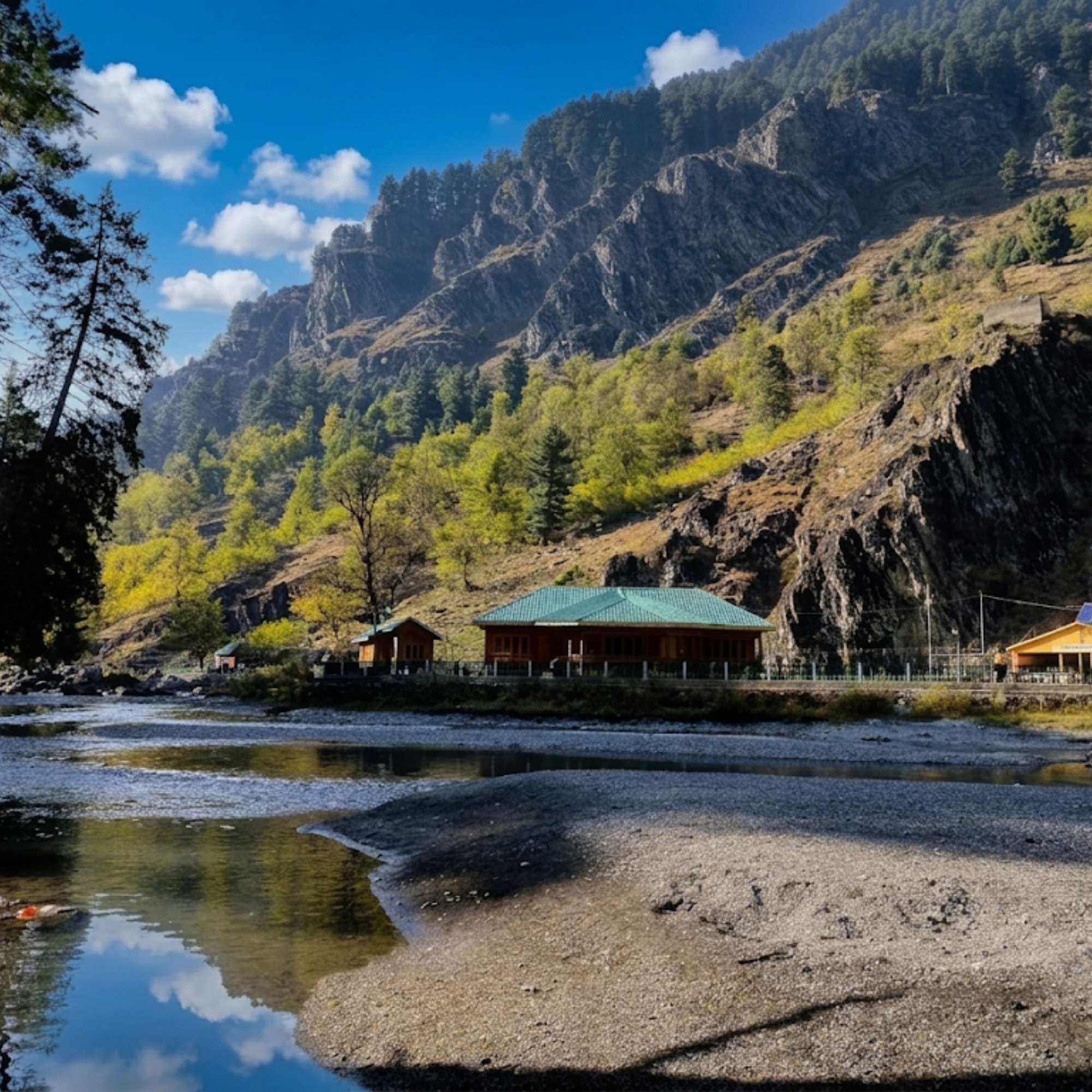
For most travellers, 5 to 6 days covers Srinagar, Gulmarg, Pahalgam, and Sonamarg at a sensible pace.
For a relaxed honeymoon or a family trip with less rushing, plan 7 to 8 days.
For slow travel, rail-based journeys, or offbeat valleys, give yourself 9 to 10 days.
We always tell our travellers not to cram all four destinations into three days. Kashmir punishes rushed itineraries with long drives and tired evenings. A slower plan is almost always the better trip.
What Should You Pack for Kashmir by Month?

Packing depends entirely on your season.
Spring
For spring, carry light woollens, comfortable walking shoes, and sunscreen. Days are mild but mornings stay cool.
Summer
For summer, pack cotton clothes, a hat, sunglasses, and a light raincoat. Srinagar can genuinely get warm, and a quick shower is always possible.
Autumn
For autumn, bring medium woollens, a warm jacket, and proper boots for cooler evenings.
Winter
For winter, you need heavy woollens, an insulated jacket, gloves, and a cap. The cold up high is no joke.
Carry your ID proof in every season, especially if you are travelling near sensitive areas or during the Yatra months when checks are more frequent.
Do You Need Permits for Kashmir in 2026?
For mainstream circuits like Srinagar, Gulmarg, Pahalgam, and Sonamarg, Indian travellers usually do not need special permits.
Border and offbeat regions are a different story. Areas like Gurez, Tulail, Keran, Machhal, Tangdhar, Bangus, and similar zones may need permission or checkpost registration depending on the season and the security situation.
Whatever your plan, carry a government ID. It is the single most useful thing in your bag when you hit a checkpost.
Final Recommendation: Best Month by Traveller Type
Here is the simplest way to decide.
If you are a first-timer, go in April or May for easy weather and everything open.
For a family trip, pick May or June, ideally wrapping up before the Yatra starts.
For a honeymoon, April gives you tulips and spring, while October gives you golden Chinar and crisp air.
If you are a snow lover, choose January or February.
For budget travellers, September or November bring lower crowds and gentler prices.
For senior travellers, May or September offer the most comfortable weather without extremes.
>>Want a trip plan tailored to your group and budget? Talk to our team on WhatsApp.
Explore Our Curated Kashmir Tours Packages
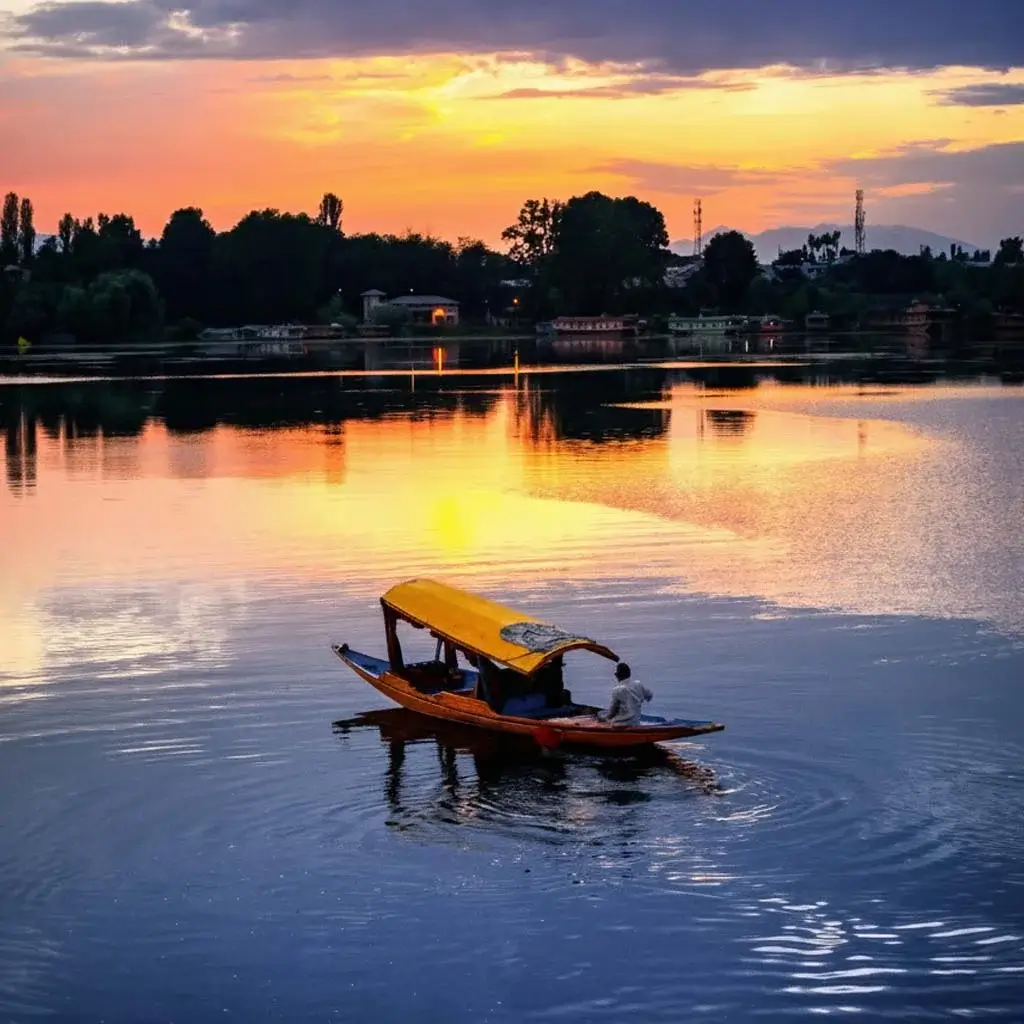 4D/3N
4D/3NThe Perfect 4 Day Kashmir Getaway
1D Srinagar•1D Gulmarg +2
₹8,999₹24,999SAVE INR 16,000/ person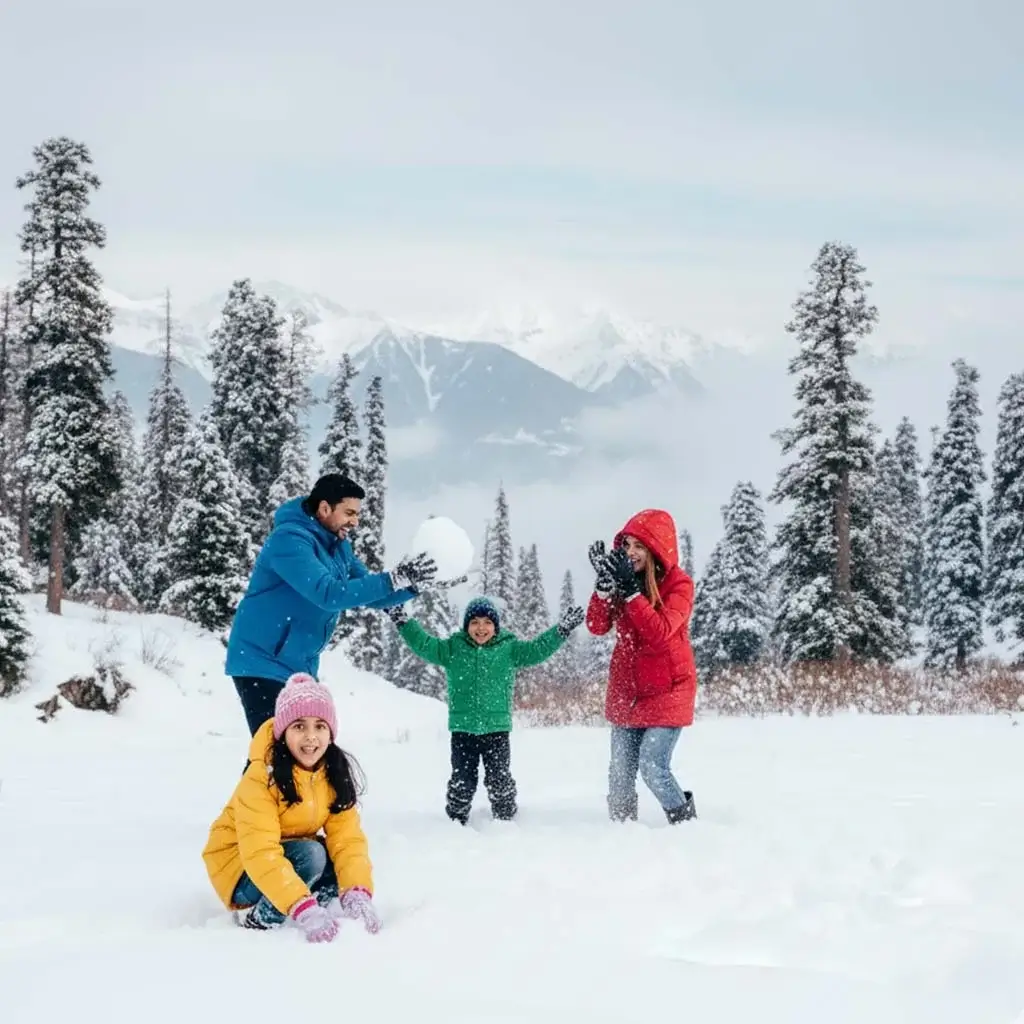 5D/4N
5D/4NBest Of Kashmir – Srinagar, Gulmarg & Pahalgam Tour Package
1D Srinagar•1D Gulmarg (day trip)+3
₹12,500₹28,999SAVE INR 16,499/ person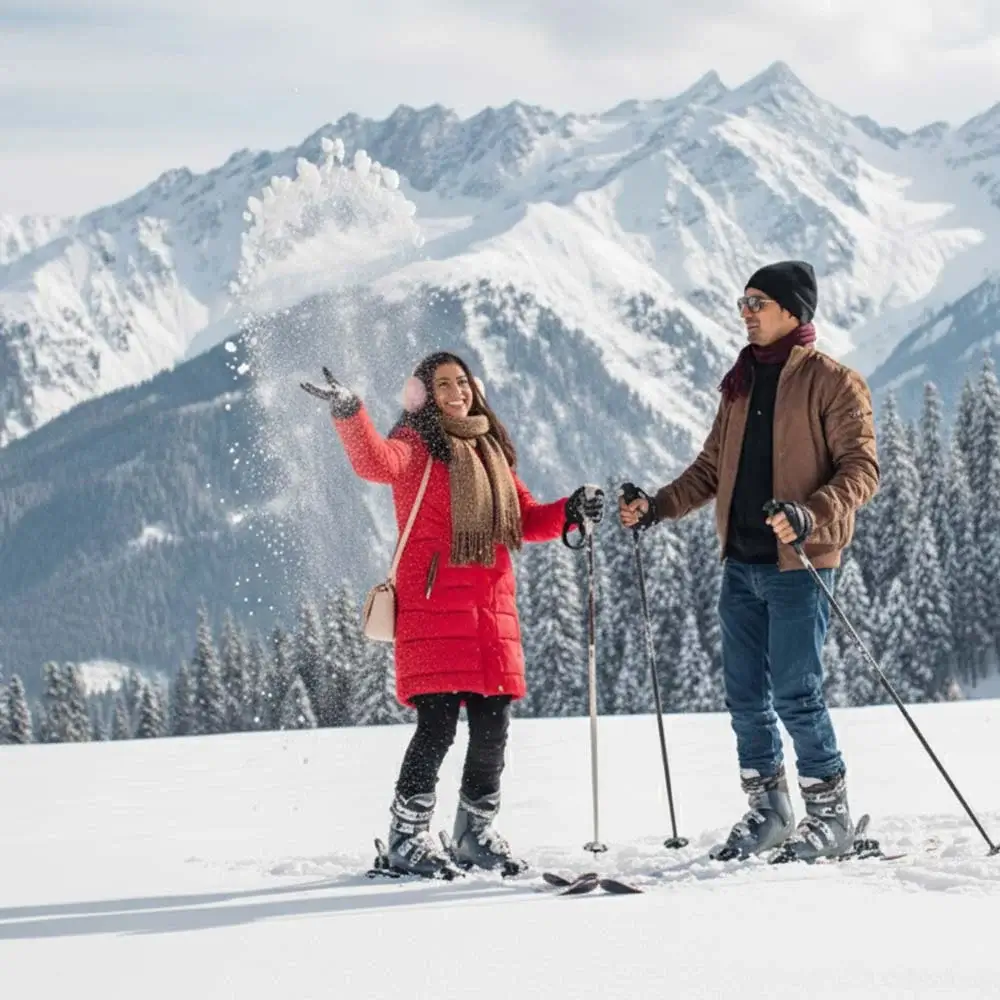 5D/4N
5D/4NKashmir Honeymoon Experience – Srinagar, Gulmarg & Pahalgam
1D Srinagar•1D Gulmarg (day trip)+3
₹14,999₹29,999SAVE INR 15,000/ person
Related topics
Frequently Asked Questions
Which is the best month to visit Kashmir?
April and May are the easiest and most rewarding for most travellers, with pleasant weather, open gardens, and some snow still visible at higher places.
What is the best time to visit Kashmir for snowfall?
December to February is the snowfall window. Gulmarg and higher Pahalgam areas hold snow far better than Srinagar.
When is Tulip Garden open in Kashmir in 2026?
The Tulip Garden opened on March 16, 2026. The practical window to see it in full is roughly mid-March to mid-April, depending on the bloom.
Is April or May better for Kashmir?
April is milder and great for first-timers and couples. May is warmer, busier, and better suited to families and seniors who want everything fully running.
Is June good for a family trip to Kashmir?
Yes. June lines up with school holidays and has comfortable days. For easier logistics in 2026, try to finish before the Amarnath Yatra starts on July 3.
Is July or August okay for Kashmir because of Amarnath Yatra?
It is fine, just less convenient. The Yatra runs July 3 to August 28, 2026, with no-flying zones from July 1 and no helicopter services, so leisure travellers should keep extra buffer time.
Is October good for Kashmir autumn colours?
October is the best month for Chinar colours and autumn photography. Just confirm your flight status with the airline, since early October airport disruption was flagged for 2026.
Can I visit Kashmir in December with kids?
Yes, if your kids handle cold well. Srinagar runs around -1.6°C to 9.9°C, with snow chances up high. Book with flexibility because winter conditions shift fast.
How many days are enough for Kashmir?
5 to 6 days cover the main four destinations. Go for 7 to 8 days for a relaxed family or honeymoon trip, and 9 to 10 days for slow or rail-based travel.
Do Indians need permits for Kashmir?
Mainstream circuits usually do not need special permits for Indian travellers. Border and offbeat areas may need permission or checkpost registration, so carry a government ID.
Is Gulmarg Gondola open in 2026?
The Gulmarg Gondola was suspended indefinitely in June 2026 after a May 25 technical snag. Verify the latest status before planning any activity around it.
Is Kashmir safe for families and couples?
Mainstream tourist circuits are generally fine for families and couples. Travel with updated information, keep your ID handy, and save the tourist police number 1364 in your phone.
More about Kashmir
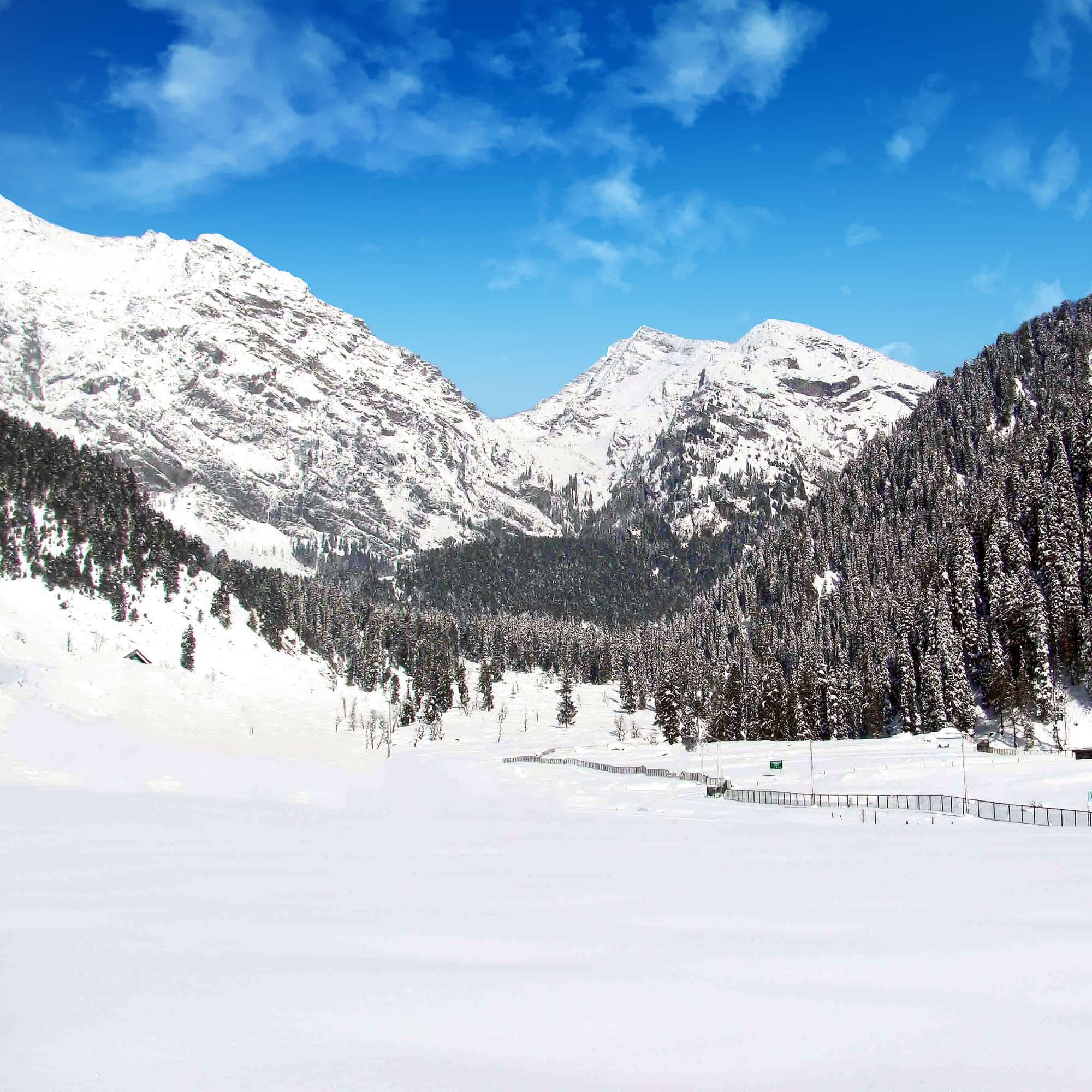 Kashmir
Kashmir in January 2027: Snowfall, Weather, Itinerary and Travel Guide
Planning a trip to Kashmir in January 2027? Discover everything you need to know about snowfall, weather conditions, top places to visit, a detailed itinerary, travel tips, packing essentials, and the best winter experiences in Srinagar, Gulmarg, Pahalgam, and Sonamarg for an unforgettable snowy getaway.
- Best Time to Visit
- Snow Travel
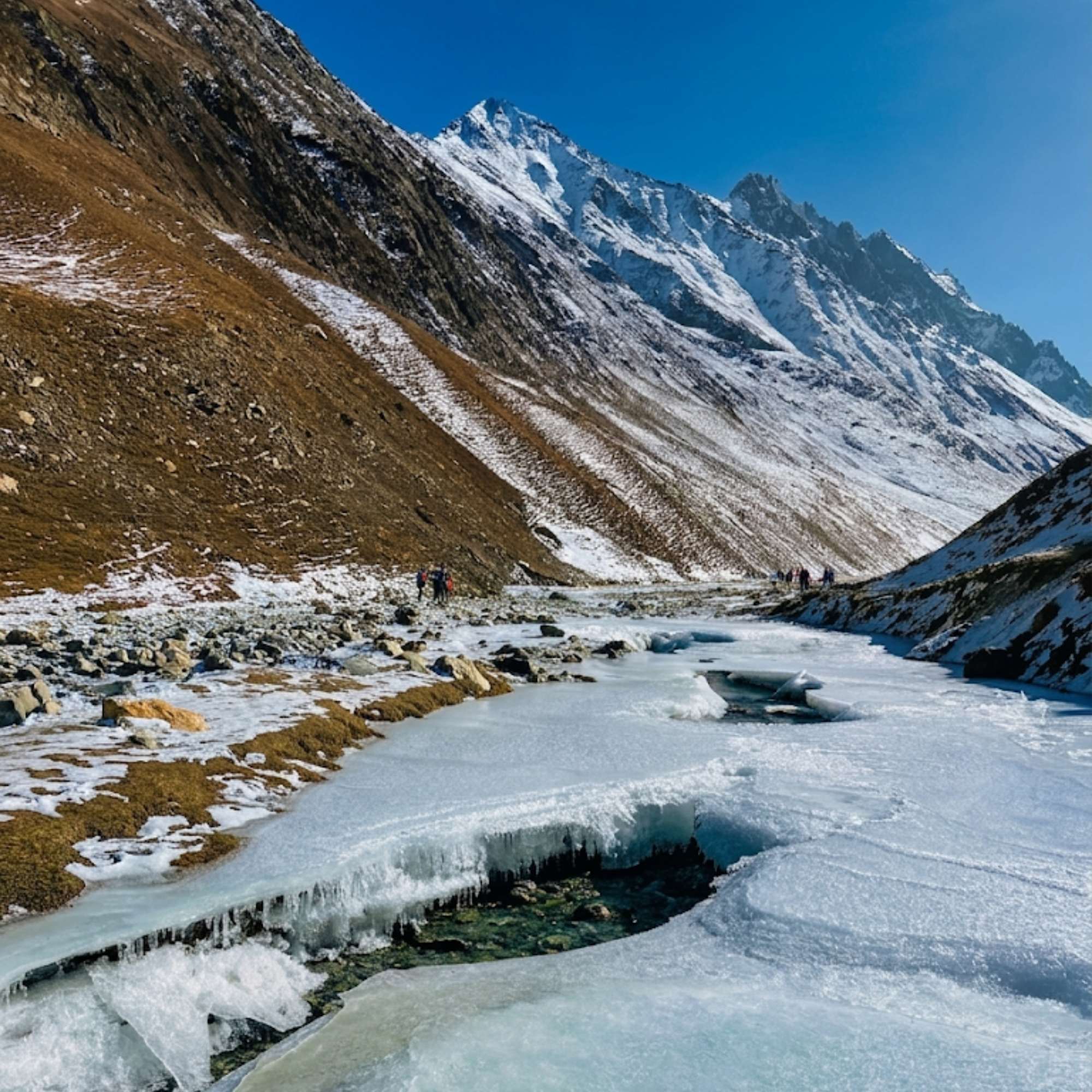 Kashmir
Kashmir in February 2027: Weather, Snowfall, Places, Cost and Itinerary
Planning a trip to Kashmir in February 2027? Discover the latest weather conditions, expected snowfall, top places to visit including Srinagar, Gulmarg, Pahalgam, and Sonmarg, estimated travel costs, and a detailed itinerary. This guide covers everything you need to enjoy a memorable winter vacation in the snowy paradise of Kashmir.
- Best Time to Visit
- Snow Travel
 Kashmir
Kashmir Honeymoon Guide 2026: Itinerary, Cost, Best Time and Romantic Places
Planning a romantic escape to Kashmir in 2026? Explore the perfect Kashmir honeymoon guide with a detailed itinerary, estimated trip costs, the best time to visit, and the most romantic destinations including Srinagar, Gulmarg, Pahalgam, and Sonamarg. Make your dream honeymoon unforgettable with expert travel tips and budget insights.
- Itinerary
- Places to Visit