
Aryan Valley Ladakh Guide 2026: Dah, Hanu, Brokpa Culture, Route and Who Should Visit

If you have already seen Pangong and Nubra and you want a side of Ladakh that almost nobody rushes to, Aryan Valley Ladakh is where you go. This is the Dah Hanu belt, a string of Brokpa villages along the Indus with apricot orchards, old stone homes, and a culture that feels nothing like the rest of Ladakh.
We have planned this region for slow travellers, photographers and repeat Ladakh visitors, and the one thing we say first is simple. This is not a tick-the-box stop. It rewards people who give it time.
Quick Answer: Is Aryan Valley Ladakh worth visiting?
Yes, if you travel slow. Aryan Valley Ladakh is an offbeat cultural region around Dah, Hanu, Garkone and Darchik, known for Brokpa villages, apricot orchards and Indus-side landscapes.
It suits slow cultural travellers, photographers and people on their second or third Ladakh trip. It does not suit a rushed 5-day Ladakh plan built around Nubra and Pangong.
Plan around 160 to 190 km from Leh and 5 to 6 hours of driving, and give it at least one overnight. Do that, and it becomes one of the most memorable parts of your trip.
What is Aryan Valley Ladakh?
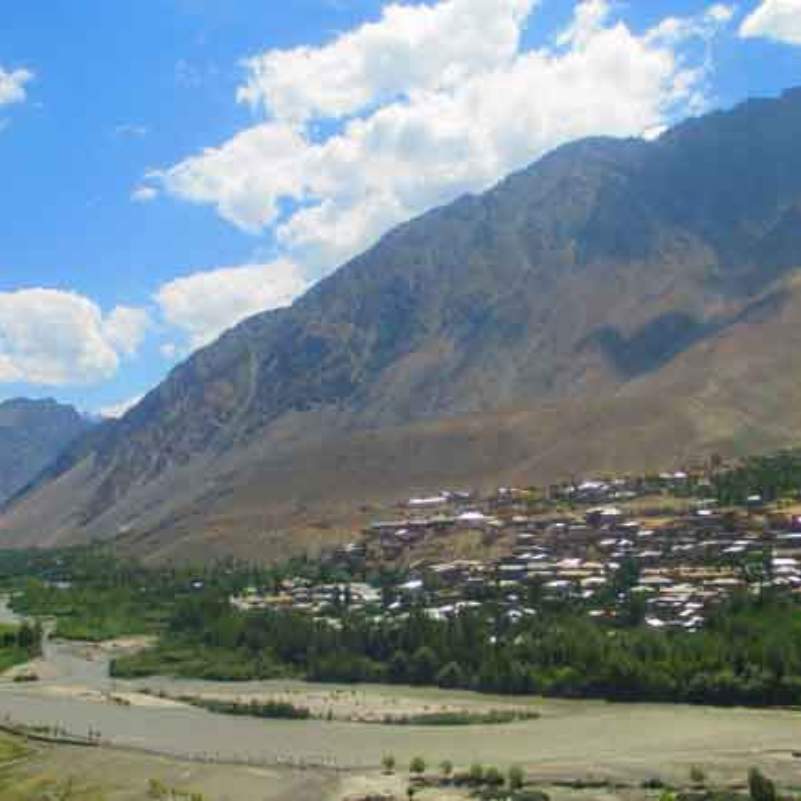
Aryan Valley is the popular travel name for the Dah Hanu region. You will also see it called the Brokpa Valley or the Dard Aryan villages.
The village names get spelled in many ways, which causes a lot of booking confusion. You will see Dah, Dha and Da for the same place, and Hanu sometimes written as Hanoo.
You will also see Garkone and Garkon, plus Darchik, and Biama or Beema further along the route.
All of these sit along the Indus-side belt of western Ladakh. So when a homestay says Dha and your taxi driver says Da, relax. It is the same village.
Here is what most tourists get wrong. They think Aryan Valley is one village. It is a cluster spread across a long, slow road, and you cannot do all of it properly in a few hours.
Where exactly are Dah and Hanu in Ladakh?
Dah and Hanu are two different villages. People club them together as Dah Hanu Ladakh, but they are not the same stop, and the drive between them is not instant.
The broad route from Leh runs through Nimmu, Khaltse, Skurbuchan, Achinathang and Hanuthang, and then onward to Hanu, Biama and Dah.
Exact distance changes depending on which source and which village you pick. The safe planning range is around 160 to 190 km from Leh and around 5 to 6 hours of driving with normal stops.
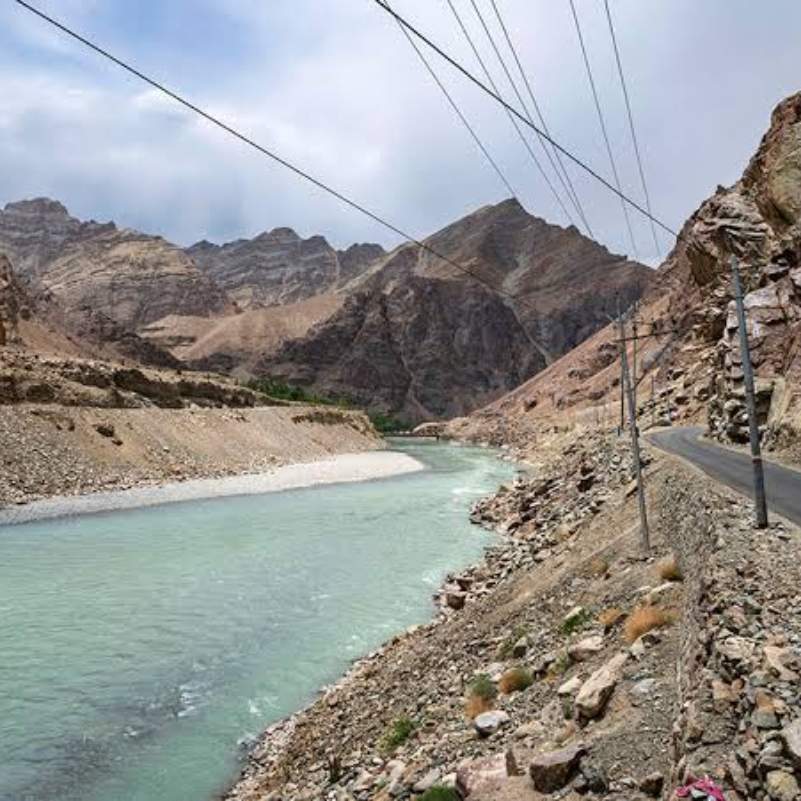
In our experience, the road feels longer than the number suggests. The highway part is quick. The village stretch after Khaltse is narrow and slow, and that is where the clock disappears.
Why is Aryan Valley famous?
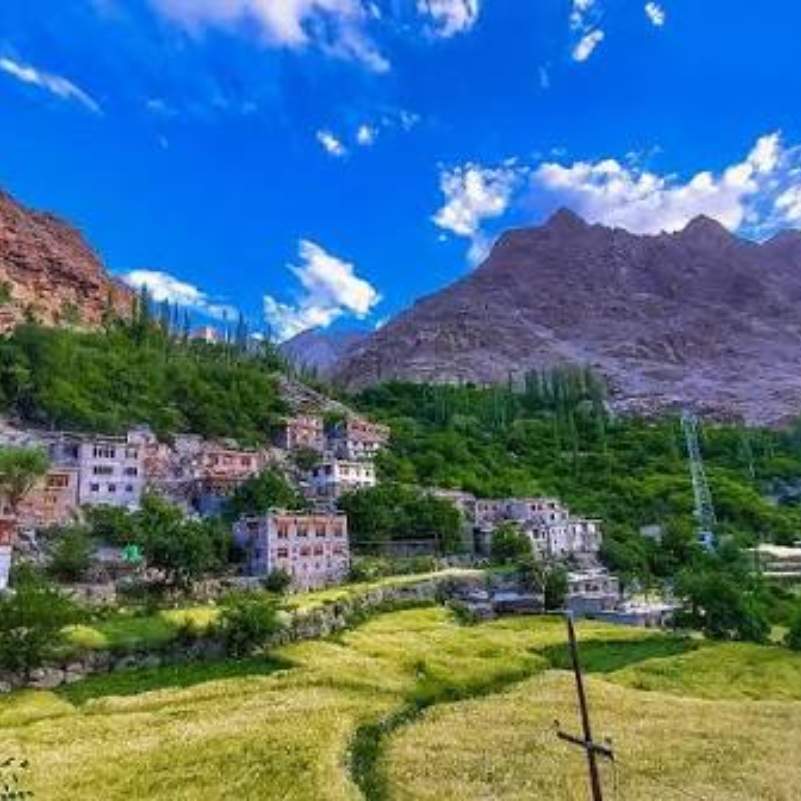
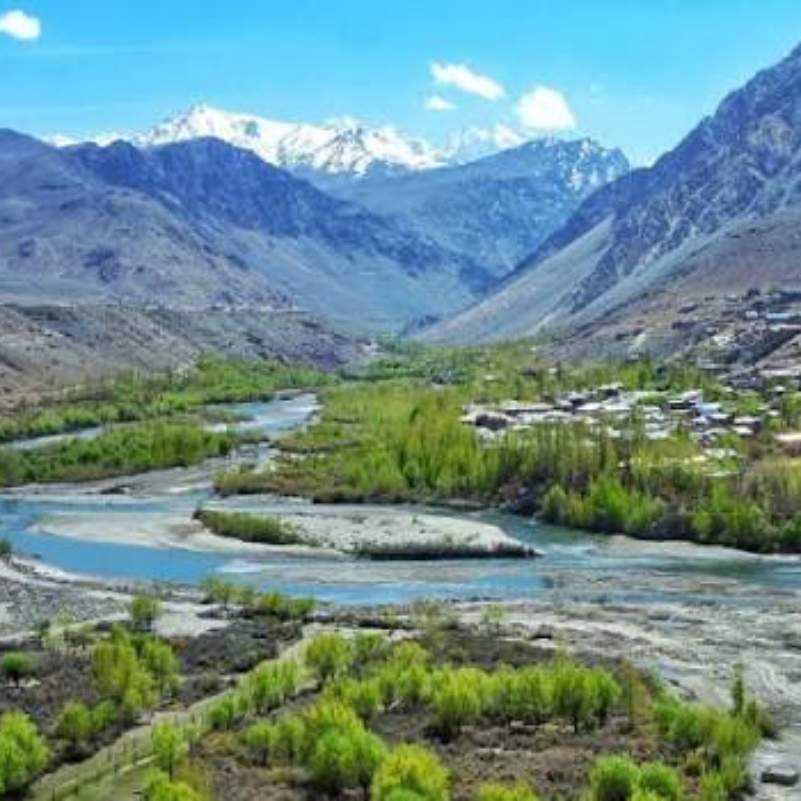
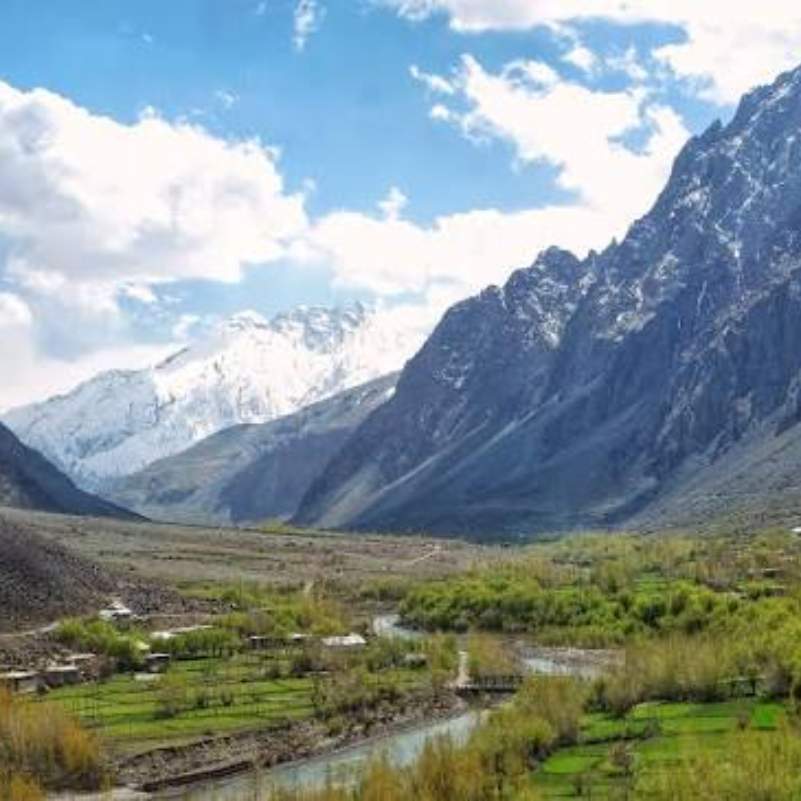
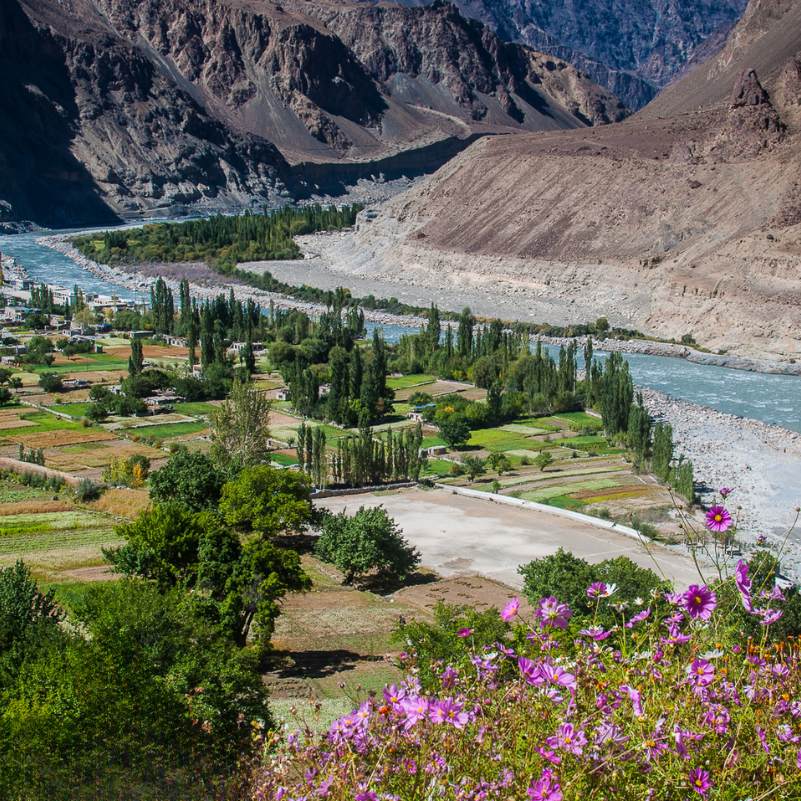
The draw is the Brokpa culture. The flower headgear, the old festive dress, the orchards heavy with apricots, walnuts and grapes, and the Indus landscape behind it all.
It feels different from Buddhist Ladakh. The villages are green pockets along a brown river valley, and the pace of life is slow and farm-led.
Now an honest note on language. You will see the phrase "last Aryans" thrown around online. We do not use that as a racial label, and you should not either.
We use the name Aryan Valley only because travellers search for it. When we talk about the people, we talk about the Brokpa with respect, not as a curiosity.
Who are the Brokpa tribe of Ladakh?
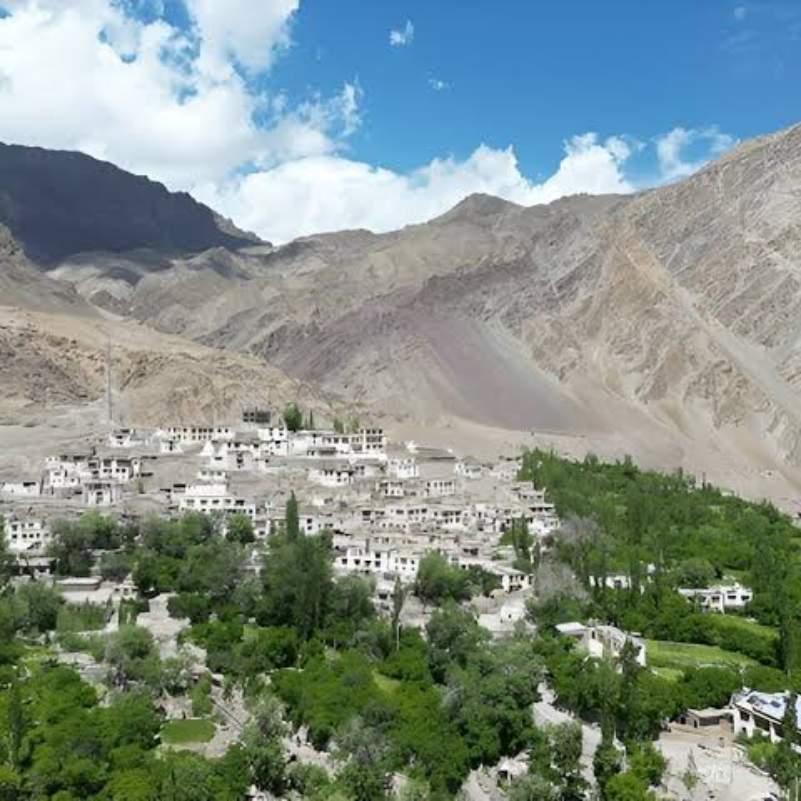
The Brokpa are also known as Minaro or Dard people. In simple terms, they are a distinct community of western Ladakh with their own language and way of life.
Their language is Brokskat. It is not the same as the Ladakhi you hear in Leh.
Farming and orchard work, the agriculture and horticulture of the valley, shape daily life here. The apricot tree is not a postcard. It is income and food.
You will hear stories that connect the Brokpas to Alexander's army. Treat that as a popular oral belief, not proven history. It is a fun story to hear in the village, not a fact to repeat as truth.
One thing we ask every traveller. Please drop words like "pure race" entirely. It is the kind of framing that makes the community feel like a museum exhibit, and that is not the trip anyone should want.
Which Aryan villages should you visit: Dah, Hanu, Garkone or Darchik?
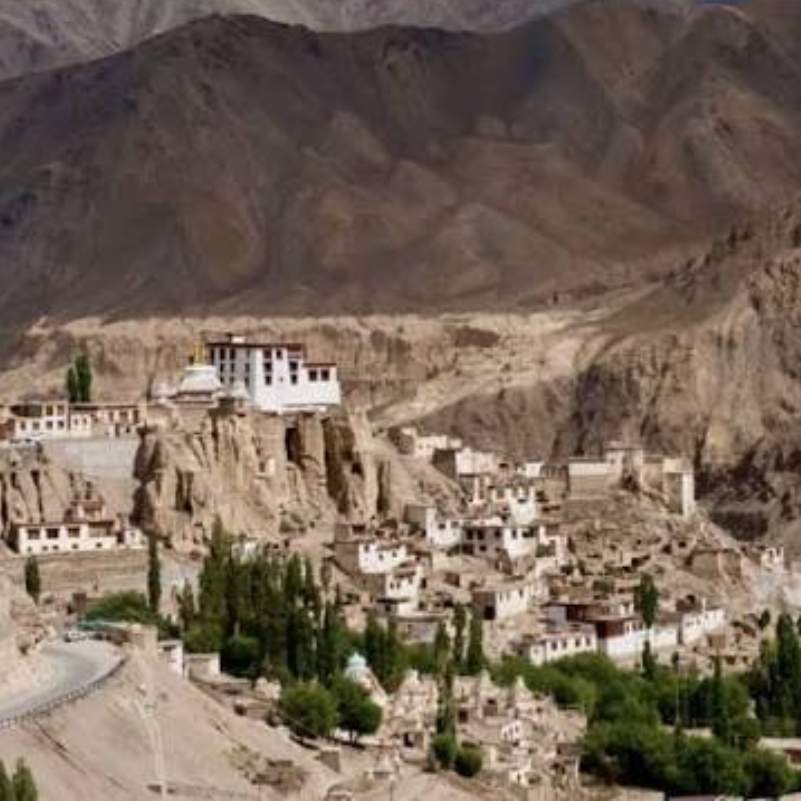
Dah or Dha
Dah is the best-known Brokpa village and the most common base for visitors. If you pick one place to stay, this is usually it.
You come here for the orchards, slow village walks, time inside local homes, and unhurried conversations. That is the whole point.
Hanu
Hanu has two parts, Hanu Yokma and Hanu Goma. You reach it by an uphill diversion from the Hanuthang side.
It feels quieter than Dah. If you want a less crowded, less rushed village stop, Hanu is the better pick.
Garkone and Darchik
Garkone and Darchik are important Brokpa villages too. They matter most if you are coming in from the Kargil or Batalik side rather than straight from Leh.
These two come alive in spring. Official Ladakh updates reported Apricot Blossom Festival 2026 events in Garkone on April 9, 2026 and Darchik on April 11, 2026.
Biama, Beema and Achinathang
Biama (also spelled Beema) and Achinathang are useful stops along the route rather than full destinations.
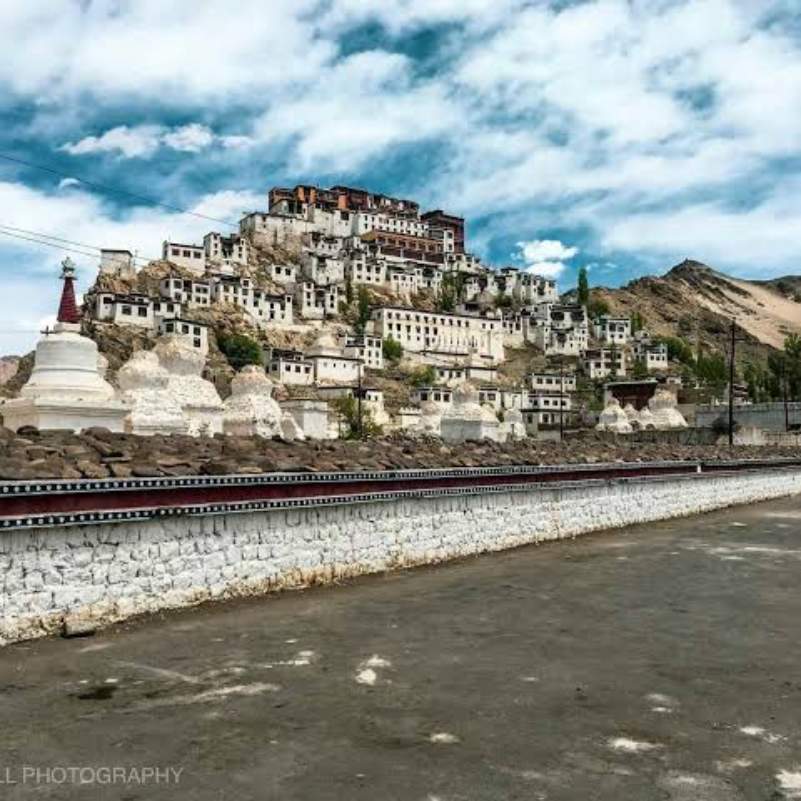
You will hear about a monastery, petroglyphs and orchards around here. Treat those as route highlights, and check exact spots locally.
How to reach Aryan Valley from Leh?
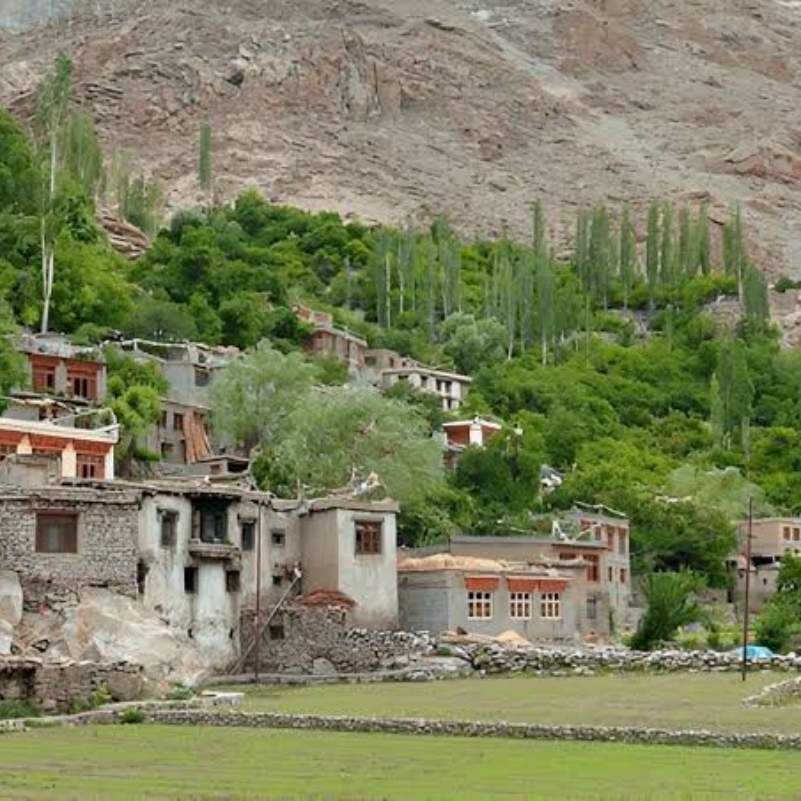
The main route is straightforward to name and slow to drive. You go Leh to Nimmu to Khaltse to Skurbuchan to Achinathang to Hanuthang, and then split off to Hanu, Biama and Dah.
Plan for around 160 to 190 km, because sources genuinely disagree on the exact figure depending on the village. Realistic drive time is 5 to 6 hours, not counting long photo stops.
After the main highway, the road turns narrow and the pace drops hard. Do not trust only Google Maps timing here. The app does not know about a slow truck on a single-lane stretch.
There is also a public bus reported from Leh to Dah-Beema, said to leave around 7:30 to 8:00 AM, six days a week, but confirm this on the ground before you rely on it.
For broader route planning, our guide on how to reach Leh Ladakh covers the bigger picture of getting into the region.
Can you visit Aryan Valley from Kargil or Batalik?
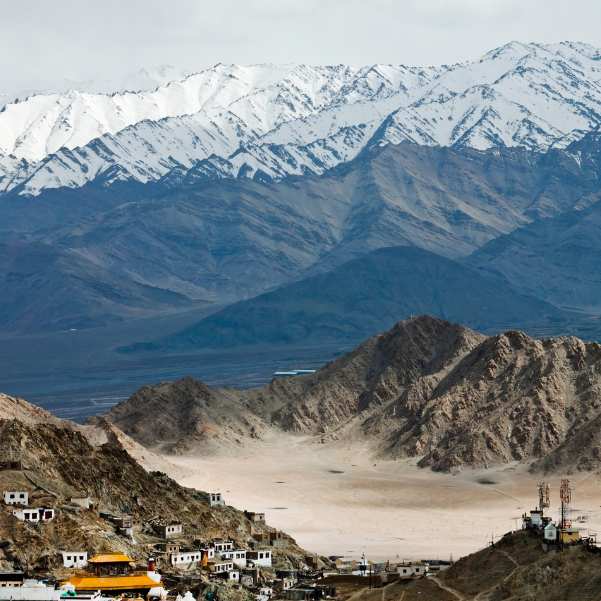
Yes. This works well if you are doing a Srinagar to Kargil to Leh route, or a Leh to Batalik to Kargil loop. From that side, Garkone and Darchik come first.
One caution. Batalik and nearby areas are sensitive border-side zones. Permit and check-post rules there are stricter, so verify the current rules before you travel.
If you are coming in from the Srinagar side, our Kashmir tour packages can help you line up the Srinagar to Kargil leg cleanly.
Day trip or overnight: how many days do you need?
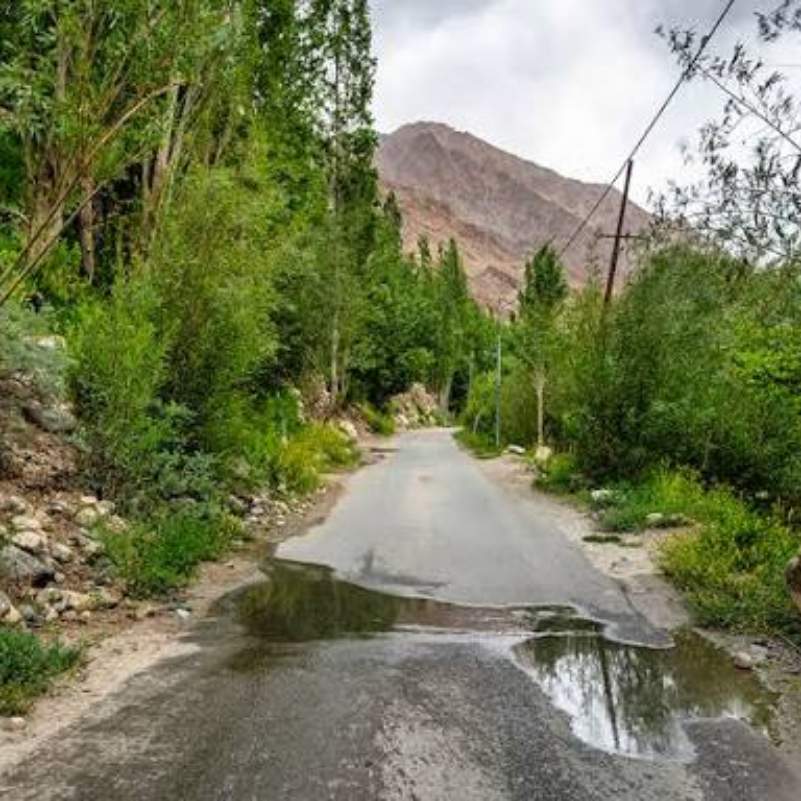
1-day Aryan Valley trip from Leh
It is possible, but it is tiring. It works only if you start very early, keep every stop short, and accept a long day mostly spent in the car.
Honestly, we rarely suggest this. You drive 10 to 12 hours round trip to spend a couple of rushed hours in villages that are built for slowness.
2-day Aryan Valley trip from Leh
This is the sweet spot. Day 1, drive from Leh to Dah or Hanu, do a slow village walk, and stay in a homestay.
Day 2, explore another village in the morning and return towards Leh, breaking the drive at Khaltse, Alchi or Lamayuru depending on your route.
3-day slow cultural trip
This is the version for photographers, writers, repeat Ladakh travellers, and anyone visiting during the apricot blossom period. You stop chasing kilometres and start actually seeing the place.
>>Make the most of your Aryan Valley visit with a customized itinerary. Chat with us today.
Best time to visit Aryan Valley Ladakh in 2026
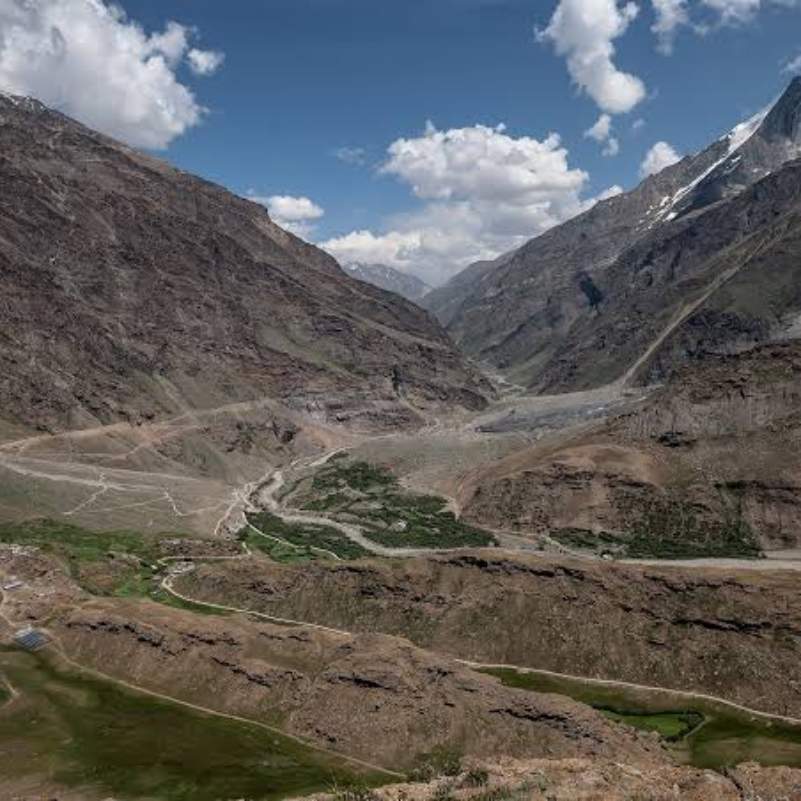
For most regular travellers, June to September is the easiest window. Road movement is simpler and the weather is more comfortable.
April is the special one. The apricot blossoms turn the villages pink and white. Ladakh Tourism listed the Apricot Blossom Festival from April 8 to 16, 2026 across the apricot clusters.
September is quietly excellent. You get the harvest mood, fewer people, and a calmer drive.
Winter is a different animal. Attempt it only if you are an experienced cold-weather traveller with solid local support.
If you are planning a summer trip, our guide on Leh Ladakh in June covers the season in detail.
Do you need a permit for Aryan Valley, Dah Hanu or Batalik?
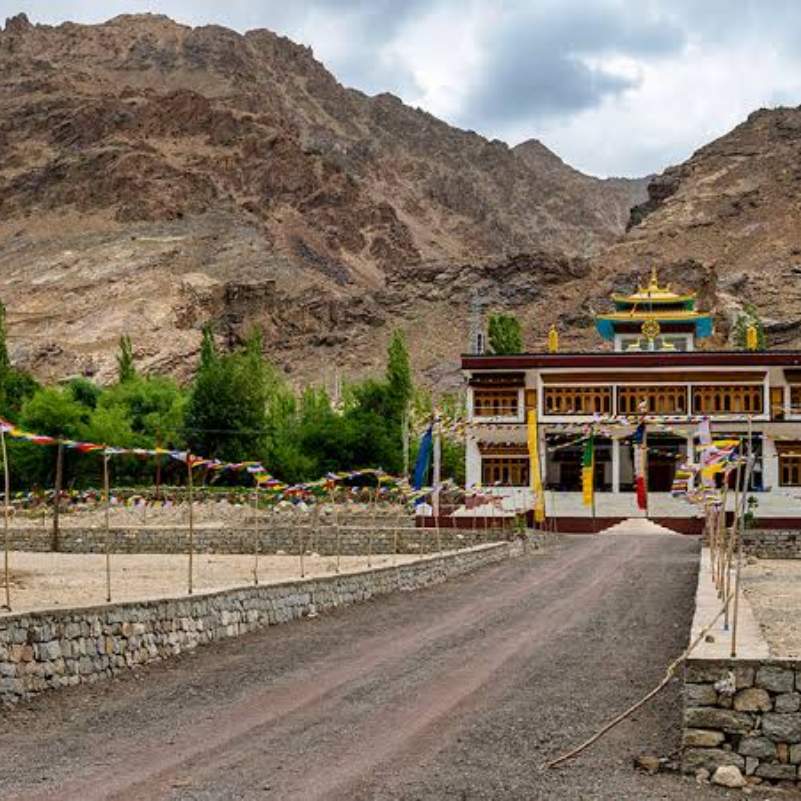
This is where most blogs confuse people, so let us be clear. The permit situation is genuinely conflicting, and it depends on whether you are Indian or foreign.
Some sources still list Dah and Hanu as areas needing an Inner Line Permit. That older information is still floating around online.
Travel Coffee's 2026 Ladakh permit guide says Indian travellers now generally use an environment fee receipt workflow for regular tourist circuits. Foreign nationals usually still need a Protected Area Permit for restricted or border-side zones, including Dah Hanu.
You will also see an old fee structure quoted as ₹400 environment fee plus ₹20 per day ILP fee. Because the workflow has changed for many Indian travellers, treat that figure as outdated until confirmed.
Border-area rules change without much notice, so confirm everything close to your travel date.
For the full breakdown, read our Ladakh permit guide before you lock dates.
What is the route condition and travel difficulty?
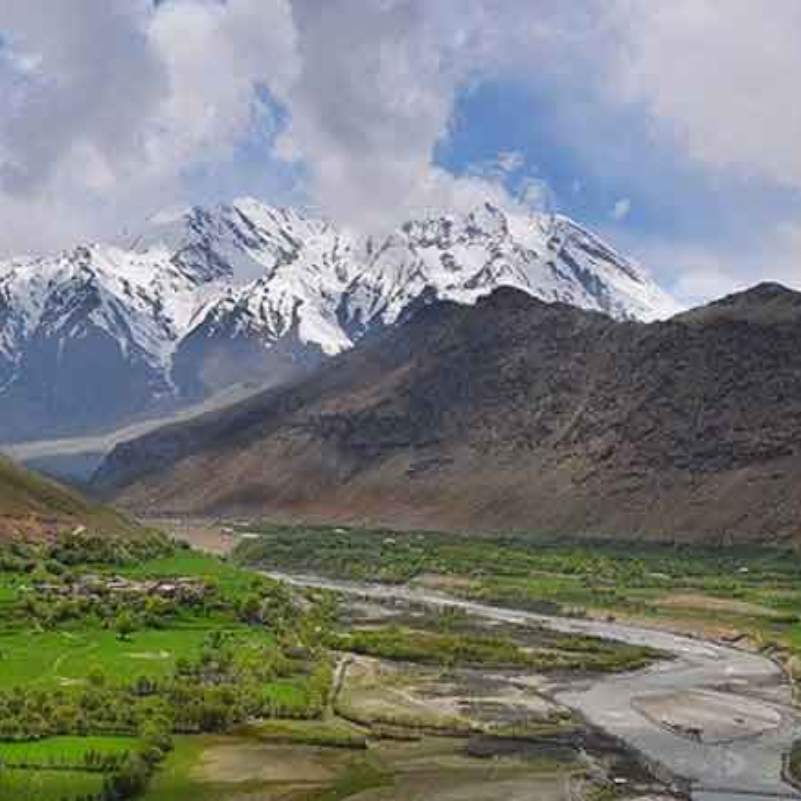
After the main highway, expect narrow roads, long village stretches, slow turns, and the odd check-post. Facilities are basic the whole way.
One useful planning note. One travel source says Khalsi (Khaltse) to Batalik is about 80 km and takes 3 to 4 hours, because the road is narrow and slow. That ratio tells you everything about how this region drives.
Do not drive these roads late at night. The turns are tight, the lighting is nonexistent, and there is no reason to risk it.
Fuel planning matters. Fill up at Leh, or on the Khaltse or Kargil side depending on your route, because pumps thin out fast once you leave the main road.
A money-saving tip our drivers swear by
Top up fuel in Leh even if your tank is half full. Buying fuel from informal sellers deep in the valley costs far more, and you avoid it entirely by planning ahead in town.
What should you expect in Brokpa villages?
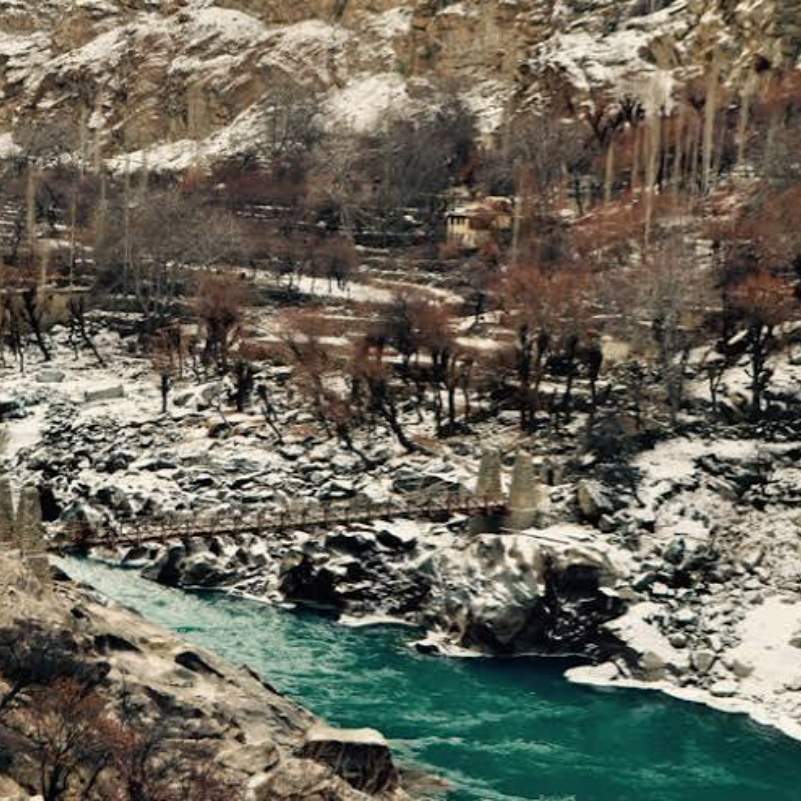
Set your expectations right and you will love it. Get them wrong and you will be disappointed.
These are real working villages, not tourist sets. You get orchards, farms, basic homes, simple local food, slow conversations, very few shops, and basic homestays.
The experience gets much better when you slow down. Sit, talk, eat what is offered, and walk the orchard paths without a schedule.
The honest negative. If you want comfort, nightlife, or polished sightseeing, this is not it. There is very little to "do" in the usual sense, and that emptiness is exactly what some travellers cannot handle.
On food, do not expect a menu. A hot home-cooked meal of local apricot dishes, simple dal and roti at your homestay is the real highlight, and it beats anything you will find on the road.
What we tell our travellers is to carry a thermos of tea and some dry snacks from Leh. Between villages there is almost nothing open, and a warm drink on a cold afternoon stop does more for your mood than any roadside shop could.
Is Aryan Valley good for families, couples, bikers or solo travellers?
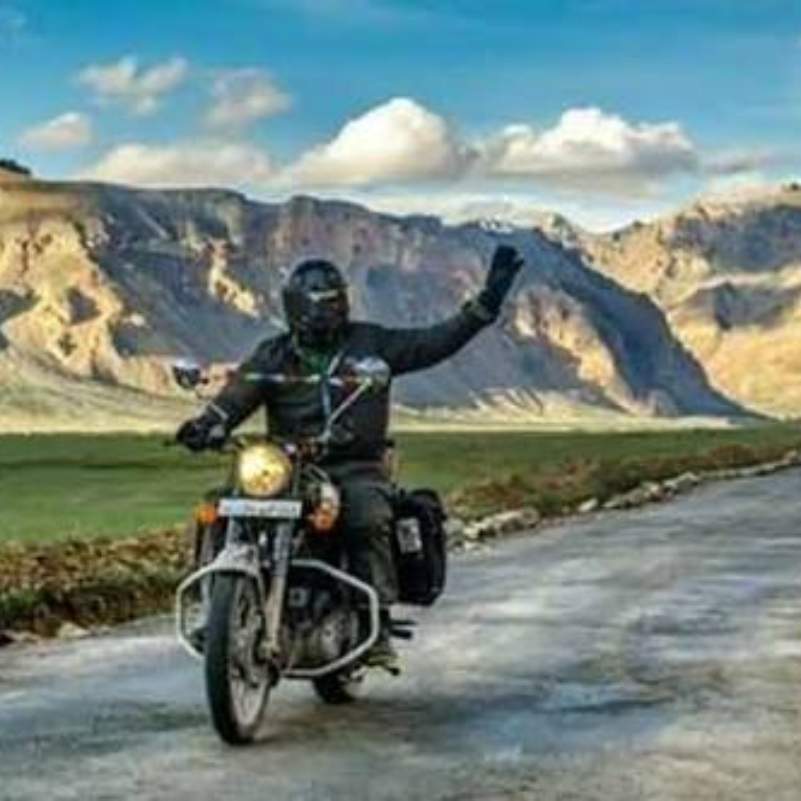
Families can visit if everyone is fine with long drives and basic facilities. With small kids, the driving day is the real challenge, not the villages.
Couples who enjoy slow, quiet cultural travel will love it. This is a place for unhurried mornings, not packed sightseeing.
Bikers can do it, but check fuel, road and weather status first. The narrow stretches and limited fuel make planning non-negotiable.
Solo travellers should book through a trusted homestay or local operator. It keeps logistics simple and gives you a contact who knows the ground.
Luxury travellers will probably prefer a long day visit over an overnight, since the stays here are simple by design.
Who should skip Aryan Valley?
Skip it if you only have 5 or 6 days in Ladakh. You will spend most of that time getting there and back.
Skip it if your main goal is Nubra and Pangong, if you need luxury hotels, or if someone in the group really struggles with long drives.
And please skip it if your only reason to go is intrusive portraits of the Brokpa people. That is not travel, and the community deserves better than that.
Suggested Aryan Valley itineraries
7-day Ladakh itinerary with Aryan Valley
Start with Leh acclimatisation. Then ease into Sham Valley or Alchi, head to Aryan Valley for an overnight, and continue to Nubra and Pangong before returning to Leh.
Keep the Leh to Aryan Valley leg in the 160 to 190 km range in your mind, and build a relaxed day around it.
9-day Ladakh itinerary with Aryan Valley and Kargil
This one adds the western side. Flow through Leh, the Sham side, Aryan Valley, Kargil or Drass, then Nubra and Pangong.
Keep it flexible. The Kargil and Drass leg gives you history and a very different landscape, but it also adds driving, so do not over-pack the days.
Spring apricot blossom itinerary
Build a softer loop around Leh, Aryan Valley, Garkone or Darchik, and Sham Valley, and add Turtuk only if roads and permits allow.
One reality check. April can still be properly cold, especially at night. The blossoms are worth it, but pack like it is winter, not spring.
If you want this planned end to end, look at our Ladakh tour packages and we will shape it around your dates.
Cost of visiting Aryan Valley Ladakh
We will not invent a package price for you, because real costs swing with season, vehicle and group size. Here is what we can share honestly.
One 2026 taxi-rate source lists Hanu Yokma return fares from Leh as ₹9,320 for Crysta, ₹8,473 for Innova, Aria or XUV, ₹8,049 for Xylo, Scorpio or Ertiga, and ₹7,299 for Eeco, Van or Sumo.
Another 2026 source lists Dha pickup and return as ₹12,813.
A safety and scam note worth its weight. Taxi rates in Leh are union-fixed, so always ask for the printed rate card before you agree. If a quote sits far above the figures above, push back, because over-quoting on offbeat routes is common.
Homestay costs vary and stays are basic, so confirm the price with your host before booking. We do not quote fixed homestay figures because they genuinely change from house to house.
>>Get a personalized Aryan Valley budget and itinerary in one WhatsApp chat.
Responsible travel rules for Aryan Valley
This matters more here than almost anywhere else in Ladakh. Always ask before you photograph people, especially portraits. A camera in someone's face without consent is not a souvenir.
Drop racialised phrases completely. Do not ask people about being "pure Aryans," and do not raise the ugly old "pregnancy tourism" stories. Those questions are intrusive and offensive.
Do not pressure anyone to dress up in festive headgear just for your photo. If it is not a festival, let people be.
Buy local produce at a fair price, and use local guides where you can. The money you spend well is the best thing you leave behind.
Final verdict: should Aryan Valley be in your Ladakh plan?
Yes, if you are a slow traveller, a culture lover, a photographer, or a repeat Ladakh visitor with at least 7 to 9 days in hand. For you, this is one of the most rewarding corners of Ladakh.
No, if this is a rushed first-time trip built around the big-name lakes. You will not give Aryan Valley the time it needs, and a rushed visit does not do it justice.
In our experience, the people who come back glowing are the ones who planned an overnight, talked to their host, and let a whole afternoon disappear in an orchard. If that sounds like your kind of travel, we would love to help you build it right.
Explore Our Curated Leh Ladakh Tours
 6D/5N
6D/5NUltimate Leh Ladakh Tour Package with Nubra Valley & Pangong Lake
2D Leh•1D Nubra Valley+1
₹28,999₹35,999SAVE INR 7,000/ person 6D/5N
6D/5NBest Selling Leh Ladakh Tour With Nubra Valley and Pangong Lake
2D Leh•1D Nubra Valley+1
₹23,999₹28,599SAVE INR 4,600/ person 4D/3N
4D/3NLeh Ladakh Short Getaway
2D Leh•1D Pangong Lake
₹16,499₹19,999SAVE INR 3,500/ person
Related topics
Frequently Asked Questions
Where is Aryan Valley Ladakh?
It sits along the Indus-side belt of western Ladakh, in the Dah Hanu region. The main villages are Dah, Hanu, Garkone and Darchik.
Is Dah Hanu the same as Aryan Valley?
Yes. Aryan Valley is just the popular travel name for the Dah Hanu region, also called the Brokpa Valley or Dard Aryan villages.
How far is Aryan Valley from Leh?
Plan for around 160 to 190 km, because the figure varies by village and source. Driving time is roughly 5 to 6 hours with normal stops.
How many days are needed for Aryan Valley?
Two days is the sweet spot. One day is possible but tiring, and three days suits photographers and slow cultural travellers.
What is the best time to visit Aryan Valley?
June to September is easiest for most travellers. April is special for apricot blossoms, with the festival listed from April 8 to 16, 2026.
Do Indians need a permit for Dah Hanu?
It is conflicting. Some sources still list ILP, but Indian travellers now generally use an environment fee receipt workflow. Verify before you travel.
Do foreigners need PAP for Aryan Valley?
Usually yes. Foreign nationals generally need a Protected Area Permit for restricted or border-side zones including Dah Hanu. Confirm current rules before departure.
Are Brokpas really descendants of Alexander?
It is a popular oral story, not proven history. Enjoy the tale, but do not repeat it as fact.
Can I stay in Dah Hanu?
Yes. Both Dah and Hanu have basic homestays. Prices vary and stays are simple, so confirm with your host before booking.
Is Aryan Valley safe for solo travellers?
Yes, with a trusted homestay or local operator handling logistics. The long, narrow drive is the main thing to plan around.
Is Aryan Valley suitable for families?
It works if everyone is fine with long drives and basic facilities. With small kids, the driving day is the real challenge.
Can I combine Aryan Valley with Kargil or Lamayuru?
Yes. It fits well on a Srinagar to Kargil to Leh route, and you can break the return at Lamayuru or Alchi on the way back to Leh.
More about Ladakh
 Ladakh
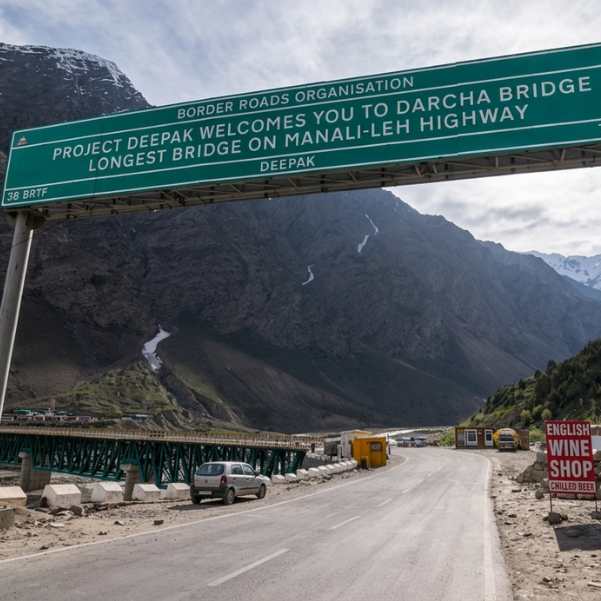
Manali to Leh Highway 2026: Every Pass, Stop and Distance
Plan your Manali to Leh Highway journey in 2026 with a complete guide to major mountain passes, overnight stops, route highlights, and distance. Discover key stops like Jispa, Sarchu, and Pang, along with famous passes including Baralacha La and Tanglang La.
- Road Trips
- How to Reach
 Ladakh
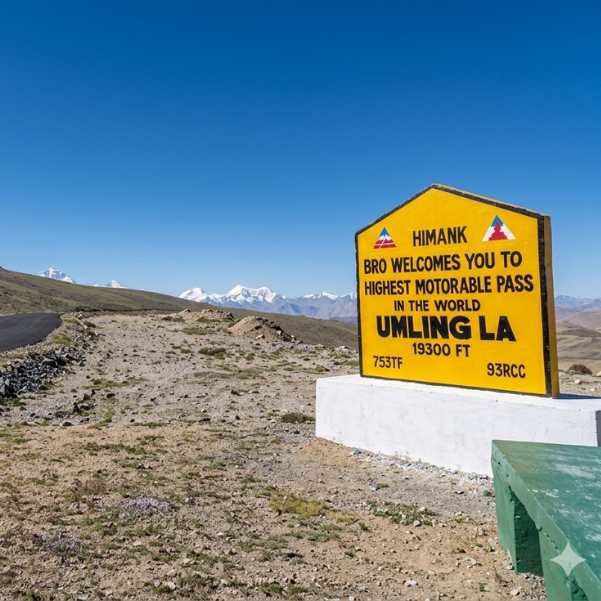
Umling La Ladakh Guide 2026: Route, Altitude, Permit, Safety & Reality Check
Planning to visit Umling La in 2026? This complete guide covers the route, altitude, permit requirements, road conditions, safety tips, and the realities of travelling to one of the world's highest motorable roads.
- Road Status
- Altitude & Health
 Ladakh
Turtuk Ladakh Travel Guide 2026: Balti Culture, Apricot Orchards and Why It Is Perfect for Families
Planning a trip to Turtuk? This 2026 travel guide explores the village's rich Balti culture, beautiful apricot orchards, top attractions, travel route, and why Turtuk is one of the best family-friendly destinations in Ladakh.
- Places to Visit
- Family Travel