
How to Reach Leh Ladakh in 2026: Complete Guide from Delhi, Manali and Srinagar

Figuring out how to reach Leh Ladakh is half the planning battle. You have a flight that gets you there in an hour but hits you with altitude sickness by evening.
You have two legendary road routes that look similar on a map but feel completely different on the ground.
And you have a pile of conflicting advice from travel blogs that were probably written three seasons ago.
Here is the real picture. We have been sending travellers to Ladakh for years, and the single biggest mistake we see is people picking their route based on Instagram reels instead of how their body handles altitude.
This guide by Travel Coffee breaks down every option with the kind of detail that actually helps you book the right tickets.
Quick Answer
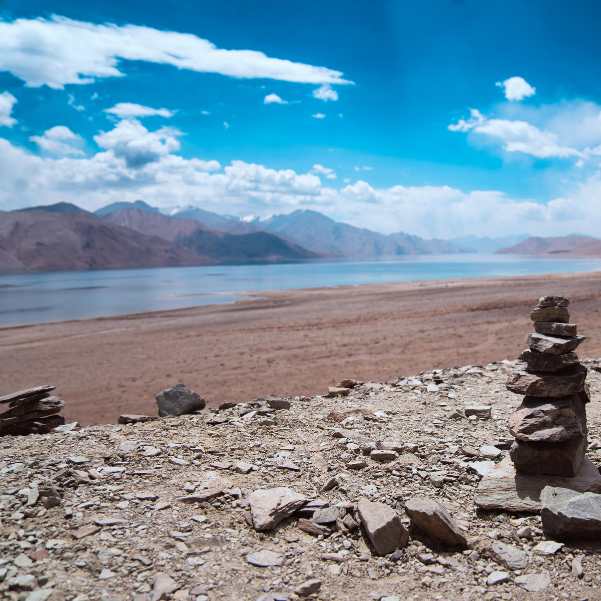
Leh Ladakh can be reached by flight from Delhi (about 1 hour to 1 hour 20 minutes) or by road via two routes: Srinagar to Leh (434 km) and Manali to Leh (473 to 474 km).
If this is your first trip, the Srinagar route is usually the better choice because the altitude gain is gradual and your body adjusts more naturally. The Manali route is more dramatic and adventurous but physically tougher.
One thing to watch in 2026: avalanches near Zoji La blocked the Srinagar-Leh highway on March 27, 2026. This is a seasonal risk, and road status must be checked close to your travel dates before you commit to any route.
What Are the Best Ways to Reach Leh Ladakh?
You have three practical options. That is it.
Flight from Delhi
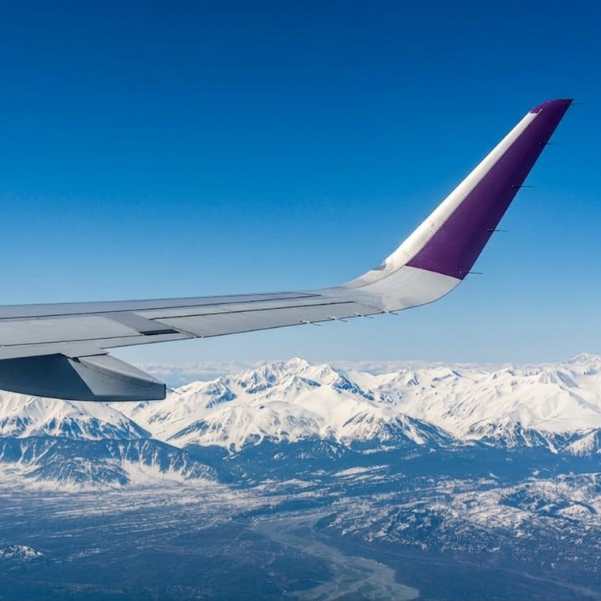
Flight from Delhi is the fastest. You land in Leh in about an hour. But your body goes from sea level to 3,500 metres with no time to adjust. Most travellers feel the altitude within a few hours of landing.
Road from Srinagar
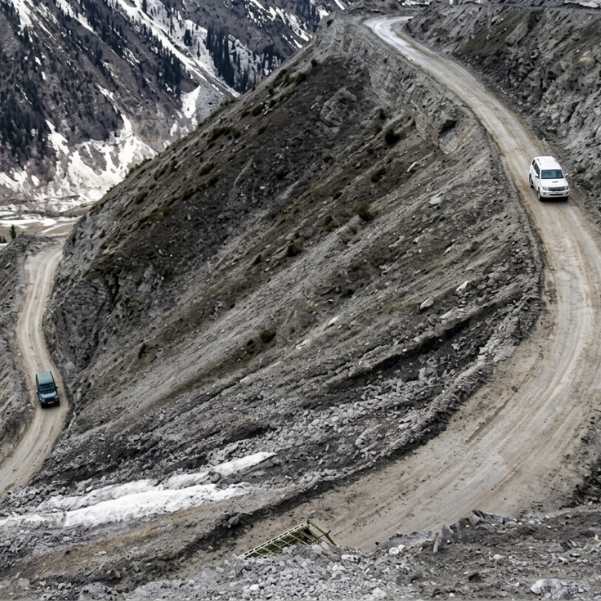
It takes two days with a halt at Kargil. The altitude gain is slow and steady, which is much easier on your body. This route passes through Zoji La, Namika La, and Fotu La (4,108 metres), and the scenery shifts from green Kashmir valleys to dry Ladakhi moonscapes.
Road from Manali
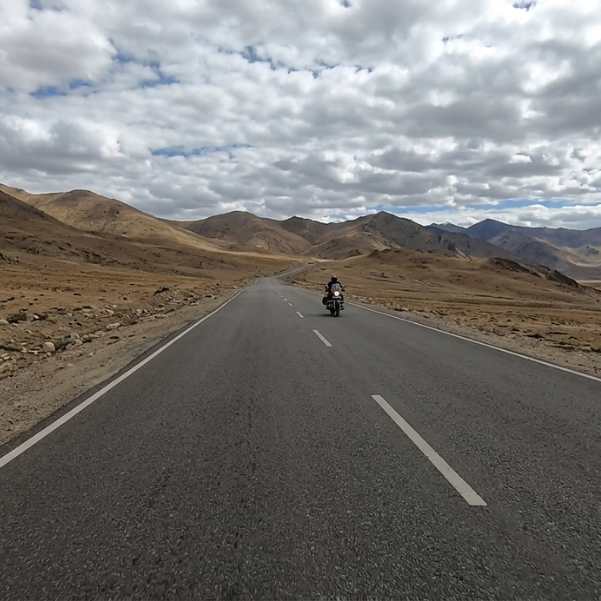
It also takes two days minimum. This route crosses much higher passes, including Tanglang La at 5,328 metres. The roads are rougher, the air is thinner, and the landscape feels like another planet.
Leh has no direct train connection. The nearest you can get by rail is Jammu Tawi (for the Srinagar route) or Chandigarh (for the Manali route), and from there you continue by road.
How to Reach Leh Ladakh from Delhi
Most travellers start from Delhi, so let's break down all three ways.
Delhi to Leh by flight
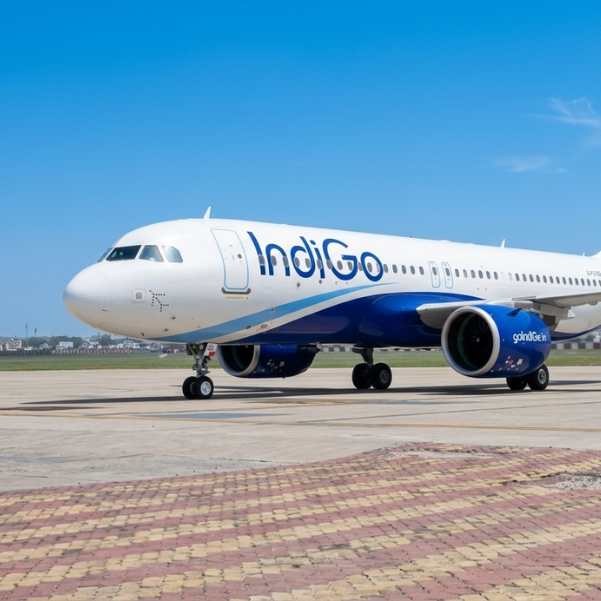
It is the obvious choice if you have 5 to 7 days total. You save two full days of driving each way, which means more time actually exploring Ladakh.
Delhi to Leh by road via Srinagar
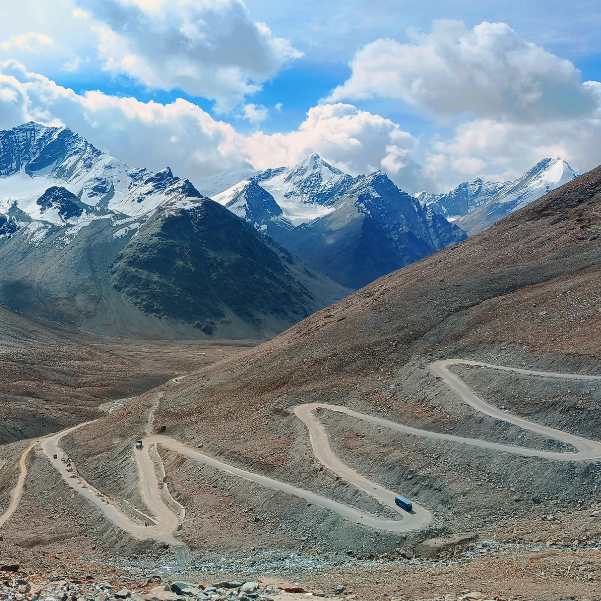
It covers about 1,035 to 1,055 km. You drive or take a bus to Srinagar first (one full day or an overnight journey), rest in Srinagar, and then take the Srinagar-Leh highway over two days. This is the most comfortable road option.
Delhi to Leh by road via Manali
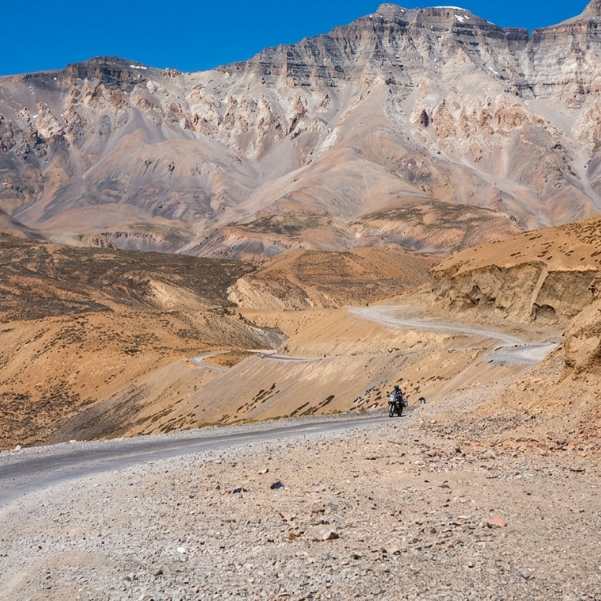
It covers about 1,010 to 1,020 km. You get to Manali first (12 to 14 hours by bus or car from Delhi), rest a night, and then take the Manali-Leh highway. This is the more adventurous road option.
In our experience, travellers who enter via Srinagar and exit via Manali (or the reverse) get the best of both routes. You see completely different landscapes on each side, and you avoid repeating the same road twice.
If you want us to plan the logistics and stays for this loop, explore our Leh Ladakh tour packages or talk to our team on WhatsApp for a quick recommendation based on your dates.
👉 WhatsApp us for a quick recommendation based on your dates
Delhi to Leh by Flight: Fastest Option for Short Trips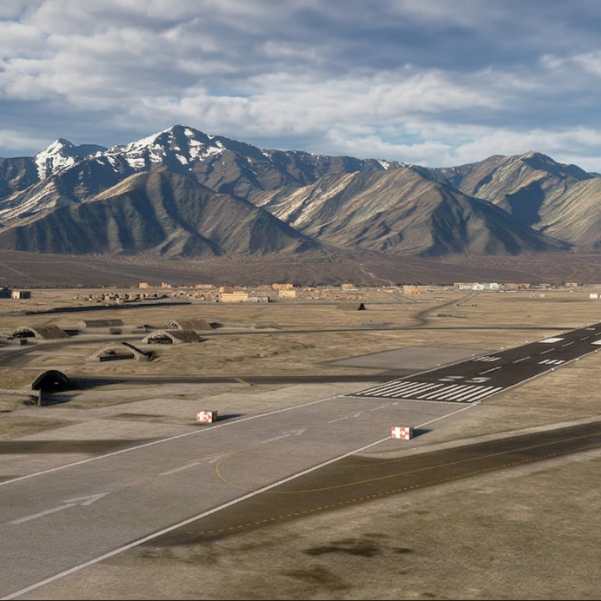
The Delhi to Leh flight lands at Kushok Bakula Rimpochee Airport, which is about 4 km from Leh city centre. Multiple airlines operate this route, and the flying time is roughly 1 hour to 1 hour 30 minutes.
Here is what most tourists get wrong about flying into Leh. They land at 9 AM, check into the hotel, and head out sightseeing by noon.
By evening, the headache hits. By night, they cannot sleep. The entire first day of their trip is ruined because they did not respect the altitude.
What we always tell our travellers
Treat Day 1 as a rest day. Walk slowly. Drink water constantly. Eat light. Do not climb any stairs you do not need to. Do not plan Khardung La or Pangong for Day 2. Give your body 24 to 36 hours before you start pushing it.
The morning flight gives you the best views. If you sit on the left side of the aircraft, you get a long look at the Himalayan and Karakoram ranges as you descend into Leh. That alone makes the window seat worth fighting for.
Flying in is the fastest way, but flying out is what many experienced travellers prefer. Enter Ladakh by road (slower, safer acclimatisation) and fly out from Leh to Delhi when it is time to go home. This saves you the return drive without sacrificing the road trip experience.
Delhi to Leh by Road: Which Route Is Better, Manali or Srinagar?
Both routes take about two days of driving from their starting points. But they feel nothing alike.
Srinagar route
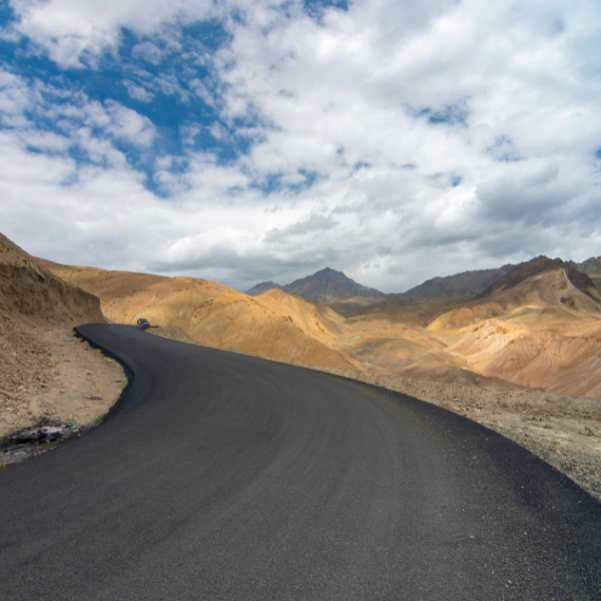
The Srinagar route starts green. You drive through rice paddies, forests, and the Kashmir valley before climbing gradually into the dry Ladakh landscape. The altitude gain is spread over a longer distance, so your body has time to catch up.
Manali route
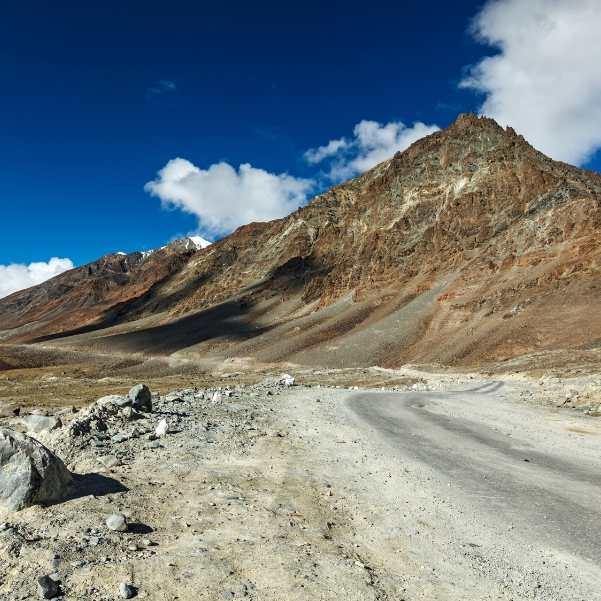
The Manali route throws you into the deep end. You cross the Atal Tunnel, leave the tree line behind fast, and spend most of the journey above 4,000 metres. The passes are higher, the oxygen is thinner, and the terrain is more exposed.
From Delhi, the total distance is similar. Srinagar side is about 1,035 to 1,055 km. Manali side is about 1,010 to 1,020 km. The real difference is not the kilometres. It is how your body feels at the end of each day.
For first-time travellers and families, we always suggest the Srinagar route going in. For the return (if the Manali road is open), take the Manali route. You will already be acclimatised by then, and the high passes feel less punishing when your body has had a week at altitude.
Manali to Leh Highway in 2026: Route, Distance, Stopovers, and Road Conditions
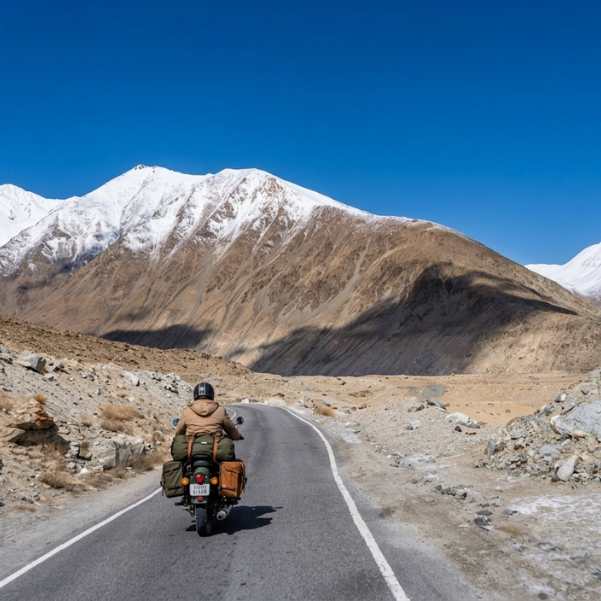
The Manali to Leh distance is about 473 to 474 km. On paper, that sounds like a long day drive. In reality, this road takes two days minimum, and we strongly suggest you do not try to do it faster.
The route now uses the Atal Tunnel out of Manali, which means you bypass Rohtang Pass for through travel. If you specifically want to visit Rohtang, that is a separate trip and needs its own permit. Our Rohtang Pass in May guide covers that in detail.
After the tunnel, you enter the Lahaul Valley. Sissu is the first stop worth a tea break. It is a pretty little town with dhabas and guesthouses, and it gives you a taste of what the rest of the drive looks like.
If you want to explore Lahaul before heading to Leh, our Sissu Valley guide and packages cover the area well.
From Sissu, you continue through Keylong and Jispa. This is where you should stop for the night.
Skip Sarchu as your first night halt. We tell every single traveller this, and the ones who ignore us come back with the same story.
Sarchu sits at about 4,290 metres, and sleeping there on your first night out of Manali means your body has gone from 2,000 metres to 4,290 metres in one day.
Headaches, nausea, and a terrible night of sleep are almost guaranteed. Jispa or Keylong sit lower, and one night there makes the next day's drive significantly easier on your system.
The road quality after Jispa changes fast. You cross high passes, encounter broken stretches, and drive through landscapes that look like Mars.
The famous Tanglang La pass at 5,328 metres is one of the highest points you will cross on any Indian highway.
A money-saving tip that most people miss: fuel planning on this route matters more than you think. Fill your tank in Manali.
The next reliable fuel points are Tandi and Keylong. After Keylong, the next proper pump is not until Karu near Leh.
Carry extra fuel if you are driving your own vehicle. Running out of fuel on the Manali-Leh highway is not a minor inconvenience. It is a serious problem.
Is the Manali to Leh Road Open in 2026?
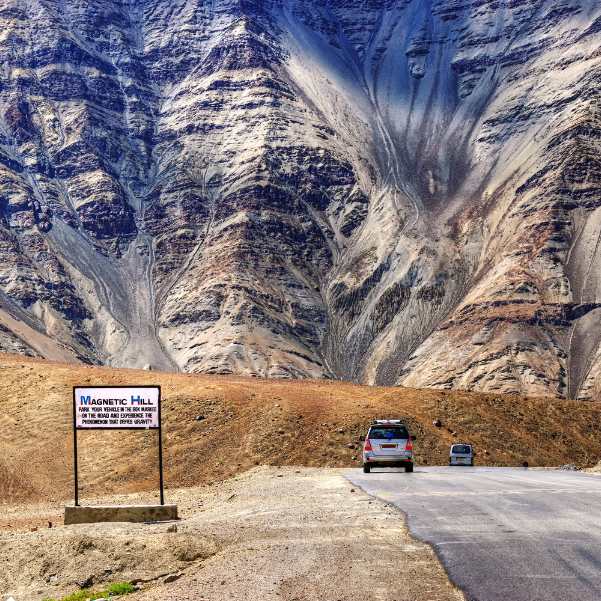
The Manali-Leh highway is seasonal. It usually opens around mid to late May and stays open until September or October depending on conditions.
The safe travel window for most travellers is June to September. Early May is a gamble. Late October can close without warning.
BRO clears this road every year after winter, and the exact opening date depends on snowfall. In a mild winter, the road may open by mid-May. A heavy winter can push it into June.
Always recheck the road status one to two days before your departure from Manali. Conditions change fast, and a road that was open on Monday can have a landslide blocking it by Wednesday. Our Manali packages include local driver support that helps you navigate exactly these situations.
Srinagar to Leh Highway in 2026: Route, Distance, Stopovers, and Why It Helps Acclimatisation
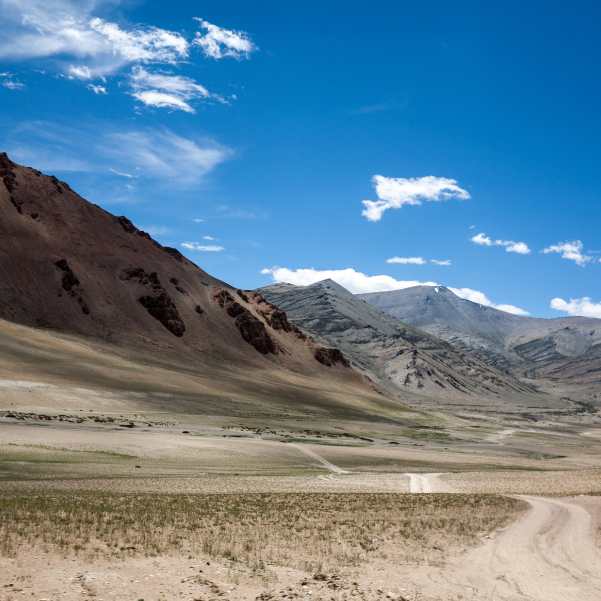
The Srinagar to Leh distance is 434 km via National Highway 1. The route passes through Sonamarg, Zoji La, Drass, Kargil, Namika La, Fotu La, and then drops into the Indus Valley towards Leh.
Most travellers split this into two days with an overnight halt at Kargil, which sits at about 2,676 metres. That is high enough to start adjusting but low enough that your body does not panic.
Here is why this route is better for acclimatisation. From Srinagar (1,585 metres), you climb to Zoji La (about 3,528 metres), then come back down to Drass and Kargil.
After your night in Kargil, you climb again over Namika La and Fotu La (4,108 metres) before descending into Leh (about 3,500 metres). Your body goes up, comes down, goes up again, and comes down. That wave pattern gives it time to adjust at each stage.
Compare that to the Manali route where you go up and stay up, crossing multiple passes above 4,500 metres in a single day.
The Srinagar route also has better food stops along the way. The dhabas between Sonamarg and Drass serve solid Kashmiri chai and simple meals.
The one at the army checkpoint near Drass makes a chai that we have seen our drivers specifically slow down for.
Do not skip food stops on this route. Eating regular small meals helps your body handle altitude better.
If you are starting from Srinagar and want to explore Kashmir first, our Kashmir tour packages cover that leg of the trip.
Is the Srinagar to Leh Highway Open in 2026?
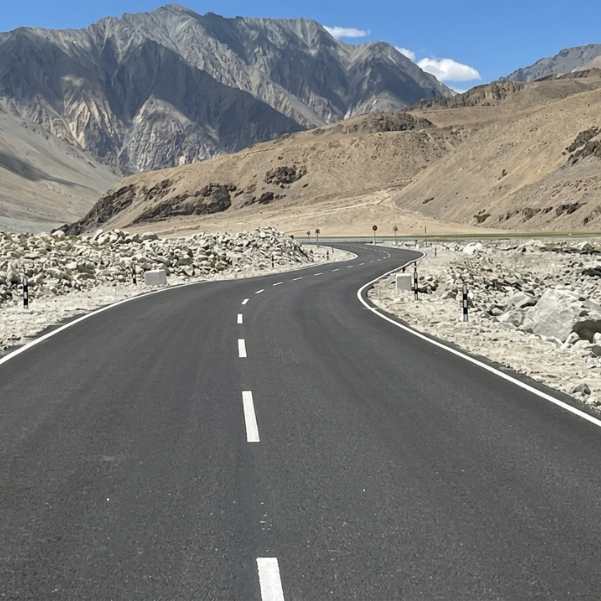
The Srinagar-Leh highway usually stays open from May to November or December depending on conditions.
But "usually" does not mean "guaranteed." On March 27, 2026, avalanches near Zoji La blocked the highway, killing several people and trapping vehicles. This is a harsh reminder that mountain roads operate on nature's schedule, not yours.
Zoji La is the most avalanche-prone section of this route. Even in the open season, brief closures can happen after heavy rain or unexpected snowfall.
The good news is that BRO typically clears these blockages within hours to a couple of days.
The bad news is that if you are on a tight schedule with zero buffer days, even a 12-hour closure can wreck your plan.
Check road status from the BRO and the local district administration before you leave Srinagar. If the highway has been blocked recently, wait for confirmed clearance before starting.
Manali to Leh vs Srinagar to Leh: Which Route Should You Choose?
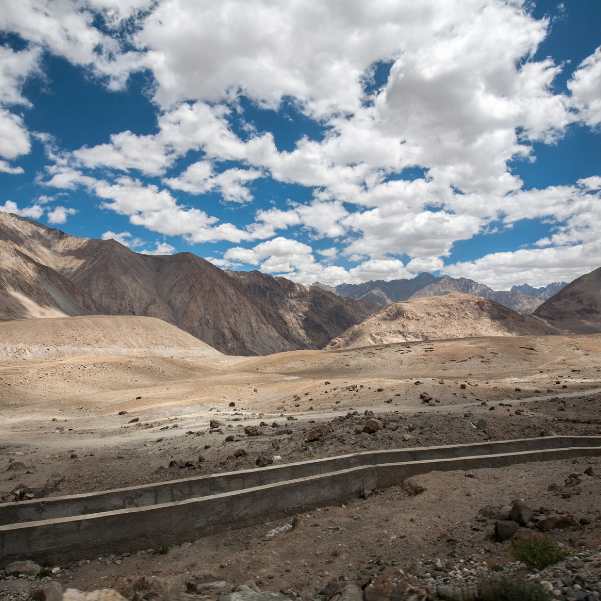
This is the question we get asked most. Here is how we break it down based on what actually matters.
For easier acclimatisation
Pick Srinagar. The altitude gain is gradual. You sleep at Kargil which is comfortable. Your body thanks you the next morning.
For a wilder road trip
Pick Manali. The passes are higher, the terrain is more dramatic, and the challenge is real. But your body needs to be ready for it, and you need to be flexible about timelines.
For first-time travellers
Srinagar is almost always the better entry point. We have sent hundreds of first-timers on both routes, and the feedback is consistent. People who enter via Srinagar enjoy Leh more because they arrive feeling better.
For the best overall experience
Enter from Srinagar and exit via Manali (when both roads are open). You see two completely different Indias on the same trip. The green valleys and army posts of the Srinagar side. The moonscapes and high passes of the Manali side. It is one of the best road loops in the country.
If only one road is open
Take whichever one is. Do not wait for the other to open if your leave dates are fixed.
Here is an honest negative about the Manali route that guides rarely mention: the last 100 km before Leh from the Manali side can feel endless.
You are tired, your back hurts from two days on rough roads, and the flat approach to Leh after all those passes feels anticlimactic. It is still a great drive, but prepare yourself mentally for a long finish.
Do You Need Any Permit to Reach Leh Ladakh in 2026?
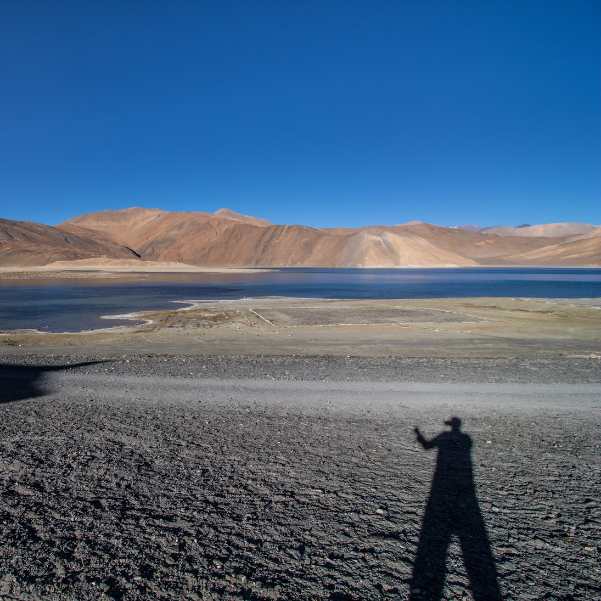
This is where things get confusing, and we will be honest about that.
To reach Leh itself via the Srinagar-Leh or Manali-Leh highway, no separate permit is required for Indian travellers just for the drive.
Once you are in Ladakh and want to visit areas like Pangong, Nubra Valley, Tso Moriri, or Hanle, you need to complete formalities through the official Leh permit portal. Domestic travellers can complete the online payment process and carry the payment slip.
One detailed 2026 guide mentions the environment fee as ₹400 per person, a wildlife fee of ₹20 per person per day, and an optional Red Cross fee of ₹50. For a 7-day trip, this comes to about ₹590 per person including the optional Red Cross.
These numbers can change, so verify the latest rates on the official Leh district website before you travel.
A separate Rohtang permit is only needed if you want to visit Rohtang Pass itself, not if you are passing through the Atal Tunnel on the Manali-Leh highway.
For foreign nationals, the permit rules are different and more restrictive. We are not covering those in detail here, but the official Leh district website has the latest information.
WhatsApp us for today's road status and we can also help you sort out the permit situation before your trip.
👉 WhatsApp us for today’s road status and permit updates
Important Travel Tips Before Choosing Your Route to Leh
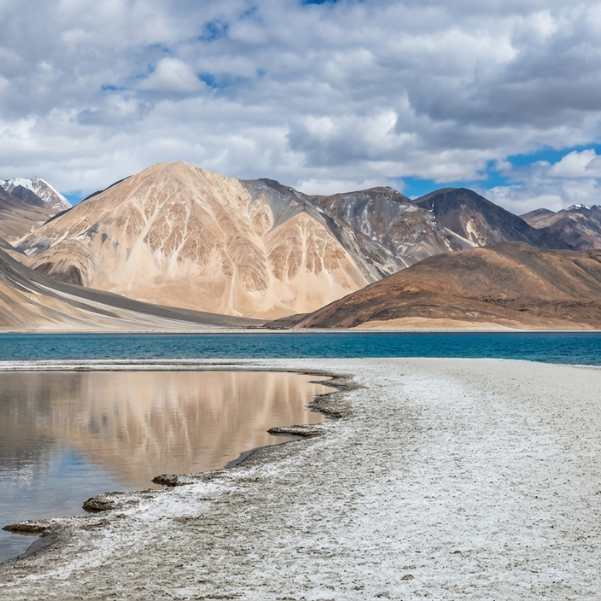
These are the things that save trips. Not the scenic tips. Not the Instagram spots. The boring, practical stuff that keeps you safe and comfortable at 3,500 metres and above.
Acclimatisation is not optional
Whether you fly in or drive, give your body time to adjust. Drink 3 to 4 litres of water a day. Avoid alcohol for the first 48 hours. Walk slowly on the first day. If you get a headache, rest. If the headache gets worse or you feel confused, descend. Do not tough it out at altitude.
Carry enough cash
ATMs exist in Leh and Kargil, but they run out of cash regularly during peak season. On the highway, there are no ATMs at all. Carry enough cash for fuel, food, and emergencies for the entire road portion.
Fuel planning
Fuel planning is serious on the Manali side. We covered this above but it bears repeating. The stretch between Keylong and Karu has no reliable fuel station. Top up whenever you see a pump.
Keep at least one buffer day
Roads close. Weather changes. Landslides happen. If your entire trip falls apart because of a one-day delay, your itinerary was too tight to begin with.
Start early every driving day
Aim to be on the road by 6 to 7 AM. Mountain weather is best in the morning. Afternoon brings clouds, wind, and on some stretches, the risk of flash floods. Reaching your next halt by 3 to 4 PM means you drive entirely in good light.
What we tell all our Ladakh travellers: do not plan Khardung La for Day 2 after landing. Do not plan Pangong for Day 2 after arriving by road. Your first full day in Leh should involve nothing more strenuous than walking around the main market, eating momos, and going to bed early.
Suggested Itineraries for Delhi to Leh Ladakh
Short trip by flight (5 to 6 days).
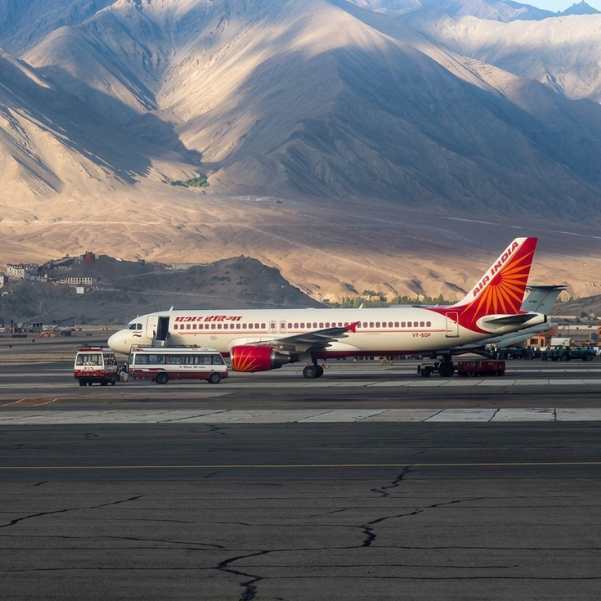
Fly Delhi to Leh on
Day 1. Rest completely.
Day 2: explore Leh town, Shanti Stupa, and the market.
Day 3: drive to Nubra Valley via Khardung La, stay overnight.
Day 4: Nubra to Pangong Lake, stay overnight.
Day 5: Pangong back to Leh.
Day 6: fly back to Delhi. This is tight but works if you acclimatise properly on Day 1.
Delhi to Leh by road via Srinagar (4 to 5 days one way).
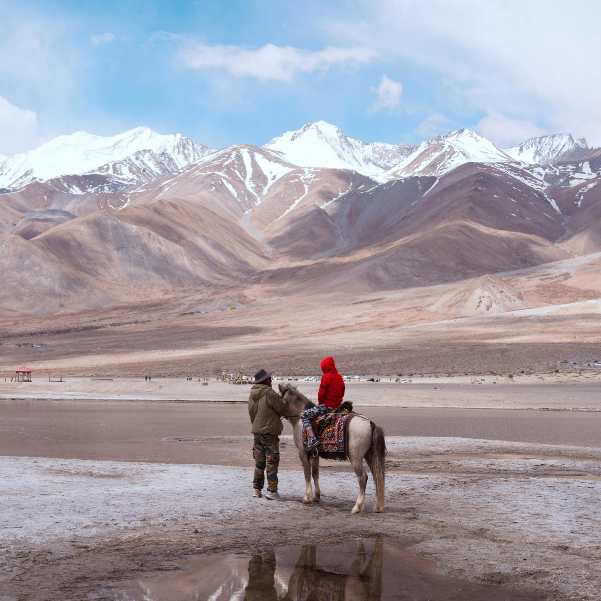
Day 1: Delhi to Srinagar by flight or overnight bus/car.
Day 2: rest in Srinagar and explore the city.
Day 3: Srinagar to Kargil (about 6 to 8 hours).
Day 4: Kargil to Leh (about 6 to 7 hours). Day 5 is your buffer. If the road is smooth, you reach Leh on Day 4 and have Day 5 for rest and local exploration.
Delhi to Leh by road via Manali (4 to 5 days one way).
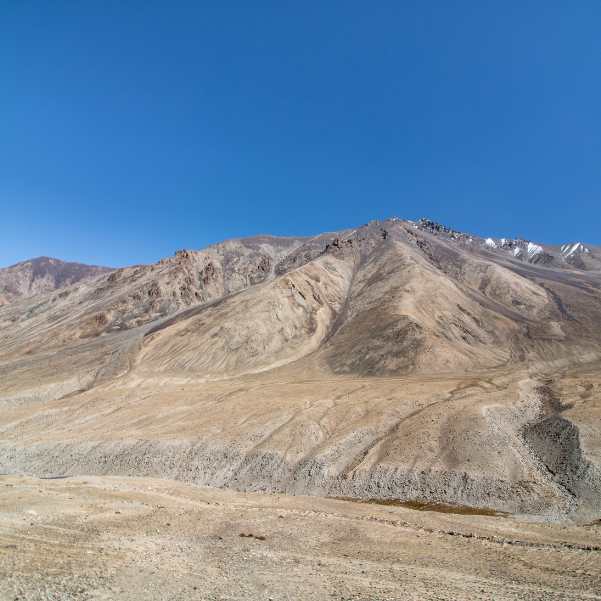
Day 1: Delhi to Manali by overnight bus or car.
Day 2: rest in Manali and stock up on supplies.
Day 3: Manali to Jispa or Keylong.
Day 4: Jispa to Leh (long day, start by 5 to 6 AM). Day 5 is your buffer for rest. Some travellers squeeze Days 3 and 4 into one push, but we do not recommend it for first-timers.
Browse our popular tours for ready-made itineraries that include Ladakh with proper rest days built in.
Final Verdict: What Is the Best Way to Reach Leh Ladakh in 2026?
Best for short trips: fly from Delhi. You save four days of driving.
Best road route for first-timers: Srinagar to Leh. The gradual altitude gain is a real advantage.
Best road route for adventure: Manali to Leh. The high passes and raw terrain make this one of India's great road trips.
Best overall loop when both roads are open: enter from Srinagar, exit via Manali (or the reverse). You see two completely different landscapes and avoid repeating the same road.
Whatever you choose, check the road status before you leave, keep buffer days in your plan, and respect the altitude. Leh rewards the patient traveller.
If you need help putting a plan together, reach out to us. We know these roads, we drive them every season, and we would rather help you plan it right than see you scramble because of an avoidable mistake.
Related topics
Frequently Asked Questions
How can I reach Leh Ladakh from Delhi?
You can fly from Delhi to Leh in about 1 hour to 1 hour 20 minutes. By road, you can drive via Srinagar (about 1,035 to 1,055 km) or via Manali (about 1,010 to 1,020 km). The road routes take 4 to 5 days one way including rest stops.
What is the best way to reach Leh Ladakh?
For short trips, flying is the fastest. For the best road experience with easier acclimatisation, take the Srinagar-Leh highway. The ideal plan is entering via Srinagar and returning via Manali when both roads are open.
Is it better to go to Leh via Srinagar or Manali?
Srinagar is better for first-timers and families because the altitude gain is gradual. Manali is better for experienced road trippers who want a more challenging and dramatic route. We suggest Srinagar for the entry and Manali for the exit.
Is the Manali to Leh road open in 2026?
The Manali-Leh highway usually opens around mid to late May and stays open until September or October. June to September is the safest window. Always verify road status close to your travel dates.
Is the Srinagar to Leh highway open in 2026?
The Srinagar-Leh highway usually opens in May and stays accessible until November or December. In late March 2026, avalanches near Zoji La blocked the highway temporarily. Road status must be checked before departure.
How many days are needed for Delhi to Leh by road?
Plan for 4 to 5 days one way via either route. This includes a rest stop in Srinagar or Manali and proper overnight halts on the highway for acclimatisation.
Can I go from Manali to Leh in one day?
It is technically possible but strongly not recommended. The distance is about 473 to 474 km on rough mountain roads with high passes. Doing it in one day means no acclimatisation and a high risk of altitude sickness. Split it into at least two days with a halt at Jispa or Keylong.
Is it safe to travel to Leh via Srinagar?
Yes, during the open season (May to November). The Srinagar-Leh highway is a well-travelled national highway with army presence throughout. The main risks are weather-related road closures, especially near Zoji La. Keep buffer days and check conditions before departure.
Do I need any permit for Manali to Leh or Srinagar to Leh?
No permit is needed just to drive to Leh via either highway. However, you need to complete environment fee and permit formalities through the official Leh permit portal for visiting areas like Pangong, Nubra Valley, and Tso Moriri.
What is the distance from Manali to Leh?
The Manali to Leh distance is about 473 to 474 km. The drive takes two days with an overnight halt at Jispa or Keylong.
What is the distance from Srinagar to Leh?
The Srinagar to Leh distance is 434 km via NH1. The drive takes two days with an overnight halt at Kargil.
What is the flight time from Delhi to Leh?
The Delhi to Leh flight takes about 1 hour to 1 hour 30 minutes. The airport in Leh is Kushok Bakula Rimpochee Airport, about 4 km from the city centre.
More about Ladakh
 Ladakh
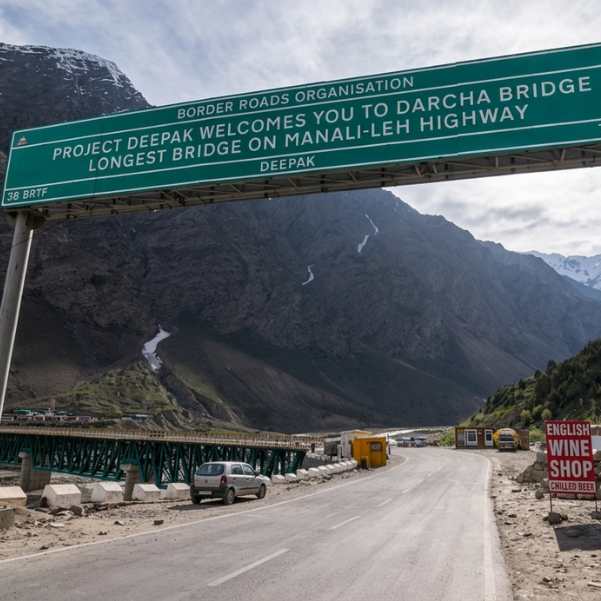
Manali to Leh Highway 2026: Every Pass, Stop and Distance
Plan your Manali to Leh Highway journey in 2026 with a complete guide to major mountain passes, overnight stops, route highlights, and distance. Discover key stops like Jispa, Sarchu, and Pang, along with famous passes including Baralacha La and Tanglang La.
- Road Trips
- How to Reach
 Ladakh
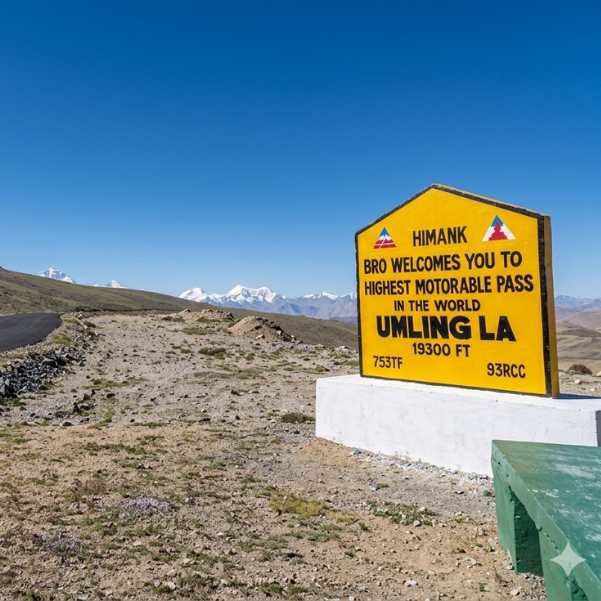
Umling La Ladakh Guide 2026: Route, Altitude, Permit, Safety & Reality Check
Planning to visit Umling La in 2026? This complete guide covers the route, altitude, permit requirements, road conditions, safety tips, and the realities of travelling to one of the world's highest motorable roads.
- Road Status
- Altitude & Health
 Ladakh
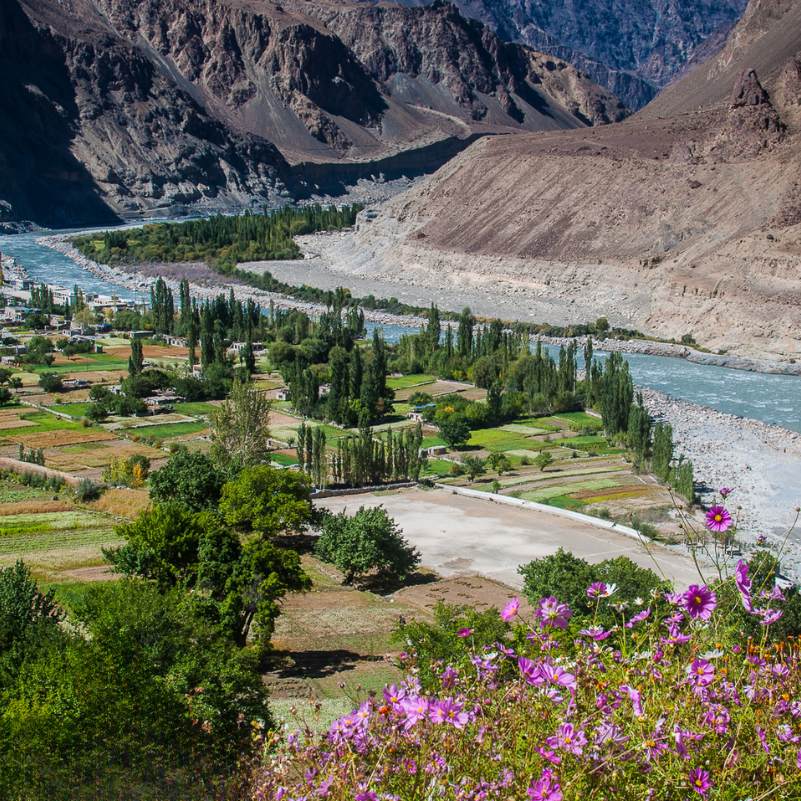
Turtuk Ladakh Travel Guide 2026: Balti Culture, Apricot Orchards and Why It Is Perfect for Families
Planning a trip to Turtuk? This 2026 travel guide explores the village's rich Balti culture, beautiful apricot orchards, top attractions, travel route, and why Turtuk is one of the best family-friendly destinations in Ladakh.
- Places to Visit
- Family Travel