
Leh Ladakh in June 2026: Weather, Road Status, Itinerary, Costs and Travel Tips
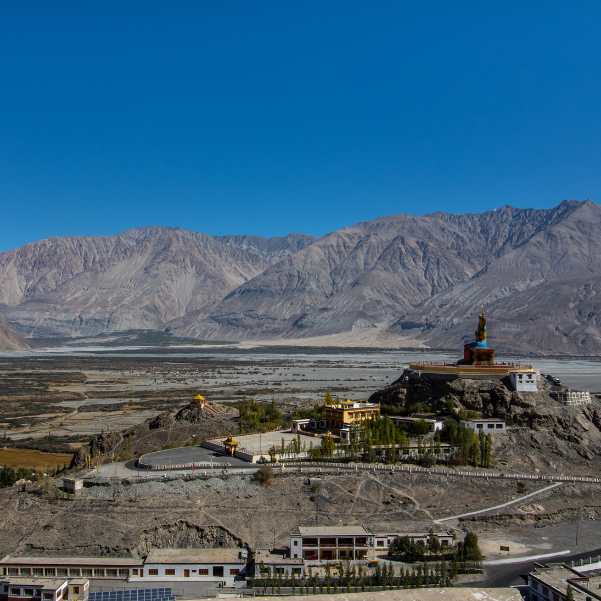
June is when Leh Ladakh finally opens up properly. The highways clear, flights fill up, and the high desert starts seeing its first big wave of travellers after months of being locked behind snow and military convoys.
If you are planning a Leh Ladakh in June trip, here is the honest picture. The weather is good, the roads are mostly through, and the big circuits like Nubra Valley, Pangong Lake, and Khardung La are accessible.
But 2026 has already thrown a few curveballs, and you need to know what to double-check before you book anything.
Quick Answer
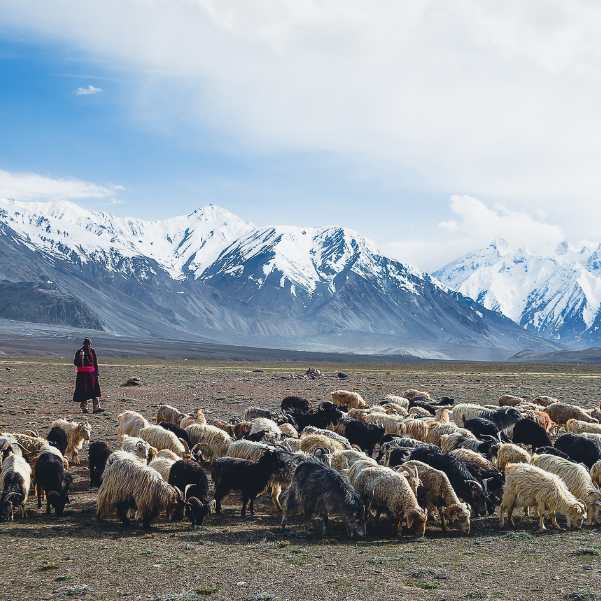
June is one of the best months for a Leh Ladakh trip. Daytime temperatures in Leh sit around 15°C to 25°C, the sky stays clear most days, and all major tourist circuits are usually open by mid-June.
Snow is still visible on higher passes like Khardung La and Chang La, which means you get that dramatic Ladakh look without freezing through your trip.
The catch in 2026: a major avalanche hit Zoji La on March 27, blocking the Srinagar-Leh highway at that time.
And as of mid-March, the Manali-Leh highway was still closed for civilian traffic. Both routes are expected to open by late May or early June, but recheck the live status before booking your travel.
If you want someone to handle the logistics and build in the right buffer days, explore our Leh Ladakh tour packages designed for the June season.
Is June a Good Time to Visit Leh Ladakh in 2026?
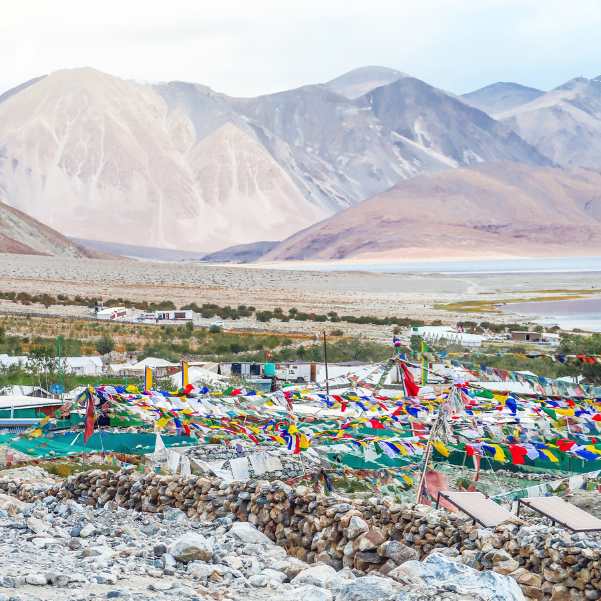
June is genuinely one of the best months for Ladakh, and here is why. The snow has melted enough to open the roads, but not so much that the mountains look bare.
The weather during the day is warm and dry. And the tourist rush, while building, has not peaked the way it does in July and August.
Early June
Early June is slightly more unpredictable. Roads may have just opened, some guesthouses might still be setting up for the season, and there is a slim chance of late snowfall blocking a pass for a day or two. But the payoff is smaller crowds and quieter mornings at places like Pangong.
Late June
Late June is more settled. Roads are stable, all circuits are running, and Leh town is buzzing. The Hemis Festival usually falls around this time, which adds a cultural layer to the trip that most months do not offer.
June works well for couples, photographers, bikers, and families who have enough days to spare. If you are a first-timer, late June is the safer bet.
If you have done mountain trips before and can handle a little uncertainty, early June rewards you with emptier roads and sharper light.
Is Leh Ladakh Open in June?
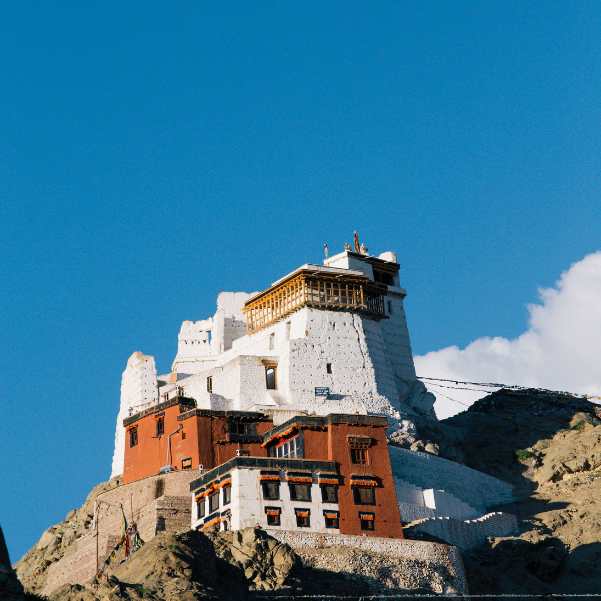
This is the question that confuses people the most, because "open" means different things depending on how you are getting there.
Flights to Leh run through the year. You can fly into Kushok Bakula Rimpochee Airport from Delhi, Mumbai, and Srinagar in any month. So if your plan is to fly in, Leh is technically always open.
The seasonal question is about road access. The two main highways, Srinagar to Leh and Manali to Leh, close every winter under heavy snow and reopen each summer. The exact dates change every year.
For 2026, the Manali-Leh route was still closed for civilian vehicles as of March 18. The Srinagar-Leh highway was disrupted by the Zoji La avalanche on March 27. Both routes are expected to reopen by late May or early June, but there is no final official date yet.
What most tourists get wrong is assuming that "road is open" means "road is smooth." Even after the highways open, the first couple of weeks usually involve rough patches, fresh repairs, and the occasional water crossing.
In our experience helping travellers plan this route, early June road trips need more flexibility built in than late June ones.
What Is the Weather Like in Leh Ladakh in June?
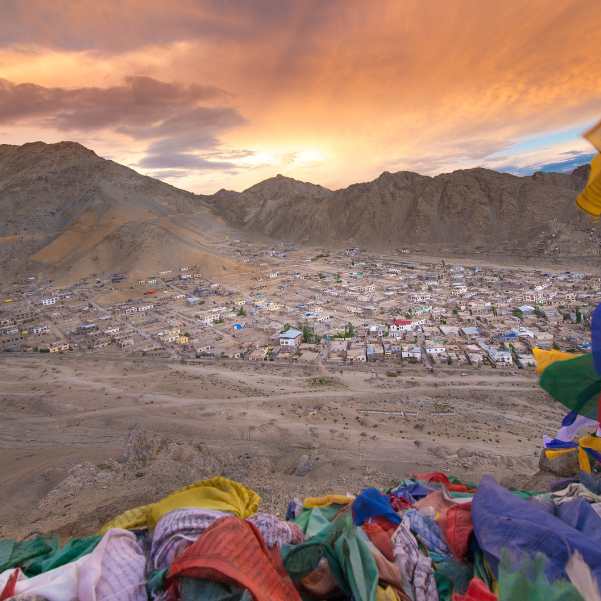
The weather in June is the main reason this month works so well. It is warm enough to enjoy the outdoors but cold enough that you still feel the altitude.
Leh town sees daytime temperatures between 15°C and 25°C depending on which week you visit and whether the sun is out. Mornings are crisp, afternoons feel almost warm, and evenings cool down fast.
Nubra Valley sits lower and tends to be warmer. Expect daytime temperatures around 20°C to 28°C, making it one of the more comfortable stops in the circuit.
Pangong Lake is higher and more exposed. Daytime temperatures hover around 15°C to 22°C, but the wind near the lake makes it feel colder than the number suggests. Evenings at Pangong can catch you off guard if you are not layered up.
One thing we always tell our travellers: the sun in Ladakh is brutal. At this altitude, UV levels are intense even when the air feels cool. You will burn in 20 minutes if you are not wearing sunscreen. Sunglasses are not a fashion choice here. They are protection.
Wind is the other factor nobody warns you about. A calm afternoon at 20°C can feel like 10°C the moment the wind picks up near an open pass or lakeside.
Can You See Snow in Leh Ladakh in June?
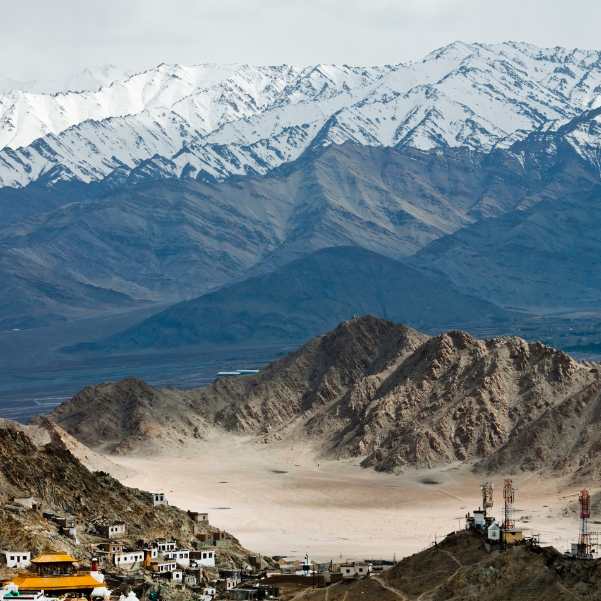
Yes, but set the right expectation. You will not see snow covering the streets of Leh or blanketing the valleys. By June, Leh town and the lower valleys are completely dry.
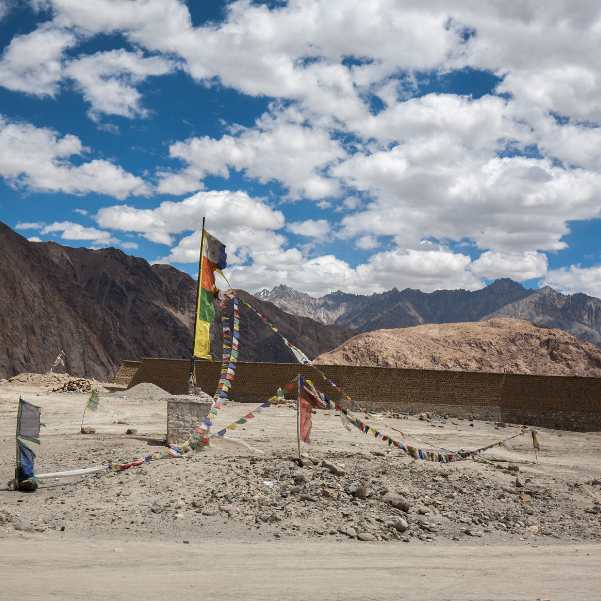
Where you will see snow is on the higher passes. Khardung La and Chang La usually have snow walls and patches on the roadsides in June, especially early in the month.
The mountains surrounding Pangong and parts of the Nubra drive have snow on the peaks that looks stunning against the blue sky.
If deep snow is what you are after, June is not the month. But if you want snow-capped mountains in the background while you ride or drive through clear roads, June delivers exactly that.
How Many Days Are Enough for Leh Ladakh in June?
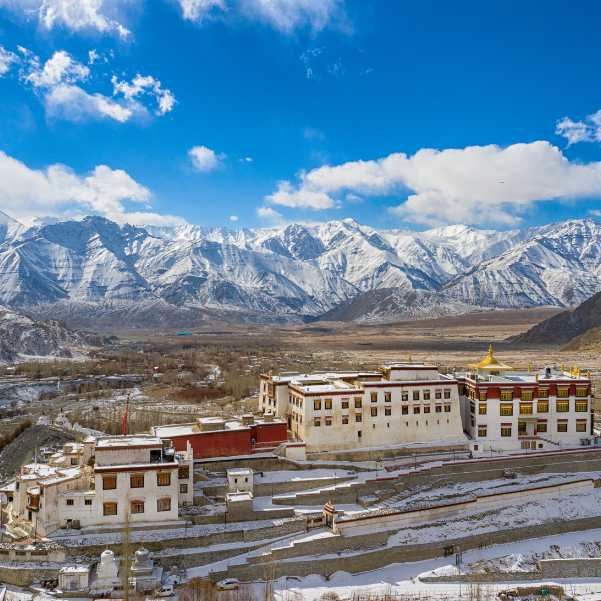
The short answer: 6 to 8 days for a standard trip covering Leh, Nubra, and Pangong. 8 to 10 days if you want to add Tso Moriri, Sham Valley, or simply not feel rushed.
The longer answer involves a rule that too many travellers ignore. Your first 48 hours in Leh must be easy. The official Ladakh health advisory says all visitors arriving in Leh must do at least 48 hours of acclimatisation before heading to higher-altitude areas.
This is not a suggestion. Your body needs time to adjust to 3,500 metres, and skipping this leads to headaches, nausea, and a miserable start to what should be a great trip.
So when you count your days, the first two are essentially for resting, walking around Leh market, visiting Shanti Stupa and Leh Palace, and letting your lungs catch up. The real itinerary starts from Day 3.
Weekend-style 4-day trips to Ladakh are a bad idea. We have seen too many travellers try it. They fly in, rush to Pangong the next day, feel terrible from the altitude, and spend the rest of the trip recovering instead of enjoying.
What Is the Best Leh Ladakh Itinerary for June?
Here are two versions depending on how many days you have.
6 Nights 7 Days: The Essential Leh Ladakh Itinerary
Day 1 is arrival day. Fly into Leh. Do nothing ambitious. Walk to Leh Market in the evening if you feel up to it. Drink water constantly. Sleep early.
Day 2 stays in Leh. Visit Shanti Stupa in the morning for views of the valley. Walk through the old town. See Leh Palace if you have energy. The Tibetan thukpa at the small restaurants near the main bazaar is the best warm meal you will have on this trip.
Our team always recommends the hole-in-the-wall places over the fancy cafes. The food is better and the prices are half.
Day 3 is the drive to Nubra Valley via Khardung La. The distance is about 160 km and the drive takes a full day. Khardung La is where you will see snow, military trucks, and a crowd of people taking photos with the altitude sign.
Reach Hunder or Diskit by evening. The double-humped camels at the Hunder sand dunes are worth a visit, even if it feels touristy.
Day 4 you explore Nubra. Visit Diskit Monastery in the morning. If time and permits allow, drive further towards Turtuk, which feels completely different from the rest of Ladakh. The apricot orchards and Balti villages there are a different world. Head back to Hunder for the night.
Day 5 is the long drive from Nubra to Pangong Lake via Shyok Road. This road is beautiful but rough. You reach Pangong by afternoon.
The lake is everything the photos promise, but no photo prepares you for the colour of the water in person. The wind hits hard in the evening, so layer up before sunset.
Day 6 is the return to Leh from Pangong via Chang La. It is another long driving day. Reach Leh by evening and collapse into a warm bed. If you have energy, walk to the market for a final evening.
Day 7 is departure day. Fly out or start your return journey.
This itinerary covers the three big highlights: Leh, Nubra, and Pangong. It is tight but doable if you are reasonably fit and acclimatise properly on the first two days.
8 Nights 9 Days: The More Relaxed Version
Follow the same plan as above for the first six days. Then add:
Day 7 as a Leh rest day or a visit to Sham Valley. Sham Valley is the part of Ladakh most tourists skip, and that is exactly why it is worth going.
The villages of Likir, Alchi, and Basgo have some of the oldest monasteries in the region.
Alchi's 11th-century murals are extraordinary. This is a gentle day with no high passes and no altitude stress.
Day 8 can be a day trip to Tso Moriri if your permits and vehicle allow, or a second rest day in Leh to buy souvenirs, eat well, and pack. Tso Moriri is further and less visited than Pangong, and the drive is long but the lake is quieter and arguably more beautiful.
Day 9 is departure.
This version gives you breathing room. If a road closes for a day or you feel unwell from the altitude, you have buffer. In our experience, the 8 to 9 day version is the one travellers come back happiest from.
Want this exact itinerary customized for your dates? Send us your dates and group size on WhatsApp
>> WhatsApp us your dates and group size to customise this itinerary
Which Route Is Better in June: Srinagar to Leh or Manali to Leh?
Both routes are spectacular, but they give you very different experiences.
Srinagar to Leh
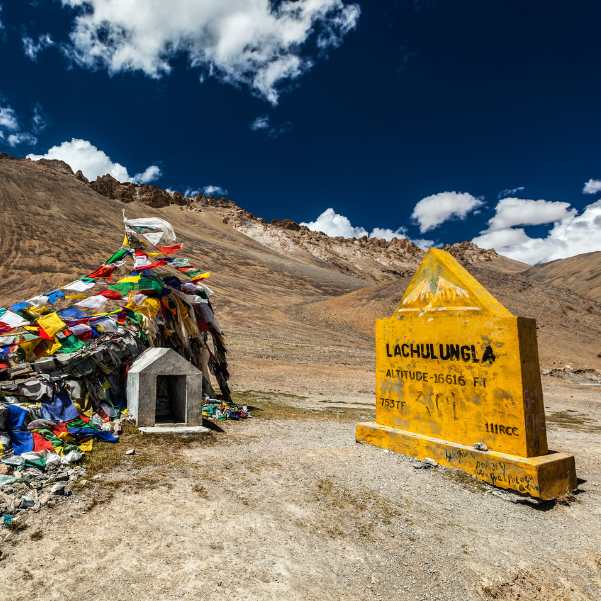
This route takes about 2 days with an overnight stop at Kargil or Drass. The altitude gain is gradual. You start in the Kashmir valley at about 1,500 metres and slowly climb through Sonamarg, Zoji La, and the Kargil plateau before reaching Leh.
This gradual ascent is better for acclimatisation. Your body has more time to adjust than if you are thrown straight into 3,500 metres from a flight.
The scenery shifts from green meadows in Kashmir to barren moonscapes near Lamayuru. It is also the better route for families and anyone nervous about altitude.
If you are starting from Srinagar, our Kashmir tour packages can be combined with a Ladakh extension.
Manali to Leh
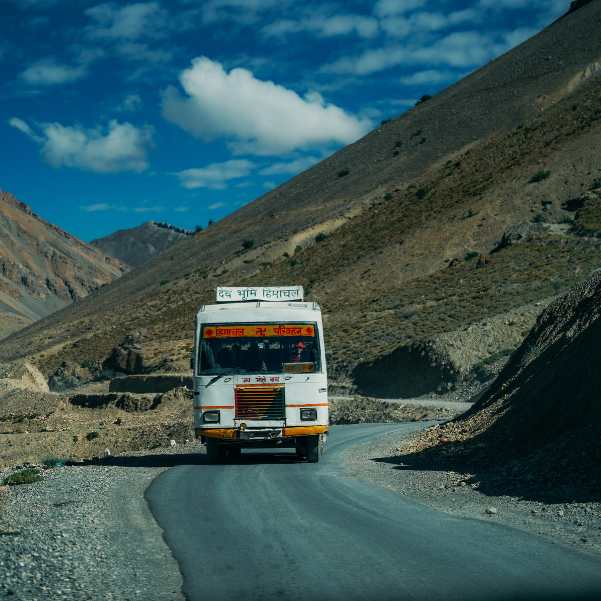
This route is the more famous one. It covers about 480 km over 2 days with a stop at Jispa or Sarchu. You cross multiple high passes including Rohtang, Baralacha La, Lachalung La, and Tanglang La.
The landscape is more dramatic. The road is rougher. And the altitude gain is sharper, which makes acclimatisation trickier. But bikers and road-trip lovers often call this the best highway drive in India.
If you are passing through Manali and want to spend a day or two there first, check our Manali packages. You can also break the drive with a stop at Sissu in Lahaul Valley, which is a beautiful overnight halt. Here is our Sissu guide.
Which Route for You?
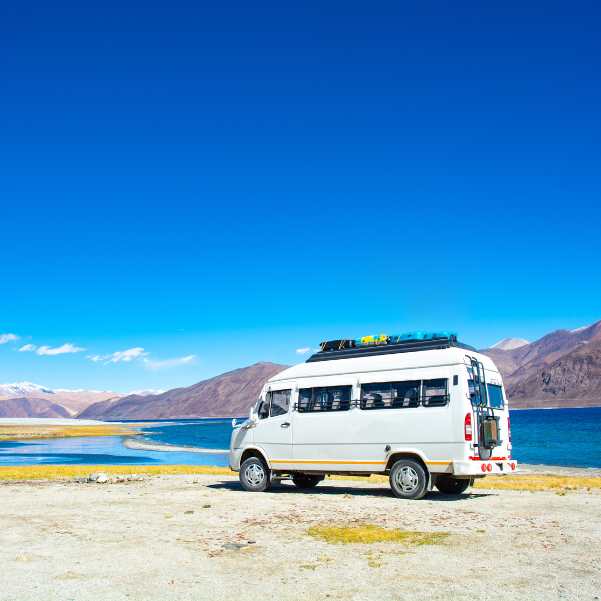
First-timers and families: Srinagar to Leh. Gentler altitude gain, more comfortable overnight stops.
Bikers and adventure seekers: Manali to Leh. Tougher road, bigger passes, more stories to tell.
Couples: Either works. Srinagar side is greener and more romantic. Manali side is more dramatic.
Self-drive travellers: Both routes need a capable vehicle. The Manali route demands more driving skill because of the water crossings and rough stretches after Rohtang. If you are not confident on mountain roads, hire a driver.
The ideal plan is to take one route going and the other returning. Fly into Srinagar, drive to Leh, and then drive out to Manali. Or the reverse. That way you get both landscapes in one trip.
Do You Need Permits for Leh Ladakh in June 2026?
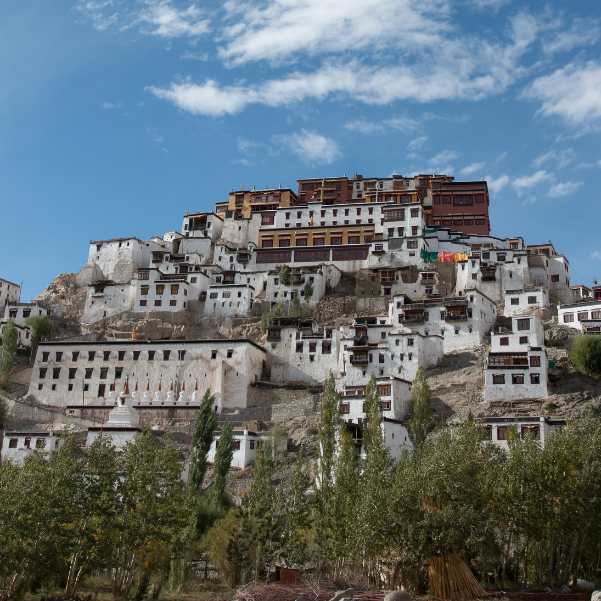
The permit system in Ladakh has been simplified, but it still trips people up. Here is what you actually need to know.
The LAHDC (Ladakh Autonomous Hill Development Council) online permit system is active. Domestic tourists can apply online, pay the fees, and carry the printed slip or a digital copy. The slip gets checked at the respective check posts on the way to restricted circuits.
The official LAHDC FAQ says inner line permit is applicable only to foreign tourists. So if you are an Indian citizen, you do not need an inner line permit.
What you need is the environmental and wildlife fee that applies to circuits covering Khardung La, Diskit, Hunder, Turtuk, Tyakshi, Pangong, and Tso Moriri.
The fee structure commonly includes about ₹400 as environmental fee, ₹20 per day as wildlife fee, and ₹50 as a one-time Red Cross contribution, but these can change. Verify the latest amounts at the time of booking.
Foreign nationals and some special passport holders require a Protected Area Permit (PAP), which involves a different process and is processed through registered travel agents in Leh.
Two things to carry: your government-issued ID and your Leh arrival boarding pass (if you flew in). The boarding pass is specifically mentioned on the official portal as something to carry along with the permit.
One money-saving tip most blogs skip: you can complete the entire permit process yourself on the LAHDC portal and save what agents charge as a "permit processing fee." It takes 10 minutes.
What Are the Best Places to Visit in Leh Ladakh in June?
Leh Town
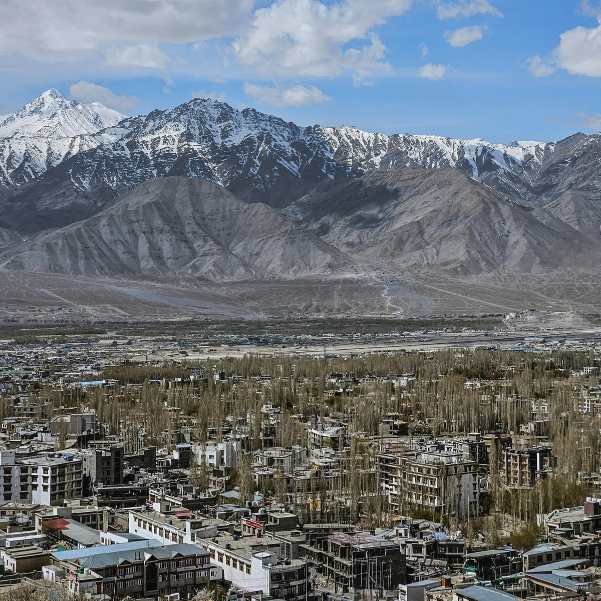
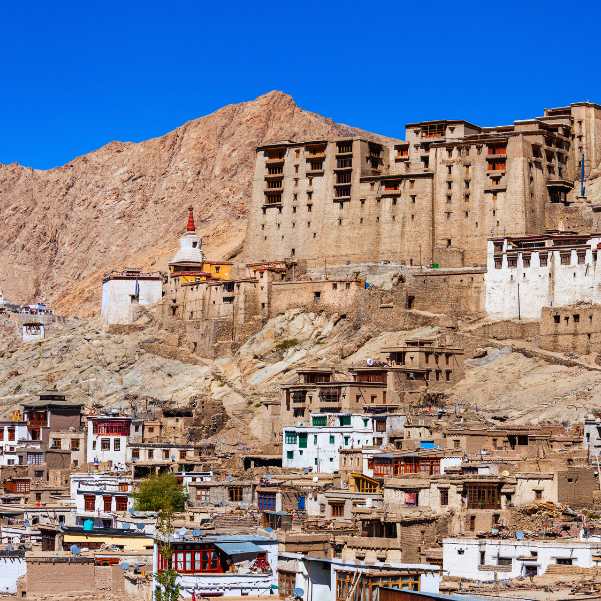
Start here and stay here for the first two days. Leh Palace gives you a bird's-eye view of the town. Shanti Stupa is best at sunrise or sunset. The Main Bazaar is great for Tibetan jewellery, pashmina, and warm food.
Skip the expensive "Ladakhi restaurants" aimed at tourists and eat where the locals eat. A plate of thukpa and momos at a local place costs ₹100 to ₹150 and tastes better than the ₹500 version at a fancy cafe.
Nubra Valley
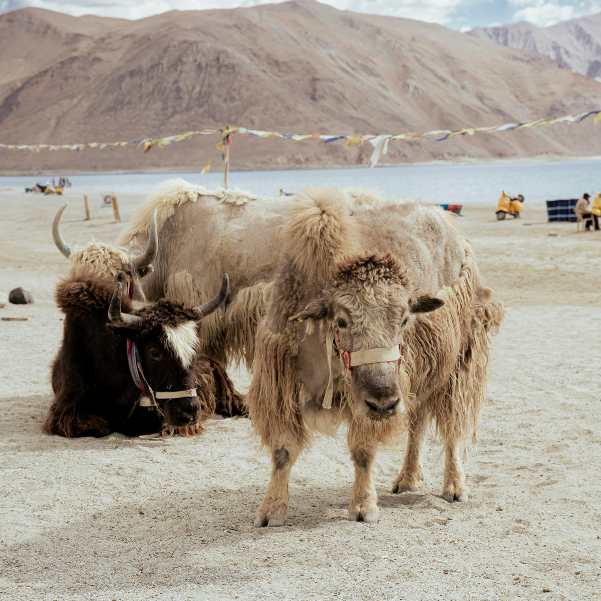
About 160 km from Leh via Khardung La. The valley feels like a different planet. Sand dunes in the middle of mountains. Double-humped Bactrian camels.
And monasteries perched on cliffs. Diskit Monastery and the drive to Turtuk are the highlights. In June, the weather here is warm during the day and genuinely pleasant.
Pangong Lake
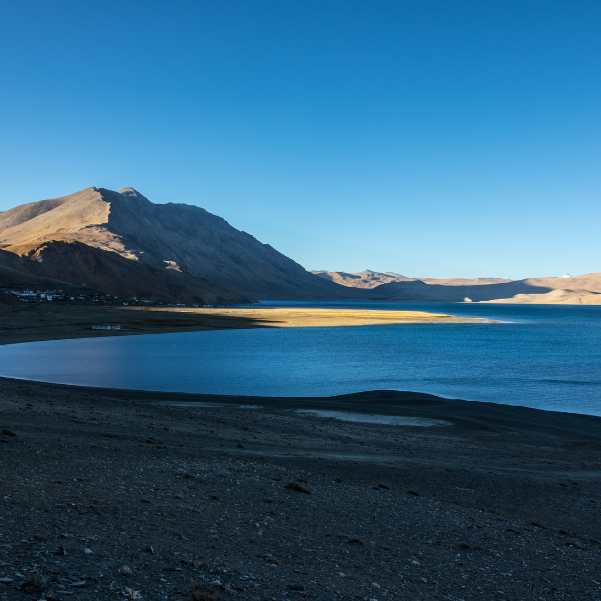
About 171 km from Leh on the standard route via Chang La. The lake changes colour through the day, from grey-blue in the morning to deep turquoise by afternoon.
Most people stay one night at a camp or guesthouse near Spangmik. The wind near the lake can be brutal in the evening, so pack a windproof layer.
Tso Moriri
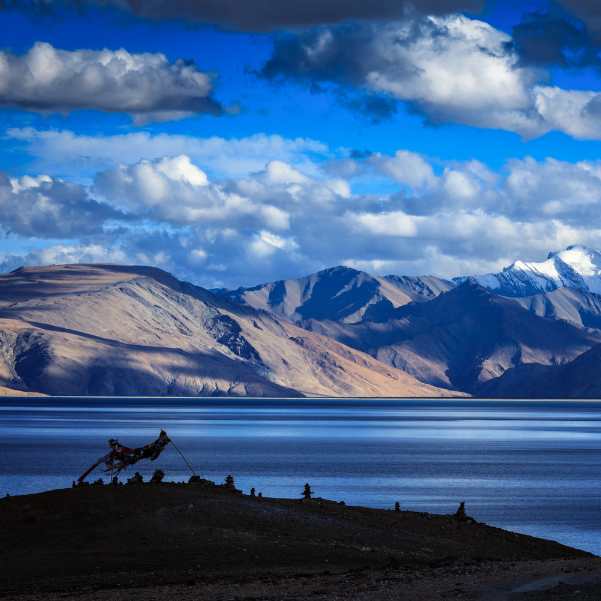
Less visited, harder to reach, and completely worth it. Tso Moriri is quieter than Pangong, surrounded by wilder terrain, and almost empty in early June. You need a permit and usually 2 extra days in your itinerary to include it.
Sham Valley
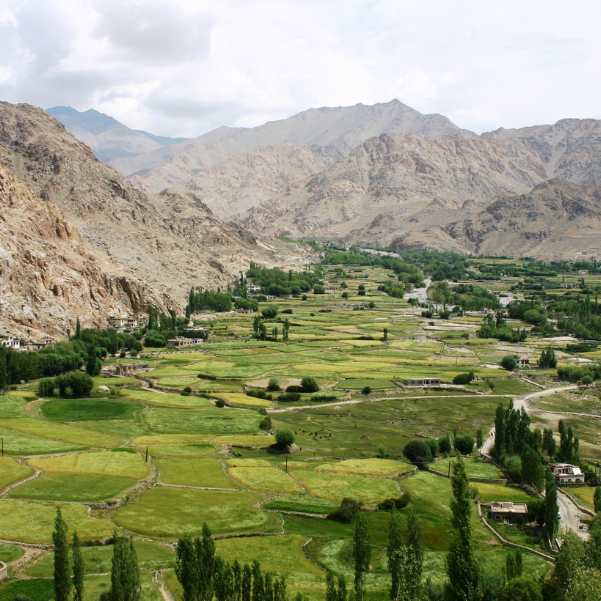
This is the low-altitude circuit near Leh covering Likir, Alchi, and Basgo. No high passes, no altitude stress, and some of the oldest Buddhist art in the entire region. Perfect for Day 2 of acclimatisation or a rest day later in the trip.
Visit Nubra and Pangong only after your body has had two full days in Leh. Rushing to a high pass on Day 1 or Day 2 is how people end up at the military medical post on Khardung La with an oxygen mask on their face.
Is June Good for a Leh Ladakh Bike Trip?
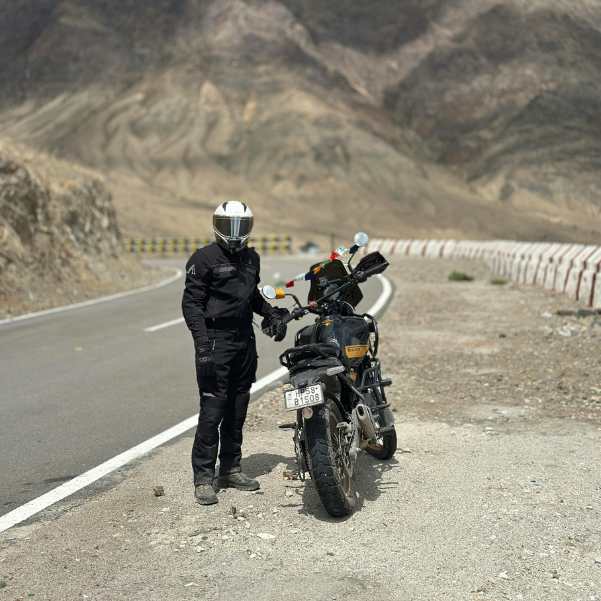
June is one of the top months for bikers in Ladakh, and for good reason. The roads are open, the weather is rideable during the day, and the passes still have enough snow on the sides to make every photograph look epic.
But here is the reality check.
Early June can still have stretches of road that are freshly opened and barely repaired. Water crossings between Manali and Leh are at their peak because of snowmelt. Riding through a stream of icy water at 14,000 feet is not fun if your bike stalls in the middle.
Late June is smoother. The water crossings settle, the roads are more predictable, and bike rental shops in Leh and Manali are fully stocked.
Speaking of rentals, book early. June is peak season and good bikes go fast. A Royal Enfield Himalayan 450 rents for about ₹3,000 per day and a Classic 350 for about ₹1,800 per day in recent seasons. Prices may shift with demand.
Carry your own gloves, a neck warmer, and a good riding jacket. Rental gear is usually terrible. And carry a basic tool kit. The closest mechanic on some stretches is a very long push away.
Skip the idea of doing Leh to Pangong and back in a single day on a bike. It is technically possible, but the road is tiring and you will not enjoy the lake if you are already exhausted from riding 170 km on mountain roads.
What Should You Pack for Leh Ladakh in June?
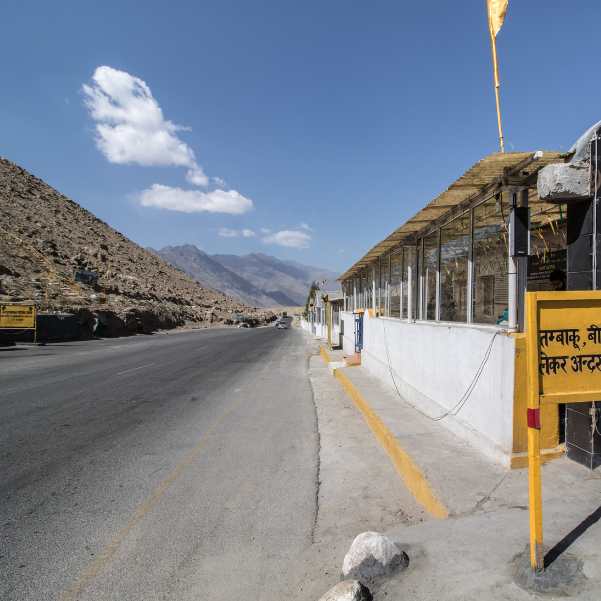
Packing for Leh Ladakh in June means planning for sun and cold on the same day. At noon you will want a T-shirt. By 7 PM you will need a jacket. That is just how altitude works.
Carry thermal inners (top and bottom) for mornings and evenings. A light down jacket or a good fleece is essential. You do not need the heaviest winter jacket, but you need something that blocks wind and holds warmth.
UV sunglasses are non-negotiable. The glare off the roads, snow, and lakes is genuinely painful without them. Sunscreen with SPF 50+ goes on every morning, even if it looks cloudy. Lip balm with SPF saves you from cracked, bleeding lips by Day 3.
Carry a reusable water bottle and drink constantly. Dehydration at altitude creeps up without warning. A basic medicine kit with paracetamol, ORS, and anti-nausea tablets covers most of what altitude throws at you.
Comfortable walking shoes that grip well on loose gravel. If you are biking, add proper riding gloves and a neck gaiter to the list.
A power bank is essential. Many guesthouses in Nubra and Pangong have limited or no electricity. And carry cash. ATMs in Leh exist but are unreliable. ATMs outside Leh are almost nonexistent. We always tell our groups to withdraw enough for the entire trip before leaving Leh town.
What Is the Cost of a Leh Ladakh Trip in June?
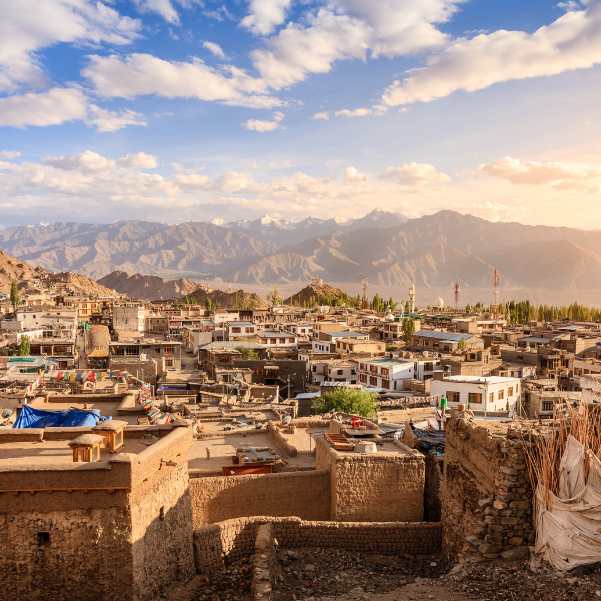
This depends heavily on how you travel, but here are realistic ranges to help you plan.
A first-time Ladakh trip in June typically costs between ₹18,000 and ₹30,000+ per person depending on travel style, duration, and whether you fly or drive.
Budget travellers can keep hotel costs under ₹3,000 per night at basic guesthouses and homestays. Food at local dhabas and restaurants is affordable.
The bigger expense is transport, either a rented bike or a shared/private taxi for the circuits.
Mid-range travellers spending ₹3,000 to ₹6,000 per night on stays get much more comfortable rooms with heating and attached bathrooms. Private taxis for Nubra and Pangong circuits cost more but give you flexibility.
Permit fees are relatively small. The environmental and wildlife fees add up to a few hundred rupees per circuit, but verify the current amounts on the LAHDC portal before you go.
Bike rentals range from ₹1,800 to ₹3,000 per day depending on the model. Fuel costs add up on long circuits. Factor in a refundable security deposit as well.
One honest warning: June is peak season. Prices for stays, taxis, and bike rentals climb with demand.
A room that costs ₹2,000 in September might cost ₹3,500 in June. Book at least 3 to 4 weeks ahead, especially for popular stays in Leh, Nubra, and near Pangong.
If you want a fixed-cost plan where everything from stays to transport to permits is sorted, check our popular tours page or reach out to us directly.
Important Health and Acclimatisation Tips for June Travellers
This section is not filler. It can genuinely make or break your trip.
The official Ladakh health advisory says all visitors arriving in Leh must do at least 48 hours of acclimatisation before heading to higher-altitude areas.
The advisory also clearly says that road travel does not automatically help with acclimatisation. Driving over high passes does not "prepare" your body. Only time at moderate altitude does.
Here is what to do in those first 48 hours. Stay in Leh. Walk slowly. Drink 2 to 3 litres of water daily. Eat light meals. Avoid alcohol, smoking, and sedatives. Sleep with an extra pillow to keep your head slightly elevated.
The officially listed danger signs include headache, nausea, cough, disturbed sleep, breathlessness, lack of concentration, and loss of appetite.
Mild headache on Day 1 is normal. Persistent or worsening symptoms after 24 hours are not.
If someone in your group is vomiting, confused, or struggling to breathe, get them to a lower altitude or a medical facility immediately.
Diamox helps some travellers, but take it only after consulting a doctor. What we tell every group we work with: the best medicine for altitude is patience. Do not try to be a hero on Day 1.
Garlic soup, available at most restaurants in Leh, is a local remedy that many travellers swear by. Whether it actually helps with altitude or just warms you up does not matter much. It tastes good and it makes you drink more liquid. Both are useful.
Is Leh Ladakh Safe in June for Families, Couples, and Solo Travellers?
Ladakh is generally a very safe destination. The people are warm, crime rates are low, and the tourist infrastructure, while basic in some areas, is well-established along the main circuits.
The real safety concern in Ladakh is not crime. It is the altitude.
Families with children
Families with children need to be extra careful. Kids can acclimatise faster than adults, but they also cannot always communicate when they feel unwell. Keep the first two days very easy. Watch for unusual tiredness or loss of appetite. And avoid taking children below 5 to high passes like Khardung La or Chang La.
Elderly travellers
Elderly travellers or anyone with heart or respiratory conditions should consult a doctor before booking. The altitude at Leh is 3,500 metres. Pangong is higher. Khardung La is over 5,000 metres. These numbers matter if your lungs or heart are already working harder than usual.
Solo travellers
Solo travellers have a great time in Ladakh in June. Shared taxis make it affordable. Group tours are easy to join. And the traveller community in Leh during peak season is friendly and welcoming.
Couples
Couples love June in Ladakh for the light, the landscapes, and the quiet evenings under absurdly clear skies.
The universal advice for everyone: do not rush. Ladakh rewards slow travellers and punishes rushed ones. Take an extra day if you can. Rest when your body asks for it. And carry more water than you think you need.
Final Verdict: Should You Visit Leh Ladakh in June?
Yes. Without hesitation, yes.
June gives you the best combination of open roads, pleasant weather, visible snow on the passes, and enough daylight to enjoy every stop.
It is warm enough during the day to sit by Pangong without shivering, and cold enough at night to remind you that you are at the edge of the Himalayas.
Early June is for the slightly more adventurous traveller who does not mind the odd road surprise. Late June is for everyone else, including families, first-timers, and people who want things to just work.
The Hemis Festival in late June adds a bonus that no other month offers. Watching masked dances in a 400-year-old monastery courtyard, with mountains on every side, is the kind of experience that stays with you.
If you are still figuring out dates, routes, or how to combine Ladakh with Kashmir or Manali, we are happy to help.
We have been planning Ladakh trips for years and we know which stays are worth the price, which routes need buffer days, and which itineraries actually work on the ground.
Talk to our team on WhatsApp for a Leh Ladakh plan that fits your dates and budget
>> WhatsApp us for a Leh Ladakh plan that fits your dates and budget
Explore Our Curated Leh Ladakh Tours
 6D/5N
6D/5NBest Selling Leh Ladakh Tour With Nubra Valley and Pangong Lake
2D Leh•1D Nubra Valley+1
₹23,999₹28,599SAVE INR 4,600/ person 6D/5N
6D/5NUltimate Leh Ladakh Tour Package with Nubra Valley & Pangong Lake
2D Leh•1D Nubra Valley+1
₹28,999₹35,999SAVE INR 7,000/ person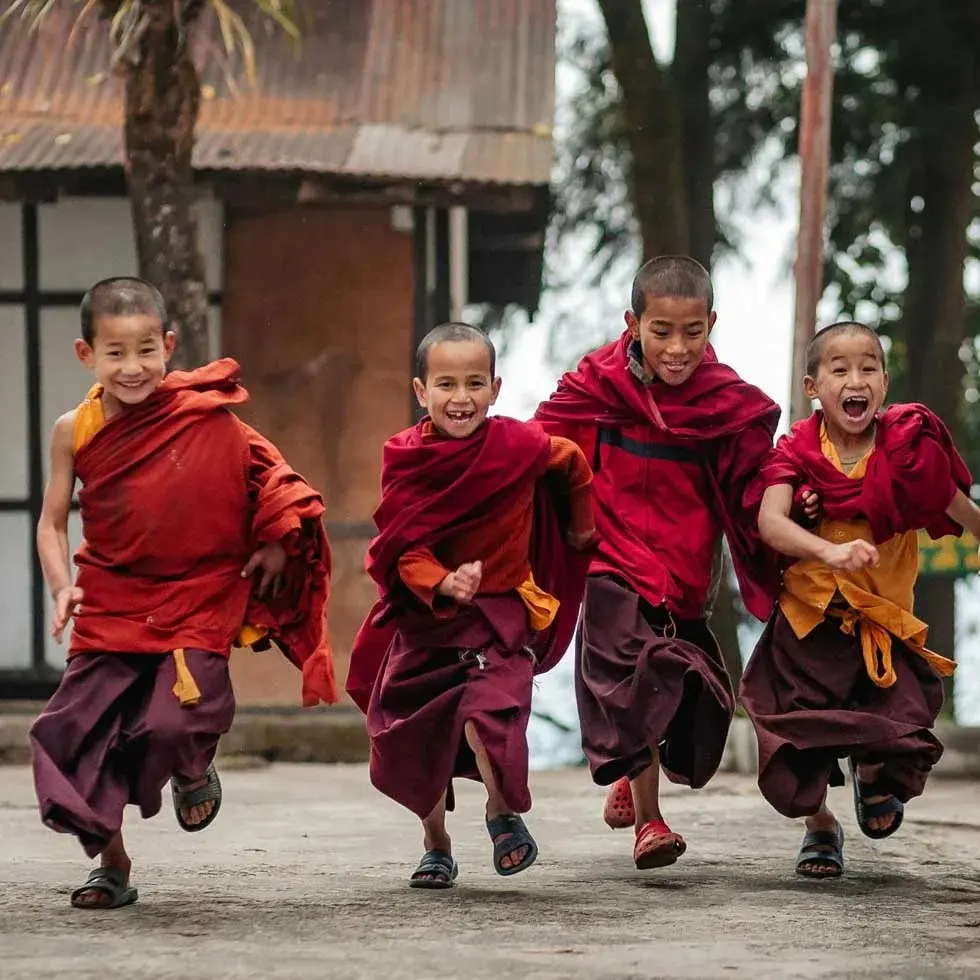 4D/3N
4D/3NLeh Ladakh Short Getaway
2D Leh•1D Pangong Lake
₹16,499₹19,999SAVE INR 3,500/ person
Related topics
Frequently Asked Questions
Is June a good time to visit Leh Ladakh?
June is one of the best months. The weather is pleasant during the day, the main highways and tourist circuits are open, and the mountains still have snow on the higher passes. Late June is the most stable window.
Is Ladakh open in early June?
Ladakh is accessible by flight year-round. By road, the Srinagar and Manali highways usually open by late May or early June, but conditions in the first week can be unpredictable. Recheck live road status before departure.
Can we see snow in Leh Ladakh in June?
Yes, on higher passes like Khardung La and Chang La. You will see snow walls on the roadsides and snow on surrounding peaks. Leh town and the valleys will not have snow.
How cold is Pangong in June?
Daytime temperatures at Pangong in June range from about 15°C to 22°C, but the wind near the lake makes it feel significantly colder. Evenings drop quickly, so carry a proper jacket and windproof layer.
Do Indians need a permit for Pangong in 2026?
Indian citizens do not need an inner line permit. You do need to pay the environmental and wildlife fee through the LAHDC online permit system. Carry your ID and Leh arrival boarding pass along with the permit slip.
Do foreigners need PAP in Ladakh?
Certain foreign nationals and some special passport holders require a Protected Area Permit (PAP). This must be processed through a registered travel agent in Leh. Check the Leh district official page for the latest requirements.
Which is better in June, Srinagar to Leh or Manali to Leh?
Srinagar to Leh is gentler on the body and better for acclimatisation. Manali to Leh is rougher but more dramatic. For first-timers and families, Srinagar side is safer. For bikers and adventure lovers, the Manali side is more rewarding.
Is June safe for a bike trip in Ladakh?
Yes, June is one of the top months for biking. Late June is more predictable. Early June may have water crossings and freshly opened stretches. Book your bike rental early and carry your own riding gear.
How many days are enough for Leh Ladakh in June?
6 to 8 days for a standard trip covering Leh, Nubra, and Pangong. 8 to 10 days for a relaxed version that includes Tso Moriri or Sham Valley. Always keep the first 2 days light for acclimatisation.
What clothes should I pack for Leh Ladakh in June?
Thermal inners, a light down jacket or fleece, a windproof outer layer, UV sunglasses, SPF 50+ sunscreen, lip balm, comfortable shoes, and gloves if you are riding. Pack for sun and cold in the same day.
Is Pangong open in June?
Yes, Pangong Lake is generally accessible by June. The road via Chang La is usually open by this time. Camps and guesthouses near the lake operate through the season.
Can senior citizens visit Leh Ladakh in June?
Yes, with proper planning. Fly into Leh instead of driving to reduce altitude shock. Keep the first 3 days very easy. Consult a doctor before the trip, especially if there are any heart or respiratory conditions. Avoid Khardung La if health is a concern.
More about Ladakh
 Ladakh
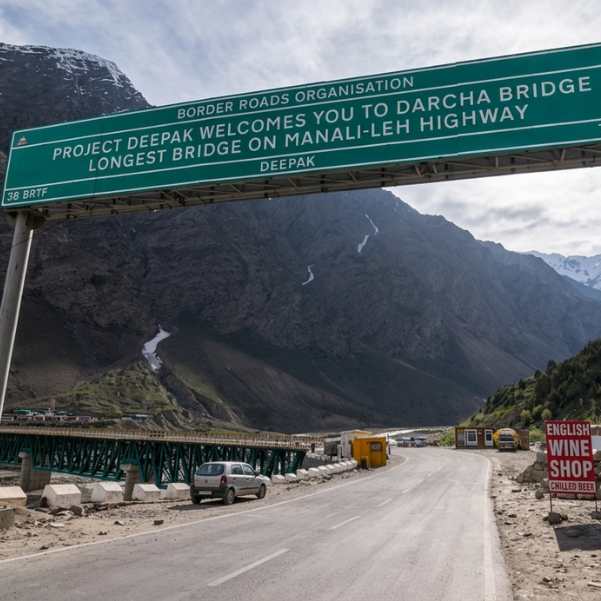
Manali to Leh Highway 2026: Every Pass, Stop and Distance
Plan your Manali to Leh Highway journey in 2026 with a complete guide to major mountain passes, overnight stops, route highlights, and distance. Discover key stops like Jispa, Sarchu, and Pang, along with famous passes including Baralacha La and Tanglang La.
- Road Trips
- How to Reach
 Ladakh
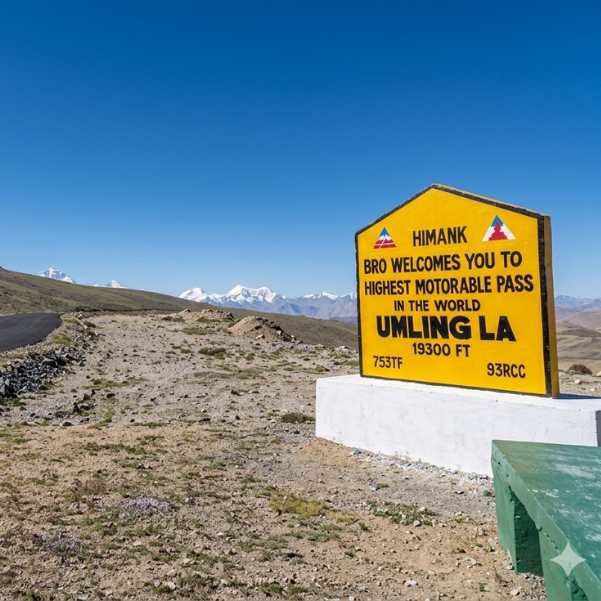
Umling La Ladakh Guide 2026: Route, Altitude, Permit, Safety & Reality Check
Planning to visit Umling La in 2026? This complete guide covers the route, altitude, permit requirements, road conditions, safety tips, and the realities of travelling to one of the world's highest motorable roads.
- Road Status
- Altitude & Health
 Ladakh
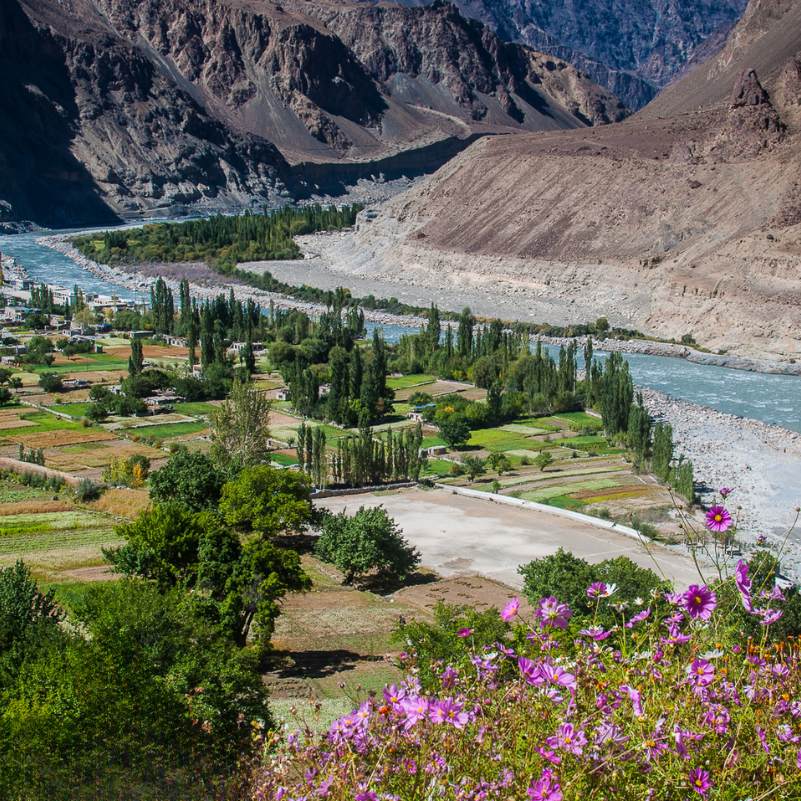
Turtuk Ladakh Travel Guide 2026: Balti Culture, Apricot Orchards and Why It Is Perfect for Families
Planning a trip to Turtuk? This 2026 travel guide explores the village's rich Balti culture, beautiful apricot orchards, top attractions, travel route, and why Turtuk is one of the best family-friendly destinations in Ladakh.
- Places to Visit
- Family Travel