
Ladakh Permit 2026 Guide: ILP, PAP, Fees, Documents and Online Process
If you have been Googling "inner line permit Ladakh" or "ILP Ladakh online" and getting five different answers from five different blogs, you are not alone.
The Ladakh permit system has changed, and most of the internet has not caught up.
Here is the short version before we get into everything.
Quick Answer
Indian tourists do not need the old-style Inner Line Permit document for regular sightseeing in Ladakh in 2026.
What you need instead is to pay the Ladakh environment fee online through the official LAHDC Leh portal, download your receipt, and carry it with you. That receipt is what gets checked at various points along the way.
Foreign nationals still need a Protected Area Permit (PAP) for most restricted areas like Nubra Valley, Pangong Lake, Tso Moriri and several border-side zones. The process is different and involves more paperwork.
For places like Hanle, Chusul and Umling La, the rules are tighter and can change without much notice. Always double-check these before locking your travel dates.
The safest approach is to pay your fees online before you fly into Leh, carry a printout or saved PDF, and confirm restricted-area rules closer to your travel date.
We have been sending travellers to Ladakh for years and the single biggest hassle people face is not the permit itself but the confusion around it.
What Is the Ladakh Permit in 2026?
The reason travellers still search for "inner line permit Ladakh" and "ILP Ladakh online" is simple. For years, the system required a physical ILP that you had to get stamped and verified. Blogs wrote about it, travel forums discussed it, and the phrase stuck.
In 2026, the domestic process looks very different. Indian travellers going to standard tourist areas no longer need a separate ILP document.
The system now works through an environment fee receipt that you generate after paying online on the official LAHDC Leh portal. This receipt replaces the old ILP for most regular tourist circuits.
But the official Leh district online services page still lists this service as "Online Protected Area Permit/Inner Line Permit", which adds to the confusion.
The website uses old terminology even though the actual process for Indians is now just paying fees and carrying a receipt.
Here is how to think about it clearly. There are three things people mix up.
Inner Line Permit (ILP)
The Inner Line Permit (ILP) is the old system. For Indian tourists doing regular sightseeing, this has effectively been replaced by the environment fee receipt workflow.
Protected Area Permit (PAP)
The Protected Area Permit (PAP) is what foreign nationals need for restricted areas. This is still very much a real document with a proper application process.
Environment fee receipt
The environment fee receipt is what Indian travellers actually need in 2026. You pay online, download the PDF, and carry it. That is your "permit" for most purposes.
Once you separate these three things in your head, the rest of this guide will make a lot more sense.
Do Indian Tourists Need an Inner Line Permit for Ladakh in 2026?
No. Indian tourists do not need the old-style ILP for regular sightseeing in Ladakh in 2026. What you need is the environment fee receipt generated through the official LAHDC Leh portal after paying online.
With this receipt and a valid government ID, Indian travellers can visit most standard tourist areas including Nubra Valley, Pangong Lake, Khardung La, Turtuk and Tso Moriri. The receipt and your ID are what the check post staff will ask for.
The confusion exists because dozens of travel blogs still use the phrase "you need an ILP for Pangong" or "apply for ILP Ladakh online." They are not technically wrong about needing some form of approval, but the process they describe is often outdated.
In our experience helping travellers plan Ladakh trips, the biggest source of stress is people reading 2019 blog posts and assuming the 2026 process is the same.
It is not. The process is simpler now. Pay online, get your receipt, carry it, and you are sorted for most places.
Do Foreigners Need a Protected Area Permit in Ladakh?
Yes. Foreign nationals usually need a Protected Area Permit (PAP) for restricted tourist circuits in Ladakh.
This includes areas like Nubra Valley, Pangong Tso, Tso Moriri, Turtuk, Dah Hanu, Hanle and several other border-side zones.
The PAP is a proper permit, not just a fee receipt. Foreign travellers can apply through the overseas section of the official LAHDC Leh portal or through a registered travel agent in Leh.
Some nationalities and passport categories face extra restrictions. The official Leh district page names these specifically: nationals of Pakistan, Afghanistan, China, Bangladesh, Myanmar and Sri Lanka, as well as foreigners of Pakistani origin, Taiwan and Hong Kong SAR PRC passport holders.
Additionally, holders of diplomatic passports, UN passports, international organisation passports, official passports or visas, and journalist passports or visas face separate clearance requirements.
If you are a foreign traveller planning Ladakh, the simplest path is to work with a registered local agent who handles the PAP paperwork. It saves time and avoids rejection due to incomplete forms.
What Is the Official Website for ILP Ladakh Online?
The official website is lahdclehpermit.in. This is the LAHDC Leh permit portal and it handles both domestic and overseas applications.
When you open the site, you will see options for Domestic Registration, Overseas Registration, Online Payment, Search Permit and Print Permit. The layout is straightforward but the naming can confuse you because it still uses old ILP terminology in some places.
For Indian travellers, start with Domestic Registration. You create an account, fill in your travel details, select your travel circuits, make the payment, and download your receipt. The entire process takes about 10 to 15 minutes if your documents are ready.
For foreign travellers, the Overseas Registration section handles PAP applications. The form asks for passport details, visa information, photographs and your planned itinerary.
One thing we always tell our travellers: bookmark the website before your trip. You will need it to search or reprint your permit if your phone dies or your printout gets wet at a checkpoint. It happens more often than you would think.
What Is the Ladakh Permit Fee in 2026?
For Indian travellers, the fee structure has three components.
The environment fee is ₹400 per person, paid once for the entire trip. The wildlife fee is ₹20 per person per day for each day you are in Ladakh. The Red Cross fee is ₹50 per person, paid once, and this one is optional.
So if you are planning a 7-day trip, your total comes to ₹400 (environment) plus ₹140 (wildlife, 7 days at ₹20) plus ₹50 (Red Cross, optional). That is ₹590 per person with the Red Cross fee included.
The portal also mentions that a 10 percent discount applies when the process is done through a local travel agent. Worth knowing if you are booking a complete trip anyway.
For foreign travellers, the PAP cost typically includes the environment fee, Red Cross donation and any processing or agent fees. Extra processing charges may apply if you use a travel agent, but the final amount and process can vary by category of traveller and route.
These are small amounts, but getting them sorted online before you land in Leh saves you from standing in lines that eat into your acclimatisation time.
Which Places in Ladakh Need a Permit and Which Do Not?
This is where most travellers trip up. Not every part of Ladakh requires the same paperwork.
Places that usually need a permit or environment fee receipt include Nubra Valley, Pangong Lake, Tso Moriri, Hanle, Chusul, Turtuk, Khardung La and Dah Hanu. These are restricted or semi-restricted zones, and check posts along the way will ask for your receipt or permit.
If you do not have it, you will be turned back. We have seen this happen to travellers who assumed they could sort it out "on the way."
Leh town itself does not require any permit to visit. You can walk around the market, visit Leh Palace, eat at cafes and explore the old town without any paperwork beyond your flight ticket and ID.
The Manali-Leh Highway and the Srinagar-Leh Highway are generally treated as open routes that do not require the same permit workflow.
You do not need to apply for anything special to drive these roads, though you should carry your basic ID and environment fee receipt anyway since some checkpoints along the way may ask.
Zanskar Valley is also generally accessible without additional permits beyond what you would normally carry. But this is Ladakh, and rules shift. If you are planning a Manali trip that connects to Leh, confirm the latest requirements before you leave.
The key takeaway: just because Leh town is relaxed does not mean the rest of Ladakh works the same way. Every restricted-area checkpoint operates independently, and "I didn't know" does not get you past them.
Not sure which permits you need for your route? Talk to our team on WhatsApp and we’ll guide you with the exact paperwork before you travel.
👉 WhatsApp us and get your permits sorted before your trip
How to Apply for Ladakh Permit Online Step by Step
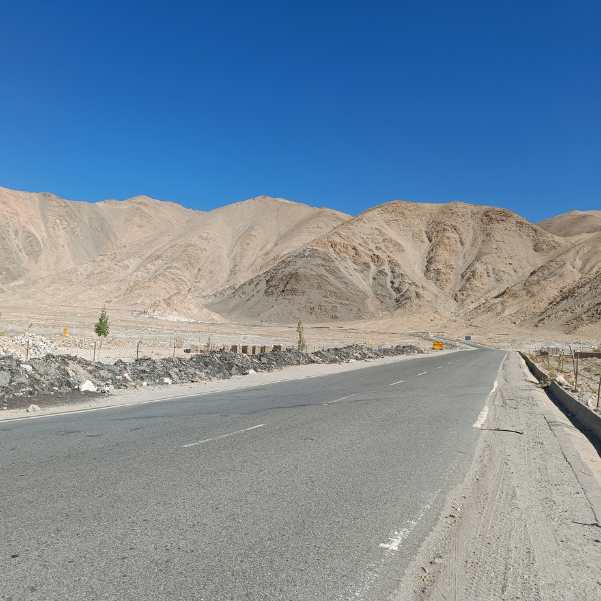
The domestic process is simple once you know the sequence.
Go to lahdclehpermit.in and click on Domestic Registration. Create your account with a valid email and phone number. You will get an OTP to verify.
Once registered, log in and fill in your personal details. You will need to enter your name exactly as it appears on your government ID, your ID number, your travel dates, and the number of people in your group. If you are travelling as a family or group, you can add multiple travellers under one application.
Next, select the travel circuits you plan to visit. The portal lists areas like Nubra, Pangong, Tso Moriri and others as selectable circuits. Pick all the places you want to visit because adding them later means going through the process again.
Make the online payment using the portal's payment gateway. The amount is calculated based on your circuits, number of days and number of travellers.
After payment, download the PDF receipt. This is your "permit." The portal clearly states that domestic tourists no longer need to verify this payment contribution slip at the DM office. You can travel directly after online payment.
Carry a printed copy and also save the PDF on your phone. The portal says this document may be checked at respective check posts along your route.
One thing people miss: the portal states it is mandatory to show your Leh arrival boarding pass along with the permit. So do not throw away your boarding pass after landing. Keep it with your permit printout.
What Documents Are Required for Ladakh Permit Online?
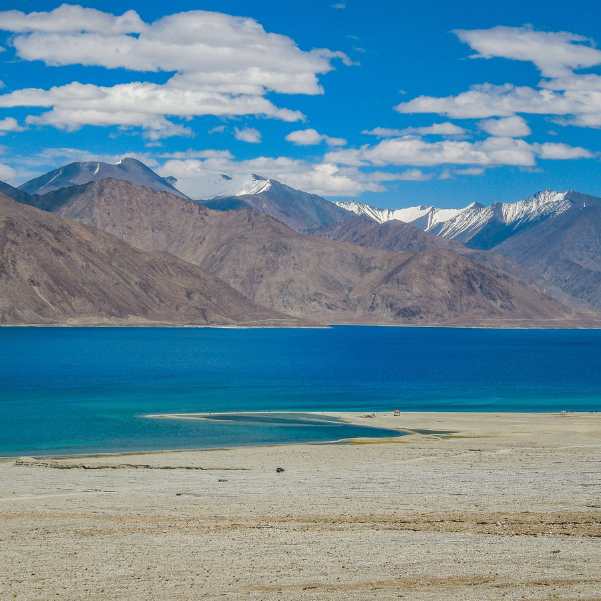
For Indian travellers, the document list is short. You need a valid government-issued photo ID. Accepted IDs include Aadhaar card, Passport, Driving Licence and Voter ID. You will enter the ID number during the online application, and the same ID should be carried physically during your trip.
Keep your Leh arrival boarding pass as well. The official portal specifically mentions that travellers should show this along with the permit or receipt at check posts.
For foreign travellers, the requirements are heavier. You may need your passport with valid visa, passport-sized photographs, a detailed itinerary of your Ladakh trip, and sometimes a hotel booking confirmation. The specifics can vary depending on your nationality and the areas you plan to visit.
Foreign travellers applying through the overseas portal should have scanned copies of all documents ready before starting the application.
If applying through a registered agent in Leh, the agent will guide you through the exact requirements.
Our practical tip: make three photocopies of everything. One stays in your bag, one in your daypack, and one with a travel companion.
Check posts at Khardung La and Pangong are strict about documentation, and losing your only copy at 17,000 feet is not a situation you want to be in.
How Long Is the Ladakh Permit Valid?
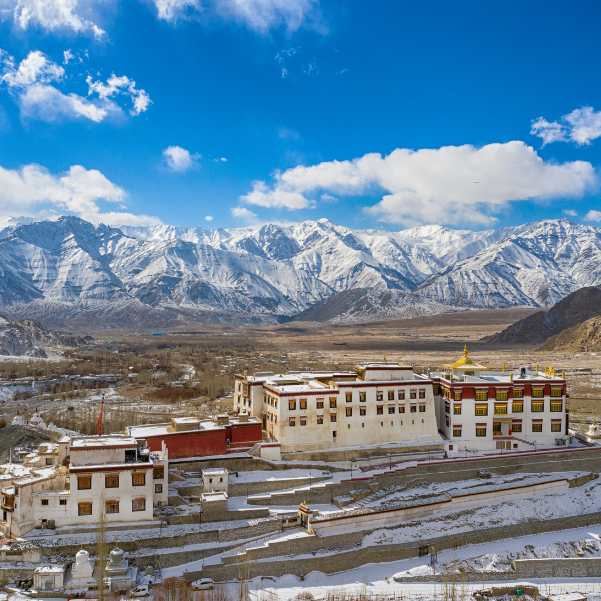
For foreign travellers, the PAP is valid for a maximum of 15 days. If your trip exceeds this, you will need to apply for an extension or a fresh permit.
Plan your itinerary accordingly, especially if you are combining Ladakh with Kashmir or other regions.
For Indian travellers, the validity question is less straightforward. Several currently ranking pages mention a validity of up to 3 weeks, but official clarity on this is thinner.
The safest approach is to match your permit dates exactly to your travel dates when filling the online form. Select the correct entry and exit dates, and do not leave gaps or overlaps that could cause confusion at checkpoints.
If your plans change after you have generated the receipt, the portal allows you to search and reprint permits. But changing dates or circuits may require a fresh application and payment.
Can Solo Travellers Get Ladakh Permits?
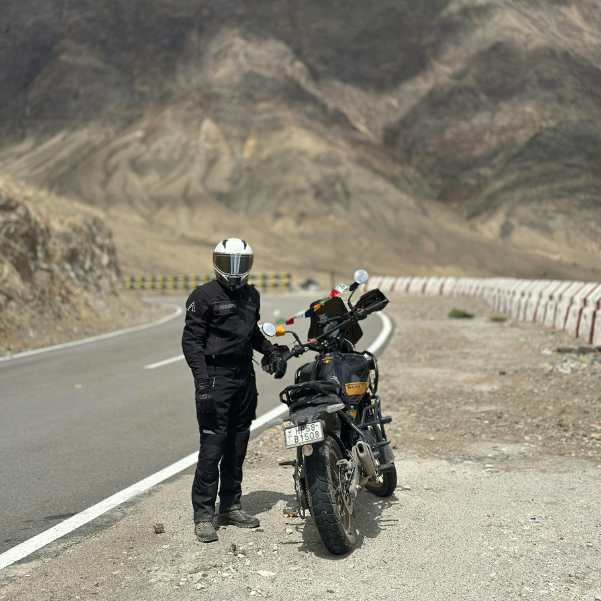
For Indian solo travellers, there is no problem at all. You can complete the entire online fee process yourself on the LAHDC Leh portal.
There is no group requirement and no minimum number of travellers needed. Register, pay, download your receipt, and go.
For foreign travellers, permit rules are more specific than many older guides suggest. In the current Leh permit system, PAP requirements depend on nationality, passport type, visa category and the areas you plan to visit, so the old advice that solo foreign travellers must always apply in a group of two should not be treated as a blanket 2026 rule.
This is one of those rules that feels outdated but is still enforced in practice. If you are a foreign solo traveller, reach out to a registered agent in Leh a few days before your planned excursion. They can usually pair you with another traveller or handle the paperwork in a way that works.
What we always tell solo travellers heading to Ladakh: the permit is the easy part. The harder part is making sure you have acclimatised properly before heading to high-altitude passes alone. Nobody checks your oxygen levels at the permit counter, but your body will check them at 18,000 feet.
Do You Need a Permit for Hanle, Chushul and Umling La in 2026?
This is where the confusion peaks, and where getting it wrong has real consequences.
Hanle and Chushul
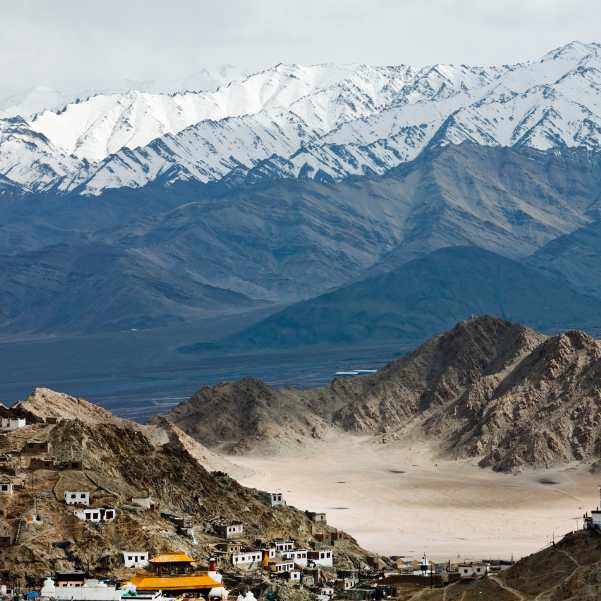
Hanle and Chushul are often treated under special restricted circuits. These are border-adjacent areas, and access can require additional clearance beyond the standard environment fee receipt.
The rules for these places are not just about paying a fee. Because these are sensitive border-side circuits, access can be subject to security restrictions and route conditions that may change at short notice.
If you are planning to visit Hanle, especially for the Indian Astronomical Observatory, check the latest clearance requirements through a local operator or the district administration. Do not rely on blog posts from last year.
Chushul is even more restricted. It sits close to the Line of Actual Control, and civilian access has been inconsistent. Some seasons it opens for limited tourism, other seasons it does not.
Umling La
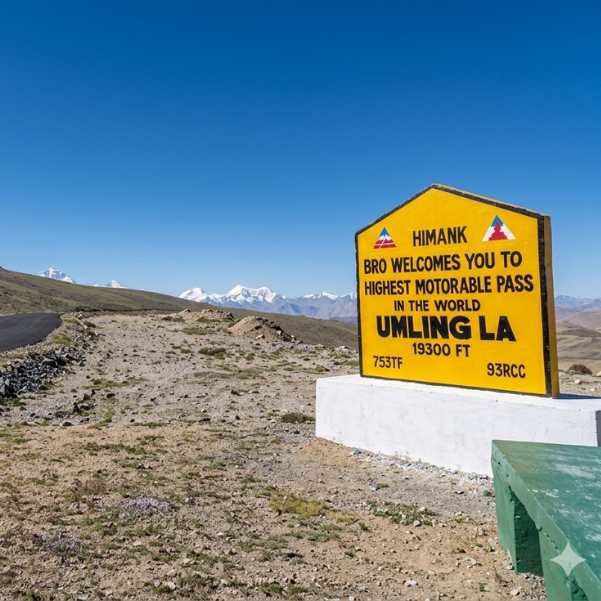
Umling La, known as one of the highest motorable roads in the world, is currently included in the official Leh permit circuit list.
Since it is located in a sensitive border-side region, travellers should still check the latest permit status and route conditions before planning the trip.
The road has strategic value, but it has also been promoted officially for connectivity and tourism.
Our honest advice: if Hanle, Chushul or Umling La are the main reason for your Ladakh trip, confirm access at least two weeks before you travel.
If access is uncertain, build your itinerary so the trip is still worth doing without these places.
Nubra, Pangong and Tso Moriri are spectacular on their own, and you will not feel like you missed out.
Important 2026 Notices Travellers Should Not Ignore
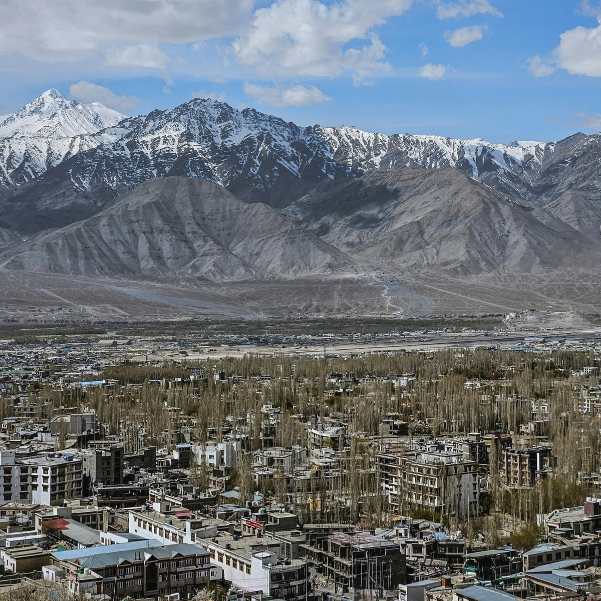
These are things directly from the official portal or current guidance that most travellers gloss over and then regret.
No DM office verification needed
The portal clearly states that domestic tourists no longer need to get their payment contribution slip verified at the District Magistrate's office. You pay online, you get the receipt, and you travel. This saves half a day that older guides told you to budget for.
Beware of fake environment slips
The official portal has an active warning about fake or fraud environment slips circulating. If someone outside the airport or at a travel desk offers you a "quick permit" for cash without going through the portal, walk away. Use only the official website.
Carry your boarding pass
The portal states that travellers should show their Leh arrival boarding pass along with the permit at check posts. This is an easy thing to lose or throw away, so put it with your permit printout the moment you land.
Spend 48 hours acclimatising in Leh
The official health advisory says all tourists arriving in Leh must undergo at least 48 hours of acclimatization before starting for higher altitude areas.
This is not just a suggestion. Your body needs time to adjust to 11,500 feet before you push to 14,000 or 18,000 feet.
We have seen travellers land in Leh at 10 AM and want to leave for Khardung La by 2 PM. That is how altitude sickness happens. Spend two full days in Leh. Walk the market. Visit local monasteries.
Drink water constantly. Then head out. If you are looking for things to do during those 48 hours, our popular tours page has options that keep you within Leh town.
Common Mistakes People Make While Applying
Entering wrong travel dates
The dates on your receipt should match your actual travel dates. If you enter June 10 to June 15 but your flight lands on June 9, you technically do not have valid documentation for the first day. Match dates carefully.
Missing route selection
The portal asks you to select specific travel circuits. If you select only Nubra but later decide to visit Pangong, your receipt will not cover that circuit. Select every area you might visit, even if it is a "maybe." Paying a little extra is better than getting turned back.
Trusting outdated blogs
A blog from 2022 telling you to "visit the DM office with photocopies" is no longer accurate. The system has changed. Always cross-check with the official portal or a current-year source.
Assuming Leh town rules apply everywhere
Leh town is relaxed. No permits needed to walk around. But the moment you head toward Khardung La or any restricted circuit, the rules kick in. Do not assume that the easygoing vibe in Leh extends to the checkpoints.
Not carrying enough copies
Print at least two copies of your receipt. Save the PDF on your phone and email it to yourself. Check posts at remote locations sometimes have poor connectivity, and showing a PDF on a phone with 4% battery in freezing wind is not ideal.
If you are planning a Ladakh trip and want someone to handle the permits, routing, stays and local logistics, Talk to our team on WhatsApp , our team has been doing this for years.
Check our Ladakh tour packages or just reach out to us and we will sort out the details based on your dates and group.
The permit part is genuinely the easiest piece of the Ladakh puzzle. Getting the acclimatisation right, picking the right route, and timing the passes correctly is where the real planning matters. And that is exactly what we are here for.
👉 WhatsApp us for exact permit guidance before your trip
Explore Our Curated Leh Ladakh Tours
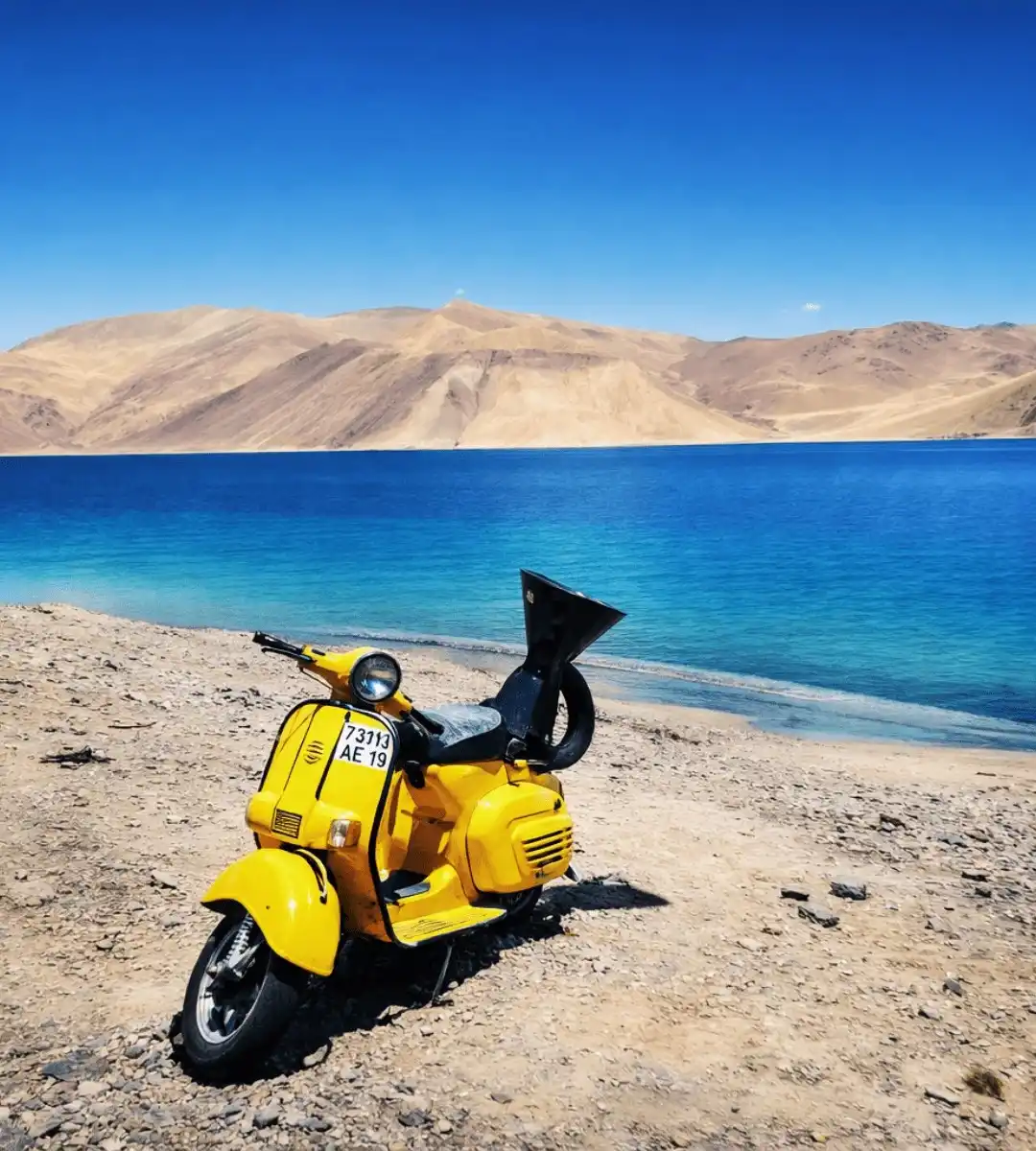 6D/5N
6D/5NBest Selling Leh Ladakh Tour With Nubra Valley and Pangong Lake
2D Leh•1D Nubra Valley+1
₹23,999₹28,599SAVE INR 4,600/ person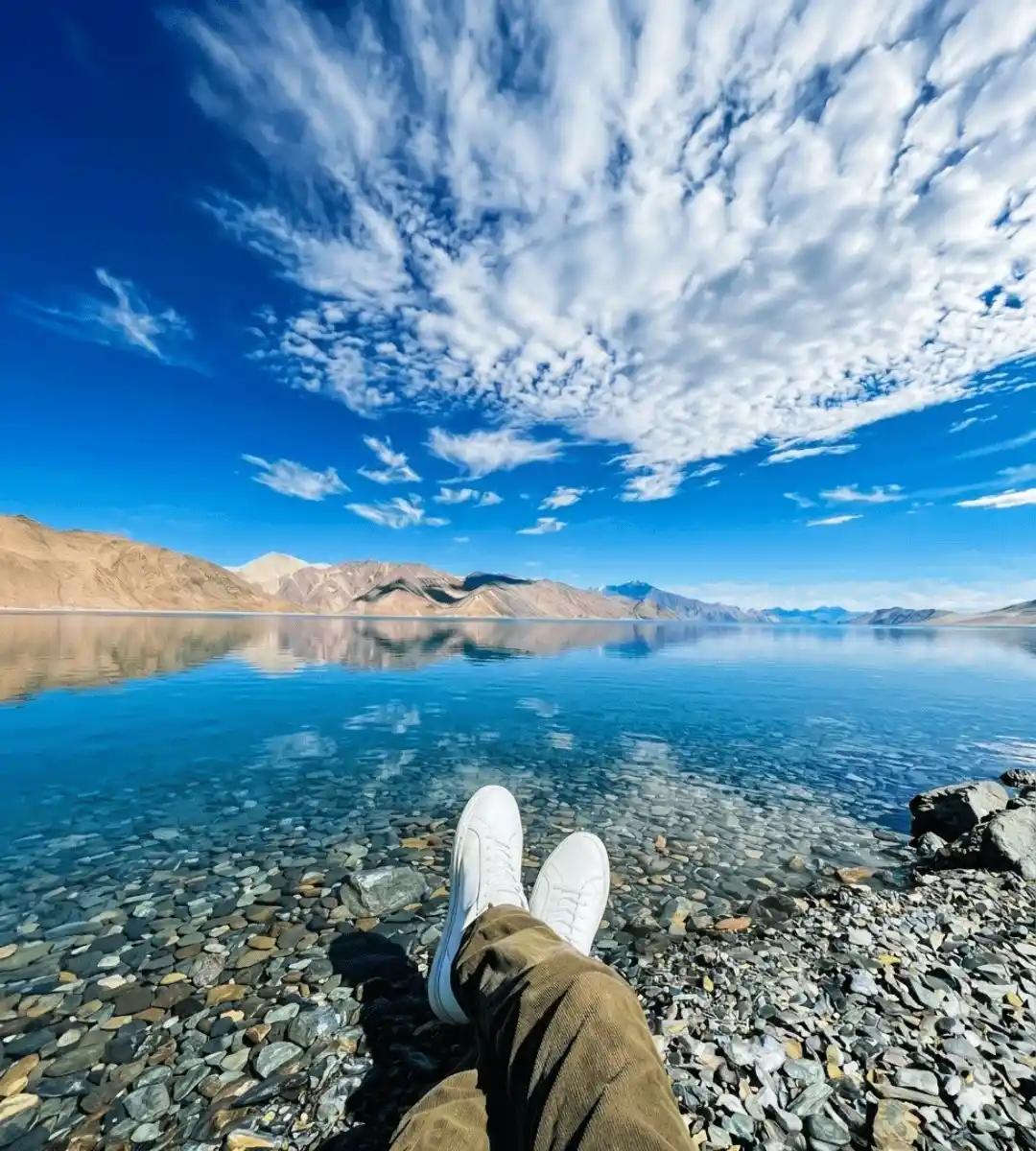 6D/5N
6D/5NUltimate Leh Ladakh Tour Package with Nubra Valley & Pangong Lake
2D Leh•1D Nubra Valley+1
₹28,999₹35,999SAVE INR 7,000/ person 4D/3N
4D/3NLeh Ladakh Short Getaway
2D Leh•1D Pangong Lake
₹16,499₹19,999SAVE INR 3,500/ person
Related topics
Frequently Asked Questions
Do Indians need ILP for Pangong in 2026?
Indians do not need the old-style ILP. You need to pay the environment fee and wildlife fee on the official LAHDC Leh portal and carry the receipt. This receipt along with a government ID is what the Pangong check post will ask for.
Is ILP Ladakh online available on the official website?
Yes. The official portal at lahdclehpermit.in handles the entire process online for both domestic and overseas travellers. The site still uses the phrase "Inner Line Permit" in its naming, but for Indian tourists the actual process is the environment fee receipt system.
What is the Ladakh permit fee for 7 days?
For an Indian traveller on a 7-day trip, the cost is ₹400 (environment fee) plus ₹140 (wildlife fee at ₹20 per day for 7 days) plus ₹50 (Red Cross, optional). Total comes to ₹590 per person with the optional fee included.
Is Red Cross fee mandatory or optional?
The ₹50 Red Cross fee is listed as optional on the portal. You can choose to include it or skip it during payment. Most travellers include it since it is a small amount going to a good cause.
Do foreigners need PAP for Nubra Valley?
Yes. Foreign nationals need a Protected Area Permit for Nubra Valley. This can be applied for through the overseas section of the LAHDC Leh portal or through a registered travel agent in Leh.
Is Hanle open for tourists in 2026?
Hanle is open for tourists but falls under a restricted circuit that may require special clearance beyond the standard fee receipt. Check with the district administration or a local operator before planning a visit.
Do I need a permit for Leh airport to city transfer?
No. You do not need any permit to travel from Leh airport to Leh town. The permit or fee receipt is needed only when you head out toward restricted circuits like Nubra, Pangong or Tso Moriri.
Do I need a permit for Zanskar Valley?
Zanskar Valley is generally accessible without the same permit workflow that applies to restricted areas. However, carry your environment fee receipt and ID as a precaution since rules can change.
Do I need a permit on the Manali-Leh or Srinagar-Leh highway?
No. The Manali-Leh Highway and Srinagar-Leh Highway are generally treated as open routes that do not require the restricted-area permit. Carry your basic ID and fee receipt anyway.
Is a printout needed at check posts?
Technically, a digital copy on your phone should work. But in practice, at high-altitude check posts with no connectivity and freezing fingers, a printout is far more reliable. Print at least two copies. The official portal says the PDF or hardcopy may be checked at respective check posts.
More about Ladakh
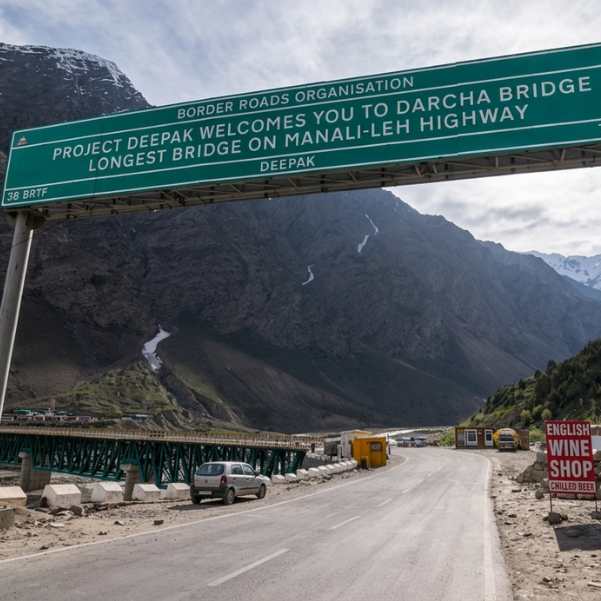 Ladakh
Manali to Leh Highway 2026: Every Pass, Stop and Distance
Plan your Manali to Leh Highway journey in 2026 with a complete guide to major mountain passes, overnight stops, route highlights, and distance. Discover key stops like Jispa, Sarchu, and Pang, along with famous passes including Baralacha La and Tanglang La.
- Road Trips
- How to Reach
- Ladakh
Umling La Ladakh Guide 2026: Route, Altitude, Permit, Safety & Reality Check
Planning to visit Umling La in 2026? This complete guide covers the route, altitude, permit requirements, road conditions, safety tips, and the realities of travelling to one of the world's highest motorable roads.
- Road Status
- Altitude & Health
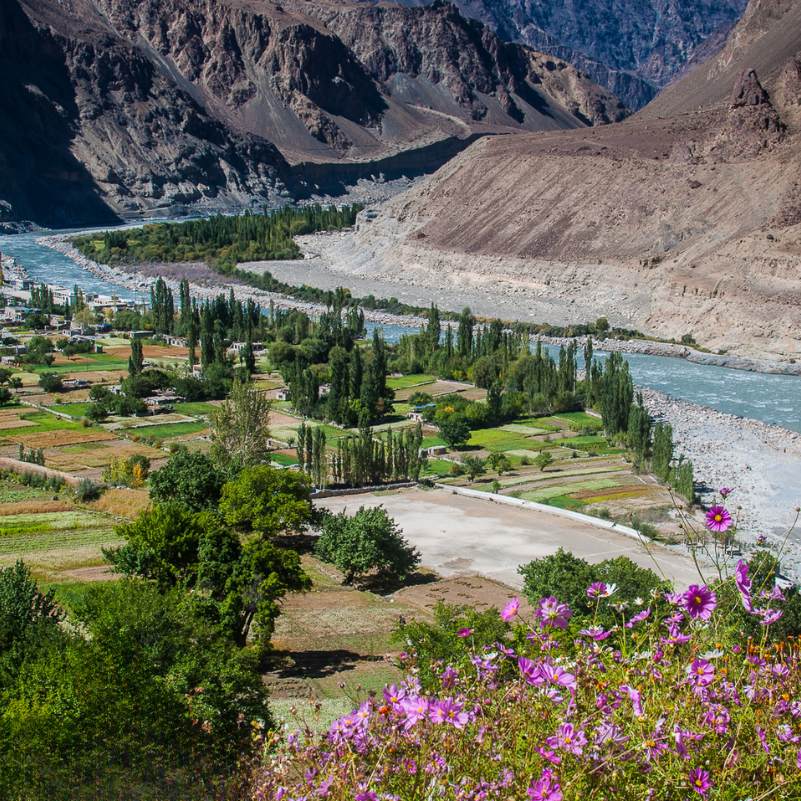 Ladakh
Turtuk Ladakh Travel Guide 2026: Balti Culture, Apricot Orchards and Why It Is Perfect for Families
Planning a trip to Turtuk? This 2026 travel guide explores the village's rich Balti culture, beautiful apricot orchards, top attractions, travel route, and why Turtuk is one of the best family-friendly destinations in Ladakh.
- Places to Visit
- Family Travel