
Yulla Kanda Trek Packing List 2026: Clothing, Shoes and Camp Essentials
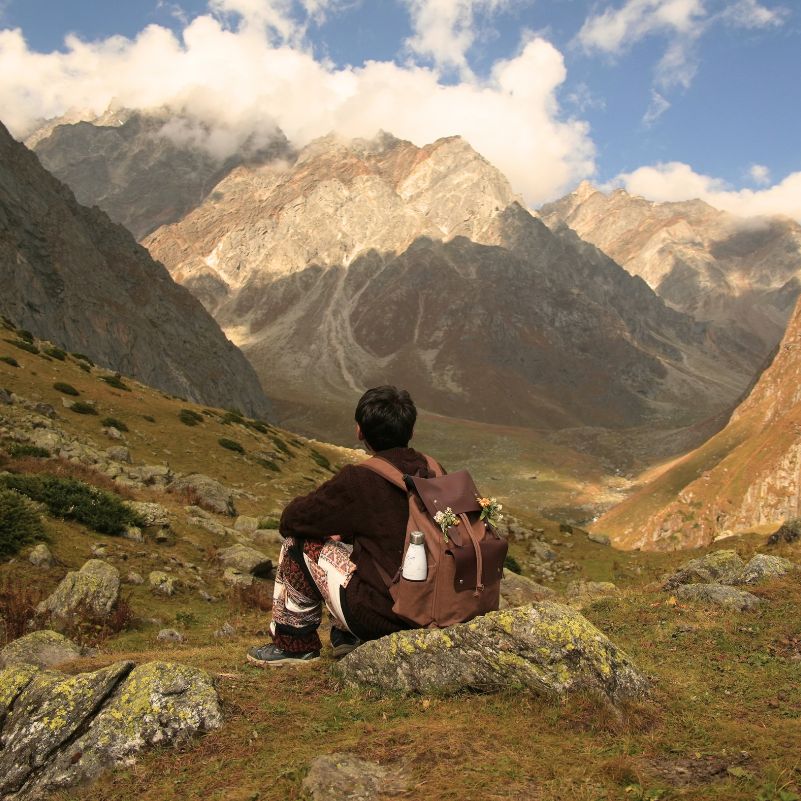
Packing properly for the Yulla Kanda Trek is important because you will be dealing with high altitude, cold nights, changing mountain weather and basic camping conditions.
Carrying the right clothing, footwear and essential gear can make the trek safer and much more comfortable.
This Yulla Kanda Trek Packing List by Travel Coffee covers the clothes, shoes, camping essentials and personal items you should consider carrying. It will help you pack light while still being prepared for the trail, campsite and sudden changes in weather.
Quick Answer: What Should You Pack for Yulla Kanda?
Here is the short version of our Yulla Kanda trek packing list for clothing, shoes and camp essentials. Pack in layers, keep your warm clothes dry, and wear shoes with real grip.
Walk in a quick dry trekking top and trekking trousers. Keep thermals, a fleece and a warm insulated jacket inside your bag for camp and rest stops.
Carry a rain jacket or poncho and a backpack rain cover every time, even if the morning looks clear.
Wear trekking shoes with a deep grip that you have already walked in at home. Pack three or four pairs of socks.
Add about two litres of water capacity, a purification method, a packed lunch, snacks, a headlamp and a small first aid kit.
Your sleeping bag, mat and tent needs depend on what your camp provides. Confirm the inclusions first, then pack or rent the rest.
Why Does the Yulla Kanda Trek Need Careful Packing?
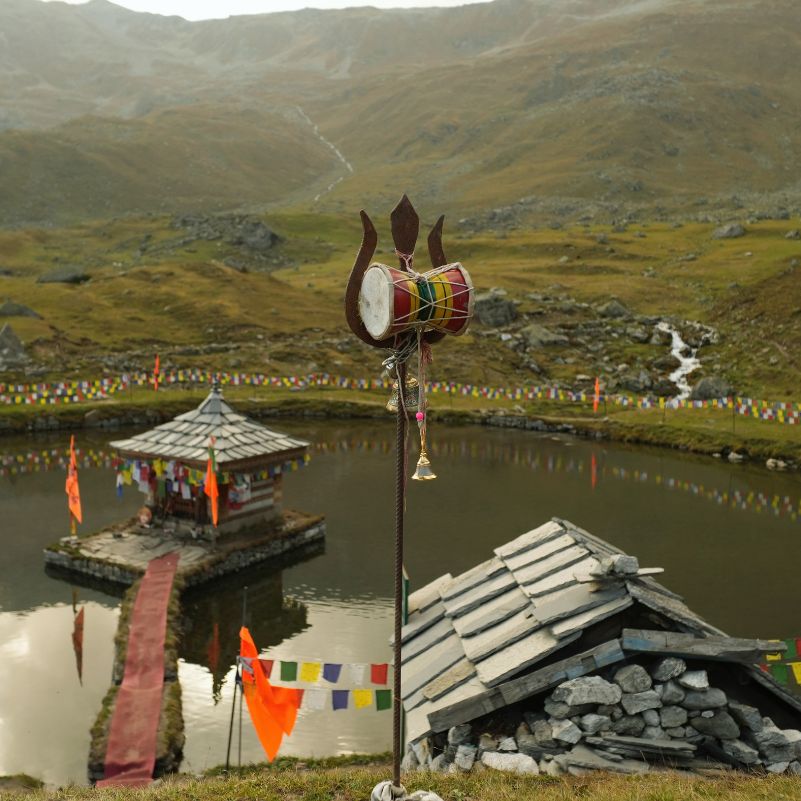
Where is Yulla Kanda, and how high is the trek?
Yulla Kanda sits in the Rora Valley of Kinnaur district, Himachal Pradesh. Most people start walking from Yulla Khas, also called Yulla village.
Some websites mix it up with Shanag village near Manali. That is wrong. Yulla Kanda belongs to Kinnaur, and you reach it through Shimla, Narkanda and Rampur.
The sacred lake and its Krishna temple sit at about 3,895 metres (12,778 feet). Many people call it the world's highest Krishna temple, though no official body has certified that record.
If you want to combine the trek with more of the district, our Kinnaur tour packages cover the wider valley.
What makes its terrain and weather challenging?
Our published itinerary covers about 12 km of trekking one way from Yulla Khas towards the lake. That is not the round trip, and other operators quote different figures because they use different routes.
Most guides rate the trek as moderate. You climb steadily through forest paths and meadows, then the upper section gets steeper and the ground turns uneven.
Here is what most first timers get wrong: They pack for the walk up and forget the hours they spend sitting still at camp.
You sweat while climbing, then you cool down fast once you stop. Wet clothes plus wind at this height make you cold very quickly.
The weather can also change within a day. Clear sun in the morning can turn into rain by afternoon, so your bag needs to handle both.
What Clothing Should You Pack for Yulla Kanda?
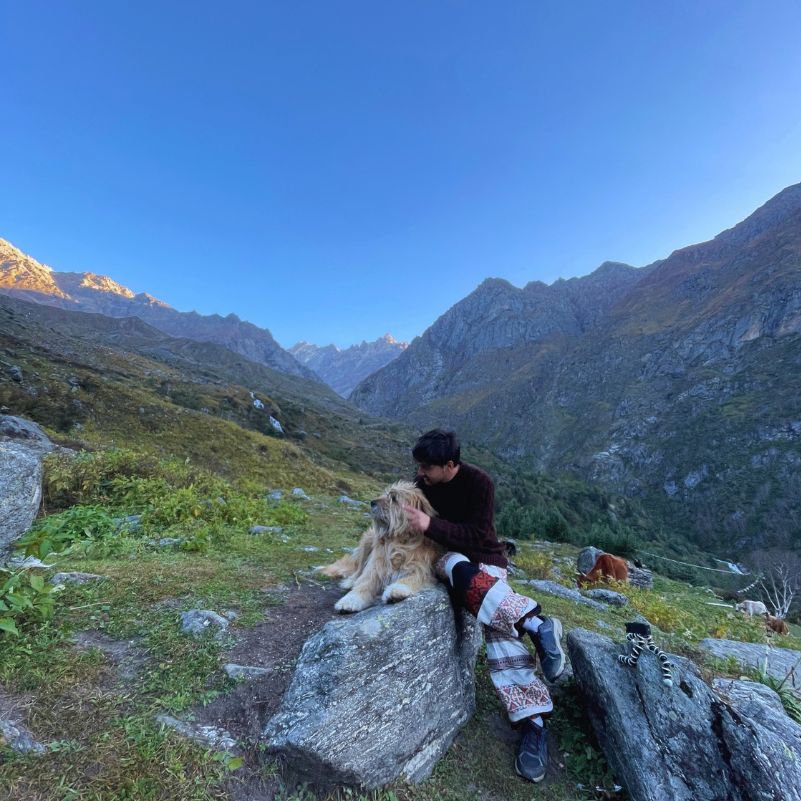
Base layers and quick-dry trekking T-shirts
Your base layer sits against your skin. Its job is to move sweat away from your body so you stay dry.
Choose polyester, nylon or merino wool. These fabrics dry fast and keep you warmer when damp.
Skip cotton T-shirts. Cotton soaks up sweat and rain, holds it for hours, and pulls heat out of your body once you stop walking.
For a short overnight itinerary, our team recommends two quick dry trekking tops. Wear one on the trail and keep one dry for camp.
Add one set of thermal innerwear, top and bottom. Save it for the evening and night instead of wearing it while you climb.
Fleece jackets, down jackets and thermal wear
A fleece works as your middle layer. It traps warmth, breathes well, and you can pull it on during short breaks.
An insulated jacket, down or synthetic, keeps you warm at camp, at the lake and early in the morning.
Do not climb in your warm jacket. You will sweat into it, and a damp jacket loses much of its warmth at night.
What we tell our travellers is simple. Walk slightly cool, and add a layer the moment you stop.
Your outer layer is a waterproof shell. It blocks rain and wind, and it turns your fleece into a much warmer system.
A poncho works if your budget is tight, though wind makes it flap. A proper rain jacket handles both rain and wind better.
Trekking trousers, socks, gloves and head protection
Pack one or two pairs of trekking trousers in a quick dry fabric. Leave your jeans at home.
Denim gets heavy when wet, restricts your knees on steep climbs and takes forever to dry. In cold, wet weather, wet jeans can make you dangerously cold.
Carry three or four pairs of trekking socks. Change into a dry pair at camp, even if your feet feel fine.
Add a warm cap for the evening and a sun cap for the day. You need both on the same trek.
Pack light gloves and a neck gaiter or buff. The buff protects you from sun, dust and cold wind.
Keep all your spare dry clothes in a waterproof bag inside your backpack. This one habit decides whether you sleep warm or shiver.
These quantities suit a short overnight trip. Add more if you plan extra days, travel late in the season, or simply feel the cold more than most people.
Which Shoes Are Best for the Yulla Kanda Trek?
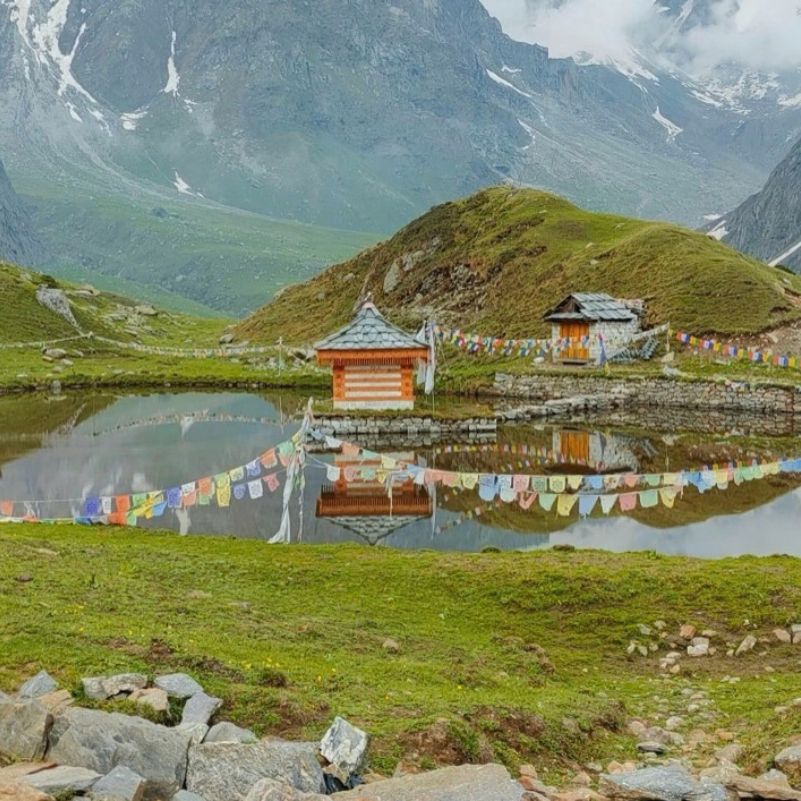
Trekking shoes versus ordinary sports shoes
Your shoes matter more than any other item on this list. The trail climbs steadily, the upper section gets steep, and the descent tests your toes and knees.
Everyday trainers with smooth soles slip on wet grass, mud and loose stones. Sandals offer no protection at all.
Proper trekking shoes give you a firm sole, deep lugs for grip and protection against rocks.
Heavy mountaineering boots are overkill for most people. They add weight and take longer to break in, so you can skip buying them for this trek.
Experienced hikers sometimes use trail footwear with good traction in dry conditions. If you are new to trekking, choose proper trekking shoes.
Waterproofing, grip, ankle support and fit
Grip comes first. Look at the outsole and check for deep, widely spaced lugs that bite into mud and loose ground.
Waterproof shoes help in rain, wet grass and cold mornings. In dry weather, breathable shoes feel more comfortable.
Mid or high ankle shoes give some people more confidence on uneven ground. No rule makes them mandatory, so choose what feels stable for you.
Check the toe room carefully. On a long downhill, your foot slides forward, and tight shoes bruise your toenails.
We suggest testing your trekking shoes before leaving home. Walk at least a few long sessions on stairs or slopes, never take brand new shoes straight to the trail.
Socks, blister prevention and camp footwear
Good trekking socks cushion your feet and reduce rubbing. Wool or synthetic blends handle moisture better than cotton socks.
If your feet get wet, change your socks at the next long break. Damp socks cause most blisters.
Carry blister plasters and use one the moment you feel a hot spot. Waiting an hour turns a small problem into a painful one.
Light camp sandals or slippers let your feet breathe after a long day. Use them only around camp, never on the trail.
What Backpack Size and Daypack Setup Do You Need?
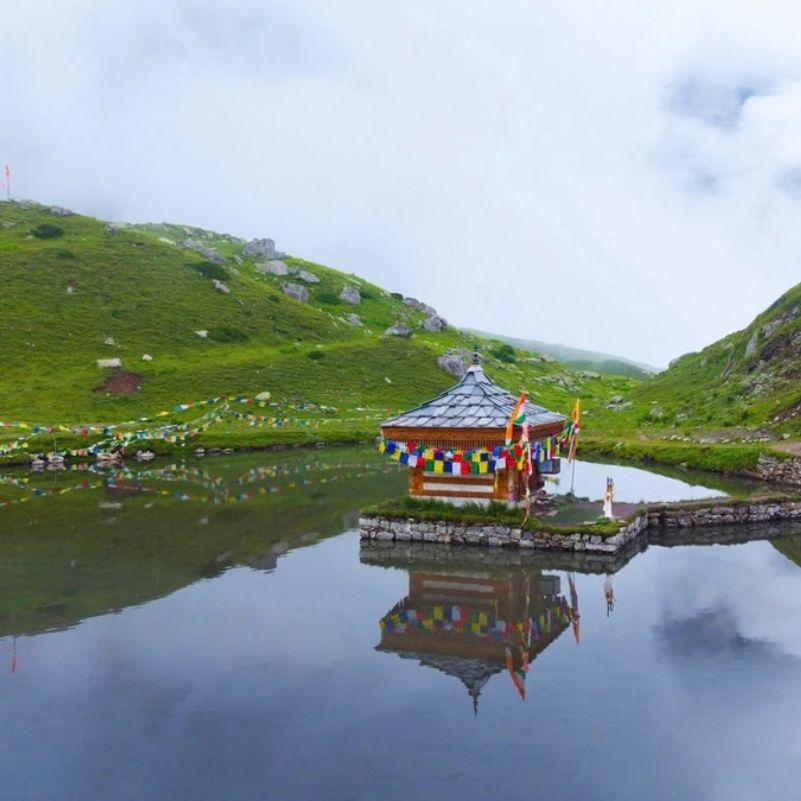
A daypack for the lake and temple walk
No single backpack size suits everyone on this trek. The right size depends on what you carry yourself and what your operator handles.
Our published itinerary works in two stages. You carry your overnight belongings to camp, then you walk towards the lake with a light daypack.
That daypack only needs water, snacks, rain protection, a warm layer, your headlamp and your first aid kit. Keep it small so you climb easily.
An overnight backpack for the campsite
Your main backpack needs room for your clothes, toiletries and any sleeping gear you bring yourself.
If you carry your own sleeping bag or mat, you need a much larger pack. If the camp supplies them, a medium pack often works.
Our listed package does not automatically include porter or mule support. Confirm this separately if you need help with luggage.
Choose a pack with a padded hip belt. It moves weight from your shoulders onto your hips on long climbs.
How to waterproof and organise your bag
A rain cover protects the outside of your pack, but water still seeps in at the back and straps.
Line the inside with a large waterproof bag, or pack clothes in separate dry bags. This keeps your sleeping layers dry even in heavy rain.
Keep your rain jacket, water bottle, snacks, headlamp and medical kit near the top or in outer pockets. You should reach them without unpacking everything.
What Camping Essentials Should You Carry?
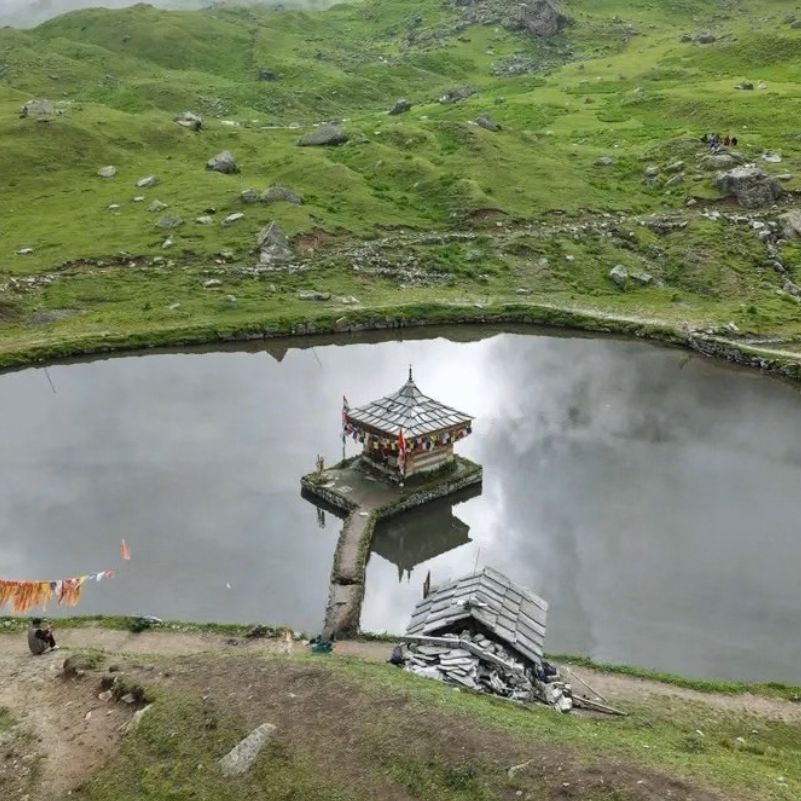
Tent, sleeping bag and insulated sleeping mat
A warm night depends on three parts working together: a tent, a sleeping bag and an insulated sleeping mat.
Most people focus only on the sleeping bag. The cold ground pulls heat from your body all night, so your mat matters just as much.
An insulated mat keeps a layer of warm air between you and the ground. Without it, even a good sleeping bag feels cold.
If you bring your own sleeping bag, check its ISO or EN rating. The comfort rating tells you the temperature at which most people sleep comfortably.
The lower limit rating tells you the lowest temperature for a curled up, still sleeper. Treat it as a survival number, not a comfort number.
Choose your bag based on the forecast night temperature at the camp for your actual dates. We cannot give one fixed rating that suits every month.
Headlamp, power bank and personal camping items
A headlamp keeps your hands free in the dark, at camp and on the trail. Pack spare batteries or charge it fully before you start.
A traveller who shared a firsthand account this October described how hard the descent became after dark without a proper torch. Your phone light is not enough.
Carry a power bank and a fully charged phone. Download offline maps and your booking details, because mobile coverage stays patchy.
Pack a small toiletry kit, a quick dry towel, toilet paper, hand sanitiser and a rubbish bag.
What to check with the trekking operator
Our published Yulla Kanda itinerary includes a village homestay and a separate night in an alpine tented camp with shared washrooms.
Equipment can vary by departure, so do not assume anything. Ask whether the camp supplies sleeping bags, blankets, mattresses, pillows and insulated mats.
Also ask about tent sharing, meals, washroom arrangements and where the campsite sits. Bonfires depend on weather and local permission, so nobody can promise one.
You can read the full plan on our Yulla Kanda trek and camping package page.
Here is a local money saving tip: Do not buy or rent a sleeping bag or mat until you know what your camp gives you. Many first timers spend on gear they never unpack.
What Should Be in Your Water, Food and First-Aid Kit?
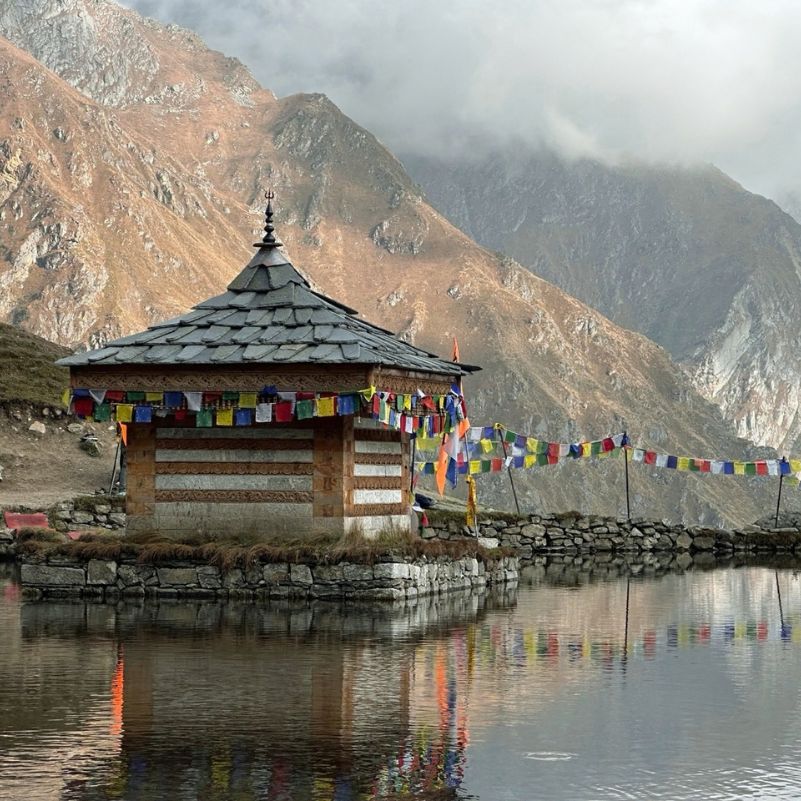
Water bottles, filtration and electrolytes
Carry about two litres of water capacity. You might need more on a hot day or a slow climb.
Some travellers report water sources along the route, but nobody can guarantee them. Plan your refill points with your local guide before you start.
Treat natural water with a filter bottle or purification tablets. Clear streams can still upset your stomach.
Pack a few electrolyte sachets. They help when you sweat a lot and lose your appetite at height.
Packed lunch and quick-energy snacks
Our listed package does not automatically include trek day lunch or snacks, and you should not expect cafés on the trail.
Our team recommends asking your Yulla Khas homestay to pack lunch and a flask of hot chai the night before you set off. Hot chai at the lake beats any energy bar.
Carry dry fruits, familiar snack bars and biscuits you already like. A trek is not the day to test new food.
Eat small amounts often. Long gaps between meals drain your energy on steep sections.
Personal medicines and altitude awareness
Carry your own prescribed medicines, blister plasters, basic wound care items and a short note with any medical conditions.
At about 3,895 metres, altitude sickness is a real risk. Early signs include headache, nausea, dizziness and unusual tiredness.
Fitness does not protect you. Strong young trekkers get altitude sickness too.
If you feel unwell, tell your trek leader and stop climbing. If symptoms get worse, go down and get medical help.
Do not start Diamox or any altitude medicine on your own. Talk to a doctor before the trip.
A first aid kit helps, but it never replaces slow climbing, good judgment and a willingness to turn back.
How Should You Change Your Packing List by Season?
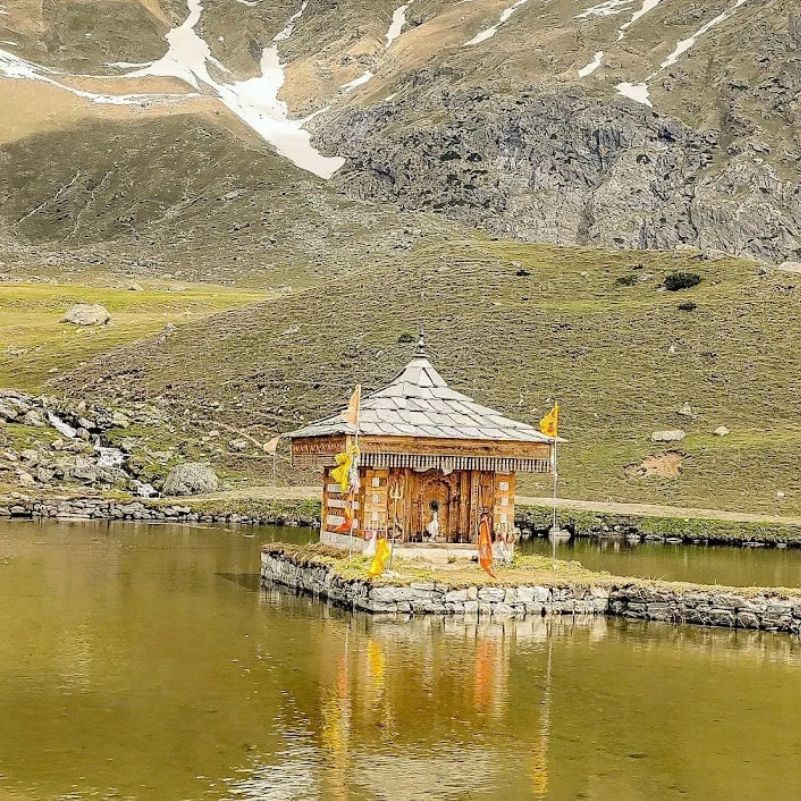
May and June: Cold mornings and lingering snow
Operators usually advertise the season from about mid May to October. Conditions change every year, so treat that as a rough window.
Early summer can bring leftover snow on higher sections, though nobody can guarantee it. Mornings and nights feel cold even when afternoons warm up.
Keep your insulated jacket, gloves and warm cap in the bag. Waterproof shoes help if you cross snow patches or wet meadows.
Sun protection matters even more near snow. Pack sunglasses, sunscreen and lip balm.
July and August: Rain and slippery terrain
The monsoon months usually bring more rain and slippery trails. Grip and waterproofing become your top priorities.
Pack a proper rain jacket, a pack cover, dry bags for every layer and an extra pair of socks.
Trekking poles help a lot on wet descents. They take pressure off your knees and steady you on mud.
September and October: Colder nights and early winter preparation
Nights get noticeably colder later in the season. Add a warmer insulated jacket, thicker gloves and a warmer sleeping arrangement.
Late season snowfall can affect access. Late October and November departures need especially careful checks on the road, trail and campsite.
The road also matters. Your drive usually passes through Shimla, so our Shimla tour packages help if you want a night there before heading into Kinnaur.
The Kinnaur district administration issued a notice on 19 August 2026 about temporary traffic restrictions at Nigulsari and Nathpa, and another on 5 September 2026 about NH-05 restrictions at Nathpa.
Those notices tell you what happened then, not what the road looks like today. From our Shimla base, we encourage travellers to recheck road updates with the district administration and their operator before leaving.
What Changes Between a Day Trek and Overnight Camping?
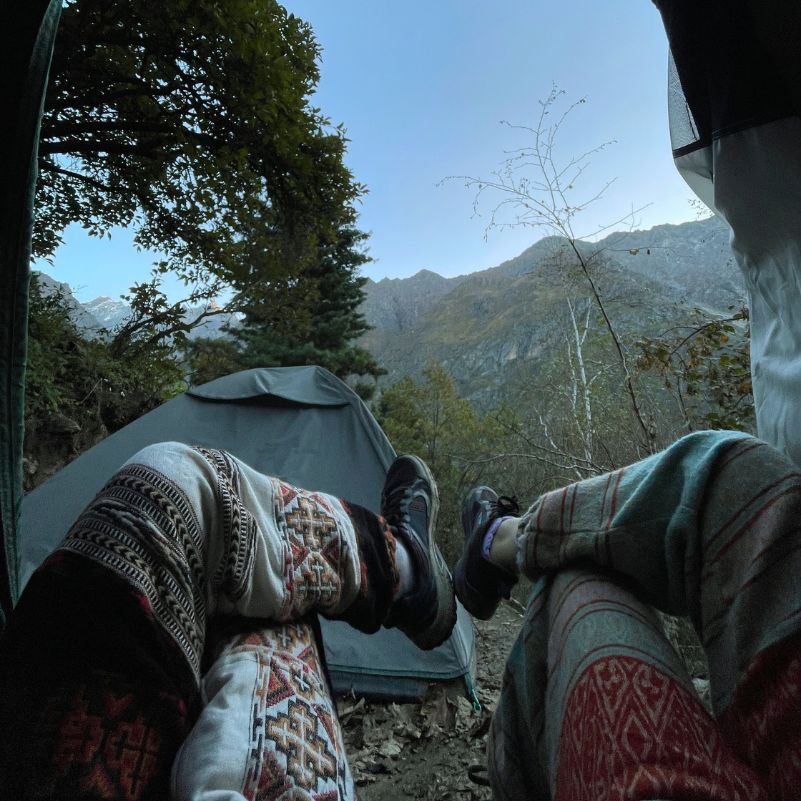
The essentials for a day-only attempt
A day's attempt means a very long day on a steep trail. Most beginners should not try it, because fatigue and altitude add up fast.
If you do attempt it, you still need rain gear, a warm layer, water, lunch, snacks, a headlamp and first aid.
Start at first light. This timing tip changes everything, because an early start gives you daylight for the descent and time to rest at the lake.
Set a turnaround time before you start and respect it, even if the lake feels close. Avoid descending an unfamiliar steep trail in the dark.
Extra gear for a night at camp
Overnight camping adds a sleeping system, unless your camp supplies it.
Add your thermals, a full set of dry clothes, extra socks, camp sandals, a toiletry kit and a rubbish bag.
The night stay also gives your body more time to adjust to the height. Our team recommends the overnight plan for most first time trekkers.
What Should You Leave at Home?
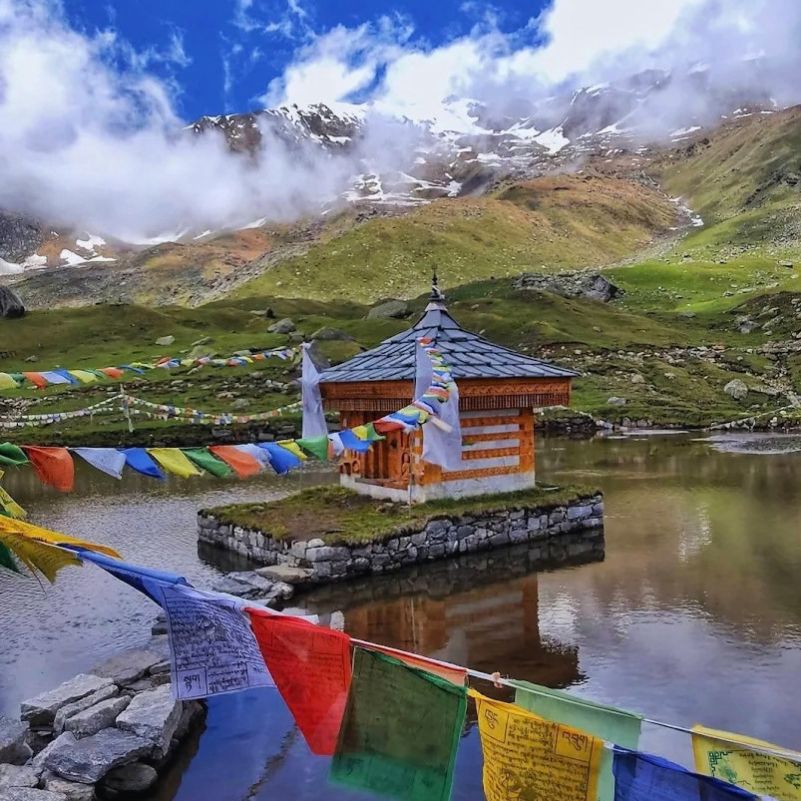
Heavy or unsuitable clothing and footwear
Leave jeans, cotton hoodies and heavy sweaters at home. They get wet, stay wet and weigh you down.
Skip brand new shoes you have never walked in. Fresh shoes on a long climb almost always mean blisters.
Bulky clothes that do only one job waste space. A fleece plus a shell does more than one thick jacket.
Choose items that serve two purposes, like a buff that works as a neck warmer and a sun cover.
Unnecessary electronics and disposable items
You need a phone, a power bank and a headlamp. A laptop, a speaker or a heavy camera kit only adds weight.
Avoid loud music near the temple and the lake. Worshippers visit this place for prayer, not a party.
Remove extra packaging from snacks before you leave home. Less packaging means less rubbish to carry back.
Bring a dedicated rubbish bag and carry every wrapper and hygiene product back down with you.
Are Permits, Campsites and Access Rules Different in 2026?
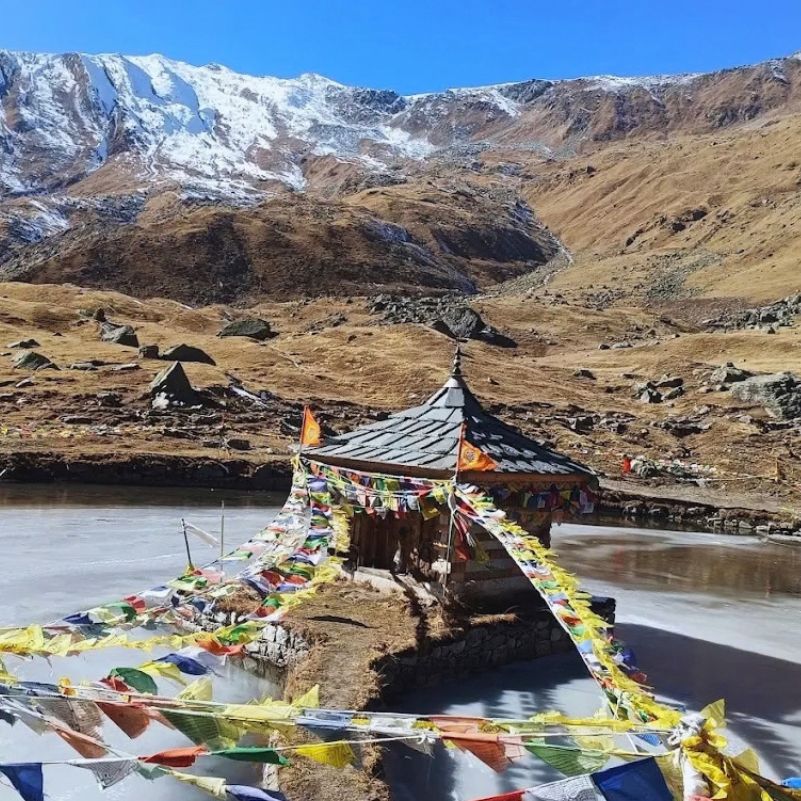
Which permissions and fees need confirmation?
Online sources disagree about entry fees, forest check post registration and camping permissions. Some quote figures nobody has officially confirmed.
Our listed package states that Indian travellers do not need a special travel permit for its route. Other websites mention forest check post registration and separate camping permission.
These may refer to different kinds of permission. We could not find an official 2026 fee schedule, so do not rely on any fee you read online.
Confirm registration, fees and camping rules with your operator and the local administration before you leave.
Where should you camp responsibly?
Do not pitch your tent right beside the sacred lake. Follow the camping spot your operator or local caretakers show you.
Where camping is otherwise allowed, Leave No Trace advises staying at least 200 feet (about 61 metres) from lakes and streams. Local rules always come first.
Respect the instructions of temple caretakers and villagers, and keep the temple surroundings clean.
How can you check current access?
Check the Kinnaur district administration website, local transport updates and your trek operator a few days before departure, then again on the morning you leave.
The 5 September 2026 NH-05 notice for Nathpa shows that restrictions happen, but it does not prove today's road condition. Always ask for a fresh update.
For emergencies, the Kinnaur district administration lists 1077 as its rescue and relief helpline. Save it in your phone and confirm local emergency arrangements with your guide.
Final Yulla Kanda Packing Checklist Before Leaving
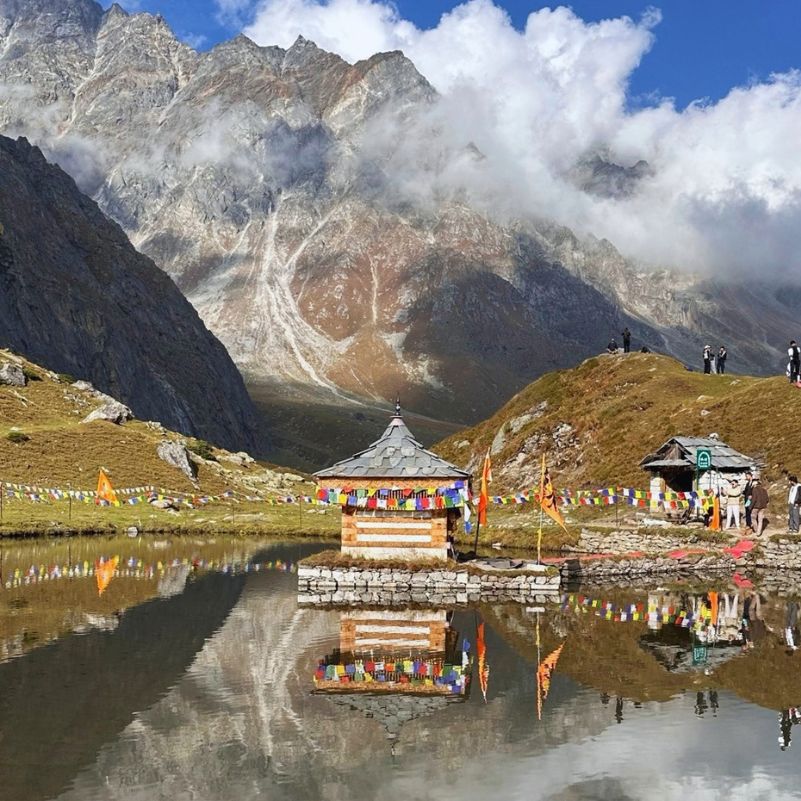
Before you zip your bag, run through it once more. For clothing, check your quick dry tops, trekking trousers, thermals, fleece, insulated jacket, rain shell, caps, gloves and buff.
For footwear, pack broken in trekking shoes, three or four pairs of socks, blister plasters and camp sandals.
For water and food, carry about two litres of capacity, a purification method, electrolytes, a packed lunch and familiar snacks.
For camping, confirm what sleeping gear your booking provides, then pack only what is missing. Add your headlamp, power bank, toiletries and rubbish bag.
For safety and documents, carry your medicines, first aid kit, government photo ID, some cash and your booking details.
Explore Our Curated Yulla Kanda Tour Packages
- Group Tour5D/4N
Yulla Kanda Trek & Camping Group Tour
1D Yulla Khas•1D Yulla Kanda Campsite
₹7,499₹9,999SAVE INR 2,500/ person
Frequently Asked Questions
What are the most important things to carry for Yulla Kanda?
Trekking shoes with good grip, layered warm clothing, rain protection, water, snacks, a headlamp and a first aid kit. Add sleeping gear only if your camp does not provide it.
Can I trek to Yulla Kanda in running shoes?
Smooth soled everyday trainers slip on wet and loose ground. Running shoes with strong trail grip may work for experienced hikers in dry weather, but beginners should wear trekking shoes.
Do I need waterproof trekking boots?
Not always. Waterproof shoes help a lot in rain, snow patches and wet grass, especially in July, August and late season.
How many warm layers should I pack?
Most people manage with a thermal set, a fleece, an insulated jacket and a rain shell. Add more if you feel the cold easily or travel late in the season.
Is a down jacket necessary for Yulla Kanda in June?
An insulated jacket, down or synthetic, helps a lot at camp and in the early morning. Mornings and nights stay cold even in summer.
How many pairs of socks should I bring?
Three or four pairs suit a short overnight trip. Keep one pair completely dry for camp and the night.
What size backpack is suitable for the Yulla Kanda trek?
It depends on what you carry. A medium pack often works if your camp supplies sleeping gear, while carrying your own bag and mat needs a larger one.
Do Yulla Kanda camps provide sleeping bags and tents?
It depends on the operator and the departure. Ask your operator directly about sleeping bags, mats, blankets and tent sharing before you pack.
How much drinking water should I carry?
Carry about two litres of capacity and plan refills with your guide. Treat any natural water before drinking it.
Can beginners complete the trek without expensive equipment?
Fit beginners often manage with good shoes, sensible layers and rain gear. Spend on shoes and a rain jacket first, and confirm camp gear before buying anything else.
Is a headlamp necessary if I start early?
Yes. Delays happen, and you need both hands free if the descent runs into evening.
What extra items do I need for Yulla Kanda in October?
Pack a warmer insulated jacket, thicker gloves, a warm cap and a warmer sleeping setup. Check road, trail and camp status carefully, because early winter conditions can affect access.
More about Kinnaur
- Kinnaur
Yulla Kanda Trek Itinerary: How Many Days Do You Need in 2026?
Planning your Yulla Kanda trek in 2026? Find out how many days you need to reach the sacred Krishna Lake in Kinnaur, with practical itinerary options for a short trek or a more relaxed journey. This guide covers trekking time, overnight camping, travel to Yulla Khas, and essential scheduling tips to help you plan around altitude, weather, and mountain road conditions.
- Kinnaur
Yulla Kanda Trek Cost in 2026: DIY Budget vs Group Package
Planning your Yulla Kanda trek in 2026 and comparing costs? This guide breaks down the expected budget for a DIY trek versus an organised group package, including transport to Yulla Khas, local guides, camping, meals, and essential gear. Understand where you can save money, which expenses need careful planning, and when local trekking support is worth the cost.
 Kinnaur
Sangla in October, November & December: Which Month Is Best in 2026?
Planning a Sangla trip in 2026? Compare Sangla in October, November and December for weather, snowfall, road conditions, sightseeing and stays. Find out which month suits your travel plans best and what to expect in each season.