
Udaipur vs Jodhpur in 2026: Lakeside Romance or Blue City Heritage?
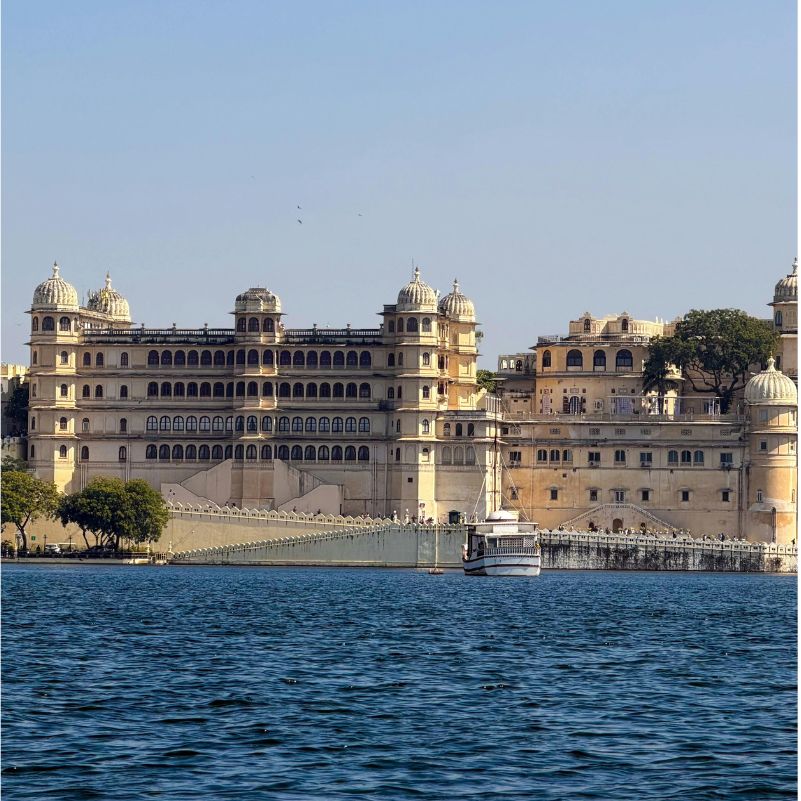
If you are stuck on Udaipur vs Jodhpur, you are really choosing between two very different Rajasthan moods. One is lakes, palaces and slow sunset evenings. The other is a giant fort, blue lanes and hard Marwar heritage.
We run Rajasthan trips through both cities, and the honest answer is that the "better" city depends on how you travel, not on which place is objectively nicer.
This guide by Travel Coffee breaks down Udaipur vs Jodhpur by couples appeal, heat, cost, sightseeing, days needed and route logic, so you can decide in a few minutes.
Quick Answer: Which Is Better, Udaipur or Jodhpur?
Pick Udaipur if you want lakes, sunsets, boating, romantic stays and slow evenings. It is the softer, more couple-friendly city, the classic City of Lakes.
Pick Jodhpur if you want Mehrangarh Fort, Marwar heritage, Blue City lanes and a route that flows on toward Jaisalmer.
Both are worth visiting if you have the days. Neither is a wasted trip. The real question is your travel style, not the city name.
If you would rather have someone map the whole state for you, start with our Rajasthan tour packages and tell us your dates.
What Is the Real Difference Between Udaipur and Jodhpur?
Both are old Rajput cities with palaces, forts and markets. But they feel nothing alike once you are actually walking around.
The quickest way to think about it: Udaipur is a city you slow down in, and Jodhpur is a city you climb.
What Udaipur feels like
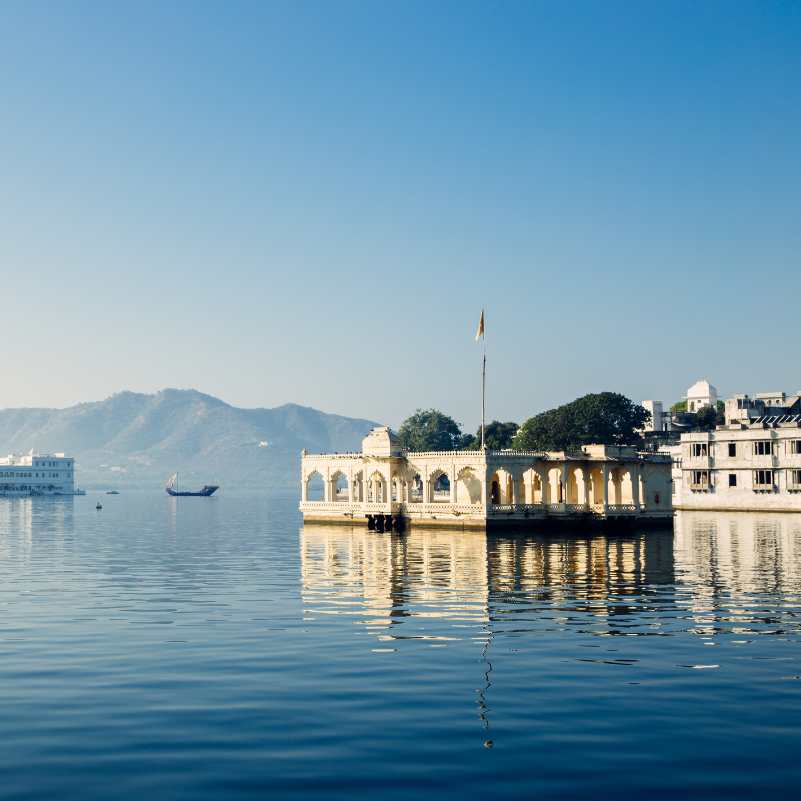
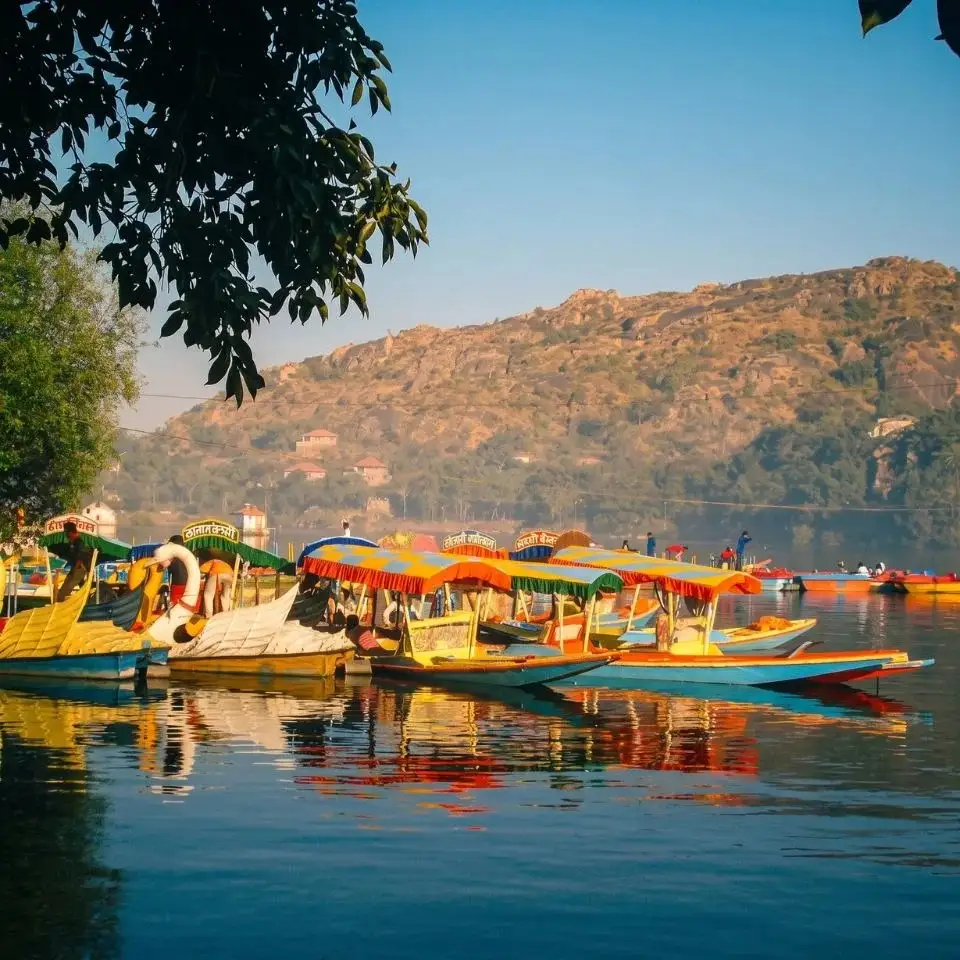
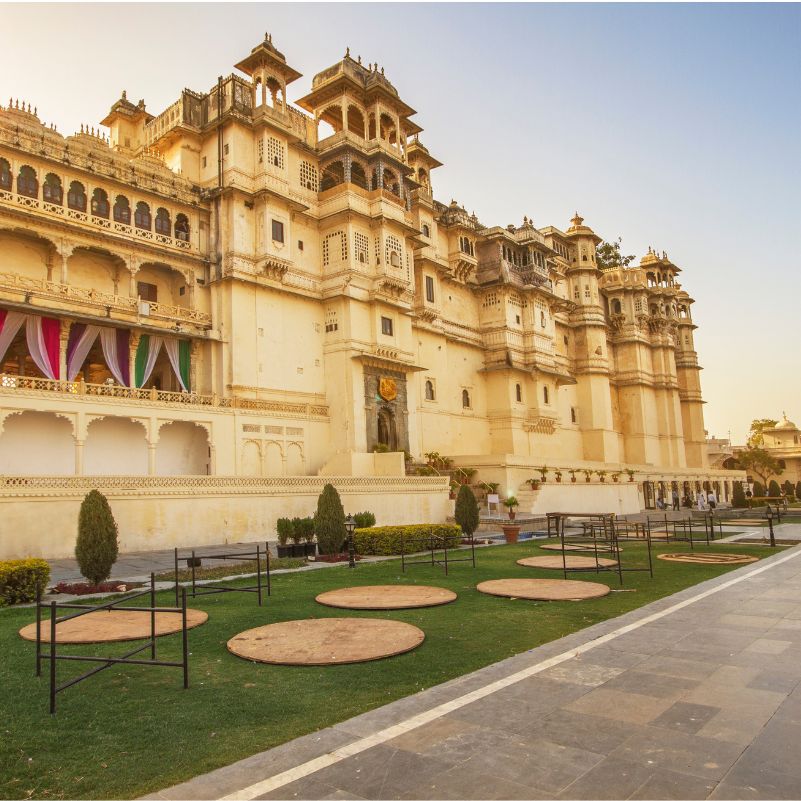
Udaipur revolves around water. Lake Pichola sits in the middle, with the City Palace running along one side and stone ghats dropping straight into the lake.
Your evenings here are slow. The sun drops behind the hills, the palace lights come on across the water, and rooftop cafés fill up with people who are in no hurry.
The historic core around the lake is compact and walkable. City Palace, Jagdish Temple, Gangaur Ghat and the ghats all sit close together.
But the whole city is not walkable. Fateh Sagar, Saheliyon Ki Bari and Monsoon Palace sit far apart, and you need an auto or a car to link them.
In our experience, first-timers underestimate this. They try to walk everywhere, then lose half a day and a lot of energy in the afternoon heat.
Here is what most tourists get wrong in Udaipur. They book a "lakeside" hotel and assume every evening will look like a postcard. Then they find their room faces a lane, or the lake is lower than expected in a dry year.
What Jodhpur feels like
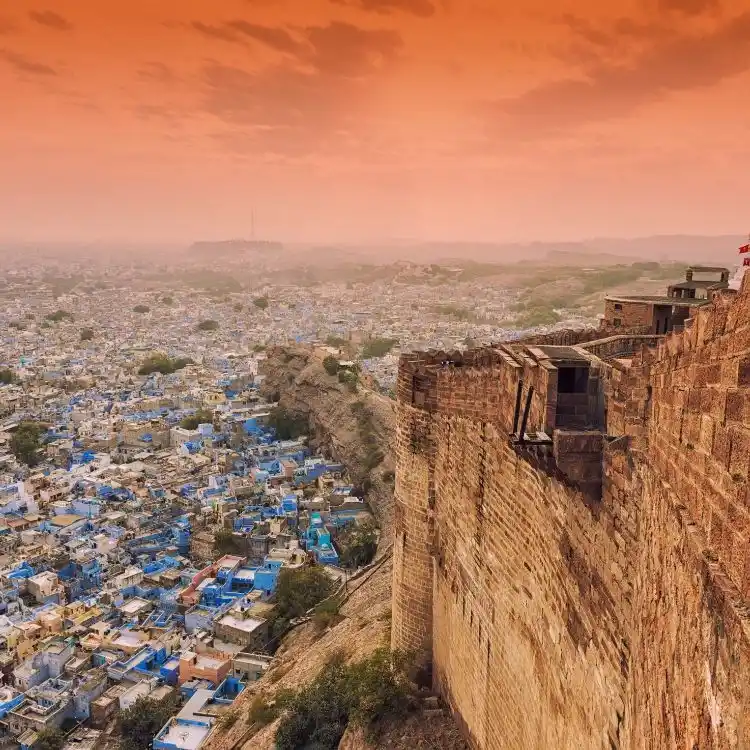
Jodhpur revolves around a fort. Mehrangarh sits on a cliff above the city, and you see it from almost everywhere. It dominates the skyline in a way few Indian forts manage.
Below it, the old Brahmpuri lanes glow blue. Narrow streets, blue walls, cows, bikes, kids playing cricket, and the fort looming over all of it.
A real day here looks like this. You climb up to Mehrangarh in the morning, spend two or three hours inside, then come down into the blue lanes and get lost for a while.
Later you end up near the Clock Tower and Sardar Market, drinking a cold makhaniya lassi while the market noise goes on around you. That lassi near the Clock Tower is one thing we tell every traveller not to skip in Jodhpur.
Jodhpur also has stepwells like Toorji Ka Jhalra, the marble of Jaswant Thada, and busy Marwari markets. But the fort is the anchor; everything else hangs off.
The honest downside is that the old lanes are cramped and hot, and not always clean. It is atmospheric, but it is not the polished, slow calm you get by the lakes in Udaipur.
Udaipur vs Jodhpur for Couples: Which Is More Romantic?
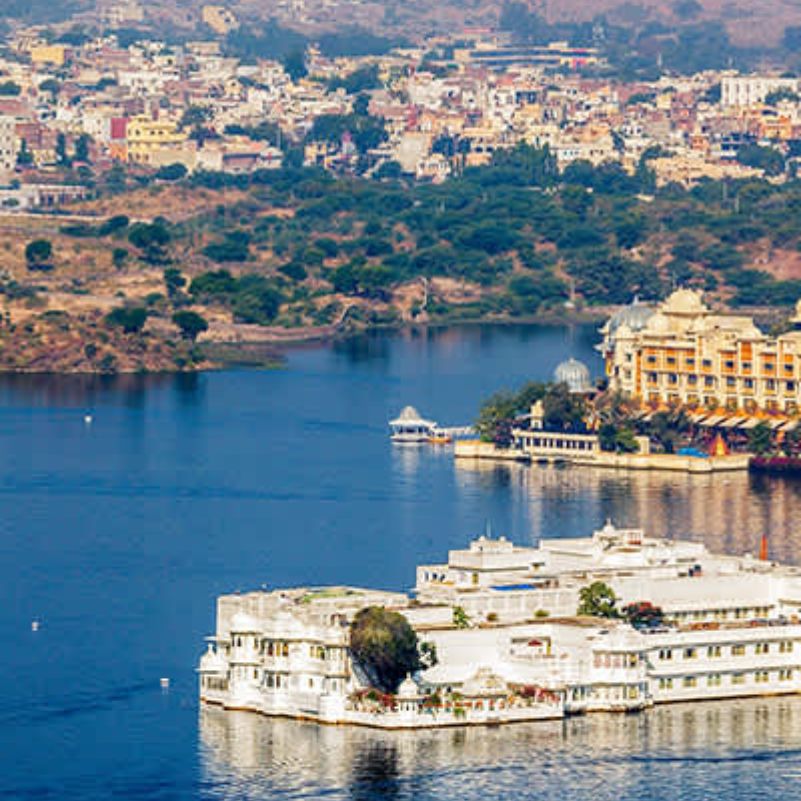
For a classic couple or honeymoon trip, Udaipur usually wins, and it is not really close.
The lake does the work. Sunset boat rides on Lake Pichola, dinner with the palace lit up across the water, and slow mornings with coffee and a lake view.
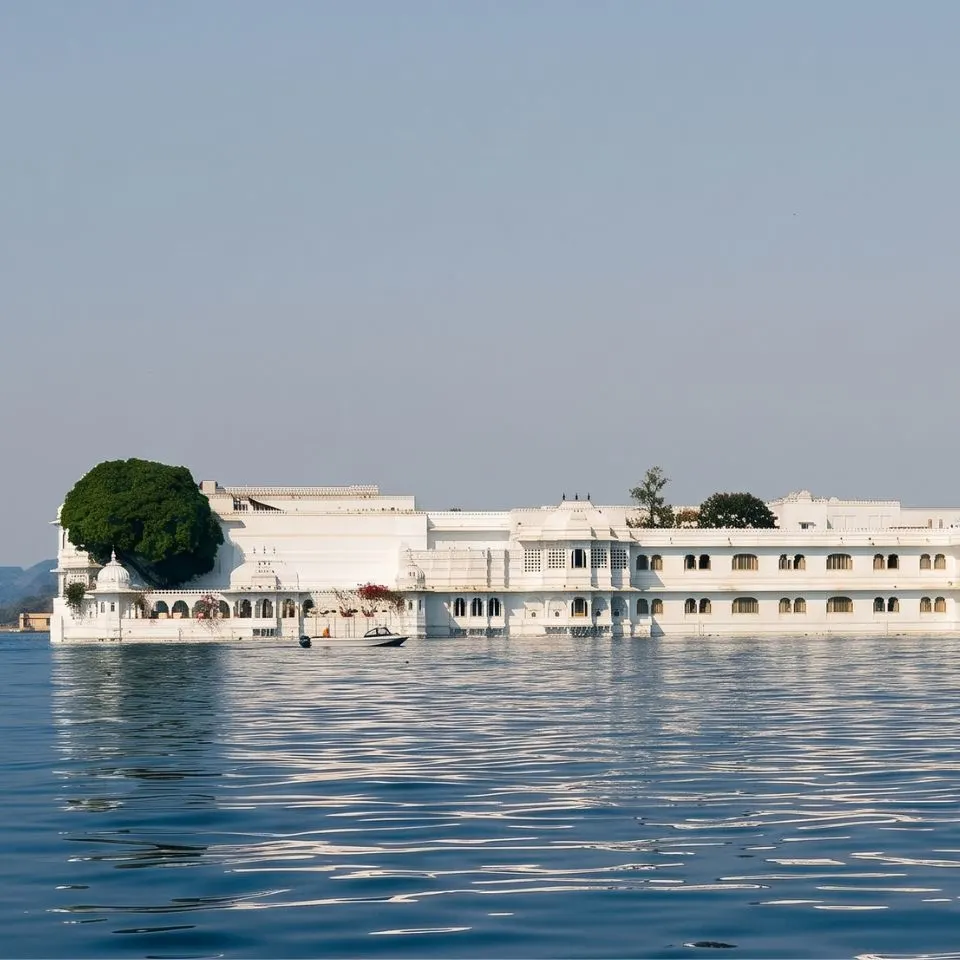
Udaipur also has the widest range of romantic stays, from small lake-facing homestays to full palace hotels. The whole city caters to couples who want to slow down.
What we tell our travellers is simple. If your main picture of Rajasthan is the two of you watching a sunset over water, that picture is Udaipur, not Jodhpur.
But not every couple wants lakes and candles. Some want history, architecture and a fort under their feet.
If that sounds like you, Jodhpur can be the more interesting couple trip. Heritage havelis, rooftop rooms facing Mehrangarh, and dinners with the lit fort hanging above the old city.
So it is not a rule that every couple must pick Udaipur. It is more that lake-and-sunset couples pick Udaipur, while fort-and-history couples often prefer Jodhpur.
If you want the romantic version handled end to end, look at our Udaipur tour packages for the city on its own.
Couples pairing Udaipur with Jaipur often like our Jaipur and Udaipur Lakeside Luxury Couple Getaway, which saves the lakes for the end.
Which Is Hotter: Udaipur or Jodhpur?
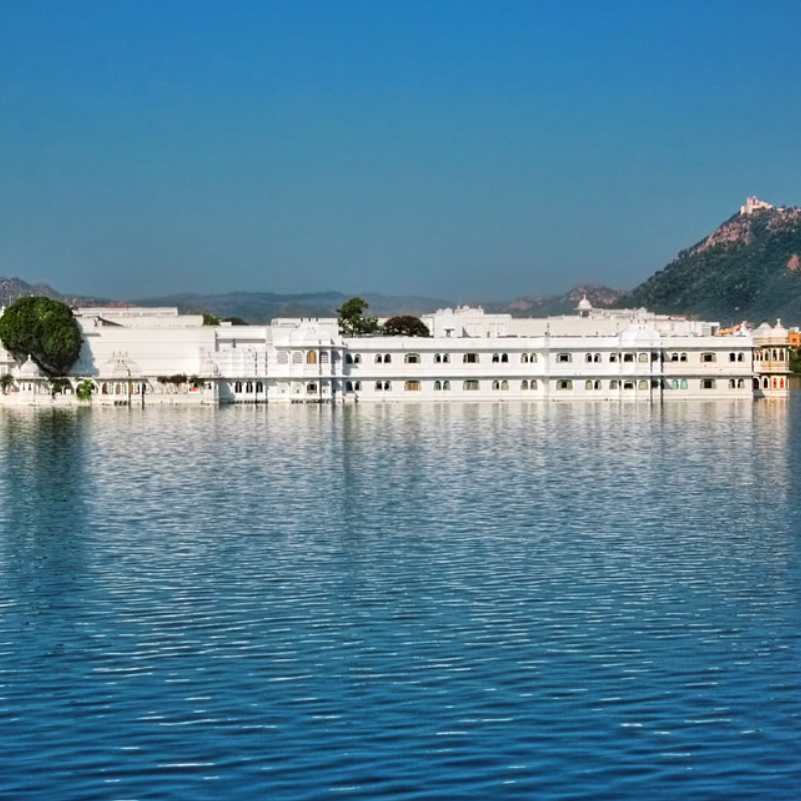
Both cities get very hot. If you are heat-sensitive, this section matters more than the romance one.
Every number below is an IMD 1981 to 2010 climate normal. It tells you the usual pattern for a month, not the weather on your exact travel date.
April to June
In April, Udaipur's mean daily maximum is 37.8°C and Jodhpur's is 38.7°C. Close, with Jodhpur a little hotter.
By May the gap holds. Udaipur averages a daily high of 40.2°C and Jodhpur 41.2°C. Both are firmly in sightsee-early-or-suffer territory.
At this level of heat, fort courtyards and open ghats become draining by late morning. Do your outdoor sights early, then take a proper afternoon break indoors.
We do not pretend either city is comfortable for midday sightseeing in May. It is not. Plan around the heat instead of fighting it, and keep water on you all day.
July to September
Monsoon changes the two cities differently. In August, Udaipur's mean daily maximum drops to 30.5°C, while Jodhpur stays hotter at 34.0°C.
Rain is the bigger difference. Udaipur's annual normal rainfall is 646.7 mm against Jodhpur's 362.9 mm, so Udaipur is far wetter.
That rain is why Udaipur turns green in monsoon, with fuller lakes and hills that actually look alive. Jodhpur stays hotter and drier on average.
The trade-off is that rain can interrupt Udaipur sightseeing, cut visibility from viewpoints and stop boat rides on the lake. Keep monsoon plans flexible.
Winter
Winter is the easy season for both. Days are far kinder for walking forts, lanes and ghats, and the heat stops being a problem.
We will not put a specific winter temperature on this, because a single day's reading swings a lot. Just treat winter as a comfortable window.
To be clear one more time, every temperature and rainfall figure here is an IMD 1981 to 2010 normal. Check a live forecast for your actual dates before you pack.
Which City Has the Better Stay Style?
Where you sleep changes your whole trip in both cities. The real choice is about location, not just the hotel star rating.
Staying in Udaipur
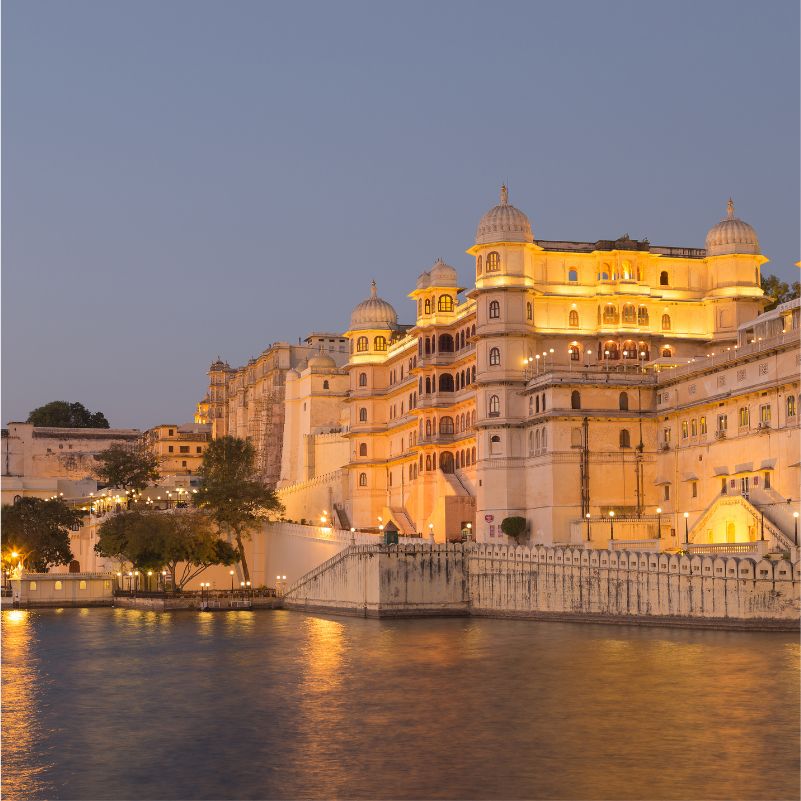
In Udaipur the big call is Old City versus the newer areas around Fateh Sagar.
The Old City near Lake Pichola puts City Palace, Jagdish Temple, Gangaur Ghat and Bagore Ki Haveli within walking distance. You wake up in the middle of everything.
Fateh Sagar and the newer areas are quieter and easier for cars, but you will ride back toward the Old City for most of the main sights.
Here is the honest warning again. A hotel "near the lake" does not mean your room has a lake view. Many lakeside properties have plenty of rooms facing a wall or a lane.
Confirm the actual view in writing before you pay, especially for a honeymoon booking. We have seen couples pay a lake-view premium and open the curtains onto a courtyard.
On budget, treat these as rough planning bands. Hostels and basic stays run ₹500 to ₹1,000 a night, homestays ₹1,200 to ₹2,500, and mid range hotels ₹1,800 to ₹3,500.
Those are planning estimates only. Lake-view rooms, weekends, festivals and peak dates push prices well above these bands.
One more honest point. Udaipur's lakes depend on the monsoon. In a weak rain year the water can sit lower than the postcards show, so do not expect a brimming lake every single month.
Staying in Jodhpur
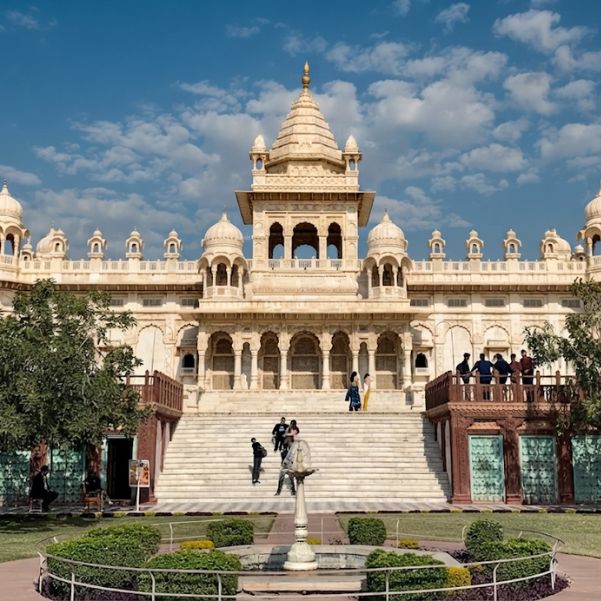
Jodhpur's pull is heritage havelis, Old City properties and rooftops that face Mehrangarh. Waking up to that fort over your morning chai is the whole point.
Sleeping inside the Old City puts you in the blue lanes, close to the fort walk and the markets. The catch is that the lanes are narrow and cars cannot always reach the door.
We are not putting Jodhpur room rates in this guide, because we do not have a reliable 2026 range to quote. We would rather say that plainly than invent a number.
For a deeper Udaipur-only breakdown of areas, costs and day plans, our Udaipur Travel Guide 2026 goes further than we can here.
Udaipur vs Jodhpur Sightseeing: Which Gives You More in Two Days?
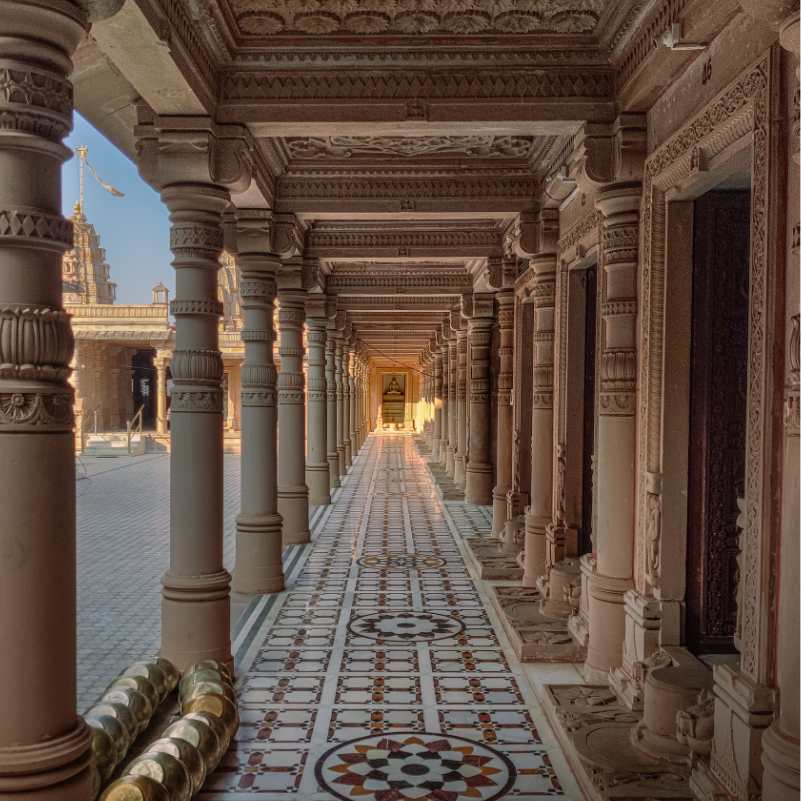
This is where the two cities really separate. One rewards a full two days of variety, the other hits hard with a few strong anchors.
Two days in Udaipur
Two days cover Udaipur's main city sights if you group them by area. Three days give you a calmer pace with room for cafés and markets.
Day one works best as the Old City cluster. City Palace, Jagdish Temple, Gangaur Ghat, Bagore Ki Haveli and an optional Lake Pichola boat all sit close together.
Day two picks up the outer sights. Saheliyon Ki Bari, Fateh Sagar and Monsoon Palace suit a more spread-out, drive-between-stops kind of day.
Keep Kumbhalgarh and Chittorgarh out of this two-day city plan. Each is a full day trip on its own, and it will wreck a relaxed city break.
If your schedule is tight, that day trip out to Kumbhalgarh or Chittorgarh is the thing to skip. It turns a slow lake holiday into a long drive you did not really need.
One to two days in Jodhpur
Jodhpur's sightseeing centres on Mehrangarh, Jaswant Thada, the Blue City lanes, Toorji Ka Jhalra and the Clock Tower area.
Mehrangarh deserves two to three unhurried hours. It is one of the best-kept forts in India, and rushing it is a genuine waste.
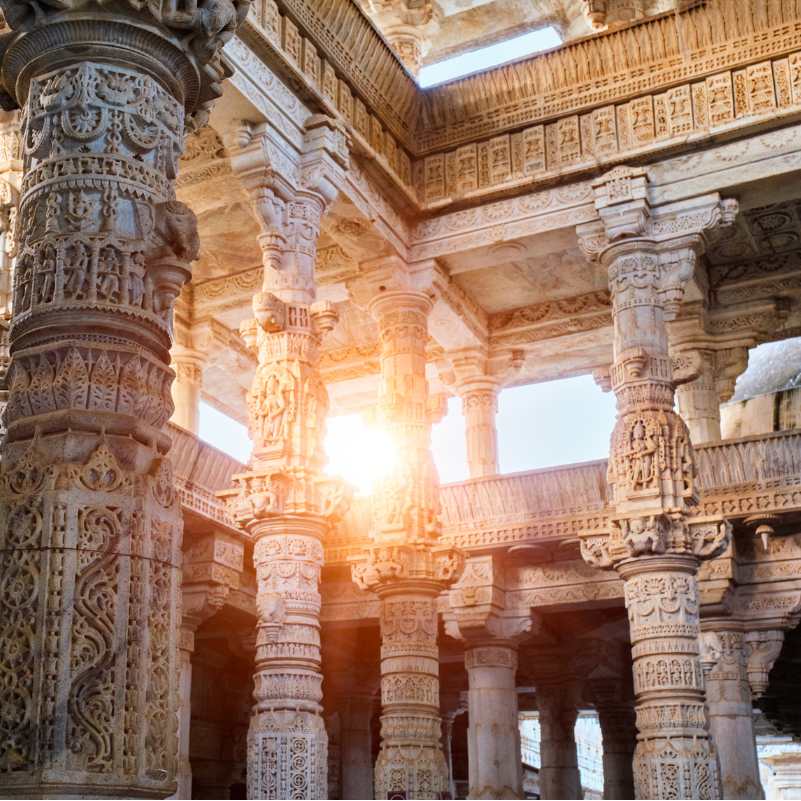
Jaswant Thada, the white marble memorial just below the fort, pairs naturally with it and takes far less time.
Rao Jodha Desert Rock Park is a good add-on if you like landscape and walking. Skip it if you would rather spend that time in the lanes.
One to two sightseeing days is a sensible allocation for Jodhpur. It is guidance, not a rule, but it fits how most people actually experience the city.
Which has greater sightseeing variety?
Across two full days, Udaipur gives you more variety. You move between palace architecture, lakes, ghats, gardens and hilltop viewpoints.
Jodhpur is more concentrated. Its strength is a few extremely strong heritage anchors, above all Mehrangarh and the Old City around it.
That does not mean Jodhpur runs out of things to see. It means Jodhpur hits harder in fewer places, while Udaipur spreads its appeal wider.
Udaipur vs Jodhpur Trip Cost: Which Is Cheaper?
Cost is where a lot of readers actually decide. The honest version is that Jodhpur's headline attractions are cheap, while Udaipur's total depends on your choices.
Attraction costs in Jodhpur
Mehrangarh's museum ticket is ₹200 for domestic visitors and ₹800 for international visitors. Students and seniors get a concession ticket at ₹100.
The fort's one-way elevator costs ₹50, and a guide for one to four people is ₹500. Mehrangarh runs 09:00 to 17:00 and stays open every day.
Jaswant Thada is even cheaper, at ₹50 for domestic visitors and ₹100 for international ones, with the same 09:00 to 17:00 timing, open all days.
So two domestic adults spend just ₹500 total for standard entry to both Mehrangarh and Jaswant Thada. That excludes the elevator, guide, transport and anything else.
Here is a money tip most people miss. That ₹500 guide covers up to four people, so a group of four splits it to about ₹125 each instead of everyone hiring separately.
And here is what to skip. The ₹50 elevator is one-way, and most fit travellers do not need it. Walk up the ramp instead, and you pass the gates and courtyards you would otherwise miss.
On timing, reach Mehrangarh right at the 9 AM opening. The first hour has the softest light on the sandstone and the shortest queues, and the courtyards get hot by late morning.
Rao Jodha Desert Rock Park is ₹100 a ticket, with a naturalist-guided walk at ₹200. Worth it if you like the landscape, easy to leave out if you do not.
Attraction costs in Udaipur
Udaipur's City Palace Museum runs 09:00 to 21:00, which is a long window and useful if you want a later, cooler visit.
The current City Palace adult entry price can change, so check the official counter or booking source before your visit. We are not repeating the older ₹400 figure as a 2026 price because we cannot confirm that it still applies.
The Lake Pichola boat fare also needs a current check. The route, boarding point, ride length and whether the ticket includes Jag Mandir all affect the cost, so confirm the fare for your exact boat ride before paying.
Accommodation and experience costs
This is where Udaipur can jump. Choose premium lake-view rooms, romantic dining and sunset boating, and the bill climbs fast.
But that is a choice, not a rule. Plenty of Udaipur trips run on modest budgets by skipping the lake-view premium and eating where locals eat.
On food, use these rough bands. A street snack runs around ₹30 to ₹50, a traditional thali about ₹300 to ₹500 a person, and a mid range meal for two roughly ₹500 to ₹700.
For the classic Udaipur evening, a rooftop thali near Lake Pichola with the palace lit up beats any fancy restaurant for the money, at that ₹300 to ₹500 a head.
On local transport, autos run broadly ₹50 to ₹200 by distance, and a full-day sightseeing car is broadly ₹1,800 to ₹2,500. These are estimates, not fixed tariffs.
One caution on autos. Agree the fare before you sit in. Autos near the City Palace often quote tourists well above that ₹50 to ₹200 band, so settle the number first.
We are not putting Jodhpur taxi or hotel numbers here, because we do not have reliable figures to quote and will not guess them.
Cost verdict
The safe conclusion is this. Jodhpur gives you a cheap entry to its two main heritage sights, ₹500 for two adults across Mehrangarh and Jaswant Thada.
Udaipur's total can climb faster, but only when you choose lake-view stays and premium experiences. Choose simply and Udaipur is not an expensive city either.
We will not tell you "Udaipur costs X more than Jodhpur," because no honest number supports a universal gap. Your choices set your budget, not the city name.
How Many Days Do You Need in Udaipur vs Jodhpur?
For Udaipur, plan about two days for the essentials and three days for a relaxed pace with time to just sit by the lakes.
For Jodhpur, one to two sightseeing days is a practical allocation. That is guidance from how trips actually run, not an official rule.
If you want both cities, give yourself four to five nights. Pretending the transfer between them takes no time is the fastest way to feel rushed.
Can You Visit Udaipur and Jodhpur on the Same Trip?
Yes, easily. They pair well, and plenty of Rajasthan routes include both.
Rajasthan Tourism's suggested itinerary puts Jodhpur to Udaipur at 260 km and about 5 hours by road. That is a real chunk of a travel day, not a quick hop.
Plan the transfer as its own half-day at least. Leave in the morning, expect a lunch stop, and do not schedule heavy sightseeing at both ends on the same day.
Should you go via Ranakpur and Kumbhalgarh?
You can break the drive with the Ranakpur Jain temples and Kumbhalgarh fort. A route guide estimates this at roughly 280 km and 6 to 7 hours.
Treat that as a planning estimate only. Check the current route and expected drive time close to your travel date, because road work, traffic, your stops and how long you linger all move the real number.
This works best as a full sightseeing transfer day, not a quick detour. Squeeze Ranakpur and Kumbhalgarh into a rushed drive and you will enjoy neither.
Our Classic Rajasthan Circuit is one way to fit these cities together without doing the route maths yourself.
Which City Fits Better Into a Rajasthan Circuit?
Both slot into a Rajasthan trip, just at different points and for different reasons. On the classic Jodhpur, Udaipur and Jaisalmer route, the order is the real decision.
When Jodhpur makes more sense
Jodhpur fits naturally when Jaisalmer is your next big stop. Fort, Blue City and then the desert is a clean, logical sequence that a lot of travellers follow.
That is not the only correct Rajasthan route. But if the golden sand of Jaisalmer is on your list, Jodhpur lines up neatly on the way.
When Udaipur makes more sense
Udaipur shines as a slower, softer finish after several fort-and-desert days. By the time you reach the lakes, you are ready to stop moving and just breathe.
We currently run an 8D/7N route covering Jaipur, Jodhpur, Jaisalmer and Udaipur, with Udaipur saved for the end. It is one practical example of how to design the circuit.
You can see that exact routing in our Best of Rajasthan Jaipur, Jodhpur, Jaisalmer and Udaipur itinerary.
We are not quoting the package price here, since live package prices move. Check the current figure on the page itself.
Which Should You Choose After Jaipur?
If Jaisalmer is next, Jodhpur usually has the stronger route logic. It keeps you flowing toward the desert instead of doubling back.
If you want lake scenery, a couple break or a gentler final city, Udaipur makes more sense after Jaipur.
One practical point. Actual train and flight availability on your dates can change the smartest order, so check connections before you lock the sequence.
Udaipur or Jodhpur: Who Should Pick Which?
Couples and honeymooners generally lean Udaipur. The lakes, sunsets and slow evenings simply suit that kind of trip better.
Fort and military-architecture lovers generally lean towards Jodhpur. If Mehrangarh is the thing you are most excited about, that settles it.
For a family trip, Udaipur is often the easier pick, with boat rides, gardens and open lakefronts that keep children happy. Jodhpur's big draw for kids is climbing Mehrangarh and hunting for cannonball marks on the walls.
For photography, Udaipur gives you reflections, ghats, lake sunsets and palace courtyards. Jodhpur gives you blue lanes, Marwar colour and the sheer scale of Mehrangarh.
Slow travellers usually get more out of Udaipur's lake evenings, where doing very little is the whole point.
Travellers making a short, heritage-focused stop often prefer Jodhpur, because it delivers a lot of history in a small footprint.
If you are heat-sensitive, do not assume either city is cool in April or May. The IMD normals make Udaipur a touch less hot, but both are genuinely hard in peak summer.
What Should Travellers Check Before a 2026 Trip?
A few things move year to year, so confirm these close to your dates.
Mehrangarh Museum currently lists 09:00 to 17:00 hours and ₹200 domestic admission. Jaswant Thada currently lists the same hours and ₹50 domestic admission.
Udaipur's City Palace Museum currently lists 09:00 to 21:00 visiting hours. The City Palace ticket price can change, while Lake Pichola boat fares and schedules vary by operator, boarding point, route and operating conditions, so confirm both before your visit.
Udaipur airport's new-terminal timeline may change, so do not assume a fixed opening date. Check the latest official status close to your travel date.
In monsoon, check the live IMD forecast and current intercity road status before you leave, rather than trusting any old road-status article as permanent.
We did not find any blanket city-entry tourist permit for either city. Even so, unusual cases like special commercial vehicles or non-standard travel situations can carry their own rules, so check if that is you.
Final Verdict: Udaipur or Jodhpur?
Here is the clearest version we can give.
For a first romantic Rajasthan trip, visit Udaipur. The lakes and slow evenings are exactly what that trip wants.
For a fort and Marwar heritage trip, see Jodhpur. Mehrangarh and the Blue City carry the whole holiday.
If Jaisalmer is your next stop, Jodhpur usually makes more circuit sense on the way to the desert.
If this is your final city after a busy Rajasthan run, Udaipur is a restful, lovely place to end.
And if you have four to five nights plus transfer time, do both. There is no need to force an either-or when your schedule can fit the pair.
Explore Our Curated Udaipur Tour Packages
 3D/2N
3D/2NUdaipur Tour With Lake Pichola Boat Ride and Bagore Ki Haveli
3D Udaipur
₹9,999₹12,999SAVE INR 3,000/ person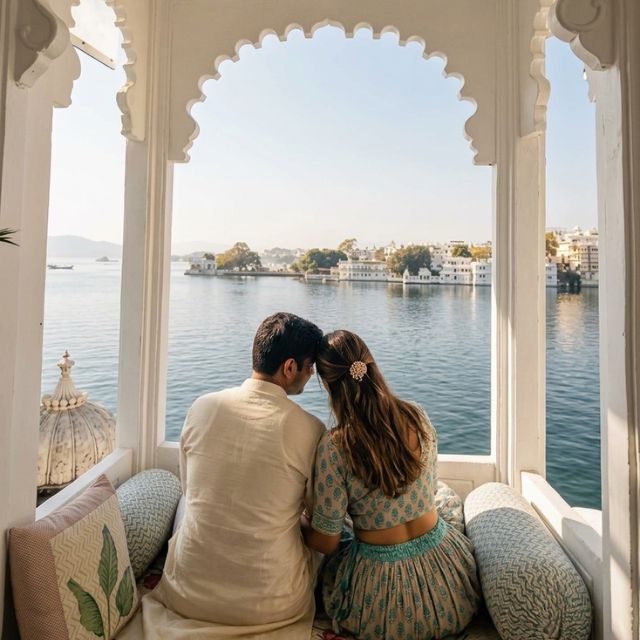 4D/3N
4D/3NUdaipur Honeymoon Tour With Candlelight Dinner and Boat Ride
4D Udaipur
₹17,999₹21,999SAVE INR 4,000/ person- 5D/4N
Udaipur Mount Abu Tour With Nakki Lake and Dilwara Temples
2D Udaipur•2D Mount Abu
₹20,999₹24,999SAVE INR 4,000/ person
Related topics
Frequently Asked Questions
Which is better, Udaipur or Jodhpur?
Neither wins outright. Udaipur is better for lakes, couples and slow evenings, while Jodhpur is better for Mehrangarh, Marwar heritage and a Jaisalmer-bound route.
Is Udaipur or Jodhpur better for couples?
Udaipur, in most cases. Lake sunsets, boat rides and romantic stays suit couples. Some history-loving couples still prefer Jodhpur's forts and havelis.
Which is cheaper, Udaipur or Jodhpur?
Jodhpur's main sights are cheap, at ₹500 for two adults across Mehrangarh and Jaswant Thada. Udaipur's total rises only if you pick lake-view stays and premium experiences.
Is Jodhpur hotter than Udaipur?
On IMD normals, yes, slightly. Jodhpur's April high averages 38.7°C against Udaipur's 37.8°C, and both climb past 40°C in May. These are normals, not forecasts.
How many days are enough for Udaipur and Jodhpur?
Udaipur needs about two days, three for a relaxed pace. Jodhpur suits one to two sightseeing days. For both together, plan four to five nights plus transfer time.
Can Udaipur and Jodhpur be covered in one trip?
Yes. Rajasthan Tourism lists Jodhpur to Udaipur as 260 km and about 5 hours by road, so the two pair well within a single Rajasthan trip.
Is two days enough for Udaipur?
Yes, for the main city sights if you group them by area. Day one covers the Old City cluster and day two the outer gardens, lakes and viewpoints.
Is one day enough for Jodhpur?
One day covers Mehrangarh, Jaswant Thada and the Blue City lanes at a brisk pace. Two days let you slow down and add the stepwells and markets.
Should I visit Udaipur or Jodhpur after Jaipur?
Jodhpur if Jaisalmer is next, since it keeps you moving toward the desert. Udaipur if you want lakes or a gentler final city. Check train and flight options too.
Which is better for photography, Udaipur or Jodhpur?
Both are strong. Udaipur gives lake reflections, ghats and sunsets. Jodhpur gives blue lanes and the scale of Mehrangarh rising above the city.
Which is better for a honeymoon, Udaipur or Jodhpur?
Udaipur, for most honeymooners. The lakes, boating and romantic hotels fit the mood. Choose Jodhpur only if forts and heritage excite you more than lakes.
Can I visit Udaipur and Jodhpur in summer?
You can, but April and May are very hot in both, past 40°C on May normals. Sightsee early, rest in the afternoon and keep water on you the whole time.
More about Udaipur
 Udaipur
Udaipur to Chittorgarh Day Trip 2026: Fort Route, Timings, Cost and Honest Advice
Planning a Udaipur to Chittorgarh day trip in 2026? This practical guide covers the best fort route, travel time, sightseeing timings, expected costs and transport options. We also share honest advice on how much time you need at Chittorgarh Fort, what to prioritise and whether the trip is worth adding to your Udaipur itinerary.
- Places to Visit
- Road Trips
 Udaipur
Udaipur Trip Cost 2026: Budget for 2, 3, 4 and 5 Days
Planning an Udaipur trip in 2026? This practical cost guide breaks down the budget for 2, 3, 4 and 5 days, including hotels, food, local transport, sightseeing and activities. Use realistic budget ranges to plan your Udaipur holiday without overspending.
- First-Time Travellers
- Itinerary
 Udaipur
Udaipur Local Transport Guide 2026: Auto, Taxi, Cab, Scooter, Parking and Old-City Access
Planning how to get around Udaipur in 2026? This practical transport guide compares autos, taxis, cabs and scooter rentals, with tips on fares, parking and navigating the narrow Old City. Learn which option works best for sightseeing, lake areas and day trips, and where vehicle access can become difficult.
- How to Reach
- First-Time Travellers