
Udaipur Shopping Guide 2026: Best Markets, What to Buy and Bargaining Tips
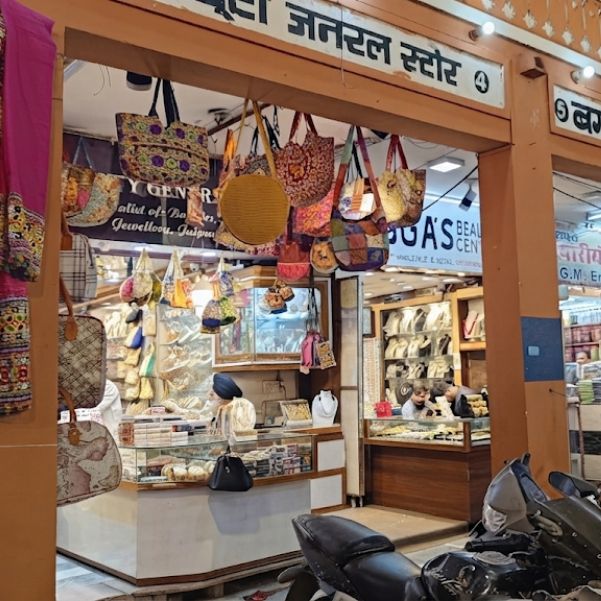
Most Udaipur shopping guides just list ten or thirteen markets and leave you to figure out the rest. That is not much help when you are standing in the Old City with two hours and a real question.
Where do you go for miniature paintings, and where do you go for a good Bandhani saree? Those are two different markets, and mixing them up wastes both time and money.
The good news is that Udaipur shopping really comes down to two markets that matter most, and they are good at very different things. Get that one distinction right and everything else falls into place.
Quick Answer
Go to Hathi Pol Bazaar first if you care about miniature paintings, Pichwai and Phad art, handicrafts and souvenirs. It is the strongest single stop for an art-focused shopper.
Go to Bada Bazaar if you want textiles like Bandhani and Batik, traditional clothing, jewellery and mojris, plus the feel of a wider working local bazaar.
If you would rather not bargain at all, Rajasthali, the government-run emporium, gives you a more fixed and standardized way to shop.
We are keeping Hathi Pol's opening hours out of this quick answer on purpose, because current published sources genuinely do not agree on them. More on that lower down.
If you want the whole trip planned around your shopping, our Udaipur tour packages put a local team and a driver on the ground for you.
What Most Shoppers Get Wrong in Udaipur
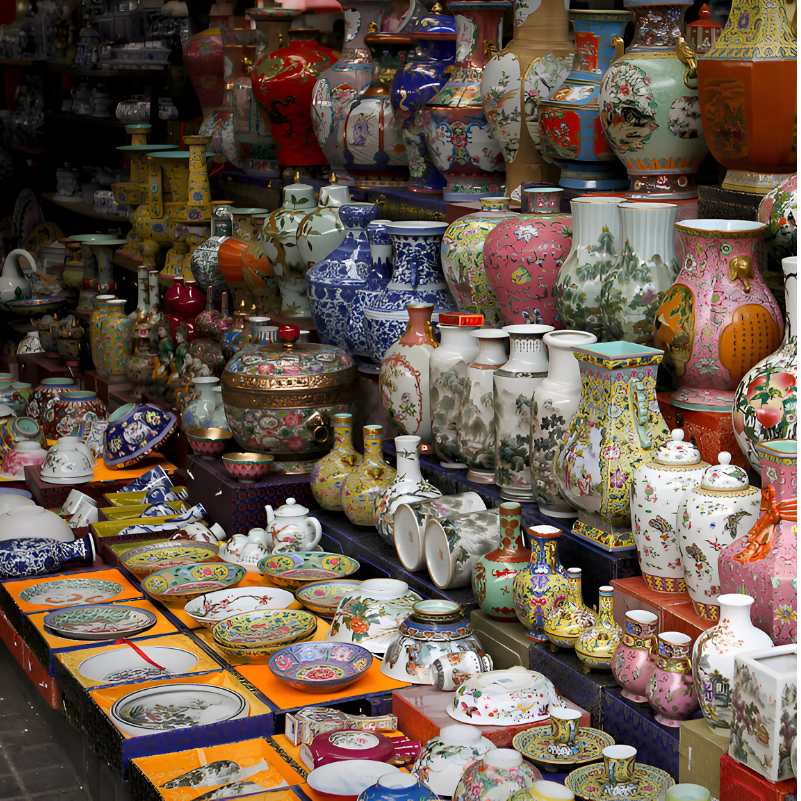
The single biggest mistake we see is treating every market as interchangeable and trying to speed through four of them in one afternoon.
Hathi Pol and Bada Bazaar reward completely different shoppers. Rush both and you buy worse and pay more.
Pick the market that matches what you actually came to buy, and give it real time. That one decision changes your whole shopping day.
Which Are the Best Shopping Markets in Udaipur?
Here is a clear run through the markets that come up most, from the two heavyweights down to the quick add-on stops.
Hathi Pol Bazaar: Best for Miniature Art and Handicrafts
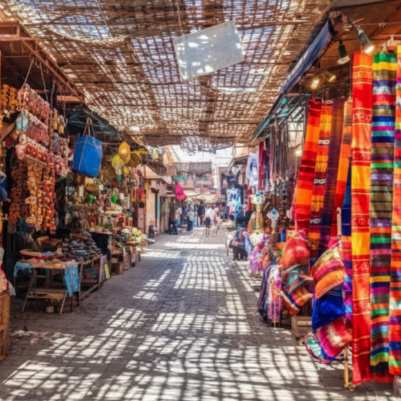
Hathi Pol Bazaar shows up again and again in the major travel guides as Udaipur's market for miniature paintings, Pichwai and Phad paintings, handicrafts and souvenirs.
If art is your reason for shopping in Udaipur, this is where you start. The lanes are packed with small painting shops and craft stalls.
It is the easiest place in the city to browse serious artwork in one continuous stretch, which is exactly what an art-focused shopper wants.
Now the honest catch. We cannot give you a firm opening time for Hathi Pol, and neither can the internet.
Holidify lists 9:30 AM to 5:00 PM with Sunday closed. TripXL says 9:30 AM to 5:30 PM, also Sunday closed.
MakeMyTrip puts it at roughly 9:30 AM to 5:30 PM. Indian Holiday says 10 AM to 9 PM. Tripadvisor currently shows 10 AM to 8 PM every day.
That is five different answers from five sources. So treat both the shop hours and the weekly closure as something to reconfirm on the day, ideally by asking your hotel or the shop directly.
Bada Bazaar: Best for Textiles, Jewellery and Local-Market Shopping
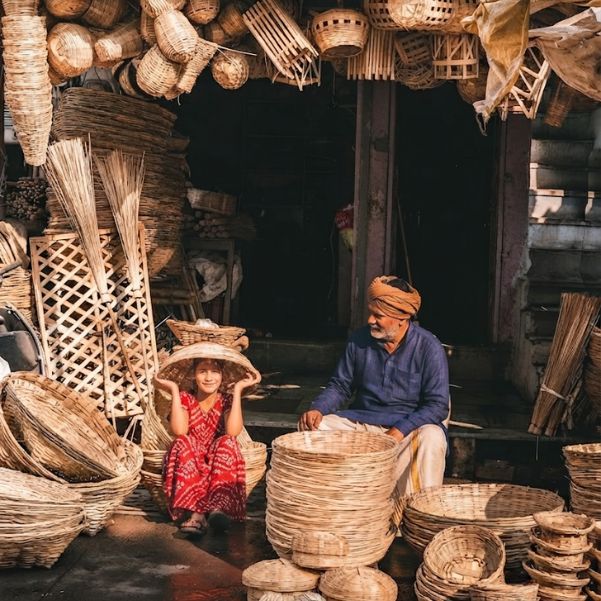
Bada Bazaar is the textile and jewellery heart of the Old City. It is known for Bandhani and Batik fabrics, traditional clothing, jewellery and mojris.
The clean way to hold the difference in your head is this. Hathi Pol leans art and handicraft. Bada Bazaar leans fabric, jewellery and general shopping.
If you want a saree, a dupatta, a pair of mojris, or you just want to walk a proper local bazaar, this is the better fit.
Most travel guides list typical opening hours as around 9:30 AM to 6 PM, with many shops closed on Sundays. Individual shop timings may vary, so confirm locally before planning a Sunday visit.
Shilpgram: Best for a Craft-Village Experience
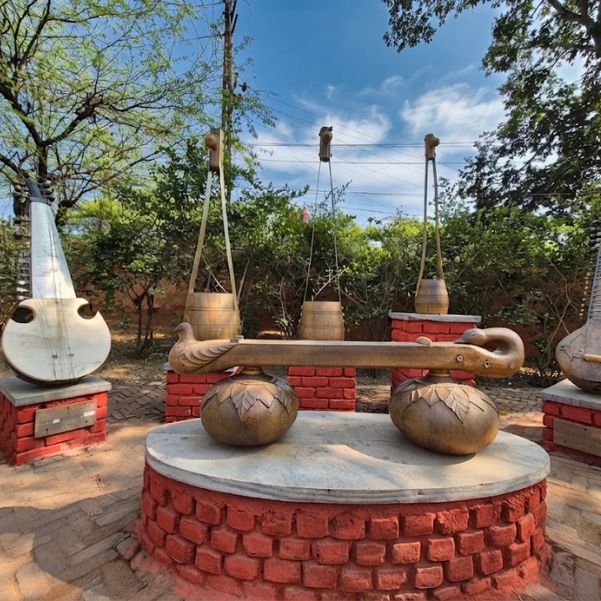
Shilpgram is not a street bazaar at all. It is a rural arts and crafts complex run by the West Zone Cultural Centre, built to show regional craft and culture in one place.
The official WZCC page describes the complex as having 31 representative huts. It works far better as a half-day craft and culture visit than as a quick shopping dash.
Entry is cheap and clearly listed. An Indian adult pays ₹60, an Indian child aged 5 to 12 pays ₹40, and a foreign adult or child pays ₹150. A camera or video permit is ₹60.
Several travel guides list opening hours as 11 AM to 7 PM, but the official ticket page does not currently confirm that schedule. Check the latest hours before travelling.
Rajasthali: Best if You Do Not Want to Bargain
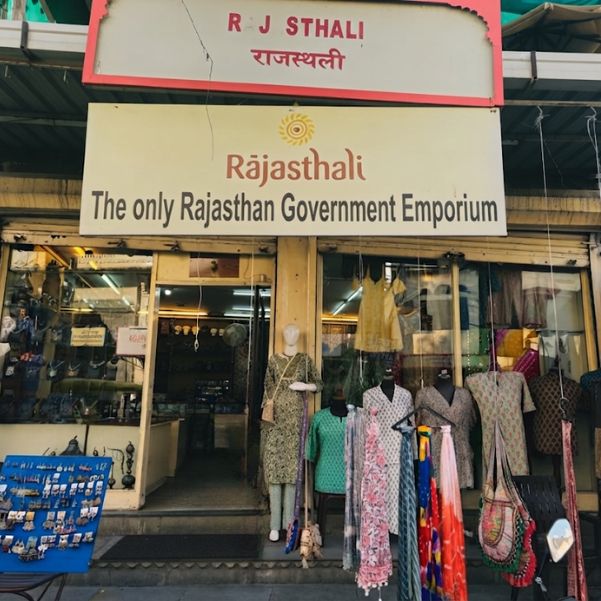
Rajasthali is the government-run handicrafts emporium. Incredible India identifies it as a state emporium established in 1961.
It stocks Rajasthani handicrafts across textiles, terracotta, brass crafts, jewellery, paintings and related products, all under one roof.
The draw here is pricing style, not a guaranteed lowest price. Official tourism describes government-associated fair pricing, and Holidify describes it as fixed and fair.
We would not promise that Rajasthali always beats a street shop on price. What it gives you is a no-haggle reference point, which is genuinely useful if bargaining stresses you out or if you just want a sense of a fair rate before you negotiate elsewhere.
Sadhna: Best for Artisan-Made Textiles With a Social-Enterprise Story
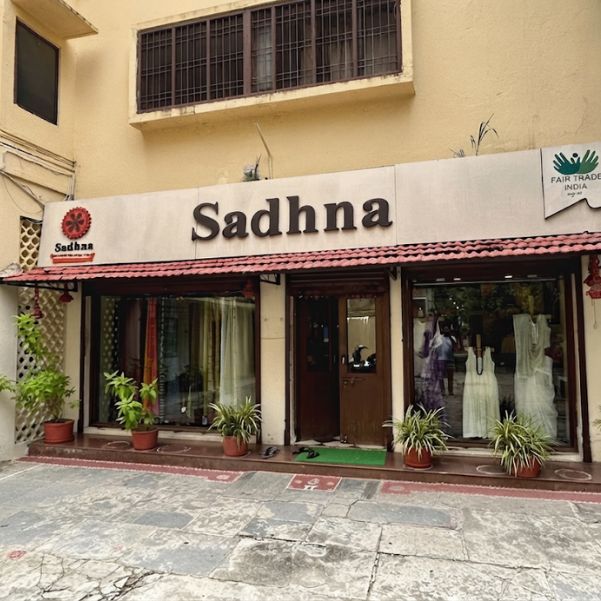
Sadhna is a women's handicraft enterprise founded in 1988. Its own site says it works with more than 550 women artisans from rural, tribal and urban communities across Udaipur and Rajsamand.
If you like knowing that your money reaches the maker, this is a good stop for artisan-made textiles. Its retail page lists an Udaipur store at C/o Seva Mandir, Old Fatehpura, Udaipur.
We do not have confirmed opening hours for the Sadhna store, so check before you build a plan around it.
Bapu Bazaar, Chetak Circle, Clock Tower and City Palace Road
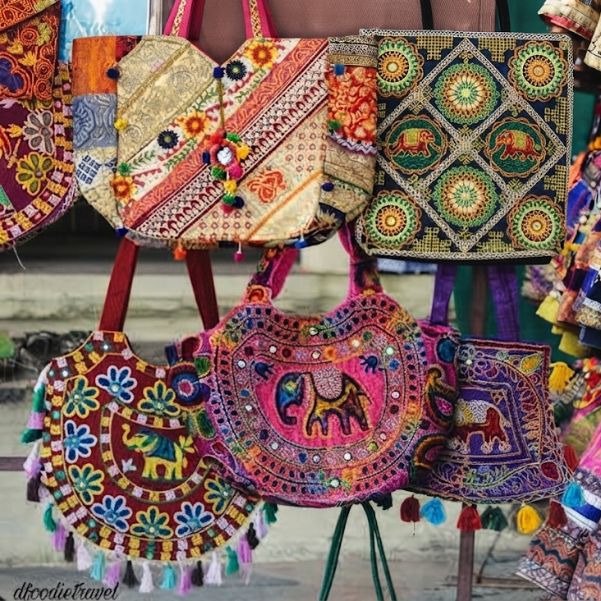
A few more names come up often, and they are worth a quick word each rather than a long detour.
Bapu Bazaar is your spot for general clothing, leather goods and handicrafts. Chetak Circle covers crafts, jewellery, fabrics and souvenirs.
Clock Tower is known particularly for jewellery. City Palace Road is a convenient tourist-facing stretch for handicrafts, textiles and jewellery while you are out sightseeing in the Old City.
None of these needs a special trip on its own. Fold them in when you are already nearby.
If Udaipur is one stop in a bigger plan, our Rajasthan tour packages cover the wider circuit too.
What Should You Buy in Udaipur?
This is the part that actually matters. Knowing what a thing is protects you far more than knowing which lane to walk down.
Miniature Paintings
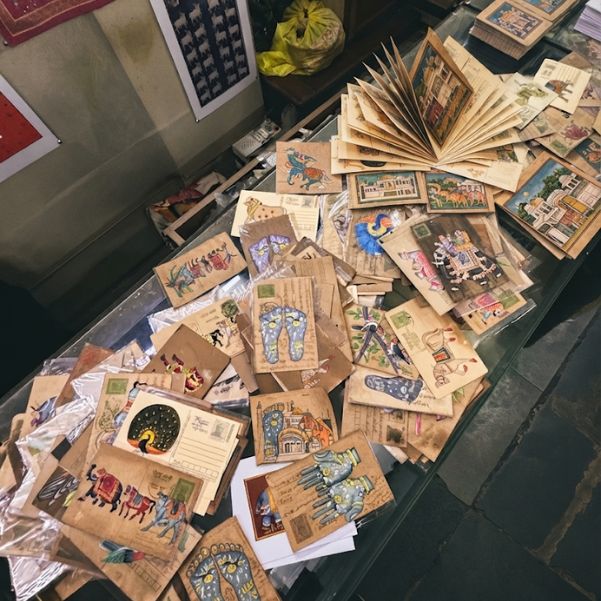
Miniature painting is probably the most meaningful thing you can carry home from Udaipur, because the city sits at the centre of this tradition.
The Development Commissioner Handicrafts describes the traditional process clearly. Artists work on prepared handmade Basli paper, use pigments and very fine brushes, and finish with a polishing or burnishing stage.
The City Palace Museum in Udaipur holds paintings of the Mewar School, which tells you how deep the local roots of this art actually run.
One honest caution. Do not assume every painting on sale uses natural pigments and traditional handmade paper.
A genuine contemporary artist may work with different materials, and that alone does not make the piece fake. The materials are one question, not the whole answer.
Pichwai and Phad Paintings
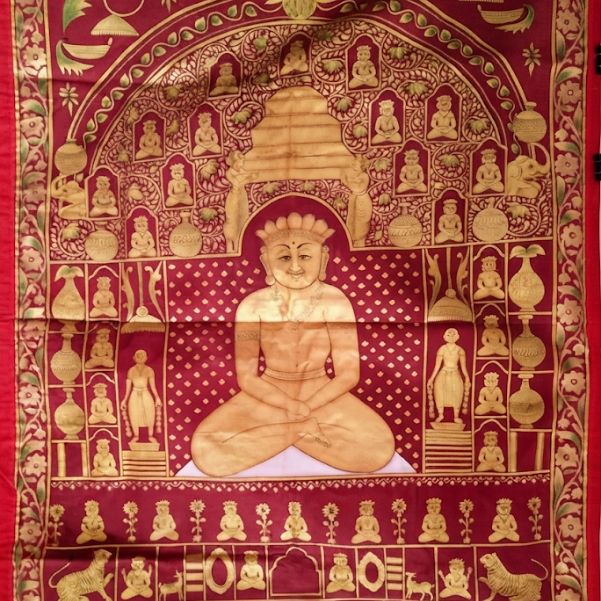
Do not let a shopkeeper blur miniature, Pichwai and Phad into one word. They are different things, and the price should reflect what you are actually buying.
The Development Commissioner Handicrafts traces Nathdwara Pichhwai painting to the 17th century in Nathdwara, Rajasthan. It is its own devotional cloth-painting tradition.
The City Palace Museum describes Phad as a Rajasthan cloth-painting storytelling form, again distinct from a miniature on paper.
Udaipur shops sell all three styles. The move that protects you is simple. Ask exactly what the piece is, rather than buying on whatever label the seller puts on it.
Bandhani, Batik and Printed Textiles
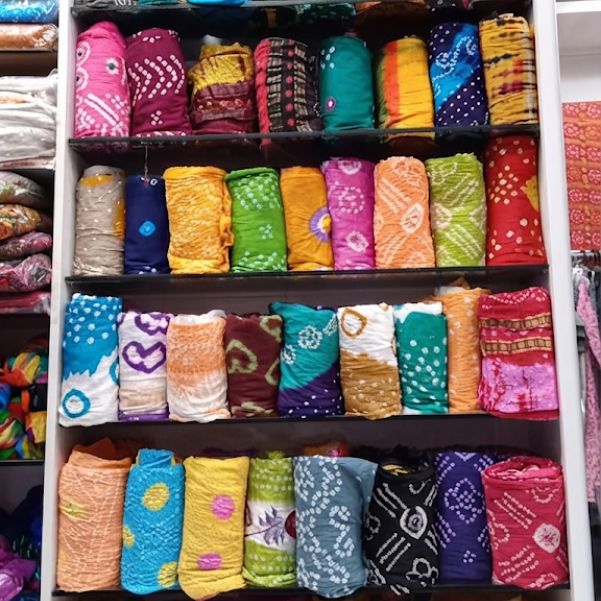
For fabric, Bada Bazaar is the market that keeps coming up for Bandhani, Batik and traditional textiles.
Before you compare two prices, compare the actual cloth. Look at the fibre, the printing or dyeing method, the embroidery, the finishing and the size.
Two dupattas can look almost identical and still be completely different products underneath. Real Bandhani tied and dyed by hand is not the same as a printed imitation, even if they photograph the same on your phone.
We are not going to quote you a saree or dupatta price, because there is no honest single number for it. What you pay depends entirely on the fabric and the work behind it.
Silver Jewellery
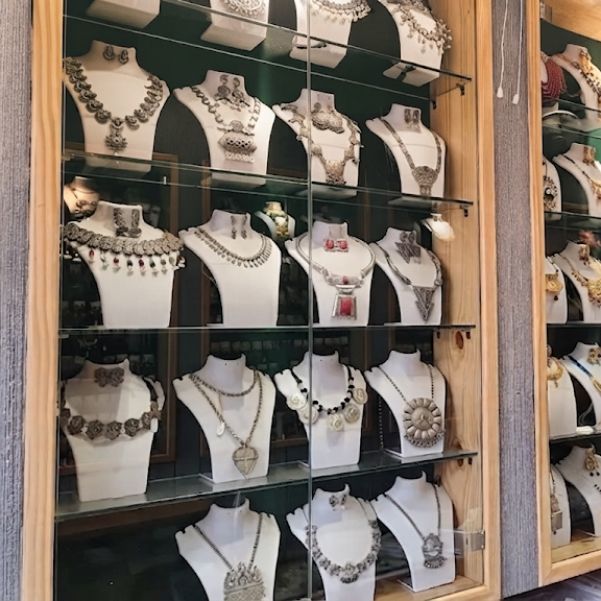
Silver needs more care than a fridge magnet or a small puppet.
Before you buy, ask for the item weight, the purity or fineness, the making charges, the hallmark information and a proper invoice.
We are deliberately not quoting a silver rate here, because a live bullion price changes daily and none was part of the research for this guide. The full 2026 silver checklist is further down, and it genuinely matters.
Mojris, Leather Goods and Small Souvenirs
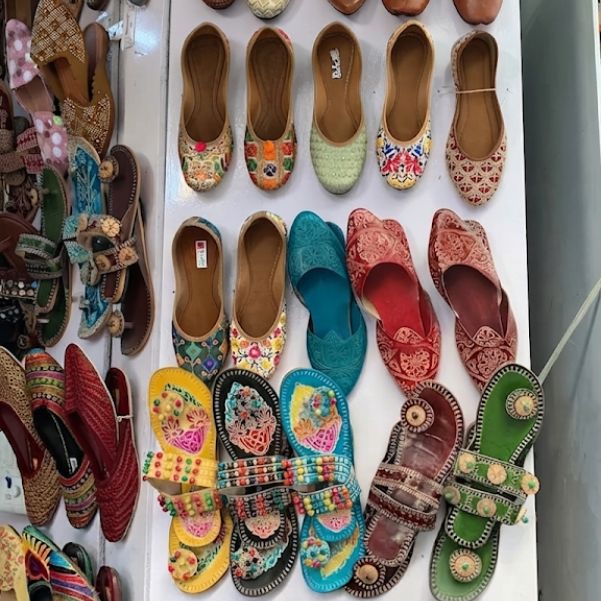
For easy, lower-risk buys, think mojris, leather journals, bags, puppets and small decorative handicrafts. These are the fun souvenirs most travellers actually take home.
They are simpler purchases, but the words handmade, antique and locally made are still claims, not facts. There is no harm in asking one friendly question before you pay, even for a small item.
How Can You Tell if a Udaipur Miniature Painting Is Really Handmade?
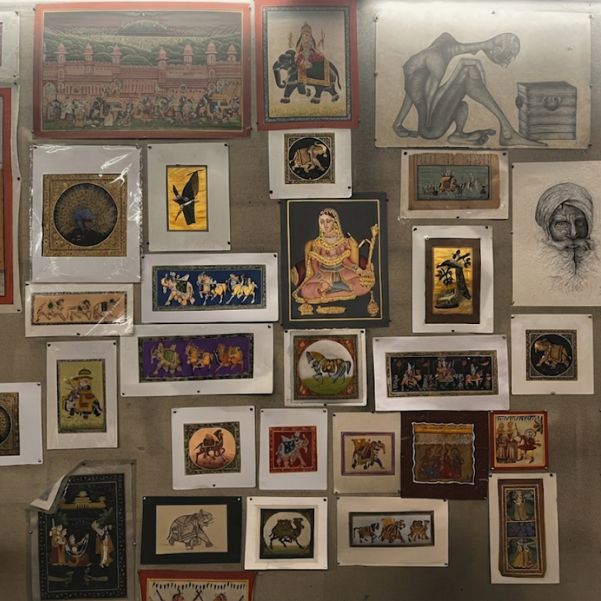
This is where a lot of money gets wasted, so slow right down here.
Start with what the real craft actually involves. A traditional miniature uses prepared handmade paper, pigments, very fine brushwork and a burnishing stage that smooths and sets the surface.
Now turn that into questions for the seller or the artist. Ask who painted the piece. Ask what surface the artist painted on.
Ask which pigments or paints the artist used. Ask directly whether it is completely hand-painted or a printed reproduction.
And ask whether the artist's name and the materials can go on the bill. A seller who is happy to put that in writing is telling you something useful.
Look closely at the brushwork too. Tight, detailed, slightly irregular hand strokes and visible signs of hand work all help you judge the piece.
Ask to see the piece out of its frame if you can, and take a proper look at the back. On paper work, the edges and the reverse often tell you as much as the front does.
Treat the frame as its own purchase too. A cheap frame around a good painting, or a fancy frame around a cheap print, is a common way for the final number to drift upward.
But be honest with yourself about one thing. No quick visual trick guarantees authenticity.
Natural pigment does not automatically mean genuine, and synthetic pigment does not automatically mean fake. Anyone who tells you otherwise is oversimplifying to close a sale.
For anything expensive, provenance, a named artist and proper documentation matter far more than a dramatic story about how rare the piece is.
In our experience, the sellers who answer these questions calmly, without getting defensive, are usually the ones worth buying from.
Hathi Pol vs Bada Bazaar: Which Market Should You Choose?

Here is the straight answer, no hedging.
Choose Hathi Pol if your priority is miniature paintings, art, handicrafts and souvenir browsing.
Choose Bada Bazaar if your priority is textiles, traditional clothing, jewellery, mojris and the atmosphere of a broad local bazaar.
If you only have an hour or two, do not try to do both properly. Pick the one that matches what you actually plan to buy and give it your full attention.
In our experience, Hathi Pol makes more sense when art is your priority, and Bada Bazaar wins when you are really there for fabric and jewellery.
How Much Should You Pay When Shopping in Udaipur?
There is no honest price chart for shopping in Udaipur, and anyone who hands you one is guessing.
Artwork depends on the artist, the size, the medium and the level of detail. Textiles depend on fibre and workmanship. Silver depends on weight, fineness and making charges.
Those variables make a fixed street price close to meaningless. A saree is not a saree, and a painting is not a painting, until you know the specifics.
So use a method instead of a number. First, note the exact specifications and the quote for the item you like.
Then find the closest equivalent at two other sellers and compare those three. The trick is to compare like with like, not just to ask whether some other shop has a vaguely similar looking thing for less.
Rajasthali is handy here as a fixed-price government reference for some handicraft categories. It will not always be the cheapest, but it gives you a sane anchor to judge against.
One small habit helps a lot. Photograph each item with its specifications noted, so at the third shop you are comparing real records instead of a fading memory of the first.
Our team recommends comparing the same specification at two or three shops before you negotiate seriously. It is the single habit that saves the most money.
A quick word on the numbers floating around online. A November 2025 Reddit discussion mentioned leather journals at around ₹200 to ₹500 and boho bags at around ₹300 to ₹800, but these were informal traveller-reported prices rather than verified market rates.
A February 2026 Reddit thread mentioned customised diaries at around ₹150 to ₹200. Treat this as another anecdotal estimate, not a guaranteed current price.
They are not even directly comparable products, so do not shop for them like a price list. And ignore any Reddit claim of cheap silver as a genuine-silver benchmark, because nobody established the metal, weight or purity behind it.
How to Bargain in Udaipur Without Overpaying
Bargaining is normal in Udaipur's open markets like Hathi Pol, so do not feel shy about it. It is completely expected.
But ignore anyone who gives you a magic rule. There is no verified figure that says always offer half, or start 30 percent lower, or start 50 percent lower.
We are not going to invent a percentage for you, because a made-up rule usually costs you more than it saves.
The real edge is information. Compare more than one seller before you get serious with any of them.
A polite request for the best final price works far better once you actually know what the item is. Bargaining hard on a product you cannot identify is exactly how people overpay.
And it is completely fine to walk away. If the price or the story behind a piece does not add up, leaving is a normal, reasonable thing to do.
For a bigger buy, there is no rule that says you must decide today. Walking one lap of the market, seeing what else is out there and coming back later is a normal way to shop, and a calm buyer usually pays less than a rushed one.
Keep it friendly, though. Most Udaipur shopkeepers run honest shops, and treating bargaining as a fight rather than a conversation usually gets you a worse deal, not a better one.
Buying Silver Jewellery in Udaipur in 2026: What Should You Check?
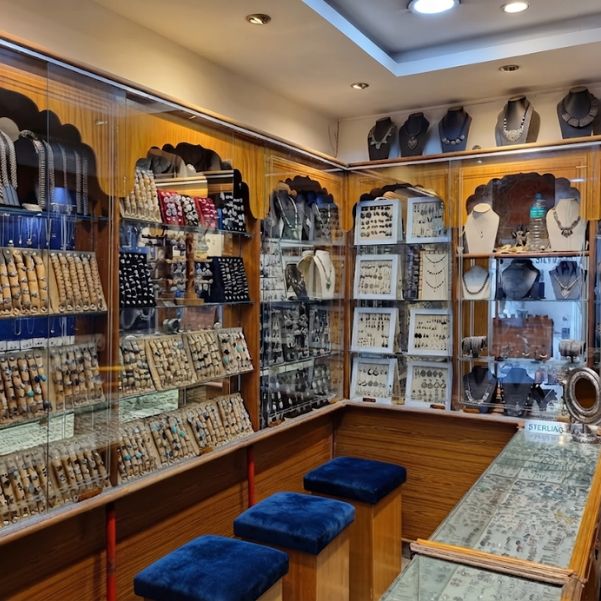
This is the most important 2026 update in this guide, so read it before you spend on silver.
The Bureau of Indian Standards brought in a revised standard, IS 2112:2025, for silver jewellery and articles. Under it, HUID-based hallmarking for silver runs on a voluntary basis from 1 September 2025.
Read that word again. Voluntary. So do not expect, or demand, that every silver item in a shop legally carries a HUID. Many simply will not.
When a silver piece carries a hallmark under this revised system, that hallmark shows three things.
It has the BIS Standard Mark with the word SILVER, a purity grade, and a Hallmarking Unique Identification (HUID) code.
The purity grades BIS lists under the revised standard are 800, 835, 925, 958, 970, 990 and 999. A higher number means more silver in the piece.
You can check a hallmarked item yourself. The BIS CARE app has a Verify HUID function, so you can confirm the code rather than trust a sticker or a spoken promise.
BIS also says you should get an authentic bill or invoice for a hallmarked jewellery article, with the hallmark information on it, in case you ever need to raise a complaint or a dispute. Insist on that paperwork every time.
One more habit worth building
Match the HUID printed on the piece to the HUID written on your bill, and keep both together. If those two ever disagree, that mismatch is exactly the kind of problem the invoice exists to settle.
Common Tourist Mark-Ups and Shopping Traps
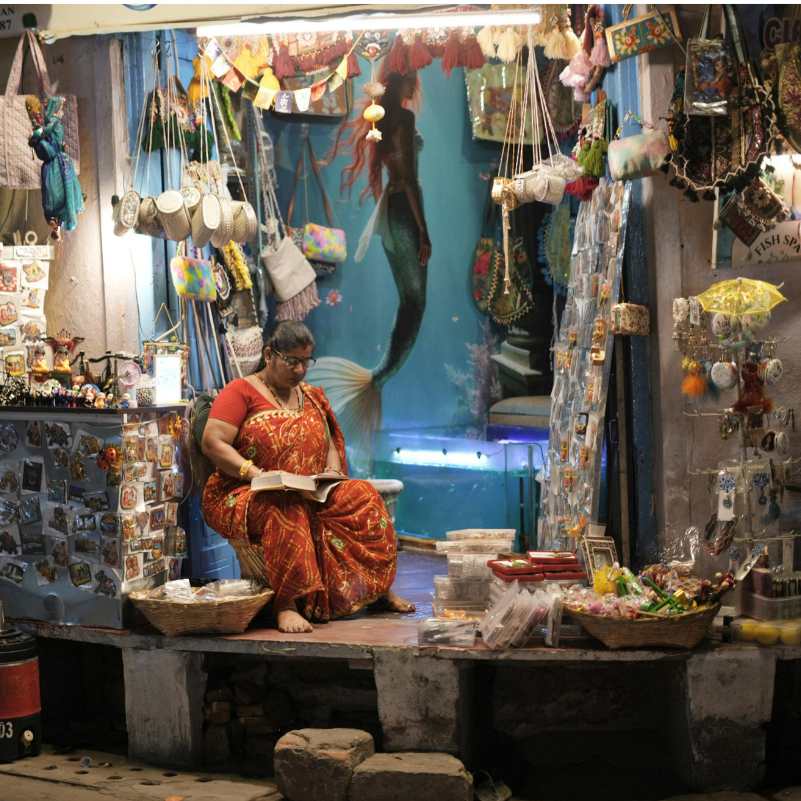
Recent local traveller discussions do warn that tourists get quoted higher. But there is no authoritative standard percentage for a tourist mark-up, and anyone quoting you an exact figure made it up.
So forget percentages and watch for the real risks instead.
A seller can describe a mass-produced souvenir vaguely as handmade. A seller can pass off a print or a reproduction as an original painting. Both of these happen in every tourist market, not just Udaipur.
Silver-coloured jewellery is not automatically real silver until you have checked it the way we described above. And an elaborate story about a piece being rare or ancient is not the same thing as actual provenance.
The defence is always the same. Compare the product specification, not just the first price against the second.
And get a receipt with a real description on it for anything that costs enough to matter. A plain bill that names the item, the material and the price protects you far more than a friendly handshake.
One more serious warning if you are eyeing anything old. India's Antiquities and Art Treasures Act regulates and restricts the export of antiquities and art treasures.
Anyone genuinely considering an old or valuable object should get proper provenance and paperwork first. Do not assume you can simply carry something marketed as an antique out of India without trouble.
A Practical Udaipur Shopping Route
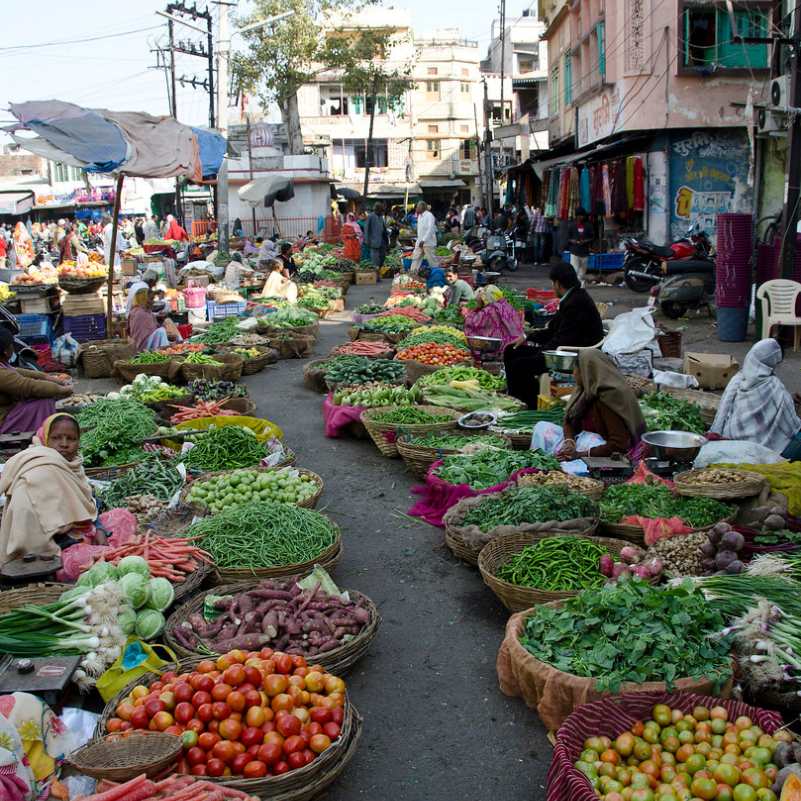
Skip the temptation to build a rigid market-hopping loop with exact walking times. The Old City does not reward that, and we are not going to invent distances we cannot verify.
Instead, start with the market that matches your main purchase. If you come for art, begin at Hathi Pol and then add other Old City browsing around it.
If you came for fabric or jewellery, make Bada Bazaar your priority and build outward from there.
We would keep Shilpgram as a separate arts and crafts visit rather than squeezing it into a rushed Old City shopping hour. It deserves its own slot, ideally half a day.
If you want the shopping wrapped into a proper itinerary, our Udaipur 2 nights 3 days tour covers the city comfortably.
For travellers with a few more days, our Udaipur trip with Kumbhalgarh and Ranakpur adds the wider region without cutting the city short.
Udaipur Market Timings and Sunday Closures
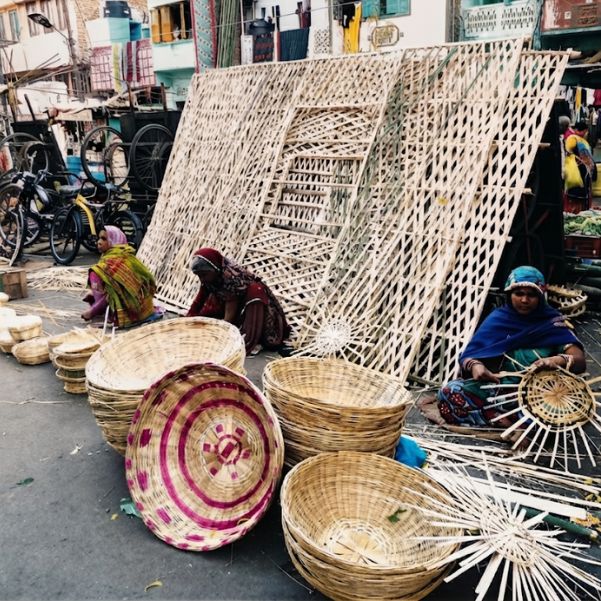
We would rather be honest than pretend the web agrees on this, because it does not.
Hathi Pol
Hathi Pol opening hours and its Sunday status genuinely conflict across current travel sources. We listed the five different versions earlier, and we are not going to crown one as certain.
The only reliable move is to reconfirm with the specific shop, your hotel or a local operator on the same day you plan to go. This matters most for a Sunday, when closures are likely but not guaranteed.
Bada Bazaar
Several travel guides list typical opening hours as around 9:30 AM to 6 PM, with many shops closed on Sundays. Treat this as general guidance and confirm locally before a Sunday visit.
Shilpgram
Travel guides commonly list opening hours as 11 AM to 7 PM, but the official WZCC ticket page does not currently confirm this schedule. Check the latest hours before travelling.
If you would rather someone just handle the timing and logistics, our Udaipur Mount Abu tour folds the city into a wider Rajasthan route with the planning done for you.
Planning More Than Shopping in Udaipur?
Shopping works best as one thread in a wider Udaipur plan, not the whole trip. The city palace, the lake, the havelis and the food are all part of the same few days.
That is really the heart of good Udaipur shopping. Pick one or two markets that match what you want, give them proper time, check what you are buying, and let the rest of the city fill the gaps.
Explore Our Curated Udaipur Tour Packages
 3D/2N
3D/2NUdaipur Tour With Lake Pichola Boat Ride and Bagore Ki Haveli
3D Udaipur
₹9,999₹12,999SAVE INR 3,000/ person 4D/3N
4D/3NUdaipur Honeymoon Tour With Candlelight Dinner and Boat Ride
4D Udaipur
₹17,999₹21,999SAVE INR 4,000/ person 5D/4N
5D/4NUdaipur Mount Abu Tour With Nakki Lake and Dilwara Temples
2D Udaipur•2D Mount Abu
₹20,999₹24,999SAVE INR 4,000/ person
Related topics
Frequently Asked Questions
What is Udaipur famous for shopping?
Udaipur is known for miniature paintings, Pichwai and Phad art, Bandhani and Batik textiles, silver and traditional jewellery, mojris and a wide range of Rajasthani handicrafts. Art and fabric are the two things most people come back with.
Which is the best shopping market in Udaipur?
There is no single best market. Hathi Pol is best for art, paintings and handicrafts, while Bada Bazaar is best for textiles, jewellery and general local-market shopping. Choose based on what you want to buy.
What is Hathi Pol Market famous for?
Hathi Pol comes up again and again for miniature paintings, Pichwai and Phad paintings, handicrafts and souvenirs. It is the go-to market in Udaipur for art-focused shoppers.
Is Hathi Pol Market open on Sunday?
Published sources conflict on this. Some list Hathi Pol as closed on Sunday, while others show it open every day. Confirm with the shop, your hotel or a local operator on the day you plan to visit.
What are Hathi Pol Market timings?
Current published timings do not agree. Different sources list anything from a 9:30 AM start to a 10 AM start, and closing anywhere between 5 PM and 9 PM. Reconfirm locally rather than trusting one source.
Is Hathi Pol or Bada Bazaar better for shopping?
It depends on your goal. Hathi Pol wins for miniature paintings, art and handicrafts. Bada Bazaar wins for textiles, clothing, jewellery and mojris. Pick the one that matches your shopping list.
Where can I buy genuine miniature paintings in Udaipur?
Hathi Pol has the most painting shops, but no market guarantees every seller is genuine. Judge the work itself by asking who painted it, what the artist painted on, whether it is hand-painted or a reproduction, and whether the artist and materials go on the bill.
How do I know if a miniature painting is handmade?
Ask the seller directly whether it is fully hand-painted or a print, what surface and pigments were used, and who the artist is. Look for tight, detailed hand brushwork, but remember no single visual test proves authenticity.
How much should I bargain in Udaipur?
Bargaining is common in open markets like Hathi Pol, but there is no verified universal percentage to offer. Compare a couple of sellers first, then ask politely for the best final price once you know what the item actually is.
Where should I buy Bandhani and traditional textiles?
Bada Bazaar is the market most associated with Bandhani, Batik and traditional fabrics. Compare fibre, dyeing or printing method, embroidery and finishing before you compare prices, since two similar looking pieces can be very different.
How can I check silver jewellery before buying?
For a hallmarked piece, look for the BIS Standard Mark with the word SILVER, a purity grade and a HUID code, then verify the HUID in the BIS CARE app. Ask for weight, purity and making charges, and always get a proper invoice. Silver HUID hallmarking is voluntary from 1 September 2025.
What are the best inexpensive souvenirs from Udaipur?
Small handicrafts, leather journals, mojris and textile items are the easy, affordable buys. There is no fixed price for them, so compare a few shops and check the handmade and locally made claims before you pay.
More about Udaipur
 Udaipur
Udaipur to Chittorgarh Day Trip 2026: Fort Route, Timings, Cost and Honest Advice
Planning a Udaipur to Chittorgarh day trip in 2026? This practical guide covers the best fort route, travel time, sightseeing timings, expected costs and transport options. We also share honest advice on how much time you need at Chittorgarh Fort, what to prioritise and whether the trip is worth adding to your Udaipur itinerary.
- Places to Visit
- Road Trips
 Udaipur
Udaipur Trip Cost 2026: Budget for 2, 3, 4 and 5 Days
Planning an Udaipur trip in 2026? This practical cost guide breaks down the budget for 2, 3, 4 and 5 days, including hotels, food, local transport, sightseeing and activities. Use realistic budget ranges to plan your Udaipur holiday without overspending.
- First-Time Travellers
- Itinerary
 Udaipur
Udaipur Local Transport Guide 2026: Auto, Taxi, Cab, Scooter, Parking and Old-City Access
Planning how to get around Udaipur in 2026? This practical transport guide compares autos, taxis, cabs and scooter rentals, with tips on fares, parking and navigating the narrow Old City. Learn which option works best for sightseeing, lake areas and day trips, and where vehicle access can become difficult.
- How to Reach
- First-Time Travellers