
Udaipur and Mount Abu Itinerary for 5 Days (2026): Best Route, Stays and Trip Cost

If you are planning a Udaipur Mount Abu itinerary and cannot decide how many nights each place needs, this guide gives you the exact split, the two route choices, honest stay advice and a real 2026 price to plan around.
We run this circuit often, so most of what follows comes from how our travellers actually move through it, not a copied brochure.
Quick Answer
The best Udaipur Mount Abu itinerary is two nights each in Udaipur and Mount Abu. Day 1 is arrival and Lake Pichola, Day 2 is Udaipur sightseeing.
Day 3 is the drive to Mount Abu with Nakki Lake, Day 4 is full Mount Abu sightseeing, and Day 5 is departure. Return to Udaipur for a flight, or exit via Abu Road for a train.
If you want the ready-made version, our 5-day Udaipur Mount Abu tour already follows this two-plus-two structure.
What Does the Five-Day Udaipur Mount Abu Itinerary Look Like?

Here is the full flow in plain order so you can picture the trip before you book anything.
Day 1
Day 1 is your Udaipur arrival and hotel check-in, followed by the shared Lake Pichola boat ride and an easy evening around the Old City.
Day 2
Day 2 is a full Udaipur sightseeing day, so you cover the main sights without rushing between them.
Day 3
Day 3 is the drive from Udaipur to Mount Abu, and after check-in you keep the evening light with Nakki Lake boating and a market walk.
Day 4
Day 4 is your complete Mount Abu sightseeing day, with Guru Shikhar in the morning and the Dilwara Jain Temples after noon.
Day 5
Day 5 is departure, either from Abu Road railway station or back to Udaipur, depending on your onward travel.
If your designer builds a route map for this trip, show Udaipur to Mount Abu to Abu Road as the main line, with Mount Abu back to Udaipur drawn as the optional return leg.
Which Route Is Better: Udaipur Round Trip or Udaipur to Abu Road?

Both routes cover the same sightseeing. The only real difference is how Day 5 ends and how much driving you do on the last day.
Option 1: Udaipur to Mount Abu to Udaipur
Pick this if your return flight or train leaves from Udaipur. It keeps your arrival and departure city the same, which is simpler for many travellers.
The trade-off is Day 5. You drive the 165 kilometre stretch back to Udaipur, a road journey of around 163 to 170 kilometres depending on your exact route.
We do not promise a fixed arrival time for this leg, because traffic, tea stops and weather all move the clock. Keep the day light and do not plan a tight connection.
Option 2: Udaipur to Mount Abu to Abu Road
Abu Road railway station sits around 27 to 28 kilometres from Mount Abu, down a hill section of close to 28 kilometres with plenty of hairpin bends.
Ending at Abu Road can save you around 135 to 138 kilometres of road travel compared with driving all the way back to Udaipur. That figure comes from published route distances, not a live navigation reading, so treat it as a planning number.
This route only works when a suitable train runs at the right time and you keep a safe transfer buffer. Confirm the train and the drive before you lock it in.
Can You Reverse the Route?
Yes, you can start at Abu Road and finish in Udaipur as a customised itinerary. It is a normal request and easy to arrange.
The published product, though, starts in Udaipur with a Udaipur or Abu Road drop. So if you want the reverse, ask for written confirmation of the route, the pickup, the hotel split and the final quotation before you pay.
Getting the reverse routing in writing protects you if the hotel nights or the pickup point shift later.
If you are still comparing options across the state, our Rajasthan tour packages page shows the other circuits we run.
Why Does Mount Abu Need Two Nights Instead of a Rushed Day Trip?

This is the question most first-timers ask, so let us break down the maths honestly.
Our practical itinerary allows around four hours for the 165 kilometre transfer between Udaipur and Mount Abu. That is a comfortable one-way estimate with a couple of stops.
Turn that into a same-day return and you are looking at roughly eight hours of driving before you even count sightseeing and breaks. Treat that as a rough planning figure, not a stopwatch reading.
The bigger problem is timing. Guru Shikhar works best in the morning, Dilwara tourist entry begins at 12:00 PM, and Nakki Lake is at its nicest in the evening. Those three do not line up in a single day trip.
Here is the part people get wrong
Two nights in Mount Abu does not mean two full sightseeing days. It means an arrival evening, one complete sightseeing day, and an easier departure the next morning.
A day trip is technically possible if you accept a very early start and skip most stops. We just do not recommend that pace for a trip you have travelled this far to enjoy.
That balance is what makes a five-day Udaipur Mount Abu itinerary comfortable rather than exhausting.
Day 1: Arrive in Udaipur and Spend the Evening at Lake Pichola

Ideal Arrival Time
Try to reach Udaipur by around 2:00 PM for the itinerary to flow the way it should.
A late afternoon or evening arrival can force you to skip the boat ride or the optional Dharohar folk show. There simply is not enough daylight left.
If your flight or train runs late, we cannot guarantee the time-sensitive parts of the evening. Build in a buffer so a delay does not cost you Lake Pichola.
Afternoon and Evening Plan
Once you land, check into your hotel, drop your bags and rest for a bit. There is no need to rush straight out.
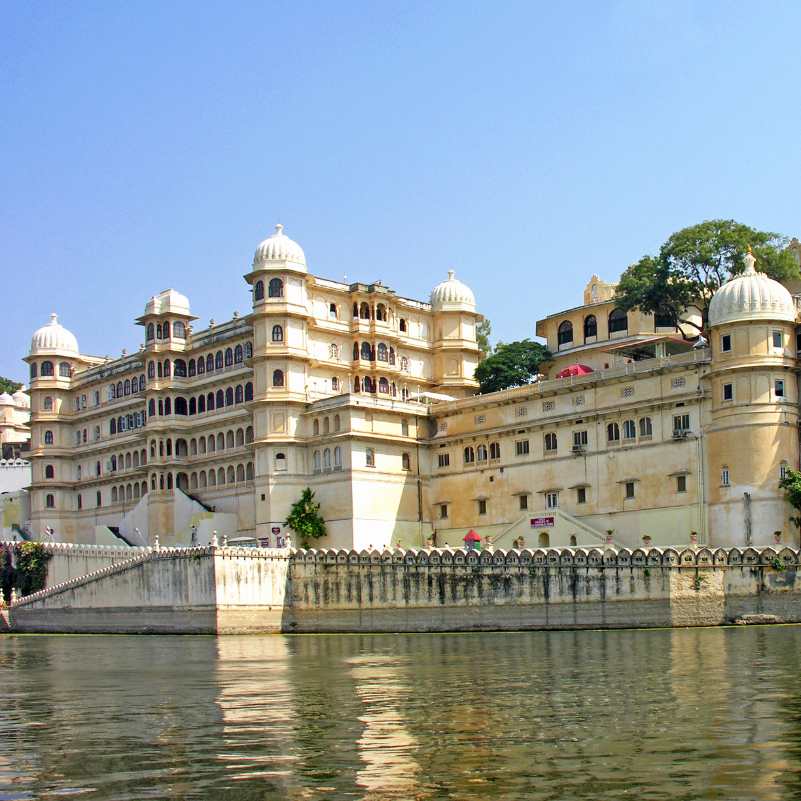
In the late afternoon, head out for the shared Lake Pichola boat ride, which the package includes. The light on the water softens as the sun drops, and the City Palace wall looks its best from the boat.
After the ride, walk the ghats and the Old City lanes nearby. The evening is for slow strolling, a cup of coffee and settling into the city.
The Dharohar folk dance show at Bagore Ki Haveli is optional in this five-day package. You pay for it separately or ask us to arrange it, so decide on the day based on your energy.
We keep Day 1 deliberately light, with no long monument list. You have travelled all day, and Udaipur rewards a slow first evening.
For the full picture of what the city offers, our Udaipur tour packages page lays out the sights and stays in detail.
Day 2: Cover Udaipur Without Racing Between Attractions
Morning
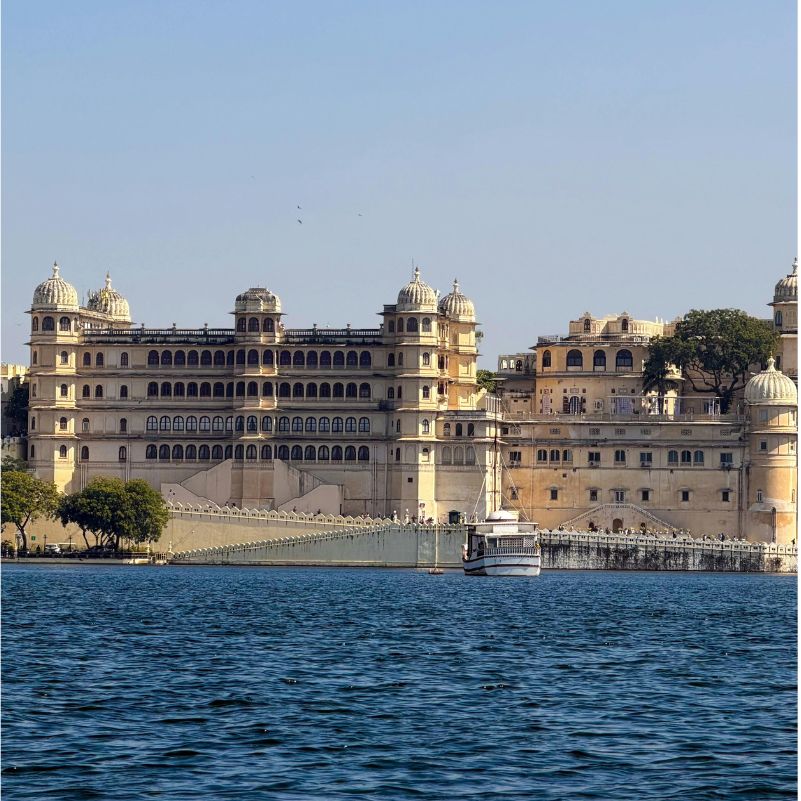
Start with the City Palace, right when it opens, and give it around two to three hours. It is large, and rushing it is the most common Day 2 mistake.
From there, walk to Jagdish Temple close by, then take a short Old City wander at whatever pace suits your group.
One honest note on timings. The official City Palace website lists 9:00 AM to 9:00 PM, while the official visitor-guide PDF lists 9:30 AM to 5:30 PM.
Because the official timings differ, reconfirm the current opening hours on the City Palace’s official booking page before your visit, especially if you plan to arrive early.
Afternoon
After lunch and a short rest, visit Saheliyon Ki Bari, the garden built for the royal ladies, and then Fateh Sagar lake.
Leave real time for lunch, rest and the travel between each place. Udaipur sights are spread out, and back-to-back stops with no gaps wear people down.
If you are travelling with young children or older parents, drop an optional museum rather than cutting out your rest time. The rest is what keeps everyone cheerful by evening.
Evening
Save the evening for a sunset viewpoint like Sajjangarh, subject to the current operating hours, entry rules, hill-transfer rules and the weather that day.
If the weather turns or the viewpoint is closed, use Fateh Sagar or a quiet Old City evening as your backup. We never promise a specific sunset time, so keep the plan flexible.
If you only have a couple of days for the city itself, our 3-day Udaipur city break covers Udaipur at an easy pace.
One thing we tell every traveller who asks about Kumbhalgarh and Ranakpur. Do not squeeze them into this circuit.
They deserve their own day, and our Udaipur, Kumbhalgarh and Ranakpur itinerary covers exactly that.
Day 3: Drive from Udaipur to Mount Abu and Visit Nakki Lake

Rajasthan Tourism and Incredible India put the road distance between Udaipur and Mount Abu at around 163 to 170 kilometres. Our working itinerary uses about 165 kilometres and close to four hours.
That said, traffic, stops and wet roads can stretch it, so leave a little slack in your plan.
Leave after breakfast so you reach Mount Abu with the afternoon still ahead of you. An early start beats a late scramble every time.
After you check in, keep the afternoon gentle. There is no need to chase sights the moment you arrive.
Use the evening for the included Nakki Lake boating, a walk through the market and dinner. It is a low-effort end to a driving day.
Resist the urge to add Guru Shikhar, Dilwara and every viewpoint onto the transfer day. In our experience, cramming the arrival day is what leaves families exhausted before the real sightseeing even starts.
Day 4: Spend a Complete Day Sightseeing in Mount Abu
Morning at Guru Shikhar
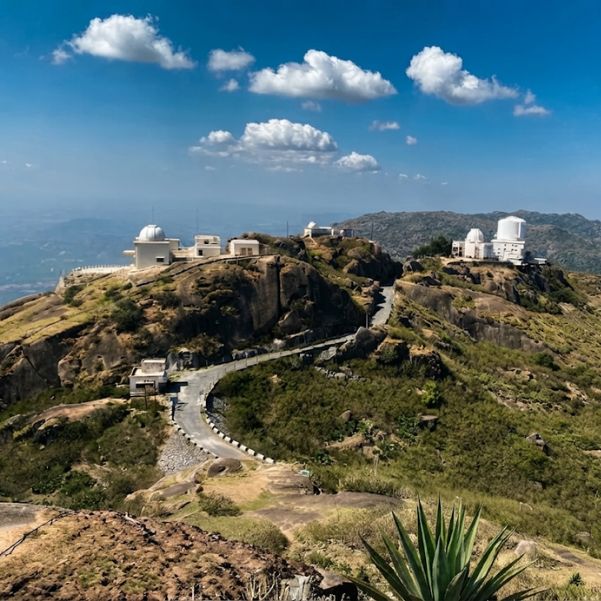
Put Guru Shikhar, the highest point in the area, first thing in the morning. The air is clearer and the crowds are thinner early.
Guru Shikhar involves some walking and a set of stairs, and weekend traffic plus weather can slow the pace. Wear comfortable shoes and give yourself time.
Keep Achalgarh as an optional add-on rather than a fixed stop. Not every family or senior traveller needs it, and skipping it is completely fine.
Dilwara Jain Temples After Noon
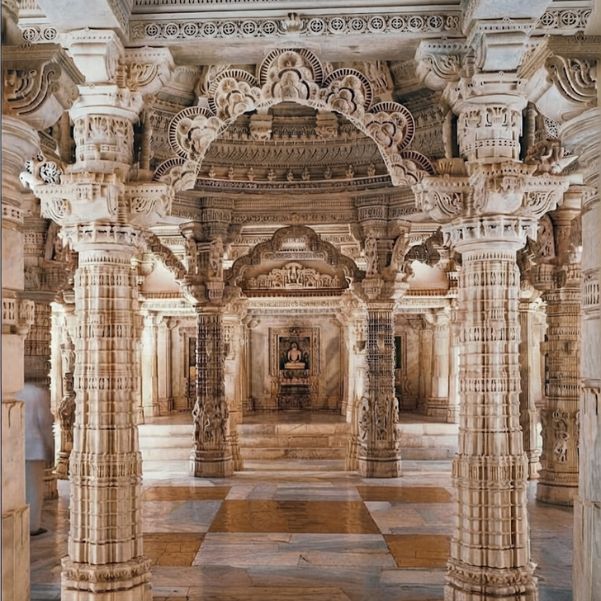
Dilwara tourist entry generally begins at 12:00 PM, so this is an afternoon visit, never a morning one. Entry is free.
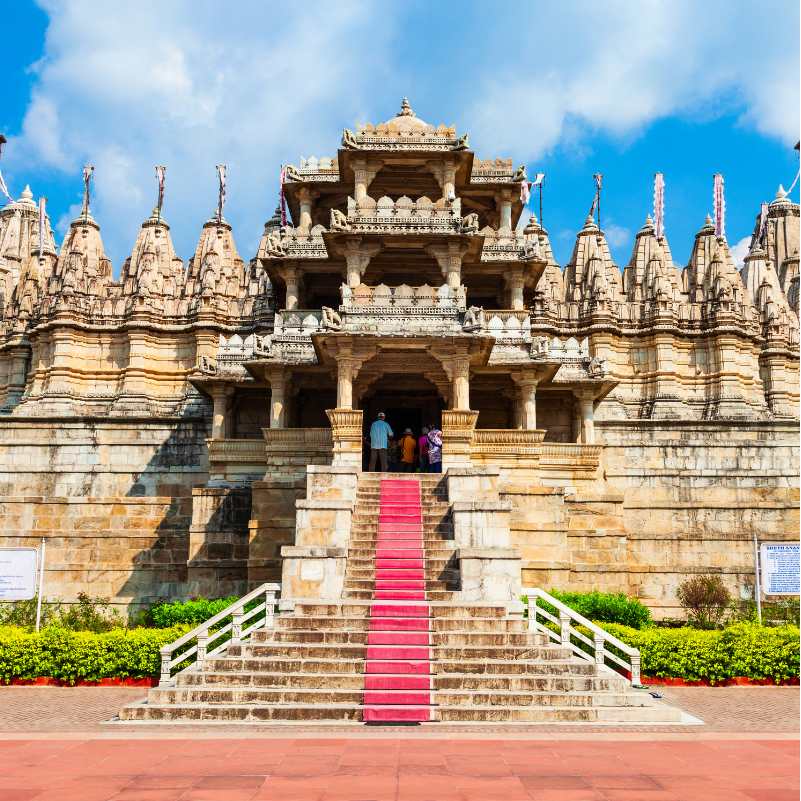
Dilwara does not allow cameras, mobile phones or leather items inside, so leave them behind. Your clothing should cover your shoulders and knees, so dress accordingly before you arrive.
The carving inside is the reason people come, and even a short visit is worth it. The official source lists closing between 5:00 and 6:00 PM.
Because closing hours can vary, reconfirm the day’s final entry and closing time locally before your visit, especially if you are planning to arrive later in the afternoon.
Evening Choice

For the evening, pick between Nakki Lake, Toad Rock or a sunset viewpoint, based on what you already did on Day 3. You do not need to tick off all of them.
If you have young children or older travellers in the group, choose the lower-walking option and keep it relaxed. A calm evening beats a forced climb.
Day 5: Should You Depart from Abu Road or Return to Udaipur?

Abu Road railway station is around 27 to 28 kilometres from Mount Abu, so a train departure keeps your final drive short.
Returning to Udaipur, on the other hand, means covering most of that 163 to 170 kilometre route a second time. That is a big difference in road time on your last day.
Confirm your final drop point before you book, because the longer Udaipur return covers more distance and can change the quotation. Ask about it upfront.
If you fly out of Udaipur's Maharana Pratap Airport, note it sits around 176 to 185 kilometres from Mount Abu, so plan the drive accordingly.
Give yourself a generous buffer for the station or the airport. We will not invent a fixed number of hours for you, but leave more time than you think you need.
If you have an early departure, skip major sightseeing on Day 5. A rushed sight before a train is a recipe for stress you do not want.
Where Should You Stay in Udaipur?
Old City, Lal Ghat or Lake Pichola Area
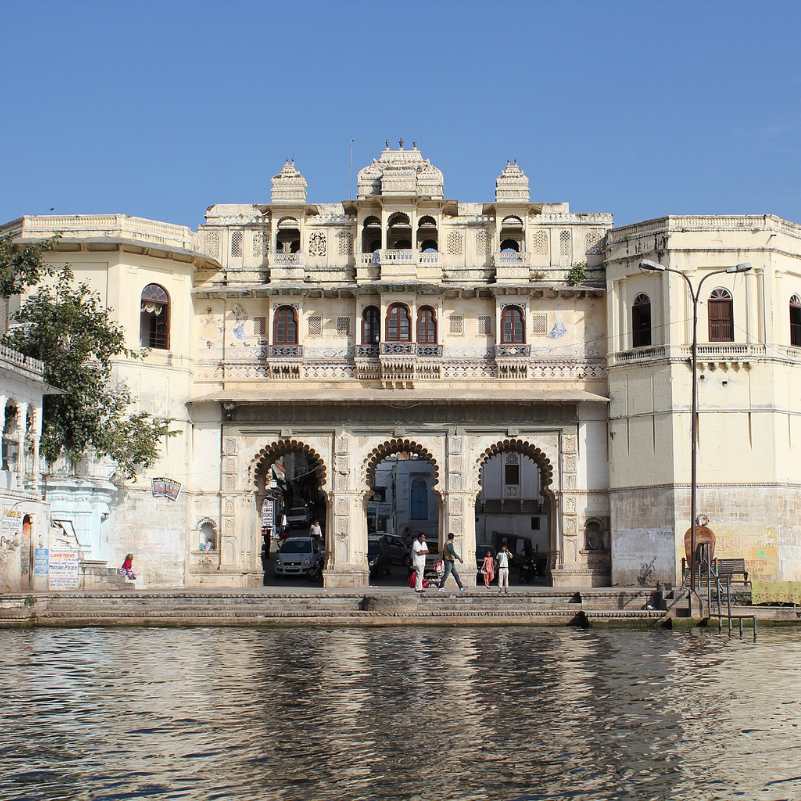
If you are a couple, a café lover, or someone who wants to walk to the ghats and heritage lanes, base yourself in the Old City, Lal Ghat or the Lake Pichola area.
Two honest warnings, though. The lanes are narrow, so your cab may drop you a short walk from the hotel rather than at the door.
Also, a lake-facing hotel does not automatically mean your booked room has a lake view. Room categories vary, so confirm the exact room type in writing before you pay.
Fateh Sagar and Easier-Access Areas
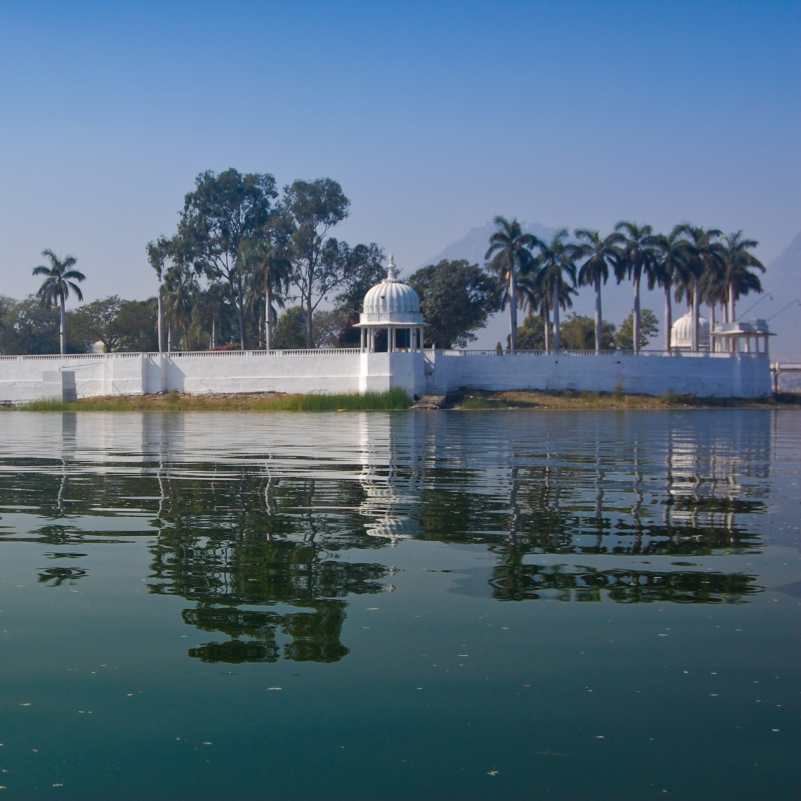
If you are travelling as a family, with older parents, or you simply want easy vehicle access, the Fateh Sagar side suits you better.
The roads are wider, cabs reach the door more easily, and the evenings feel calmer. For groups with luggage or mobility needs, that access matters more than atmosphere.
The trade-off is that you lose some of the immediate Old City buzz. You are a short drive from the heritage lanes rather than inside them.
Where Should You Stay in Mount Abu?
Near Nakki Lake and the Main Market
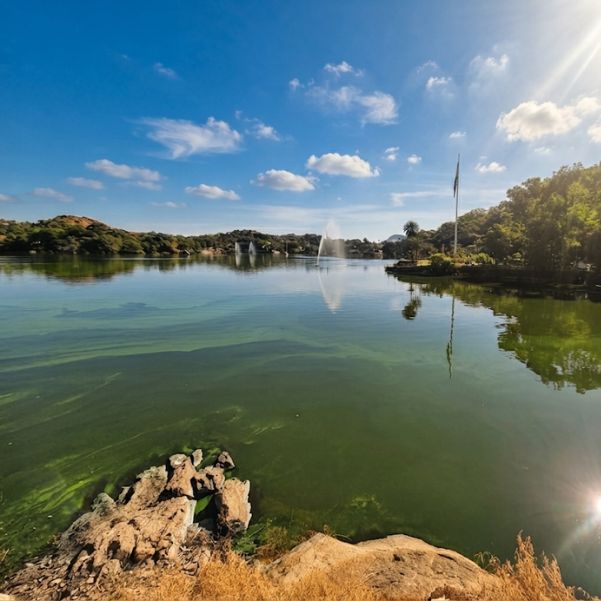
For a first visit, a central spot near Nakki Lake and the main market keeps everything walkable in the evening. You can stroll out for food and boating without a vehicle.
Before you book, confirm parking, weekend vehicle access, noise levels and the exact location of your room. Central areas can get busy on weekends.
We do not quote walking distances we have not measured, so ask the property for the real distance to the lake rather than trusting a map pin.
Quieter Resort Areas

If you value space over market access, the quieter resort areas suit couples and families who want a calmer base. The evenings are peaceful and the surroundings greener.
The catch is that you will likely need a vehicle for lake and market visits. Factor that into your day plans.
Families and seniors should check lift access, the number of stairs, parking, room heating or cooling, and bathroom accessibility before confirming. These details make or break a comfortable stay.
We do not name a specific hotel here, because we only share exact properties once they are confirmed for your dates. The package shares the property name before you commit.
How Much Does a Five-Day Udaipur Mount Abu Trip Cost in 2026?

Live Package Example
On 11 August 2026, our researched five-day product displayed ₹20,999 per person, down from ₹24,999.
For two adults, that displayed base works out to ₹41,998 before any excluded costs. Read that as the live displayed price we researched, not a permanent guarantee.
Your final quote can move with travel dates, hotel category, exact room type, traveller count, cab type and any optional upgrades. That is normal for a custom trip, so always get a dated quotation.
What the Published Price Includes
The published package covers four nights on double sharing, split as two nights in Udaipur and two nights in Mount Abu. Breakfast comes with every stay morning.
You get a private AC sedan, Ertiga or similar, according to your group size. The package includes both the shared Lake Pichola boat ride and the Nakki Lake boating.
Pickup in Udaipur and your confirmed Udaipur or Abu Road drop are part of the package. The package also covers on-ground assistance and applicable taxes including GST.
What Travellers Must Budget Separately
The package does not include flights and trains, so book those yourself. Lunch, dinner, personal snacks and drinks are also on you.
The City Palace Museum, premium galleries, Sajjangarh, the optional Dharohar show, guides and other attraction charges sit outside the package unless your final voucher says otherwise.
We do not print individual ticket prices here, because they change, so confirm each one before you go.
Personal expenses and travel insurance are your own too. A realistic trip budget should add the package, your travel to Rajasthan, meals, attraction tickets, personal spending and any upgrades.
What Is the Best Time to Visit Udaipur and Mount Abu?

October to March
This is the classic season for the combined trip. The weather is pleasant for sightseeing in both places, and the lakes look their best.
November to February is the most popular window for Mount Abu, so expect more visitors then. Peak dates, long weekends and the year-end stretch can affect hotel availability and price, so book early for those.
July to September
This is the green, rainy alternative. The Mount Abu hills turn lush, the lakes fill up, and the whole area feels fresher.
The flip side is slower driving on wet roads, patchy visibility and possible changes to boating or outdoor activities. Reconfirm the route and the activities before you leave.
April to June
Mount Abu makes a genuine summer escape compared with the Rajasthan plains, which is why families head up in these months.
Udaipur afternoons, on the other hand, can be tiring in this stretch, so plan city sightseeing for the mornings and evenings. We will not quote an exact temperature without live weather data, but pace the middle of the day gently.
What Should Travellers Check in 2026?
A few things are in flux this year, so here is what to confirm before you travel.
On 27 February 2026, Rajasthan's Chief Minister announced that Mount Abu would take the new name Abu Raj. That made a lot of headlines.
But the recently reviewed Rajasthan Tourism and Rajasthan Police pages still use Mount Abu. We have kept Mount Abu across this guide for that reason.
We cannot say the new name is live across every booking system, railway record, map or government portal yet. Treat the full rollout as unconfirmed for now.
Rajasthan Tourism's Mount Abu page, which shows a 30 July 2026 update date, describes the destination as connected by motorable roads. That is reassuring, but it is not a same-day road-open guarantee.
If you travel during the monsoon, reconfirm the route with your driver or the local authority around 24 to 48 hours before you set off. Conditions on hill roads change fast.
We did not find any new general tourist-entry permit in the official sources we checked, but do not treat that as an absolute promise. Confirm it close to your travel date.
Before you go, reconfirm the City Palace hours, the Dilwara closing time, whether boating is running, and the current attraction prices. A five-minute check saves a wasted trip.
Is This Itinerary Suitable for Couples, Families and Senior Citizens?
The short answer is yes, but each group should adapt it slightly.
For couples, we suggest an Old City or lake-area Udaipur stay for atmosphere, paired with a quieter Mount Abu property if you want calm evenings. It is a lovely mix of buzz and peace.
For families, lean towards easier road access, a private vehicle, fewer optional stops and a clear room-category confirmation. In our experience, removing one optional stop makes a family trip better than removing every rest break.
For senior citizens, prioritise lift access, limit the stair-heavy stops, build rest between attractions, pack comfortable footwear and plan Guru Shikhar carefully. The climb and stairs there need a little thought.
We never call any itinerary universally senior-friendly, because that depends on the traveller. What matters is adapting the stops, the pace and the stays to the people actually going.
Is the Travel Coffee Five-Day Package a Good Fit?
This package suits travellers who want two nights in each destination, a private vehicle, breakfast and both boat rides already arranged. If that matches how you like to travel, it fits well.
Just remember what stays separate. Attraction tickets, lunches, dinners and your travel to Rajasthan are not part of the price.
Before you pay, get the exact hotel names, the room category, the pickup point, the drop point and the inclusions in writing. Our 5-day Udaipur Mount Abu package follows a Udaipur arrival with a Udaipur or Abu Road drop, so ignore any old label that mentions Delhi or Jaipur.
Explore Our Curated Udaipur Tour Packages
 3D/2N
3D/2NUdaipur Tour With Lake Pichola Boat Ride and Bagore Ki Haveli
3D Udaipur
₹9,999₹12,999SAVE INR 3,000/ person 4D/3N
4D/3NUdaipur Honeymoon Tour With Candlelight Dinner and Boat Ride
4D Udaipur
₹17,999₹21,999SAVE INR 4,000/ person- 5D/4N
Udaipur Mount Abu Tour With Nakki Lake and Dilwara Temples
2D Udaipur•2D Mount Abu
₹20,999₹24,999SAVE INR 4,000/ person
Related topics
Frequently Asked Questions
Are five days enough for Udaipur and Mount Abu?
Yes. Five days are ideal for a relaxed first trip, with two nights in Udaipur and two nights in Mount Abu. You can cover the main highlights without rushing or adding long-distance day trips.
How should you divide four nights between Udaipur and Mount Abu?
Spend two nights in Udaipur and two nights in Mount Abu. This gives both destinations enough time for sightseeing while keeping the transfer and departure days comfortable.
Is Mount Abu possible as a day trip from Udaipur?
Yes, but it is not recommended. The long return drive leaves very little time for sightseeing, especially since Dilwara Temples open to tourists around noon.
Why are two nights recommended in Mount Abu?
Two nights give you an easy arrival evening, one complete sightseeing day and a relaxed departure morning. It prevents Mount Abu from feeling rushed.
What is the Udaipur to Mount Abu distance?
Udaipur to Mount Abu is approximately 165 km by road. The exact distance can vary slightly depending on the route and road diversions.
How long does the Udaipur to Mount Abu drive take?
The drive usually takes around four hours. Traffic, weather, road conditions and short breaks can make the journey slightly longer.
Is it better to depart from Abu Road or return to Udaipur?
Abu Road is more convenient if you have a suitable onward train, as it avoids returning to Udaipur. Choose Udaipur instead if your onward flight or transport departs from there.
Can the trip start at Abu Road and finish in Udaipur?
Yes. The itinerary can be customised for an Abu Road pickup and Udaipur drop. Confirm the route, hotel arrangement and final price before booking.
What is the best time to visit Udaipur and Mount Abu?
October to March offers the most pleasant sightseeing weather. July to September is greener and wetter, while Mount Abu is also popular as a cooler escape during April to June.
How much does a five-day trip cost?
The referenced package was priced at ₹20,999 per person as of 11 August 2026. Final prices vary by dates, hotel category, room type and included services.
Which Udaipur area is better for couples, families and senior citizens?
Couples may prefer the atmospheric Old City or Lal Ghat area. Families and senior travellers generally find Fateh Sagar and other easily accessible areas more comfortable for vehicle access.
Are permits required, and is the road safe during monsoon?
No general tourist-entry permit is normally required for this route. During monsoon, however, road conditions can change quickly, so reconfirm the latest status with your driver or local authorities before travelling.
More about Udaipur
 Udaipur
Udaipur to Chittorgarh Day Trip 2026: Fort Route, Timings, Cost and Honest Advice
Planning a Udaipur to Chittorgarh day trip in 2026? This practical guide covers the best fort route, travel time, sightseeing timings, expected costs and transport options. We also share honest advice on how much time you need at Chittorgarh Fort, what to prioritise and whether the trip is worth adding to your Udaipur itinerary.
- Places to Visit
- Road Trips
 Udaipur
Udaipur Trip Cost 2026: Budget for 2, 3, 4 and 5 Days
Planning an Udaipur trip in 2026? This practical cost guide breaks down the budget for 2, 3, 4 and 5 days, including hotels, food, local transport, sightseeing and activities. Use realistic budget ranges to plan your Udaipur holiday without overspending.
- First-Time Travellers
- Itinerary
 Udaipur
Udaipur Local Transport Guide 2026: Auto, Taxi, Cab, Scooter, Parking and Old-City Access
Planning how to get around Udaipur in 2026? This practical transport guide compares autos, taxis, cabs and scooter rentals, with tips on fares, parking and navigating the narrow Old City. Learn which option works best for sightseeing, lake areas and day trips, and where vehicle access can become difficult.
- How to Reach
- First-Time Travellers