
Triund Trek 2026: Complete Guide to Route, Difficulty, Camping and Cost
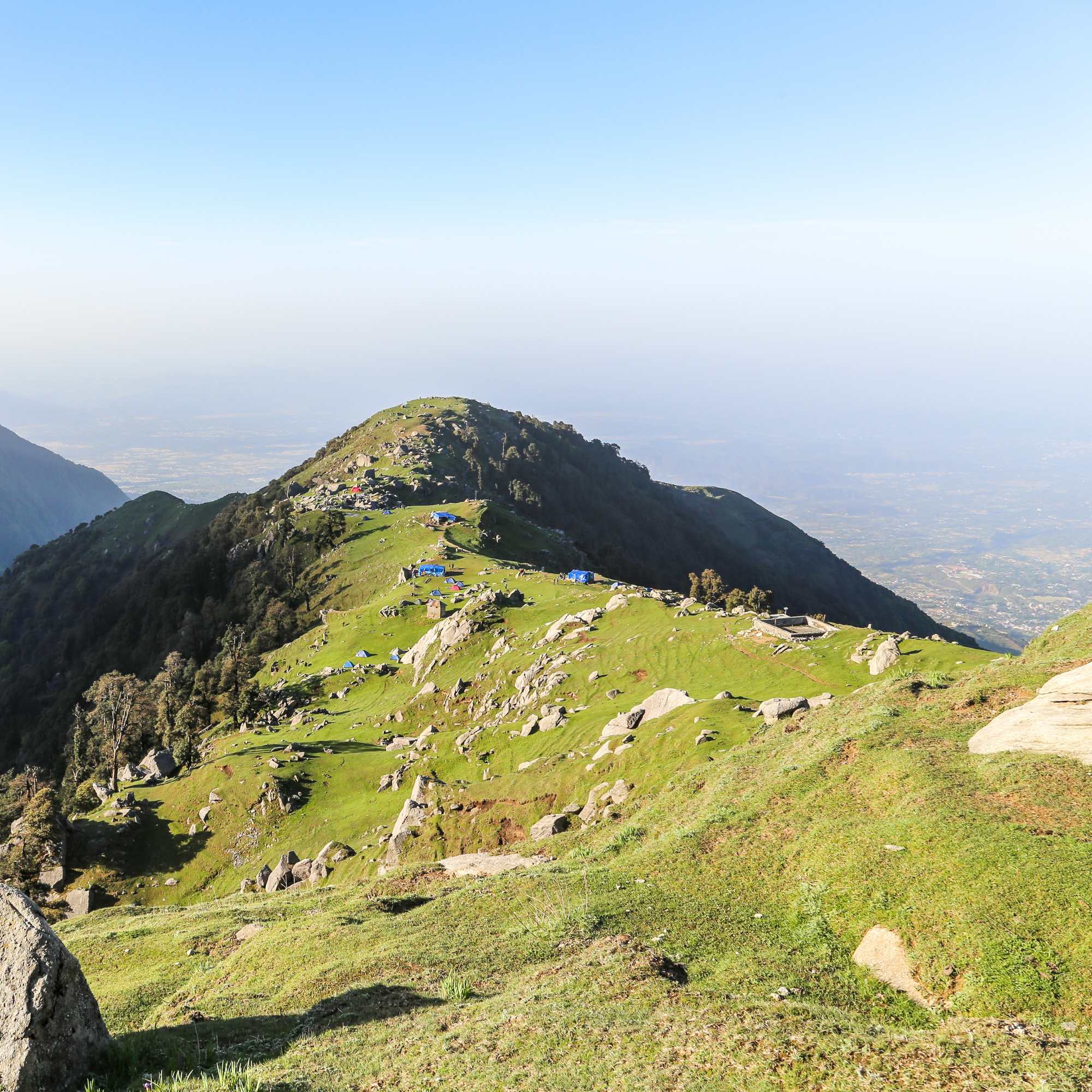
If you want one trek in Himachal that gives you the full Dhauladhar range without months of training, the triund trek is it.
Nine kilometres of walking from McLeodganj, one ridge at the top, and a sunset that makes people forget how tired their legs are.
We have sent first-timers, families, college groups, and solo travellers up this trail for years. The feedback is almost always the same. Hard in parts, but worth every step.
This guide by Travel Coffee covers the route, the real difficulty, the cost in 2026, camping rules, and the small things most blogs skip.
Quick Answer
The triund trek is around 9 km one way from McLeodganj and takes 4 to 6 hours to reach the top.
The top sits at 2,850 m (about 9,350 ft), and the difficulty is easy to moderate, so beginners can do it with a steady pace.
A simple day trek can cost a few hundred rupees in fees and snacks. An overnight camping trip usually runs ₹2,000 to ₹4,500 per person.
Best months are March to June and September to November. Skip the monsoon if you can.
What Is the Triund Trek?
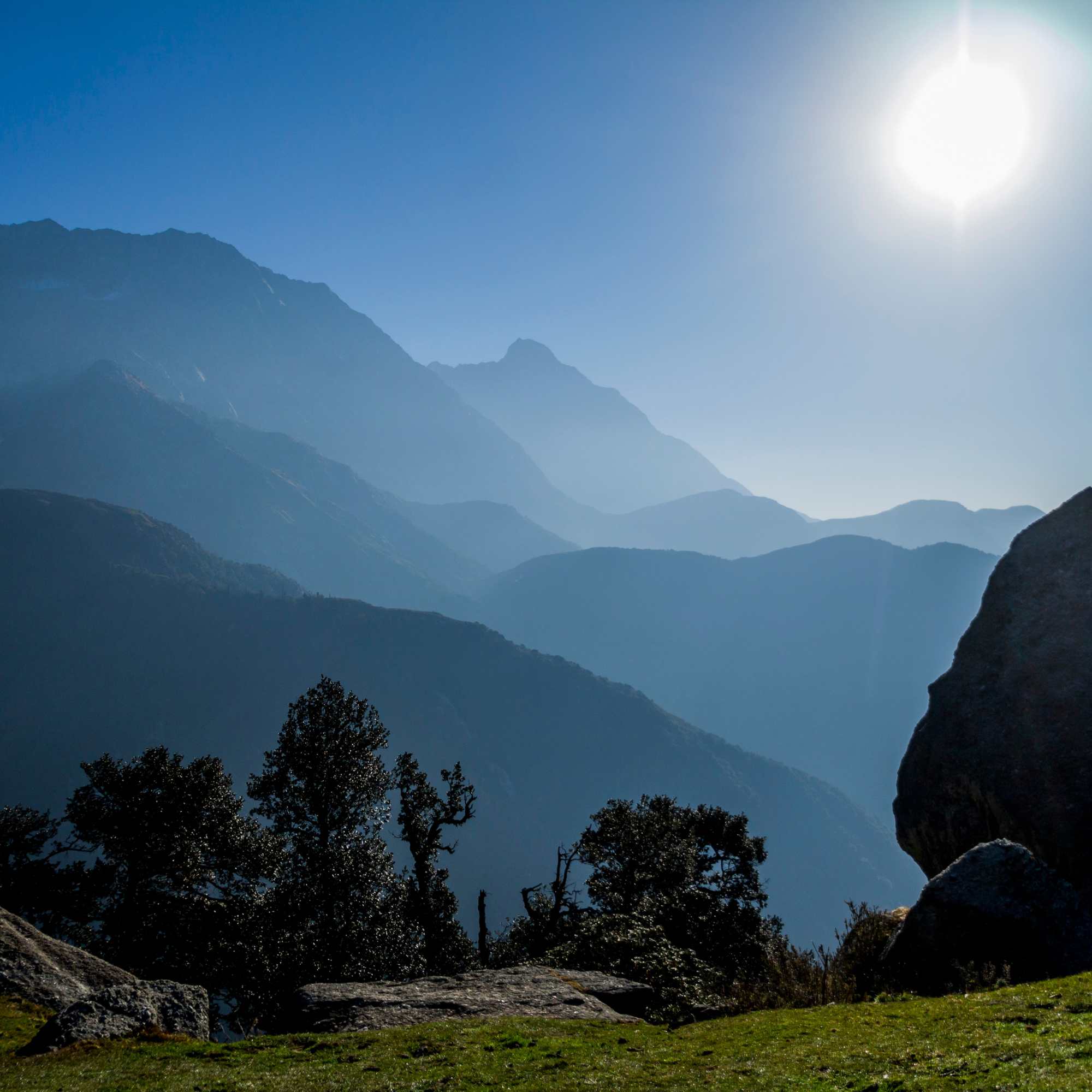
Triund is a grassy ridge above McLeodganj in Dharamshala, Himachal Pradesh.
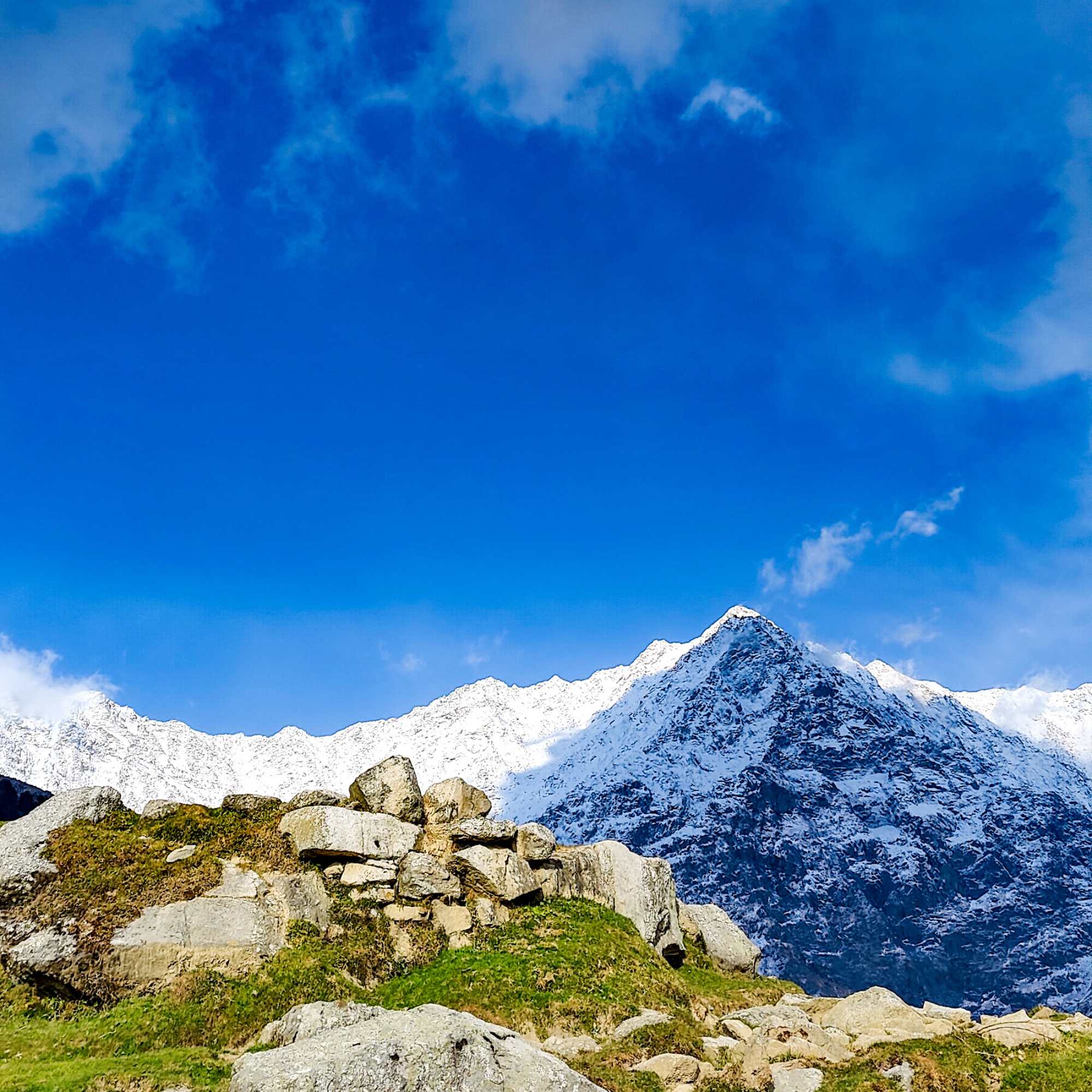
You walk up through pine and oak forest, and at the top the trees suddenly stop. In front of you sits the full Dhauladhar range, close enough that it feels like you could touch the snow.
That sudden opening is why people love it. There is no slow reveal. One minute you are in the forest, the next you are staring at peaks with nothing in the way.
Beginners love this trek because the trail is clear, you are never far from a tea stall, and you can turn back any time without being stranded in the wild.
In our experience, more than half the people we send here have never done a Himalayan trek before. Most come down saying it was easier than they feared and prettier than they expected.
If you want the logistics handled, our Dharamshala tour packages cover stays, transport, and a local guide for the climb.
What Most Tourists Get Wrong About Triund
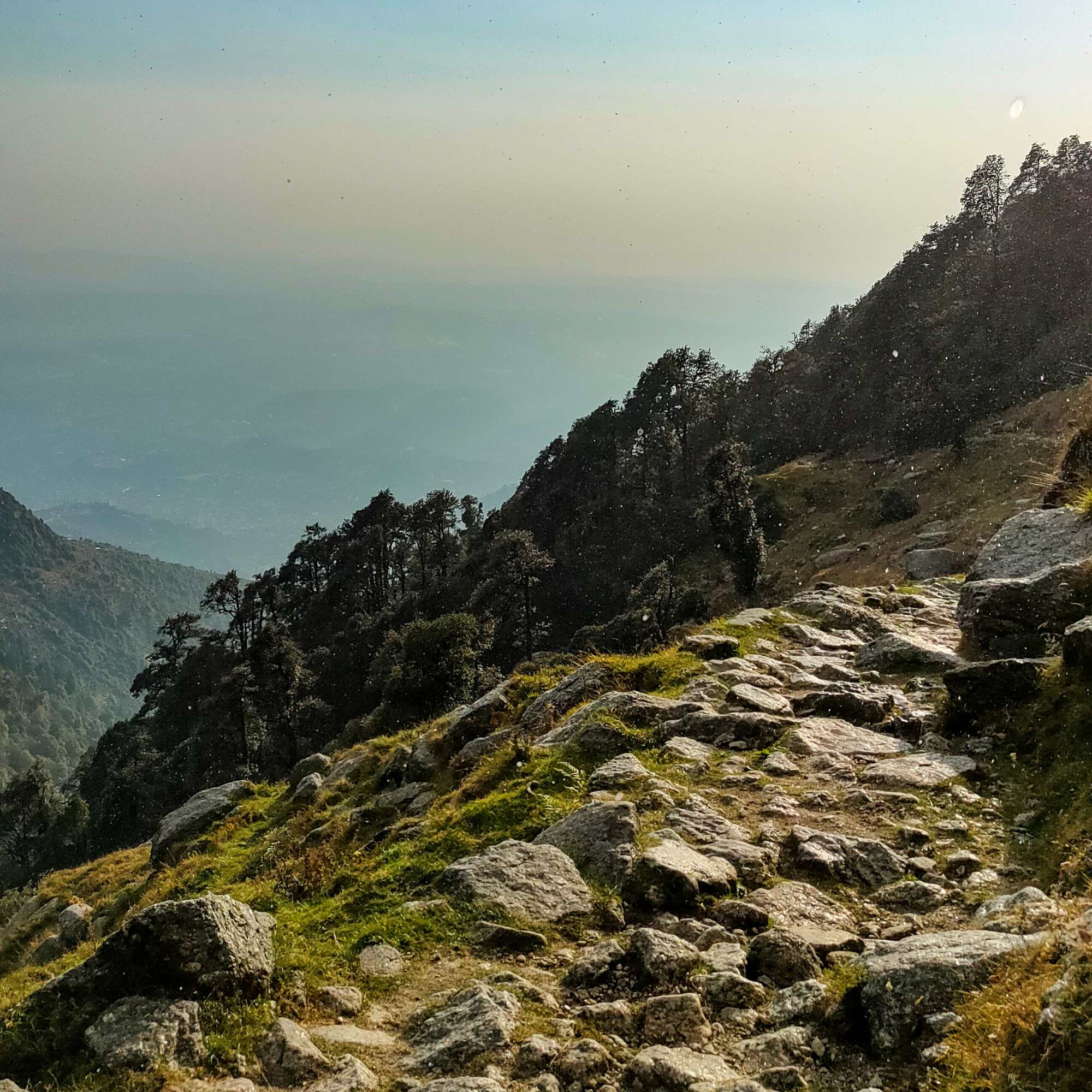
Most people treat the triund trek like a casual morning walk and start late.
They leave McLeodganj at 11 AM, hit the steep final stretch under the noon sun, and run out of water on the hardest part of the climb.
Start by 7 or 8 AM. The forest section stays shaded, the crowds are thinner, and you reach the top with time to actually sit and enjoy it.
The second mistake is underestimating the cold at the top. People pack for a Dharamshala summer and shiver all night at the ridge.
Triund Trek Quick Facts 2026
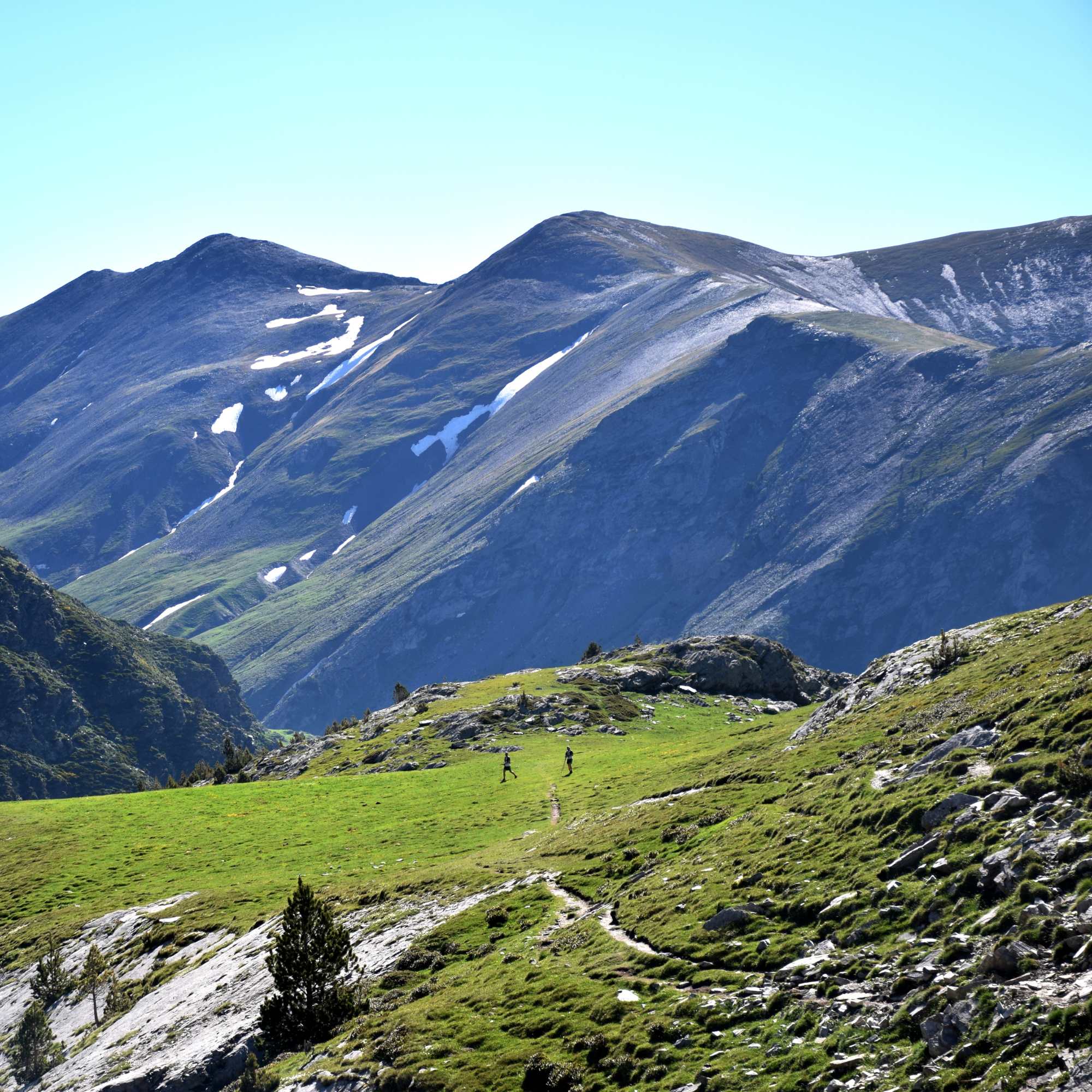
The trek starts from McLeodganj or Dharamkot and runs through the Gallu Devi checkpost.
Total distance from McLeodganj is around 9 km one way, and from Gallu Devi it is about 5.5 km.
The top altitude is 2,850 m (9,350 ft), the climb takes 4 to 6 hours, and the difficulty is easy to moderate.
Camping is allowed in designated areas, registration happens at the Gallu checkpost, and the best seasons are spring and autumn.
Where Does the Triund Trek Start?
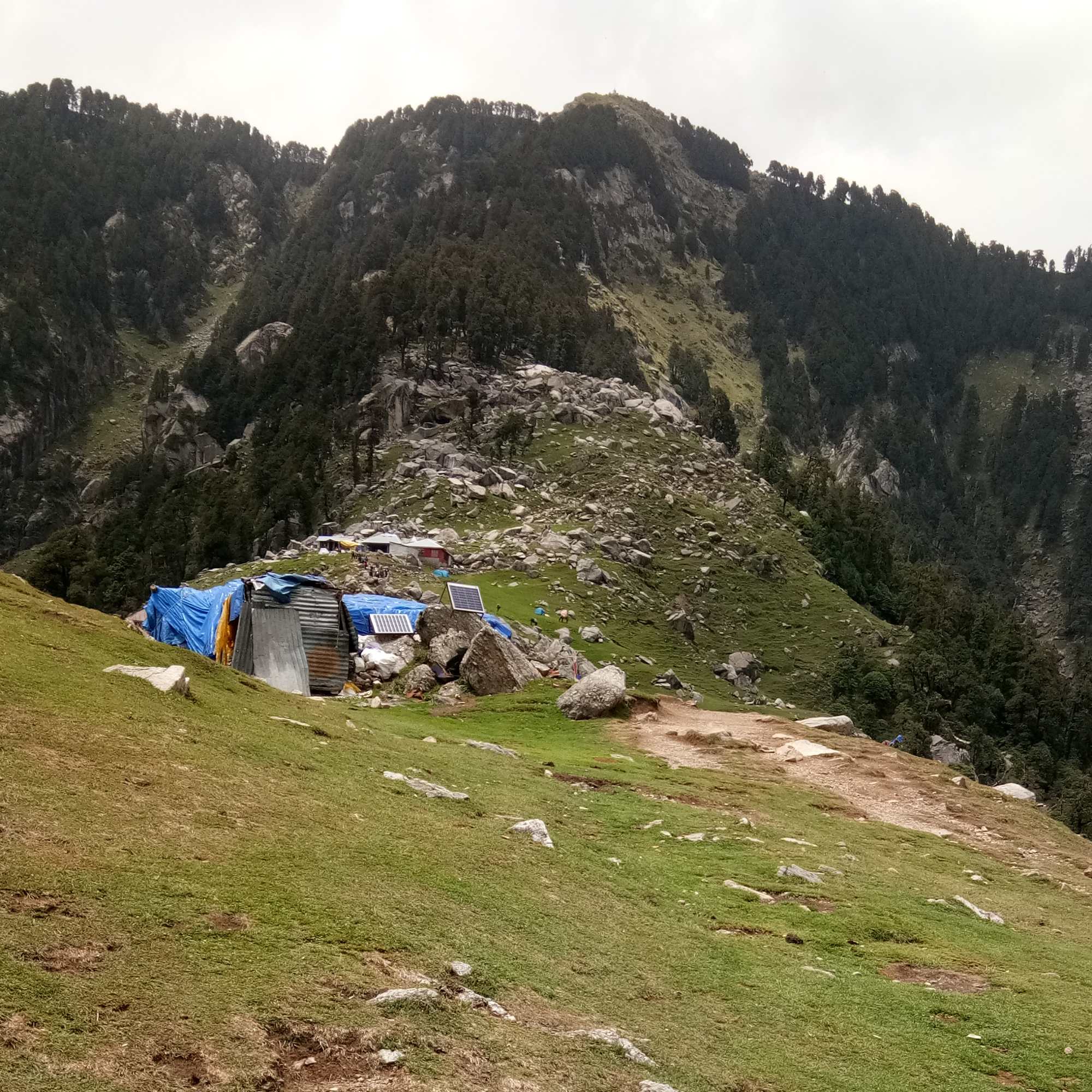
You have two common starting points, and both join the same trail near Gallu Devi.
McLeodganj Route
Most people start from McLeodganj, near the Tibetan settlement.
You either walk up to Dharamkot and Gallu Devi or take a quick taxi to Gallu to cut out the first uphill stretch on the road.
Starting from McLeodganj on foot adds a couple of extra kilometres but lets you warm up before the real climb begins.
Dharamkot Route
Dharamkot sits higher than McLeodganj, so starting here saves you some early effort.
It is a quiet, leafy village full of cafes and long-stay travellers. Many people spend a night here before the trek to break the climb into easier pieces.
We covered this little village in detail in our Dharamkot travel guide if you want stay and cafe ideas.
Gallu Devi Checkpost
Gallu Devi is where the road ends and the forest trail begins.
There is a small temple, a few tea shops, and the registration point. You sign in here before you start climbing.
Our team always tells travellers to fill water bottles at Gallu. The next reliable refill points are the small cafes higher up, and prices climb with the altitude.
Triund Trek Route Explained Step by Step
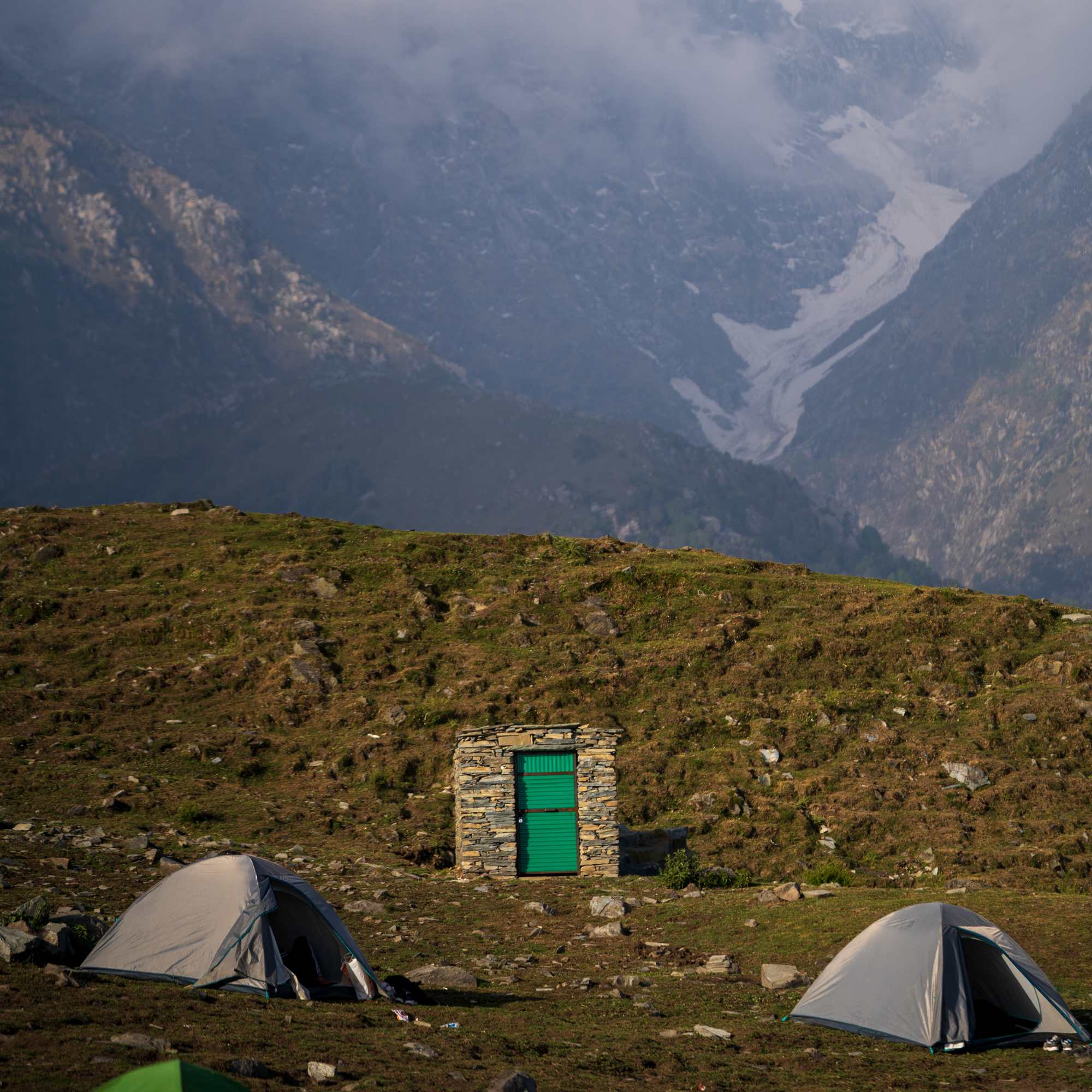
The trail is one continuous climb with a few clear landmarks that tell you how far you have come.
Gallu Devi to the Forest Section
From Gallu Devi, the path enters thick oak and rhododendron forest.
This part is shaded and gentle. Your legs warm up here, and the gradient stays kind for the first hour or so.
Magic View Café
About halfway up you reach the Magic View Café and a cluster of small tea stalls.
This is the natural breather spot. Grab a chai, catch your breath, and look back at the valley you just climbed out of.
Here is an honest local tip. The maggi and chai at these stalls cost more than they would in McLeodganj, but after that climb, a hot bowl of maggi at the halfway café is worth every extra rupee. Do not skip it.
Bhagsu View Point
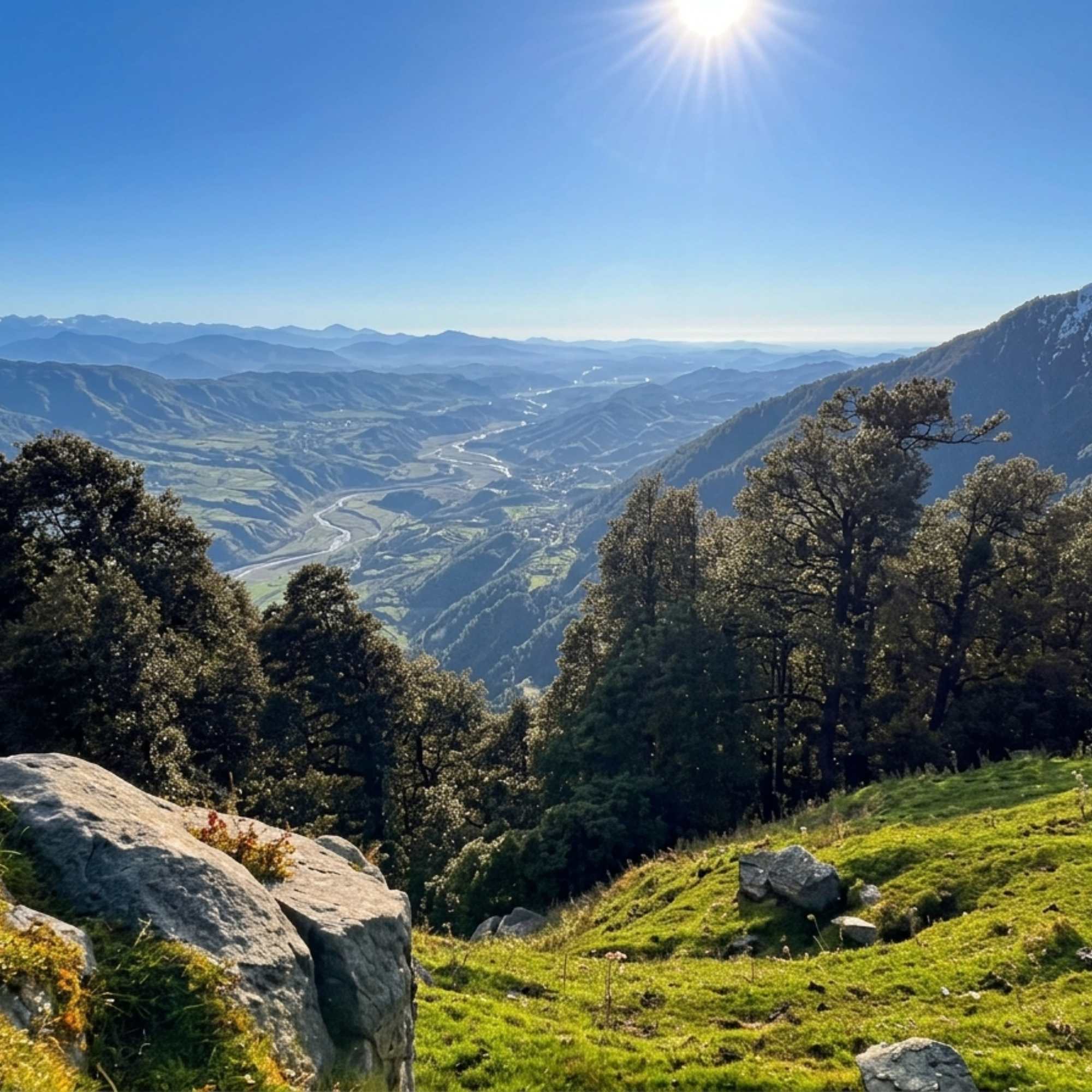
Past the café, the trail opens up and you start getting wide views over Bhagsu and the valley below.
The forest thins out here. You feel the sun more, and the air gets noticeably cooler as you gain height.
The Final Ascent
The last stretch before the top is the hardest part of the whole triund trek.
The path turns steep and rocky, and the switchbacks come one after another. This is where people who started late and skipped breakfast really struggle.
Take it slow. Short steps, steady breathing, frequent micro-breaks. There is no prize for rushing this section.
Triund Top
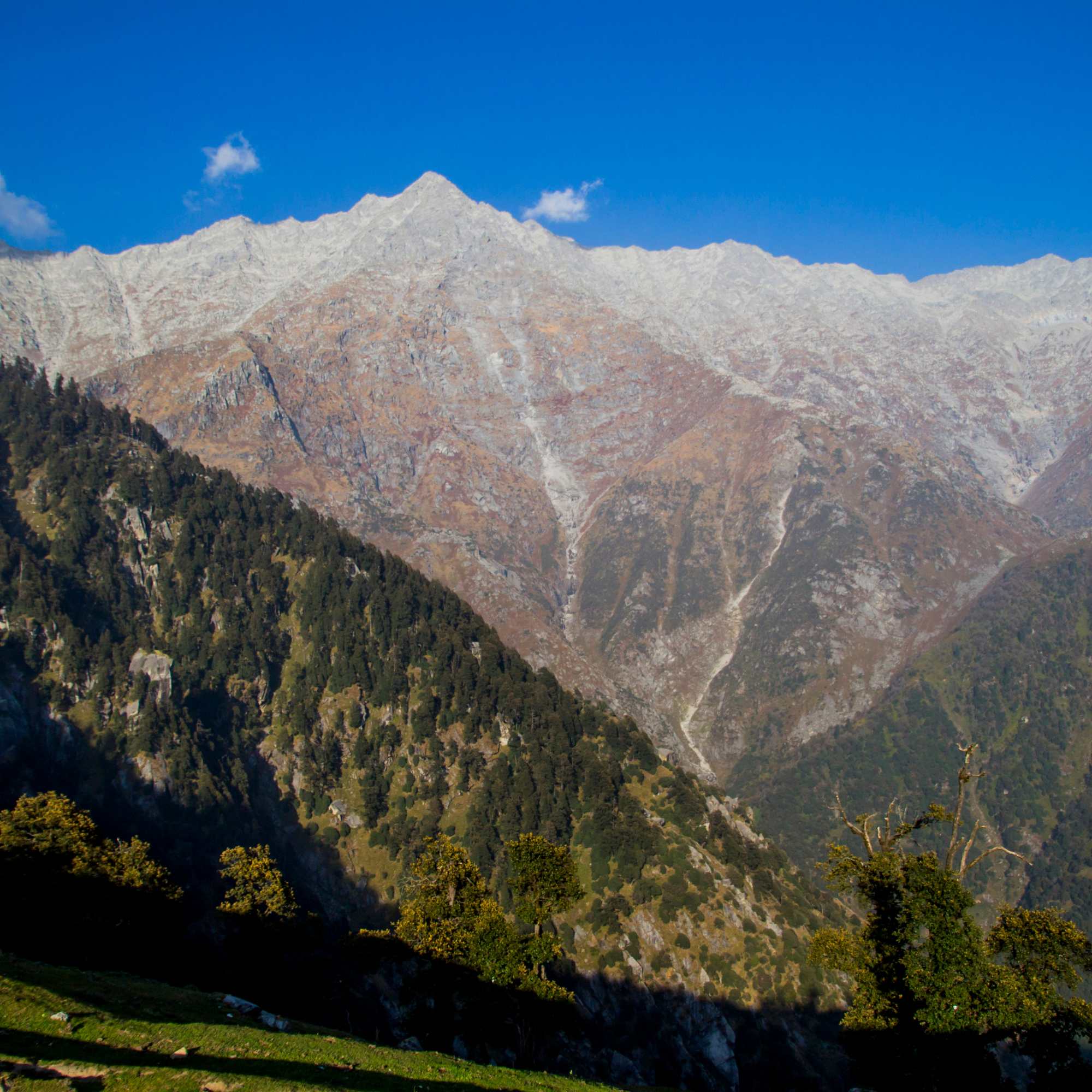
Then the climb just ends. The trail flattens, the trees vanish, and the Dhauladhar range fills the entire view in front of you.
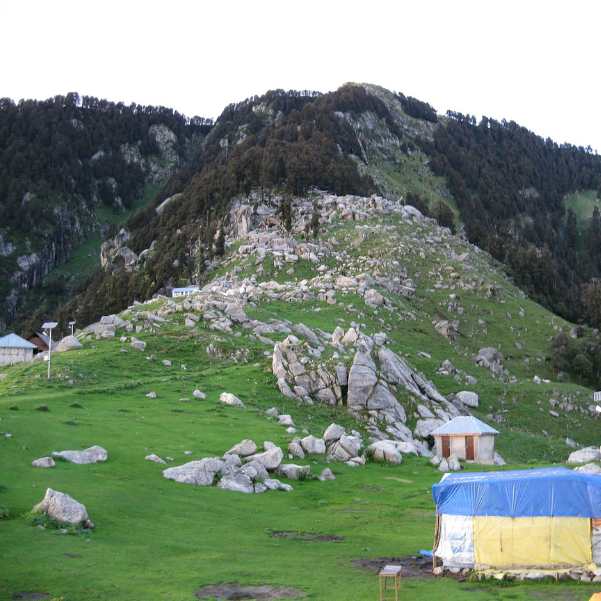
The ridge is a long grassy meadow with a couple of tiny dhabas. People drop their bags, sit on the grass, and just stare.
In our experience, this is the moment that turns first-time trekkers into people who keep coming back to the mountains.
How Difficult Is the Triund Trek?
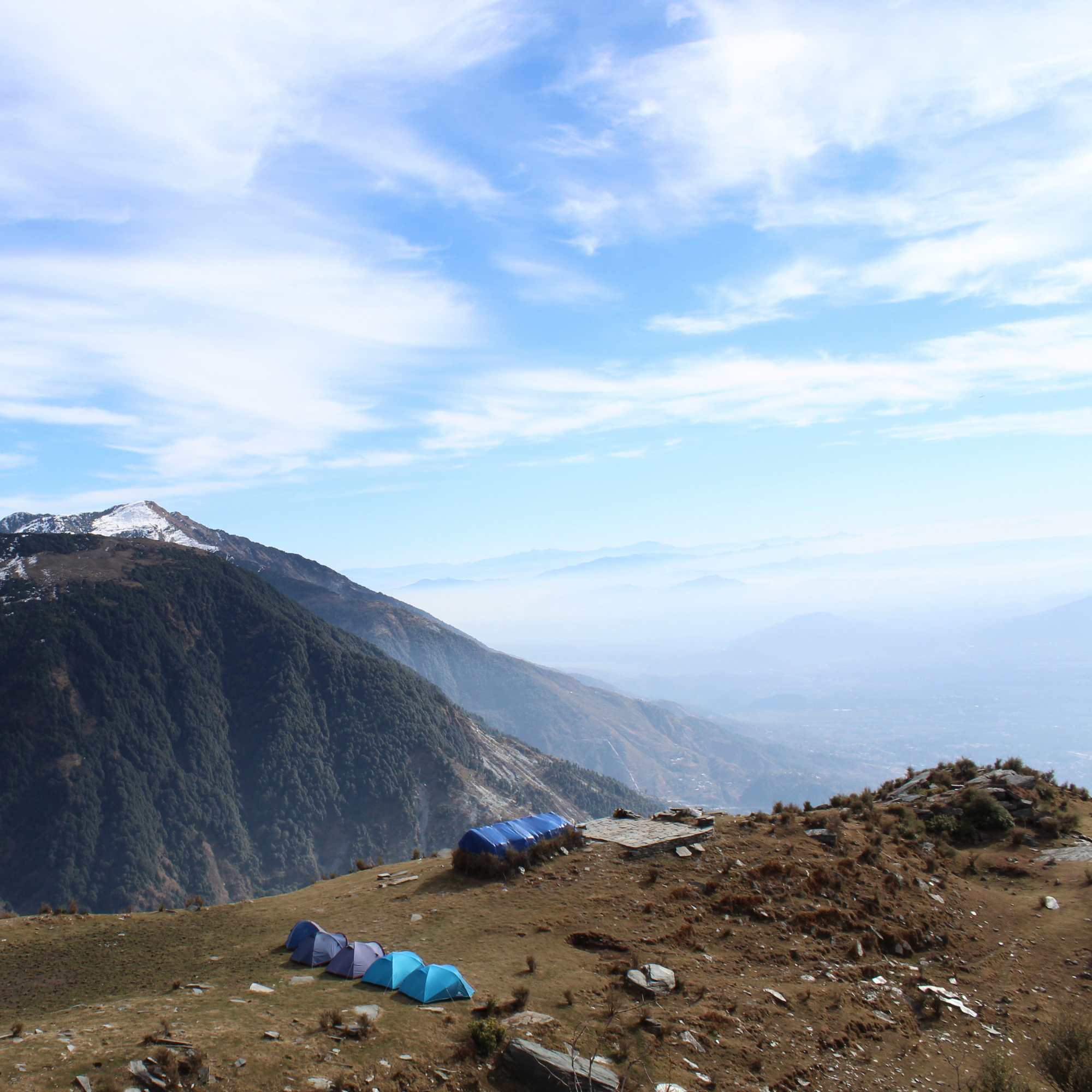
The honest answer is easy to moderate.
The first two-thirds through the forest are very manageable for most people. The final ascent is the only genuinely tough part.
You do not need any technical skill, ropes, or trekking experience. You need decent stamina and the patience to go slow when it gets steep.
If you can walk briskly for an hour without stopping at sea level, you will get up this trail. It will just take a few breaks.
Can Beginners Do the Triund Trek?
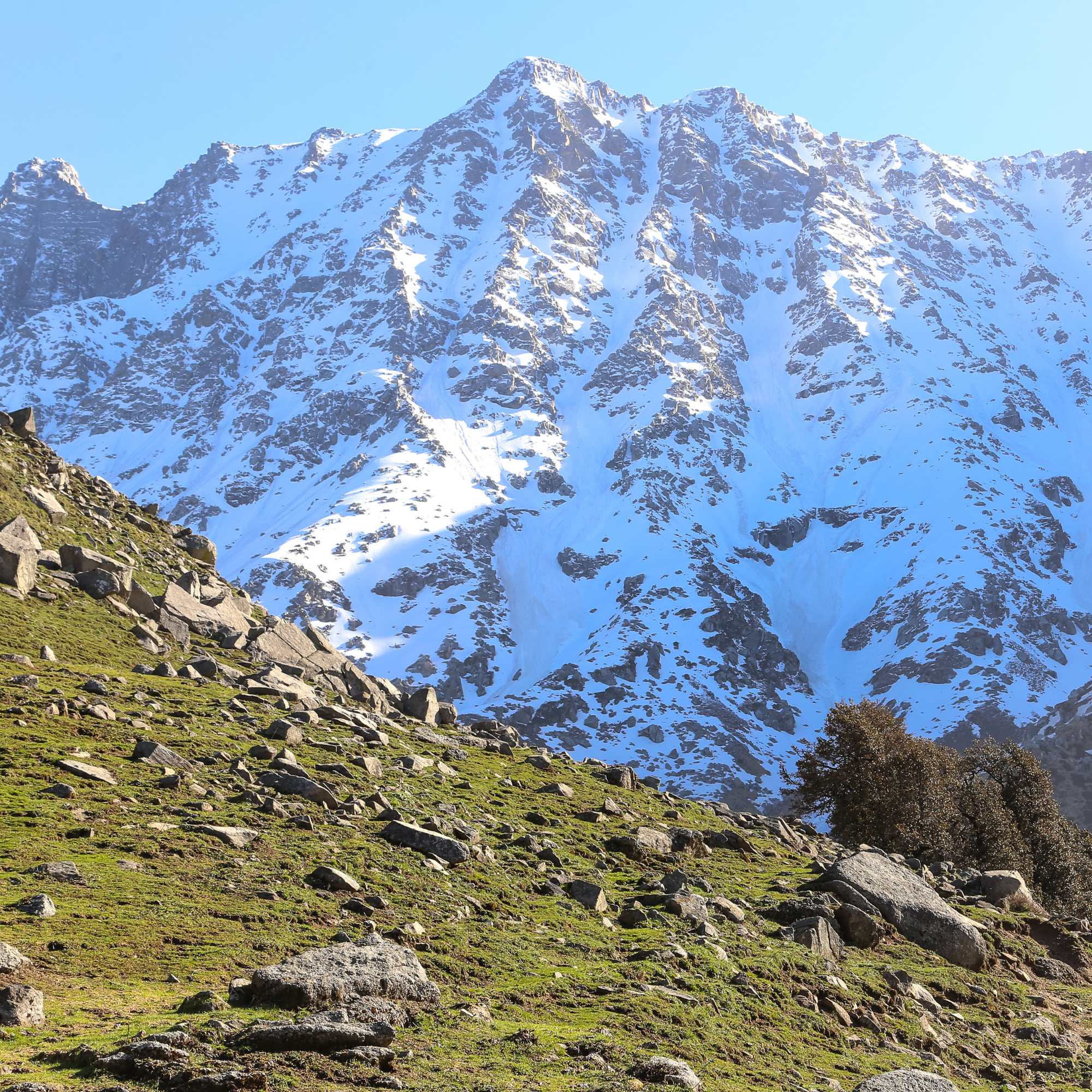
Yes. This is one of the best beginner treks in the whole Dhauladhar region.
The trail is well marked, you are never truly alone, and tea stalls along the way mean you can rest and refuel often.
We have seen people in their fifties and kids around ten finish it comfortably with a relaxed pace and an early start.
The trick for beginners is simple. Start early, carry enough water, take the final climb slowly, and do not try to match faster groups.
Triund Trek Distance, Duration and Altitude
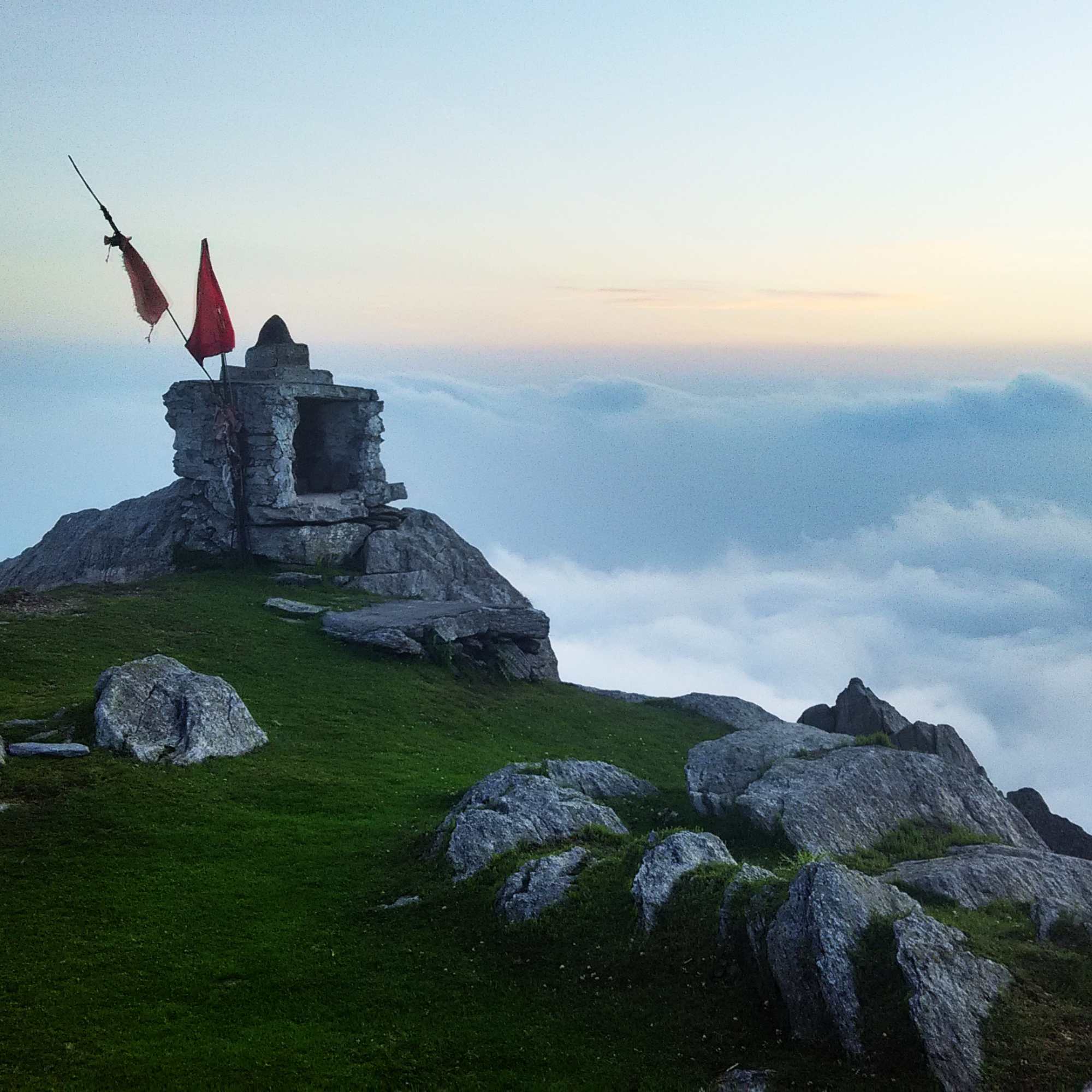
The triund trek distance is around 9 km one way from McLeodganj and roughly 5.5 km from Gallu Devi.
The climb takes 4 to 6 hours one way, depending on your pace, fitness, and how long you stop.
The top sits at 2,850 m (9,350 ft), high enough to feel the thinner air and the cold, but not high enough for most people to face serious altitude problems.
Coming down is faster, usually two to three hours, but it is harder on the knees than people expect.
Triund Trek Cost in 2026
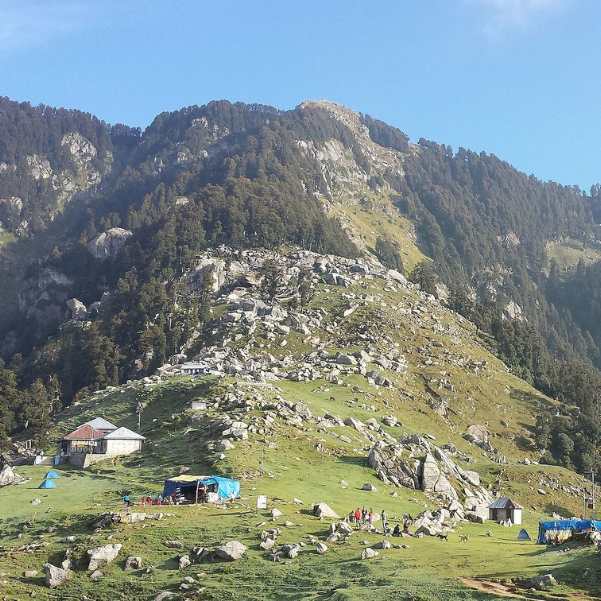
The cost depends entirely on how you do it.
Budget Day Trek
If you walk up and back in a single day on your own, your only real costs are the entry fee, food, and water along the trail.
That keeps a self-guided day trek very cheap, often just a few hundred rupees per person once you add fees and snacks.
Camping Budget
For an overnight stay, tent rentals run around ₹400 to ₹800 per person, and some operators quote about ₹600 for a 2-person tent.
A full overnight camping budget, including the tent, meals, and fees, usually lands between ₹600 and ₹1,200 per person.
Guided Trek Cost
A guided overnight trip with a local guide, tent, and meals included usually costs more, with the overall trip budget falling around ₹2,000 to ₹4,500 per person.
A guide is not strictly needed on this trail, but it helps for groups, families, and anyone nervous about doing their first trek alone.
Delhi to Triund Budget
If you are coming from Delhi, add your bus or train fare to Dharamshala on top of the trek cost.
An overnight Volvo to Dharamshala plus a budget overnight trek can be done affordably, but exact bus fares change by season and operator, so confirm before booking.
Want us to put together a clean cost plan for your group size and dates?
>>Planning a Triund trek? Get a customised cost estimate on WhatsApp.
Permit and Entry Fee for Triund Trek in 2026
This is where most blogs confuse people, so let us be straight about it.
You do not need a special trekking permit for Triund the way you do for restricted areas. You register and pay a forest or entry fee at the Gallu checkpost.
The fee numbers floating around are inconsistent. Some sources list a forest fee of ₹100 per person, while others mention ₹200 per person.
Because this changes and gets enforced differently through the season, carry cash and confirm the current amount at Gallu before you start.
Our team always tells travellers to keep small notes handy here. Card and UPI are not reliable at the checkpost.
Camping at Triund in 2026
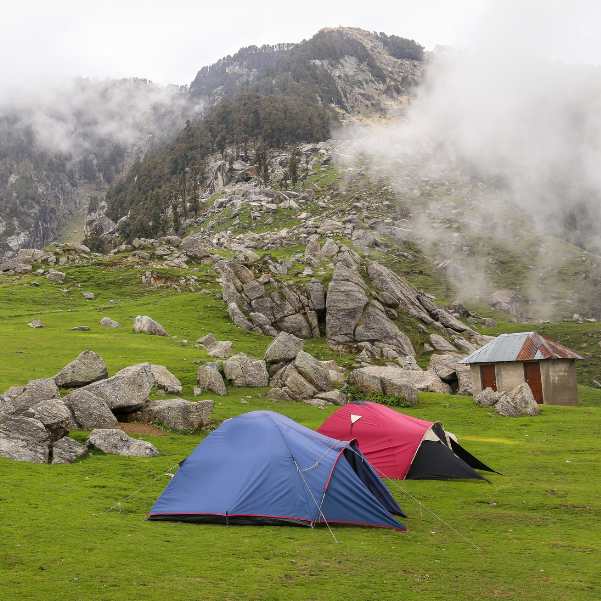
Camping at the top is the best part of the experience, and the night sky here is genuinely special.
Camping Rules
Camping is allowed only through designated camping areas on the ridge.
Rules around tents, fires, and waste get stricter every year because the place gets crowded and littered. Carry all your trash back down with you.
Tent Rentals
You can rent tents at the top from local operators for around ₹400 to ₹800 per person.
Quality varies a lot. Some tents are warm and solid, others are thin and barely cut the wind. Check the tent and the bedding before you pay.
Guesthouses
There are very basic shelters and dhabas at the top, but do not expect rooms or comfort.
Most people camp. If you want a proper bed, stay down in Dharamkot or McLeodganj and do Triund as a long day trek instead.
Booking Advice
On summer weekends the ridge fills up fast, and tents get scarce by afternoon.
If you are travelling on a weekend or a holiday, sort your camping in advance instead of hoping to find a tent at the top. You can contact our team to lock a tent and a guide before you arrive.
Best Time to Visit Triund
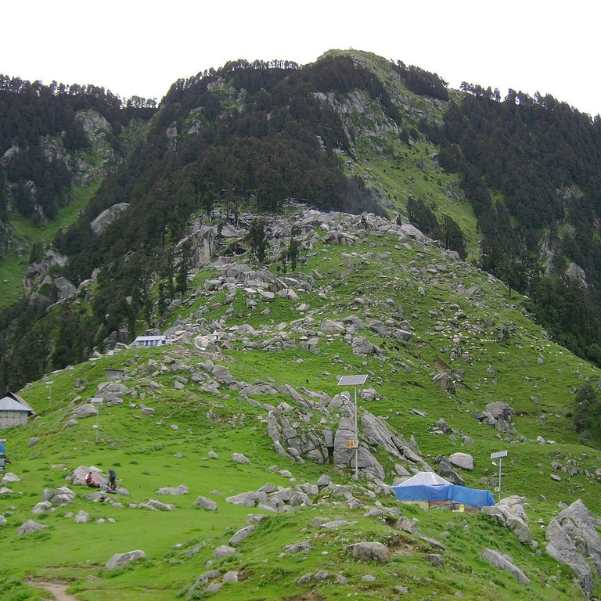
The right season completely changes this trek.
March to June
This is the main season. The weather is pleasant, the trail is clear, and the views are sharp.
The one downside is crowds. Summer weekends get extremely busy, and the ridge can feel like a festival rather than a quiet mountain top.
Monsoon
We will be honest. The monsoon is the worst time for this trek.
The trail gets slippery, leeches show up in the forest section, clouds block the views, and landslides can hit the road to Dharamshala. Avoid it if you can.
September to November
This is our favourite window. The air is clean after the rains, the views are crisp, and the crowds thin out.
By November it gets cold at the top, but the clarity of the Dhauladhar peaks in autumn is hard to beat.
Winter
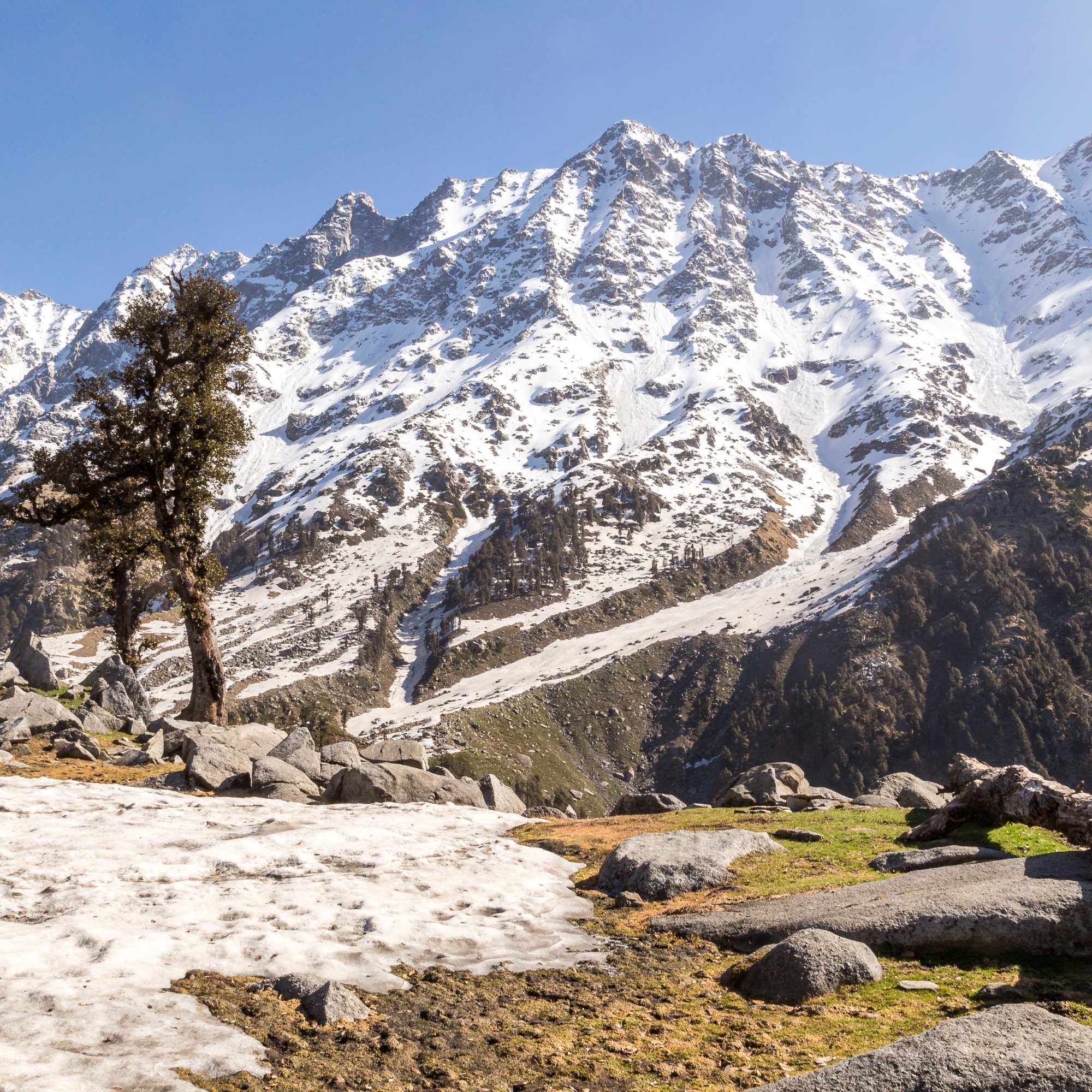
In deep winter the top gets snow, and the trek turns into a different, harder experience.
Snow at Triund is beautiful, but it needs proper gear, caution, and ideally a guide. This is not the season for a casual first trek.
Triund Trek Weather Guide
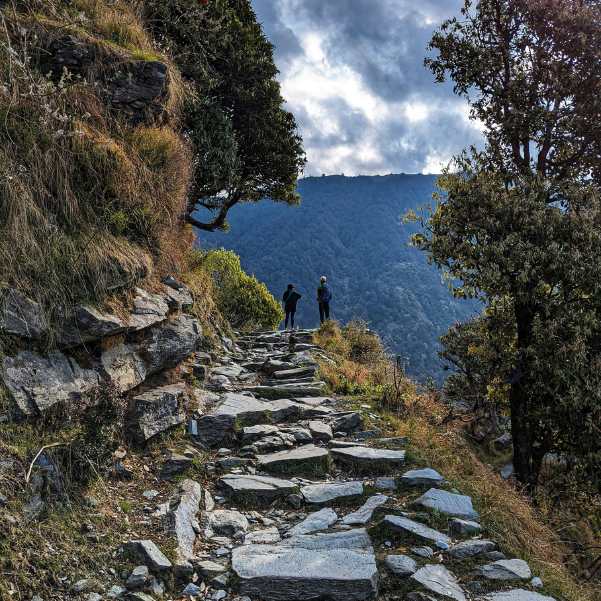
Down in McLeodganj the weather can feel warm, but the top is always colder.
In summer, days at the top are mild and nights drop sharply, so a fleece is needed even in June.
In autumn, days stay pleasant and nights get properly cold. In winter, expect freezing temperatures and possible snow.
The weather can also change fast. A clear morning can cloud over by afternoon, which is another reason to start early and reach the top before the sky turns.
What to Pack for Triund Trek
Pack light but pack smart.
Carry good shoes with grip, a warm jacket or fleece, and a windproof layer for the top even in summer.
Bring at least two litres of water, some dry snacks, sunscreen, sunglasses, a cap, and a basic medicine kit with paracetamol and ORS.
For an overnight stay, add thermals, a torch or headlamp, a power bank, and a thick layer for the night.
What we always tell our travellers is to carry a small thermos of hot tea or coffee. A warm drink at the top after sunset does more for you than any amount of extra clothing.
Food, Water and Mobile Network Availability
You will find small tea stalls and dhabas along the trail and at the top.
They serve maggi, chai, eggs, and basic meals. The food is simple and the prices rise as you climb, but it means you do not have to carry heavy food.
Water is sold along the way, but it is cheaper to fill your bottle at Gallu and refill at the cafes than to buy bottled water at the top.
Mobile network is patchy. You get signal in parts of the forest section, but at the top it drops in and out depending on your network. Tell someone your plan before you lose signal.
Safety Tips for the Triund Trek
The trek is safe, but a few simple habits keep it that way.
Start early, carry enough water, and do not push the steep final section if you feel dizzy or breathless.
Stay on the marked trail. People who try shortcuts on the way down are the ones who slip and twist ankles.
There is a real crowding and littering problem here, especially on summer weekends. Carry your trash down, avoid loud groups at the camping zone, and treat the ridge like the fragile place it is.
If you are camping, set up before dark and keep a torch handy. Moving around the ridge at night without light is how people trip near the edges.
One Day vs Two Day Triund Trek, Which Is Better?
Both work, and the right choice depends on your time and energy.
A one-day trek is great if you are fit and short on time. You go up, spend an hour or two at the top, and come down the same day.
A two-day trek with a night at the top is the better experience. You watch the sunset, sleep under a sky full of stars, and catch sunrise over the Dhauladhar before the day crowd arrives.
In our experience, people who camp overnight rate the trek far higher than people who rush up and down in a day. If you can spare the night, do the overnight version.
Places to Visit Near Triund
Once you are in this area, there is plenty more to see without much travel.
McLeodganj
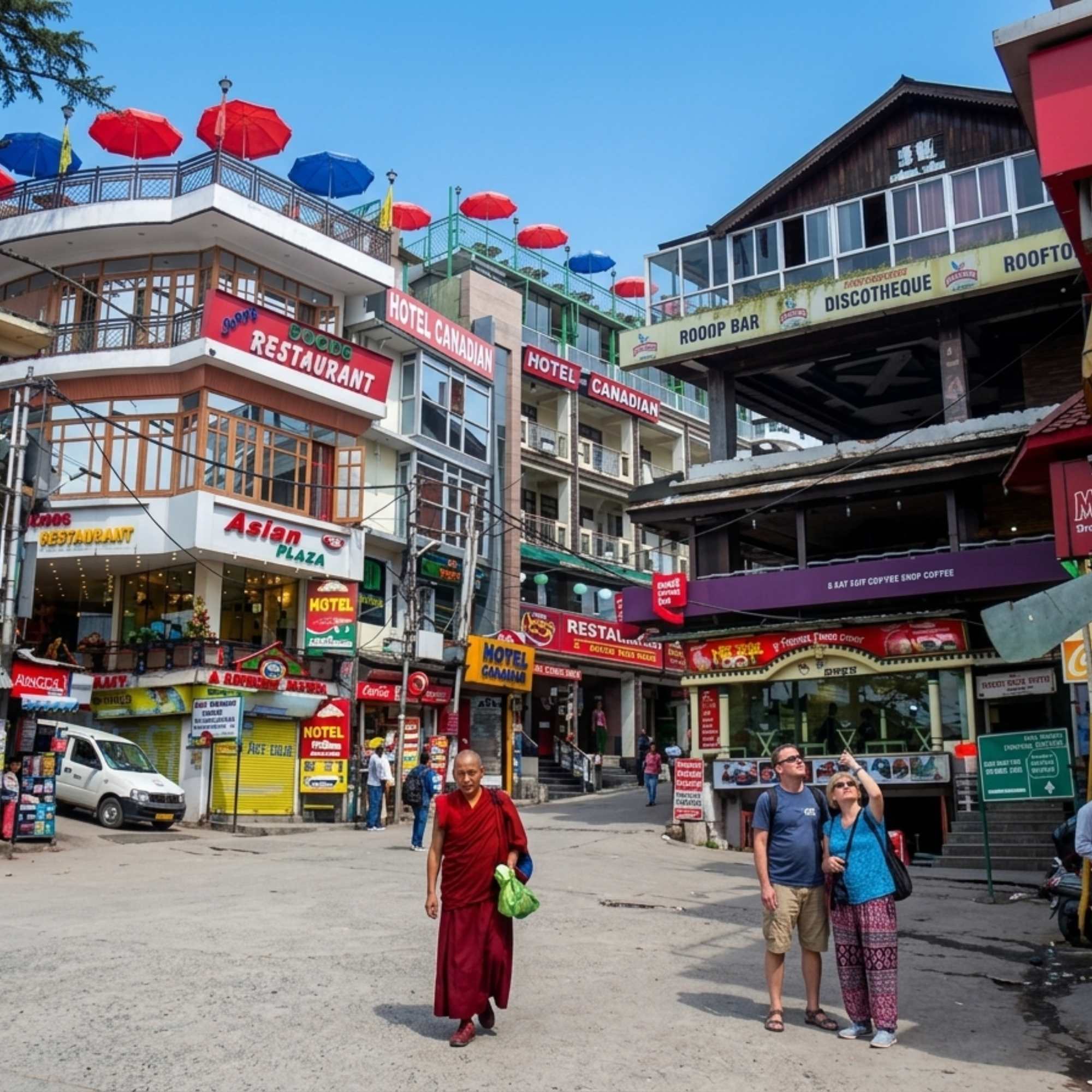
It is the lively base town, full of Tibetan food, monasteries, and markets. The smell of thukpa and momos hits you in every lane.
Dharamkot
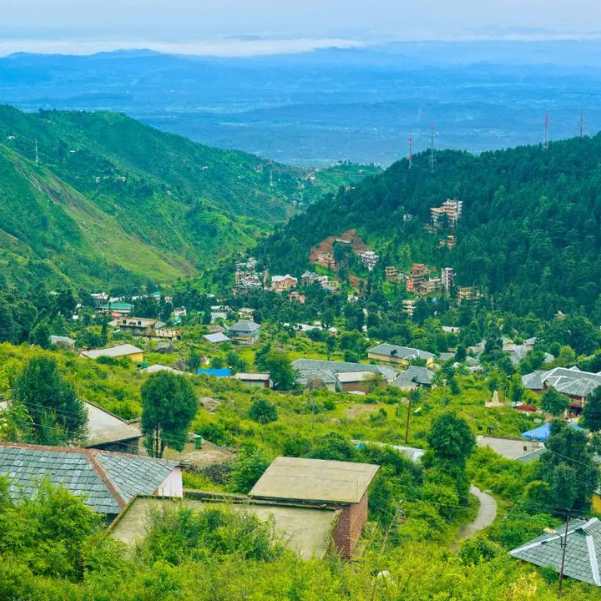
It is the quiet, slow village just above it, popular with long-stay travellers and great for a relaxed day.
Bhagsu Waterfall
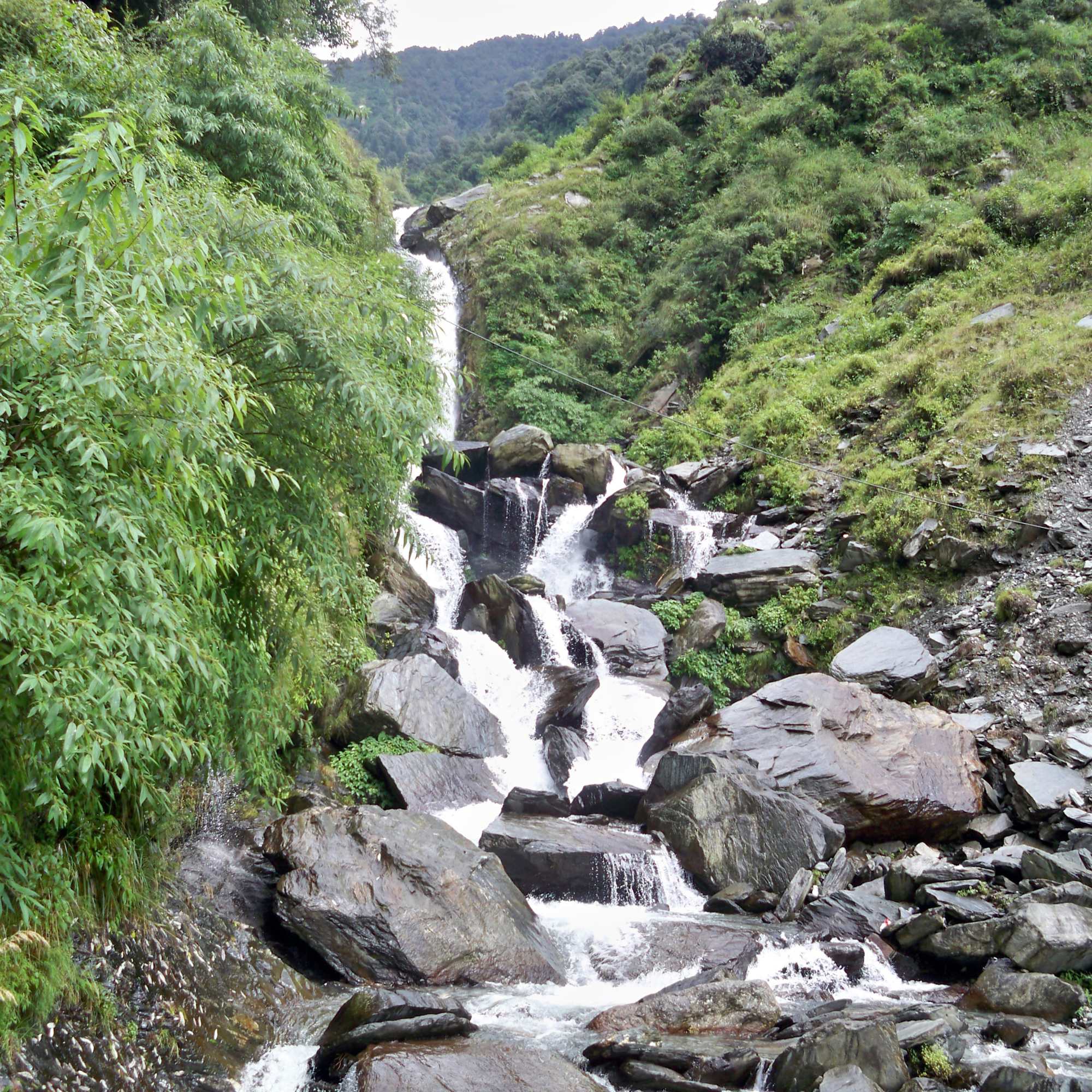
It is a short walk from McLeodganj and a good spot to cool down, though it gets busy in peak season.
Naddi
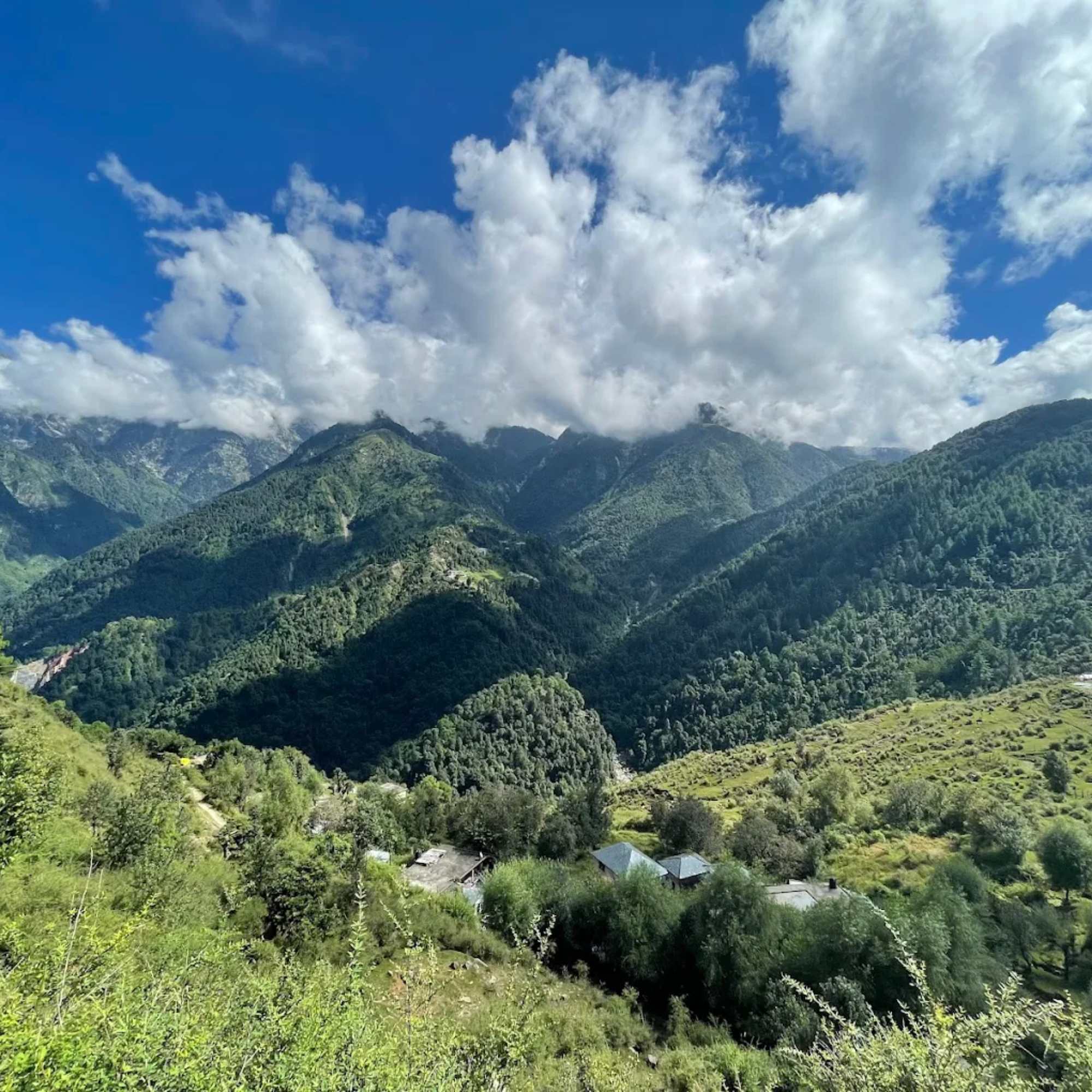
It is the sunset viewpoint near Dharamshala with open views of the Dhauladhar range.
We listed the full set of spots, cafes, and timings in our guide to the best places to visit in Dharamshala and McLeodganj.
How Travel Coffee Can Help Plan Your Dharamshala Trip
We are a local Himachal team, and we run this region every season.
We can sort your stay in McLeodganj or Dharamkot, arrange a guide and tents for Triund, handle your transport, and build a relaxed plan that does not exhaust you.
If you are coming from far and want the whole thing handled without stress, that is exactly what we do best.
>>From hotels to Triund trekking, we'll take care of everything. Message us on WhatsApp.
You can also browse our Dharamshala tour packages for ideas.
Explore Our Curated Dharamshala Tour Packages
 3D/2N
3D/2NDharamshala & McLeodganj Weekend Tour
1D Delhi•2D Dharamshala / McLeodganj
₹8,799₹17,880SAVE INR 9,081/ person 6D/5N
6D/5NDharamshala Dalhousie Khajjiar Himalayan Retreat
1D Delhi•2D McLeodganj+1
₹25,999₹32,999SAVE INR 7,000/ person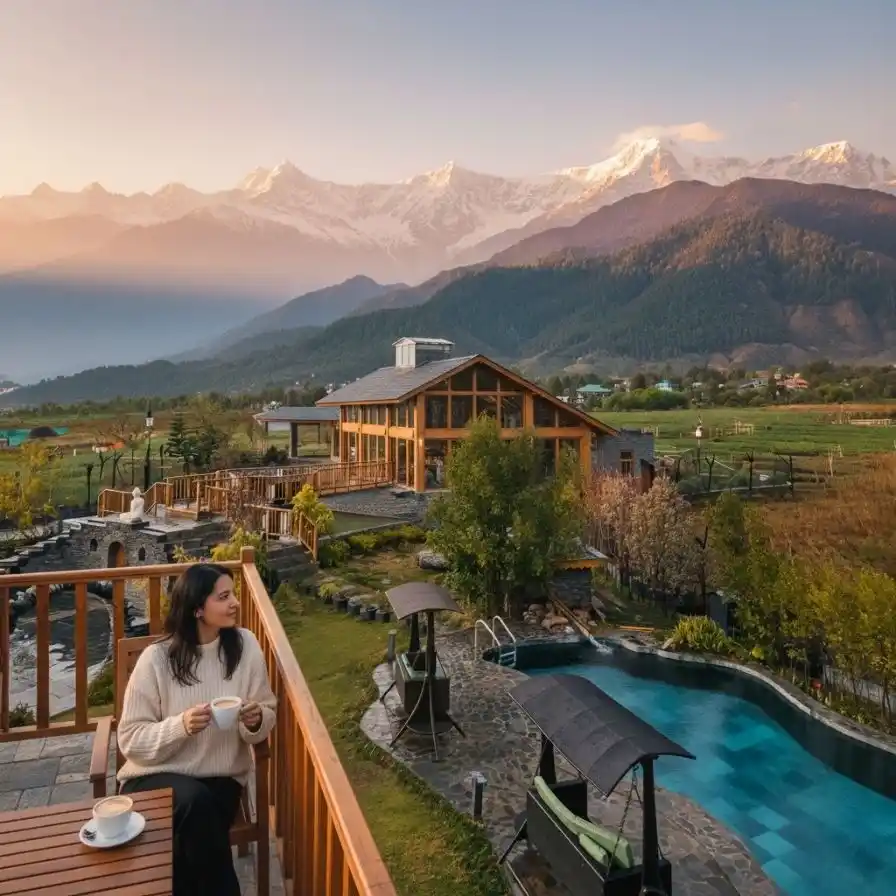 3D/2N
3D/2NDharamshala & McLeodganj Luxury Hideaway
1D Delhi•2D Dharamshala / McLeodganj
₹23,799₹29,999SAVE INR 6,200/ person
Related topics
Frequently Asked Questions
Is Triund Trek difficult for beginners?
No. It is an easy to moderate trek that most beginners finish with a steady pace and an early start.
Can Triund Trek be done in one day?
Yes. Fit walkers can go up and come back in a single day, though an overnight camp is a better experience.
Is camping allowed at Triund?
Yes, but only in designated camping areas at the top, and the rules get stricter each season.
What is the Triund Trek distance?
Around 9 km one way from McLeodganj and about 5.5 km from Gallu Devi.
How much does Triund Trek cost?
A budget day trek is cheap, while an overnight camping trip usually costs ₹2,000 to ₹4,500 per person.
Do I need a permit?
You do not need a special permit, but you register and pay a forest or entry fee at the Gallu checkpost.
Is Triund safe for solo travellers?
Yes. The trail is busy and well marked, which makes it one of the safer treks for solo travellers in the region.
Can children do the trek?
Yes. Kids around ten and above usually manage it well with breaks and a slow pace on the final climb.
Is there snow at Triund?
Yes, in winter the top gets snow, which makes it beautiful but harder and best done with proper gear.
What is the altitude of Triund?
The top sits at 2,850 m, roughly 9,350 ft.
Can I stay overnight?
Yes. You can camp at the top in tents, but there are no proper rooms, so expect basic conditions.
Which month is best?
September to November for clear views and fewer crowds, or March to June for pleasant weather with bigger weekend crowds.
More about Dharamshala
 Dharamshala
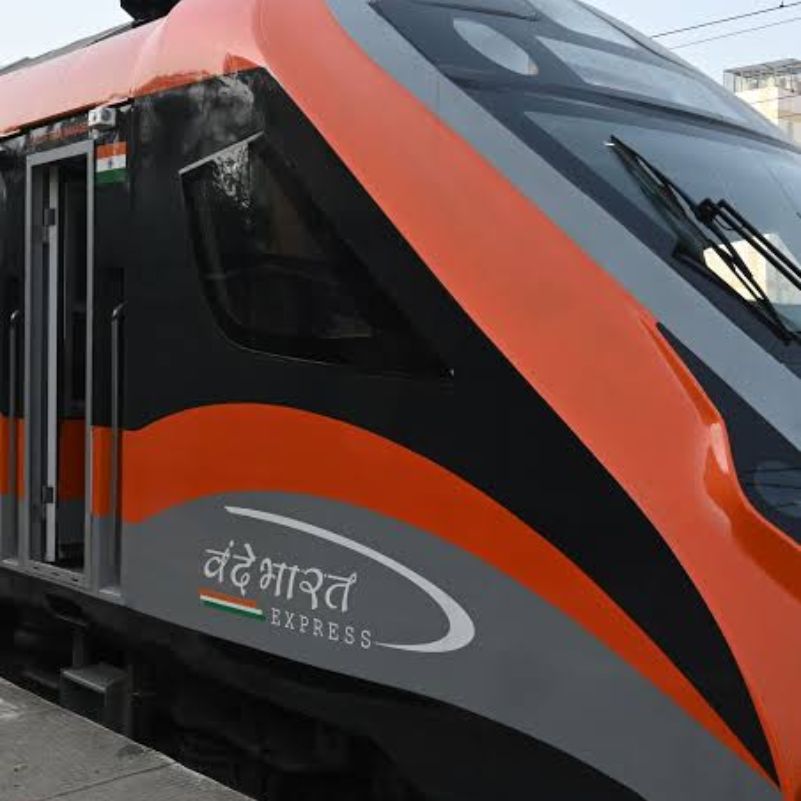
Delhi to Dharamshala by Vande Bharat in 2026: Amb Andaura Transfer & Return Guide
Planning to travel from Delhi to Dharamshala by Vande Bharat? Learn the best rail route, where to get off, and how to arrange your onward transfer to Dharamshala by taxi or bus.
 Dharamshala
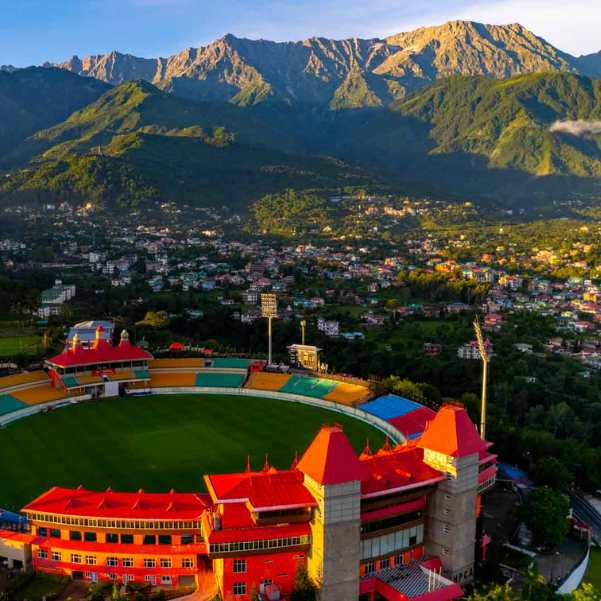
Dharamshala Group Trip with Friends 2026: Cabs, Rooms, Triund and Shared Costs
Planning a Dharamshala group trip with friends in 2026? Explore cab options, estimated travel costs, group budgeting tips, and practical ways to plan an affordable trip to Dharamshala and McLeod Ganj.
 Dharamshala
Dharamshala Trip Cancellation Due to Weather in 2026: Refunds, Rescheduling and What Happens Next?
Planning a Dharamshala trip in 2026? Learn when severe weather, heavy rain, snowfall, landslides or road disruptions may require you to cancel or postpone your trip, and what to check before travelling.