
Tosh Village From Kasol: Route, Stay, Cafes & 2026 Travel Guide
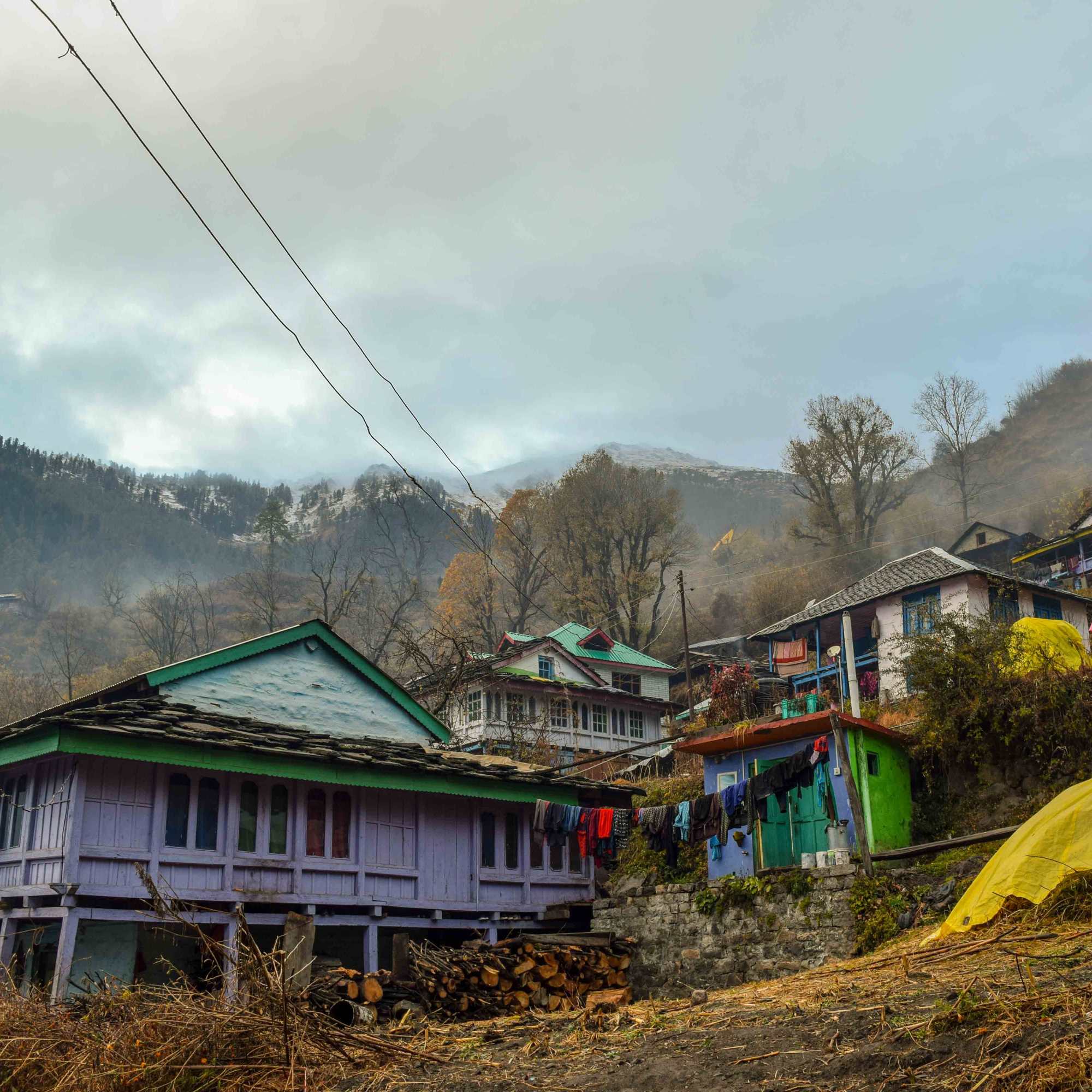
If you are sitting in Kasol wondering whether the trip up to Tosh village from Kasol is worth the extra effort, the short answer is yes. But you need to know how the road actually works before you go.
Tosh is around 20 to 21 km from Kasol, sitting at roughly 2,400 m in Parvati Valley. It is slower, quieter and more about the view from your balcony than the buzz of a market.
We send travellers up this route every season, and the same thing happens every time. People come back saying Kasol was fine, but Tosh was the part they actually remember.
Here is everything you need to plan it properly in 2026, including the road changes that catch people off guard.
Quick Answer: How Do You Reach Tosh Village From Kasol?
Tosh is about 20 to 21 km from Kasol. The usual route is Kasol to Manikaran to Barshaini to Tosh.
Budget travellers take a local bus to Barshaini, then walk or grab a local cab for the last uphill bit. Groups usually take a shared or private cab the whole way.
In 2026, check same-day road status before you leave. The Bhuntar to Manikaran and Manikaran to Barshaini stretches have seen traffic restrictions and landslide disruptions this season.
👉 Planning a Tosh day trip from Kasol? Talk to our team on WhatsApp.
Where Is Tosh Village And Why Do Travellers Go There From Kasol?
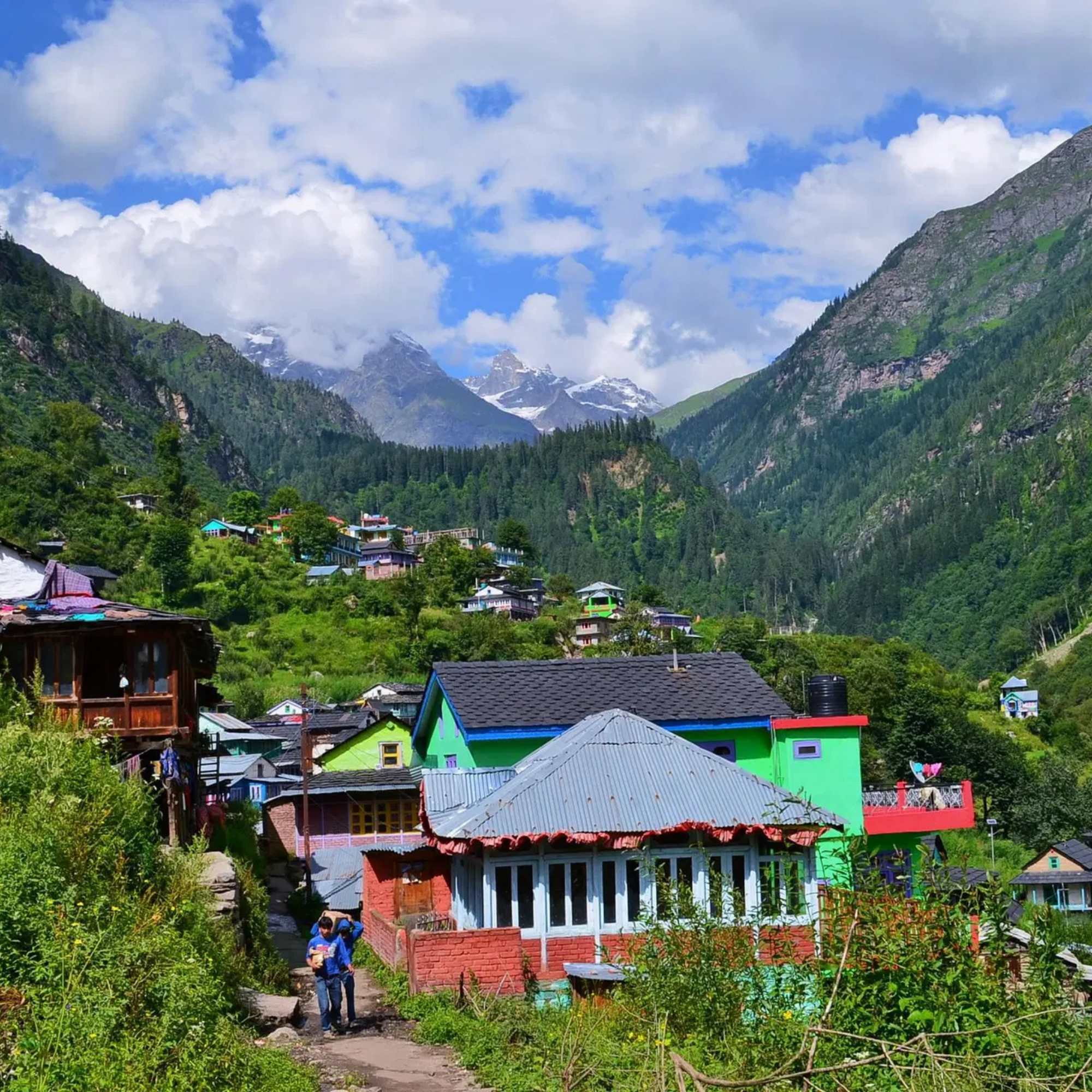
Tosh is a village in Parvati Valley, Himachal Pradesh, near Barshaini, sitting at around 2,400 m.
It feels different from Kasol. Slower, more scenic, and built around staying put rather than rushing between spots.
Most of the village is cafés with mountain views, hostels, balcony stays and short walks. You do not come here to tick off sights. You come to sit with a chai and stare at the valley.
What most tourists get wrong is treating Tosh like a quick photo stop. They drive up, take a few pictures, and leave by afternoon. That is the one mistake that wastes the whole trip, because Tosh only makes sense when you slow down.
If you want the easier base first, our Kasol tour packages cover the lower valley, and Tosh works well as an add-on from there.
What Is The Best Route From Kasol To Tosh?
The road route is simple to understand, even if the last bit is rough.
You go from Kasol along the river to Manikaran, then push further up to Barshaini, and from Barshaini you reach Tosh.
Kasol to Manikaran
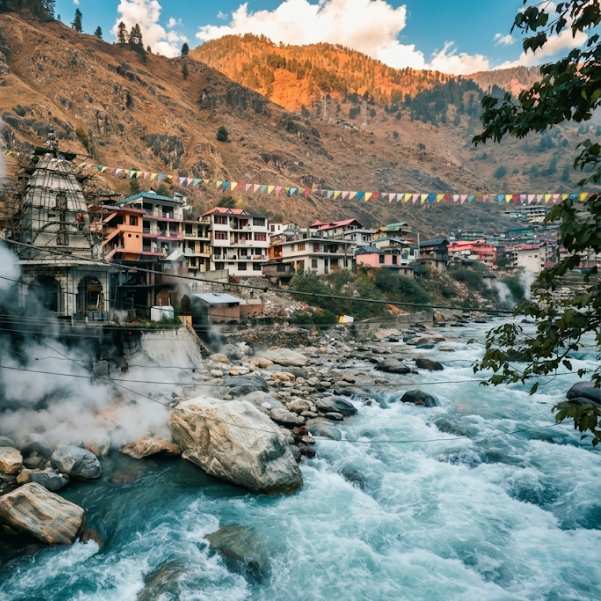
This is the first leg and the easiest one. The road runs along the Parvati River and you pass through small settlements before reaching Manikaran.
Manikaran is known for its hot springs and gurudwara. Most buses and cabs going deeper into the valley pass through here.
Manikaran to Barshaini
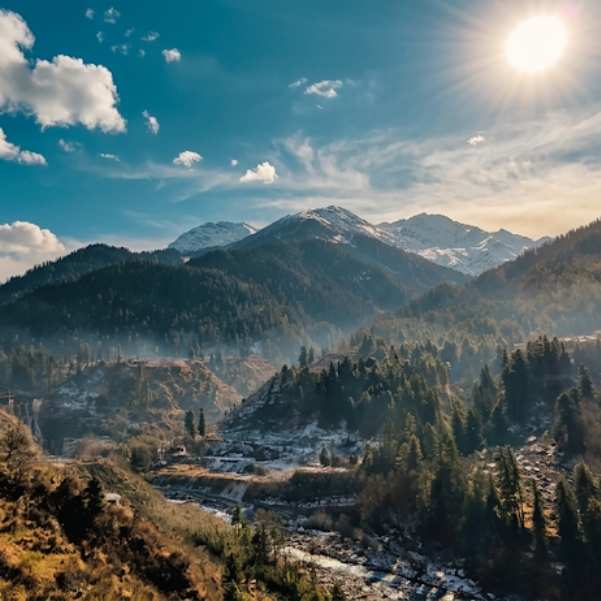
After Manikaran the road narrows and gets bumpier. You climb steadily towards Barshaini.
This stretch has seen landslide issues in recent seasons, so the surface can change from week to week. Do not assume it is the same as last year.
Barshaini to Tosh village
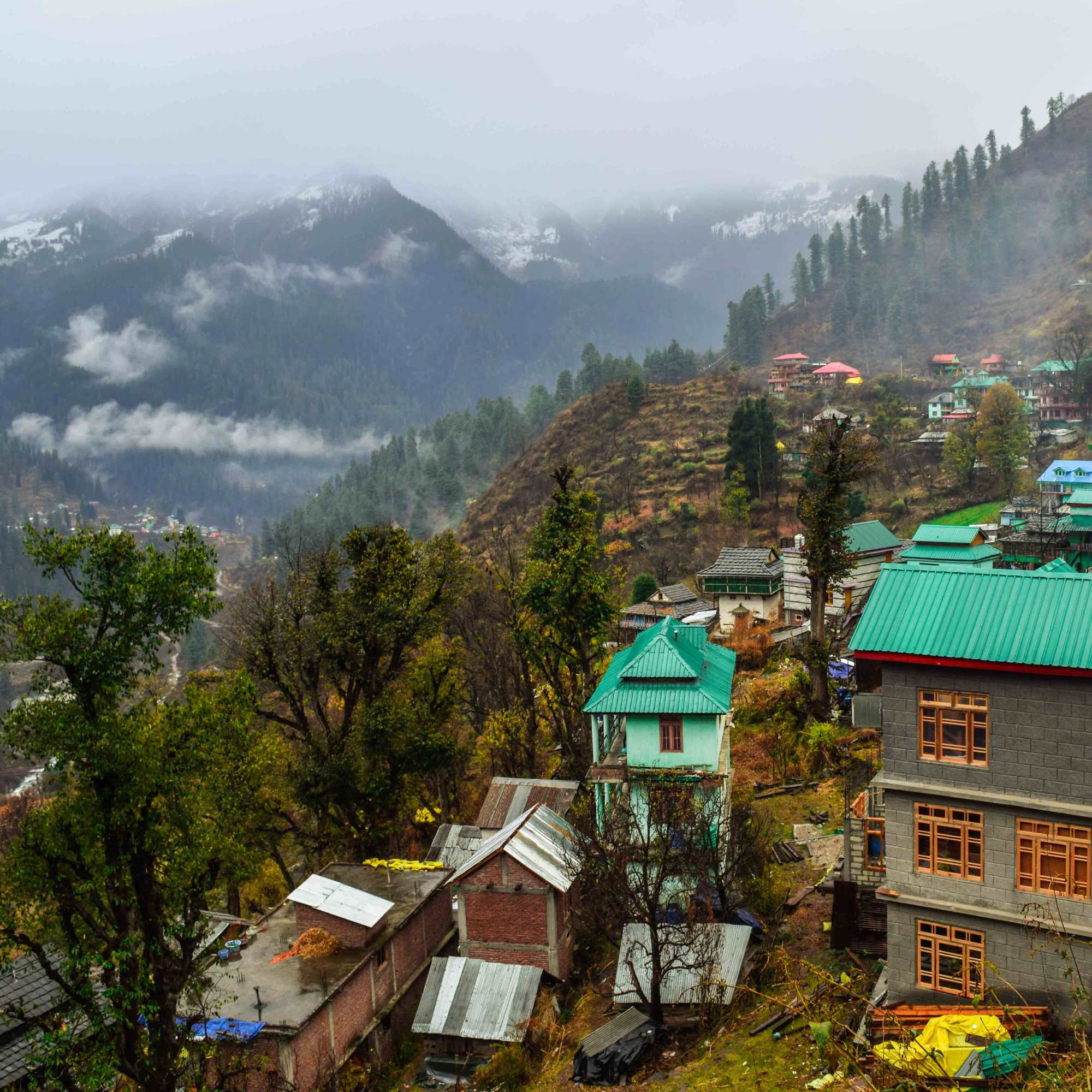
Barshaini is the gateway. It is the last practical road point for Tosh and for the nearby trek routes too.
From Barshaini, the final climb to Tosh is steep in parts and the lanes can be uneven. The walk is usually around 3 to 4 km and may take 30 to 60 minutes for many travellers, but slower walkers or people carrying luggage should keep 1 to 2 hours as a safer buffer.
Here is the honest part. Carrying heavy luggage up this stretch is genuinely annoying. The path is steep, and during peak dates parking near the Tosh bridge or Barshaini gets jammed.
In our experience, the people who struggle most are the ones who packed a big suitcase instead of a backpack. Travel light here. Your shoulders will thank you.
How Can You Travel From Kasol To Tosh By Bus, Taxi, Bike Or Car?
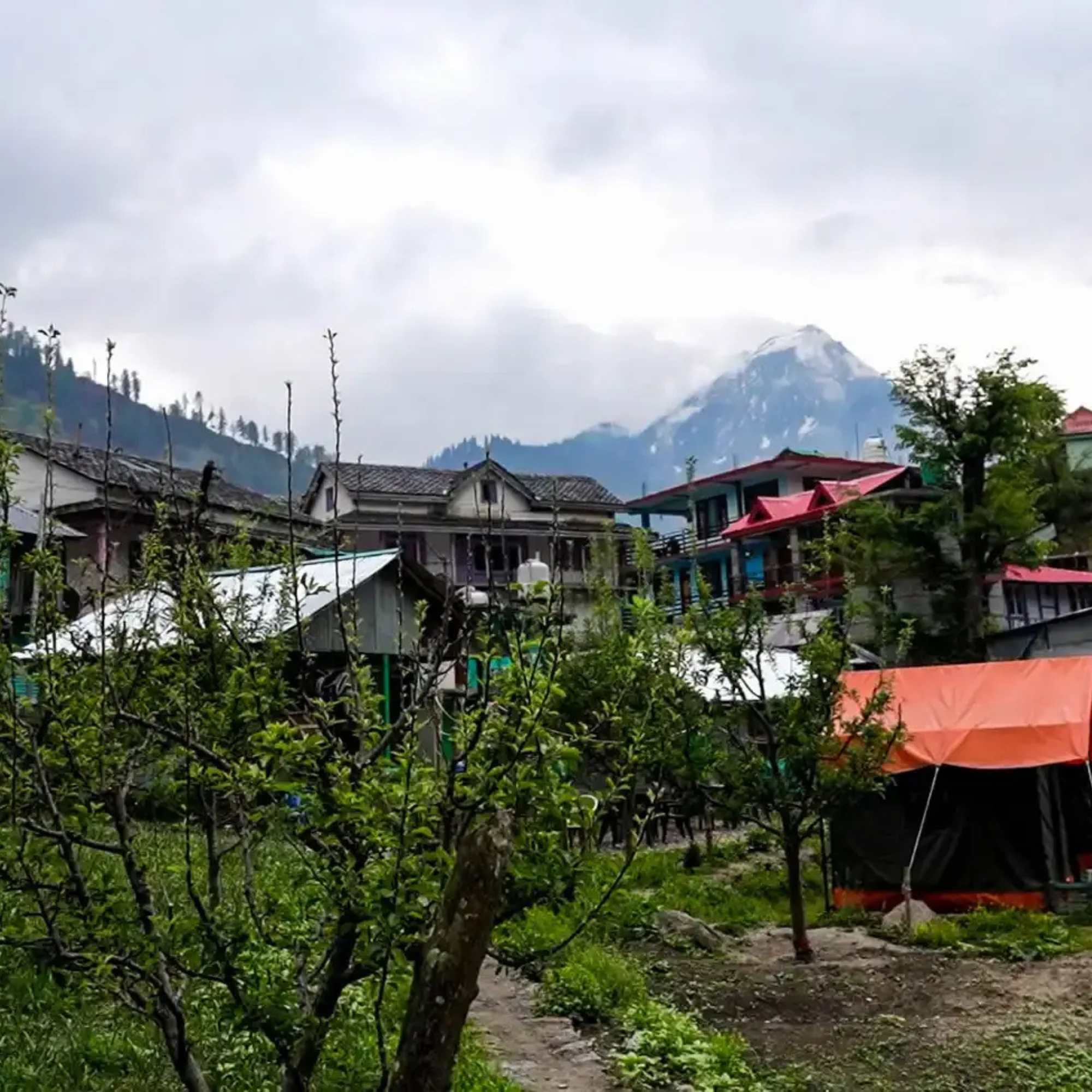
You have four real options, and the right one depends on your budget and how confident you are on hill roads.
Cheapest option: local bus plus walk
This is the budget choice. The bus plus walk works out to around ₹40 to ₹60 total.
The Kasol to Barshaini bus is around ₹30 to ₹40. From Barshaini you walk the final uphill stretch to Tosh.
Local fares change often, so treat these as a rough guide and carry small change.
Most comfortable option: shared or private taxi
A shared taxi can run around ₹300 to ₹500 per person from Kasol to Tosh.
One recent traveller report mentioned ₹200 to ₹300 till Pulga Dam plus extra for the uphill bit, so the exact number depends on where the cab drops you.
Always fix the price before you sit in the car. Drivers near Barshaini sometimes quote high during peak weekends, and arguing about money halfway up a mountain road is the worst way to start your trip.
Bike or scooter option
Rental bikes or scooters cost around ₹800 to ₹1,200 per day.
Only do this if you are a confident rider. The road can be narrow, steep and rough in patches, and the last section to Tosh is not beginner-friendly.
Self-drive car reality
You can drive your own car if you have hill experience, but it gets stressful fast.
The roads are narrow, parking near Barshaini is tight, and winter snow, monsoon rain or a fresh landslide can ruin your plan in an hour.
What we always tell our travellers is to start early and travel light. An early start gives you daylight buffer if the road throws up a surprise, and light luggage saves you on that final climb.
What Changed For Tosh Travel In 2026?
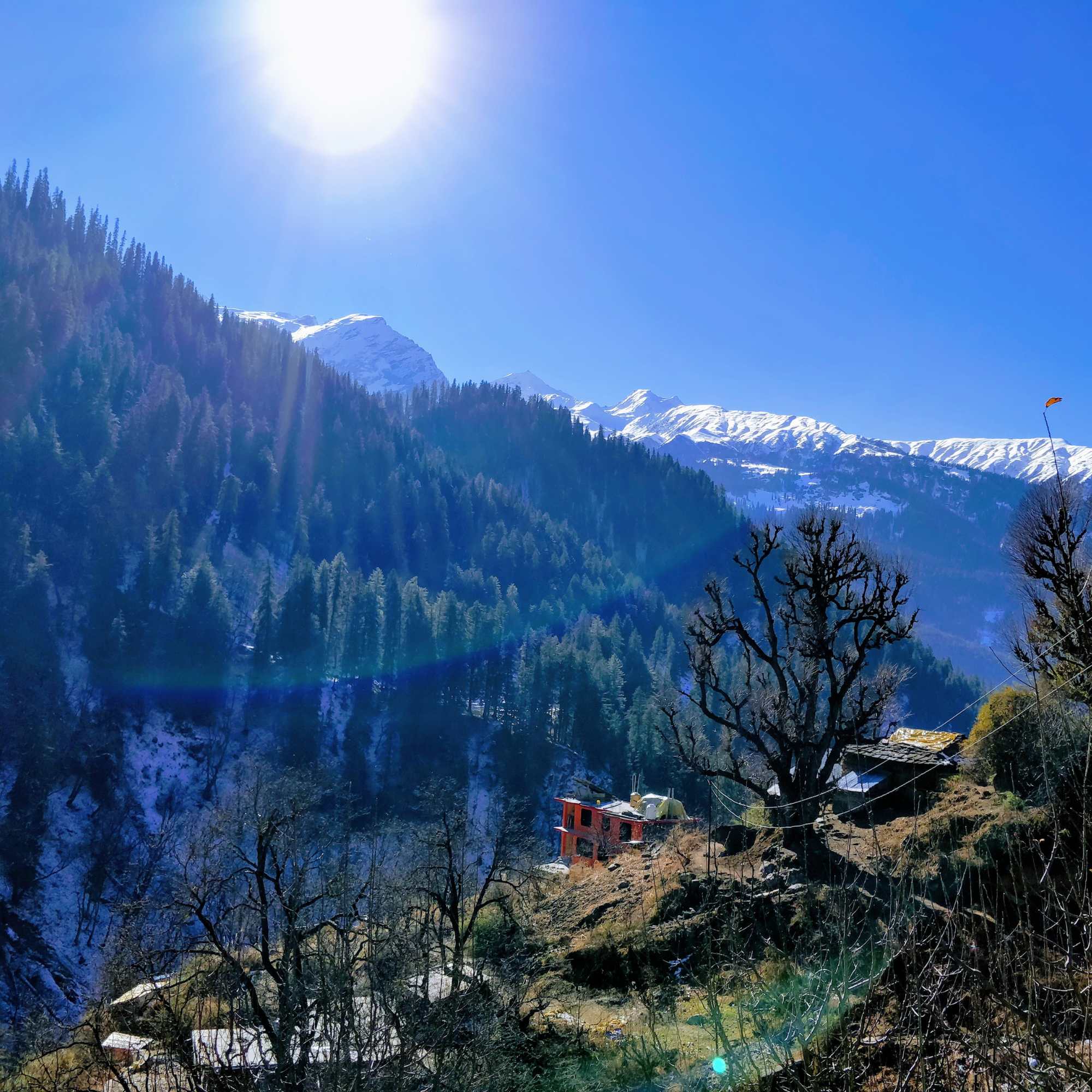
This is the part most blogs have not updated, so read it carefully.
District Kullu issued an official tourist-season traffic restriction order for the Bhuntar to Manikaran Road. It regulates heavy vehicles and Volvo buses from 14 April 2026 to 31 August 2026.
On top of that, 2026 news reports noted landslides and blockages around Ghatigarh on the Manikaran to Barshaini road, plus mudslide issues on the Bhuntar to Manikaran stretch.
What this means for you is simple. The road can be open in the morning and blocked by afternoon, especially during monsoon, snow spells and long weekends.
Confirm road status before you leave Kasol. Do not just trust a forecast. Conditions on this stretch change overnight.
Should You Do Tosh As A Day Trip Or Stay Overnight?
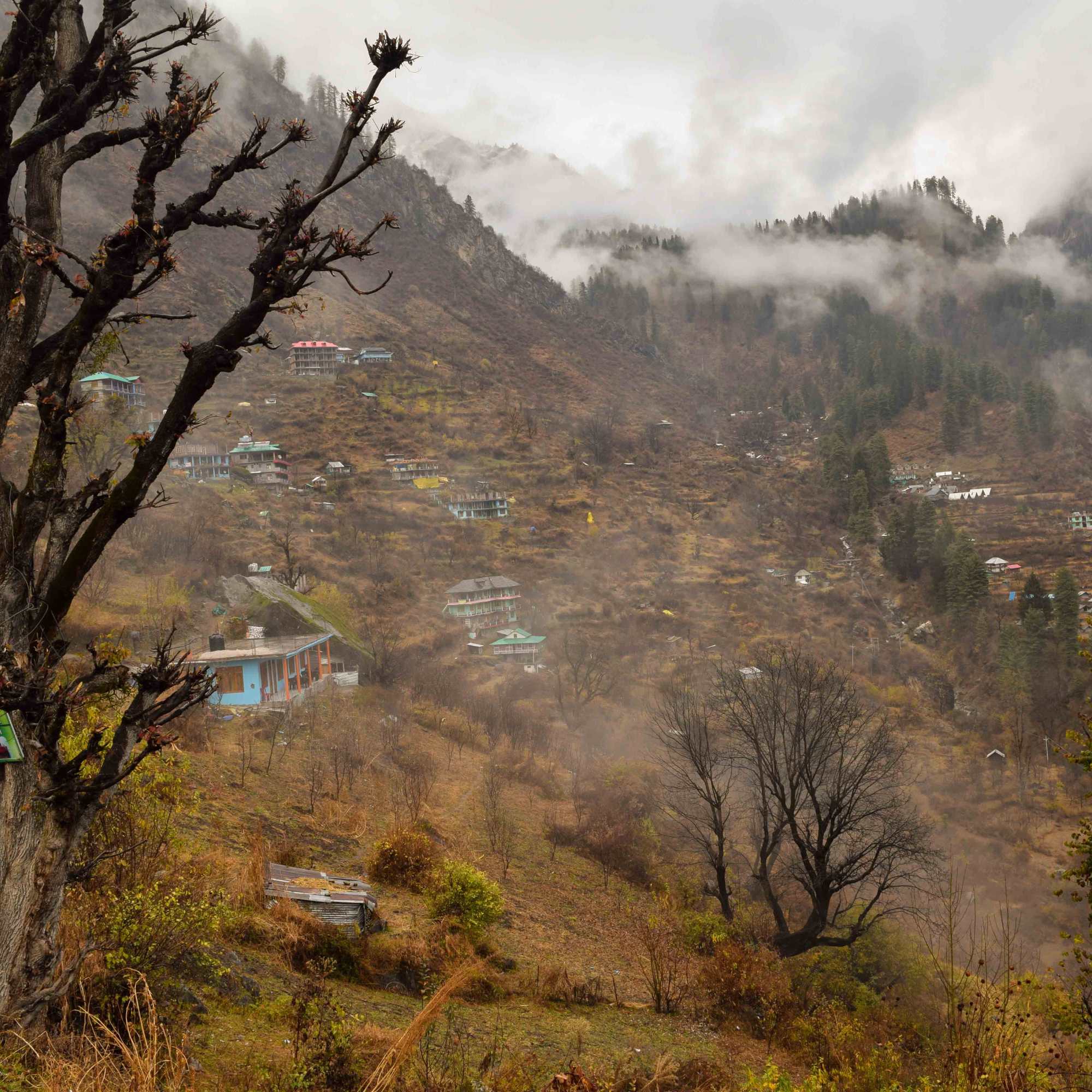
A day trip works only if you start early from Kasol and get back before dark. That is a tight window with very little buffer.
An overnight stay is much better. You get the sunset, proper café time, the waterfall walk, a possible Kutla visit, and the slow mountain feel that Tosh is actually about.
In our experience, 2 to 3 days is the sweet spot for Tosh. Anything less and you spend more time travelling than enjoying the place.
Where Should You Stay In Tosh Village?
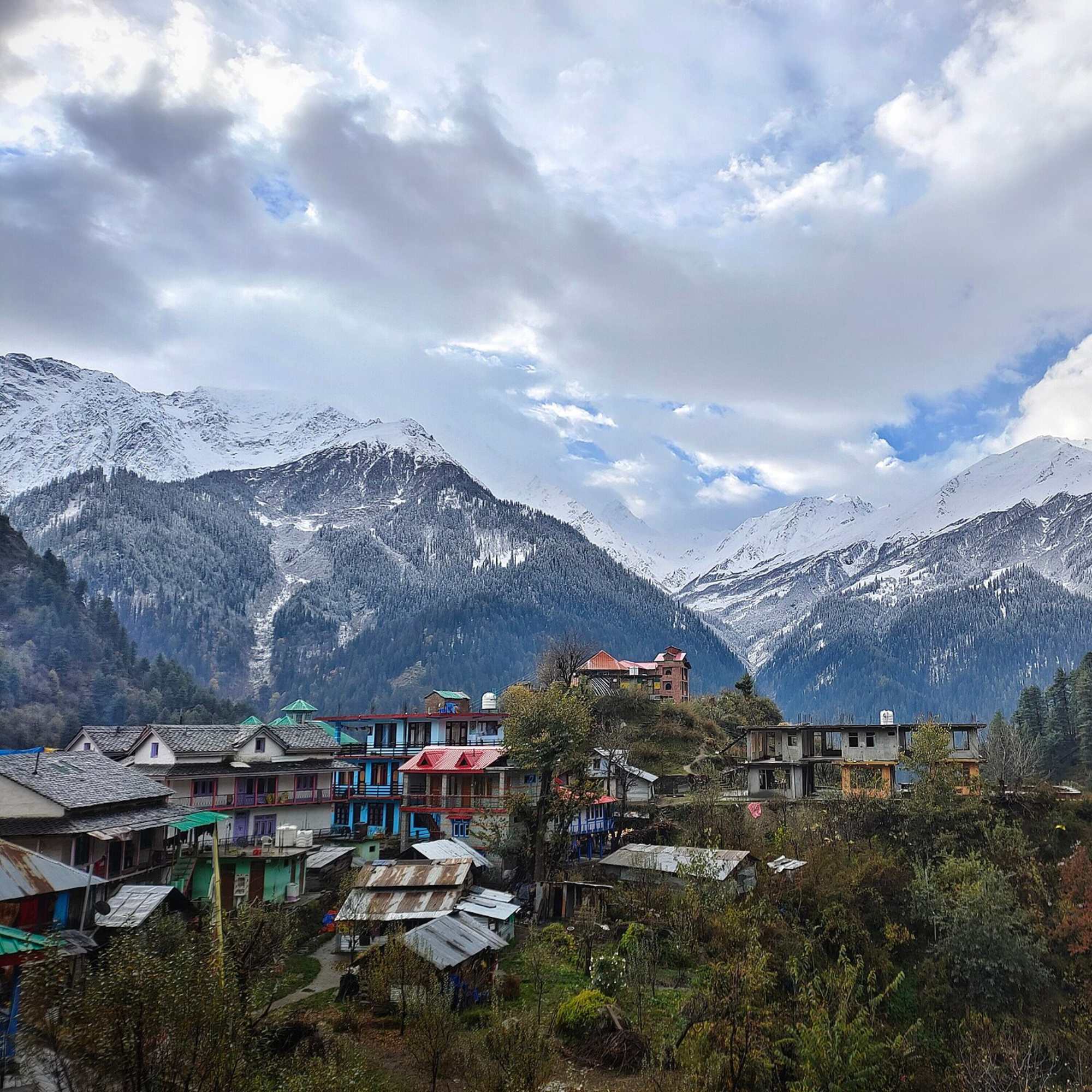
Tosh has a good mix of stays, from cheap hostel bunks to balcony rooms with valley views. Pick based on your group and how far you are willing to walk uphill.
Hostels for solo travellers
Solo travellers usually head to the hostels. Examples include Whoopers Hostel Tosh and Yellowjackets Hostel Tosh.
Prices and availability change through the season, so book ahead on busy weekends and confirm current rates before you pay.
Homestays and guesthouses for couples and friends
For couples or small groups, homestays and guesthouses work better.
Tosh has a decent number of stays listed online, with some budget options starting from around ₹500 per night. Barshaini also has basic stays and guesthouses, with entry-level rooms often starting from around ₹700 to ₹800 per night.
These prices are dynamic and can change with season, weekends, demand and availability, so always check fresh rates before booking.
View stays and cafés with rooms
Tosh has balcony stays, café stays, homestays, hostels and guesthouses. Many cafés rent rooms too, so you can sleep above the place you eat at.
Here is the insider tip most guides skip. Choose your stay based on luggage and distance from the drop point, not just the photos.
A gorgeous balcony room is no fun if it is a 20-minute uphill drag with your bags. Ask the property exactly how far it is from the Barshaini drop before you confirm.
👉 Need help choosing the right stay in Tosh? Talk to our team on WhatsApp.
Which Cafes In Tosh Are Worth Visiting?
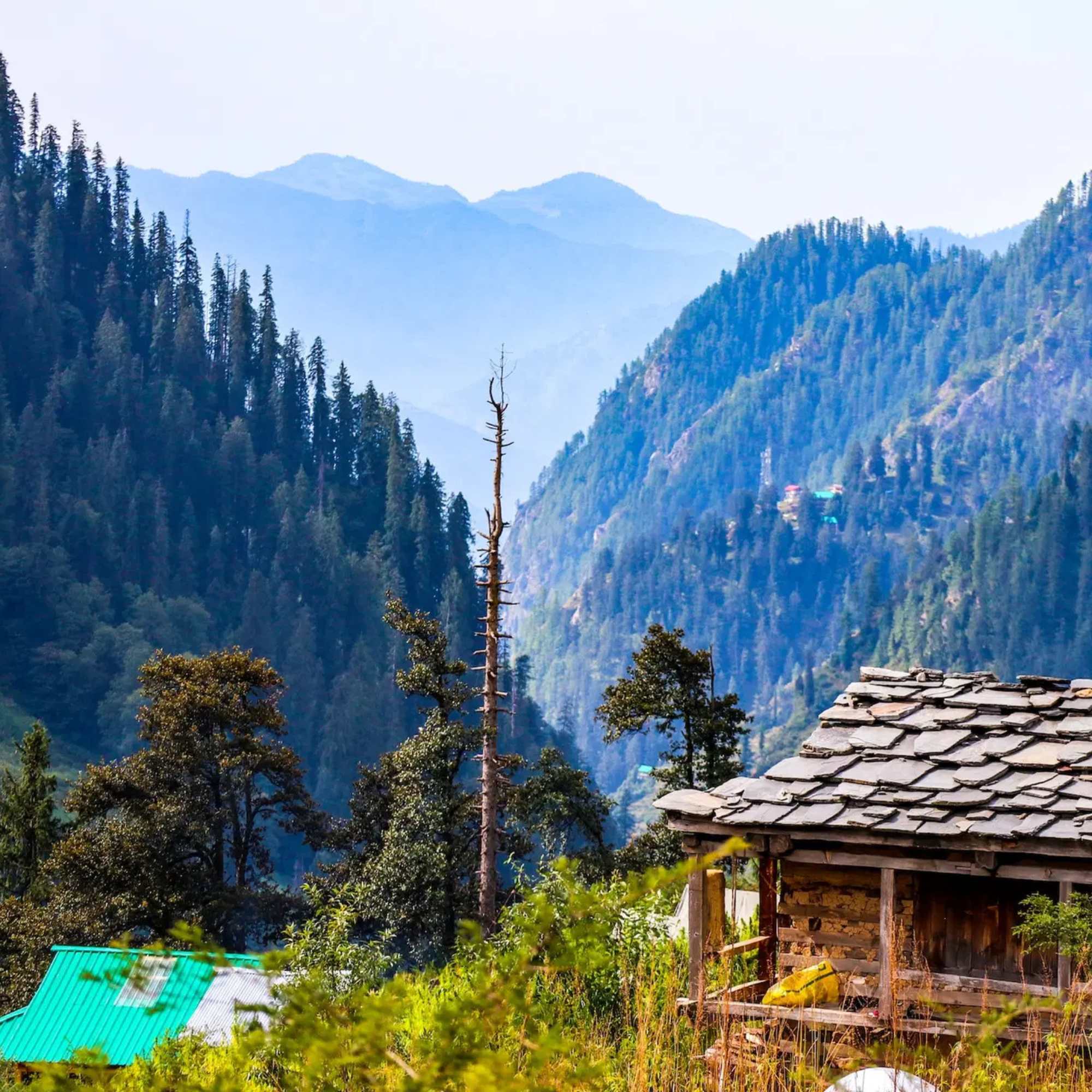
The café scene is the heart of Tosh. You will spend more time here than anywhere else.
Popular spots include Pink Floyd Café, Stoned Age Café & Inn, Pinki Didi's Café 360°, Shivaay Café, Café Him & Camps, German Bakery, Buddha Café and Stone Aged Café.
Most serve a mix of Indian, Israeli and continental food. Think Maggi, pasta, pizza, hummus, falafel, bakery items, hot chocolate and local Himachali dishes where available.
The food tip we give everyone is to hit the German Bakery in the morning for fresh bakes before the crowd shows up. By late morning the popular cafés fill up and the kitchen slows down.
One honest thing. The food in Tosh is tasty but it is not fast. Kitchens here run on mountain time. Order, then relax, because rushing the staff gets you nowhere.
What Can You Do In Tosh Besides Café Hopping?
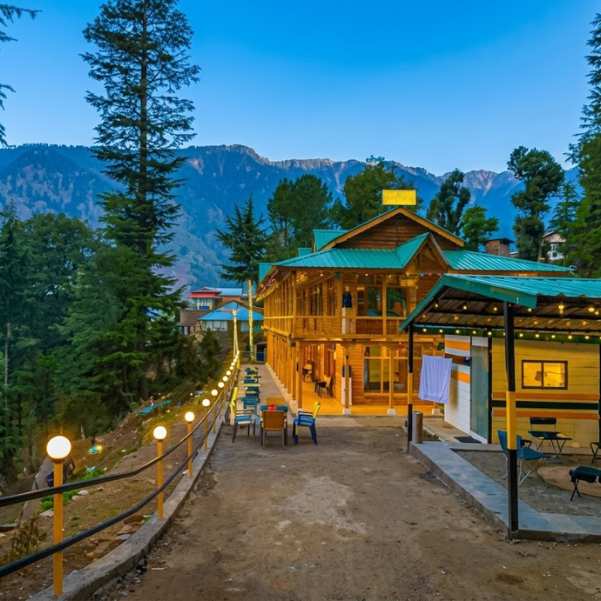
There is more to Tosh than sitting on a balcony, though that alone is worth the trip.
Tosh waterfall walk
The waterfall is the easy local walk. A recent traveller reported it as a 30 to 35 minute walk.
It is a gentle way to stretch your legs without committing to a full trek.
Kutla village walk
Kutla is the quieter uphill option for people who want fewer crowds.
It is a small settlement above Tosh and a good half-day target if you want to escape the café buzz for a few hours.
Kalga, Pulga and Kheerganga add-ons
Barshaini is the practical gateway for Kalga, Pulga and the Kheerganga-side routes too.
So if you want to extend your trip into a trek, Tosh sits right next to the launch point for several of them.
Stargazing and photography
The nights here are dark and the sky opens up. Autumn and clearer nights give you the best views.
For photography, the timing tip is to be out at sunrise. The early light on the peaks behind the village is completely different from the flat midday glare, and the cafés are empty so you get clean shots.
If you are still deciding which Parvati or Kullu valley base suits you, our Jibhi or Kasol comparison breaks down the differences in plain terms.
What Is The Best Time To Visit Tosh From Kasol?
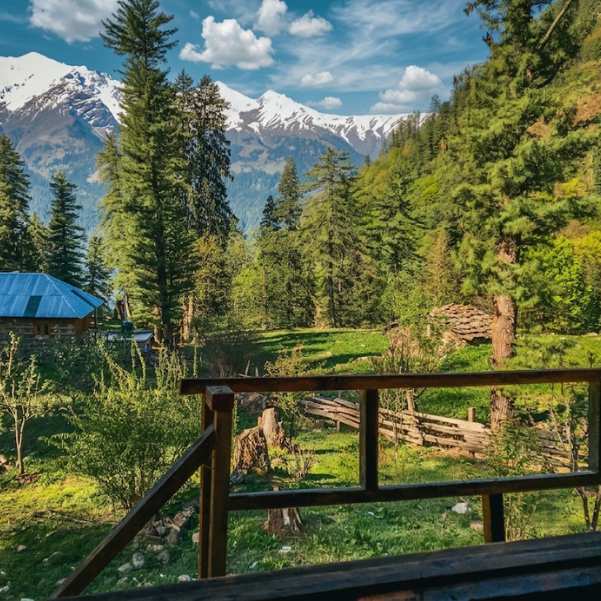
The season you pick changes everything about this trip.
March to June
It gives pleasant weather and good trekking conditions. Temperatures sit around 15°C to 25°C, so days feel comfortable and the trails are open.
September to November
It brings clearer skies, cooler air and fewer crowds. Expect roughly 10°C to 20°C. This is our quiet favourite for the clean light and thinner footfall.
December to February
It can bring snow, real cold and slippery paths, with accessibility dropping. Temperatures range from around -5°C to 10°C. Snow lovers enjoy it, but the road and walking get harder.
Be careful with July to September monsoon dates. Rain makes both the road and the walking paths slippery, and this is when landslides hit the valley hardest.
If the road is acting up during your dates, the lower Jibhi and Tirthan Valley area is a softer backup that rarely faces the same access trouble.
How Much Budget Do You Need For Kasol To Tosh?
We will not hand you a fake exact figure, because the numbers move with the season. Here are the verified ranges instead.
The cheapest transport is the bus plus walk at around ₹40 to ₹60.
A shared taxi can cost around ₹300 to ₹500 per person, depending on the drop point.
Stays start around ₹492 to ₹759 on booking platforms, but these change with season and availability.
The money tip that saves people stress is to carry enough cash. ATMs and card acceptance can be limited up here, and a lot of small cafés and stays prefer cash. Pull out what you need in Kasol before heading up.
Is Tosh Safe For Solo Travellers, Couples And Families?
Tosh is generally easy-going, and the safety basics are simple common sense.
Travel in daylight and avoid isolated trails after dark. Carry cash and a power bank, because charging is not always reliable.
Pick a stay that is not too far uphill if you are carrying luggage. Check weather and road updates before you move, and wear proper shoes in winter and monsoon when paths get slippery.
The safety warning worth repeating is about taxis. Fix your fare before sitting in the car. Drivers can quote inflated numbers during peak weekends, so agree on the price first instead of haggling halfway up.
Internet usually works in many parts with Airtel or Jio, but speed depends on weather, electricity and where exactly your stay is. Some sources still warn of weak connectivity in parts of the village, so do not plan critical work calls from here.
Suggested 2-Day Tosh Itinerary From Kasol
This is the plan we hand most first-timers. It keeps the pace relaxed and leaves room for road delays.
Day 1: Kasol to Tosh, check-in, café sunset
Start early from Kasol so you reach Barshaini and Tosh with daylight to spare.
Check into your stay, walk through the village lanes, then settle into a café for the sunset. This is the slow evening Tosh is built for.
Day 2: Waterfall or Kutla, return to Kasol
Spend the morning on the waterfall walk or head up to Kutla if the weather and road are fine.
Then return to Kasol before dark. Keep buffer time for road delays, because the Barshaini stretch can slow you down without warning.
Tosh Vs Kasol: Where Should You Stay?
This comes up in almost every planning chat we have, so here is the straight answer.
Kasol is easier, busier and better connected. It suits first-time travellers and short trips where you do not want to deal with rough roads or uphill walks.
Tosh is better for mountain views, hostels, cafés, quiet weekdays and slow stays. The trade-off is more walking and more patience with the road.
In our experience, the best move is to base in Kasol for the easy logistics and add two nights in Tosh for the views. You get both without forcing one to do everything.
If your trip is part of a bigger Himachal loop, our Manali tour packages pair well with the Parvati Valley, and you can mix in some top adventure activities in Manali on the same trip.
Explore Our Curated Kasol Tour Packages
 4D/3N
4D/3NPerfect Manikaran Kasol Tosh Weekend Getaway
1D Delhi•2D Kasol+1
₹15,999₹19,999SAVE INR 4,000/ person 7D/6N
7D/6NManali Kasol Jibhi Valley Trip
1D Delhi•2D Manali+3
₹25,799₹32,999SAVE INR 7,200/ person 8D/7N
8D/7NManali Kasol Bir Himalayan Explorer
1D Delhi•2D Bir+3
₹21,999₹27,999SAVE INR 6,000/ person
Related topics
Frequently Asked Questions
How far is Tosh from Kasol?
Tosh is around 20 to 21 km from Kasol, usually reached via Manikaran and Barshaini.
How do I reach Tosh from Kasol?
Take the Kasol to Manikaran to Barshaini to Tosh route. Use a bus or cab to Barshaini, then walk or take a local cab uphill to Tosh.
Is there a direct bus from Kasol to Tosh?
There is no direct road bus all the way into Tosh village. Buses run to Barshaini, and you cover the last stretch on foot or by local cab.
Can I take my own car to Tosh?
You can drive to Barshaini if you have hill experience, but the road is narrow and parking is tight. The final climb to Tosh is on foot.
How long is the Barshaini to Tosh walk?
It is commonly stated as 3 to 4 km and 30 to 60 minutes, though some travellers report 1 to 2 hours depending on pace.
Is Tosh worth visiting from Kasol?
Yes, if you want quieter mountain views, cafés and slow days. Plan an overnight stay rather than a rushed day trip.
Should I stay in Tosh or Kasol?
Kasol is easier and better connected. Tosh is quieter and more scenic but needs more walking. Many travellers do both.
What is the best time to visit Tosh?
March to June and September to November are the best windows for weather and clearer skies.
Does Tosh get snowfall?
Yes. December to February can bring snow, cold and slippery paths, with reduced accessibility.
Which cafés are famous in Tosh?
Popular ones include Pink Floyd Café, Stoned Age Café & Inn, Pinki Didi's Café 360°, German Bakery and Buddha Café.
Is Tosh safe for solo travellers?
Yes, with normal precautions. Travel in daylight, carry cash and a power bank, and avoid isolated trails after dark.
Does Tosh have internet for workation?
Airtel and Jio work in many parts, but speed depends on weather, electricity and your stay location. Some areas still have weak connectivity, so do not rely on it for critical work.
Can Tosh be combined with Kalga, Pulga and Kheerganga?
Yes. Barshaini is the gateway for Kalga, Pulga and the Kheerganga-side routes, so all of these pair well with a Tosh stay.
More about Kasol
 Kasol
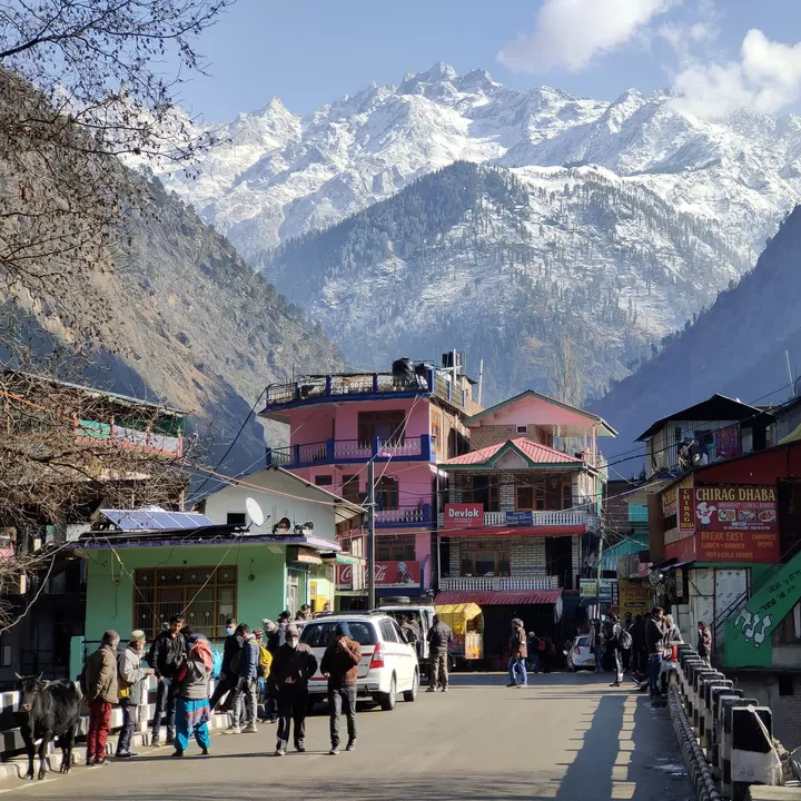
KasolShimla Manali Kasol Itinerary 2026: 7, 8 and 9 Day Routes Without Rushing
Plan a relaxed Shimla Manali Kasol itinerary for 2026 with practical 7, 8 and 9 day routes covering Himachal’s key sights without rushing between destinations.
- Itinerary
- Places to Visit
 Kasol
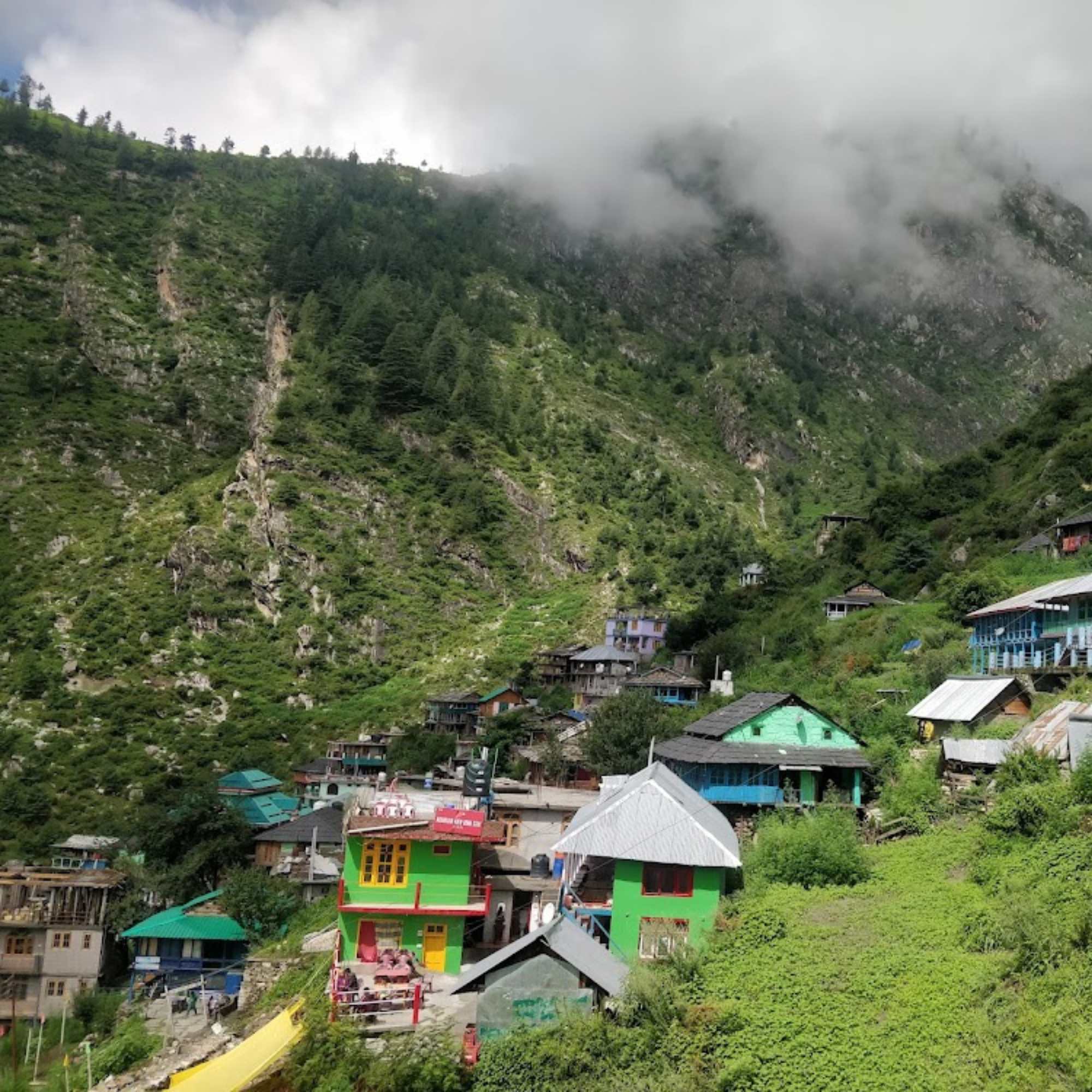
KasolBest Offbeat Places Near Kasol Most Tourists Miss in 2026
Escape the crowds and discover the hidden side of Kasol in 2026. From peaceful villages and untouched valleys to scenic trails and secret viewpoints, these offbeat places near Kasol offer authentic Himalayan experiences that most tourists completely miss.
- Places to Visit
- Things to Do
 Kasol
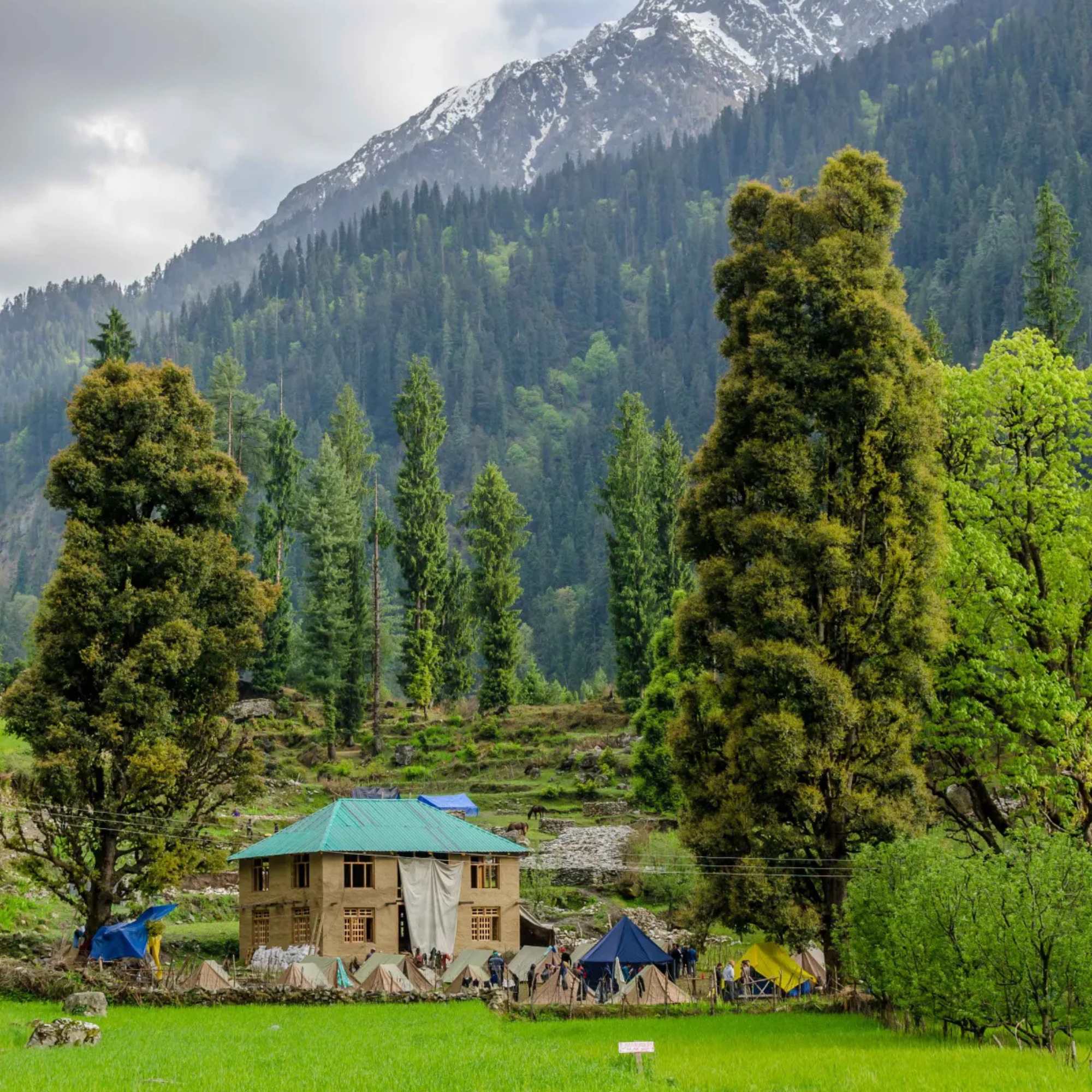
KasolRasol Village Trek From Kasol 2026: Route, Distance & What to Expect
Planning the Rasol Village Trek from Kasol in 2026? Explore the complete trekking route, distance, difficulty level, stay options, and essential travel tips to experience one of Parvati Valley’s most peaceful and offbeat Himalayan villages.
- Things to Do