
Spiti Food Guide 2026: What to Eat in Kaza, Best Cafes and Local Cuisine
Most people heading to Spiti spend hours researching routes and passes but barely think about food until they are sitting at 12,000 feet with a growling stomach and no idea what to order. This guide fixes that.
Quick Answer
Spiti food is a mix of cold desert staples, Tibetan comfort dishes, and simple North Indian meals. Thukpa, tingmo, black peas, seabuckthorn tea, butter tea, and churam are the things most worth trying.
Kaza is where you will find the most variety, with a handful of cafes that handle everything from strong coffee to local experiments. The more genuinely local meals, though, usually come through homestays and village kitchens, not cafe menus.
If you only have a couple of days, eat at Sol Cafe once, try black peas somewhere, and get a cup of seabuckthorn tea. That covers the essentials.
What Food is Famous in Spiti Valley?
The food Spiti is actually famous for is not elaborate. It is warm, practical, and built for cold.
Thukpa and thenthuk lead the list. Momos are everywhere. Tingmo, a steamed bread, shows up with stews and curries.
Black peas are one of the most distinctly local foods in the valley, and most food guides on Spiti mention them. Seabuckthorn tea or juice is the drink travellers almost always remember.
The harder to find but more authentically local items are churam, butter tea, barley based preparations, and home cooked thalis in village stays. Most travellers mostly eat in Kaza's cafes and miss these entirely. That is the honest picture.
What Makes Spiti Local Cuisine Different from Regular Hill Station Food?
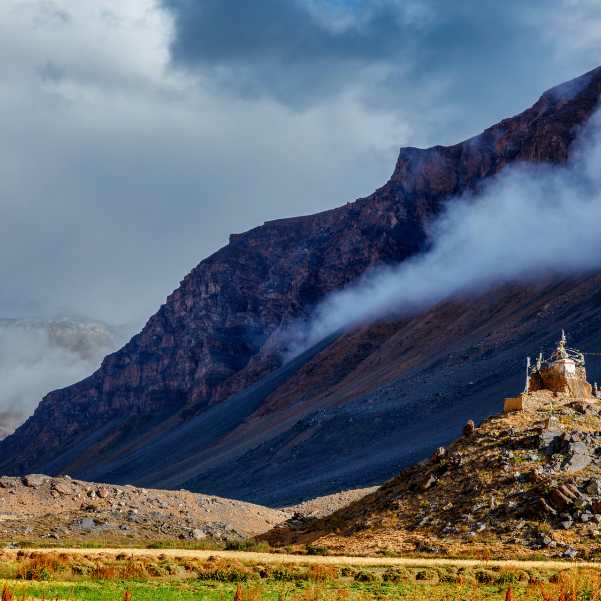
The altitude and climate shape everything. At roughly 4,000 metres, you cannot grow rice easily or keep most fresh vegetables. Barley, buckwheat, peas, and dairy become the foundations.
The Tibetan influence runs deep in the highlands across Lahaul, Spiti, and Kinnaur. Steamed bread, salted tea, hand pulled noodles, and fermented grain drinks all come from that tradition.
This is not the Himachali food of Shimla or Manali. It is something older and more specific to high altitude life.
The food is also filling in a way that makes sense once you are here. Cold air, physical effort, and altitude drain you faster than you expect. A bowl of thenthuk or a plate of barley kheer does the job in a way a light salad never could.
What to Eat in Spiti: 12 Dishes and Drinks Worth Trying
Thukpa
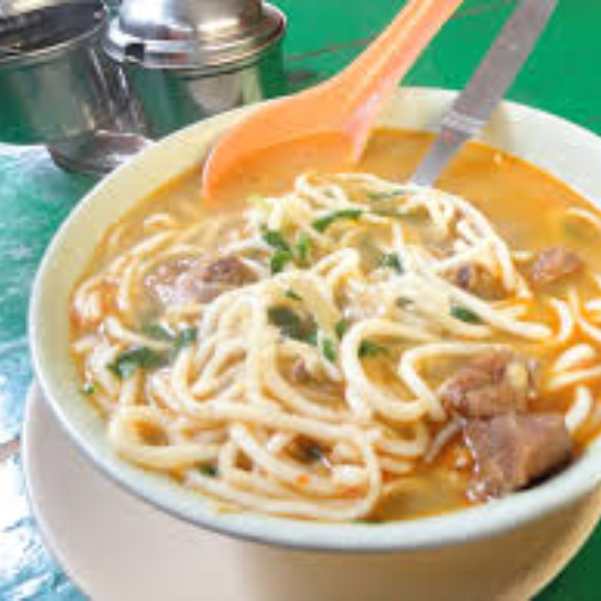
Thukpa is a noodle soup, usually with vegetables or sometimes meat, in a clear or mildly spiced broth.
In our experience, this is the safest first proper meal after you arrive in Kaza. It is warm, easy on the stomach, and available at almost every dhaba and cafe in the valley. Start here on day one.
Thenthuk
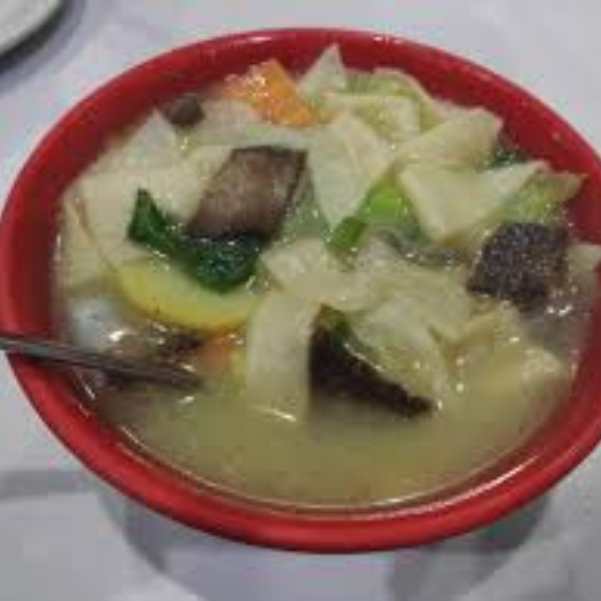
Thenthuk is the hand pulled version of the same idea. The noodles are thicker and pulled flat before cooking, which gives a slightly chewier texture. It is ideal in cold weather and feels more filling than regular thukpa. Not every place makes it, but it is worth asking for.
Tingmo
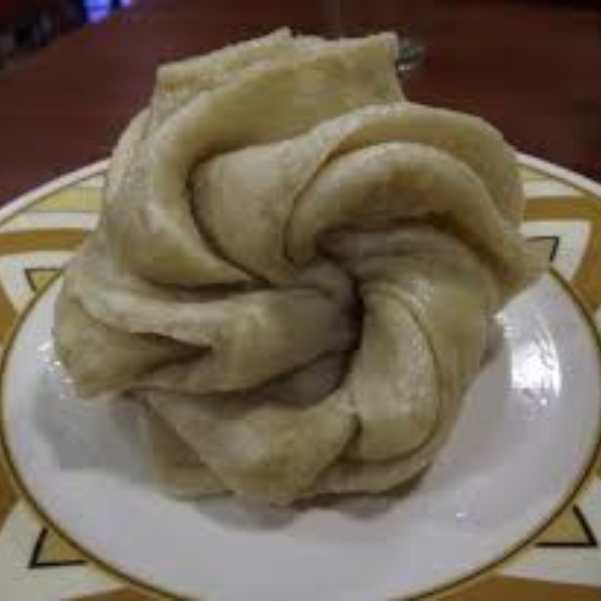
Tingmo is a steamed Tibetan bread, soft and slightly layered inside. You eat it with curry or stew, and it soaks up flavour well. It does not have much taste on its own, the combination is the point. A few Kaza cafes serve it as part of a meal set.
Black Peas

This is one of the most local things you can eat in Spiti. Black peas grow in the valley and show up as a simple snack, in salad form, or cooked into a dish.
Sol Cafe's black pea falafel is the most talked about cafe version, but simpler preparations at local spots often hit harder. Do not leave Spiti without trying black peas at least once.
Seabuckthorn Tea or Juice

Seabuckthorn is a berry that grows at high altitude and has a sharp, tangy taste, somewhere between citrus and something you cannot quite place. The juice is bright orange and acidic. The tea version is lighter but still memorable.
Most travellers either love it immediately or need a second cup to get there. The Himalayan Cafe in Kaza is one of the well known spots for seabuckthorn juice.
Butter Tea or Namak Chai
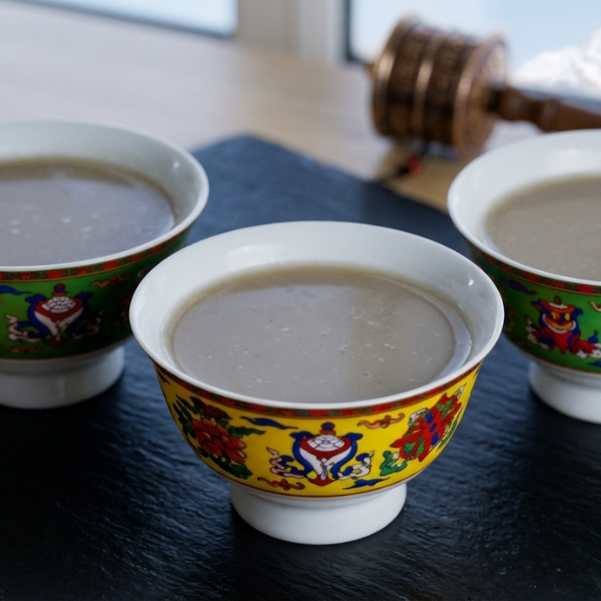
This is salt tea made with yak butter and churned until it mixes together. It is not sweet. It is not what most people expect from "tea." The first sip catches almost everyone off guard.
In our experience, it grows on you. Locals drink it for warmth and energy, not for taste. Try it once at a homestay for the full context.
Churam
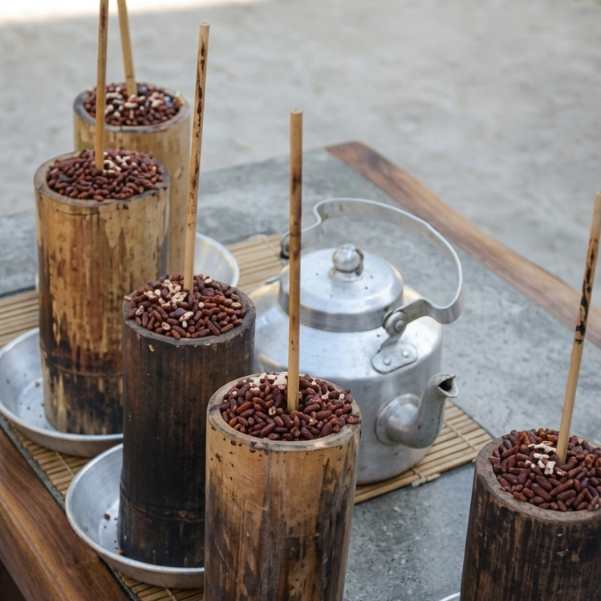
Churam is a mix of tea, barley flour, yak cheese, butter, and sugar, eaten as a heavy breakfast. It is dense, caloric, and designed for a cold morning before physical work.
Travellers who try it at homestays often describe it as an acquired taste, but it is one of the most genuinely local food experiences in Spiti.
Barley Based Foods
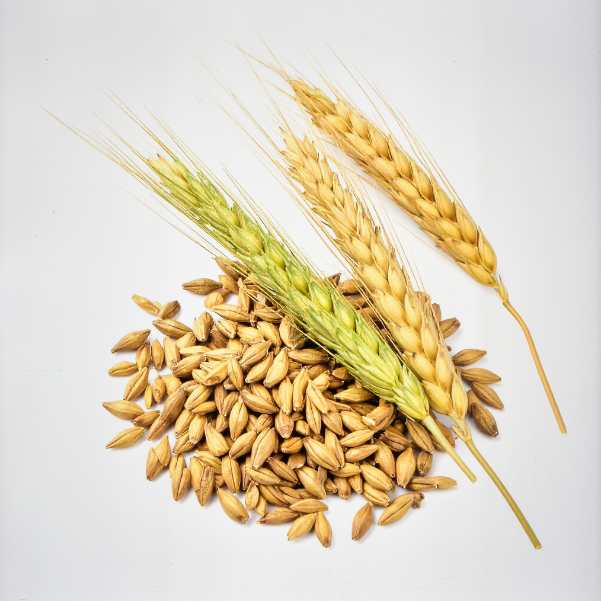
Barley is the crop that Spiti can actually grow, and it shows up across the menu in ways most travellers do not notice.
Barley pancakes, barley kheer, barley coffee, and simpler roasted barley preparations all exist in some form. Village stays and older dhabas are more likely to have these than tourist facing cafes.
Momos
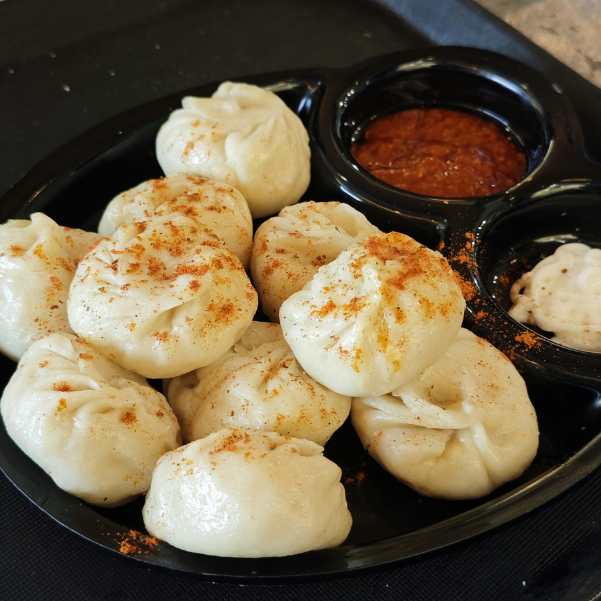
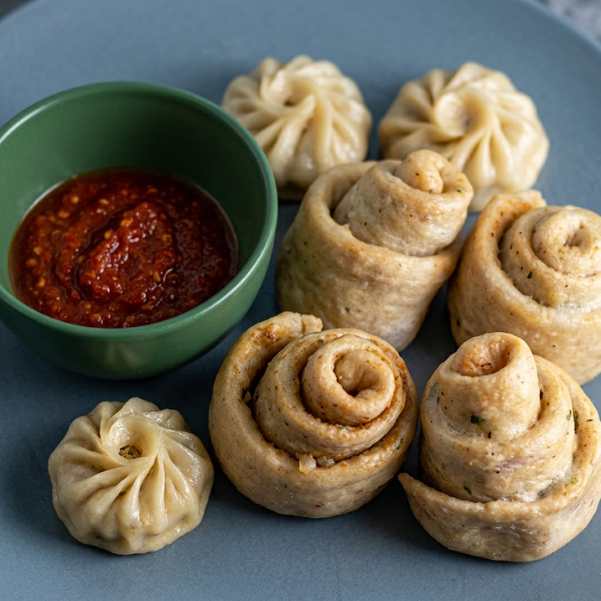
Momos need no introduction. They are available across all of Spiti, from small roadside stalls to the main cafes in Kaza. Steam versions are safer than fried at altitude. Go for vegetable or paneer fillings if you want to keep it simple on your first day.
Yak Cheese or Yak Based Items
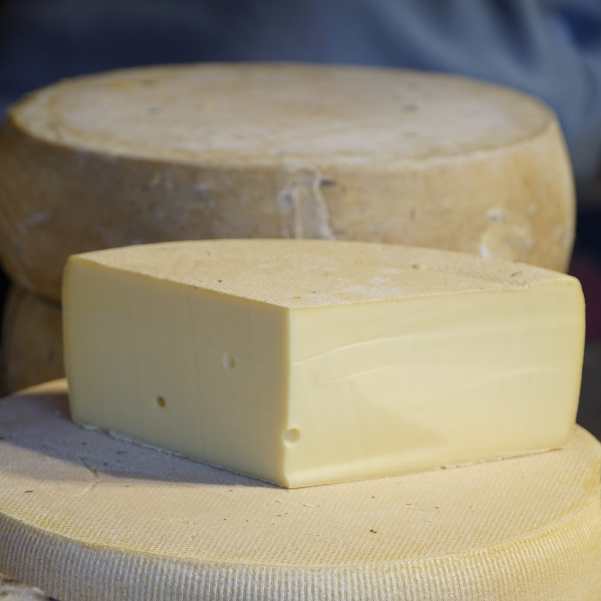
Yak cheese shows up in some cafe menus, most famously as yak cheese pizza at The Himalayan Cafe. Traditional everyday use of yak dairy is more common in villages and homestays than in restaurants. Ask about it, availability depends on season and what the kitchen has.
Spiti Style Thali or Homestay Meals
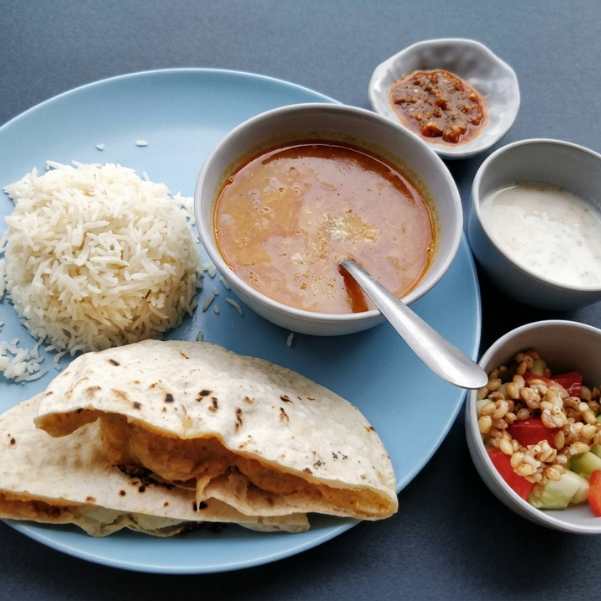
A homestay thali is usually dal, rice, a vegetable preparation, and sometimes a local flatbread or pickle. It is simple and almost always better than it sounds.
In our experience, the most satisfying meals we have had in Spiti came from a family kitchen in a village, not a cafe menu. If your Spiti trip includes homestay nights, eat whatever the host puts in front of you.
Chang
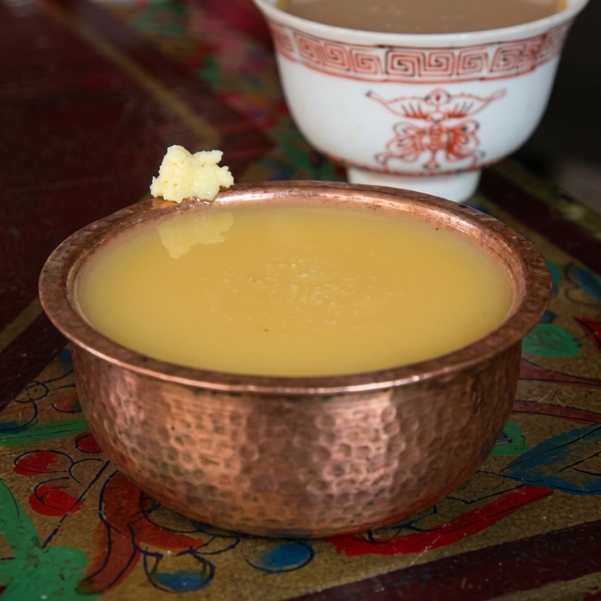
Chang is a local fermented barley drink, mildly alcoholic, and commonly consumed in households across the valley. It is not something you will find on cafe menus typically. If a local offers it in a social setting, it is part of the culture. Drink carefully at altitude.
Where to Eat in Kaza: Best Restaurants and Cafes Right Now
Kaza is the main food base for most travellers in Spiti. The market area is small enough to walk end to end in ten minutes, and most of the cafes are within easy distance of each other.
Sol Cafe

Sol Cafe has been around since 2012 and has a strong following among travellers for a reason. The lemon cake is the thing most people mention first.
The black pea falafel is genuinely good and one of the more creative uses of a local ingredient you will find in Kaza. It also serves baked goods and has a strong social atmosphere. Tripadvisor shows a rating of 4.6 out of 5 with 76 reviews.
The Himalayan Cafe
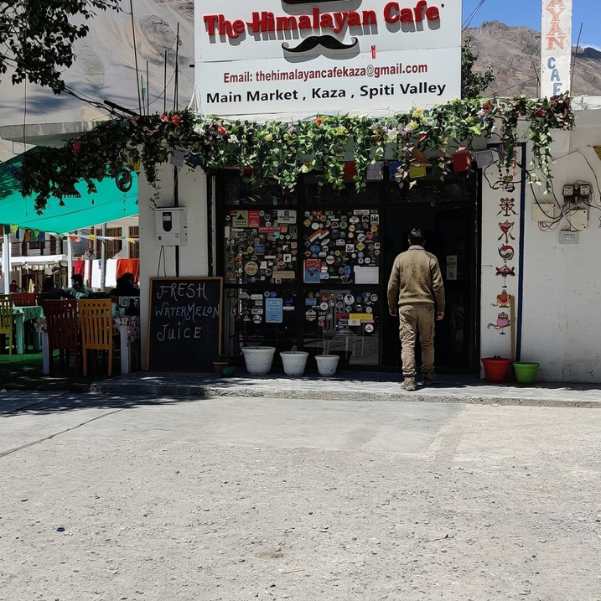
The Himalayan Cafe has more reviews than anyone else in Kaza, 174 on Tripadvisor with a 4.0 rating, which tells you it sees a lot of traffic. Condé Nast Traveller highlights it for seabuckthorn juice.
The menu is broad and includes experiments like barley coffee and yak cheese pizza. The valley views are a draw. Go there for drinks and a casual sit rather than expecting a consistent food experience across all menu items.
Hotel Deyzor Restaurant
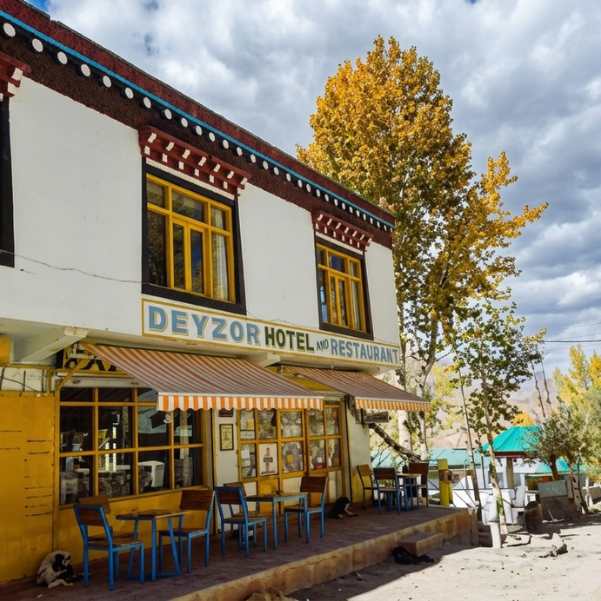
Condé Nast Traveller calls this one out as a breakfast stop, which says something. The vibe is more hotel style comfort than a cafe, but the breakfast options and general consistency make it a reliable choice. Tripadvisor shows 4.6 out of 5 with 46 reviews.
Cafe Zomsa
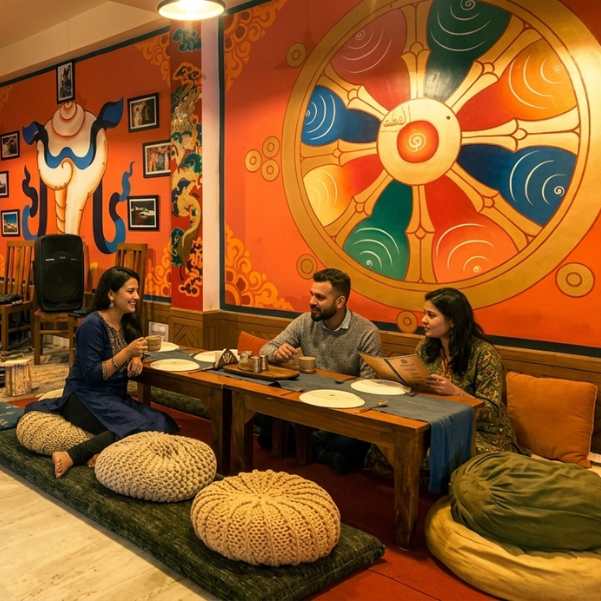
A relaxed cafe with a mixed menu and a social atmosphere. Rated 4.6 out of 5 with 18 reviews on Tripadvisor. The lower review count suggests it does not see the same volume as the bigger names, which often means a more comfortable experience. Worth trying if the main spots feel crowded.
Cafe Piti
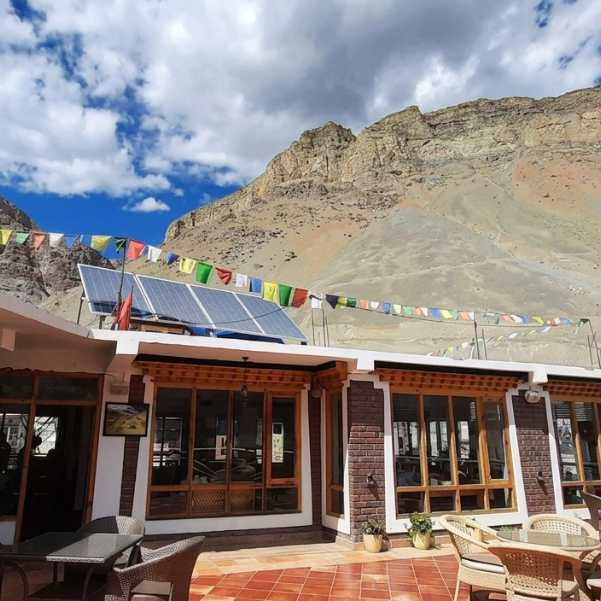
Cafe Piti positions itself around local cuisine and sits in a market convenient location. The Tripadvisor rating is 4.7 out of 5 with 6 reviews, high but very few data points, so take that with some context. Worth stopping in for a meal if you are passing through the market.
Taste of Spiti
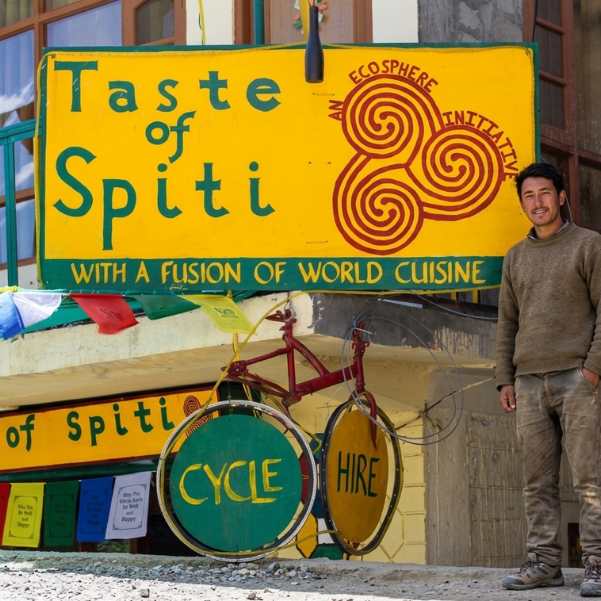
Taste of Spiti is another name in Kaza's cafe circuit, rated 4.5 out of 5 with 50 reviews on Tripadvisor. The focus appears to be on local ingredients and more creative plates. Our team recommends going here if you want to try something a step beyond the standard cafe menu.
Other Practical Kaza Options
There are small dhabas and roadside spots in Kaza that serve dal rice, rajma, and basic North Indian food. These are cheaper, faster, and sometimes more filling than the cafe options.
Menu availability, kitchen consistency, and what is actually available on the day you visit all depend on the season, how busy the town is, and staffing. Never assume a specific dish will definitely be there, especially outside peak season.
Talk to our team on WhatsApp if you want a practical recommendation on which spots are currently open and worth visiting based on your travel dates.
>> WhatsApp us for practical recommendations on open and worth-visiting spots
Which Spiti Cafes Are Actually Worth Your Time?
For coffee and a calm morning, Sol Cafe is the most consistent choice. For the best single drink experience, go to The Himalayan Cafe for seabuckthorn juice.
For a reliable breakfast with a comfortable setting, Hotel Deyzor is the pick Condé Nast Traveller specifically mentions.
If you want a quieter hang with fewer crowds, Cafe Zomsa and Cafe Piti are better bets than the bigger names. For trying something with a local ingredient angle, Taste of Spiti is worth a meal.
The skip this recommendation: do not waste time trying every cafe on the same trip. Pick two or three, eat well, and spend the rest of your energy on the valley itself.
Is Vegetarian Food Easily Available in Spiti Valley?
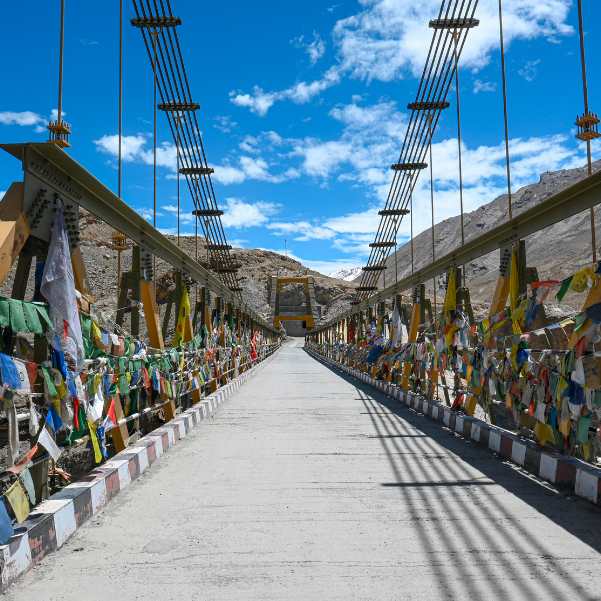
Yes, and more easily than most travellers expect. Spiti is not a meat heavy food culture in the way some assume.
Most cafes in Kaza serve vegetarian thukpa, veg momos, tingmo with veg curry, dal rice, rajma, and simple home style plates. Black peas are inherently vegetarian and local. Seabuckthorn tea and butter tea are both vegetarian.
Homestay meals are typically vegetarian by default unless you specifically ask for meat.
In our experience, vegetarian travellers find Spiti significantly easier to navigate than destinations like Meghalaya or Kodagu where meat dominates local cooking. You will not go hungry.
If you are also thinking about the Kinnaur side as part of a larger circuit, vegetarian options hold up well across that route too.
What Is Better: Local Homestay Food or Cafes in Kaza?
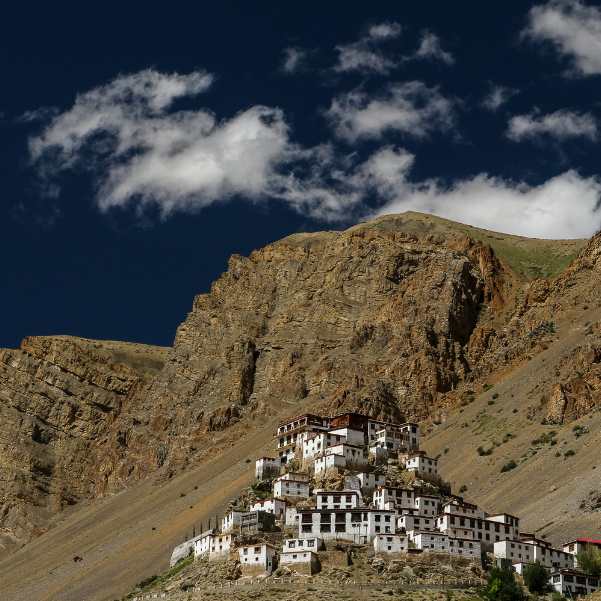
Homestays are better for authenticity. Cafes are better for variety and control over what you order.
A family homestay kitchen in a Spiti village gives you food that has actual roots in how people have eaten here for generations. The flavours are simpler, the ingredients are more local, and the experience of sitting at someone's table adds something a cafe never can.
Cafes in Kaza are better when you want options, a Western coffee, a decent dessert, or simply want to know roughly what you are going to get. They are also more comfortable for first day eating when your stomach is still adjusting to altitude.
The honest answer is that both have a place in a Spiti trip. Our team recommends building at least one homestay meal into your itinerary if you want to get past the surface level food experience.
What Should You Eat in Villages Beyond Kaza?
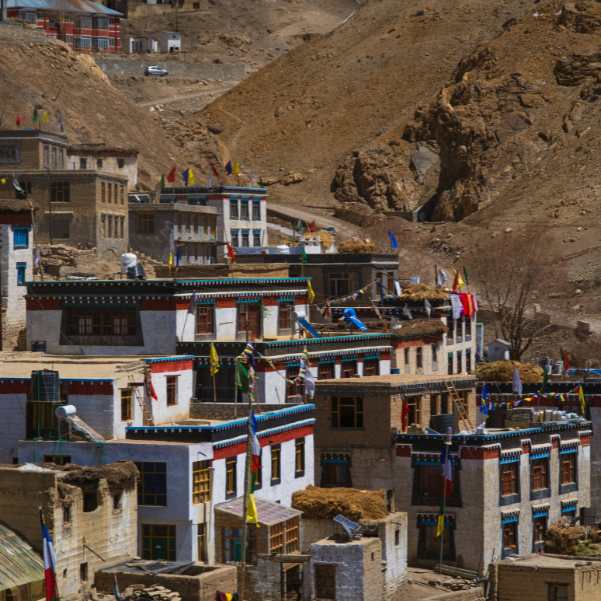
The cafe culture does not follow you outside Kaza. In villages like Tabo, Kibber, Langza, and Komik, your options narrow significantly.
Tabo has a few small places serving momos and thukpa. Most villages have a dhaba or a small shop with basic items.
If you are doing a full Spiti circuit with Chandratal, your meals between Kaza and Manali depend on what is open on that day at that spot. Do not plan around a specific dhaba being open, plan around having snacks and water in the car.
Homestay nights in villages fill the gap well. The meals are simple but warm and usually include something local.
Practical Food Tips for Spiti First Timers
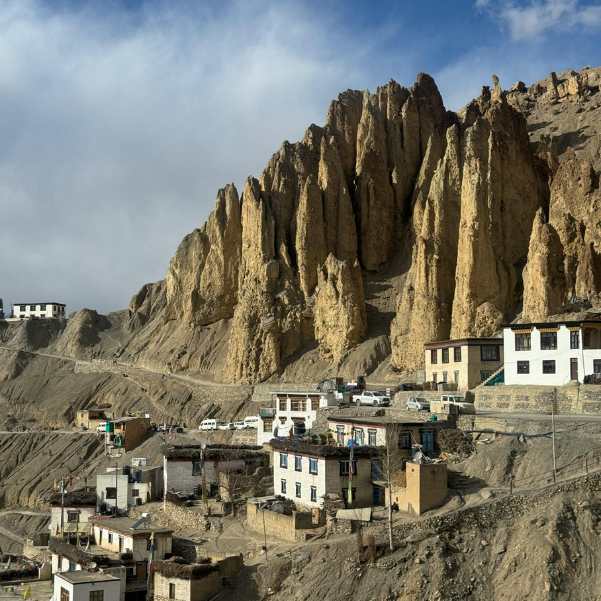
Eat light on your first day at altitude. A heavy meal after arriving in Kaza from Manali or Shimla is a bad idea for most people. Thukpa or a simple dal rice is a better first dinner than anything large or experimental.
Hydrate constantly. At this altitude, dehydration amplifies everything, headaches, nausea, fatigue. Seabuckthorn juice and warm tea both help. Avoid alcohol on the first two days.
The fuller cafe culture in Kaza runs most strongly during peak season, broadly May to October. Outside that window, many places reduce hours or close entirely. If you are travelling in the shoulder months, check what is open before you plan your meals around a specific cafe.
Indian citizens do not need a permit to visit Spiti. Foreign travellers planning to enter restricted areas like Pin Valley should check official PAP permit guidelines before travel.
Best Time to Enjoy Spiti Cafes and Food Properly
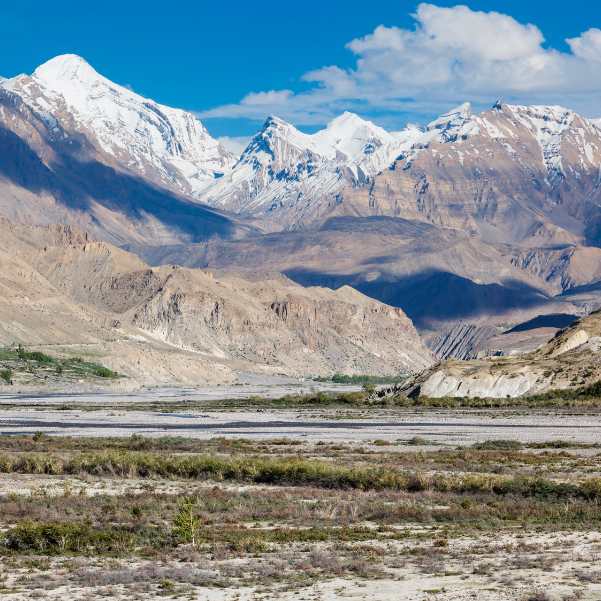
The most comfortable window for food and cafe infrastructure is May to October. During this period, most Kaza cafes are open, homestays are running, and the supply chain for fresh ingredients is functional.
Winter in Spiti is a different world. The area can remain cut off for six to seven months due to snowfall. In winter, the food options shrink to whatever the local market and a few open dhabas can provide.
This is not a complaint, it is simply the reality of a high altitude desert that closes itself off every year.
If food variety matters to you, plan your trip between June and September. That is also when Chandratal is accessible, which makes the timing work well for a full circuit.
Our Honest Take: What to Try First If You Only Have 2 Days in Kaza
If you are a cautious eater or your stomach is still adjusting: start with thukpa at any cafe or dhaba, eat dal rice for at least one meal, and skip anything fried for the first day.
If you are vegetarian: black peas, veg thukpa, tingmo with veg curry, and a seabuckthorn drink cover everything worth trying without needing to look further.
If you are a cafe person: go to Sol Cafe for breakfast or a snack, The Himalayan Cafe for a drink and the view, and Hotel Deyzor for a comfortable sit down meal.
If you genuinely want local flavour: ask your stay or guide about a homestay meal. That single meal will tell you more about how people actually eat in Spiti than a week in the cafes.
What we always tell travellers planning their first Spiti trip is this: eat your best meals with locals, drink your seabuckthorn at a cafe, and carry enough snacks in the car for the stretches in between. That formula has never let anyone down.
If you are planning a broader Spiti Valley trip, we can help you build an itinerary that balances food, sightseeing, and the right stays.
>> WhatsApp us for a customised Spiti itinerary
Also worth reading before you go: our Spiti Valley solo female travel guide covers safety, transport, and accommodation in detail.
👉 Find the Right Spiti Valley Tour Package for Your Dates
Related topics
Frequently Asked Questions
What food is famous in Spiti Valley?
Thukpa, tingmo, black peas, seabuckthorn tea, butter tea, and churam are the most talked about foods. Momos and thenthuk are also easy to find across the valley.
Where can I find the best food in Kaza?
Sol Cafe and The Himalayan Cafe get the most consistent mentions. For breakfast, Hotel Deyzor is a reliable choice. For something quieter, Cafe Zomsa and Cafe Piti are worth trying.
Are there good cafes in Kaza?
Yes. Kaza has a small but solid cafe scene for a high altitude town. Sol Cafe, The Himalayan Cafe, Cafe Zomsa, Cafe Piti, Hotel Deyzor, and Taste of Spiti are all currently active options with Tripadvisor ratings above 4.0.
Is Spiti good for vegetarians?
Very much so. Most cafes serve vegetarian thukpa, veg momos, dal rice, rajma, and local dishes like black peas. Homestay meals are typically vegetarian by default.
What is seabuckthorn tea?
Seabuckthorn is a berry that grows at high altitude with a sharp, tangy taste. The tea is lighter and warming, while the juice is bright orange and more acidic. Both are worth trying. The Himalayan Cafe in Kaza is known for the juice.
What is churam in Spiti?
Churam is a mix of tea, barley flour, yak cheese, butter, and sugar, taken as a heavy breakfast. It is dense, caloric, and very local. You are most likely to find it at a homestay rather than a cafe.
What is tingmo?
Tingmo is a steamed Tibetan bread with a soft, layered texture. It is eaten with curry or stew and works well as part of a meal set. Some Kaza cafes serve it, though not all.
Can I get coffee and bakery food in Kaza?
Yes. Sol Cafe has baked goods and a strong cafe vibe. The Himalayan Cafe also handles coffee and broader cafe style items. This is not Shimla or Manali, but the basics are covered.
Is local food in Spiti expensive?
Most cafe meals are reasonably priced for a tourist town at altitude. Dhaba meals and homestay food are cheaper. Budget travellers can eat well without overspending if they avoid the tourist facing cafes for every meal.
Should I eat in cafes or homestays in Spiti?
Both have value. Cafes give you variety, coffee, and comfort. Homestays give you authenticity and a real sense of how people eat here. Our recommendation is at least one homestay meal during your trip.
What should I eat on my first day in Spiti?
Eat light. Thukpa or simple dal rice is ideal. Avoid fried food and heavy meals while your body adjusts to altitude. Drink plenty of water and warm tea.
Are cafes in Spiti open all year?
No. Most Kaza cafes operate during the main season, broadly May to October. In winter, when the valley can be cut off for months, food options shrink significantly.
More about Lahaul and Spiti
 Lahaul and Spiti
Winter Spiti from Bangalore in 2026-27: Flights, Leave Days & Delhi 4x4 Departures
Planning a Winter Spiti trip from Bangalore in 2026-27? Explore flight options, Delhi pickup points, leave requirements, 4x4 group expeditions, travel costs and a practical itinerary to help you plan your Himalayan winter adventure.
- How to Reach
- Snow Travel
 Lahaul and Spiti
What Does a Winter Spiti 4x4 Trip Really Cost in 2026-27? Package Price vs Total Holiday Budget
Planning a Winter Spiti 4x4 trip in 2026-27? Discover the real travel budget, including package prices, transport, meals, winter essentials and hidden expenses. Learn what your package covers, what costs extra and how to plan your Spiti Valley adventure without unexpected spending.
- First-Time Travellers
- Snow Travel
 Lahaul and Spiti
How Many Leave Days Do You Need for a 9-Day Winter Spiti Trip in 2026-27?
Planning a 9 day Winter Spiti trip in 2026 to 2027 requires careful leave planning, especially for working professionals travelling from cities like Bangalore, Mumbai, Hyderabad and Delhi.
- Itinerary
- Snow Travel