
Solang in March 2026: Snowfall, Weather, Activities, Road Status and Travel Tips
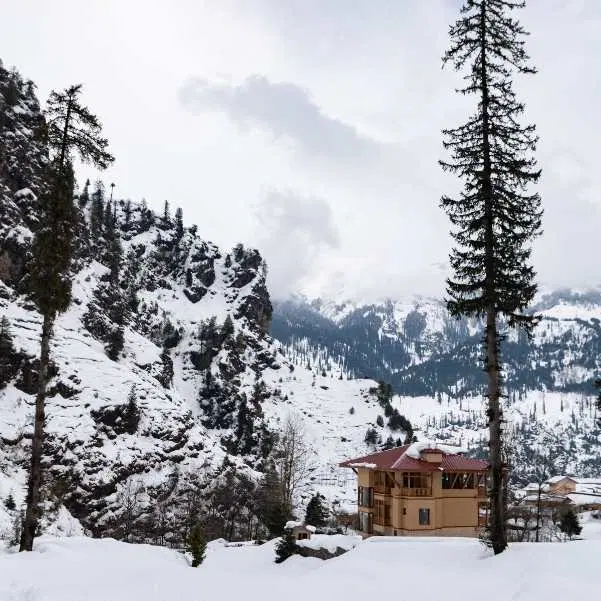
If you are thinking about visiting Solang in March, the honest answer is: it can absolutely be worth it, but you need to time it right.
March is a transition month in Himachal Pradesh. Winter is winding down, spring is slowly creeping in, and Solang Valley sits right in the middle of that shift.
Some weeks you will find thick snow on the ground, a chill in the air, and activities in full swing. Other weeks, especially towards the end of the month, the snow starts thinning, the sun gets warmer, and the valley feels more like early spring than deep winter.
This guide is built to help you plan with clarity. Whether you are a family hoping for snow play, a couple looking for a scenic mountain day, or a snow enthusiast chasing fresh powder, you will find everything here: weather patterns, snowfall expectations, activity availability, road conditions, clothing advice, and honest tips that actually help.
No guesswork, no over-promises. Just a realistic picture of what Solang looks like in March and how to make the most of it.
Quick Answer: Should You Visit Solang in March?
Is Solang worth visiting in March?
Yes, particularly in early to mid March when snow cover is usually at its best for the month.
Can you still see snow?
Very likely in early March. By late March, it depends on recent weather and altitude.
Is it good for snow activities? Snow play, sledging, and tube sliding are generally available in the first half of March. Skiing and paragliding depend on conditions.
Is it safe?
Yes, with basic precautions. Roads can be slippery, and weather can change fast.
Who should visit?
Families, couples, first time snow visitors, and anyone who wants a scenic mountain day without extreme cold.
Solang Weather in March: What to Actually Expect
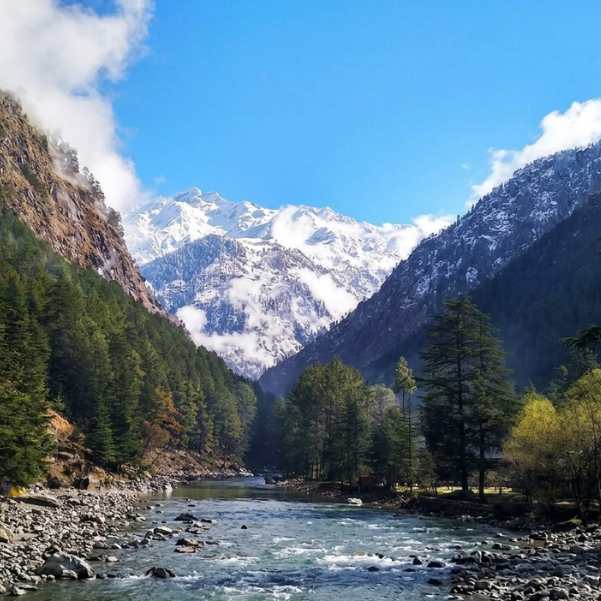
March weather in Solang is not one fixed thing. It shifts noticeably across the month. The valley sits at an altitude of roughly 2,560 metres, and temperatures can swing depending on cloud cover, wind, and whether there has been a recent western disturbance bringing fresh snowfall.
Mornings tend to be cold, often near freezing or just below in early March. By midday, if the sun is out, it can warm up to around 8 to 12 degrees Celsius, which feels surprisingly pleasant. Evenings cool down quickly again, and you will want layers.
The key thing to remember: mountain weather changes fast. You might leave Manali under clear skies and find Solang under cloud cover an hour later. Always carry an extra layer, even if the morning looks sunny.
Early March in Solang (1st to 10th March)
This is the most winter like stretch of the month. Night temperatures can dip to minus 3 or minus 4 degrees Celsius. Daytime highs usually hover around 5 to 8 degrees. Snow cover is generally decent, especially if there has been fresh snowfall in late February or the first days of March. This is the best window for anyone who wants a proper snow experience.
Mid March in Solang (11th to 20th March)
Temperatures start creeping up slightly. Days can reach 8 to 12 degrees. Snow may still be on the ground, but it depends heavily on whether fresh western disturbances have come through.
Some years, mid March gets a surprise snowfall that refreshes everything. Other years, the melt is already underway. This period is a bit of a gamble, but still generally favourable for snow play if conditions cooperate.
Late March in Solang (21st to 31st March)
By late March, winter is clearly losing its grip. Daytime temperatures can push towards 12 to 15 degrees. Snow starts melting at lower stretches of the valley, though higher altitudes may still hold some cover.
If you visit in this window expecting guaranteed snow, you might be disappointed. If you visit expecting beautiful scenery, pleasant weather, and the possibility of some snow, you will likely enjoy it.
Is There Snow in Solang in March?
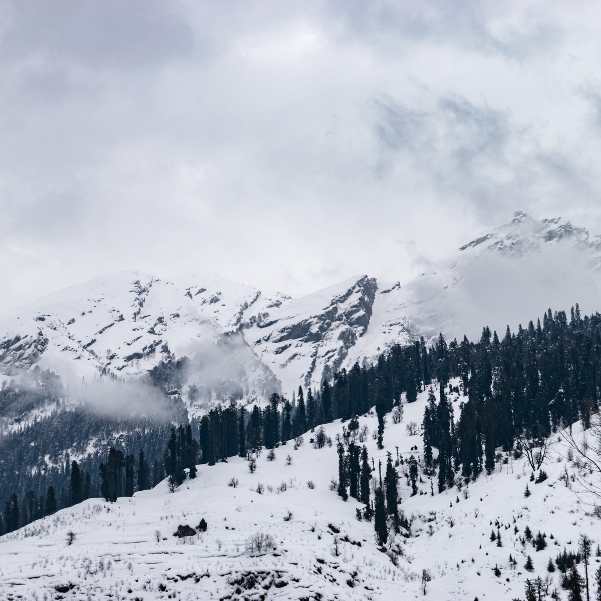
This is probably the most searched question about Solang in March, and the answer is: usually yes, but not always heavy.
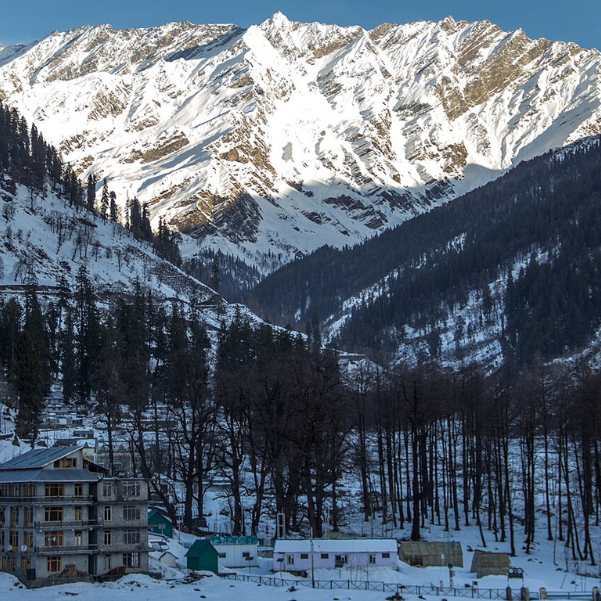
In early March, leftover snow from the winter months is typically still present. The ground, trees, and slopes often have a good blanket of white, especially if there has been recent snowfall. The higher you go in the valley, the more snow you will find.
Fresh snowfall in March happens when western disturbances pass through the region. These weather systems can bring a few centimetres of fresh snow even in mid March, completely transforming the landscape overnight. But these are not guaranteed on any specific date.
By the second half of March, the snow situation becomes more variable. Some years it holds well into the last week; other years, the melt is well advanced by then.
The honest advice: if snow is your main reason for visiting, aim for early March. If you are flexible and visiting later, check recent weather updates before finalising your dates.
Solang Snowfall Updates: What Travellers Should Realistically Expect
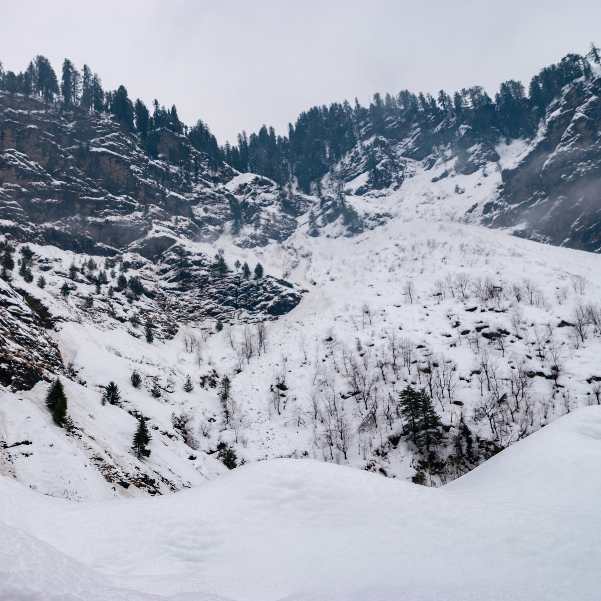
Travel blogs and social media can paint a rosy picture of snow in Solang throughout March, but the reality is more nuanced.
Snowfall patterns in the Himalayas have been shifting. Some years see heavy late season snow, while others experience an early thaw. What matters most for your trip is not what happened last year, but what is happening this year.
Before you travel, it is worth checking recent weather reports for Manali and the Solang area. Local news sources, Himachal Pradesh weather bulletins, and even social media posts from recent visitors can give you a much better picture than any article written months in advance.
As a general guideline based on recent patterns, expect reasonable snow cover in the first 10 to 15 days of March. After that, conditions become increasingly dependent on active weather systems.
If a western disturbance hits the region a day or two before your visit, you could find fresh snow even in late March. Without one, the valley will likely look more green than white at lower elevations.
The takeaway: plan for snow in early March, hope for it in mid March, and consider it a bonus in late March.
Best Things to Do in Solang in March
Solang Valley is not just about standing in the snow for a photograph. There is genuinely a lot to enjoy here, especially when you arrive prepared and with the right expectations.
Snow Play and Snow Walks
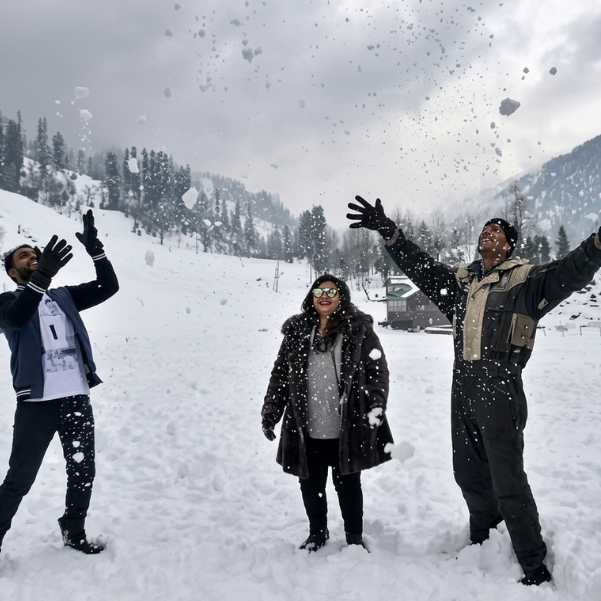
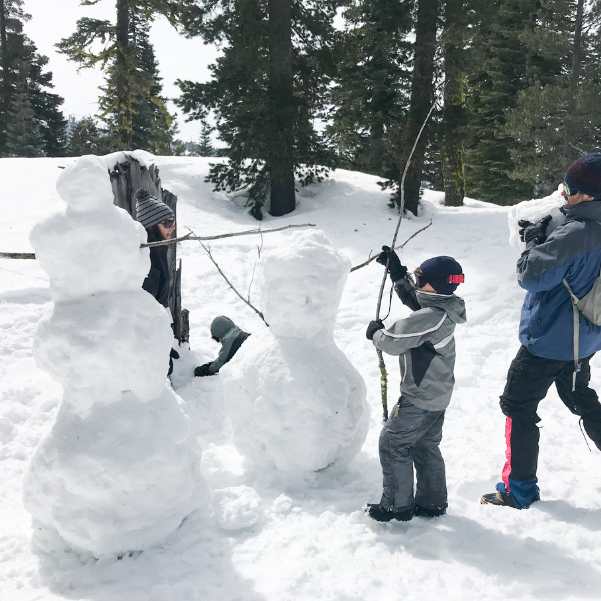
This is what most visitors come for. In early to mid March, the snow is usually deep enough for making snowballs, building snowmen, and simply walking through snow covered terrain.
Families with kids especially love this. The experience is best after a fresh snowfall when the landscape is clean and white.
Sledging and Tube Sliding
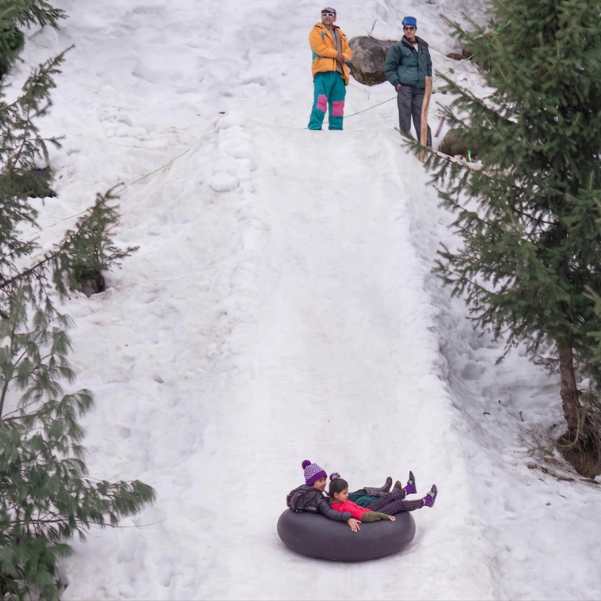
Local operators set up sledging runs and snow tube slides on the slopes when conditions allow. These are great fun for all ages. Prices are negotiable, and the runs are short but enjoyable. Availability depends directly on how much snow is on the ground.
Ropeway (Gondola)
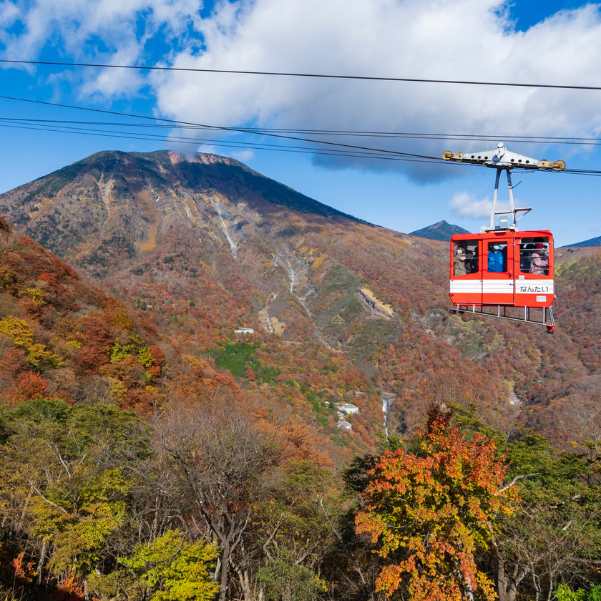
The Solang ropeway takes you higher up towards the glacier, and the views from the top are genuinely stunning. In March, the upper station often has significantly more snow than the base.
If the ropeway is operational (it occasionally closes for maintenance or weather), this is one of the highlights of a Solang visit. Check locally before planning your day around it.
Skiing for Beginners
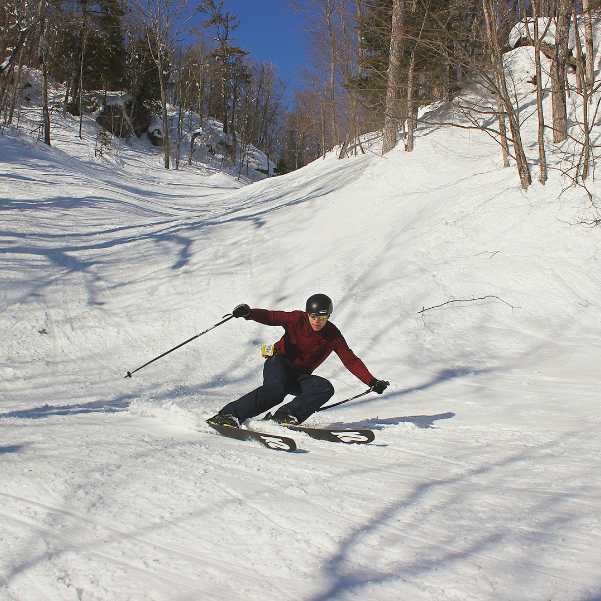
Solang has some basic ski slopes where beginners can try short runs with local instructors.
This is not resort level skiing by any means, but for a first time experience on snow, it works. Availability is best in early March when snow cover is reliable enough for runs.
Photography and Scenic Views
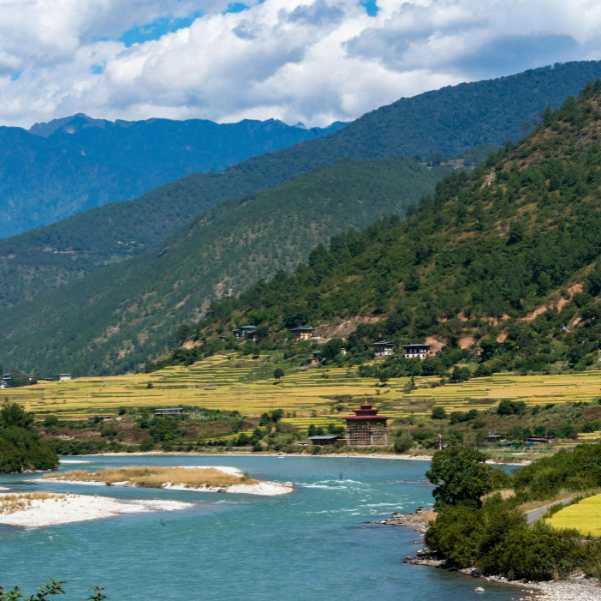
Even if the snow is patchy, Solang Valley in March is photogenic. The mix of snow, pine forests, and mountain backdrops makes for some beautiful frames.
The light is particularly good in the morning hours before cloud cover rolls in.
Cafes and Roadside Stops
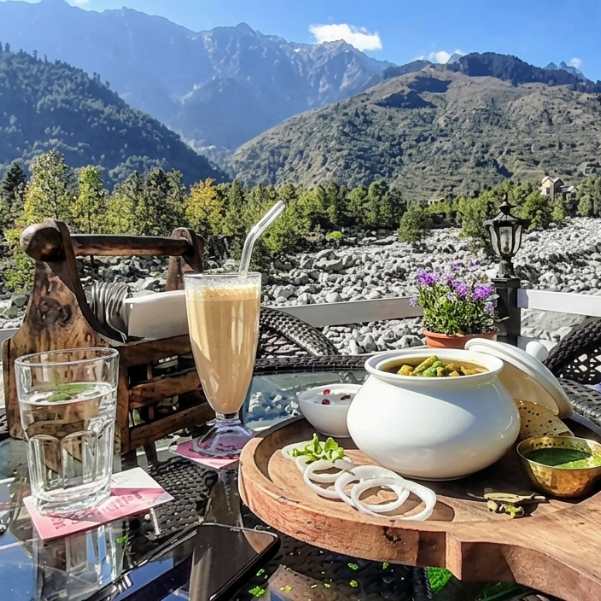
The road to Solang has a few small cafes and dhabas where you can stop for hot chai, Maggi, and snacks.
In March, sitting outdoors with a hot cup while surrounded by mountains is one of those quietly wonderful things that make a trip memorable.
Are Snow Activities Open in Solang in March?
Most snow activities in Solang run on a seasonal basis and depend on ground conditions rather than a fixed calendar.
In early March, activities like sledging, tube sliding, snow scooter rides, and basic skiing are generally available. As the month progresses and snow melts, some activities wind down or shift to higher elevations.
The ropeway typically runs through March, but can close temporarily due to high winds or maintenance. Always confirm locally on the day of your visit.
One important thing to note: activity operators are private and pricing is not standardised. It is perfectly fine to negotiate, and always settle the price before starting any ride or activity.
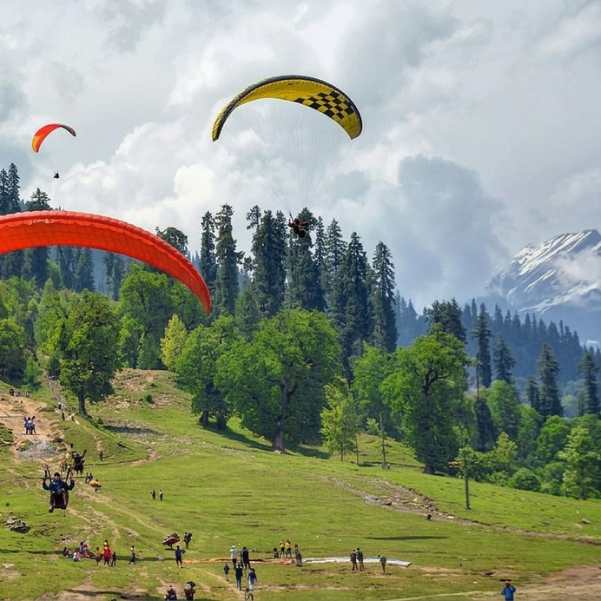
Is Paragliding Available in Solang in March?
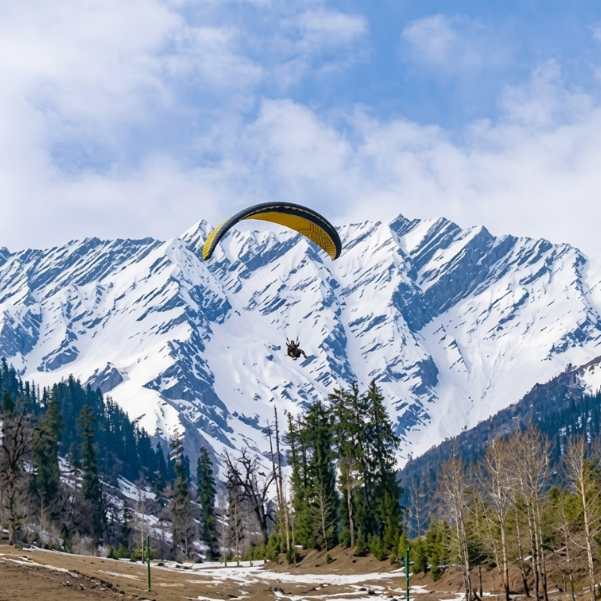
Paragliding in Solang operates from specific launch points and depends on wind conditions, visibility, and operator schedules.
In early March, paragliding may be limited due to cold temperatures and unpredictable winds. As the month progresses and weather stabilises, operators are more likely to be running flights, especially on clear, calm days.
That said, paragliding in Solang in March is never guaranteed on any given day. If paragliding is a priority for your trip, it helps to keep a backup day in your itinerary.
Also consider that Kullu and the Rohtang corridor area offer paragliding options that may have slightly different availability windows.
Is Solang Safe to Visit in March?
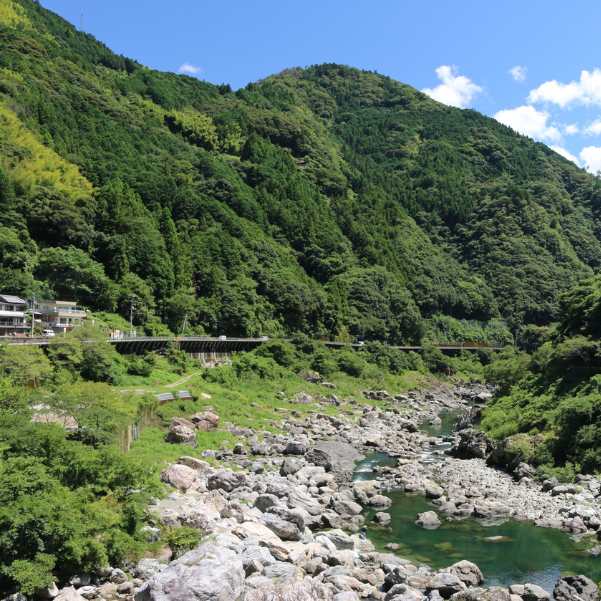
Solang is generally safe to visit in March, but like any mountain destination, it requires basic common sense.
Road Conditions
The road from Manali to Solang is a relatively short drive (about 13 kilometres) but can have slippery or icy patches, especially in the first half of March.
If you are self driving, proceed cautiously. If you are taking a local taxi, drivers are usually experienced with the conditions.
Weather Shifts
Weather can change rapidly. Clear skies can turn overcast in under an hour, and temperatures can drop suddenly if clouds roll in. Always carry warm layers even if the morning looks warm.
Footwear
This is a big one. Regular shoes and sneakers are not suitable for walking in snow. You will slip, your feet will get wet, and you will be uncomfortable.
Rent or bring proper snow boots with grip. Gumboots are available for rent near the valley entrance.
For Families with Young Children
Keep kids layered, carry hand warmers if possible, and avoid staying out in the cold for extended hours. Hot drinks help. Stick to marked areas and avoid wandering into steep or unsupervised terrain.
What to Wear in Solang in March

The key to dressing for Solang in March is layering. Temperatures fluctuate through the day, so you need the flexibility to add or remove layers as needed.
Base layer:
A thermal top and bottom. Merino wool or synthetic thermals work best.
Mid layer:
A fleece jacket or a warm pullover. Something insulating but not too bulky.
Outer layer:
A waterproof and windproof jacket. This is essential, not optional.
Lower body:
Warm trekking pants or snow pants. Jeans are not ideal in wet or snowy conditions.
Footwear:
Waterproof snow boots with good grip. Alternatively, rent gumboots near the valley.
Accessories:
Warm gloves (waterproof if possible), a beanie or woollen cap, a muffler or neck gaiter, sunglasses (snow glare can be harsh), and sunscreen.
Do not underestimate the sun at altitude. Even in cold weather, UV exposure is strong and can lead to sunburn. Apply sunscreen generously.
How to Reach Solang from Manali in March
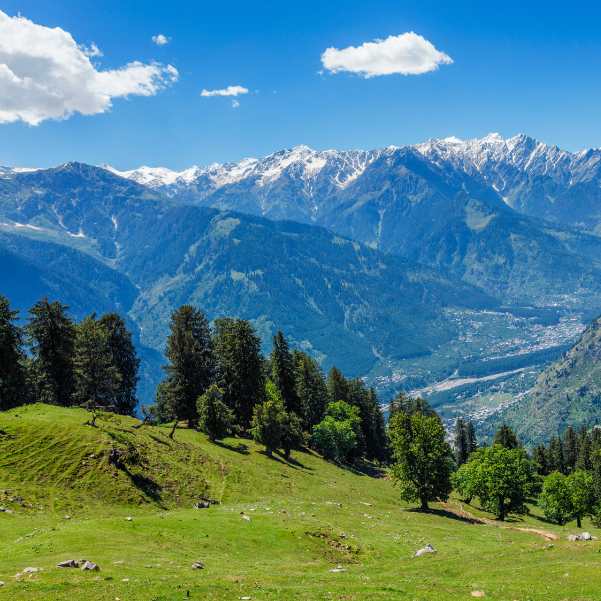
Solang Valley is approximately 13 kilometres from Manali town, located on the road towards Rohtang Pass. The drive takes about 30 to 45 minutes under normal conditions, but can take longer if there is traffic or icy patches on the road.
By Taxi
The most common option. Local taxis are available in Manali and can be booked through your hotel or at the taxi stand. Rates vary by season, but expect to negotiate. A return trip with a few hours of waiting time is standard.
By Private Vehicle
If you are driving yourself, the road is generally manageable for most vehicles, but keep an eye on road conditions during early March when ice is more common. Snow chains are rarely needed for this stretch, but having them is a good idea during active snowfall.
Why Leave Early
This is practical advice that most guides skip: start early. Heading to Solang by 8 or 9 in the morning means you get the best light, the least traffic, and more time to enjoy activities before the afternoon crowds arrive. By midday, the road can get busy, parking becomes chaotic, and snow can get slushy.
If you’re planning your Himachal trip, explore our Manali trip packages for well-planned itineraries.
Explore Our Curated Manali & Solang Valley Tours
 5D/4N
5D/4NClassic Manali Solang Sissu Experience
1D Delhi•3D Manali+1
₹15,999₹20,999SAVE INR 5,000/ person 5D/4N
5D/4NManali Solang Sissu Scenic Escape
1D Delhi•2D Manali+2
₹21,999₹26,999SAVE INR 5,000/ person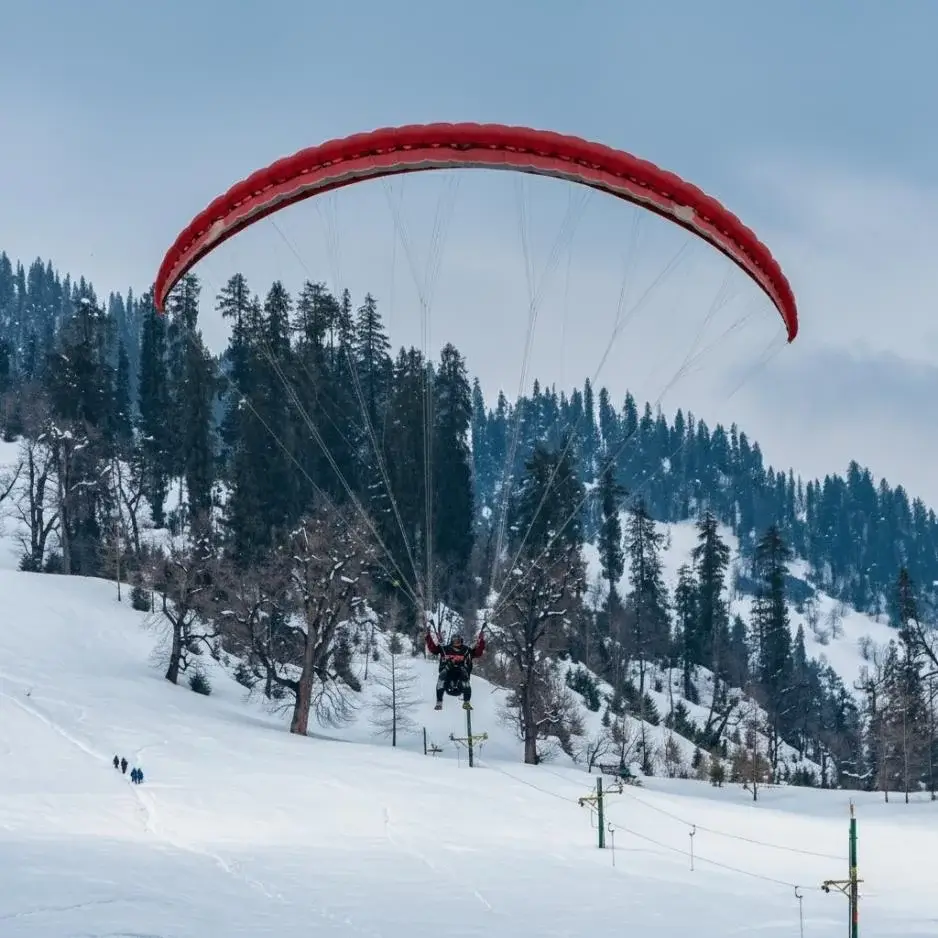 5D/4N
5D/4NManali Solang Sissu Budget Trip
1D Delhi•2D Manali+2
₹13,999₹17,999SAVE INR 4,000/ person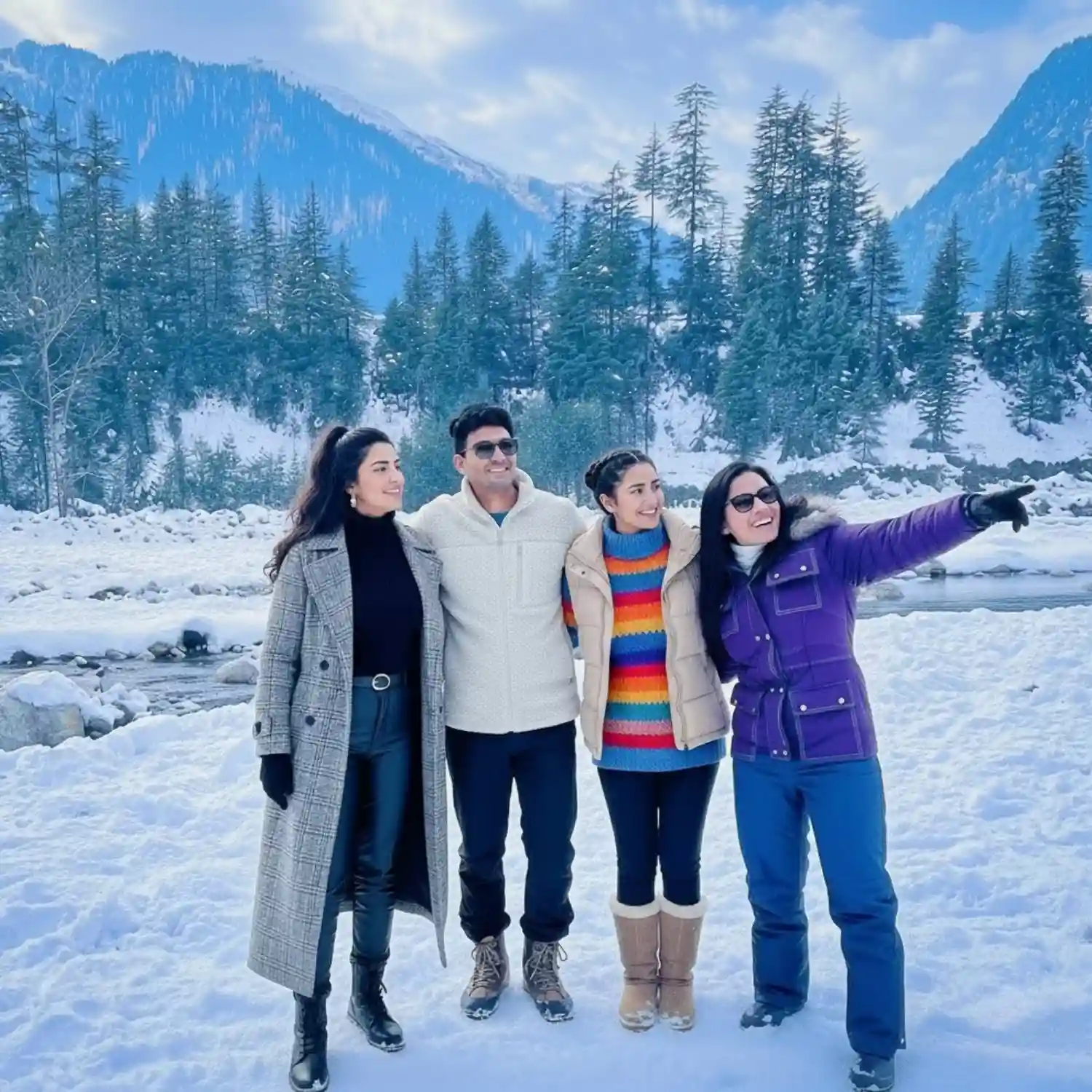 6D/5N
6D/5NManali Solang Sissu Sethan Snow Trip With Kasol
1D Delhi•3D Manali+2
₹25,999₹33,999SAVE INR 8,000/ person 6D/5N
6D/5NManali Solang Sissu Sethan Snow Adventure
1D Delhi•3D Manali+2
₹15,999₹21,999SAVE INR 6,000/ person 6D/5N
6D/5NManali Solang Sissu Sethan Snow Retreat With Kasol
1D Delhi•3D Manali+2
₹35,999₹44,999SAVE INR 9,000/ person
Best Time of Day to Visit Solang in March
Morning
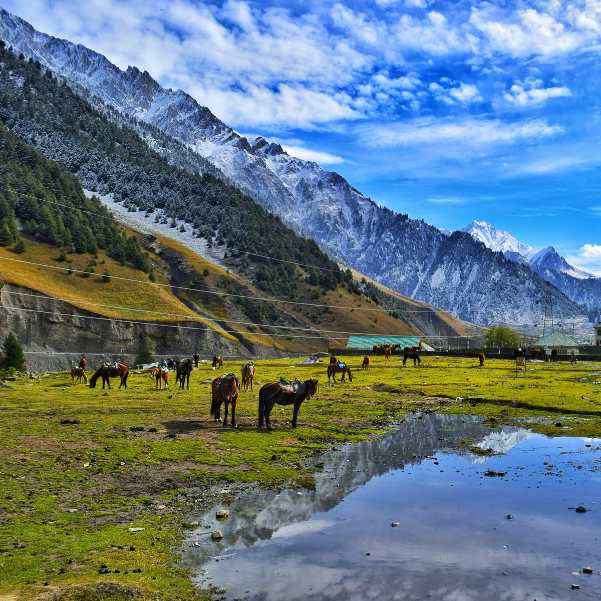
Without question, the best time to arrive at Solang is between 8:30 and 10:00 in the morning.
The snow is crispest, the light is best for photographs, and you avoid the rush of tourist vehicles that tend to pile up around midday. Activity operators are also less busy, so you get more attention and better pricing.
If you arrive after noon, expect slushier snow, busier slopes, and fewer photo opportunities without crowds in the background.
Plan to spend about three to four hours in Solang, which gives you enough time for activities, photography, and a chai break.
Solang in March for Couples, Families, Kids, and Snow Lovers
For Couples
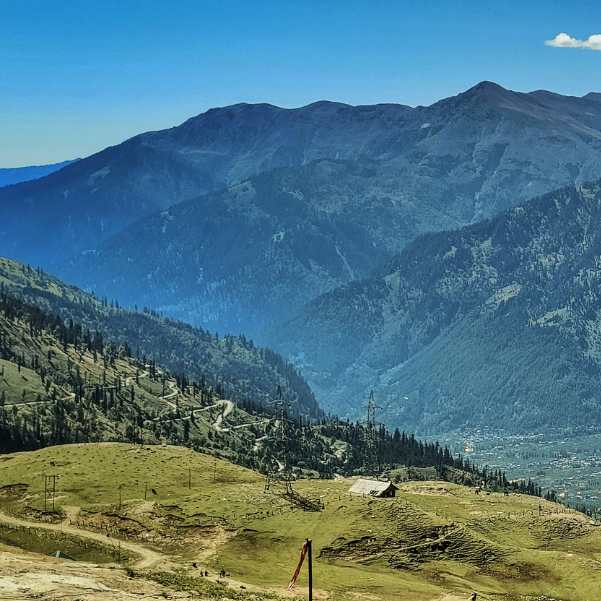
Solang in early March makes for a lovely day outing. The snow covered valley is scenic, the ropeway ride offers panoramic views, and the overall vibe is peaceful if you go early. It is not the most romantic destination in itself, but as part of a larger Manali trip, it adds a memorable snow day to your itinerary.
For Families with Kids
Kids love Solang, and early March gives them the best shot at real snow play. Sledging, snowball fights, and short snow walks are perfect for younger travellers. Just make sure they are properly dressed, and keep an eye on them near slopes or icy patches.
For Snow Lovers and Adventure Seekers
If you are specifically looking for a deep snow experience, early March is your window. Beyond that, Solang may feel underwhelming compared to what you might find at higher altitude passes or destinations.
If heavy snow is the goal, consider adding a trip to Atal Tunnel area or checking conditions at higher elevations.
If Solang Has Less Snow, Where Should You Go Instead?
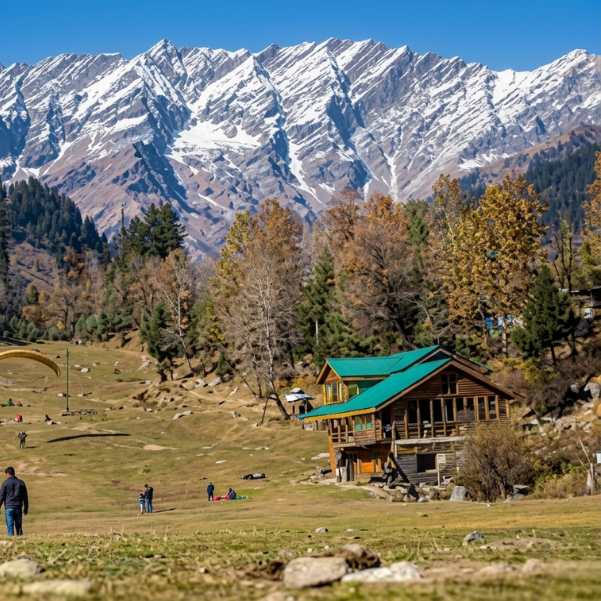
There is always a chance, especially in late March, that Solang has less snow than you hoped for. If that happens, do not let it dampen your trip. There are alternatives nearby.
Atal Tunnel area
The terrain around the tunnel's south portal and beyond often retains snow longer than Solang.
Gulaba
Located on the old Rohtang road above Solang, Gulaba sits at a higher altitude and tends to have better snow cover in March.
Sissu and Lahaul (via Atal Tunnel)
If the tunnel is open, a drive through to Sissu offers a dramatically different landscape with more reliable snow in March.
Keep in mind that access to some of these areas depends on road status and permit requirements. Always check locally before heading out.
One Day Solang Itinerary from Manali in March

7:30 AM:
Wake up, have a warm breakfast at your hotel in Manali.
8:30 AM:
Leave for Solang. The drive takes about 30 to 45 minutes.
9:15 AM:
Arrive at Solang. Start with the ropeway if it is operational. The views from the top are spectacular in the morning light.
10:30 AM:
Come down and spend time in the snow. Try sledging, tube sliding, or simply walk through the valley.
12:00 PM:
Take a break. Grab a cup of chai and Maggi at one of the small stalls or dhabas.
12:30 PM:
Explore the area a bit more or try any remaining activities.
1:30 PM:
Start heading back to Manali before the afternoon traffic picks up.
2:30 PM:
Back in Manali with time to rest, explore the town, or visit Old Manali for the evening.
This is a comfortable pace. If you want more time, you can leave earlier and stretch the Solang portion by an hour.
Final Verdict: Is Solang Worth Visiting in March?
Solang in March is a solid choice for most travellers, especially in the first two weeks of the month.
If you are visiting Manali during this time and want a real snow experience without venturing to extreme altitudes, Solang is the most accessible option. The combination of snow play, scenic beauty, and relatively easy access makes it a natural addition to any Manali itinerary.
That said, manage your expectations. March is not January. The snow may not be waist deep, the weather may not be freezing, and late in the month, you might find more slush than powder. If you go in with realistic expectations and good timing, Solang in March will not disappoint.
Go early in the month for the best snow. Go early in the day for the best experience. Layer up, wear proper footwear, and enjoy one of Himachal's most accessible mountain valleys at a time when it still holds onto its winter character.
👉 WhatsApp Us for a Customised Manali Solang Trip
Plan Your March Trip to Himachal
If Solang is on your list this March, make sure the rest of your trip is just as well planned. At Travel Coffee, we help travellers put together Himachal and Manali itineraries that are practical, well timed, and designed around what the season actually offers.
Whether you are building a trip around snow, looking for a mix of mountain activities, or simply want someone who knows these hills to help with planning, we are happy to help.
Reach out to us and let us know what kind of trip you are imagining. We will take it from there.
>>Find the Perfect Solang Valley & Manali Package for Your Travel Dates
Related topics
Frequently Asked Questions
Is there snow in Solang in March?
Yes, especially in early March. Snow cover is usually present through the first two weeks. After that, it depends on recent weather patterns and whether fresh western disturbances have brought new snowfall.
Is Solang worth visiting in late March?
It can be, but with tempered expectations. Late March often sees melting snow at lower elevations. If you are okay with the possibility of partial snow cover and pleasant weather instead of a full winter experience, it is still a scenic visit.
What is the temperature in Solang in March?
Temperatures range from about minus 2 to 4 degrees Celsius in early March mornings, climbing to around 8 to 15 degrees by midday depending on the time of month and sun exposure.
Are snow activities available in Solang in March?
Sledging, tube sliding, and snow play are generally available in early to mid March. Skiing and ropeway rides depend on conditions and operator schedules. Activity availability reduces as snow melts later in the month.
Is paragliding operational in Solang in March?
Paragliding availability in March varies. Early March may see limited operations due to cold and wind. As conditions stabilise towards mid and late March, flights are more likely on clear days. It is never guaranteed on a specific date.
Is the road from Manali to Solang open in March?
The Manali to Solang road is generally open throughout March. However, icy patches and slippery stretches are possible, especially in early March. Drive cautiously or use a local taxi.
Should I book a taxi or drive myself to Solang in March?
Local taxis are the easier option. Drivers know the road conditions and handle icy patches with confidence. If you are self driving, be careful on curves and carry chains if visiting in early March.
What should I wear to Solang in March?
Layered clothing is essential. Wear thermals, a fleece or warm pullover, a waterproof outer jacket, snow pants or warm trousers, waterproof boots, gloves, a cap, and sunglasses. Do not forget sunscreen.
Is Solang safe for families with young children in March?
Yes, with the right preparation. Dress children warmly, rent snow boots for them, and stick to marked areas. Avoid staying outdoors for too long in cold conditions and carry snacks and warm drinks.
How long does it take to reach Solang from Manali?
The drive is about 13 kilometres and takes approximately 30 to 45 minutes. In peak traffic hours or during snowfall, it can take longer.
What if there is no snow in Solang when I visit in March?
Head to Gulaba, which sits higher and often retains snow longer. You can also drive through Atal Tunnel to Sissu for a different landscape with better snow cover. Always check road and weather conditions before making alternative plans.
Can I visit Solang and Rohtang Pass on the same day in March?
Rohtang Pass is typically closed by road in March. The road beyond Solang towards Rohtang does not open until late May or June in most years. In March, Solang and the areas around Atal Tunnel are your best bets.
More about Manali
 Manali
Shimla First or Manali First? Best Himachal Route from Delhi & Chandigarh in 2026
Planning a Shimla and Manali trip from Delhi or Chandigarh in 2026? This practical route guide compares Shimla first vs Manali first, with travel times, road routes, ideal sequencing, and return options to help you plan a smoother Himachal road trip.
 Manali
Shimla Manali Trip Cost 2026-27: Realistic Budget for Couples, Families and Groups
Plan your Shimla Manali trip for 2026-27 with a realistic budget guide covering hotel, transport, food, sightseeing and estimated costs for couples, families and groups.
 Manali
Manali from South India in Winter 2026-27: A First-Snow Guide for Bengaluru, Chennai & Hyderabad Travellers
Planning your first Manali snow trip from South India? This 2026–27 winter guide covers the best time for snow, routes, costs, clothing, weather, stays and practical tips for travellers experiencing a Himalayan winter for the first time.
- How to Reach
- Snow Travel