
Shinkula Pass in May: Is It Open, Snow Reality, Road Status and Travel Guide
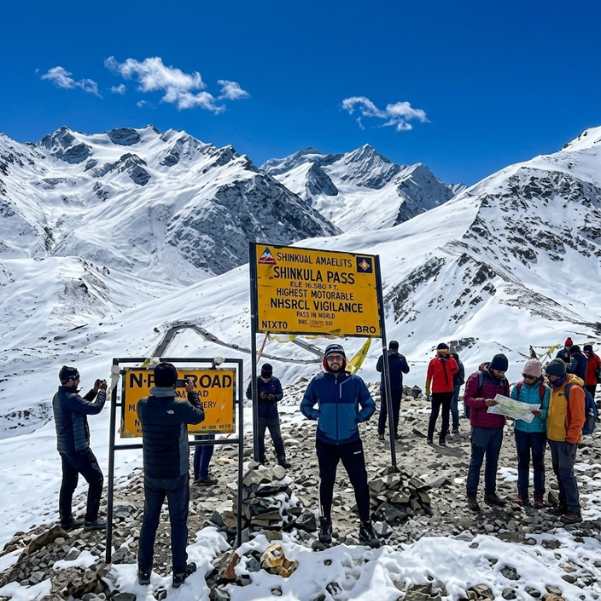
Shinkula Pass in May is one of the earliest realistic windows to cross into Zanskar from Lahaul, but it is far from a guaranteed or easy drive.
Sitting at approximately 16,580 feet on the border between Himachal Pradesh and Ladakh, Shinku La in May can range from still snowbound and restricted to tentatively open for light vehicles, depending on how the season has shaped up and how fast BRO has cleared the route.
The critical thing to understand is that May is not one uniform month here. Early May can still feel like the tail end of winter at the pass, with deep snow walls and traffic restricted to locals with 4x4 vehicles. Late May is often the first window when the road stabilizes enough for wider tourist access.
Lower access into Lahaul via the Atal Tunnel stays open year round, and the drive from Manali to Keylong is comfortable by May. But that does not automatically mean Shinkula Pass itself is open for tourists.
The pass top and the Darcha to Shinkula stretch are entirely different from the comfortable highway below. Every year, BRO clears the road in stages, and the final push to the pass top is always the last section to become usable.
If you are planning Shinkula Pass in May, treat it as a verification based planning month, not a blind assumption month. Build flexibility into your dates and always have a fallback plan ready.
Quick Answer: Is Shinkula Pass Worth Visiting in May?
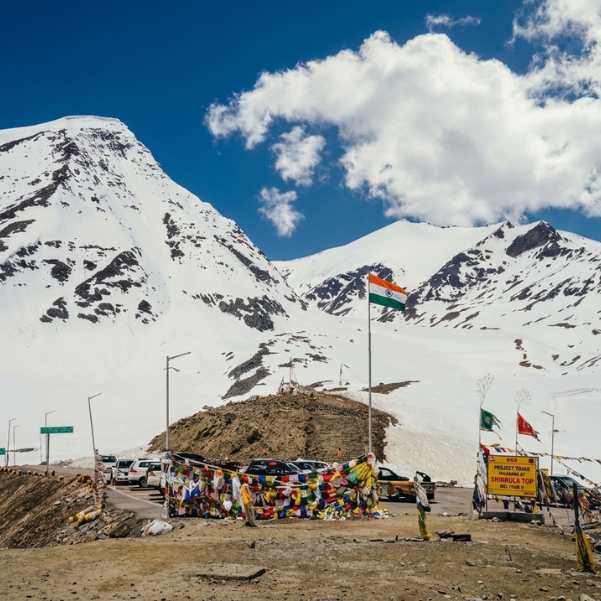
Shinkula Pass can be worth visiting in May if you are flexible, well prepared, and understand that conditions at 16,580 feet are unpredictable this early in the season. In most recent years, BRO has cleared the road by mid April for local residents, with broader tourist access expanding through May.
Late May is usually more practical than early May. If you want guaranteed smooth access, June is the safer bet. But if dramatic snow landscapes excite you and you are comfortable with a 4x4 and same day decision making, late May can reward you beautifully.
Shinkula Pass in May at a Glance
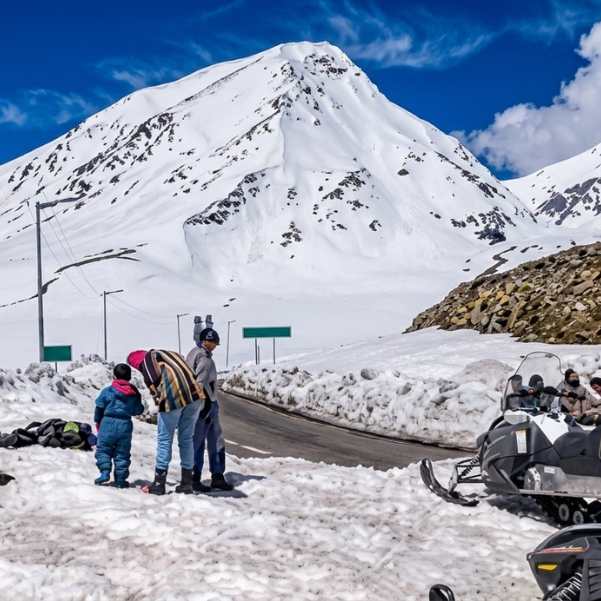
- Best for: Experienced mountain travellers, 4x4 enthusiasts, riders with Himalayan experience, snow photographers
- Not ideal for: First time Himalayan visitors, families with young children, anyone on a rigid itinerary
- Likely road reality: Lower Lahaul comfortable; Darcha to pass top variable and often restricted in early May
- Snow expectation: Heavy snow walls likely at the top through most of May
- Early May vs late May: Early May often restricted; late May usually the first stable tourist window
- Vehicle recommendation: 4x4 with good ground clearance strongly recommended
- Planning approach: Flexible, verification based; not a fixed date destination in May
Where Is Shinkula Pass and Why Is It Becoming So Important?
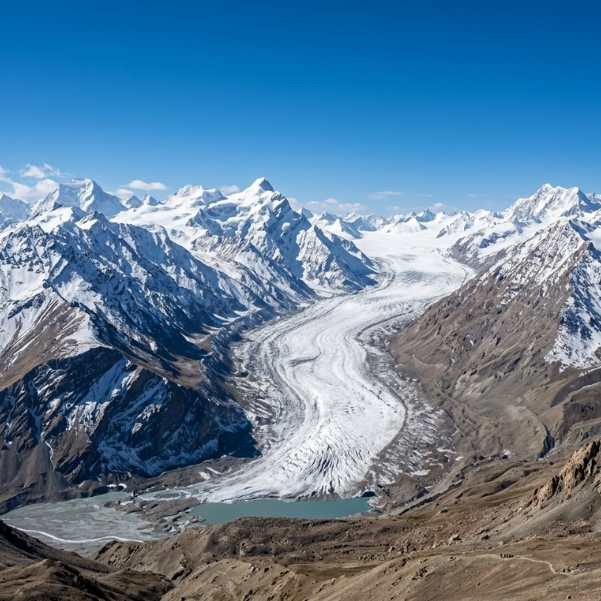
Shinkula Pass Location and Route Context
Shinkula Pass sits on the boundary between Lahaul and Zanskar. The route climbs from Darcha through Rarig and Chikka, past Zanskar Sumdo and the Green Tara Tal lake.
On the northern side, it descends along the Kurgiak Cho stream past Gonbo Rangjon peak, through Kargyak village, and eventually to Purne and Padum.
How It Connects Lahaul with Zanskar and Onward Ladakh
Once you cross Shinkula, you enter Zanskar. From Padum, you can continue to Kargil and Leh, making this a viable alternative route to Ladakh. This is the Nimu Padum Darcha road corridor, and Shinkula is its critical choke point.
Why the Nimu Padum Darcha Road Changed the Importance of This Pass
Unlike the Manali to Leh highway with its multiple high passes, the Darcha to Padum to Nimu road crosses only Shinkula. This makes it strategically simpler.
BRO has been steadily improving the road, and it now carries heavy truck loads on blacktopped sections.
Why the Shinkun La Tunnel Makes This Route Even More Strategic
The Shinkun La Tunnel, currently under construction, will bypass the pass with a 4.1 kilometre twin tube tunnel at about 15,800 feet.
Once complete, it will make this an all weather route. For now, it is still years from completion, but its existence signals where India's Himalayan infrastructure is heading.
Is Shinkula Pass Open in May?
What the Latest Official Lower Corridor Update Tells Us
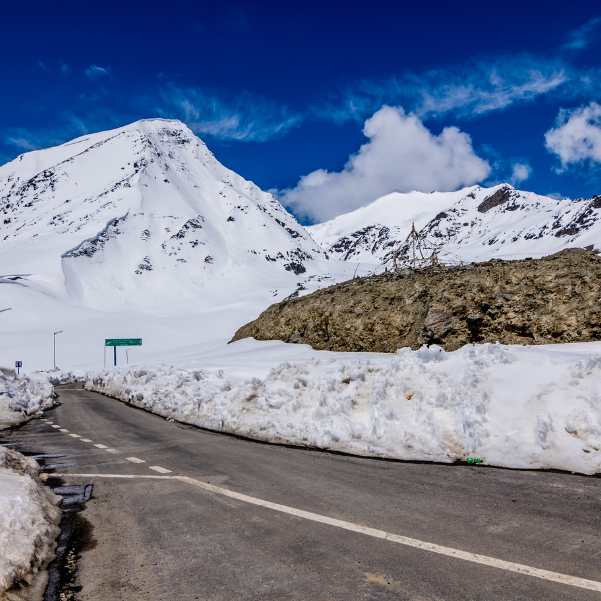
In 2025, BRO officially restored the Darcha to Shinkula to Padum road on April 9. By mid April, the road was open with conditions for local residents.
By May 15, the road was reported open for wider traffic. This pattern is broadly consistent with recent years.
👉 WhatsApp Travel Coffee to check today's Darcha to Shinkula road status
Why Official District Pages Still Do Not Tell the Whole Shinkula Story
BRO may clear the road, but the decision to allow civil and tourist traffic rests with district administrations. A road being technically passable for BRO machinery does not mean it is safe for a sedan from Chandigarh.
What the Last Two Seasons Suggest About May Opening Patterns
In 2024, the road opened for one way alternate day traffic by mid May. In 2025, the timeline was slightly earlier.
Both years saw restrictions in the first half of May, with unrestricted access stabilizing towards the second half. Fresh snowfall has reversed clearance progress in some years.
Can Tourists Assume Unrestricted Access in May?
No. In early May, access is often restricted to locals or 4x4 vehicles in controlled time windows. By late May, tourist access usually opens up, but it depends on current conditions. Confirm with Lahaul and Spiti police the same day you plan to drive.
Early May vs Late May at Shinkula Pass
What Early May Usually Looks Like
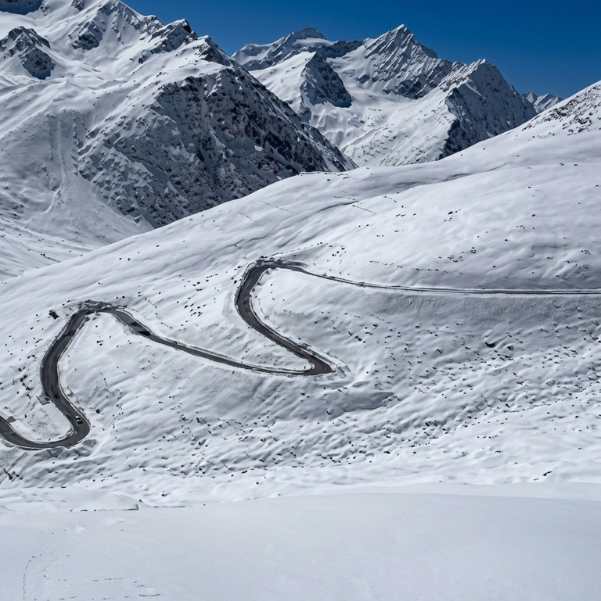
The pass top is often still buried under substantial snow. The road surface can be icy, narrow, and slippery with meltwater. Traffic may be restricted to 9 AM to 1 PM for 4x4 vehicles only. Temperatures at the pass can hover around zero or below.
What Late May Usually Looks Like
Daytime temperatures may climb to 5 to 10 degrees. The road surface becomes more stable as melt cycles compact the snow. BRO widening work progresses, and restrictions often ease. It remains rough and demanding but much more practical.
Why Late May Is Often Much More Practical Than Early May
Two weeks of warming sun, continued clearing, and reduced snowfall risk combine to make late May fundamentally different. If your dates are flexible, targeting the last ten days of May gives you the best chance.
👉 WhatsApp Travel Coffee to plan your late May Shinkula trip
How One Fresh Snowfall Can Change the Whole Picture
At 16,580 feet, a single overnight snowfall can dump enough snow to block the road for hours or days. This happens more often in early May but is possible anytime. This is why Shinkula in May is always a conditional plan.
Shinkula Pass Road Status in May
Manali to Sissu in May
Reliable throughout May via the Atal Tunnel. About 45 minutes, comfortable for any vehicle.
Sissu to Keylong in May
Generally in good shape. Paved with some rough patches. Most vehicles handle it easily.
Keylong to Jispa in May
Straightforward 22 kilometre drive along the Bhaga river. Jispa is an excellent acclimatisation stop.
Jispa to Darcha in May
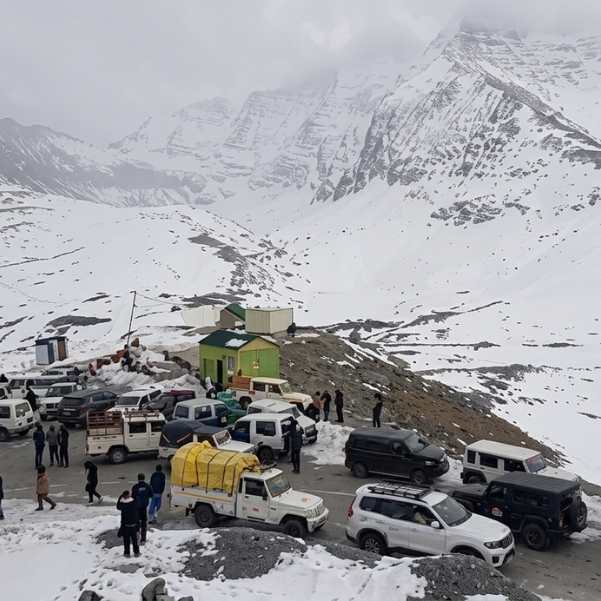
Usually clear by May. Darcha has a police check post where the Shinkula route branches off.
Darcha to Shinkula Top in May
This is where everything changes. The roughly 70 kilometre climb through increasingly remote terrain can include ice patches, meltwater crossings, and narrow snow walled corridors. This section can take four to six hours in May conditions.
Why the Top Section Is the Real Decision Point
Everything from Manali to Darcha can be fine while the Darcha to pass top section remains impassable. Do not assume that comfort at Darcha means the pass is open.
👉 WhatsApp Travel Coffee to plan a Sissu or Lahaul trip for your May dates
Shinkula Pass Weather in May
What May Usually Feels Like at This Altitude
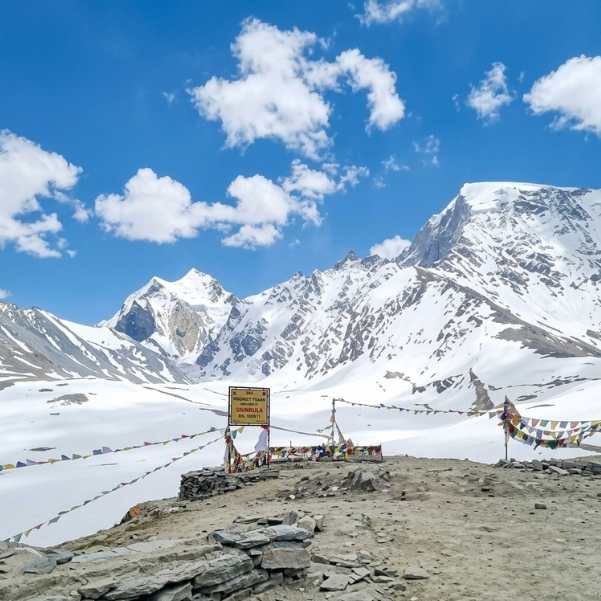
Shinkula Pass weather in May is genuinely cold. Daytime temperatures at the pass range from minus 5 to about 10 degrees Celsius depending on the week. Nights remain below freezing. Wind chill makes it feel worse.
Why May Weather Here Is Nothing Like Normal Himachal Summer
While Manali enjoys pleasant spring weather, the pass at 16,580 feet is in a different climate zone entirely, well above the treeline and still carrying deep winter snow.
Snowfall Risk in May
Fresh snowfall is possible throughout May, more likely in the first half. Western disturbances can bring unexpected precipitation even in the drying season.
Wind Chill, Meltwater and Road Surface Changes
Afternoons bring strong winds. Meltwater creates streams that refreeze overnight, making early morning surfaces treacherous. The road shifts from frozen and firm in the morning to soft and muddy by afternoon.
Why Morning Travel Is Better Than Late Starts
The road surface is firmer when frozen, meltwater crossings are lower, and you have maximum daylight. Experienced travellers always start early.
Will You See Snow at Shinkula Pass in May?
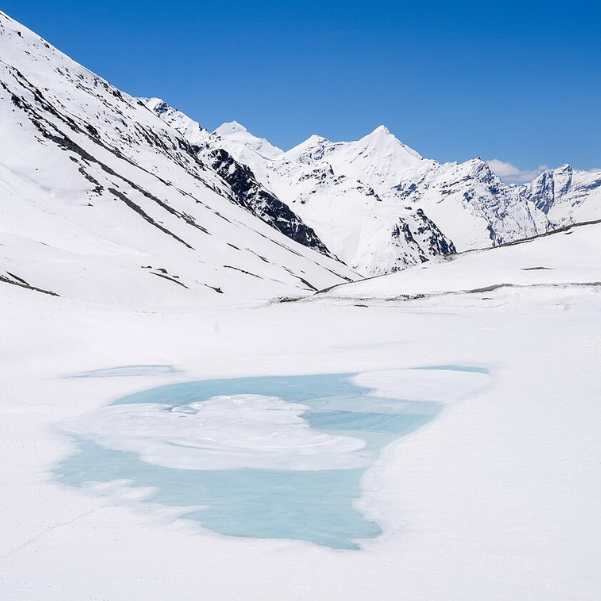
The Real Snow Reality in May
Yes, significant snow is a near certainty at the pass top. May is the very beginning of the accessible season at this altitude.
Early May Snow Expectation
Heavy coverage at and near the pass. Snow walls can reach 10 to 20 feet. The landscape around the pass is predominantly white.
Late May Snow Expectation
Snow begins receding from lower approaches, but the pass top usually retains substantial coverage. Walls may be shorter, and gravel patches emerge.
Snow Walls vs Actual Drivable Stability
Tall snow walls look dramatic but do not tell you if the road beneath is stable. Judge the road by its surface, not its walls.
Is May Better for Snow Views or Comfortable Travel?
May is outstanding for snow views but challenging for comfort. If you want the snow, May delivers. If you want a predictable drive, choose June.
Can Tourists Really Go to Shinkula Pass in May?
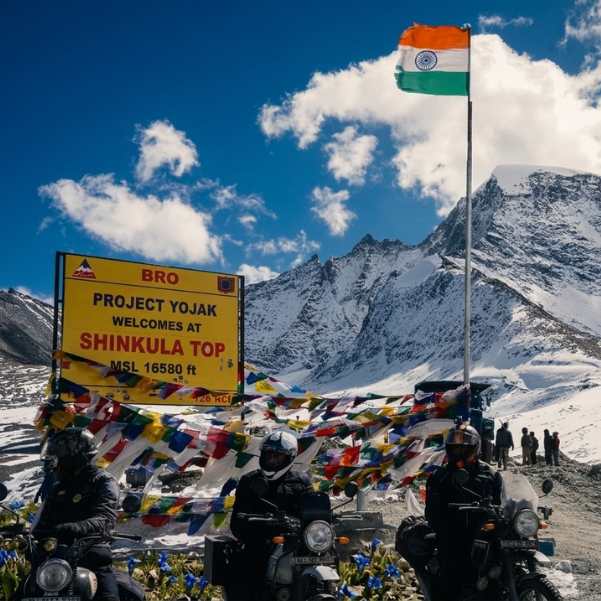
Casual Tourists
Shinkula in May is not suited for casual sightseeing. The uncertainty and remoteness make it inappropriate for a typical tourist outing.
Families and Normal Manali Visitors
Families should generally avoid it. Sissu or Keylong are far better options for a May Lahaul experience.
Families should generally avoid Shinkula in May. A structured Manali Solang Sissu 5D4N itinerary covers the best of Lahaul without the extreme altitude risk.
4x4 Travellers
With a capable vehicle, mountain experience, and flexible dates, late May can be very rewarding. Carry chains, extra fuel, and warm gear.
Riders and Self Drive Travellers
Experienced Himalayan riders find late May feasible. First timers should wait for July or August.
Why Open Videos and Reels Need Context
Social media videos claiming the road is open often show BRO trucks or local 4x4s under restricted conditions. A road open for a local Bolero does not mean it is open for a tourist hatchback.
Can a Normal Car Go to Shinkula Pass in May?
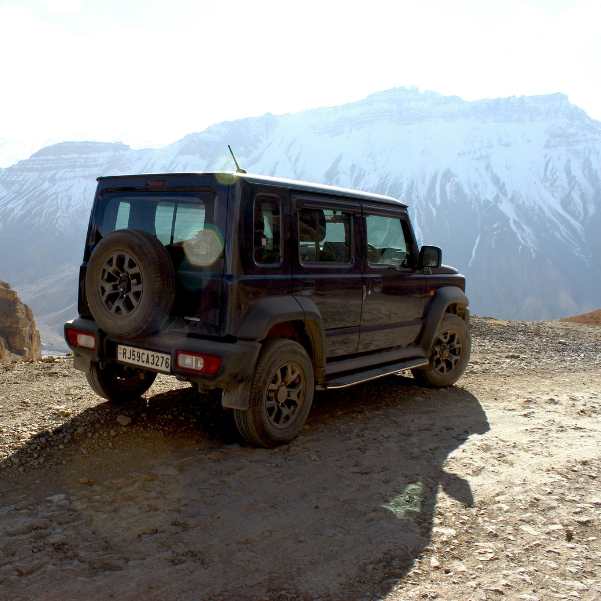
In early May, a normal car should not attempt it. Ice, snow, deep meltwater crossings, and unpaved stretches demand ground clearance and traction that sedans lack.
In late May, conditions improve, but a normal car remains risky for the Darcha to pass top section. A 4x4 with at least 200mm ground clearance is the smarter choice throughout May.
Carry snow chains even if conditions look clear at Darcha. Driver skill matters enormously. If you have never driven on snow or unpaved mountain roads, this is not the place to learn.
Road surface matters more than distance. The 70 kilometres from Darcha to the pass top can take four to six hours. Every kilometre above Darcha demands attention.
How Far Is Shinkula Pass from Manali and Can You Do It in One Day?
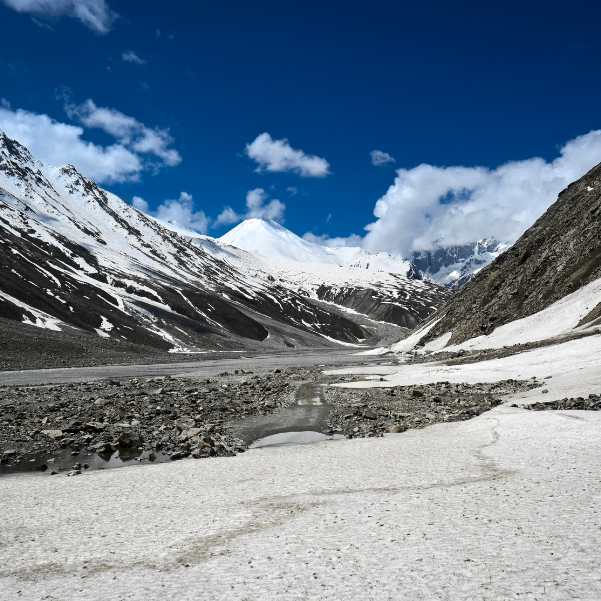
The distance is approximately 170 kilometres. In ideal conditions, driving takes 7 to 9 hours. A same day push from Manali to the pass and back in May is extremely ambitious and not recommended.
The altitude gain from 6,500 feet to 16,580 feet in a single day can trigger altitude sickness. An overnight halt at Keylong or Jispa before attempting the pass is the approach experienced travellers universally recommend.
Best Local Bases Before Attempting Shinkula in May
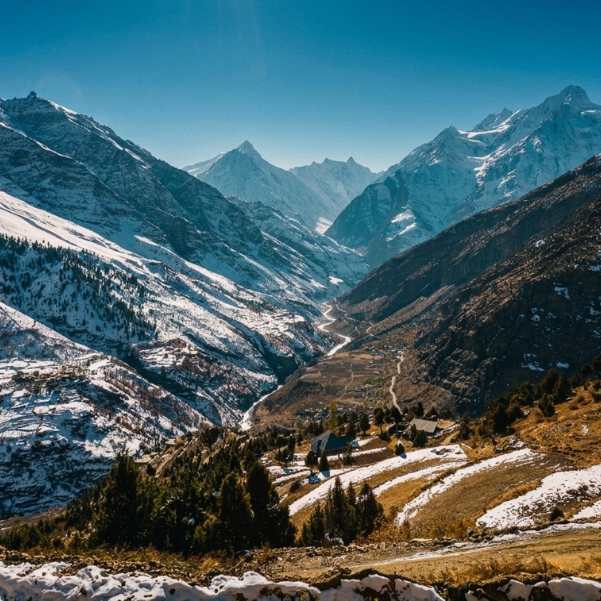
Keylong is the district headquarters with the widest range of accommodation, food, fuel, and communication. If you need to wait a day, this is the most comfortable holding point.
Jispa sits at about 10,500 feet along the Bhaga river with good camps and guesthouses. Spending a night here allows gentle acclimatisation while positioning you closer to Darcha.
Darcha is the last settlement before the Shinkula route. Accommodation is very basic, mostly tented camps. But leaving from here gives you the shortest drive to the pass.
Sissu is the easier fallback if Shinkula is doubtful. Reliably accessible in May, with waterfalls, river views, and a relaxed vibe.
Local Route References That Matter for Planning
Tandi fuel station, between Keylong and the Atal Tunnel, is the last reliable fuel point before Zanskar. The small pump at Padum exists but is unreliable and overpriced. Fill up at Tandi and carry extra fuel.
Zanskar Sumdo on the southern approach is a glacier confluence and an important route marker. Beyond here, you are committed to the pass.
Gonbo Rangjon, the striking rocky spire near Kargyak, is considered a holy peak by local Buddhist communities and one of the most memorable landmarks on the descent into the Lungnak valley.
Purne is the access point for Phugtal Monastery, one of the world's most isolated active monasteries, reachable only by a two hour trek each way.
Network coverage beyond Keylong is extremely limited. BSNL postpaid is the only network that sometimes works in Zanskar. Jio, Airtel, and Vi coverage effectively ends at Keylong or Jispa. Plan accordingly and inform someone of your itinerary before heading beyond Darcha.
Is Shinkula Pass Worth Visiting in May?
The answer is yes if you are an experienced mountain traveller with a 4x4, flexible dates, and you enjoy early season high passes.
The snow covered landscape, the near total absence of tourist traffic, and the raw silence of a 16,580 foot crossing that is just waking from winter create an atmosphere you simply cannot find later in the season.
The answer is no if you need guaranteed outcomes, are in a normal car, have altitude concerns, or are travelling with family expecting relaxation.
The frustration of arriving at Darcha only to find the pass closed is real, and it happens.
The best type of traveller for May at Shinkula is someone who treats the pass as a conditional goal, not a fixed one. You plan for it, prepare for it, but you also accept Sissu or Keylong gracefully if conditions say no.
When waiting until June makes more sense: if you want predictable conditions, warmer temperatures, and the ability to plan with confidence.
By mid June, the road is usually well established, and you lose little snow beauty while gaining significantly in comfort.
If you want to explore the broader Lahaul and Spiti corridor in summer with Chandratal included, the Summer Spiti Circuit with Chandratal is a well tested route that pairs beautifully with a Shinkula attempt.
Shinkula Pass in May vs June
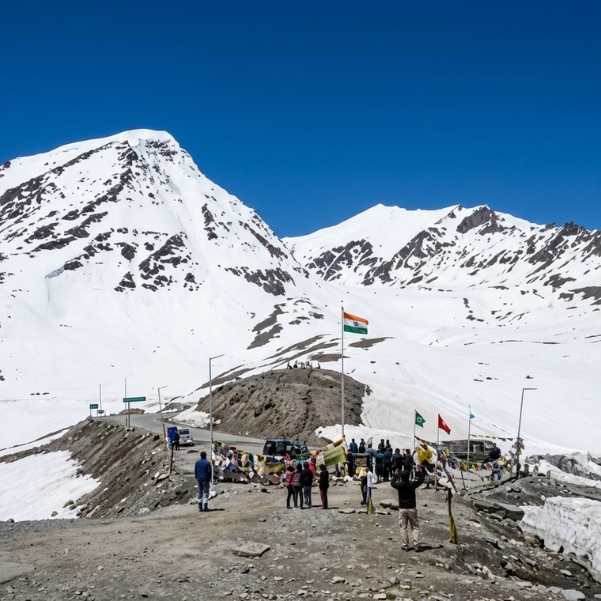
May offers dramatic snow, thinner traffic, and early season thrill, but also uncertainty and harder conditions. June is when the route settles into its summer rhythm with more stable surfaces, wider accessibility, and better predictability.
May wins for snow. If you want towering snow walls, a white landscape at the pass top, and the feeling of driving through a frozen corridor, May is unmatched. By June, the snow recedes and the walls shrink noticeably.
June wins for comfort and certainty. The road is usually well established by mid June, more vehicles can handle it, and you can plan with real confidence. You still see snow at the pass, but the road is more forgiving and the weather gentler.
If you are comparing Shinkula in May vs June purely for decision making, ask yourself this: do you crave the adventure of early season uncertainty or the reliability of a settled route? Your answer determines your month.
Shinkula Pass in May vs Sissu in May
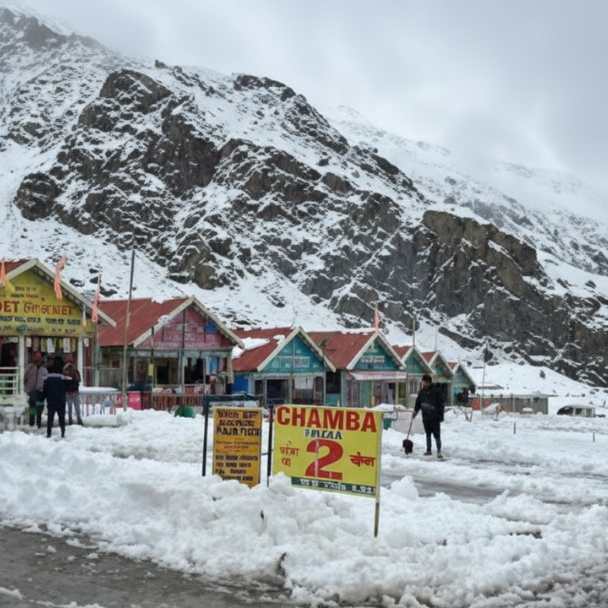
Choose Shinkula if you want high altitude adventure, dramatic snow, remoteness, and the experience of crossing into Zanskar. You will need a capable vehicle, mountain experience, and flexible dates. The reward is a landscape that most people never see, and the satisfaction of having earned it.
Choose Sissu if you want beauty without hardship, guaranteed accessibility, and a family friendly Lahaul experience. Sissu offers waterfalls, river views, pleasant walks, and comfortable stays. It requires nothing more than a normal car and a willingness to enjoy the valley.
For normal tourists in May, Sissu is the more realistic and enjoyable choice. There is no shame in choosing the experience that matches your preparation level. The mountains offer something beautiful at every altitude.
Altitude, Oxygen and Safety at Shinkula Pass in May
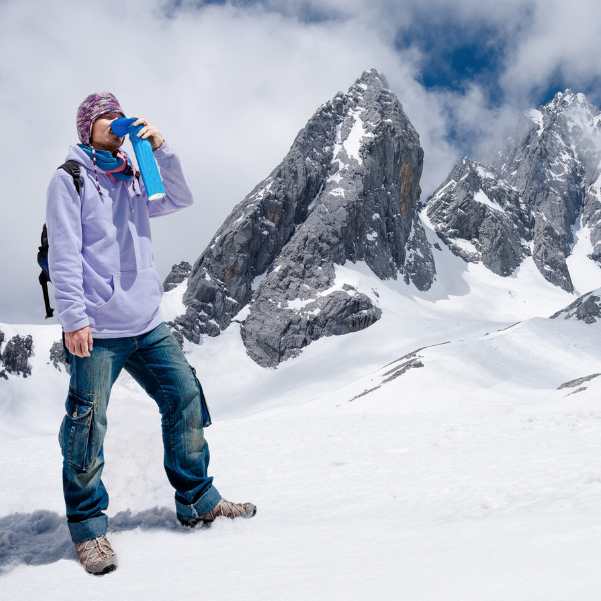
At 16,580 feet, oxygen levels are roughly 55 to 60 percent of sea level. In May, cold amplifies altitude effects. Dehydration is faster in cold dry air, and the combination of altitude and cold increases risks of hypothermia and acute mountain sickness.
AMS can affect anyone regardless of fitness. Symptoms include headache, nausea, dizziness. If you experience these, descend immediately. Anyone with heart or respiratory conditions should approach with extreme caution.
Spending a night at Jispa or Darcha before the final climb gives your body critical adjustment time and can make the difference between enjoying the pass and suffering through it.
Latest Shinkun La Tunnel Updates and Why They Matter for May Travellers
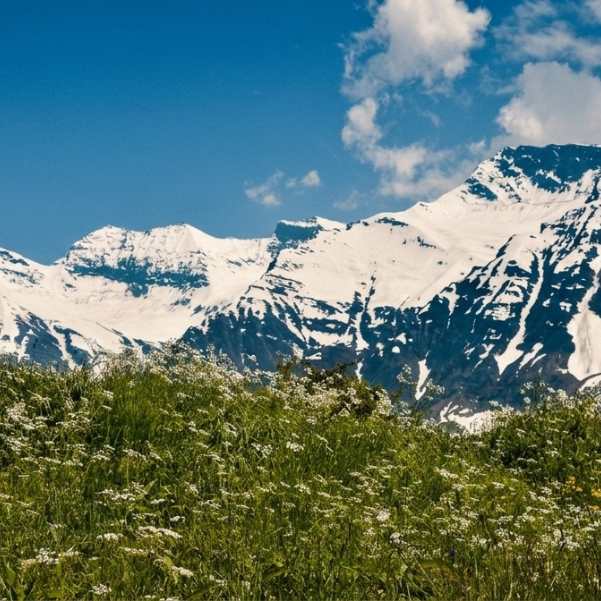
The Shinkun La Tunnel is a 4.1 kilometre twin tube tunnel being built by BRO under Project Yojak at approximately 15,800 feet. The Union Cabinet approved the project in February 2023 at a cost of approximately 1,681 crore rupees.
PM Modi carried out the first blast on July 26, 2024, on the occasion of Kargil Vijay Diwas. After years of planning and false starts, major construction commenced in May 2025, with work progressing from both portals. The current expected completion date is approximately August 2028.
The tunnel's significance is enormous. It will bypass the pass entirely, eliminating the five to six month winter closure and making the Darcha to Padum axis an all weather corridor. For travellers, this means that in the future, the question of whether Shinkula is open in May will become irrelevant.
But that future is still several years away. For any travel planning in the near term, you must still plan around the pass and its seasonal realities. The tunnel is a future game changer, not a current solution. Do not assume it is operational. It is under construction.
What to Pack for Shinkula Pass in May

Clothing: Multiple thermal layers, insulated windproof jacket, quick dry base layers. Gloves and sunglasses: Insulated gloves are essential, not optional. UV rated sunglasses prevent snow blindness.
Footwear: Waterproof trekking boots with good grip. Hydration and food: 3 to 4 litres of water per person, high energy snacks, dry fruits, ready to eat meals. No food stalls exist between Darcha and Kargyak.
Vehicle essentials: Snow chains, tow rope, basic tools, extra fuel, puncture kit, portable air compressor. Emergency: First aid kit with altitude sickness medication (consult your doctor), and a plan for vehicle breakdowns in an area with no phone network.
Common Mistakes Travellers Make When Planning Shinkula Pass in May

Assuming May always means easy opening is the most common mistake. May is the beginning of the season, not the middle.
Treating early May and late May as the same leads to poor decisions. The difference can be a closed road versus an open one.
Trusting random "road is open" reels without checking who posted them, when, and in what vehicle. A BRO truck at the pass top does not mean your sedan can make it.
Attempting the pass in a low clearance car without verifying road conditions is genuinely risky. The upper sections demand clearance and traction that most sedans cannot provide.
Starting too late from Manali means hitting the worst road conditions in the afternoon and losing daylight.
Ignoring acclimatisation is a health risk. The jump from Manali at 6,500 feet to Shinkula at 16,580 feet in a single day is aggressive.
Not checking official or local updates on the same day you plan to drive. Road conditions here can change overnight with a single snowfall event.
Having no fallback plan like Sissu or Keylong means a wasted trip if the pass is closed.
Confusing scenic snow with safe road conditions. Beautiful snow walls do not mean the road beneath is drivable.
Planning a through trip to Padum without fuel and network awareness. Fill up at Tandi, accept you will be off grid beyond Jispa, and inform someone of your plans.
Final Verdict: Should You Plan Shinkula Pass in May?
Shinkula Pass in May can work, and when it works, it is one of the most spectacular drives in the Indian Himalayas. The snow at 16,580 feet, the remoteness, and the sense of crossing into Zanskar are unforgettable.
But May demands honesty. Early May is often a shoulder season with restrictions favouring experienced travellers with capable vehicles. Late May is usually more practical but still requires verification and willingness to change plans.
If you have the flexibility, the vehicle, the experience, and the mindset, late May is a beautiful time. If any of those pieces are missing, June is more forgiving.
Either way, check the latest Darcha Padum road status before driving beyond Darcha, and always have a fallback plan. The mountains are not going anywhere.
>> Find the Right Lahaul or Spiti Package for Your May Dates
Related topics
Frequently Asked Questions
Is Shinkula Pass open in May?
In most recent years, the pass has opened for some traffic by mid May, with early May often seeing restrictions. Always verify current status before driving.
Can tourists visit Shinkula Pass in May?
Yes, but access depends on conditions and administration clearance. Late May is usually more tourist friendly.
Is early May too early for Shinkula Pass?
Often yes. The pass may still be under clearance with traffic restricted to local 4x4 vehicles.
Is late May a better time for Shinkula Pass?
Yes, late May is generally more practical with better road stability and fewer restrictions.
How much snow is there at Shinkula Pass in May?
Expect significant snow at the pass throughout May. Snow walls of 10 to 20 feet are common in early May.
Can I drive a normal car to Shinkula in May?
Not recommended. A 4x4 with good ground clearance is strongly advised.
Is a 4x4 required for Shinkula Pass in May?
Is a 4x4 required for Shinkula Pass in May? Practically essential for safety, even if not always legally mandated.
Is Shinkula Pass safe in May?
With proper preparation and a capable vehicle, experienced travellers can safely attempt it. Not safe for unprepared casual tourists.
How far is Shinkula Pass from Manali?
Approximately 170 kilometres, taking 7 to 10 hours in May conditions.
Can I do Shinkula Pass as a day trip from Manali?
Not recommended. The distance and altitude gain make it risky without an overnight halt at Keylong or Jispa.
Is Shinkula better in May or June?
May for snow drama, June for comfort and certainty. Most travellers find June the safer choice.
Is Shinkula better than Sissu in May?
Different experiences. Sissu is more realistic for normal tourists. Shinkula requires preparation and a capable vehicle.
What should I wear at Shinkula Pass in May?
Multiple thermal layers, insulated jacket, gloves, UV sunglasses, and waterproof trekking boots.
What are the latest Shinkun La Tunnel updates?
Construction began with the first blast in July 2024, with major work commencing in May 2025. Expected completion is around August 2028.
What should I do if Shinkula is not open on my travel day?
Explore Sissu, Keylong, or Jispa instead. If you have time flexibility, wait a day and check again.
More about Manali
 Manali
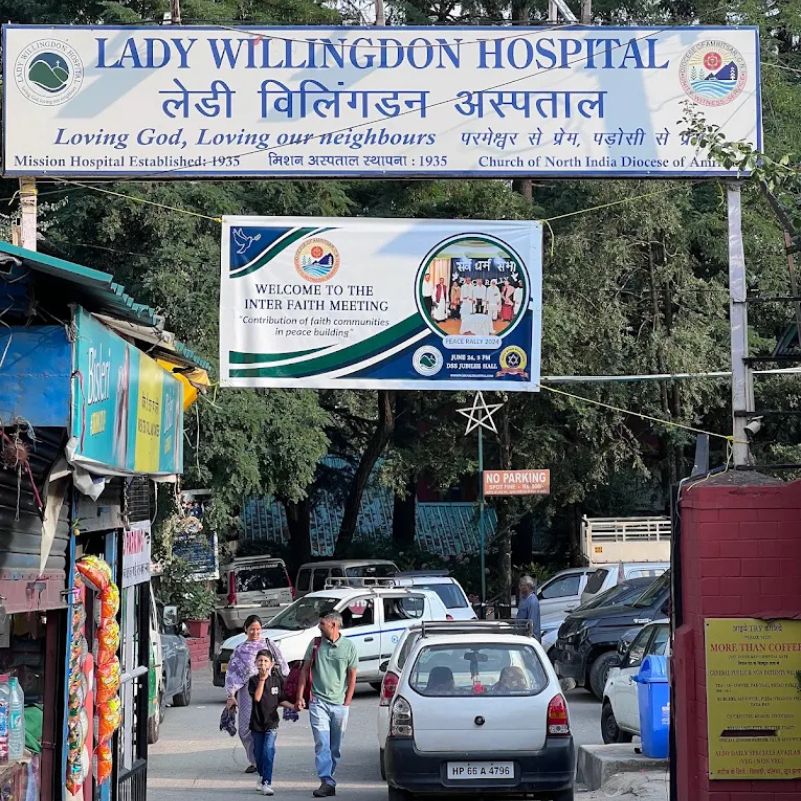
Medical Help in Manali for Tourists 2026: Hospitals, Pharmacies and Emergency Steps
Need medical help while travelling in Manali? This guide covers hospitals, pharmacies, emergency contacts and practical steps tourists should take during illness or injury. It also explains what to do in urgent situations, including breathing problems at higher altitudes.
- First-Time Travellers
- Altitude & Health
 Manali
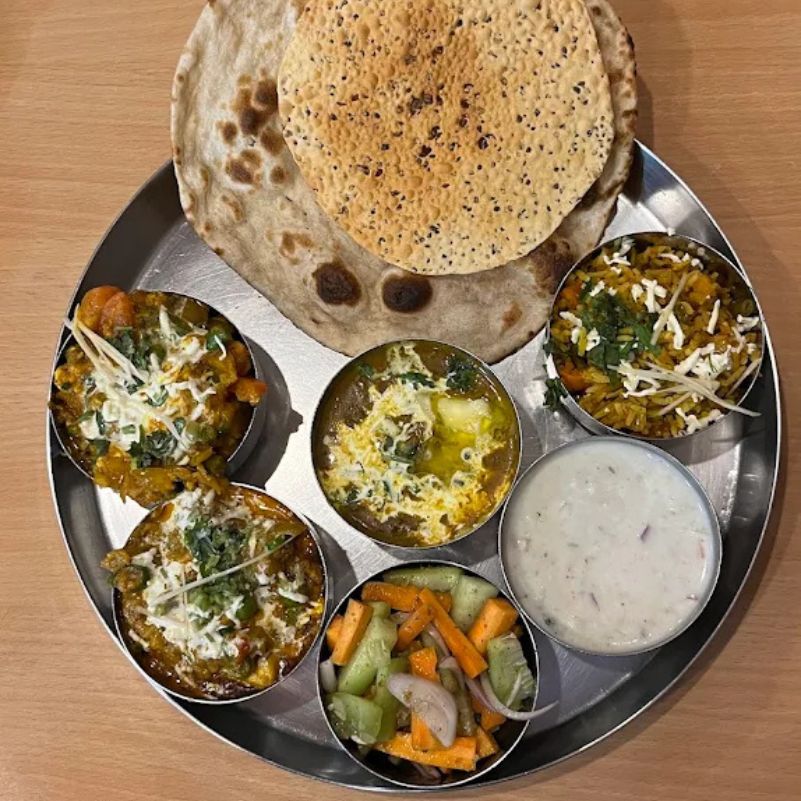
Vegetarian and Jain Food in Manali 2026: Where to Eat Without Guesswork
Looking for reliable vegetarian and Jain food in Manali? This guide covers pure veg restaurants, Jain-friendly places, no onion no garlic options, and practical tips on what to confirm before ordering in 2026.
- Things to Do
- Places to Visit
 Manali
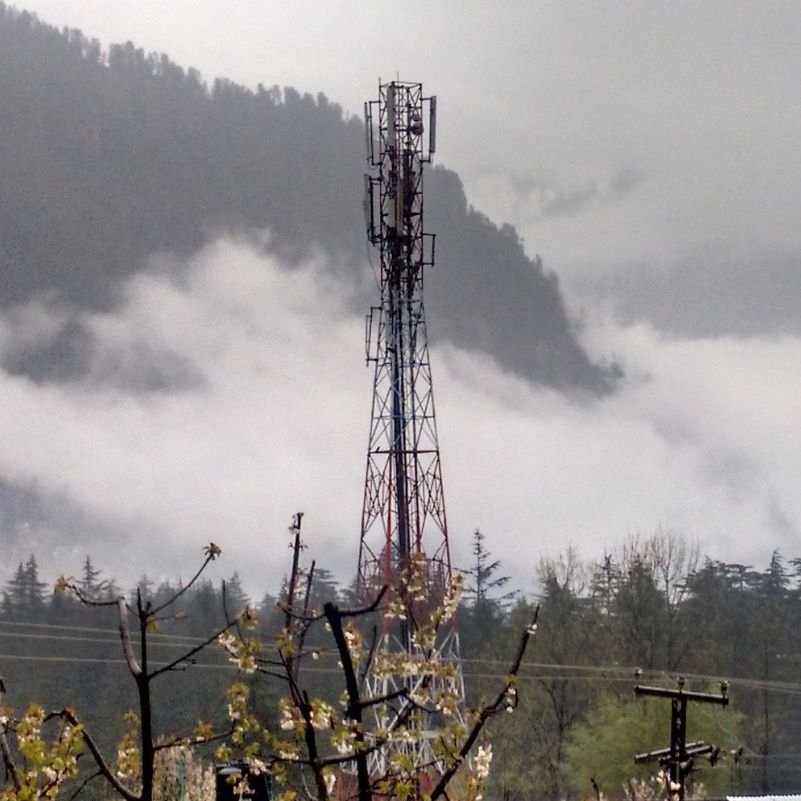
Mobile Network, Internet, UPI and ATMs in Manali 2026: What Works Where
Planning a Manali trip in 2026? Know which mobile networks work, where internet may be weak, whether UPI is reliable, and where to find ATMs. This guide helps you stay connected and payment-ready during your Manali trip.
- First-Time Travellers