
Shinkula Pass in April: Is It Open, Snow Reality, Road Status and Travel Guide

If you are searching for Shinkula Pass in April, you are almost certainly trying to figure out one thing: can I actually go there? The honest answer is that April is a transition month at Shinkula, not a guaranteed travel window.
In most years, the Border Roads Organisation (BRO) is still clearing snow from the pass during April, and even when the road is technically opened, it comes with heavy restrictions that make it very different from a normal summer drive.
Here is the critical distinction most travel blogs get wrong. Lower corridor access from Manali through the Atal Tunnel into Lahaul, reaching Sissu, Keylong, Jispa, and sometimes even Darcha, can be open in April.
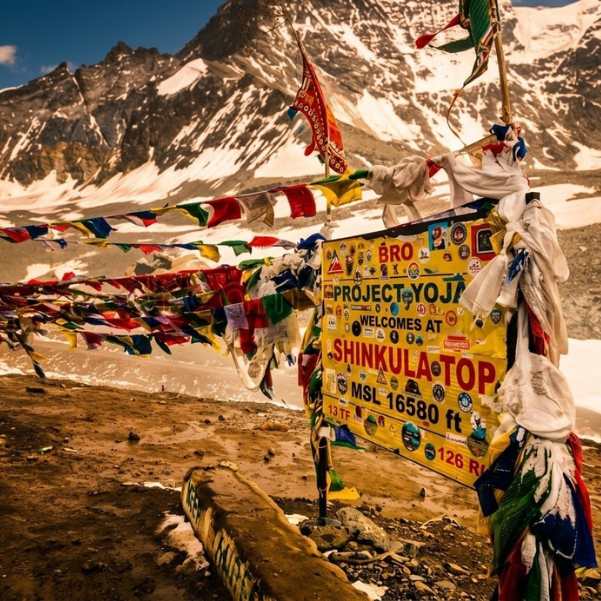
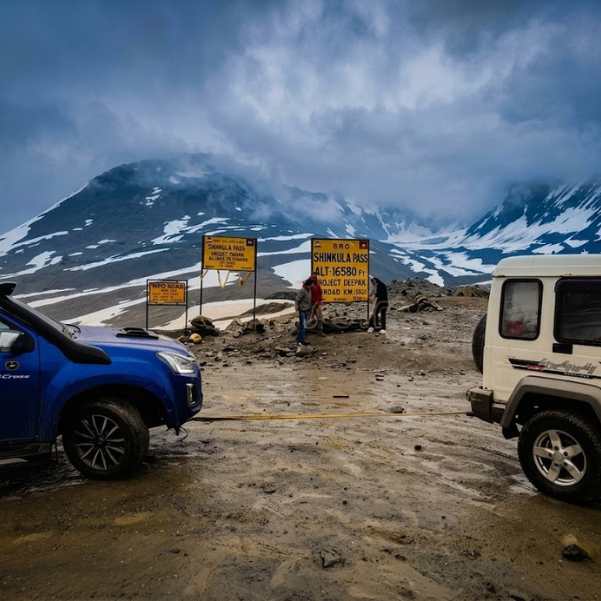
But that does not mean the Darcha to Shinkula top stretch is open for unrestricted tourist travel. The pass sits at roughly 16,580 feet. In April, it is often buried under 15 to 20 feet of snow.
BRO works tirelessly to clear this, but the final stretch to the top and beyond into Zanskar can remain closed, restricted, or open only for 4x4 vehicles at the traveller's own risk.
If you are planning Shinkula Pass in April, treat this as a high uncertainty period. Do not lock in your plans without checking the latest verified road status within days of departure.
This article will help you understand exactly what to expect, what the latest patterns show, and how to make a smart decision.
Quick Answer: Can You Visit Shinkula Pass in April?
Shinkula Pass in April is not a normal tourist destination. In most years, BRO completes snow clearance at the pass sometime between early and mid April, but the road typically opens with strict conditions: 4x4 vehicles only, snow chains on tyres, one way traffic on alternate days, and travel at your own risk.
Casual tourists in normal cars should not assume they can drive to the top. Even when the pass is declared open in April, avalanche risk, sudden snowfall, and icy stretches make it a controlled access route, not an easy sightseeing drive.
👉 WhatsApp Travel Coffee to check today's Darcha to Shinkula road status
Shinkula Pass in April at a Glance
- Best for: Experienced 4x4 travellers, off road enthusiasts, and adventure riders who are comfortable with high altitude risk and uncertain conditions
- Not ideal for: Casual tourists, families with children, first time Himalayan visitors, or anyone looking for a predictable sightseeing trip
- Likely road reality: Lower corridor from Manali to Darcha often accessible; Darcha to Shinkula top may be partially open with restrictions or still under snow clearance
- Snow expectation: Heavy snow at the top is almost guaranteed in April, often 10 to 20 feet deep, with snow walls along cleared sections
- Trip type: Expedition style, not leisure style
- Who should avoid it: Anyone without a reliable 4x4 vehicle, proper cold weather gear, altitude experience, and a genuine willingness to turn back if conditions deteriorate
- Vehicle reality: A normal hatchback or sedan will not make it; 4x4 with high ground clearance is the minimum
- Planning approach: This is a wait and monitor destination in April, not a book and go destination
Where Is Shinkula Pass and Why Is It Becoming So Important?
Shinkula Pass Location and Route Context
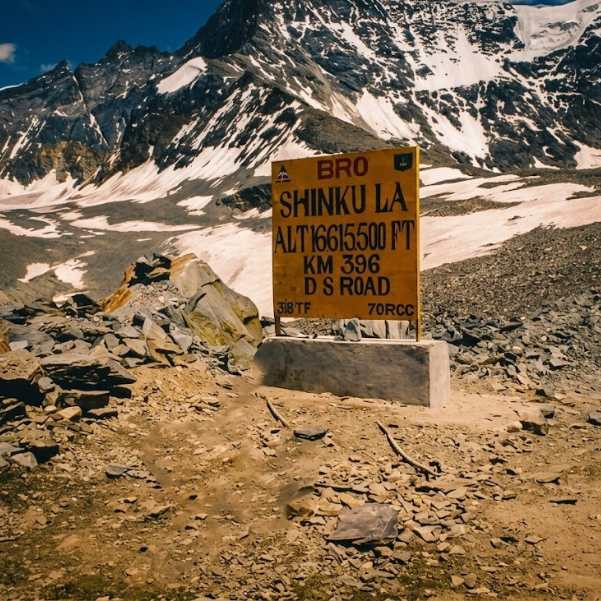
Shinkula Pass, also spelled Shinku La or Shingo La, sits on the boundary between Himachal Pradesh and the Ladakh Union Territory.
At approximately 16,580 feet, it is one of the highest motorable passes in India. The pass connects the Lahaul Valley on the Himachal side with the Zanskar Valley on the Ladakh side.
The road climbs from Darcha, which lies on the Manali to Leh highway about 100 kilometres from Manali, and heads northwest through remote terrain to reach the pass. From the south side, the route passes through Rarig, Chikka, Palamo, and Zanskar Sumdo before climbing to the top.
On the Zanskar side, the road descends along the Kurgiak Cho stream towards Kargyak, eventually reaching Padum.
How It Links Lahaul, Zanskar and Ladakh
Shinkula is the only pass on the Nimmu Padum Darcha (NPD) road, which is India's third highway axis connecting Ladakh with the rest of the country.
The first two are the Srinagar Leh highway and the Manali Leh highway. This third axis runs from Nimmu, about 30 kilometres from Leh, through the Zanskar Valley to Padum, then over Shinkula Pass down to Darcha, connecting with the Manali Leh highway.
For the people of Zanskar, this road is transformative. Previously, reaching the rest of India from Zanskar required going through Kargil, a much longer route. The NPD road cuts this dramatically.
Why the Nimu Padum Darcha Axis Matters Now
BRO achieved full connectivity on the NPD road in March 2024, and the strategic importance of this route cannot be overstated.
It provides an alternative supply line to Ladakh, reduces dependence on the Srinagar Leh and Manali Leh corridors, and brings year round connectivity closer to reality once the Shinkun La Tunnel is completed.
Why April Searches for Shinkula Are Increasing
More travellers are searching for Shinku La in April because BRO has been pushing earlier and earlier openings. In April 2024, the pass was opened in a record 45 days of snow clearance. In April 2025, the BRO restored the road on April 8.
These milestones generate excitement, but they also create unrealistic expectations. An official BRO opening does not mean the road is safe or easy for tourists.
It means BRO has carved a path through the snow, but the district administration still controls civil traffic, and conditions remain extreme.
Is Shinkula Pass Open in April?
What the Latest Official Lower Corridor Update Tells Us
As of the most recent patterns, the Manali to Atal Tunnel route and the road into Lahaul up to Sissu, Keylong, Jispa, and Darcha has been accessible through much of winter and spring. The Atal Tunnel has transformed lower corridor access.
In January 2026, the Manali to Atal Tunnel road was confirmed open for all vehicles, and the route onward to Keylong, Jispa, and Darcha was also open in December 2025.
This means that by April, reaching Darcha from Manali is usually not the problem. The challenge starts beyond Darcha.
What Route Trackers and Recent Patterns Suggest for April
Looking at the last two years, here is what actually happened at Shinkula in April:
In 2024, BRO declared Shinkula open on April 4 after 45 days of snow clearance. However, by April 22, the road was open for one way traffic with four wheel drive vehicles and snow chains only.
Then on April 29, fresh snowfall blocked the road again. By mid May, one way traffic on alternate days resumed between Darcha and Padum.
In 2025, BRO officially restored the Darcha to Shinkula to Padum road on April 8. But the conditions were clear: vehicles must be 4x4, preferably with anti skid snow chains, travel at own risk, with avalanche and rockslide warnings.
By April 24, special evacuation arrangements were made for stranded tourists, with controlled one way traffic from Kargyak towards Darcha.
The pattern is consistent. April openings happen, but they come with restrictions, closures from fresh snowfall, and conditions that are far from normal tourist driving.
Why April Is Often a Partial Opening Month, Not a Normal Opening Month
April at Shinkula is the month when BRO finishes its annual battle with winter snow. The pass accumulates roughly 15 to 20 feet of snow during winter. BRO deploys heavy machinery to clear this, working from both the Darcha and Kargyak sides simultaneously.
When they achieve a breakthrough, the road is declared open, but the shoulders of the road are snow walls, the surface can be icy, and fresh snowfall can undo days of clearance work overnight.
This is why April is a partial opening month. The pass might be open on Tuesday and blocked by fresh snow on Thursday.
Can Tourists Assume Unrestricted Access?
No. Even in years where BRO opens Shinkula in early April, civil traffic is regulated by the district administrations of Lahaul and Spiti and UT Ladakh.
In April 2025, the traffic was explicitly restricted to 4x4 vehicles with snow chains, allowed only during specific hours, and at the traveller's own risk. Normal tourist traffic typically does not flow freely until May or later.
Shinkula Pass Road Status in April
Manali to Keylong in April
This stretch is almost always open in April, thanks to the Atal Tunnel. The 9 kilometre tunnel bypasses Rohtang Pass entirely, giving year round access to Lahaul Valley.
Keylong, the administrative headquarters of Lahaul and Spiti, is about 115 kilometres from Manali and usually reachable without difficulty.
Keylong to Jispa in April
Jispa is only about 22 kilometres beyond Keylong along the Bhaga River. This stretch is typically clear in April. Jispa sits at around 3,200 metres and serves as a popular acclimatisation stop.
Jispa to Darcha in April
Darcha is roughly 25 kilometres from Jispa, and this section is generally accessible in April. The road follows the river valley and does not cross any major passes. Darcha is where the Shinkula route diverges from the Manali Leh highway.
Darcha to Shinkula Top in April
This is where everything changes. The roughly 60 kilometre stretch from Darcha to the top of Shinkula climbs dramatically in altitude and enters terrain that holds deep snow well into spring.
The road is unpaved for significant portions, includes river crossings, and the final climb to the pass involves switchbacks through snow corridors.
In April, this stretch is the one under active snow clearance. BRO may have cleared a single lane path, but it can be narrow, icy, and flanked by snow walls over 15 feet high.
Why Lower Roads Can Be Open While the Pass Remains Risky or Controlled
The Atal Tunnel and the relatively lower elevation of the Lahaul Valley floor mean that Manali to Darcha can be clear while the pass at 16,580 feet is still buried.
This is the single most misunderstood point about April travel planning here. Just because you can reach Darcha does not mean you can reach Shinkula top.
What Snow Clearance, Avalanches, and Local Restrictions Usually Mean
When BRO clears the road, they carve through massive snow deposits. This creates temporary stability, but the cleared corridor is vulnerable to avalanches from the slopes above, fresh snowfall that can accumulate rapidly, and icing that makes the road treacherous.
Local police often restrict movement to specific hours, typically early morning to early afternoon, because afternoon warmth can trigger avalanches.
Shinkula Pass Weather in April
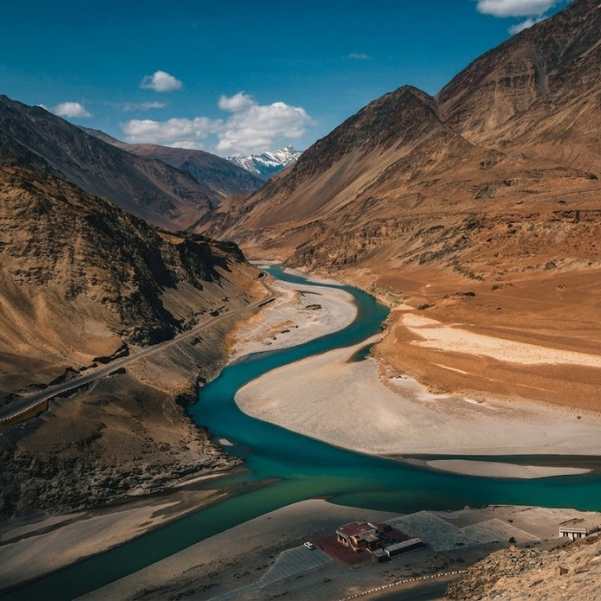
What April Usually Feels Like at This Altitude
At 16,580 feet, April temperatures at Shinkula Pass typically range from around minus 15 to minus 5 degrees Celsius at night, and can climb to anywhere between minus 5 and plus 5 degrees during the day.
These are approximate ranges and depend heavily on current conditions, cloud cover, and wind.
The air is thin, with significantly reduced oxygen compared to sea level. Breathing feels laboured, and any physical exertion is noticeably harder.
Early April vs Late April Weather
Early April at Shinkula is essentially still winter. Expect heavy snow on the ground, freezing temperatures round the clock, and a high probability of fresh snowfall. The pass is often still being cleared during the first week of April.
Late April offers marginally better conditions. Daytime temperatures might edge above freezing on sunny days, and the cleared road section may be more stable.
But late April can also bring surprise snowstorms, as the 2024 pattern showed when fresh snowfall blocked the pass again on April 29 after it had been open for weeks.
Snowfall Risk in April
April snowfall at Shinkula is not unusual; it is expected. The pass sits in a zone where western disturbances can bring sudden heavy snow even as spring arrives in the lower valleys.
A trip planned for late April can be disrupted by a snowstorm that drops several feet of fresh snow overnight.
Wind Chill and Visibility Issues
Wind at 16,580 feet can be brutal. Gusts can push the perceived temperature far below the actual reading, making exposed skin dangerous within minutes.
Whiteout conditions during snowfall or blowing snow can reduce visibility to near zero, making driving extremely hazardous.
Why April Weather Matters More Here Than at Sissu or Solang
Sissu sits at around 3,100 metres in the sheltered Lahaul Valley. Solang is even lower, near Manali. At these elevations, April is already spring.
Flowers are blooming, roads are clear, and the weather is pleasant. Shinkula is nearly 2,000 metres higher than Sissu, and the weather difference is enormous.
What feels like a warm spring day at Sissu can be a freezing, windswept ordeal at Shinkula.
Will You See Snow at Shinkula Pass in April?
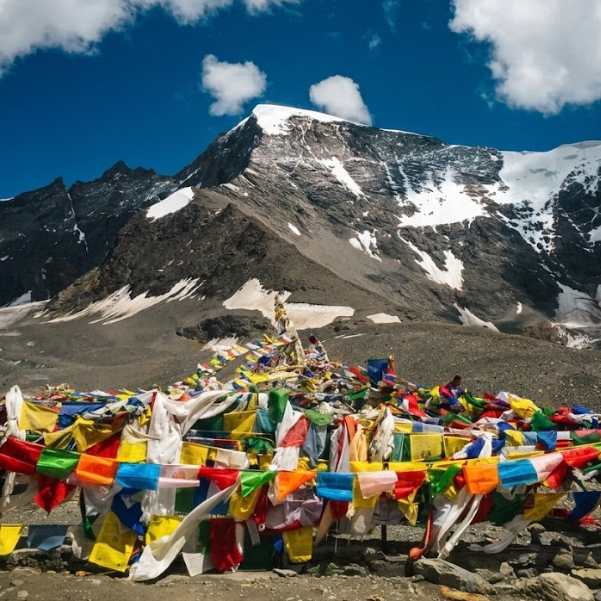
The Real Snow Reality in April
Yes, there will be snow. Lots of it. Shinkula in April is one of the snowiest places you can legally drive to in India. The question is not whether you will see snow but whether the snow conditions will allow you to reach the pass safely.
Early April Snow Expectation
In early April, expect the pass area to be covered in deep snow, often 15 to 20 feet or more. BRO may still be actively clearing the road. If the road has been opened, you will drive through narrow corridors with towering snow walls on both sides.
Late April Snow Expectation
By late April, the cleared road corridor is usually more established, but snow walls remain tall and impressive. Some melting begins on south facing slopes during sunny days, but the pass area itself holds snow well into May and beyond.
Snow Walls, Frozen Stretches, and Road Cut Sections
The visual experience can be stunning. Snow walls rising above your vehicle on both sides, frozen waterfalls, and vast white expanses stretching to the horizon.
But frozen stretches on the road surface make traction unpredictable, and road cut sections where BRO has blasted through ice can be narrow and uneven.
Is April Good for Snow Views, Snow Driving, or Both?
If you are an experienced 4x4 driver and reach the pass successfully, the snow views are extraordinary. But this is emphatically not a casual snow tourism outing. It is an expedition through a high altitude construction zone in extreme conditions.
Why "Yes, There Is Snow" Does Not Mean "Yes, This Is a Good Tourist Day Trip"
The presence of spectacular snow does not make the journey practical or safe for most travellers. Snow at Shinkula in April means ice on the road, avalanche risk, altitude stress, limited rescue options, and conditions that can change within hours. Beautiful, yes. Easy, absolutely not.
Can Tourists Really Go to Shinkula Pass in April?
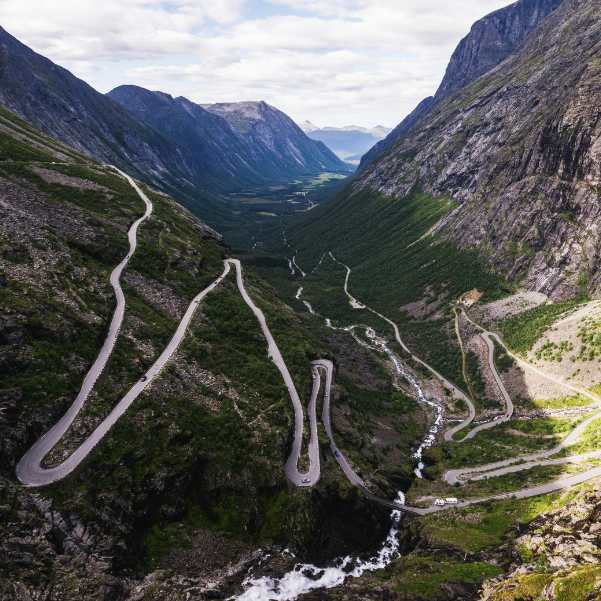
Casual Tourists
For the typical tourist visiting Manali in April for vacation, Shinkula Pass is not a realistic destination. The road conditions, vehicle requirements, altitude, and risk level are beyond what a casual trip should involve. Enjoy Sissu, Keylong, or Jispa instead.
Families and Normal Manali Visitors
Families with children, elderly members, or anyone not accustomed to extreme cold and high altitude should not attempt Shinkula in April. The combination of oxygen deprivation, freezing temperatures, and remote terrain with no medical facilities makes it genuinely risky.
4x4 Travellers
If you have a properly equipped 4x4 vehicle with snow chains, recovery gear, satellite communication, and high altitude experience, an April attempt is possible in years when BRO has opened the pass. But you must confirm same day conditions before departing Darcha.
Bike Riders
Biking to Shinkula in April is extremely challenging. Icy roads, deep snow, and reduced oxygen make motorcycle riding hazardous. Only the most experienced adventure riders with proper cold weather gear and support vehicles should consider it, and even then, turning back must always be an option.
Why Operator Claims and Reels Need to Be Interpreted Carefully
Social media is full of reels showing vehicles at Shinkula Pass in dramatic snow conditions. What these reels often do not show is the hours of waiting at checkpoints, the vehicles that got stuck and needed rescue, the people who suffered altitude sickness, or the fact that the road closed again the next day. When tour operators claim "Shinkula is open" in April, dig deeper into what that actually means.
Restricted Opening vs Easy Tourist Opening
There is a world of difference between "BRO has cleared a path through the snow for strategic connectivity" and "the road is open for comfortable tourist traffic." April openings at Shinkula are almost always the former, not the latter.
How to Check Shinkula Pass Road Status Before Planning
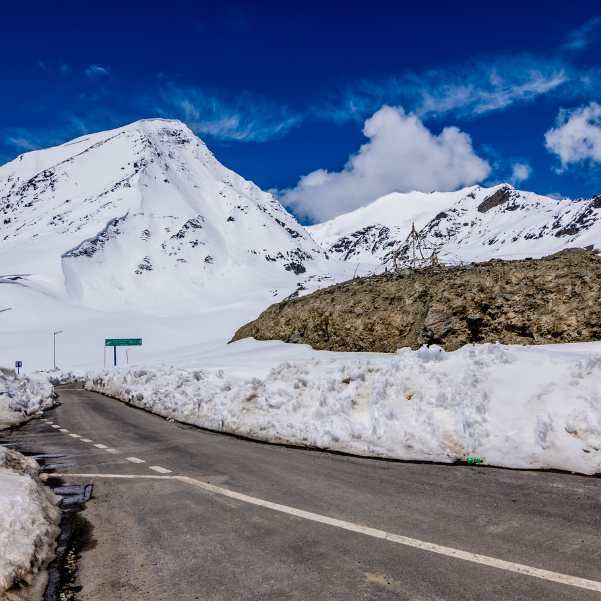
Official Lahaul and Spiti Road Status Page
The District Administration of Lahaul and Spiti publishes road status updates. Dedicated road tracking pages like those maintained by Discover Leh Ladakh compile updates from BRO, local police, and travellers on the ground. These are more reliable than generic travel sites.
👉 WhatsApp Travel Coffee for real time Shinkula road updates and trip planning
Why Same Day Police or Local Confirmation Matters
Conditions at Shinkula can change overnight. A road that was open yesterday might be blocked by fresh snow today. Always confirm with local police at Darcha or Keylong before attempting the pass. They have the most current information.
How to Use Specialist Route Trackers Without Overtrusting Them
Route tracking websites are useful for understanding patterns and recent history. But they sometimes lag behind real conditions. Use them as a starting point, then verify with local contacts or official channels before committing to the drive.
Why Old Blogs Are Not Enough for April Planning
A blog post from 2022 about someone's July trip to Shinkula tells you nothing about April conditions in the current year. Shinkula Pass road status changes annually based on snowfall, BRO resources, and weather patterns. Always prioritise current year information.
Is Shinkula Pass Worth Visiting in April?
When the Answer Is Yes
Shinkula is worth attempting in April if you are an experienced mountain traveller with a proper 4x4, you have confirmed the road is open on the day of your attempt, you are comfortable with turning back if conditions deteriorate, and you understand this is an adventure, not a leisure outing.
When the Answer Is No
It is not worth it if you are visiting Manali for a standard holiday, have limited mountain driving experience, are travelling in a normal car, or have a rigid schedule that does not allow flexibility for closures.
Best Traveller Profile for an April Attempt
The ideal April visitor to Shinkula is someone who has driven other high altitude passes, carries proper recovery and survival gear, is physically fit and acclimatised, has realistic expectations about road quality, and treats the trip as a bonus rather than the primary purpose of their journey.
When Waiting Until May Makes More Sense
For most travellers, May is a far more practical month for Shinkula. By mid to late May, the road is usually more stable, BRO has completed widening of the cleared path, restrictions ease, and the weather is significantly less harsh.
If your primary goal is to see and experience the pass, May gives you much better odds of a successful and enjoyable trip.
👉 WhatsApp Travel Coffee to plan a Sissu or Lahaul trip for your April dates
Shinkula Pass in April vs March vs May
Shinkula in March
In March, the pass is almost certainly closed under deep snow. BRO typically begins snow clearance operations in late February or March, but the pass itself is not reachable.
Even reaching Darcha can be complicated by snow on the lower stretches. March is not a travel month for Shinkula.
Shinkula in April
April is the snow clearance and initial opening month. Access is uncertain, restricted when available, and conditions are extreme. It is possible for well prepared travellers in favourable years, but it is far from reliable.
Shinkula in May
May is when Shinkula starts to become a realistic destination for a broader range of travellers. The road is more stable, BRO opens up to wider traffic, and while snow is still present at the top, conditions are significantly more manageable. Mid to late May is the sweet spot for most visitors.
Which Month Is Most Realistic for Normal Tourists
May is the answer, without hesitation. If you are not specifically seeking an extreme off road snow driving challenge, wait for May or even June when conditions are at their best.
Shinkula Pass in April vs Sissu in April
Choose Shinkula If You Want
An extreme high altitude adventure, dramatic snow walls, remote wilderness, a genuine challenge, and a story that very few travellers can tell. But only if you have the vehicle, gear, experience, and flexibility to do it safely.
Choose Sissu If You Want
A beautiful, accessible destination with snow capped mountains, the famous Sissu waterfall, comfortable accommodation options, and a relaxed atmosphere. Sissu in April is spring in the Lahaul Valley, pleasant and easy to reach through the Atal Tunnel.
Which One Is More Realistic for Normal Tourists in April
Sissu, without question. It is accessible, safe, scenic, and requires nothing more than a normal car and a willingness to enjoy stunning valley scenery. For the vast majority of April travellers, Sissu is the smart choice.
Can You Do a Day Trip to Shinkula Pass in April from Manali?
Theoretical Route Logic
Manali to Darcha is about 100 kilometres through the Atal Tunnel, taking around 3 to 4 hours. Darcha to Shinkula top is another 60 or so kilometres that can take 5 to 7 hours in April conditions.
A round trip from Manali to Shinkula and back in a single day would require at least 16 to 20 hours of driving in the best case.
Practical Risk
This is not practical or safe. You would be driving on ice and through snow corridors at extreme altitude, likely in darkness for significant portions, with no margin for delays, mechanical issues, or weather changes.
Why It Is Not a Normal Sightseeing Day Trip
A day trip to Shinkula from Manali in April should not be attempted. The altitude, distance, road conditions, and restricted access hours make it genuinely dangerous as a there and back day plan.
Better Alternatives If Access Is Doubtful
Stay in Jispa or Keylong and explore the beautiful lower Lahaul Valley. Visit Sissu for snow views at a manageable altitude.
If conditions allow, you can drive towards Darcha and enjoy the approach road scenery without committing to the full pass crossing.
If Shinkula is closed and you have a day in Manali, check out the top adventure activities in Manali from paragliding at Solang to river rafting on the Beas.
Shinkula Pass in April for Self Drive, Bike and 4x4 Travellers
Can a Normal Car Go?
No. A normal hatchback, sedan, or even a standard SUV without 4x4 capability should not attempt Shinkula in April. The road surface is uneven at the best of times, and in April, ice, snow, and slush make traction a serious concern.
Is a 4x4 Necessary?
Yes. A 4x4 with high ground clearance is the minimum requirement. Snow chains for all four tyres are strongly recommended and sometimes mandated by police. A vehicle like a Mahindra Thar, Toyota Fortuner 4x4, or similar is appropriate.
Solo travellers planning a broader Lahaul Spiti trip should also read our Spiti safety guide for solo female travellers for practical route and stay advice.
Is Biking Realistic in April?
For experienced adventure riders on capable machines, biking to Shinkula in April is technically possible but extremely risky.
Ice on the road, river crossings that may be partially frozen, altitude effects on both rider and engine, and the cold make it a serious undertaking. A support vehicle is strongly recommended.
Local Driver vs Self Drive
If you are not highly experienced with mountain driving in snow conditions, hiring a local driver familiar with the Shinkula route is much safer.
They know the terrain, understand the road's quirks, and can read conditions that an outsider might miss.
Why Road Surface Matters More Than Distance
The distance from Darcha to Shinkula top is not enormous, but the road quality can vary from reasonable gravel to loose rock, ice, snow, slush, and stretches where the road barely exists.
Covering 60 kilometres can take 6 or 7 hours. Speed is irrelevant; surface conditions and altitude determine everything.
Local Route References That Make April Planning Easier

Jispa as the Comfort and Pause Point
Jispa, at about 3,200 metres along the Bhaga River, is where most sensible travellers pause and acclimatise. It has guesthouses, basic supplies, and a peaceful atmosphere.
If you are planning an April Shinkula attempt, spending a night in Jispa to adjust to the altitude is wise.
Darcha as the Real Gateway to the Shinkula Side
Darcha is the last settlement before the Shinkula route branches off from the main highway. This is where you will encounter the police checkpoint that controls access to the pass.
Check in here, get the latest conditions, and make your decision about proceeding.
Keylong as the Practical Logistics Base
Keylong is the district headquarters with better facilities than anywhere else in the upper Lahaul corridor. Fuel, ATMs, medical facilities, and proper accommodation are available here.
Stock up on everything you need before heading towards Darcha.
Sissu as the Easier Fallback If Shinkula Is Doubtful
Sissu sits right after the Atal Tunnel exit on the Lahaul side. If you arrive in Lahaul and learn that Shinkula is closed or conditions are too risky, Sissu is a lovely consolation.
The waterfall, the views of the Chandra Valley, and the easy accessibility make it a perfectly satisfying alternative.
Zanskar Sumdo and Why the Name Matters in Updates
Zanskar Sumdo is a point on the approach to Shinkula from the south side. When road status updates mention "Zanskar Sumdo" or "Sumdo Shinkula," they are referring to the confluence area near the base of the pass.
Understanding this name helps you interpret BRO communications and road trackers correctly.
Altitude, Oxygen and Safety at Shinkula Pass in April
How High the Pass Is
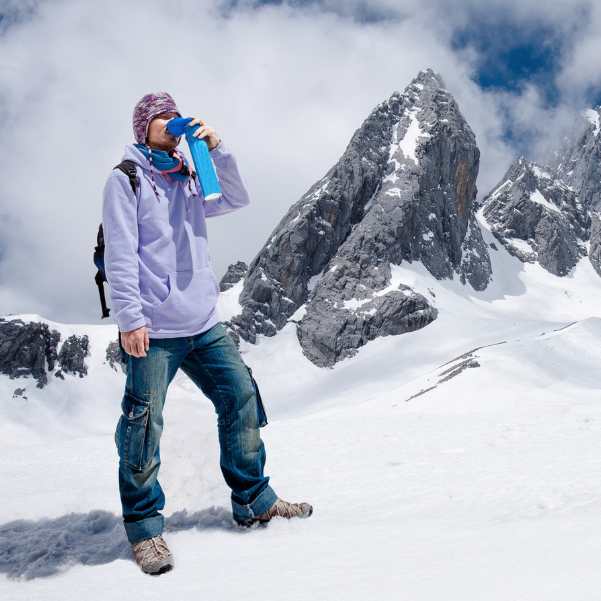
Shinkula Pass sits at approximately 16,580 feet (around 5,050 metres). The official BRO signage lists 16,558 feet. At this elevation, oxygen levels are roughly 50 to 55 percent of what they are at sea level.
Why Altitude Risk Is Worse in Cold Shoulder Months
In summer, your body deals with altitude alone. In April, it deals with altitude plus extreme cold plus reduced physical capacity from heavy clothing and restricted movement.
The combination is significantly more taxing than altitude at the same elevation in warm weather.
Cold Stress and Exposure Risk
Prolonged exposure to sub zero temperatures with wind chill at high altitude can lead to hypothermia, frostbite, and dangerous drops in core body temperature. If your vehicle breaks down at the top in April, the situation can become life threatening within hours.
What Symptoms Travellers Should Not Ignore
Severe headache that does not respond to basic painkillers, persistent nausea or vomiting, confusion or disorientation, breathlessness at rest, and a bluish tinge to lips or fingertips are all warning signs of serious altitude illness.
If you experience any of these, descend immediately. Do not push higher.
Why This Is Not a Beginner Himalayan Drive in April
Shinkula in April is an advanced mountain driving experience. It requires altitude acclimatisation, cold weather preparedness, vehicle recovery skills, and the judgment to abort the attempt when conditions demand it.
First time Himalayan drivers should build experience on easier passes first.
Latest Shinkun La Tunnel Updates and Why They Matter for April Intent
What the Project Is
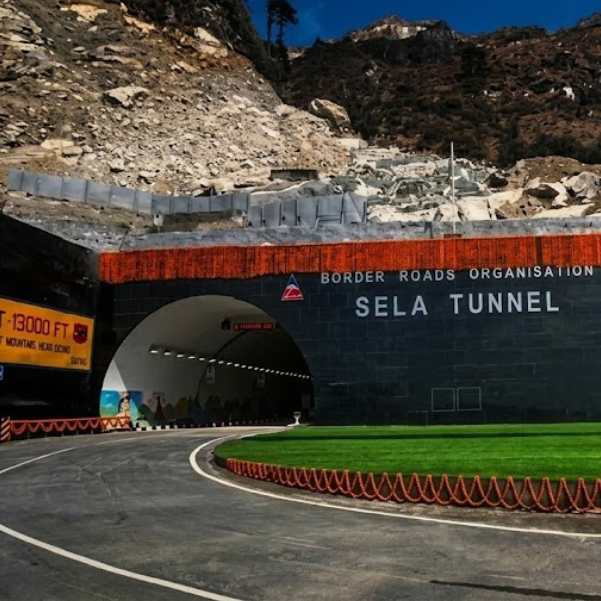
The Shinkun La Tunnel is a 4.1 kilometre twin tube tunnel being constructed under the Shinkula Pass as part of the Nimmu Padum Darcha road. Once completed, it will bypass the pass entirely, eliminating the snow closure problem and providing all weather connectivity between Lahaul and Zanskar.
The tunnel is being built by BRO under Project Yojak at a cost of approximately 1,681 crore rupees. It will sit at an altitude of about 15,800 feet, making it the world's highest highway tunnel of this type when completed.
First Blast and Construction Momentum
Prime Minister Narendra Modi virtually carried out the first blast for the tunnel project on July 26, 2024, marking the 25th anniversary of Kargil Vijay Diwas. This was the formal commencement of construction after years of planning, approvals, and delays.
The project has a history of false starts. Originally conceived in 2006, it was revived in 2020, received cabinet approval for funding in February 2023, and saw its foundation stone laid in July 2024. Major construction began in May 2025, with work proceeding from both portals.
How the Tunnel Will Change Future April Travel
When the tunnel is operational, the entire question of "is Shinkula Pass open in April" becomes irrelevant. The tunnel will allow vehicles to pass beneath the snow bound pass in any season, fundamentally transforming winter and spring access to Zanskar. It will also reduce the Manali to Kargil distance by roughly 60 kilometres.
Why the Tunnel Does Not Solve Current April Uncertainty Yet
As of the latest available information, the tunnel is under construction with a target completion date of 2028 to 2029. A four year timeline was fixed in the contract in March 2025.
This means the tunnel will not help anyone travelling in April 2026 or the next couple of years. Until it is finished, the pass remains snow dependent, and April access remains uncertain.
Latest Construction Status
As of November 2025, construction was in progress from both portals. The project has moved past planning into active excavation, which is meaningful progress given the history of delays.
However, high altitude tunnel construction in this terrain is inherently complex, and the projected 2028 to 2029 completion timeline should be treated as an estimate, not a guarantee.
What to Pack for Shinkula Pass in April

Clothing
Multiple thermal base layers, a heavy insulated jacket rated for sub zero temperatures, windproof and waterproof outer shell, fleece mid layers, thermal gloves with waterproof outers, a balaclava or full face covering, warm hat, thermal socks (carry spares), and snow goggles or UV rated sunglasses.
Footwear
Insulated waterproof boots with good ankle support and grip. Sneakers or regular shoes are completely inadequate. If you plan to step out of the vehicle at the top, your feet will be in snow.
Food and Hydration Basics
There are no shops or restaurants between Darcha and the pass. Carry enough food and water for at least 24 hours more than you think you need.
Hot water in thermos flasks is invaluable. High energy snacks like nuts, chocolate, and energy bars are essential. Dehydration at altitude happens faster than you expect.
Vehicle Essentials
Snow chains for all tyres, a tow rope, a basic toolkit, a portable air compressor, extra fuel if possible (there are no fuel stations after Keylong), a shovel, and jumper cables.
A portable phone charger and ideally a satellite communication device for emergencies.
Emergency Mindset
Pack as if you might spend an unplanned night in your vehicle at 16,580 feet in freezing conditions.
Sleeping bags rated for extreme cold, emergency blankets, and a first aid kit with altitude sickness medication (consult a doctor before your trip) should be non negotiable.
Common Mistakes Travellers Make When Planning Shinkula Pass in April
The most common mistake is assuming that because the Manali to Darcha road is open, Shinkula Pass must be open too. These are completely separate stretches with very different conditions.
Many travellers trust random social media posts declaring the pass open without checking official sources or verifying the date and conditions of those posts. A video from last week does not tell you about today.
Attempting the pass in a normal hatchback or front wheel drive vehicle because "the road is open" is dangerous. When restrictions say 4x4 only, they mean it.
Underestimating altitude is extremely common. People who feel fine at Jispa (3,200 metres) assume they will be fine at Shinkula (5,050 metres). The jump is significant and can hit suddenly.
Starting too late from Manali is another frequent error. If you leave Manali at noon hoping to reach the pass by evening, you will likely be driving the most dangerous sections in fading light and dropping temperatures.
Chasing snow for photographs without understanding clearance logic leads to getting stranded. Snow walls look dramatic in pictures, but they exist because the road is carved through an unstable snow mass.
Treating April like a summer Zanskar route is perhaps the biggest conceptual mistake. In July, the road to Shinkula is still rough but manageable with reasonable care. In April, it is an expedition.
Not having a fallback plan is surprisingly common. If Shinkula is closed, what will you do? Having Sissu, Keylong, or Jispa as alternative destinations makes the trip worthwhile even if the pass is inaccessible.
Ignoring same day police or local updates at Darcha because you "drove all this way and don't want to turn back" is the kind of thinking that leads to emergencies.
Final Verdict: Should You Plan Shinkula Pass in April?
For most travellers, the honest answer is no, April is not the right month for Shinkula. The pass is either still being cleared, freshly opened with heavy restrictions, or at risk of closure from fresh snowfall. The road conditions require a serious 4x4, the altitude is punishing, the weather is harsh, and there are zero facilities or rescue options on the route.
If you are a seasoned mountain traveller with the right vehicle, gear, fitness, and mindset, an April attempt can be one of the most extraordinary drives in India. But it requires real time information, genuine flexibility, and the willingness to turn around.
For everyone else, wait for May or later. The pass is not going anywhere, and it will be much more accessible and enjoyable when conditions stabilise. In the meantime, the Lahaul Valley itself, Sissu, Keylong, and Jispa, offers plenty of beauty and mountain magic in April without the extreme risks of the pass.
Plan smart, verify everything before you go, and let the mountain decide whether it is ready for visitors.
>> Find the Right Lahaul or Spiti Package for Your Travel Dates
Related topics
Frequently Asked Questions
Is Shinkula Pass open in April?
In most years, BRO completes snow clearance at Shinkula sometime in April and declares the road open. However, this opening is typically restricted to 4x4 vehicles with snow chains, with controlled traffic timings and travel at your own risk. The pass can also close again from fresh snowfall during April.
Can tourists visit Shinkula Pass in April?
Tourists can technically visit if the road is open and they have an appropriate 4x4 vehicle. But April access is almost always restricted, not a normal tourist opening. Casual tourists without mountain driving experience and proper gear should avoid it.
Is April a good time to visit Shinkula Pass?
April is not a good time for most visitors. It is a transition month with extreme conditions, uncertain access, and significant risk. May onward is far more suitable for a positive experience.
How much snow is there at Shinkula Pass in April?
The pass area typically has 10 to 20 feet of snow in April. Even after BRO clearance, snow walls along the road can be over 15 feet high. Fresh snowfall can add several feet overnight.
Can I drive a normal car to Shinkula in April?
No. A normal car, including standard hatchbacks, sedans, and front wheel drive SUVs, should not attempt Shinkula in April. The road requires a 4x4 with high ground clearance and preferably snow chains.
Is a 4x4 required for Shinkula Pass in April?
Yes. When the road is open in April, police and local authorities typically mandate 4x4 vehicles. Even without a mandate, the icy and snowy conditions make 4x4 essential for safety.
Can I go to Shinkula from Manali in one day in April?
This is not practical or safe. The round trip distance and road conditions in April would require 16 to 20 hours of driving minimum, much of it in dangerous terrain. An overnight stay at Jispa or Darcha is necessary.
Is Shinkula better in April or May?
May is significantly better for almost all travellers. By mid to late May, the road is more stable, restrictions ease, weather improves, and the experience is more manageable. April is only for those seeking extreme adventure.
Is Shinkula better than Sissu in April?
These are not comparable destinations. Sissu is a beautiful, easy to reach valley destination perfect for April. Shinkula is an extreme high altitude pass that is barely accessible in April. For normal tourists, Sissu is the clear choice.
What is the altitude of Shinkula Pass?
Shinkula Pass sits at approximately 16,580 feet (about 5,050 metres) above sea level. This makes it one of the highest motorable passes in India.
What should I wear at Shinkula Pass in April?
Multiple thermal layers, an insulated winter jacket, windproof and waterproof outer layers, thermal gloves, a balaclava or face covering, insulated waterproof boots, and UV protective eyewear. Dress for temperatures between minus 15 and minus 5 degrees Celsius.
What are the latest Shinkun La Tunnel updates?
Construction of the 4.1 kilometre Shinkun La Tunnel began formally in July 2024, with major construction work starting from May 2025. As of late 2025, work was progressing from both portals. The expected completion date is 2028 to 2029.
Will the tunnel make April travel easier in the future?
Yes, dramatically. Once the tunnel is operational, it will bypass the snow bound pass entirely, allowing all weather year round vehicular access between Lahaul and Zanskar regardless of snow conditions on the pass. But this is still several years away.
What are the best local stops before Shinkula?
Sissu for the waterfall and valley views, Keylong for logistics and supplies, Jispa for acclimatisation and peaceful riverside stays, and Darcha as the final checkpoint and decision point before committing to the pass.
What should I do if Shinkula is not open on my travel day?
Explore the Lahaul Valley instead. Sissu, Keylong, and Jispa are all excellent destinations with their own charm. You can also drive towards Darcha and enjoy the stunning approach scenery along the Bhaga River without attempting the pass. There is no shame in making the smart call.
More about Manali
 Manali
Medical Help in Manali for Tourists 2026: Hospitals, Pharmacies and Emergency Steps
Need medical help while travelling in Manali? This guide covers hospitals, pharmacies, emergency contacts and practical steps tourists should take during illness or injury. It also explains what to do in urgent situations, including breathing problems at higher altitudes.
- First-Time Travellers
- Altitude & Health
 Manali
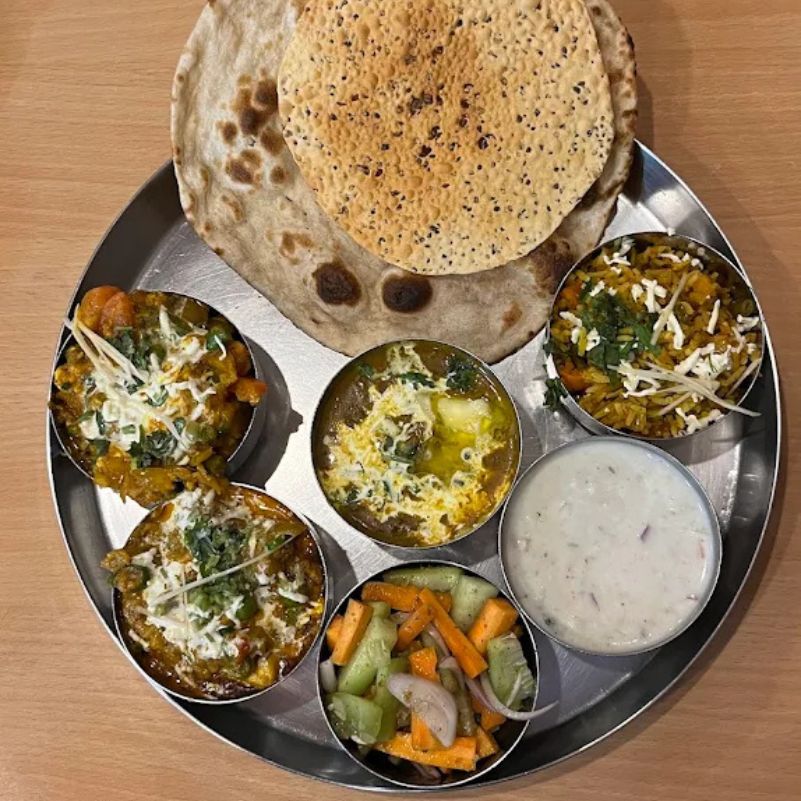
Vegetarian and Jain Food in Manali 2026: Where to Eat Without Guesswork
Looking for reliable vegetarian and Jain food in Manali? This guide covers pure veg restaurants, Jain-friendly places, no onion no garlic options, and practical tips on what to confirm before ordering in 2026.
- Things to Do
- Places to Visit
 Manali
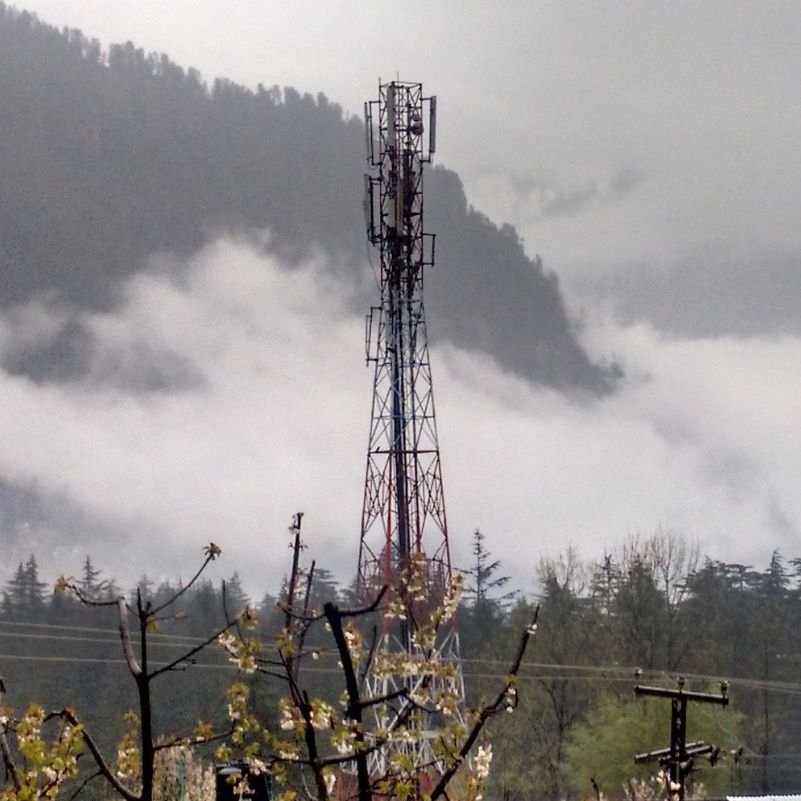
Mobile Network, Internet, UPI and ATMs in Manali 2026: What Works Where
Planning a Manali trip in 2026? Know which mobile networks work, where internet may be weak, whether UPI is reliable, and where to find ATMs. This guide helps you stay connected and payment-ready during your Manali trip.
- First-Time Travellers