
15 Best Places to Visit in Kinnaur Valley in 2026
Most travel blogs give you a list of places to visit in Kinnaur Valley with the same five names, the same stock photos, and zero route logic. You scroll through, feel inspired for about ten seconds, and then realise you still have no idea how to actually plan the trip.
Here is the problem. Kinnaur is not a single destination. It is a 200-plus kilometre stretch of river valleys, mountain villages, orchards, temples, and high-altitude landscapes spread along the Satluj and Baspa rivers.
Some places sit right on the highway. Others need a detour. Some are worth two nights. Others are a 30-minute stop.
What most people get wrong is treating Kinnaur like a checklist. They try to see everything in four days, spend most of their trip in a car, and leave feeling like they saw a lot of roads but not much of Kinnaur. This guide by Travel Coffee fixes that.
Quick Answer
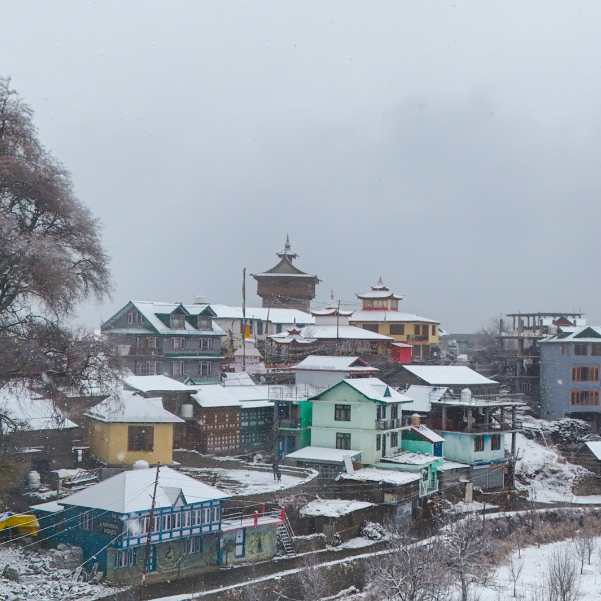
If this is your first Kinnaur trip, focus on three places: Kalpa for the mountain views, Sangla for the valley and riverside feel, and Chitkul for the end-of-the-road village experience.
Add Reckong Peo as a practical base and supply stop, and Kamru Fort as a quick half-day detour near Sangla.
If you have seven or more days, Nako is worth adding. It sits in upper Kinnaur, about 119 km from Kalpa, and feels like a completely different world.
But it only makes sense on a longer itinerary or a trip that connects into Spiti.
One thing to keep in mind: road access in Kinnaur depends heavily on the season. Winter and early spring can close the road to Chitkul entirely, and NH-5 disruptions from landslides happen even in good months. Always check road status a day or two before you leave.
If you want help building a route that fits your dates and group size, talk to our team on WhatsApp.
👉 WhatsApp us to build a route that actually fits your plan
Why Is Kinnaur Valley Worth Visiting in 2026?
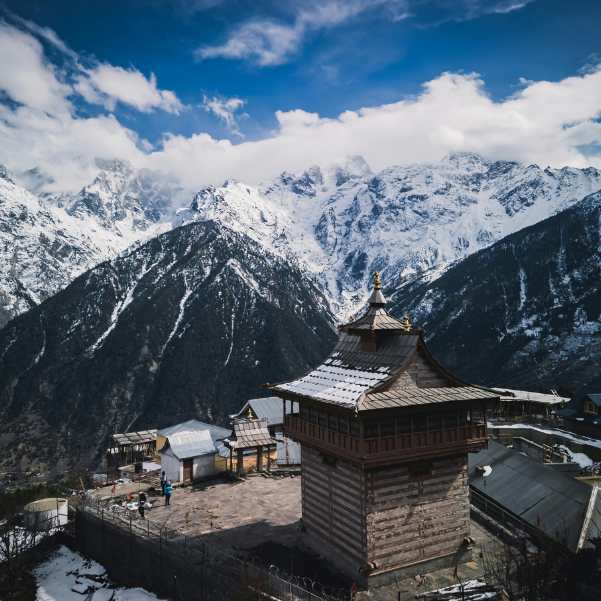
Kinnaur does not hit you with one big attraction. It works on you slowly, village by village, turn by turn.
Lower Kinnaur is greener, warmer, and more accessible. You pass through orchards, small towns, and temple villages as the highway follows the Satluj river.
This stretch from Shimla to Reckong Peo is where most first-timers spend their time.
Upper Kinnaur is drier, higher, and closer to the Tibetan Plateau in feel. Nako, Pooh, and the areas towards the Spiti border have a stark, desert-mountain beauty that looks nothing like the lower valley. Fewer tourists reach here, and the silence is real.
The reason 2026 is a good year to go is simple. Kinnaur has not been overrun the way Manali and Shimla have. The villages still feel like villages.
The homestays are still run by families, not hotel chains. And the apple orchards, wooden temples, and mountain views are still there without a queue in front of them.
If you are thinking about a trip, our Kinnaur tour packages cover the best routes with local stays and drivers who know every hairpin on this road.
What Are the Best Places to Visit in Kinnaur Valley for First-Timers?
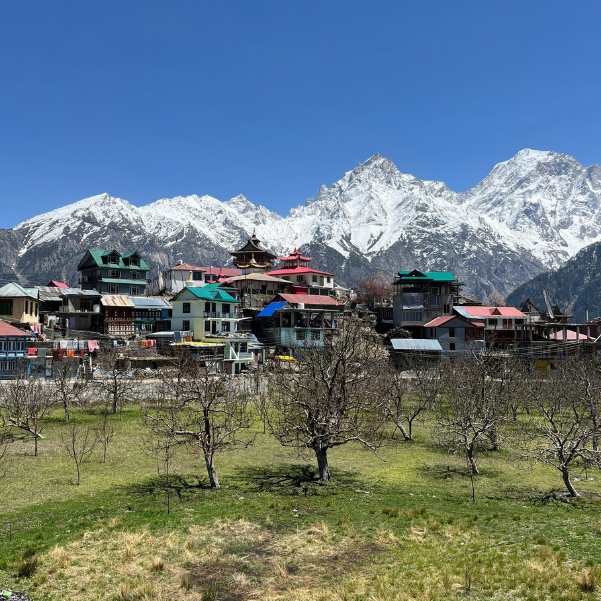
Kalpa
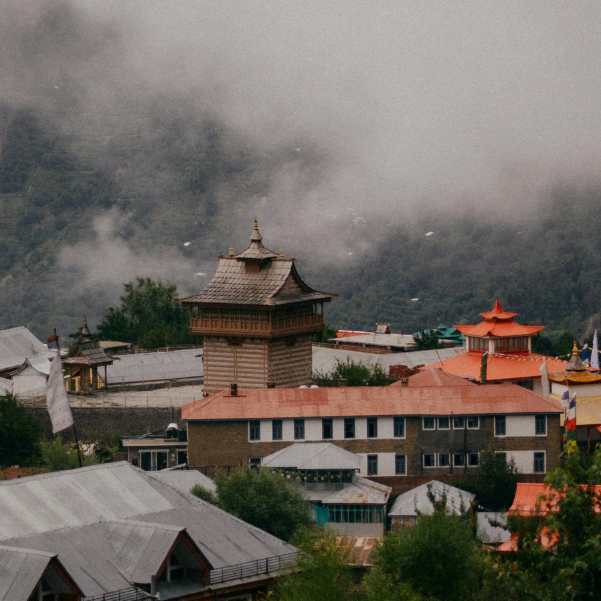
Kalpa stands at 2,759 metres and sits about 14 km from Reckong Peo, which is a half-hour drive up a winding mountain road.
The village faces the Kinner Kailash range, and on a clear morning, the 6,050-metre peak catches the first sunlight while the valley below is still in shadow. That view alone is why most people come here.
But Kalpa is more than the viewpoint. The Narayan-Nagini temple complex is worth walking through. The old monastery side of the village has a quieter feel with narrow lanes and traditional wooden houses.
And if you are there in apple season, the orchard walks around the village are genuinely beautiful.
In our experience running trips through Kinnaur, Kalpa works best as a base. Stay two nights, use one day to walk the village and surrounding trails, and use the other to explore Reckong Peo and Kothi nearby. Rushing through Kalpa in a single night is the most common mistake we see.
The sunrise from your hotel balcony in Kalpa is one of the best free experiences in all of Himachal. Get up before 6 AM and just watch. No ticket needed, no crowd, no queue. Just you and the mountains.
Sangla
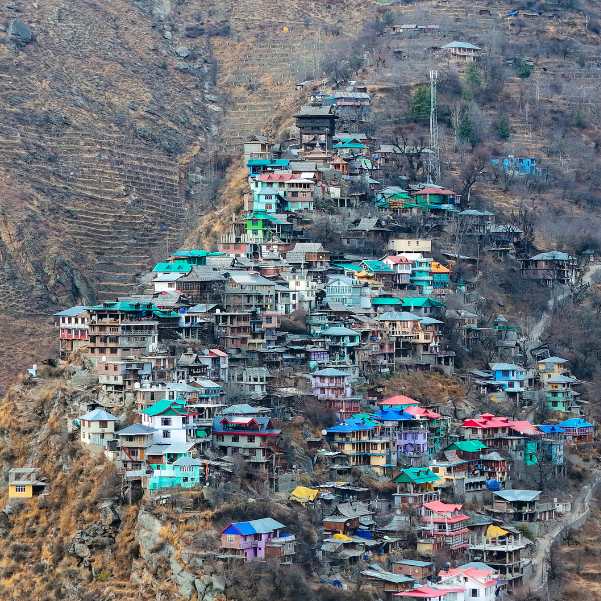
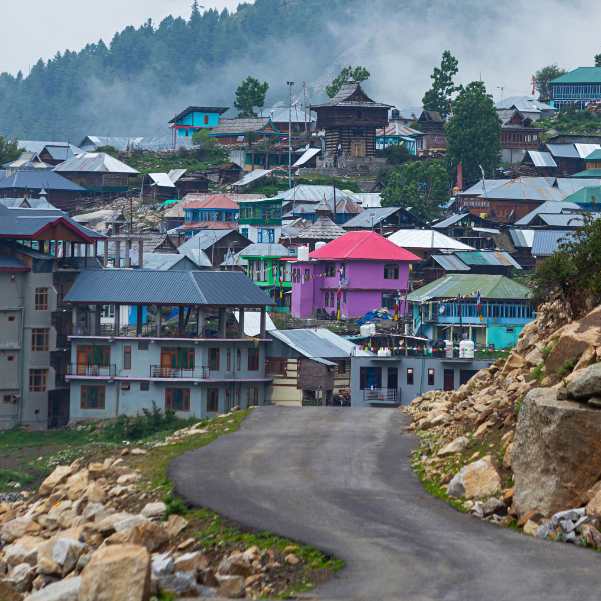
Sangla sits at 2,621 metres in the Baspa Valley, about 17 km from Karcham on the main highway. You turn off NH-5 at Karcham and follow the Baspa river upstream through a narrow valley that opens up into something stunning.
The village has a relaxed feel that Kalpa does not. The river is louder here. The wooden houses are older and more spread out. There are orchards, small farms, and a general sense that life moves at a different speed.
Sangla is one of the easiest places to enjoy in Kinnaur without rushing. You do not need to "do" anything specific.
Walk along the river, explore the village lanes, sit at a small shop and have chai while staring at the mountains across the valley. That is Sangla.
One tip our drivers always share: the stretch from Karcham to Sangla can feel rough, especially if there has been recent rain.
The road hugs the river and passes through some narrow, landslide-prone sections. It is safe in good weather, but do not attempt it after dark.
Chitkul
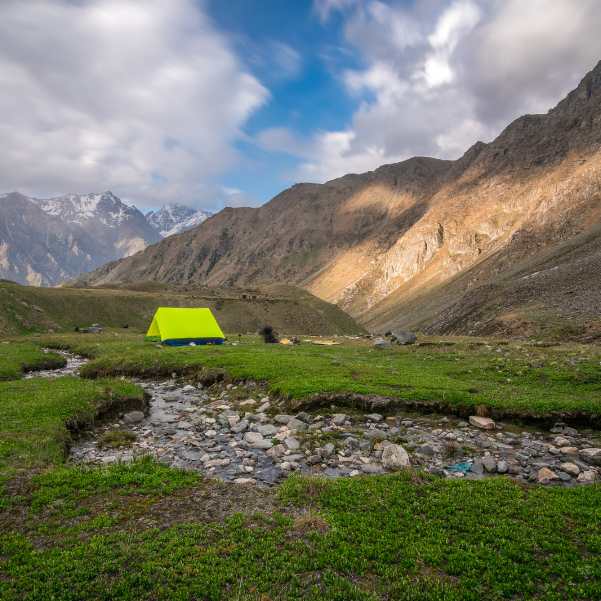
Chitkul stands at 3,450 metres and is the last inhabited village in the Baspa Valley. The road ends here. Literally. Beyond Chitkul, you are looking at the Indo-Tibetan border.
The village has a small cluster of wooden houses, the Mathi temple with its old wooden architecture, a river that runs clear even in summer, and meadows that stretch towards the mountains.
The "last village" appeal is real, but do not expect a remote wilderness. During peak season, Chitkul gets a fair number of visitors, especially day-trippers from Sangla.
Most people visit Chitkul as a day trip from Sangla, which works fine. The drive is about an hour each way.
If you stay overnight, you get the village to yourself in the early morning and late evening, which is when it feels most special.
Here is the honest negative: Chitkul can be disappointing if you go on a cloudy day or during peak tourist hours.
The magic is in the light and the quiet, not in any single monument. Plan your visit for the morning, and keep your schedule flexible in case the weather does not cooperate.
The road to Chitkul usually closes around mid-December and reopens by March, though this shifts year to year. Always confirm before you plan a winter visit.
Reckong Peo
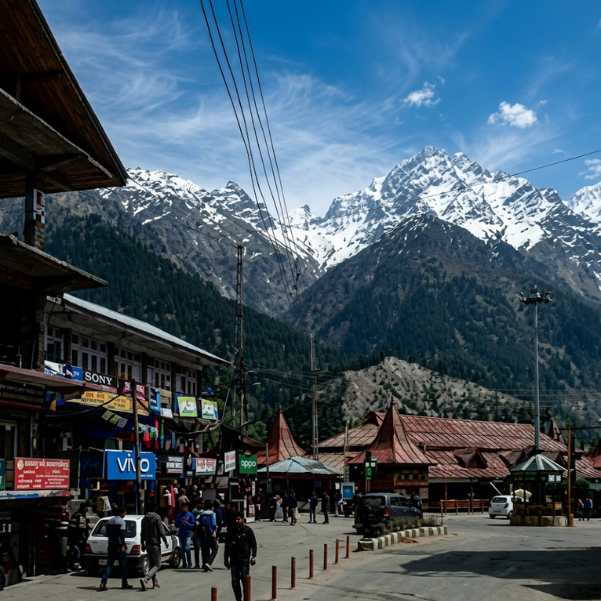
Reckong Peo is the district headquarters of Kinnaur, sitting at 2,670 metres and 235 km from Shimla. Most travellers treat it as a pass-through town, a place to fill up on fuel, get cash, and buy supplies before heading to Kalpa or Sangla.
That is a mistake.
Peo has a solid viewpoint that gives you a different angle of the Kinner Kailash range. The local market is useful for stocking up on snacks, medicines, and warm clothes you forgot to pack.
And the town has a real, lived-in feel that the smaller villages lack. If you need a functioning ATM, a pharmacy, or a decent mobile signal, Peo is where you get it.
We usually tell our travellers to spend at least a couple of hours here rather than driving straight past. It is the last proper town before things get remote.
Which Offbeat Places in Kinnaur Are Actually Worth the Detour?
Nako
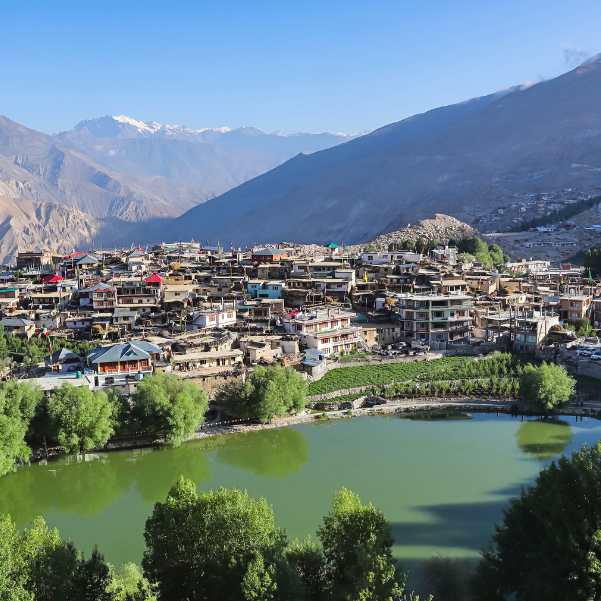
Nako is the place in Kinnaur that feels least like Kinnaur. It sits at 3,663 metres in upper Kinnaur, about 119 km from Kalpa, and the landscape here is dry, brown, and windswept.
The trees disappear. The houses are flat-roofed. The monastery has Tibetan prayer flags snapping in the wind.
The lake at Nako is small but beautiful, especially in the morning light. The village itself is compact and walkable. And the general atmosphere is closer to Spiti than to the green valleys of lower Kinnaur.
The catch: Nako is far. Getting there from Kalpa takes a full day of driving on roads that can be unpredictable. It only makes sense on a trip of seven days or more, or if you are connecting into a Spiti Valley circuit.
If you are doing Kinnaur as a standalone trip of four to five days, skip Nako. You will spend too much time driving and not enough time actually experiencing anything. Save it for a longer trip.
Kothi
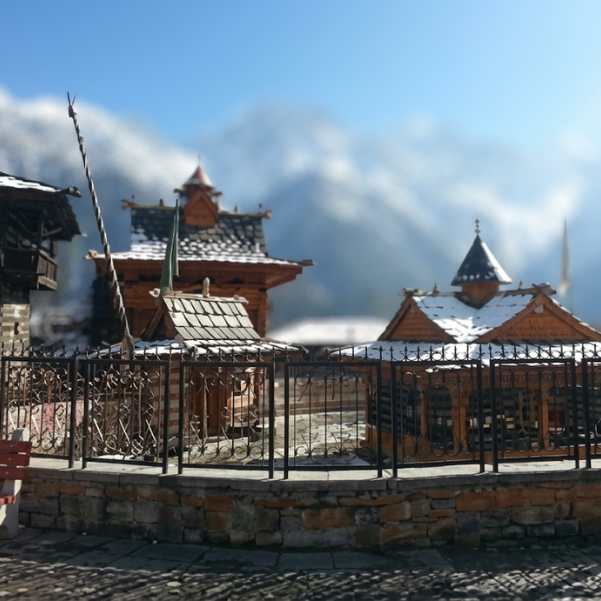
Kothi is an ancient village near Reckong Peo, and most travellers have never heard of it. That is exactly why it is worth a visit.
The Shuwang Chandika temple here is one of the most important temples in Kinnaur. The wooden architecture is traditional, the setting is quiet, and the whole village has a heritage feel that is easy to miss if you are rushing between Kalpa and Sangla.
Kothi works as a short cultural add-on. You do not need more than an hour or two. Combine it with a Reckong Peo visit on the same day.
Kamru Fort and Batseri
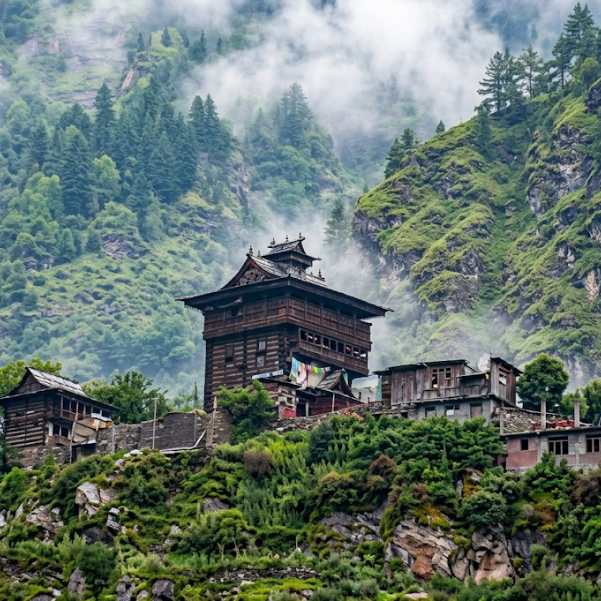
Kamru Fort sits about 2 km from Sangla and is an easy half-day detour. The fort is an old wooden tower structure built in a style you see across Kinnaur and parts of Kullu. The walk up to it takes 15 to 20 minutes and gives you a good view of the Baspa Valley below.
Batseri is a small village near Sangla with traditional homes and a quiet village lane that feels untouched by tourism. It is not a standalone sightseeing stop.
Think of it as texture. If you are spending two nights in Sangla, a walk to Batseri fills a pleasant morning.
One money-saving tip most blogs will not tell you: some taxi drivers in Sangla will quote a separate fare for Kamru Fort even though it is barely 2 km away and easily walkable. Save your money and walk. The trail is clear and the exercise is good at this altitude.
Bhaba Valley
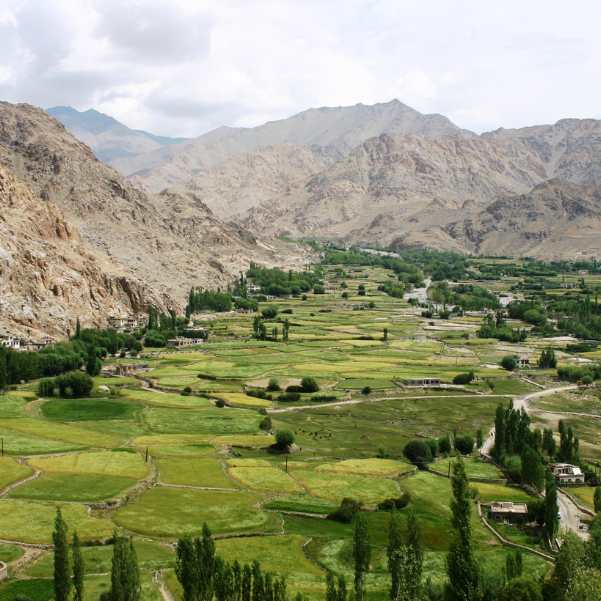
Bhaba Valley is for travellers with extra time, a love for forests, and possibly an interest in trekking. The valley sits on a side route and includes villages like Kafnoo, Katgaon, and Yangpa.
The landscape is different from the Baspa side. More trees, more water, more green. The Pin-Bhaba trek connects this valley to Spiti and is one of the more rewarding multi-day treks in Himachal for experienced hikers.
For a regular sightseeing trip, Bhaba Valley is a bonus, not a priority. Add it only if you have a day to spare and genuinely enjoy exploring smaller, less-visited villages.
Moorang and Ribba
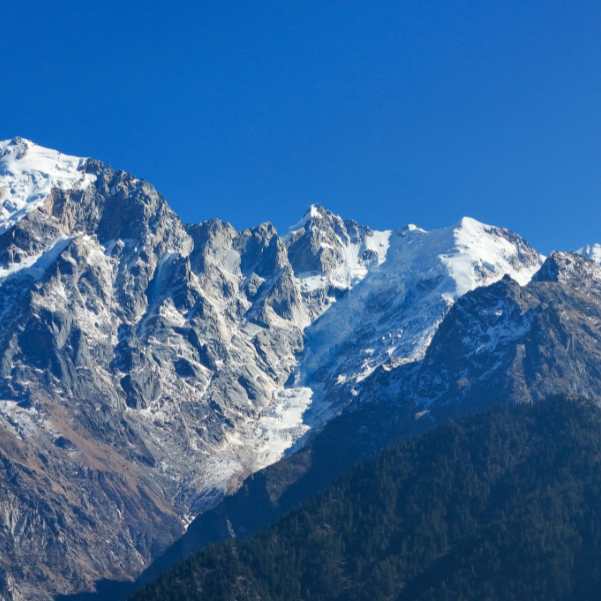
If you are driving between Reckong Peo and the upper Kinnaur side, Moorang and Ribba are quiet village stops that break the drive nicely.
Neither is a major attraction, but both have old temples, orchard landscapes, and the kind of village life that disappears the moment you get closer to a highway.
These work best for travellers who want to slow down. If your itinerary is tight, you will not miss anything critical by driving past.
How Do You Choose Between Kalpa, Sangla, Chitkul, and Nako?
This is the question we get asked the most. And the honest answer is that each one does something different.
Kalpa
Kalpa is the mountain view stop. If you want to wake up to a massive Himalayan peak right in front of your face, Kalpa delivers that better than anywhere else in Kinnaur. Two nights here gives you enough time to settle in and actually enjoy the views instead of rushing.
Sangla
Sangla is the valley and riverside stop. It has a softer, greener feel. The river is the main character here, not the peaks. If you like walking, sitting by water, and soaking in village life, Sangla is where you should spend time. One or two nights works well.
Chitkul
Chitkul is the iconic endpoint. It has the "last village" appeal and the open meadow landscape. Most people do it as a day trip from Sangla, which is enough. If you stay a night, you get the quiet morning experience, which is worth it if you have the time.
Nako
Nako is the upper-Kinnaur wildcard. It feels like a different country compared to the others. Dry, high, quiet, Tibetan in feel. Add it only if you have seven or more days or are connecting to Spiti.
For a first trip, we usually recommend two nights in Kalpa, one or two nights in Sangla, a day trip to Chitkul, and a half-day for Reckong Peo and Kothi. That covers the core of Kinnaur without exhausting you.
What Is the Best Route to Cover These Places Without Backtracking?
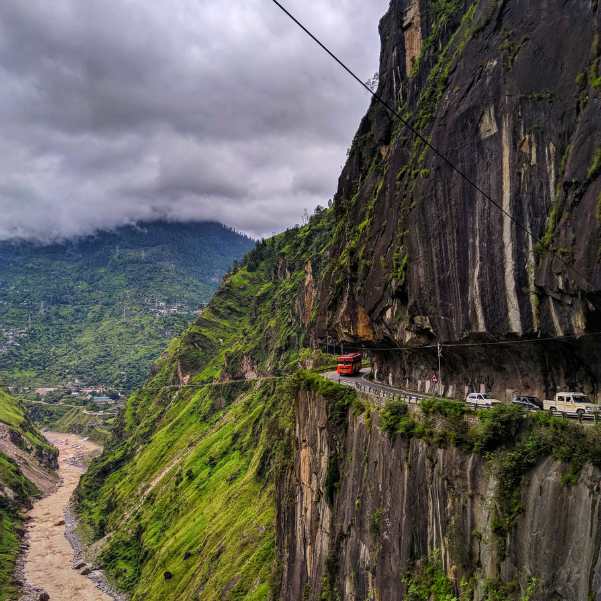
Kinnaur is essentially a linear route. You enter from the Shimla side along NH-5, and every major stop comes one after another as you drive deeper into the valley. The trick is deciding how far to go and where to detour.
The 4-Day Version: Kalpa, Sangla, and Chitkul
This is the most popular format and works for anyone with a long weekend or limited leave. You drive from Shimla to Sangla on day one, covering about 250 km on what will feel like a much longer journey because of the mountain roads.
Day two is Chitkul in the morning and a transfer to Kalpa in the afternoon. Day three is Kalpa and Reckong Peo exploration. Day four is the drive back to Shimla.
This version gives you the three big highlights but leaves almost no buffer for road delays. It works, but it is tight. Our Shimla-based packages can pair nicely with this if you want a day in Shimla before or after.
The 6-Day Version: Add Reckong Peo, Kothi, and Breathing Room
With two extra days, you can stop rushing. Spend a full day in Sangla without a car. Walk to Kamru Fort. Spent a morning in Kothi and Reckong Peo.
Give Kalpa two proper nights where you actually watch the sunrise instead of packing your bags at 6 AM.
This version suits families, couples, and anyone who wants to feel like they actually visited Kinnaur instead of just driving through it.
What we always tell our travellers: the extra two days do not add two more places. They add the experience of the places you are already going.
The 7-Day Version: Add Nako or a Slower Sangla-Side Stay
If you have a full week, you can either add Nako to the itinerary or spend an extra night on the Sangla side exploring Batseri, the Baspa river trail, and the orchards near Chitkul.
Adding Nako means a full day of driving from Kalpa to Nako and another day to return or continue towards Spiti.
This only makes sense if you are genuinely interested in upper Kinnaur or if you are linking your trip with a Spiti Valley circuit.
The slower Sangla-side version is what we recommend for most seven-day travellers. You end up more relaxed, better adjusted to the altitude, and with a deeper experience of fewer places rather than a shallow experience of more.
When Is the Best Time to Visit Each Place in Kinnaur?
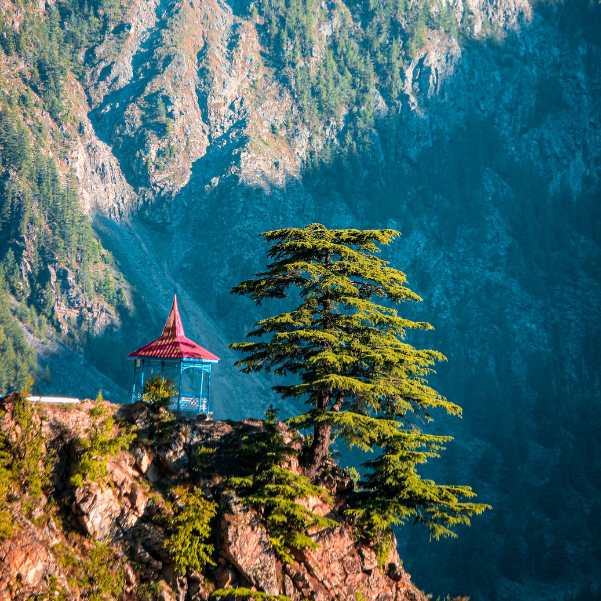
Spring, from April to mid-June, is when Kinnaur starts warming up. The orchards bloom.
The snow melts off the lower peaks. Roads are generally open, though early April can still have closures on higher stretches. This is a good window for first-timers.
Summer, from mid-June to August, brings warmth during the day and comfortable evenings.
July and August also bring monsoon risk. NH-5 is landslide-prone during heavy rains, and the Karcham to Chitkul road can get affected. If you travel in monsoon, keep buffer days and check road updates daily.
Autumn, from September to November, is quietly the best time for many experienced travellers. The skies clear, the apple orchards turn golden, and the light on the mountains is the cleanest it will be all year. Crowds drop after Dussehra. If you can travel in October, do it.
Winter, from December to March, is beautiful but comes with serious road uncertainty. The road to Chitkul usually closes by mid-December and reopens around March. Snowfall in higher reaches is common.
Fresh snowfall was reported in Kinnaur's higher areas as recently as March 2026. NH-5 disruptions, including one near Shongtong in March 2026, can block travel for hours or even a full day.
Winter Kinnaur is stunning if you are flexible and willing to adjust plans. It is stressful if you have a fixed schedule and zero buffer.
Are There Any Permits, ID Checks, or Road Restrictions in 2026?
For Indian travellers, the main Kinnaur circuit through Kalpa, Sangla, Chitkul, and Reckong Peo does not require any special permit. You carry a valid government-issued photo ID, and that is enough.
However, some areas in upper Kinnaur near the border are classified as notified protected areas. Movement towards Shipki La and Kaurik from the main highway is restricted. You cannot access these roads without proper clearance.
In certain border-adjacent areas, regulated border tourism opened in recent years with requirements around valid ID and timing restrictions. Specific rules, such as any time-of-day access limits, change and should always be confirmed before travel.
For foreign travellers, the situation is different. You need an Inner Line Permit (ILP) for notified protected areas in upper Kinnaur, particularly the Pooh-side stretch.
The official district site lists the ILP fee as ₹200 per person plus service charges. The permit process can take time, so apply in advance.
Regardless of nationality, always carry a valid ID. Checkpoints exist on the route, and you may be asked to show identification, especially near Akpa and beyond.
The single most important thing: verify road and access status 24 to 48 hours before departure. Kinnaur roads are unpredictable, and rules can change with weather, military activity, or administrative decisions.
If you want someone to handle the permit and access checks for you, reach out to Travel Coffee on WhatsApp. We deal with this every season and can tell you exactly what your group needs.
👉 WhatsApp us and get clear answers on permits and access
Practical Tips Before You Shortlist Places
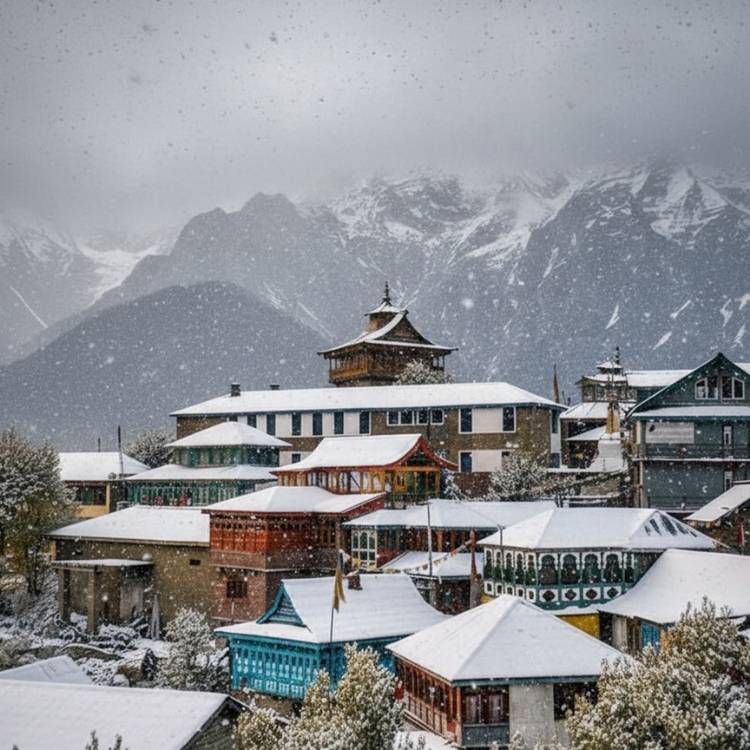
Start early every single day. Mountain roads in Kinnaur are at their best in the morning.
Afternoon clouds, rain, and fading light make driving harder and less enjoyable. A 6 AM departure gives you the smoothest drive and the best views.
NH-5 is not a smooth highway. Sections of it are well-maintained, but other parts, especially between Rampur and Karcham, can be rough, narrow, and crowded with trucks.
Do not plan your day around Google Maps time estimates. Add at least 30 to 40 percent more time to whatever the app says.
Cash still matters. While UPI works at some shops in Reckong Peo and Sangla, do not count on it everywhere. ATMs exist in Peo, but they run out of cash or go offline regularly. Carry enough cash for your entire trip and keep small denominations for dhabas and local shops.
Here is a timing tip that changes the experience: if you are visiting Chitkul, reach before 8 AM. The village is quiet, the light is golden on the river, and the meadows are empty. By 11, the day-trippers from Sangla start arriving and the vibe shifts entirely.
Do not try to cram lower and upper Kinnaur into a short trip. We have seen travellers try to do Kalpa, Sangla, Chitkul, and Nako in five days.
They spend most of their time in a car, arrive exhausted at each place, and leave without really seeing any of them. Pick your cluster, give it time, and save the rest for the next trip.
Our popular tours page has pre-built options that balance these places well. Or if you want to talk through your specific situation, our Himachal team can help you build something custom.
A scam warning worth knowing: some taxi drivers at Karcham junction will tell you the road to Sangla is "very dangerous" and quote inflated rates for the 17 km stretch. The road is a standard mountain road. Yes, it is narrow in parts.
No, it does not justify double the normal fare. Agree on a price before you get in, or better yet, have your own vehicle or a pre-arranged driver.
Suggested Kinnaur Sightseeing Plans for 4, 6, and 7 Days
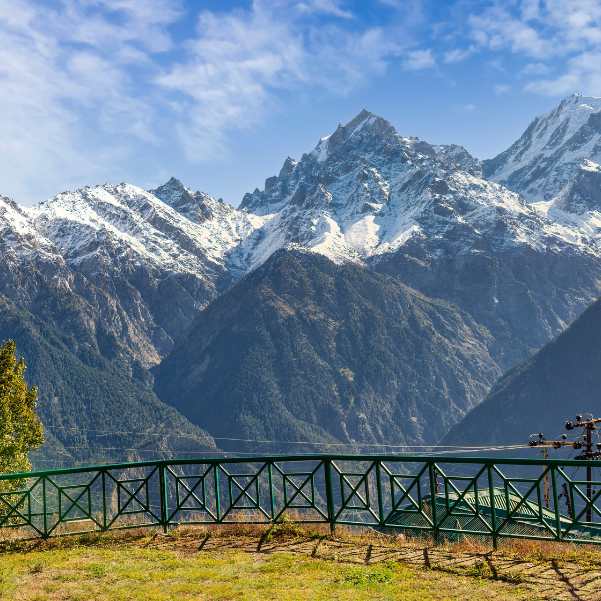
The 4-day plan
This suits working professionals with a long weekend. You drive from Shimla to Sangla on day one, do Chitkul and transfer to Kalpa on day two, explore Kalpa and Reckong Peo on day three, and return to Shimla on day four.
It is fast-paced but covers the essentials. This plan works best in stable weather months like May, June, September, and October.
The 6-day plan
The 6-day plan is what we recommend for most first-time visitors. You add a full day in Sangla for Kamru Fort, Batseri, and river walks.
You add a half-day for Kothi and Reckong Peo as a standalone experience instead of a rushed stop. And you give yourself one buffer day that you can use for rest, an unexpected closure, or a second morning at Chitkul.
The 7-day plan
The 7-day plan splits into two versions. Version one adds Nako for travellers heading towards upper Kinnaur or Spiti. Version two keeps you in the Kalpa and Sangla belt but adds depth. A second night in Sangla with a slow morning.
An orchard walk near Chitkul. An evening at Kalpa with nowhere to be the next morning. In our experience, this version leaves people happier than the one that adds another name to the list.
Skip the dhaba at the Karcham junction. The food is overpriced and underwhelming. Instead, eat at the small family-run place about 3 km before you reach Sangla.
The rajma-chawal there is some of the best you will have on this trip, and it costs half of what Karcham charges. Our drivers have been eating there for years.
Explore Our Curated Kinnaur Valley Tours
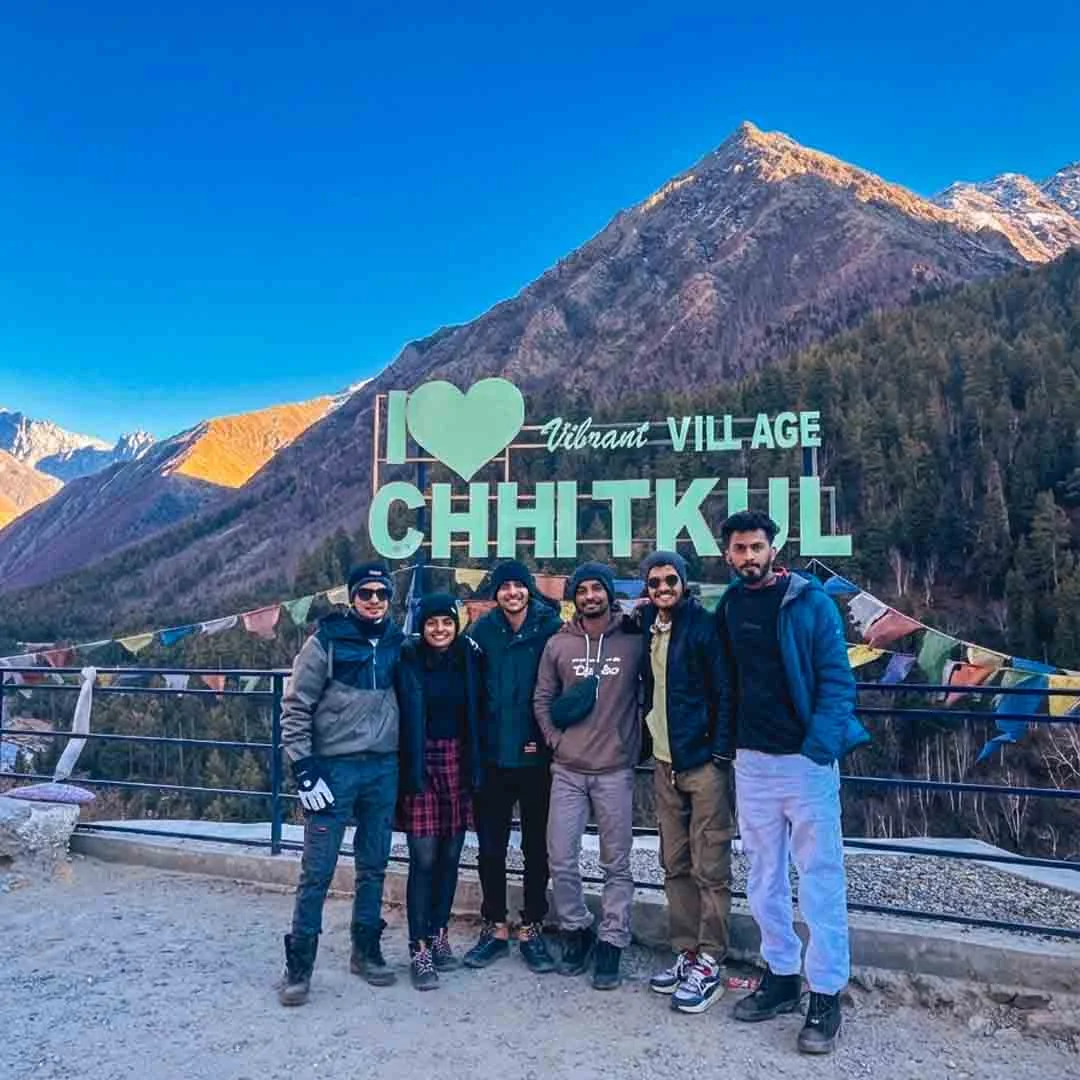 Group Tour9D/8N
Best Selling Winter Spiti Valley Group Tour
2D Sangla•1D Tabo+2
₹18,999₹23,999SAVE INR 5,000/ person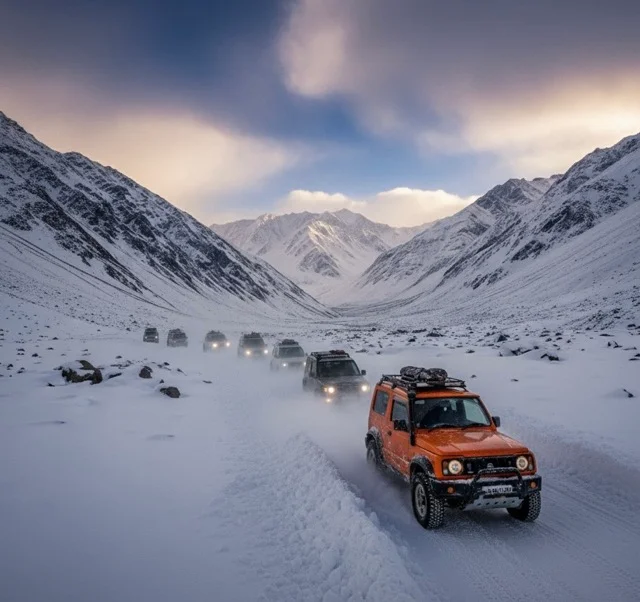 10D/9N
Kinnaur–Spiti 4×4 Winter Expedition
1D Narkanda•2D Sangla+4
₹45,999₹54,999SAVE INR 9,000/ person- 10D/9N
Kinnaur–Spiti Winter Circuit
1D Narkanda•2D Sangla+4
₹35,999₹44,999SAVE INR 9,000/ person
Can You Combine Kinnaur with Spiti in One Trip?
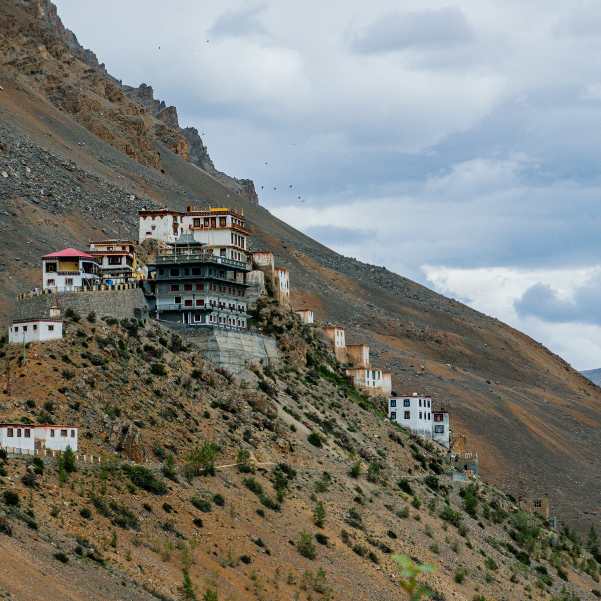
Yes, and it is one of the most rewarding long trips you can do in Himachal. But only if you have enough days.
The standard Kinnaur-Spiti combination enters from Shimla, covers the Kinnaur highlights, continues through Nako and into Spiti via the Satluj valley route, explores Kaza, Key, Kibber, and the monastery circuit, and exits via Manali through Kunzum Pass.
This full loop needs a minimum of 10 to 12 days to feel comfortable. Anything less and you are cramming two trips into one and enjoying neither.
If you do this, Nako becomes a natural overnight stop between Kinnaur and Spiti instead of a standalone detour. That is when it makes the most sense.
Two things to check before committing to the combined route. First, the Manali exit via Kunzum Pass is seasonal.
It usually opens between late May and early June and closes by mid-October. Our Chandratal and Spiti opening guide covers the latest road status for 2026.
Second, the official district site mentions a direct Shimla to Kaza bus service via the Satluj valley that takes about 24 hours.
It exists, but it is long, uncomfortable, and only useful if you have no other option. A private vehicle or a well-planned Spiti Valley tour is a far better way to do it.
👉 Find the Right Kinnaur Valley Tour Package for Your Dates
Related topics
Frequently Asked Questions
What are the top sightseeing places in Kinnaur?
The top places for most travellers are Kalpa, Sangla, Chitkul, Reckong Peo, and Kamru Fort. For longer trips, Nako, Kothi, and Bhaba Valley add depth and variety.
How many days are enough for Kinnaur Valley?
Four days cover the basics if you do not mind long driving days. Six days give you a comfortable pace with time to actually enjoy the places. Seven days let you add Nako or spend an extra night somewhere that deserves it.
What is the best time to visit Kinnaur?
May, June, September, and October are the most reliable months. September and October offer the clearest skies and fewest crowds. July and August work but carry monsoon and landslide risk on NH-5.
Is Kinnaur good for family trips?
Yes. The lower Kinnaur circuit through Kalpa, Sangla, and Chitkul is family-friendly with good road access and comfortable stays. Families should avoid upper Kinnaur unless everyone is comfortable with long drives on rough roads.
Is Kinnaur safe for solo women travellers?
Kinnaur is one of the safer regions in Himachal for solo women. The villages are small, the local communities are welcoming, and homestays are run by families. Standard precautions apply, like informing someone about your route, but the area itself does not have safety concerns specific to solo women.
Do Indians need a permit for Kinnaur?
No permit is needed for the standard Kinnaur circuit covering Kalpa, Sangla, Chitkul, and Reckong Peo. A valid government-issued photo ID is sufficient. Some border-adjacent restricted areas have separate access rules.
Do foreigners need an inner line permit?
Yes. Foreign nationals need an Inner Line Permit for notified protected areas in upper Kinnaur. The fee is ₹200 per person plus service charges. Apply in advance through the district administration.
Is Chitkul open in winter?
The road to Chitkul usually closes around mid-December due to snow and reopens by March. Exact dates shift year to year. Always verify before planning a winter visit.
Kalpa or Sangla — where should I stay longer?
It depends on what you want. Kalpa for mountain views and a village-with-a-view experience. Sangla for riverside walks and a greener, softer valley feel. If you can, spend two nights at each. If you have to pick one for a longer stay, Kalpa usually wins for first-timers because of the Kinner Kailash views.
Is Nako worth adding?
Yes, if you have seven or more days. Nako feels completely different from the rest of Kinnaur, dry, high-altitude, Tibetan in atmosphere. It is not worth the long drive on a short trip, but on a longer itinerary or a Kinnaur-Spiti combination, it is a highlight.
Can I combine Kinnaur and Spiti?
Yes. The Shimla to Kinnaur to Spiti to Manali loop is one of the best road trips in India. You need a minimum of 10 to 12 days and should plan around road openings, especially for the Kunzum Pass exit towards Manali.
Is the Shimla to Kinnaur road safe?
The road is safe in normal conditions, but NH-5 passes through some landslide-prone sections, especially between Rampur and Karcham. Travel during daylight, check road status before departure, and carry a buffer day in your plan for unexpected closures.
More about Kinnaur
 Kinnaur
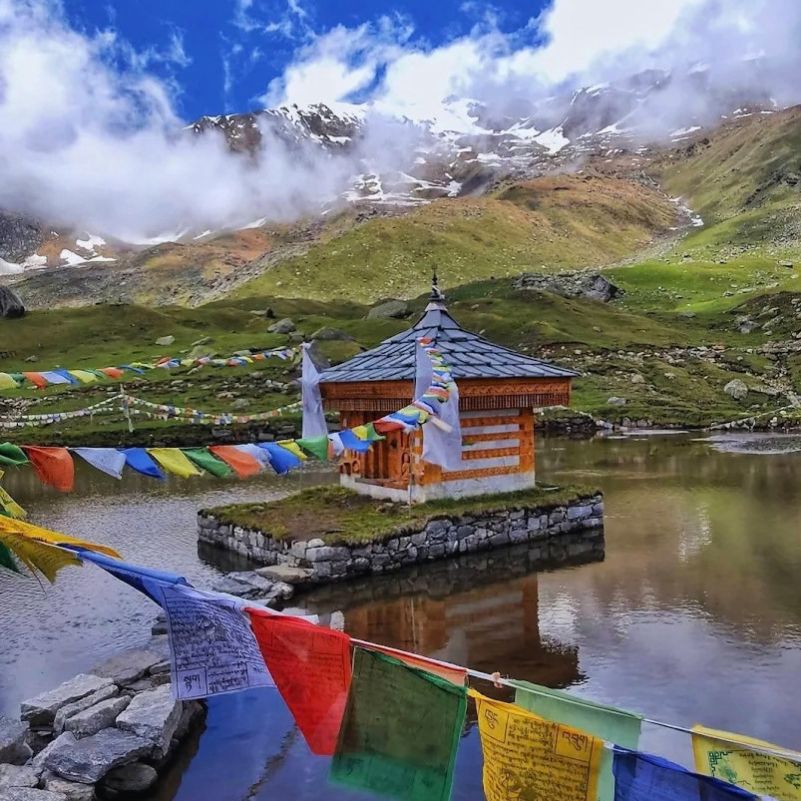
Yulla Kanda Trek Guide 2026: Route, Best Time, Cost and Planning
Planning the Yulla Kanda trek in 2026? This practical guide covers the trekking route from Yulla village in Kinnaur, distance and difficulty, the best time to visit, expected costs, camping options, and essential preparation tips. Discover how to plan this high-altitude Himalayan trek to the sacred Krishna Lake with realistic expectations and local travel insights.
- Things to Do
- How to Reach
 Kinnaur
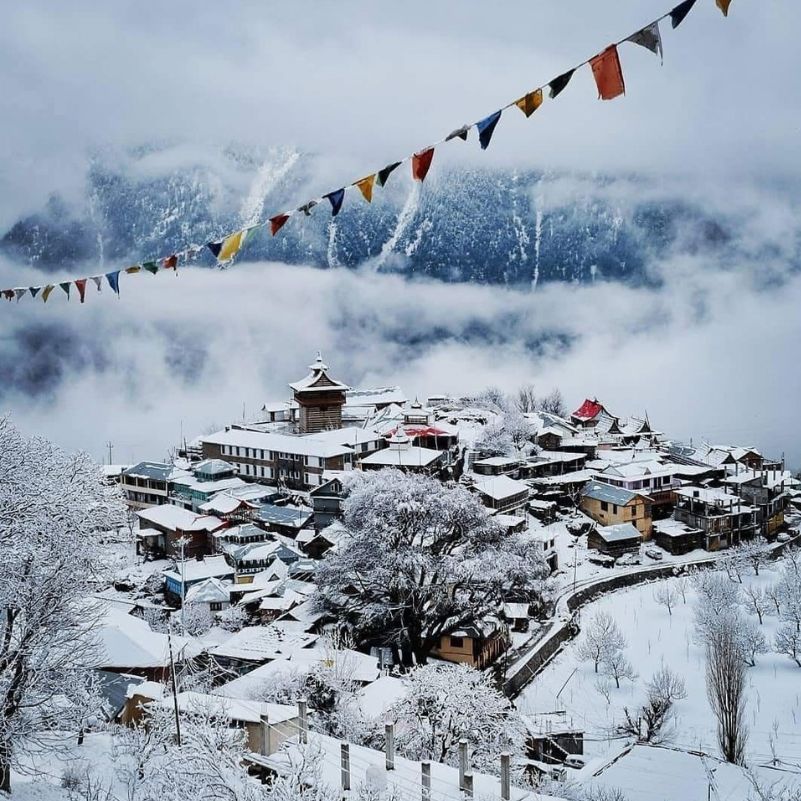
Kinnaur Snowfall Guide 2026: When & Where to Look for Snow
Planning a snow trip to Kinnaur in 2026? This guide explains the best months for snowfall, the top places to find snow in Kalpa, Sangla and Chitkul, and what weather and road conditions to expect during winter.
- Snow Travel
- Best Time to Visit
 Kinnaur
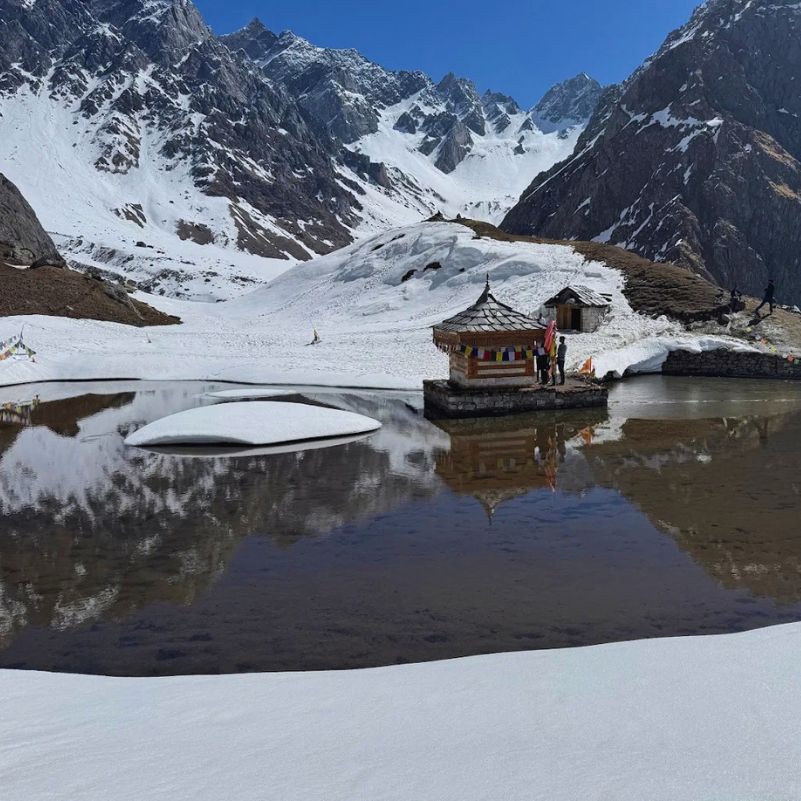
Christmas & New Year in Kinnaur: A 2026-27 Winter Trip Guide
Planning Christmas and New Year in Kinnaur for 2026-27? Explore winter weather, snowfall chances, road conditions, stay options and a practical festive-season itinerary for Kalpa, Sangla and nearby areas.
- Snow Travel
- Itinerary