
25 Best Places to Visit in Kasol & Around Parvati Valley in 2026
If you are searching for the best places to visit in Kasol, here is the honest version most blogs skip. Kasol itself is tiny. You can walk the whole market in about 20 minutes.
The real reward sits in the villages and treks around it across Parvati Valley.
In our experience running trips here every season, the travellers who enjoy Kasol most treat it as a base, not a final stop. They spend a day in town, then push out to Tosh, Kheerganga, Chalal, and Manikaran.
This guide by Travel Coffee covers 25 places, how to fit them into 1 to 5 days, and the road and safety stuff you actually need for 2026.
Quick Answer: Best Places to Visit in Kasol
The best places to visit in Kasol are the Parvati River, Nature Park, Kasol Market, and Manikaran Sahib for the easy stuff.
For villages and treks, add Chalal, Tosh, Kheerganga, Grahan, Rasol, Malana, Waichin Valley, Kalga, Pulga, Tulga, and Barshaini.For most people, 2 to 4 days covers Kasol and the nearby Parvati Valley villages comfortably.
Bigger treks like Sar Pass and Pin Parvati are separate plans. They need fitness, days, and proper trek booking, not a casual add-on.
How to Use This Kasol Places Guide
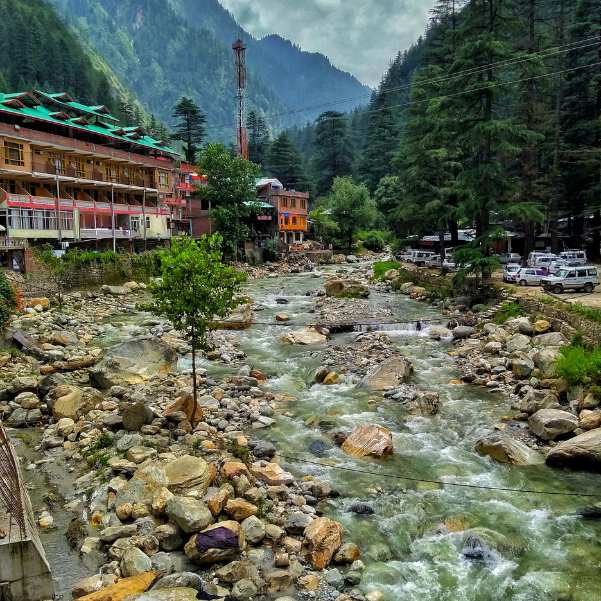
The places near Kasol fall into three simple groups, and sorting them this way saves you a lot of confusion.
First, walkable places inside Kasol. The market, the river, the Nature Park, and the cafes. No vehicle needed.
Second, day trips around Parvati Valley. Manikaran, Chalal, Tosh, and the Kalga side villages. A half day to a full day each.
Third, treks that need fitness or an overnight plan. Kheerganga, Grahan, Rasol, Sar Pass, and Pin Parvati.
One thing for 2026. Check road status before you head to Barshaini, Tosh, Kalga, Pulga, Tulga, Nakthan, Rudranag, and Kheerganga.
The Manikaran to Barshaini and Bhuntar to Manikaran roads have seen landslide disruption recently, so the road beyond Manikaran is the part to confirm.
What Are the Best Places to Visit Inside Kasol?
These are the spots you can reach on foot. Good for your first day while your body settles in.
Parvati River
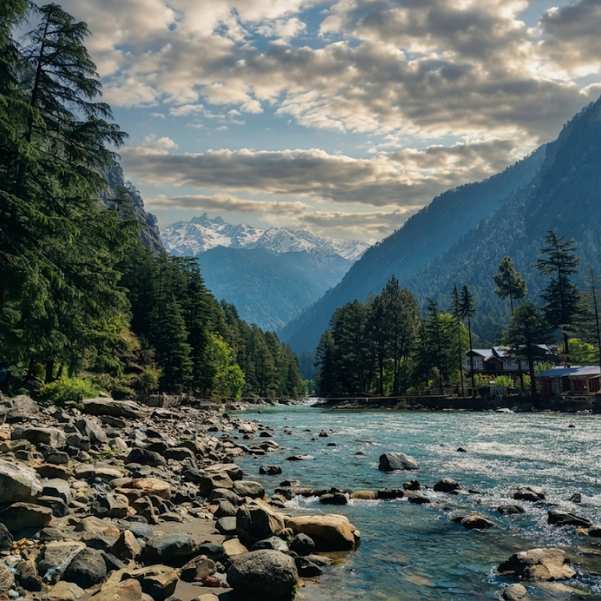
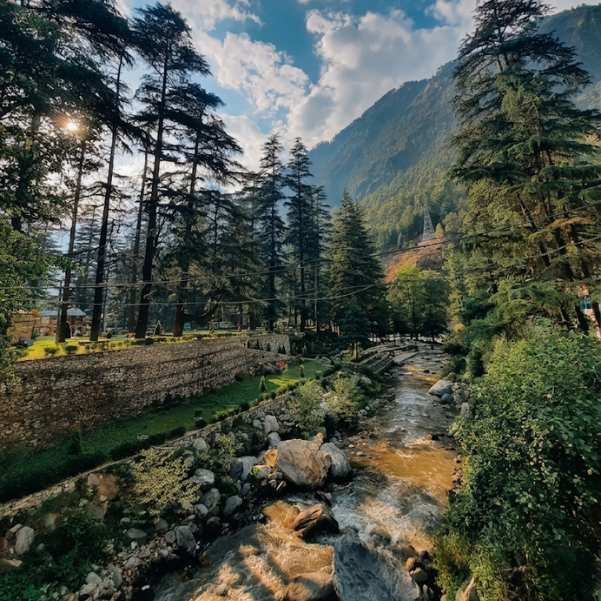
The Parvati River runs right alongside Kasol and it is the main natural draw in town. It is great for sitting by the water, slow walks, and photos in the morning light.
Here is the honest warning: Do not try any adventure activity in this river. The flow is strong and dangerous, and people misjudge it every season.
What most tourists get wrong is standing on slippery rocks too close to the water for a photo. The current near the edge is faster than it looks.
Nature Park Kasol
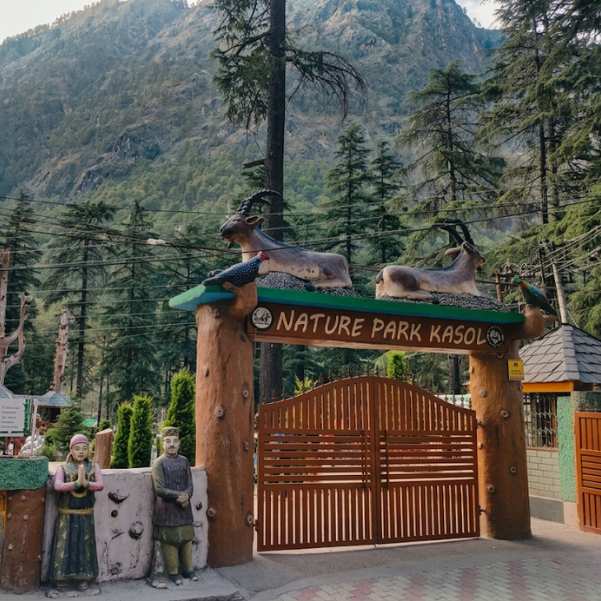
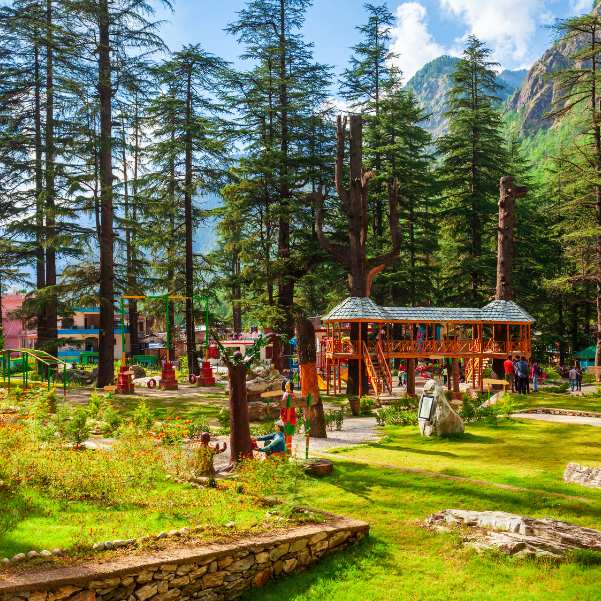
The Nature Park is an easy green space inside Kasol, right by the river. It works well for a slow morning, family time, and a relaxed first day before you do anything tiring.
If you are travelling with parents or kids, this is the gentle start your trip needs.
Kasol Market
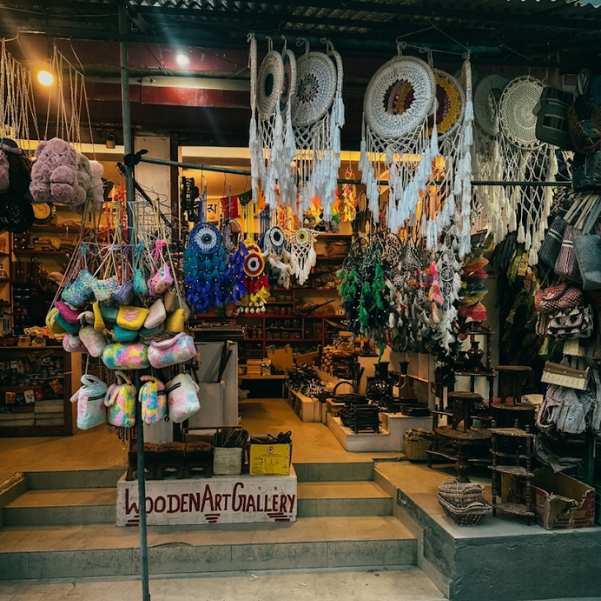
The Kasol Market is small but it is the heart of town. You get cafes, woollen shawls and jackets, small handicraft shops, and basic supplies for treks.
The Israeli influence is everywhere, from the food to the signboards, because Kasol has long been popular with Israeli travellers.
Honest take. On weekends the market gets crowded and noisy, and the "Mini Israel" tag oversells it. Come on a weekday and it feels much calmer.
Moon Dance Cafe and German Bakery
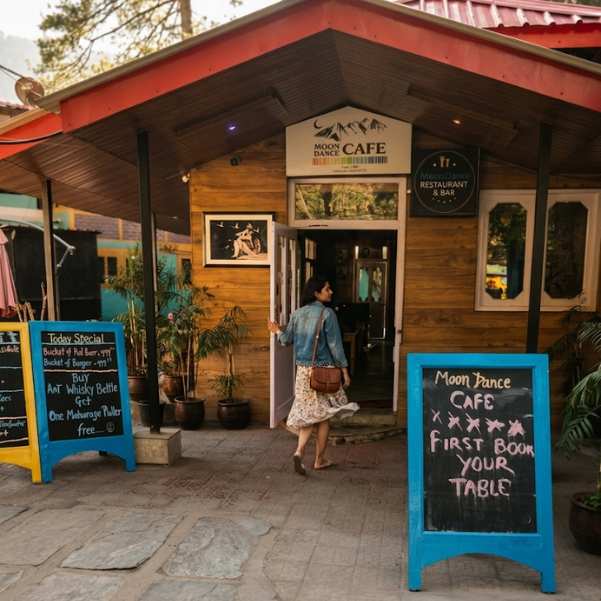
Moon Dance Cafe is one of the better known cafe stops in Kasol. It is a solid place for a slow breakfast or a long lunch when you have nowhere to be.
We will not quote a menu, since cafe prices and items change every season. Check the board when you sit down.
Evergreen Cafe
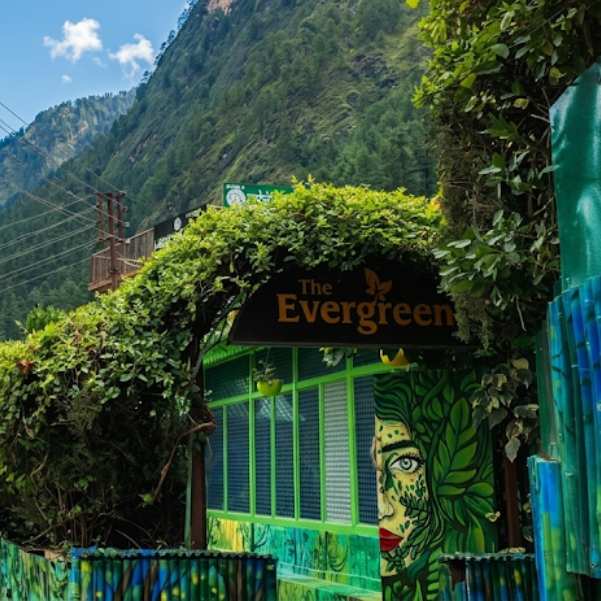
Evergreen Cafe is another popular food stop you will see on most Kasol lists. Go for the vibe and the food, not for a specific dish that someone promised you online.
Jim Morrison Cafe
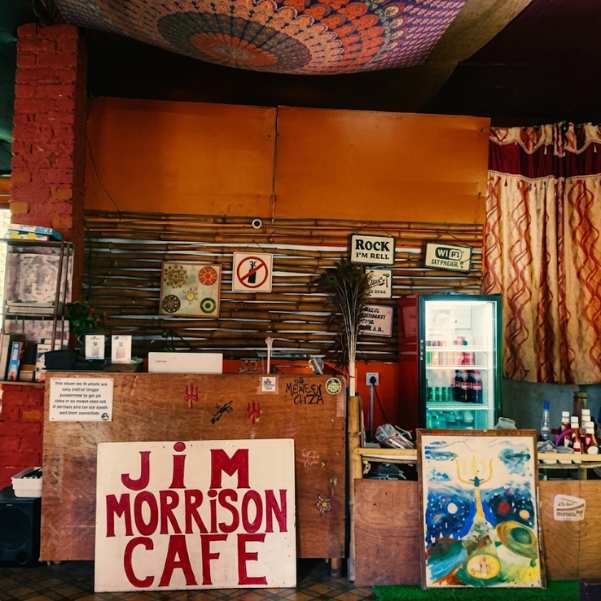
Jim Morrison Cafe is a name that pops up across almost every Kasol cafe roundup. We are not going to invent timings or prices for it. If it is on your list, confirm it is open when you reach.
Buddha Place and Bhoj Cafe
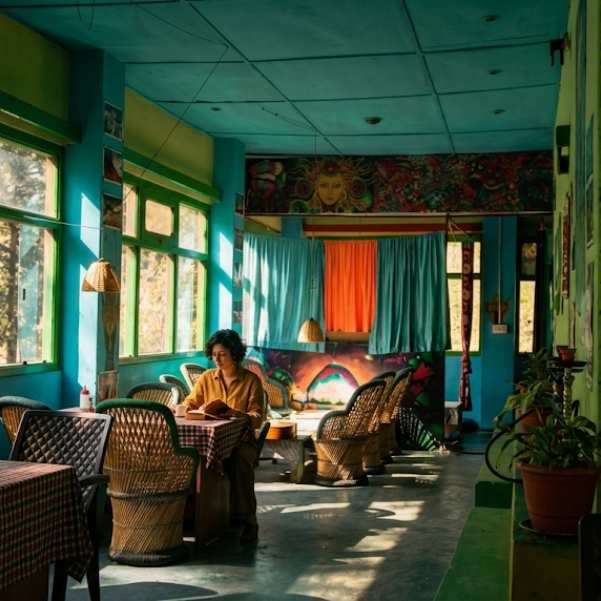
Buddha Place and Bhoj Cafe are relaxed options that often make Kasol cafe lists. Cafes here open and shut between seasons, so check the current status before you plan a meal around any one of them.
Which Nearby Villages Should You Visit from Kasol?
Once Kasol town is done, the villages are where the trip gets interesting.
Chalal Village
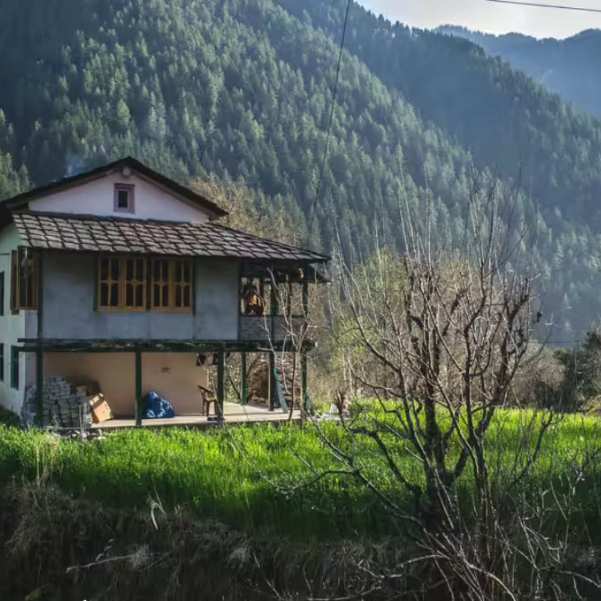
Chalal is the easiest village walk from Kasol, around 30 minutes on foot across the river. It sits at over 5,300 ft and feels instantly quieter than the market.
Distance numbers online jump around from 2 km to 2 to 3 km, so do not over-plan it. Just follow the trail and you are there in about half an hour.
Katagla Village
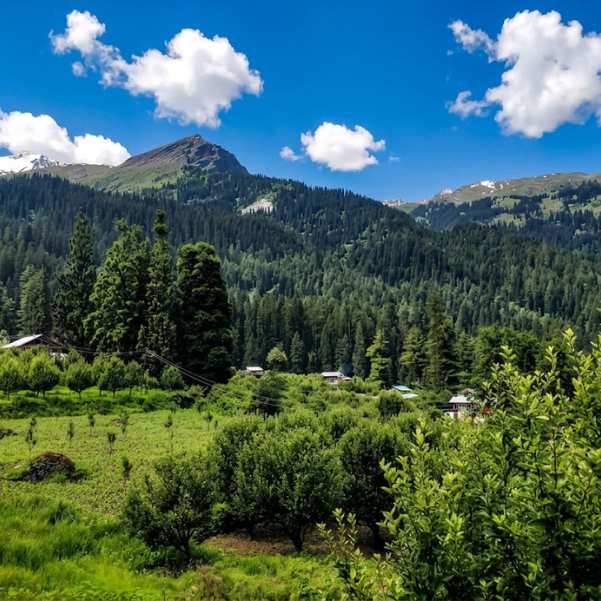
Katagla is a quieter alternative close to Kasol and Chalal, good if you want a calmer stay near town.
Choj Village
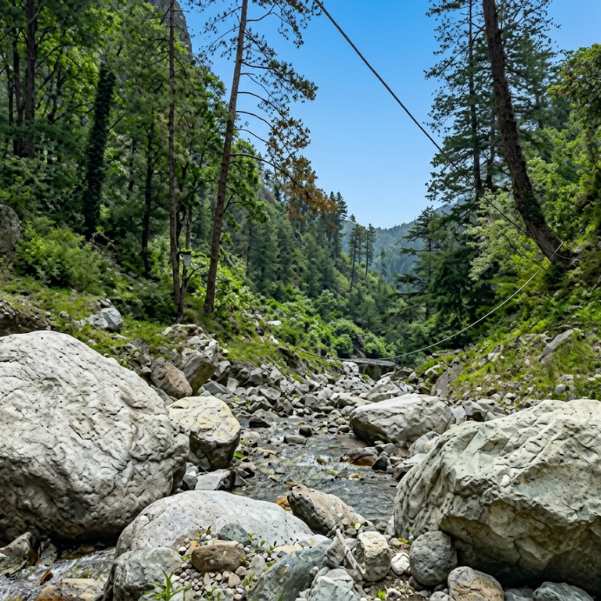
Choj is another small, quiet village near Kasol on the Manikaran side.
Grahan Village
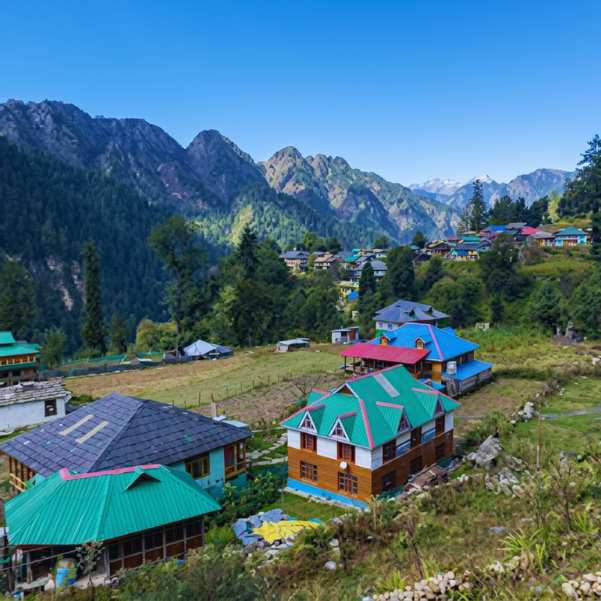
Grahan is a proper short trek, around 8 to 10 km depending on the source. It usually takes 3 to 5 hours depending on your fitness, so start early.
It is much quieter than Kasol and good if you want a slow village night away from the crowd. Carry water and snacks, because there is little along the way.
Rasol Village
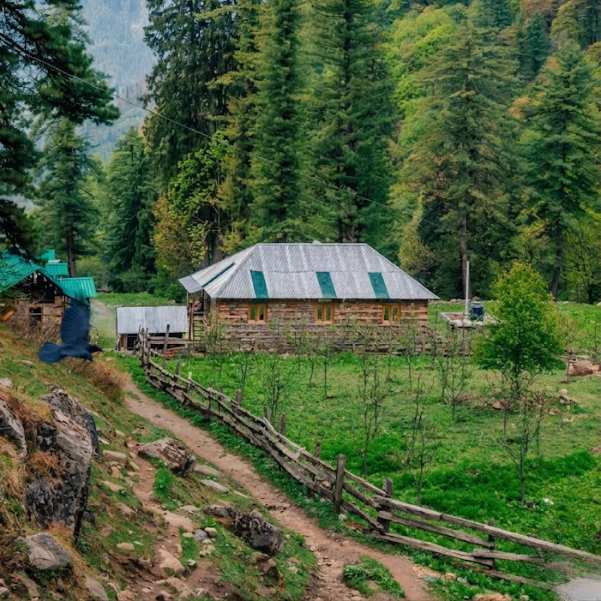
Rasol is a moderate uphill trek that takes about 3 to 5 hours depending on how fit you are. It suits travellers who actually enjoy the climb and want a quiet stay at the top, not people looking for an easy stroll.
If you want someone to sort the stays, transport, and route for you, our Kasol tour packages come with a local driver and handpicked village options.
Still deciding where to base yourself? We broke down the two valleys in our Jibhi or Kasol comparison so you can pick the one that fits your group.
Which Places Around Parvati Valley Are Best for Day Trips?
These are the spots you reach by road or a short drive plus walk. Pick based on time and road status.
Manikaran Sahib
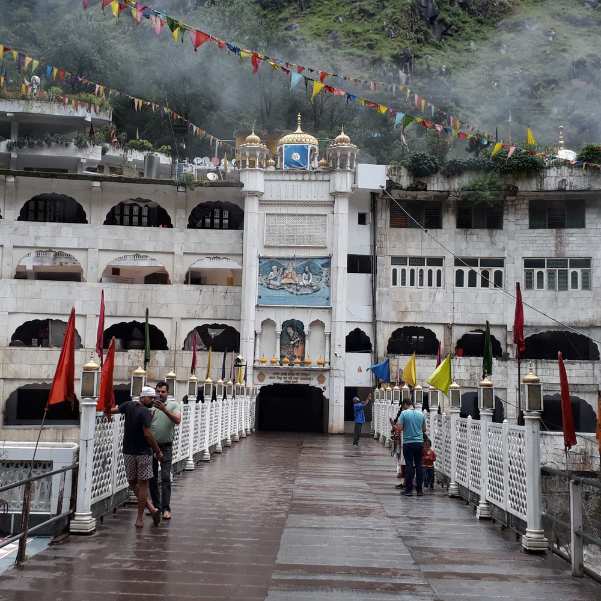
Manikaran sits at 1,829 m and is 40 km from Kullu according to the official Kullu district page.
From Kasol it is close, around 4 to 5 km, since sources differ slightly. Either way, it is a quick hop.
It is a pilgrimage place for both Hindus and Sikhs, and the gurudwara here is the centre of it all.
The free langar at the Manikaran Sahib gurudwara is one of the best simple meals in the valley. Sit, eat, and respect the space.
Manikaran Hot Springs
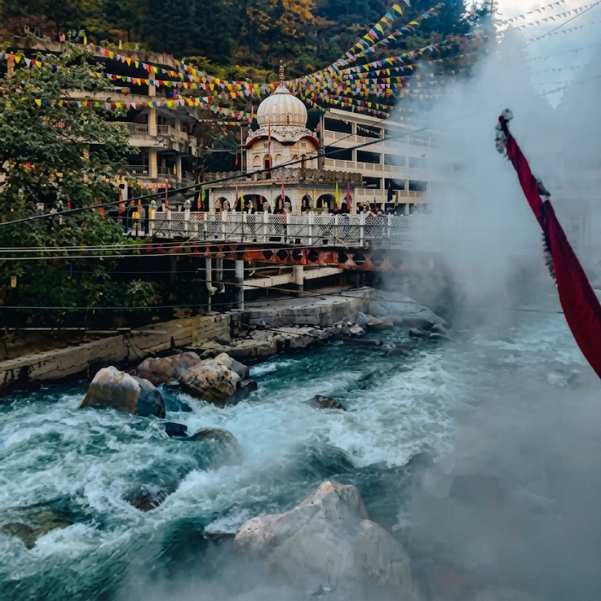
The Manikaran hot springs are the reason most people stop here. The official Kullu district page says the spring water is above boiling point, and rice can actually be cooked in it.
Locals and pilgrims believe the water helps with aches and skin issues. Treat that as belief, not medical fact.
Tosh Village
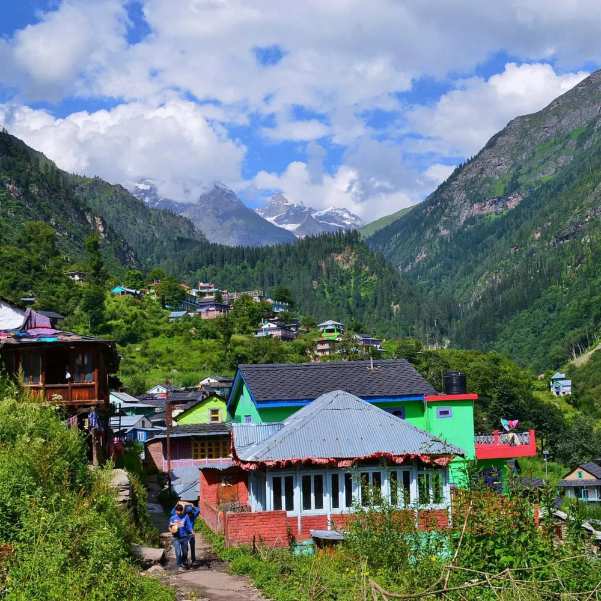
Tosh is one of the most loved village stays in the valley, with big open views down the gorge. You reach Tosh from the Barshaini side, with Barshaini to Tosh listed at around 3 km.
Barshaini
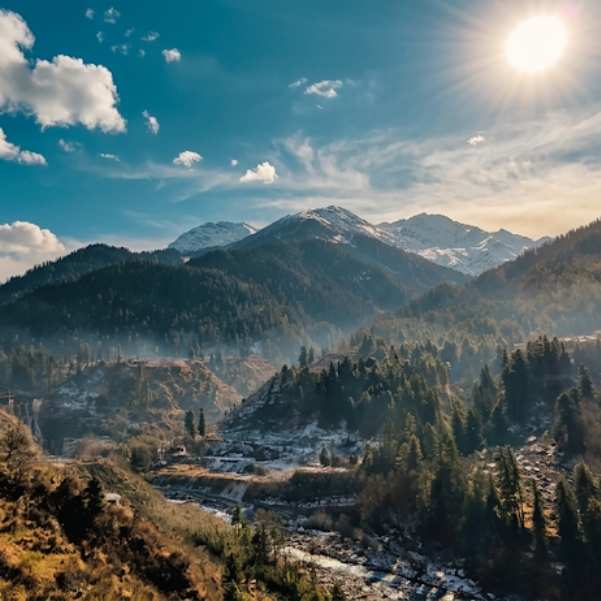
Barshaini is the key roadhead for half this list. Tosh, Kalga, Pulga, Tulga, Nakthan, Rudranag, and Kheerganga all start from here. Kasol to Barshaini is around 16 to 17 km depending on the source.
Think of Barshaini as the gateway. If the road to Barshaini is open, your trekking options open up. If it is blocked, you replan.
Kalga Village
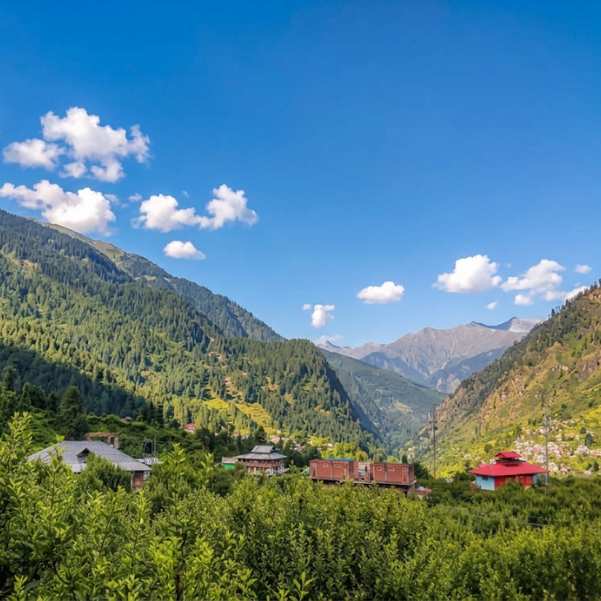
Kalga is a quiet village near Barshaini and one of the access-side villages for the Kheerganga route.
Pulga Village
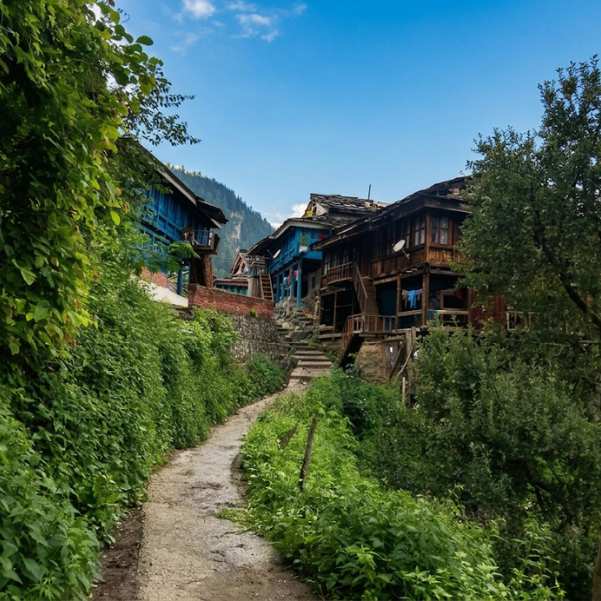
Pulga is a relaxed village stay and part of the Kalga, Pulga, Tulga cluster above Barshaini.
Tulga Village
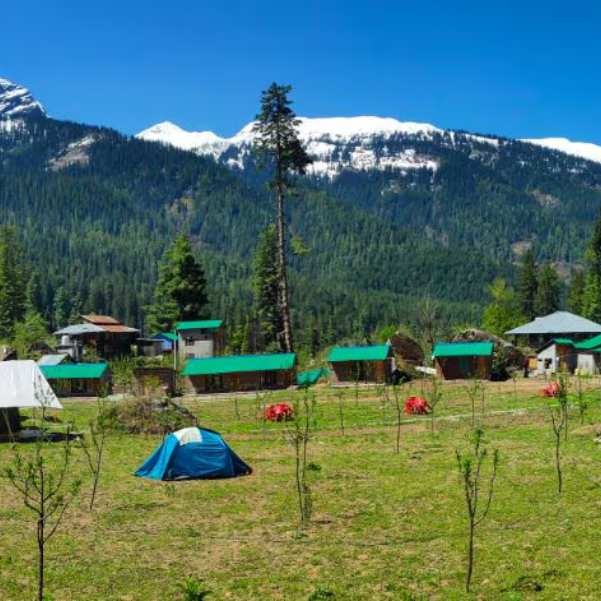
Tulga is quieter than Kasol and good for slow travellers who want a few unhurried days.
Kutla Village
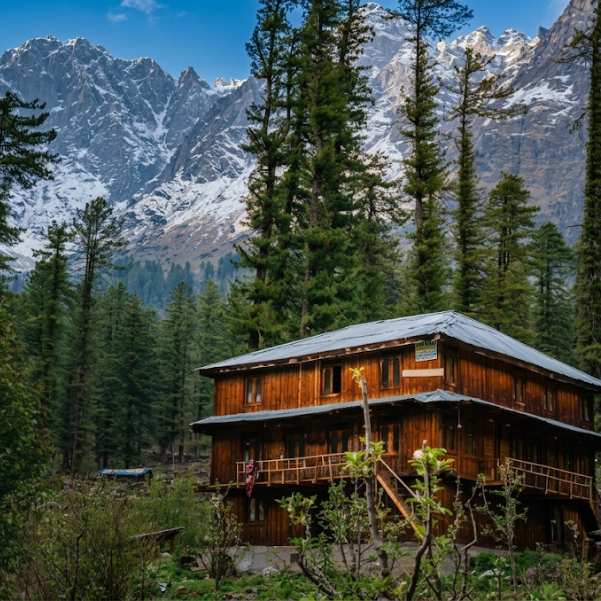
Kutla is a quieter spot beyond Tosh for travellers who want fewer people and bigger views.
👉 Unsure which village suits your trip? Message our team on WhatsApp.
Which Treks Near Kasol Are Worth Planning?
This is where Parvati Valley earns its name. Some of these are easy. Some need real planning.
Kheerganga Trek
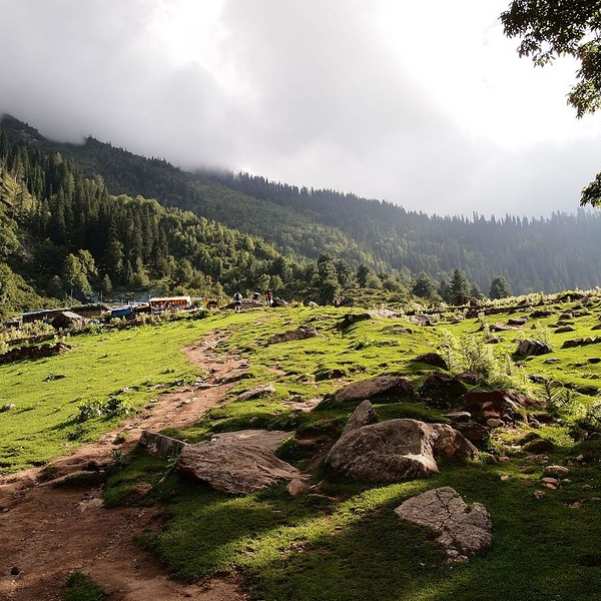
Kheerganga sits at 3,050 m and the hot spring at the top is the payoff.
The trek from Barshaini runs around 10 to 13 km one way depending on route, since sources range from 9 to 10 km up to 12 to 13 km.
The common route goes Barshaini, Nakthan, Rudranag, Kheerganga.
It is popular, but it is tiring for beginners. Skip squeezing it into a rushed in-and-out if you are not used to walking, because people climb the whole way, hate it, and remember the pain instead of the spring.
Timing tip from us. Start the climb early in the morning. You get cooler weather, more time at the top, and a buffer if you are slow.
Nakthan Village
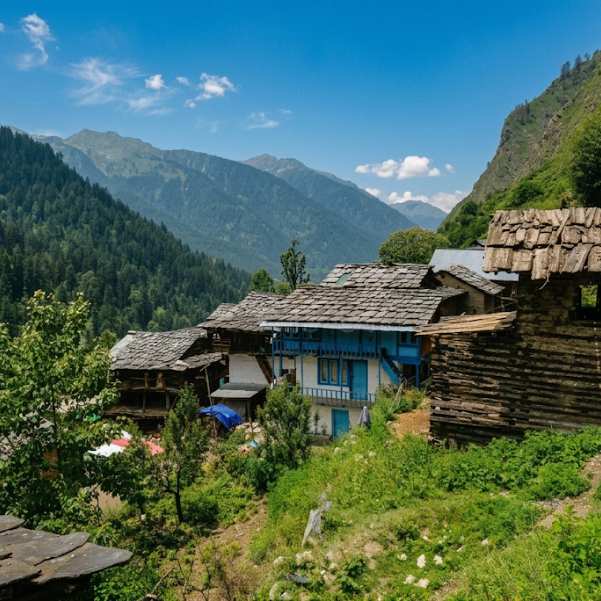
Nakthan is a small village on the common Kheerganga route, a natural rest and chai stop. We will not put a fixed distance on it from Barshaini, since the numbers float around.
Rudranag Waterfall
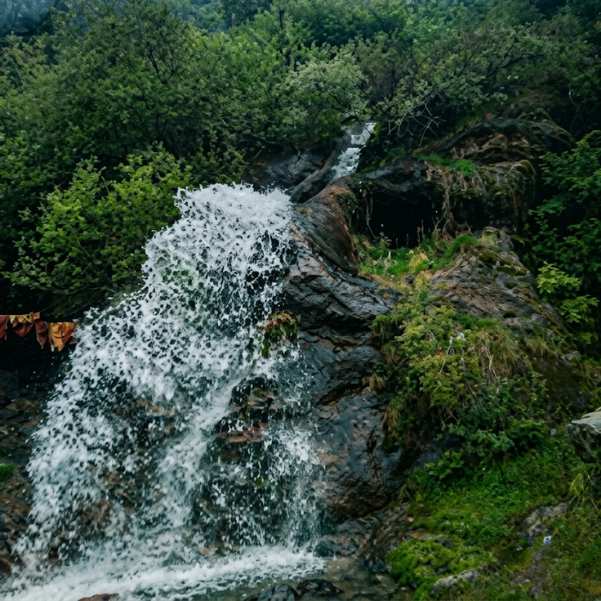
Rudranag is a waterfall along the Kheerganga trail and a good spot to catch your breath. Reach it before the midday sun if you can.
Malana Village
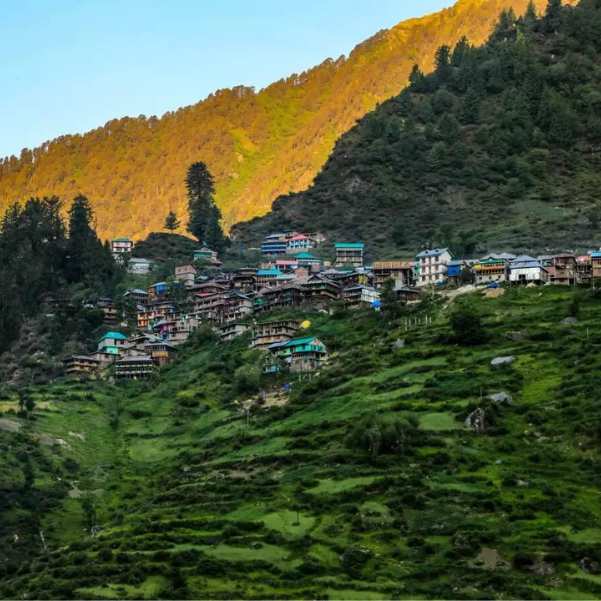
Malana runs by its own old rules, and you have to respect them.
Outsiders should not touch many things in the village, including the temples and certain objects, and fines can apply if you do.
MakeMyTrip notes there is no accommodation for outsiders in Malana, so plan it as a daytime visit. Watch where you step, ask before photos, and keep your hands to yourself.
Waichin Valley / Magic Valley
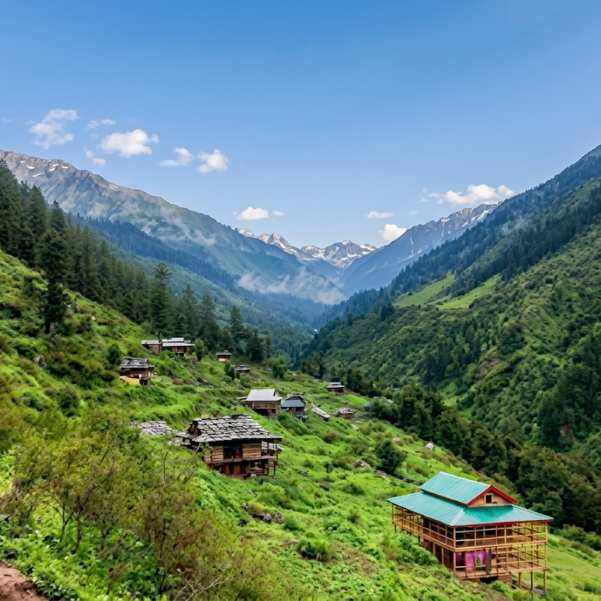
Waichin Valley, also called Magic Valley, sits around 4 to 5 km from the Malana side depending on the route.
It is best planned with local guidance, because the trails here are not as marked as the Kheerganga route.
Sar Pass Trek
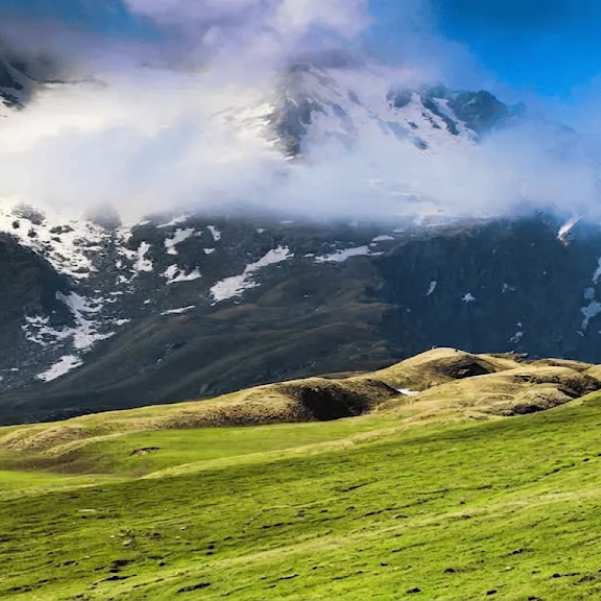
Sar Pass is around 33 km over 5 days and it is a real commitment.
It starts from the Grahan side and goes through Min Thatch, Nagaru, Sar Pass, Biskeri Thach, Pulga, and back to Kasol.
This is not a casual add-on. Book it as a proper guided trek.
Pin Parvati Pass Trek
Pin Parvati starts from Barshaini and is a challenging high-altitude trek.
We do not recommend it for first-time trekkers. This one is for people who already have serious mountain days behind them.
If you want adventure with less commitment, our adventure activities in Manali guide covers easier options just a few hours away.
And if you are pairing Kasol with Manali, our Manali tour packages make the logistics simple.
How Many Days Are Enough for Kasol?
Here is how the days actually break down based on what we send travellers on.
1-Day Kasol Itinerary
Do the Kasol Market, the Parvati River, and the Nature Park slowly in the morning. Add a short walk to Chalal and, if time allows, a quick run to Manikaran for the hot springs.
2-Day Kasol Itinerary
Day 1: Kasol, Chalal, and Manikaran. Easy and relaxed.
Day 2: Tosh, or the Kalga, Pulga, Tulga cluster, depending on road status and your mood.
3-Day Kasol Itinerary
Add Kheerganga or Grahan on the third day.
Do not squeeze Kheerganga in if you are unfit. The climb is tiring and a bad plan turns a great trek into a grind.
4 to 5 Day Parvati Valley Itinerary
Cover Kasol, Chalal, Manikaran, Tosh, and the Kalga, Pulga, Tulga villages.
Then add Kheerganga or Grahan, and if you still have legs, Rasol or Waichin Valley.
What Should You Know About Roads, Permits and Safety in 2026?
This is the part to actually read before you book your travel dates.
On Roads
In 2026, Kullu district put traffic restrictions on heavy vehicles and Volvo buses on the Bhuntar to Manikaran road from 14 April 2026 to 31 August 2026.
The reason was the heavy tourist inflow on a narrow road. So expect tighter traffic rules in peak season on that stretch.
In March 2026, landslides disrupted both the Manikaran to Barshaini and Bhuntar to Manikaran roads.
Check the latest road status before you go beyond Manikaran toward Barshaini. The town side is usually fine. The trek-side roads are the unpredictable part.
On Permits
As of current travel guidance, Indian tourists do not need a standard permit to visit Kasol or nearby Parvati Valley places such as Manikaran, Tosh and Malana. Travellers should still carry a valid photo ID.
For Kheerganga, day trekking may require forest registration or permission, and overnight camping at the top is restricted, so check the latest local forest-department rules before going.
We flag this because rules can differ for foreign travellers, expeditions, forest and camping zones, and guided high-altitude treks. Confirm before you assume you are covered.
On money
Shared cabs and local buses between Kasol, Manikaran, and Bhuntar can run around ₹30 to ₹150 per ride per NDTV.
That is the local trick most blogs miss. You do not always need a private vehicle for short hops. Ask about the shared cab from the stand and you save a lot over a private booking.
👉 Confused about Kasol routes and timings? Talk to our team on WhatsApp.
What Is the Best Time to Visit Kasol and Parvati Valley?
Sources disagree on the "best" month, so here are practical windows instead of one date.
March to June is good for pleasant weather and easy sightseeing. Days are warm and the valley is at its busiest.
September to November is good after the monsoon, when the skies clear and the trails dry out.
Winter can be beautiful with snow, but it is cold and some upper villages get cut off. Go in winter only if you want snow and can handle the cold.
Avoid the peak monsoon if you can. Landslides and slippery trails are a real risk, and the trek-side roads suffer most.
For numbers, MakeMyTrip puts March to May at roughly 13°C to 35°C, and winter can drop below zero. Treat weather here as seasonal and variable, not fixed.
Where Should You Stay in Kasol?
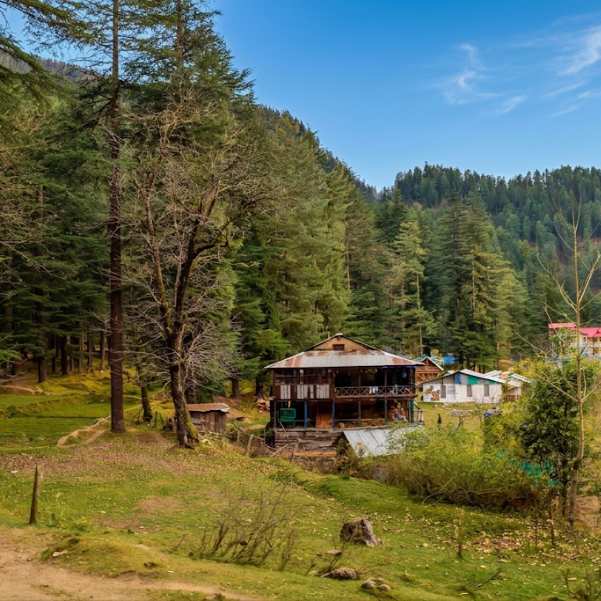
Match your stay to the kind of trip you want.
Kasol town is best for cafes, easy access, and first-timers who want everything close.
Chalal and Katagla are quieter but still a short walk from town.
Tosh, Kalga, Pulga, and Tulga are the village-stay picks if you want slow mornings and big views.
Grahan, Rasol, and Waichin suit trekkers who do not mind walking to their bed.
On budget. MakeMyTrip listed budget hotels in Kasol starting around ₹488 in June 2026, and a 2026 budget guide mentions dorms around ₹300 to ₹400 a night with dhaba meals around ₹100 to ₹150.
Treat all of these as rough references. Prices here swing hard with season and weekends, so check current rates before you lock anything.
Responsible Travel Tips for Kasol
Kasol has a waste problem, and it is not a small one.
In 2026, a waste-dumping inquiry led to SADA Manikaran being fined ₹4.8 lakh over improper waste disposal.
So carry your waste back with you and avoid single-use plastic wherever you can.
Respect village rules, especially in Malana, and do not play loud music in quiet villages.
Stay away from illegal substances. The romance around them online is not worth the trouble on the ground.
And never stand too close to the Parvati River for a photo. The flow is dangerous and the rocks are slippery.
What we always tell our travellers is simple. Leave the valley cleaner than you found it, and it stays worth coming back to.
If you are still torn between valleys, our Jibhi and Tirthan Valley packages are a calmer alternative worth a look.
👉 Need help planning your Kasol itinerary? Talk to our team on WhatsApp.
Explore Our Curated Kasol Tour Packages
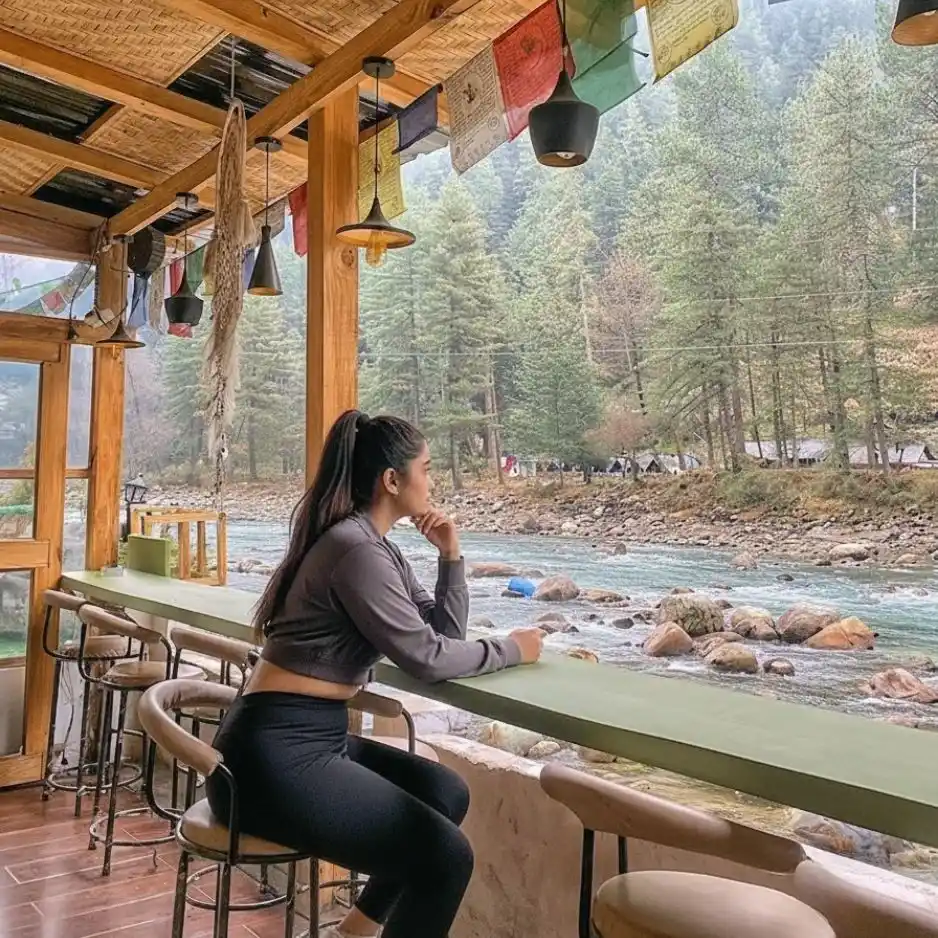 4D/3N
4D/3NPerfect Manikaran Kasol Tosh Weekend Getaway
1D Delhi•2D Kasol+1
₹15,999₹19,999SAVE INR 4,000/ person 7D/6N
7D/6NManali Kasol Jibhi Valley Trip
3D Manali•1D Kasol+2
₹25,799₹32,999SAVE INR 7,200/ person 8D/7N
8D/7NManali Kasol Bir Himalayan Explorer
1D Delhi•2D Bir+3
₹21,999₹27,999SAVE INR 6,000/ person
Related topics
Frequently Asked Questions
What are the best places to visit in Kasol?
The top picks are the Parvati River, Nature Park, Kasol Market, Manikaran Sahib, Chalal, Tosh, Kheerganga, Grahan, Rasol, Malana, and the Kalga, Pulga, Tulga villages.
What are the places to visit in Kasol in one day?
In one day, do Kasol Market, the Parvati River, and the Nature Park slowly, then add Chalal and, if time allows, a quick trip to Manikaran.
Is 2 days enough for Kasol?
Yes, 2 days covers Kasol, Chalal, Manikaran on day one, and Tosh or the Kalga, Pulga, Tulga cluster on day two, depending on road status.
How many days are enough for Kasol and Parvati Valley?
Most travellers find 2 to 4 days enough. Add a fifth day if you want Kheerganga or Grahan without rushing the climb.
What is Kasol famous for?
Kasol is famous for the Parvati River, its cafe and Israeli food scene, the nearby Manikaran hot springs, and as a base for treks like Kheerganga.
Which are the best villages near Kasol?
Chalal is the easiest, while Tosh, Kalga, Pulga, and Tulga are the favourites for village stays. Grahan and Rasol suit trekkers who want quiet.
Is Kheerganga trek difficult?
It is moderate but tiring for beginners. The route runs around 10 to 13 km one way to 3,050 m, so start early and pace yourself.
Do I need a permit for Kasol?
One 2026 guide says no permit is needed up to Manikaran, Tosh, Kheerganga, and Malana, but carry photo ID.
Is Kasol safe for solo travellers?
Kasol is a common solo stop and generally manageable. Stick to busy trails, avoid the river edge, skip illegal substances, and tell someone your trek plan.
What is the best time to visit Kasol?
March to June and September to November are the practical windows. Winter is for snow lovers who can handle the cold, and monsoon needs caution.
How far is Manikaran from Kasol?
Manikaran is around 4 to 5 km from Kasol, since sources differ. It sits at 1,829 m and is famous for its hot springs.
Are Kasol roads safe in monsoon?
The trek-side roads beyond Manikaran are landslide-prone in monsoon. The town stays accessible, but always check road status before heading toward Barshaini.
More about Kasol
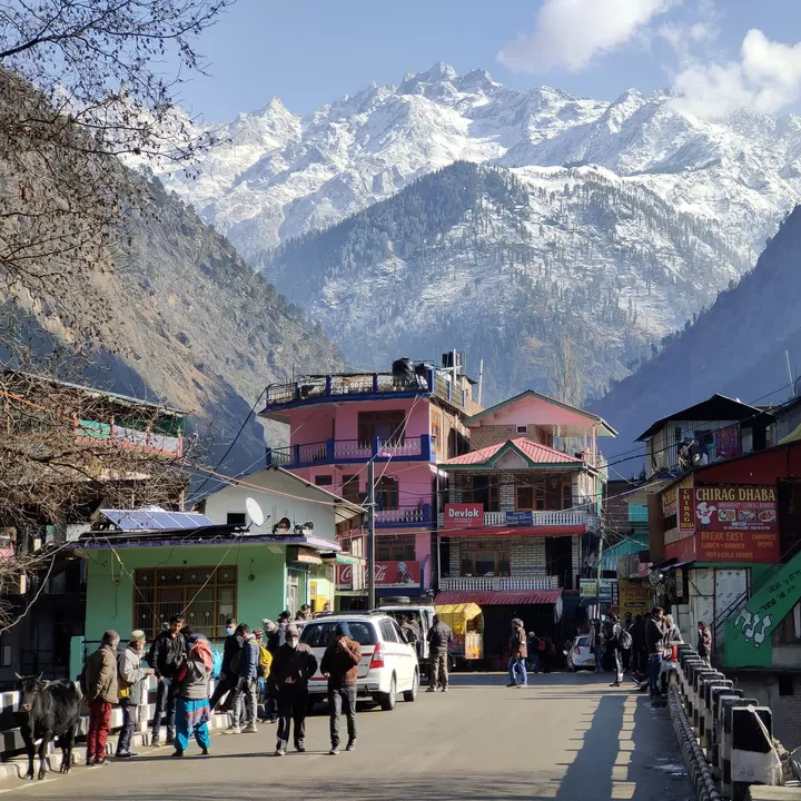 Kasol
KasolShimla Manali Kasol Itinerary 2026: 7, 8 and 9 Day Routes Without Rushing
Plan a relaxed Shimla Manali Kasol itinerary for 2026 with practical 7, 8 and 9 day routes covering Himachal’s key sights without rushing between destinations.
- Itinerary
- Places to Visit
 Kasol
KasolBest Offbeat Places Near Kasol Most Tourists Miss in 2026
Escape the crowds and discover the hidden side of Kasol in 2026. From peaceful villages and untouched valleys to scenic trails and secret viewpoints, these offbeat places near Kasol offer authentic Himalayan experiences that most tourists completely miss.
- Places to Visit
- Things to Do
 Kasol
KasolRasol Village Trek From Kasol 2026: Route, Distance & What to Expect
Planning the Rasol Village Trek from Kasol in 2026? Explore the complete trekking route, distance, difficulty level, stay options, and essential travel tips to experience one of Parvati Valley’s most peaceful and offbeat Himalayan villages.
- Things to Do