
Offbeat Places Near Shimla in 2026: Hidden Himachal Beyond Narkanda
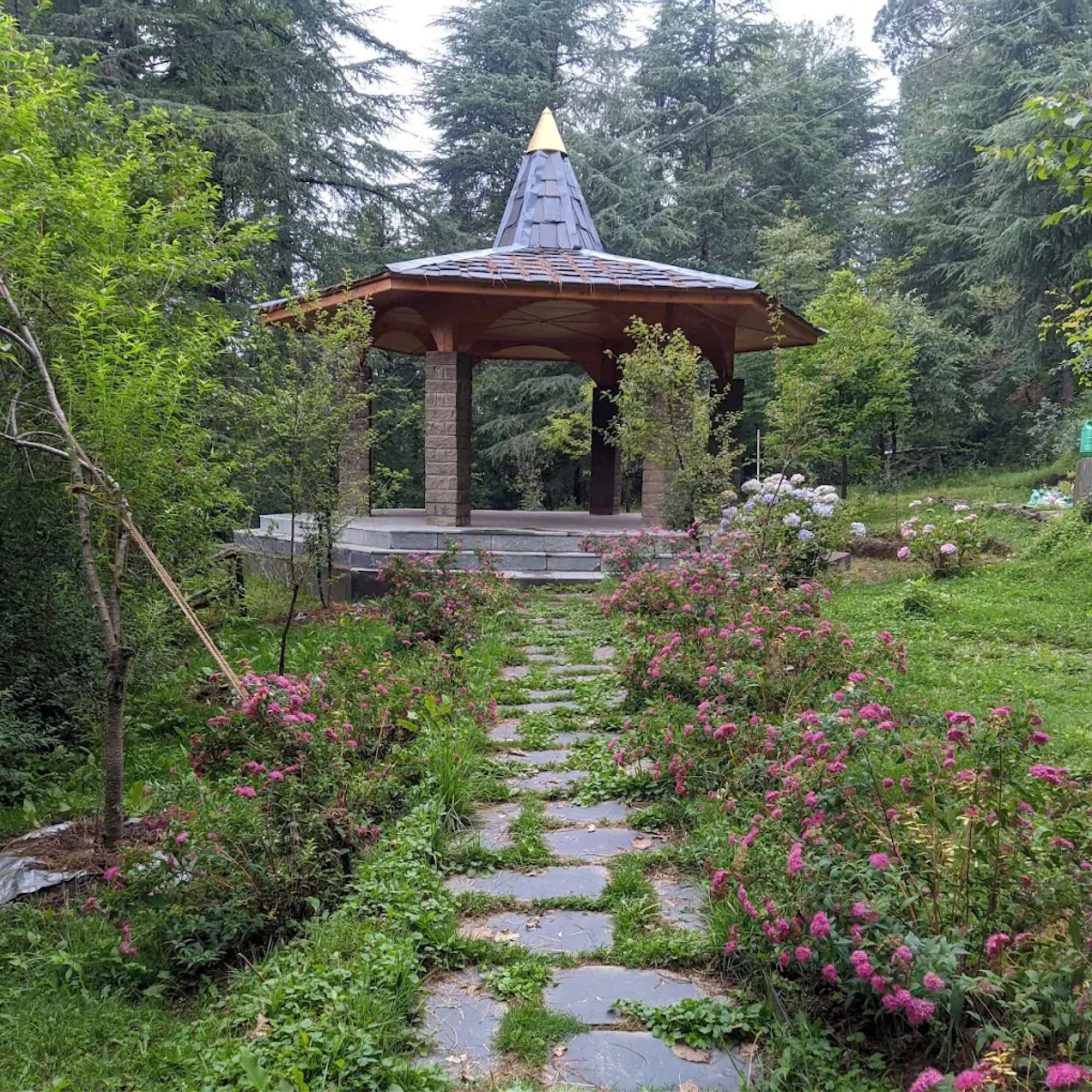
Most people who search for offbeat places near Shimla end up at Kufri or Narkanda anyway, then wonder why it felt like a fair instead of a holiday.
The real quiet sits a little further out. Apple villages, forest roads, half-empty temples, and small valleys that most tourists drive past without knowing they exist.
We run trips through this belt every season, and the same thing happens every time. People come for Shimla and leave talking about a tiny orchard village they had never heard of.
This guide by Travel Coffee is everything we tell our own travellers when they want Himachal without the crowd.
Quick Answer: Best Offbeat Places Near Shimla
The best offbeat places near Shimla are Fagu, Naldehra, Cheog, Theog, Sainj, Kotkhai, Kotgarh or Thanedar, Hatkoti, Chindi and Karsog, and Chanshal Pass.
Fagu and Naldehra work best as easy day trips close to the city.
Kotkhai and Kotgarh are your apple-belt stays, where you sleep inside orchards instead of hotels.
Hatkoti and the Chindi and Karsog side suit a slow 2-day trip.
Chanshal Pass is only for adventure travellers, and only when the road is officially open.
Why Look Beyond Narkanda and Kufri in 2026?
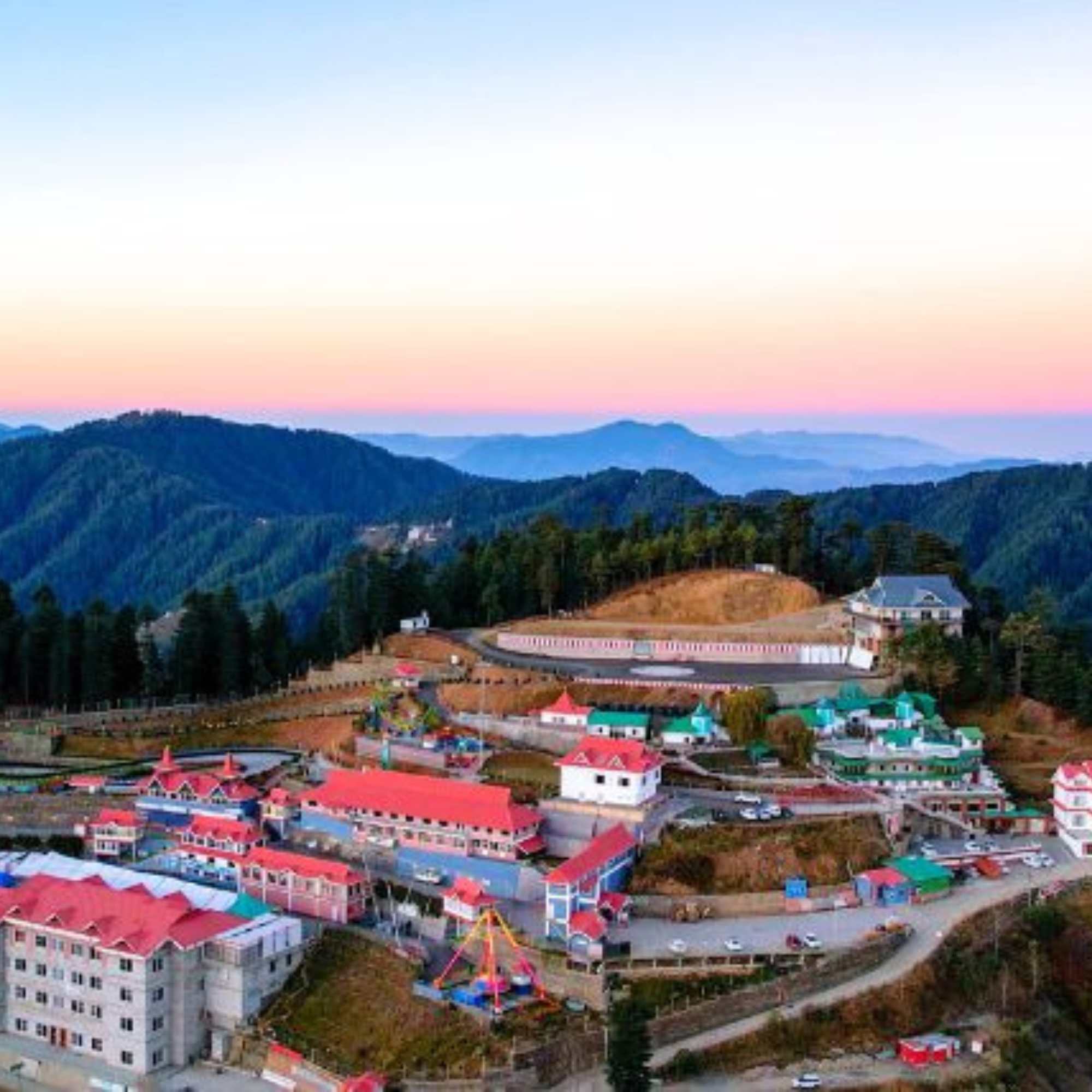
Narkanda and Kufri are not bad places. They are genuinely pretty, and the views are real.
The problem is everyone else also knows that. On weekends, during snowfall, and through peak summer, both turn into traffic jams with a mountain backdrop.
The hidden side of Shimla is not on the main highway. It is in apple villages, forest link roads, small local temples, and valleys that never make it to the average Instagram reel.
Here is what most tourists get wrong. They treat Shimla as the destination instead of the base camp. The good stuff starts the moment you turn off the main tourist road.
One real warning for 2026
Recent road reports flagged poor condition on the Dhalli to Narkanda and Theog to Narkanda stretches.
So check the current road status before you leave, especially if your plan depends on that highway. A bad patch there can quietly add an hour to your day.
If you want a base in the city sorted first, our Shimla tour packages cover stays, a local driver, and routing that skips the worst of the crowd.
How Should You Choose the Right Offbeat Place Near Shimla?
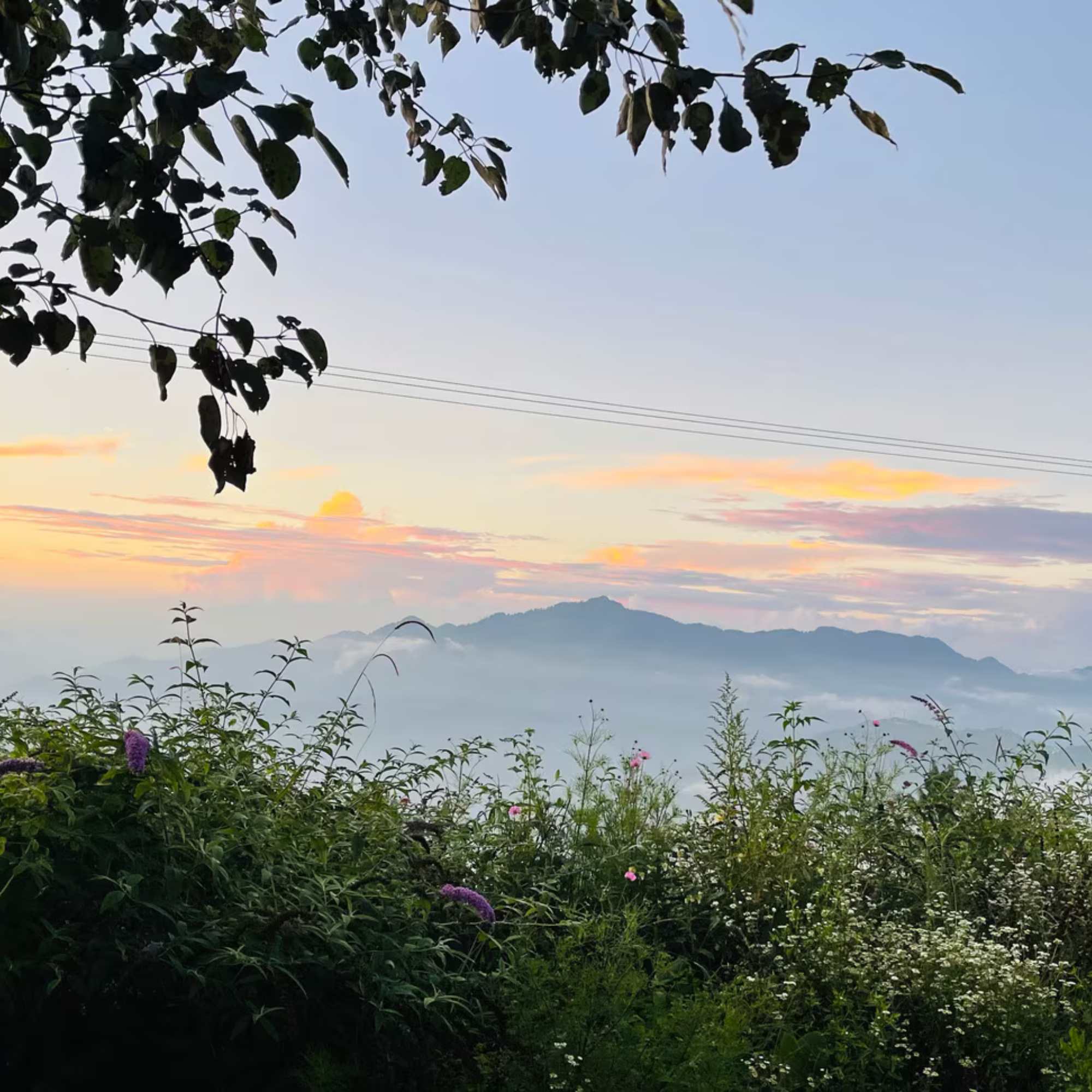
The easiest way to pick is by how many days you have. Not by how famous the place is.
For a relaxed day trip, stay close. Fagu, Naldehra, Cheog, Theog, and Sainj are all short drives and easy on a first-timer.
For a 2-day trip, go a bit deeper into the apple belt. Kotkhai, Kotgarh, Hatkoti, Chindi, and Karsog give you enough distance to feel like you actually left the city.
For a 3 to 4-day road trip, Rohru and Chanshal Pass are the big-ticket options. But only when the road is officially open, not when a blog says it might be.
In our experience, the people who enjoy this region most are the ones who pick one or two places and slow down, not the ones who try to tick off eight in two days.
Which Offbeat Places Within 25 km of Shimla Are Worth Visiting?
Fagu
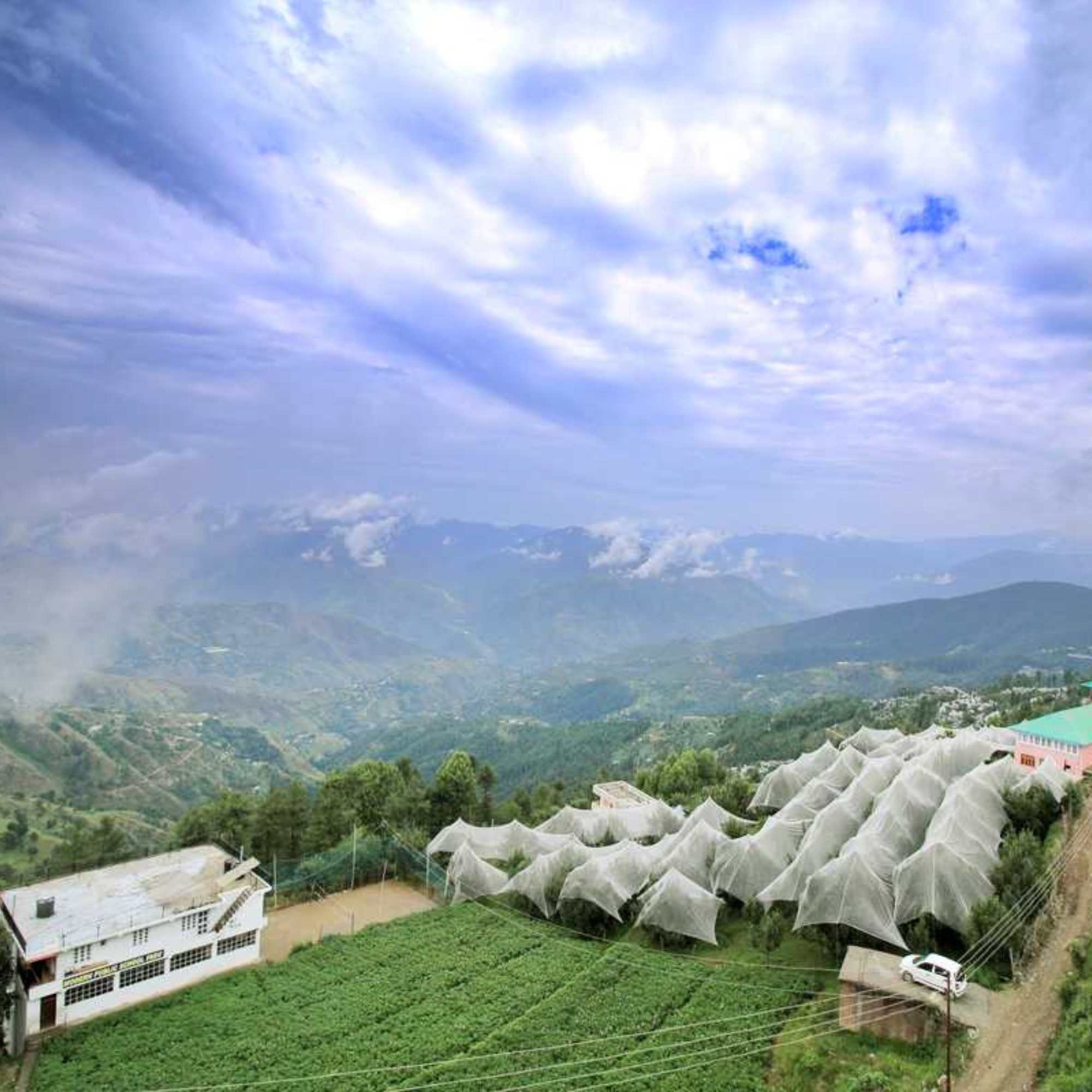
Fagu sits around 18 km from Shimla and around 2,500 metres high. The drive takes about 45 minutes.
It is known for apple plantations, foggy weather, open sowing fields, and clean Himalayan views without the Kufri crowd.
If you want the Kufri feeling minus the chaos, this is it. It works well for couples, families, and anyone who does not want a long drive.
Here is a small timing tip from our drivers. Fagu fogs up fast in the afternoon. Reach by late morning if you want the views, because by 3 or 4 PM the whole place can vanish into white.
Naldehra
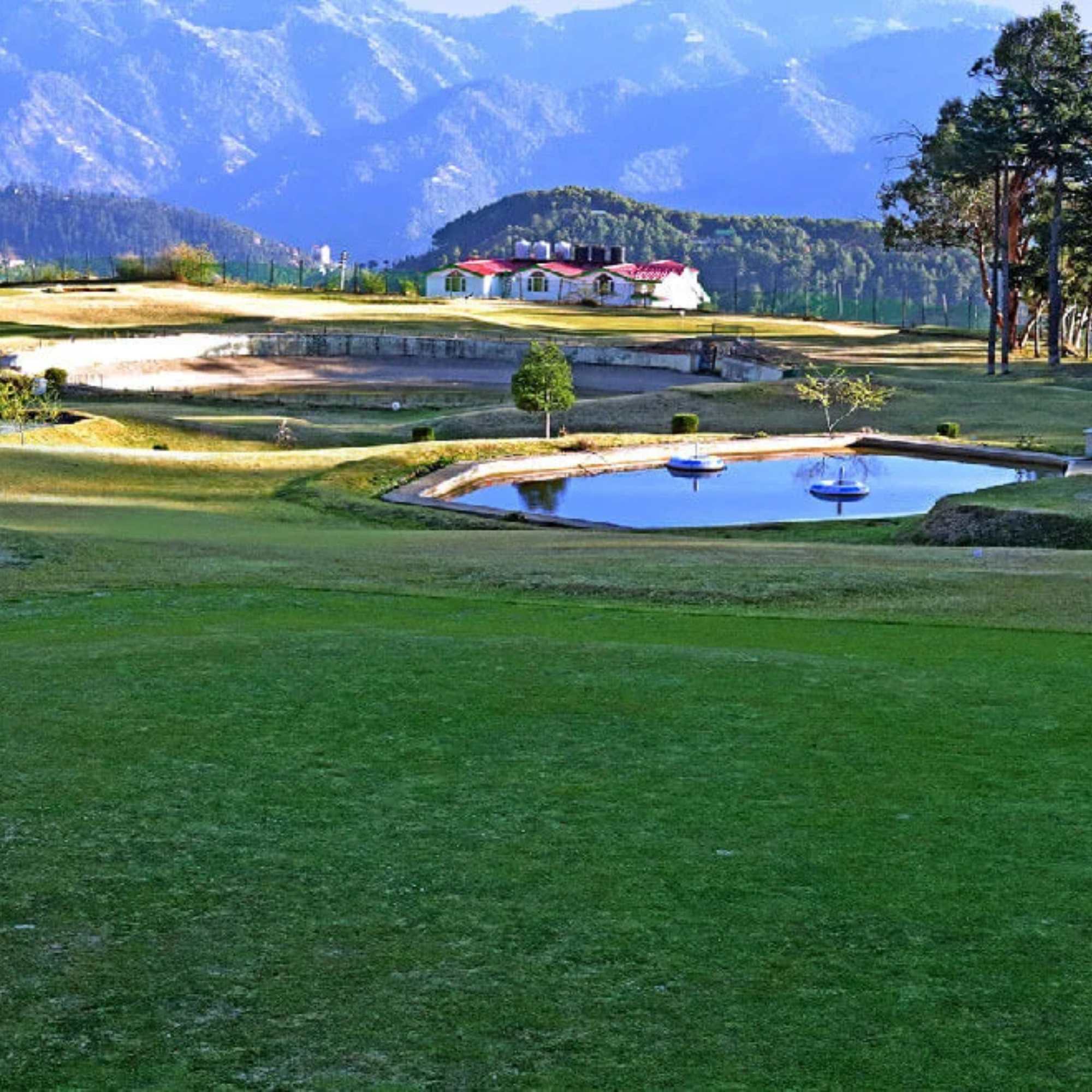
Naldehra is roughly 22 km from Shimla and about 50 minutes by car. It sits at around 2,200 metres.
Its famous bit is the golf course, set inside a forested hill-station setting that feels older and calmer than central Shimla.
You can do it as a gentle day trip, or stay one night if you want a quiet morning with nothing on the schedule.
What we tell our travellers is to skip the rushed photo stop. Naldehra is wasted as a 20-minute halt. Sit for a while, walk under the deodars, and let it be slow.
Cheog, Theog, and Sainj
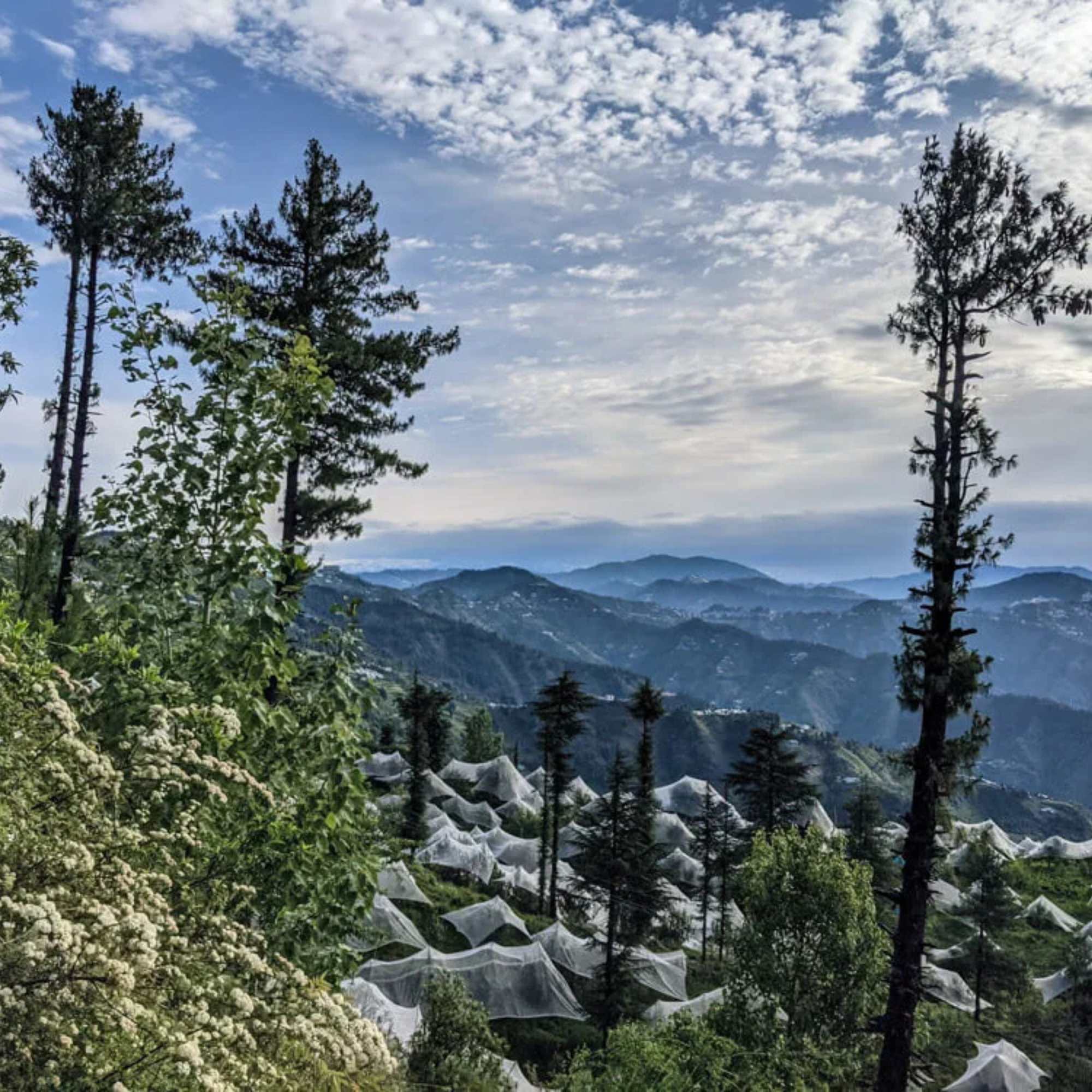
These three sit close together and make a nice little village cluster east of the city.
Sainj is around 24 km east of Shimla, close to Basa Theog. Theog is around 32 km out. Cheog is around 23 km from Shimla.
Sources disagree on Cheog's altitude, so we are not going to throw a wrong number at you. The vibe matters more here than the metres anyway.
This is orchard-stay country. Forest walks, quiet roads, slow evenings, and homestays where the family that owns the apple trees also cooks your dinner.
A local money tip most agents will not share. Book these village homestays directly with the family when you can, not through a third-party site. The prices are usually friendlier and the food is better.
👉 Not sure which offbeat place near Shimla suits your travel style? Talk to our team on WhatsApp.
Which Apple-Belt Villages Beyond Narkanda Feel Truly Local?
Kotkhai
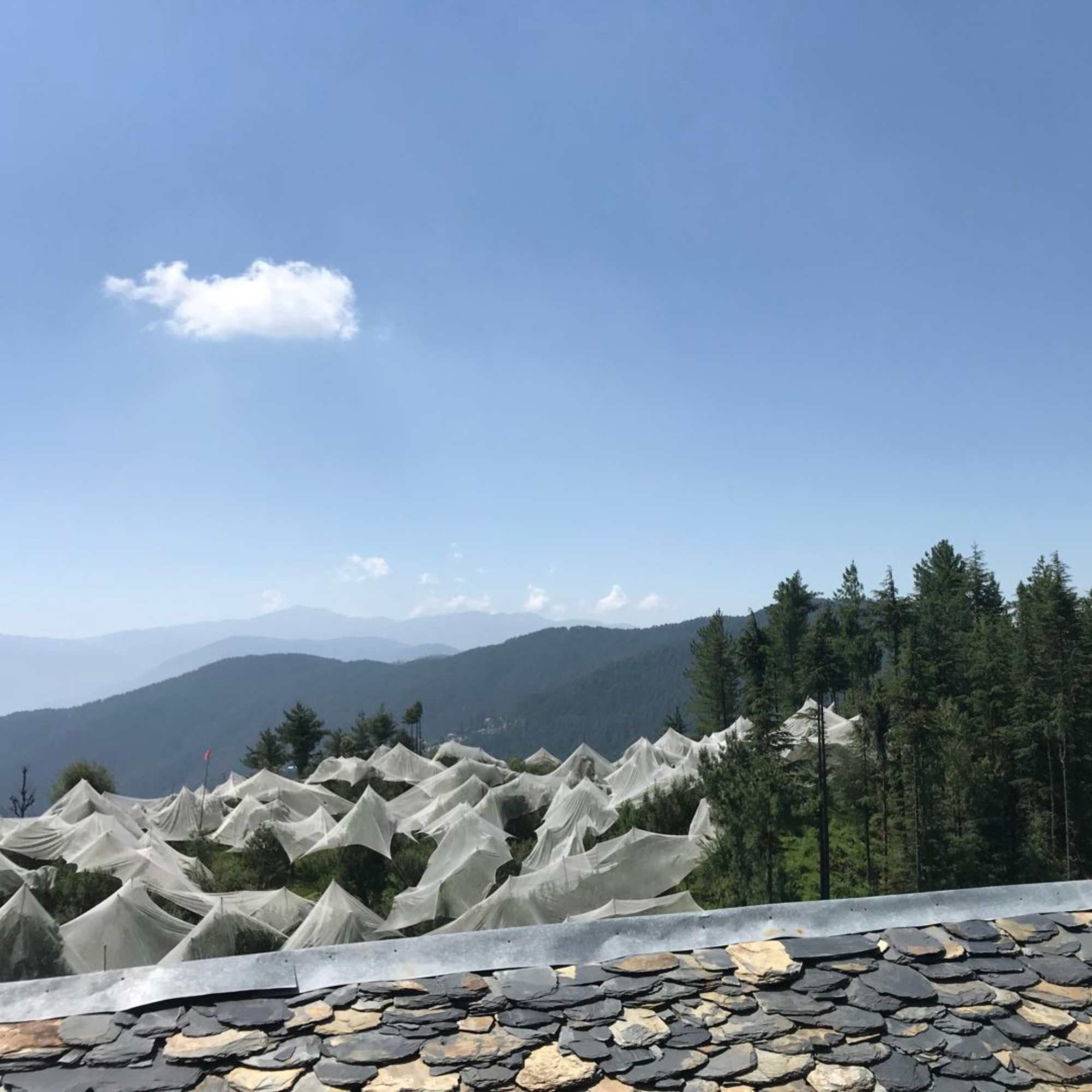
Kotkhai is around 60 km from Shimla and is one of the heartlands of the apple belt.
The names worth knowing around here are Kiala Forest, Garawog, and the old Kotkhai Palace.
This is a good pick for orchard stays, blossom season, easy village walks, and travellers who want a slower Himachal mood instead of a cafe strip.
We have sent plenty of first-timers here during blossom season, and the reaction is always the same. They did not expect entire hillsides covered in white and pink flowers, with almost no other tourists around.
Kotgarh and Thanedar
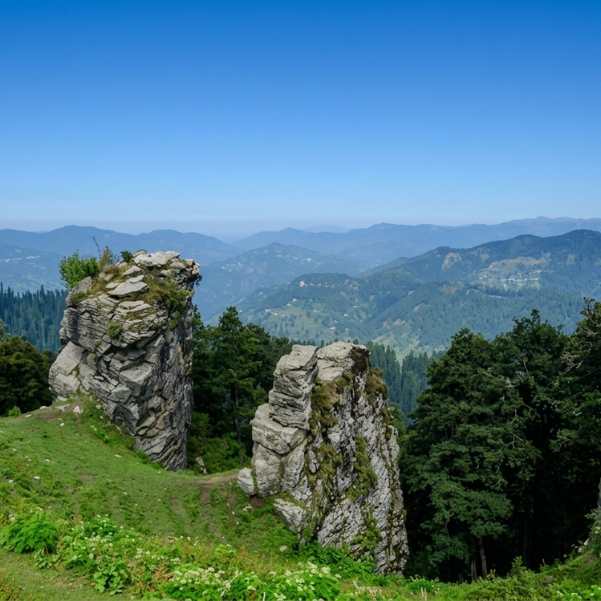
Kotgarh sits around 75 to 77 km from Shimla, based on the sources we checked.
It is tied to Himachal's apple history and the old Hindustan-Tibet Road, which gives the whole area a heritage feel.
Pick this if you want orchard stays and old Himachal villages, not cafes and nightlife. There is no party scene here, and that is exactly the point.
Honestly, if your idea of a holiday is rooftop cafes and music, Kotgarh will bore you. It rewards people who like quiet, apple trees, and long evenings with nothing to do.
If you want to push even deeper into apple and tribal country beyond this belt, our Kinnaur tour packages cover that stretch properly.
Is Hatkoti and Pabbar Valley Good for a Quiet Road Trip?
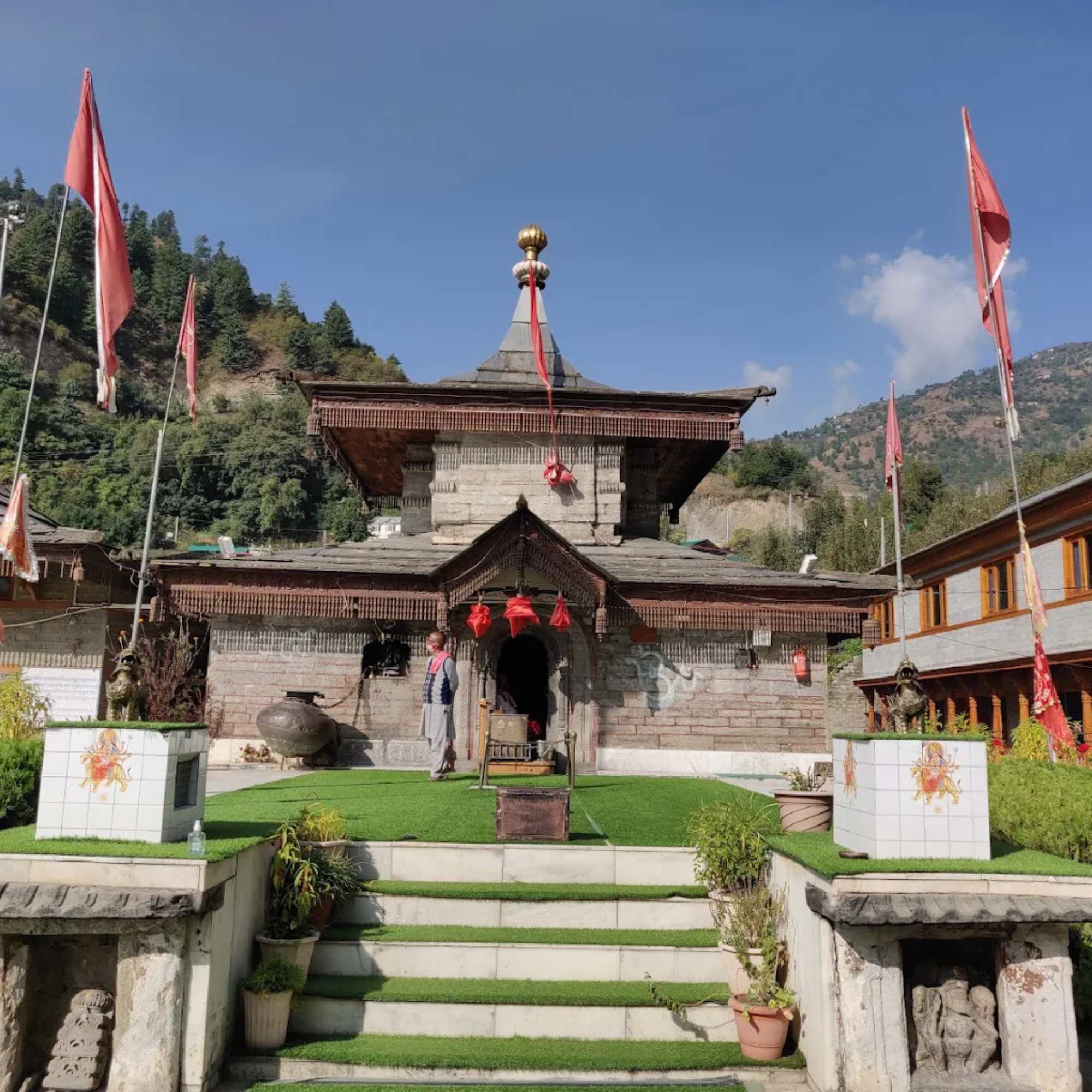
Hatkoti is officially listed around 97 km from Shimla, and about 100 km by road. Plan for around 2 to 3 hours of driving.
You reach it via the Theog to Hatkoti road. It sits in Jubbal, on the banks of the Jabbar River.
This is a temple-and-valley route, the kind of place you go for the drive and the calm as much as the destination.
Do not try to squeeze Hatkoti into a single day from Shimla. It works far better as a slow 2-day trip where you actually stop, eat, and breathe instead of just driving there and back.
There is something about Pabbar Valley that the bigger names near Shimla have lost. The river, the temple, the small villages along the way, and no tour-bus crowd elbowing you for a photo.
Can You Visit Chanshal Pass from Shimla in 2026?
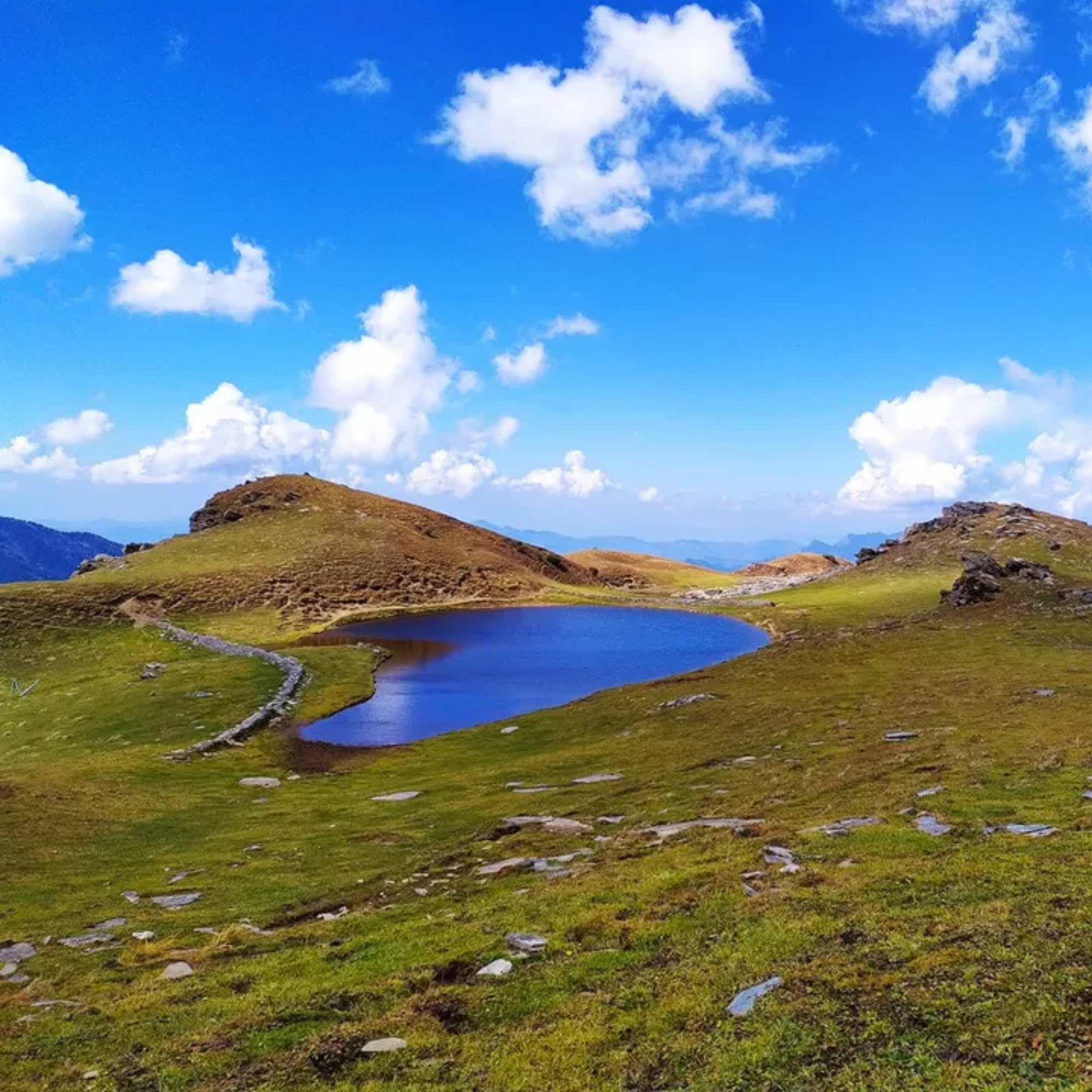
Chanshal Pass is around 160 km from Shimla and sits at about 3,755 metres. This is the serious one, and it deserves a serious tone.
Official guidance says the road stays open to traffic from May to November and shuts the rest of the year because of snow.
The best windows mentioned by official tourism information are late June, early September, September, and October. Outside that, you are gambling with the weather.
There are two main routes. Route one runs about 160 km via Shimla, Theog, Kotkhai, Kharapathar, Hatkoti, Rohru, Larot, and Chanshal.
Route two is the longer one at about 175 km, via Shimla, Theog, Narkanda, Tikkar, Rohru, Larot, and Chanshal.
This is not a casual drive. Carry warm clothes, snacks, water, basic medicines, and extra cash, because services thin out badly the higher you go.
What we tell every traveller heading to Chanshal is simple. If the weather looks unstable or the road status is unclear, do not force it. The pass is not going anywhere, and a forced run at 3,755 metres is how good trips turn bad.
Is Chindi and Karsog Valley Worth Adding to a Shimla Trip?
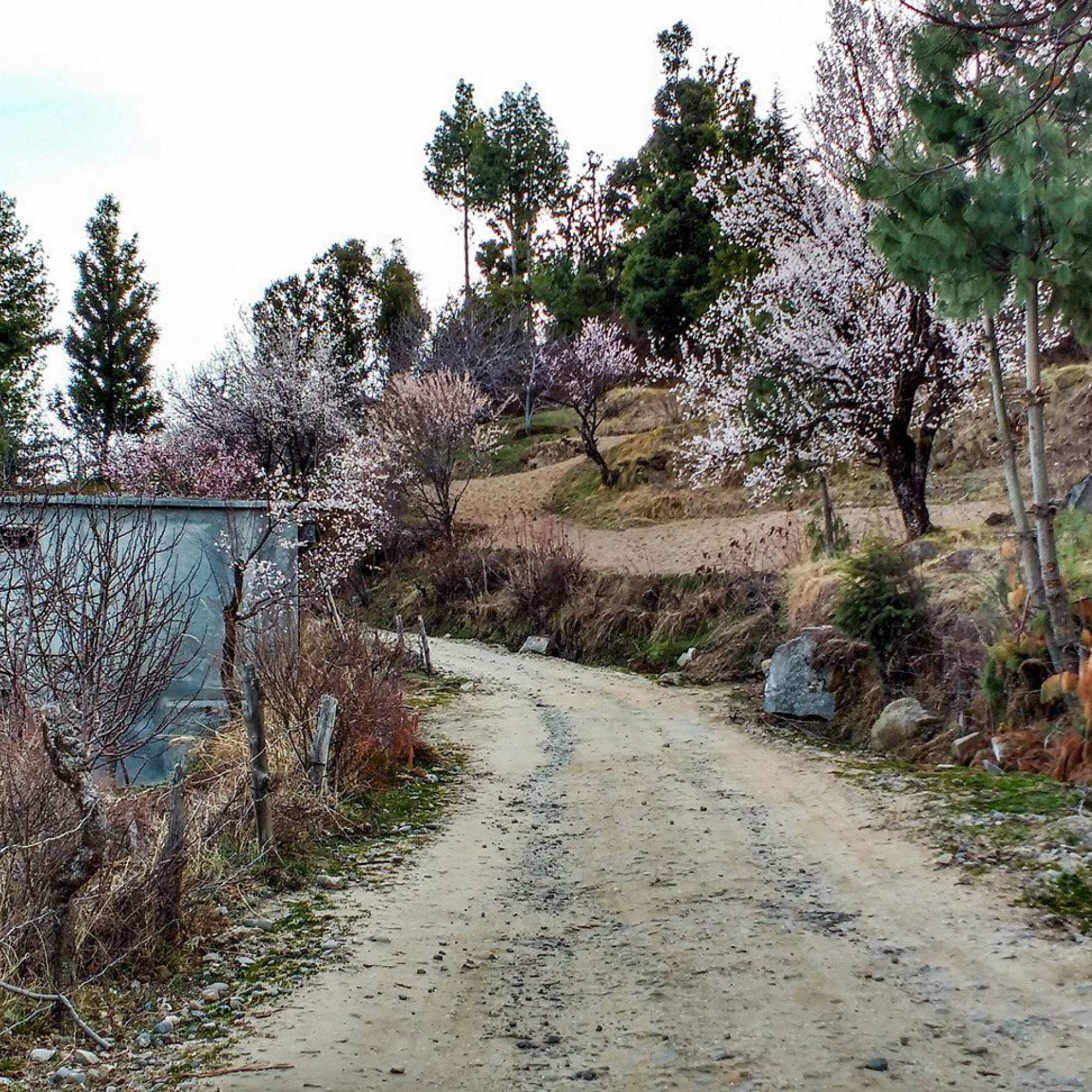
Chindi is listed at 87 km from Shimla railhead according to HPTDC access information. Another 2026 source puts it around 90 km out and at about 1,850 metres.
The road from Shimla runs through Naldehra, Tattapani, Al Chindi, and Churag, which makes the drive itself part of the experience.
This is a forest, temple, and orchard route for people who want something quieter and greener than Narkanda.
Karsog Valley nearby has old temples and a slow village rhythm that suits travellers who are tired of the standard Shimla circuit.
One real-world tip
The Tattapani stretch has natural hot springs that most people drive straight past on the way to Chindi. A short stop there breaks the drive nicely.
Best Time to Visit Offbeat Places Near Shimla
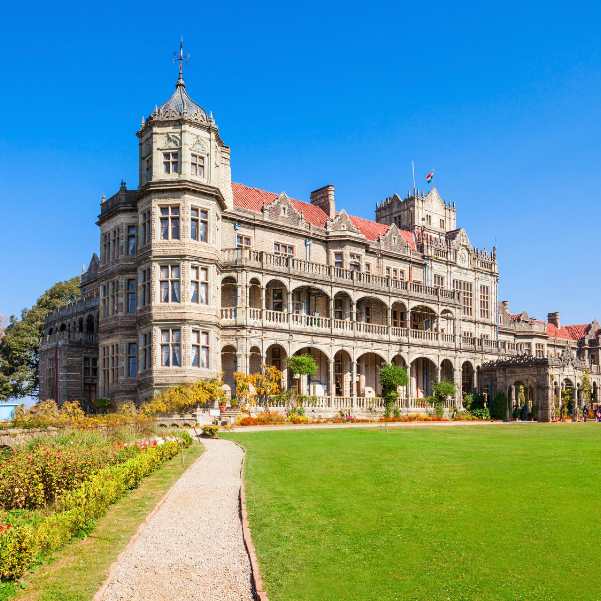
March to April
March to April is the blossom season across the apple belt, when the orchards turn white and pink. Exact bloom timing shifts with altitude and weather though, so treat dates loosely.
May to June
It gives you the easiest road conditions and the most comfortable driving. The catch is heavier tourist traffic around Shimla itself, so leave early to beat it.
July to September
It carries real apple-season charm, with fruit on the trees and green everywhere. But this is monsoon, so watch for slippery roads, landslides, and sudden closures on the smaller link roads.
September to October
It is when the skies clear up and Chanshal Pass is at its best, road status permitting. For many of our travellers, this is the sweet spot of the whole year.
Winter is its own thing. The snow is beautiful, but heavy snowfall can block remote link roads without warning, so only plan winter runs with live road checks in hand.
How Many Days Do You Need?
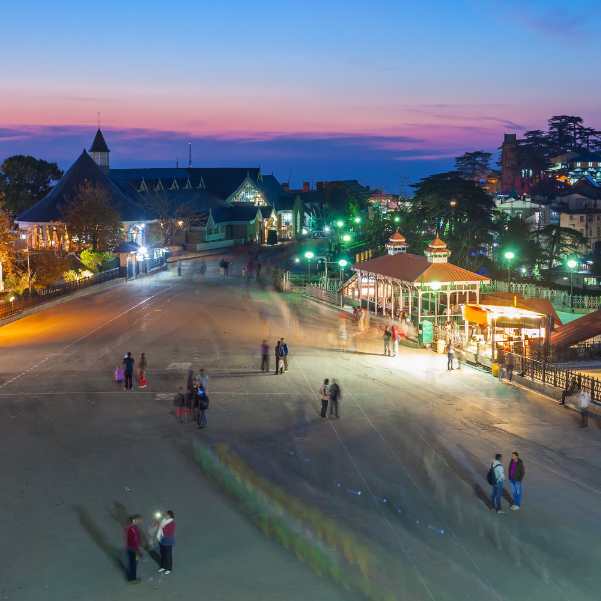
1 Day
For 1 day, keep it tight and close. Drive Shimla to Fagu to Cheog to Naldehra and back to Shimla. Short hops, easy roads, no stress.
2 Days
For 2 days, go a little deeper. Shimla to Fagu, then Theog, then into the apple belt at Kotkhai and Kotgarh or Thanedar for the night, and back to Shimla.
3 Days
For 3 days, take on the big route. Shimla to Hatkoti, on to Rohru, then Chanshal if it is open, and back to Shimla. Build a buffer in case the pass is shut.
For a quieter 2-day option, go west instead. Shimla to Naldehra to Tattapani to Chindi and Karsog, then back. Less altitude, more forest, fewer people.
If you like this slow-village style of travel, you will probably also enjoy the Jibhi and Tirthan Valley packages we run, which work on the same idea.
2026 Travel Tips: Roads, Permits, Vehicles, and Safety
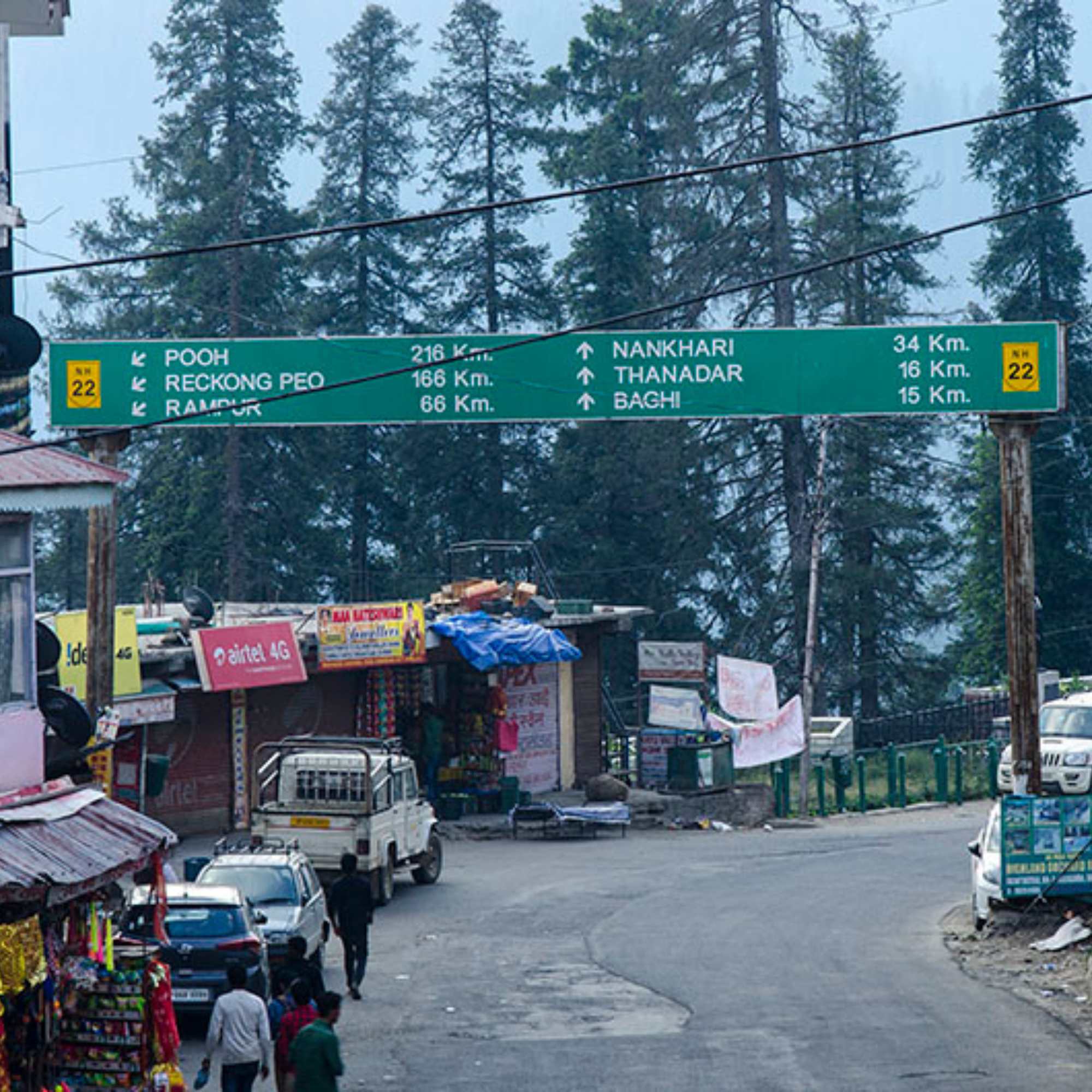
Start with the roads. Recent 2026 reporting flagged poor condition on the Dhalli to Narkanda and Theog to Narkanda stretches, so check before you commit to anything past them.
Shimla city itself has sealed and restricted road rules that catch a lot of tourists off guard. Reported 2026 fines run up to ₹10,000 for driving on sealed roads without permission and ₹5,000 on restricted roads.
So do not just follow your map blindly inside the city. A wrong turn onto a sealed road can cost you more than your hotel night.
On permits, we did not find a general tourist permit requirement in the official sources we checked for Fagu, Naldehra, Kotkhai, Hatkoti, or Chanshal. Still, rules change, so confirm before you travel.
Remote roads in this whole belt can be hit by snow, monsoon damage, landslides, or repair work at short notice. A high-clearance vehicle helps a lot once you leave the main highways.
Which Offbeat Place Near Shimla Should You Skip?
Skip Chanshal in winter unless the road is officially open. No view is worth getting stuck at 3,755 metres in snow.
Skip faraway places like Shoja or Sarahan if you only have one day from Shimla. You will spend the whole day in the car and see almost nothing properly.
Skip Kufri and Narkanda on peak weekends if your real goal is silence. They are lovely on a quiet weekday and miserable on a packed Saturday.
Instead, match the place to your time and your vehicle. Fagu or Sainj for a short day, Kotkhai or Chindi for a slower stay, Hatkoti when you want a proper road trip.
If you are still torn between valleys and want a clear comparison, our take on Jibhi or Kasol, which is better walks through how we help travellers choose between similar spots.
Explore Our Curated Chanshal Pass Tour Packages
 Group Tour5D/4N
Chanshal Pass Weekend Group Trip With Giri Ganga and Kuppar Bugyal
1D Kharapathar / Kotkhai•1D Rohru / Chirgaon (Pabbar Valley)
₹8,999₹12,999SAVE INR 4,000/ person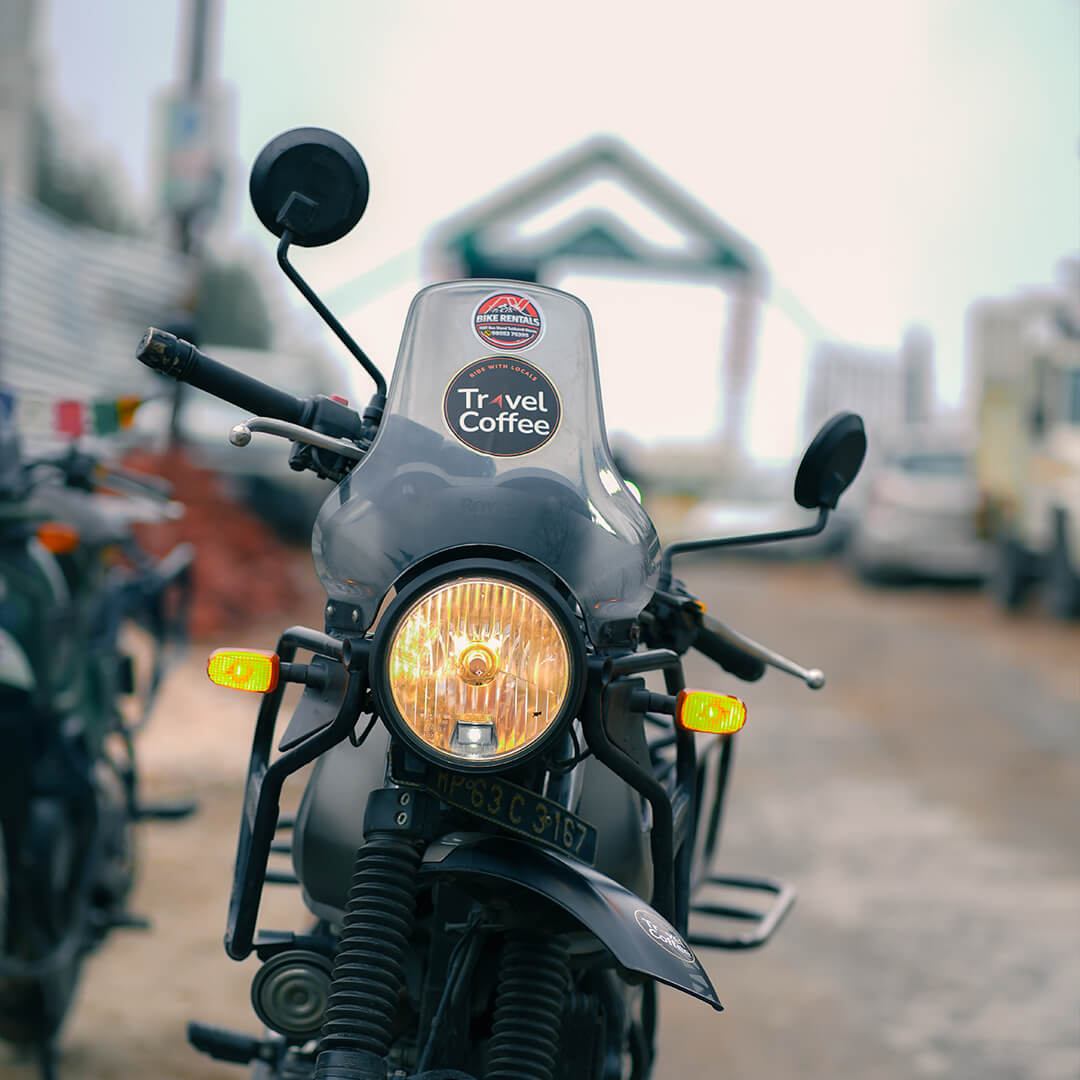 8D/7N
8D/7NUltimate Pabbar Valley Bike Expedition With Giri Ganga Kuppar Bugyal Chanshal Pass and Dodra Kwar
1D Kharapathar / Kotkhai•2D Rohru / Chirgaon (Pabbar Valley)+1
₹29,999/ person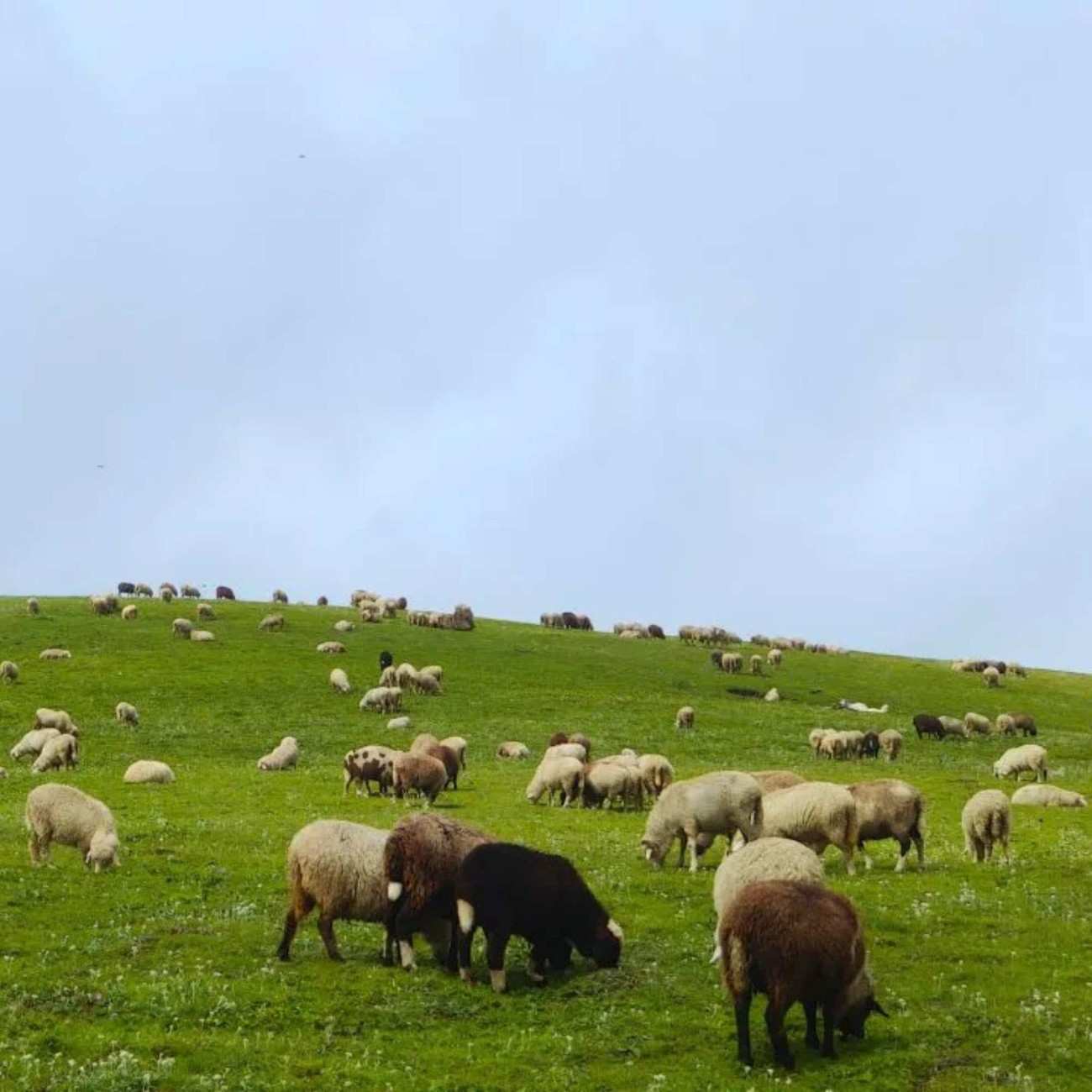 8D/7N
8D/7NMost Loved 4x4 Pabbar Valley Expedition With Giri Ganga Kuppar Bugyal Chanshal Pass and Dodra Kwar
1D Kharapathar / Kotkhai•2D Rohru / Chirgaon (Pabbar Valley)+1
₹32,999₹39,999SAVE INR 7,000/ person
Related topics
Frequently Asked Questions
Which is the best offbeat place near Shimla?
It depends on your time. Fagu is the best easy day trip, Kotkhai is the best apple-belt stay, and Chanshal is the best adventure run when the road is open.
Which hidden places near Shimla are within 25 km?
Fagu at around 18 km, Cheog at around 23 km, Naldehra at around 22 km, and Sainj at around 24 km are all close enough for a relaxed day out.
Is Fagu better than Narkanda?
For peace and short drives, yes. Fagu is closer at around 18 km and far less crowded, while Narkanda at around 60 km is busier and better known.
Is Naldehra worth visiting from Shimla?
Yes, if you want calm over action. The golf course and forest setting make it a gentle day trip or a quiet overnight stay around 22 km from Shimla.
Which apple villages near Shimla are best for a stay?
Kotkhai at around 60 km and Kotgarh at around 75 to 77 km are the top picks for orchard stays and proper village life.
Is Chanshal Pass open in 2026?
The road is officially described as open from May to November and closed the rest of the year due to snow. Always check live status before you go.
Do I need a permit for Chanshal Pass?
We did not find a general tourist permit requirement in the official sources we checked. Confirm the current rules before you travel, since these things change.
Which places near Shimla are good for snowfall?
Fagu and the Narkanda side get good snow in winter. Just check road status first, because heavy snowfall can block the smaller link roads fast.
Can I cover Hatkoti in one day from Shimla?
You can, but you should not. At around 97 km and 2 to 3 hours each way, it works far better as a slow 2-day trip
Is Chindi better than Narkanda for peace?
Yes. Chindi, at around 87 to 90 km via Tattapani, is greener and far quieter than Narkanda, with forests, temples, and orchards instead of crowds.
Are roads safe near Shimla during monsoon?
July to September brings landslides and slippery patches, especially on remote roads. Drive in daylight, go slow, and check conditions before each leg.
Which offbeat place near Shimla is best for families?
Fagu and Naldehra are the easiest for families. Short drives, gentle roads, and no high-altitude stress, unlike the long Chanshal run.
More about Shimla
 Shimla
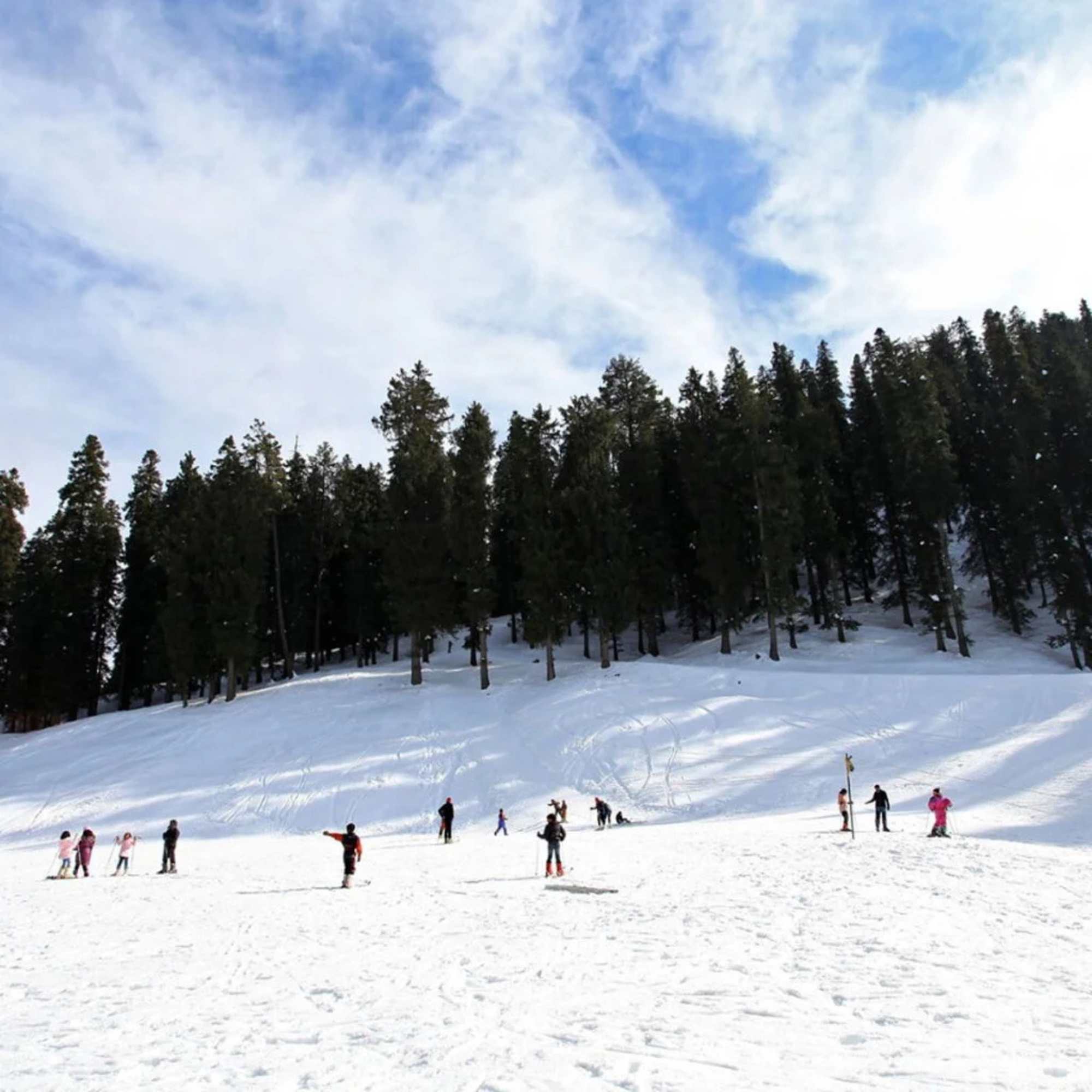
Shimla Snow Trip 2026: Best Time, Itinerary, Cost and Local Tips
Plan your Shimla Snow Trip 2026 with this complete guide to the best time for snowfall, estimated trip cost, winter itinerary, top snow spots, Kufri visit, and useful travel tips.
- Snow Travel
- Best Time to Visit
 Shimla
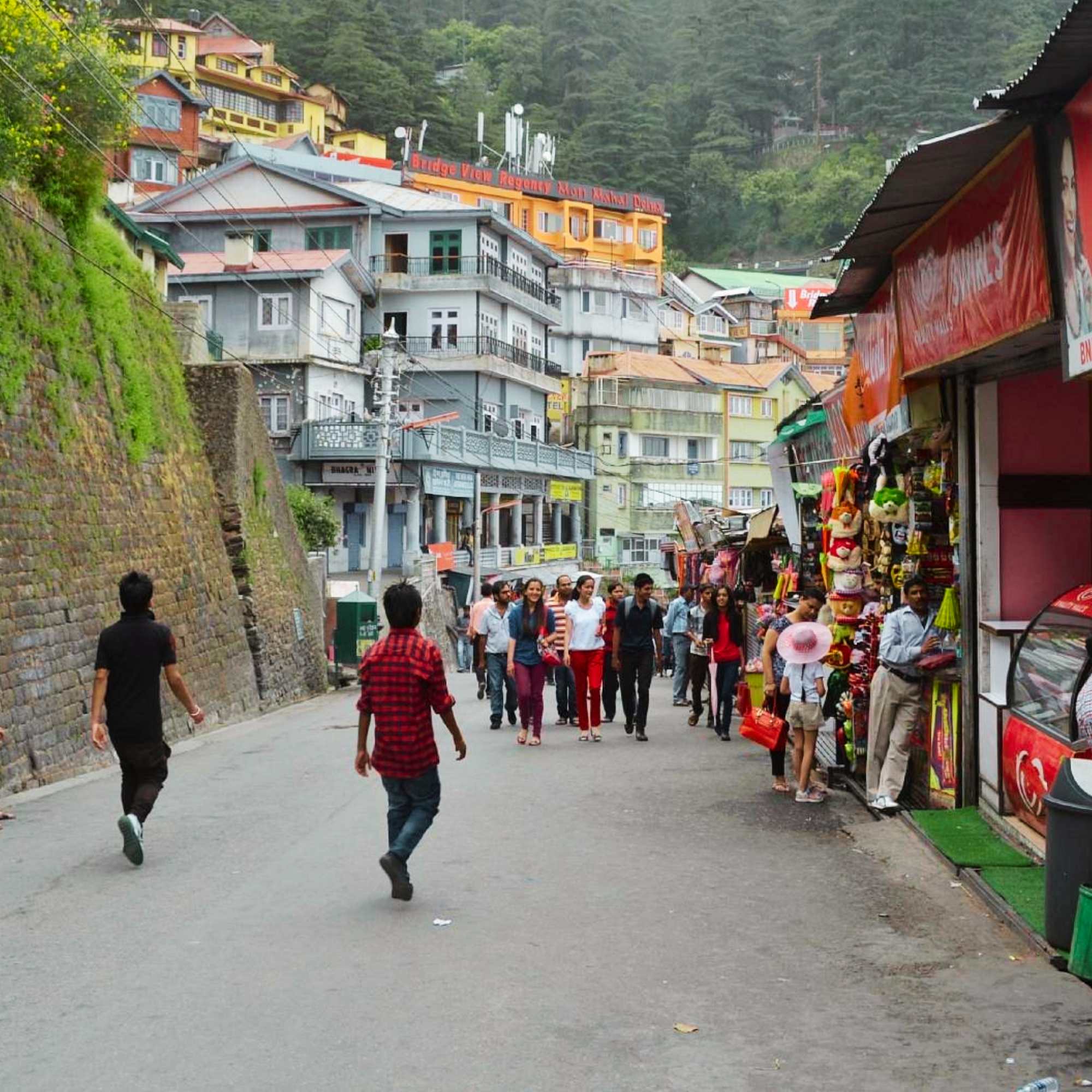
Shimla in February 2027: Weather, Snowfall, Itinerary and Travel Tips
Planning a trip to Shimla in February 2027? Discover typical February temperatures, chances of snowfall, what the weather is usually like, the best places to enjoy snow, what to pack, and practical tips for planning a memorable winter trip to Shimla.
- Best Time to Visit
- Snow Travel
 Shimla
Snow Point Near Shimla in 2026: Kufri, Fagu, Narkanda and the Best Places to Find Snow
Discover the best snow points near Shimla in 2026, including Kufri, Fagu and Narkanda. Find out where to see snow, the best time to visit, and the top winter destinations near Shimla.
- Snow Travel
- Places to Visit