
Offbeat Himachal for Couples in 2026: Quiet Valleys Beyond Manali and Shimla
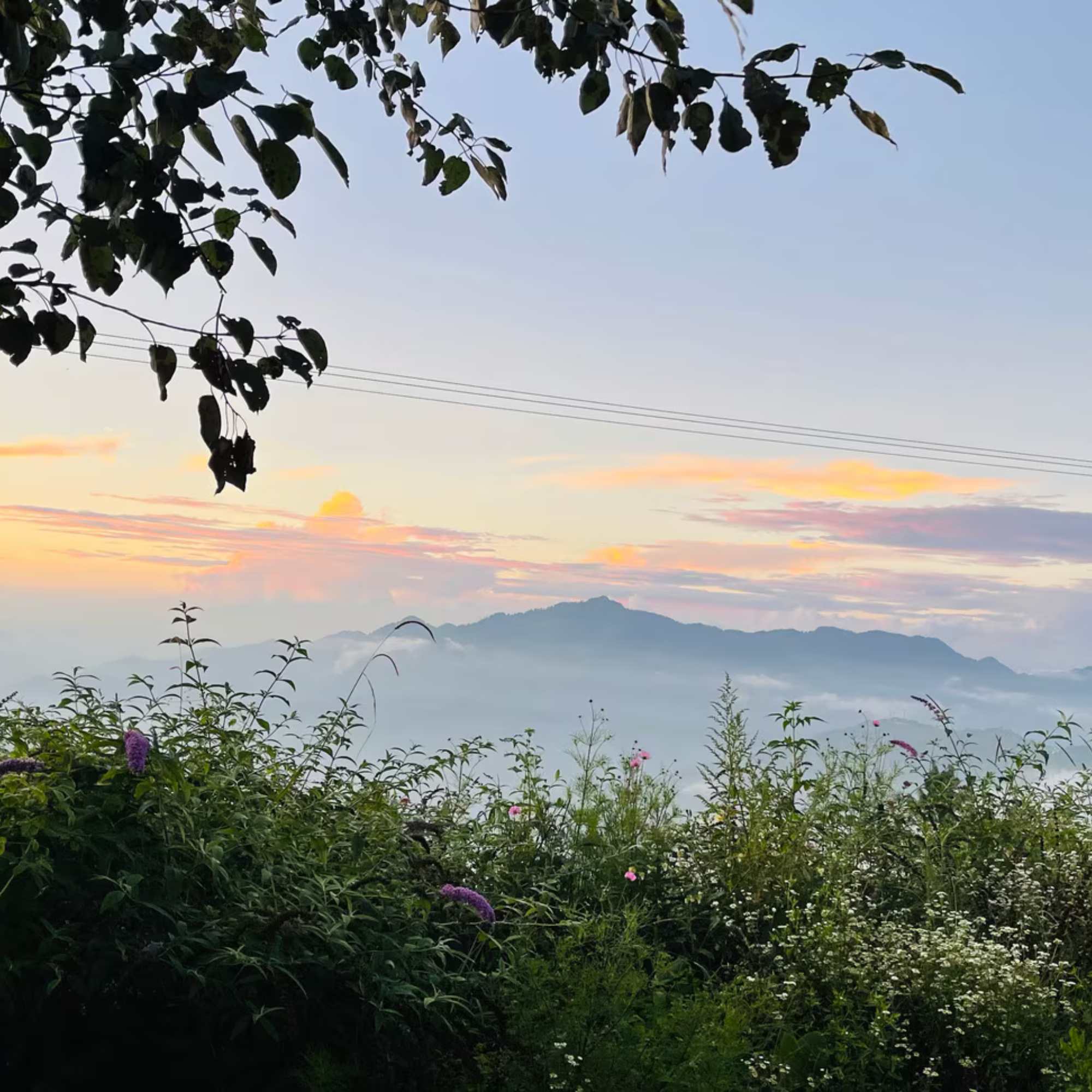
You have done the Manali trip. Maybe Shimla too. And now you want something quieter, something where the morning starts with a river and not a horn.
That is exactly what offbeat Himachal for couples is about. Valleys where the cafés are small, the stays are private, and the only crowd is a herd of sheep crossing the road.
We run trips across these valleys every season, and the feedback is almost always the same. Couples who go off the usual map come back calmer and happier than the ones who fight traffic in Mall Road.
This guide by Travel Coffee covers the best quiet valleys, how to pick the right one, what each place actually feels like, and the road and permit checks you need before you go.
Quick Answer: Best offbeat Himachal valleys for couples in 2026
Tirthan, Jibhi and Shoja are the best starting point for first-time couples who want easy roads and riverside stays.
Sainj and Shangarh are best if you want silence and open meadows with almost no cafés.
Barot is best for riverside relaxation and slow evenings by the water.
Karsog and Chindi are best for orchard-style slow travel with temples and forest drives.
Pabbar Valley and Chanshal suit adventurous couples who want a real road trip.
Sangla, Rakchham, Chitkul and Kalpa in Kinnaur are best for dramatic mountain views.
The right valley depends on the season, how comfortable the road is, and how remote you actually want to go.
Why couples are looking beyond Manali and Shimla
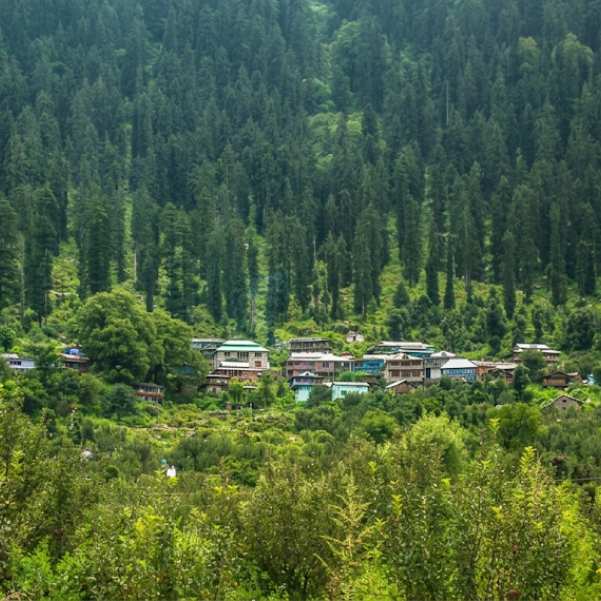
Most couples who message us now say the same thing. They want quiet mornings, a private balcony, a forest walk, and proper home food. Not packed cafés and a viewpoint with fifty selfie sticks.
Manali and Shimla are still beautiful. We are not going to pretend otherwise.
But on a long weekend in season, both can feel like a city that moved to the hills. Traffic, parking fights, and inflated prices everywhere.
For a couple, that energy is the opposite of romantic. You came to slow down, and instead you are stuck behind a tourist bus for an hour.
The offbeat valleys give you what most couples are actually chasing. Time alone, a slower pace, and a stay where you remember the host's name.
How to choose the right offbeat Himachal valley as a couple
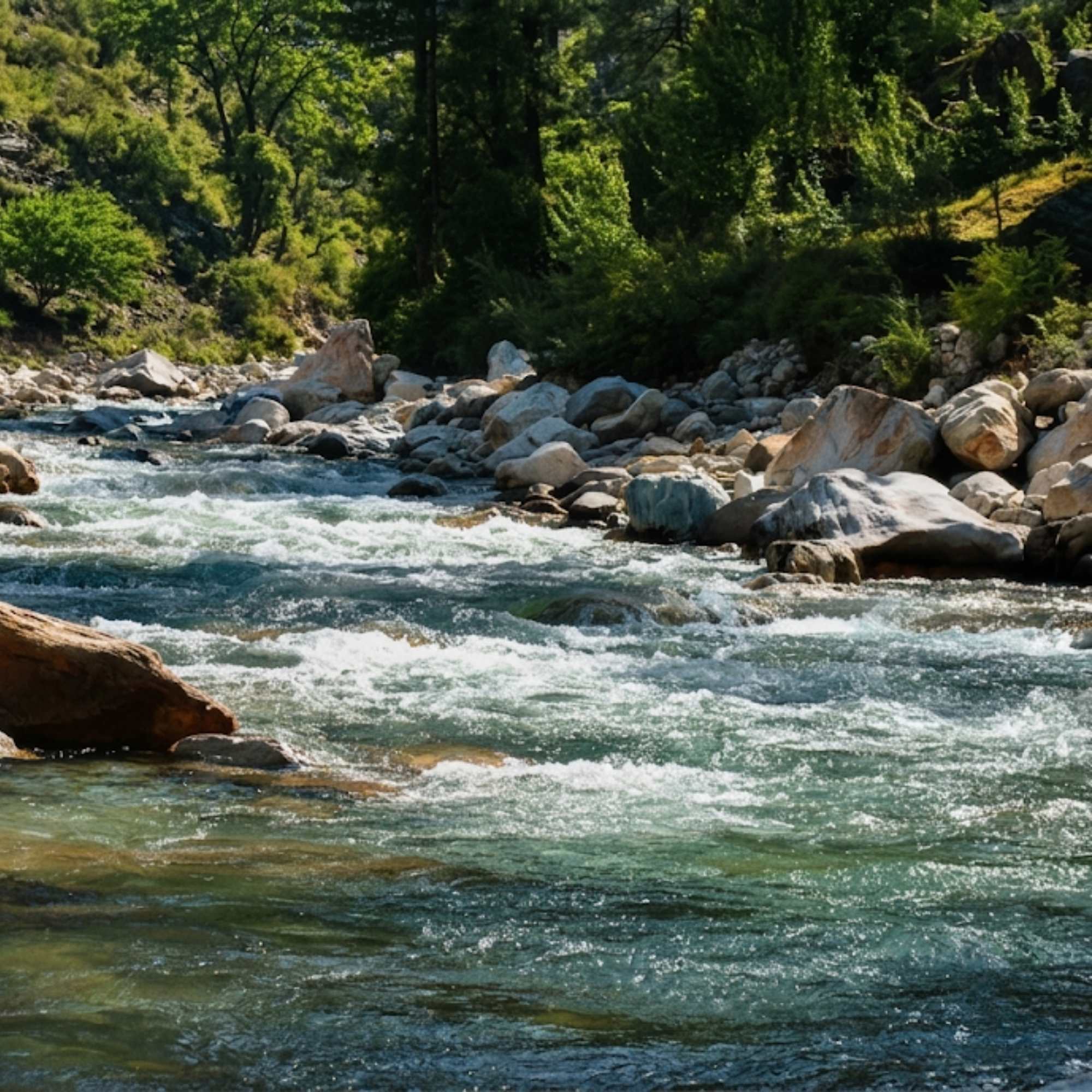
The first thing to think about is road comfort. A valley can be gorgeous, but if the last stretch is a brutal four-hour shake, one of you will arrive grumpy.
Next is travel days. Some of these places need a full day of driving each way. If you have only three days, do not pick the farthest valley.
Think about the season too. High roads like Chanshal stay closed for half the year. Monsoon makes some routes risky.
Then there is the practical stuff. Mobile networks are patchy or absent in deep valleys. Medical help can be hours away. The stay quality jumps around a lot between villages.
Decide early whether you want slow travel or sightseeing. Slow travel means picking one valley and staying put. Sightseeing means more driving and less rest.
In our experience, the best couple trip is not the most remote one. It is the one where both people feel relaxed.
What most couples get wrong is chasing the most "untouched" spot they saw on Instagram. They end up exhausted on bad roads and barely talk to each other by day two. Pick comfort over bragging rights.
Which quiet Himachal valley is best for first-time couples?
If this is your first offbeat trip together, start with the Banjar side. Easy to reach, gentle to settle into, and forgiving if your plans shift.
Tirthan Valley, Gushaini and Jibhi
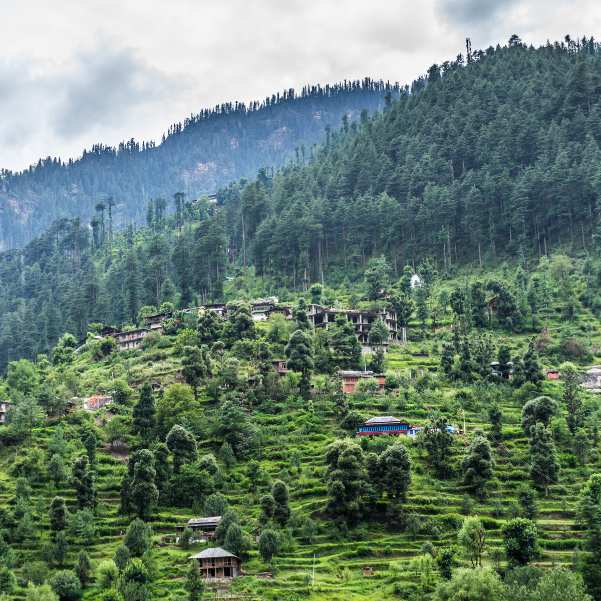
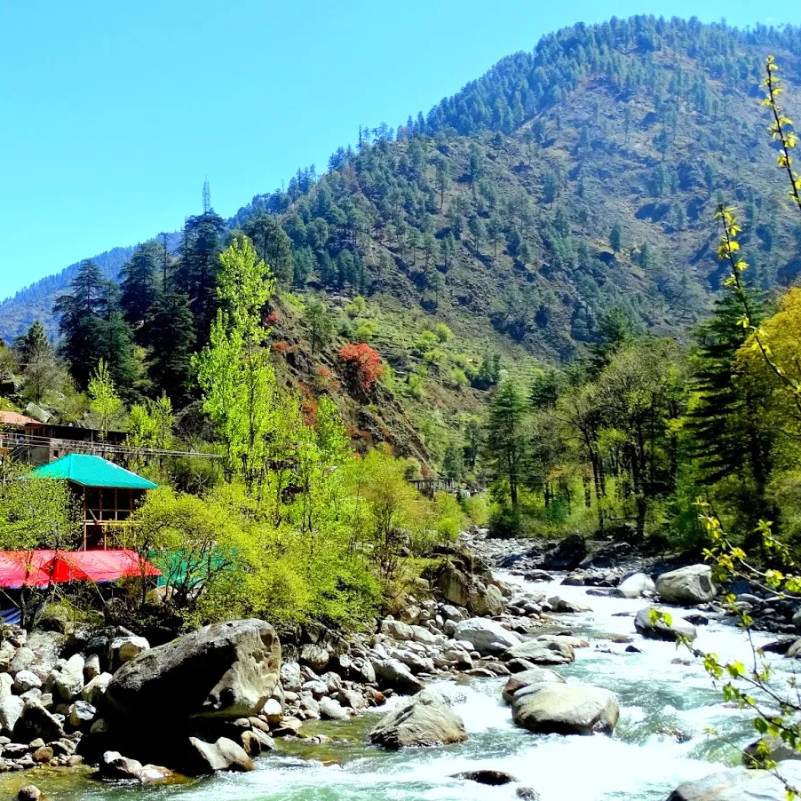
This is the softest landing into offbeat Himachal. Tirthan runs along a clear river, the stays sit right on the water, and the whole valley moves slowly.
You can spend a full day doing almost nothing. Sit by the river, read, walk into the forest, eat fresh local trout, and walk to a waterfall when you feel like moving.
The Banjar and Gushaini side has small cafés and simple homestays. Nothing flashy, which is exactly the point.
Tirthan is one of the two main gateways to the Great Himalayan National Park (GHNP), along with Sainj. Aut is the main access point for the whole region.
For distances, Delhi to GHNP is about 480 km and takes 10 to 12 hours. Shimla to GHNP is about 185 km, roughly 6 to 8 hours. Manali to GHNP is only about 70 km and 2 to 3 hours.
You only need a GHNP core-zone permit if you actually enter the park's core zone. Permits are issued at Shamshi, at Shairopa in Tirthan, and at Ropa in Sainj.
GHNP activities are all on foot. There are no motor safaris here, so you walk or you do not go in.
Check GHNP fees with the park authorities before you visit, because the official page tells visitors to confirm current rates rather than trust old blogs.
If you want the logistics handled, our Jibhi and Tirthan Valley packages cover stays, a local driver, and a route that does not rush you.
Shoja and the Jalori side
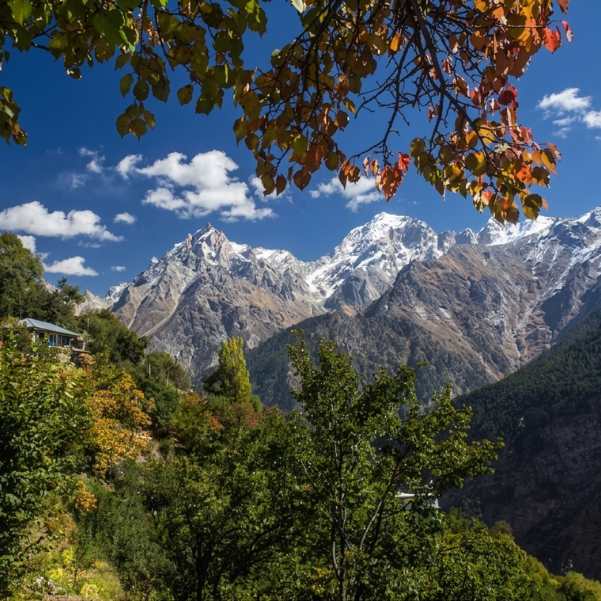
A short climb above Jibhi sits Shoja, quiet and covered in pine. This is the spot for couples who want to do nothing and feel good about it.
There is no nightlife here, and that is the appeal. You read, you walk, you eat local food, and you watch the sun drop behind the ridges.
Nearby you have Jalori Pass and Serolsar Lake, but treat both as weather-dependent extras. Confirm conditions on the day before you set out, because the pass can shut on short notice. Verify current road status and trek distance with a local before planning around them.
Shoja suits couples who prefer slow walks and sunset views over anything loud. If you both like quiet, you will not want to leave.
>>Looking for the perfect couple's getaway? Chat with our team on WhatsApp.
Which valley is best for couples who want silence and meadows?
If your idea of romance is no people at all, go deeper into the GHNP side. This is where the cafés thin out and the silence takes over.
Sainj Valley and Shangarh
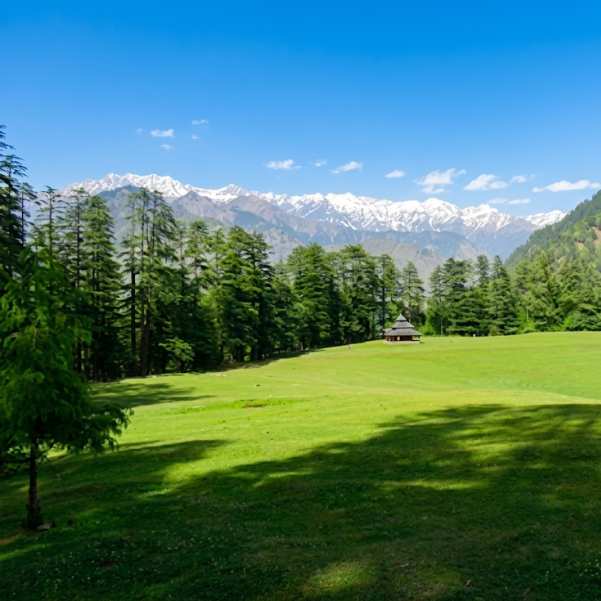
Sainj is the second gateway to GHNP and gets far fewer visitors than Tirthan. The trek into the valley begins at Neuli, which is 46 km by road from Aut.
About 5 km short of Neuli is Ropa, and from there a gravel road climbs up to Shangarh. Shangarh is the meadow everyone quietly hopes to keep secret.
Here is the honest part. The Ropa to Shangarh road is very narrow and only suitable for four-wheel-drive vehicles. Do not attempt it in a regular hatchback.
Use a local driver, or confirm your vehicle can actually make it before you commit to Shangarh. This is the single most common reason couples get stuck on this route.
Do not come here expecting boutique luxury. Shangarh is for couples who value quiet over facilities, where the meadow and the silence are the whole experience.
What we always tell our travellers is to treat Shangarh as a one-night slow stay, not a quick photo stop. The magic only lands once the day-trippers leave and it is just you and the meadow.
Which offbeat Himachal destination is best for riverside relaxation?
If the sound of moving water is what relaxes you, this is your valley. No passes, no big climbs, just a river and your evenings.
Barot Valley
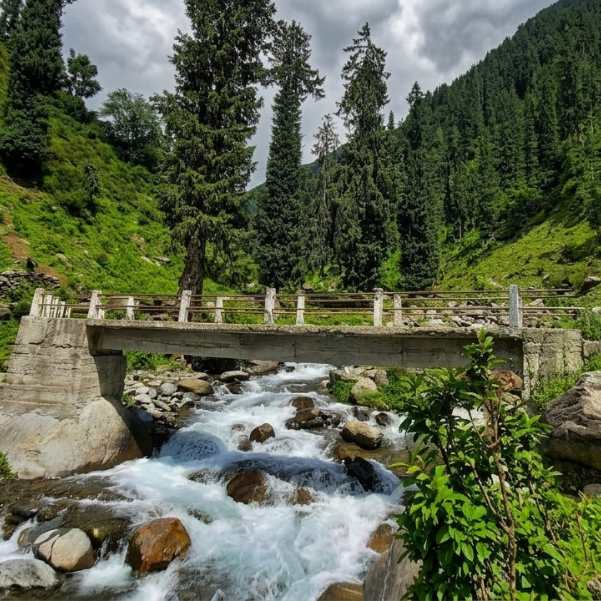
Barot sits at 1,835 m on the bank of the River Uhl. It is the kind of place where the river basically sets the schedule for your day.
It is best known for its Trout Fish Farm, which is also where your dinner often comes from. Fresh trout by the river is about as good as a quiet evening gets here.
Around Barot you have the Shanan project reservoir, gentle forest walks, and the gateway to Nargu Wildlife Sanctuary, which covers 278 sq km.
Getting here is straightforward. The nearest rail link is Joginder Nagar, about 40 km away. The closest airports are Gaggal at about 114 km and Bhuntar at about 123 km.
Barot is accessible by road from Ghatasani on the Pathankot-Mandi National Highway.
One honest note
Barot is for couples who want river sounds and quiet evenings. There is no nightlife, no big café scene, and that is exactly why we send slow-travel couples here.
Which offbeat route works for orchard stays and easy romance?
If high passes and rough roads sound like too much work, the Karsog side gives you a softer kind of offbeat. Orchards, temples, and forest roads.
Karsog, Chindi and Janjehli
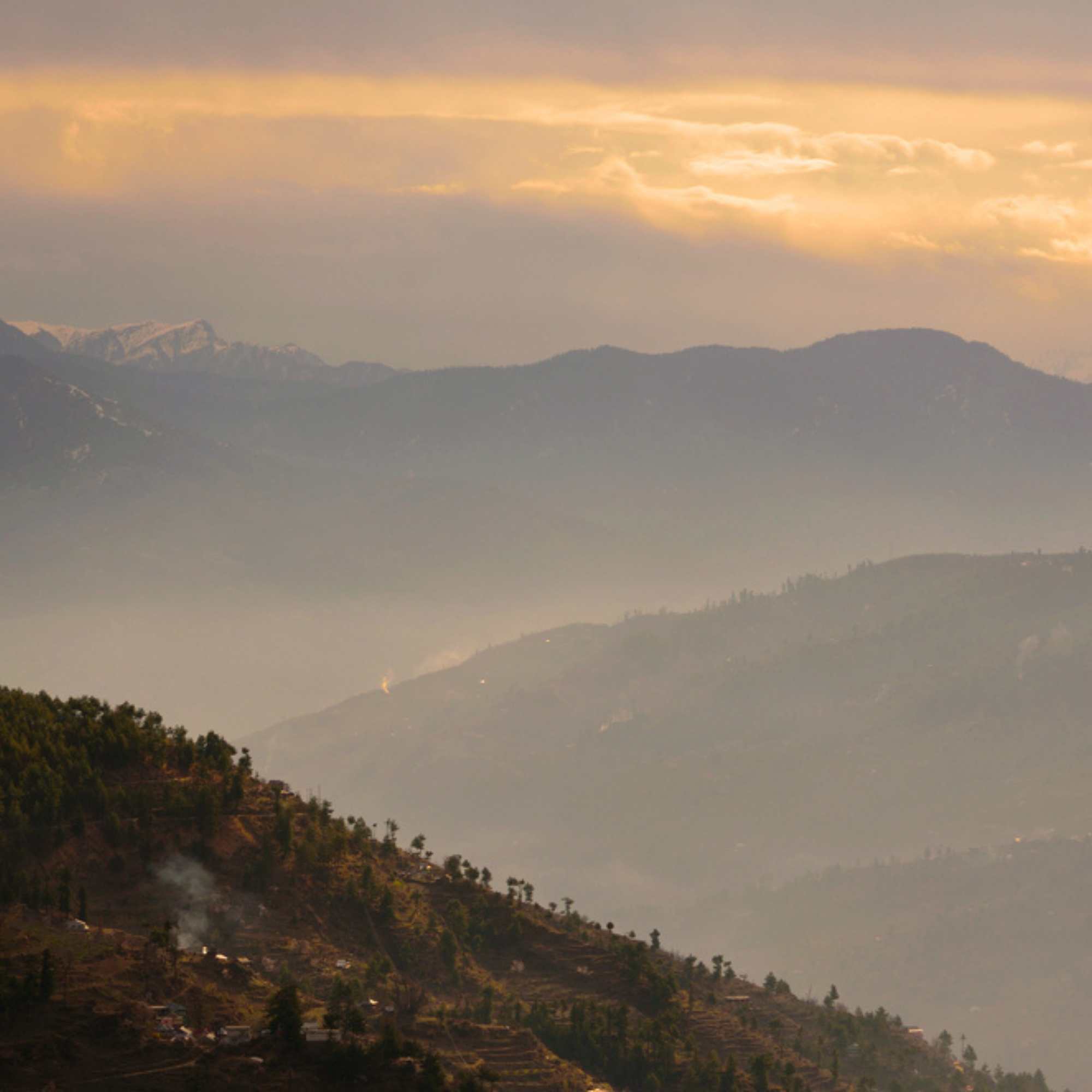
This belt feels gentler than the extreme remote valleys. Think apple orchards, forested drives, old temples, and slow afternoons.
Shikari Devi temple sits at 3,359 m and is about 18 km from Janjehli. The drive up through the forest is half the experience.
Karsog is about 21 km from Shikari Devi, and the whole area carries a calm, orchard-village feel that couples love.
Janjehli is accessible by road from Nerchowk on the Chandigarh-Manali National Highway, which keeps the approach simple.
The area gets snow in winter, so the higher stretches near Shikari Devi need a weather and road check before you head up. Do not assume it is open just because the lower roads are clear.
If you want to pair this with a base near the Shimla side, our Shimla tour packages can anchor the trip with a comfortable start.
Looking for more hidden valleys like Karsog and Janjehli? Browse our Offbeat Himachal tour packages for more slow-travel experiences.
Which valley is best for adventurous couples?
Some couples bond over rough roads and big climbs, not riverside naps. If that is you, head to the Rohru side.
Pabbar Valley, Rohru and Chanshal
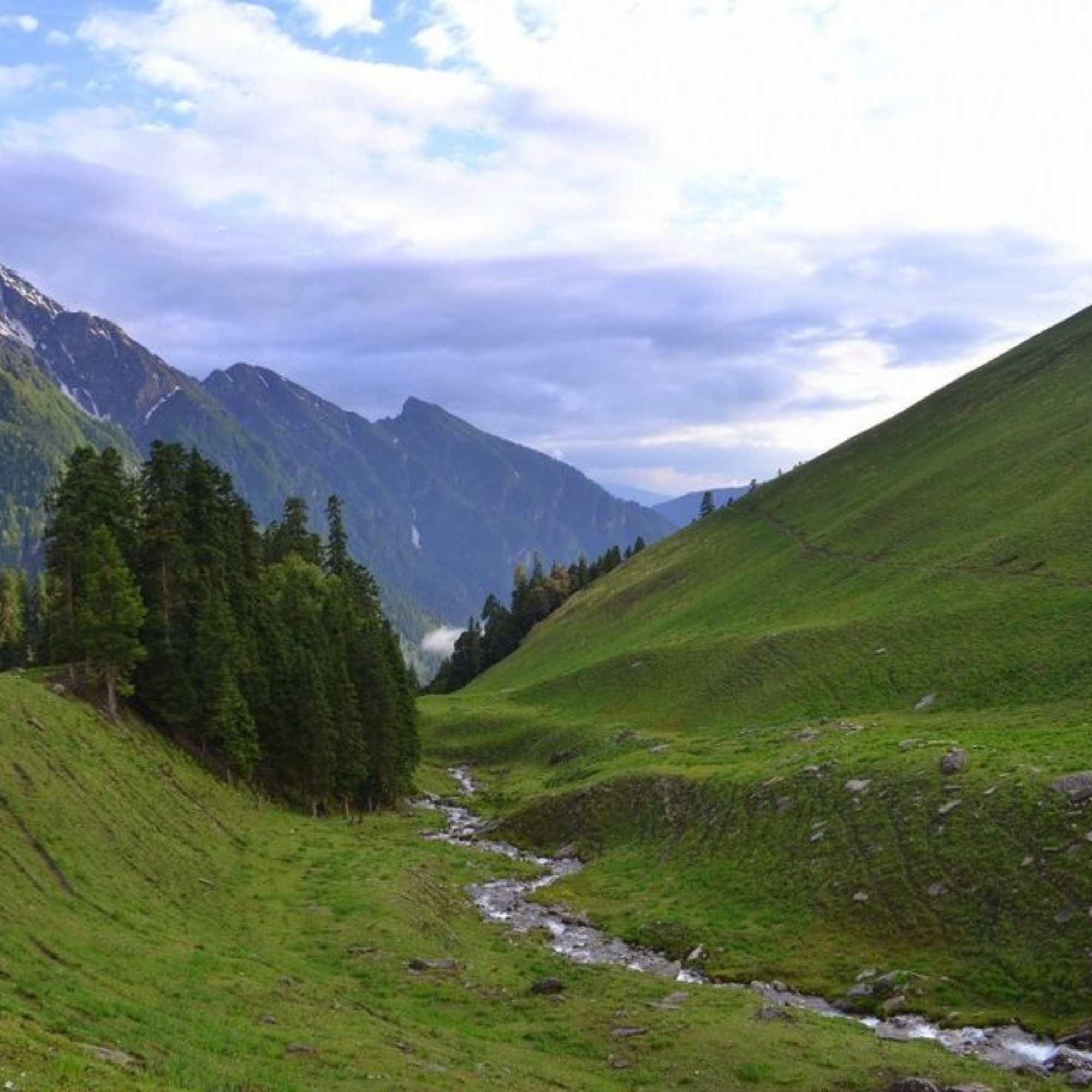
This is apple country with a road-trip soul. Rohru makes a solid base, and the scenery through the apple belt is a slow burn of green orchards and river bends.
The big draw is Chanshal Pass, sitting at 3,755 m and about 160 km from Shimla. It is near the Himachal-Uttarakhand border and links the Rohru or Chirgaon side with Dodra Kwar via Larot.
Timing matters a lot here. The Chanshal road is officially open from May to November and stays closed the rest of the year due to snow. The best months are late June, early September, September and October.
Do not make Chanshal a tight one-day dash from Shimla. The pass is high, the road is long, and the weather flips fast.
Build a weather buffer day into this trip. We have seen couples turn back from the pass simply because they boxed themselves into a rigid schedule with no room for a bad-weather day.
Which offbeat Himachal circuit is most romantic for mountain views?
For sheer drama, nothing in this list beats Kinnaur. Wooden villages, glacier-fed rivers, and peaks that sit right in your face.
Sangla, Rakchham, Chitkul and Kalpa
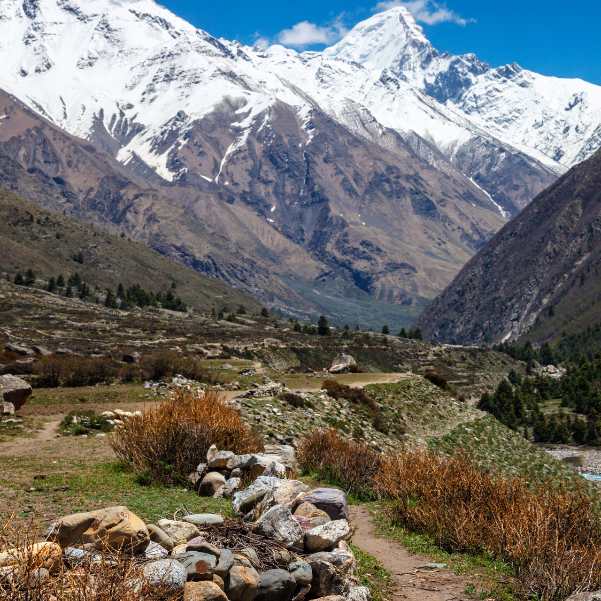
Sangla sits at 2,621 m on the right bank of the Baspa River, 17 km from Karcham. The old wooden homes and the river running through give it a storybook feel.
From Sangla you move up to Rakchham and then Chitkul, which is 10 km from Rakchham and around 11,000 ft high. The official district page calls Chitkul the last village of Sangla Tehsil, and it truly feels like the end of the road.
Kalpa is the other gem, at 2,759 m, 260 km from Shimla, and 14 km from Reckong Peo. Wake up early here and you get Kinner Kailash glowing at sunrise right across the valley.
A timing tip from us. In Kalpa, be up and out before sunrise. The first light hitting the Kinner Kailash range is a completely different scene from the flat midday view, and most couples sleep right through it.
Kinnaur deserves 5 to 7 days, not a rushed weekend. The distances are long and the roads are slow, so cramming it ruins the calm.
Here is your 2026 road check. An April 2026 report flagged poor condition on the Dhalli-Narkanda and Theog-Narkanda stretch of the Shimla-Narkanda-Rampur approach. Confirm current road status before you travel this way.
For a planned route through this belt, our Kinnaur tour packages build in the right number of days and halts.
Looking for more scenic routes like Kinnaur? Browse our Offbeat Himachal tour packages for handpicked offbeat experiences across the state.
Which short offbeat escape works near Shimla?
Not every couple has a week. If you want quiet without a long drive, stay close to Shimla and keep it short.
Mashobra, Naldehra, Thanedar and Narkanda
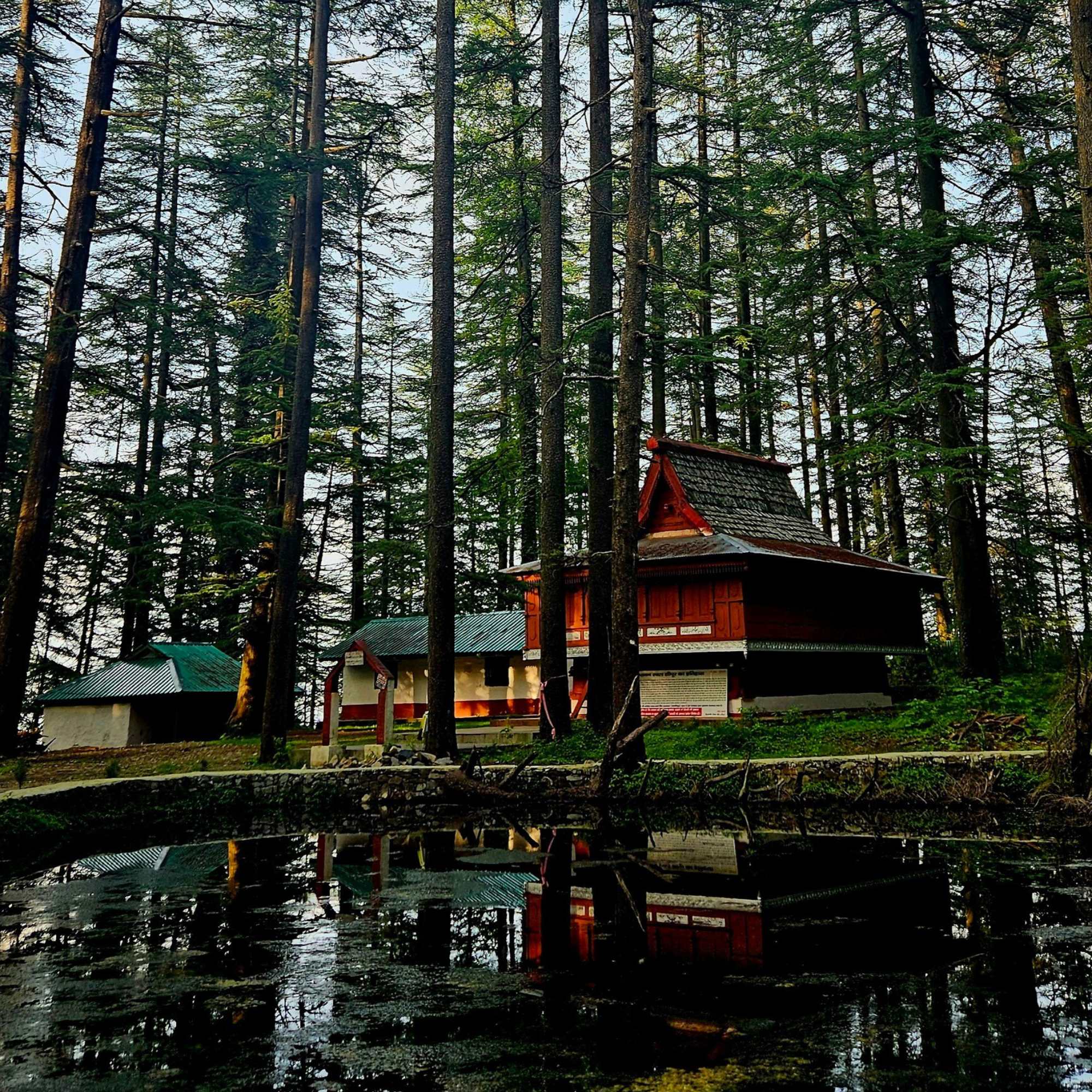
These spots work for a 2 to 4 day break when a long road trip is off the table.
Mashobra is around 13 km from Shimla and about 2,146 m high, based on a travel feature. It is green, quiet, and an easy first stop.
Narkanda sits at 2,708 m, or 8,500 ft, and is around 60 to 65 km from Shimla, because official sources give slightly different numbers. It stays cool and uncrowded most of the year.
If you go in winter, Narkanda skiing runs January to March with instructors on hand. It is one of the few easy ski spots for beginners in the state.
Above Narkanda is Hatu Peak, 8 km away and 3,300 m high, with big open views. Kotgarh and Thanedhar are 17 km from Narkanda by link road, deep in apple country.
Here is a skip-this from us. Do not waste a paid stop at a crowded "viewpoint" café near Shimla on the way up. The views from Hatu Peak and the Thanedhar orchard roads are better and free.
This whole belt is best for 2 to 4 days. Pair it with our Shimla tour packages if you want a smooth, short couple trip.
What is the best time to visit offbeat Himachal for couples?
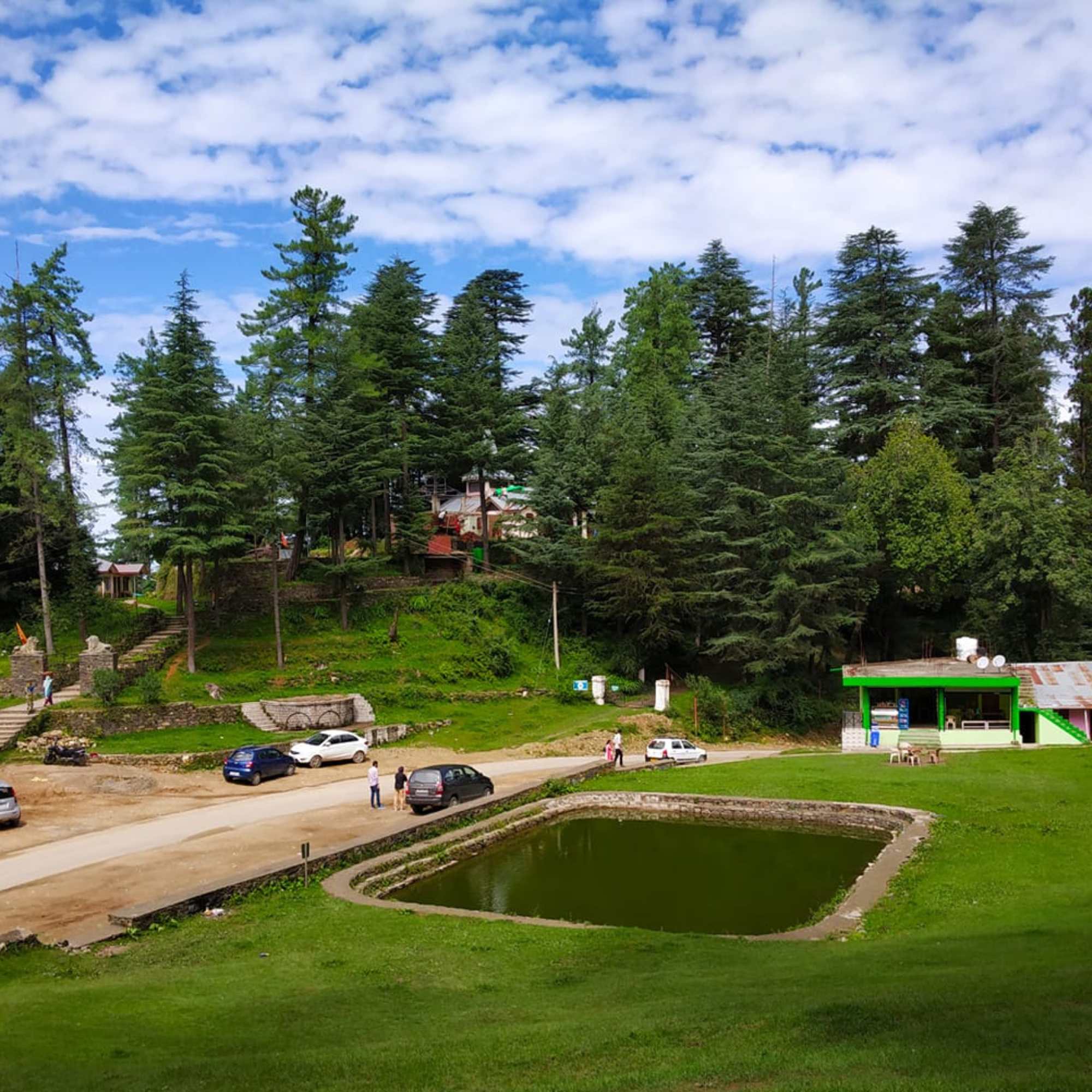
There is no single perfect month. It depends on the valley and what you want from it.
March to June
It gives pleasant weather across most valleys. Days are warm, evenings are cool, and the lower routes are easy.
September to November
It brings clearer skies and crisp air after the rain clears. This is our favourite window for mountain views in Kinnaur.
December to February
It is for snow lovers, but only in the accessible regions like Narkanda. Deep valleys and high passes shut down.
July to August
It is monsoon, so travel with caution. Landslides and road damage are real risks on these routes.
Remember that high passes like Chanshal are seasonal and closed for half the year. And GHNP winter areas may be cut off by snow, with the park advising you to check current conditions before travel.
How many days do couples need for offbeat Himachal?
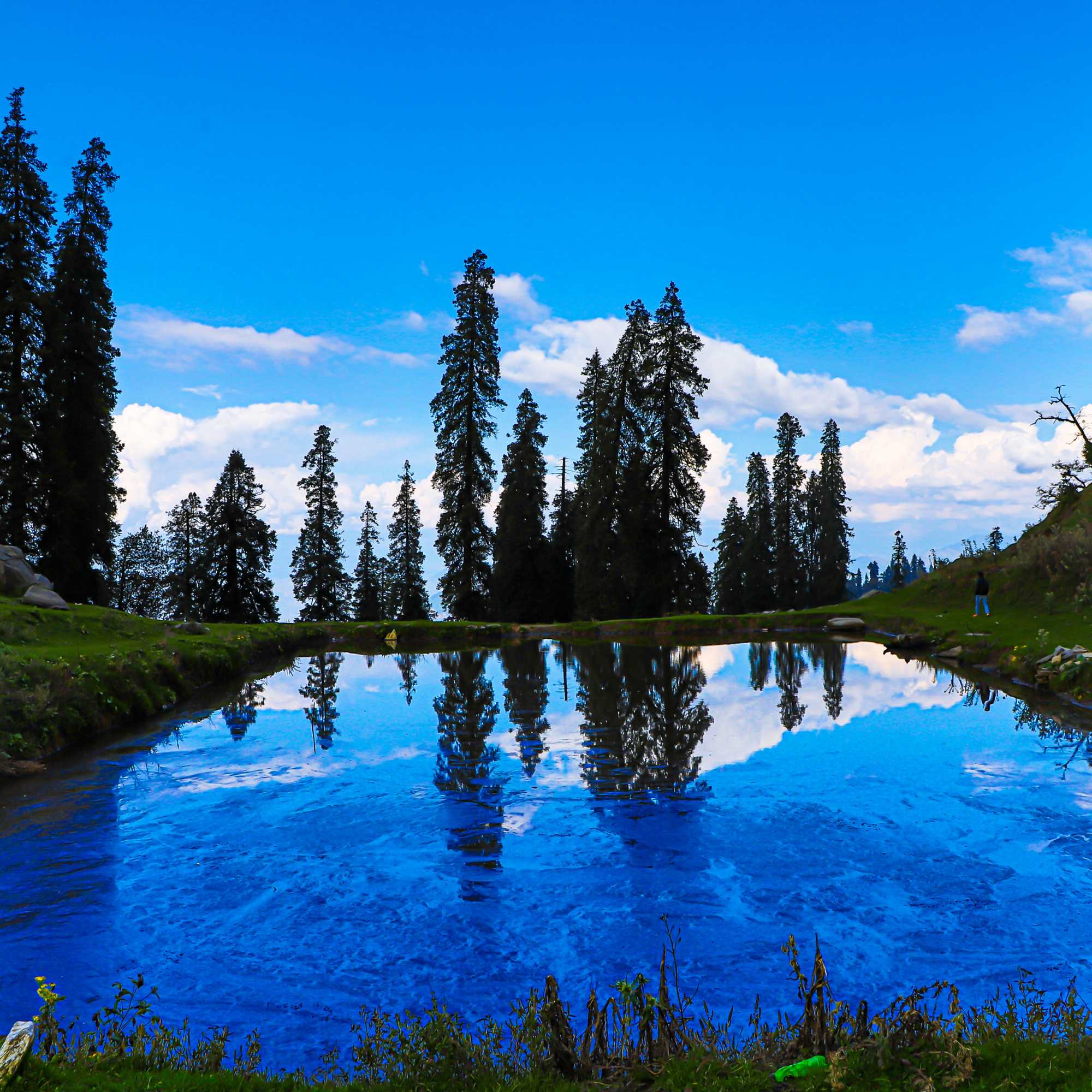
Match the trip length to the valley. Forcing a far valley into a short trip is the fastest way to ruin it.
2 to 3 days
Stick close to your start point. Mashobra or Narkanda from Shimla, or Barot or Chindi if you are coming from the Mandi side.
4 to 5 days
This is the sweet spot for Tirthan, Jibhi and Shoja, or the Karsog, Chindi and Janjehli orchard loop. Enough time to settle in and slow down.
6 to 7 days
Save the big ones for a full week. Kinnaur or the Pabbar and Chanshal circuit, always with a buffer day built in.
What permits, fees and road checks are needed in 2026?
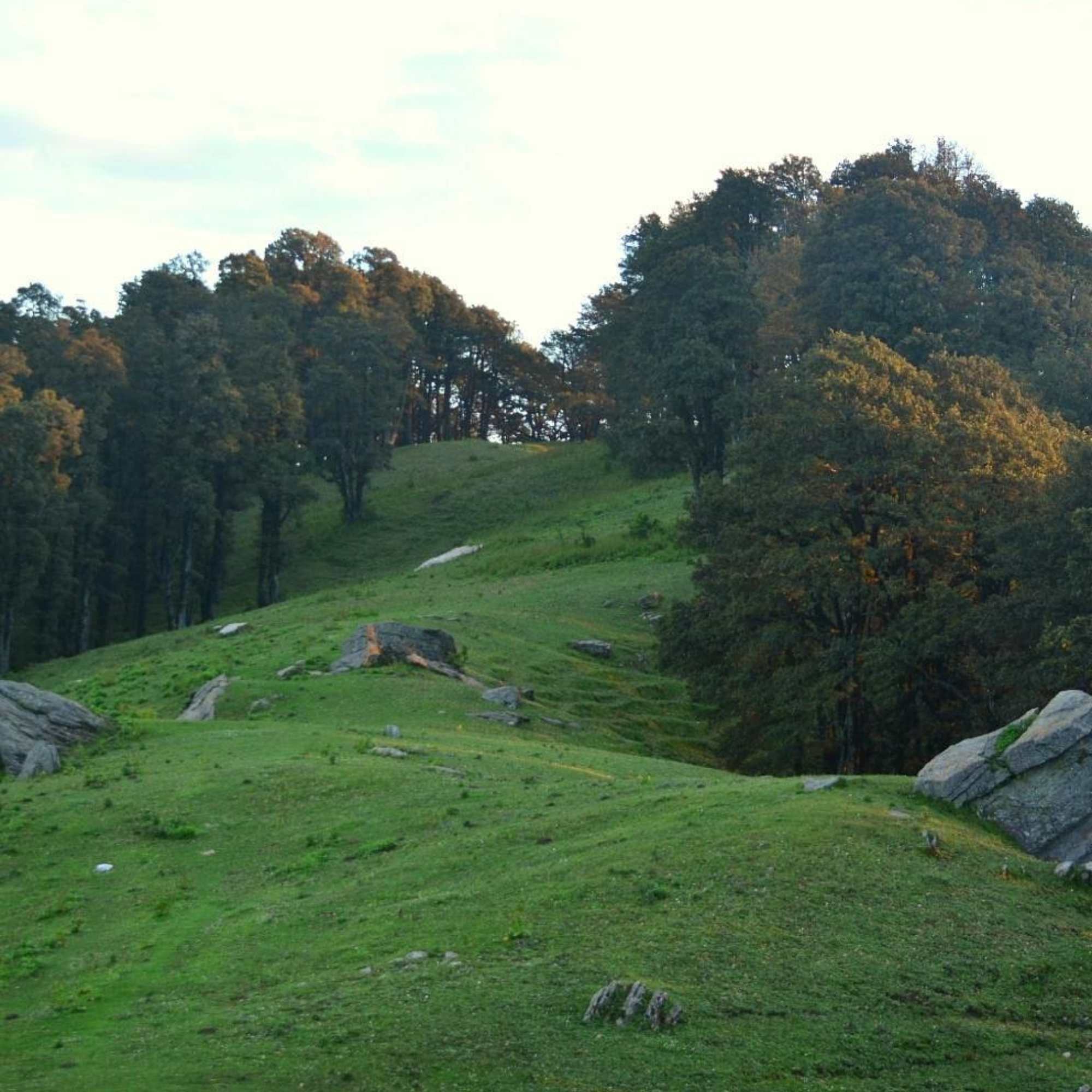
Most of these valleys need no permit at all. The exceptions are the GHNP core zone and a couple of seasonal road checks.
For GHNP, you only need a permit to enter the core zone. You can get it at Shamshi, Shairopa and Ropa.
GHNP says to check the latest fees directly with park authorities. June 2026 reports mention Himachal wildlife entry fees of ₹300 for Indian visitors and ₹600 for foreign visitors for the first three days, with higher charges after that. For GHNP specifically, verify the exact application locally before you go.
If you plan to fly a drone in any sanctuary area, you need prior permission. Do not assume it is allowed.
For roads, remember the Chanshal season is May to November, and recheck the Dhalli-Narkanda and Theog-Narkanda stretch in Kinnaur before travel.
A Rohtang permit is a separate Manali-side issue. You do not need it for most routes in this article, only if you decide to add Rohtang or extend toward Manali.
If you want to stretch the trip into a bigger Himalayan loop, look at our Spiti Valley road trip extension.
Where should couples stay in offbeat Himachal?
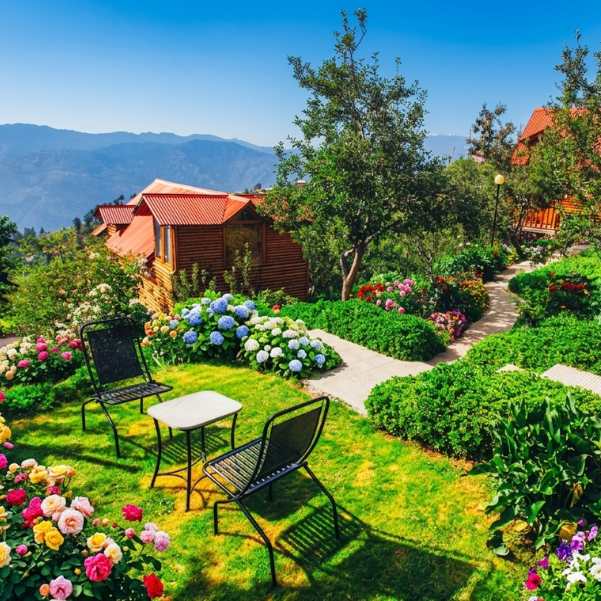
Your stay makes or breaks an offbeat couple trip. The valley sets the mood, but the room is where you spend the evenings.
Your options range from riverside cottages and orchard homestays to boutique mountain stays, simple village guesthouses, and remote forest rest-house style stays.
Before you book, confirm the basics. Ask about heating, a private washroom, parking, meal availability, power backup, the approach road, and whether the property is couple-friendly.
These questions matter more than photos. A pretty room with no heating at altitude is a cold, unhappy night.
For unmarried couples, carry valid government IDs and book verified properties. Stick to stays with real reviews and a host you can reach on phone before arrival.
One money tip
Book directly with verified village homestays and arrange one local driver for the whole circuit instead of day-by-day taxis. Couples who do this almost always pay less than those who book everything piecemeal online.
Suggested offbeat Himachal itineraries for couples
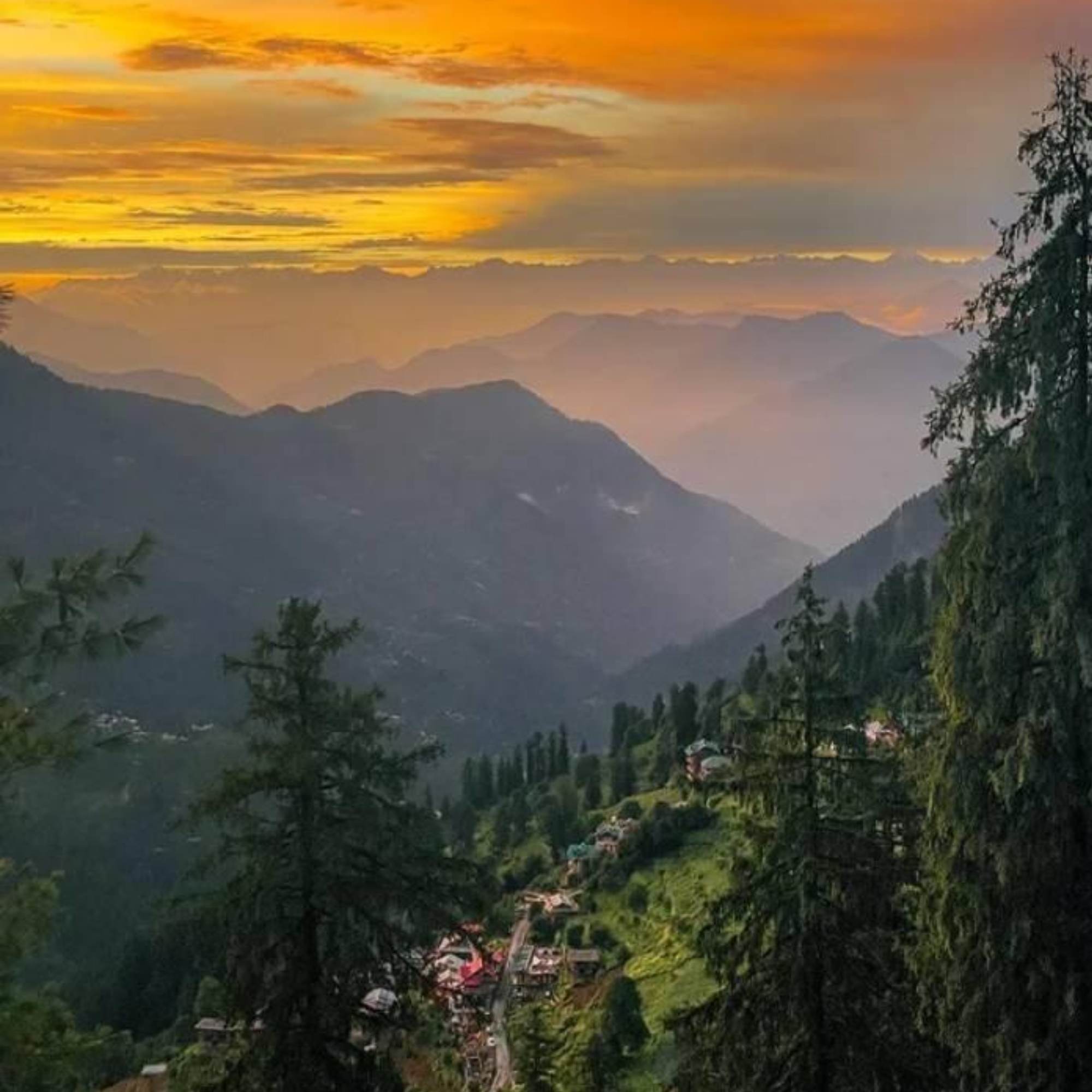
Here are a few routes we actually run, shaped around how couples like to travel.
3 nights in Tirthan, Jibhi and Shoja
Arrive and settle into a riverside stay in Tirthan. Spend the next day doing river time, a forest walk, and fresh trout.
Move up to Jibhi and Shoja for a slow mountain day, with a weather-dependent run toward Jalori if conditions allow. Return on the last day.
3 nights in Barot and the Bir or Mandi side
Base yourself in Barot for a slow riverside stay with trout, forest walks, and quiet evenings.
If you have an extra day, extend toward the Bir or Mandi side on the way back. Confirm road timings locally rather than guessing distances.
4 nights in Karsog, Chindi and Janjehli
Drive through orchards and forest roads into the Karsog belt. Spend your days on temple visits, slow village walks, and the climb toward Shikari Devi.
Keep one eye on the weather for the higher Shikari Devi stretch, especially outside summer.
5 to 6 nights in Kinnaur
Start with a halt at Shimla or Narkanda to break the drive. Then move into Sangla, Rakchham, and Chitkul along the Baspa.
Finish with Kalpa for the Kinner Kailash sunrise, and keep a buffer day for the long return.
5 to 6 nights in Pabbar and Chanshal
Set up your base at Rohru in the apple belt. Plan the Chanshal day with a clear weather buffer, since the pass is high and unpredictable.
Then take a slow, relaxed route back rather than rushing the descent.
>>Want a relaxed trip with everything planned? Talk to us on WhatsApp.
Final recommendation: which valley should you pick?
For first-time couples, go with Tirthan, Jibhi and Shoja. Easy roads, riverside calm, low stress.
For pure silence, pick Sainj and Shangarh. Just confirm your vehicle can handle the Ropa road first.
For riverside slow travel, Barot is the one. River sounds, trout, and nothing to rush for.
For orchard romance, choose Karsog, Chindi and Thanedar. Soft, green, and gentle.
For adventure, take on Pabbar and Chanshal, with a weather buffer locked in.
For grand mountain views, Kinnaur wins every time, but give it a full week.
For a short easy trip near Shimla, Mashobra or Narkanda does the job in a few days.
Want to turn these ideas into a complete itinerary? Check out our Offbeat Himachal tour packages for route suggestions, stay options and travel planning.
Explore Our Curated Offbeat Himachal Tour Packages
 Group Tour5D/4N
Sainj Valley and Shangarh Group Trip
3D Shangarh
₹8,499₹12,499SAVE INR 4,000/ person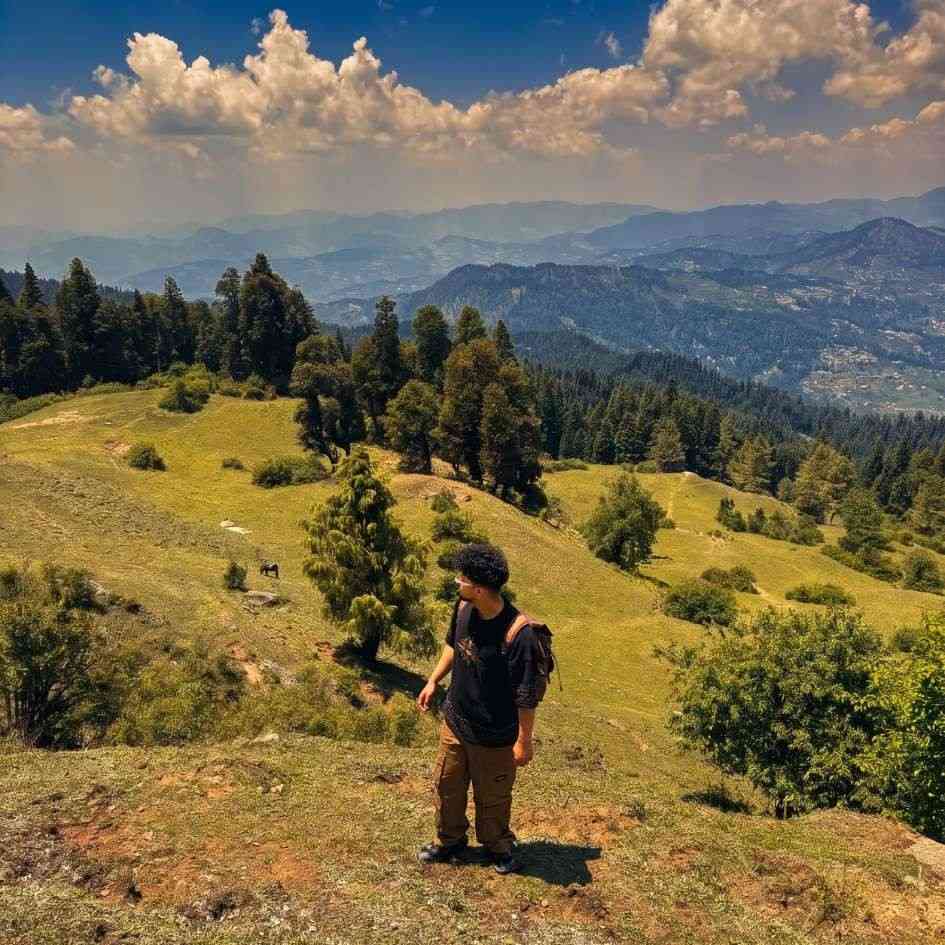 Group Tour5D/4N
Chanshal Pass Weekend Group Trip With Giri Ganga and Kuppar Bugyal
1D Kharapathar / Kotkhai•1D Rohru / Chirgaon (Pabbar Valley)
₹8,999₹12,999SAVE INR 4,000/ person Group Tour6D/5N
Best Jibhi Tirthan Valley Tour With Shangarh Meadows
2D Tirthan Valley•1D Shangarh (Sainj Valley)
₹9,999₹12,999SAVE INR 3,000/ person
Related topics
Frequently Asked Questions
Which is the best offbeat place in Himachal for couples?
Tirthan and Jibhi are the easiest and most popular picks. They give you riverside calm, simple stays, and gentle roads, which is ideal for a first offbeat couple trip.
Which Himachal valley is best for honeymoon couples?
For comfort and calm, Tirthan and Shoja work beautifully. For dramatic views, Kinnaur with Sangla, Chitkul and Kalpa is hard to beat if you have a full week.
Is Tirthan Valley good for couples?
Yes. It is one of the best offbeat Himachal spots for couples, with riverside cottages, fresh trout, forest walks, and a slow pace that suits a quiet break.
Is Jibhi safe for couples?
Yes, Jibhi is a calm, low-key village that couples find easy and comfortable. Stick to verified stays and carry valid IDs, as you would anywhere.
Where can couples go in Himachal other than Manali and Shimla?
Tirthan, Jibhi, Shoja, Sainj, Shangarh, Barot, Karsog, Chindi, Rohru, Chanshal, and the Kinnaur belt of Sangla, Chitkul and Kalpa are all strong offbeat options.
Which is the least crowded place in Himachal Pradesh?
Sainj Valley and Shangarh are among the quietest, with very few cafés and little tourist traffic. The Ropa to Shangarh road keeps casual crowds away.
Is Kinnaur good for couples?
Yes, Kinnaur is one of the most scenic offbeat circuits for couples. Plan 5 to 7 days, not a rushed weekend, because the roads are slow and the distances are long.
How many days are enough for an offbeat Himachal couple trip?
Two to three days for a short escape near Shimla, four to five for Tirthan or Karsog, and six to seven for Kinnaur or Pabbar and Chanshal.
What is the best time to visit offbeat Himachal?
March to June for pleasant weather, September to November for clear skies and views. Avoid heavy monsoon in July and August, and remember high passes like Chanshal are seasonal.
Do we need permits for Tirthan or Sainj Valley?
You only need a GHNP core-zone permit if you enter the park's core zone. Permits are issued at Shamshi, Shairopa in Tirthan, and Ropa in Sainj.
Do we need a permit for Chanshal Pass?
There is no special permit for Chanshal, but the road is only open May to November and closed the rest of the year due to snow. Check current road status before you go.
Can unmarried couples stay in Himachal homestays?
Many homestays welcome couples. Carry valid government IDs and book verified properties with real reviews, and confirm the couple-friendly policy with the host before arrival.
More about Offbeat Himachal
 Offbeat Himachal
Tirthan, Jibhi & Shangarh Circuit 2026: Best First Offbeat Himachal Trip
Discover the perfect first Himalayan escape with the Tirthan–Jibhi–Shangarh circuit in 2026. From riverside serenity in Tirthan and cozy cafés in Jibhi to the vast meadows of Shangarh near Great Himalayan National Park, this offbeat route offers a blend of nature, easy adventures, and peaceful mountain living without the crowds of mainstream hill stations.
- Itinerary
- First-Time Travellers