
Manali in September 2026: Weather, Clear Views, Road Conditions and Best Itinerary
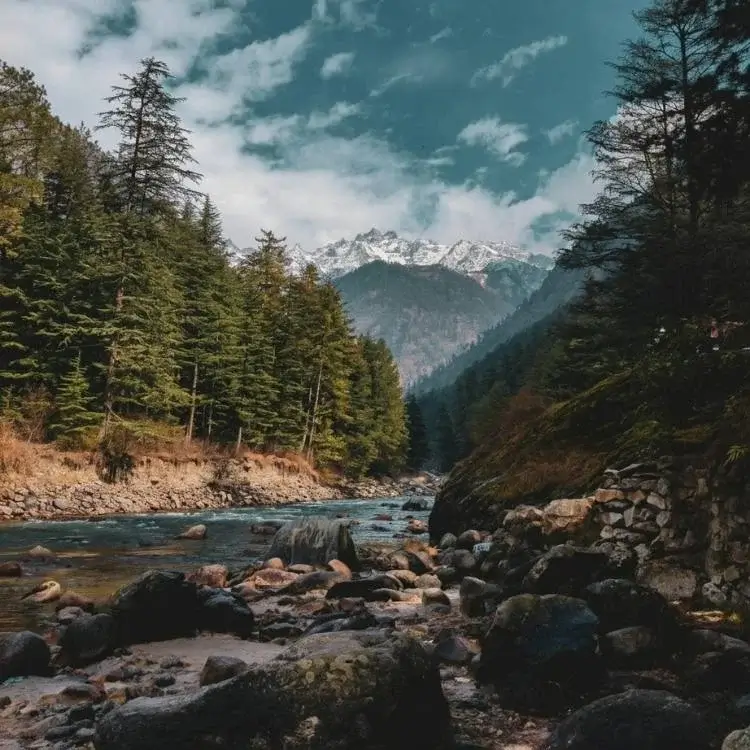
If you are trying to figure out whether Manali in September is worth it, here is the short version. The monsoon starts pulling back, the sky clears up, and those mountain views everyone posts on Instagram finally show up without a wall of clouds in front of them.
We run trips through this valley every season, and September is quietly one of our favourite months to send travellers here.
Quick Answer: Is Manali Good in September?
Yes, September is a good time to visit Manali. The daytime weather stays pleasant, evenings turn cooler, and the crowds thin out after the summer rush.
Post-monsoon skies mean you get clearer mountain views than most other months. You will want light woollens for the evenings.
The one thing to watch is road conditions, especially on higher routes. These change fast in the mountains, so check closer to your travel dates.
What Most Tourists Get Wrong About September
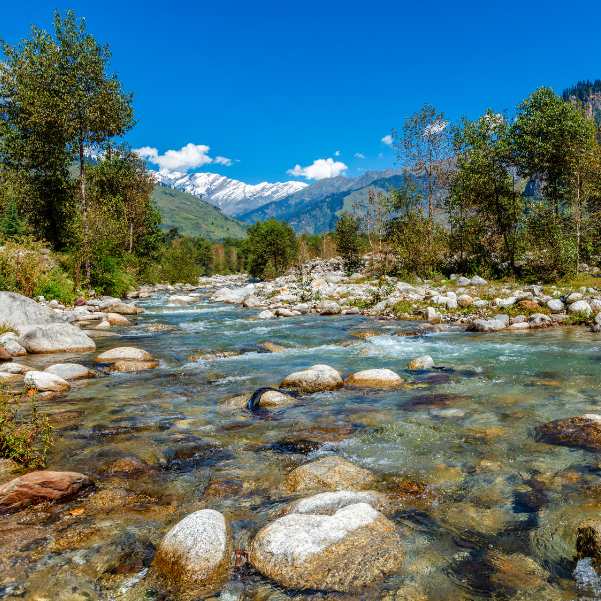
Most people assume September is still full monsoon and cancel the idea completely.
The truth is early September can still get rain, but by mid to late September the weather settles beautifully. That is the sweet spot most travellers miss.
In our experience, the travellers who book for the second half of September get the best of both worlds. Fewer people, clean air, and views that summer visitors never see through the haze.
If you want the full logistics handled while you just enjoy these views, our Manali tour packages come with a local driver and stays we have actually checked ourselves.
Manali Weather in September
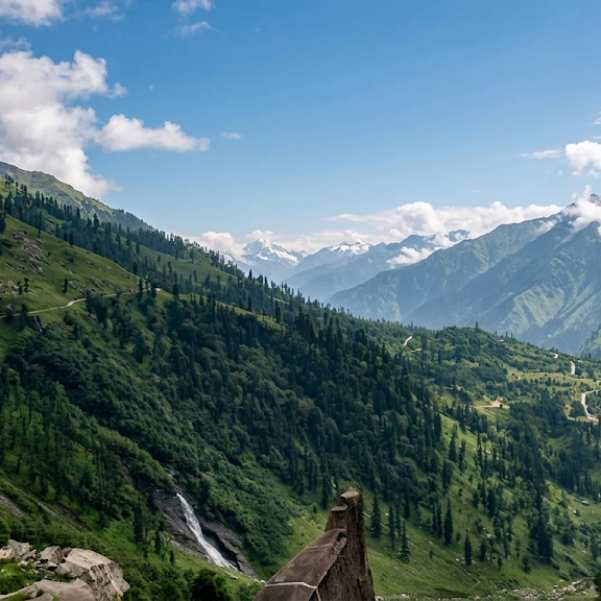
Manali weather in September shifts from wet to crisp as the month goes on.
Early September still carries some monsoon moisture. You might get an afternoon shower or a cloudy morning that clears by noon.
By the third week, the rain mostly stops. The air feels fresh and dry, and the sun feels warm without being harsh.
One thing you learn quickly here: Manali weather changes quickly because of the Himalayan altitude. A sunny morning can turn grey in an hour, then clear again just as fast.
Do not let a cloudy start ruin your plans. Wait it out with a chai and things usually open up.
The Day and Night Difference
Daytime feels comfortable. You can walk around in a t-shirt and a light layer when the sun is out.
The moment the sun drops behind the ridge, the cold rushes in. This catches people off guard every single time.
Carry light woollens. A fleece or a light jacket handles September evenings well. You will not need heavy down gear this month.
Manali Temperature in September
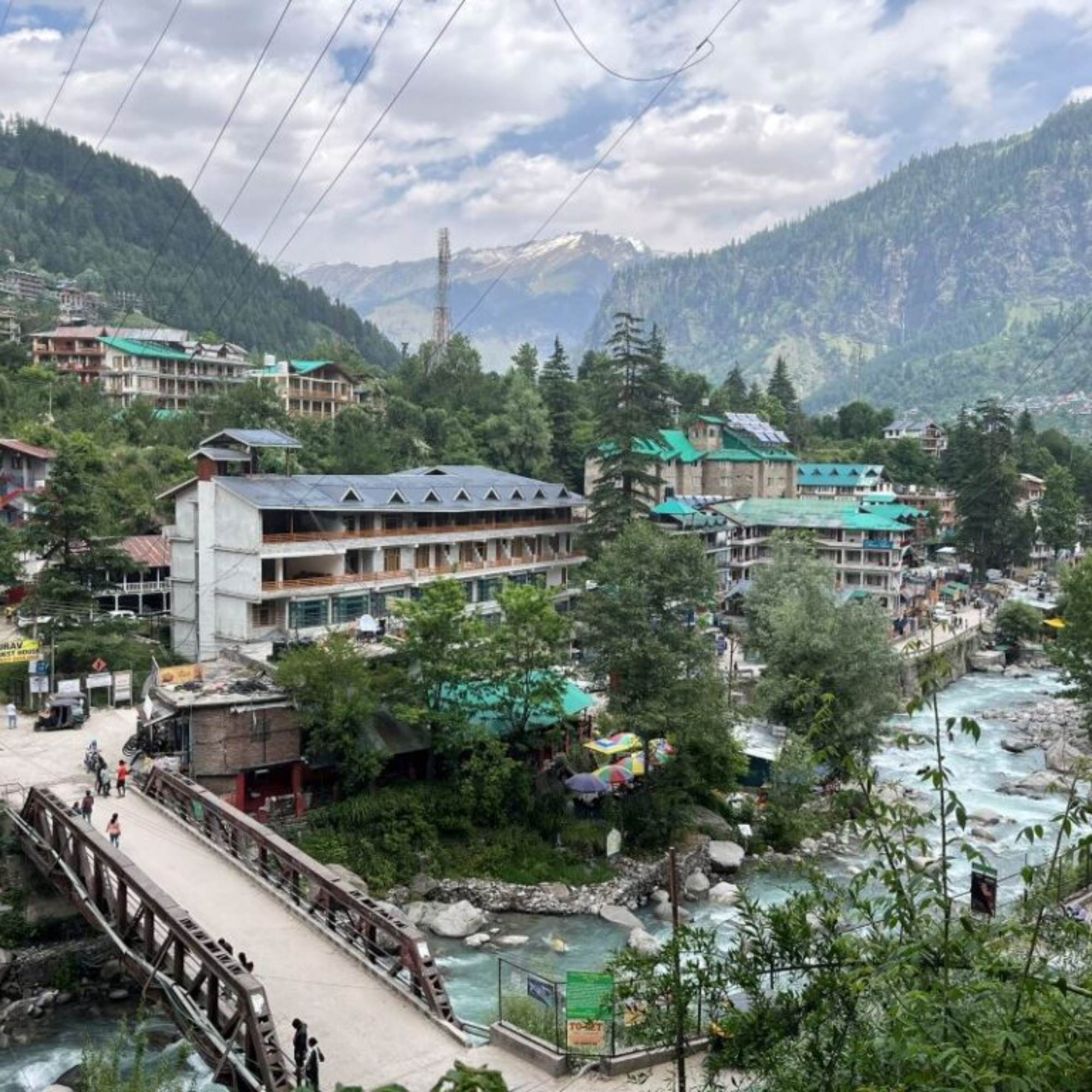
Manali temperature in September stays in a pleasant range for most of the day.
The days are mild and the evenings are cool. Nights get cold enough that you will want that extra layer, especially if you head to higher spots like Solang or Sissu.
What we always tell our travellers is to pack for two different climates in the same day. Warm sun by afternoon, cold air by night. That is just how the mountains work here.
Clear Mountain Views: The Real September Bonus
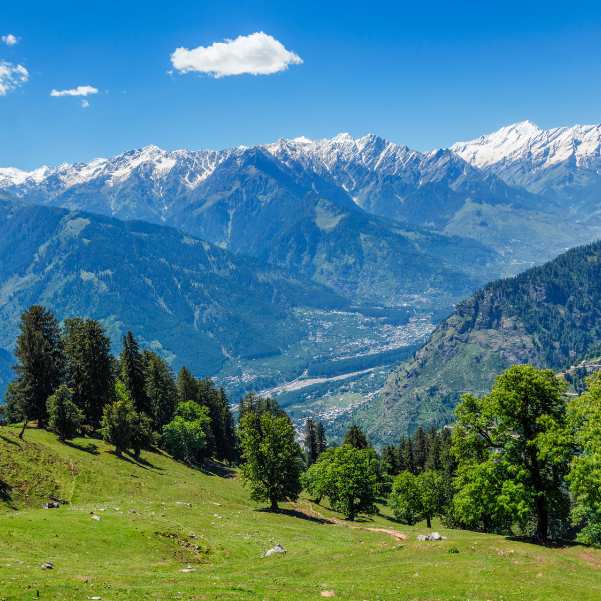
This is the reason we love September so much.
During summer, haze and dust hang in the air and blur the peaks. During peak monsoon, clouds hide them completely.
September clears all of that out. The rain washes the dust away, and on a good day you can see snow-lined peaks standing sharp against a deep blue sky.
Our drivers always say the best views come the morning after a night of light rain. The air gets scrubbed clean and everything looks painted.
Reach any viewpoint before 9 AM for the clearest shot. By late morning, a little haze can build up again as the valley warms.
Road Conditions in September
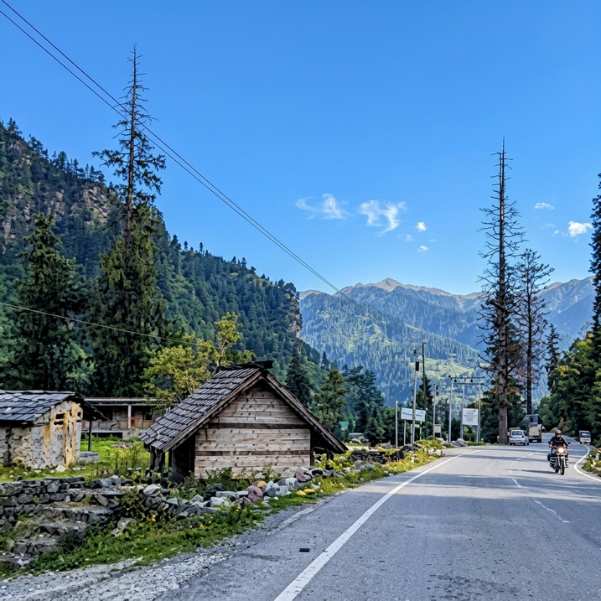
Here is the honest part. September roads in the main valley are usually fine, but the mountains do not follow a schedule.
The monsoon tail end can still trigger a landslide or a rockfall on higher routes. This is real and you should plan around it, not ignore it.
Roads inside Manali town and to nearby spots like Solang and Naggar stay accessible in normal conditions. The higher passes and long-distance routes are where you need to be careful.
You must check road conditions closer to your travel dates. A route that is open this week can close for a day after heavy overnight rain.
The Atal Tunnel Advantage
The Atal Tunnel changed travel in this region completely.
It cut hours off the old Rohtang route and opened up quick access to the Lahaul side. Getting to Sissu for a day trip became genuinely easy.
The tunnel usually stays open, but like everything here, weather on the Lahaul side can affect access. Check before you go if you plan to cross over.
If Sissu is on your list, we broke down the whole area in our Sissu travel guide.
Places to Visit in Manali in September
There are plenty of places to visit in Manali in September, and the clear weather makes all of them better.
Start with Solang Valley. The green is at its best after the rains, and the paragliding views over the valley are sharp this time of year.
Old Manali is worth a slow morning. The cafes here are calmer once the summer crowd leaves, and you can actually get a table by the river without waiting.
Walk up to the Hadimba Temple early. The cedar forest around it feels cool and quiet before the day-trippers arrive.
Naggar and the Quieter Side
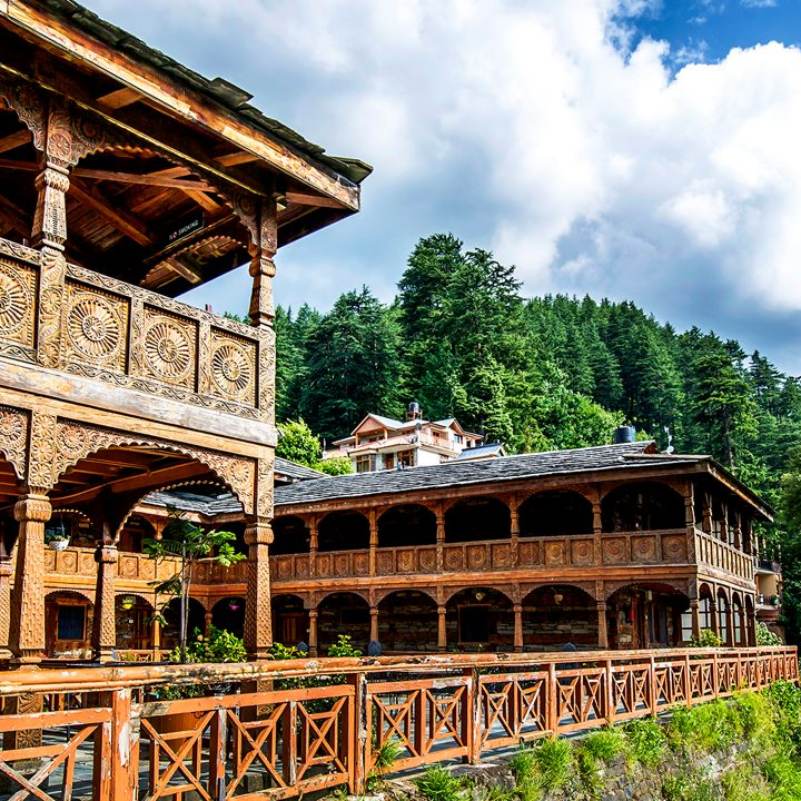
Naggar is a short drive out and most tourists skip it. That is exactly why we send people there.
The old castle, the art gallery, and the slow village feel give you a completely different side of the valley. It is a good half-day escape from the main Mall Road bustle.
Here is a local tip most guides miss. The upper apple orchards around Naggar are heavy with fruit in September. A few farms let you walk through and buy fresh apples straight off the tree. Ask around, the locals are happy to point you.
Sissu and the Lahaul Crossing
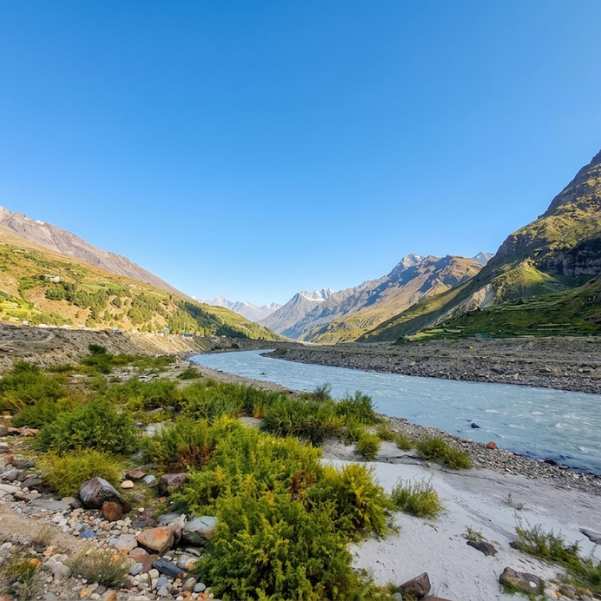
Cross the Atal Tunnel and you reach Sissu, a small settlement with a waterfall and a calm lake.
The landscape changes the moment you exit the tunnel. Green valley on one side, bare brown mountains on the other. It feels like two different countries in twenty minutes.
Sissu makes a perfect day trip in September. The weather on this side is drier and the views are open and wide.
Skip This One
The paid photo spots near some viewpoints charge you for props and setups you do not need.
You get the same view, often better, from the free trails a short walk away. Save that money for a proper meal or a good coffee in Old Manali instead.
A Simple 5-Day Manali Itinerary for September
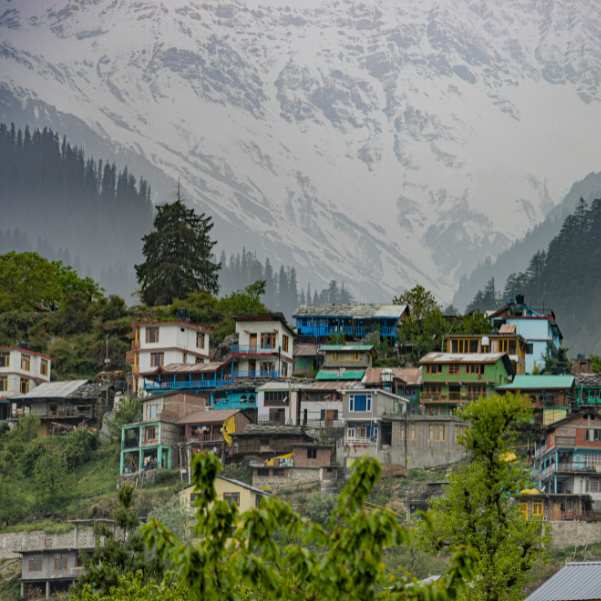
Here is a plan we have refined over many trips. It gives you time to see the valley without rushing.
Day 1
Day 1 is arrival and slow settling in. Rest, walk Mall Road in the evening, and eat well. If you came from the plains, this day helps you adjust.
Day 2
Day 2 is the Solang and Atal Tunnel side. Head to Solang in the morning, then cross to Sissu for the afternoon. Get back before dark.
Day 3
Day 3 goes to Old Manali and Hadimba. Slow morning at a river cafe, temple visit, and time to just wander the lanes.
Day 4
Day 4 is the Naggar day. Visit the castle, walk the orchards, and enjoy the quieter pace away from the crowds.
Day 5
Day 5 is departure, or a buffer day if a road delay pushes your plans around. We always build a buffer for mountain trips, and September is no exception.
If you want to stretch this into something bigger, September is a solid window for the high valleys too. Our Spiti Valley package pairs well with a Manali base if you have extra days.
A Money-Saving Tip Most Agents Will Not Tell You
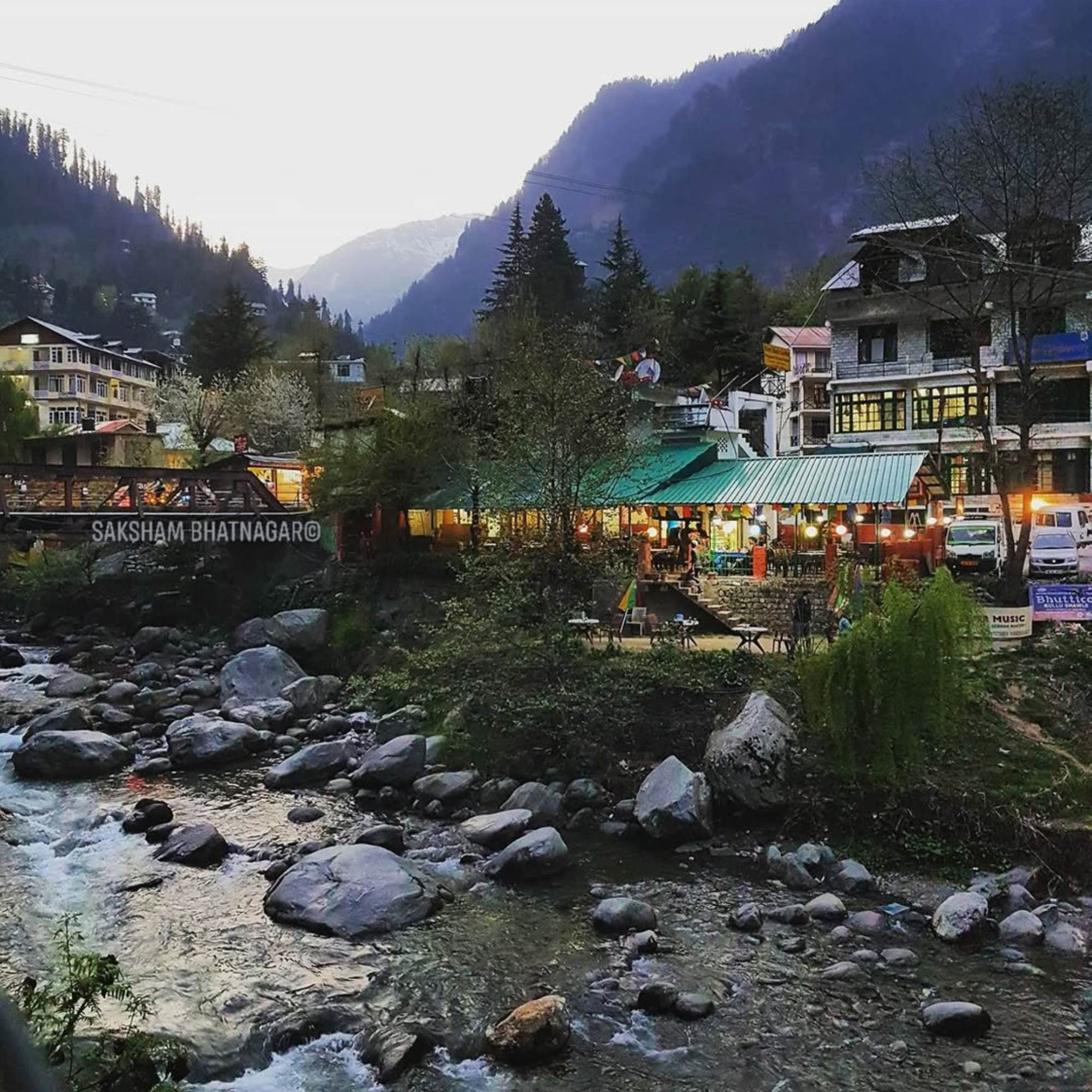
Shared taxis run to Solang and nearby spots at a fraction of what a private cab charges.
If you are a small group or a solo traveller, the local shared jeeps from the taxi stand near Mall Road are cheap and reliable. Most travel agents push you toward the pricey private option because it earns them more.
Decide your fare before you sit in any cab. Fix the number first, then get in. This one habit saves you a lot of arguing later.
Is Manali Crowded in September?
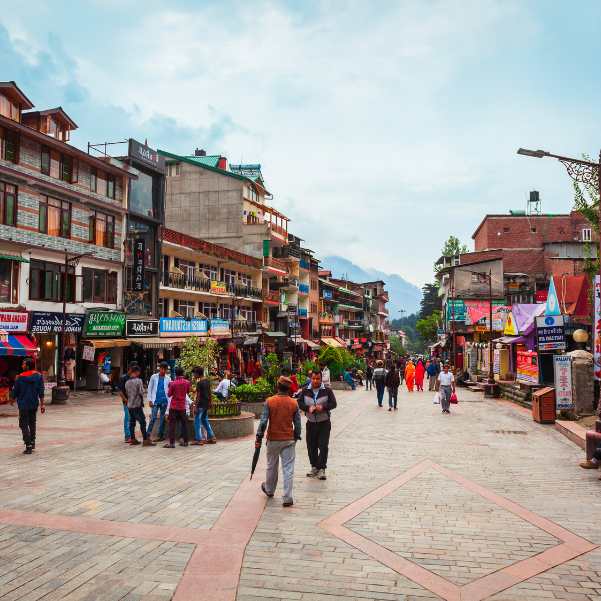
Less than summer, more than winter. September sits in a comfortable middle.
The families and school-holiday crowds have gone home by then. What is left is a calmer mix of couples, solo travellers, and photographers chasing the clear skies.
Weekends still get busy on Mall Road. Plan your outdoor days on weekdays if you want quiet, and save the town for the evenings.
Planning Your September Trip: What We Tell Travellers
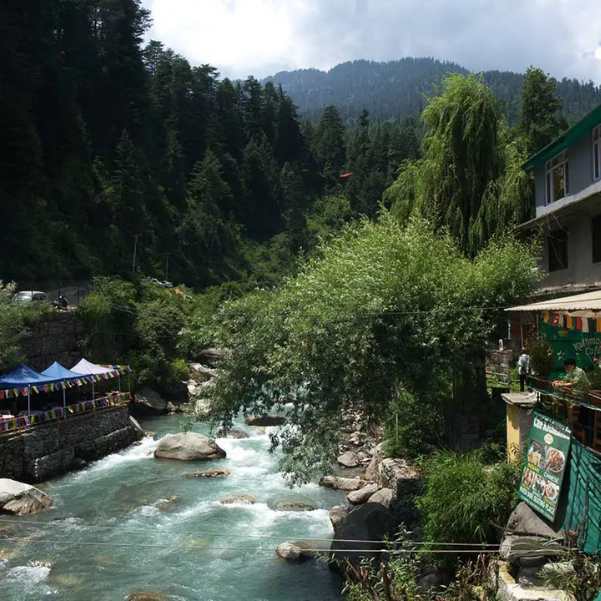
Book your stay a little in advance for the second half of the month. The good riverside places in Old Manali fill up faster than people expect once the weather clears.
Keep your itinerary flexible. A buffer day is not wasted time in the mountains. It is the difference between a relaxed trip and a stressful one when a road delay hits.
Check the weather and road status the morning you plan any higher route. Conditions here change overnight.
What to Pack for Manali in September
Pack for warm days and cold nights. That is the core of it.
Light woollens are your main layer. A fleece and a light jacket handle the evenings well. Carry one waterproof layer too, since early September can still surprise you with rain.
Bring good walking shoes with grip. The trails and old lanes get slippery after a shower. Add sunscreen and sunglasses, because the sun at this altitude is stronger than it feels.
If you would rather have someone sort the details, dates, stays, transport, and a realistic plan, just WhatsApp us. We drive these roads every season and would rather help you plan it right.
Explore Our Curated Manali Tour Packages
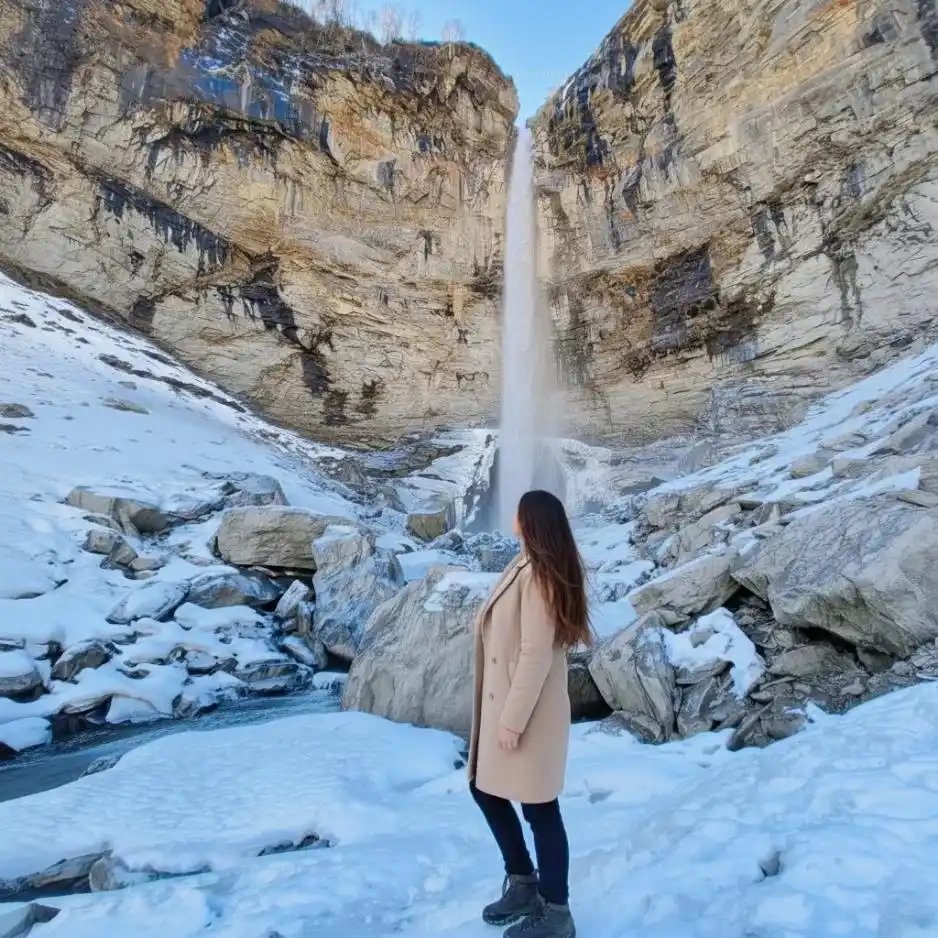 6D/5N
6D/5NManali Solang Sissu Sethan Snow Adventure
1D Delhi•3D Manali+2
₹15,999₹21,999SAVE INR 6,000/ person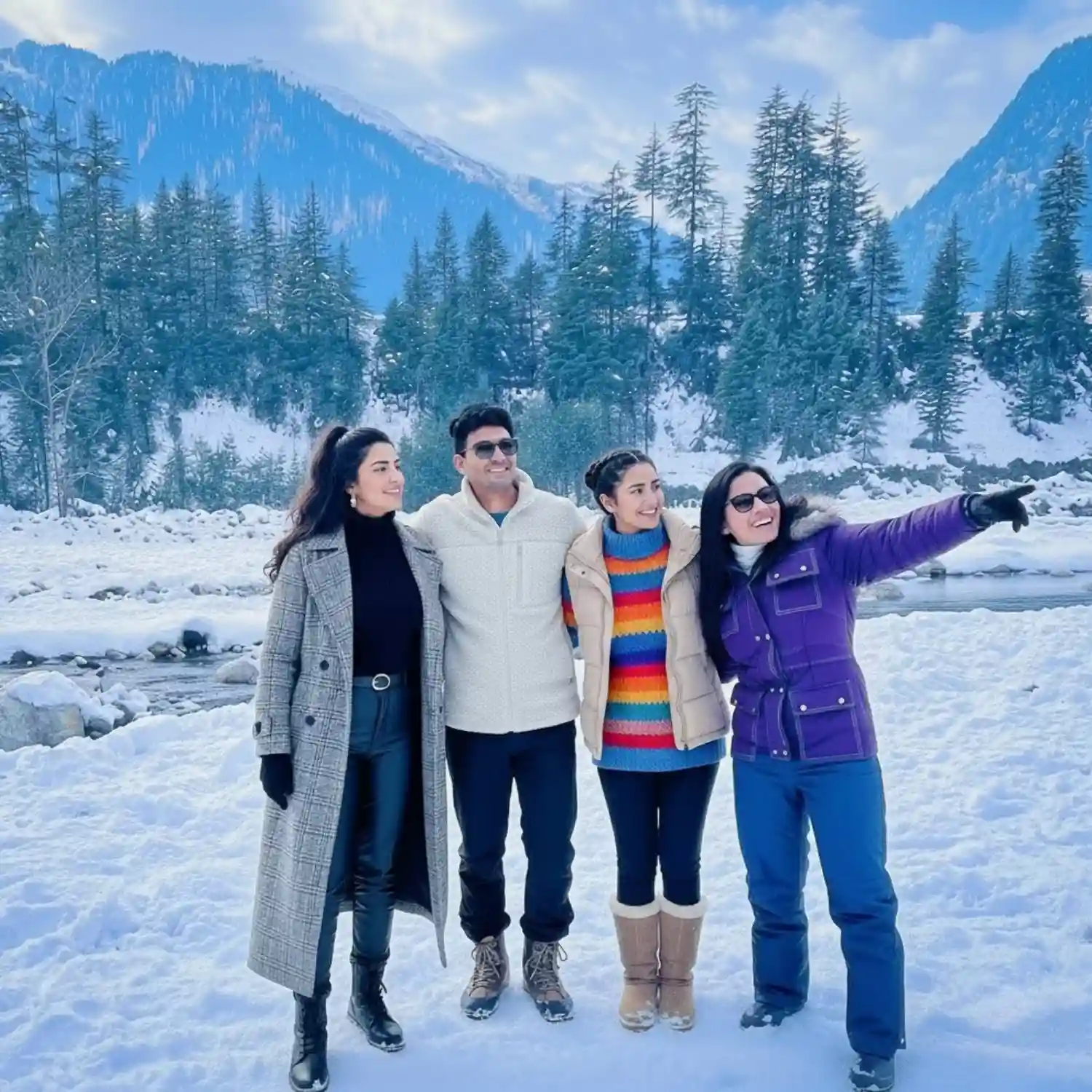 6D/5N
6D/5NManali Solang Sissu Sethan Snow Trip With Kasol
1D Delhi•3D Manali+2
₹25,999₹33,999SAVE INR 8,000/ person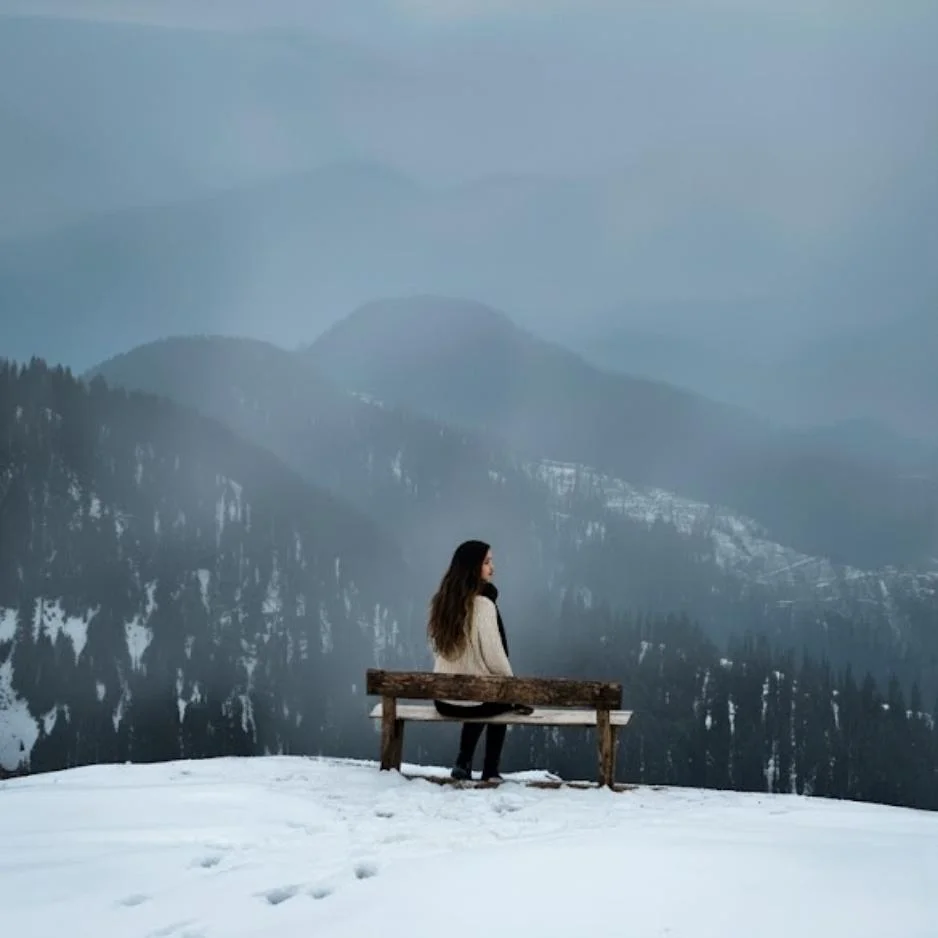 7D/6N
7D/6NManali Kasol Jibhi Valley Trip
1D Delhi•2D Manali+3
₹25,799₹32,999SAVE INR 7,200/ person
Related topics
Frequently Asked Questions
Is September a good time to visit Manali?
Yes. The weather is pleasant during the day, the crowds thin out, and post-monsoon skies give you clearer mountain views than most months.
What is Manali weather in September?
It shifts from wet early in the month to crisp and dry by late September. Days feel warm in the sun, evenings turn cool, and the air is clean after the rains.
What is Manali's temperature in September?
Days are mild and comfortable, nights get cool to cold. You will want light woollens for the evenings.
Does it rain in Manali in September?
Early September can still get some rain as the monsoon pulls back. By mid to late September, rain mostly stops and the weather settles.
Is Manali crowded in September?
Less than the summer months. The holiday crowds have left, so you get a calmer valley. Weekends on Mall Road still get busy.
Which places can I visit in Manali in September?
Solang Valley, Old Manali, Hadimba Temple, Naggar, and a day trip to Sissu across the Atal Tunnel are all good choices this month.
Is the Atal Tunnel open in September?
It usually stays open, which makes Sissu and the Lahaul side easy to reach. Weather on the Lahaul side can affect access, so check before crossing.
Can we see snow in Manali in September?
You can see snow-lined peaks in the distance on clear days. Fresh snow at accessible spots is not typical this month.
How many days are enough for Manali in September?
Five days give you a relaxed trip with time for Solang, Old Manali, Naggar, and a Sissu day, plus a buffer for any road delay.
What should I pack for Manali in September?
Light woollens, a fleece, a light jacket, one waterproof layer, good walking shoes, sunscreen, and sunglasses. Pack for warm days and cold nights.
More about Manali
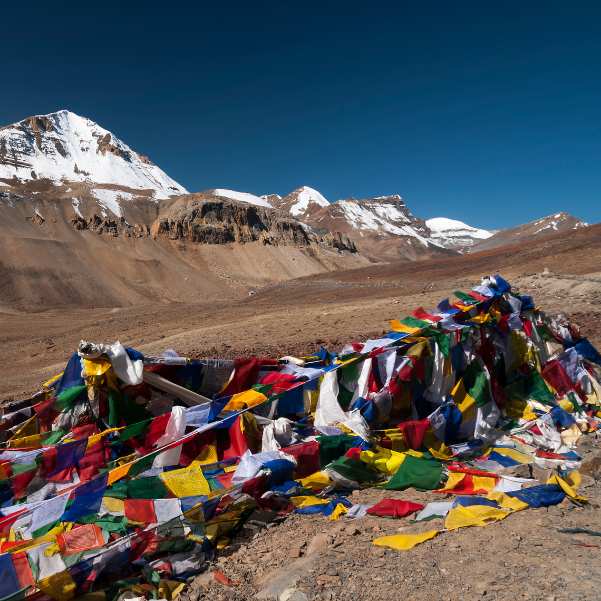 Manali
Baralacha Pass in October 2026: Road Status, Snow, Weather and Safety Guide
Planning to visit Baralacha Pass in October 2026? Get practical information on road status, snowfall chances, weather conditions and travel safety. Understand what to expect on the Manali to Baralacha Pass route and how to prepare for unpredictable October conditions.
- Road Status
- Best Time to Visit
- Manali
Kolkata to Manali Itinerary 2026: 7 Days During Puja Holidays, 17 to 24 October
Planning a Kolkata to Manali trip during the 2026 Puja holidays needs smart timing, especially with long travel sectors and festive crowds. This 7 day itinerary covers the best way to plan Manali from 17 to 24 October, including travel days, sightseeing and practical buffer time.
- Itinerary
- How to Reach
 Manali
Baralacha Pass in September 2026: Weather, Road Status, Snow and Travel Guide
Planning a trip to Baralacha Pass in September 2026? Learn about expected weather, chances of snowfall, road conditions, temperatures, and essential travel tips. This guide helps you plan a safer and better journey to one of the highest mountain passes on the Manali–Leh route.
- Road Status
- Best Time to Visit